
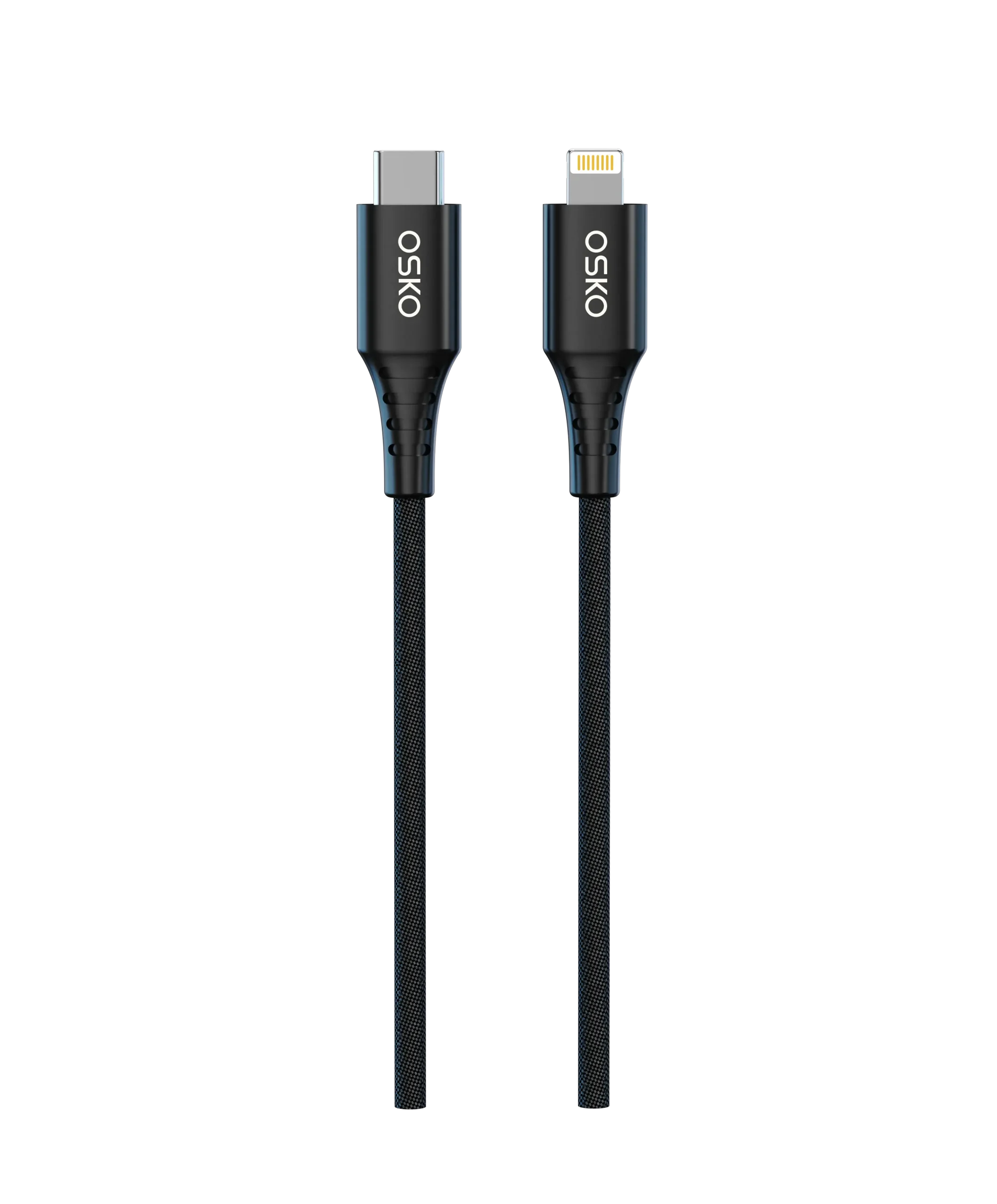
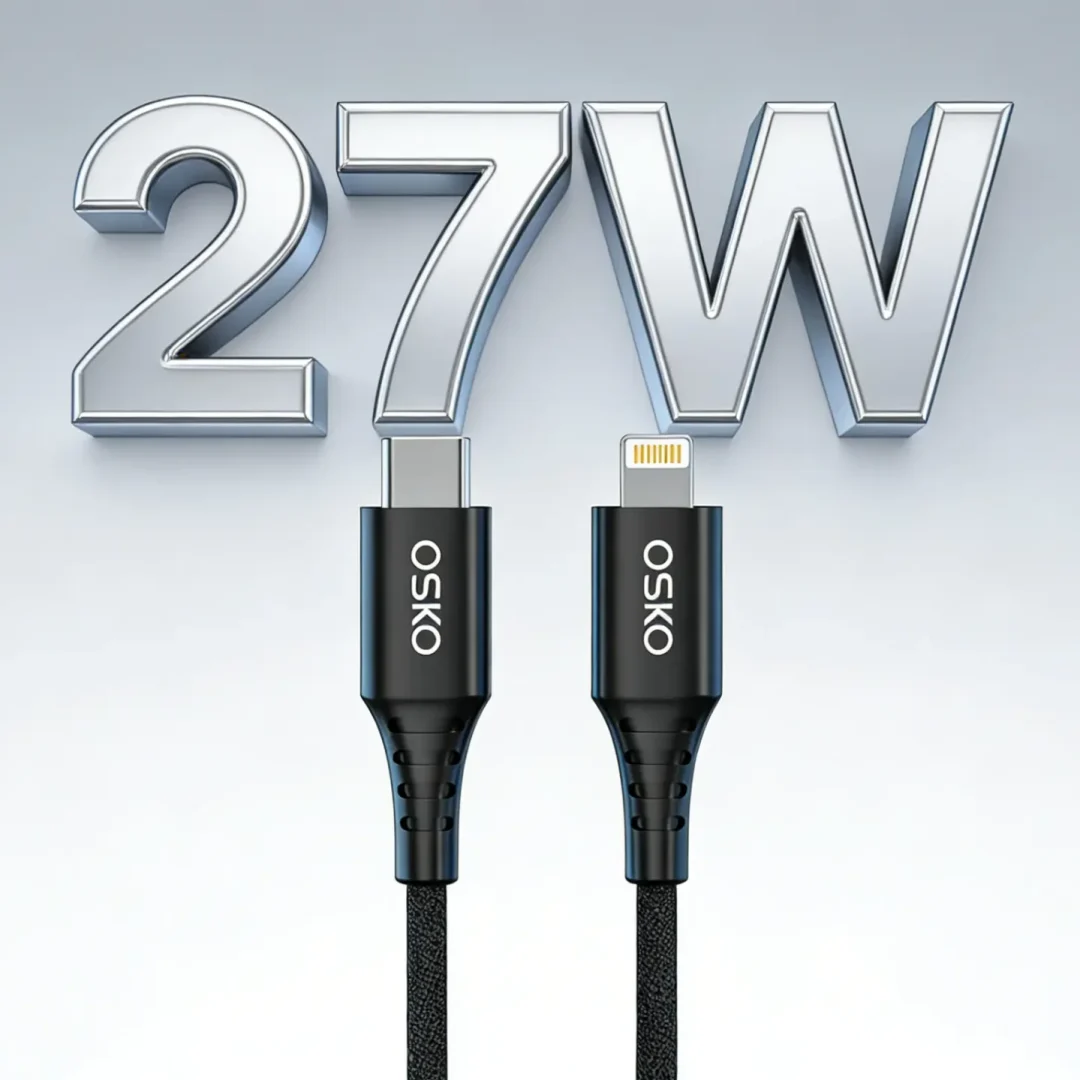
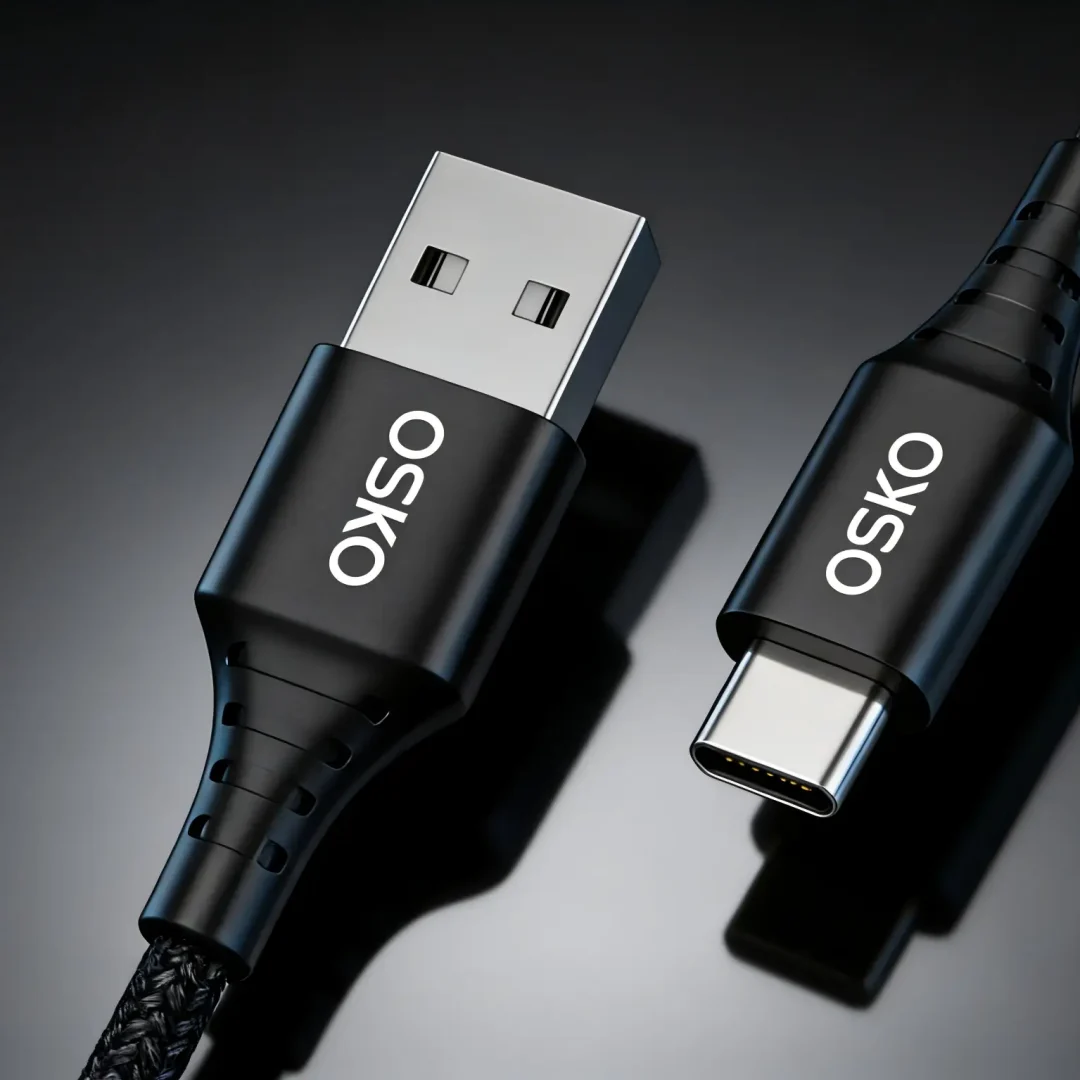
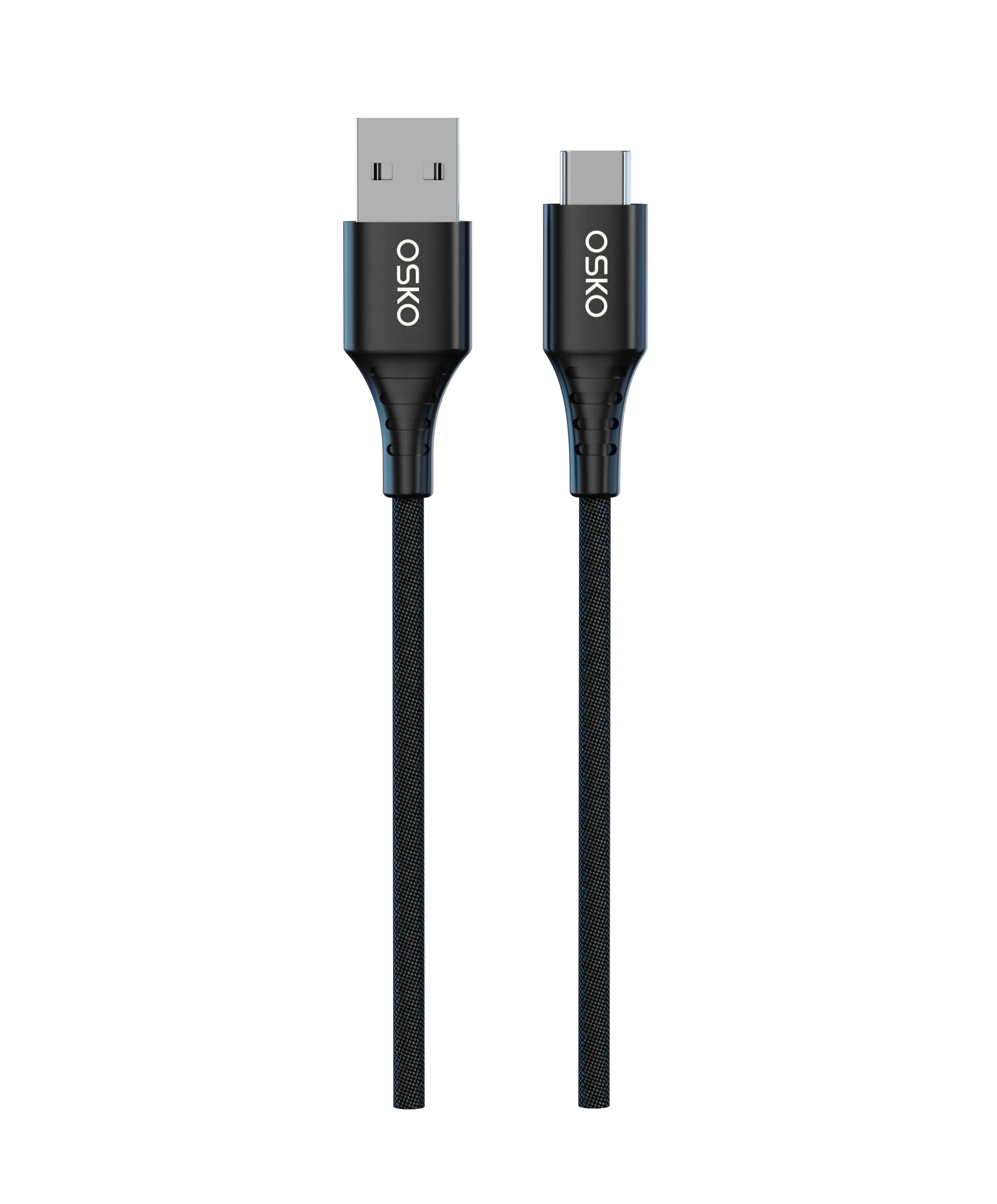
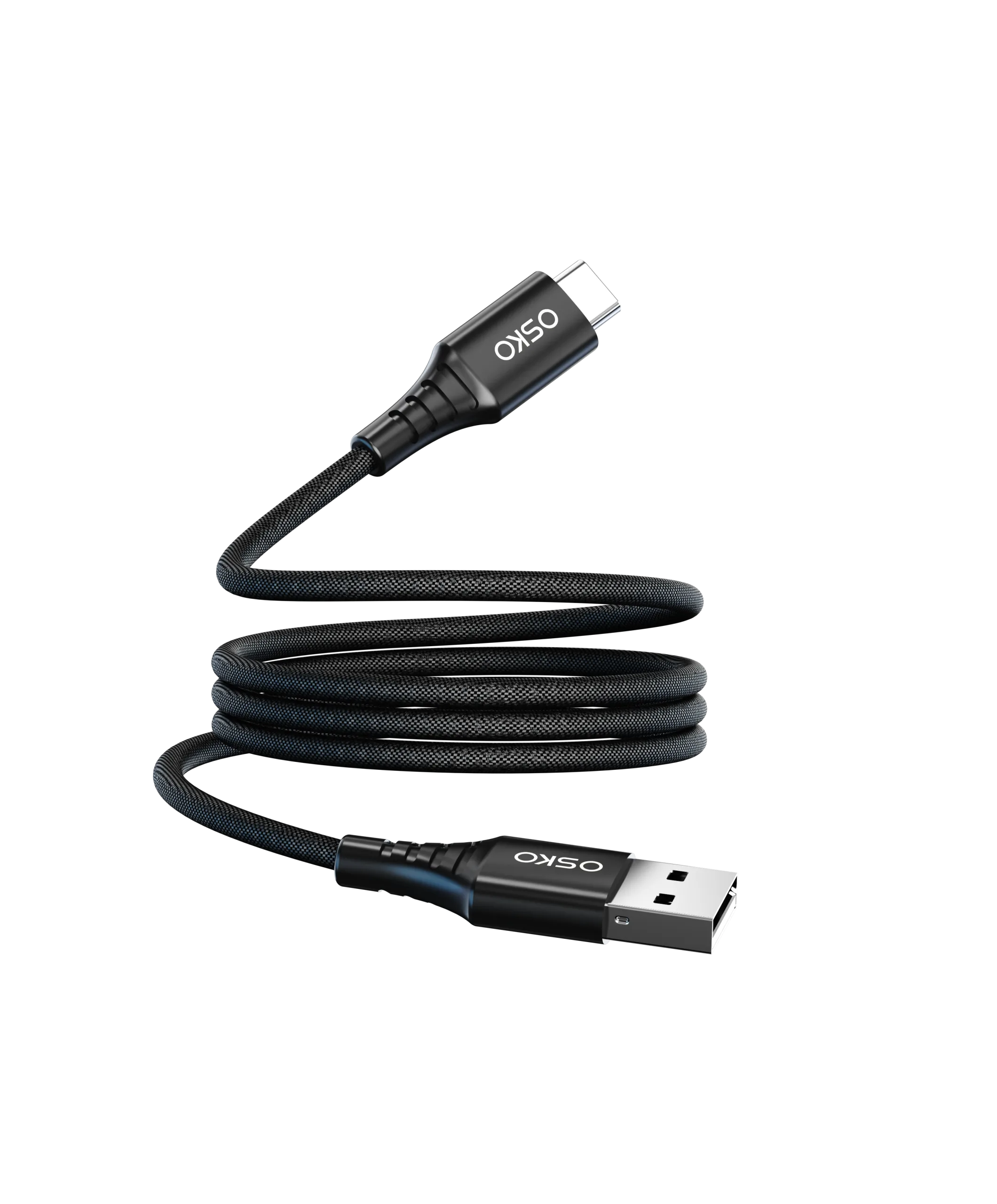
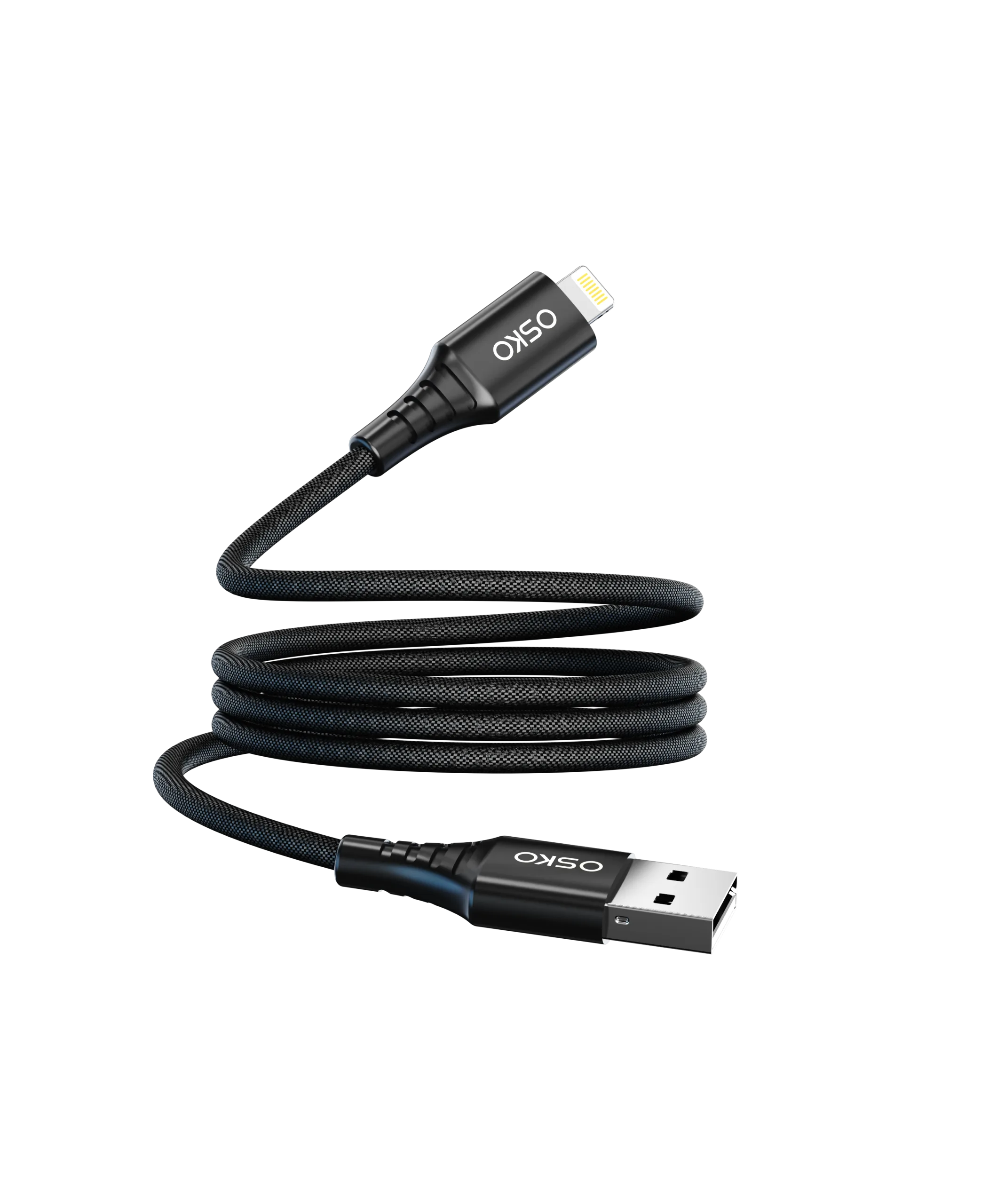
Introduction: Why USB-C Cables Are Still Confusing
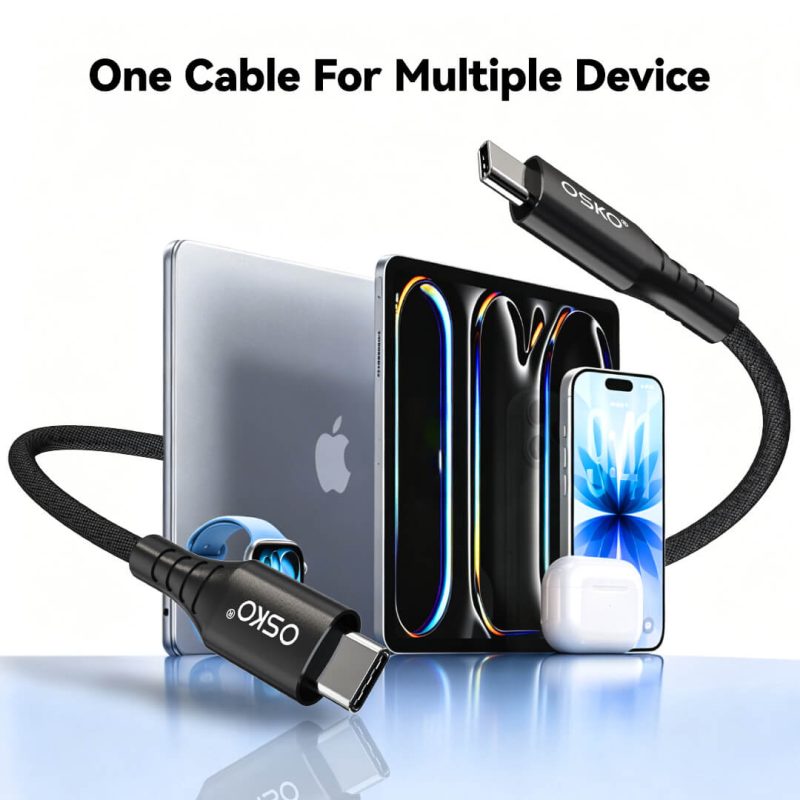
USB-C was designed to simplify modern connectivity. One universal connector can now charge smartphones, tablets, laptops, gaming devices, monitors, and other electronics.
However, many consumers and purchasing teams still face one major problem:
Not all USB-C cables provide the same performance.
Two USB-C cables may look identical from the outside but have completely different internal designs. One cable may support 240W fast charging, high-power laptops, and professional applications, while another may only support basic 5V charging and USB 2.0 data transfer.
This is why understanding USB-C cable differences has become essential before purchasing charging accessories.
The most important point to remember:
USB-C describes the connector type, not the complete capability of the cable.
The real performance depends on:
Power Delivery (PD) support
Charging wattage
Data transfer standard
Internal cable structure
E-Marker chip technology
Material quality
Certification requirements
For consumers, choosing the wrong cable can result in slow charging, limited data transfer, or compatibility problems.
For engineering teams, retailers, and procurement buyers, selecting the right USB-C cable supplier directly affects product reliability, customer satisfaction, and return rates.
What Makes USB-C Different From Older Charging Cables?
Before USB-C became mainstream, users often needed different connectors for different devices.
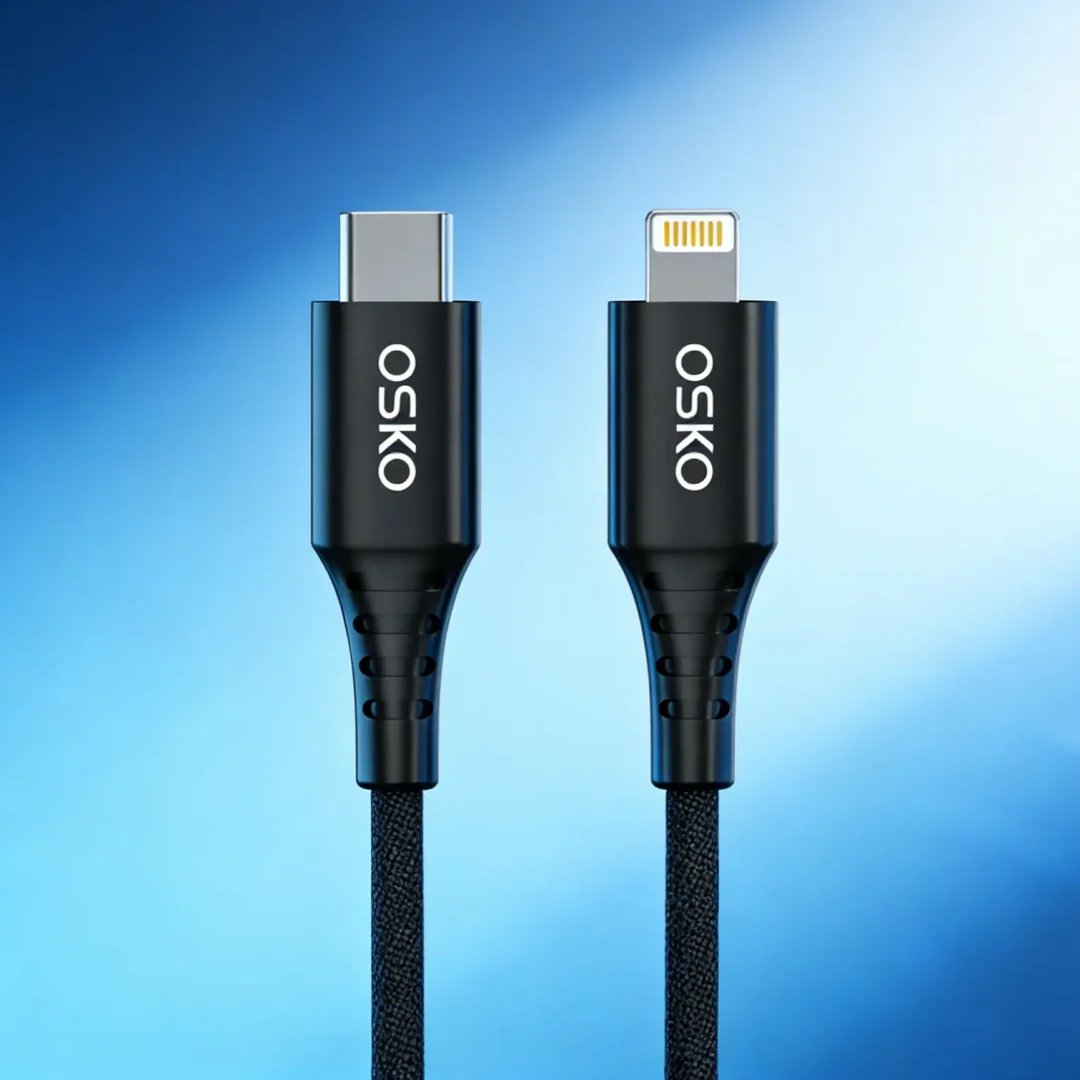
Android phones commonly used Micro-USB, Apple devices used Lightning, and many laptops relied on proprietary charging ports.
USB-C changed this ecosystem by introducing a reversible connector designed for multiple applications.
Reversible Design Improves Daily Convenience
One of the biggest advantages of USB-C is the reversible plug design.
Unlike traditional USB-A connectors, USB-C can be inserted in either direction. This improves user experience and reduces connector damage caused by incorrect insertion.
One Connector Supports Multiple Functions
A USB-C connection can support:
Fast charging
Data transfer
External display output
Laptop docking
Mobile accessories
However, these functions depend on the cable specification.
A standard USB-C charging cable may only support power delivery, while advanced USB-C cables can support high-speed data and video applications.
USB-C Cable Differences: The 5 Key Specifications You Must Check
1. USB-C Charging Power and Wattage
One of the biggest differences between USB-C cables is charging capability.
Modern USB-C cables may support:
60W charging
100W charging
140W charging
240W charging
A higher-rated cable can support more demanding devices such as:
MacBook Pro
Windows laptops
Gaming laptops
USB-C monitors
High-capacity power banks
However, higher wattage does not automatically mean faster charging.
Charging speed depends on three components:
Charger + Cable + Device
For example:
A 240W USB-C cable connected to a smartphone that supports only 30W charging will still charge at the smartphone’s maximum speed.
The cable provides capability, but the device controls the final charging rate.
2. USB-C PD Technology and E-Marker Chips
Modern fast charging relies heavily on USB-C Power Delivery technology.
USB-C PD allows the charger, cable, and device to communicate with each other before delivering power.
This intelligent communication helps determine:
Required voltage
Current level
Maximum supported power
High-power USB-C cables usually include an E-Marker chip.
The E-Marker chip stores information about cable capability, including:
Maximum current support
Power rating
USB specification
For example, a 240W USB-C cable requires proper identification to safely support high-power charging.
Without correct cable identification, devices may limit charging speed to protect safety.
3. USB-C Data Transfer Speed Is Not Always Fast
Another common misunderstanding is assuming every USB-C cable provides high-speed data transfer.
The connector is the same, but the internal wiring can be completely different.
Common USB-C data speeds include:
| USB Standard | Maximum Speed | Typical Application |
|---|---|---|
| USB 2.0 | 480Mbps | Charging, CarPlay, basic accessories |
| USB 3.2 Gen 1 | 5Gbps | Everyday file transfer |
| USB 3.2 Gen 2 | 10Gbps | SSDs, cameras, video files |
| USB4 | 40Gbps | Professional storage and displays |
| Thunderbolt | 40Gbps+ | Advanced workstation applications |
Many high-power charging cables focus mainly on charging performance and still use USB 2.0 data speed.
This means:
A 240W charging cable may charge your laptop quickly but transfer files slowly.
For users who frequently move:
4K videos
Large photo libraries
Professional project files
a higher-speed USB-C data cable is a better choice.
4. Cable Materials and Manufacturing Quality
Performance is not only determined by specifications.
Cable construction directly affects:
Durability
Heat control
Signal stability
Product lifespan
A professional USB-C cable manufacturer considers:
Conductors
High-quality copper conductors reduce resistance and improve power efficiency.
Shielding
Multi-layer shielding helps reduce electromagnetic interference (EMI), especially for high-speed data transmission.
Jacket Material
Common materials include:
TPE
Nylon braided fabric
Silicone
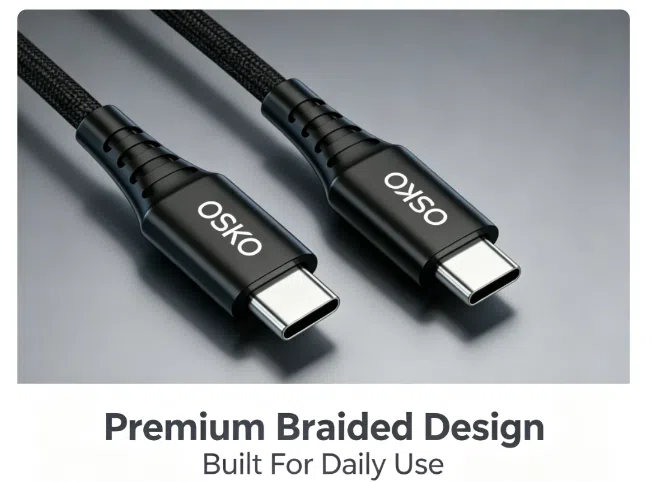
Braided USB-C cables are popular because they provide:
Better abrasion resistance
Improved flexibility
Longer bending lifespan
Connector Structure
Reliable connectors use stronger internal components to withstand repeated plugging and unplugging.
Engineering Case Study: OSKO Custom USB-C Cable Solution for Global Retail Supply
A European electronics accessory distributor planned to launch a premium charging cable series for Germany and Netherlands markets.
The customer required:
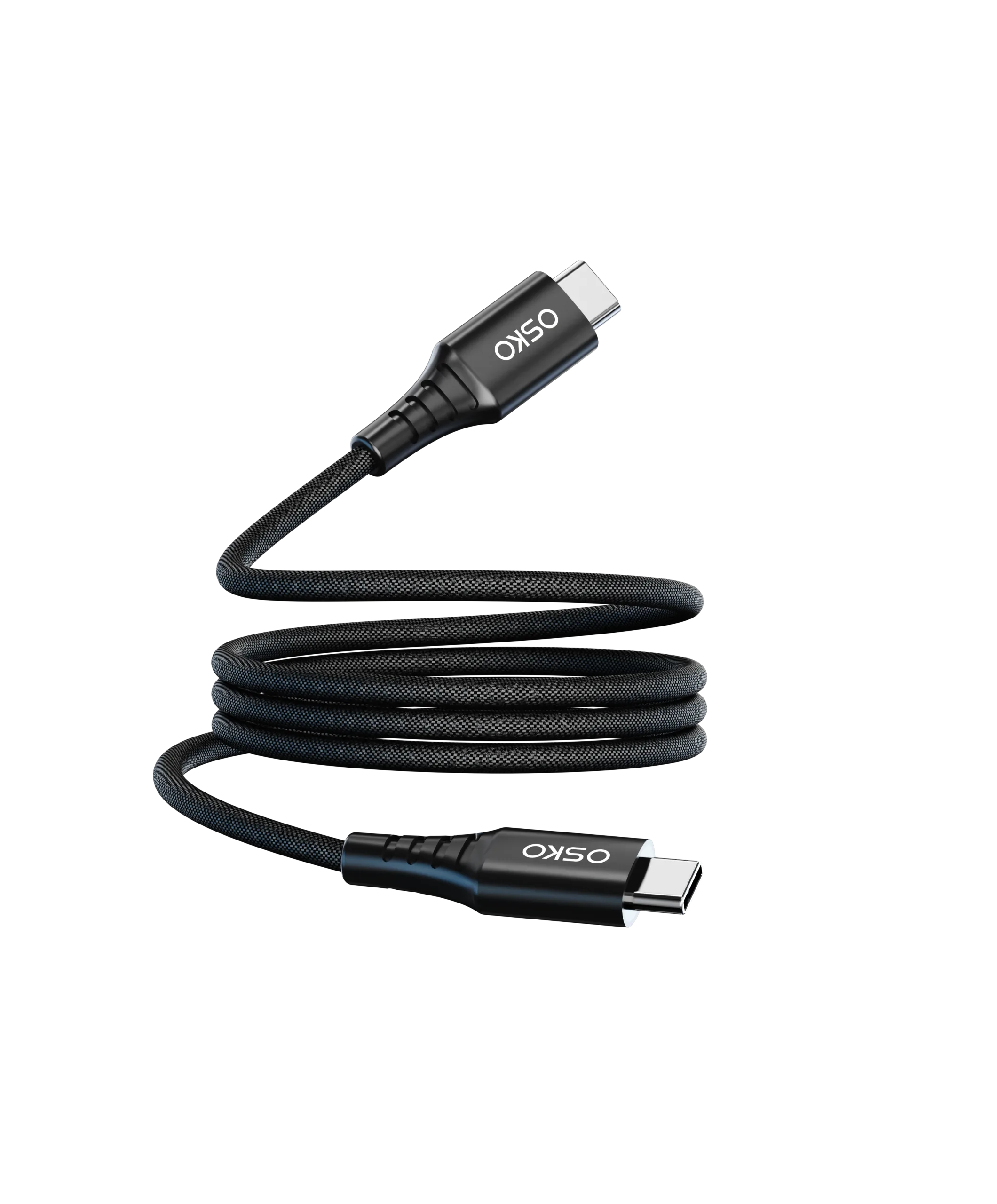
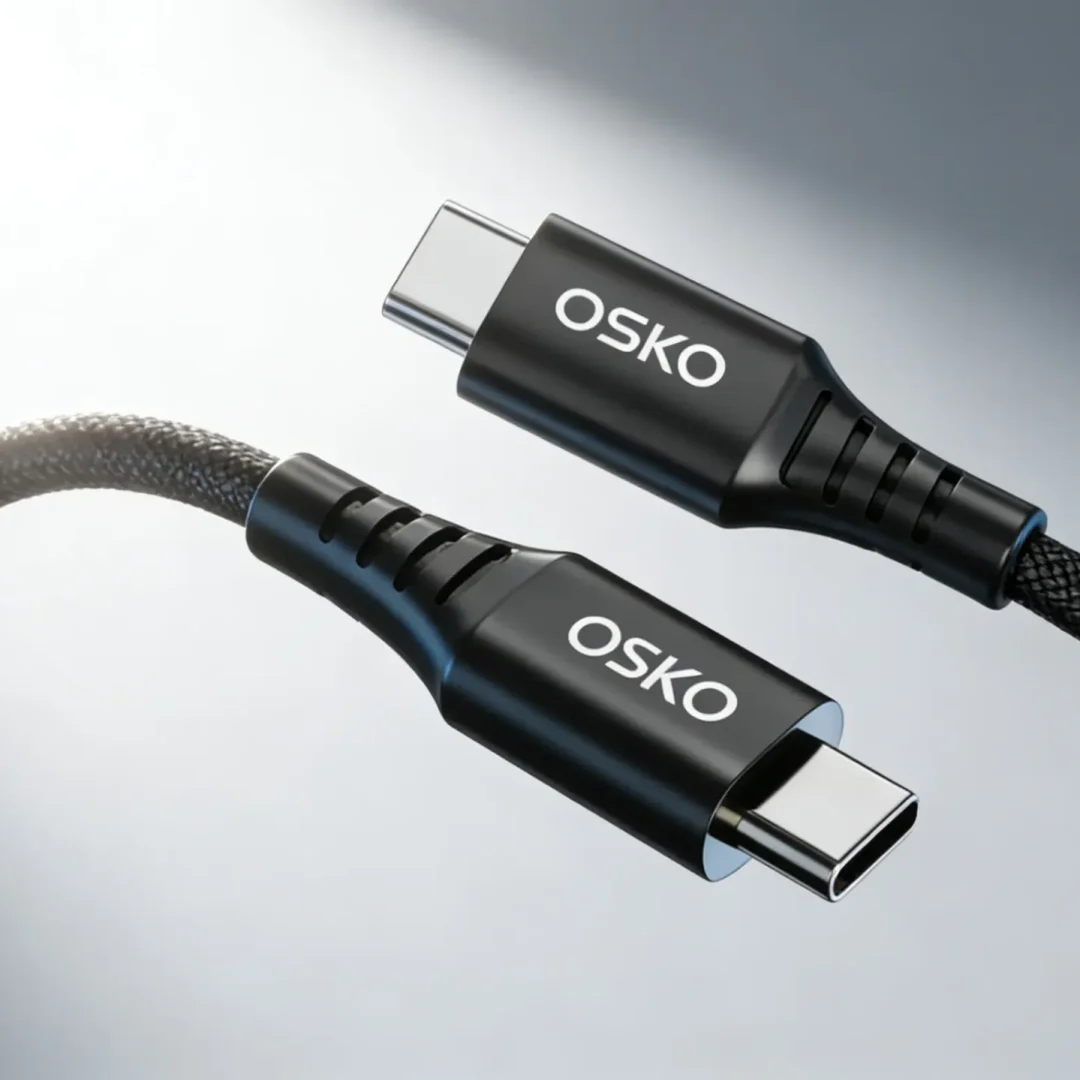
USB-C to USB-C cable
100W PD fast charging
2-meter length
Retail packaging compatibility
Long lifespan for daily consumer use
During product evaluation, the engineering team identified several challenges:
- Standard cables could support charging but had unstable performance under continuous high-power use.
- Some suppliers provided inconsistent cable specifications between samples and mass production.
- The customer needed a reliable solution suitable for retail customers with low return rates.
OSKO engineering team optimized the cable design by implementing:
High-quality copper conductors
E-Marker chip solution
Reinforced connector structure
Nylon braided outer jacket
Factory testing procedures for charging performance
After validation, the customer selected OSKO as the OEM USB-C cable supplier for their retail product line.
This case demonstrates why choosing a professional USB-C cable manufacturer is not only about price, but also about engineering control, consistency, and long-term product reliability.
How to Choose the Right USB-C Cable for Your Needs
For Smartphone Charging
Recommended:
USB-C PD support
60W cable capability
Durable construction
Suitable for:
iPhone
Samsung Galaxy
Google Pixel
Android devices
For Laptop Charging
Recommended:
100W or higher USB-C cable
E-Marker chip
USB-C PD compatibility
Suitable for:
MacBook
Dell XPS
Lenovo ThinkPad
HP laptops
For Maximum Power Applications
Recommended:
240W USB-C cable
USB PD 3.1 support
High-quality internal structure
Suitable for:
Gaming laptops
Professional workstations
Future high-power devices
For Fast Data Transfer
Recommended:
USB 3.2
USB4
Thunderbolt-compatible cable
Suitable for:
External SSD
Video editing
Professional workflows
Why USB-C Cable Selection Matters for Businesses
For retailers, distributors, and OEM buyers, USB-C cable quality directly impacts:
Customer reviews
Warranty costs
Product reputation
Repeat purchases
A low-cost cable may reduce initial purchasing cost but create higher long-term expenses through:
Returns
Complaints
Replacement costs
Working with an experienced OEM USB-C cable manufacturer allows businesses to control:
Cable specifications
Logo customization
Packaging design
Material selection
Production consistency
OSKO provides OEM and ODM USB-C cable solutions for global customers requiring reliable charging products.
Frequently Asked Questions (FAQ)
Are all USB-C cables the same?
No. USB-C cables may look identical but can support different charging power, data transfer speeds, and features. Some support basic charging only, while others support 240W PD charging, USB4 data transfer, or video output.
Does a 240W USB-C cable charge devices faster?
Not always. A 240W cable only provides higher power capability. Actual charging speed depends on the device and charger. A phone that supports 30W charging will not charge at 240W.
What USB-C cable do I need for a laptop?
Most laptops require a USB-C PD cable rated between 60W and 140W. High-performance laptops may require a 240W USB-C cable with an E-Marker chip.
Why is my USB-C cable charging slowly?
Slow charging may happen because the cable, charger, or device does not support higher power delivery. Check whether all three components support fast charging standards.
Is USB-C the same as Thunderbolt?
No. USB-C is a connector design, while Thunderbolt is a high-performance connection standard that uses the USB-C connector.
How can I identify a high-quality USB-C cable?
Look for clear specifications including charging wattage, data speed, certifications, cable materials, and manufacturer information.
Conclusion: USB-C Is Universal, But Cable Quality Still Matter
USB-C has successfully created a more universal charging ecosystem, but the technology inside the cable determines real performance.
The biggest USB-C cable differences come from:
Power capability
PD charging support
Data transfer speed
Internal components
Manufacturing quality
Whether you are a consumer choosing a reliable charging cable or a business sourcing OEM USB-C cables, understanding these differences helps you make better decisions.
A well-designed USB-C cable is not just an accessory. It is a critical connection between modern devices, reliable power delivery, and better user experiences.
For professional OEM/ODM USB-C cable solutions, OSKO provides customized cable manufacturing services with engineering support, quality control, and production capability for global markets.