
Introduction
As USB-C becomes the standard charging connection for smartphones, tablets, laptops, gaming devices, and professional electronics, many users assume that every USB-C cable supports fast charging.
But is that really true?
Are all USB-C cables fast charging?
The answer is no.
Although USB-C has become one of the most advanced connector designs available today, the USB-C connector itself does not automatically determine charging speed. The actual charging performance depends on several factors, including cable specifications, power delivery protocols, device compatibility, and cable construction quality.
A basic USB-C cable may only support standard charging, while a high-performance USB-C fast charging cable can deliver power levels ranging from 60W to 240W when paired with compatible chargers and devices.
Understanding these differences helps consumers, retailers, and procurement teams choose the correct cable for smartphones, laptops, and professional applications.
This guide explains how USB-C fast charging works, why some USB-C cables charge faster than others, and how to select the best USB-C charging cable for different devices.

What Is a Fast Charging USB-C Cable?
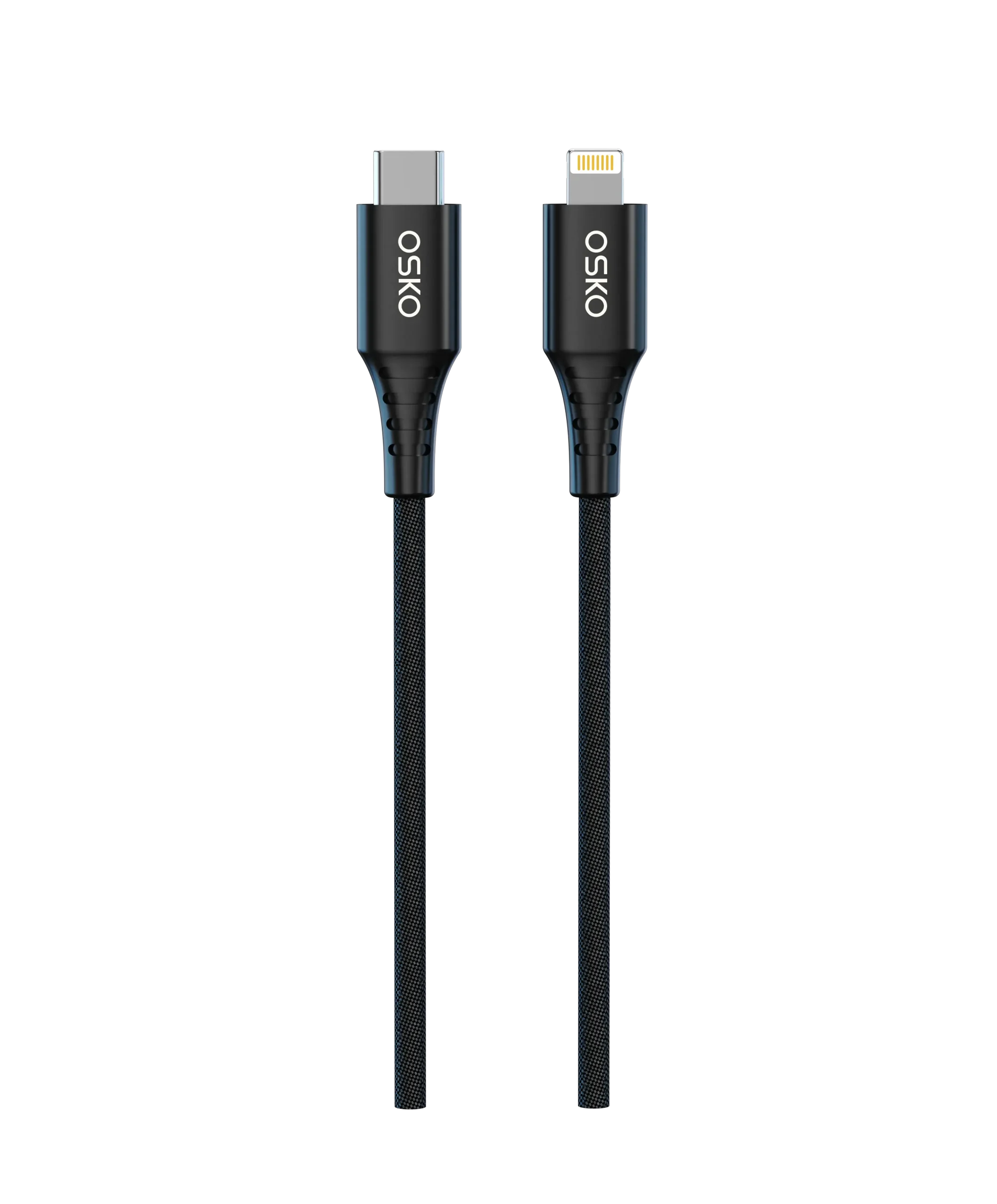
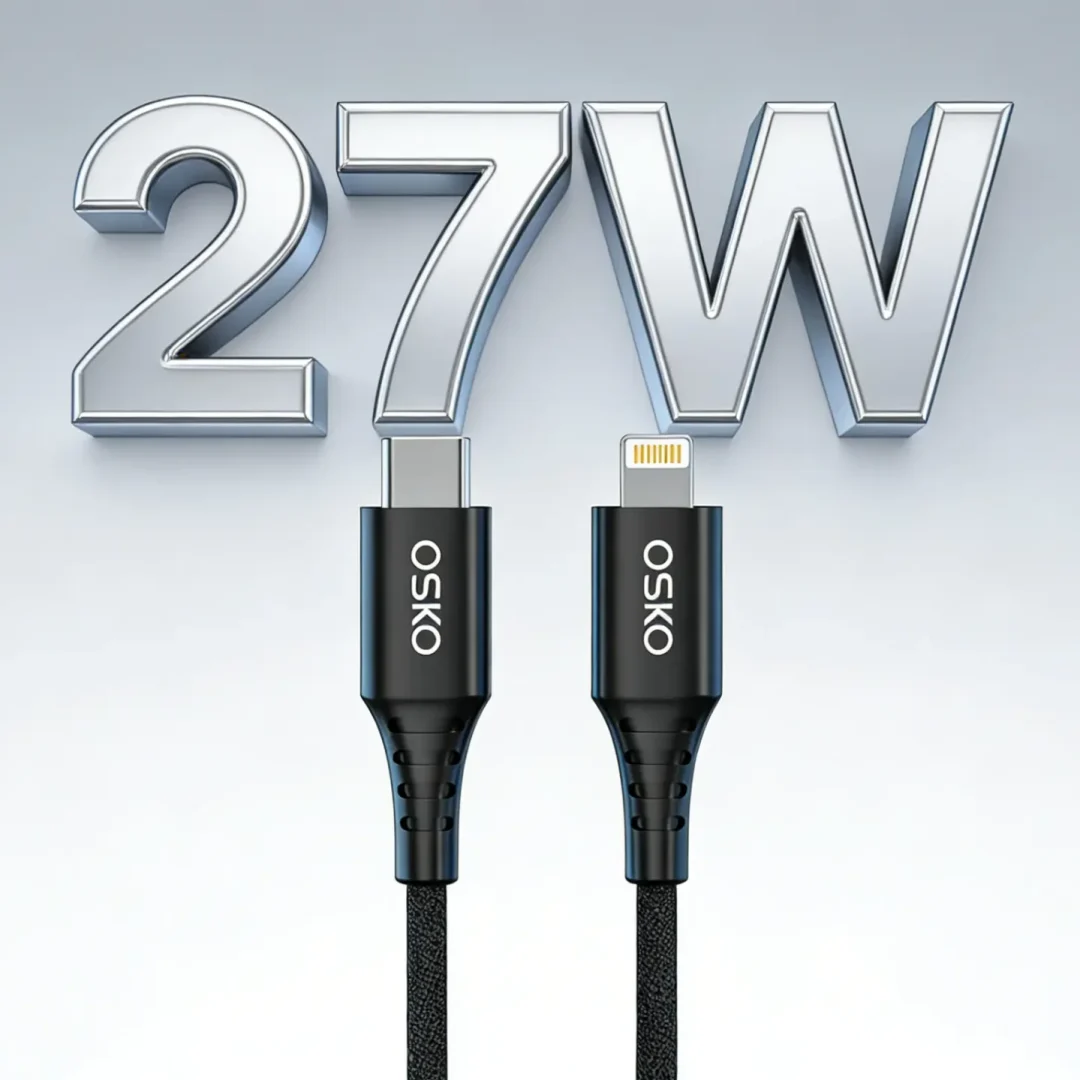
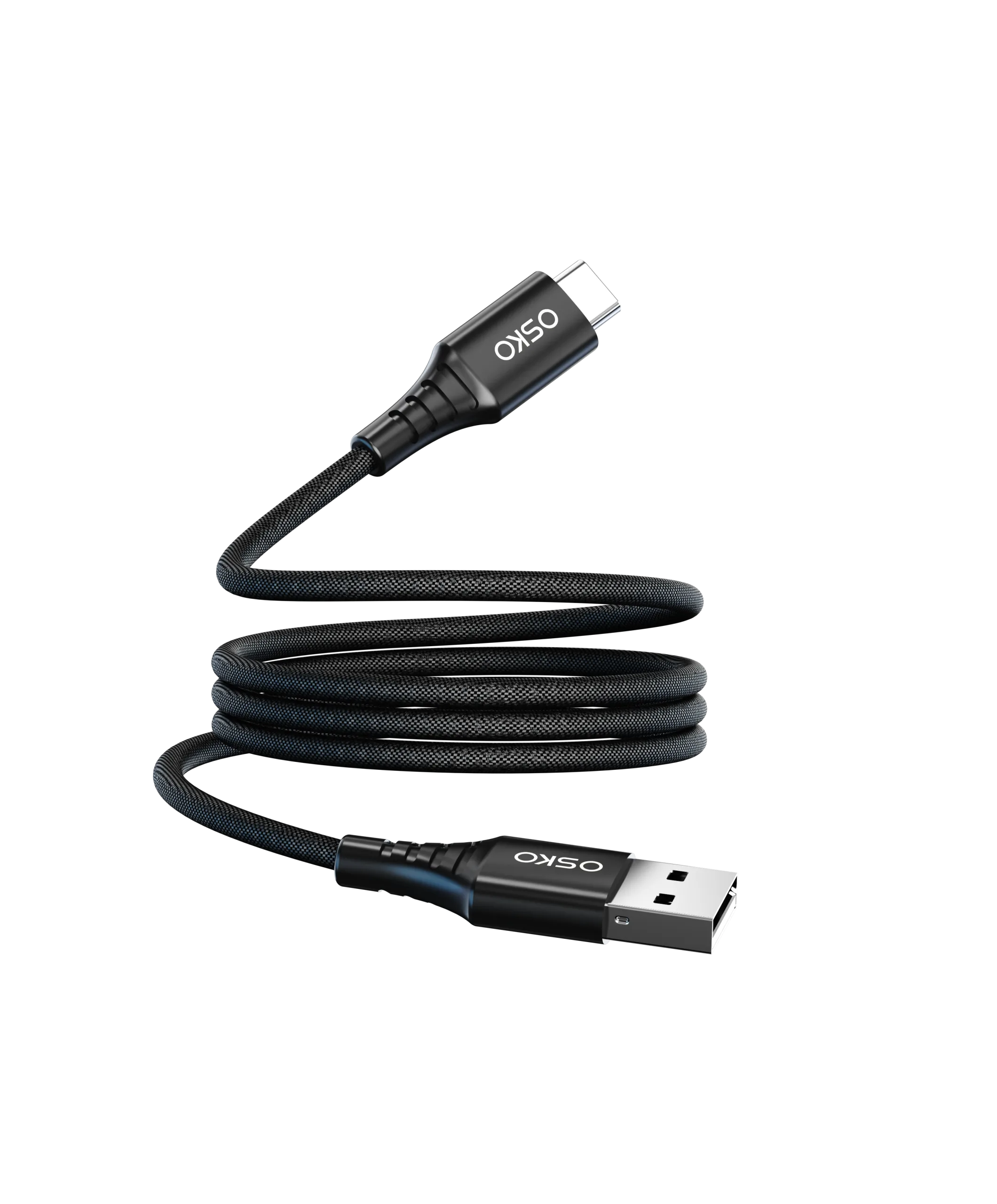
A fast charging USB-C cable is designed to transfer higher electrical power between a charger and a device while maintaining safety and charging efficiency.
Unlike traditional USB cables, modern USB-C cables can support advanced charging technologies such as:
USB Power Delivery (USB PD)
Programmable Power Supply (PPS)
Qualcomm Quick Charge compatibility
Higher current transmission
USB-C Power Delivery allows compatible devices to negotiate the optimal charging voltage and current automatically.
For example:
Smartphones may require 18W–30W charging
Tablets may require 30W–60W charging
Laptops may require 65W–140W charging
High-performance devices may require up to 240W USB-C PD charging
However, the cable must also support the required power level.
A 60W-rated cable cannot deliver 100W charging, even if the charger supports it.
Are All USB-C Cables Fast Charging?
No, not all USB-C cables support fast charging.
The biggest misconception about USB-C is that the connector determines performance.
In reality, USB-C describes the physical connector shape, not the charging capability.
Different USB-C cables can have different specifications:
Standard USB-C Charging Cable
A basic USB-C cable may support:
5V standard charging
Low power devices
Basic data transfer
These cables are suitable for:
Wireless earbuds
Small accessories
Low-power electronics
However, they may not support high-speed charging for smartphones or laptops.
USB-C PD Fast Charging Cable
A USB-C PD cable is designed for higher power delivery.
Typical specifications include:
60W charging
100W charging
140W charging
240W charging
These cables often include:
Better internal conductors
Higher current capacity
E-marker chips for high-power applications
For example, a 100W USB-C fast charging cable can charge compatible laptops such as MacBook Pro, Dell XPS, and Lenovo ThinkPad models.

What Makes a USB-C Cable Support Fast Charging?
Several technical factors determine whether a USB-C cable can provide fast charging.
1. Power Delivery (USB PD) Support
USB Power Delivery is one of the most important technologies behind USB-C fast charging.
USB PD allows devices and chargers to communicate and determine the safest charging level.
A USB-C PD cable can support higher voltage and current combinations, such as:
9V / 3A
15V / 3A
20V / 5A
Higher power requires proper cable design.
For example:
A 20W iPhone charger requires a different cable specification compared with a 100W laptop charger.
2. Cable Wattage Rating
When purchasing a USB-C charging cable, always check the wattage rating.
Common USB-C cable power ratings include:
60W USB-C Cable
Suitable for:
Smartphones
Tablets
Nintendo Switch
Small laptops
100W USB-C Cable
Suitable for:
MacBook Pro
Gaming laptops
Professional notebooks
240W USB-C Cable
Suitable for:
High-performance laptops
Workstations
Future USB PD devices
Choosing the correct wattage ensures efficient charging and prevents performance limitations.
3. E-Marker Chip Technology
High-power USB-C cables often use an E-marker chip.
This intelligent chip communicates with chargers and devices to identify:
Maximum power capability
Current capacity
Cable specifications
For cables above 60W, E-marker technology becomes increasingly important.
Without proper identification, devices may limit charging speed for safety reasons.
4. Cable Material and Internal Structure
The internal construction directly affects charging efficiency.
A quality USB-C fast charging cable usually includes:
High-Purity Copper Conductors
Copper provides excellent electrical conductivity and reduces energy loss.
Benefits include:
Faster charging
Lower heat generation
Better long-term reliability
Reinforced Insulation
High-quality insulation protects internal wires from:
Bending stress
Heat damage
External interference
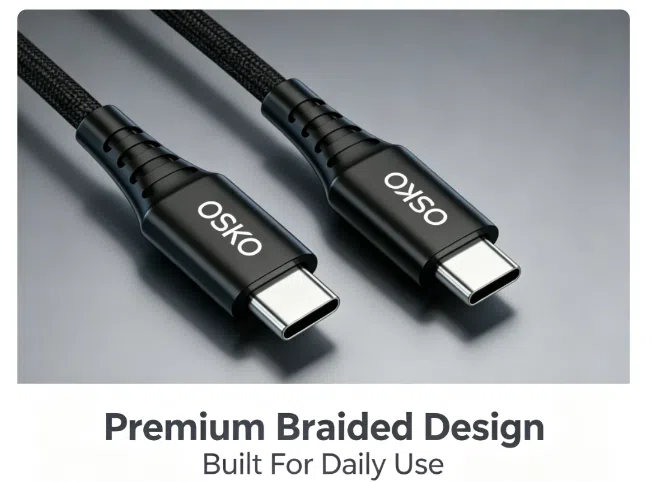
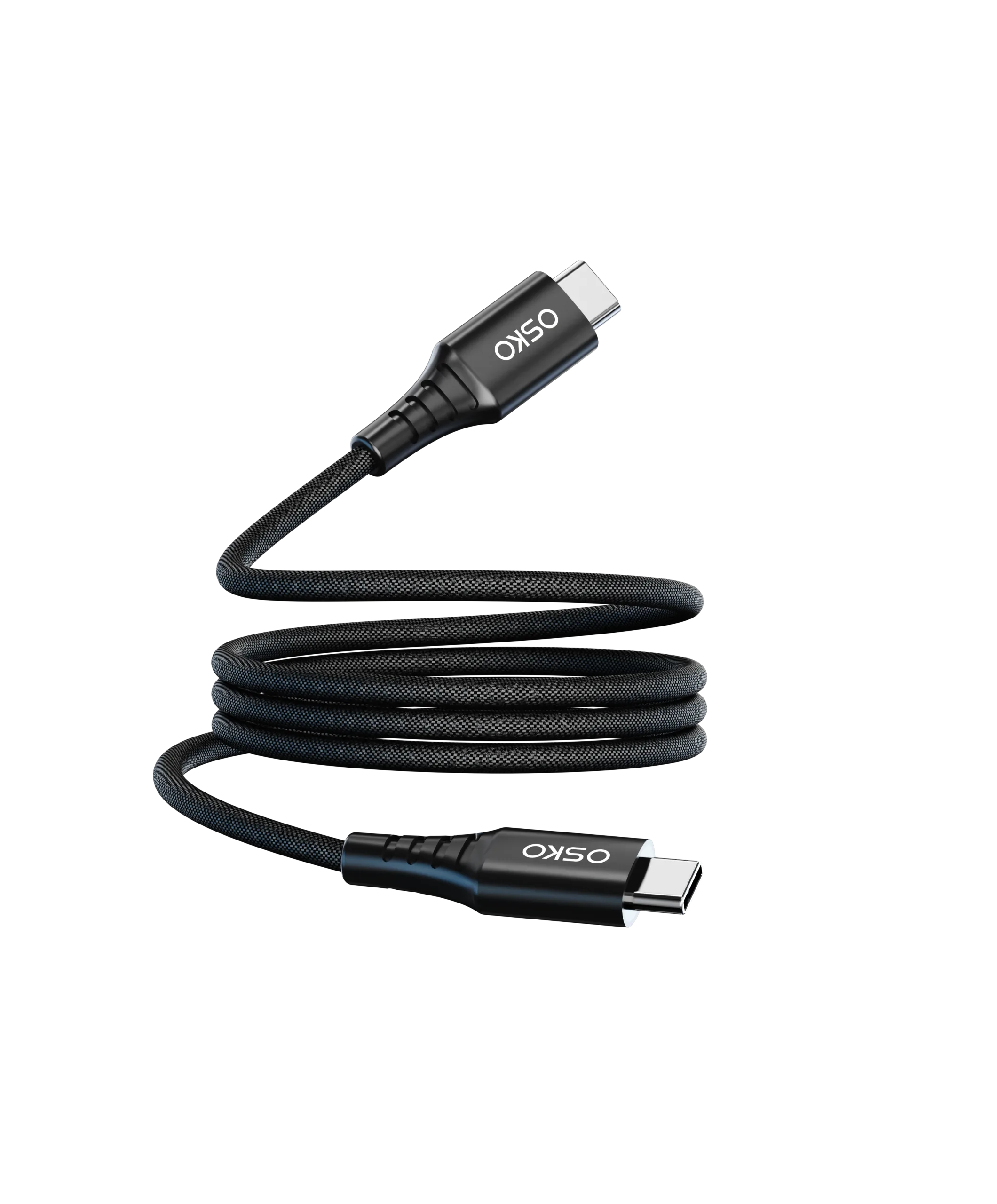
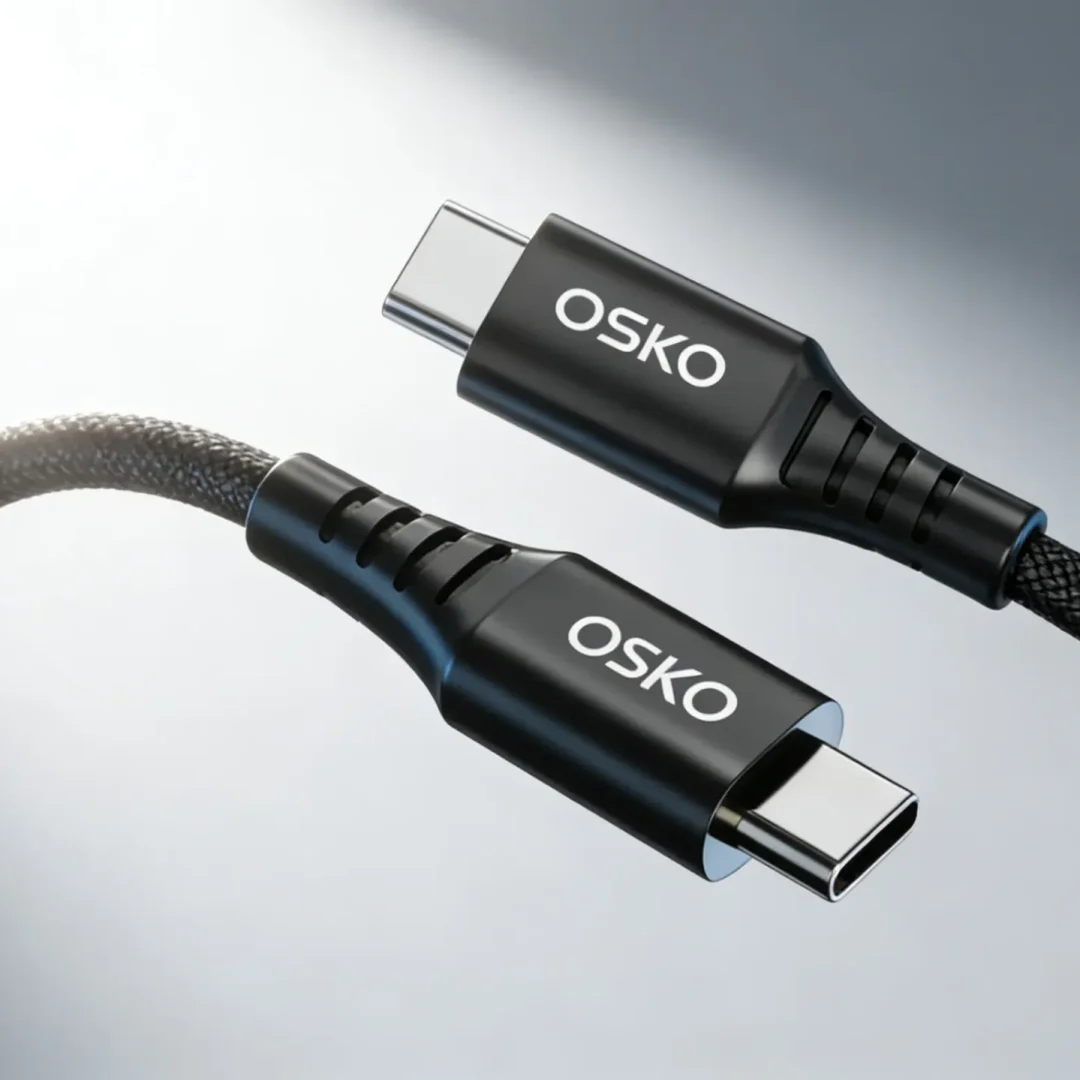
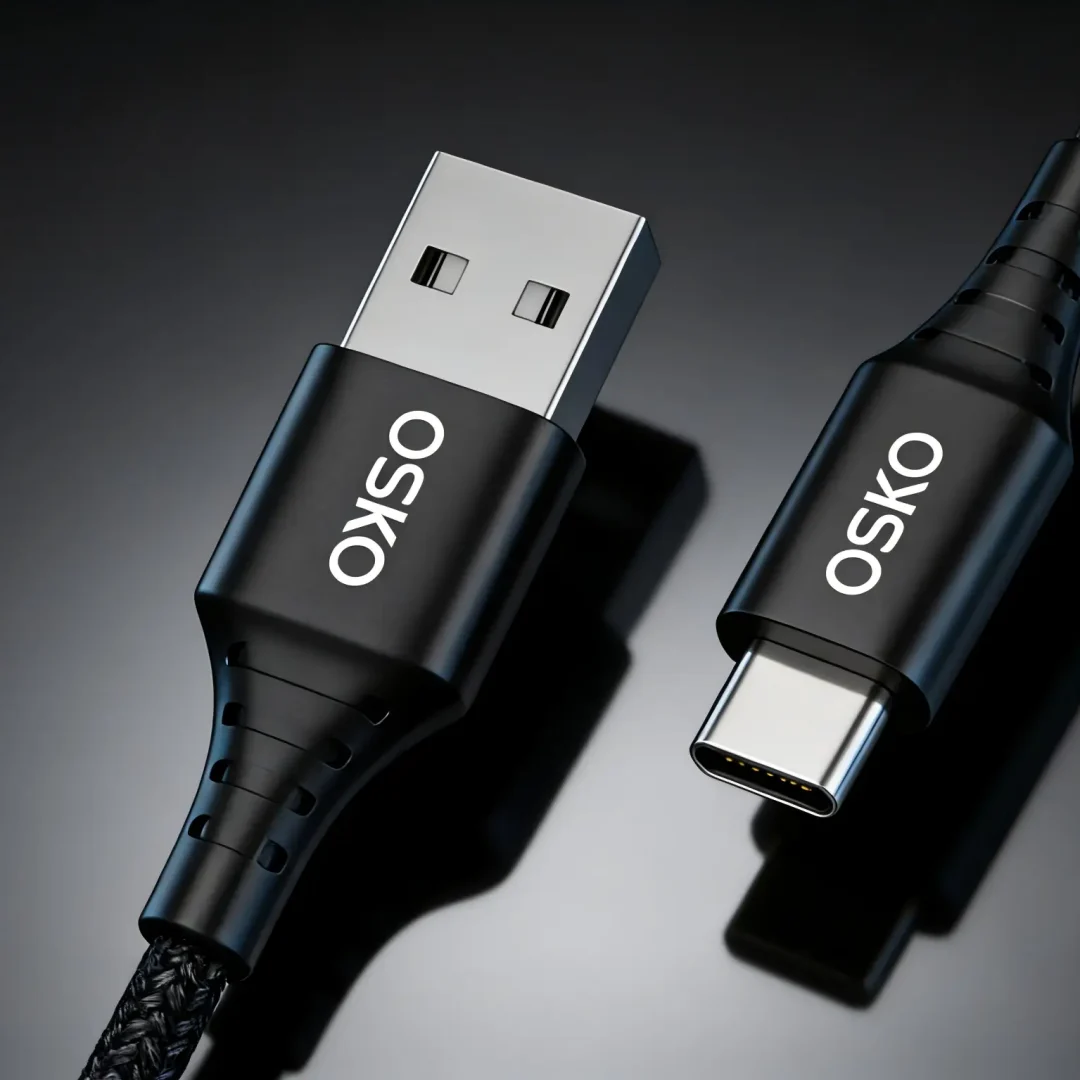
Braided Nylon Exterior
Premium braided USB-C cables provide:
Better durability
Improved flexibility
Resistance against daily wear
For users who frequently travel or charge devices multiple times per day, cable durability is an important consideration.
USB-C Fast Charging vs Regular USB Charging
Many users wonder about the difference between standard USB charging and USB-C fast charging.
Standard USB Charging
Typical characteristics:
Lower power output
Longer charging time
Suitable for small devices
USB-C Fast Charging
Advantages:
Higher charging power
Faster battery recovery
Supports larger devices
A compatible USB-C PD charging system can significantly reduce charging time compared with traditional USB charging methods.
How to Choose the Right USB-C Fast Charging Cable?
Choosing the right cable depends on your device and usage requirements.
For Smartphones
Recommended:
20W–60W USB-C cable
USB PD support
Durable connector design
Suitable for:
iPhone USB-C devices
Samsung Galaxy phones
Google Pixel phones
For Tablets
Recommended:
60W USB-C charging cable
USB PD compatibility
Suitable for:
iPad Pro
Android tablets
Portable displays
For Laptops
Recommended:
100W or higher USB-C cable
E-marker chip
High-quality internal wiring
Suitable for:
MacBook Pro
Dell XPS
Lenovo ThinkPad
Engineering Case Study: Developing a 100W USB-C Cable Solution for Laptop Retail Markets
A European electronics distributor planned to introduce premium USB-C charging cables for laptop users.
Their main requirements included:
Support for 100W fast charging
Compatibility with multiple laptop brands
Long lifespan for retail customers
Competitive manufacturing cost
During testing, several low-cost cables experienced:
Excessive heat during high-power charging
Charging speed reduction
Connector damage after repeated use
OSKO engineering team optimized the cable structure by improving:
Copper conductor design
Power transmission efficiency
Nylon braided protection
Connector reinforcement
The final USB-C cable solution achieved stable 100W charging performance and passed repeated bending tests.
From a procurement perspective, selecting a professionally engineered USB-C cable reduced customer complaints and improved product reliability in international retail markets.
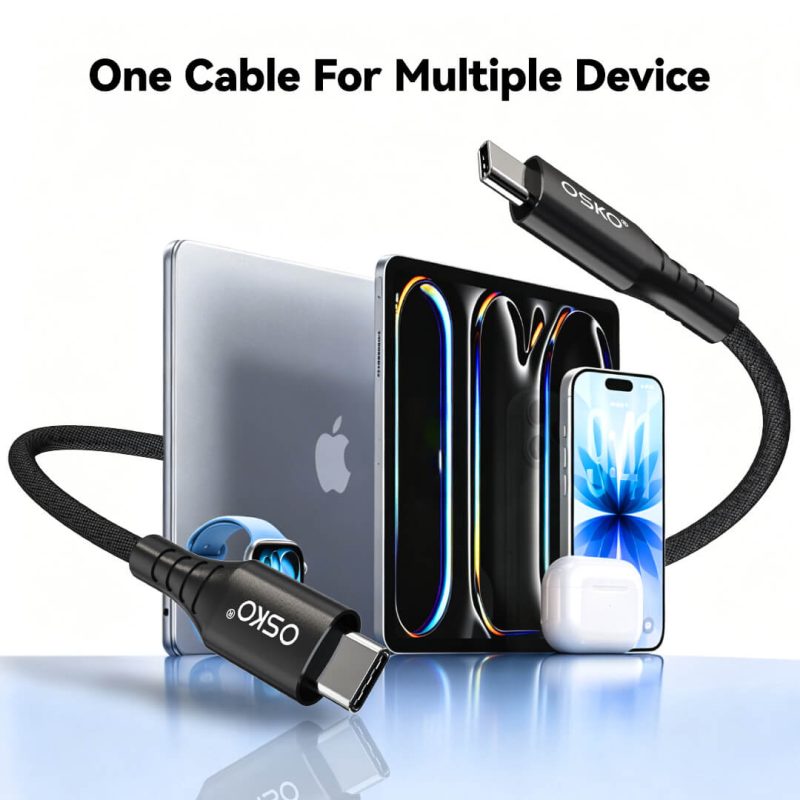
OSKO provides OEM and ODM USB cable manufacturing solutions for distributors, brands, and wholesalers worldwide.
FAQ About USB-C Fast Charging
Are all USB-C cables fast charging?
No. USB-C only refers to the connector type. Some USB-C cables support fast charging, while others only provide standard charging or data transfer. To achieve fast charging, the cable must support technologies such as USB Power Delivery and have an appropriate wattage rating.
How can I tell if my USB-C cable supports fast charging?
Check the product specifications for terms such as USB PD, 60W, 100W, 140W, or 240W support. A high-quality fast charging USB-C cable usually clearly lists its maximum power capability.
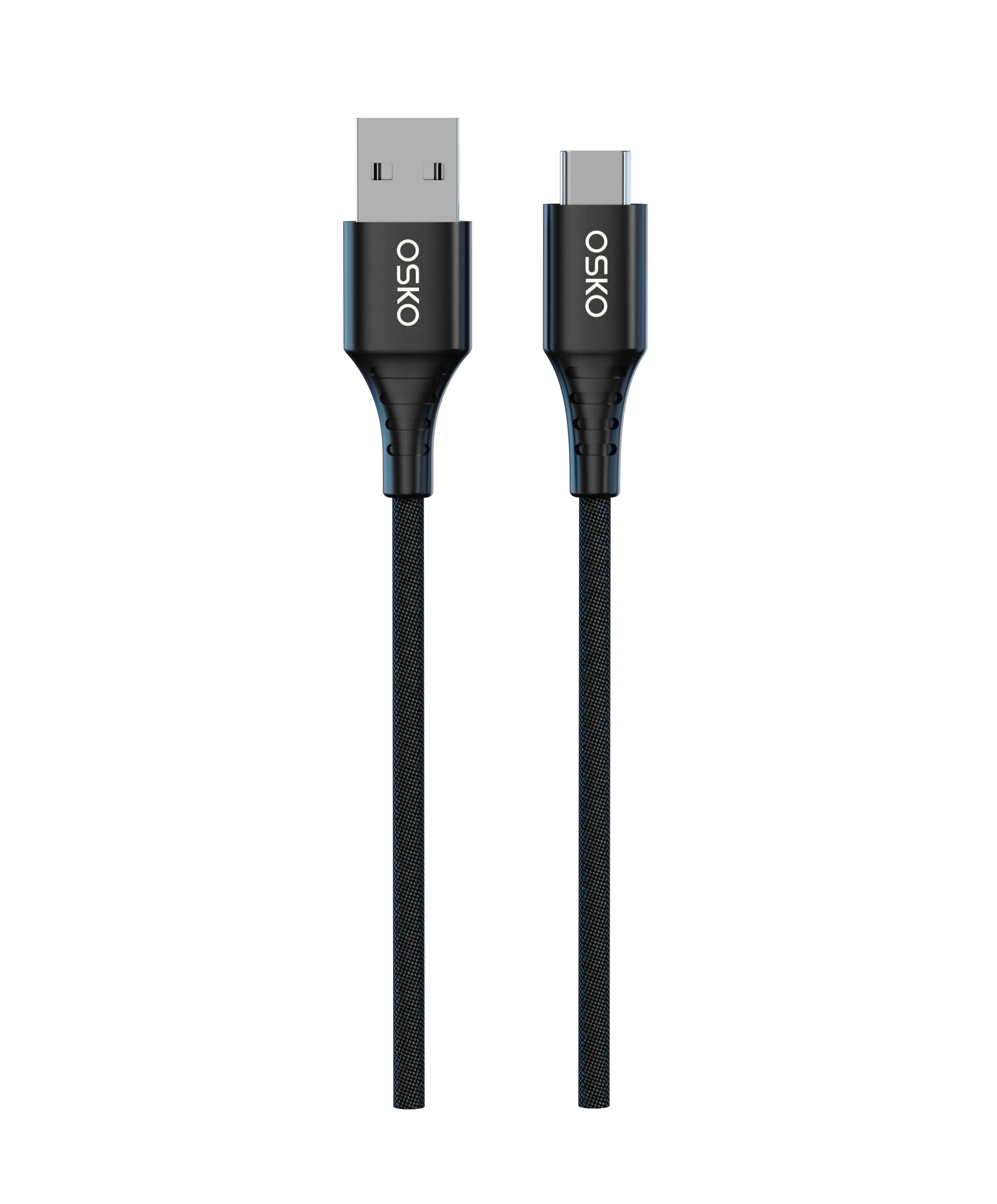
Does a USB-C cable charge faster than USB-A?
Generally, yes. USB-C supports higher power delivery and advanced charging protocols compared with traditional USB-A connections. However, actual charging speed depends on the charger, cable rating, and device compatibility.
Can a 100W USB-C cable charge my phone?
Yes, a 100W USB-C cable can charge smartphones that support USB-C charging. However, the phone will only receive the maximum power it is designed to accept.
Why is my USB-C cable charging slowly?
Slow charging can happen because the cable does not support fast charging, the charger has insufficient power output, or the device does not support the charging protocol. Cable quality, length, and internal resistance can also affect charging speed.
Do longer USB-C cables charge slower?
Longer cables may experience higher electrical resistance, which can reduce charging efficiency. High-quality long USB-C cables use better conductors and design structures to maintain stable performance.
Is a braided USB-C cable better for fast charging?
A braided USB-C cable is often more durable and resistant to daily damage. However, fast charging capability depends mainly on the cable’s power rating, internal construction, and USB PD support.
Summary
So, are all USB-C cables fast charging?
The answer is no.
USB-C provides a universal connector design, but charging performance depends on the cable specification, power delivery support, device compatibility, and manufacturing quality.
A reliable USB-C fast charging cable should provide:
Correct wattage rating
USB PD compatibility
Quality internal conductors
Durable construction
Stable power transmission
For everyday smartphones, a 60W USB-C cable may be sufficient. For laptops and professional devices, a 100W or higher USB-C PD cable provides better performance and future compatibility.
As a professional USB cable manufacturer, OSKO develops high-quality USB-C charging solutions for global wholesalers, retailers, and OEM customers, supporting customized designs, branding, and large-scale production.
Contact Information
OSKO – Professional USB Cable Manufacturer & OEM/ODM Supplier
Specializing in:
USB-C Fast Charging Cable
100W USB-C PD Cable
240W USB-C Cable
Custom USB Cable Manufacturing
For wholesale pricing, OEM customization, and product solutions, contact OSKO for professional charging cable support.