
What Is a Lightning Cable? A Complete Guide for Consumers and Buyers
If you have used an iPhone, iPad, AirPods case, or Apple accessory from the Lightning generation, you have probably used a Lightning cable.
But what exactly is a Lightning cable, and how is it different from USB-C?
A Lightning cable is a charging and data cable designed with Apple’s proprietary Lightning connector. Apple introduced the Lightning connector in 2012 with the iPhone 5 as a replacement for the previous 30-pin connector.
For more than a decade, Lightning became the standard connection method for many Apple devices, including iPhones, iPads, and accessories.
Today, the market includes both Lightning and USB-C devices. Newer iPhone models use USB-C, while many existing Apple devices still rely on Lightning connections.
For consumers, choosing the right iPhone charging cable usually depends on four questions:
Does it fit my device?
Does it support my charger?
Can it provide reliable charging performance?
Is the cable durable enough for daily use?
For retailers, wholesalers, and brands, the decision involves more factors:
Connector quality
Cable materials
Charging performance
Product testing
Packaging customization
MOQ requirements
Supply reliability
This guide explains everything about Lightning cables, including USB-C to Lightning cables, USB-A to Lightning cables, fast charging capability, durability, and OEM sourcing considerations.
What Is a Lightning Cable?
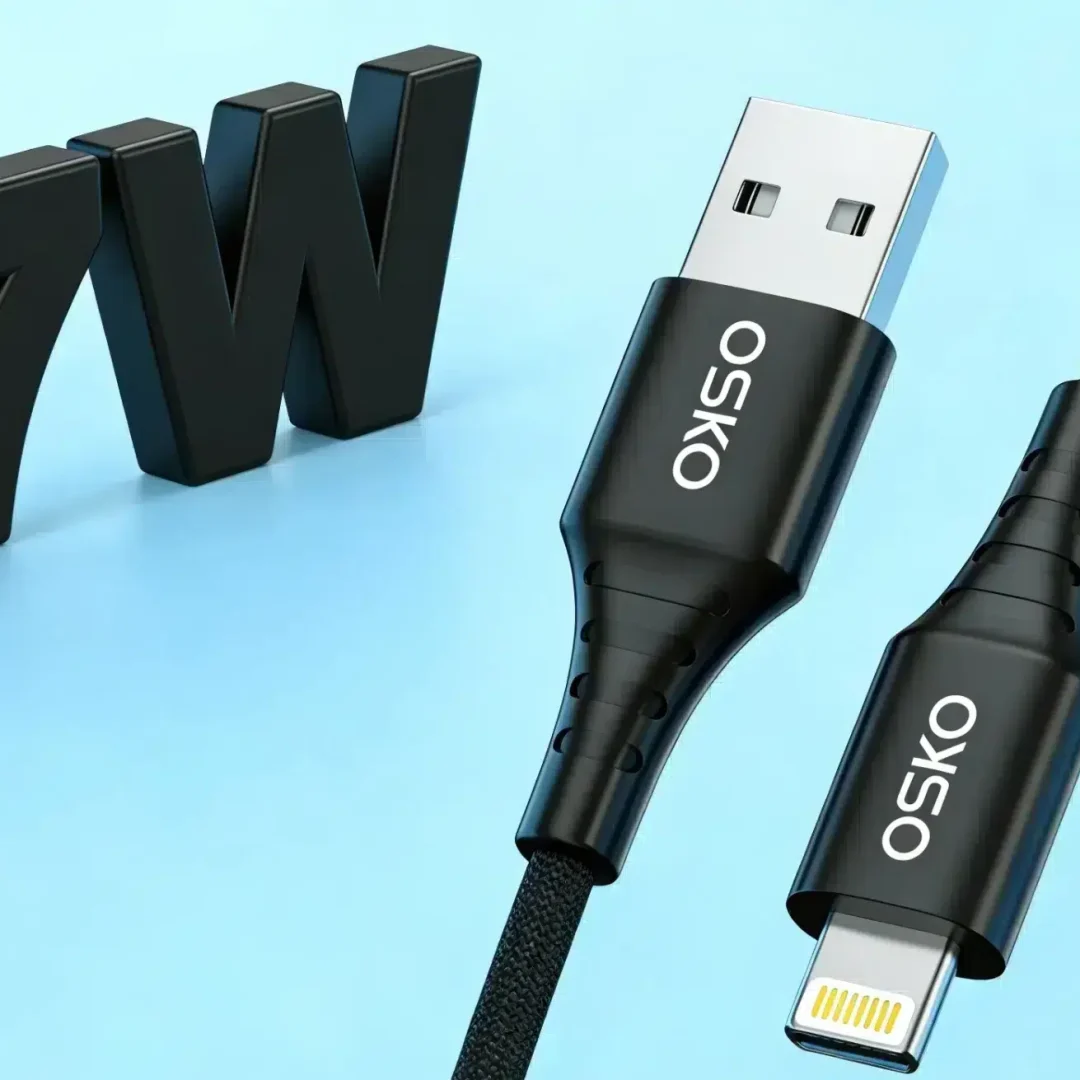
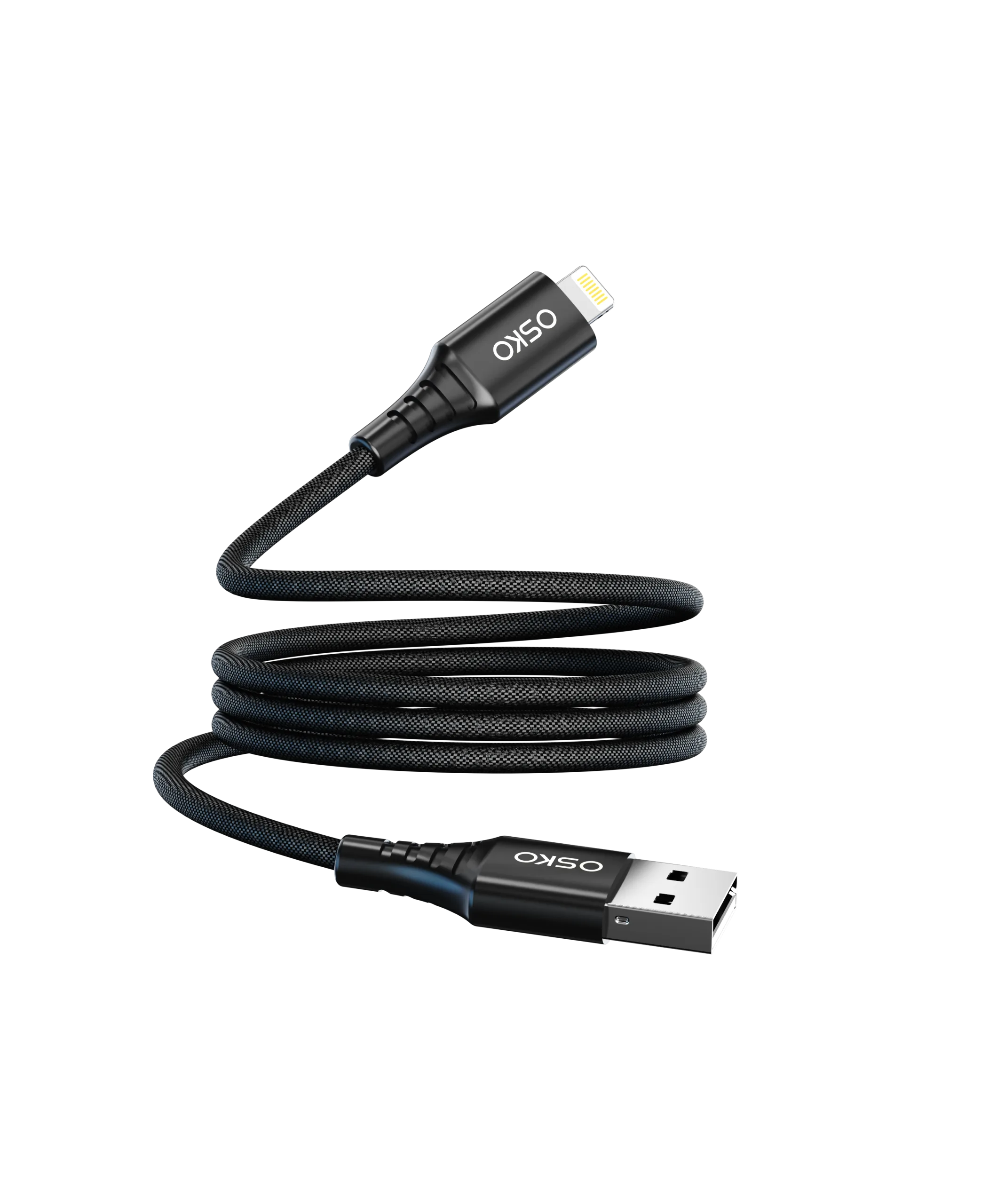
A Lightning cable is a cable designed for Apple devices equipped with a Lightning port.
The Lightning connector features:
Compact design
Reversible connection
Eight electrical contacts
Digital communication capability
Unlike older connectors, Lightning can be inserted in either direction, making it easier for everyday users.
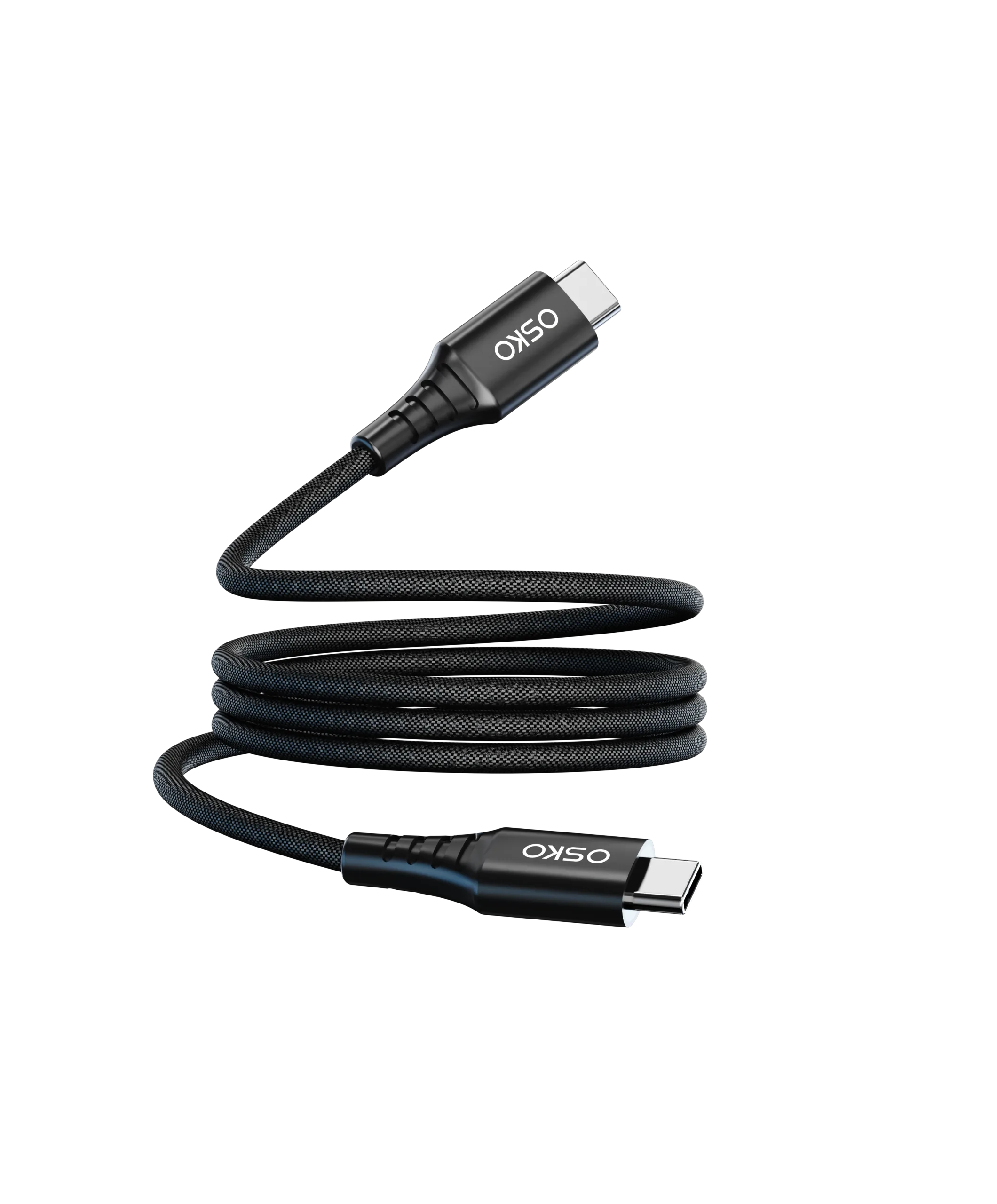
A typical Lightning cable has:
Lightning connector + cable body + USB connector
The USB connector on the other end determines how the cable connects to chargers, computers, or power sources.
The two most common types are:
| Cable Type | Device Connector | Charger Side | Common Application |
|---|---|---|---|
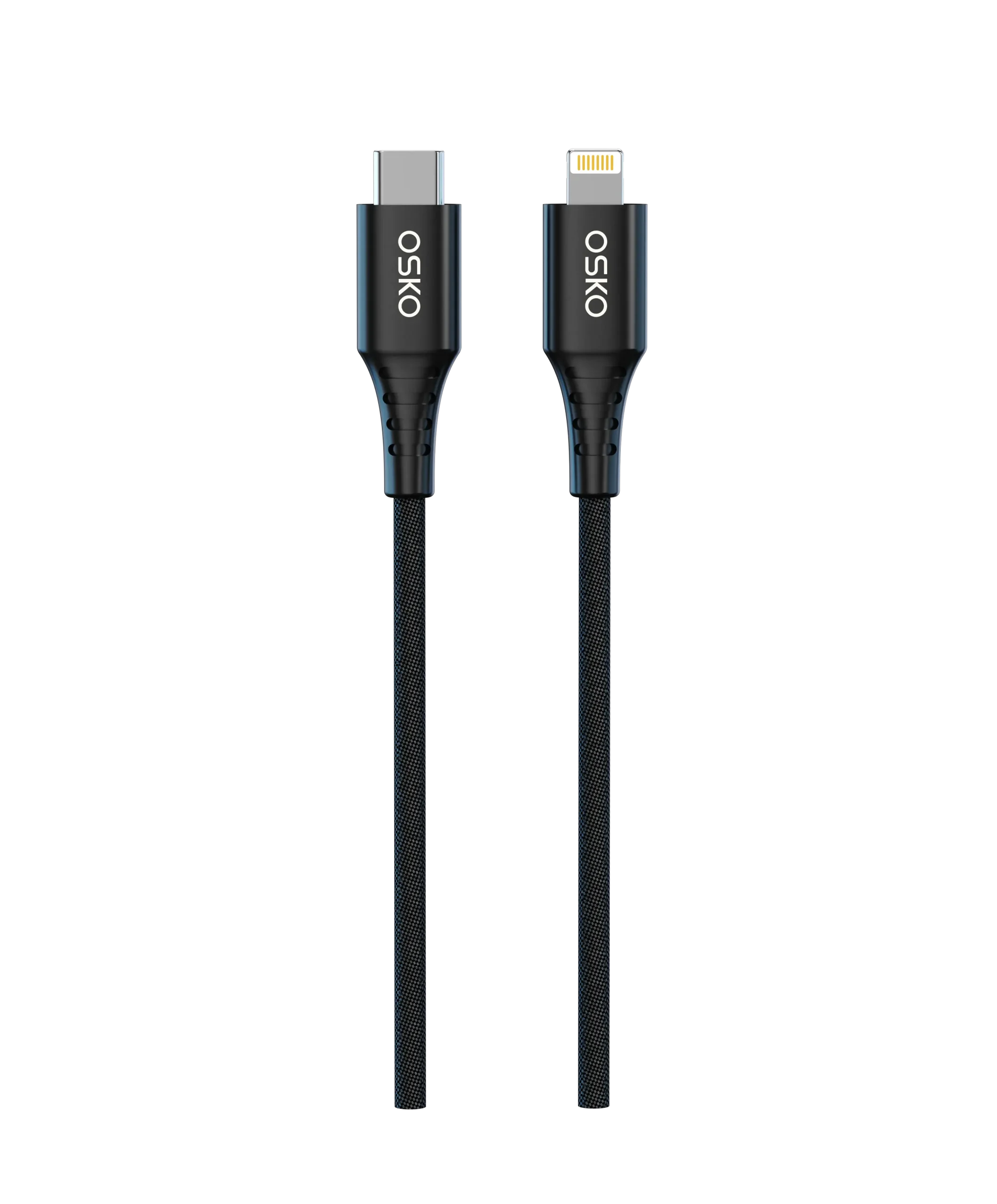
| USB-C to Lightning Cable | Lightning | USB-C | Modern fast charging adapters, laptops, power banks |
| USB-A to Lightning Cable | Lightning | USB-A | Older chargers, computers, vehicle USB ports |
The Lightning connector itself does not determine charging speed.
Actual performance depends on:
Apple device model
Power adapter output
Cable design
Charging protocol
Connector quality
This means a product labeled as a fast charging Lightning cable should always be evaluated as a complete charging solution.
Lightning Cable vs USB-C Cable: What Is the Difference
Lightning and USB-C are different connector systems.
Lightning is Apple’s proprietary connector, while USB-C is an industry-standard connector widely used across smartphones, laptops, tablets, monitors, and accessories.
| Feature | USB-C | Lightning |
|---|---|---|
| Connector type | Universal industry standard | Apple proprietary connector |
| Reversible | Yes | Yes |
| Main usage | Modern electronics ecosystem | Apple Lightning devices |
| Device compatibility | Wide range | Mainly Apple devices |
| Common cable types | USB-C to USB-C, USB-A to USB-C | USB-C to Lightning, USB-A to Lightning |
| Data performance | Depends on USB specification | Depends on Apple device implementation |
A common misunderstanding is that USB-C automatically means faster performance.
This is incorrect.
USB-C only describes the connector shape.
Actual capability depends on:
USB 2.0
USB 3.x
USB4
Thunderbolt specifications
The same principle applies to Lightning cables.
The connector type alone does not define charging speed.
Different Types of Lightning Cables
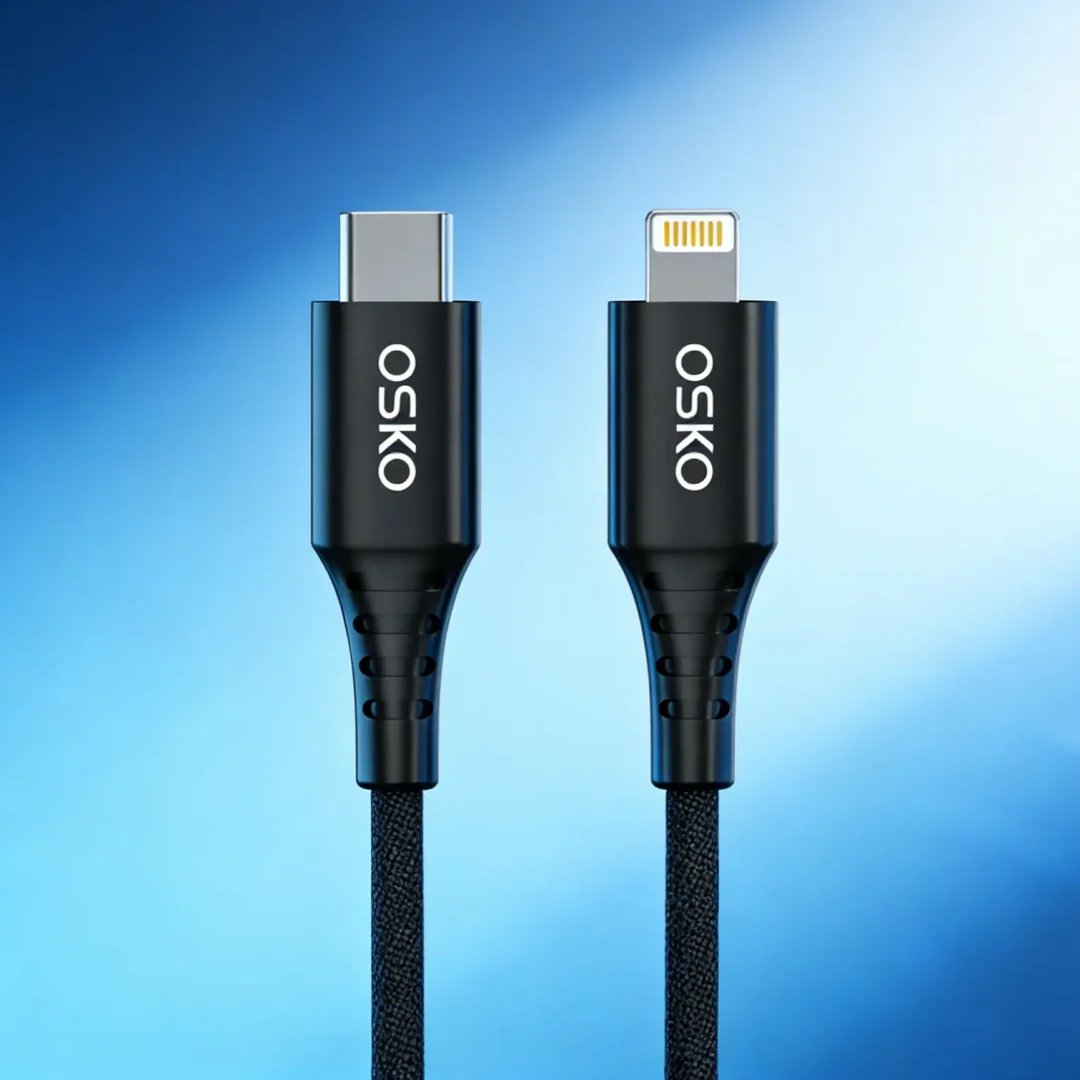
USB-C to Lightning Cable
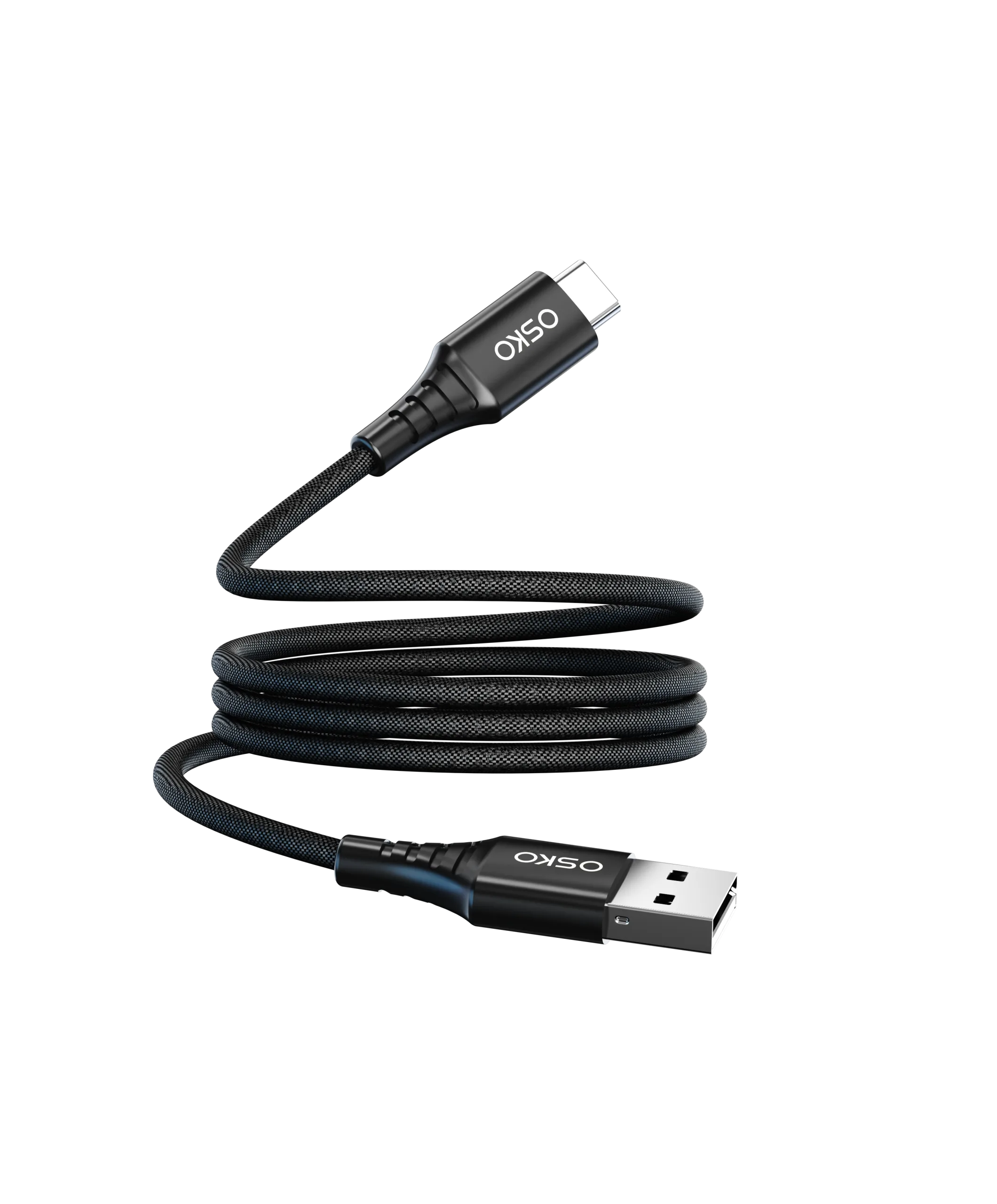
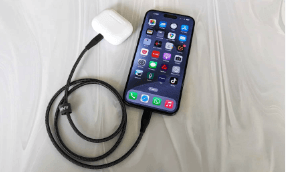
A USB-C to Lightning cable connects a Lightning device to a USB-C power source.
It is commonly used with:
USB-C wall chargers
Laptop USB-C ports
USB-C power banks
Modern charging stations
For users searching for a USB-C to Lightning cable for iPhone, compatibility should be checked first.
If the device has a Lightning port, this cable type may be suitable.
If the device uses USB-C, such as newer iPhone models, a Lightning cable is not required.
USB-A to Lightning Cable
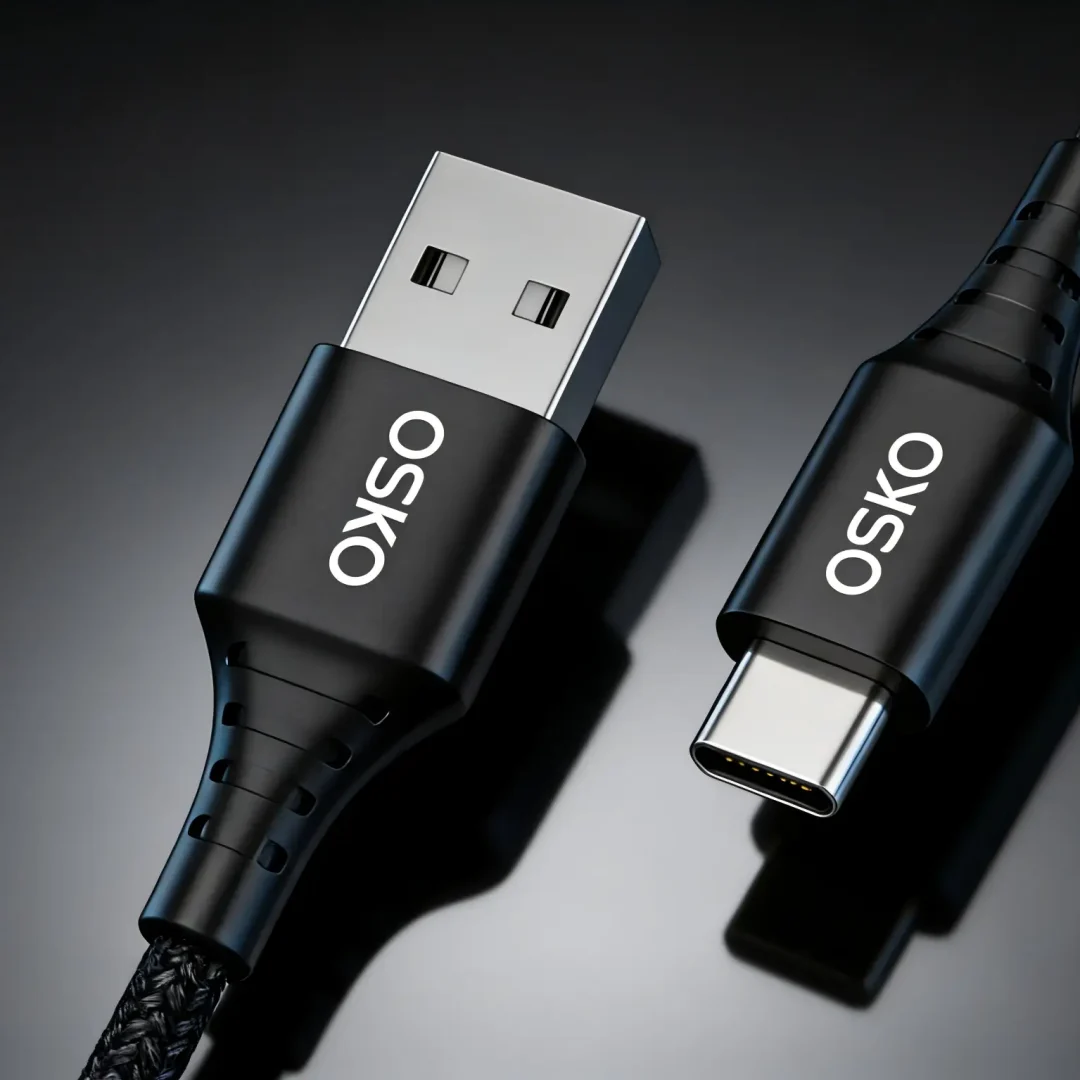
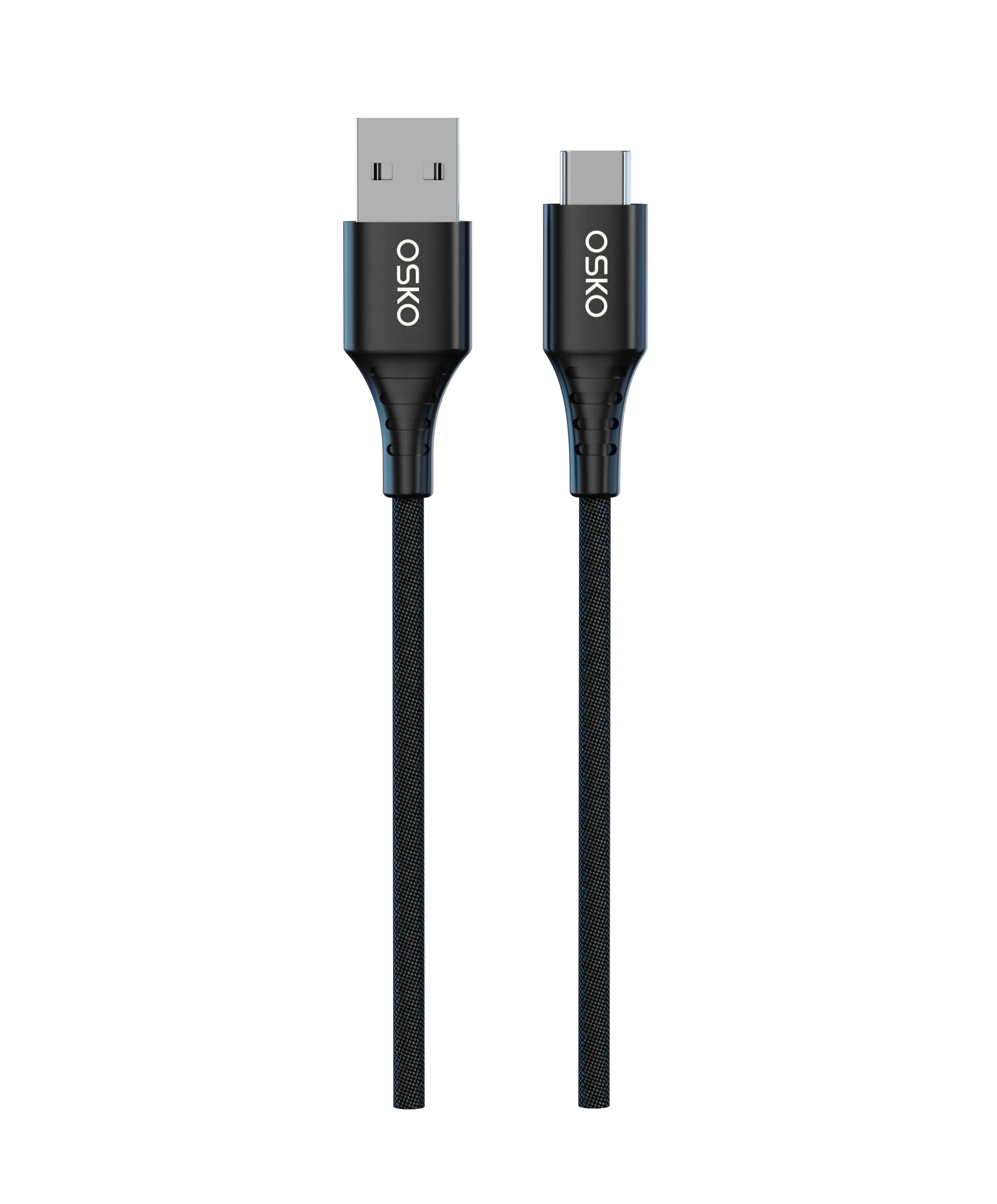
A USB-A to Lightning cable uses the traditional rectangular USB-A connector.
It remains popular because many users still own:
Older charging adapters
Desktop computers
Vehicle USB ports
Office charging stations
For replacement markets, USB-A to Lightning cables continue to have demand because many existing accessories still use USB-A connections.
For wholesalers, distributors, and retailers, this cable type remains an important product category.
What Makes a High-Quality Lightning Cable?
A reliable Lightning cable is not defined only by appearance.
Professional cable design requires attention to multiple engineering factors.
Connector Quality
The Lightning connector must maintain stable electrical contact after repeated insertion and removal.
Poor connector quality can cause:
Charging interruption
Connection failure
Data synchronization problems
Cable Material
The outer jacket affects flexibility and durability.
Common materials include:
| Material | Advantage | Application |
|---|---|---|
| PVC | Affordable and flexible | Standard charging cables |
| TPE | Soft and flexible | Daily-use cables |
| Nylon braided | Better abrasion resistance | Premium charging cables |
A durable Lightning cable usually combines quality materials with proper internal construction.
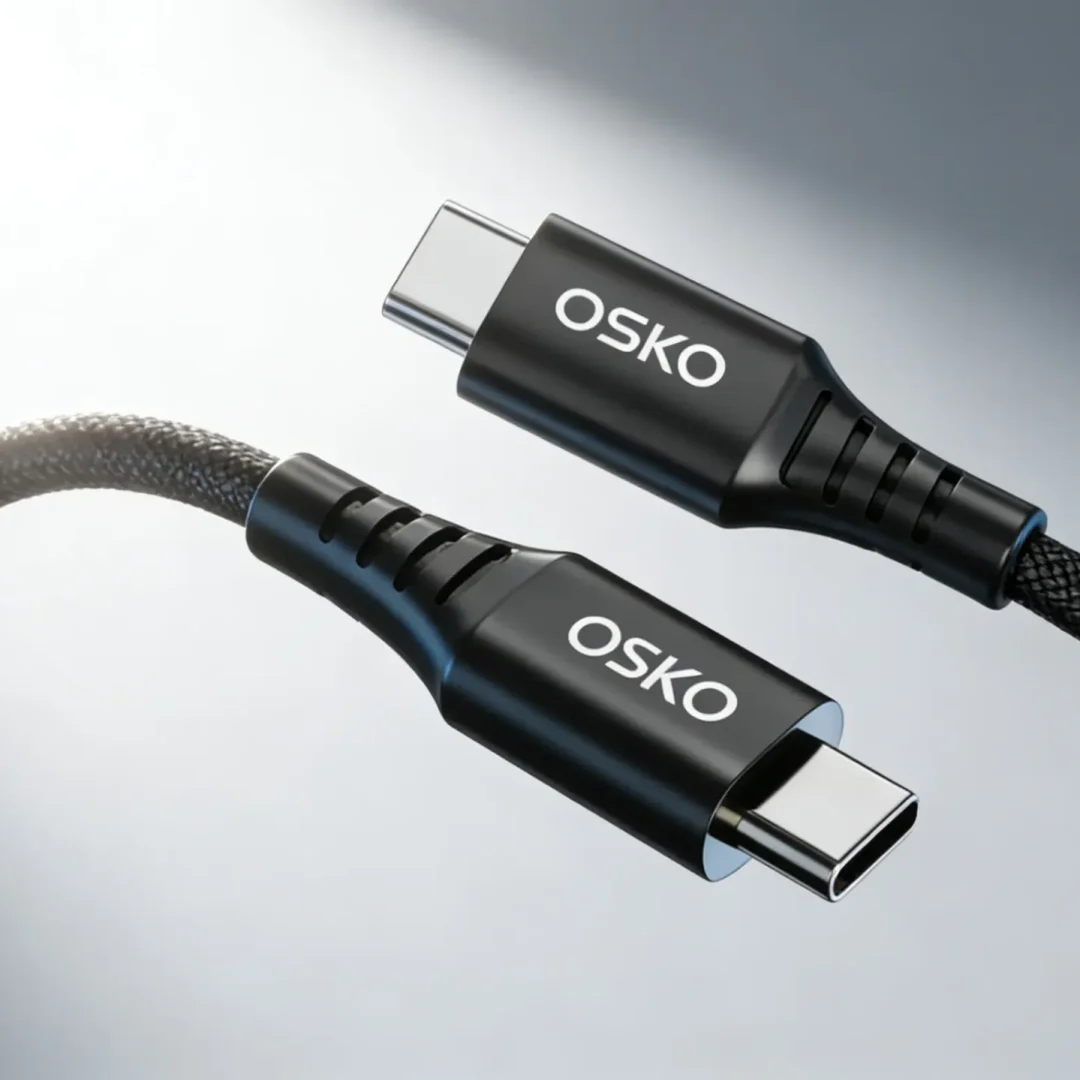
Strain Relief Design
The connector area experiences the highest mechanical stress.
A good strain relief structure helps reduce damage caused by:
Frequent bending
Pulling
Twisting
This is one of the main differences between low-cost cables and premium charging cables.
Braided Lightning Cable: Is It Better?
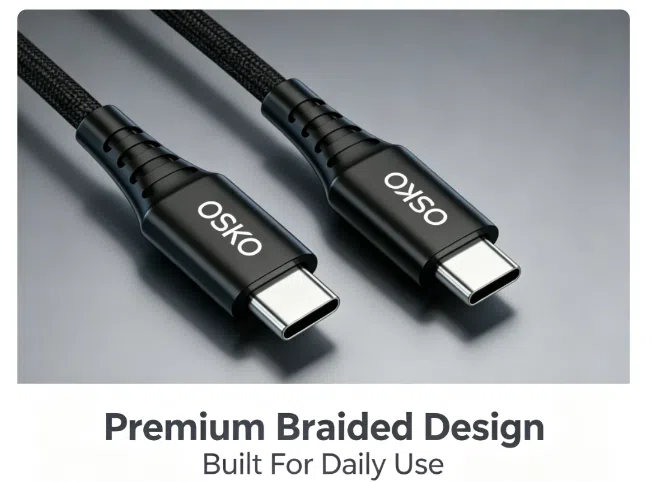
Many premium products use a braided outer jacket.
A braided Lightning cable provides:
Better abrasion resistance
Premium appearance
Improved handling experience
However, braiding alone does not guarantee quality.
A professional Lightning cable also requires:
Reliable connectors
Strong internal conductors
Proper insulation
Stable assembly process
Quality testing
For brands and retailers, evaluating the complete cable structure is more important than looking only at the outside appearance.
Lightning Cable Length Guide: 3ft vs 6ft
Cable length affects daily usability.
3ft Lightning Cable
Best for:
Office desks
Travel
Power banks
Short-distance charging
Advantages:
Portable
Easy storage
Less cable clutter
6ft Lightning Cable
Best for:
Bedrooms
Sofas
Workstations
Areas where outlets are far away
Advantages:
More flexibility
Easier device usage while charging
For retail products, offering both 3ft and 6ft versions helps cover different customer needs.
How to Choose the Right Lightning Cable for Your Device
Before purchasing a Lightning cable, consumers and business buyers should evaluate several key factors.
A cable that works well for one charging setup may not be suitable for another.
1. Check Your Device Connector
The first step is identifying whether your device uses:
Lightning port
USB-C port
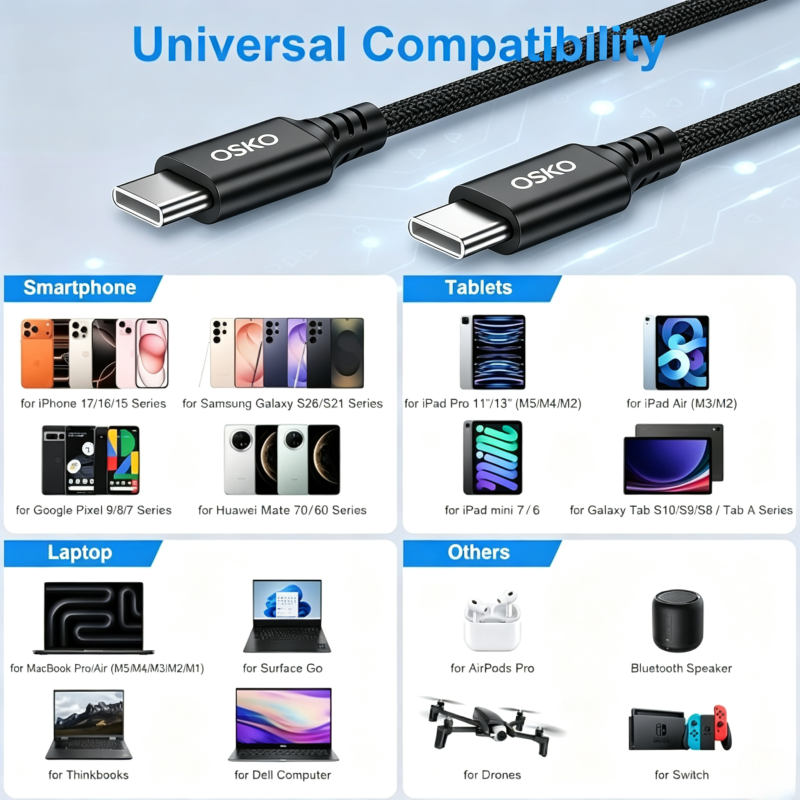
A Lightning cable is designed for Apple devices with a Lightning connection.
Examples include:
Older iPhone models with Lightning ports
Compatible iPad models
AirPods charging cases
Other Lightning accessories
Newer USB-C devices require a USB-C cable instead.
Choosing the correct connector prevents compatibility issues before purchase.
2. Check Your Charger Port
The charger side determines which Lightning cable you need.
USB-C Charger
Choose:
Suitable for:
USB-C wall chargers
Modern laptop charging stations
USB-C power banks
USB-A Charger
Choose:
USB-A to Lightning cable
Suitable for:
Traditional USB-A adapters
Older computers
Vehicle USB ports
This simple check is one of the most common mistakes consumers make when buying an iPhone charging cable.
Does a Lightning Cable Support Fast Charging?
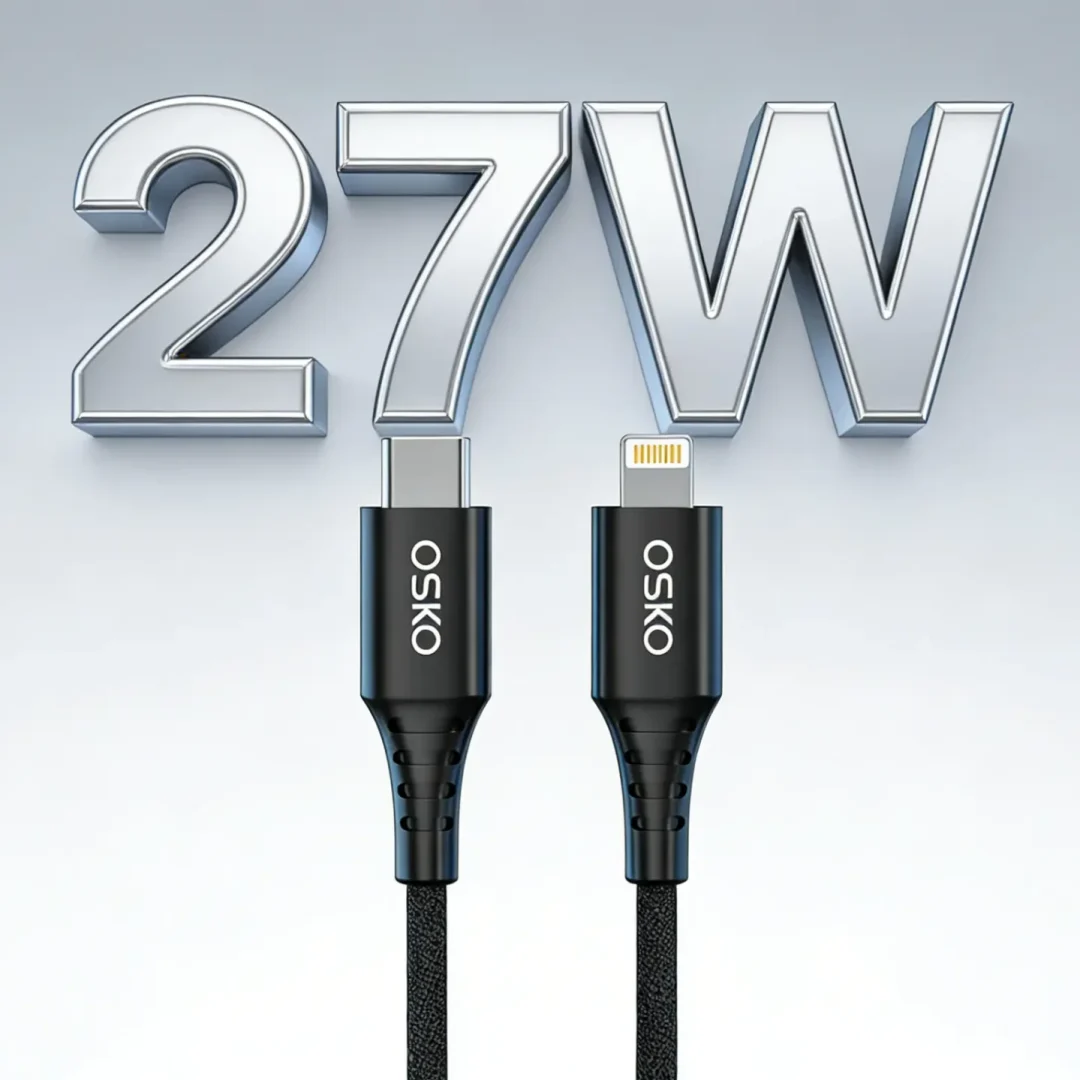
A fast charging Lightning cable can support faster charging when used with compatible equipment.
However, charging speed depends on the complete system:
Power Adapter + Cable + Device
The cable alone does not determine the final charging speed.
For example, a USB-C to Lightning cable paired with a compatible USB-C power adapter can provide faster charging performance on supported Lightning devices compared with older charging setups.
For retailers and distributors, product descriptions should clearly explain:
Compatible devices
Charging requirements
Supported specifications
Avoid unclear claims that may create customer confusion.
What Is the Most Durable Lightning Cable?
A durable Lightning cable requires more than a braided exterior.
The overall construction includes:
Internal Conductors
The internal wires affect:
Current carrying capability
Charging stability
Signal performance
Insulation Structure
Good insulation helps maintain separation between conductors and improves reliability.
Connector Assembly
The connector must withstand repeated daily use.
Strain Relief
The cable-to-connector transition needs reinforcement because this area experiences the most bending stress.
Outer Jacket
Material selection affects:
Flexibility
Abrasion resistance
User experience
A premium braided Lightning cable combines all these factors instead of relying on appearance alone.

Lightning Cable Buying Guide for US, German, Australian and Engineering Case Study: Developing a Durable Lightning Cable for a US Retail Brand
A US consumer electronics retailer planned to expand its mobile accessory category with a private-label charging cable product.
The original supplier proposal focused mainly on:
Low unit cost
Basic Lightning compatibility
Standard packaging
However, customer reviews from previous products showed a common issue:
Cable failures occurred near the connector area after repeated bending.
The purchasing team initially believed a thicker outer cable jacket would solve the problem.
During OSKO engineering evaluation, the problem was identified as a mechanical stress concentration issue at the connector transition.
The solution focused on four engineering improvements:
1. Connector Structure Optimization
The connector housing was redesigned to improve protection around the cable exit point.
2. Improved Strain Relief
The bending force was distributed over a longer transition area instead of concentrating at one point.
3. Premium Outer Material Selection
A braided nylon jacket was selected to improve:
Abrasion resistance
Product appearance
Daily-use durability
4. Production Quality Control
The manufacturing process included inspection of:
Connector assembly
Electrical continuity
Charging performance
Appearance consistency
After sample evaluation, the retailer approved the revised specification for bulk production.
From a procurement perspective, the important improvement was not simply creating a thicker cable.
The key value was developing a controlled product specification that could be reproduced consistently during mass production.
This approach is especially important for companies looking for an OEM Lightning cable manufacturer because product consistency directly affects customer satisfaction and warranty costs.
Lightning Cable Wholesale and OEM Buying Guide
For wholesalers, distributors, and private-label brands, sourcing Lightning cables requires more than comparing prices.
A professional Lightning cable supplier should support:
Product Customization
Including:
Cable length
Cable color
Outer material
Logo printing
Packaging design
Quality Requirements
Including:
Connector inspection
Electrical testing
Charging performance testing
Mechanical reliability testing
Production Capability
Important factors:
MOQ requirements
Sample approval process
Production capacity
Delivery schedule
Quality consistency
For businesses purchasing bulk Lightning cables, supplier reliability is often more important than the lowest initial price.
A low-cost cable with high return rates can increase:
Customer complaints
Replacement costs
Brand reputation risks
OEM Lightning Cable Manufacturing Process
A professional manufacturing workflow usually includes:
Material Inspection
Checking:
Cable materials
Conductors
Connectors
Packaging components
Cable Assembly
Including:
Wire preparation
Connector assembly
Soldering or termination
Overmolding
Product Testing
Depending on specifications:
Charging tests
Data connection tests
Continuity tests
Mechanical tests
Final Quality Inspection
Before shipment:
Appearance inspection
Packaging inspection
Quantity verification
This process helps ensure that production products match approved samples.
Choosing a Lightning Cable Manufacturer for Your Brand
When selecting an OEM Lightning cable manufacturer, consider:
Manufacturing Experience
A supplier should understand:
Cable structure
Material selection
Product applications
Market requirements
Customization Ability
Private-label brands often require:
Custom colors
Custom packaging
Logo branding
Product variations
Communication Efficiency
International buyers need suppliers who can provide:
Fast quotation response
Clear specifications
Sample updates
Production information
Quality Management
A reliable supplier should provide clear inspection procedures and production control methods.
Lightning Cable Market Search Trends: US, Germany, Australia and Netherlands
Different markets use different search terms, but buyers share similar purchase concerns.
United States Market
Common searches include:
Lightning cable for iPhone
Fast charging Lightning cable
USB-C to Lightning cable
Durable iPhone charging cable
Lightning cable wholesale
US buyers usually focus on:
Charging performance
Cable durability
Product reviews
Delivery reliability
For B2B buyers, private label capability and supply consistency are important factors.
Germany Market
German buyers often search using combinations such as:
Lightning Kabel
iPhone Ladekabel
USB-C Lightning Kabel
Lightning Kabel Hersteller
The German market generally values:
Technical specifications
Product reliability
Documentation
Quality standards
For suppliers, providing detailed product information improves buyer confidence.
Australia Market
Australian consumers commonly search for:
Durable Lightning cable
Long iPhone charging cable
Braided Lightning cable
Fast charging cable
Because charging locations may vary between home, office and travel environments, durability and cable length are important selling points.
Netherlands Market
Dutch buyers often purchase electronics accessories through online channels.
Important search themes include:
Lightning cable supplier
iPhone charging cable
USB charging cable wholesale
Key conversion factors include:
Clear specifications
Competitive pricing
Reliable delivery
Product quality
Why Choose OSKO for Lightning Cable OEM Solutions?
OSKO specializes in professional USB cable manufacturing, providing OEM and ODM solutions for brands, wholesalers, distributors and retailers.
Our Lightning cable solutions focus on:
Stable product construction
Custom cable designs
Private-label packaging
Quality control processes
Bulk production support
For businesses requiring custom charging cables, OSKO can support:
Cable type selection
Material recommendations
Sample evaluation
Logo customization
Packaging development
A reliable cable supplier is not only a manufacturer but also an engineering partner helping brands create consistent products.
Frequently Asked Questions About Lightning Cables
What is a Lightning cable used for?
A Lightning cable is mainly used for charging and data connection between compatible Apple devices and a charger, computer, or other supported accessory.
Is USB-C to Lightning faster than USB-A to Lightning?
USB-C to Lightning is usually the preferred choice when using modern USB-C power adapters. Actual charging speed depends on the device, adapter and cable specifications.
Can I use any Lightning cable with my iPhone?
Most Lightning cables are physically compatible with Lightning devices, but performance and reliability can vary depending on cable quality, construction and certification requirements.
Are all Lightning cables the same?
No.
Lightning cables can differ in:
Materials
Connector quality
Charging performance
Durability
Manufacturing standards
What is the best Lightning cable for daily use?
A good daily-use Lightning cable should have:
Strong connector design
Reliable internal conductors
Durable jacket
Proper strain relief
Quality testing
Are braided Lightning cables worth buying?
Braided Lightning cables are popular because they usually provide better abrasion resistance and a premium appearance.
However, internal construction quality remains equally important.
How long should a Lightning cable last?
Service life depends on:
Usage frequency
Bending conditions
Material quality
Connector design
Manufacturing quality
A properly designed cable can provide longer service life under normal daily use.
Should I buy a 3ft or 6ft Lightning cable?
Choose based on usage.
3ft:
Travel
Desk charging
Portable use
6ft:
Bedroom charging
Sofa use
Longer-distance charging
Can Lightning cables transfer data?
Yes.
Lightning cables can support data synchronization on compatible Apple devices, but the actual speed depends on device capability and cable implementation.
What should wholesalers check before buying Lightning cables?
Wholesale buyers should evaluate:
Supplier experience
Product samples
Cable specifications
Testing process
MOQ
Packaging options
Production consistency
How can I customize Lightning cables with my own brand?
OEM suppliers can usually support:
Custom logo
Custom packaging
Cable color selection
Product specifications
Brands should confirm customization requirements and minimum order quantities before production.
Summary: Choosing the Right Lightning Cable
A Lightning cable is more than a simple charging accessory.
The connector type, internal structure, materials, durability design and manufacturing quality all influence the final user experience.
For consumers, choosing the correct cable means checking:
Device compatibility
Charger compatibility
Charging requirements
Cable durability
For brands and distributors, selecting the right supplier requires evaluating:
Engineering capability
Quality control
Customization support
Production reliability
As Apple’s ecosystem continues transitioning toward USB-C, Lightning cables remain an important product category because millions of compatible devices and accessories are still in use worldwide.
For companies looking for a reliable Lightning cable manufacturer, OSKO provides OEM and ODM cable solutions with customization support for different market requirements.
Contact OSKO for Lightning Cable OEM & Wholesale Solutions
Need a custom USB-C to Lightning cable, USB-A to Lightning cable, or private-label charging cable?
Send your requirements:
Cable type
Length
Quantity
Target market
Logo requirements
Packaging requirements
OSKO can help develop a suitable cable solution for your brand.