

Why Does CarPlay Keep Disconnecting While Driving?
Imagine you’re using Apple CarPlay for navigation during a road trip.
Suddenly:
Maps freeze.
Music stops playing.
The screen disconnects.
CarPlay restarts unexpectedly.
Many drivers immediately blame their iPhone or vehicle system.
However, in many cases, the real culprit is the cable.
A low-quality USB-A to USB-C cable can cause:
Unstable CarPlay connections
Slow charging
Frequent disconnects
Data transmission errors
Reduced user experience
For automotive accessory distributors, wholesalers, and OEM brands, poor cable quality often results in customer complaints, product returns, and negative reviews.
Choosing the right Apple USB-A to USB-C cable for CarPlay is essential for maintaining stable connectivity and delivering a premium user experience.

What Is an Apple USB-A to USB-C Cable for CarPlay?
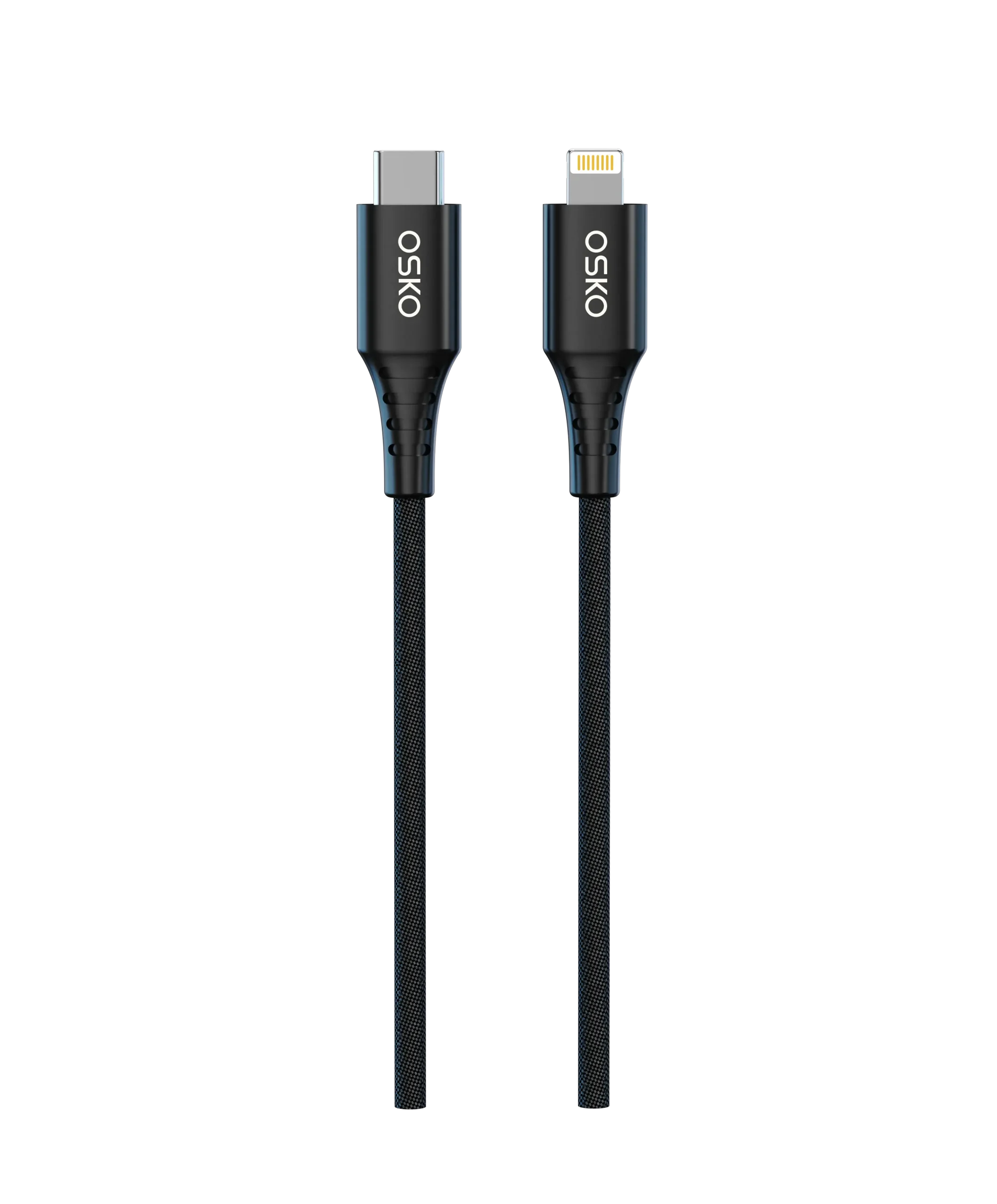
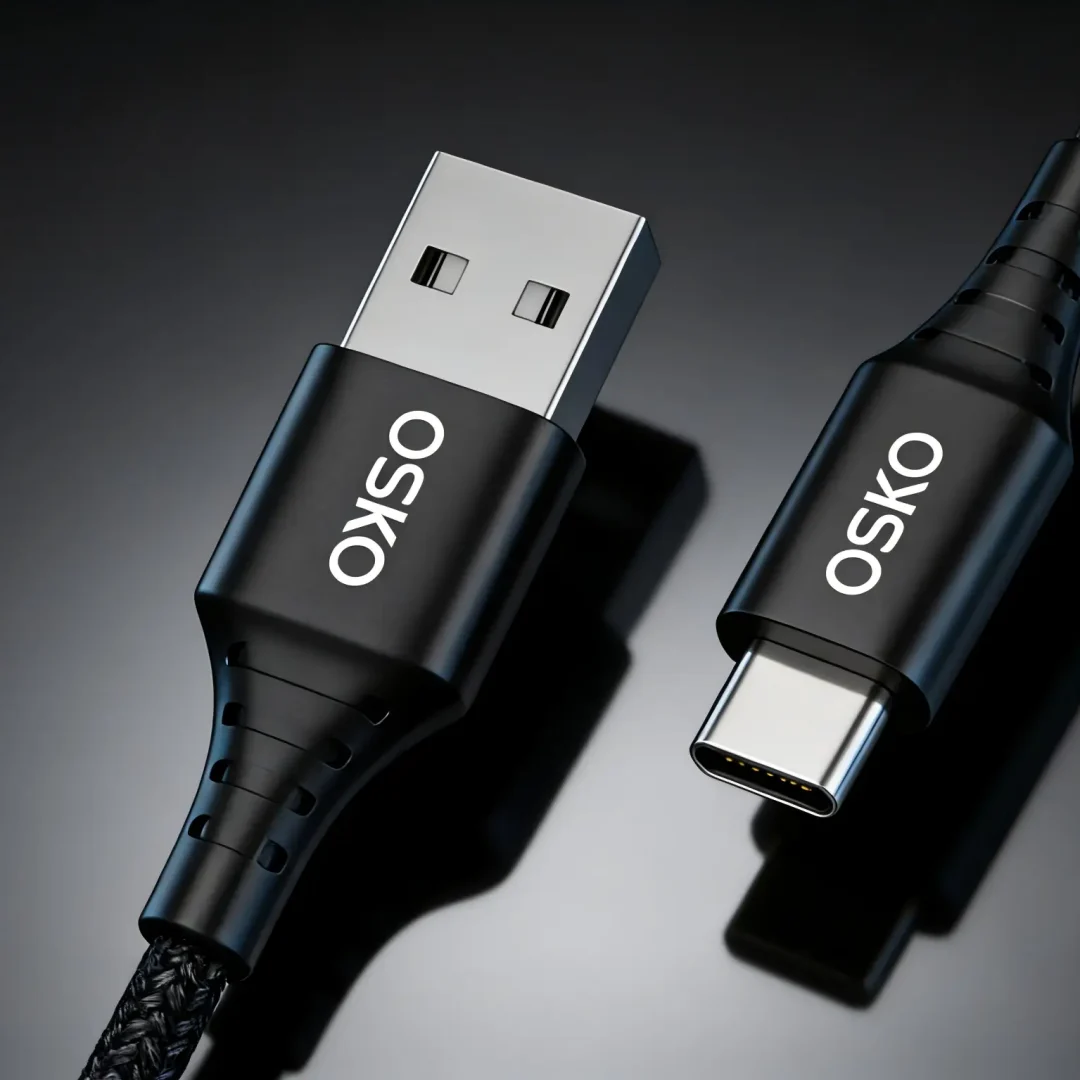
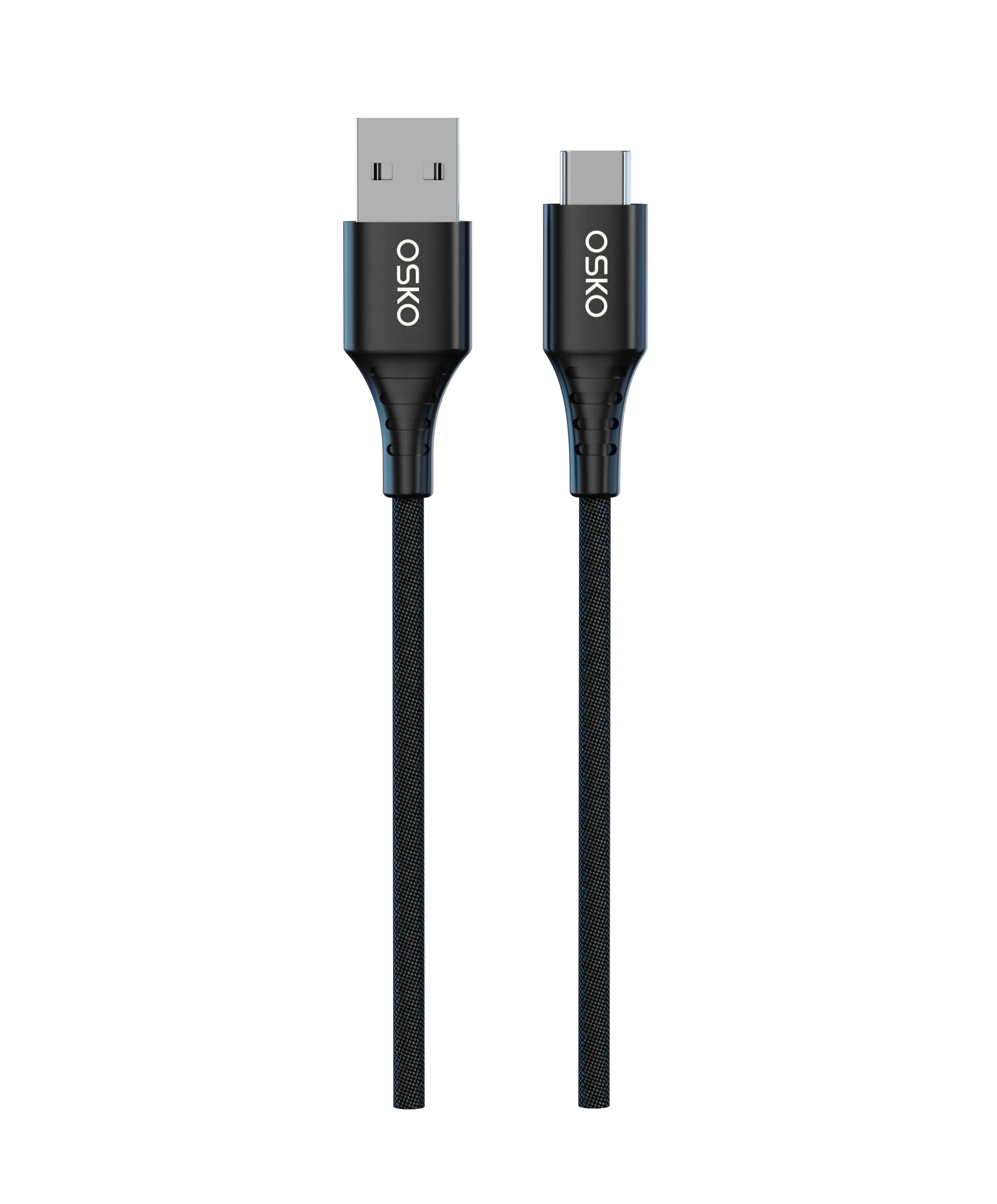
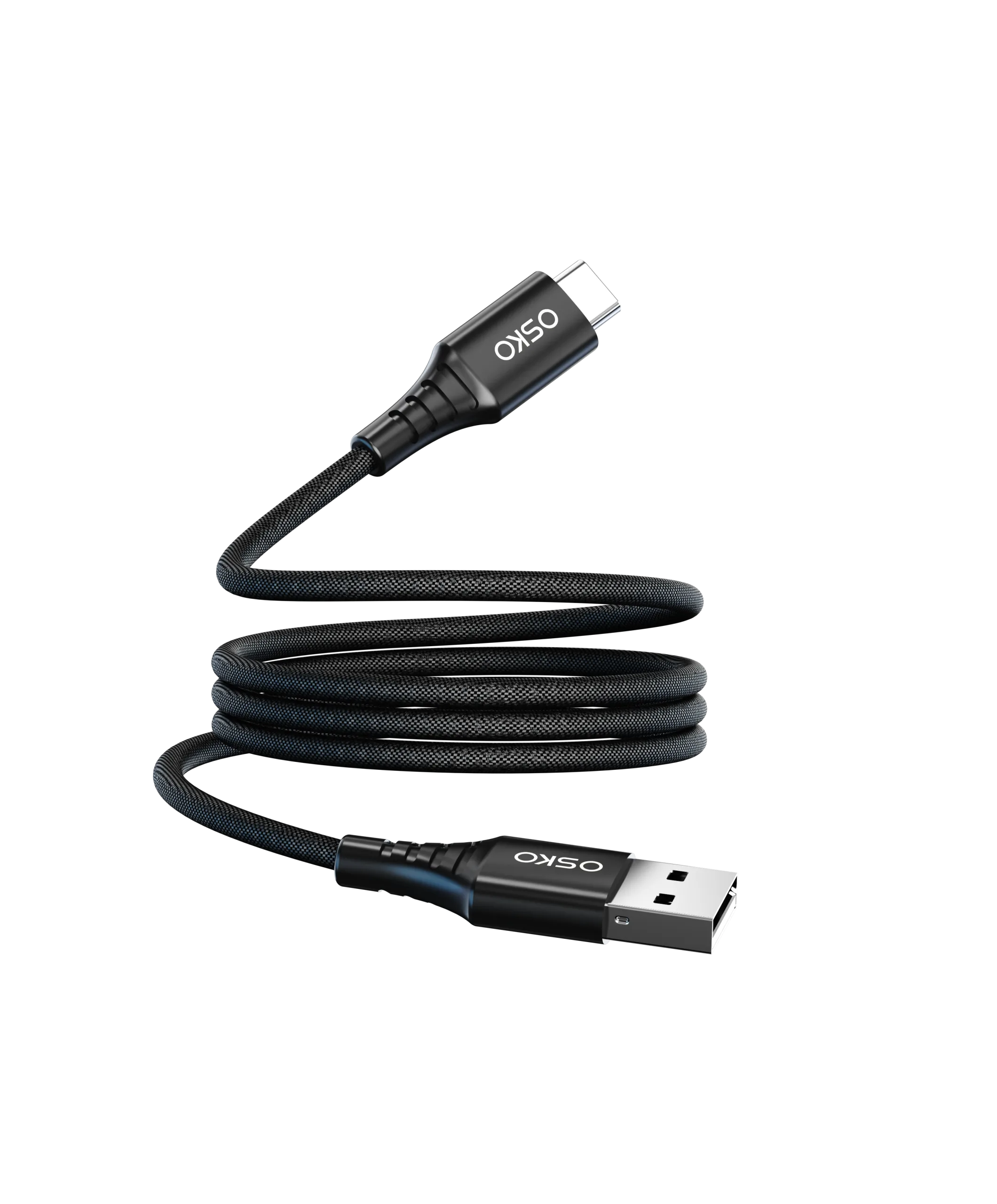
A USB-A to USB-C cable for CarPlay connects:
A vehicle’s USB-A port
An Apple device with a USB-C connector
Common compatible devices include:
iPhone 15 Series
iPhone 16 Series
Future USB-C iPhone models
USB-C iPads used in vehicle environments
The cable performs two critical functions simultaneously:
Data Transfer
CarPlay requires constant high-quality data communication between:
iPhone
Vehicle infotainment system
Device Charging
While CarPlay is running, the cable also supplies power to keep the device charged.
Unlike ordinary charging cables, CarPlay cables must support stable data transmission and continuous power delivery at the same time.
Why Cable Quality Matters for CarPlay
Many inexpensive USB cables are designed primarily for charging.
CarPlay places much higher demands on cable performance.
CarPlay Requires Stable Data Communication
During operation, CarPlay continuously transfers:
Navigation data
Audio signals
Voice commands
App information
Vehicle communication data
Poor-quality cables may cause:
Audio dropouts
Screen lag
Random disconnections
Failure to recognize the iPhone
Connector Stability
Automotive environments involve:
Constant vibration
Vehicle movement
Frequent plugging and unplugging
Premium cables use:
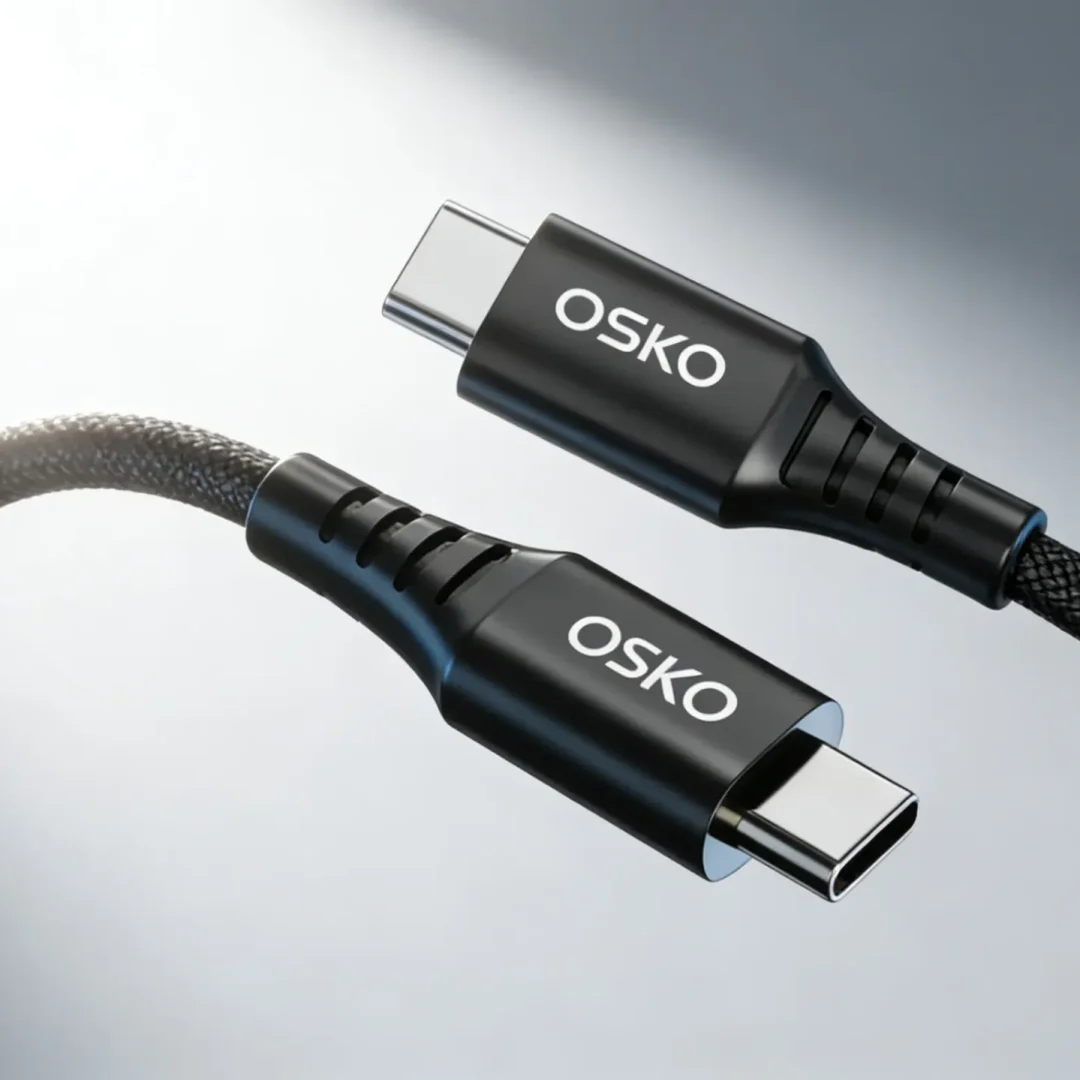
Reinforced connector housings
Enhanced strain relief
Precision connector tolerances
These features significantly improve connection reliability.
Common CarPlay Cable Problems
Problem 1: Random Disconnections
Causes
Weak internal wiring
Poor shielding
Connector wear
Solution
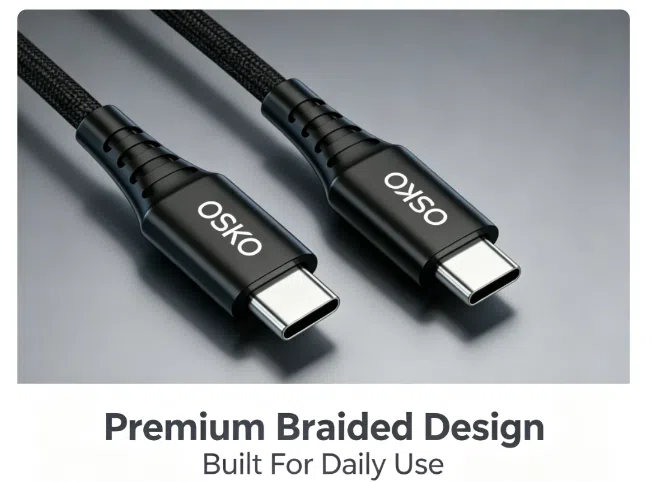
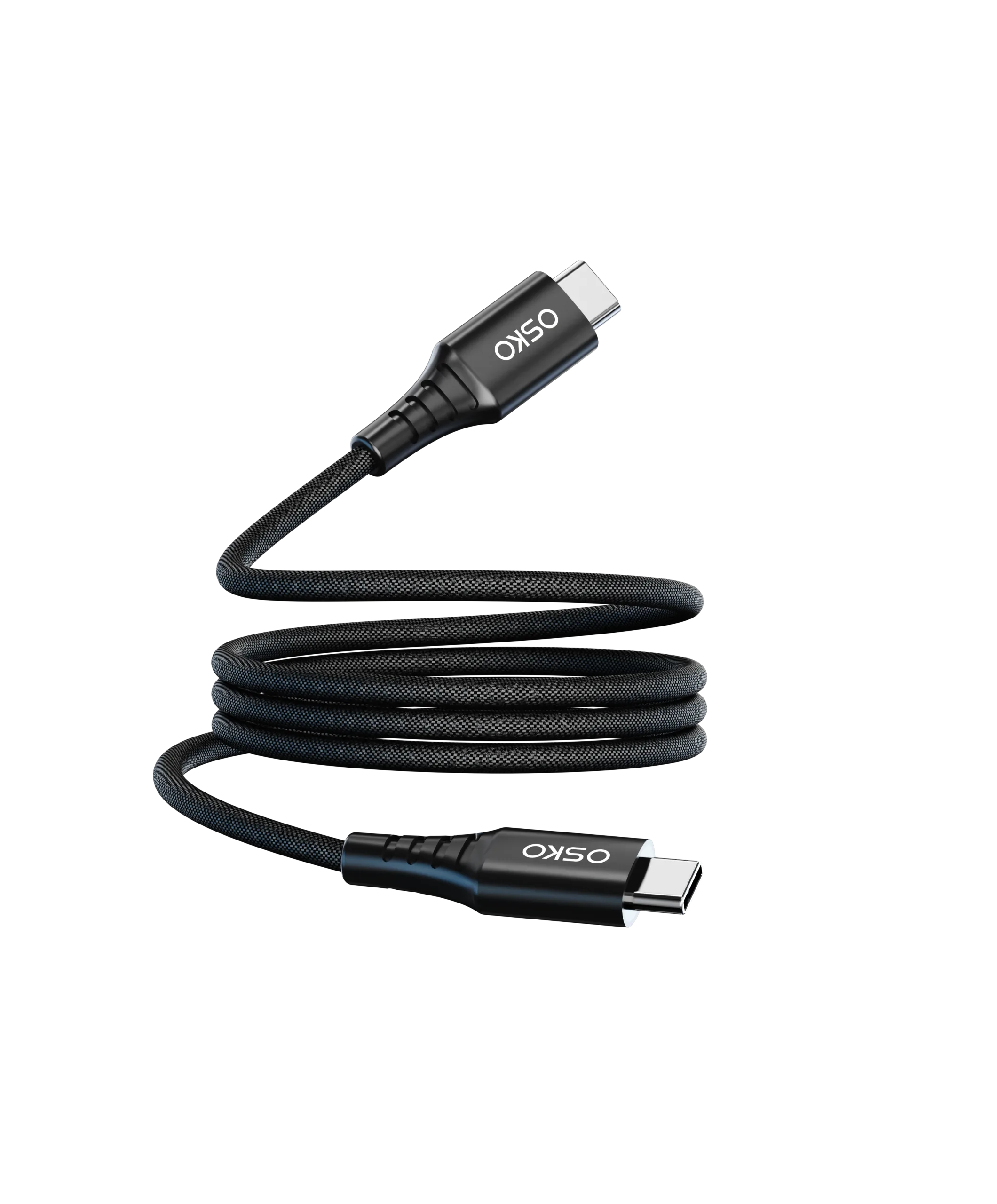
Use a high-quality braided USB-A to USB-C cable with reinforced connectors.
Problem 2: Slow Charging During Navigation
Navigation apps consume significant power.
Low-quality cables may fail to provide adequate charging current.
Solution
Choose cables supporting:
3A charging
Fast charging protocols
Low-resistance copper conductors
Problem 3: Device Not Recognized
Some vehicle systems fail to detect connected devices.
Common Causes
Data-only conductor issues
Poor connector design
Inadequate shielding
Recommended Solution
Use OEM-grade cables designed specifically for CarPlay compatibility.
Nylon Braided vs Standard PVC CarPlay Cables
One of the most common purchasing decisions involves cable jacket materials.
Comparison Table
| Feature | PVC Cable | Nylon Braided Cable |
|---|---|---|
| Durability | Standard | Excellent |
| Vibration Resistance | Moderate | High |
| Tangle Resistance | Low | High |
| Abrasion Resistance | Moderate | Excellent |
| Premium Appearance | Basic | Premium |
| Automotive Lifespan | Average | Extended |
For vehicle applications, braided cables consistently outperform standard PVC cables.

Best Cable Length for CarPlay
The ideal cable length depends on vehicle layout.
Length Comparison
| Length | Application | Market Demand |
|---|---|---|
| 1ft (0.3m) | Center Console Ports | Medium |
| 3ft (1m) | Standard Vehicle Use | High |
| 6ft (2m) | SUVs & Trucks | Very High |
3ft CarPlay Cable
Advantages:
Less cable clutter
Better signal integrity
Convenient for most passenger cars
6ft CarPlay Cable
Advantages:
Flexible positioning
Ideal for large vehicles
Better passenger accessibility
North American SUV and pickup truck owners frequently prefer 6ft cables.
Fast Charging Performance for Apple Devices
Many drivers expect their phones to charge while using CarPlay.
A quality USB-A to USB-C cable should support:
| Charging Standard | Maximum Output |
|---|---|
| Standard Charging | 5W–10W |
| Fast Charging | 15W–18W |
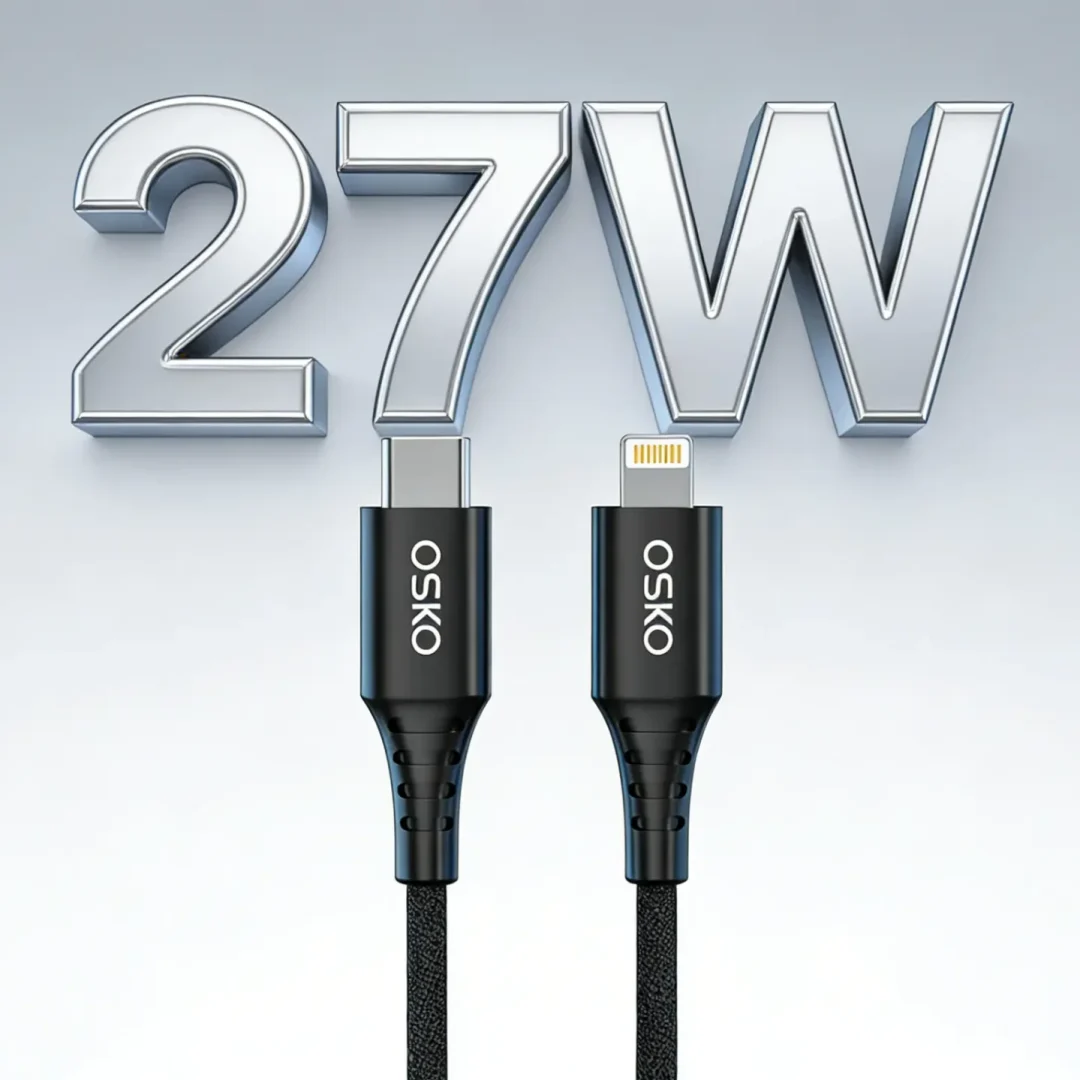
| Enhanced Charging | Up to 27W* |
*Actual charging speed depends on vehicle USB output and device capability.
Premium cables minimize voltage loss and improve charging efficiency.
OEM Customization Options
For wholesalers and automotive accessory brands, customization creates additional market value.
Cable Length Options
Available lengths include:
1ft
3ft
6ft
10ft
Braided Color Options
Popular automotive colors include:
Black
Space Gray
Blue
Red
Custom Pantone Colors
Connector Housing Options
Available materials:
Aluminum Alloy
Zinc Alloy
High-Durability ABS
Branding Options
OEM manufacturers can provide:
Laser logo engraving
Silk-screen printing
UV logo printing
Retail packaging customization
Market Analysis: North America & Europe
United States
The U.S. automotive accessory market continues to show strong demand for:
Apple CarPlay accessories
Fast charging cables
Premium vehicle connectivity products
Popular vehicle categories include:
Pickup trucks
SUVs
Electric vehicles
6ft braided CarPlay cables perform particularly well.
Canada
Canadian consumers prioritize:
Cold-weather durability
Flexible cable jackets
Long-term reliability
Braided nylon cables are highly preferred.
Germany
German buyers focus on:
Engineering quality
Product certifications
Stable data performance
For automotive applications, reliability often outweighs price considerations.
United Kingdom
The UK market continues to experience growing demand for:
Apple CarPlay upgrades
USB-C automotive accessories
Premium charging solutions
France
French consumers increasingly value:
Premium aesthetics
Sustainable packaging
High-quality materials
Customized braided cables perform strongly in this segment.
Why Automotive Brands Choose OEM CarPlay Cable Manufacturing
Professional OEM production provides several advantages.
Quality Control
Reliable manufacturers perform:
Charging tests
Data transmission tests
Connector insertion tests
Pull-force testing
Vehicle compatibility testing
Supply Chain Stability
OEM factories offer:
Consistent production quality
Large-scale manufacturing
Stable lead times
Global logistics support
Private Label Opportunities
Growing demand for branded automotive accessories creates significant opportunities for:
Auto accessory retailers
Car dealerships
E-commerce brands
Vehicle electronics distributors
FAQ
Does CarPlay require a special USB-A to USB-C cable?
CarPlay does not require a proprietary cable, but it does require a high-quality cable capable of stable data transmission and charging.
Why does my CarPlay disconnect randomly?
The most common causes are poor cable quality, damaged connectors, or unstable data transmission.
Is a braided cable better for CarPlay?
Yes. Braided cables offer greater durability, improved vibration resistance, and longer lifespan in vehicle environments.
What cable length is best for CarPlay?
For most vehicles, 3ft is sufficient. For SUVs, trucks, and larger interiors, 6ft is often preferred
Can OEM manufacturers customize CarPlay cables?
Yes. Length, color, logo, connector housing, and packaging can all be customized.
Conclusion
An Apple USB-A to USB-C cable for CarPlay is more than just a charging accessory—it is a critical component that ensures stable navigation, uninterrupted audio, reliable communication, and efficient charging while driving.
For wholesalers, automotive accessory brands, and distributors serving North American and European markets, investing in premium braided USB-A to USB-C cables can significantly improve customer satisfaction, reduce returns, and strengthen brand reputation.
As Apple USB-C adoption continues to expand and vehicle connectivity becomes increasingly important, demand for durable, fast-charging, CarPlay-compatible cables is expected to grow across the United States, Canada, Germany, the United Kingdom, France, and other major automotive markets.