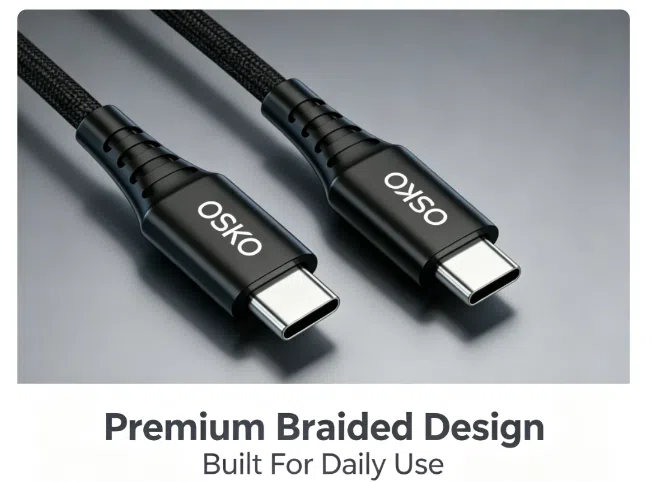
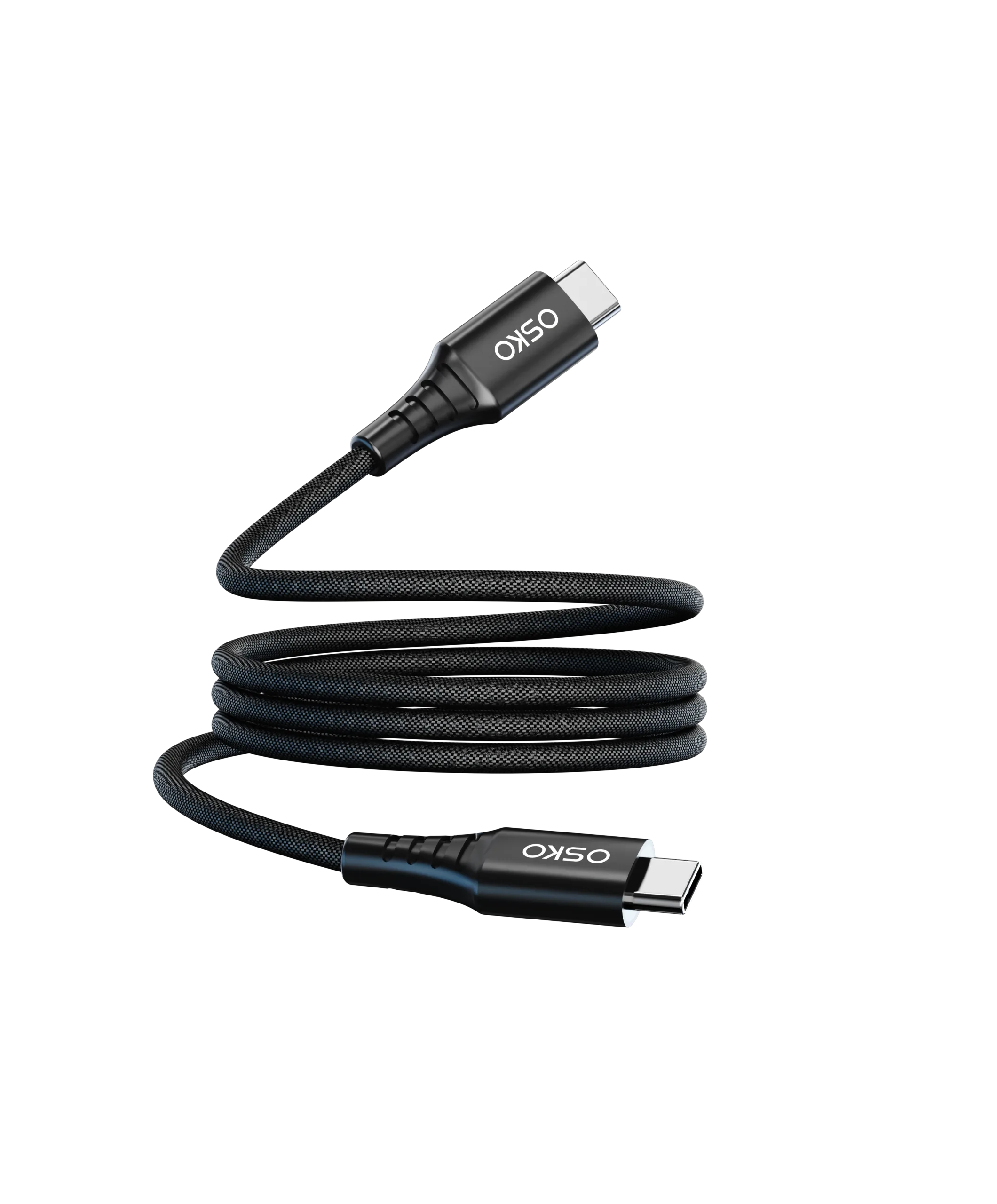
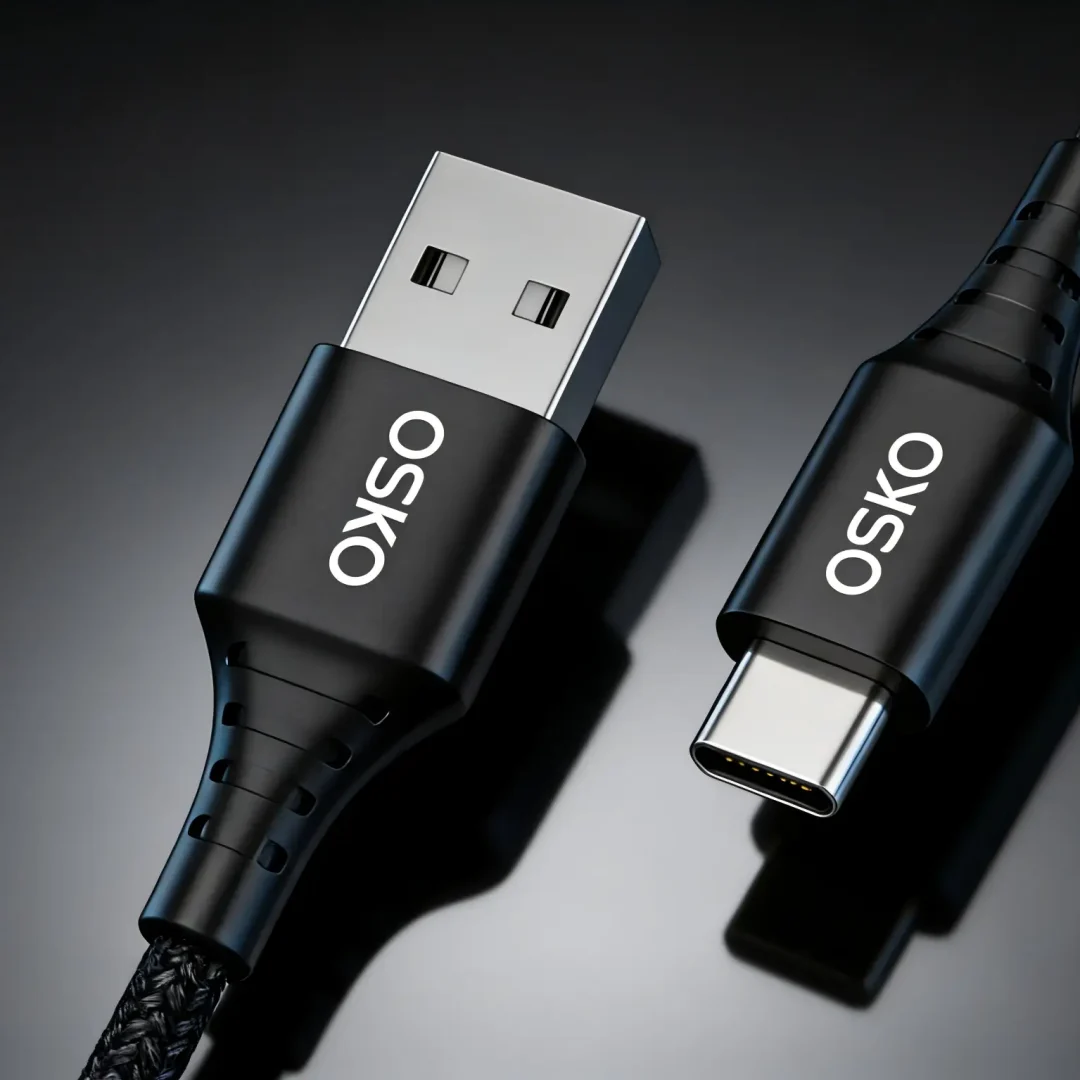
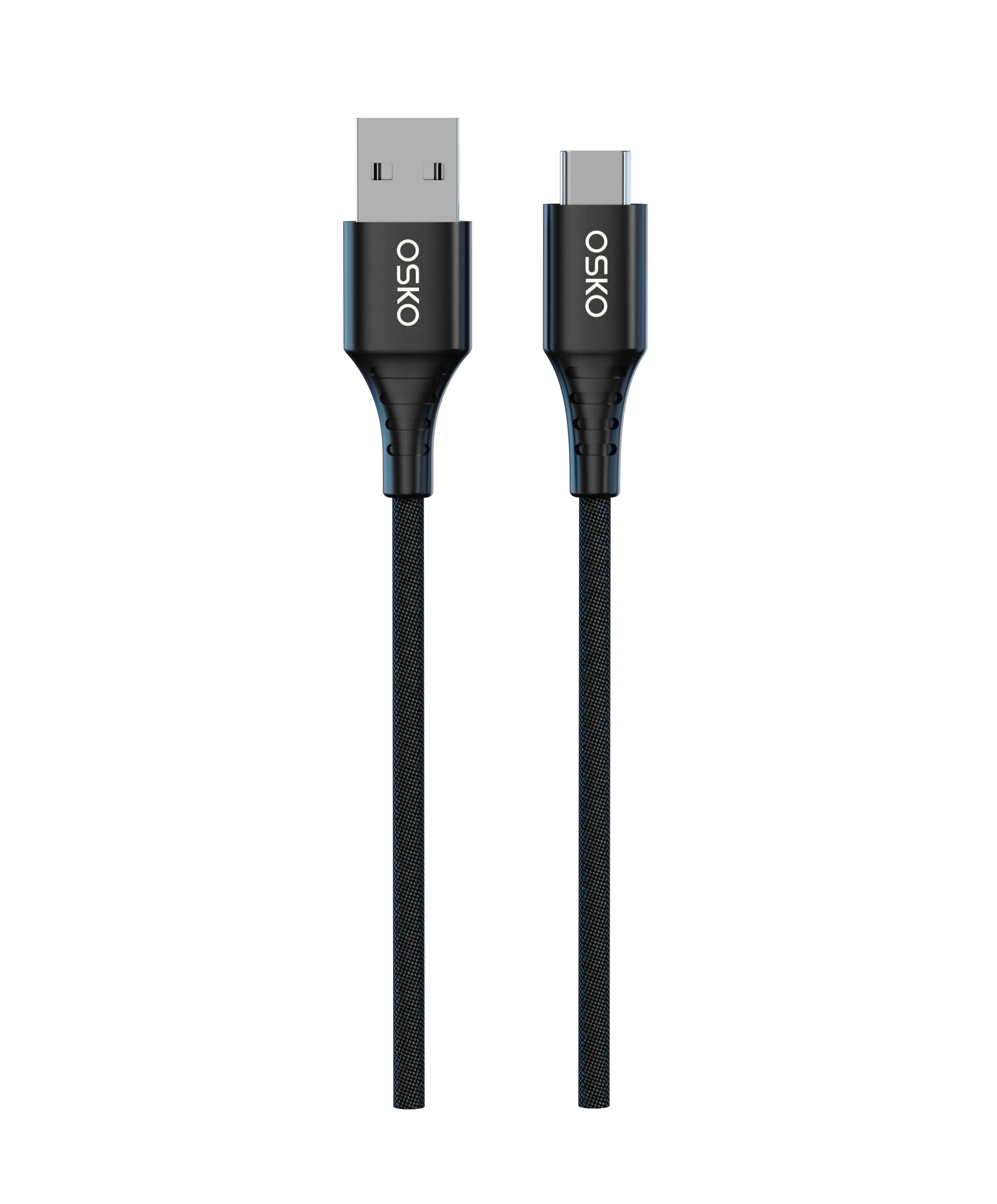
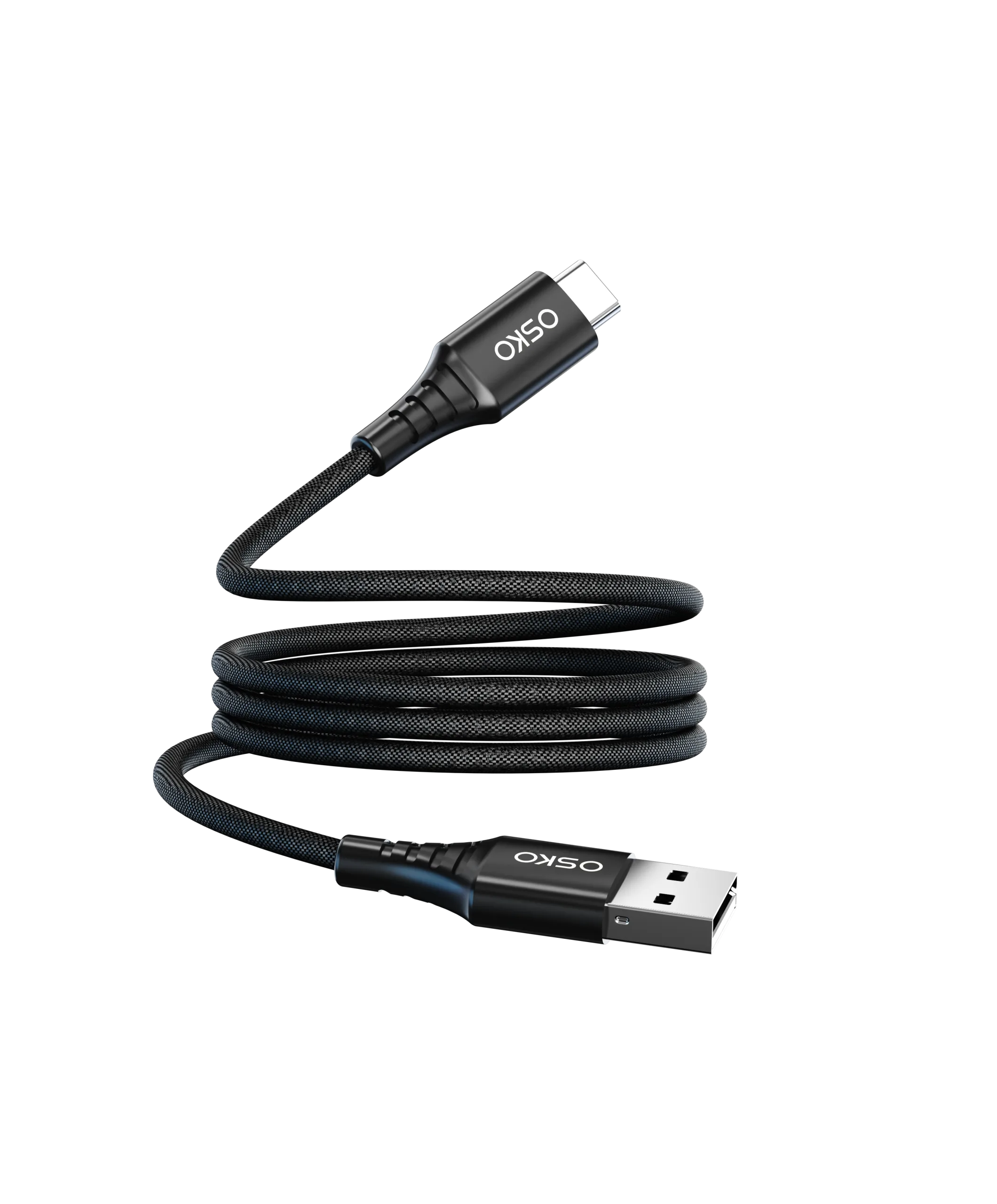
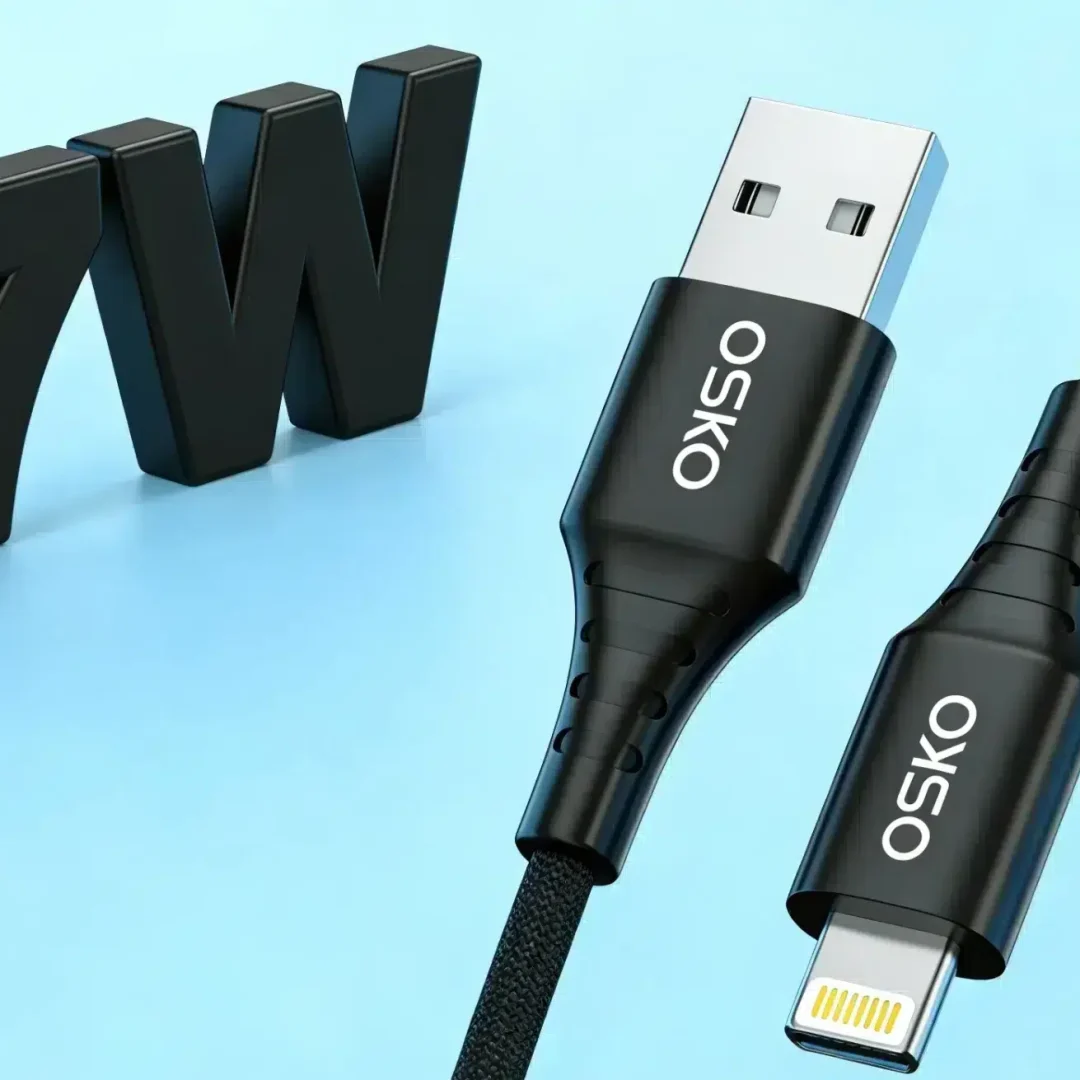
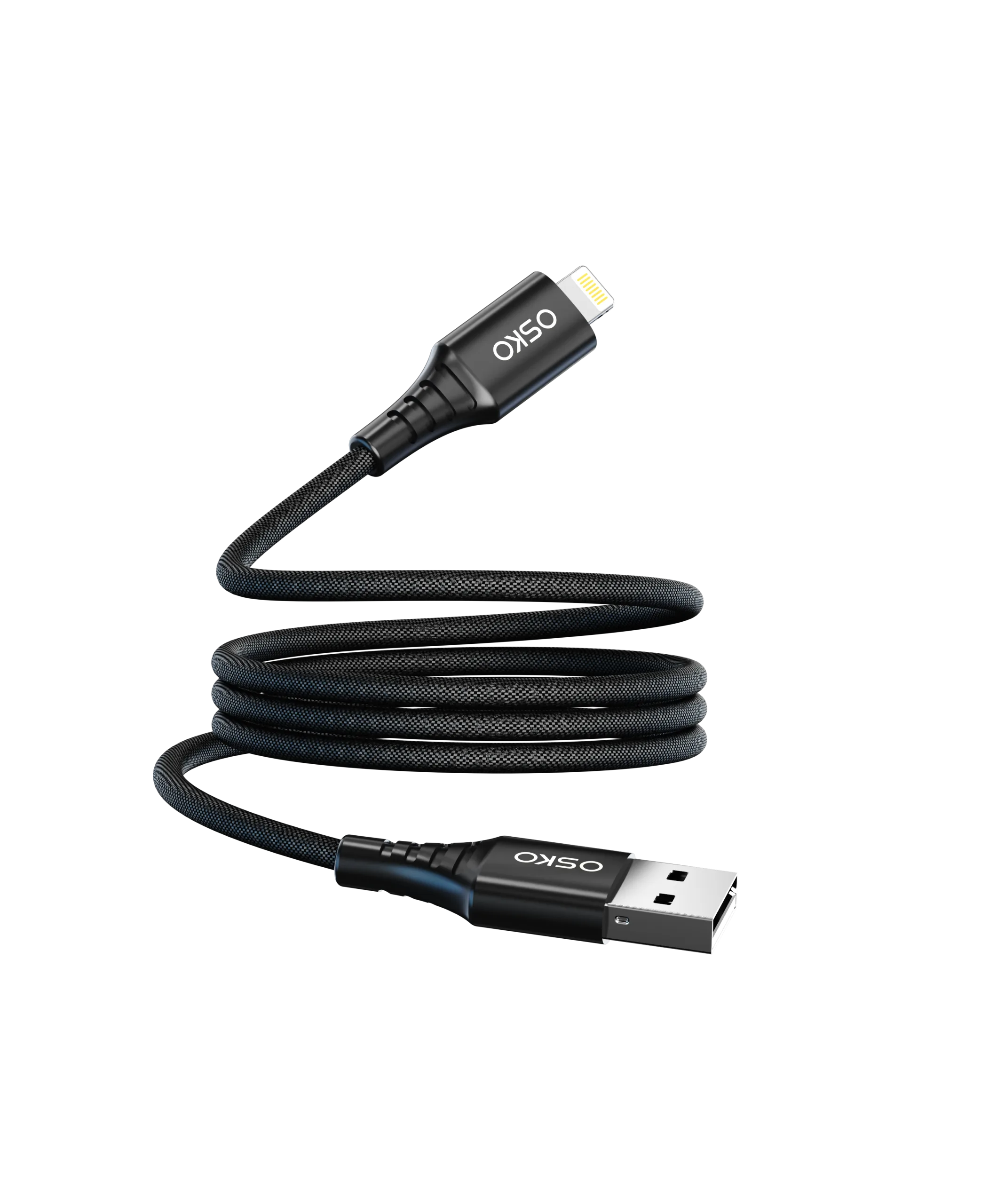
This article explains how tangle free USB cables are designed, including braided structure engineering, material science, shielding layers, and anti-twist geometry. It also covers OEM manufacturing, wholesale sourcing, and durability requirements for North American and European USB cable markets.
This guide explains how fast charging cables for Android work, including USB-C Power Delivery, PPS charging, cable materials, and durability. It covers OEM manufacturing, wholesale sourcing, and key engineering factors such as copper quality, shielding, and E-Marker chips for North American and European markets.
This guide explains USB-C cable compatibility for iPhone in 2026, including charging speed, Power Delivery performance, data transfer limits, and OEM manufacturing standards. It covers braided cable materials, E-Marker requirements, and wholesale sourcing strategies for North American and European markets.
USB-C is everywhere these days, charging your phone, connecting your laptop, even powering your camera. With its compact design and reversible connector, USB-C offers significant advantages over its predecessors.
This article explains 6 essential USB cable testing methods used during production, including electrical performance testing, pull-force testing, bending fatigue testing, E-Marker validation, high-voltage safety testing, and data transmission verification. It also covers OEM USB cable manufacturing standards, quality control systems, and compliance requirements for North American and European markets.
When people buy a USB cable, HDMI cable, Ethernet cable, or charging cable, they often focus on charging speed or data transfer speed. However, one hidden component inside the cable plays a huge role in performance—the Shielding Layer.
This USB-C Cable Buying Guide 2026 explains how to choose the right fast charging cable based on wattage, materials, E-Marker chips, durability, and certification standards. It covers OEM manufacturing, wholesale sourcing strategies, and North America & Europe market trends for USB-C cables in retail, travel, car, and desktop applications.
This article explains why USB-C cables stop charging, covering internal wire failure, connector wear, E-Marker chip issues, material degradation, and device compatibility. It also provides OEM engineering solutions, material selection guidance, and wholesale sourcing recommendations for durable USB-C cable manufacturing in North America and Europe markets.
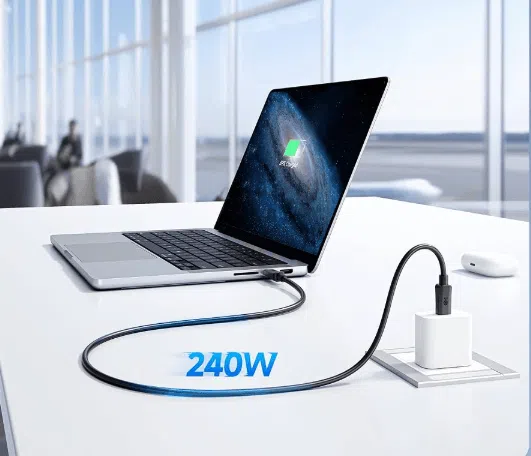
Discover the best USB-C cable for MacBook Pro with 100W and 240W charging support. Learn about E-Marker chip design, braided cable durability, USB-IF compliance, and OEM manufacturing solutions for North America and Europe.
This article compares 100W vs 60W USB-C cables in charging performance, wire gauge, E-Marker chip design, and durability. It covers OEM USB cable manufacturing, braided cable materials, and North American and European market applications for laptops, phones, and tablets.