

Introduction
Selecting the best charging cable for travel is not only about portability but also about reliability, compatibility, and long-term durability under changing environmental conditions.
Travel scenarios introduce unique challenges such as repeated bending, temperature variation, multi-device charging needs, and limited access to power outlets.
Because of this, a travel charging cable must be engineered to balance flexibility, mechanical strength, and USB Power Delivery (USB-PD) compatibility.
In modern global markets, especially in North America and Europe, users expect one cable to support phones, tablets, laptops, and power banks without performance loss.

Material Science & Dielectric Properties
A high-quality USB-C travel cable must maintain stable electrical performance while enduring physical stress.
Conductor Design for Travel Conditions
Travel cables require stable conductivity under repeated bending and movement.
Typical engineering features include:
Oxygen-free copper conductors for low resistance
Multi-strand wire architecture for flexibility
Tin-plated copper for corrosion resistance
These materials reduce energy loss and ensure stable charging in fast charging travel cable systems.
E-Marker Chip for Multi-Device Compatibility
For higher wattage travel cables, the E-Marker USB-C cable system is essential.
It enables:
Device power negotiation
Safe current limitation
Compatibility across laptops and phones
Stable PD protocol communication
This is especially important when using one cable across multiple devices such as MacBooks, iPhones, and Android phones.
Dielectric Insulation and Flexibility
Travel cables must withstand frequent bending and packing pressure.
Common materials include:
TPE (flexible, temperature resistant)
TPU (high elasticity and durability)
PVC (budget option, less flexible)
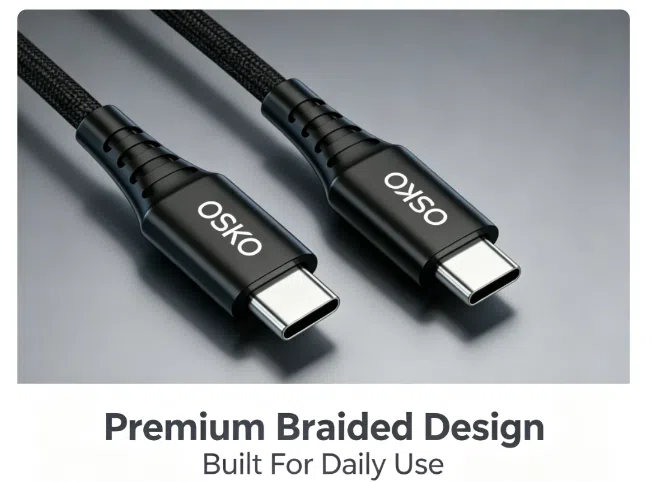
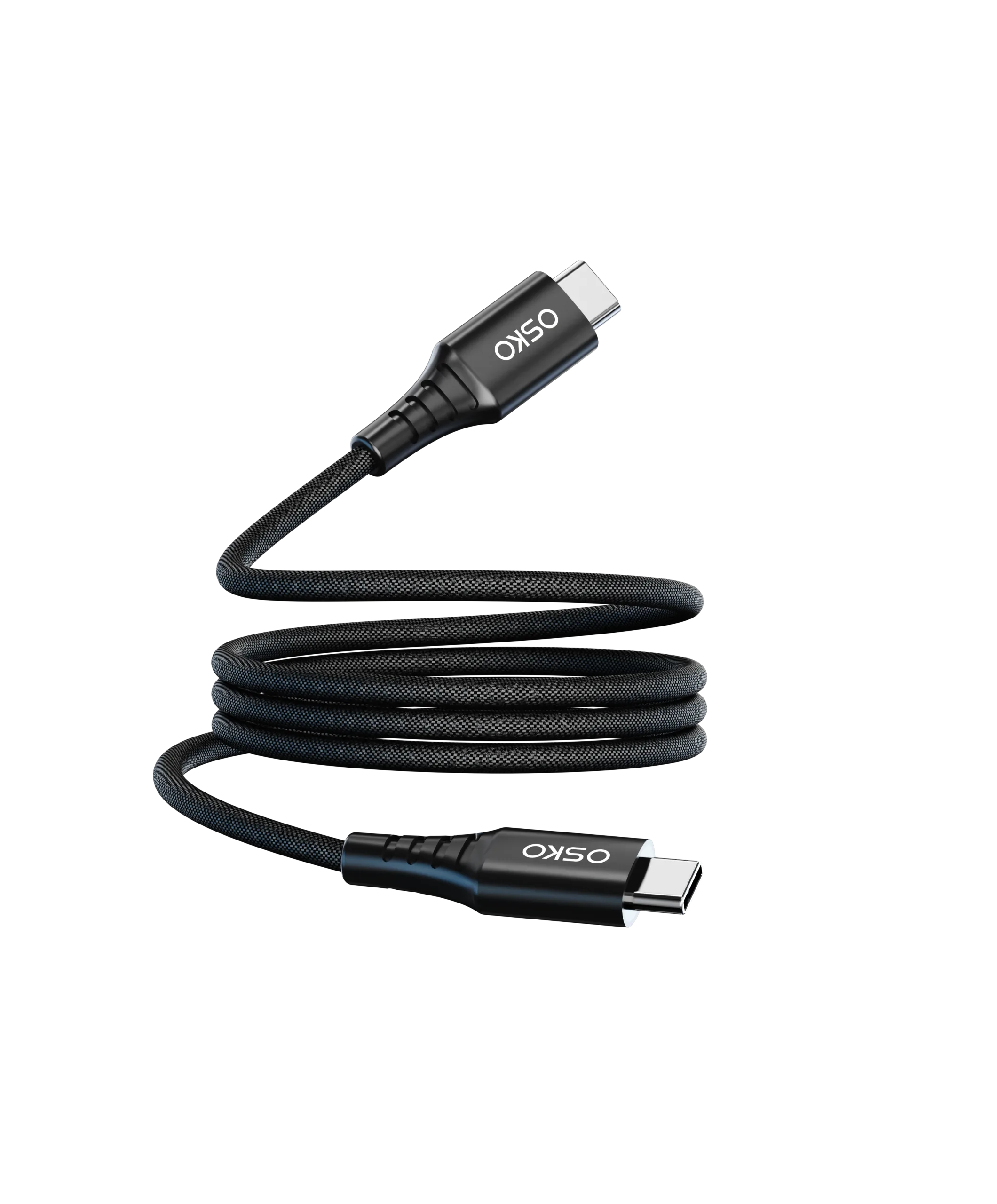
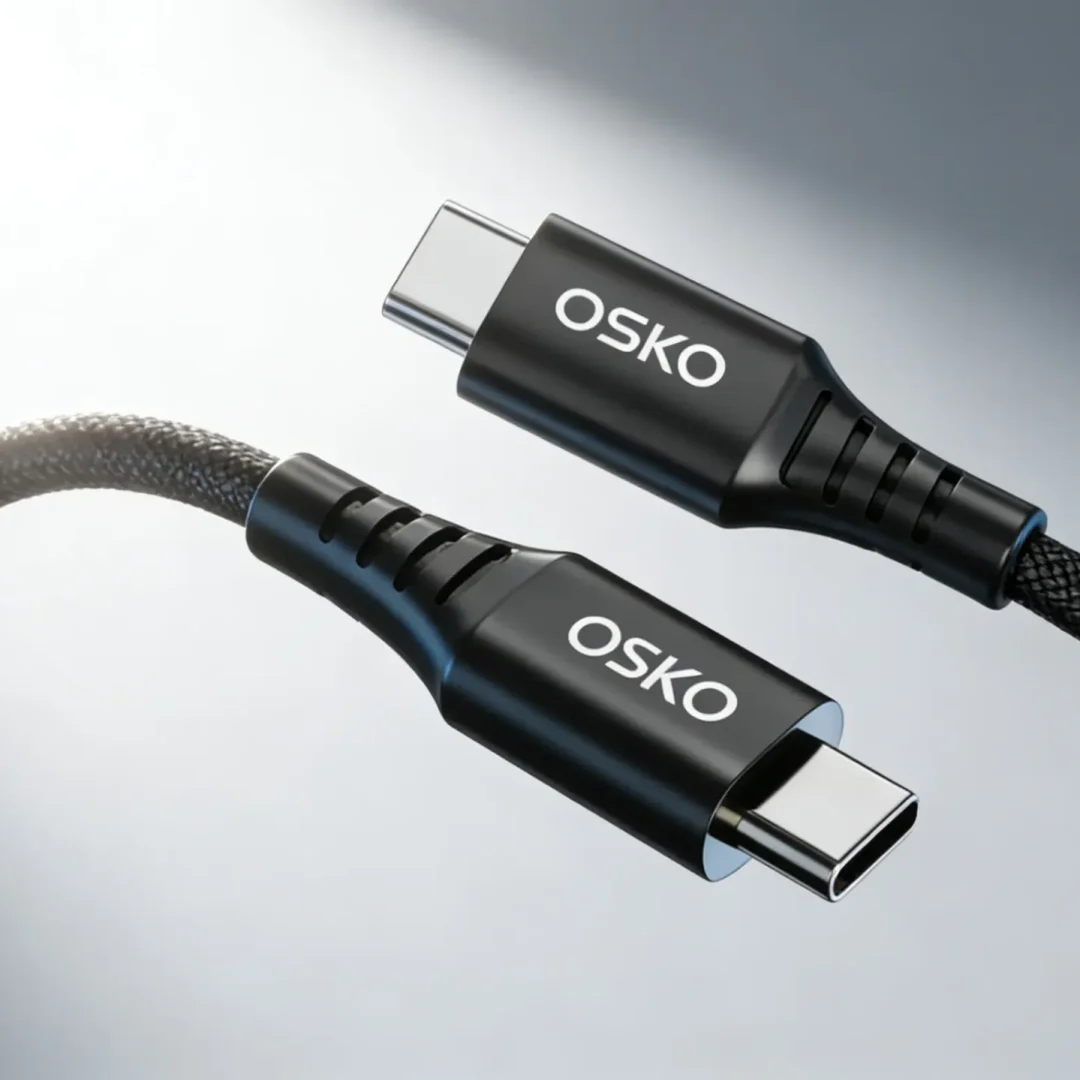
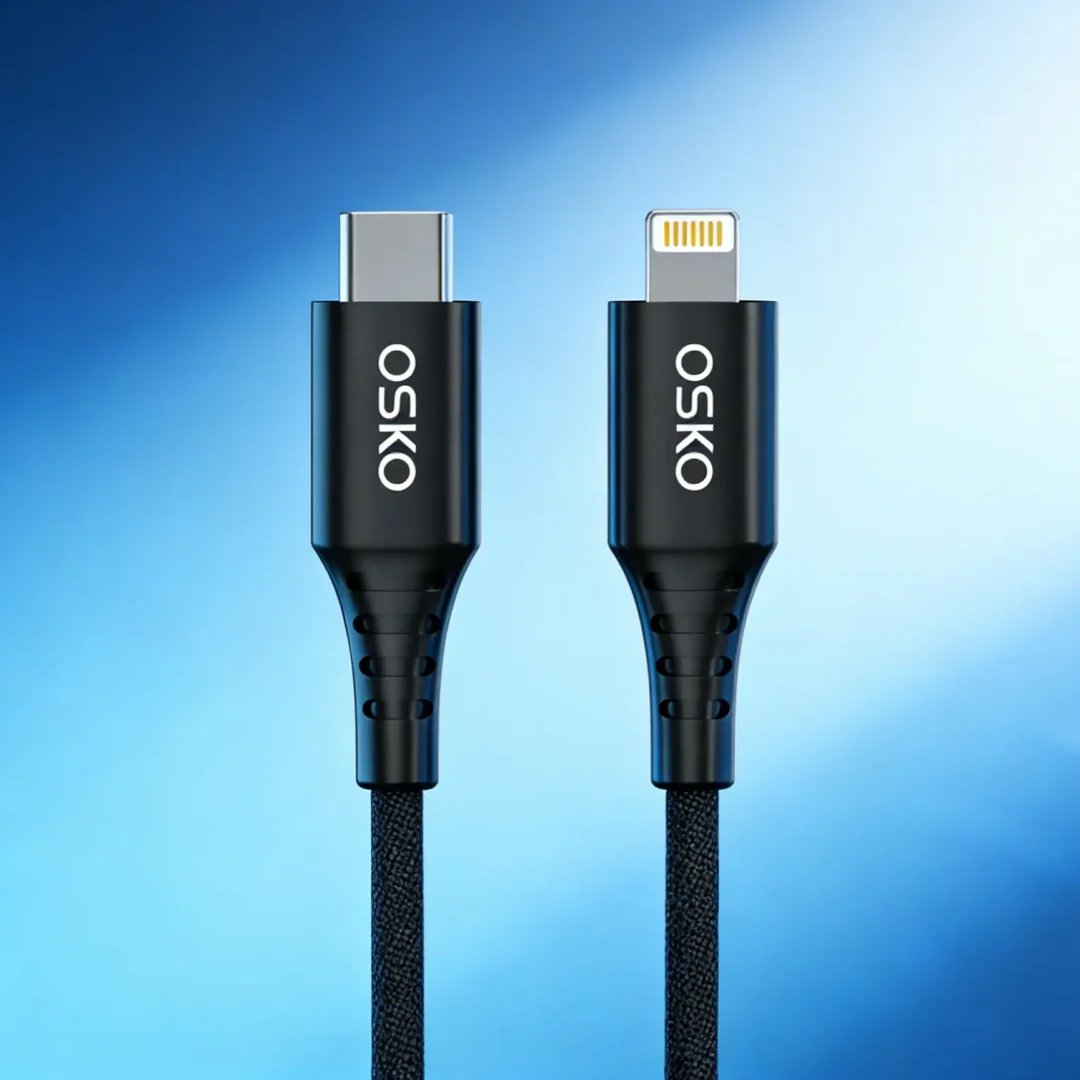
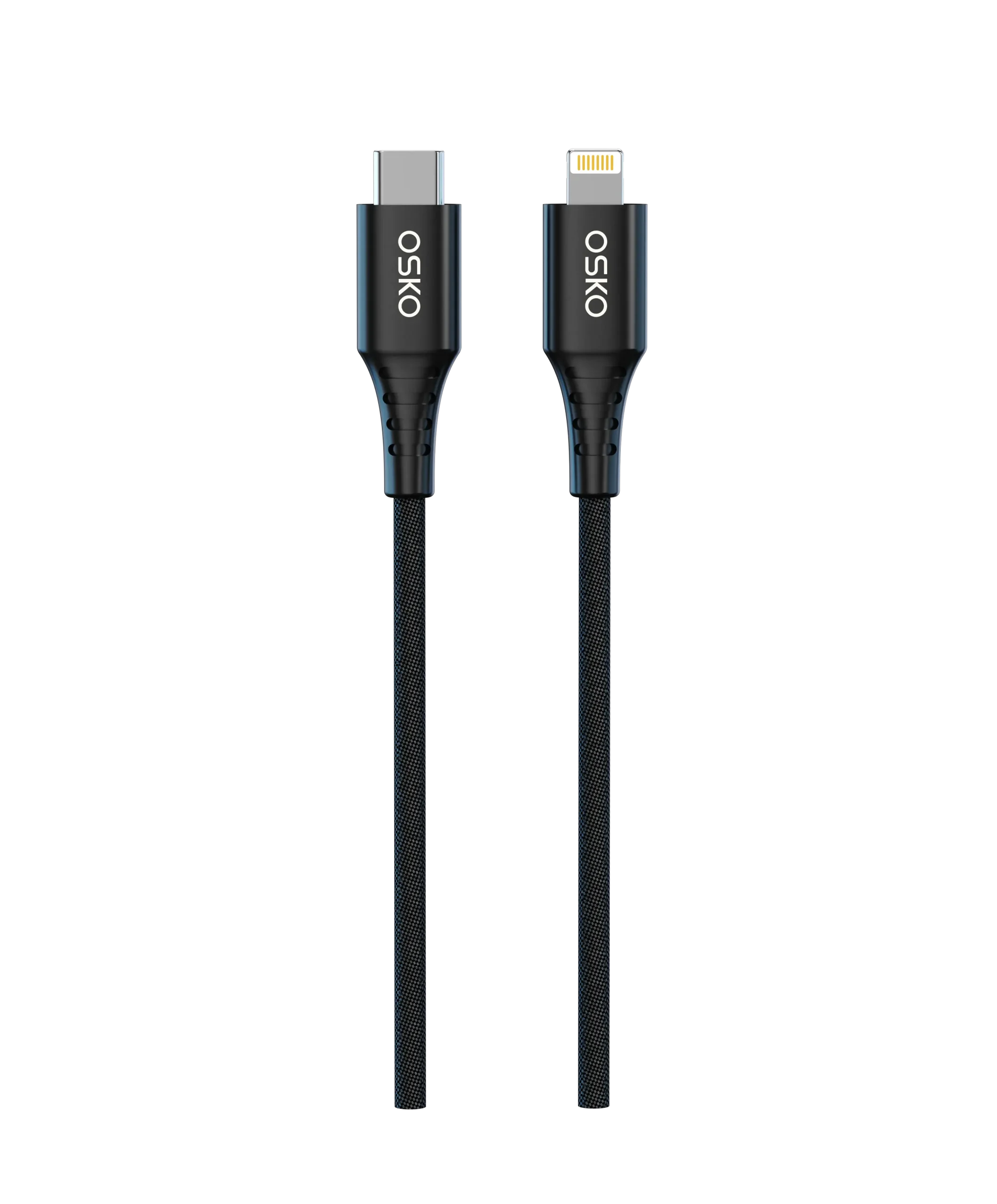
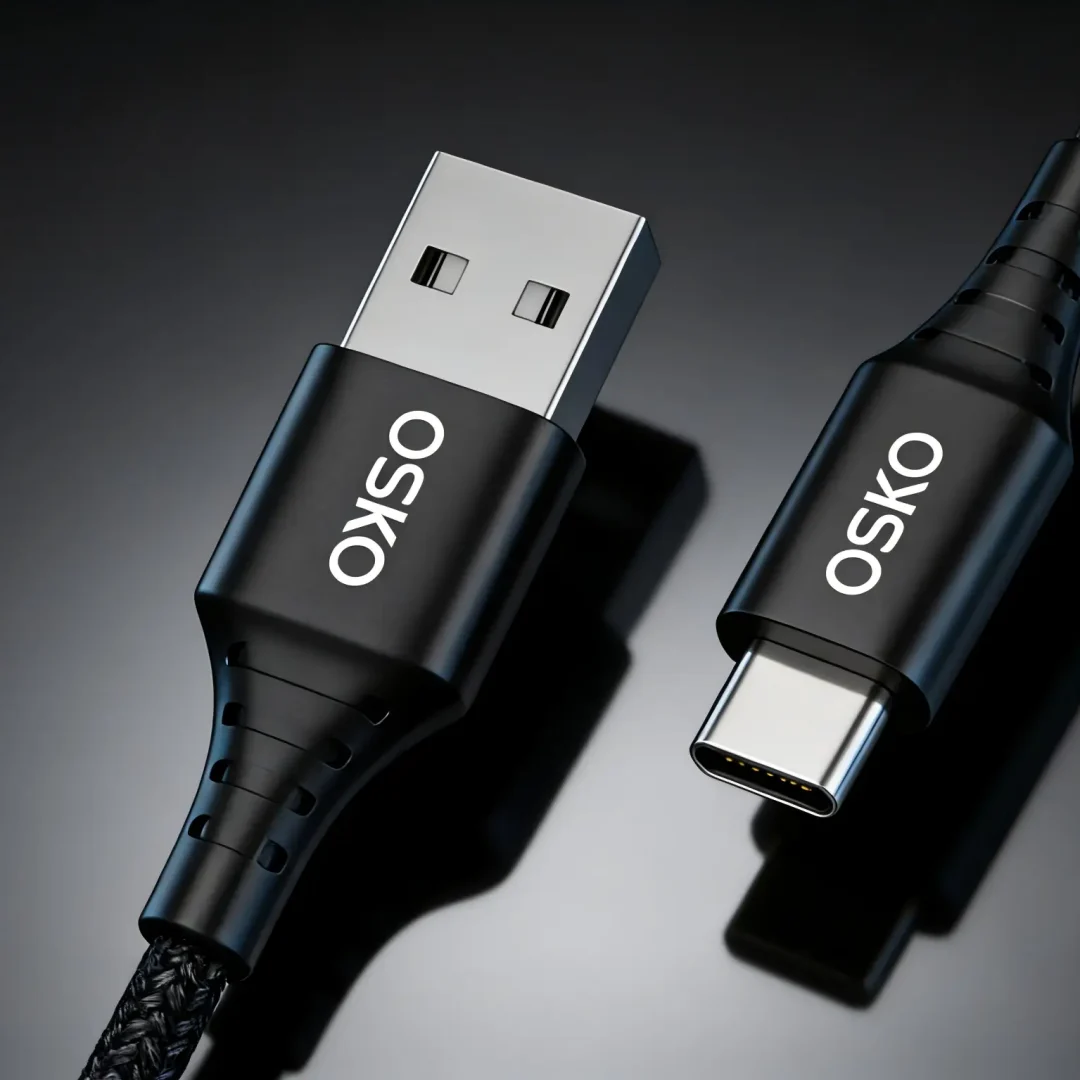
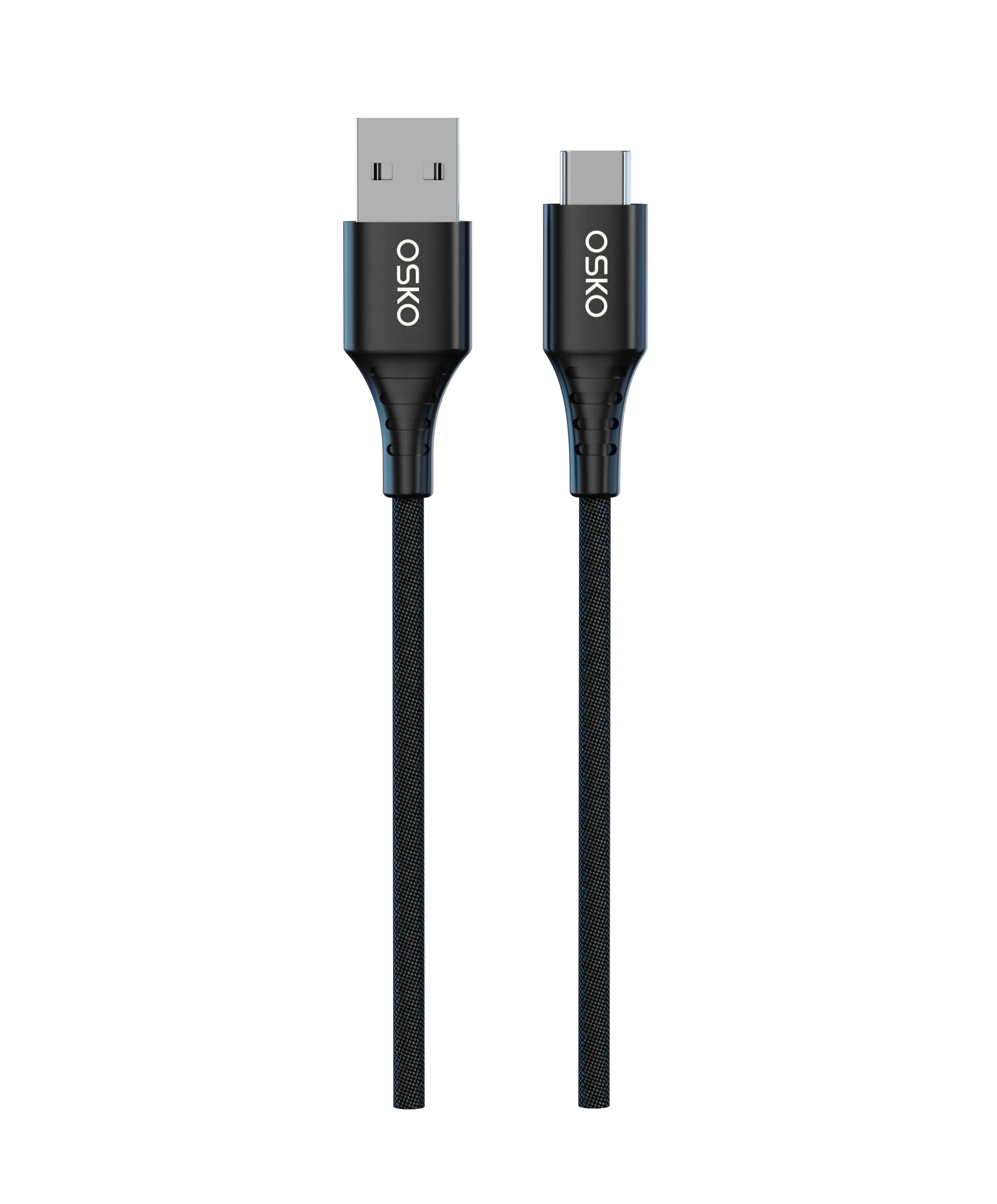
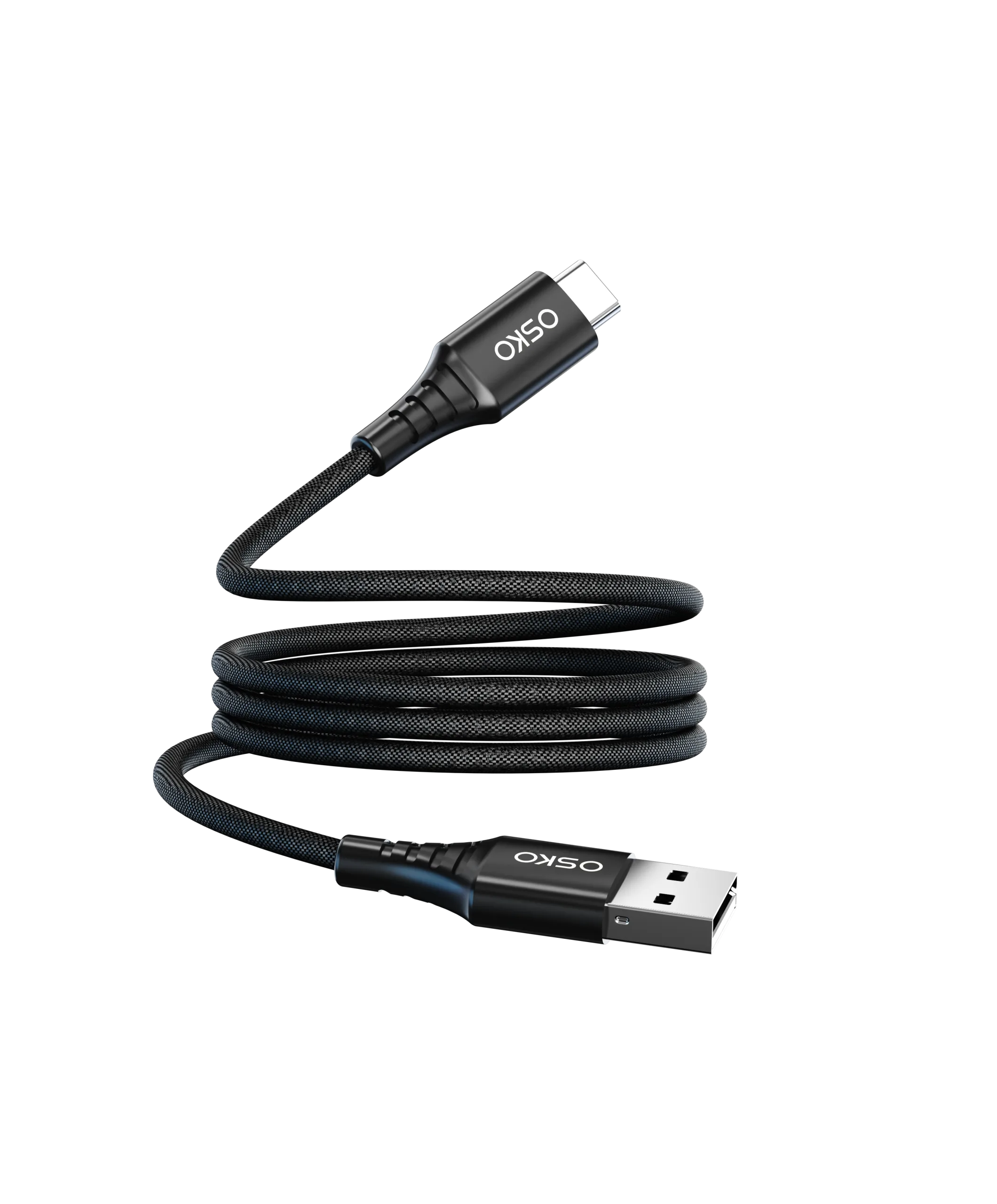
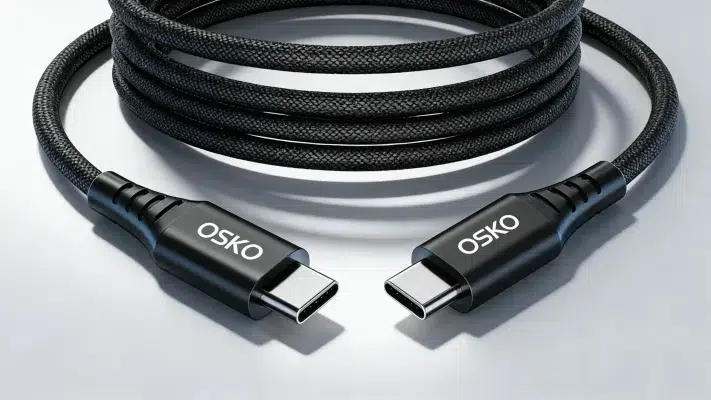
Premium nylon braided USB-C cable designs combine internal TPE insulation with external braided reinforcement for enhanced durability.
Shielding and Environmental Resistance
Travel environments often expose cables to electromagnetic interference and physical stress.
Key shielding features include:
Aluminum foil shielding layer
Braided copper shielding
EMI protection design
These ensure stable charging performance even in airports, hotels, and shared charging environments.
Case Study
Global Travel Retail Cable Optimization Project
A European travel accessory brand tested different charging cable designs for frequent travelers.
Customer Requirements
One cable for all devices
Support for fast charging laptops and phones
High durability for daily packing/unpacking
Compact and lightweight design
Compliance with international safety standards
Engineering Challenges
Initial cable designs failed due to:
Connector fatigue after repeated bending
Limited compatibility across devices
Heat buildup during fast charging
Lack of strain relief at connector joints
OSKO Engineering Solution
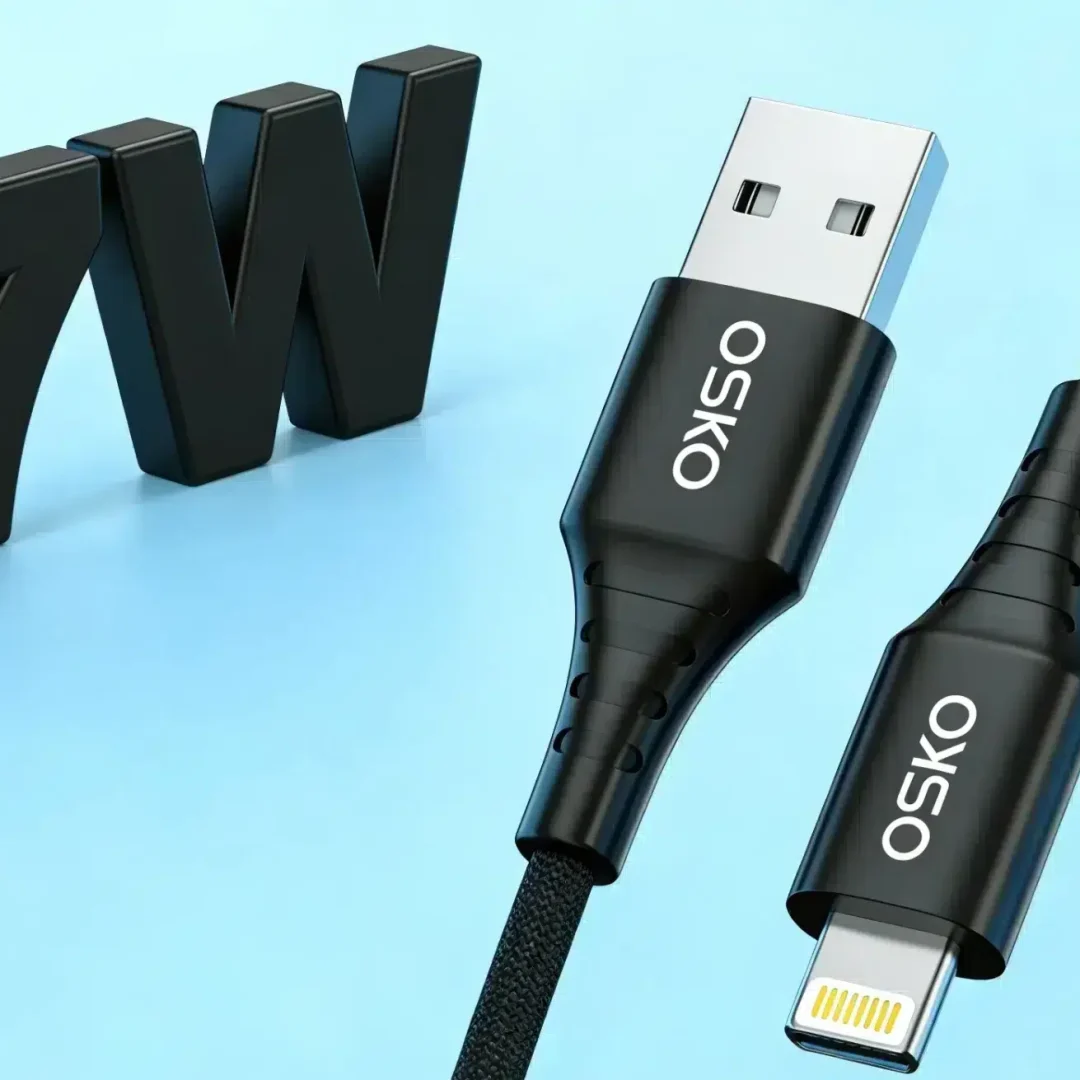
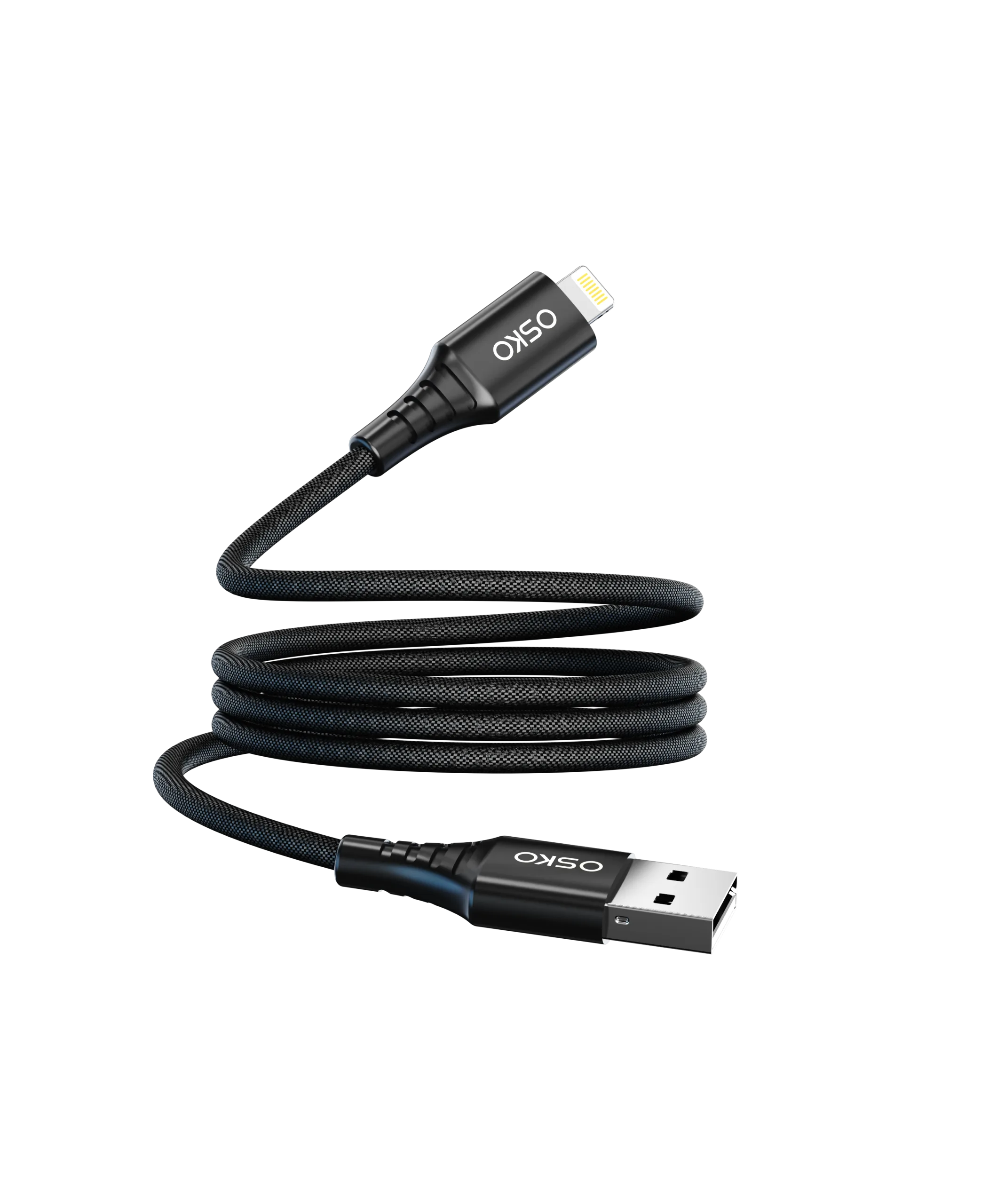
OSKO developed a reinforced travel cable system including:
Oxygen-free copper conductor architecture
High-density nylon braided outer jacket
Reinforced connector strain relief system
Optional E-Marker USB-C cable integration for high wattage models
Optimized TPE insulation layer
This design aligns with OEM production standards used in:
OEM USB cable
ODM USB cable
USB cable wholesale
Bulk USB cables
Retail USB Cable
Results
Improved durability under travel stress conditions
Stable charging across multiple devices
Reduced connector failure rate
Enhanced user satisfaction in retail testing
Selection Guide
What Makes the Best Travel Charging Cable
A high-quality travel cable should meet four engineering criteria:
Multi-device compatibility
High flexibility and durability
Fast charging support
Compact and portable structure
Material Comparison for Travel Use
| Material Type | Travel Performance | Durability |
|---|---|---|
| PVC | Basic portability | Medium |
| TPE | Flexible and reliable | High |
| Nylon braided | Best mechanical protection | Very high |
A nylon braided USB-C cable is generally preferred for frequent travelers due to its resistance to wear and bending stress.
Power Level Selection
| Power Rating | Use Case |
|---|---|
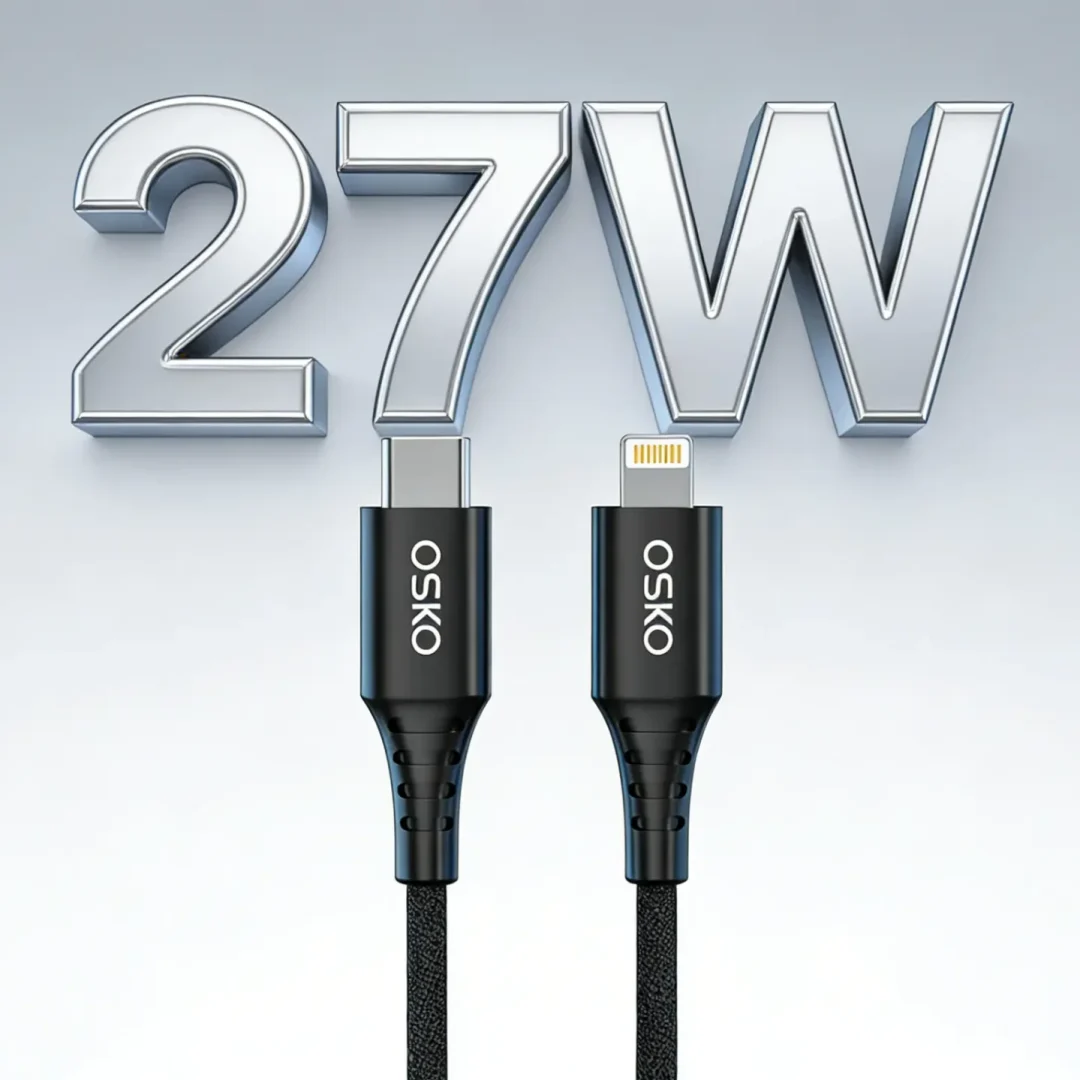
| 60W | Phones, tablets, light travel kits |
| 100W | Laptops + multi-device travel |
| 240W | Gaming laptops, professional travel setups |
For most users, 100W provides the best balance for travel ecosystems.
OEM Manufacturing Considerations
For global buyers sourcing travel cables, key factors include:
USB-IF certification compliance
E-Marker chip quality (for 100W+ cables)
Mechanical fatigue testing
Packaging compactness design
Common sourcing categories:
Heavy duty braided USB-C cable manufacturer
Durable nylon braided Type C charging cable factory
OEM ODM custom length USB C cables
Bulk custom 6ft 10ft USB-C cables
White label 240W fast charging cable wholesale
Application Scenarios
The best travel charging cable is designed for:
Airport charging stations
Hotel room charging setups
Business travel workstations
Power bank usage on the move
FAQ
What is the best charging cable for travel?
A lightweight, braided USB-C cable with fast charging support and multi-device compatibility.
Is a braided cable better for travel?
Yes. It provides higher durability and resistance to bending damage.
Do I need 100W or 240W for travel?
100W is sufficient for most travelers. 240W is only needed for gaming laptops.
Can one cable charge all devices?
Yes, if it supports USB Power Delivery and proper wattage rating.
hat length is best for travel cables?
3ft is best for portability, while 6ft offers more flexibility in hotels or offices.
Summary
The best charging cable for travel is not defined by wattage alone but by a combination of durability, flexibility, and multi-device compatibility.
A properly engineered travel cable uses reinforced conductors, braided outer protection, and optional E-Marker chip integration to ensure stable performance across phones, tablets, laptops, and power banks.
For most travelers, a 100W nylon braided USB-C cable provides the optimal balance between portability and performance, while 60W suits lightweight mobile use and 240W is reserved for high-performance computing needs.
Ultimately, the best travel cable is one that maintains stable charging performance under repeated movement, environmental stress, and multi-device usage scenarios.