

Introduction
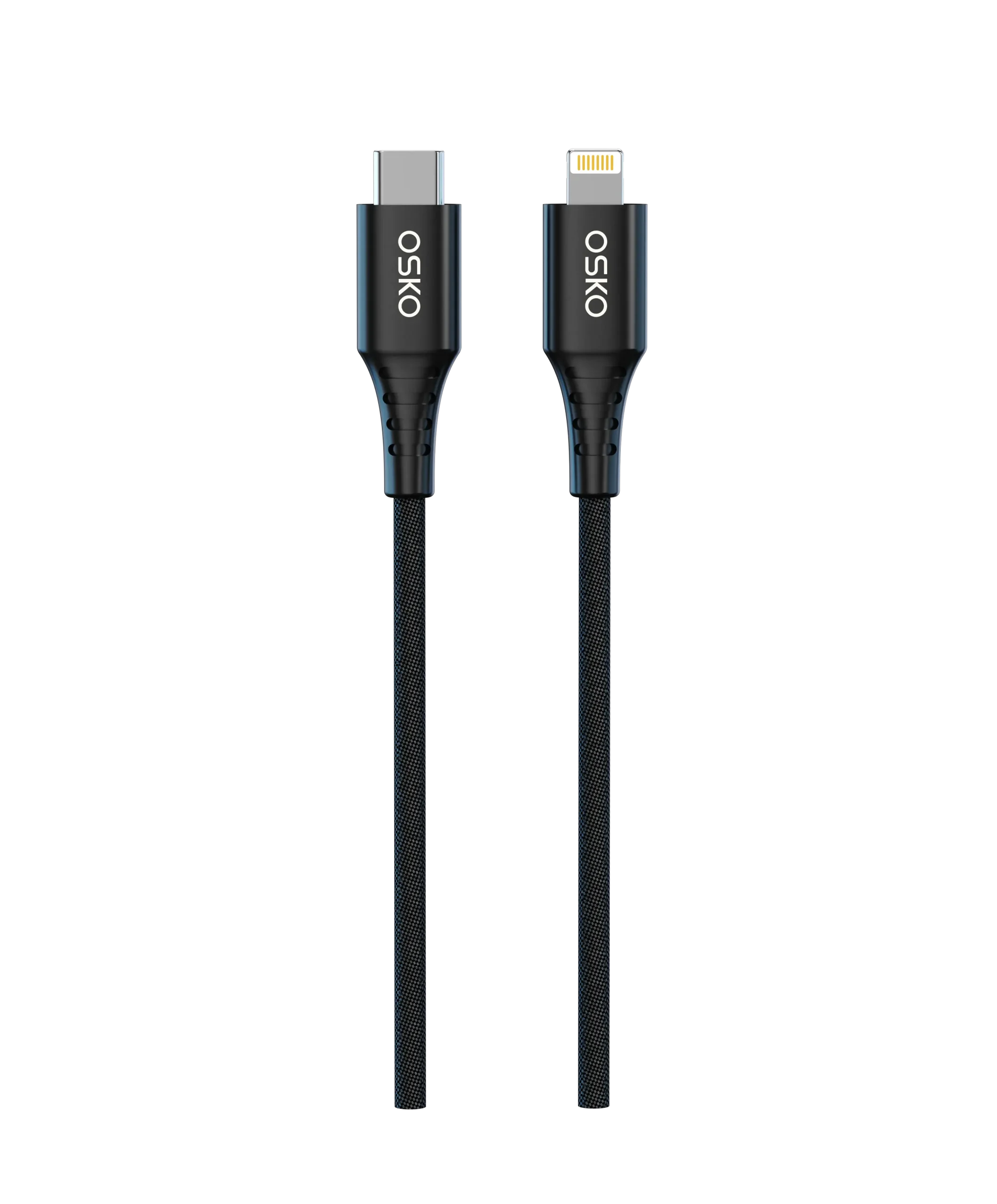
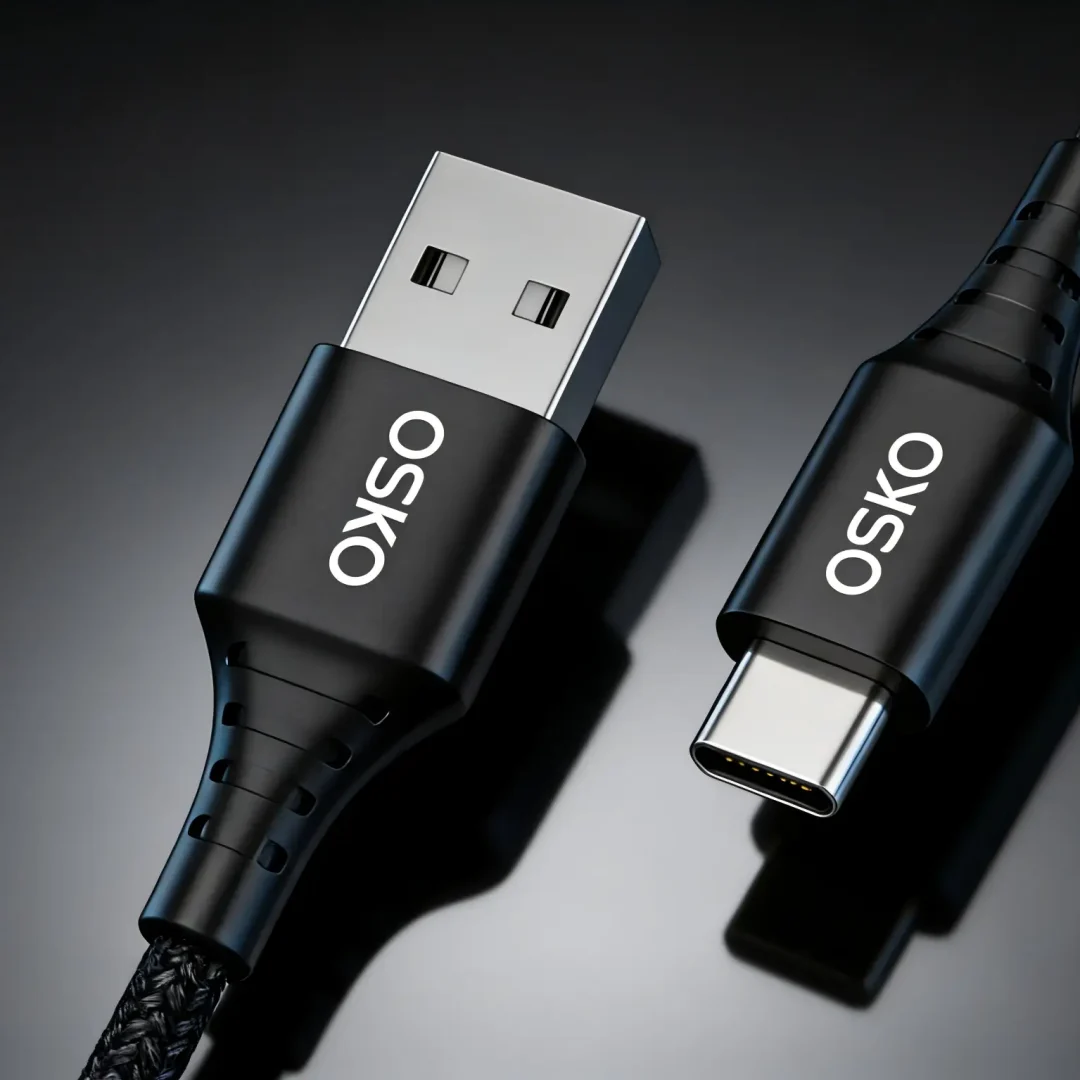
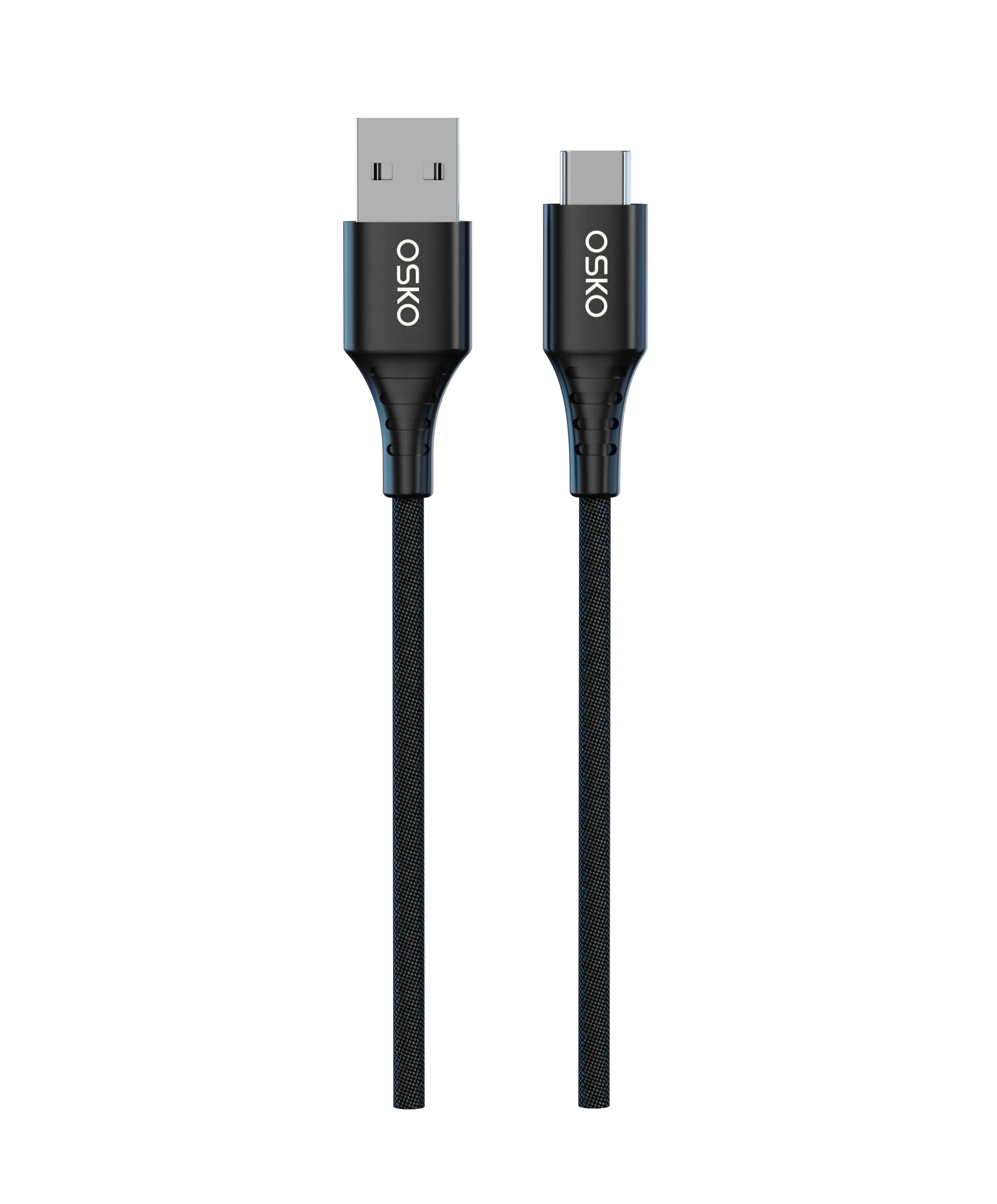
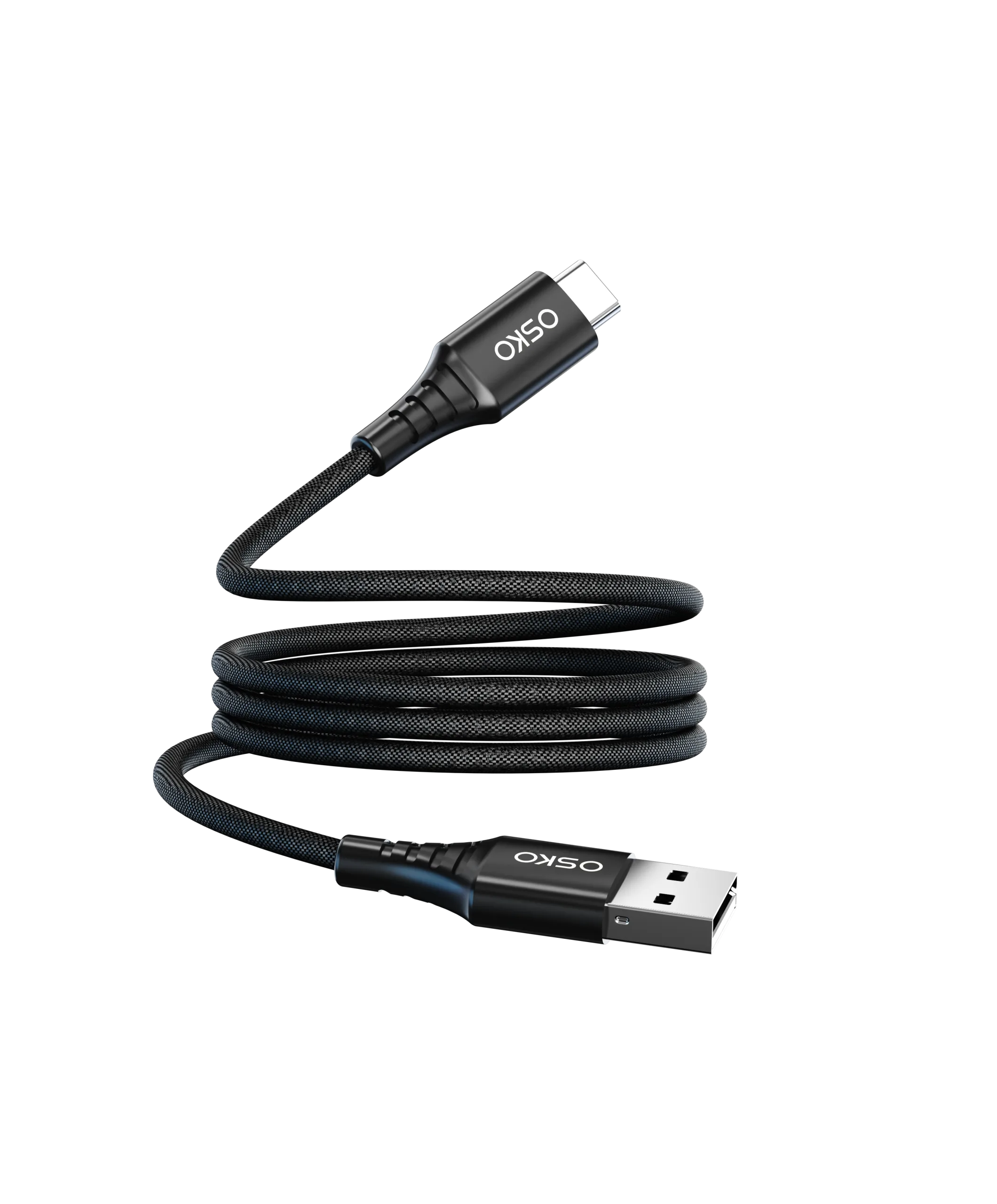
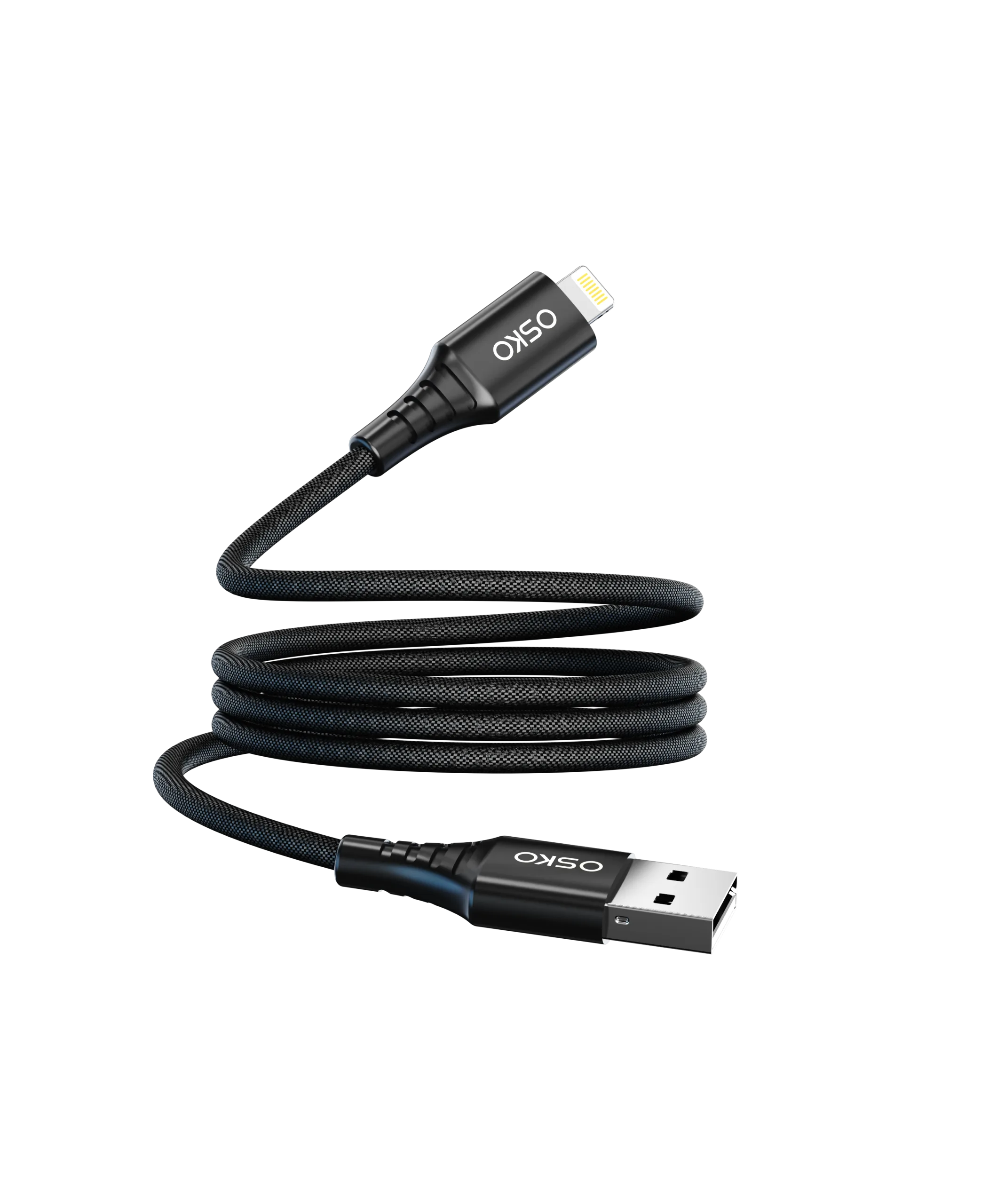
Choosing between a 60W vs 100W USB-C cable is not simply a question of power rating. It is a decision based on device compatibility, charging architecture, thermal design, and long-term durability requirements.
Both cables support USB Power Delivery (USB-PD) fast charging systems, but they are optimized for different use cases and engineering constraints.
Understanding their advantages and limitations helps avoid overpaying for unnecessary specifications or underestimating power requirements for laptops and high-demand devices.
Material Science & Dielectric Properties
The performance difference between a 60W USB-C cable and a 100W USB-C cable comes from their internal electrical and mechanical design.
Power Delivery Capabilit
60W USB-C Cable
Maximum power: up to 60W
Typical current: up to 3A
Use case: phones, tablets, lightweight laptops
100W USB-C Cable
Maximum power: up to 100W
Typical current: up to 5A
Use case: MacBook Pro, ultrabooks, docking setups
The key difference is the ability to handle higher current safely and continuously.
E-Marker Chip Requirement
One of the most important engineering differences is the E-Marker USB-C cable system.
60W cables: usually do not require E-Marker
100W cables: often require E-Marker (especially 5A versions)
The E-Marker chip enables:
Power capability identification
Safe current negotiation
Device compatibility validation
Thermal protection signaling
Without it, devices may limit charging speed or reduce stability.
Conductor Design and Resistance
Higher wattage requires better conductor engineering:
60W cable: standard copper conductors, lower current load
100W cable: reinforced oxygen-free copper, lower resistance design
Benefits of 100W design:
Reduced heat generation
Lower voltage drop
Better stability for laptops
Insulation and Shieldin
Both cables use similar base materials:
TPE insulation for flexibility
PVC for cost-sensitive designs
PE layers for dielectric stability
However, 100W cables typically include stronger shielding systems:
Multi-layer EMI shielding
Reinforced strain relief
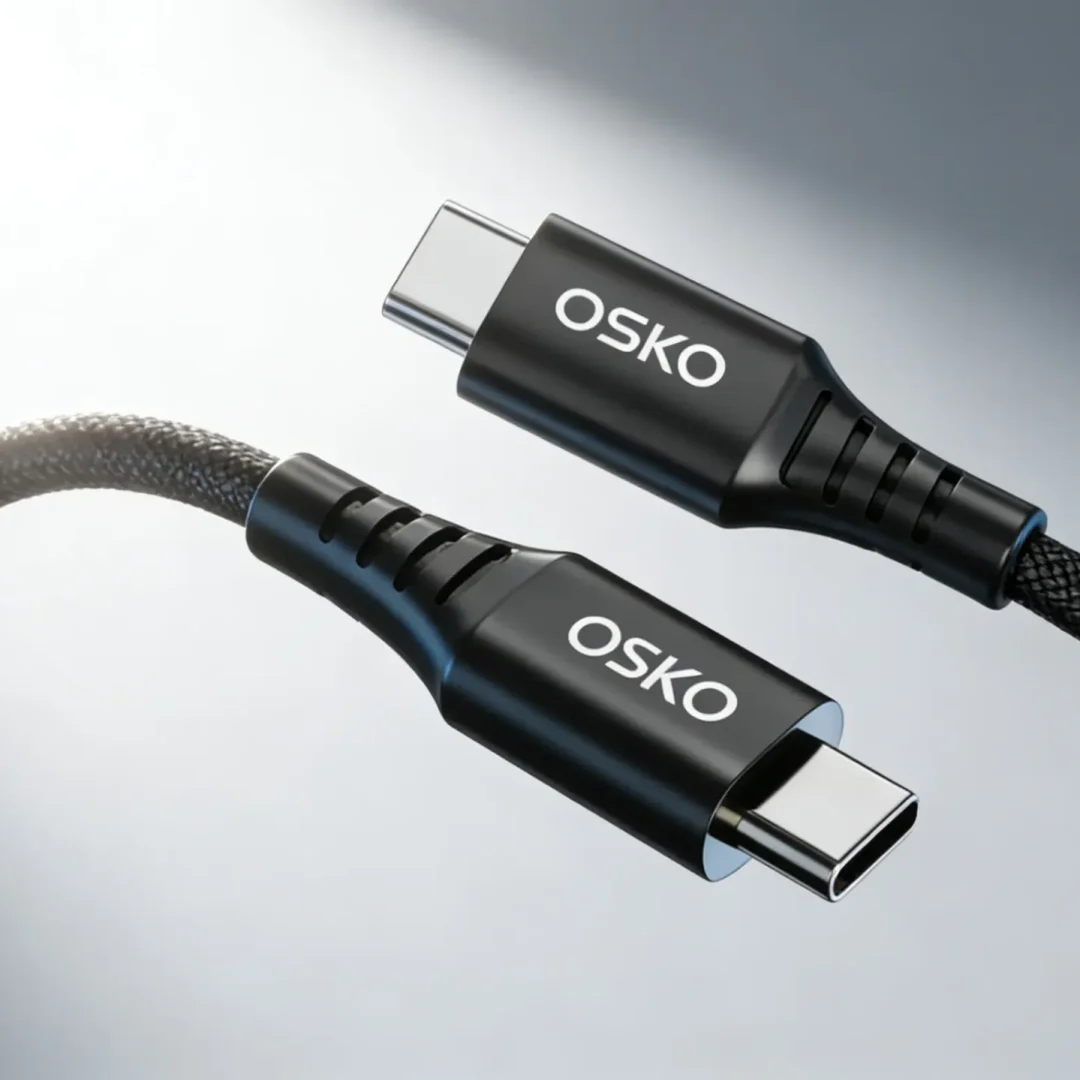
Improved connector durability
This makes them more suitable for continuous laptop use.
Case Study
Laptop Charging Usage Analysis in North American Market
A distributor compared 60W and 100W USB-C cables in real-world consumer environments.
Devices Tested
Smartphones (iPhone, Android flagship devices)
Tablets (iPad series)
Ultrabooks (MacBook Air class)
Mid-range laptops
Engineering Findings
60W Cable Performance
Fully sufficient for phones and tablets
Stable for lightweight laptops
Lower cost and higher flexibility
Limited headroom for peak power demand
100W Cable Performance
Stable under higher sustained load
Better thermal behavior
Compatible with broader laptop range
More future-proof for PD devices
OSKO Engineering Interpretation
60W cable = optimized for mobility and cost efficiency
100W cable = optimized for system stability and cross-device compatibility
Charging speed is not increased by cable rating alone

Selection Guide
Pros and Cons Comparison
| Feature | 60W USB-C Cable | 100W USB-C Cable |
|---|---|---|
| Cost | Lower | Higher |
| Device compatibility | Phones, tablets | Laptops + phones |
| Heat performance | Low to medium load | Better under high load |
| E-Marker chip | Not required | Often required |
| Durability design | Standard | Reinforced |
| Future-proofing | Limited | High |
Advantages of 60W USB-C Cable
Lower cost for mass consumer markets
Lightweight and flexible design
Perfect for mobile devices
Sufficient for most smartphones
Disadvantages of 60W Cable
Not ideal for high-performance laptops
Limited power headroom
Less future compatibility
Advantages of 100W USB-C Cable
Supports a wider range of laptops
Better thermal and electrical stability
More future-proof for USB-PD ecosystem
Stronger mechanical design in most OEM models
Disadvantages of 100W Cable
Higher cost
Slightly thicker and less flexible
E-Marker chip increases production complexity
OEM Manufacturing Considerations
For global sourcing, buyers should evaluate:
USB-IF certification compliance
E-Marker chip reliability (for 100W cables)
Conductor purity and resistance testing
Production consistency and QA systems
Common sourcing categories:
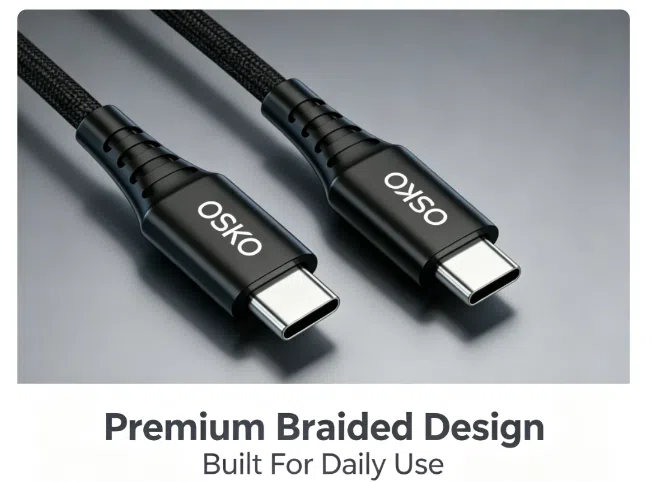
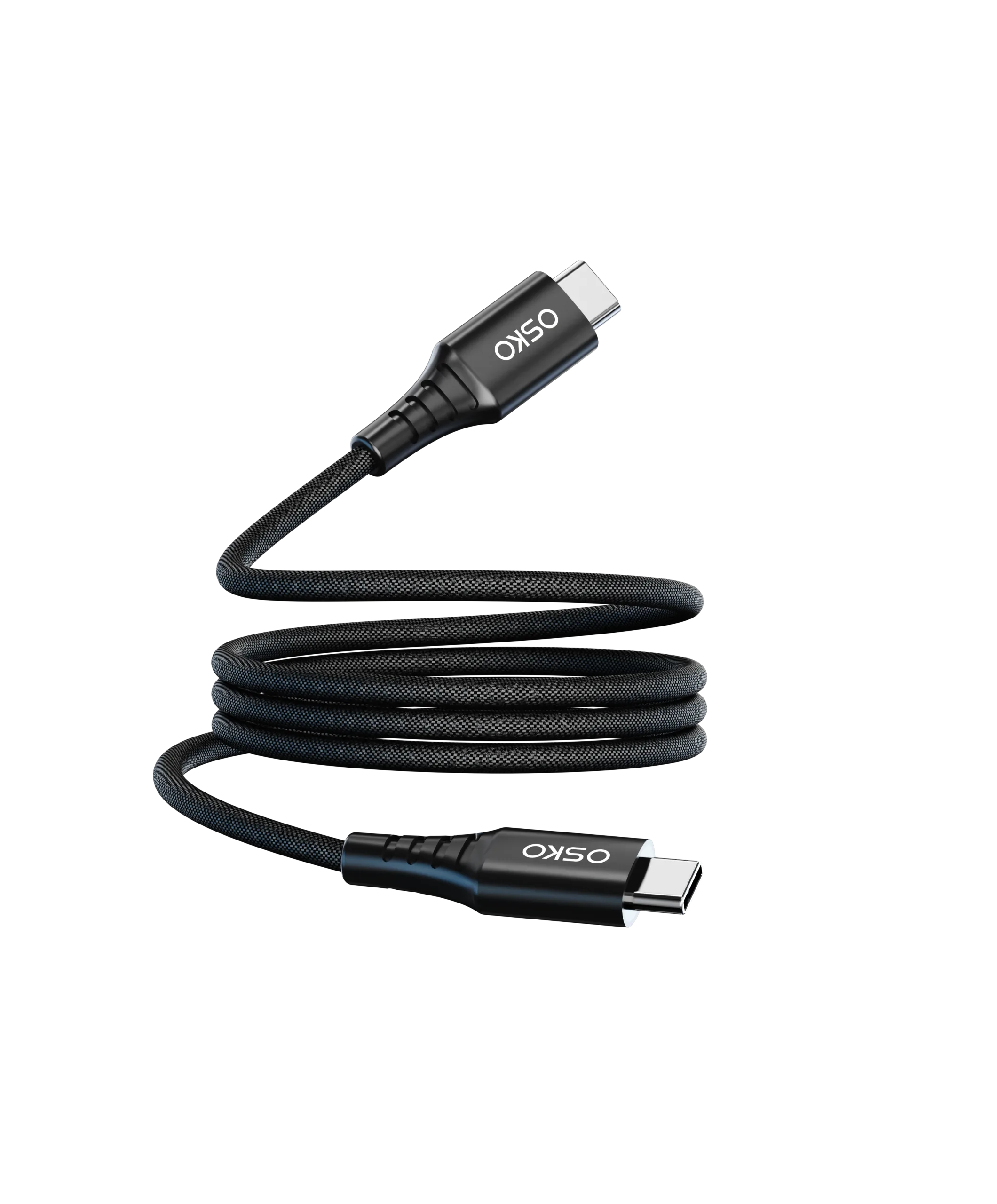
Heavy duty braided USB-C cable manufacturer
Durable nylon braided Type C charging cable factory
OEM ODM custom length USB C cables
Bulk custom 6ft 10ft USB-C cables
White label 240W fast charging cable wholesale
Application Scenarios
60W Cable Use Cases
Smartphones
Tablets
Light travel charging setups
Budget retail products
100W Cable Use Cases
MacBook Air / Pro
Windows ultrabooks
Docking stations
Multi-device office setups
FAQ
Does a 100W cable charge faster than 60W?
Not by itself. Device and charger determine actual charging speed.
Is 60W enough for iPhone?
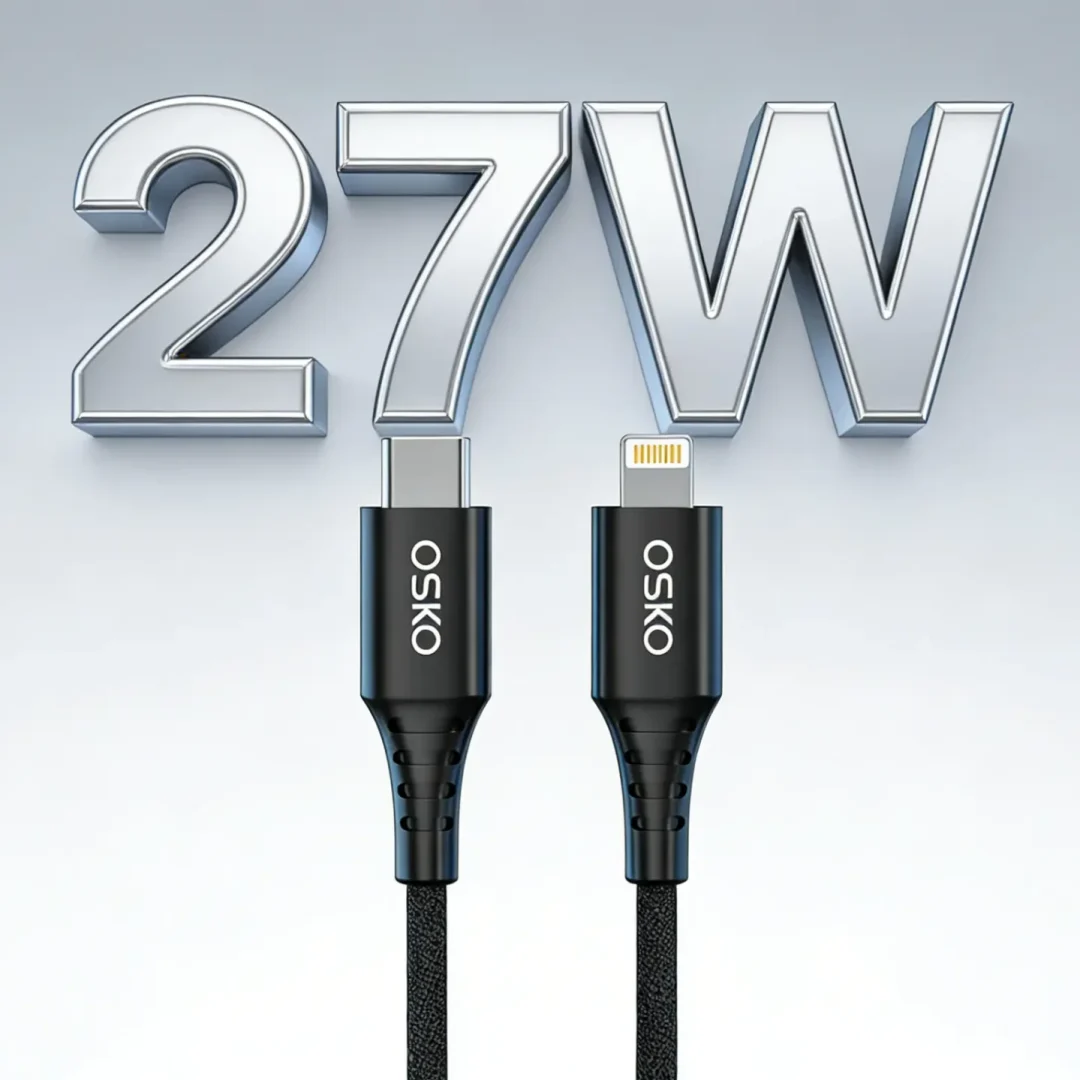
Yes. iPhones typically use 20W–27W.
Is 100W overkill for phones?
No. It is safe and simply provides higher capacity.
Does cable wattage affect battery health?
No. Devices regulate power intake automatically.
Which is better for long-term use?
100W is more future-proof, while 60W is more cost-efficient.
Summary
The difference between a 60W vs 100W USB-C cable is primarily about power capacity, device compatibility, and engineering headroom rather than charging speed.
60W cables are ideal for mobile devices and cost-sensitive markets, offering flexibility and efficiency. 100W cables provide broader compatibility, improved thermal performance, and better long-term value for laptop and multi-device ecosystems.
From an engineering perspective, both cables are safe and effective when properly manufactured, but the correct choice depends on device type, usage intensity, and future upgrade needs rather than wattage alone.
Contact Information
OSKO provides OEM/ODM USB-C cable solutions, including:
60W / 100W / 240W USB-C charging cables
Nylon braided durable cable systems
E-Marker integrated high-power designs
Custom branding and packaging
Wholesale and bulk supply programs