
Introduction
Choosing the best long charging cable for bedside use is not only about convenience but also about safety, charging stability, and long-term durability.
Many users charge smartphones overnight, which means the cable remains connected for several hours under continuous electrical load. In this environment, cable quality directly impacts device safety, battery health, and user experience.
Common problems users face include:
Slow or unstable overnight charging
Cable overheating near the connector
Fraying due to repeated bending
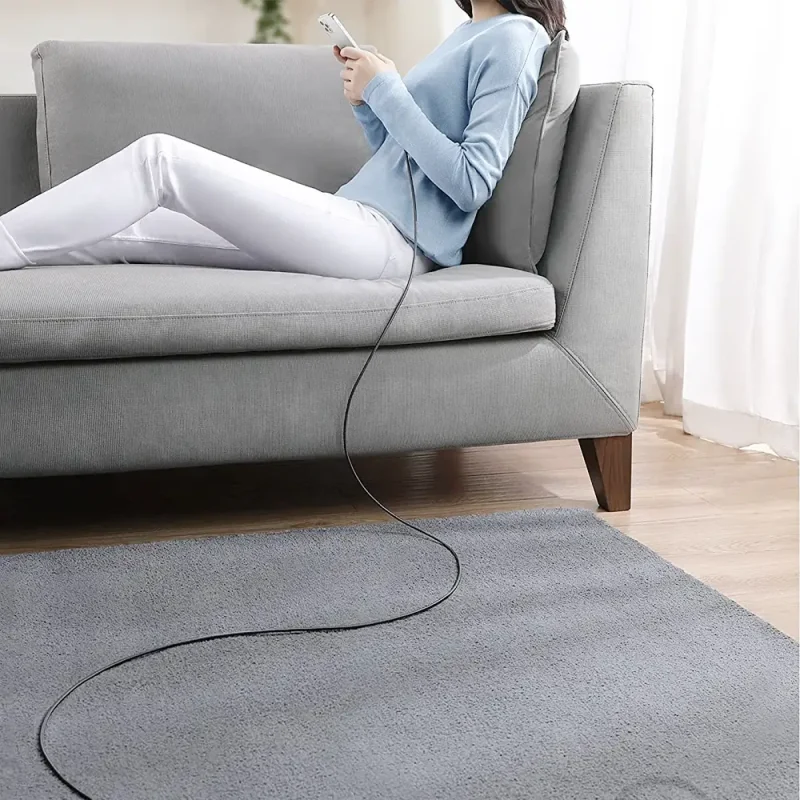
Limited reach from wall outlet to bed
A properly engineered long charging cable solves these issues by optimizing conductor quality, insulation materials, and mechanical structure.
For most users in North America and Europe, 6ft to 10ft USB-C cables are considered the most practical bedside charging solution.
Material Science & Dielectric Properties
The performance of a bedside charging cable depends on its internal material design rather than just its length.
Conductor Quality and Charging Stability
High-quality cables use:
Oxygen-free copper for low resistance
Tinned copper for oxidation resistance
Multi-strand conductors for flexibility
These materials ensure stable current delivery during long charging cycles.
Poor-quality conductors increase resistance, which can lead to:
Heat buildup
Slower charging speeds
Reduced battery efficiency
This is especially important in fast charging cable bedside use scenarios where devices remain plugged in overnight.
Insulation and Thermal Safety
Insulation materials determine how safely a cable handles long-duration charging.
Common materials include:
TPE (Thermoplastic Elastomer)
PVC (Polyvinyl Chloride)
PE (Polyethylene)
TPE is widely used in premium cables because it offers:
Better flexibility
Higher temperature resistance
Improved durability under bending stress
These properties are essential for bedside environments where cables are frequently bent and repositioned.
Dielectric Stability and EMI Protection
During overnight charging, electromagnetic interference must be minimized to ensure stable power delivery.
High-quality cables integrate:
Aluminum foil shielding
Braided copper shielding
Multi-layer insulation systems
This improves charging consistency and reduces energy loss.
Outer Jacket Durability
The outer layer determines mechanical lifespan.
Two common designs:
PVC jacket cables: cost-efficient but less durable
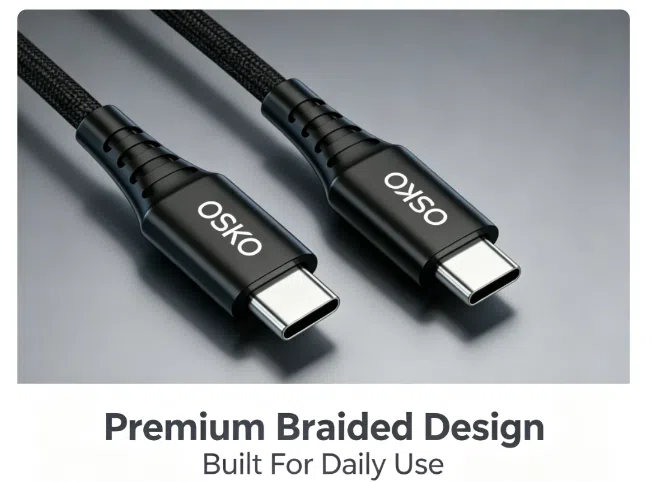
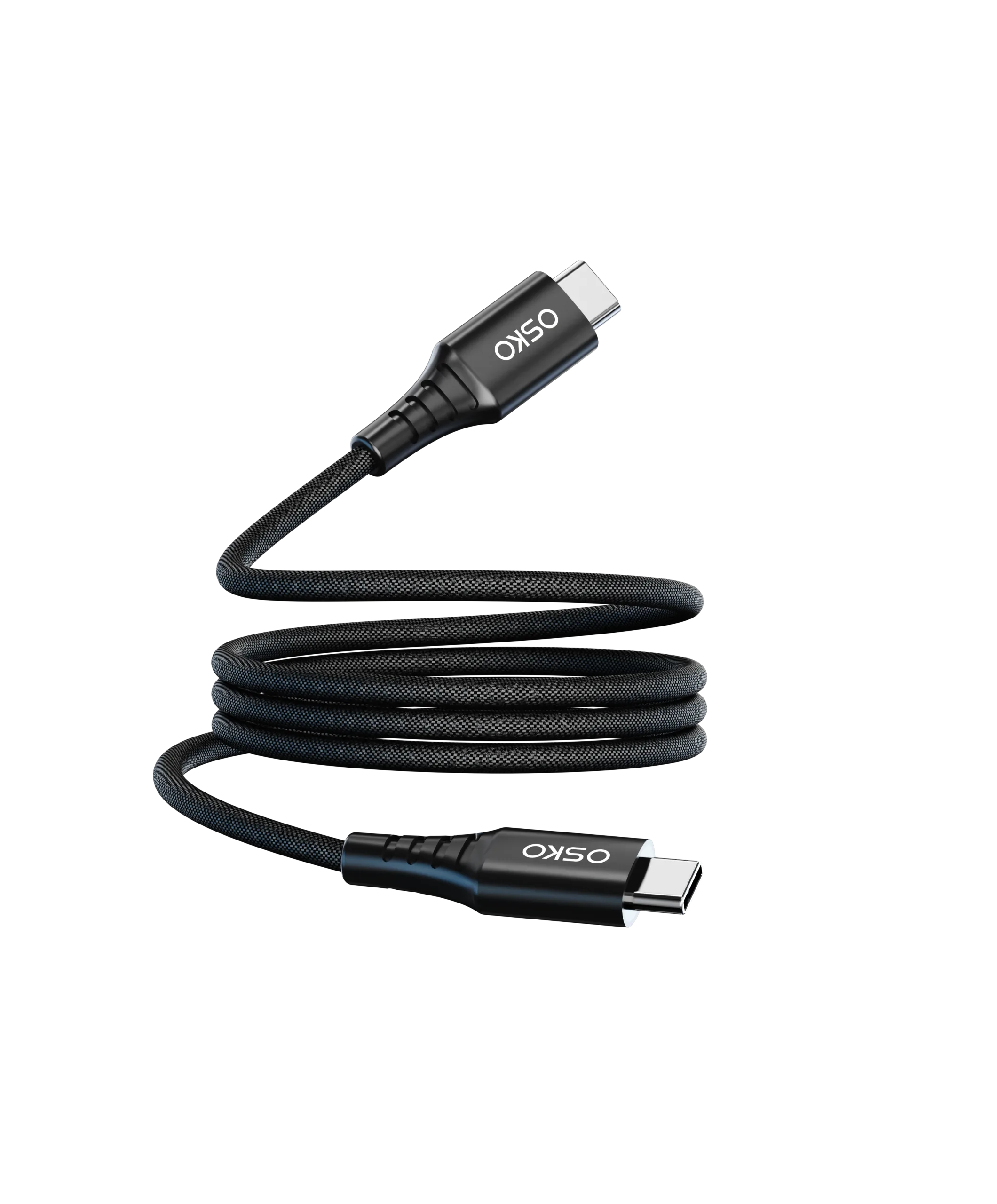
Nylon braided charging cable: higher abrasion resistance and longer lifespan
For bedside environments, braided designs are often preferred due to repeated daily handling.
Case Study
North American E-Commerce Bedside Charging Product Optimization
A US-based electronics brand analyzed customer complaints related to bedside charging cables.
Customer Pain Points
Cable too short for bedside use
Frequent fraying near connectors
Slow charging during overnight use
Poor durability after repeated bending
These issues affected product ratings and return rates.
Engineering Problem
The initial product used low-grade PVC cables with standard copper conductors and no reinforced strain relief.
Key failures included:
High resistance causing heat buildup
Mechanical failure at connector joints
Limited flexibility for bedside positioning
OSKO Engineering Solution
The redesigned solution implemented:
Oxygen-free copper conductors for stable current flow
Reinforced TPE insulation for thermal safety
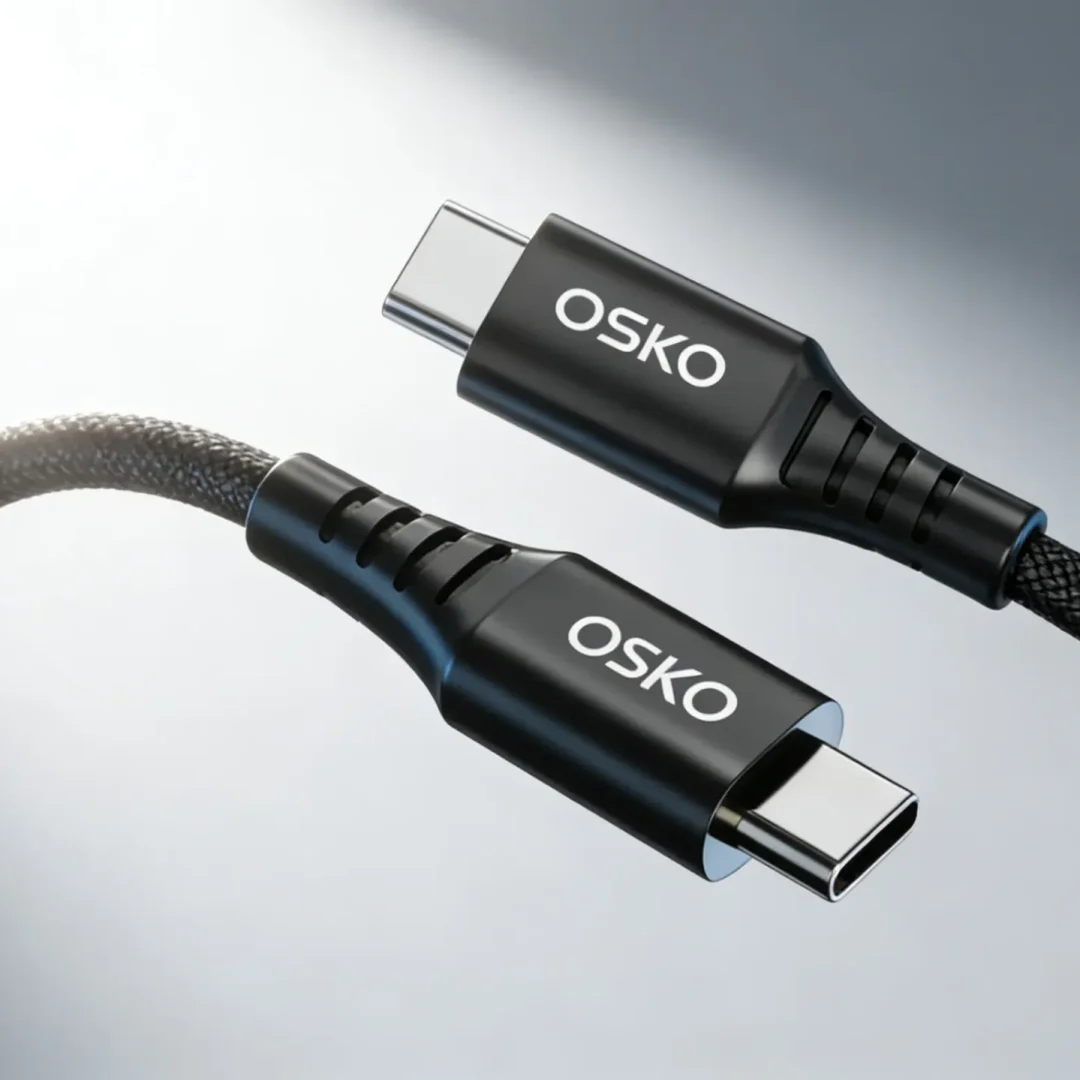
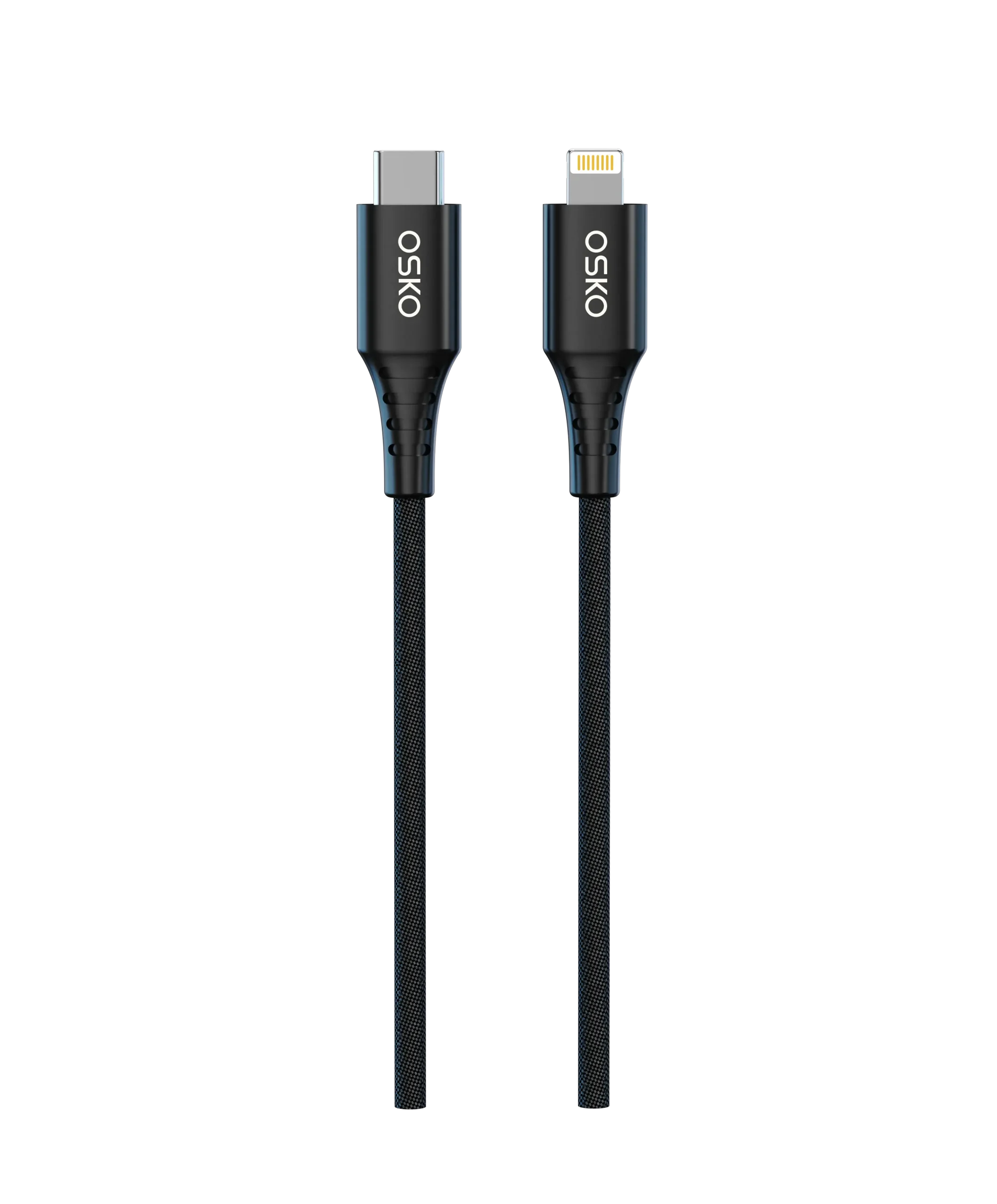
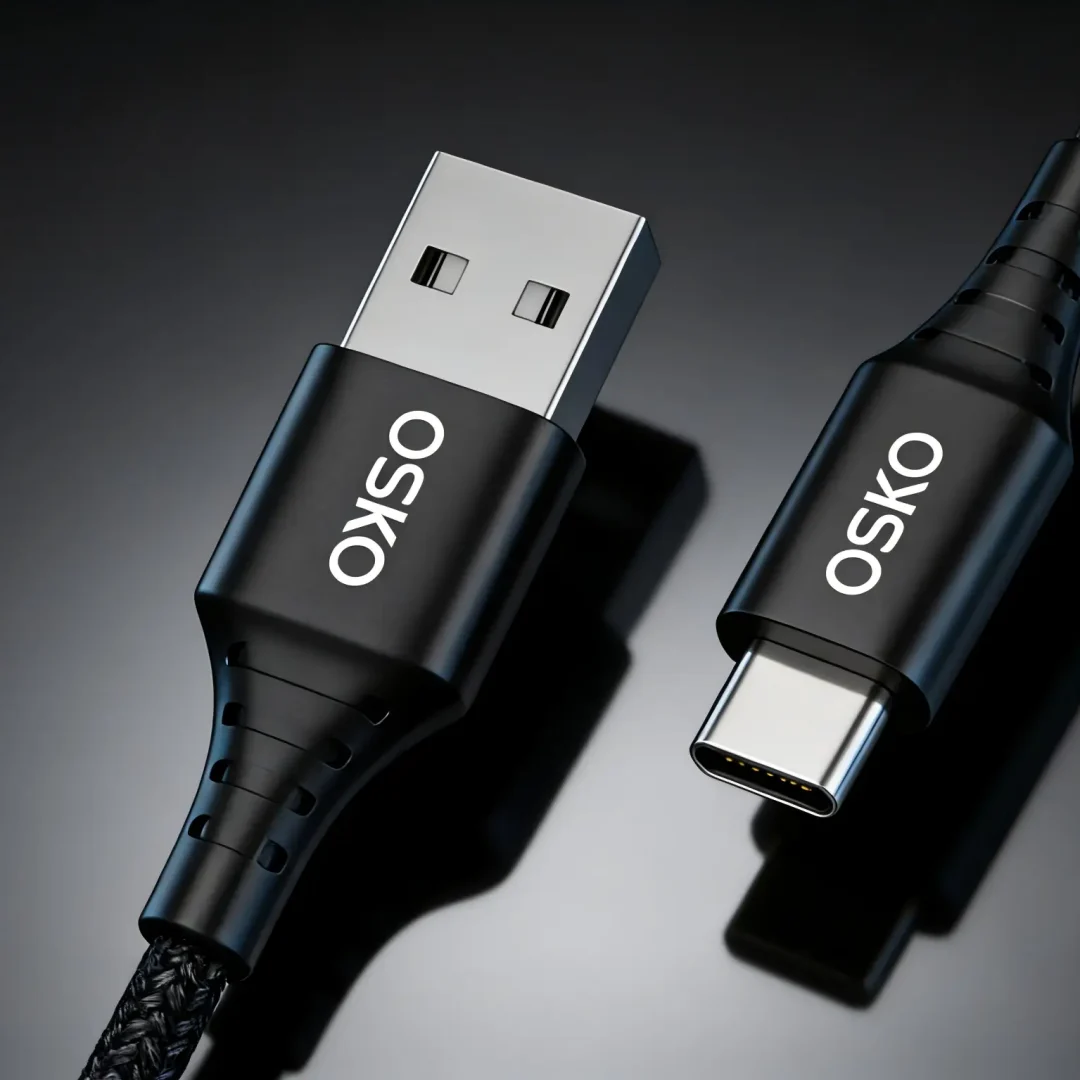
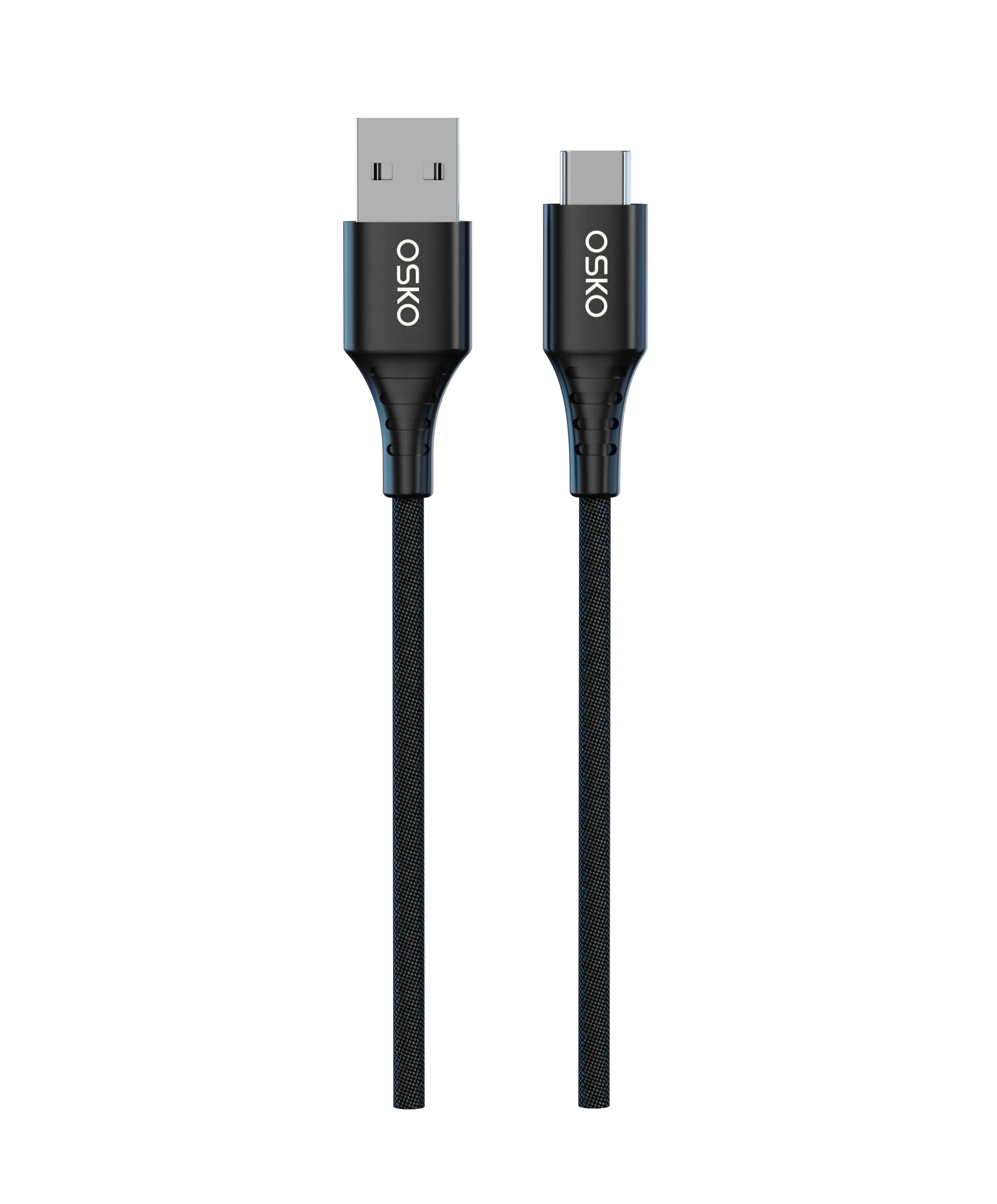
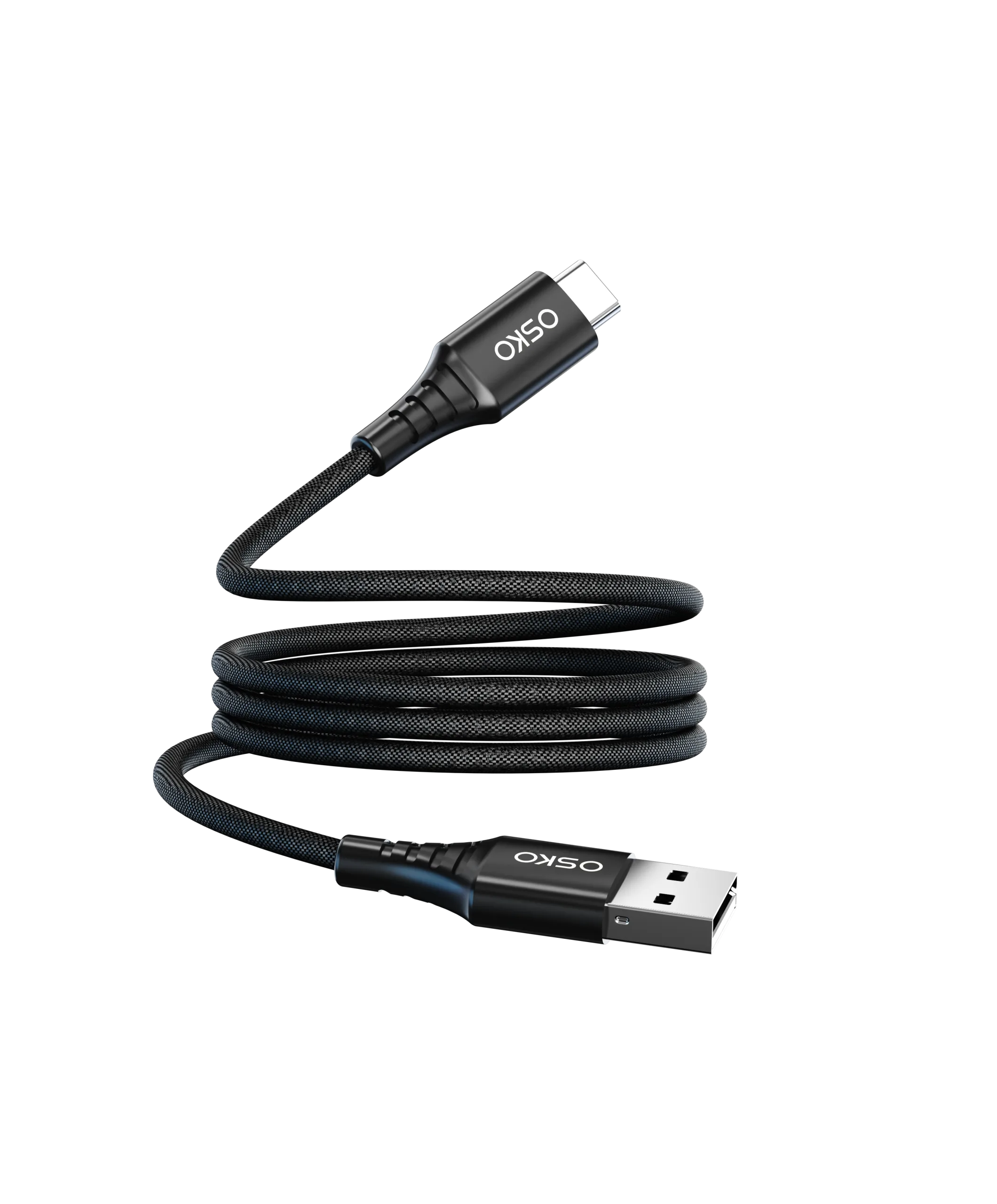
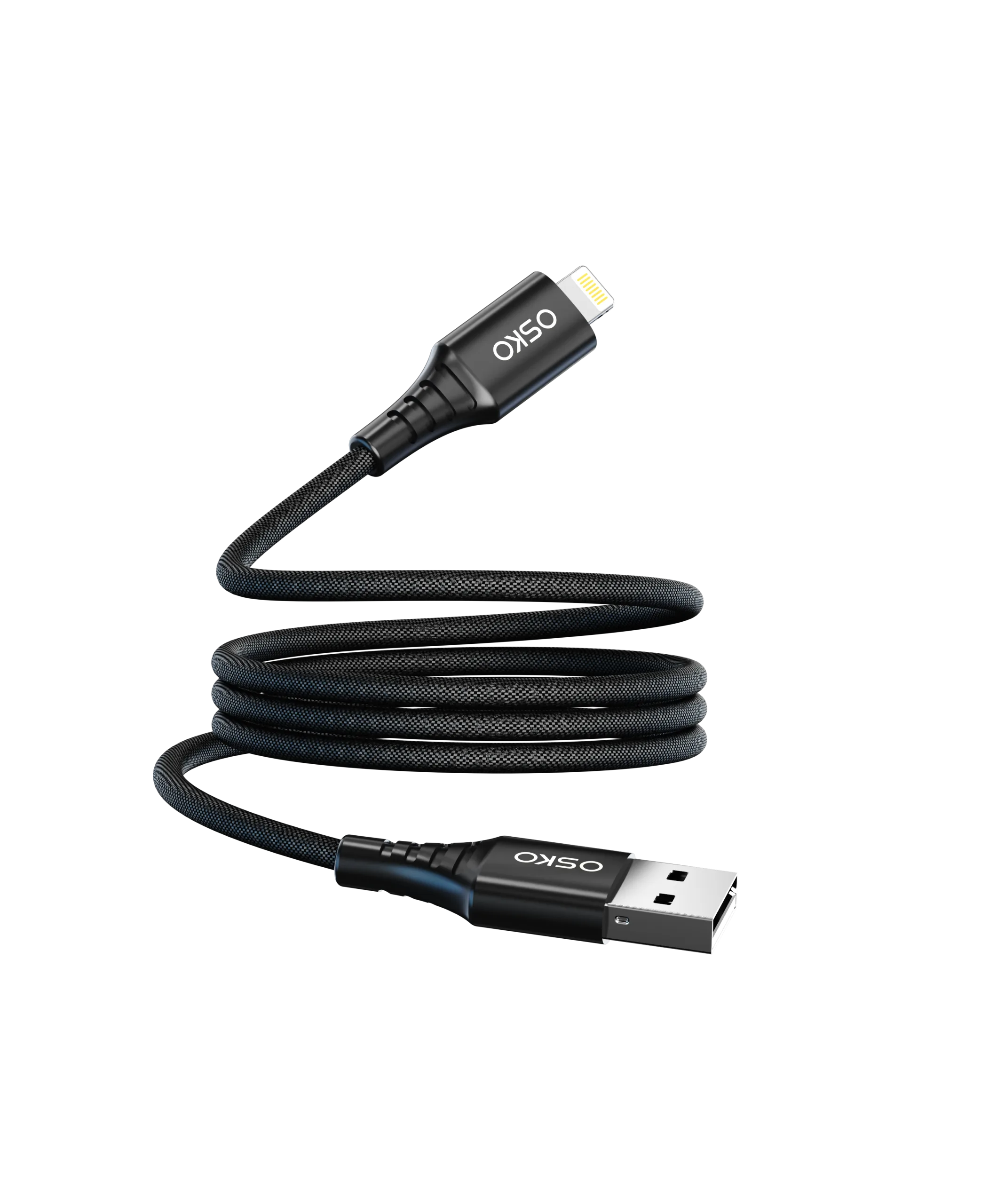
Nylon braided outer jacket for mechanical durability
Extended strain relief design for connector protection
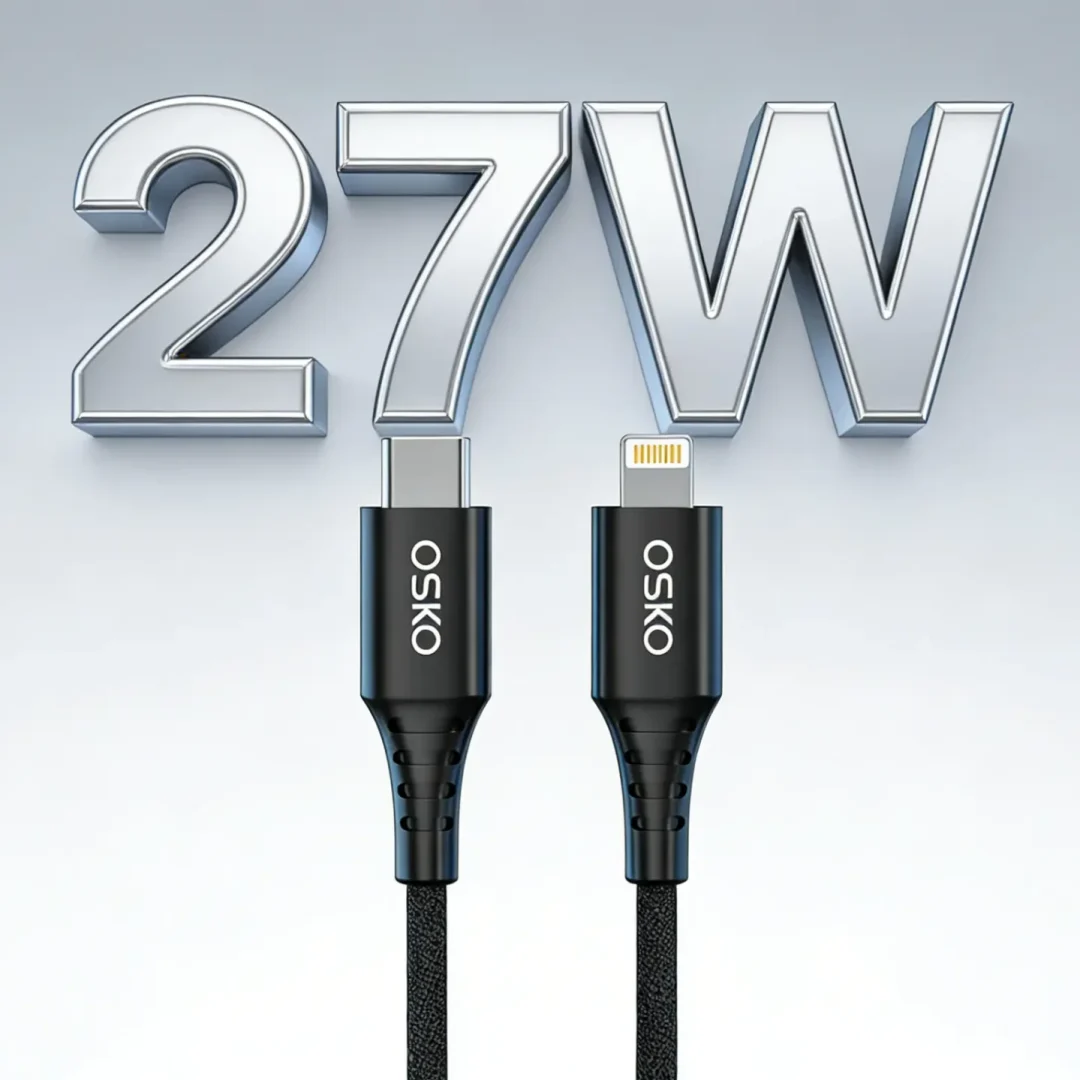
USB-C PD compatibility for fast charging support
The solution was aligned with OEM production standards used in:
OEM USB Cables
ODM USB Cables
Wholesale USB Cables
Bulk USB Cables
Retail USB Cables
Results
After redesign:
Return rate decreased significantly
Charging stability improved overnight
Product lifespan increased
Customer satisfaction improved across Amazon listings
This confirmed that bedside charging performance depends heavily on cable engineering quality.
Selection Guide
Ideal Length for Bedside Charging
| Length | Use Case | Recommendation |
|---|---|---|
| 3ft | Desk charging | Limited bedside use |
| 6ft | Standard bedside use | Best balance |
| 10ft | Large room / hotel use | Maximum flexibility |
For most users, 6ft remains the optimal choice for bedside charging.
Best Cable Materials for Bedside Use
Nylon Braided Cables
Best for:
Heavy daily use
High durability requirements
Premium retail markets
Many suppliers offer Durable nylon braided Type C charging cable factory products for this segment.
TPE Soft Cables
Best for:
Flexibility
Lightweight handling
Comfortable bedside usage
Charging Power Compatibility
Modern bedside charging setups often include:
20W–30W smartphone charging
45W–60W tablet charging
USB-C PD fast charging systems
High-quality cables support stable performance across these ranges.
Manufacturers often provide:
Wholesale 60w braided usb c cable
Bulk custom 6ft 10ft USB-C cables
CE RoHS certified 240W USB C cable
USB-IF compliant Type C cable manufacturer
Safety Considerations
Bedside charging involves long-duration electrical connection, so safety is critical.
Key safety factors:
Heat resistance
Stable voltage transmission
Certified materials (RoHS, CE, FCC)
Proper strain relief design
Poor-quality cables increase risks of overheating and device damage.
FAQ
What is the best length for bedside charging?
6ft is generally the best balance between convenience and safety.
Are braided cables better for bedside use?
Yes. Braided cables offer better durability and resistance to bending stress.
Can long cables slow down charging?
Only if they use low-quality conductors. Properly engineered long cables maintain full charging speed.
Is overnight charging safe with a high-quality cable?
Yes, as long as the cable and charger are certified and properly designed.
What cable type is best for iPhone bedside charging?
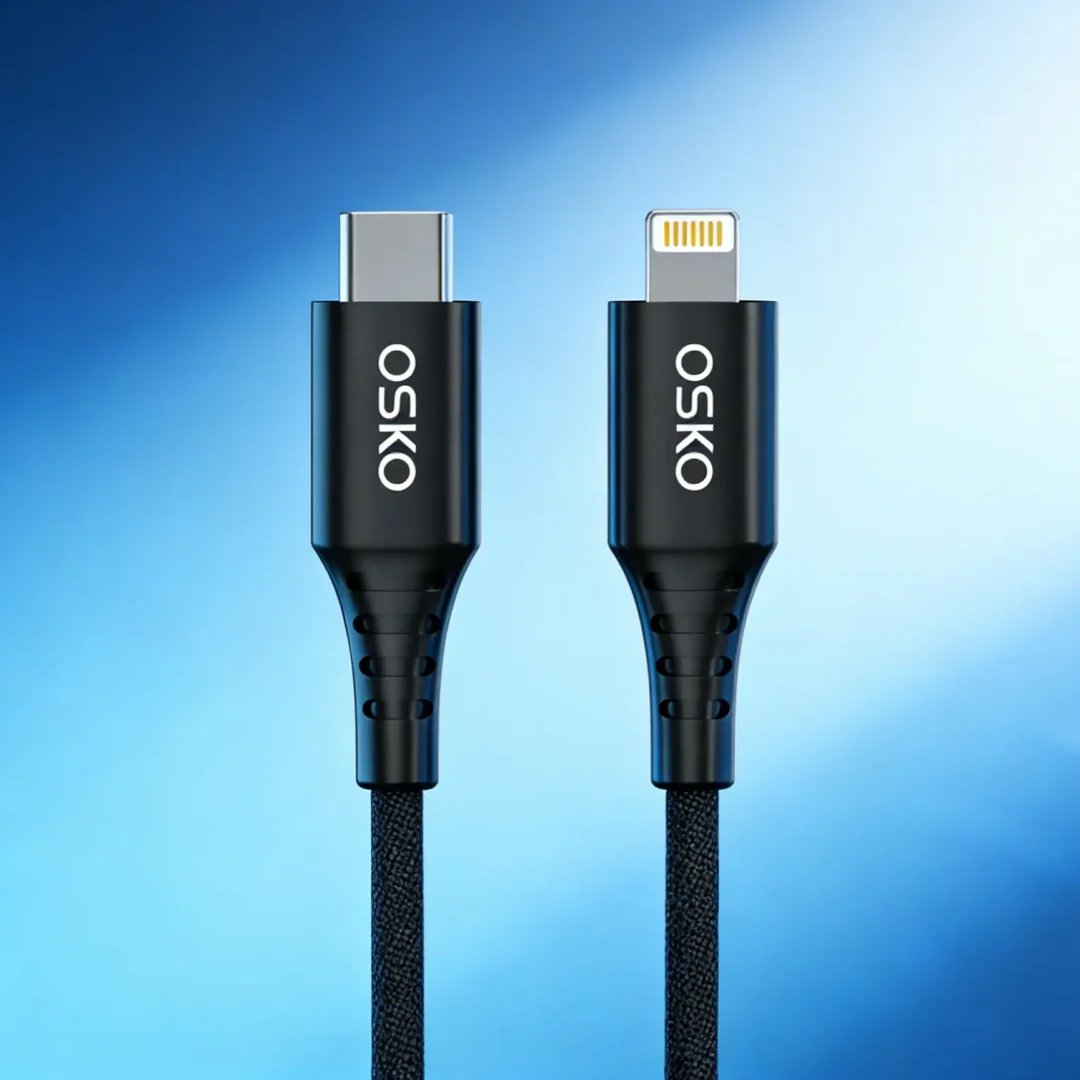
A 6ft MFi-certified Lightning or USB-C cable depending on device model.
Summary
The best long charging cable for bedside use is not defined by length alone, but by a combination of material quality, electrical design, and safety engineering.
From an engineering perspective, optimal bedside cables use oxygen-free copper conductors, stable dielectric insulation, and reinforced outer jackets such as nylon braided structures to ensure durability and safe long-term charging.
For most users in North American and European markets, a 6ft USB-C or Lightning cable provides the ideal balance between flexibility, charging stability, and safety.
Ultimately, choosing the right bedside charging cable requires evaluating both electrical performance and mechanical durability rather than focusing solely on appearance or price.
Contact Information
OSKO provides professional charging cable solutions for global markets, including:
USB-C fast charging cables (60W–240W)
Nylon braided bedside charging cables
MFi-certified Lightning cables
OEM & ODM manufacturing services
Wholesale and private label solutions
Custom length and packaging options
OSKO engineering team provides full technical documentation, compliance support, and scalable OEM manufacturing solutions for global cable brands.