
Introduction
Modern offices rely on multiple devices including laptops, monitors, tablets, smartphones, and accessories. A reliable USB-C cable solution for office desk setups helps businesses maintain efficient workspaces with stable charging, organized cable management, and dependable device connectivity.
OSKO provides customized USB-C charging cable solutions for office accessory brands, corporate suppliers, wholesalers, and businesses requiring consistent quality and scalable production.
Get a Quote
Request Product Specifications
Start OEM Project

2. Customer Pain Points
Office environments require cables that perform consistently every day. Common challenges include:
1. Cable Clutter Reduces Workspace Efficiency
Traditional charging cables often create:
Messy desk environments
Difficult cable management
Poor workstation appearance
Businesses need cleaner and more organized charging solutions.
2. Different Devices Require Different Cable Specifications
Modern offices use:
USB-C laptops
Smartphones
Tablets
Docking stations
Monitors
Wireless accessories
Choosing the wrong cable can cause:
Slow charging
Connection failures
Limited device compatibility
3. Low-Quality Cables Affect Productivity
Poor cables may cause:
Charging interruptions
Data transfer failures
Connector damage
Frequent replacement costs
For businesses, unreliable accessories create unnecessary downtime.
4. Procurement Requires Consistency
Corporate buyers and distributors need:
Stable product quality
Clear specifications
Reliable delivery schedules
Custom branding options
3. Solution Overview
Through application-based cable design + reliable manufacturing processes + standardized quality testing + OEM customization support, we provide a complete USB-C cable solution for office desk setups.
Our goal is to help businesses and brands create charging accessories that improve workspace efficiency, reduce replacement costs, and deliver reliable daily performance.
4. Solution Modules
4.1 Office-Optimized USB-C Cable Design
A professional office cable should balance:
Durability
Flexibility
Charging performance
Workspace organization
Our solutions include:
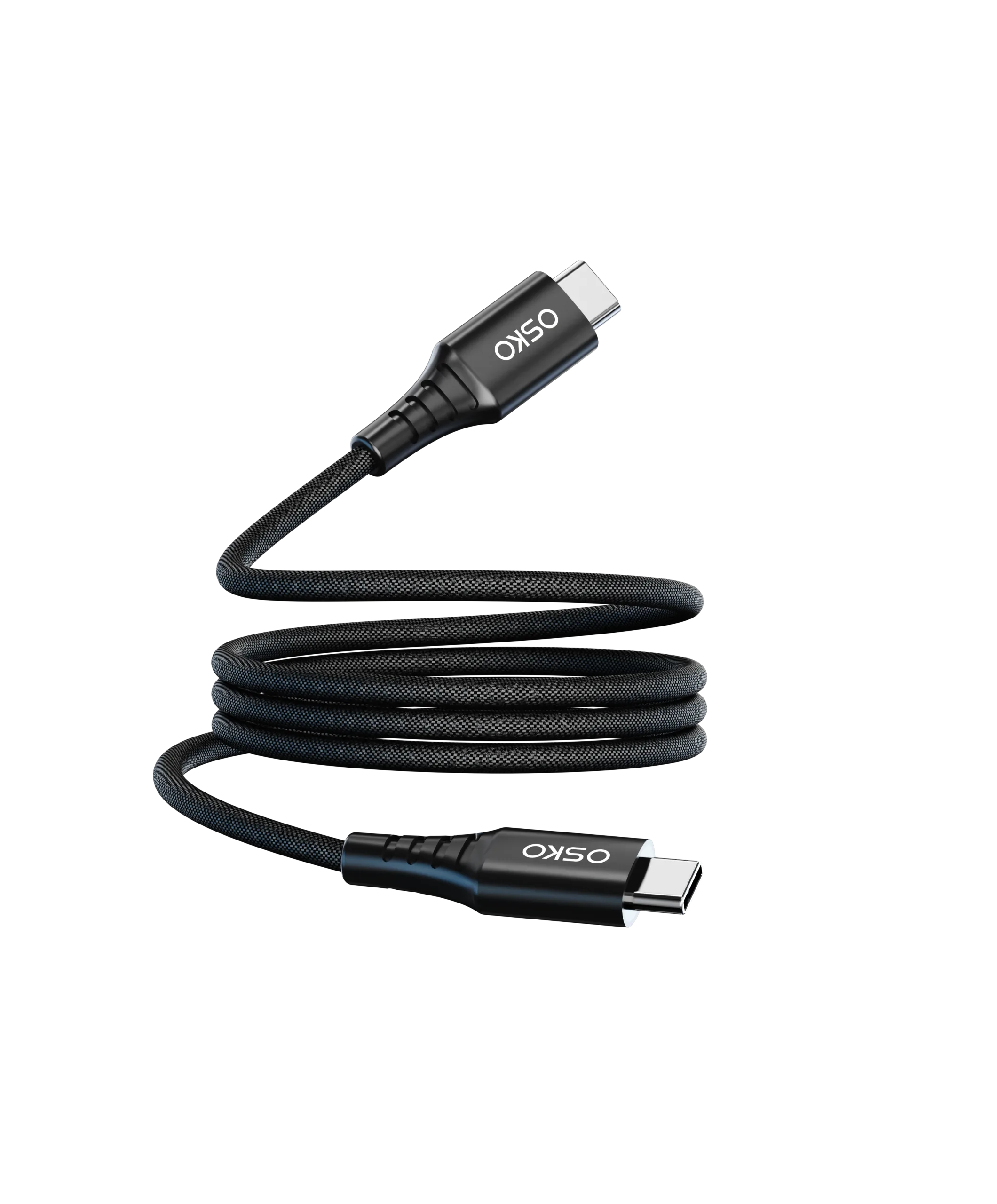
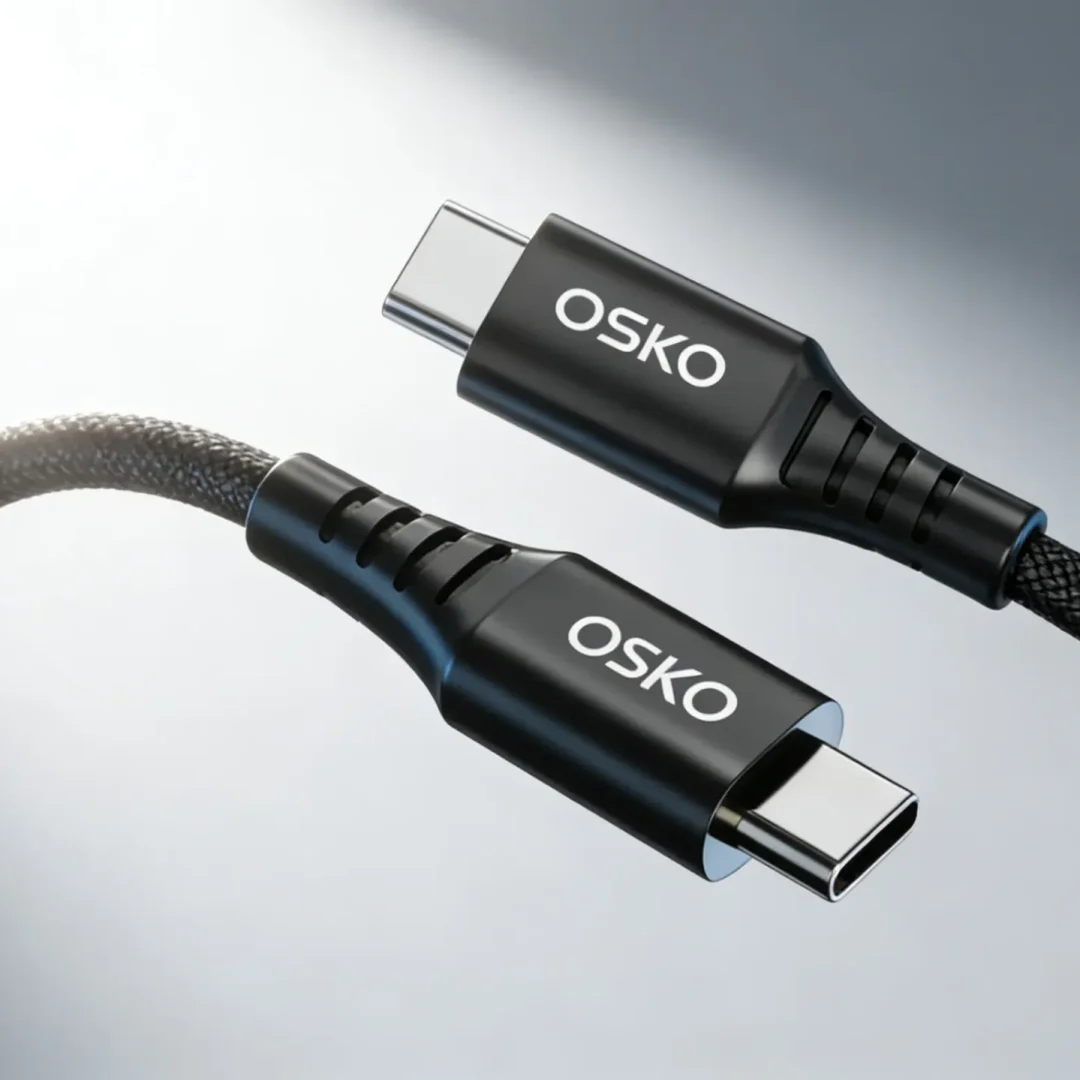
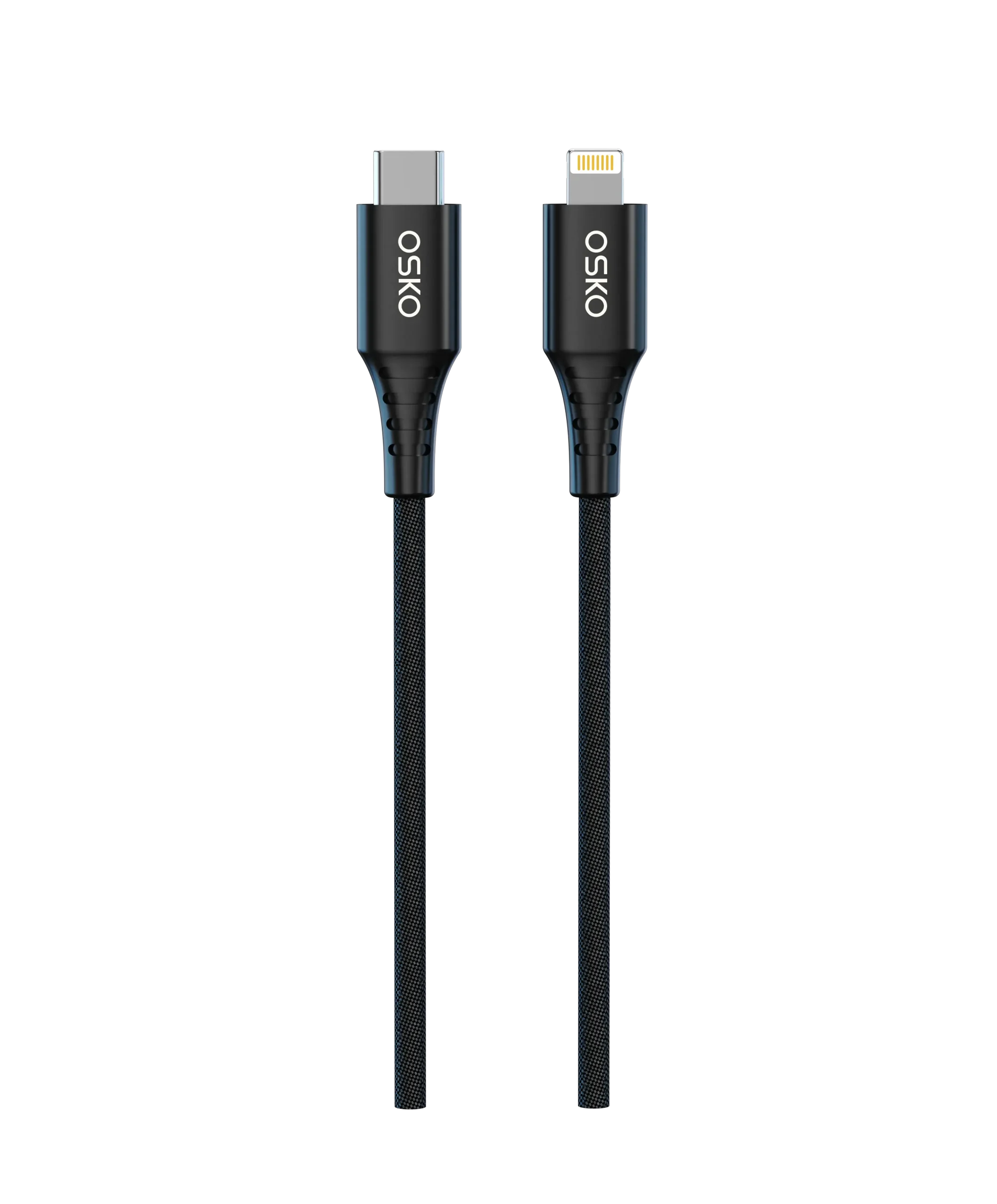
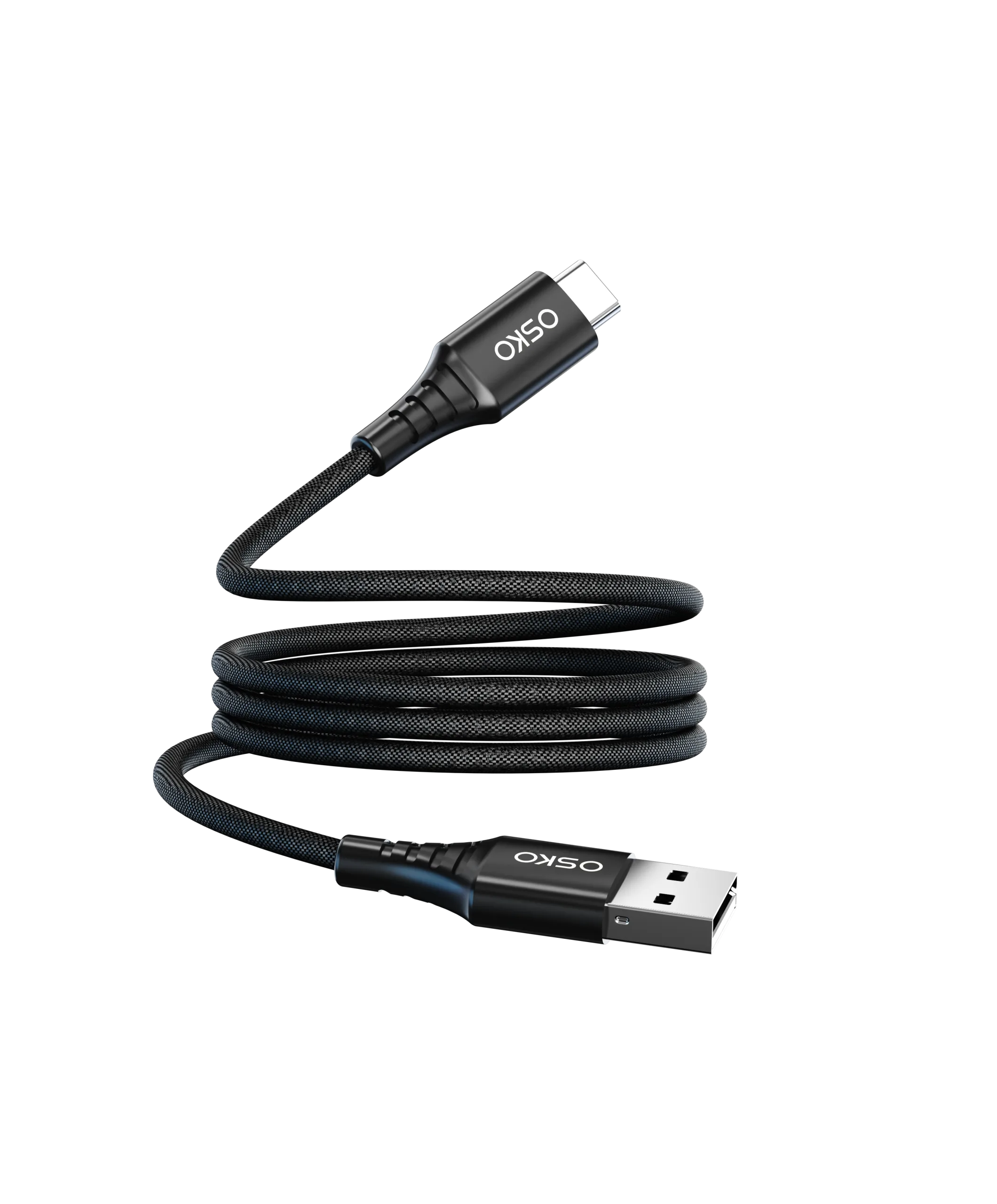
USB-C to USB-C Cables
Suitable for:
Laptop charging
Monitor connection
Docking stations
High-power devices
Support:
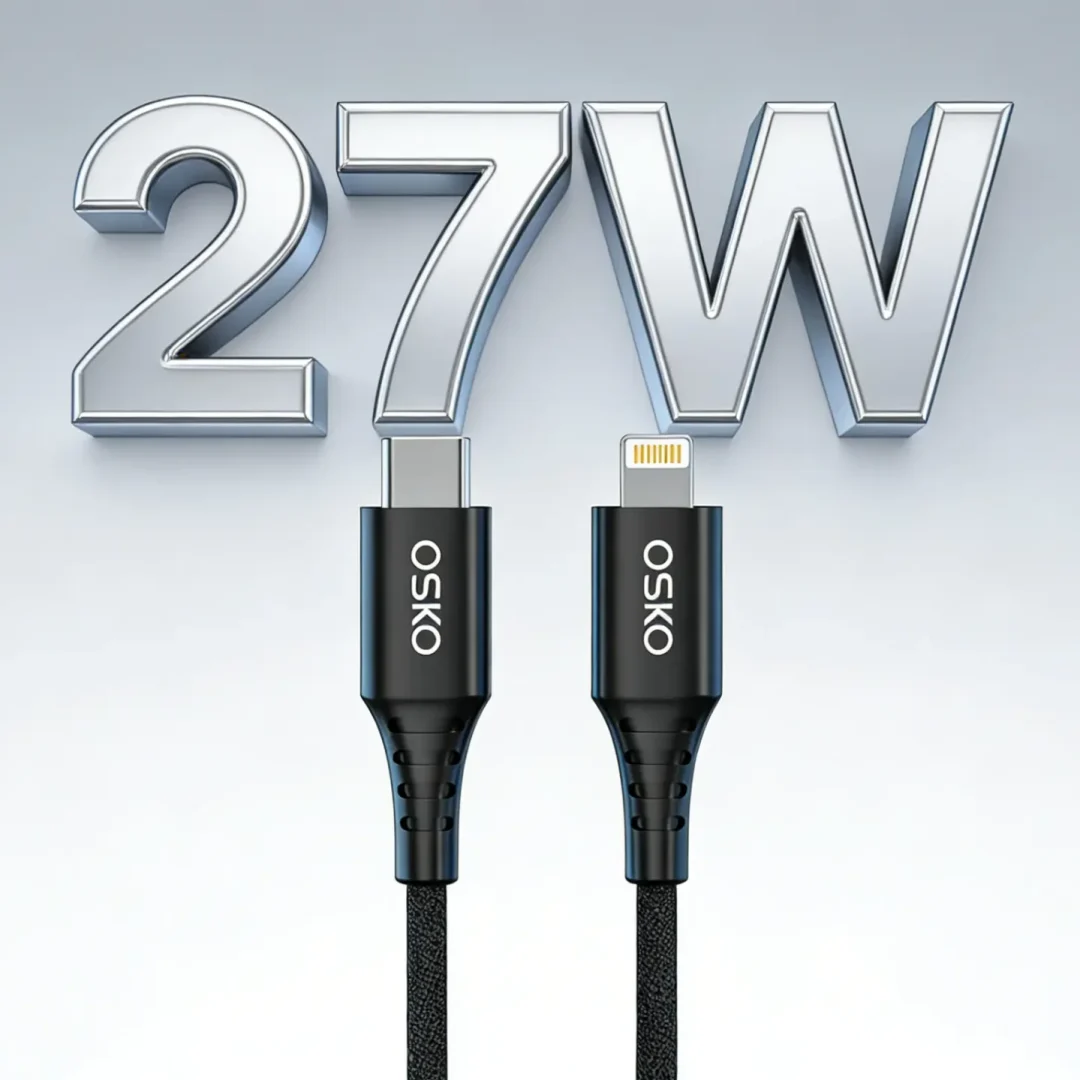
60W PD charging
100W PD charging
140W high-power charging
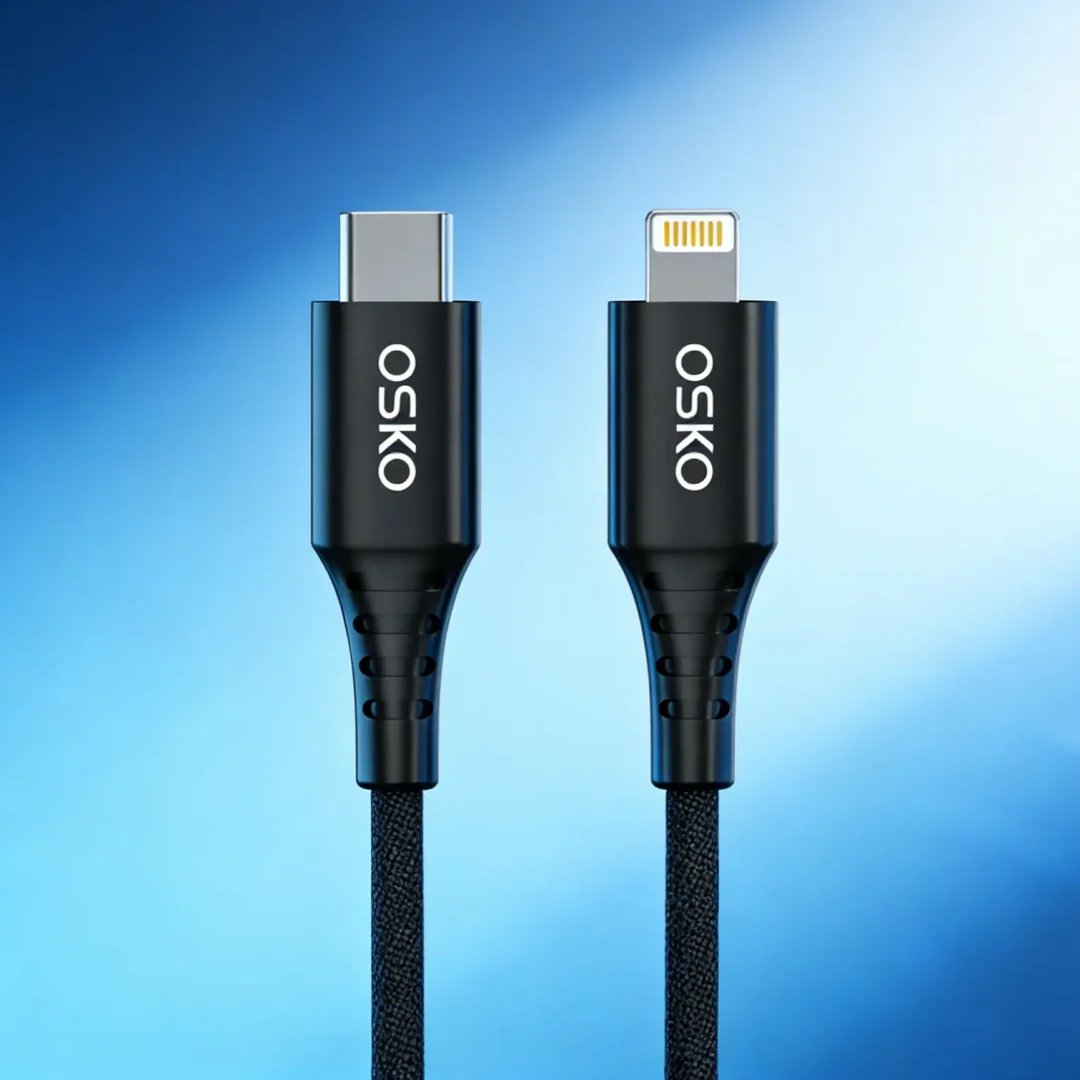
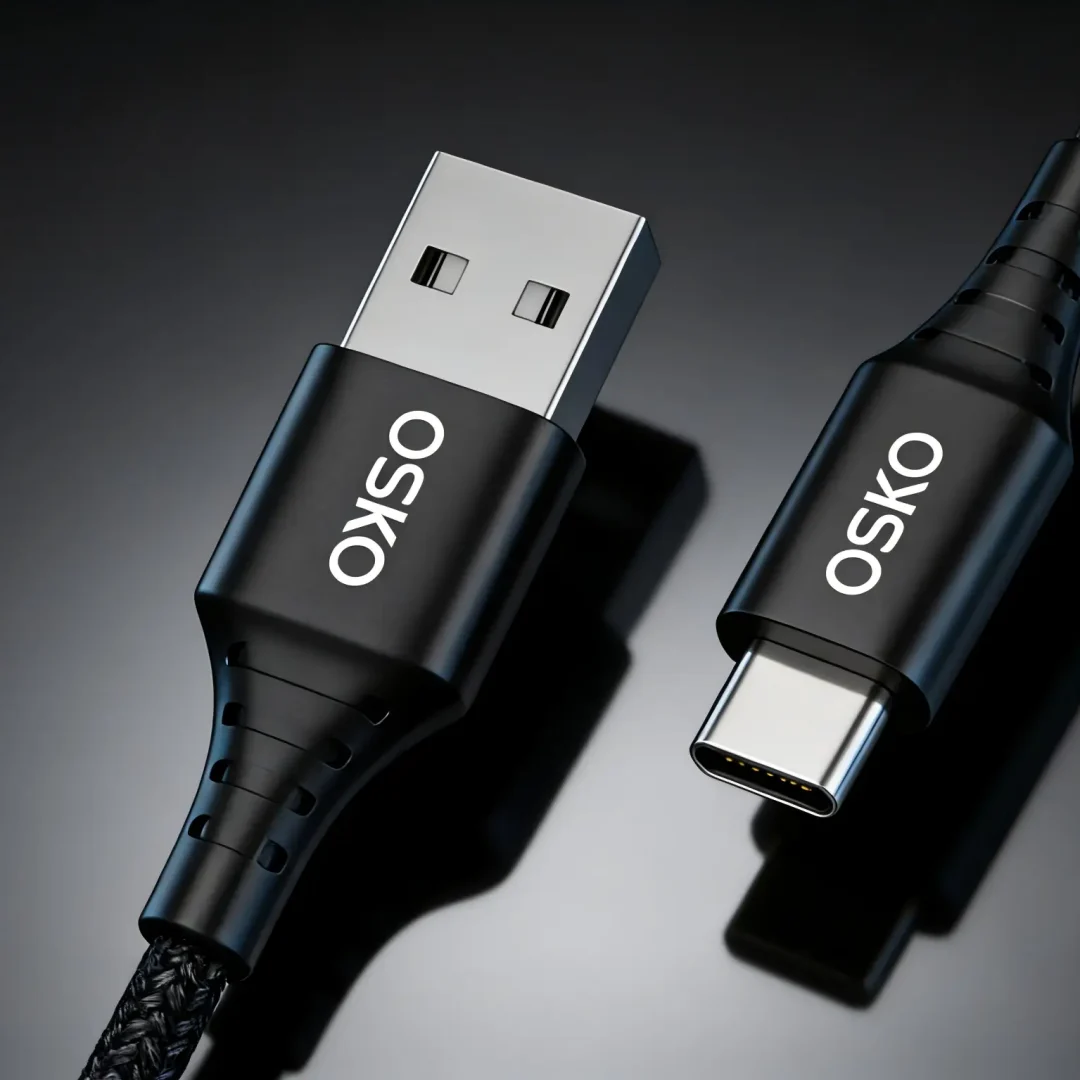
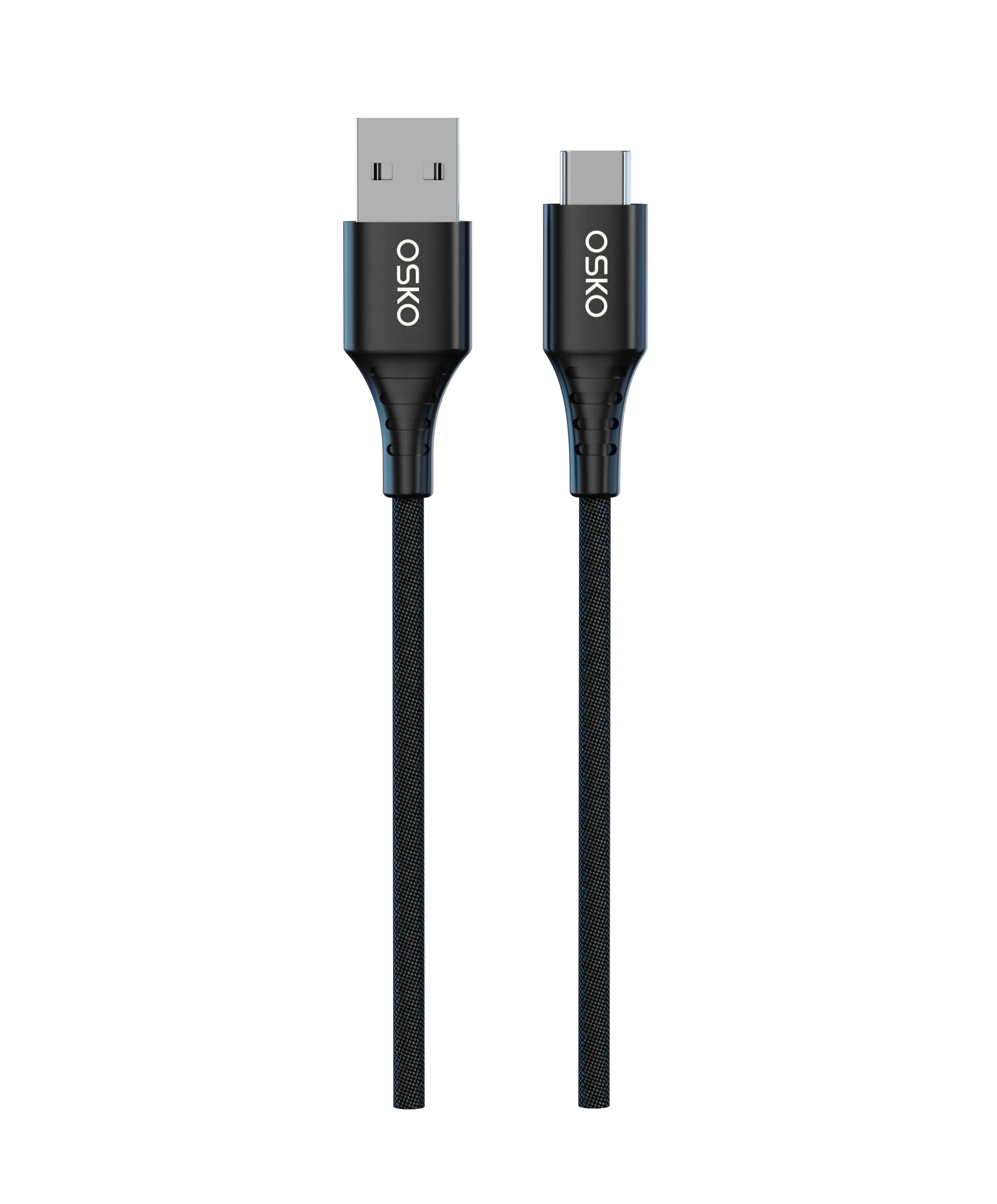
USB-A to USB-C Cables
Suitable for:
Existing office chargers
Desktop USB ports
Legacy equipment
Cable Length Optimization
Available options:
Short cables for desk organization
Standard desktop lengths
Extended cables for meeting rooms
Benefit:
Creates a cleaner and more efficient workspace.

4.2 Fast Charging & Data Transfer Support
Modern office setups require more than basic charging.
Our USB-C office cable solutions support:
Power Delivery (PD)
Applications:
Laptop charging
Tablet charging
Smartphone charging
Data Transfer
Options:
Standard data cables
High-speed data transmission cables
Multi-Device Compatibility
Suitable for:
MacBook
Windows laptops
Tablets
Smartphones
USB-C accessories
Benefit:
One cable solution supports multiple workplace devices.
4.3 Custom Branding & Private Label Solutions
For office accessory brands and corporate suppliers, we provide:
Product Customization
Including:
Cable length
Material selection
Cable color
Connector design
Branding Options
Including:
Logo printing
Customized packaging
Private label solutions
Business Applications
Suitable for:
Corporate gifts
Employee technology kits
Office equipment suppliers
Benefit:
Helps businesses create professional branded charging products.
4.4 Quality Control & Reliability Testing
Office cables require long-term daily reliability.
Our QC system includes:
Electrical Testing
Charging performance
Current stability
Data connection testing
Mechanical Testing
Cable bending tests
Connector durability testing
Pull-force testing
Production Control
Material inspection
Batch testing
Final shipment inspection
Benefit:
Reduces failures and improves customer satisfaction.

4.5 Flexible OEM Production Support
We support:
Product Development
Specification confirmation
Sample production
Technical evaluation
Bulk Manufacturing
Stable production capacity
Quality consistency
Repeat order support
Supply Planning
Small batch projects
Large wholesale orders
Monthly recurring supply
Benefit:
Supports businesses at different growth stages.
5. Applicable Scenarios
The USB-C cable solution for office desk setups is ideal for:
Corporate Offices
Applications:
Employee workstations
Meeting rooms
Shared charging stations
Technology Accessory Brands
Develop:
Office charging products
Productivity accessories
Desk setup solutions
Wholesale Distributors
Supply:
Computer accessories stores
Office equipment suppliers
Business procurement channels
Corporate Gift Companies
Create:
Employee welcome kits
Promotional products
6. Success Story
Customer Challenge
A U.S. office accessory supplier wanted to develop a professional USB-C cable product line for corporate customers.
Challenges included:
Inconsistent cable quality from existing suppliers
Limited customization options
Difficulty maintaining repeat order consistency
Our Solution
We provided:
Optimized USB-C cable specifications
Custom logo and packaging support
Standardized quality inspection
Stable production planning
Result
After implementation:
Product consistency improved
Procurement communication became more efficient
Customer satisfaction increased
Repeat order planning became easier
7. Why Choose Us
Application-Focused Cable Development
We design cables based on real usage scenarios, including office, workstation, and business environments.
Complete OEM Manufacturing Support
From:
Product development
Customization
Testing
Mass production
Reliable Supply Partnership
Support:
Flexible order quantities
Stable production
Long-term cooperation
Contact Us
Start your office USB-C cable solution project by providing:
Cable type requirement
Device application
Target market
Quantity
Custom branding requirements
Our team will recommend the right technical solution.
FAQ
What is the best USB-C cable for an office desk setup?
The best USB-C cable depends on device requirements. For laptops and docking stations, USB-C PD cables with appropriate power ratings are usually recommended.
Can one USB-C cable charge laptops and phones?
Yes. A suitable USB-C PD cable can support charging for many laptops, smartphones, and tablets.
What cable length is best for office desks?
Short cables help reduce clutter, while longer cables are useful for flexible workstation layouts and meeting rooms.
Can businesses customize USB-C cables with their logo?
Yes. OEM suppliers can customize cable appearance, logo printing, colors, and packaging.
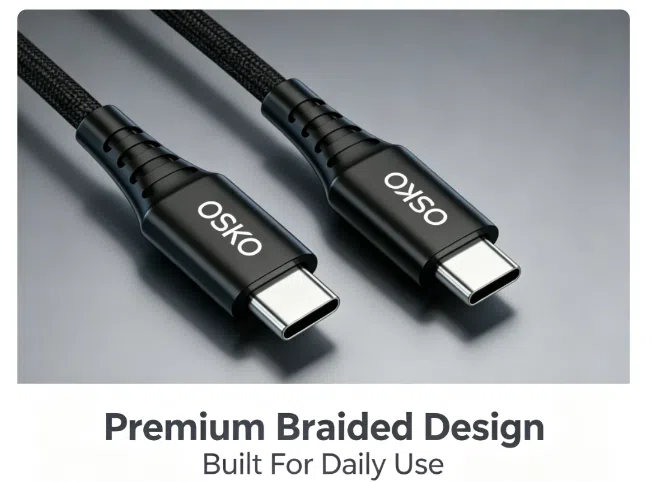
Are braided USB-C cables suitable for office use?
Yes. Braided cables provide improved durability and a premium appearance, making them suitable for professional environments.
How can companies choose a reliable USB-C cable supplier?
Companies should evaluate manufacturing capability, quality testing procedures, customization support, and supply stability.