
Introduction
For business buyers, selecting the right USB cable is not simply about finding the lowest price. Companies purchasing USB cables in bulk need to balance product quality, technical specifications, reliability, compliance requirements, and supply chain stability.
Many procurement teams face common challenges:
High return rates caused by poor cable quality
Inconsistent charging performance between batches
Limited customization options for branding
Supplier delays affecting inventory planning
Products failing certification requirements in different markets
Whether purchasing for retail sales, corporate use, automotive applications, or electronics distribution, the right cable specification directly affects customer satisfaction and business reputation.
The best USB cable for business buyers should provide:
Stable electrical performance
Durable materials
Consistent production quality
Market compliance certifications
Flexible OEM and ODM customization
A professional USB cable manufacturer can support businesses with solutions including:
OEM USB cable production
ODM USB cable development
Wholesale USB cable supply
Bulk custom charging cables
Private label products

Material Science & Dielectric Properties
Understanding USB Cable Requirements for Business Applications
Commercial USB cable purchasing requires evaluating more than connector type.
Important technical factors include:
| Specification | Why It Matters |
|---|---|
| Connector type | Determines device compatibility |
| Power rating | Controls charging capability |
| Wire structure | Affects stability and durability |
| Material | Determines lifespan |
| Certification | Ensures market compliance |
| Packaging | Supports retail requirements |
Different industries require different cable designs.
For example:
Retail brands need attractive packaging and branding.
Corporate buyers need reliable daily-use cables.
Automotive customers require flexible and durable designs.
Distributors need stable supply and competitive pricing.
Choosing the Right USB Connector Type
USB cables are available in multiple connector configurations.
| Cable Type | Common Application |
|---|---|
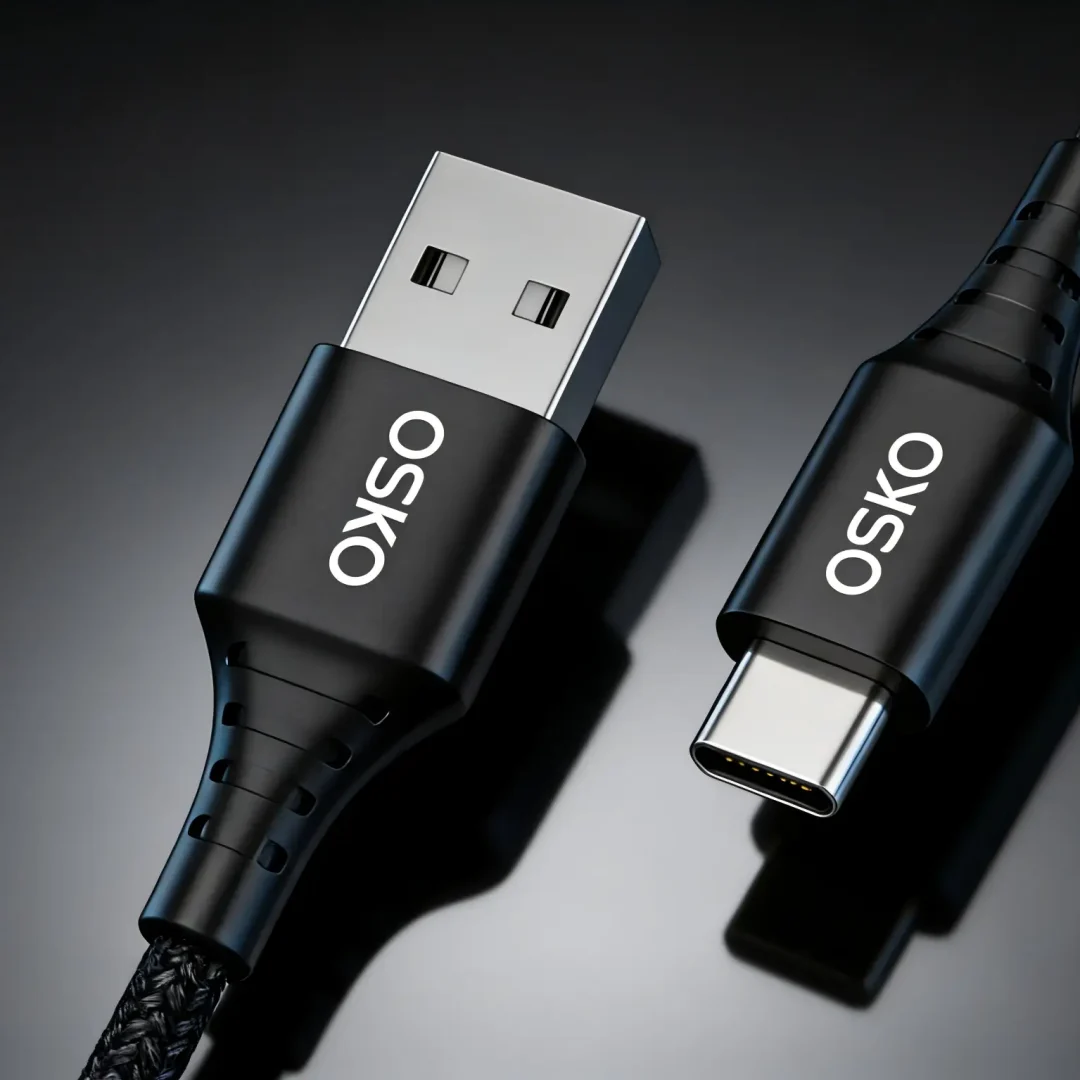
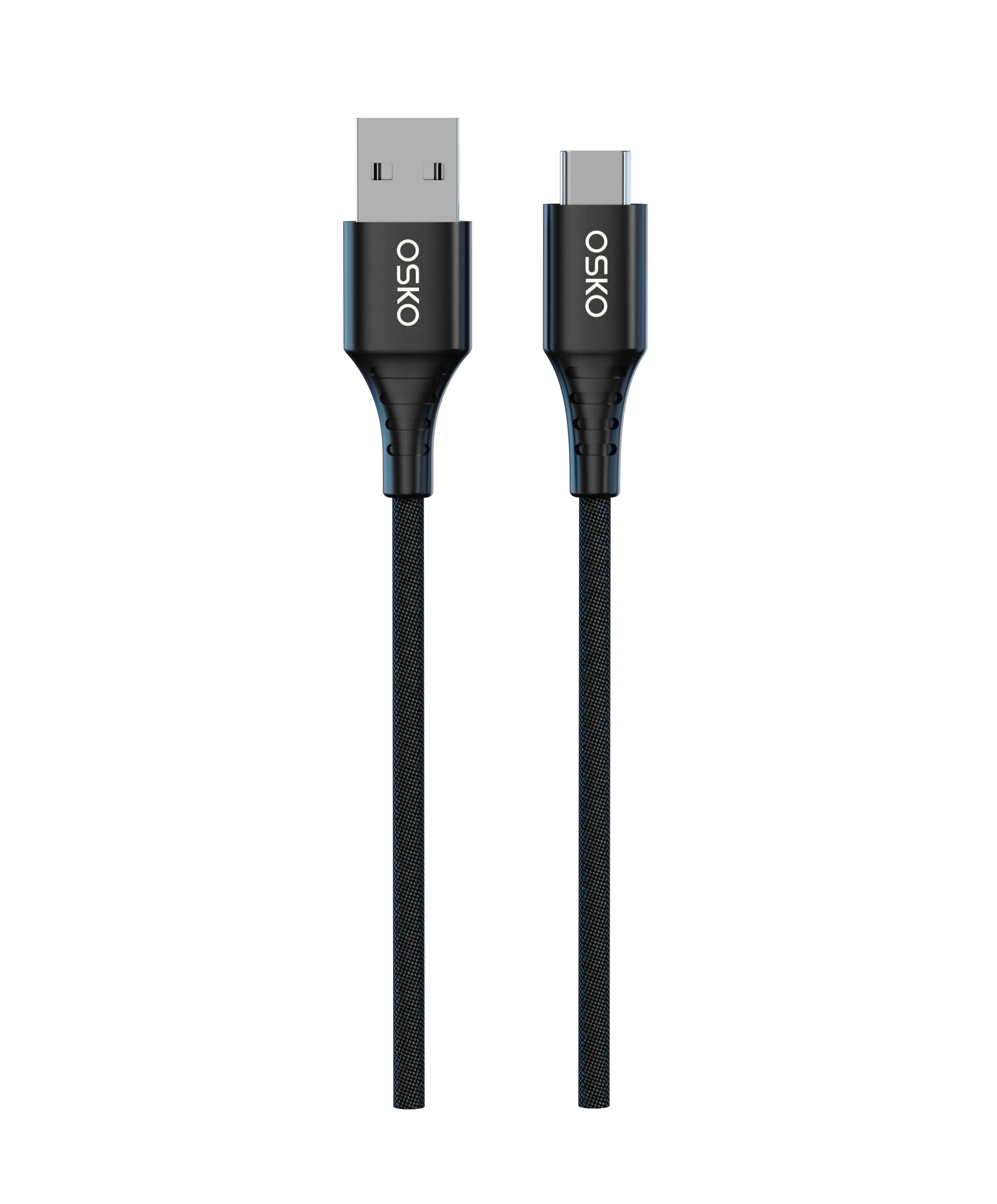
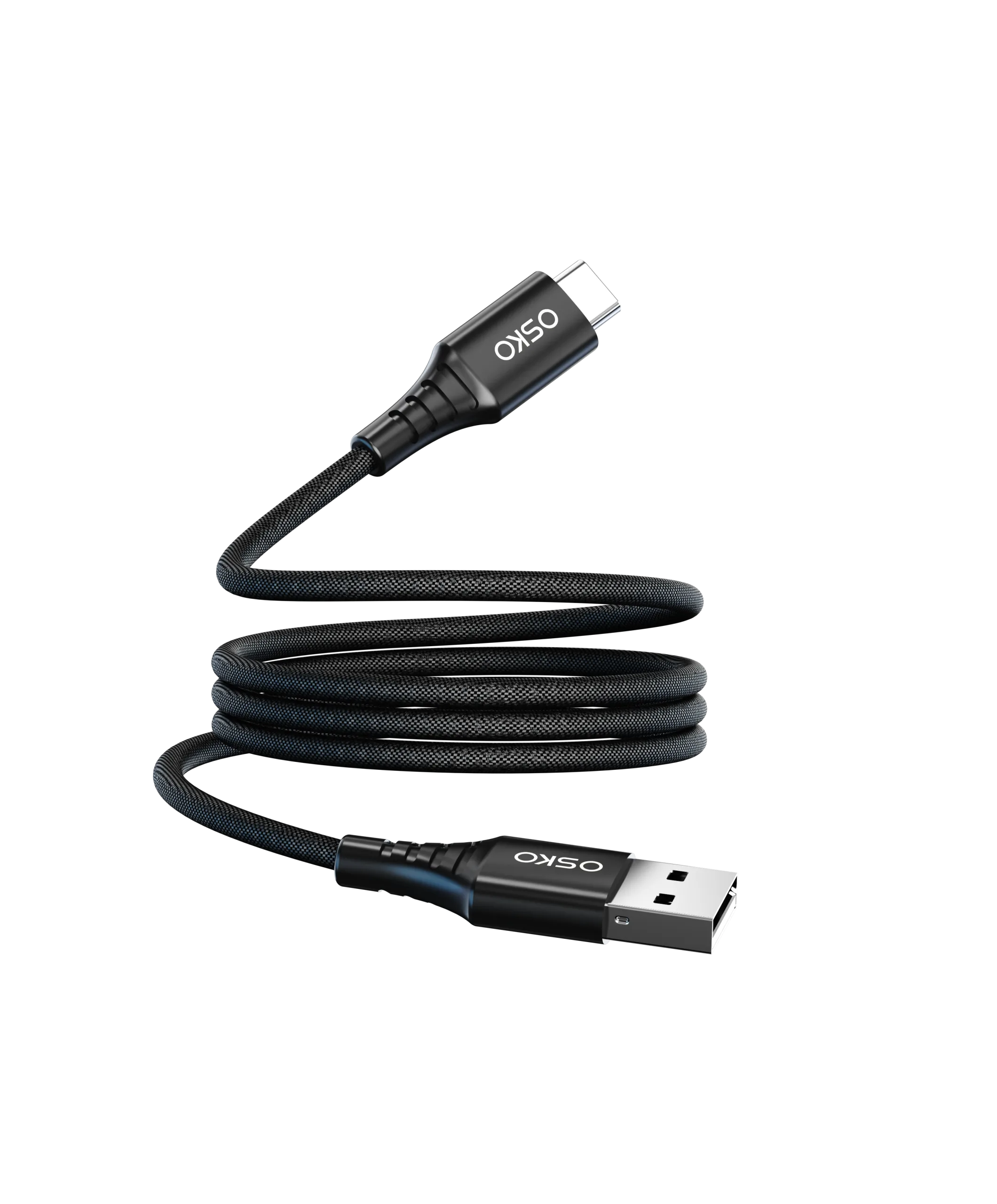
| USB-A to USB-C | Existing chargers, computers, cars |
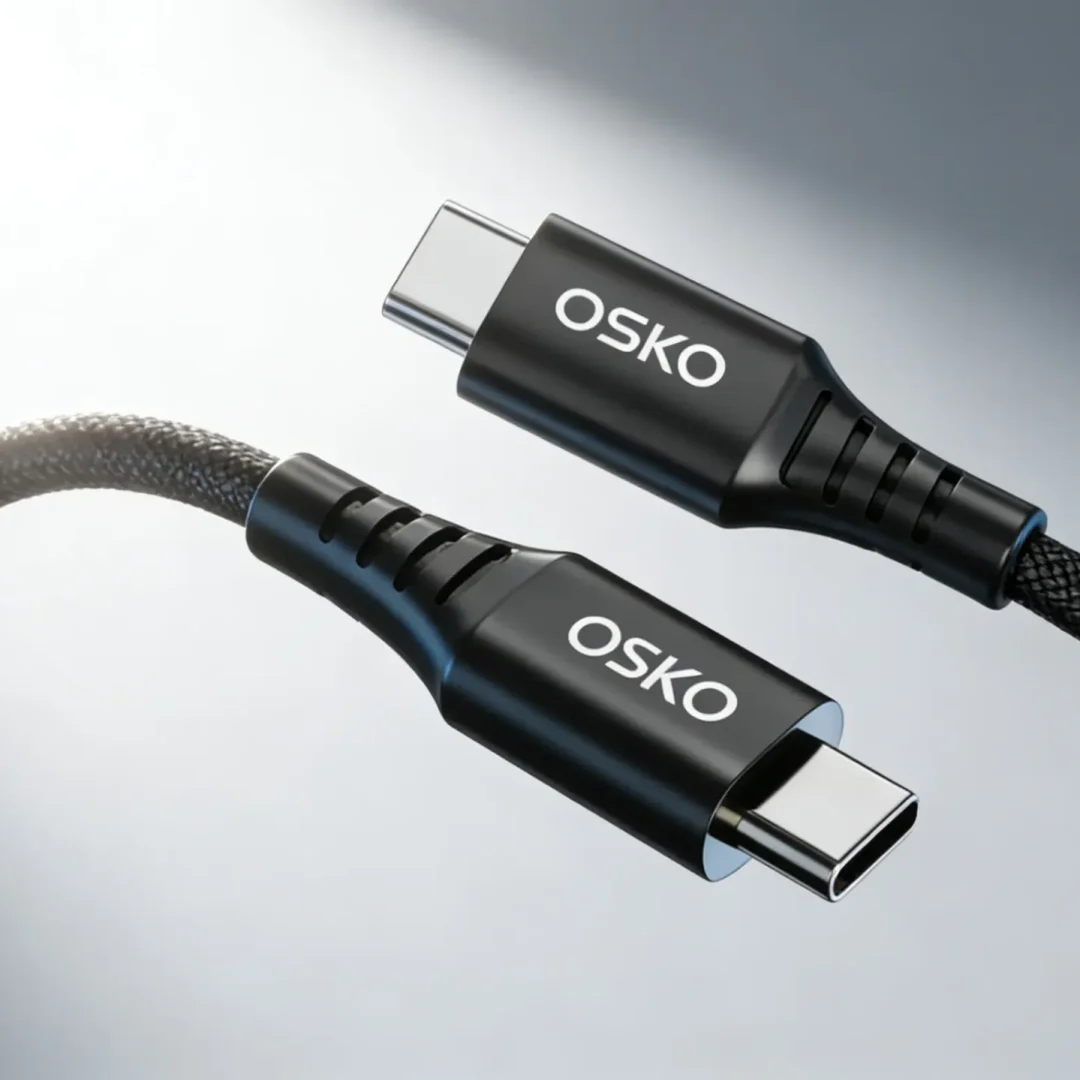
| USB-C to USB-C | PD charging, laptops |
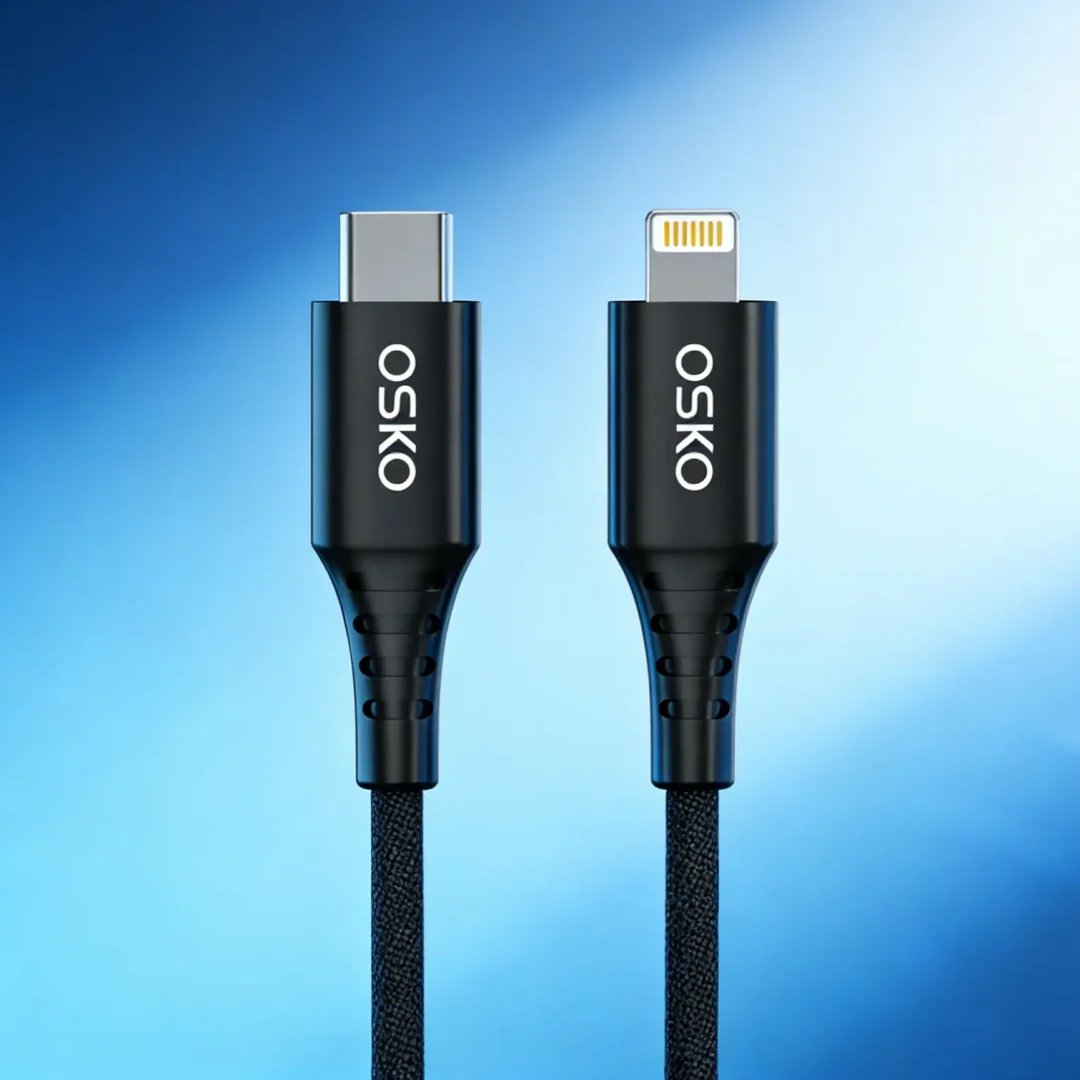
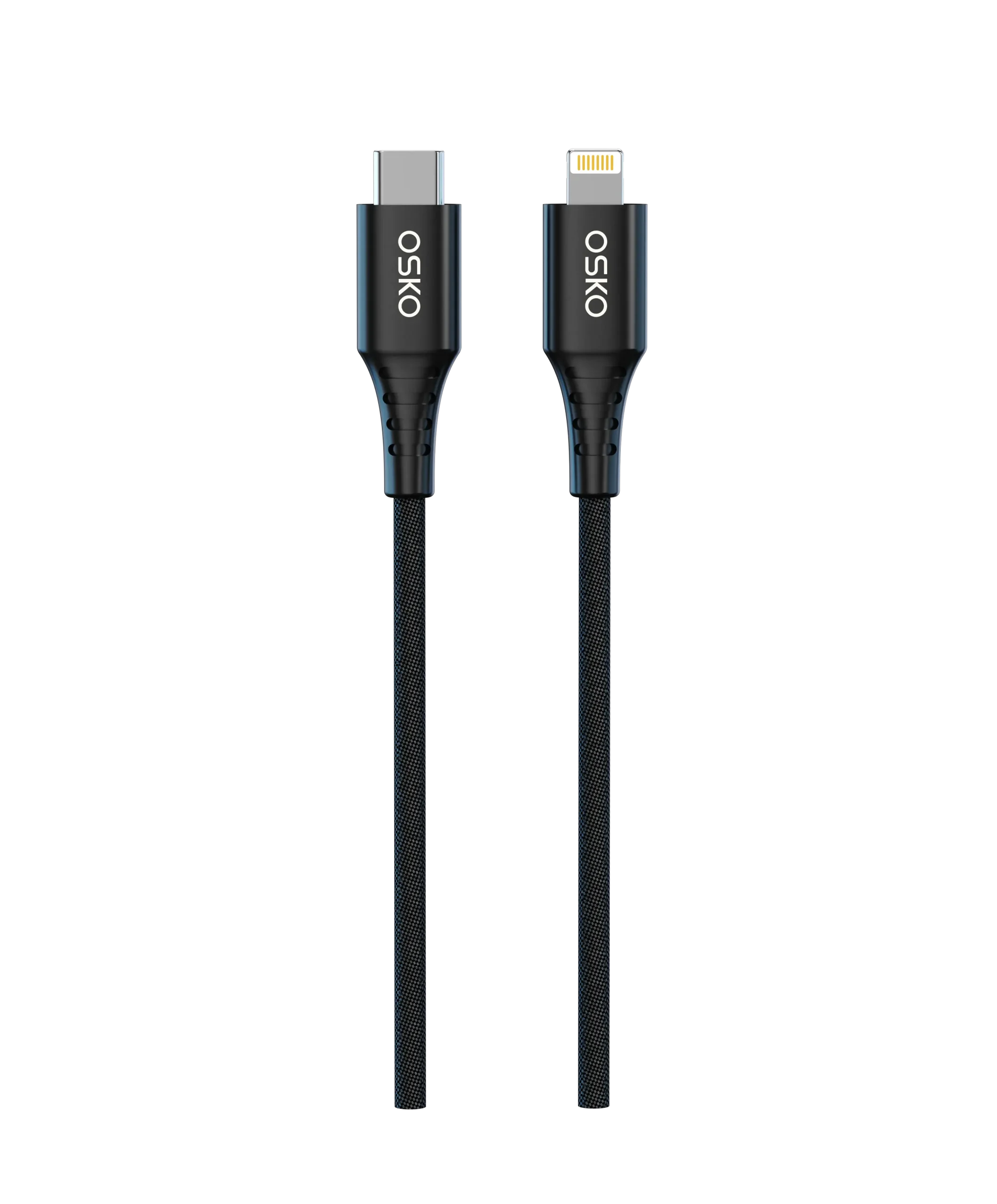
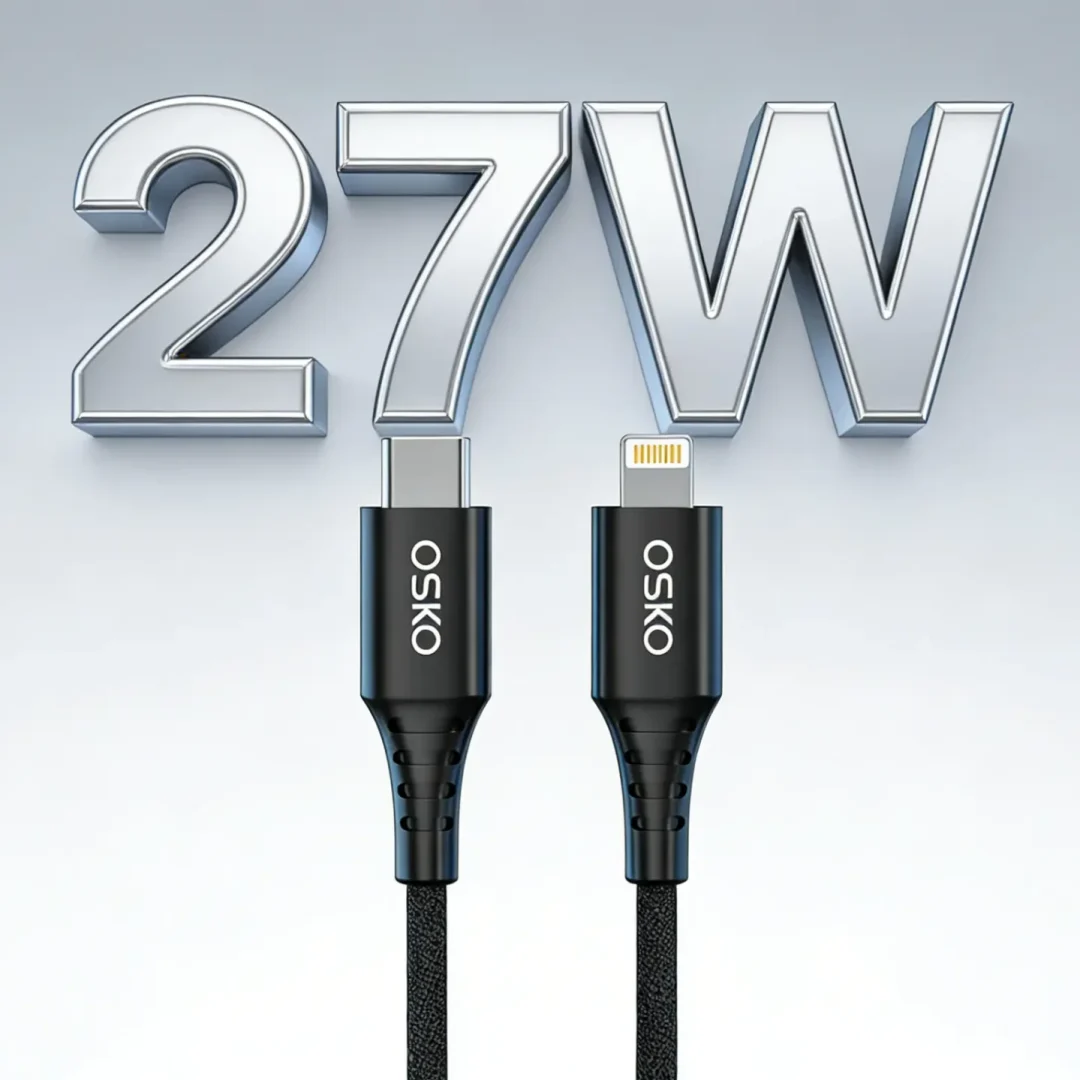
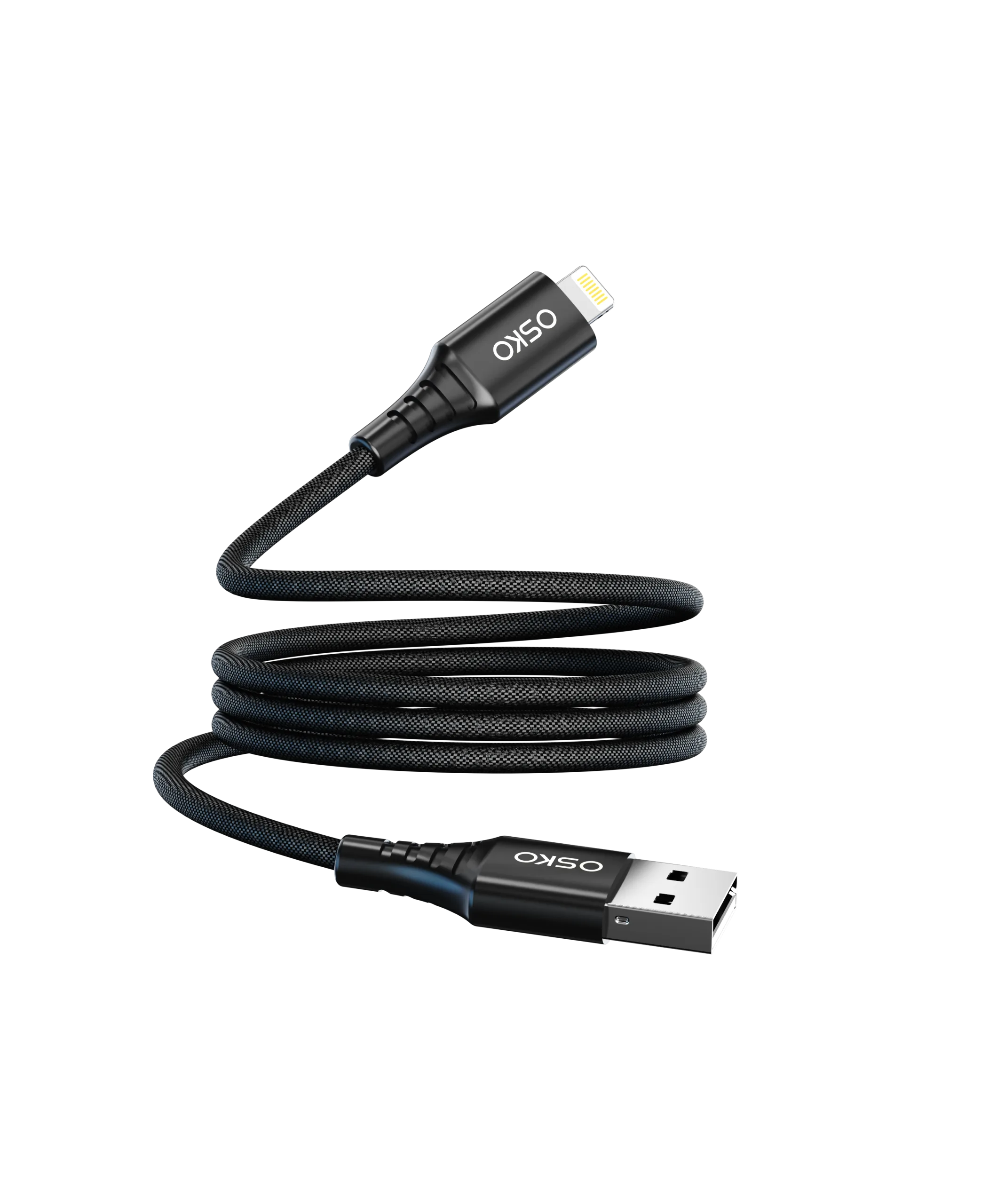
| USB-C to Lightning | Apple accessories |
| Micro USB | Older devices |
| USB-B | Printers and equipment |
For modern business applications, USB-C has become the dominant standard because it supports:
Fast charging
High-speed data transfer
Laptop compatibility
Future device adoption
USB-C Cable Power Requirements for Business Buyers
Power capability is one of the most important purchasing factors.
| Cable Specification | Business Application |
|---|---|
| 60W USB-C cable | Smartphones, tablets, portable devices |
| 100W USB-C cable | Laptops and professional equipment |
| 140W USB-C cable | High-performance laptops |
| 240W USB-C cable | Advanced USB PD devices |
A business buyer should match cable specifications with target devices.
For example:
Mobile accessory brands often select 60W cables.
Laptop accessory suppliers typically require 100W cables.
Premium technology brands may develop 240W USB-C cable products.
Cable Material Selection for Commercial Use
Material selection affects:
Durability
Appearance
Production cost
Customer experience
PVC USB Cable
PVC cables are commonly used for cost-sensitive projects.
Advantages:
Lower production cost
Easy mass production
Flexible color options
Applications:
Promotional products
Entry-level retail cables
Large-volume orders
TPU USB Cable
TPU provides better flexibility and durability.
Advantages:
Improved bending resistance
Better surface feel
Stronger environmental resistance
Applications:
Automotive cables
Office charging cables
Daily-use accessories
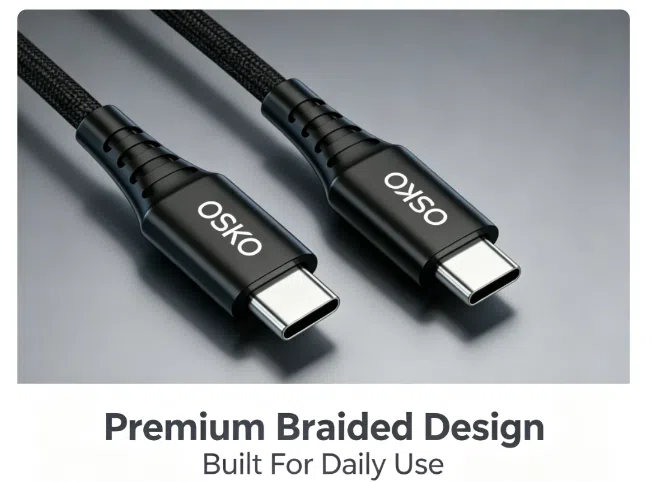
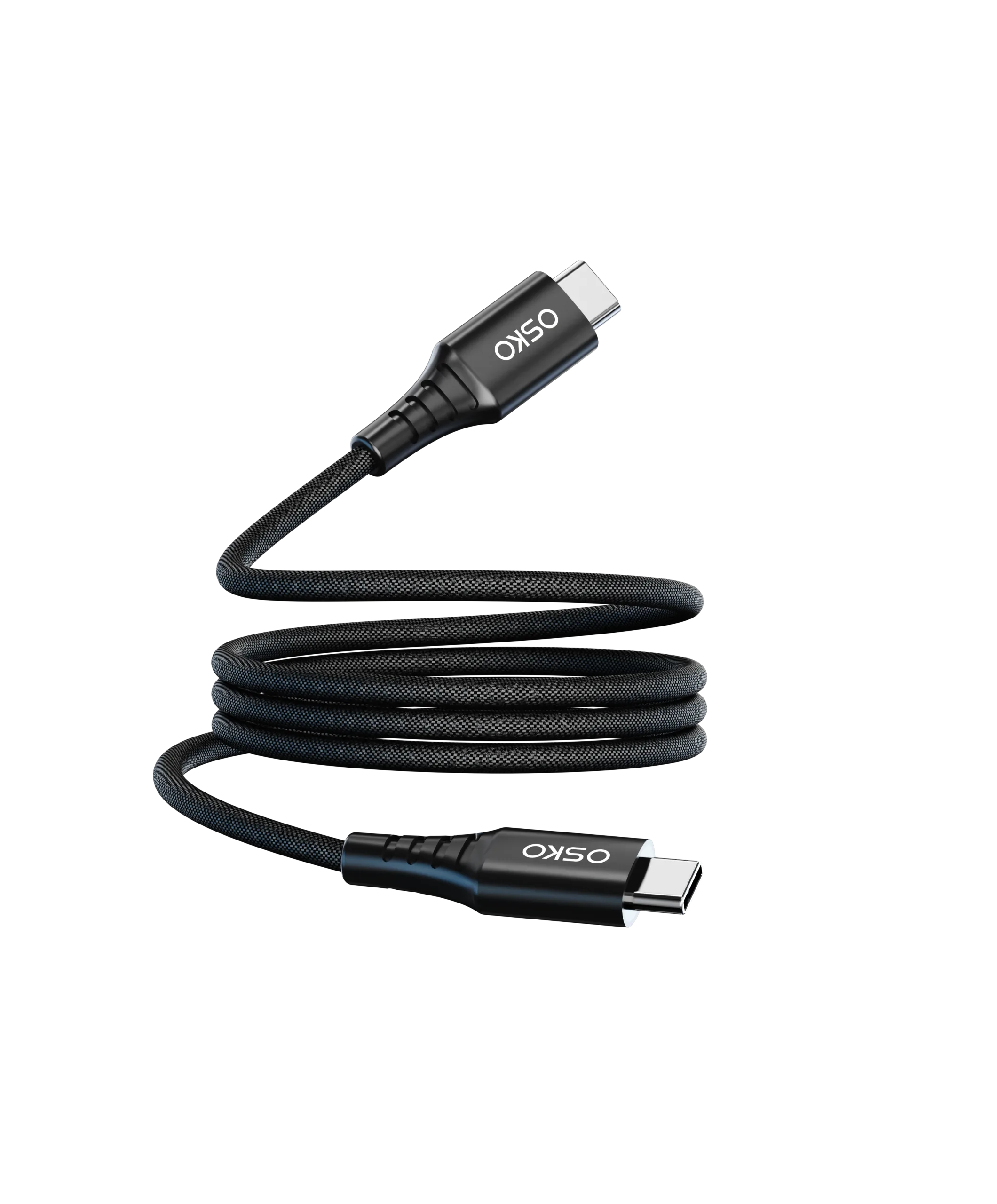
Braided USB Cable
Braided cables are popular in premium markets.
Advantages:
High abrasion resistance
Better mechanical protection
Reduced tangling
Premium appearance
Applications:
Retail products
Travel accessories
Gaming accessories
Desk charging systems
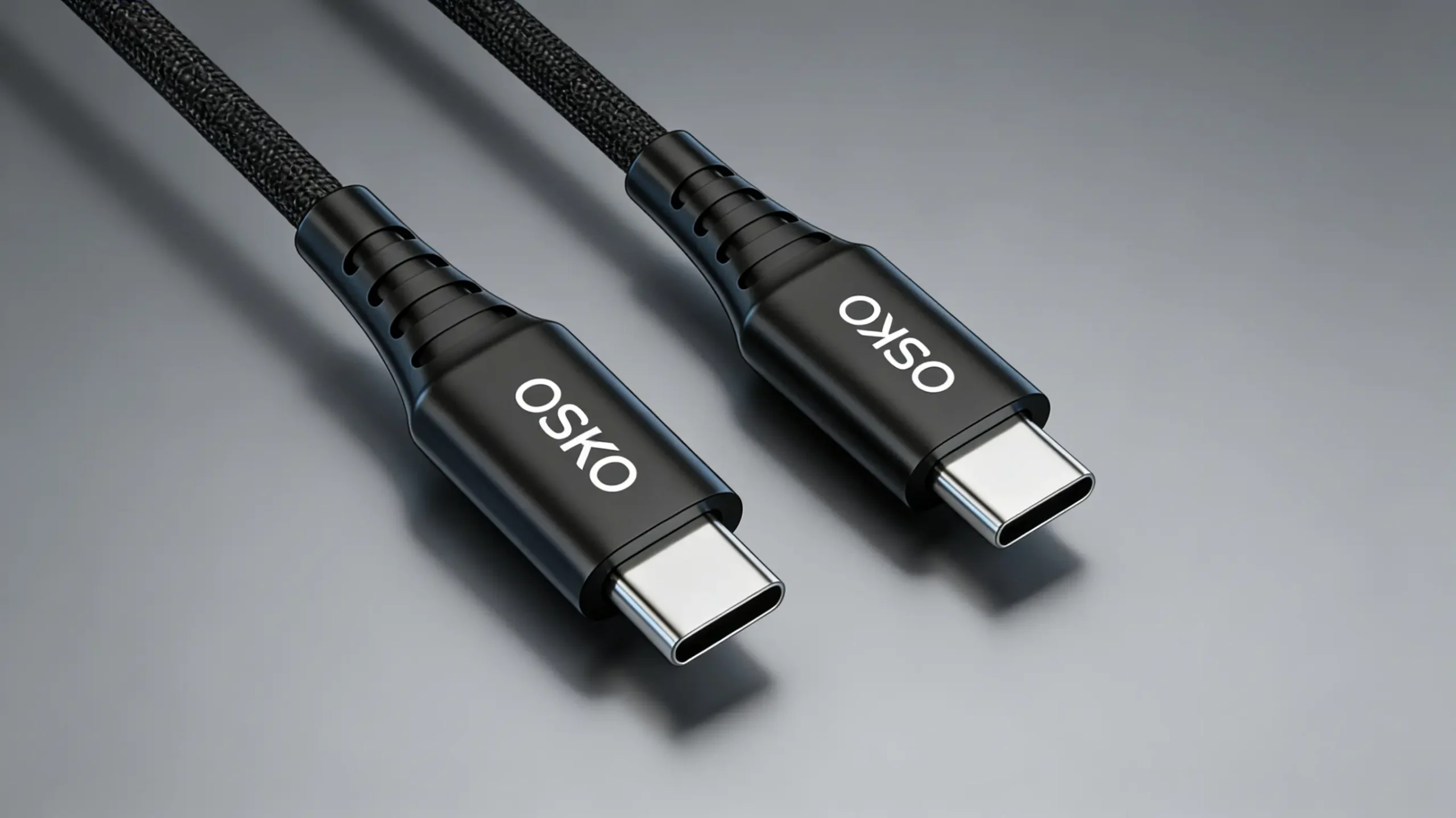
Many companies work with a braided USB cable supplier to create higher-value products.
USB Cable Customization Options for Business Buyers
Business buyers often require customized solutions.
Common options include:
| Customization | Application |
|---|---|
| Logo printing | Brand recognition |
| Custom colors | Product differentiation |
| Custom lengths | Specific usage scenarios |
| Packaging design | Retail presentation |
| Connector style | Product positioning |
Examples include:
Custom packaging braided charging cable factory
Bulk custom color braided charging cables
OEM ODM custom length USB C cables
USB Cable Applications by Industry
Different industries require different cable solutions.
| Industry | Recommended USB Cable |
|---|---|
| Consumer electronics | USB-C fast charging cable |
| Retail | Branded braided cable |
| Automotive | Flexible USB-A to USB-C cable |
| Office | Long desk charging cable |
| Travel | Compact charging cable |
| Distribution | Bulk USB cables |
Case Study
North American Distributor Expands USB Cable Product Portfolio
Customer Background
A US electronics distributor supplied accessories to:
Retail stores
Online sellers
Corporate customers
The company wanted to expand its USB cable category with reliable products.
Required products:
USB-C charging cables
Braided premium cables
Multiple lengths
Custom packaging
Customer Challenges
The distributor previously sourced from multiple suppliers.
Problems included:
Different quality standards
Unstable delivery times
Limited customization capability
Customer complaints about cable durability
The company needed a long-term manufacturing partner.
OSKO Solution
OSKO developed a customized product portfolio.
| Product | Technical Solution | Target Market |
|---|---|---|
| USB-C charging cable | Stable PD performance | Retail |
| Braided cable | Nylon protection | Premium accessories |
| 100W USB-C cable | E-marker support | Laptop users |
| Custom packaging cable | Private label solution | Online sales |
The project included:
OEM USB cable manufacturing
ODM USB cable development
Bulk USB cables production
Retail USB cable solutions
Selection Guide
How Business Buyers Choose the Best USB Cable Supplier
Evaluate Factory Capability
A reliable supplier should provide:
Product engineering support
Quality inspection systems
Stable production capacity
Custom development ability
Important questions:
Can the supplier support custom specifications?
Can they provide testing reports?
Can they handle repeat orders?
Check Certifications and Compliance
For global markets, buyers should consider:
| Certification | Market Purpose |
|---|---|
| CE | European safety |
| RoHS | Material compliance |
| FCC | US requirements |
| USB-IF | USB performance |
| ISO9001 | Quality management |
Professional suppliers may provide:
CE RoHS certified 240W USB C cable
FCC approved nylon braided USB C cable supplier
USB-IF compliant Type C cable manufacturer
ISO9001 certified braided USB cable factory
Consider MOQ and Production Flexibility
Different business models require different supply strategies.
| Buyer Type | Requirement |
|---|---|
| Startup brand | Small batch customization |
| Retail chain | Stable mass production |
| Distributor | Bulk inventory supply |
| Enterprise buyer | Customized solutions |
A flexible supplier can support:
Small trial orders
Large-scale production
Repeat monthly supply
Packaging and Branding Requirements
For retail businesses, packaging is an important part of product value.
Options include:
Retail boxes
Hanging packaging
Private label bags
Custom printed cartons
A complete supplier should support both cable manufacturing and packaging development.
FAQ
What USB cable is best for wholesale buyers?
The best choice depends on the market. USB-C cables with multiple power options, durable materials, and certification support are currently the most versatile products.
Should businesses choose braided USB cables?
For premium retail and long-term use, braided cables provide better durability and stronger customer perception.
What is the difference between OEM and ODM USB cables?
OEM production follows customer specifications, while ODM includes manufacturer support for product design and development.
How do business buyers verify USB cable quality?
They should evaluate:
Material specifications
Charging tests
Durability testing
Certification documents
Factory quality systems
What certifications should USB cable suppliers have?
Common requirements include CE, RoHS, FCC, USB-IF, and ISO9001 depending on the target market.
Summary
For business buyers, the best USB cable is not only the product with the lowest purchase price. A successful sourcing decision requires evaluating:
Connector compatibility
Charging capability
Material quality
Manufacturing consistency
Certification compliance
Customization options
For modern markets, USB-C charging cables, braided USB cables, and high-power PD cables provide the strongest growth opportunities.
Whether purchasing for:
Retail distribution
Corporate applications
Automotive products
Online marketplaces
Brand development
working with an experienced USB cable manufacturer ensures reliable production, customized solutions, and long-term supply stability.