
Introduction
The choice between a Braided Cable, TPE Cable, and Silicone Cable is not simply a matter of appearance or softness. It directly impacts electrical performance, durability, thermal stability, and long-term reliability in real-world charging environments.
In modern USB-C and Lightning ecosystems used across North America and Europe, material selection determines whether a cable performs consistently under fast charging loads or degrades over time.
Although these three cable types may appear similar externally, their internal engineering structures and polymer properties create significant differences in user experience and OEM manufacturing outcomes.
Understanding these differences is essential for both end users and global sourcing teams working with OEM USB cable manufacturer supply chains.
Material Science & Dielectric Properties
To evaluate Braided Cable vs TPE vs Silicone, it is necessary to analyze their polymer structure, dielectric behavior, and mechanical response under electrical load.
Braided Cable Structural Engineering
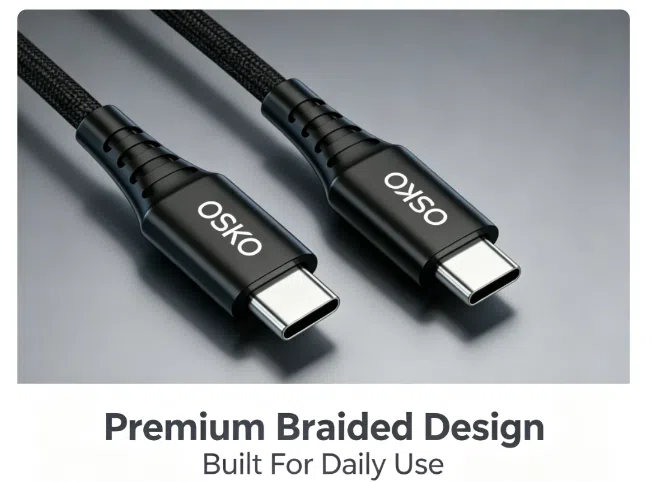
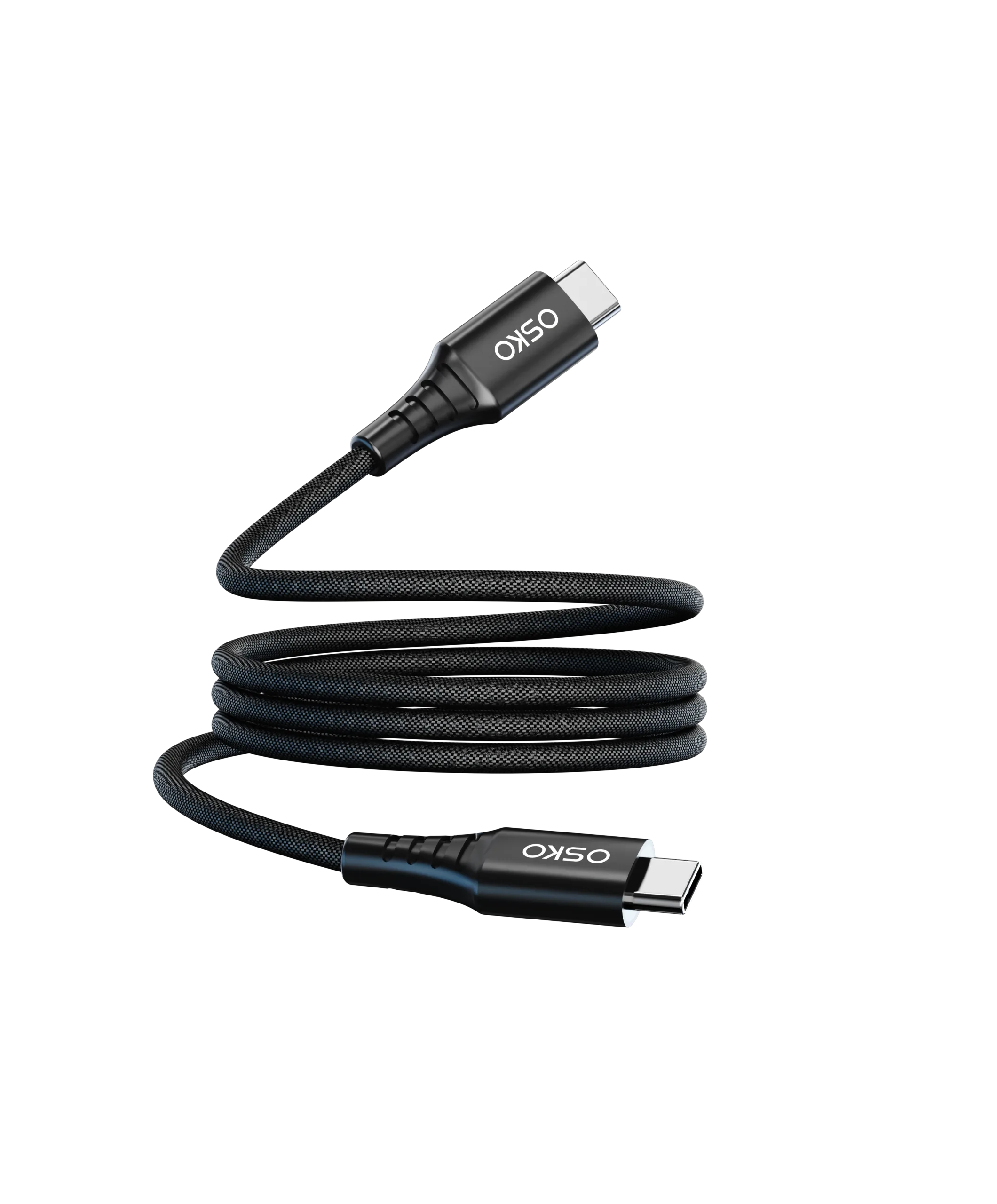
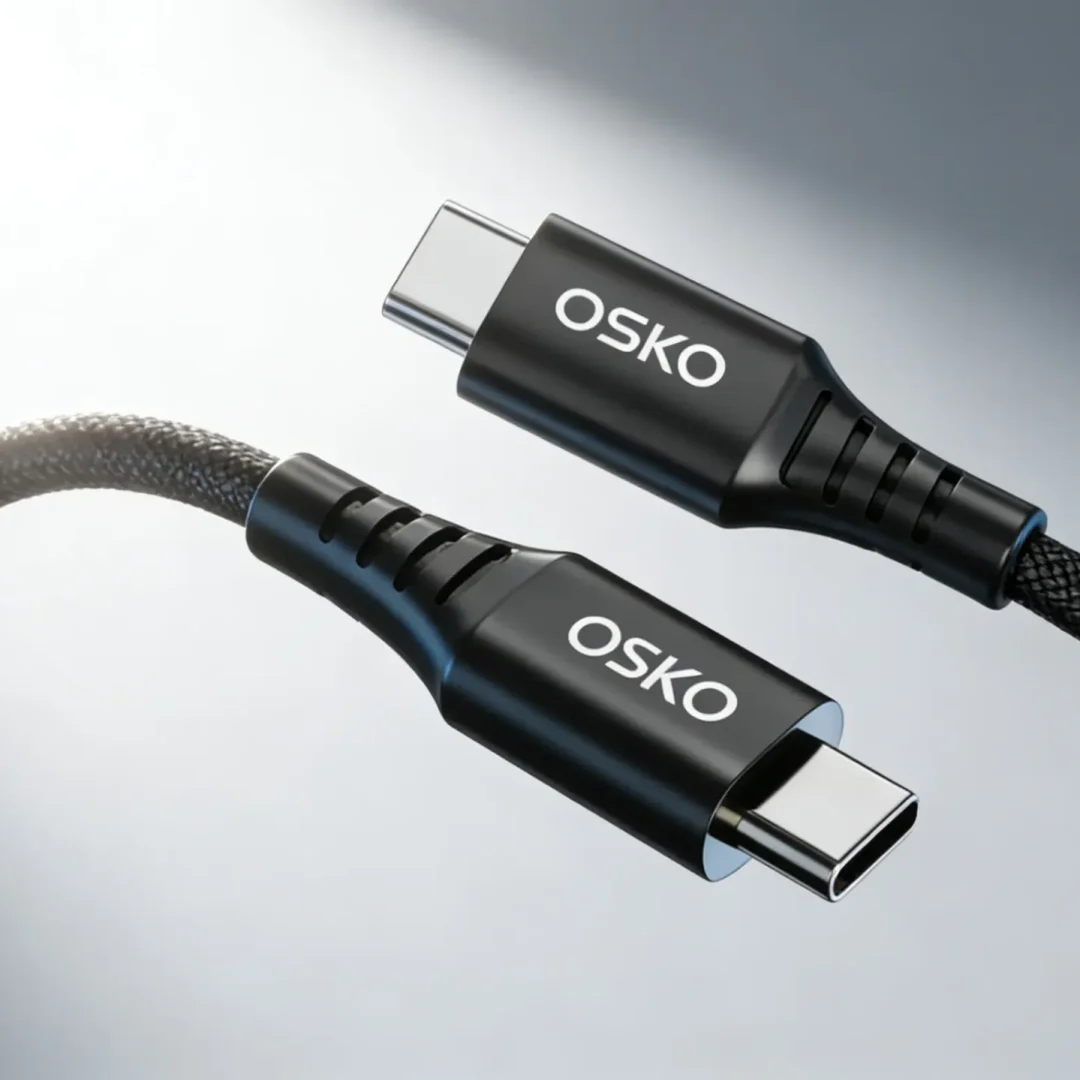
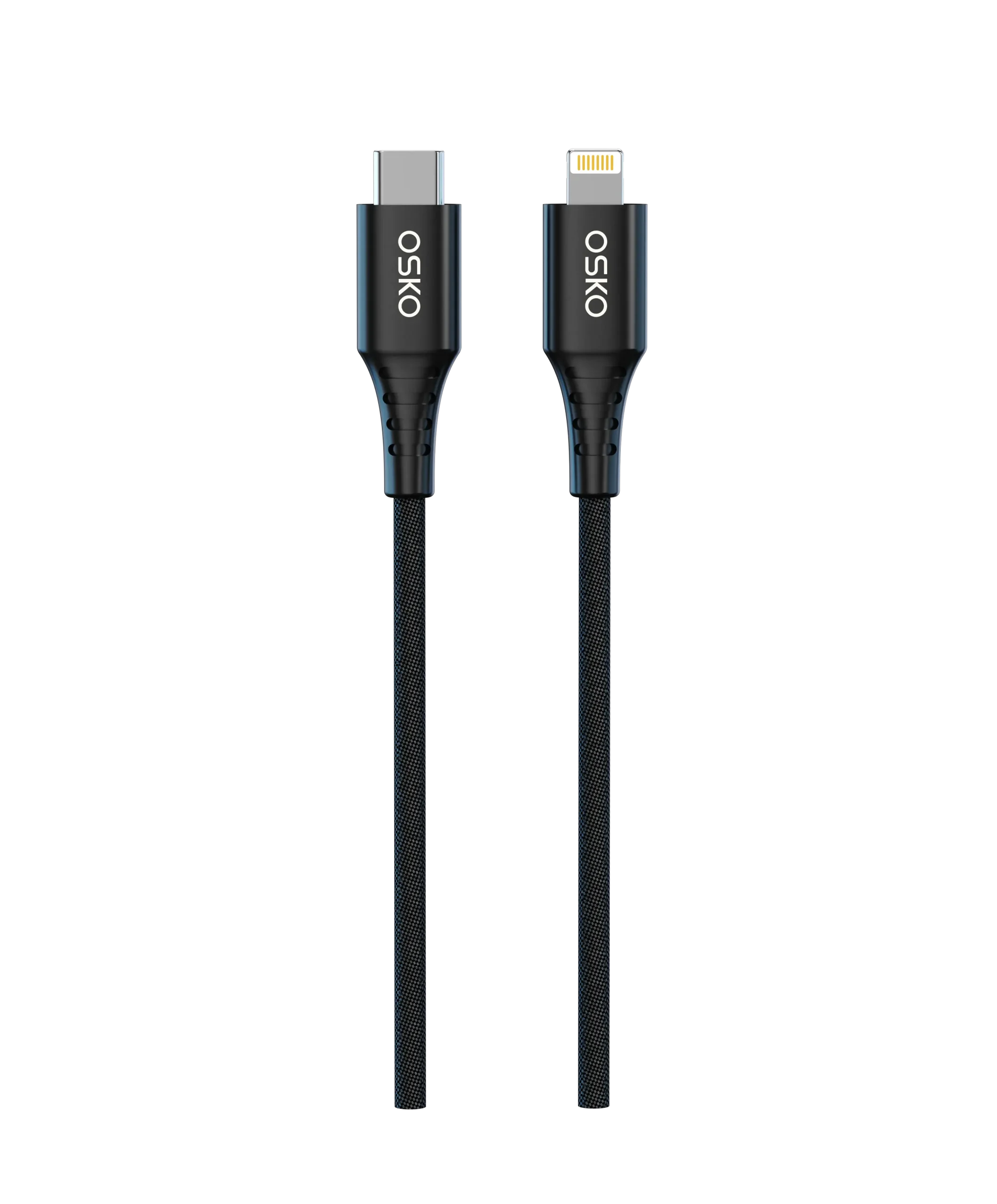
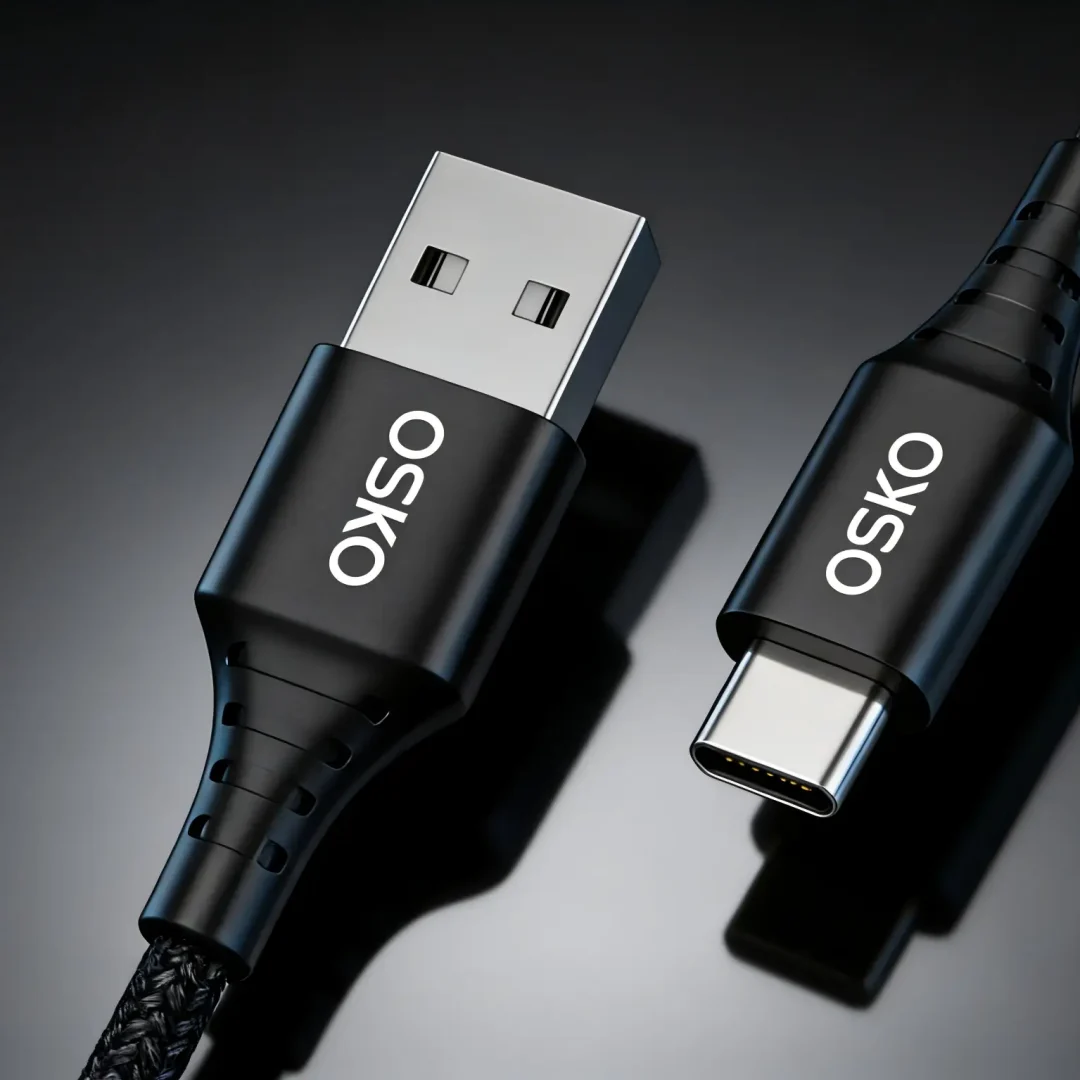
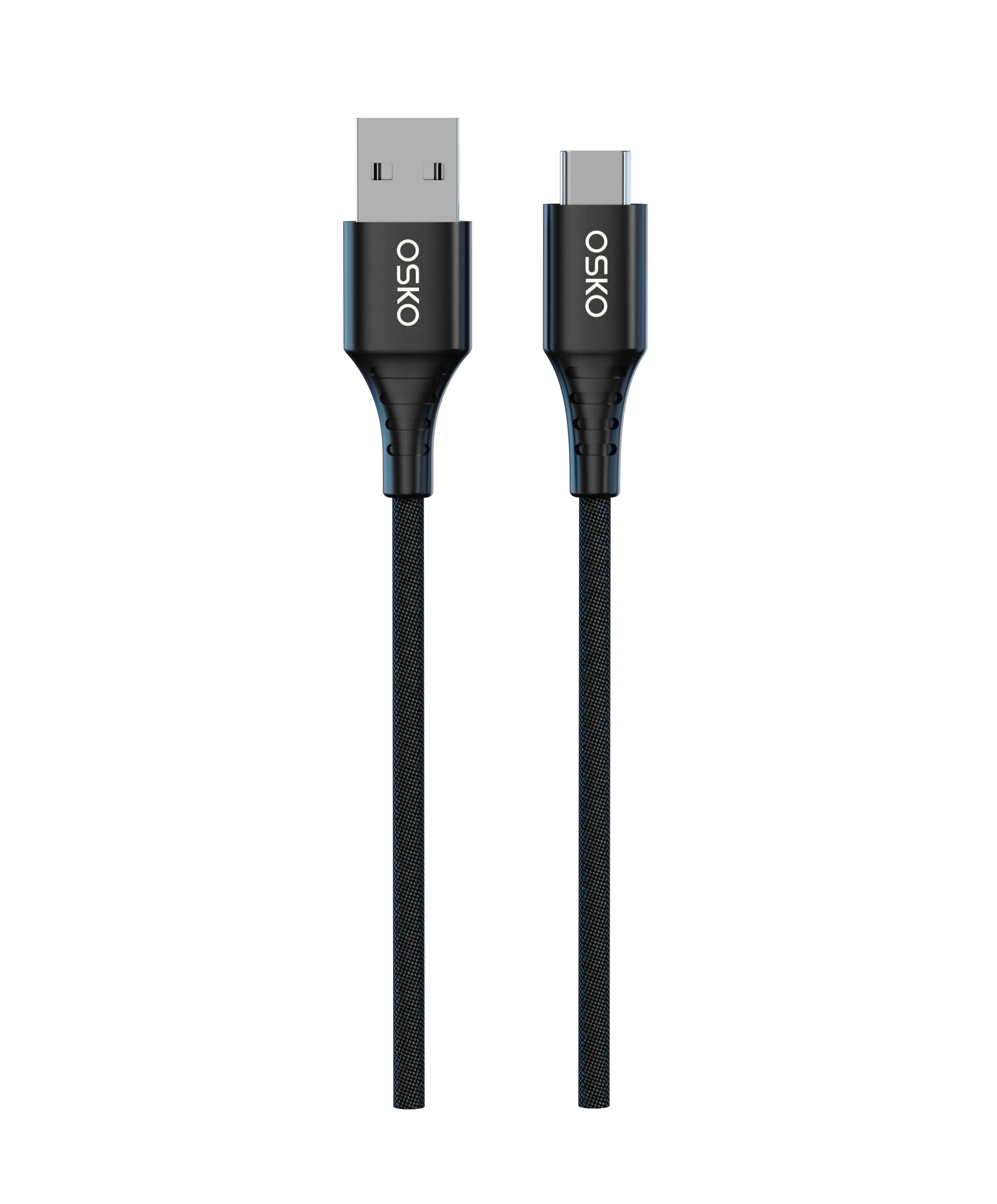
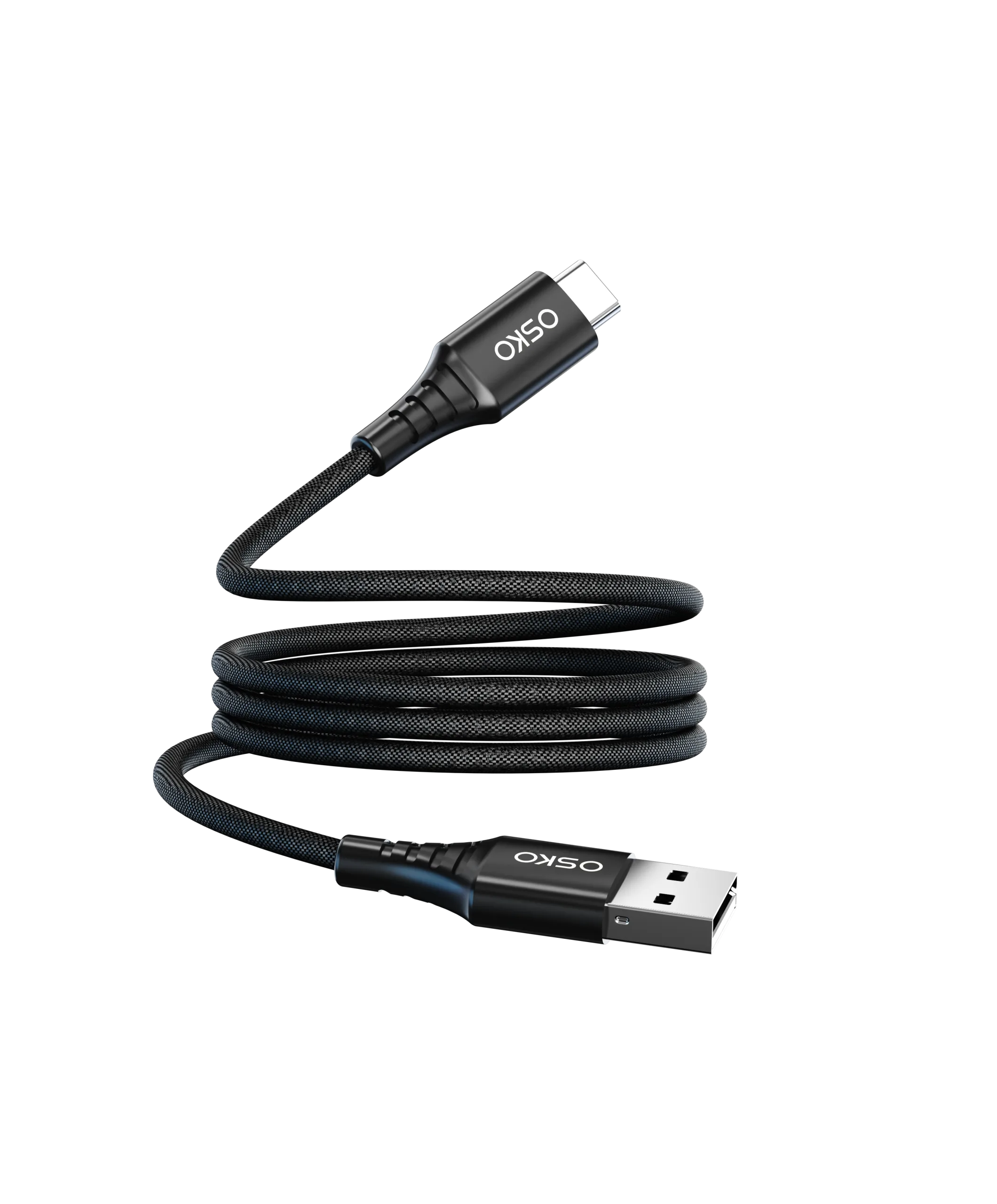
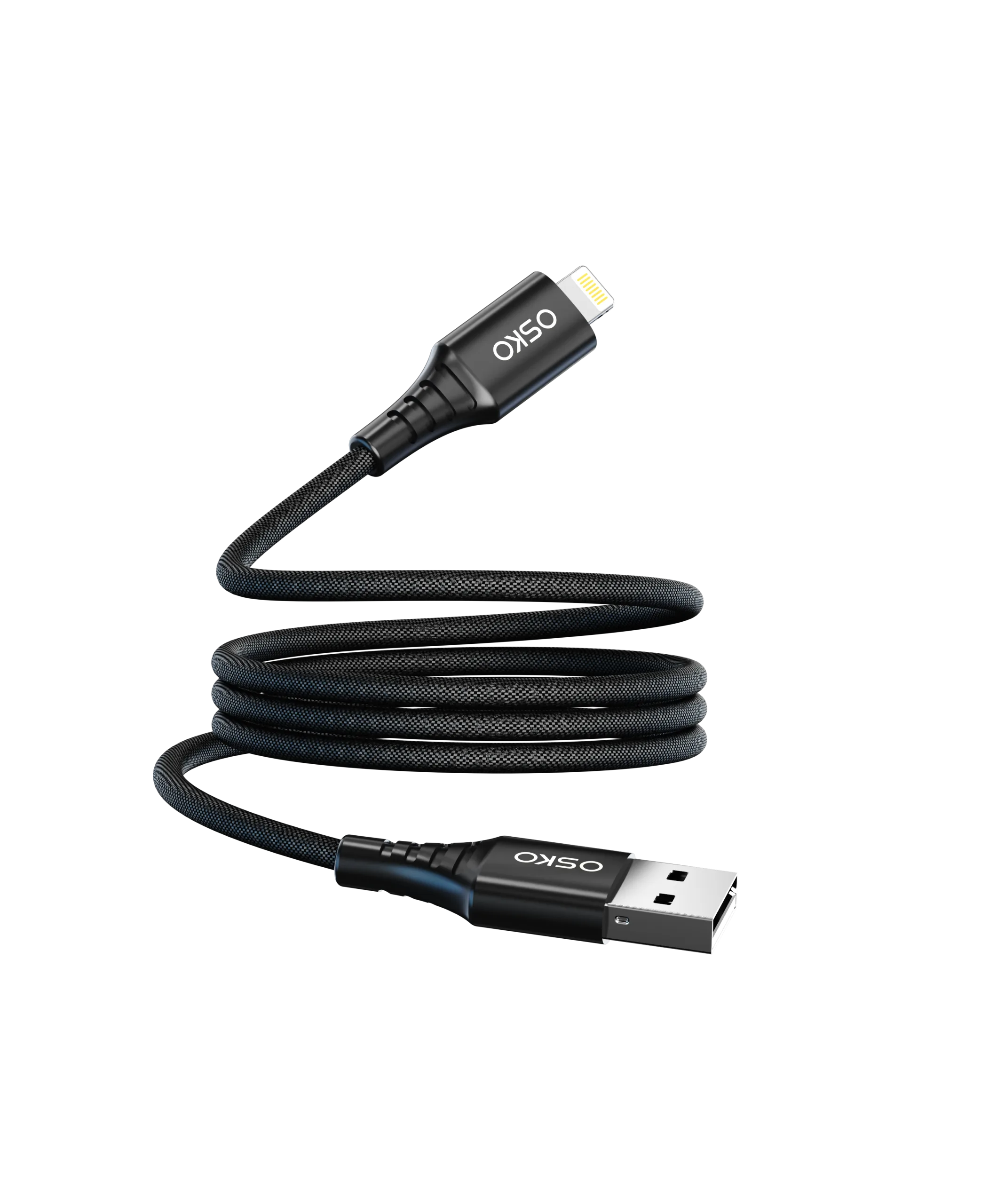
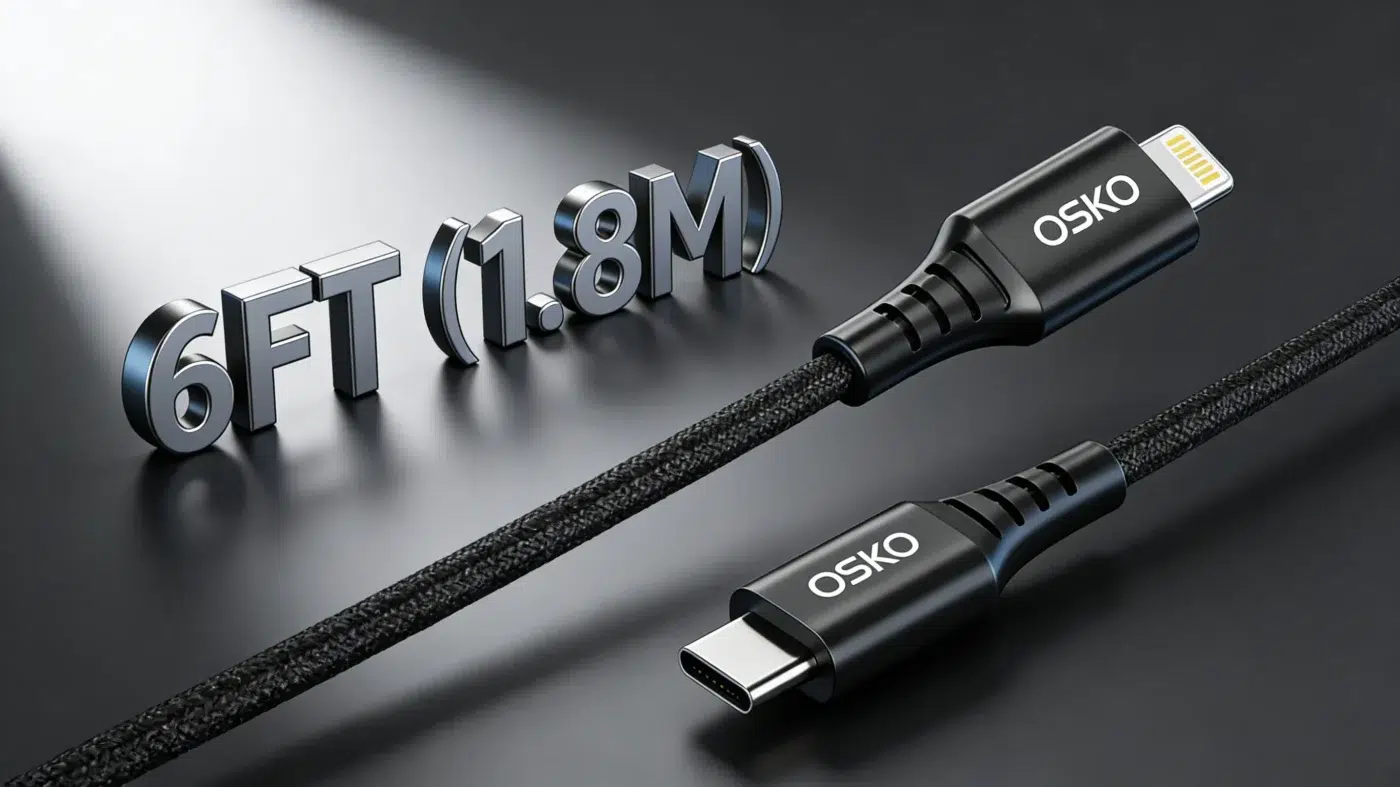
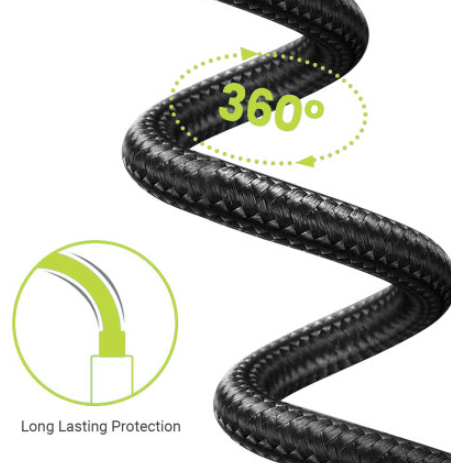
A Braided Cable typically refers to a cable with a nylon or polyester woven outer jacket.
Its internal structure includes:
Oxygen-free copper conductors
TPE or PVC insulation layers
Aluminum foil shielding
Nylon braided external reinforcement
The braided structure improves:
Abrasion resistance
Mechanical durability
Tensile strength
Long-term bending performance
However, braided cables can vary in flexibility depending on internal insulation design.
In premium braided USB-C cable factory production systems, braided cables are often used for high-power fast charging applications due to their durability and structural stability.
TPE Cable Material Properties
A TPE Cable uses thermoplastic elastomer as its outer jacket.
Key characteristics include:
High elasticity and flexibility
Smooth surface texture
Good thermal resistance
Moderate durability
TPE is widely used in portable charging environments because it reduces stiffness and improves user handling experience.
From an engineering perspective, TPE offers:
Stable dielectric performance
Low signal interference
Balanced cost-to-performance ratio
This makes it common in USB-C cable engineering for consumer electronics.

Silicone Cable Physical Behavior
A Silicone Cable uses silicone rubber as its outer material.
Its key properties include:
Extremely high flexibility
Soft-touch texture
Excellent low-temperature performance
High resistance to deformation
However, silicone has trade-offs:
Lower abrasion resistance compared to braided materials
Higher surface friction leading to dust accumulation
Slightly lower mechanical protection under tension
Despite this, silicone is widely used in premium lifestyle charging accessories.

Dielectric and Electrical Performance Comparison
All three materials influence dielectric stability differently.
Braided Cable: strongest mechanical shielding, stable EMI resistance
TPE Cable: balanced dielectric and flexibility performance
Silicone Cable: excellent flexibility but weaker structural shielding
These differences affect fast charging efficiency in USB-C cable materials engineering systems.
Material Comparison Table
| Material Type | Flexibility | Durability | EMI Shielding | Charging Stability | Best Use Case |
|---|---|---|---|---|---|
| Braided Cable | Medium | Very High | Strong | High | Heavy-duty & OEM use |
| TPE Cable | High | Medium | Medium | Stable | Everyday charging |
| Silicone Cable | Very High | Medium-Low | Medium-Low | Stable (low stress) | Travel & lifestyle |
Case Study
Global OEM Cable Optimization Project
A European electronics brand specializing in mobile accessories faced inconsistent product performance across its cable lineup.
Customer Requirements
The company required:
Unified cable material strategy
Stable fast charging performance across SKUs
Improved durability for retail returns reduction
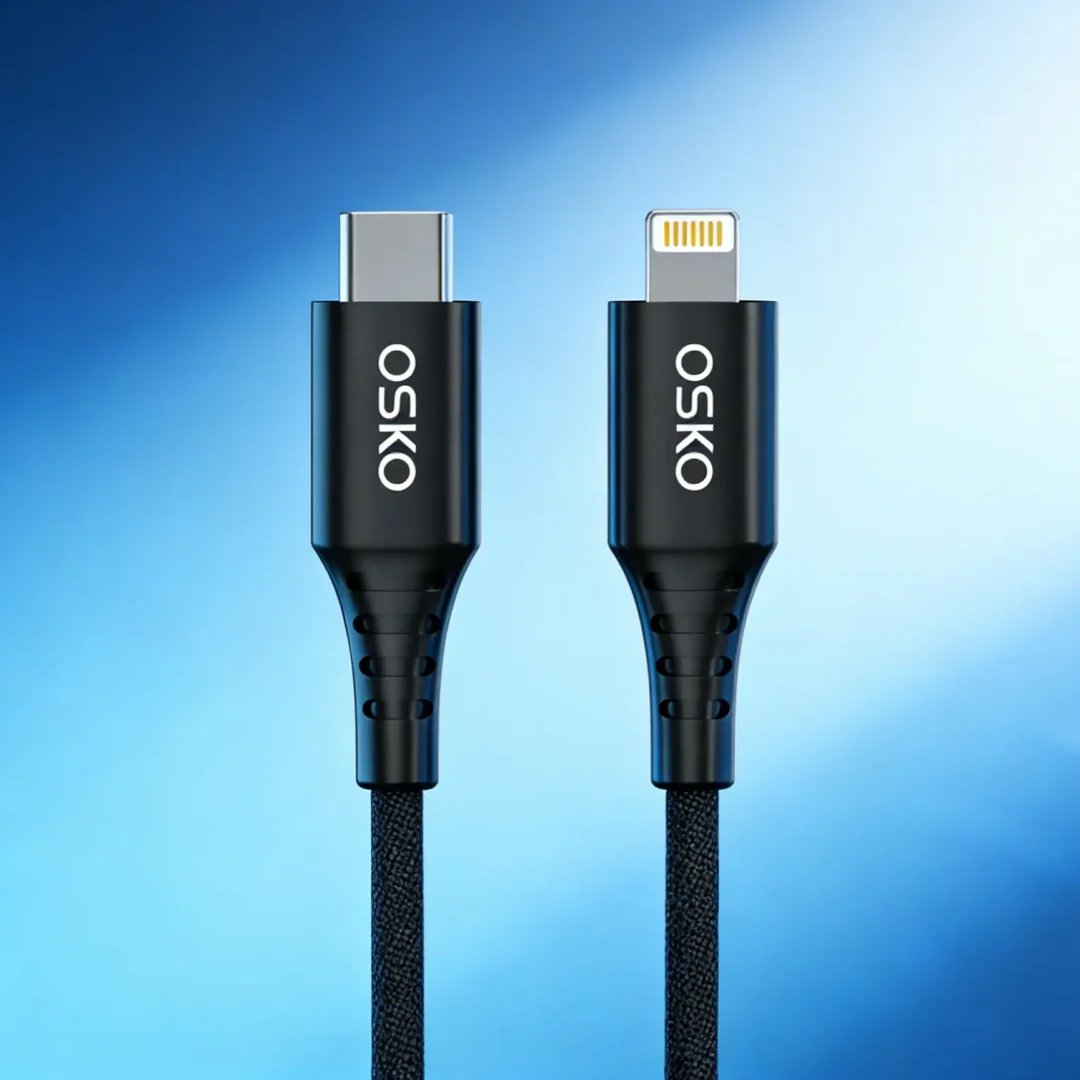
Compatibility with USB-C and Lightning ecosystems
Engineering Challenges
The engineering team identified several issues:
Silicone cables performed well in flexibility but failed durability tests
TPE cables showed inconsistent wear resistance in high-usage environments
Braided cables varied in quality depending on supplier structure
The lack of standardized material classification across USB cable engineering pipelines led to inconsistent user experience.
OSKO Engineering Solution
OSKO introduced a structured material segmentation system:
Braided Cable for high-durability OEM and industrial applications
TPE Cable for standard retail and daily charging needs
Silicone Cable for lightweight travel and lifestyle products
OEM production integration included:
Durable nylon braided Type C charging cable factory optimization
OEM ODM custom length USB C cables standardization
White label 240W fast charging cable wholesale support for premium SKUs
Bulk custom 6ft 10ft USB-C cables for retail expansion
Industry coverage included:
OEM USB cable manufacturing
ODM product development
Wholesale distribution systems
Retail packaging customization
Results
After implementation:
Product return rates reduced significantly
Charging performance consistency improved
Customer satisfaction increased across EU and US markets
Brand segmentation became clearer and more scalable
This confirmed that material selection is a core driver of cable product success.
Selection Guide
When to Choose Braided Cable
A Braided Cable is ideal for:
High-durability environments
Gaming and desktop setups
Industrial or OEM applications
Heavy daily bending cycles
It is widely used in Heavy duty braided USB-C cable manufacturer and Tangle-free double-braided USB C cable wholesale categories.
When to Choose TPE Cable
A TPE Cable is suitable for:
Everyday smartphone charging
Office and home environments
Lightweight portability needs
It is commonly found in wholesale 60w braided usb c cable equivalents in non-braided flexible product lines.
When to Choose Silicone Cable
A Silicone Cable is best for:
Travel and mobility use
Soft-touch user experience
Minimal friction environments
It is often used in lifestyle-focused consumer electronics markets.
Application-Based Selection Matrix
Desk charging: Braided Cable or TPE Cable
Travel use: Silicone Cable
Car charging: Braided Cable
Long-term OEM deployment: Braided Cable preferred
Budget retail: TPE Cable
Advanced configurations such as Braided right angle USB-C cable wholesale are used in gaming and automotive systems for improved ergonomics.
FAQ
Which cable is most durable?
Braided Cable offers the highest mechanical durability due to its external reinforcement structure.
Which cable is most flexible?
Silicone Cable provides the highest flexibility and soft-touch experience.
Is TPE better than silicone?
TPE offers a better balance between durability and flexibility, while silicone focuses more on softness and portability.
Does cable material affect charging speed?
Yes. Material affects shielding, resistance, and thermal stability, which influence fast charging performance.
What is best for OEM production?
Braided Cable is most commonly used in OEM and industrial applications due to its durability and compliance stability.
Summary
The comparison between Braided Cable, TPE Cable, and Silicone Cable reveals that no single material is universally superior. Each material is optimized for different engineering priorities.
Braided cables provide maximum durability and structural stability, TPE cables deliver balanced performance for everyday use, and silicone cables offer unmatched flexibility for portable applications.
From an OEM and global supply chain perspective, especially in North American and European markets, selecting the correct material is essential for achieving consistent performance, reducing product returns, and ensuring long-term user satisfaction.
Ultimately, cable performance is defined not only by electrical design but by the synergy between material science, mechanical engineering, and application-specific requirements.
Contact Information
OSKO provides full-scale USB cable engineering and OEM manufacturing solutions:
Braided, TPE, and Silicone cable systems
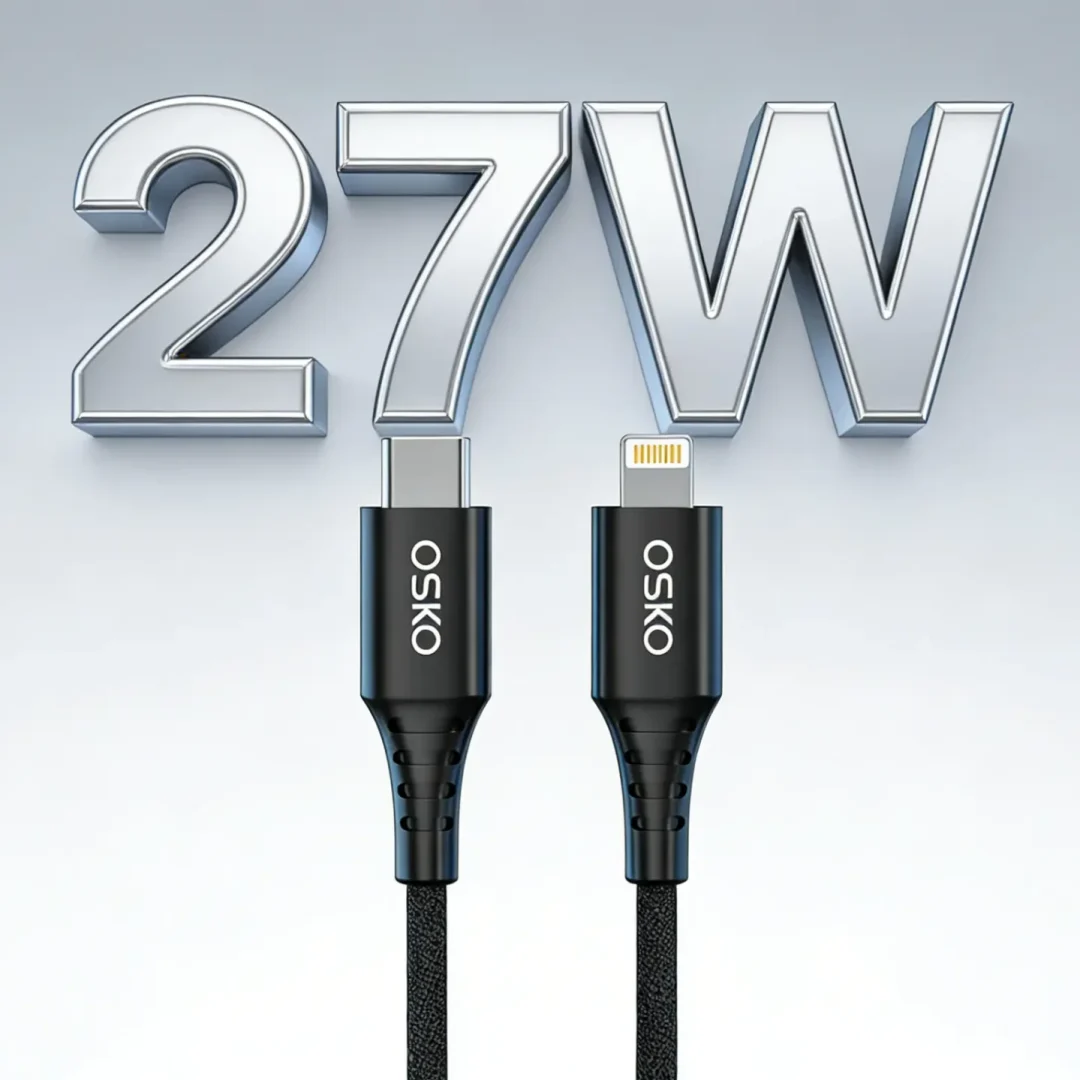
USB-C fast charging solutions (60W–240W)
OEM & ODM customization services
Private label and retail packaging
Wholesale and bulk supply programs
Request Technical Support
Name: ___________________
Company: ___________________
Email: ___________________
Product Type: Braided / TPE / Silicone Cable
Target Market: North America / Europe / Global
Requirements: ___________________
OSKO engineering team delivers full material selection guidance, OEM customization, and compliance-ready manufacturing solutions for global markets.