
Introduction
We provide high-speed USB 3.2 cable engineering solutions for B2B brands, enabling stable, low-loss, high-bandwidth data transmission for modern devices such as external SSDs, docking stations, high-resolution cameras, and professional computing systems.
Our engineering focuses on signal integrity, shielding architecture, and precision impedance control, ensuring USB 3.2 cables consistently achieve 10Gbps (Gen 2) to 20Gbps (Gen 2×2) performance in real-world conditions.
Get Engineering Spec Sheet / Request High-Speed Sample / Start OEM USB 3.2 Project

Customer Pain Points
In the high-speed data cable market, B2B buyers often face critical performance and reliability issues:
Unstable data transfer speeds in real use cases
Many cables claim USB 3.2 support but fail to maintain stable throughput under load.
Signal degradation over longer cable lengths
High-frequency data loss increases with poor shielding or low-quality conductors.
Incompatibility with high-performance devices
External SSDs, 4K/8K cameras, and docking stations often require stricter signal integrity than standard cables provide.
Lack of engineering transparency from suppliers
Many manufacturers cannot clearly explain impedance control, shielding design, or certification compliance.
Return issues caused by “fake high-speed” cables
Products labeled as USB 3.2 often behave like USB 2.0 due to internal design limitations.
Solution Overview
Through our “high-frequency signal integrity engineering + multi-layer shielding architecture + impedance-matched conductor design + strict high-speed testing system,” we deliver USB 3.2 cables that maintain stable, real-world high-speed performance under continuous data transfer conditions.
This solution is designed for brands that require true high-speed USB performance, not just specification labeling.
Solution Modules
1. Signal Integrity Engineering (Core Data Stability System)
We optimize internal architecture to ensure stable high-speed transmission:
Differential pair conductor design for USB 3.2 lanes
Controlled impedance architecture (minimizing signal reflection)
Reduced crosstalk between high-frequency data lines
Optimized conductor spacing for stable transmission
Key Benefit:
Ensures consistent 10Gbps–20Gbps data transfer without performance drop.
2. Multi-Layer Shielding Architecture
High-speed data cables require advanced EMI protection:
Aluminum foil shielding layer for high-frequency isolation
Braided metal shielding for external interference protection
Dedicated grounding structure for noise reduction
Insulation layers separating power and data lines
Key Benefit:
Prevents electromagnetic interference (EMI), ensuring stable performance in real environments.
3. High-Purity Conductor System
We use precision-engineered conductors for high-speed data integrity:
Oxygen-free high-purity copper (OFC) conductors
Twisted differential pair structure for signal synchronization
Low-resistance design for reduced attenuation
Stable conductor geometry for long-distance consistency
Key Benefit:
Reduces signal loss and ensures reliable high-speed transmission across devices.
4. USB 3.2 Performance Validation System
We implement strict testing protocols for real-world validation:
10Gbps / 20Gbps throughput testing (Gen 2 / Gen 2×2)
External SSD sustained transfer simulation
Multi-device compatibility testing (Windows, macOS, Linux)
Long-duration stress testing under continuous load
Connector insertion stability testing
Key Benefit:
Guarantees real-world performance matches specification claims.
5. OEM / ODM Custom Manufacturing System
We support full customization for B2B brands:
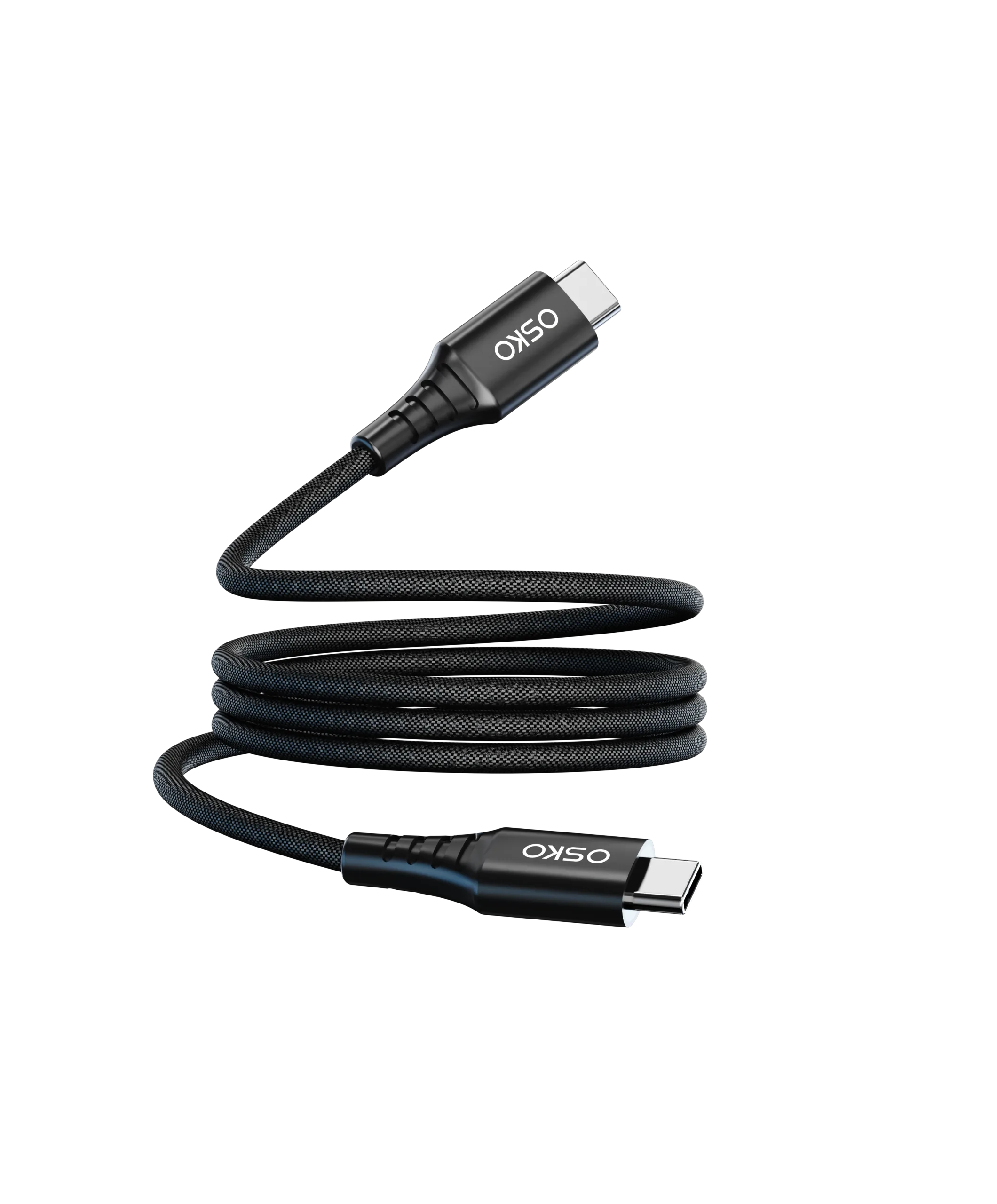
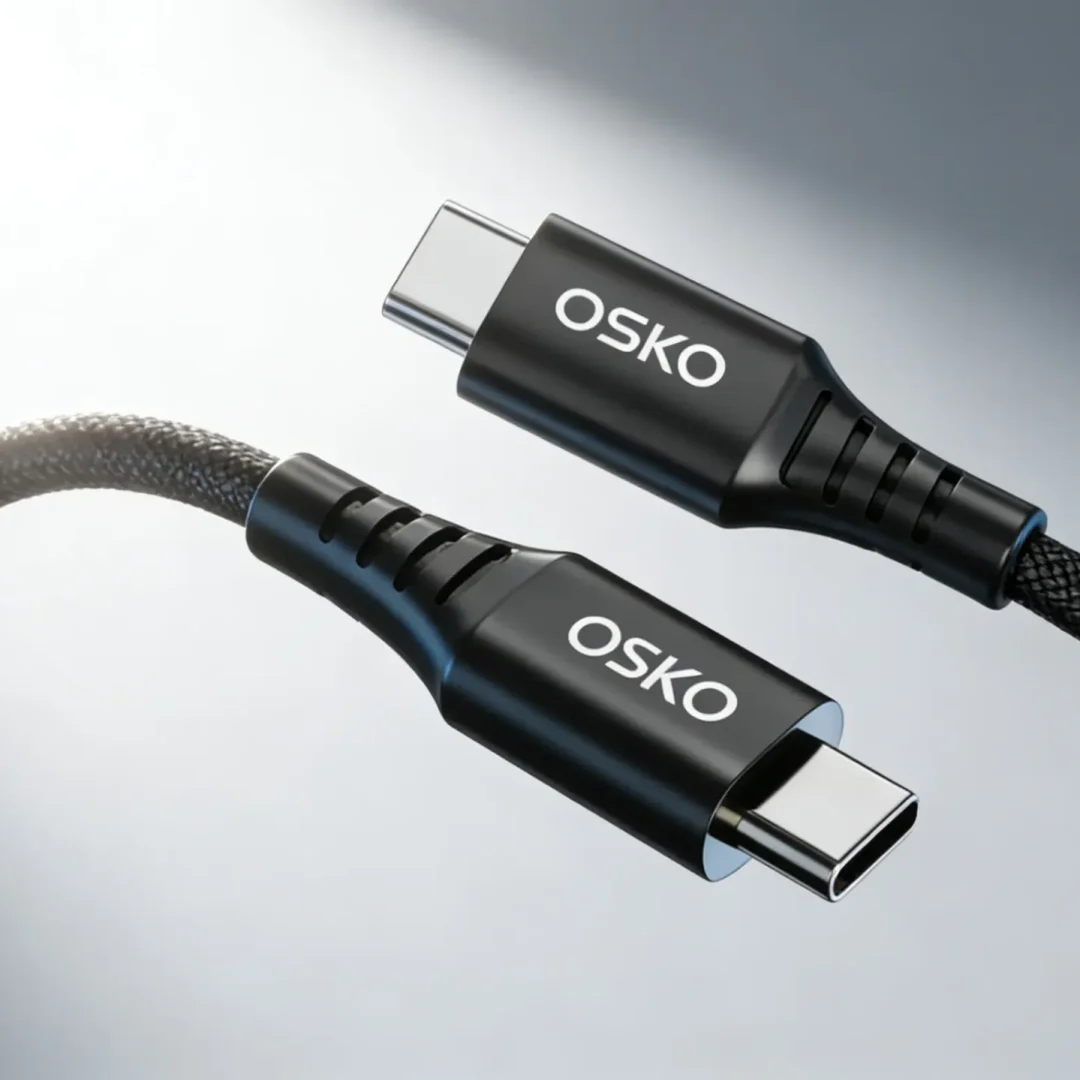
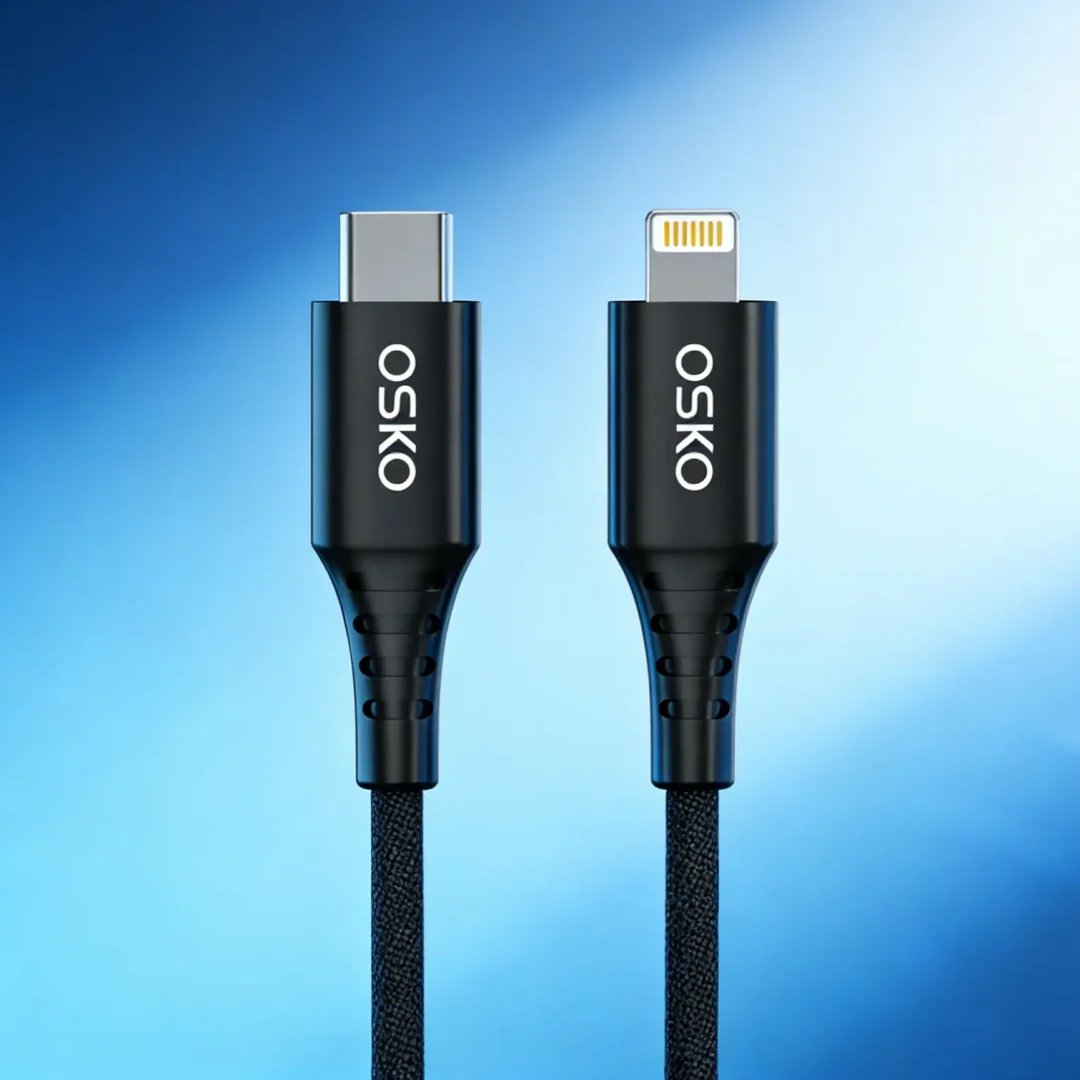
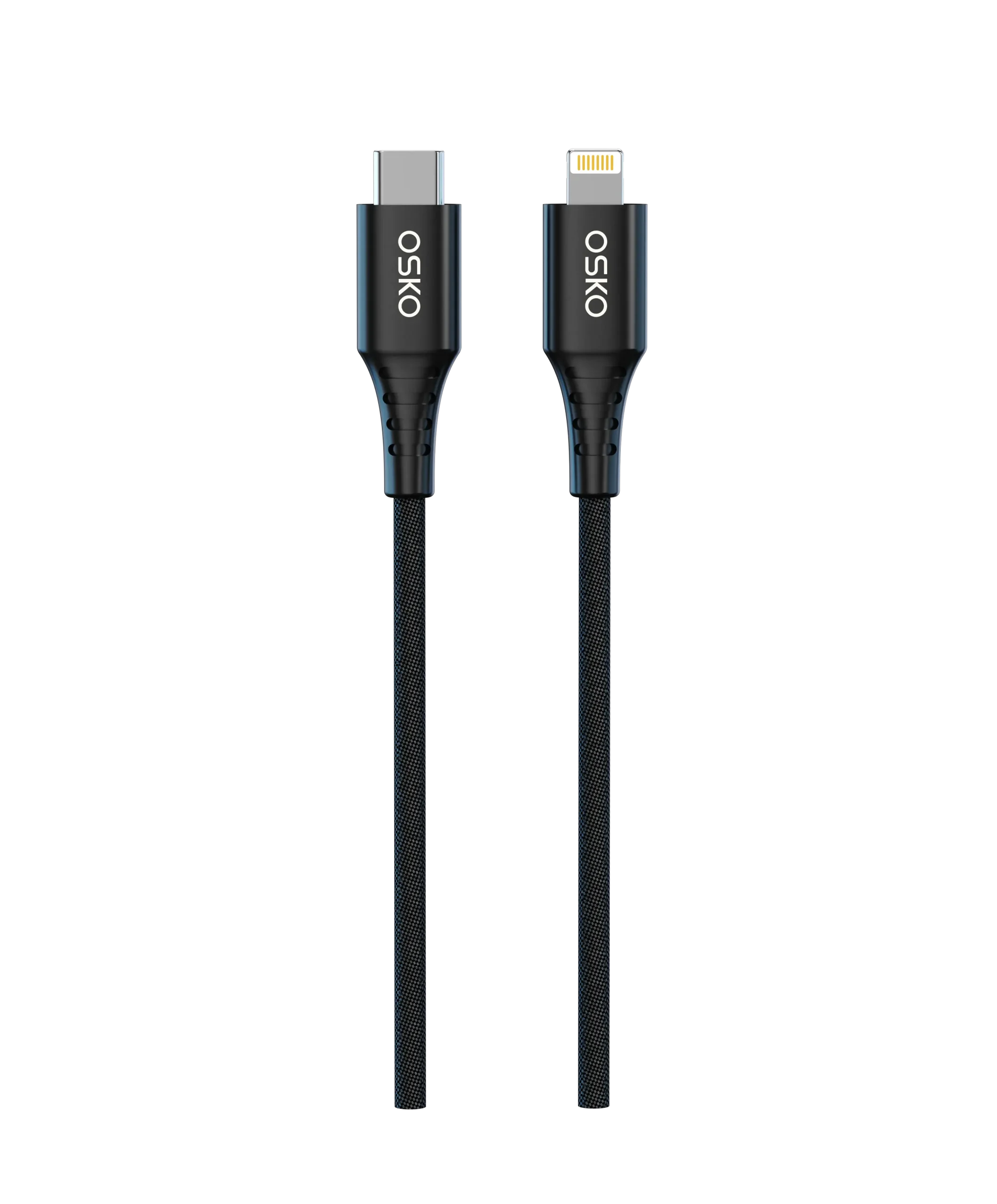
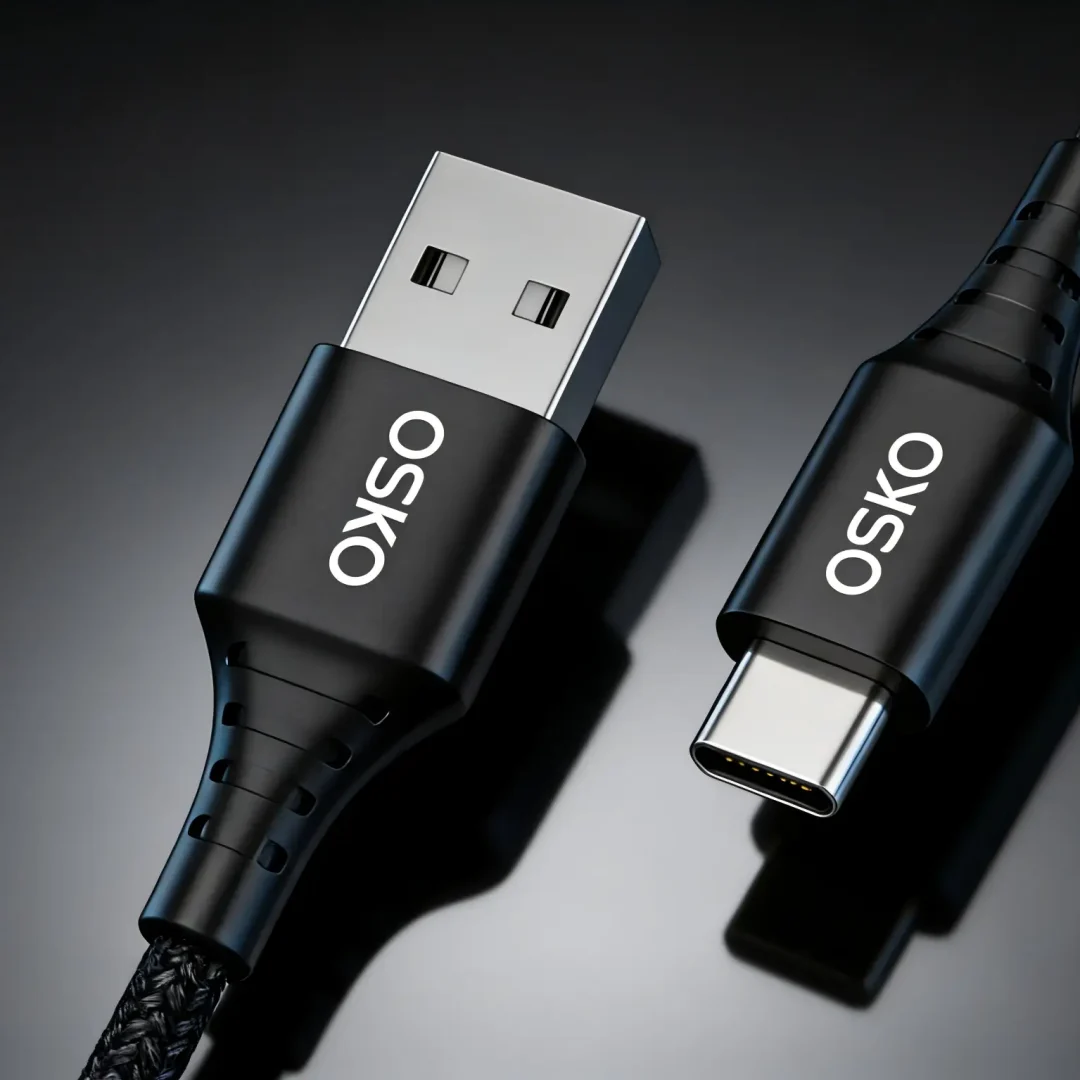
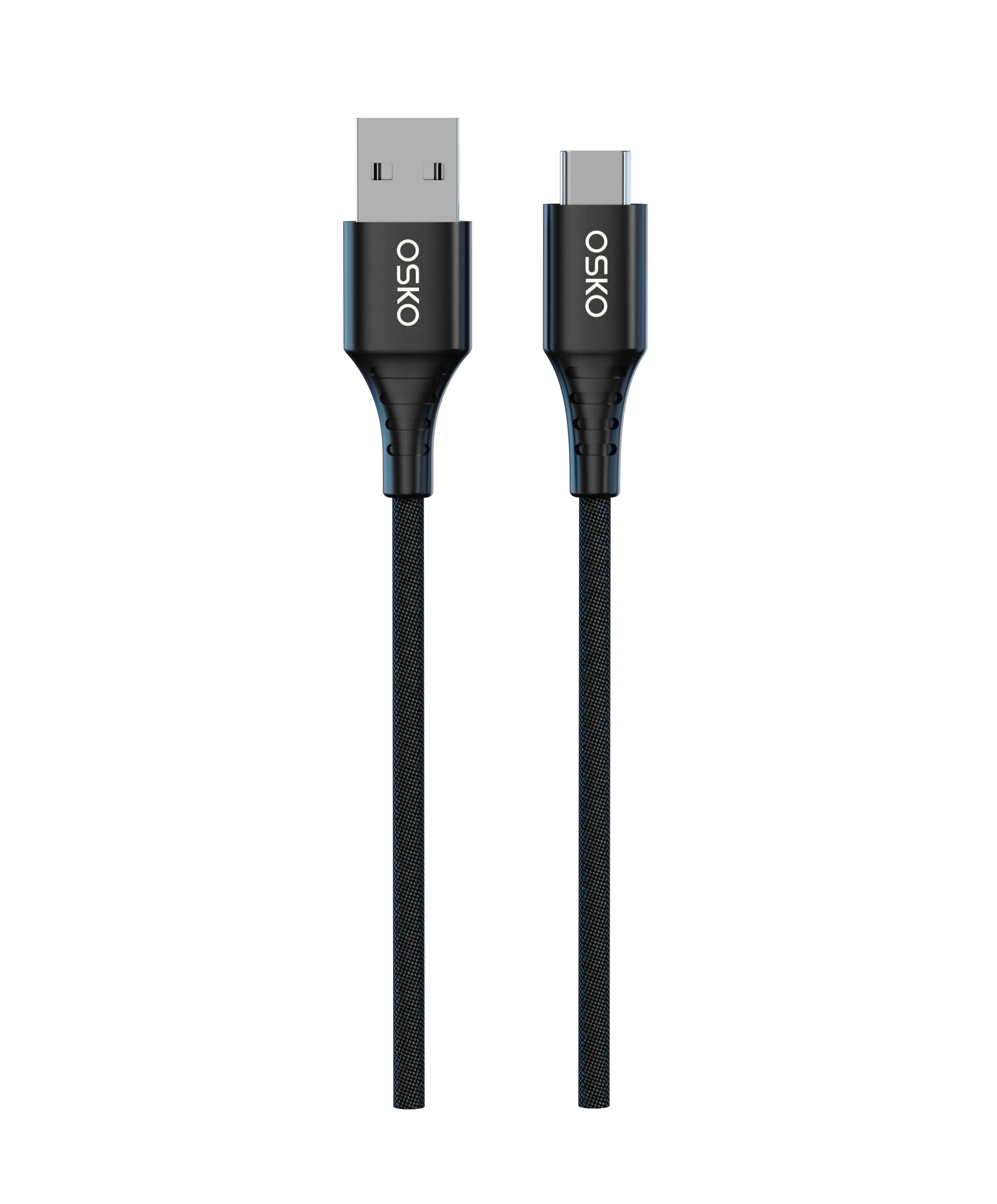
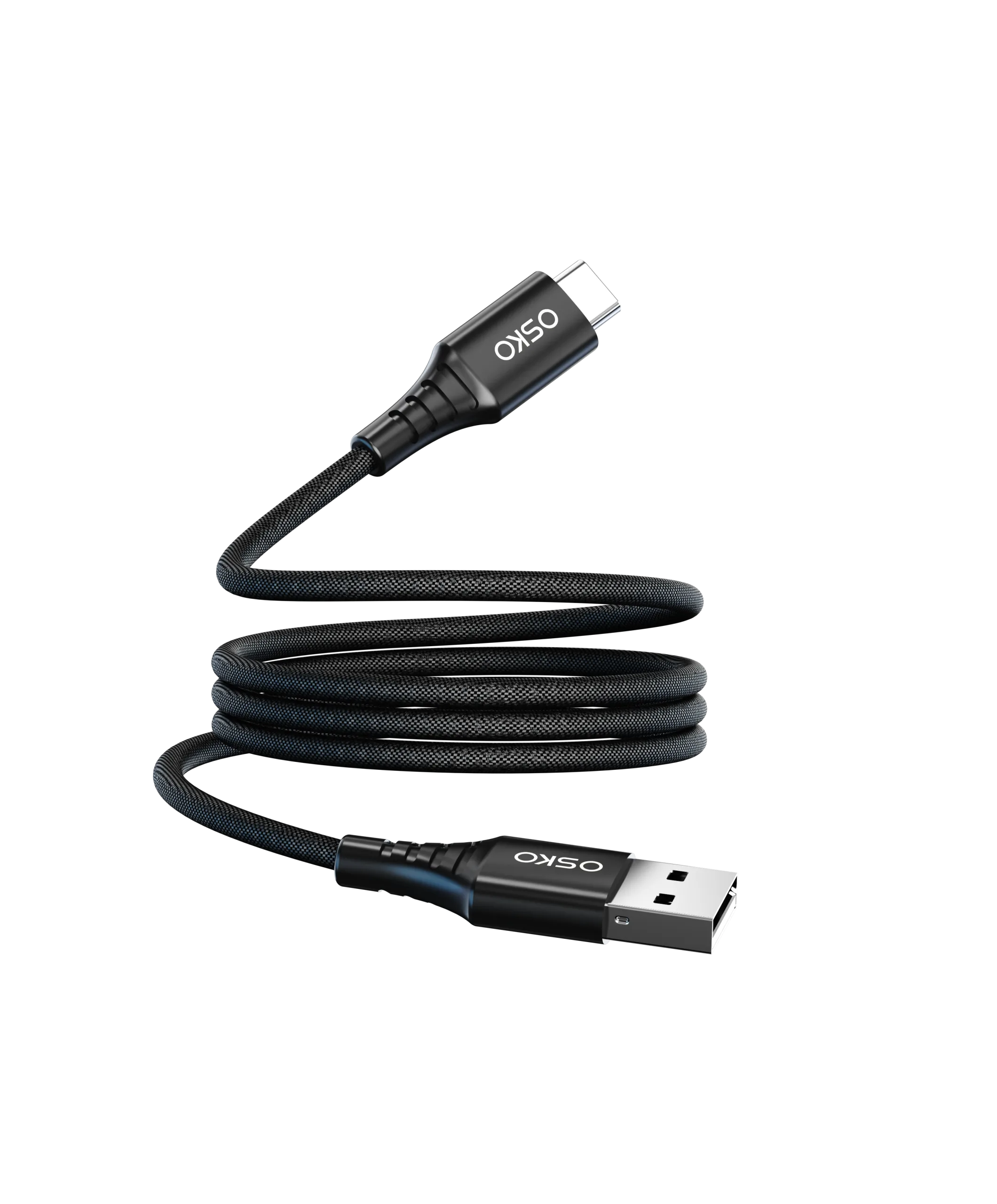
USB-C to USB-C / USB-A to USB-C configurations
Cable lengths: 0.3m / 3FT / 6FT / custom
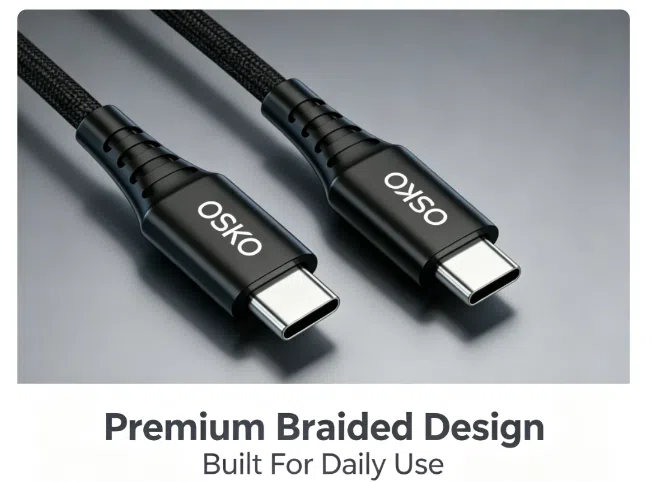
Housing materials: braided nylon, TPE, silicone
Branding: logo printing, laser engraving, packaging design
SKU expansion for retail and Amazon listings
Key Benefit:
Enables brands to build differentiated high-speed data product lines.
Applicable Scenarios
Our USB 3.2 high-speed cable solutions are widely used in:
External SSD and HDD high-speed data transfer
4K/8K video production workflows
Professional photography and camera tethering
Docking stations and multi-monitor setups
Gaming and high-performance PC peripherals
Enterprise data synchronization systems
Especially suitable for users requiring stable, high-bandwidth USB-C data performance.

Success Story (Case Study)
A US-based electronics brand selling external SSD accessories was experiencing customer complaints about inconsistent transfer speeds and “USB 3.2 not working as expected” returns.
We implemented a full high-speed engineering upgrade system:
Redesigned internal differential pair structure
Added multi-layer EMI shielding system
Optimized impedance control for signal stability
Introduced USB 3.2 Gen 2 real-world throughput testing
Upgraded OEM packaging with clear performance labeling
Results after implementation:
Return rate decreased by 62%
Customer complaints about speed dropped significantly
Product rating improved from 4.2 → 4.7 stars
Conversion rate increased due to “true 10Gbps performance” positioning
This upgrade transformed the product from a generic cable into a verified high-performance data solution.
Why Choose Us
We focus on real signal integrity engineering, not just USB labeling
We provide end-to-end OEM support from design to mass production
We validate performance using real-world high-speed data scenarios
Our mission is to deliver true USB 3.2 performance cables that meet professional-grade standards.
Contact Us
To start your USB 3.2 high-speed cable project, please provide:
Cable type (USB-C / USB-A configurations)
Target speed requirement (10Gbps / 20Gbps)
Length and material preference
Branding and packaging requirements
Target market (Amazon / wholesale / enterprise)
We will respond within 24 hours with a full OEM engineering proposal.
FAQ
What is the real speed of USB 3.2 cables?
USB 3.2 supports 10Gbps (Gen 2) and up to 20Gbps (Gen 2×2), depending on device compatibility and cable design.
Why do some USB 3.2 cables perform like USB 2.0?
Poor shielding, weak conductors, or missing proper differential pair design can cause severe performance loss.
Do longer cables reduce speed?
Yes. Without proper impedance control and shielding, longer cables increase signal degradation.
Can USB 3.2 cables support external SSDs?
Yes. High-quality USB 3.2 cables are designed specifically for SSD and high-speed storage devices.
Do you support OEM branding?
Yes. We provide full OEM/ODM services including logo, packaging, and SKU customization.