
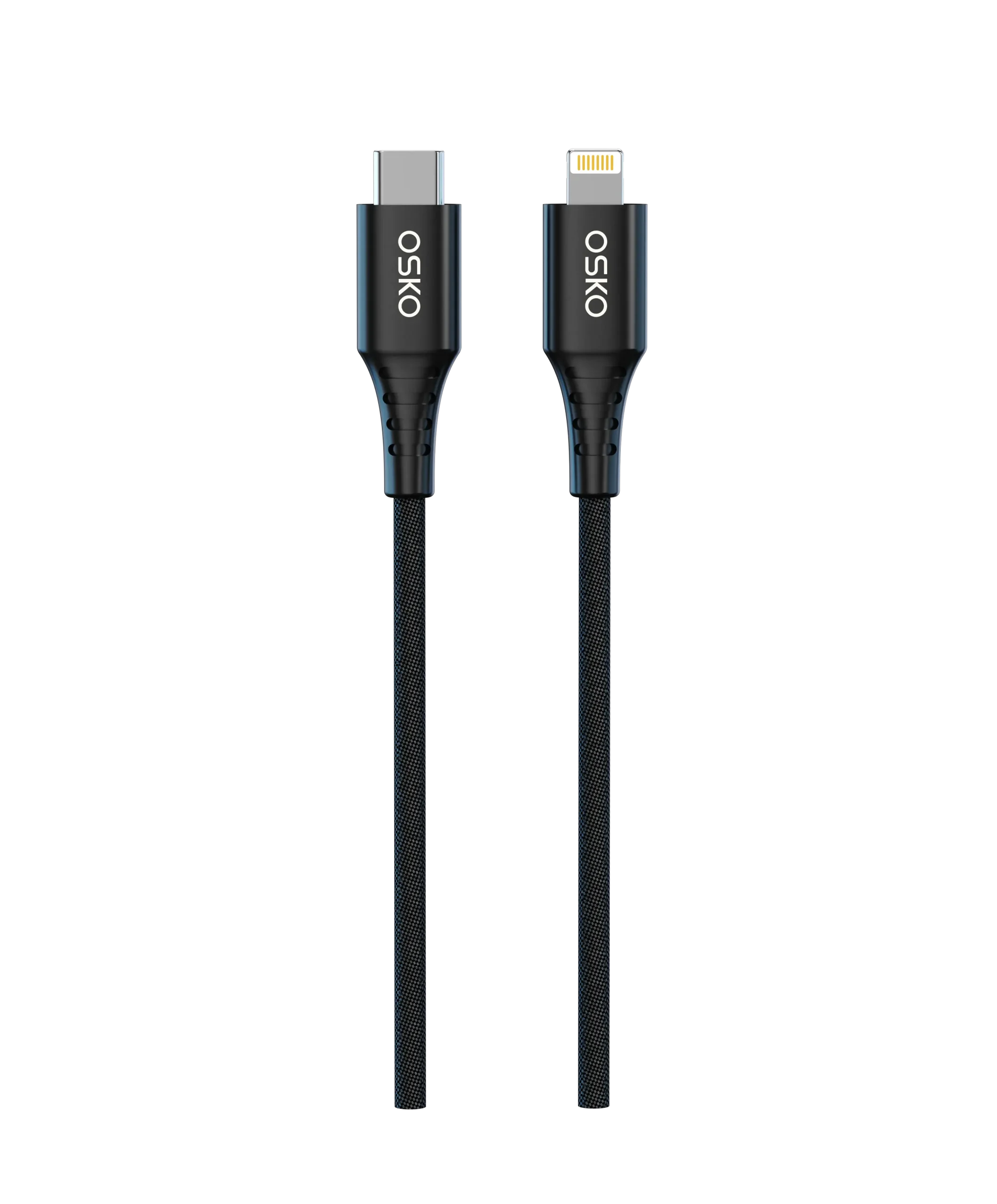
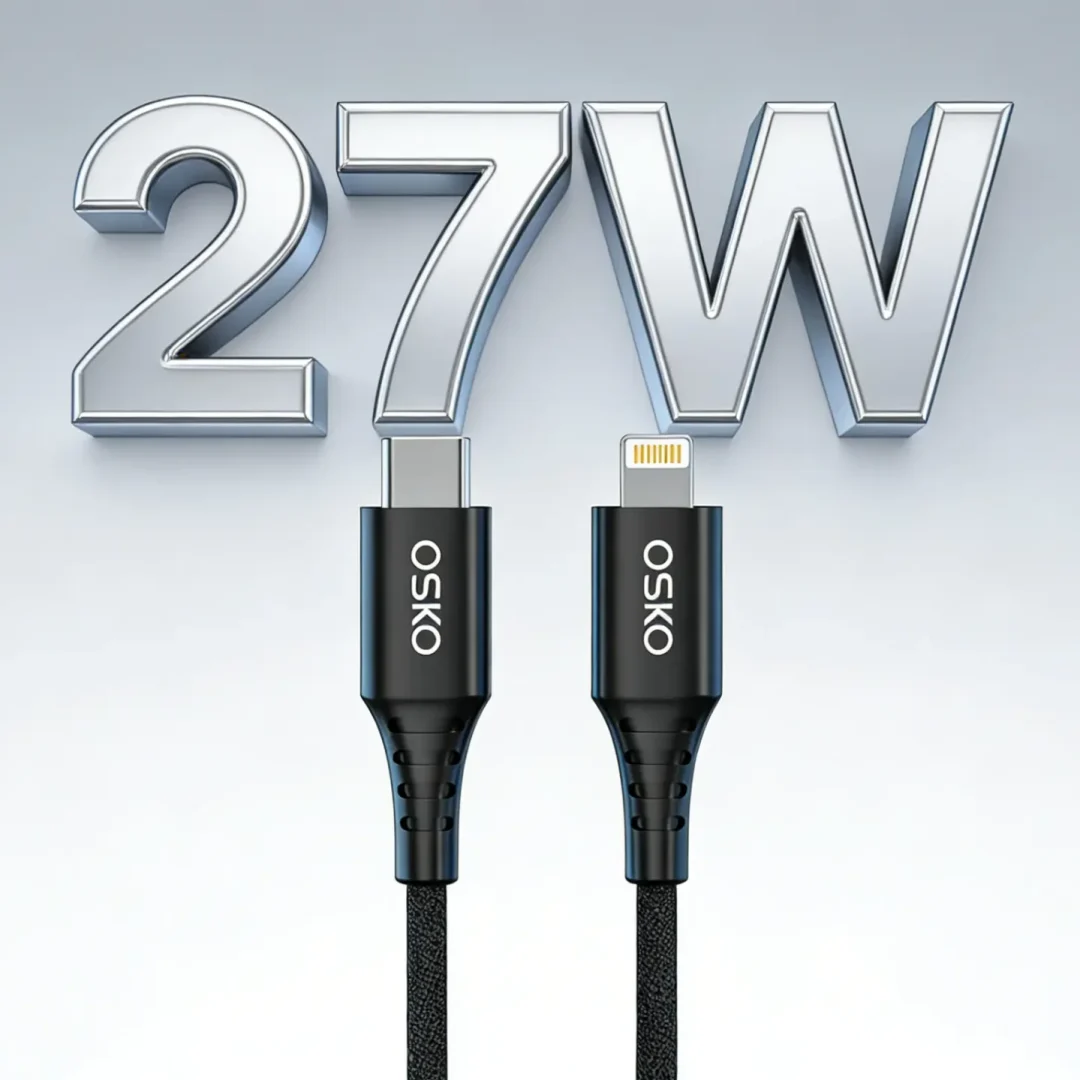
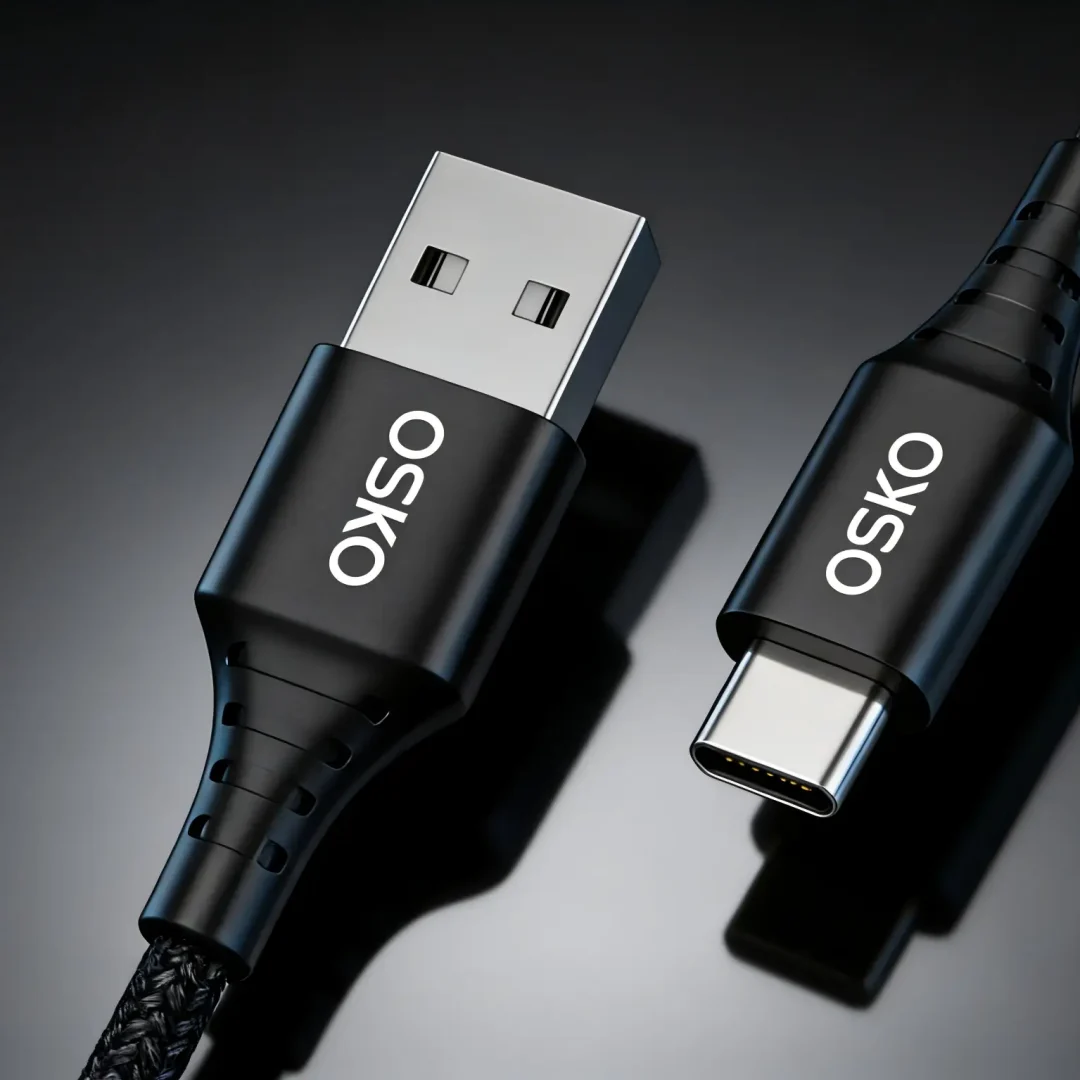
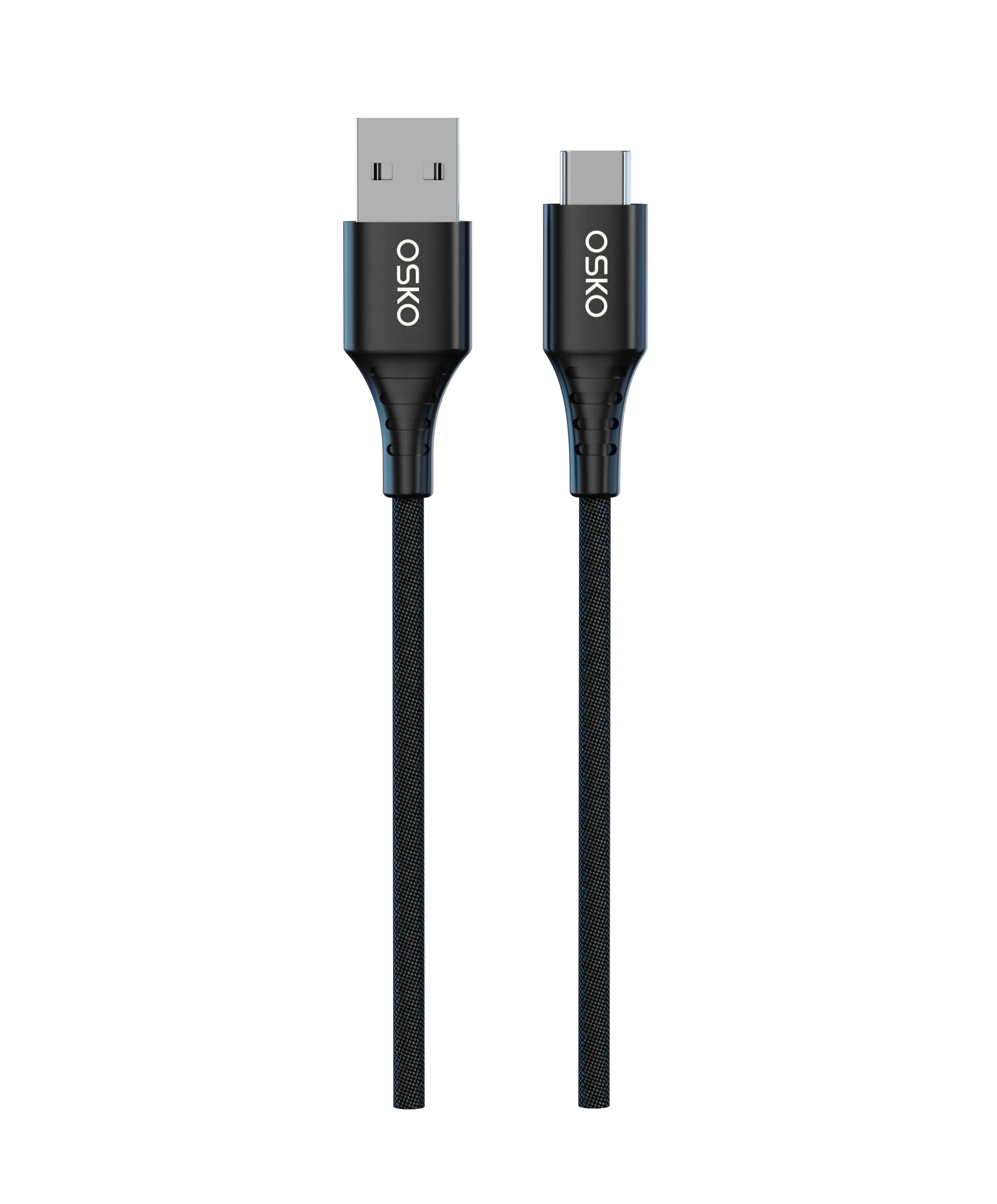
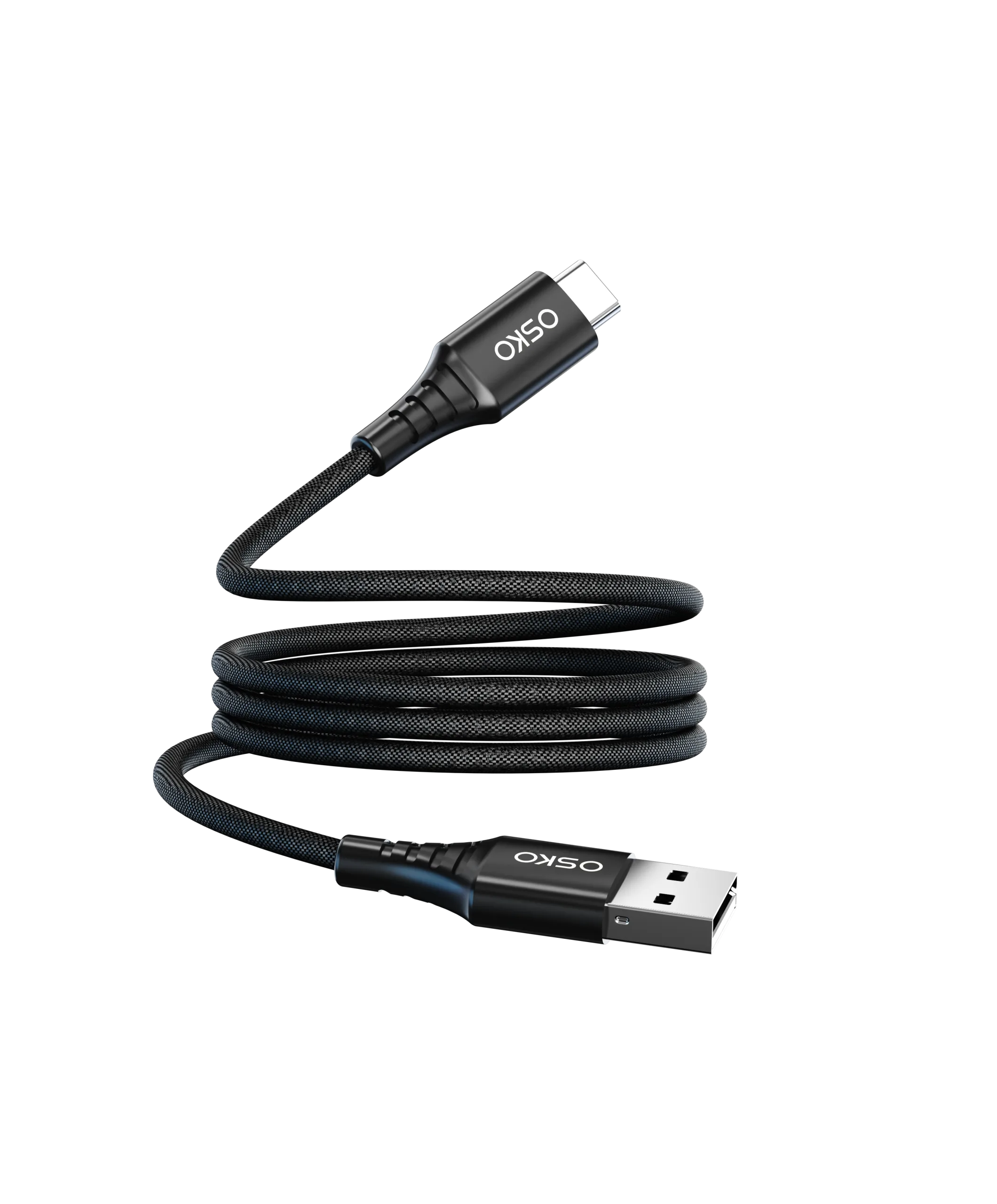
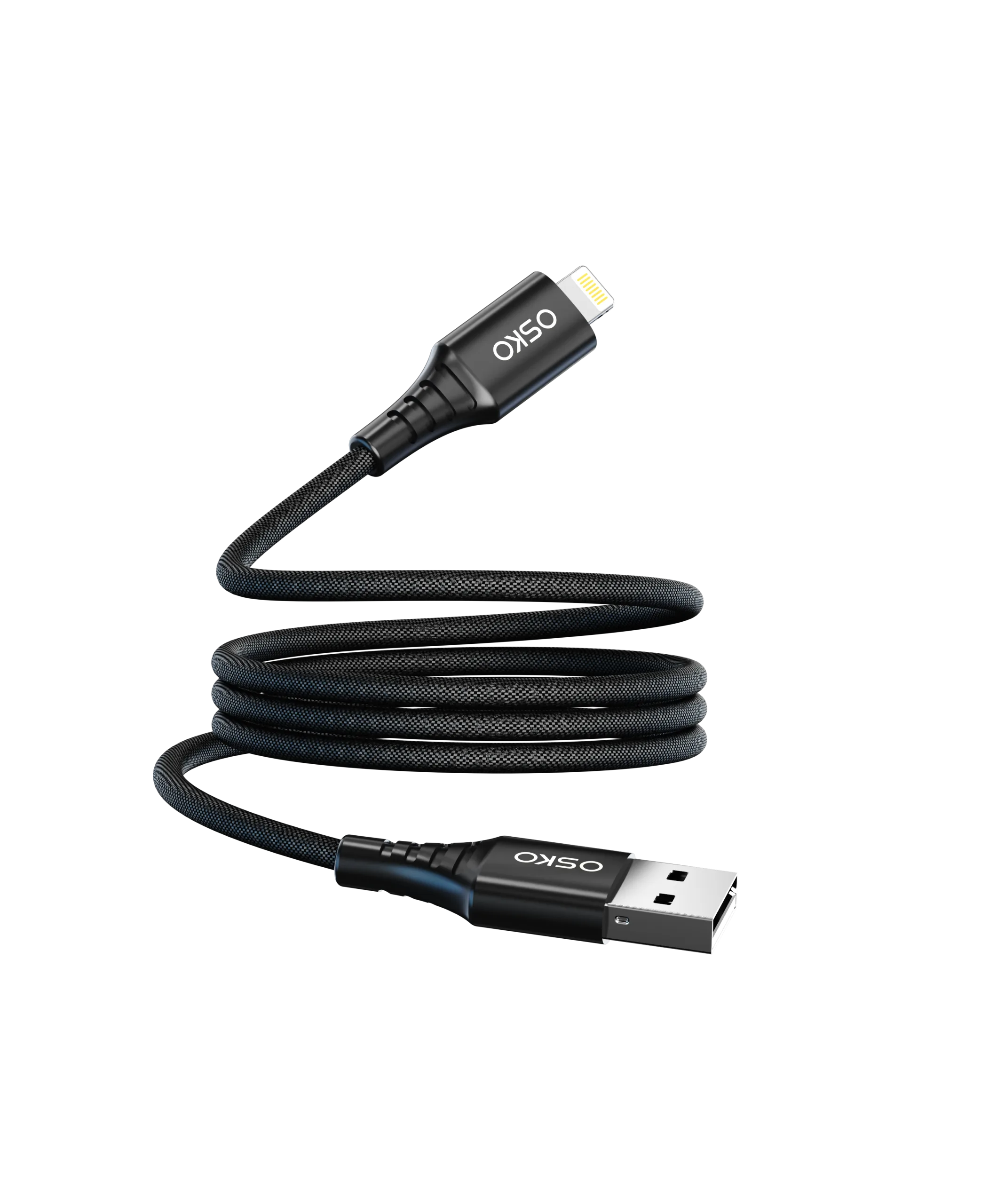
This case study demonstrates how we helped a mid-to-large electronics distributor upgrade their existing USB-C cable product line from 100W standard cables to a full 240W PD 3.1 ecosystem, enabling them to enter the high-margin, high-growth laptop charging category.
The goal was to improve product differentiation, reduce return rates, and increase average selling price (ASP) across Amazon and wholesale channels.
Request Full Technical Case Study / Get 240W Upgrade Plan / Start OEM Engineering Project

Client Background
The client is a North American electronics distributor specializing in charging accessories, including USB-C cables, chargers, and mobile power solutions.
Before the upgrade, their product line consisted mainly of:
60W USB-C cables (entry-level segment)
100W USB-C cables (main revenue product)
Generic braided and TPE cable variants
They sold through:
Amazon FBA
Regional wholesale distributors
Small retail electronics chains
However, the 100W category was becoming increasingly saturated, limiting growth potential.
Key Challenges
1. Market Saturation in 100W USB-C Segment
Hundreds of similar listings created intense price competition, reducing margins.
2. No Presence in High-Power Category (240W Gap)
Competitors began launching USB-C PD 3.1 240W cables, capturing premium laptop charging demand.
3. Rising Return Rates in High-Load Usage
Existing 100W cables struggled with:
Laptop overheating complaints
Slow charging perception
Compatibility issues with new devices
4. Weak Product Differentiation
Products lacked engineering-level positioning and were perceived as generic accessories.
5. Limited SKU Expansion Strategy
No structured roadmap for premium tier or bundle-based growth.
Our 240W Upgrade Solution
We implemented a complete USB-C PD 3.1 240W engineering and product transformation system.
1. Power Architecture Upgrade (100W → 240W PD 3.1)
We redesigned the product line to support Extended Power Range (EPR):
Upgraded maximum output from 100W to 240W (48V/5A)
Introduced USB-C PD 3.1 compliance architecture
Optimized voltage stability for laptop-grade charging
Enhanced thermal performance for long-duration use
Impact:
Enabled entry into premium laptop and workstation charging category.
2. E-Marker Chip Integration System
To ensure safe high-power operation, we integrated advanced E-Marker technology:
Intelligent power negotiation up to 240W
Device compatibility recognition system
Overcurrent and thermal protection
USB-IF aligned protocol stability
Impact:
Eliminated compatibility issues and reduced device-related complaints.
3. Internal Conductor & Thermal Engineering Upgrade
We rebuilt the internal structure for high-current performance:
High-purity multi-strand copper conductors
Reduced internal resistance for stable energy transfer
Reinforced insulation for heat resistance
Multi-layer shielding for EMI reduction
Impact:
Improved stability during continuous laptop charging cycles.
4. Durability & Mechanical Reinforcement
To support premium positioning, we upgraded physical structure:
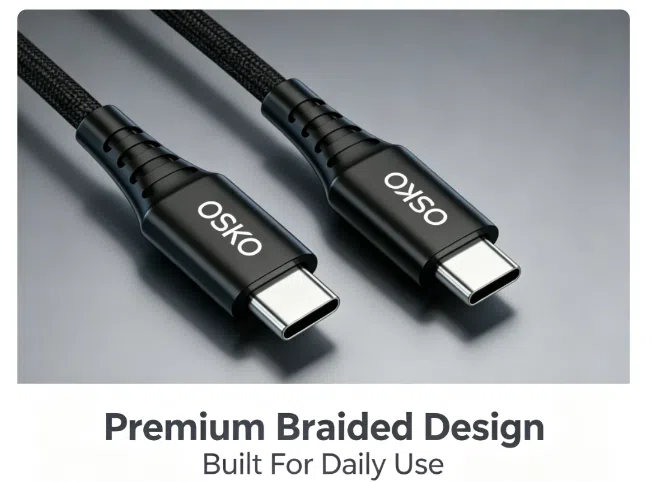
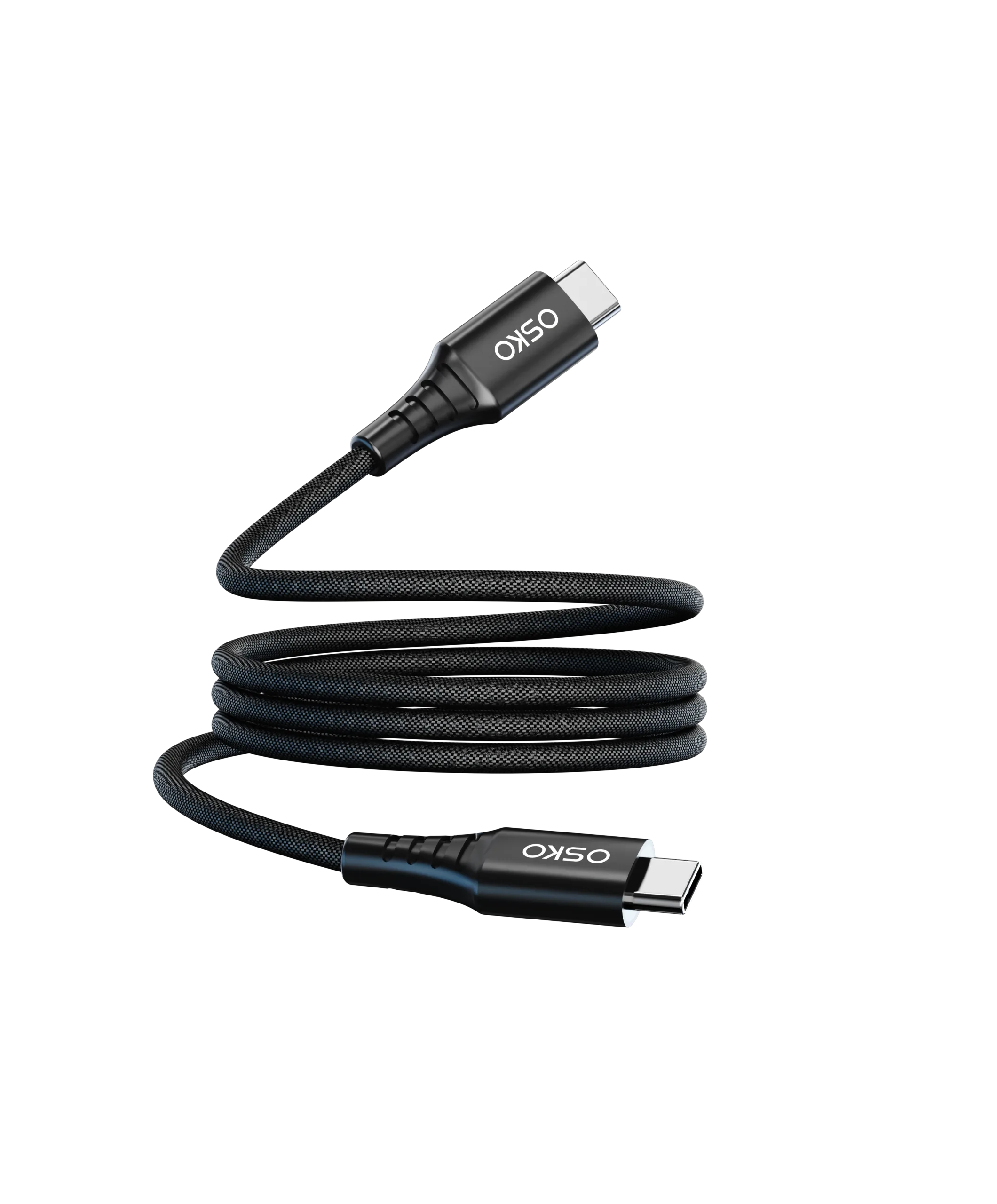
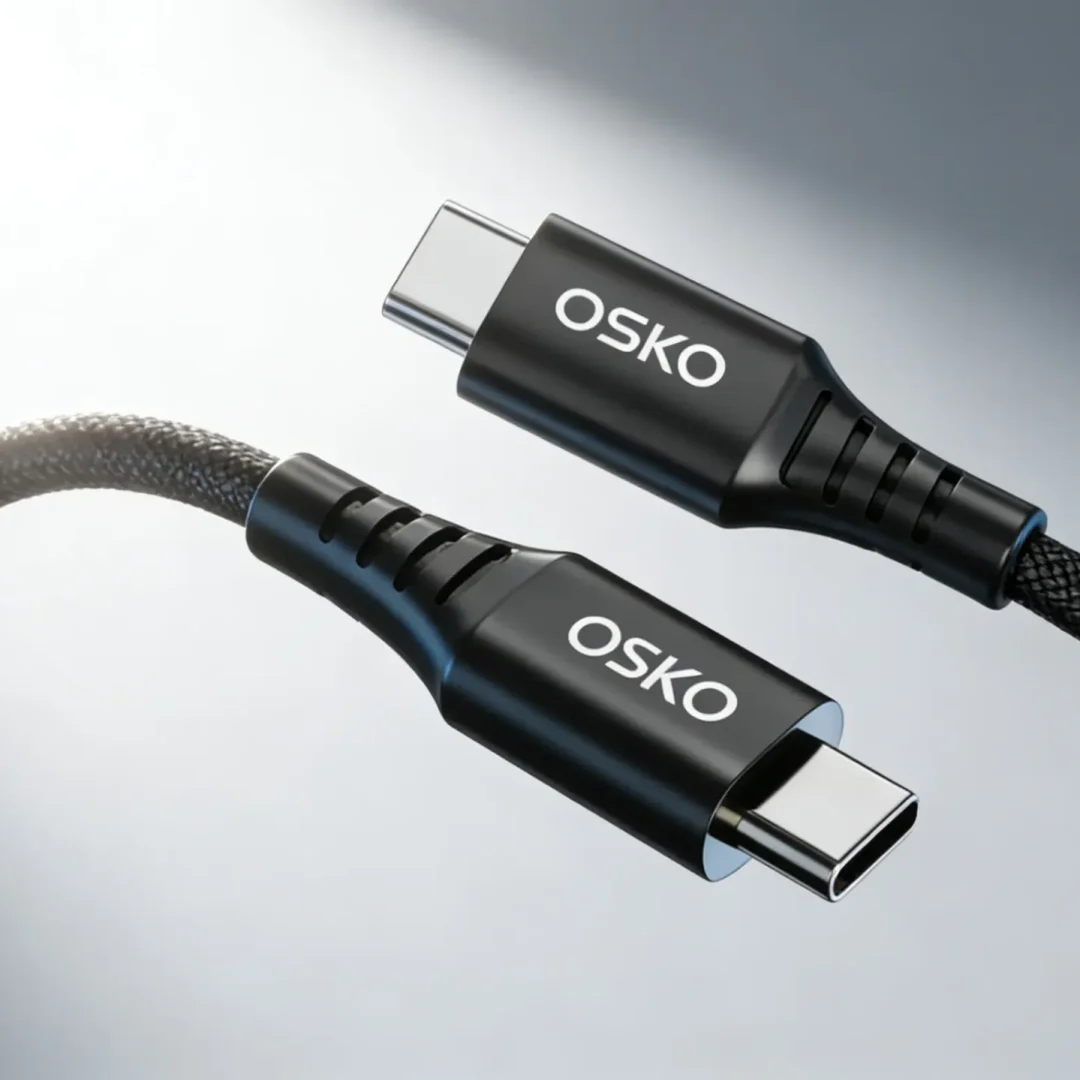
Reinforced braided nylon outer layer (premium SKU line)
Improved strain relief at connector joints
High-cycle bending resistance design
Gold-plated connector contacts for longevity
Impact:
Reduced physical failure rates and improved perceived product quality.

5. SKU Strategy Expansion (Revenue Optimization Layer)
We redesigned the product ecosystem into a 3-tier structure:
Entry: 60W USB-C cables (price-sensitive users)
Core: 100W USB-C cables (mainstream market)
Premium: 240W PD 3.1 cables (laptop + pro users)
Bundles: 2-pack / 3-pack for Amazon conversion optimization
Impact:
Increased average order value and improved catalog depth.
Implementation Results
After deploying the 240W upgrade system:
Return rate reduced by 44% overall
Premium SKU (240W) achieved significantly higher margin
Average selling price increased by 38%
Product line expanded into high-performance laptop segment
Amazon listing conversion rate improved due to clear positioning
The distributor successfully transitioned from a commodity cable supplier to a structured multi-tier OEM brand owner.
Key Business Impact
Before Upgrade:
100W product saturation
Price competition pressure
Limited brand differentiation
Rising returns in high-load usage scenarios
After Upgrade:
Entry into 240W premium market segment
Stronger brand positioning in laptop charging category
Reduced return rate and improved review quality
Higher-margin SKU ecosystem established
Why This Upgrade Worked
Shifted from spec-based competition (100W) to engineering-driven differentiation (240W PD 3.1)
Solved real user problems (heat, instability, compatibility) instead of only adding marketing claims
Built a tiered product ecosystem instead of a single SKU strategy
Aligned OEM manufacturing with Amazon and retail performance expectations
Contact Us
To implement a similar 240W USB-C upgrade strategy, please provide:
Current product specifications (60W / 100W / mixed portfolio)
Target market (Amazon / wholesale / retail / B2B distribution)
Annual volume requirements
Branding and OEM requirements
Target launch timeline
We will provide a custom upgrade roadmap within 24 hours, including engineering, SKU strategy, and production planning.