
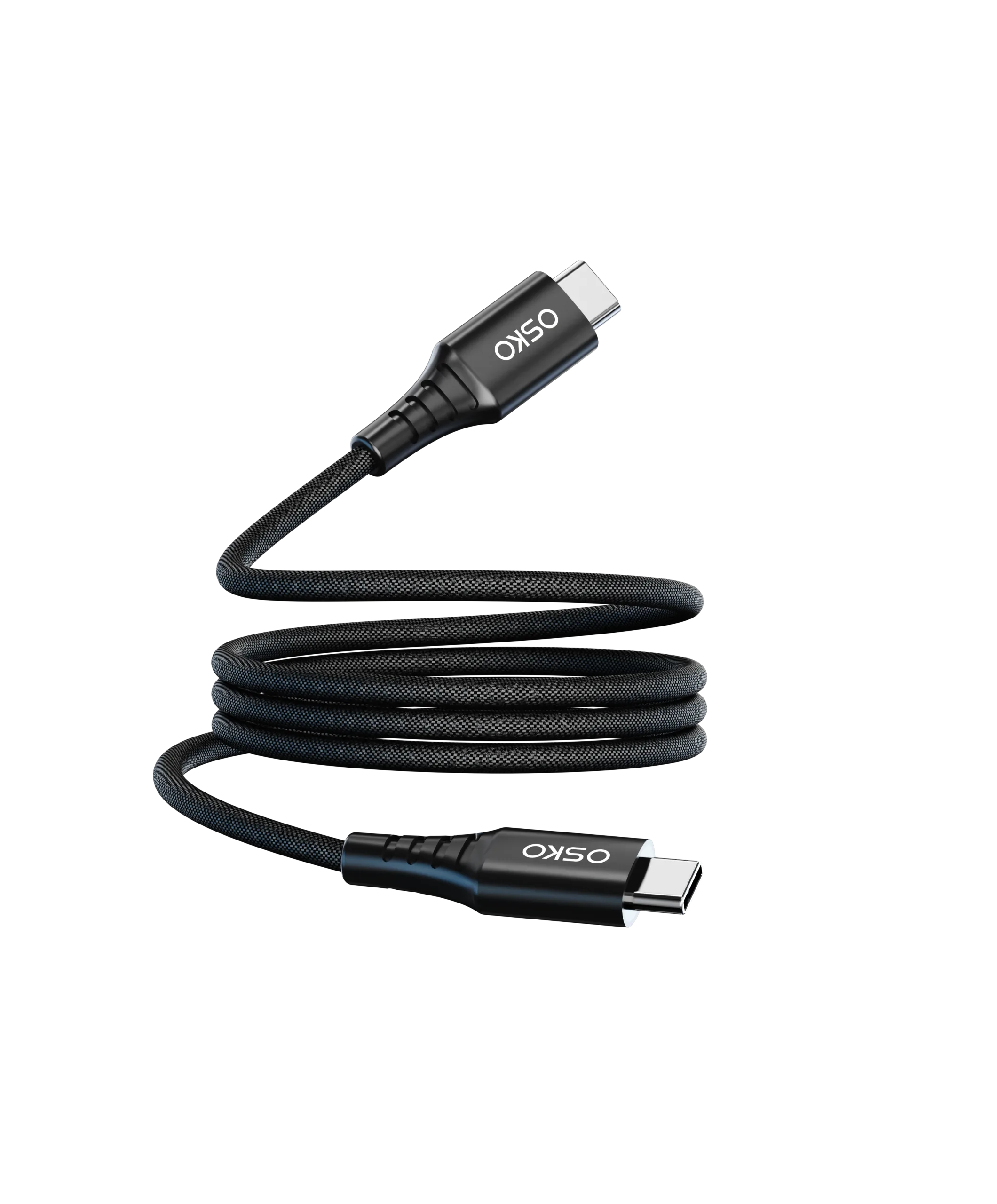
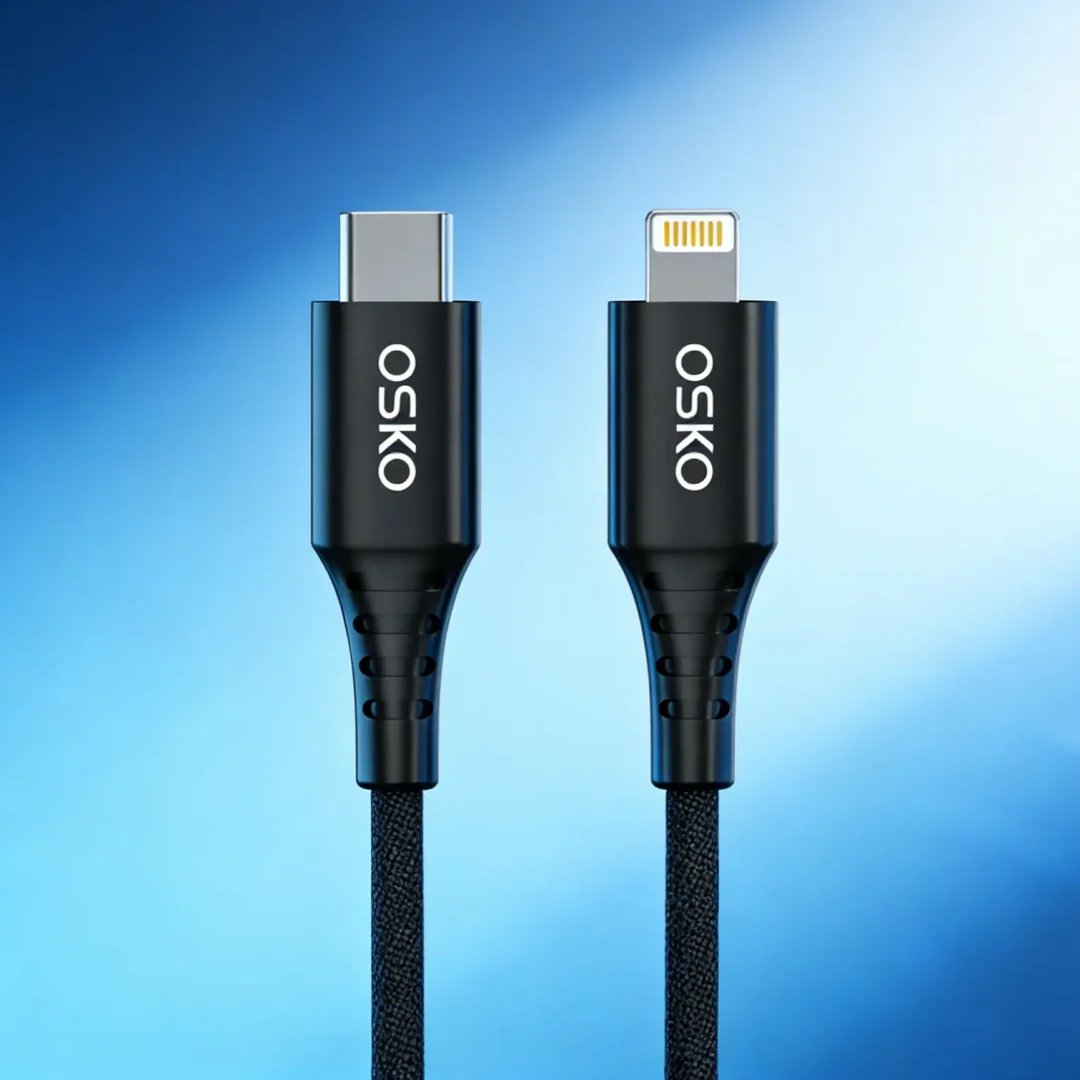
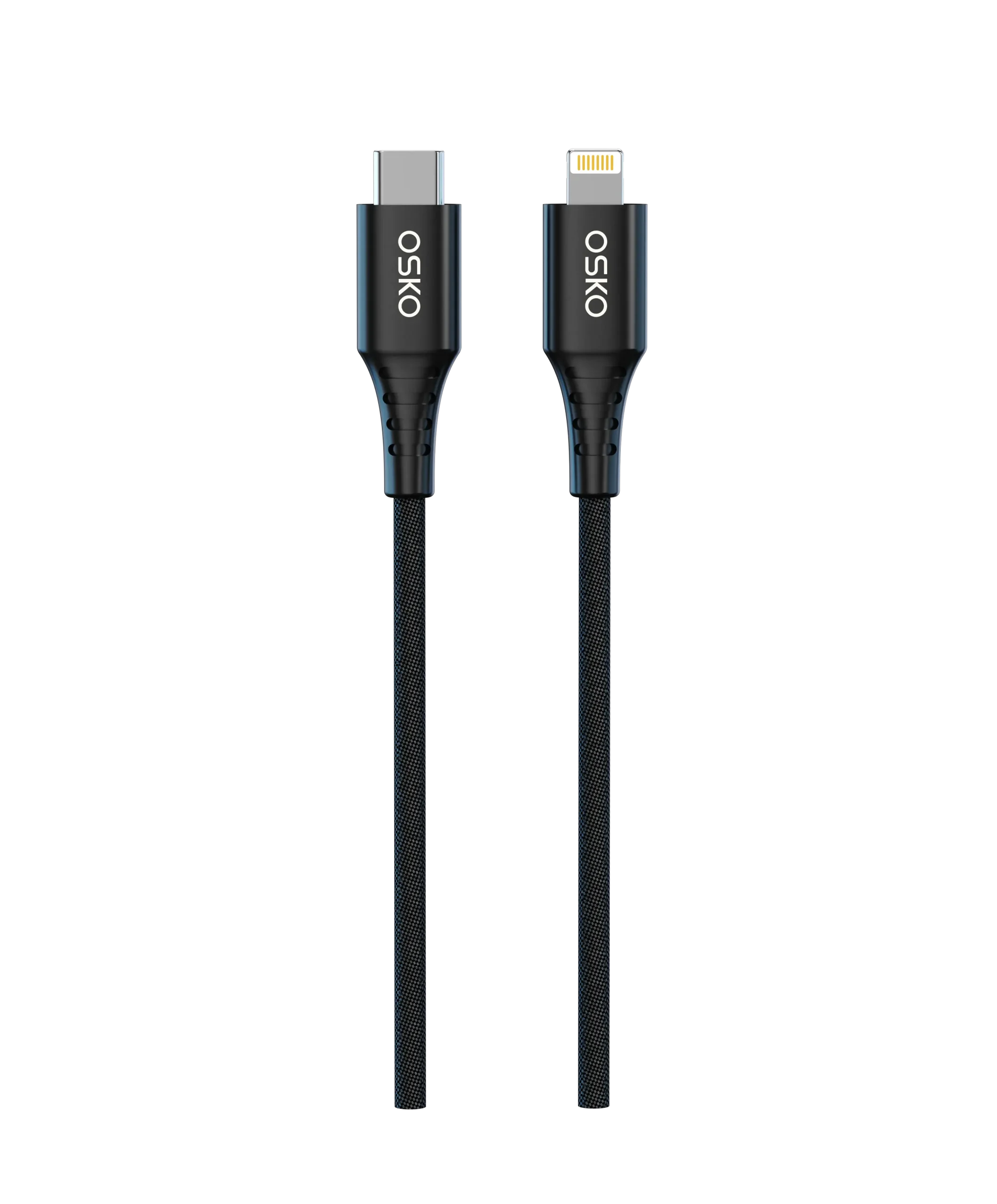
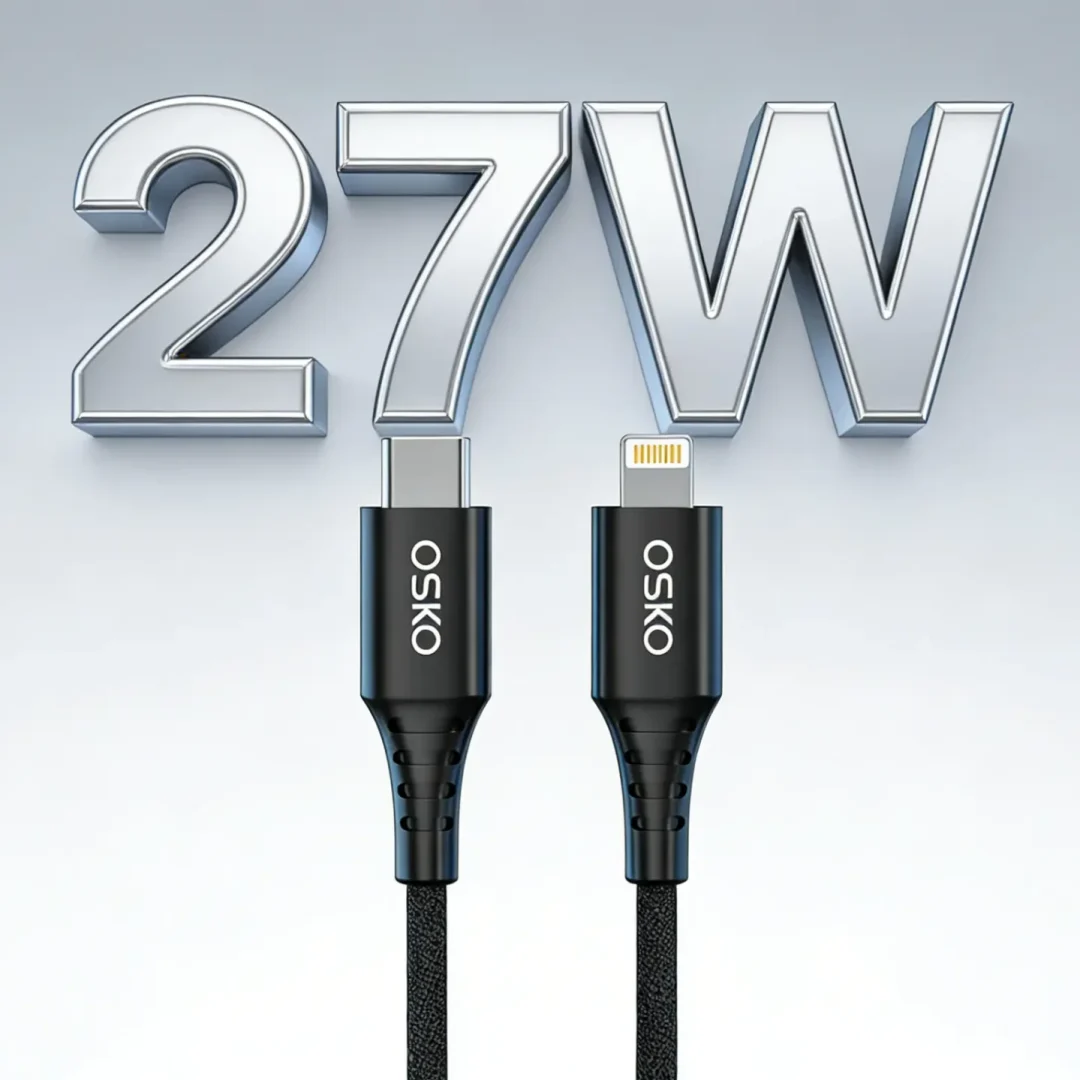
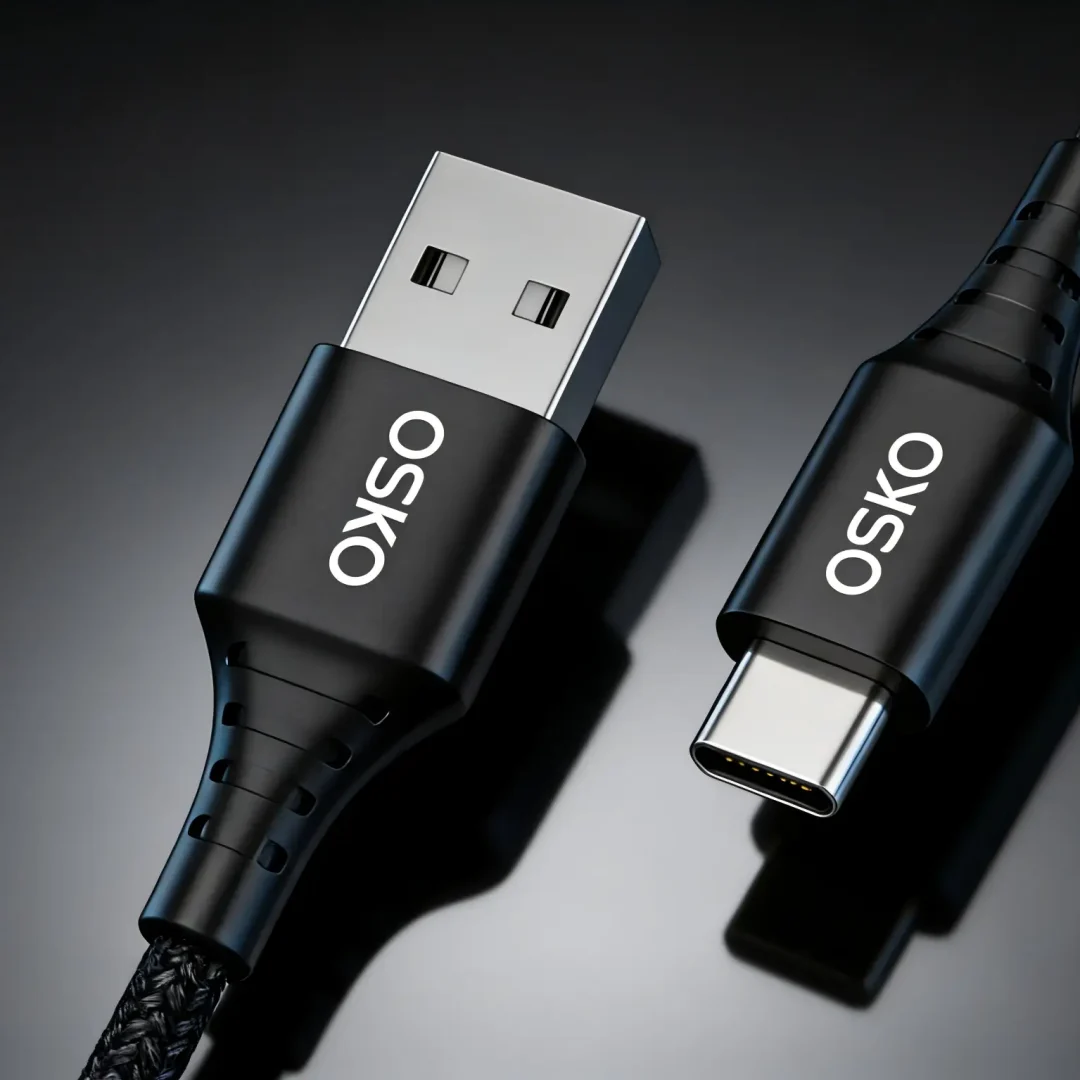
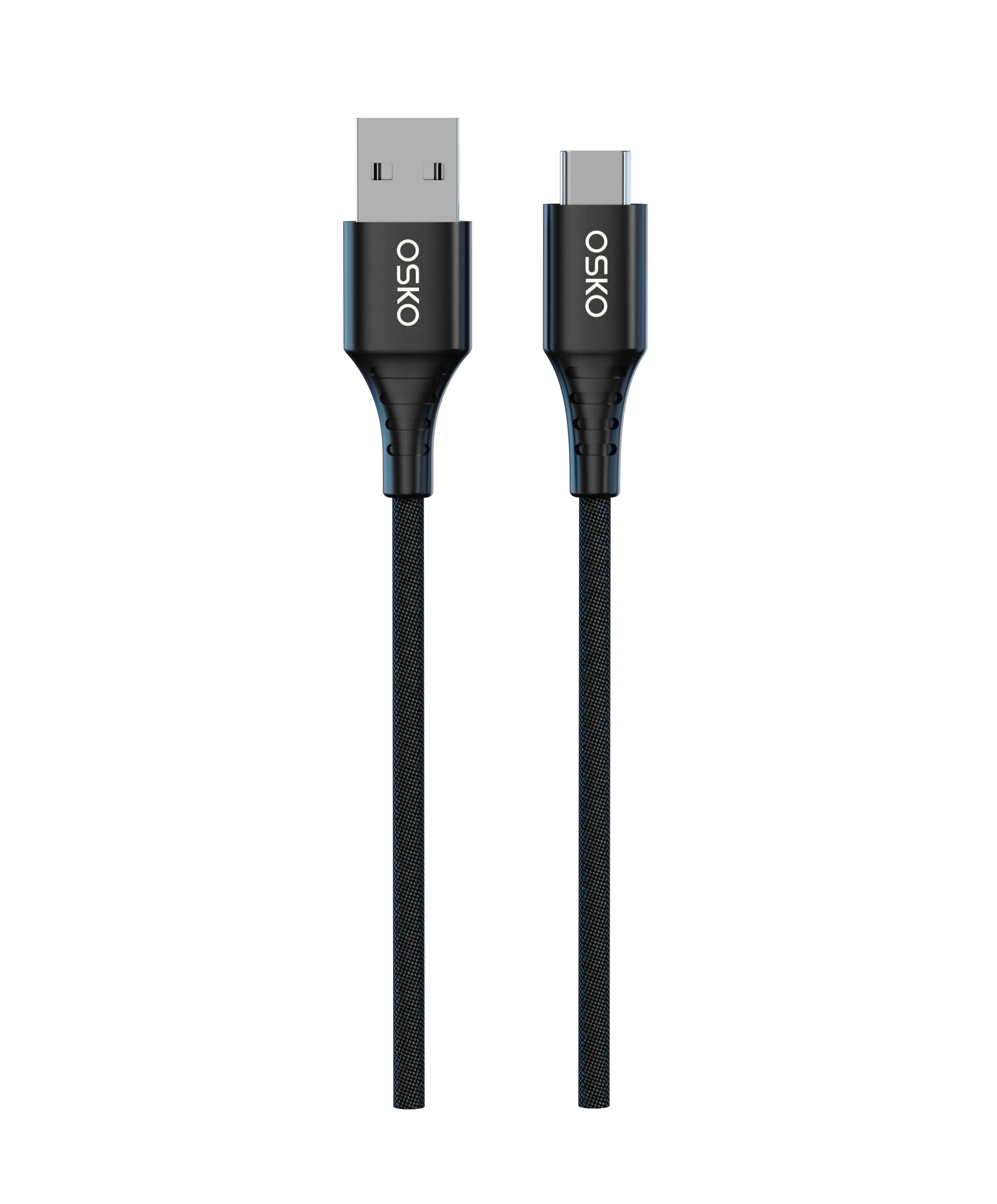
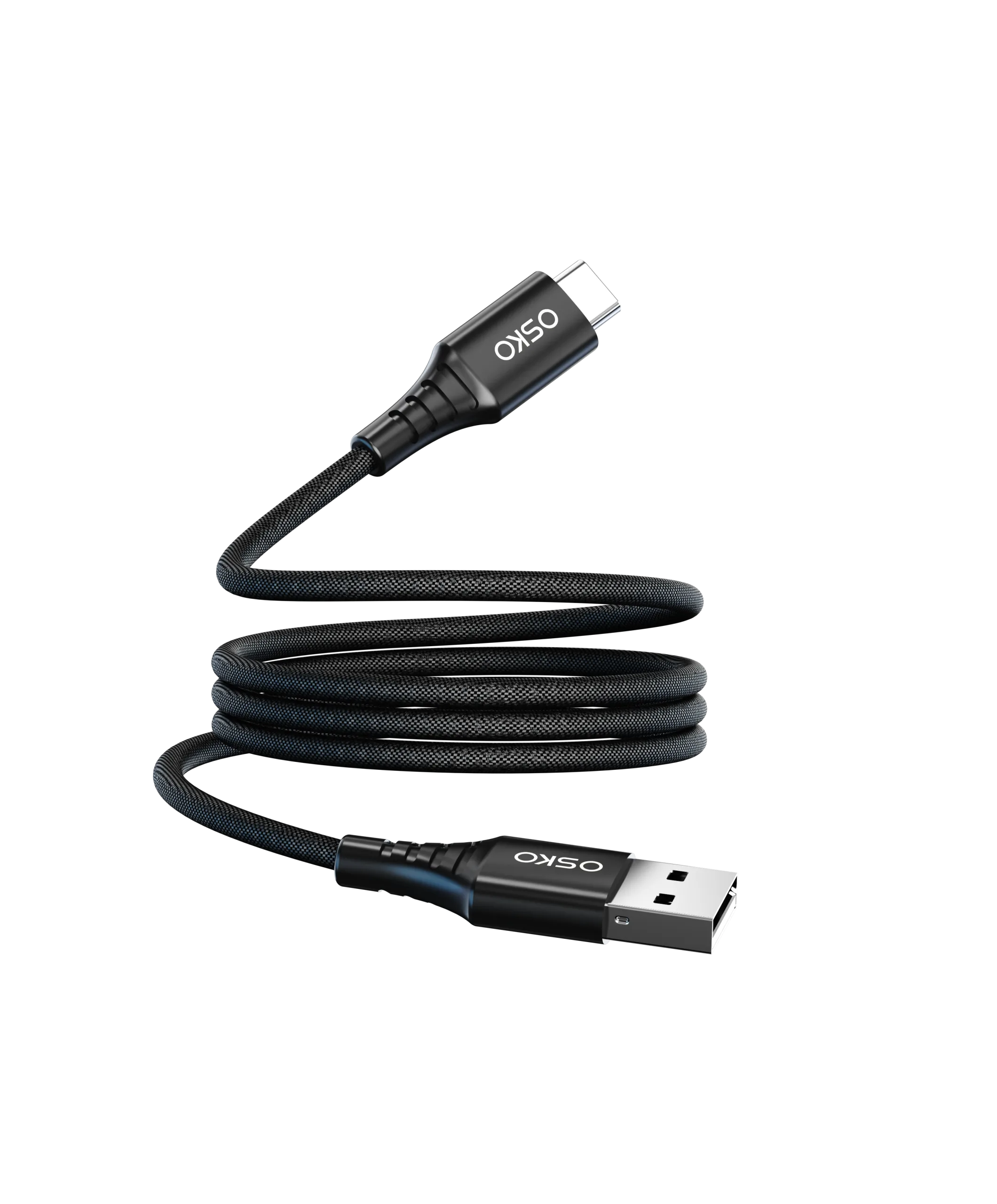
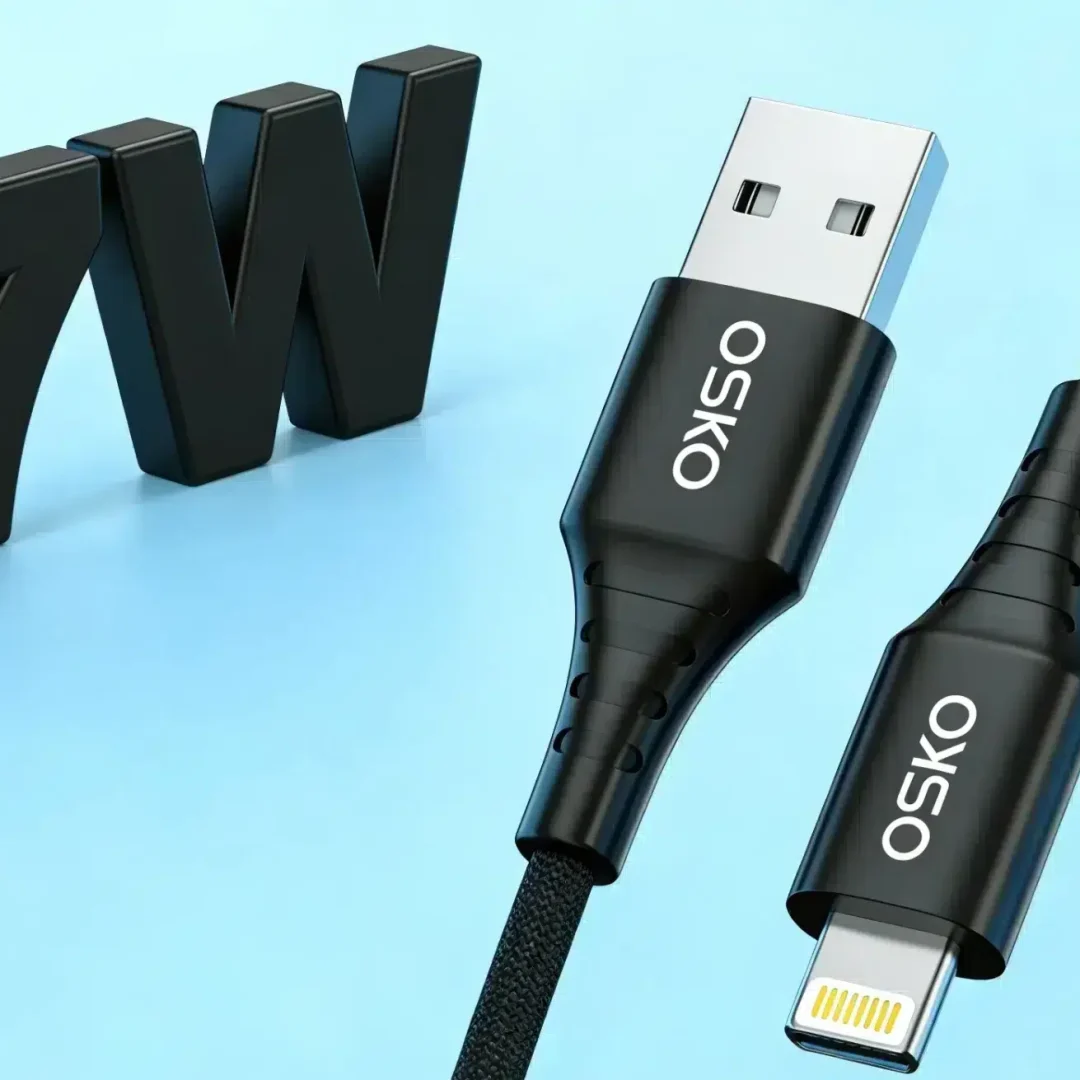
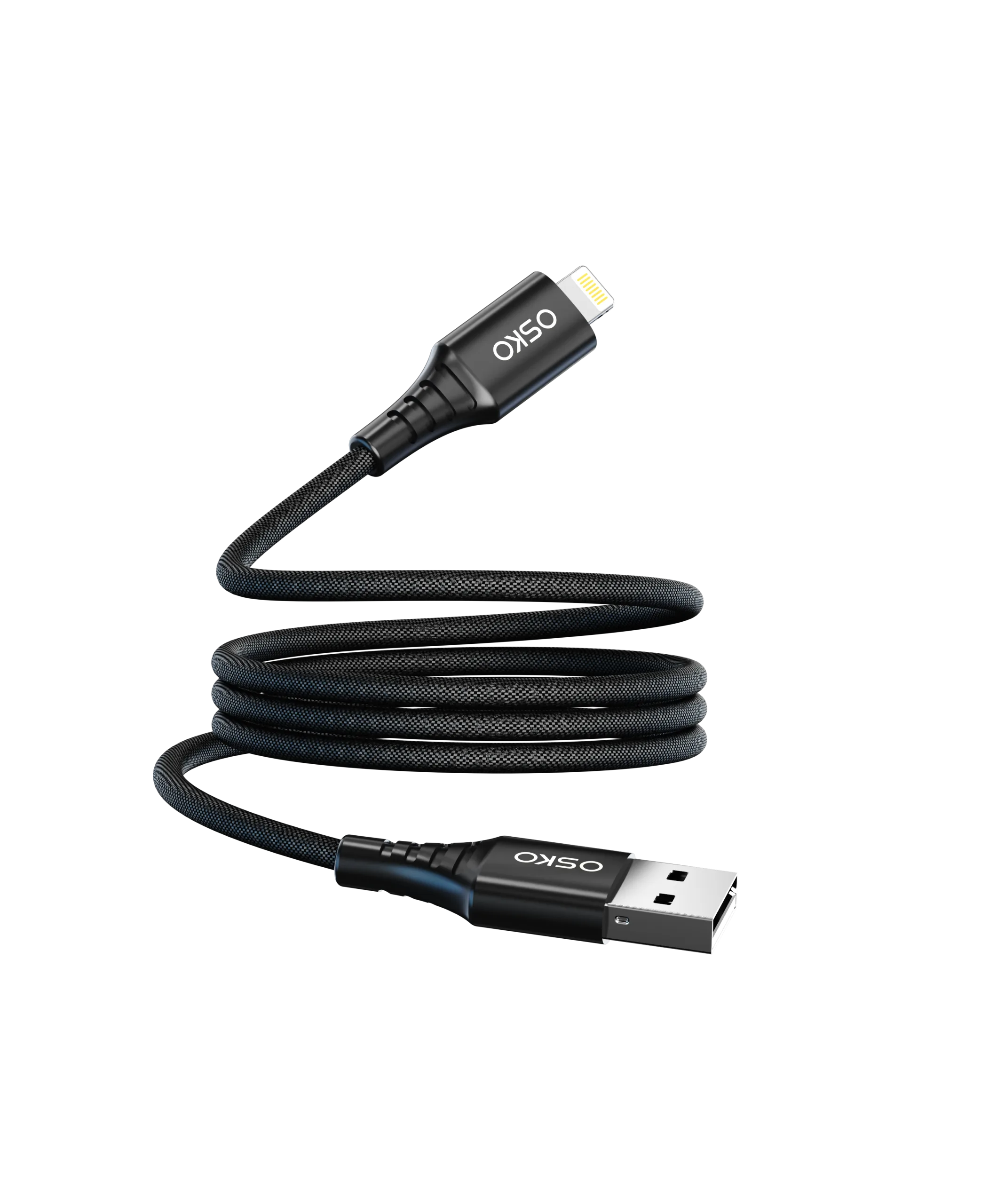
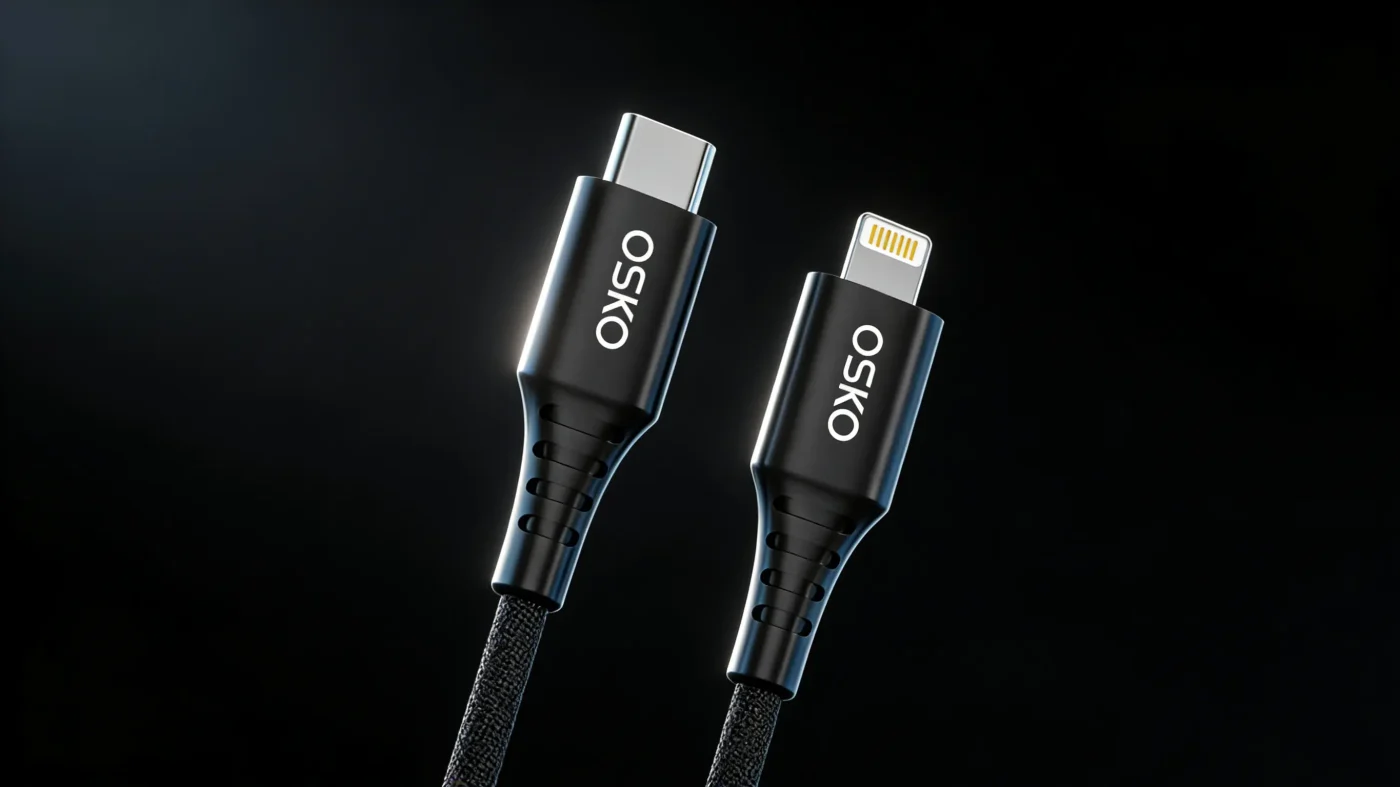
A 27W USB-C to Lightning cable is designed to support fast charging performance within Apple’s USB Power Delivery (PD) ecosystem, offering a balance between speed, stability, and device safety.
While many users focus only on charger wattage, the cable itself plays a critical role in ensuring that power is delivered efficiently and safely to the device.
In modern Apple charging systems, the cable is not a passive accessory but an engineered component that works with MFi authentication chips, copper conductor systems, and dielectric insulation layers.
Understanding the benefits of a 27W-rated cable requires examining both electrical engineering principles and real-world usage scenarios.
Material Science & Dielectric Propertie
The performance of a 27W USB-C to Lightning cable depends on its internal material structure and electrical design rather than its external appearance.
Efficient Power Delivery Architecture
27W charging typically operates under USB Power Delivery protocols where voltage and current are dynamically negotiated between charger and device.
A properly engineered cable ensures:
Stable current flow with minimal resistance
Reduced voltage drop under load
Efficient heat dissipation across conductors
This is especially important for maintaining consistent performance in iPhone fast charging cable systems.
Copper Conductor Optimization
High-quality cables use oxygen-free copper conductors to reduce energy loss.
Key benefits include:
Lower electrical resistance
Improved charging efficiency
Reduced heat generation during fast charging
This is essential for maintaining stable performance in USB-C to Lightning cable architectures.
MFi Authentication and System Compatibility
Apple requires all Lightning-based fast charging cables to include MFi certification.
The MFi chip enables:
Device authentication with iOS systems
Safe power negotiation up to supported limits
Stable data transmission
Prevention of unsupported accessory errors
Without this certification, charging performance may be restricted or unstable.
Dielectric Insulation and Thermal Stability
Insulation materials play a key role in maintaining safety and efficiency.
Common materials include:
TPE for flexibility and thermal resistance
PE for low dielectric loss
PVC for cost-efficient production
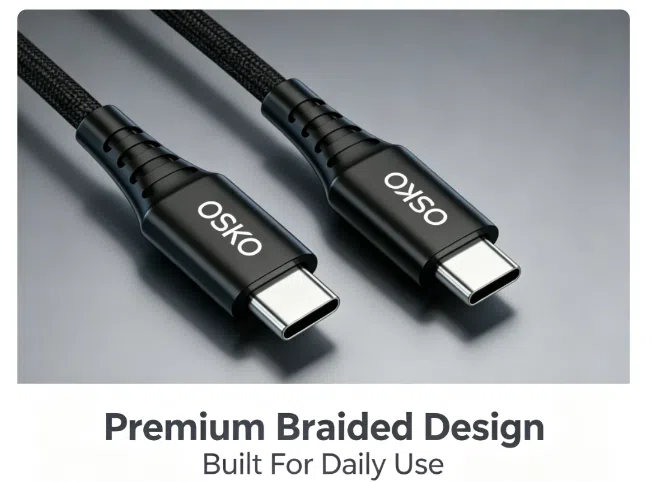
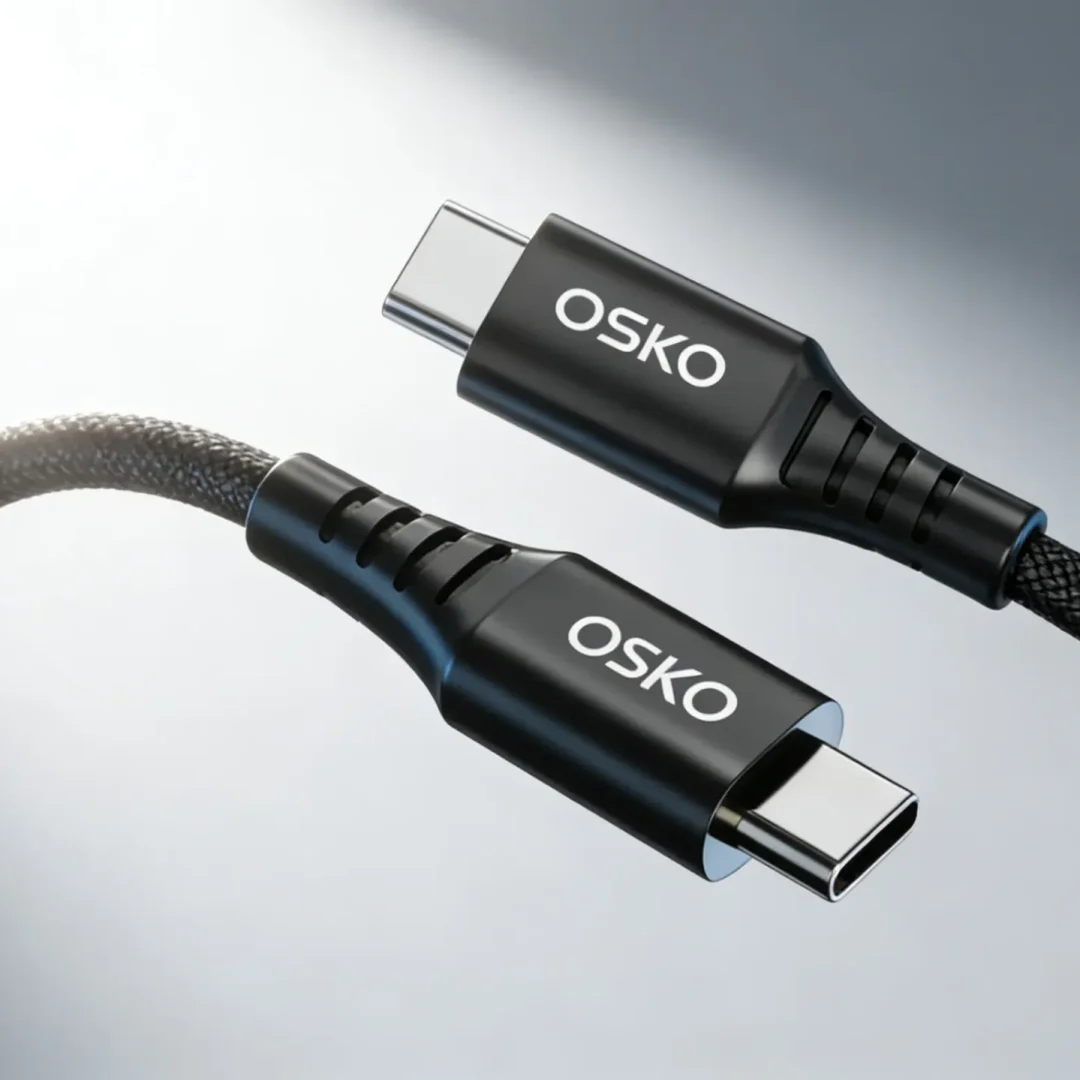
Premium nylon braided iPhone cable designs often combine TPE insulation with external braided reinforcement for improved durability and heat resistance.
Case Study
Retail Optimization for Apple Charging Accessories
A North American electronics retailer tested multiple cable wattage configurations to optimize customer satisfaction and return rates.
Customer Requirements
Stable fast charging for iPhone devices
Support for 20W–27W PD charging range
Durable construction for daily use
MFi certification compliance
Competitive retail pricing
Engineering Challenges
Initial product testing revealed:
Inconsistent charging speeds across devices
Excess heat in low-quality conductor designs
Weak strain relief at connector joints
Non-certified chip variations causing compatibility issues
These issues highlighted the importance of integrated electrical and mechanical design.
OSKO Engineering Solution
The final optimized solution included:
Certified MFi authentication chip integration
Oxygen-free copper conductor system
Reinforced connector strain relief design
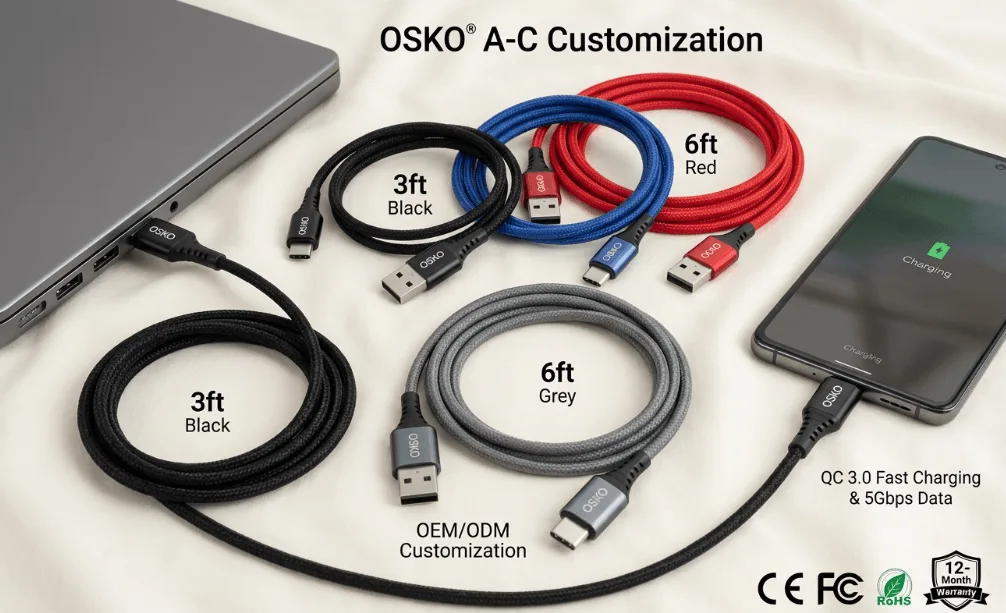
High-density nylon braided outer jacket
Optimized TPE dielectric insulation layer
This engineering structure aligns with OEM production standards used in:
OEM USB cable
ODM USB cable
Wholesale USB cables
Bulk USB cables
Retail USB cables
Results
After implementation:
Charging speed stability improved significantly
Device compatibility issues eliminated
Product lifespan increased under daily use
Customer return rate decreased
This confirms that 27W performance is not just about wattage, but system-level engineering quality.
Selection Guide
Why 27W Matters in Real Use
A 27W USB-C to Lightning cable provides an optimal balance between:
Charging speed
Battery health protection
Heat control
Device compatibility
It is especially suitable for iPhones that support fast charging but do not require higher wattage levels.
Material Comparison
| Material Type | Function | Engineering Benefit |
|---|---|---|
| PVC | Basic insulation | Low-cost solution |
| TPE | Flexible insulation | Stable fast charging performance |
| Nylon braided | Mechanical protection | High durability |
In real-world applications, fast charging Apple cable performance depends heavily on conductor and insulation quality rather than external design alone.
OEM Manufacturing Considerations
For global buyers, key sourcing factors include:
MFi certification consistency
Electrical resistance testing capability
Production scalability
Packaging customization options
Common supply categories include:
Durable nylon braided Type C charging cable factory
Heavy duty braided USB-C cable manufacturer
White label 240W fast charging cable wholesale
Bulk custom 6ft 10ft USB-C cables
OEM ODM custom length USB C cables
Application Scenarios
A 27W USB-C to Lightning cable is widely used in:
Home charging environments
Office desk setups
Travel charging kits
Car charging systems
Its balanced power level makes it suitable for daily-use consumer scenarios.
FAQ
Is 27W fast charging safe for iPhone?
Yes. iPhones automatically regulate power intake, making 27W safe and efficient.
Does 27W charge faster than 20W?
Slightly, depending on device model and battery condition.
Does cable quality affect 27W charging?
Yes. Low-quality conductors can reduce charging efficiency and increase heat.
Do I need MFi certification for 27W cables?
Yes. MFi ensures compatibility and stable performance in Apple ecosystems.
Is braided cable better for 27W charging?
Braided design improves durability but does not directly increase charging speed.
Summary
A 27W USB-C to Lightning cable offers an optimal balance of charging speed, thermal stability, and device compatibility within Apple’s fast charging ecosystem.
Its performance is determined not only by wattage rating but by MFi certification, conductor quality, dielectric insulation design, and overall engineering structure.
For OEM manufacturers and global buyers, selecting a properly engineered cable ensures stable performance across North American and European markets while minimizing failure rates and improving user experience.
Ultimately, the value of a 27W cable lies in its system-level balance between efficiency, safety, and durability rather than maximum power output alone.
Contact Information
OSKO provides OEM/ODM Apple-compatible charging cable solutions, including:
MFi certified USB-C to Lightning cables
27W / 20W fast charging cable systems
Nylon braided durable cable designs
Custom branding and packaging solutions
Wholesale and bulk supply programs