
Introduction
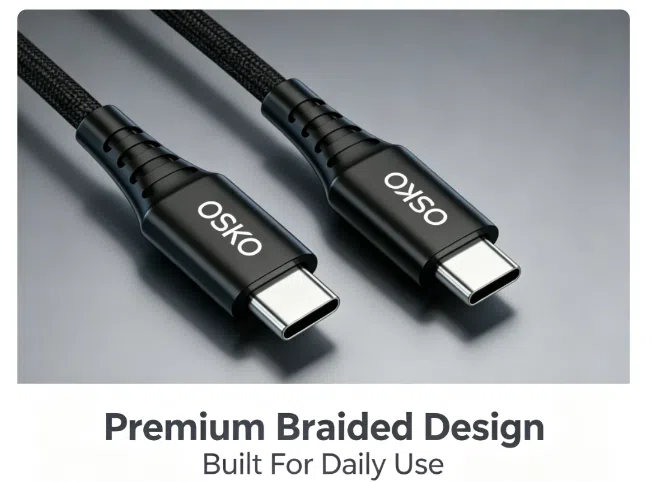
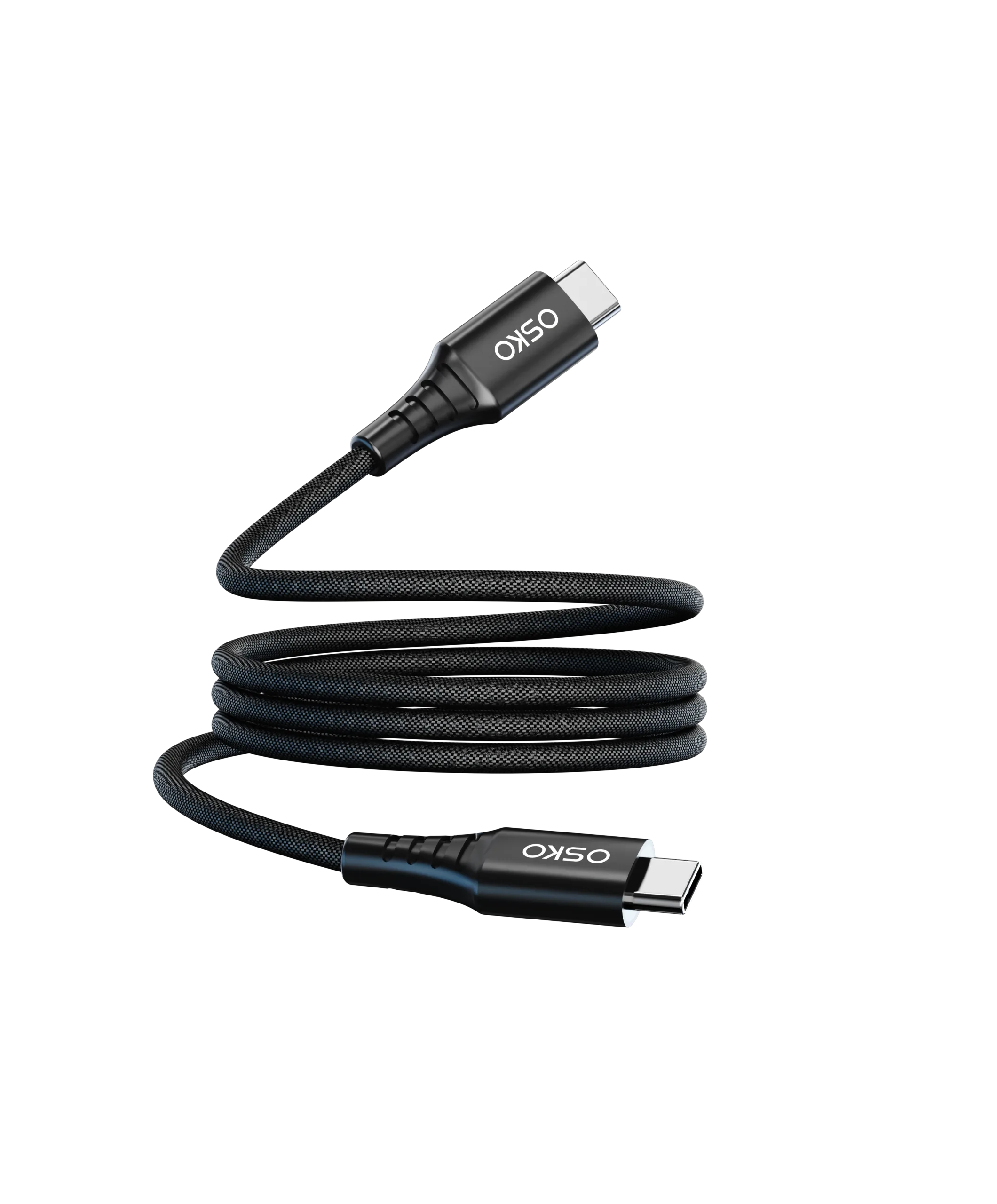
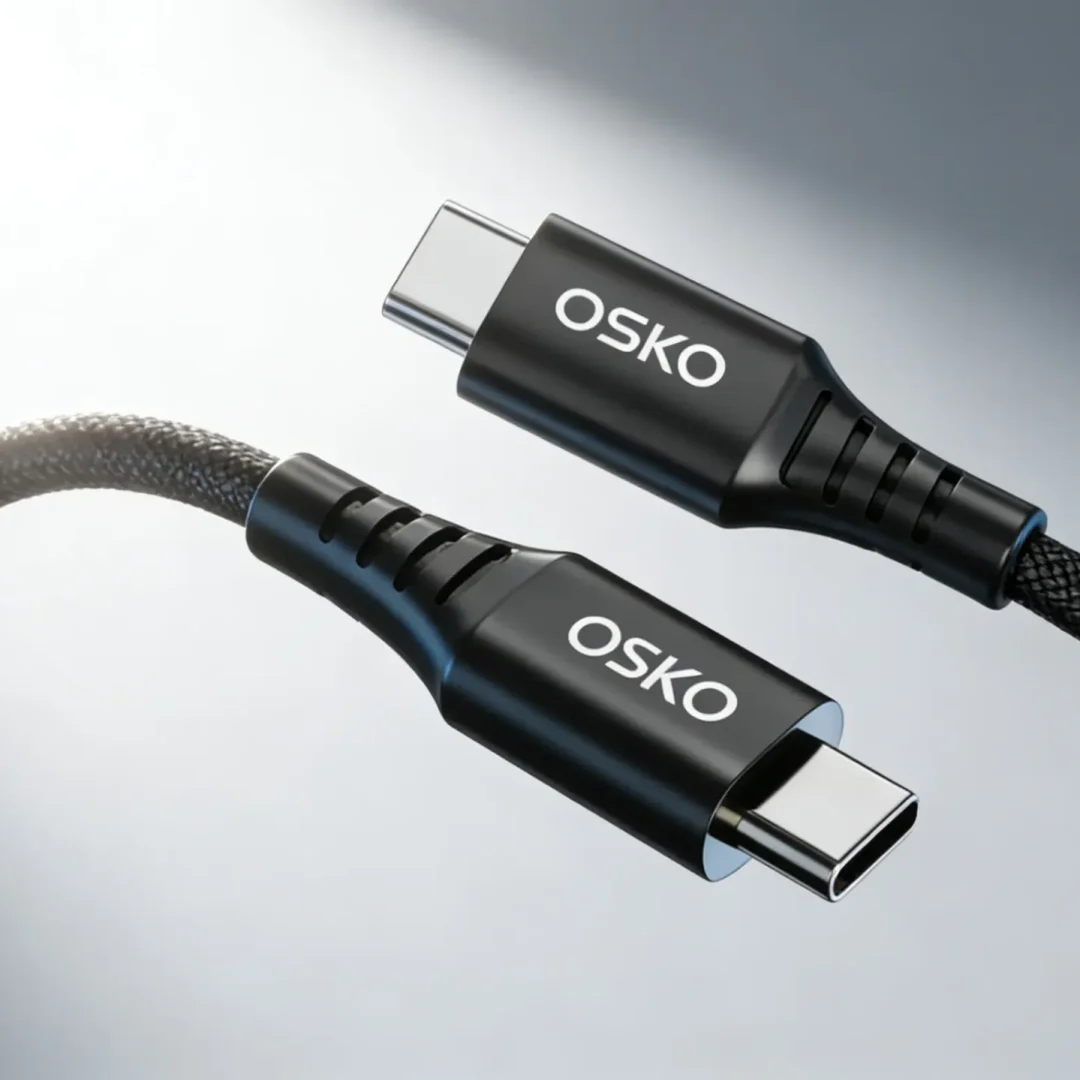
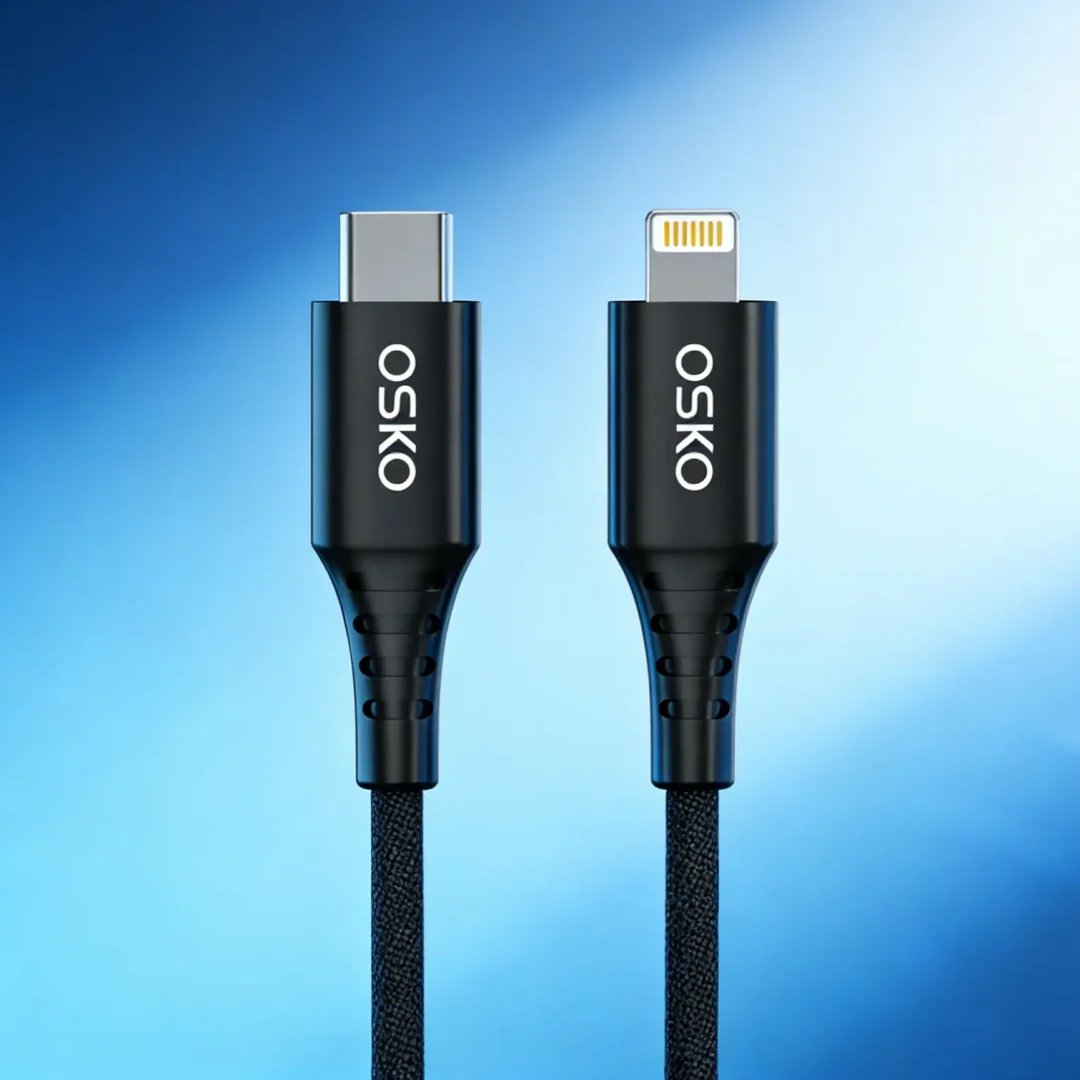
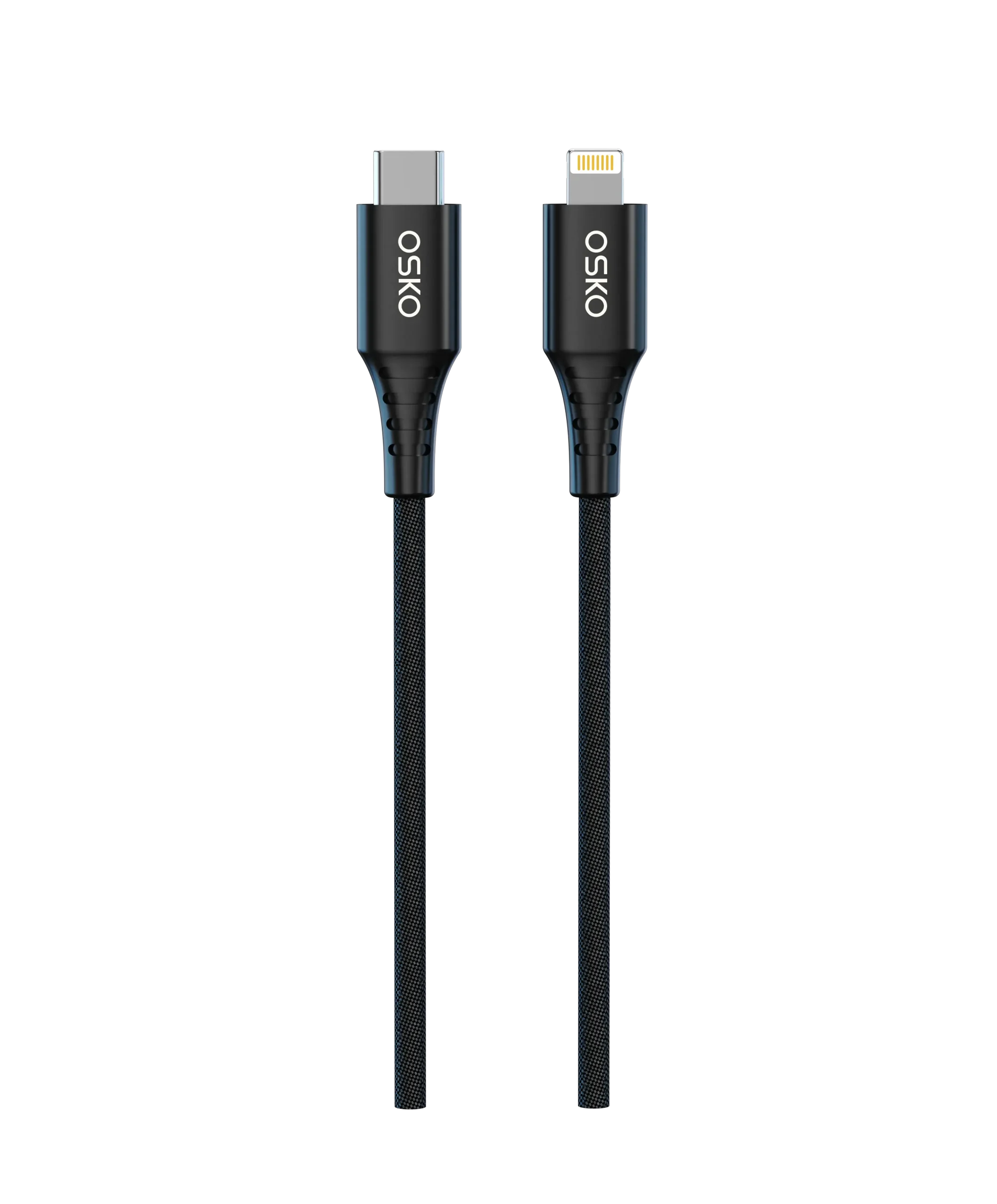
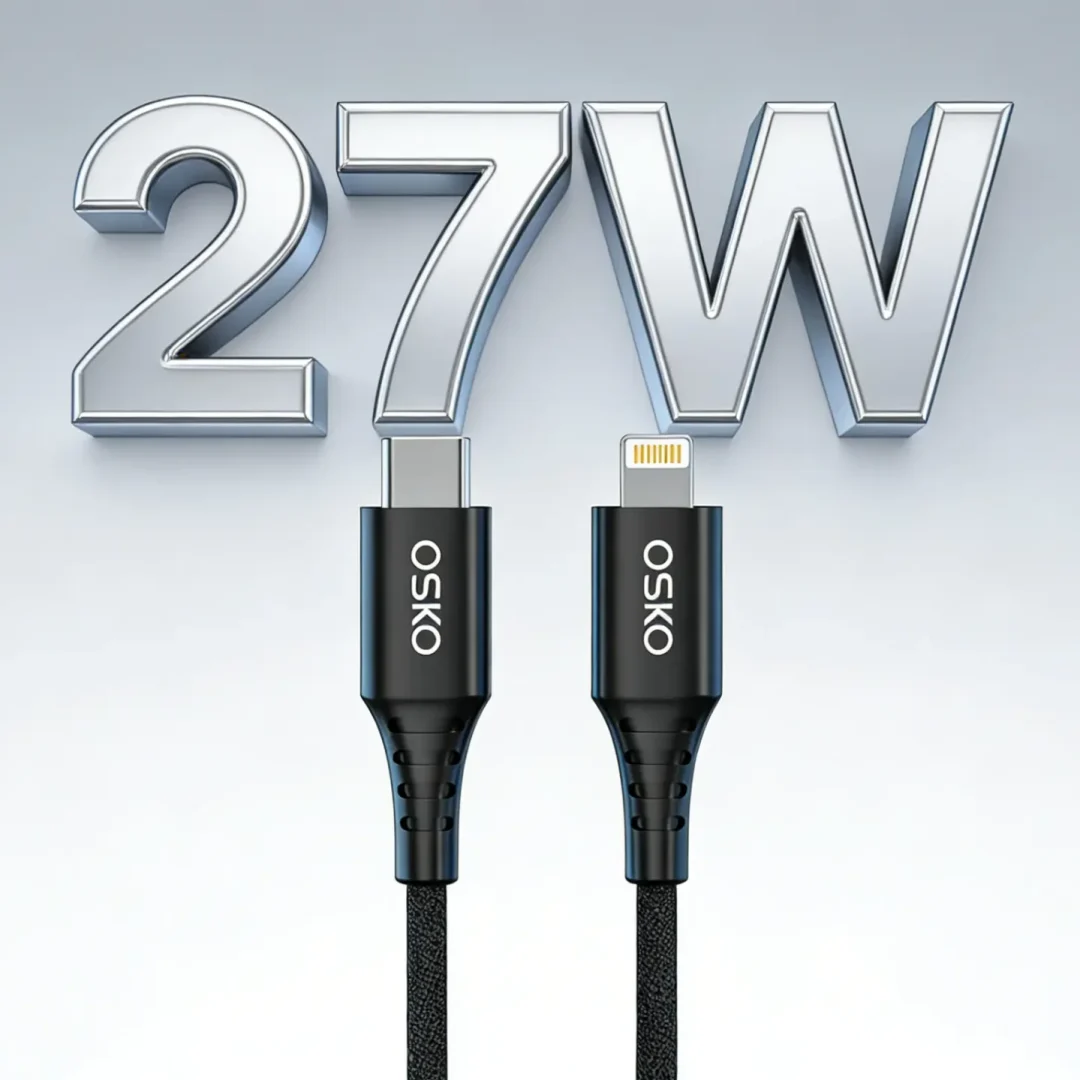
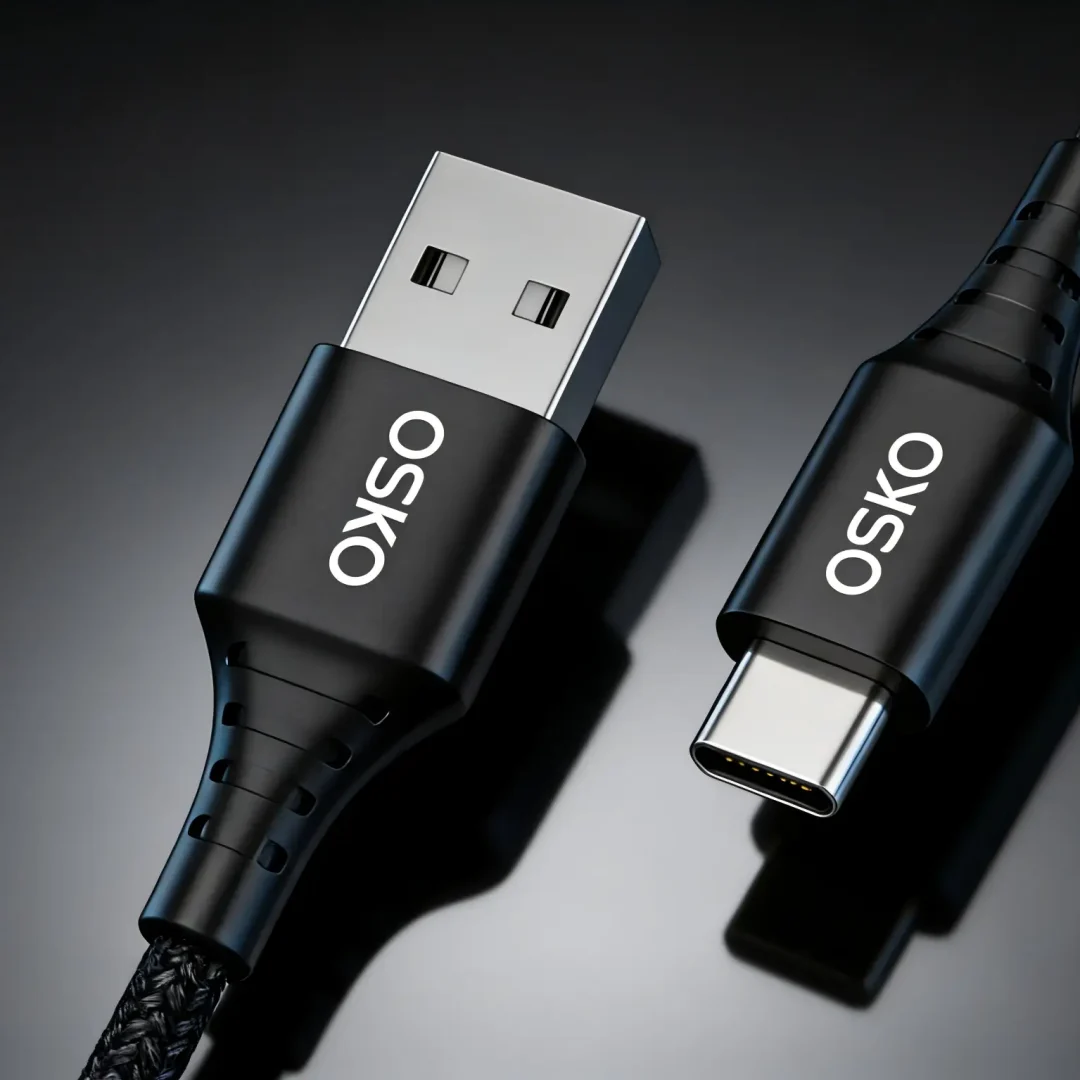
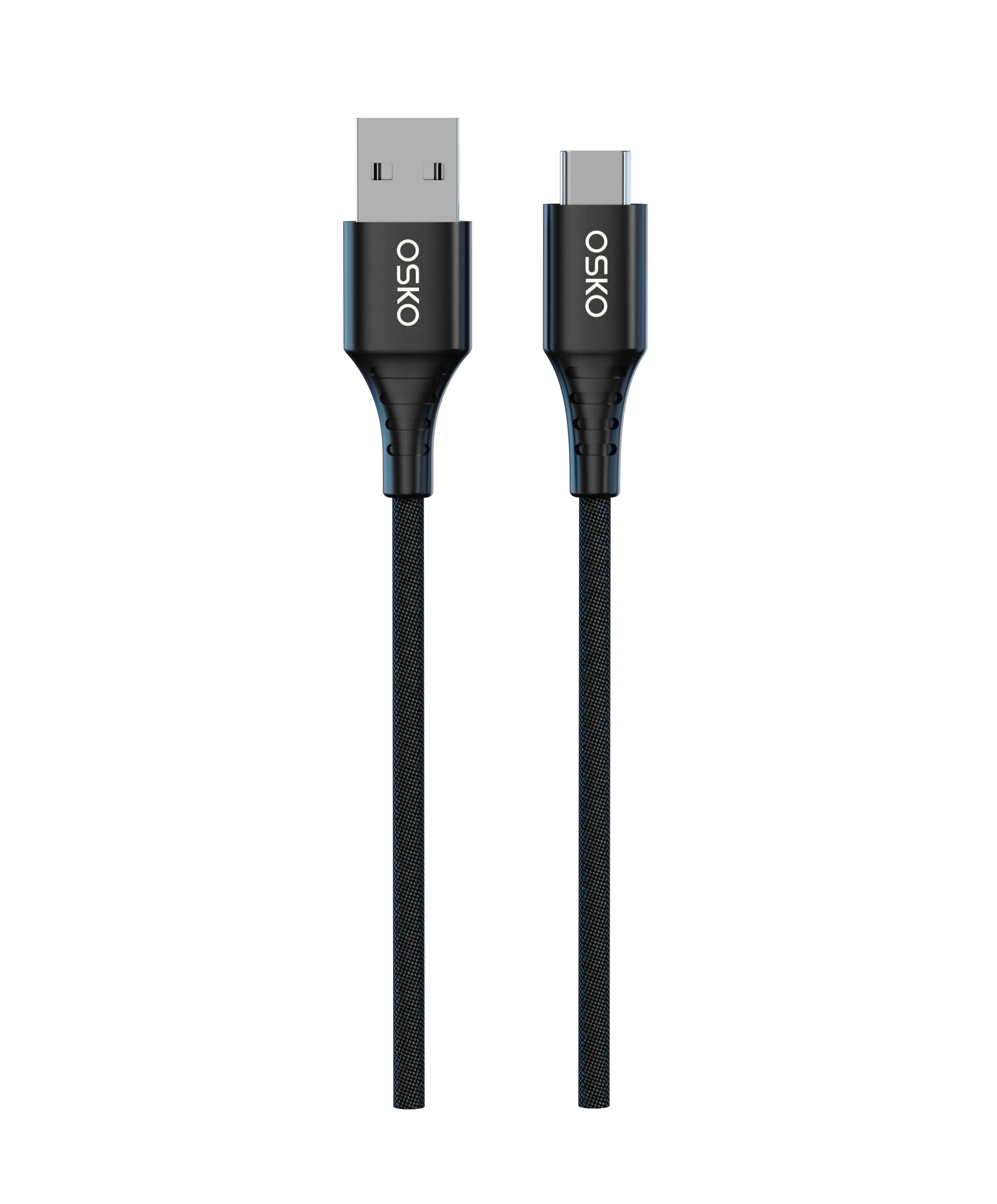
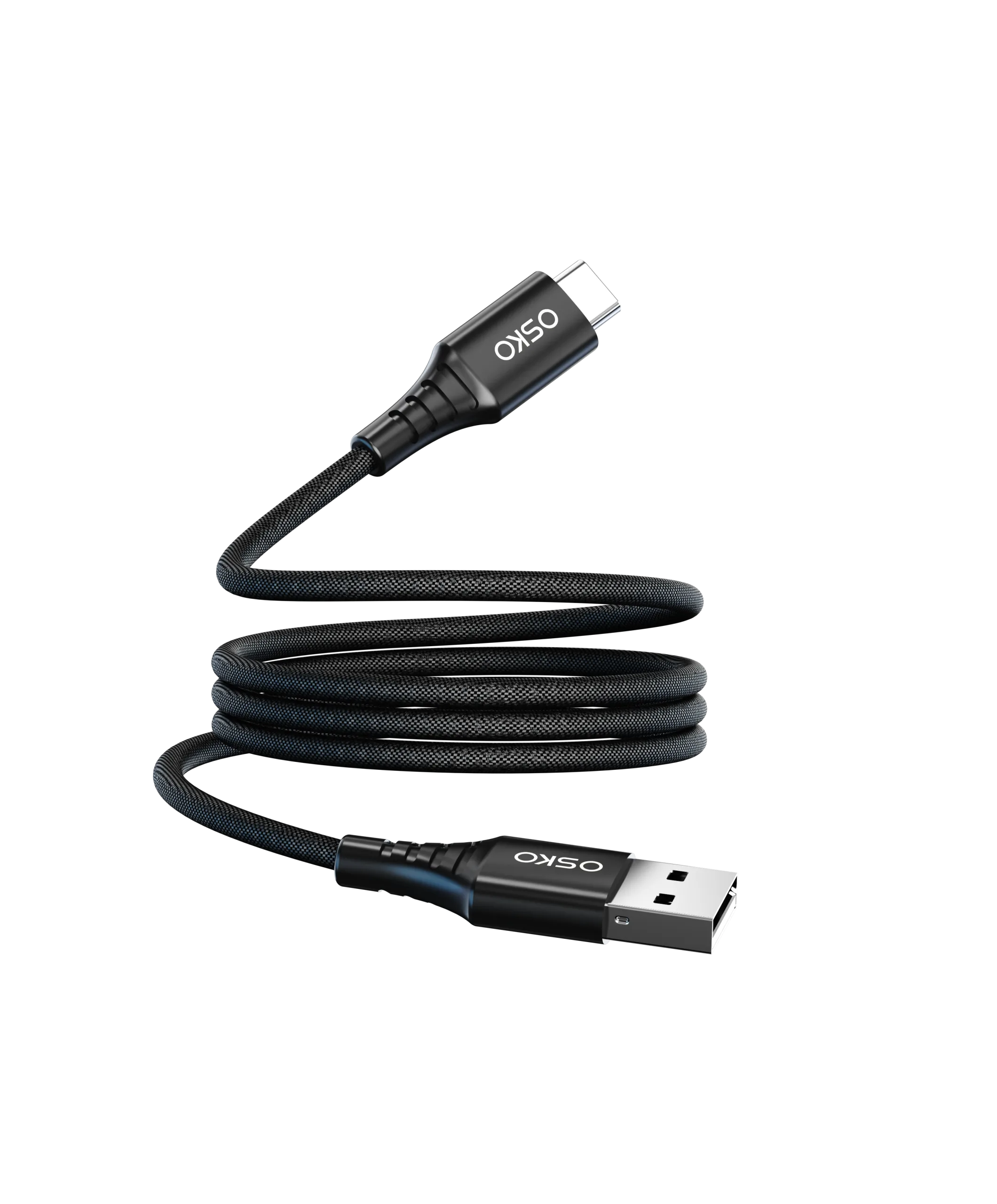
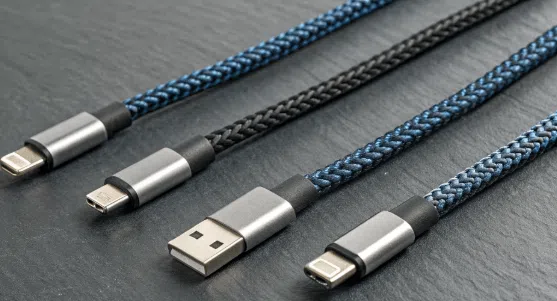
Choosing a reliable Braided USB-C Cable has become increasingly important as consumers demand charging accessories that combine durability, performance, and premium appearance. Compared with traditional plastic-jacket USB cables, braided designs provide improved mechanical protection, better resistance against daily wear, and a more premium user experience.
Modern users often carry charging cables between different environments, including:
Home charging stations
Office desks
Travel bags
Vehicles
Outdoor equipment
These usage scenarios create higher requirements for cable durability. Frequent bending, pulling, twisting, and storage can gradually damage ordinary cables, especially near connector areas.
For electronics brands and procurement teams, developing a successful braided charging cable requires more than adding an external textile layer. The internal engineering must ensure:
Stable power transmission
Reliable fast charging
Strong mechanical performance
Consistent production quality
A high-quality USB-C Charging Cable requires cooperation between material selection, electrical design, and manufacturing control.
OSKO provides OEM and ODM USB cable manufacturing solutions for global brands, helping customers develop durable charging products with customized materials, specifications, and production support.

Material Science & Dielectric Properties
Engineering Structure of Braided USB-C Cable
A braided USB-C cable consists of multiple layers working together to achieve durability and charging performance.
| Cable Layer | Function | Engineering Importance |
|---|---|---|
| Copper conductor | Transfers electrical power | Determines charging efficiency |
| Insulation layer | Separates conductors | Maintains electrical safety |
| Shielding layer | Reduces interference | Improves signal stability |
| Inner jacket | Protects cable structure | Enhances durability |
| Braided outer layer | Provides mechanical protection | Improves wear resistance |
| Connector housing | Protects connection point | Extends service life |
The braided layer improves external protection, but the internal cable structure determines actual charging performance.
Nylon Braided Material Advantages
Improved Wear Resistance
One of the main advantages of a braided cable is improved surface durability.
Compared with standard PVC cables, braided materials provide better resistance against:
Friction
Scratching
Daily handling
Repeated movement
This makes braided cables suitable for users who frequently carry cables between locations.
Enhanced Flexibility
A common misconception is that braided cables are always stiff.
A well-designed braided cable balances:
Outer protection
Internal flexibility
User comfort
The combination of proper conductor structure and textile density affects the final handling experience.
For Travel USB Cable applications, flexibility is especially important because users often wrap and store cables repeatedly.
Mechanical Protection and Bend Resistance
Cable failure often occurs near connector ends because this area experiences repeated stress.
Professional braided USB-C cable designs include:
Reinforced strain relief
Flexible connector joints
Improved bending resistance
These features help reduce:
Internal wire breakage
Connector separation
Charging interruption
Fast Charging Performance of Braided USB-C Cable
Power Delivery Capability
A braided appearance does not automatically mean better charging performance.
The actual charging capability depends on:
Conductor size
Copper quality
Power rating
USB PD compatibility
Connector design
A high-performance Fast Charging Cable may support applications such as:
| Device | Application Requirement |
|---|---|
| Smartphone | Daily fast charging |
| Tablet | Stable medium-power charging |
| Gaming device | Reliable power delivery |
| Laptop | Higher wattage support |
| Portable monitor | Power and data stability |
USB-C to USB-C Cable Applications
For modern electronics, USB-C to USB-C Cable designs are increasingly popular because they support:
USB Power Delivery
Higher charging power
New-generation devices
Common applications include:
Laptop charging
Tablet charging
USB-C power adapters
Professional accessories
Material Selection and Manufacturing Considerations
Braided Layer Design
The quality of a braided cable depends on:
Fiber material
Weaving density
Surface treatment
Color consistency
A high-quality braided layer should provide:
Smooth touch feeling
Strong abrasion resistance
Stable appearance after long-term use
Connector Engineering
The connector area is one of the most important reliability factors.
A professional manufacturer evaluates:
Connector shell strength
Internal soldering quality
Strain relief structure
Plug insertion lifetime
Poor connector design can reduce the advantages of a braided exterior.
Case Study: Braided USB-C Cable Development for an Australian Outdoor Electronics Brand
Customer Background
An Australian outdoor electronics company planned to launch a premium charging accessory series for customers who frequently travel and use portable devices.
The product application included:
Camping equipment
Travel accessories
Portable electronics
Outdoor work environments
The company wanted a braided USB-C cable that could provide a premium appearance while maintaining reliable charging performance.
Their purchasing team required a manufacturing partner with experience in:
Custom cable development
Material selection
Retail product quality
Stable mass production
Engineering Challenges
1. Improving Durability for Outdoor Use
The customer found that standard PVC cables showed:
Surface wear after frequent use
Reduced appearance quality
Damage near connectors
The new product required stronger mechanical protection.
2. Maintaining Charging Performance
The product needed to support modern devices while keeping a durable braided structure.
Engineering considerations included:
Conductor specifications
Cable flexibility
Heat management
Power delivery compatibility
3. Creating a Premium Retail Product
The customer positioned the cable as a higher-value accessory.
The product needed:
Premium appearance
Reliable performance
Consistent production quality
OSKO Engineering Solution
Optimized Braided Structure
OSKO developed a customized cable structure including:
High-density braided outer layer
Flexible internal arrangement
Reinforced connector protection
This improved durability while maintaining user comfort.
Electrical Performance Optimization
OSKO adjusted:
Copper conductor design
Cable resistance control
Charging performance parameters
to ensure reliable power delivery.
Quality Testing Process
| Test Item | Purpose |
|---|---|
| Bend test | Evaluate mechanical durability |
| Charging test | Verify power performance |
| Resistance test | Confirm electrical stability |
| Connector test | Improve lifetime |
| Appearance inspection | Maintain retail quality |
The final solution helped the customer launch a premium braided charging cable product suitable for outdoor and travel markets.
Selection Guide: How to Choose a Braided USB-C Cable
1. Check Charging Requirements
Before selecting a cable, confirm:
Device type
Required charging power
Charger compatibility
A premium braided design should also meet electrical requirements.
2. Evaluate Material Quality
Look for:
Dense braid structure
Strong abrasion resistance
Flexible handling
Reinforced connectors
3. Choose the Correct Application
| Usage Scenario | Recommended Feature |
|---|---|
| Home | Durable daily charging |
| Office | Premium appearance |
| Travel | Flexible and portable |
| Outdoor | High abrasion resistance |
4. Consider OEM Manufacturing Capability
For brands developing retail products, supplier capability is essential.
A professional OEM USB Cable manufacturer should provide:
Custom materials
Cable specification support
Product testing
Packaging customization
Bulk production capability
OSKO supports global customers from product design to manufacturing.
FAQ
Is a braided USB-C cable better than a regular cable?
A braided USB-C cable usually provides better external durability and wear resistance, but charging performance still depends on internal engineering.
Do braided USB-C cables support fast charging?
Yes. A braided cable can support fast charging if the internal design meets required power specifications.
Are braided cables more durable
Generally, braided cables offer better protection against surface wear and repeated handling compared with standard plastic cables.
What is the best braided USB-C cable for travel?
A good travel cable should combine flexibility, durability, compact storage, and reliable charging performance.
Can OSKO customize braided USB-C cables?
Yes. OSKO provides OEM and ODM services including braided materials, cable length, connectors, colors, packaging, and electrical specifications.
Summary
A Braided USB-C Cable combines improved durability, premium appearance, and reliable charging performance, making it suitable for home, office, travel, and professional applications.
However, the braided exterior is only one part of cable quality. Real performance depends on internal conductor design, power delivery capability, connector engineering, and manufacturing consistency.
For electronics brands, choosing an experienced OEM supplier helps ensure that braided charging products meet both consumer expectations and technical requirements.
OSKO provides professional OEM and ODM USB-C Charging Cable solutions, including braided cables, fast charging cables, USB-C to USB-C cables, and customized retail products.
Through material optimization, engineering development, and strict quality control, OSKO helps global brands create reliable charging solutions.
Contact Information
OSKO USB Cable Manufacturing Solutions
OSKO specializes in:
OEM USB Cable Manufacturing
ODM USB-C Cable Development
Braided USB-C Cable Solutions
Fast Charging Cable Production
Retail USB Cable Manufacturing
For electronics brands, distributors, and procurement teams requiring durable charging solutions, OSKO provides professional engineering support from product development to mass production.