
Introduction
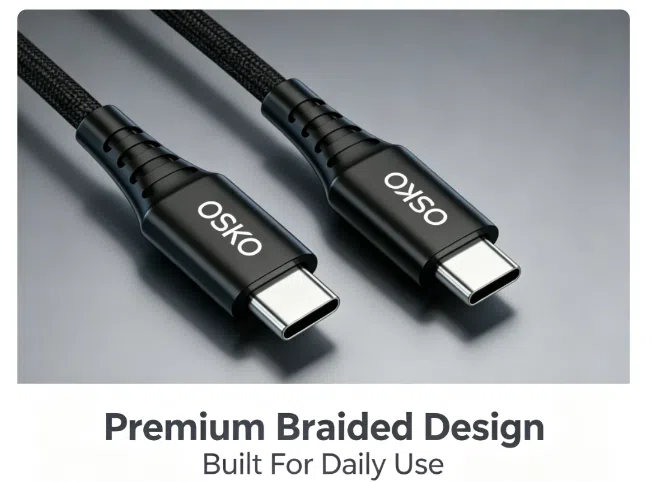
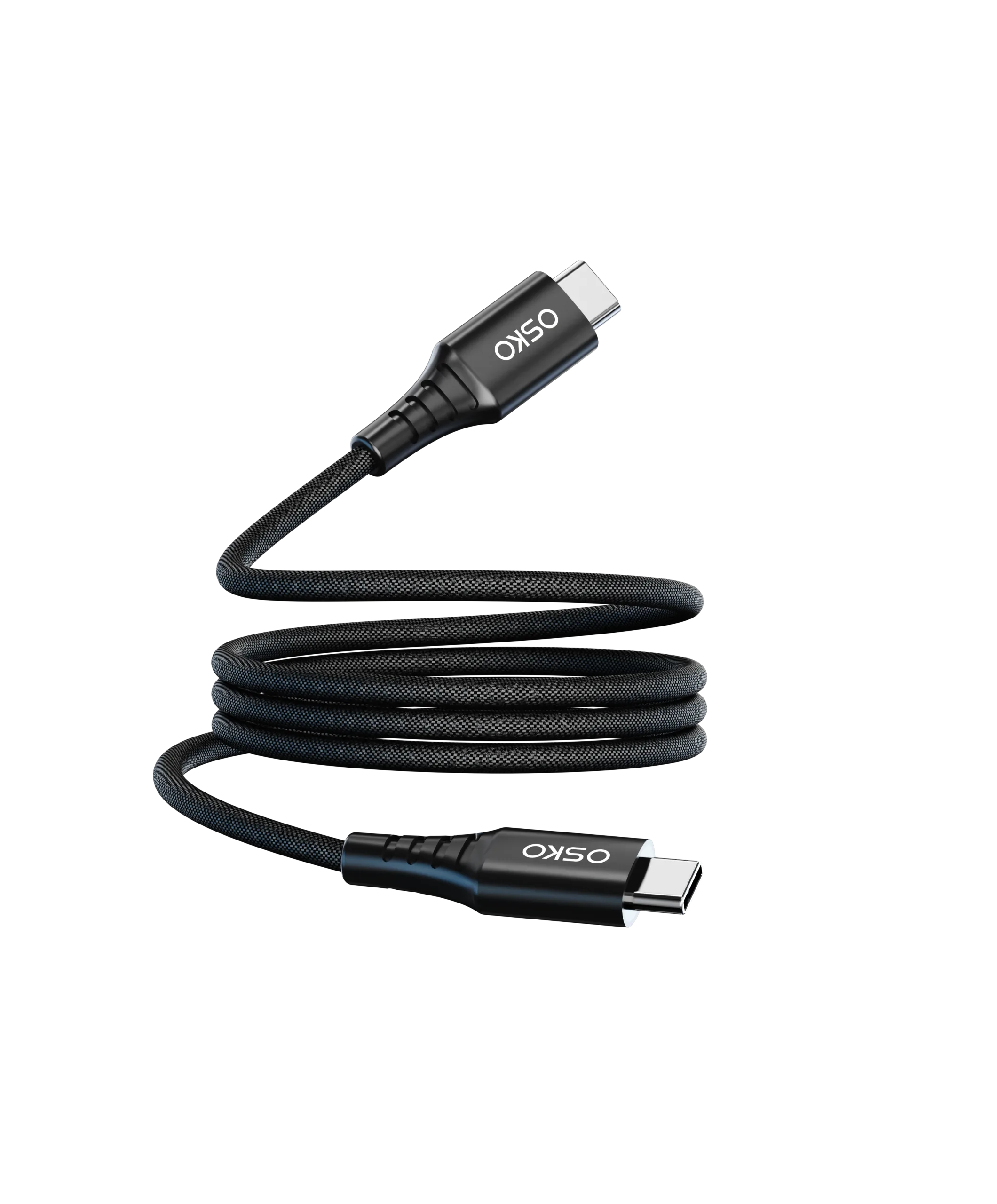
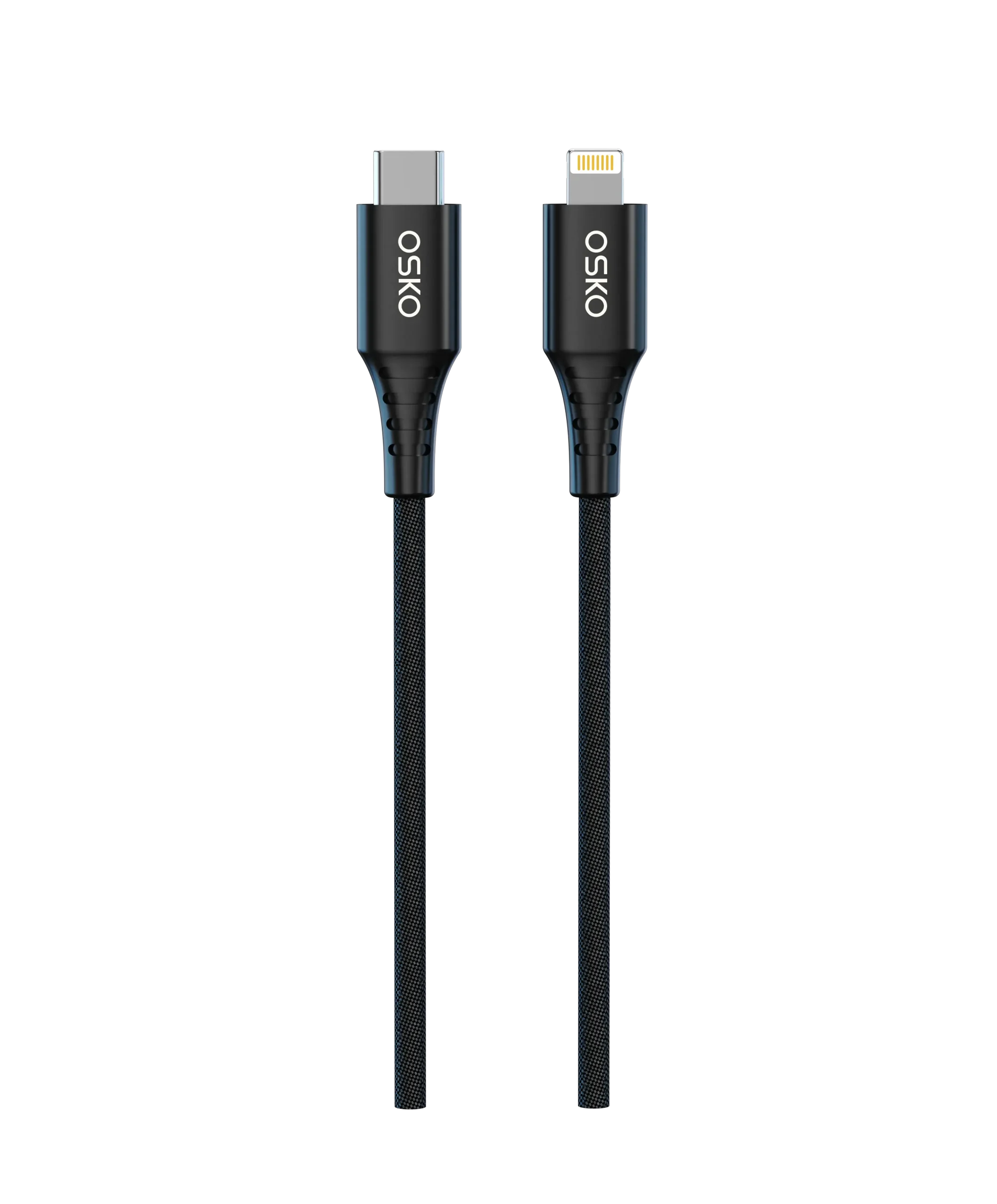
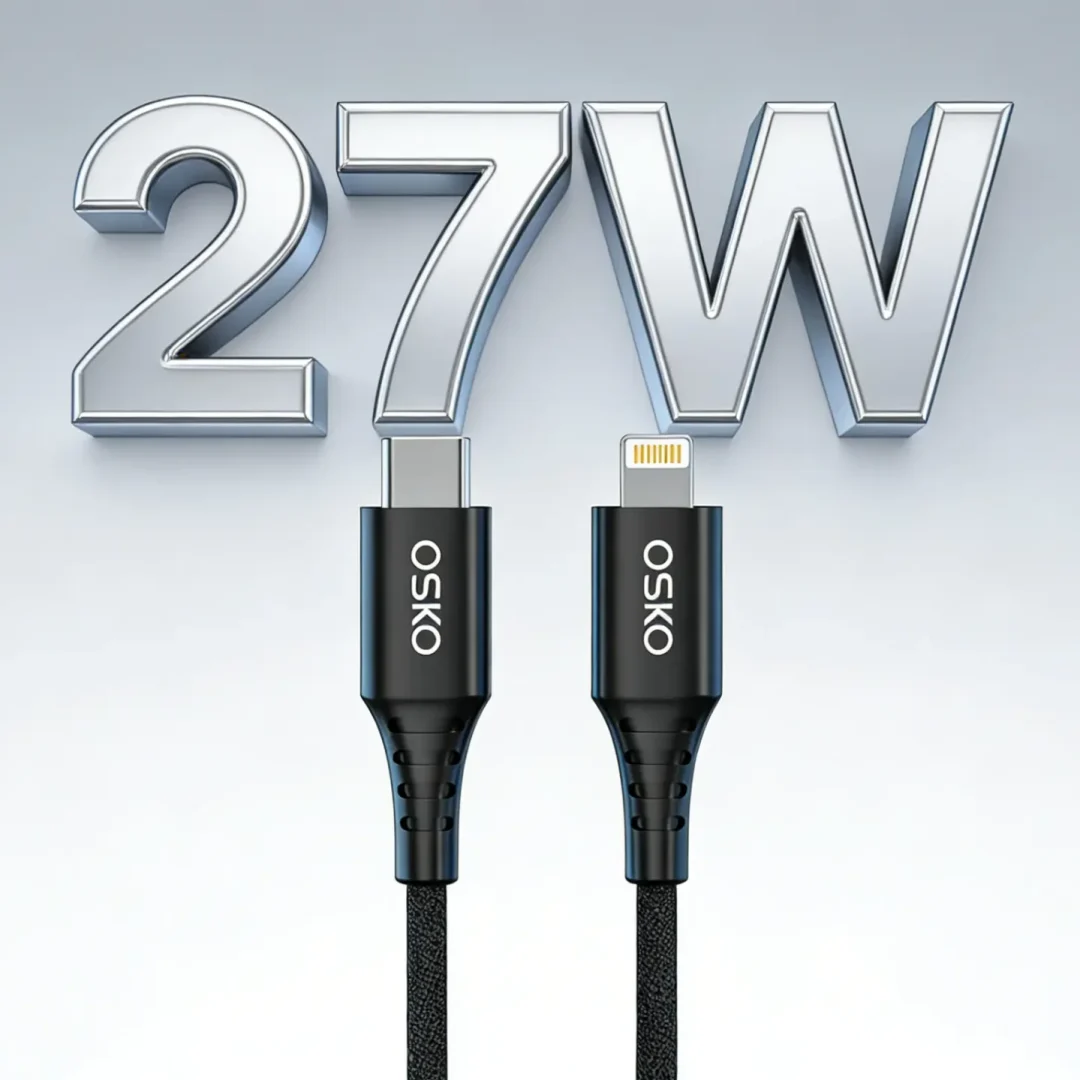
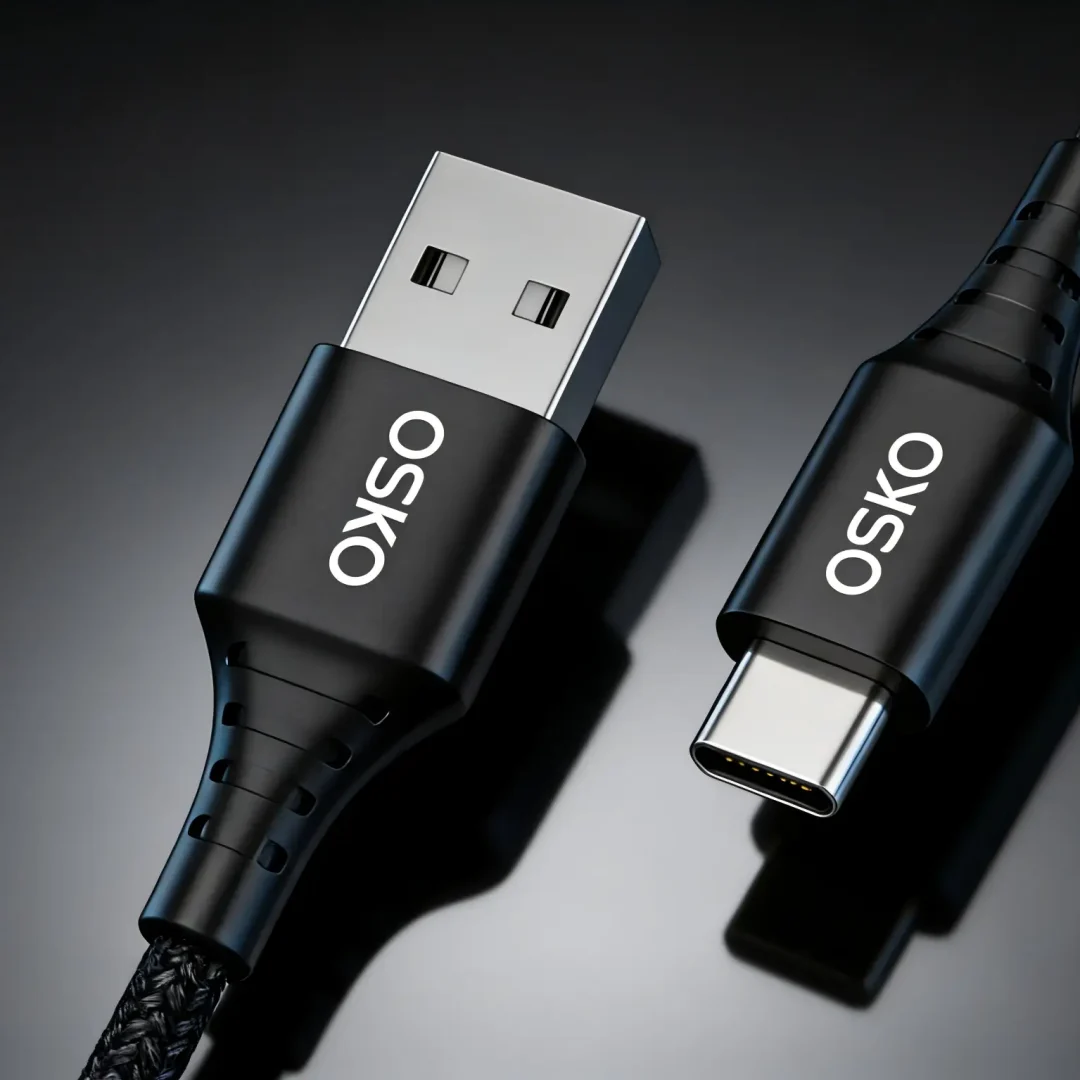
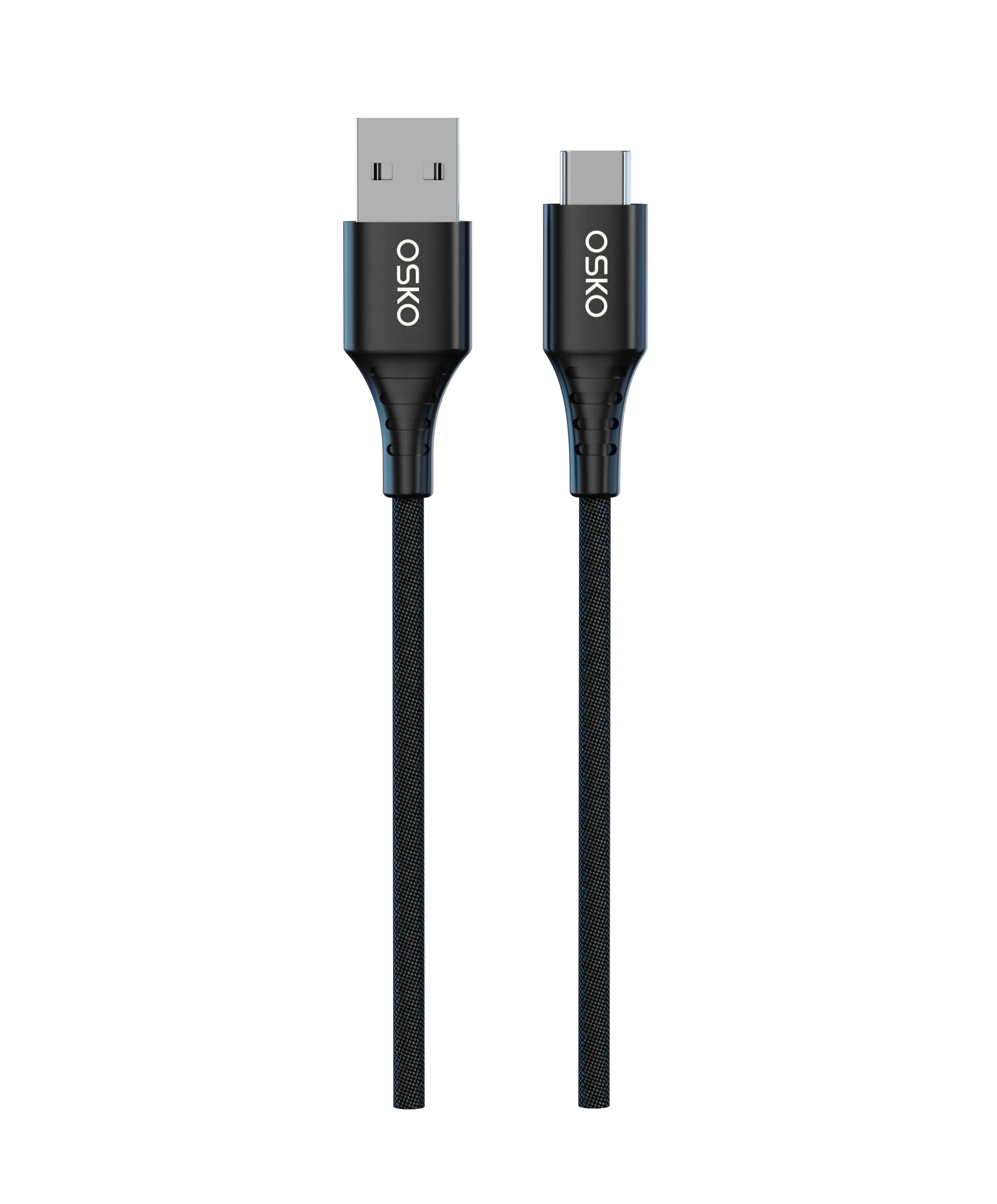
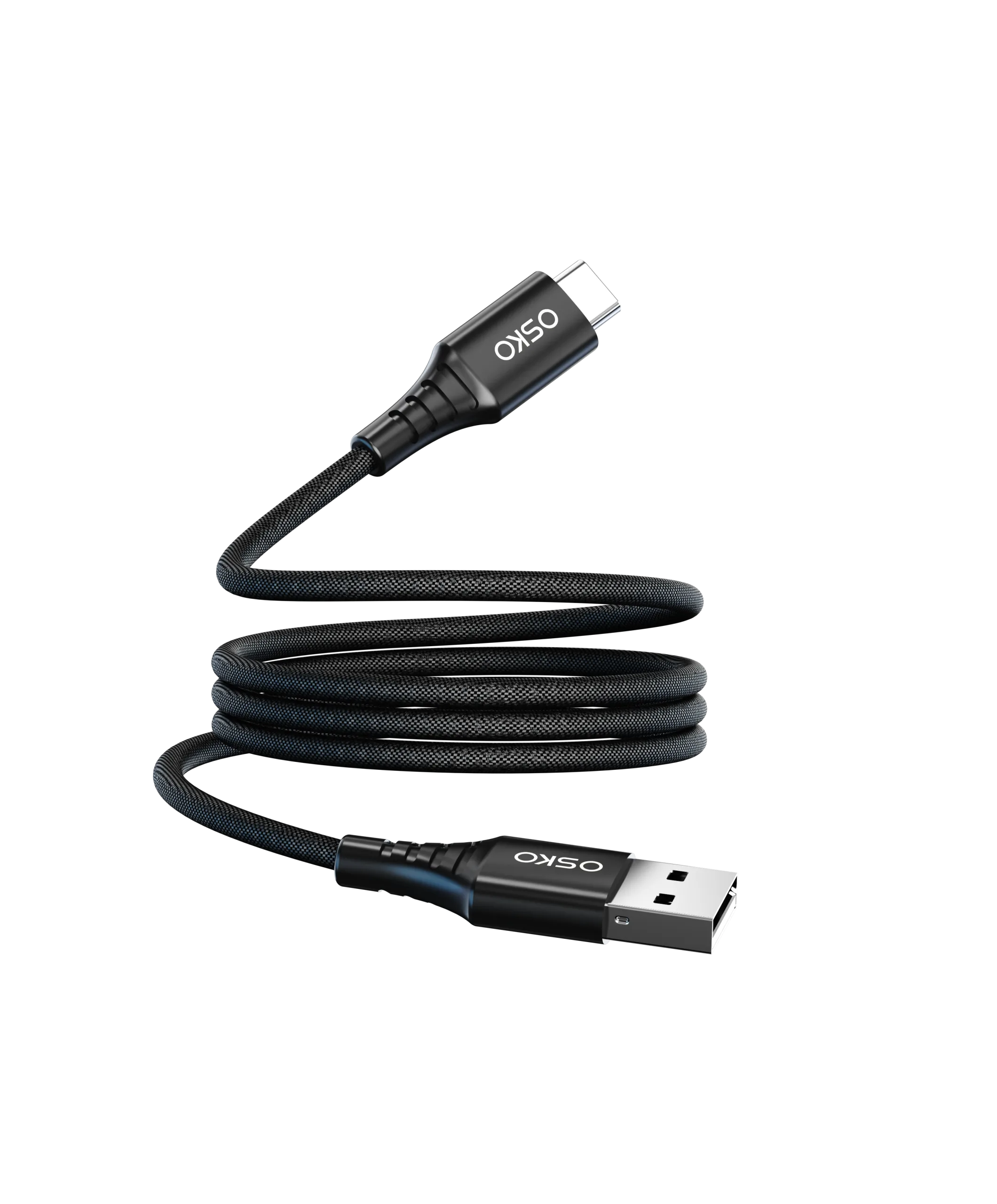
Choosing the right 60W USB-C Cable has become increasingly important as modern electronic devices require faster, safer, and more efficient charging solutions. With the rapid adoption of USB-C Power Delivery technology, many laptops, tablets, handheld gaming devices, and professional accessories now rely on USB-C cables to deliver stable power.
A 60W USB-C cable is designed to support medium-to-high power charging applications, making it a popular choice for:
Ultrabooks
Tablets
Portable monitors
Gaming devices
USB-C accessories
However, selecting a reliable 60W charging cable requires more than checking the wattage label. The actual performance depends on:
Internal conductor structure
Copper material quality
Resistance control
Heat management
Connector design
USB PD compatibility
For electronics brands and procurement teams, choosing the correct cable specification directly affects product reliability, customer experience, and long-term supply stability.
A poorly designed cable may cause:
Reduced charging speed
Unstable power delivery
Excessive heat
Device compatibility issues
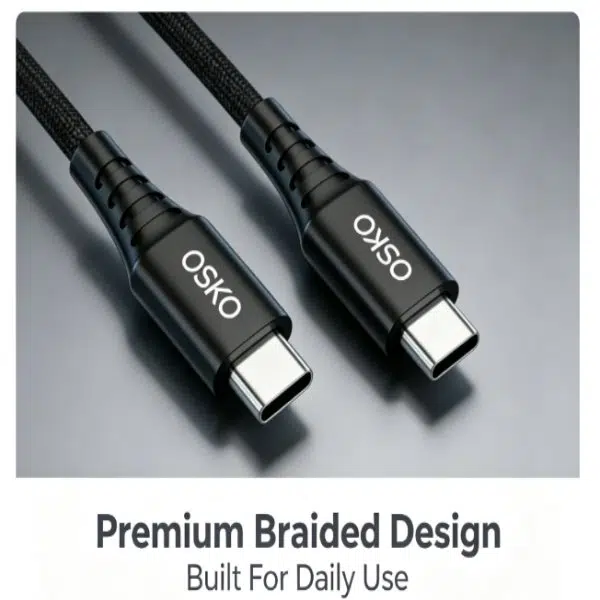
OSKO provides OEM and ODM USB cable manufacturing solutions, helping global electronics brands develop reliable USB-C Charging Cable products through engineering optimization, material selection, and strict quality control.
Material Science & Dielectric Properties
Understanding 60W USB-C Cable Technology
A 60W USB-C Cable typically operates through USB Power Delivery technology, which allows compatible chargers and devices to negotiate the required charging power.
The basic power calculation is:
Power (W) = Voltage (V) × Current (A)
For a 60W application, the cable must support stable current transmission while maintaining safe operating temperatures.
Common applications include:
| Device Type | Charging Requirement |
|---|---|
| Smartphones | Fast charging support |
| Tablets | Medium-power charging |
| Ultrabooks | Portable laptop charging |
| Gaming handhelds | Stable power delivery |
| Accessories | Reliable daily charging |
Internal Structure and Material Engineering
Copper Conductor Design
The conductor is the core component responsible for power transmission.
A high-quality 60W cable requires:
High-conductivity copper
Optimized conductor size
Controlled electrical resistance
Poor conductor design may lead to:
Voltage loss
Reduced charging efficiency
Increased heat generation
For OEM production, conductor selection must consider:
Target device
Cable length
Charging requirements
Market positioning
Insulation and Dielectric Performance
The insulation layer separates internal conductors and protects electrical performance.
Important characteristics include:
Stable dielectric properties
Heat resistance
Long-term reliability
A well-designed insulation system helps prevent:
Electrical leakage
Signal interference
Performance degradation
For professional USB-C Charging Cable production, material selection directly affects safety and durability.
Thermal Management for 60W Charging
Higher charging power generates more heat.
A reliable Fast Charging Cable requires proper thermal control through:
Efficient conductor design
Optimized cable structure
Quality insulation materials
Heat management is especially important when cables are used for:
Long charging periods
Laptop applications
High-temperature environments
USB Power Delivery Compatibility
Why USB PD Matters
USB Power Delivery allows intelligent communication between:
Charger
Cable
Device
The system determines:
Available power level
Charging requirements
Safe operating conditions
A professional USB Power Delivery Cable ensures that devices receive stable and appropriate charging power.
USB-C to USB-C Cable Advantages
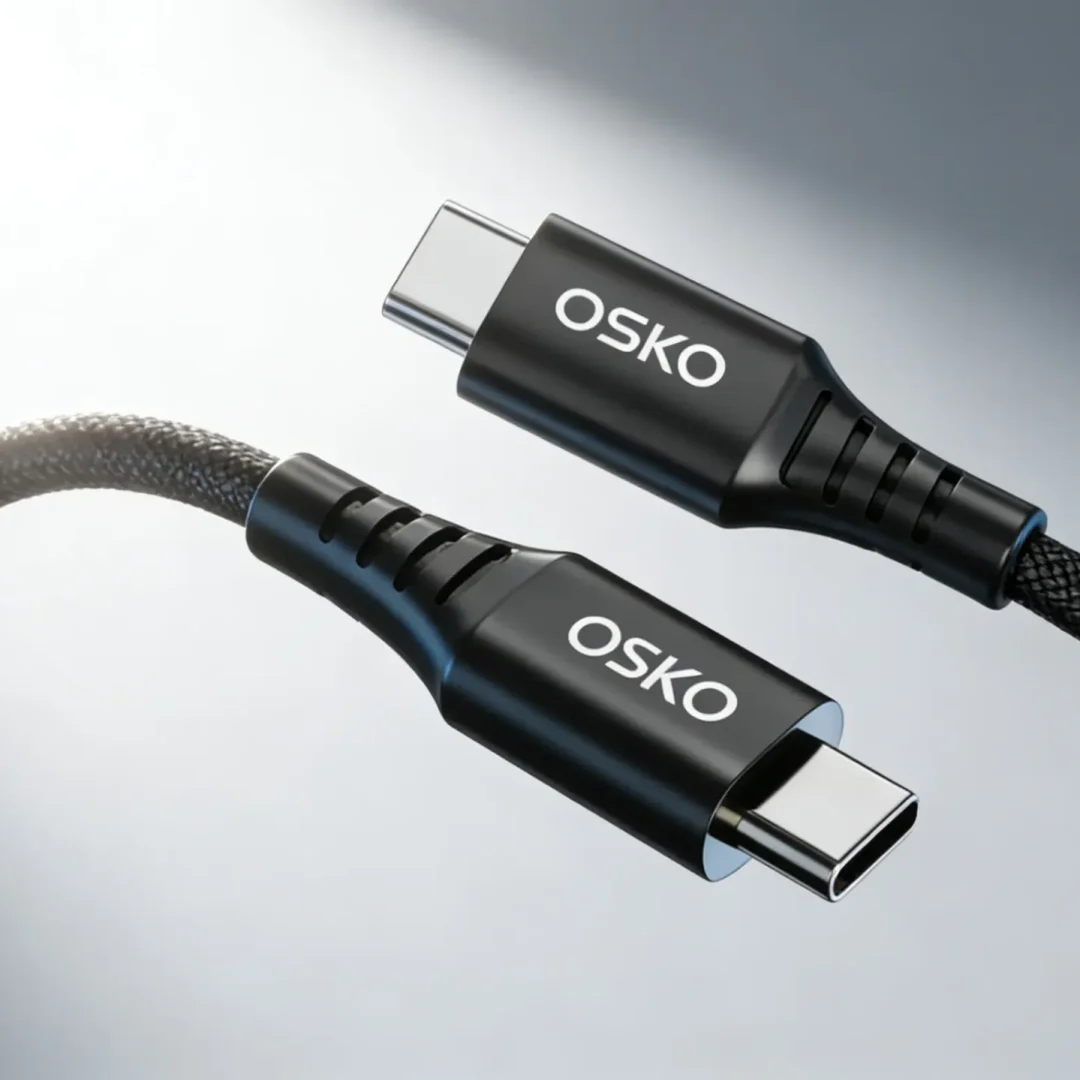
For 60W charging applications, a USB-C to USB-C Cable is often preferred because it supports modern charging ecosystems.
Applications include:
USB-C laptops
Tablets
Portable monitors
USB-C chargers
Advantages:
Higher power compatibility
Modern device support
Better future compatibility

Case Study: 60W USB-C Cable Development for a German Laptop Accessory Brand
Customer Background
A German consumer electronics accessory company planned to launch a new charging accessory range targeting business users and students.
The product line included:
Laptop charging accessories
Tablet accessories
Office charging products
The company selected a 60W USB-C cable as the main product because it provided a balance between performance and retail pricing.
Their procurement team required:
Stable 60W charging performance
Reliable quality
Competitive production cost
Long-term supplier cooperation
Engineering Challenges
1. Maintaining Stable Charging Performance
The customer had previously experienced inconsistent charging performance from another supplier.
Problems included:
Different output performance between batches
Charging interruptions
Increased cable temperature
The engineering team needed a more reliable cable structure.
2. Balancing Performance and Cost
A premium high-wattage cable could increase manufacturing costs.
The customer needed:
Enough power capability
Competitive retail pricing
Reliable product quality
The challenge was finding the correct balance.
3. Improving Product Lifetime
The cable was designed for daily business use.
It needed to withstand:
Frequent plugging and unplugging
Office transportation
Daily bending
OSKO Engineering Solution
Optimized Electrical Design
OSKO evaluated the customer’s application and developed a customized 60W solution.
The design included:
Optimized copper conductor structure
Improved resistance control
Suitable USB PD configuration
This improved charging stability and efficiency.
Mechanical Reliability Improvement
OSKO enhanced:
Connector reinforcement
Strain relief structure
Outer cable flexibility
to improve daily-use durability.
Manufacturing Quality Control
| Test Item | Purpose |
|---|---|
| Power test | Confirm 60W charging capability |
| Resistance test | Verify electrical performance |
| Temperature test | Evaluate heat control |
| Bend test | Check durability |
| Batch inspection | Maintain consistency |
The final product helped the customer launch a reliable mid-power charging solution for European consumers.
Selection Guide: How to Choose a 60W USB-C Cable
1. Confirm Device Requirements
A 60W cable is suitable for many modern devices, but buyers should check:
Device charging requirement
Charger output capability
Required charging speed
2. Choose the Correct Cable Type
USB-C to USB-C Cable
Recommended for:
Laptops
Tablets
Modern chargers
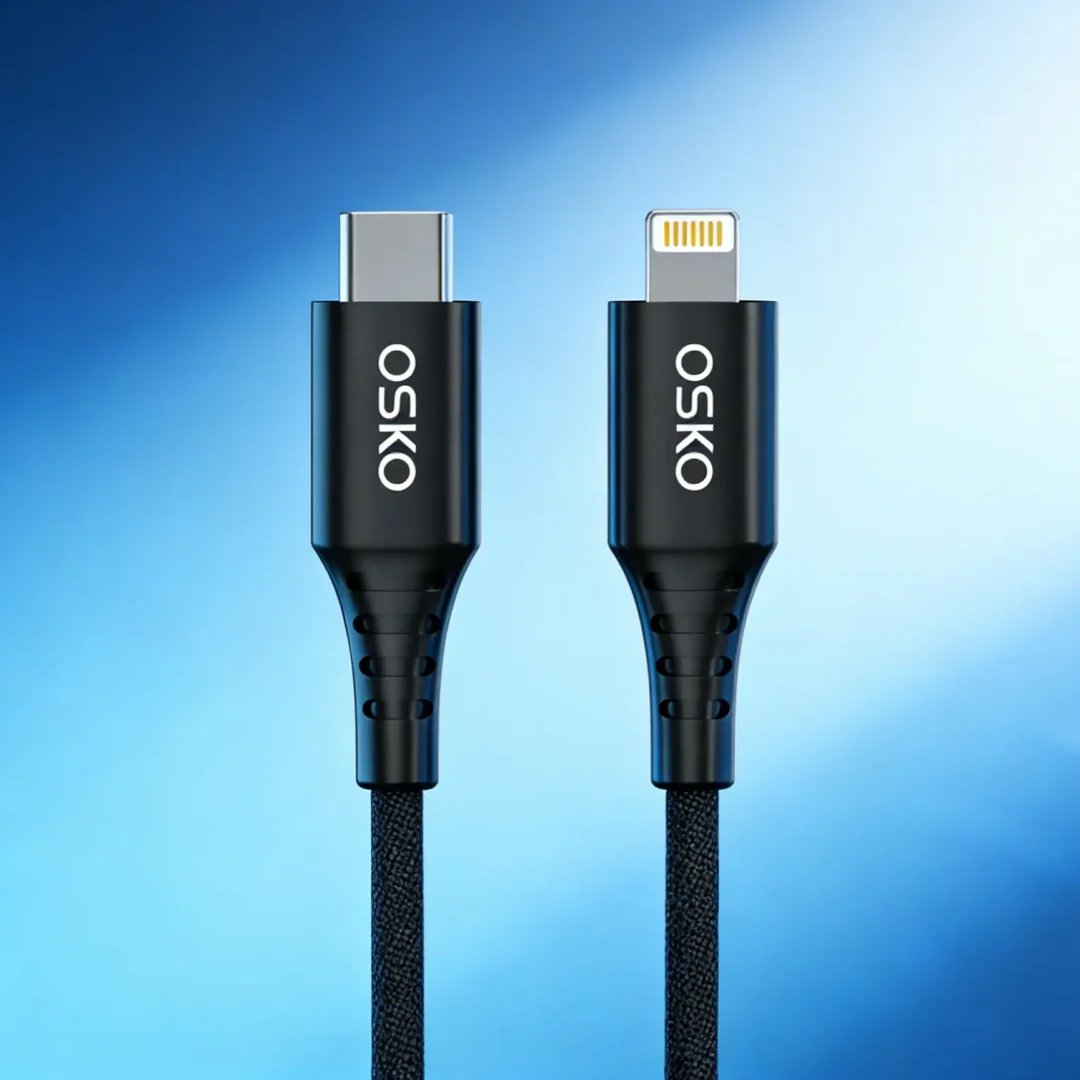
USB-A to USB-C Cable
Suitable for:
Older chargers
Vehicle charging
Existing USB-A devices
3. Evaluate Cable Length
Cable length affects performance.
| Length | Application |
|---|---|
| 1m | Portable charging |
| 1.5m | Home and office |
| 2m+ | Extended reach applications |
Longer cables require better conductor design.
4. Select a Professional OEM Supplier
For brands developing charging products, supplier capability is critical.
A professional OEM USB Cable manufacturer should provide:
Engineering support
Custom specifications
Performance testing
Production consistency
Packaging solutions
OSKO supports global customers from product development to mass production.
FAQ
Is a 60W USB-C cable enough for a laptop?
Yes. Many lightweight laptops and ultrabooks can charge effectively with a 60W USB-C cable.
Can a 60W USB-C cable charge a phone faster?
It depends on the phone and charger. The device controls the actual charging power.
Is a 60W cable better than a 100W cable?
Not always. A 60W cable is often more cost-effective for devices that do not require higher power.
Does cable quality affect charging speed?
Yes. Internal conductor quality and resistance directly affect charging stability.
Can OSKO customize 60W USB-C cables?
Yes. OSKO provides OEM and ODM customization including cable length, materials, connectors, packaging, and electrical specifications.
Summary
A 60W USB-C Cable provides an effective balance between charging performance, compatibility, and production cost. It is widely used for laptops, tablets, gaming devices, and modern electronic accessories.
However, the wattage rating alone does not determine cable quality. Internal conductor design, thermal management, USB PD compatibility, and manufacturing consistency are equally important.
For electronics brands, selecting an experienced OEM partner helps ensure reliable product performance and competitive market positioning.
OSKO provides professional OEM and ODM USB-C Charging Cable solutions, including 60W cables, fast charging cables, USB-C to USB-C cables, and customized charging products.
Through engineering development, material optimization, and strict quality control, OSKO helps global brands create reliable charging solutions for modern devices.
Contact Information
OSKO USB Cable Manufacturing Solutions
OSKO specializes in:
OEM USB Cable Manufacturing
ODM USB-C Cable Development
60W USB-C Cable Solutions
Fast Charging Cable Production
USB-C to USB-C Cable Manufacturing
Custom USB-C Cable Solutions
For electronics brands, distributors, and procurement teams requiring reliable charging products, OSKO provides professional engineering support from concept design to mass production.