
Introduction
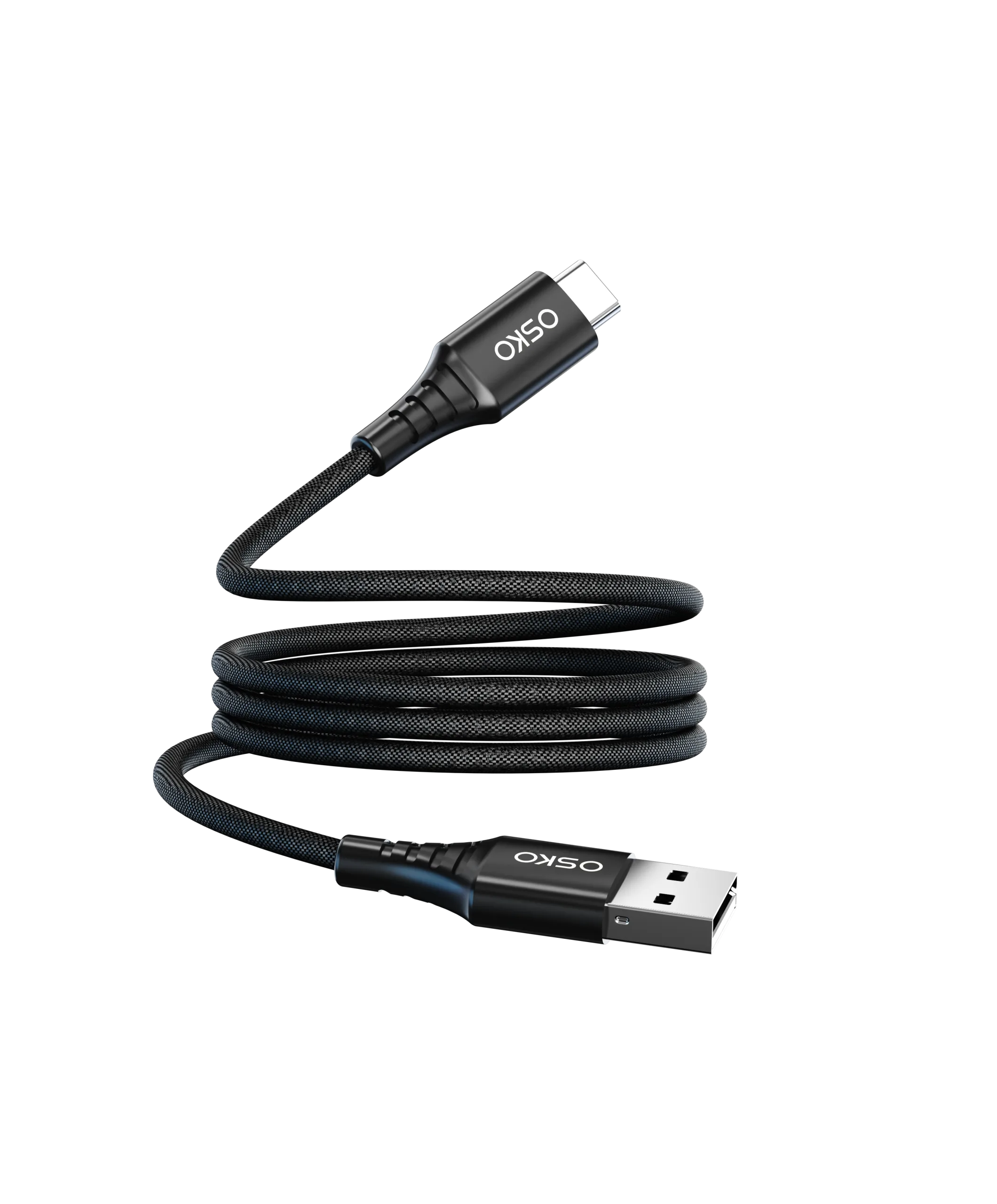
As USB-C ports become the standard connection interface for modern electronic devices, USB A to USB C Cable Wholesale remains an important purchasing category for global electronics distributors, retailers, automotive accessory brands, and mobile accessory businesses.
Although many new chargers adopt USB-C ports, millions of existing power adapters, computers, vehicles, and charging stations still use USB-A interfaces. This makes USB-A to USB-C cables a practical bridge between traditional USB-A power sources and modern USB-C devices.
For bulk buyers, selecting a reliable USB-A to USB-C Charging Cable supplier requires more than comparing unit prices. Professional procurement teams evaluate:
Charging stability
Cable durability
Connector quality
Manufacturing consistency
OEM customization capability
Long-term supply reliability
Low-quality cables may create problems such as:
Unstable charging
Slow power delivery
Connector damage
High customer return rates
Negative product reviews
A professional USB Cable Manufacturer helps businesses reduce these risks through controlled materials, engineering optimization, and strict quality management.
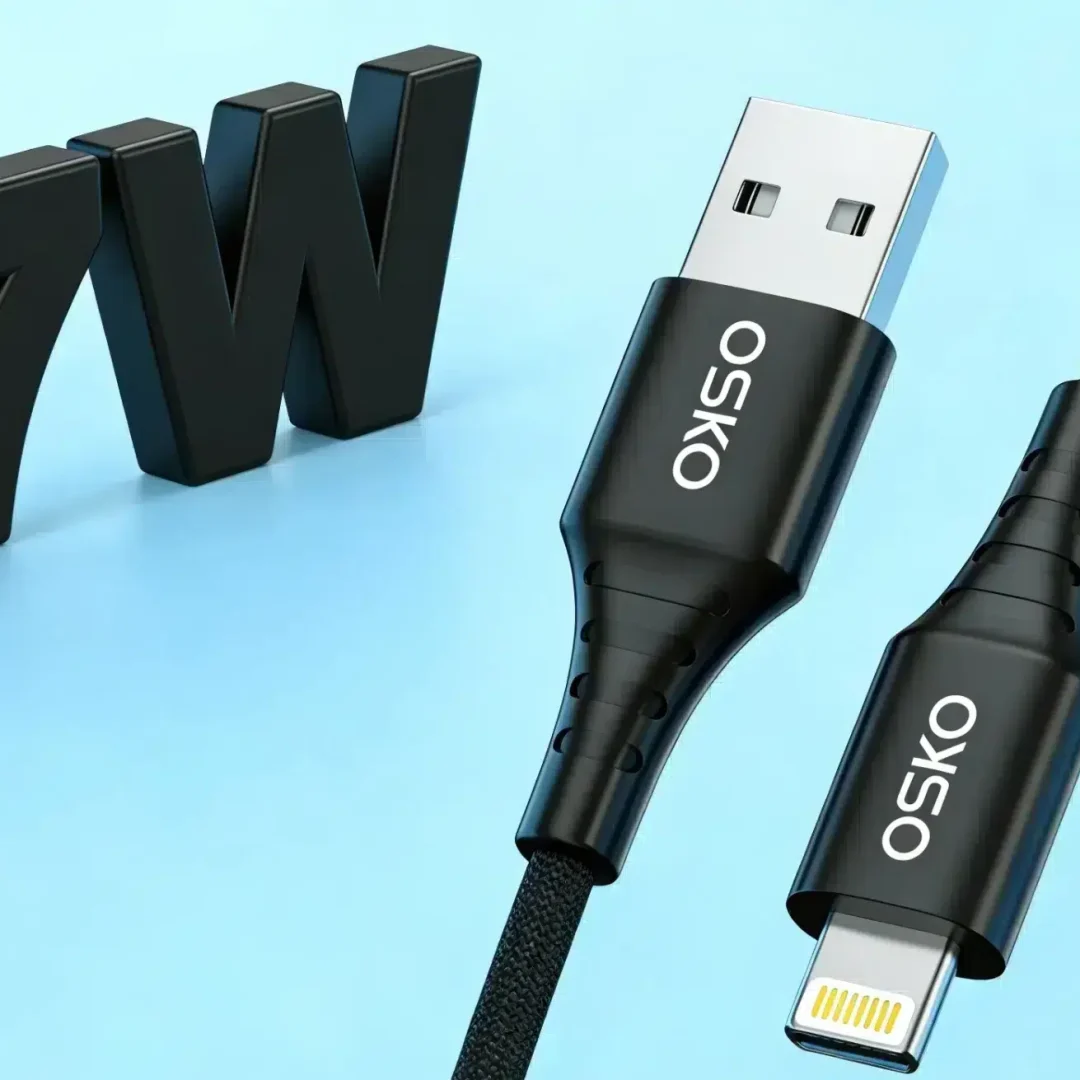
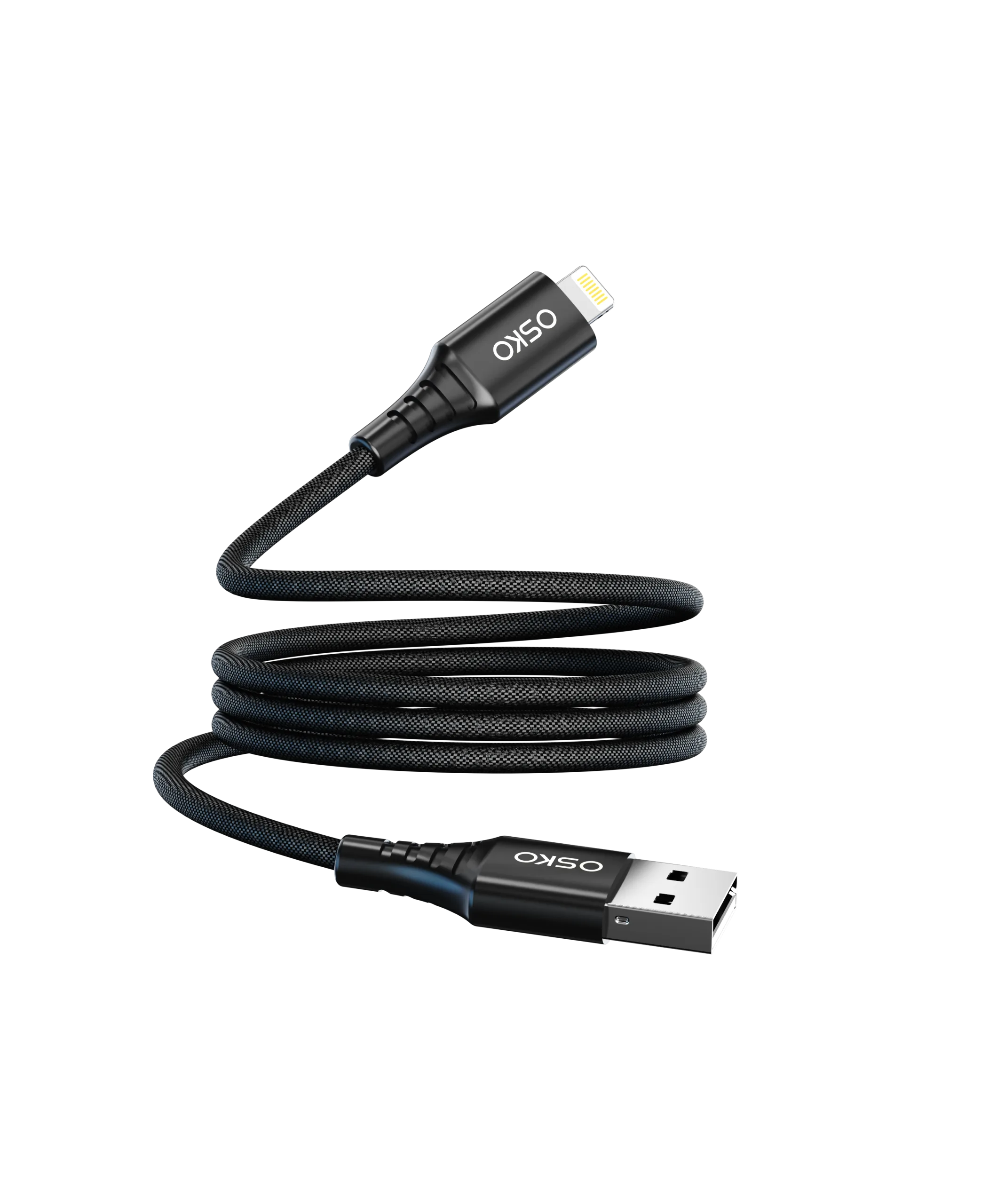
OSKO specializes in OEM and ODM cable manufacturing, providing USB-A to USB-C cables, fast charging cables, braided cables, and customized solutions for wholesalers, retailers, and electronics brands worldwide.

Material Science & Dielectric Properties
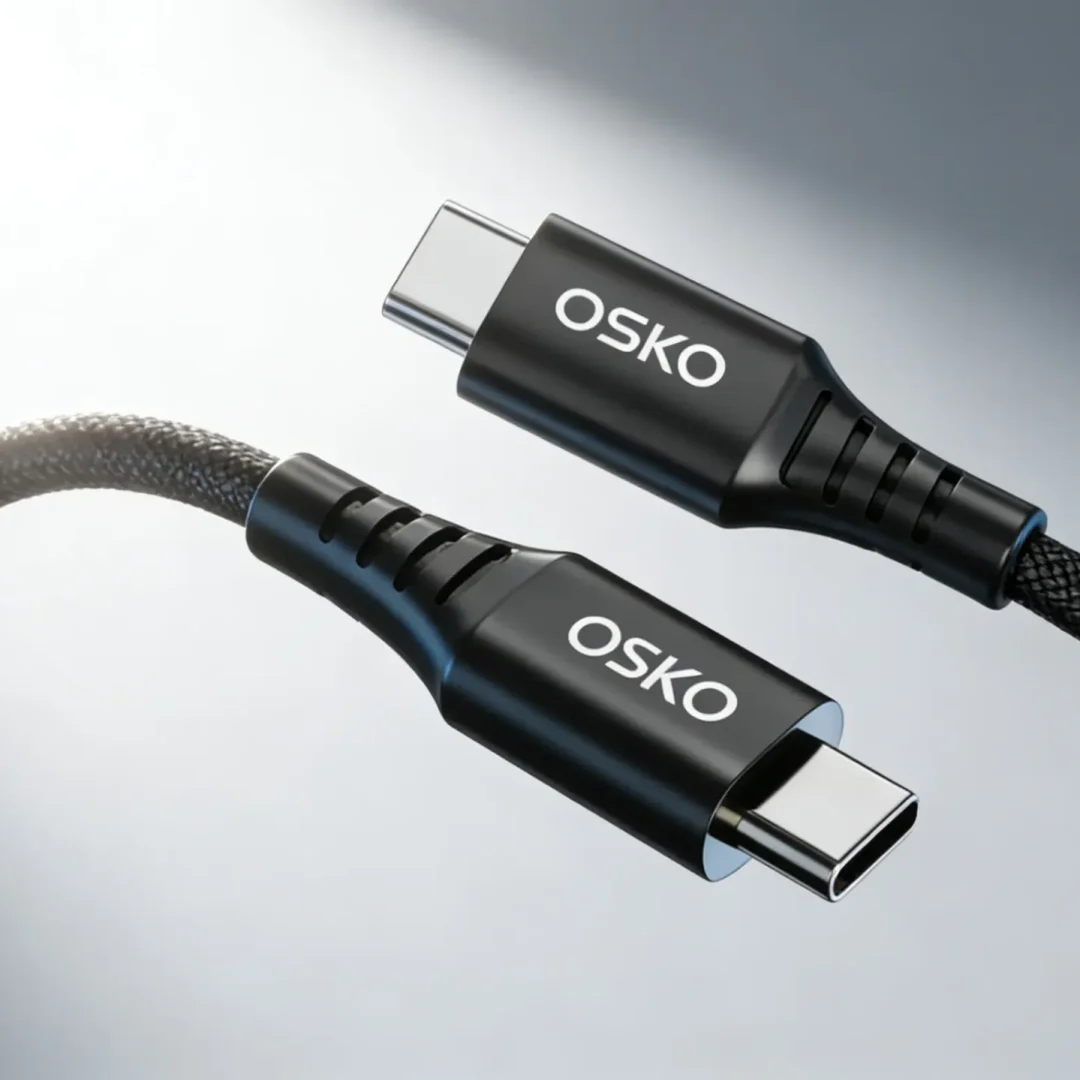
Engineering Structure of USB-A to USB-C Cable
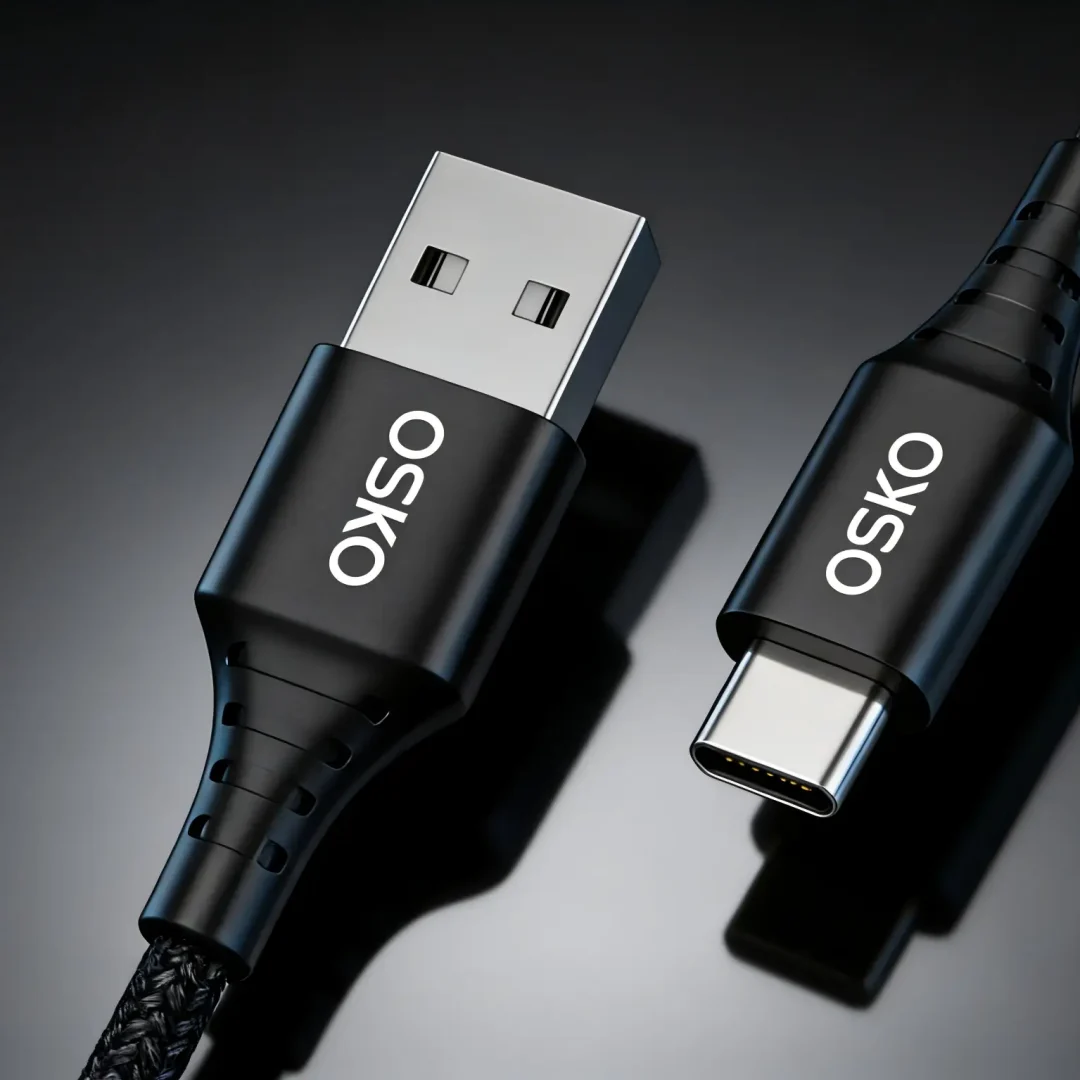
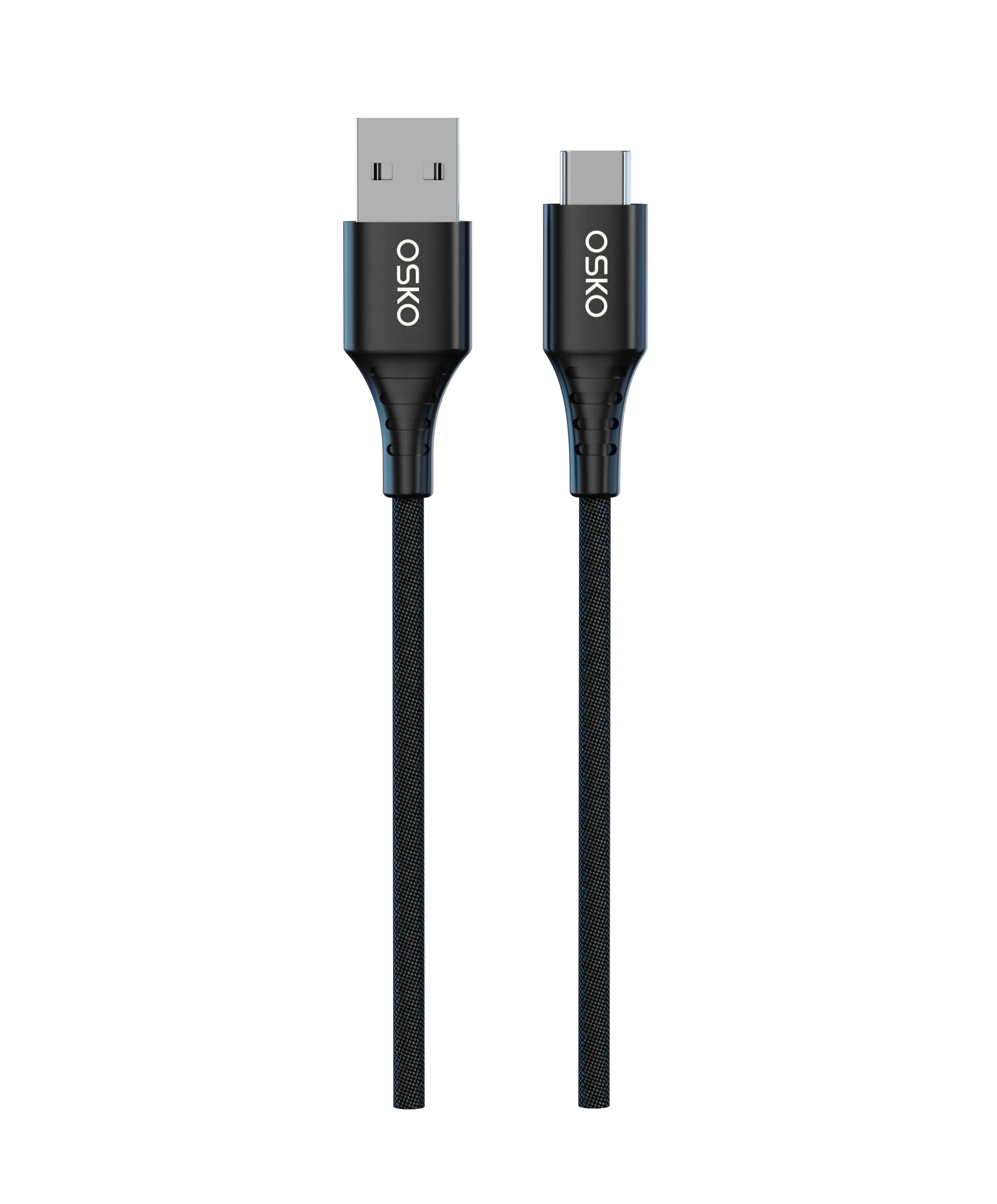
A professional USB-A to USB-C cable combines electrical performance and mechanical durability through multiple internal and external layers.
The cable structure affects:
Current transmission efficiency
Heat control
Signal stability
Service lifespan
| Component | Function | Engineering Impact |
|---|---|---|
| Copper conductor | Transfers power and signals | Controls charging efficiency |
| Insulation layer | Separates internal wires | Improves electrical safety |
| Shielding layer | Protects signal transmission | Reduces interference |
| USB-A connector | Connects traditional USB ports | Provides universal compatibility |
| USB-C connector | Connects modern devices | Supports USB-C charging applications |
| Outer jacket | Protects cable body | Improves durability |
| Strain relief | Protects connection points | Reduces bending failures |
For wholesale buyers, consistent manufacturing of each component is essential because large-volume orders require the same performance across thousands of units.
Understanding USB-A to USB-C Charging Technology
Why USB-A to USB-C Cable Remains Important
The transition from USB-A to USB-C is gradual. Many environments still rely on USB-A ports, including:
Vehicle charging systems
Desktop computers
Existing wall chargers
Office charging stations
Public charging equipment
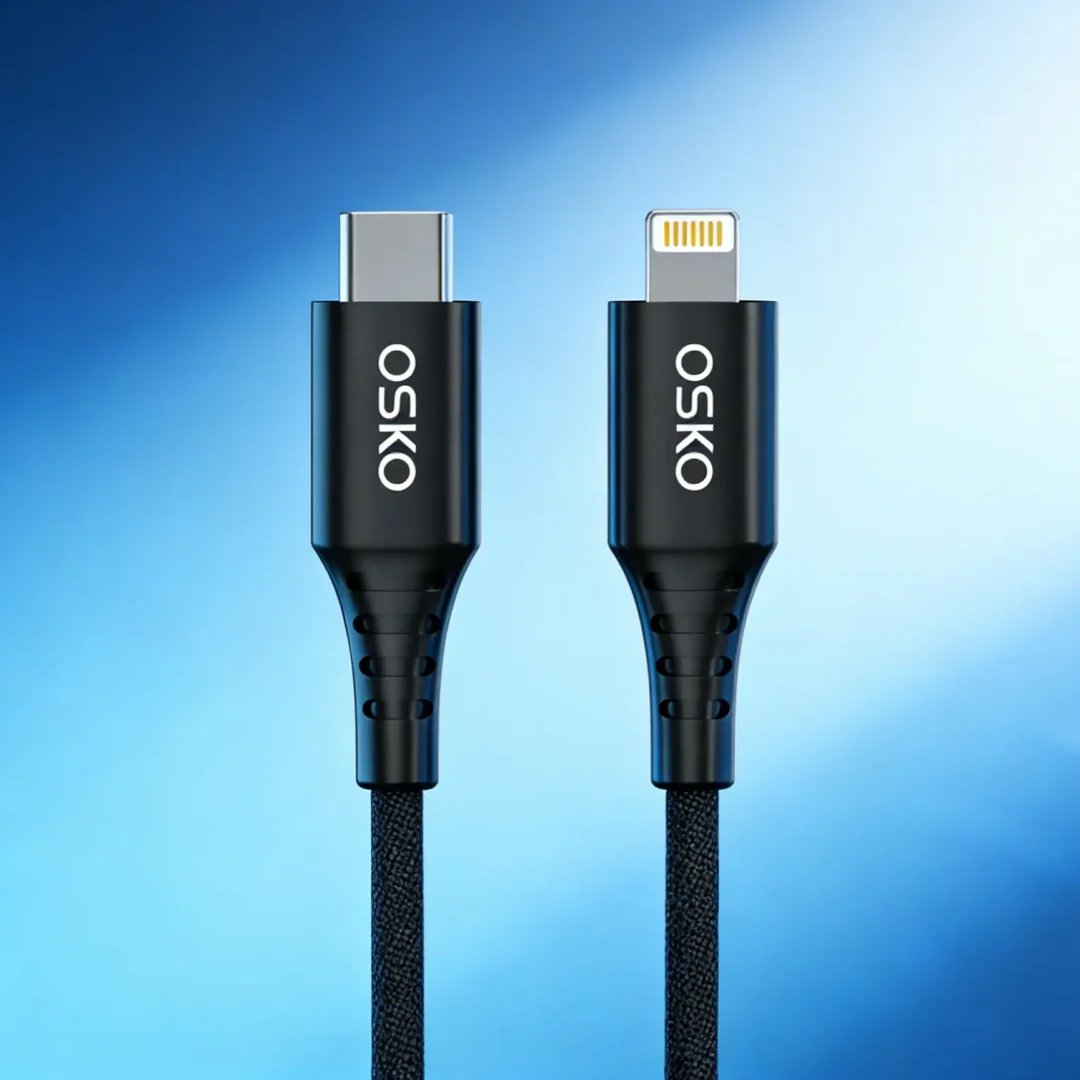
A reliable USB-A to USB-C Cable allows users to connect modern USB-C devices with existing USB-A power sources.
Common applications include:
| Application | Usage |
|---|---|
| Smartphone charging | Daily charging |
| Automotive charging | Vehicle power connection |
| Computer connection | Data synchronization |
| Office charging | Workplace devices |
| Travel accessories | Portable charging solutions |
Charging Performance and Power Capability
Selecting the Right USB-A to USB-C Cable Specification
Wholesale buyers should evaluate charging requirements based on their target market.
Important factors include:
Cable conductor design
Current capacity
Connector quality
Device compatibility
Common applications:
| Cable Specification | Application |
|---|---|
| Standard USB-A to USB-C Cable | Everyday charging |
| 3A USB-A to USB-C Cable | Faster charging applications |
| High-quality braided USB cable | Premium retail products |
The charging performance depends not only on the cable but also on:
Charger output
Device charging protocol
Cable internal structure
A professional Wholesale Charging Cable supplier should provide accurate specifications and consistent production quality.

Material Selection for Reliable USB-A to USB-C Cables
Copper Conductor Quality
The internal conductor determines electrical efficiency.
Key engineering factors include:
Copper purity
Wire diameter
Resistance control
Current capacity
High-quality conductors help achieve:
Stable charging
Reduced power loss
Better thermal management
Poor conductor materials may cause:
Voltage drop
Slow charging
Excessive heat
Braided Outer Jacket Design
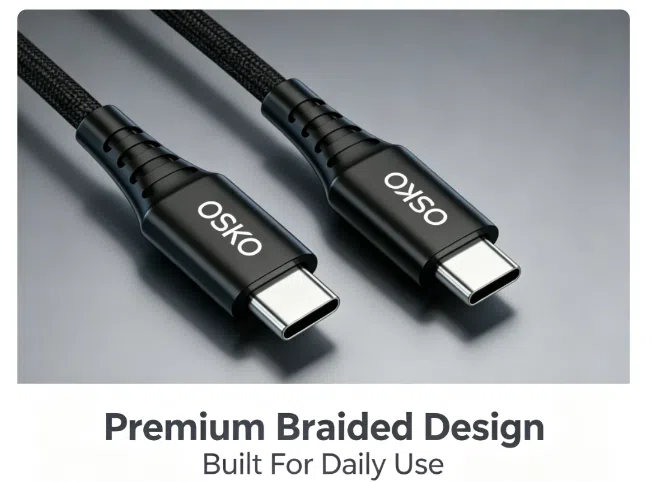
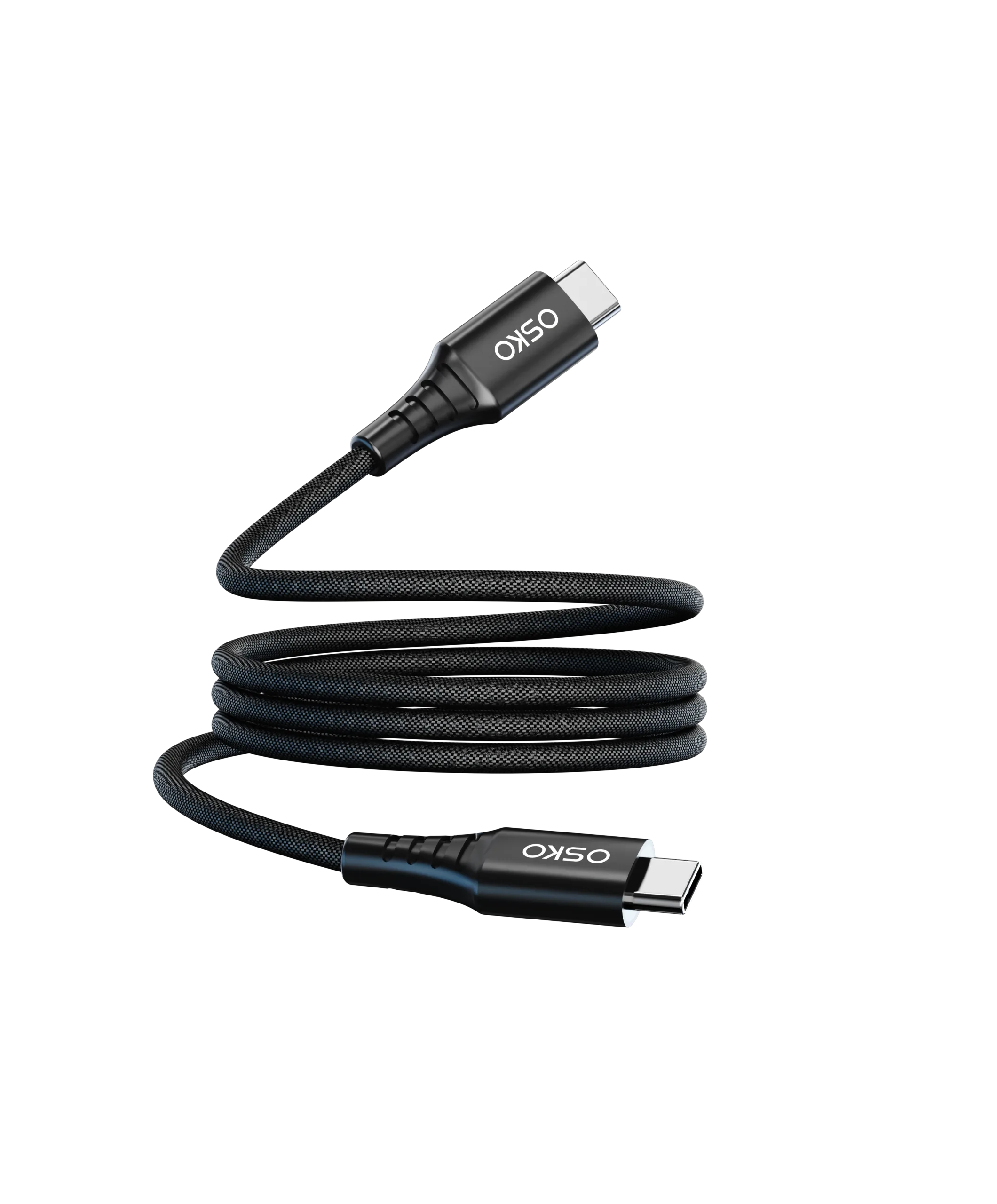
Many premium Bulk USB Cables use nylon braided structures.
Compared with standard plastic cables, braided designs provide:
| Feature | Benefit |
|---|---|
| Abrasion resistance | Reduces surface wear |
| Flexible construction | Improves user experience |
| Premium appearance | Supports retail positioning |
| Additional protection | Extends product lifespan |
Braided USB-A to USB-C cables are widely used for:
Retail accessories
Travel products
Automotive charging kits
Premium electronic bundles
USB-A to USB-C Cable Applications
Automotive Charging Solutions
Vehicle applications are one of the important markets for USB-A to USB-C cables.
Automotive users require cables that can withstand:
Frequent plugging and unplugging
Temperature changes
Daily bending
A reliable car charging cable requires:
Strong connector protection
Durable cable jacket
Stable charging performance
Home and Office Charging
USB-A to USB-C cables are commonly used in:
Desktop charging stations
Computer connections
Home charging environments
For these applications, buyers focus on:
Cable length options
Appearance
Reliability
User convenience
USB-A to USB-C Cable Manufacturing Process
Professional Production Workflow
A reliable USB Cable Supplier should maintain strict production control.
| Manufacturing Stage | Purpose |
|---|---|
| Raw material inspection | Verify component quality |
| Copper wire preparation | Ensure electrical performance |
| Cable extrusion | Protect internal structure |
| Shielding assembly | Improve signal stability |
| Connector assembly | Ensure reliable connection |
| Injection molding | Strengthen cable ends |
| Electrical testing | Verify performance |
| Final inspection | Maintain consistency |
Quality Control Standards
Electrical Testing
Before shipment, professional manufacturers perform multiple inspections.
| Test Item | Purpose |
|---|---|
| Charging test | Confirm power performance |
| Resistance test | Evaluate efficiency |
| Data transmission test | Verify communication |
| Voltage stability test | Ensure reliability |
Mechanical Durability Testing
Daily usage creates repeated mechanical stress.
Important tests include:
| Test | Purpose |
|---|---|
| Bend test | Evaluate flexibility |
| Plug cycle test | Test connector durability |
| Tensile test | Measure structural strength |
| Stress test | Verify long-term reliability |
OEM and ODM USB-A to USB-C Cable Solutions
Custom Manufacturing for Brands
For companies selling charging accessories, customization helps create market differentiation.
OSKO provides:
Cable length customization
Braided material options
Logo printing
Packaging solutions
Product specification adjustment
Suitable customers include:
Electronics brands
Mobile accessory wholesalers
Online retailers
Automotive accessory companies
Bulk USB-A to USB-C Cable Production
Supporting Wholesale Buyers
For businesses purchasing USB A to USB C Cable Wholesale, supplier capability directly impacts business performance.
Important supplier evaluation factors include:
Production capacity
Quality management
Technical support
Delivery reliability
A professional manufacturer should help customers optimize:
Product specifications
Packaging solutions
Production planning
Quality standards

Case Study: USB-A to USB-C Cable Supply Project for a US Automotive Accessory Brand
Customer Background
A US automotive accessory company specialized in:
Car chargers
Vehicle electronics
Mobile connectivity products
The company planned to expand its charging accessory portfolio with a reliable USB-A to USB-C cable product.
The customer required:
Stable bulk supply
Durable cable construction
Retail-ready quality
Consistent production batches
The previous supplier mainly focused on low-cost products, which caused increasing customer complaints.
Engineering Challenges
1. Cable Failure in Automotive Environments
The customer received feedback that some cables failed after repeated vehicle use.
Common failure points included:
Connector bending damage
Cable jacket wear
Loose connection after frequent use
The main causes were:
Weak strain relief design
Insufficient mechanical protection
Inconsistent assembly quality
2. Need for Stable Charging Performance
The customer needed a cable suitable for:
Car charging
Smartphone connection
Daily vehicle use
The product required:
Stable current transmission
Reliable connector performance
Consistent quality
3. Retail Product Upgrade Requirements
The customer wanted to move from basic cables to a higher-value product.
Requirements included:
Black braided appearance
Improved durability
Custom packaging
Stable production supply
OSKO Engineering Solution
Product Structure Optimization
OSKO improved the cable design through:
Optimized copper conductor structure
Durable nylon braided jacket
Reinforced connector protection
Improved strain relief design
These improvements enhanced:
Cable durability
Charging reliability
User experience
Manufacturing Support
OSKO provided:
USB-A to USB-C Cable production
Custom packaging
Quality inspection
Bulk manufacturing support
Through standardized production and engineering control, the customer established a more reliable charging cable supply solution for the US automotive accessory market.
Selection Guide
How to Choose a USB-A to USB-C Cable Wholesale Supplier
Evaluate Product Capability
Confirm:
Charging specifications
Cable structure
Connector quality
Application requirements
Review Manufacturing Ability
A reliable supplier should provide:
Production experience
Quality testing
Engineering support
Stable delivery
Consider OEM Requirements
For private-label products, evaluate:
Logo customization
Packaging design
Cable length options
MOQ requirements
Focus on Long-Term Partnership
A strong supplier relationship improves:
Product consistency
Supply stability
Market competitiveness
FAQ
What is a USB-A to USB-C cable used for?
A USB-A to USB-C cable connects traditional USB-A ports with modern USB-C devices for charging and data transfer.
Is USB-A to USB-C cable still popular for wholesale?
Yes. Many chargers, vehicles, computers, and accessories still use USB-A ports, creating continued demand in global markets.
How do I choose a USB-A to USB-C cable supplier?
Consider:
Manufacturing capability
Material quality
Testing standards
OEM support
Production reliability
Can OSKO provide OEM USB-A to USB-C cables?
Yes. OSKO provides:
OEM USB cable solutions
Bulk production
Retail packaging support
What industries use USB-A to USB-C cables?
Common industries include:
Consumer electronics
Automotive accessories
Retail products
Corporate purchasing
Mobile accessories
Summary
Choosing the right USB A to USB C Cable Wholesale supplier requires evaluating engineering design, material quality, production capability, and quality control.
For bulk buyers, a reliable supplier provides:
Stable charging performance
Durable cable construction
Consistent manufacturing
OEM customization support
OSKO provides professional OEM and ODM solutions, including:
USB-A to USB-C Cable
USB-C Charging Cable
Fast Charging Cable
Braided USB Cable
Wholesale Charging Cable
Bulk USB Cables
Through engineering-focused manufacturing, strict quality management, and flexible customization capabilities, OSKO supports electronics brands, wholesalers, and distributors worldwide.
Contact Information
OSKO USB Cable Manufacturing Solutions
OSKO specializes in:
OEM USB Cable Manufacturing
ODM Charging Cable Development
USB-A to USB-C Cable Production
Custom Charging Cable Solutions
Bulk USB Cable Supply
Wholesale Cable Manufacturing
For electronics brands, automotive accessory companies, and procurement teams seeking reliable USB-A to USB-C cable solutions, OSKO provides complete engineering support from product development to mass production.