
Introduction
Choosing the correct USB-C cable length is an important decision for both consumers and professional buyers. Many users focus only on charging speed or connector type, but cable length directly affects usability, portability, charging efficiency, and product reliability.
A cable that is too short may limit daily convenience, while an excessively long cable can create problems such as:
Cable clutter
Reduced portability
Higher electrical resistance
Increased production cost
For different applications, the ideal USB-C cable length varies.
Examples:
A traveler may prefer a compact 3ft cable.
A laptop user may need a 6ft cable for desk charging.
A commercial installation may require a 10ft or custom-length cable.
For brands and distributors, selecting the right length is also a product strategy decision. Retail customers expect cable products designed around real usage scenarios.
A professional USB-C cable manufacturer evaluates cable length together with:
Power requirements
Conductor structure
Material selection
Application environment
Durability expectations
This guide compares different USB-C cable lengths and explains their ideal applications for consumers, retailers, and OEM buyers.
Material Science & Electrical Performance
Why Does USB-C Cable Length Affect Performance?
The length of a USB-C cable influences electrical performance because longer conductors create higher resistance.
As cable length increases:
Electrical resistance increases
Voltage drop may occur
Heat generation can increase
Charging efficiency may decrease
This becomes more important for high-power applications such as:
Laptop charging
Gaming devices
USB-C docking stations
High-power power banks
A professional cable design compensates through:
Larger copper conductors
Better insulation materials
Improved shielding
Optimized internal structure
USB-C Cable Length Comparison Overview
| Cable Length | Main Advantages | Ideal Applications | Recommended Users |
|---|---|---|---|
| 0.5ft | Compact and portable | Accessories, adapters, desktop organization | Mobile users |
| 1ft–2ft | Minimal clutter | Power banks, short-distance charging | Travelers |
| 3ft | Balanced portability | Phones, tablets, travel | General users |
| 6ft | Best daily flexibility | Laptop, home, office | Most consumers |
| 10ft | Maximum reach | Large spaces, commercial use | Professional users |
| Custom Length | Application-specific | OEM projects | Brands and distributors |
0.5ft USB-C Cable: Best for Compact Applications
A 0.5ft USB-C cable is designed for situations where space is limited.
Advantages
Extremely portable
Minimal cable management issues
Easy storage
Reduced resistance due to short length
Ideal Applications
Power Bank Accessories
Short cables work well with:
Portable chargers
Travel charging kits
Emergency charging products
Desktop Organization
Suitable for:
USB hubs
Docking stations
Charging stations
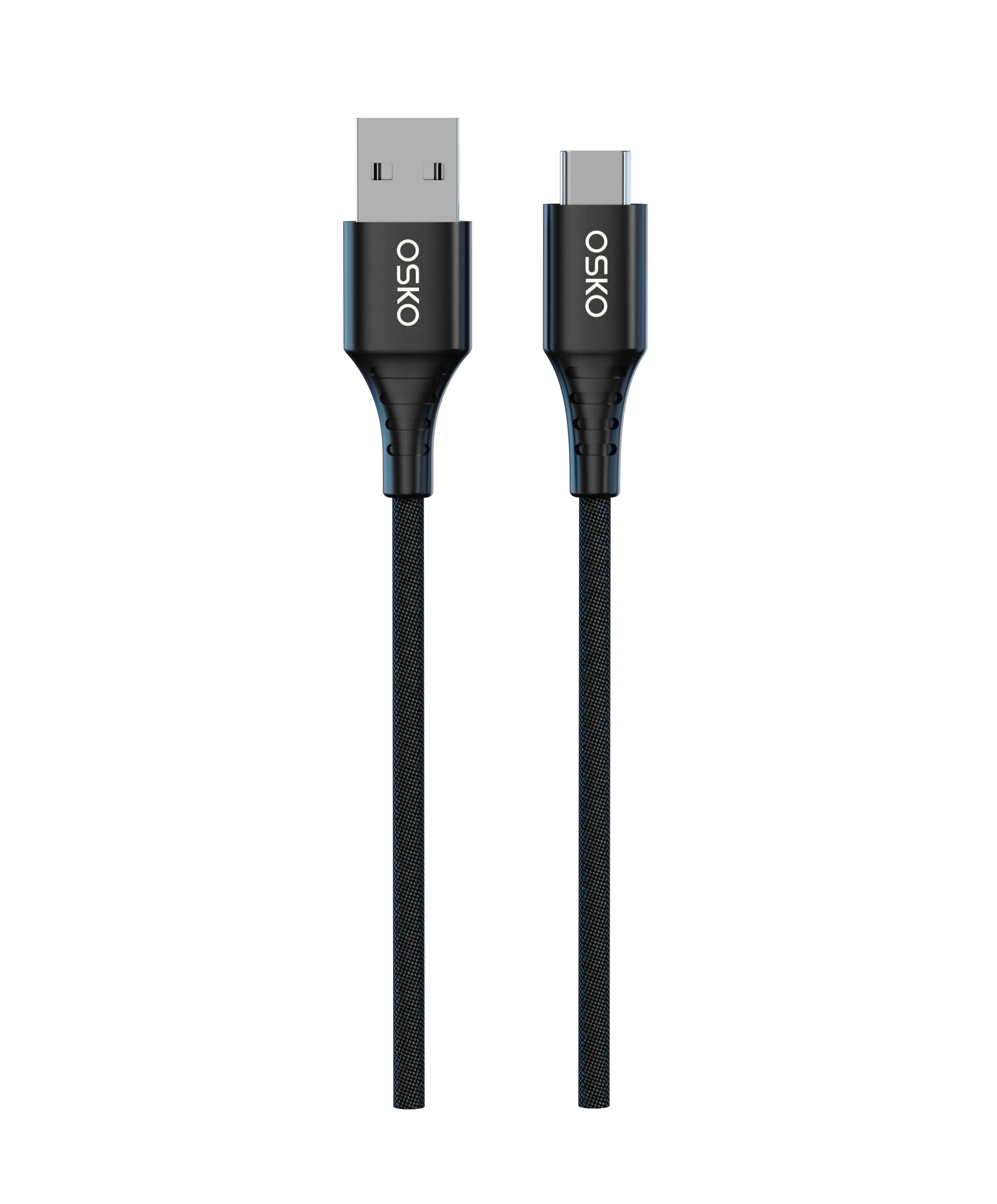
A Bulk short 0.5ft braided Type C cable OEM solution is often used by accessory brands creating compact charging bundles.
3ft USB-C Cable: The Travel and Mobile Standard
A 3ft USB-C cable is one of the most common lengths in the market.
It provides a good balance between:
Portability
Charging performance
Daily usability
Ideal Applications
Travel USB Cable
Travel users prefer 3ft cables because they:
Fit easily into bags
Reduce cable tangling
Work well with hotel charging setups
Smartphone Charging
Suitable for:
iPhone USB-C charging
Android phones
Tablets
Power Bank Charging
A 3ft cable provides enough distance without excessive storage.
A durable travel USB-C cable usually combines:
Flexible TPU structure
Nylon braided protection
Reinforced connectors
6ft USB-C Cable: The Most Popular Daily-Use Length
The 6ft USB-C cable is widely considered the most versatile option.
It provides enough distance for comfortable use while maintaining good charging performance.
Ideal Applications
Laptop Charging
A 6ft cable is suitable for:
MacBook charging
Windows laptop charging
USB-C PD charging systems
Desk Charging Cable
For office and home environments:
Power outlets are often farther from desks
Users need movement flexibility
Gaming Setup
A 6ft cable supports:
Gaming controllers
Handheld consoles
Desktop accessories
For retail markets, Bulk custom 6ft USB-C cables are popular because they match common consumer expectations.
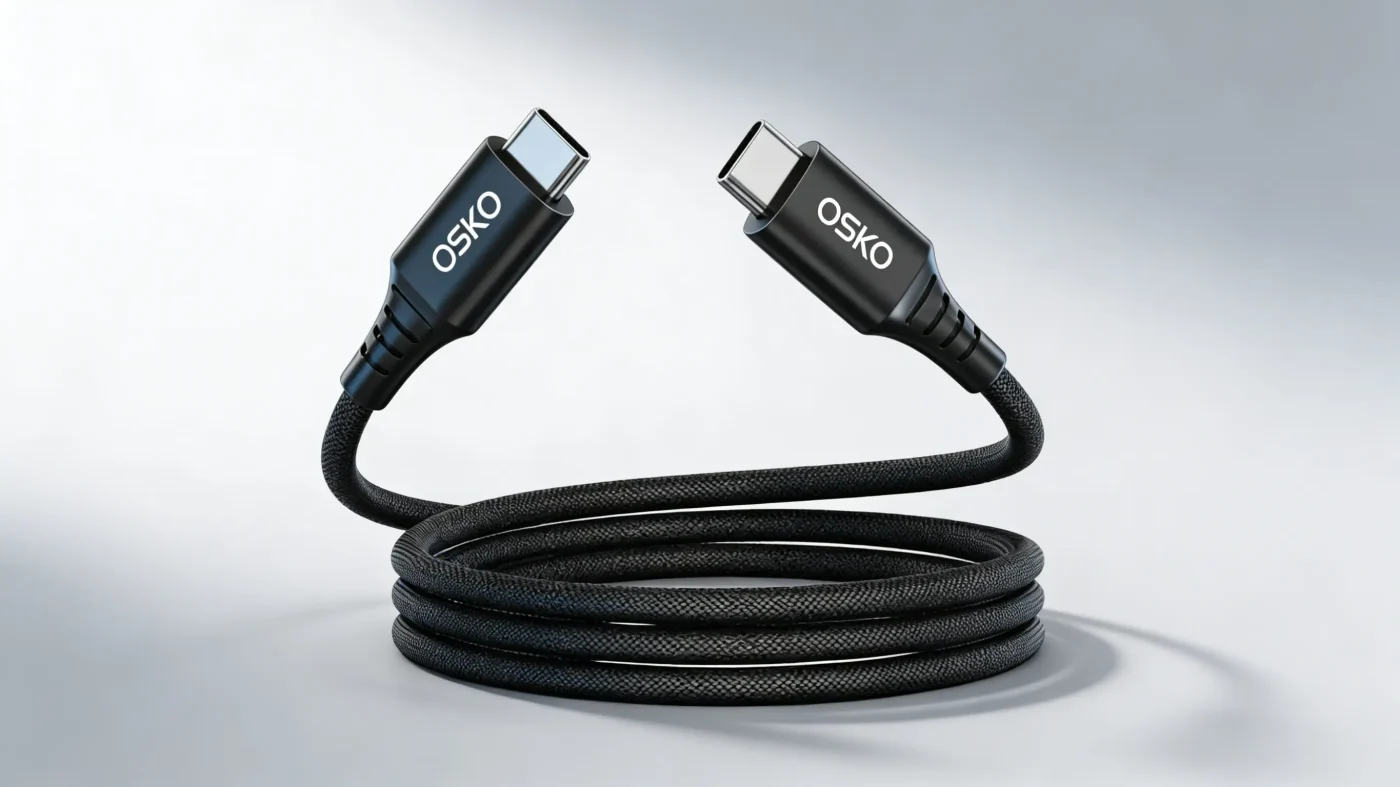
10ft USB-C Cable: Maximum Flexibility for Large Spaces
A 10ft USB-C cable provides extended reach.
However, longer cables require stronger engineering.
Ideal Applications
Large Workspace
Suitable for:
Conference rooms
Studio environments
Large desks
Home Entertainment
Applications include:
Gaming areas
Media rooms
Flexible charging locations
Engineering Considerations
A 10ft cable requires:
Lower resistance conductors
Better shielding
Stronger structure
A poorly designed long cable may experience:
Slow charging
Signal instability
Heat generation
Professional manufacturers optimize long cables through:
Copper conductor upgrades
Improved insulation
USB PD compatibility

Material Selection for Different Cable Lengths
Cable length and material selection must work together.
PVC USB-C Cable
Common for:
Short cables
Cost-sensitive products
Advantages:
Affordable
Easy manufacturing
Limitations:
Lower flexibility
Lower abrasion resistance
TPU USB-C Cable
Suitable for:
3ft cables
6ft cables
Portable applications
Advantages:
Flexible
Durable
Better bending resistance
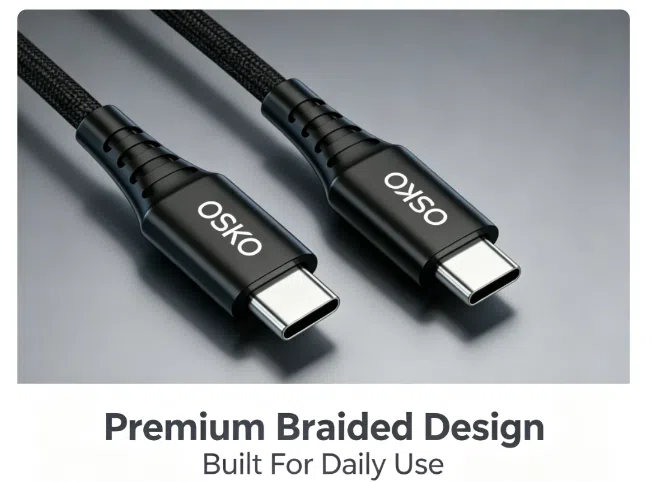
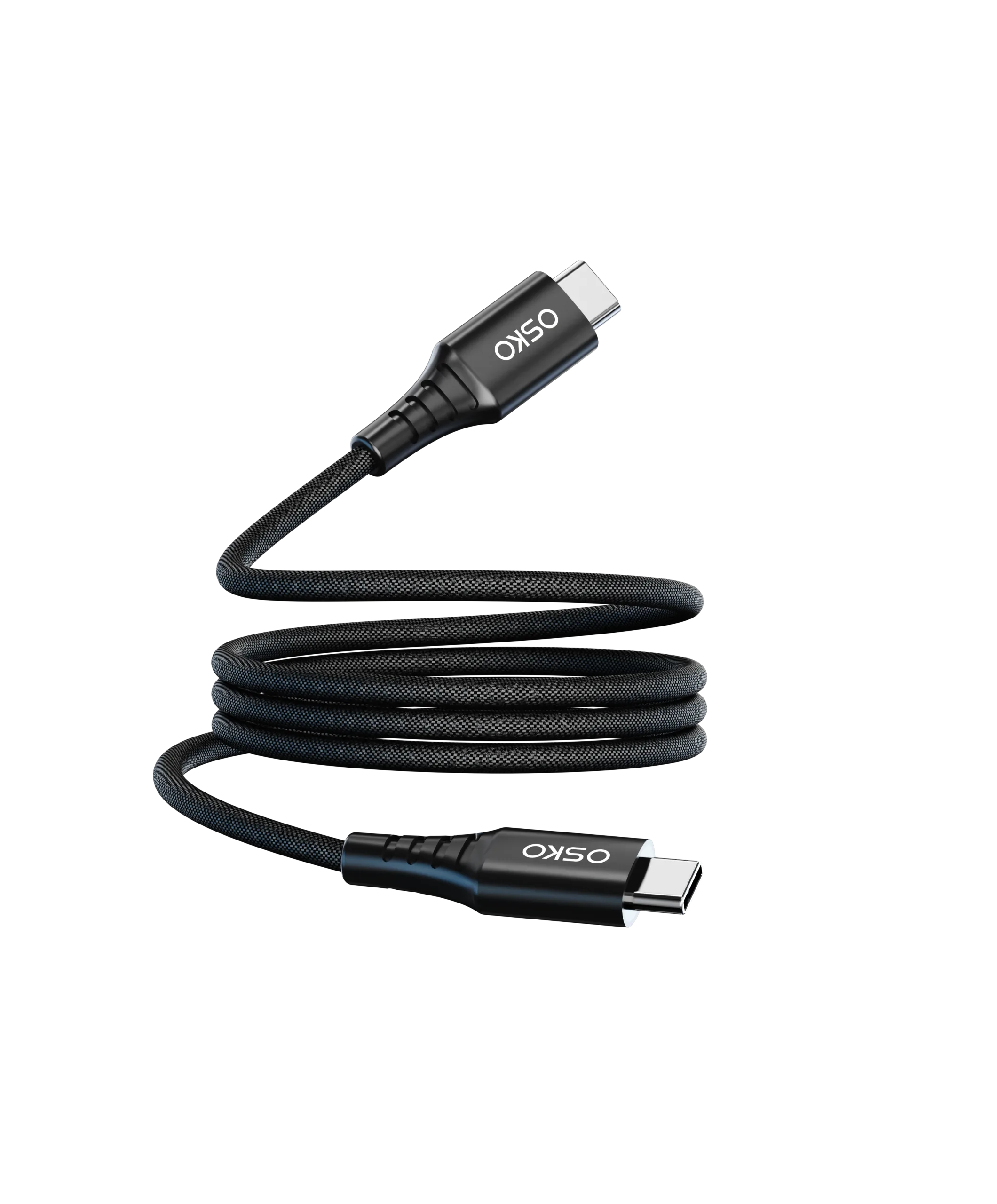
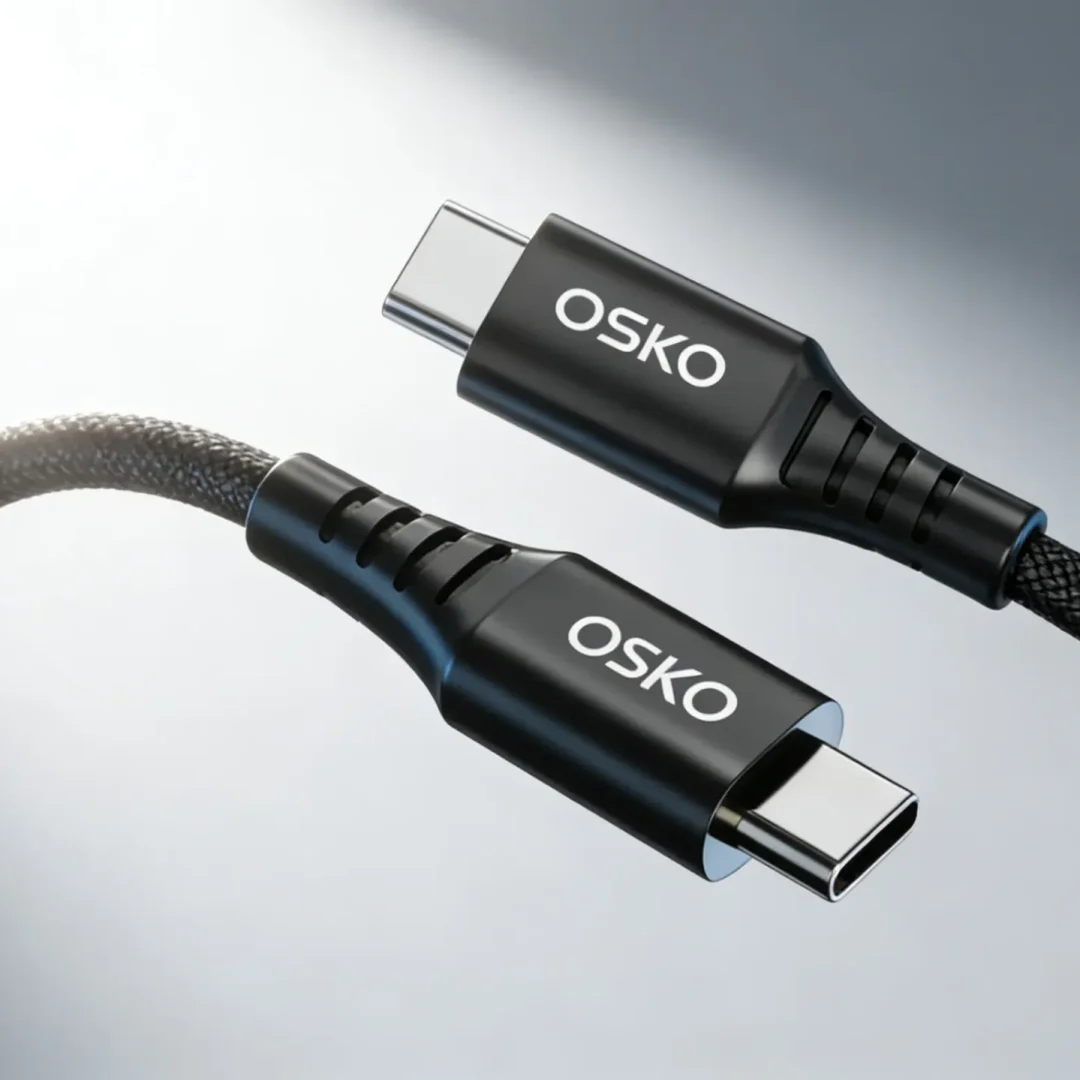
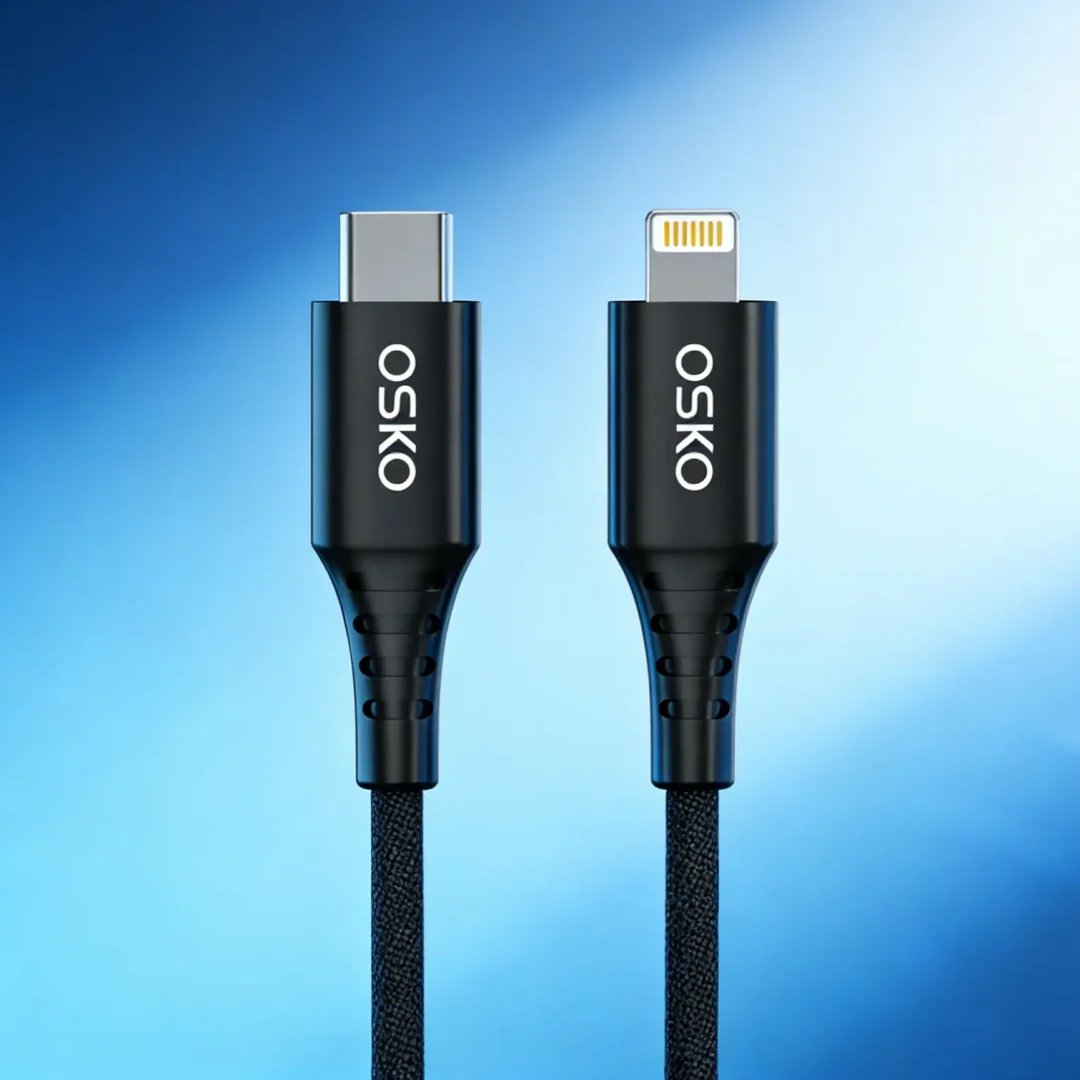
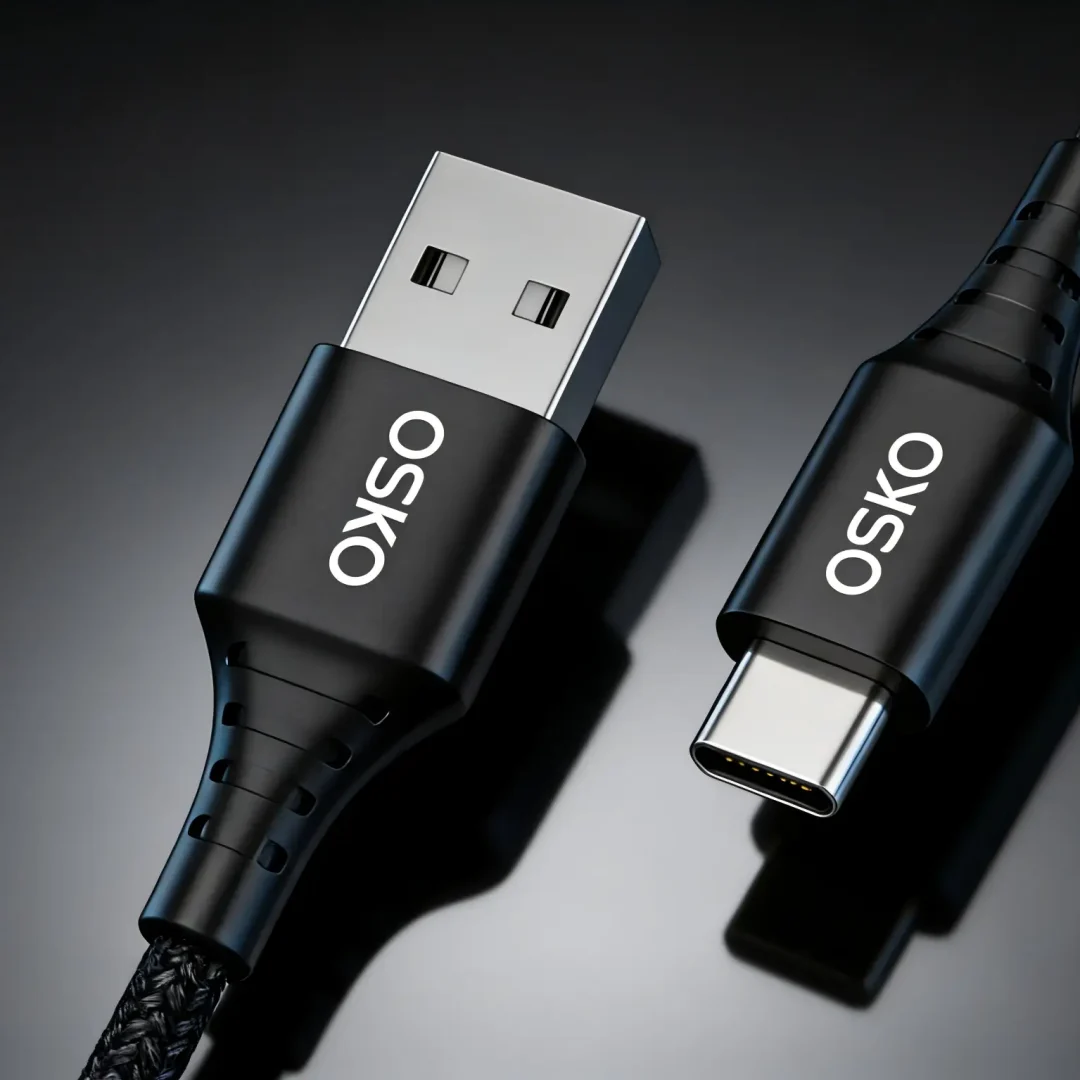
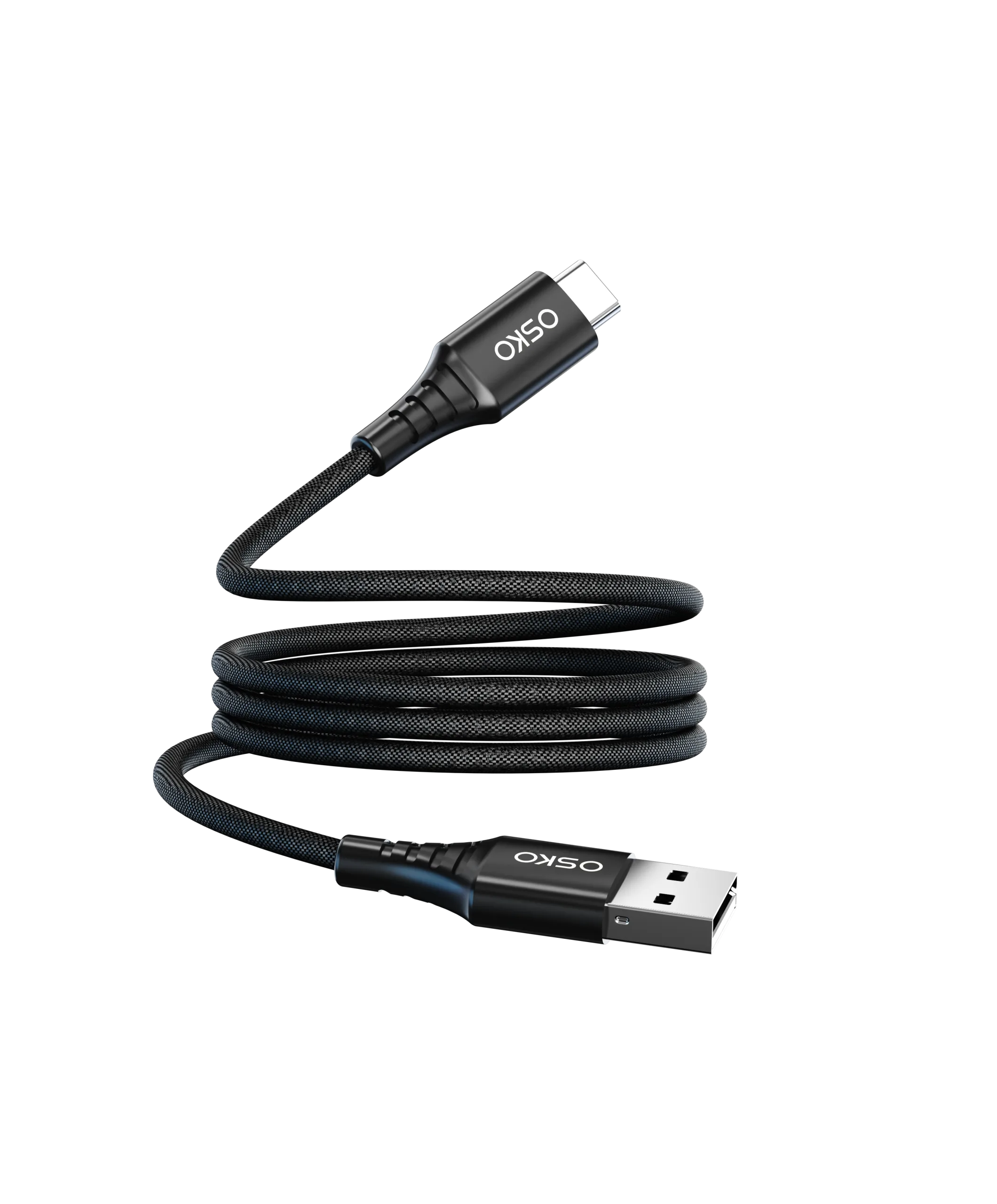
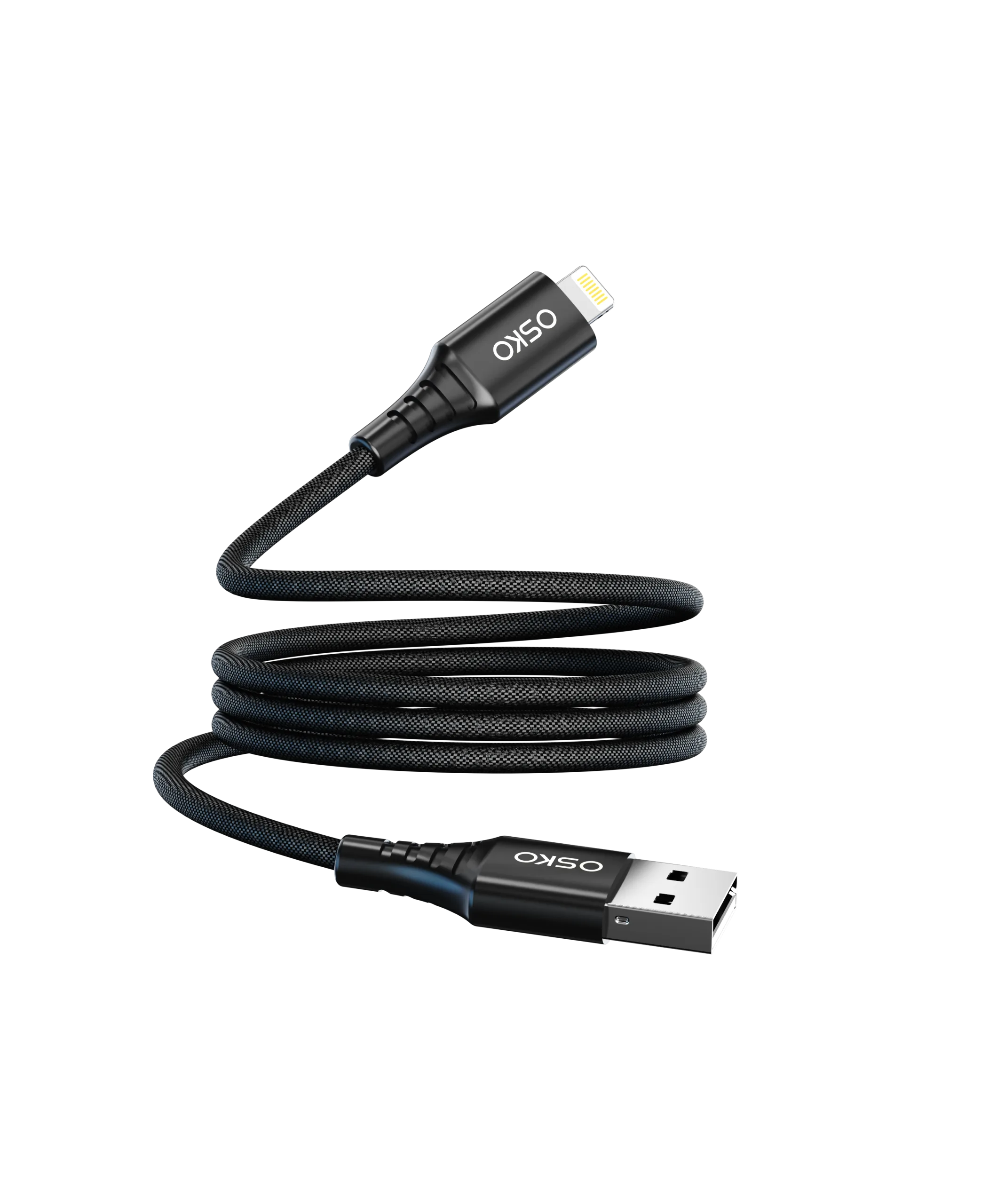
Nylon Braided USB-C Cable
A braided USB-C cable is preferred for premium products.
Advantages:
Strong abrasion resistance
Better durability
Reduced tangling
Premium appearance
Common applications:
Travel USB cable
Desk charging cable
Car charging cable
Home USB cable
Case Study
US Consumer Electronics Brand Developed Multiple USB-C Cable Length Series
A US charging accessory company planned to expand its USB-C product portfolio.
The company previously sold only standard 3ft cables but received customer feedback requesting different lengths for different environments.
Customer Requirements
The brand needed:
3ft travel cable
6ft home charging cable
10ft extended charging cable
Consistent product appearance
Custom retail packaging
Target markets:
Retail USB cable products
Online electronics stores
Corporate charging solutions
Engineering Problems
OSKO identified several challenges.
Electrical Challenge
Longer cables required:
Stable current transmission
Reduced voltage loss
Reliable charging performance
Mechanical Challenge
Different lengths required:
Different flexibility control
Proper cable weight balance
Durable connector protection
OSKO Solution
OSKO developed a complete USB-C cable length series.
Electrical Design
Optimized copper conductor structure
USB PD compatibility
Stable charging performance
Material Design
Nylon braided outer jacket
Flexible internal structure
Reinforced strain relief
Product Development
Supported:
OEM USB cable production
ODM USB cable customization
Wholesale USB cable supply
Retail charging accessory programs
Project Results
The brand successfully launched multiple cable lengths:
Increased product selection
Improved customer satisfaction
Reduced application mismatch
Expanded retail opportunities
Selection Guide
How to Choose the Right USB-C Cable Length
Choose 0.5ft–2ft If You Need
Compact storage
Minimal cable clutter
Portable accessories
Best for:
Power banks
USB hubs
Travel kits
Choose 3ft If You Need
Travel flexibility
Smartphone charging
Portable use
Best for:
Phones
Tablets
Everyday carry

Choose 6ft If You Need
Home charging
Office charging
Laptop use
Best for:
Most consumers
Retail products
Choose 10ft If You Need
Extended reach
Large workspace flexibility
Best for:
Professional environments
Commercial applications
OEM Buyer Guide
For brands sourcing USB-C cables, length customization is an important competitive advantage.
A reliable supplier should support:
| Requirement | Importance |
|---|---|
| Custom length | Product differentiation |
| Power rating | Device compatibility |
| Materials | Durability |
| Testing | Quality assurance |
| Packaging | Retail readiness |
OSKO provides:
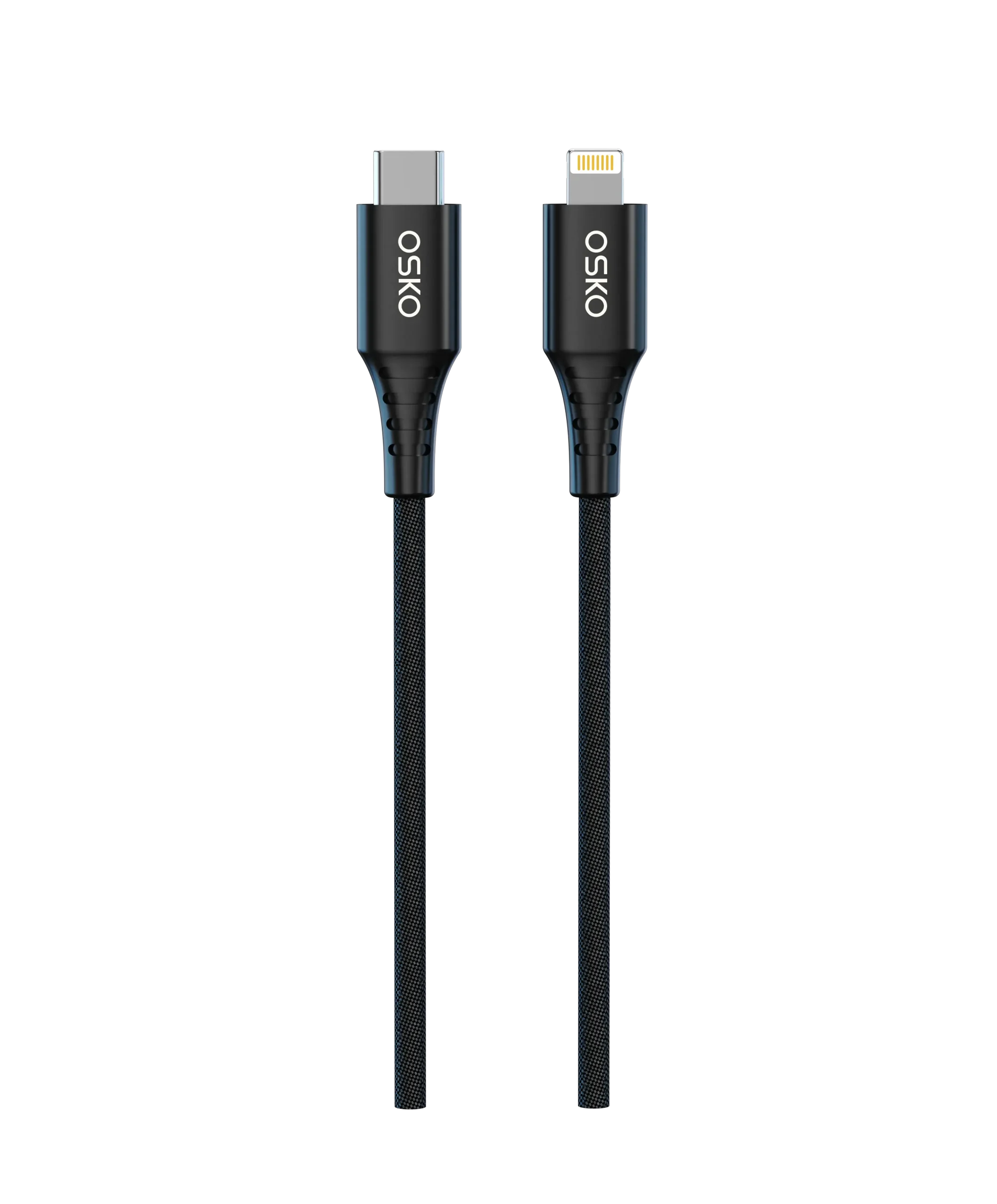
Heavy duty braided USB-C cable manufacturer
Durable nylon braided Type C charging cable factory
OEM ODM custom length USB C cables
Bulk custom color braided charging cables
Braided right angle USB-C cable wholesale
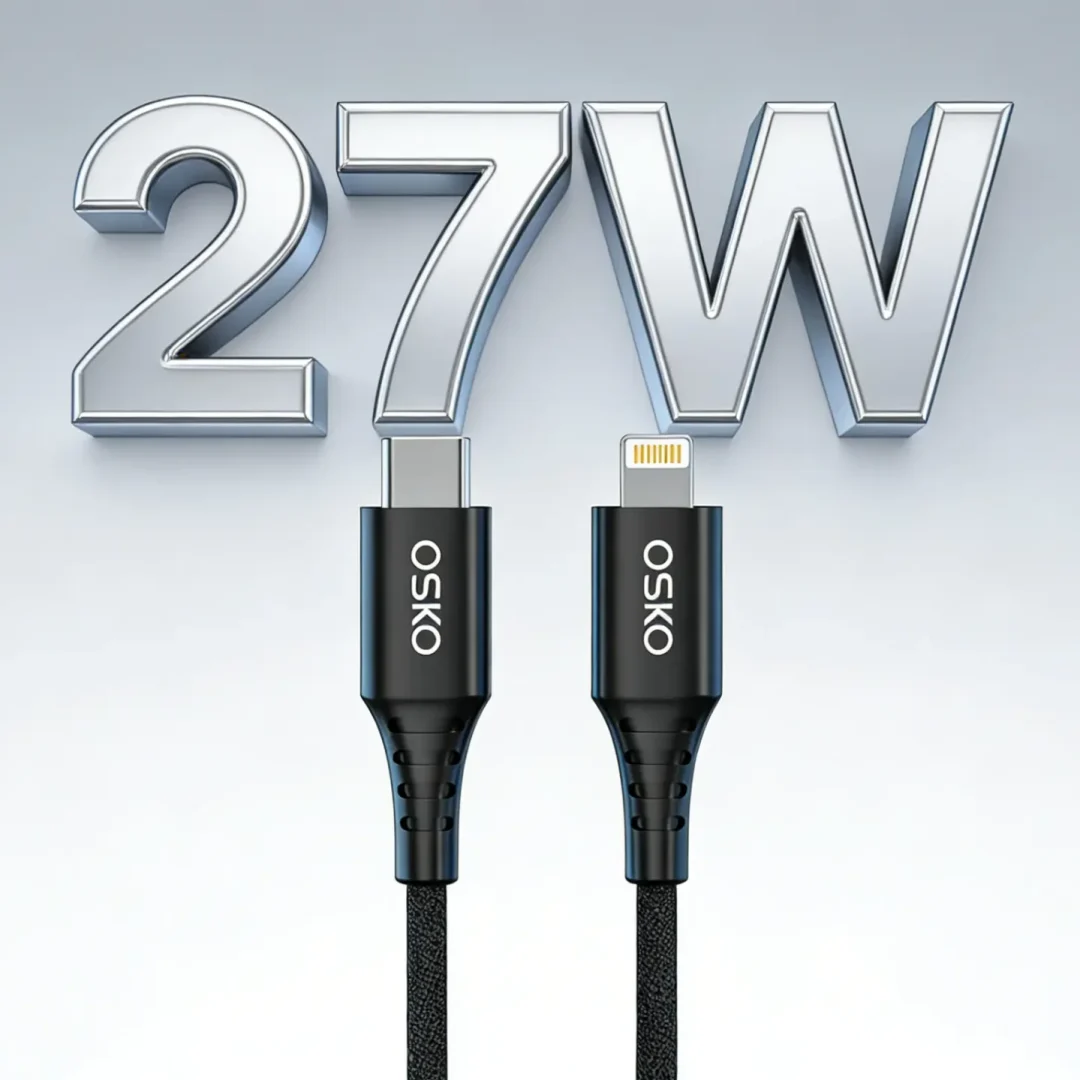
Wholesale 60w braided usb c cable
Custom packaging braided charging cable factory
USB-IF compliant Type C cable manufacturer
FAQ
Does a longer USB-C cable charge slower?
A longer cable may experience higher resistance, but a well-designed cable with proper conductors can maintain stable charging performance.
What is the most popular USB-C cable length?
The 6ft USB-C cable is one of the most popular choices because it provides good flexibility for home and office use.
Is a 10ft USB-C cable good for laptops?
Yes, if it is designed for laptop charging with appropriate conductor size and USB PD support.
What USB-C cable length is best for travel?
A 3ft USB-C cable is usually the most practical option because it balances portability and usability.
Can OEM suppliers make custom USB-C cable lengths?
Yes. Professional manufacturers can customize cable length, materials, colors, connectors, and packaging.
Summary
Different USB-C cable lengths serve different applications.
The ideal selection depends on:
Usage environment
Device power requirements
Portability needs
Workspace size
Durability expectations
Short cables such as 0.5ft and 3ft are ideal for travel and compact accessories.
Medium-length cables such as 6ft provide the best balance for everyday charging.
Long cables such as 10ft are suitable for extended spaces but require stronger engineering.
For US brands, distributors, and OEM buyers, choosing the right cable length improves customer experience and product competitiveness.
OSKO provides customized USB-C cable solutions with professional engineering support, material optimization, durability testing, and scalable OEM manufacturing capabilities.