
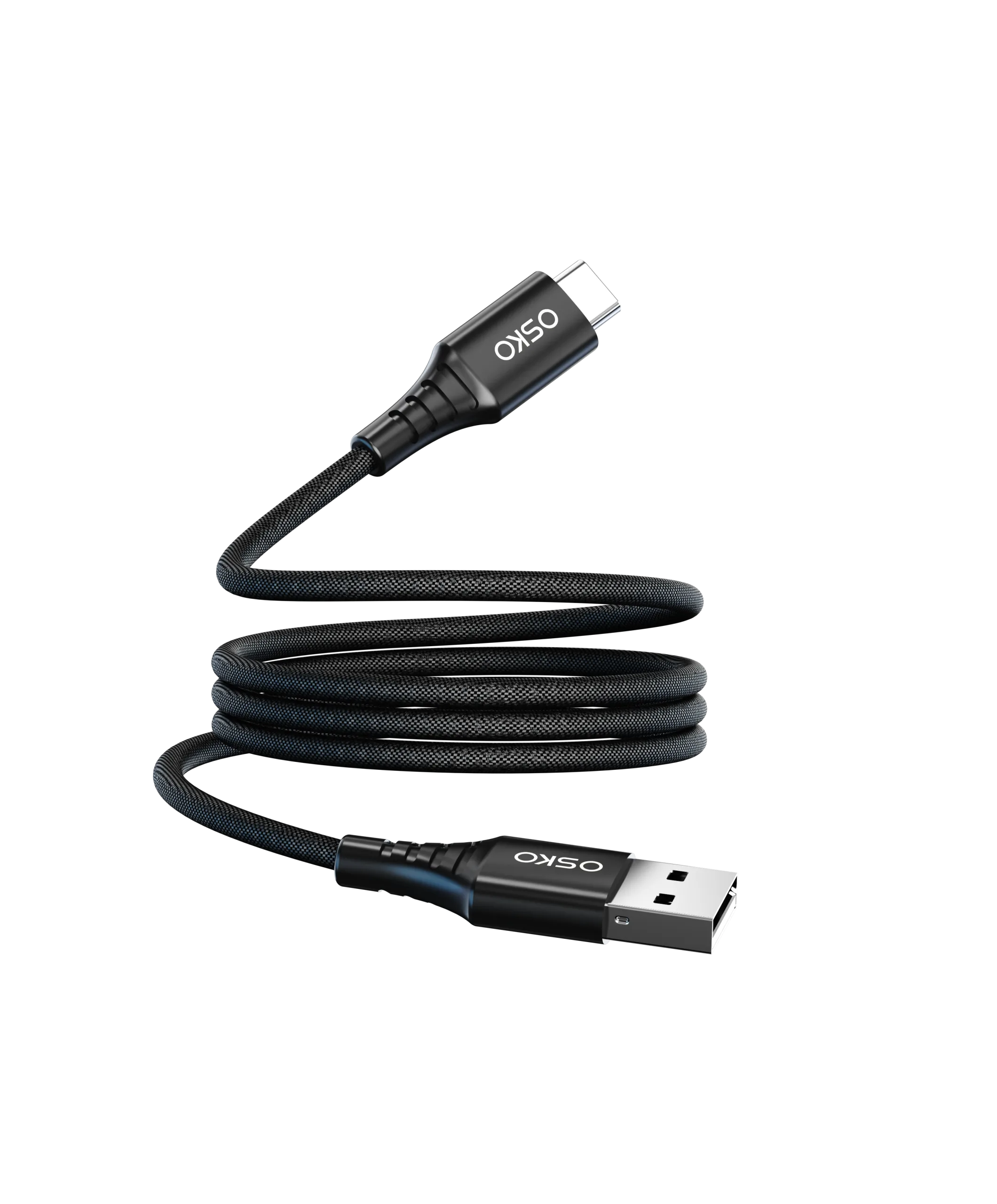
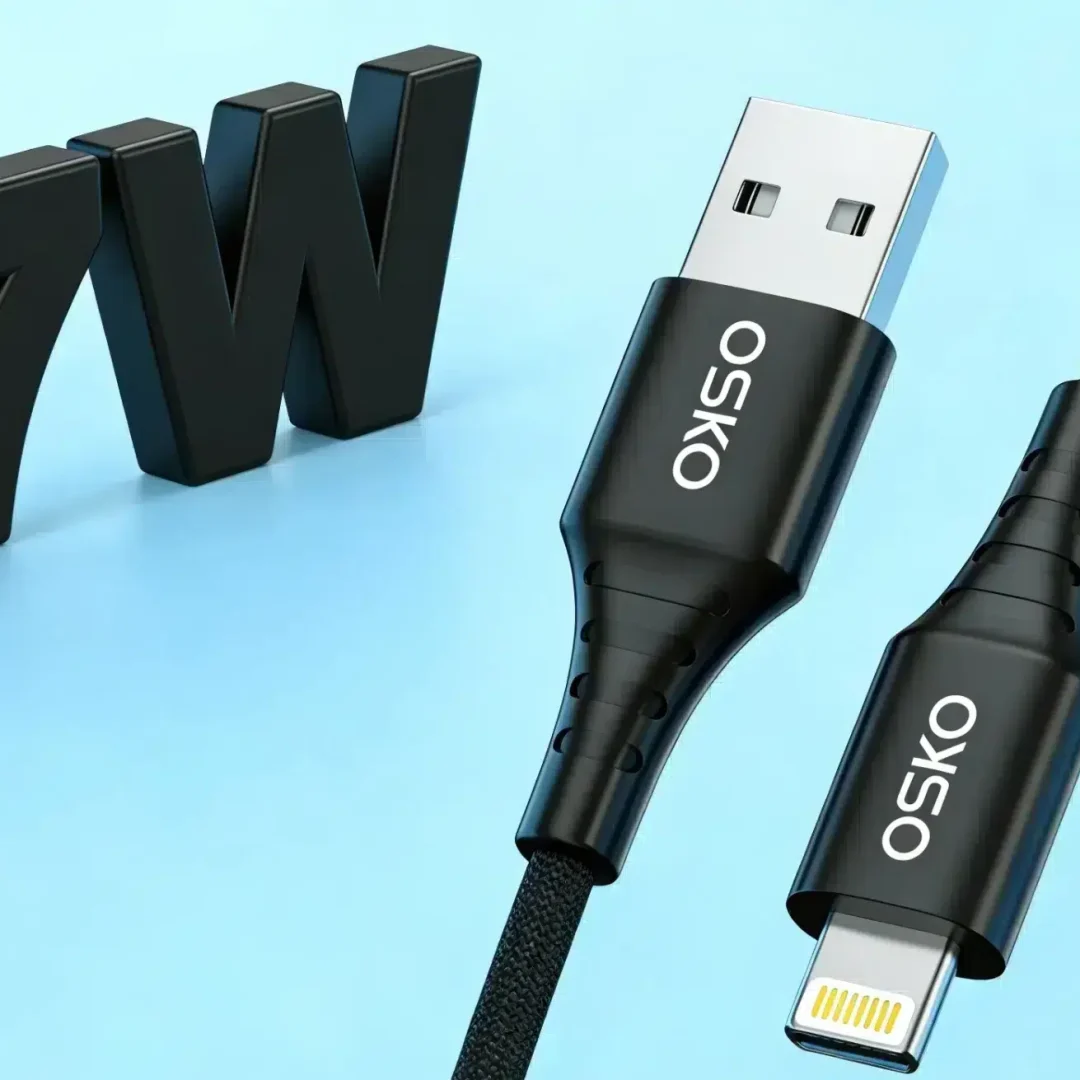
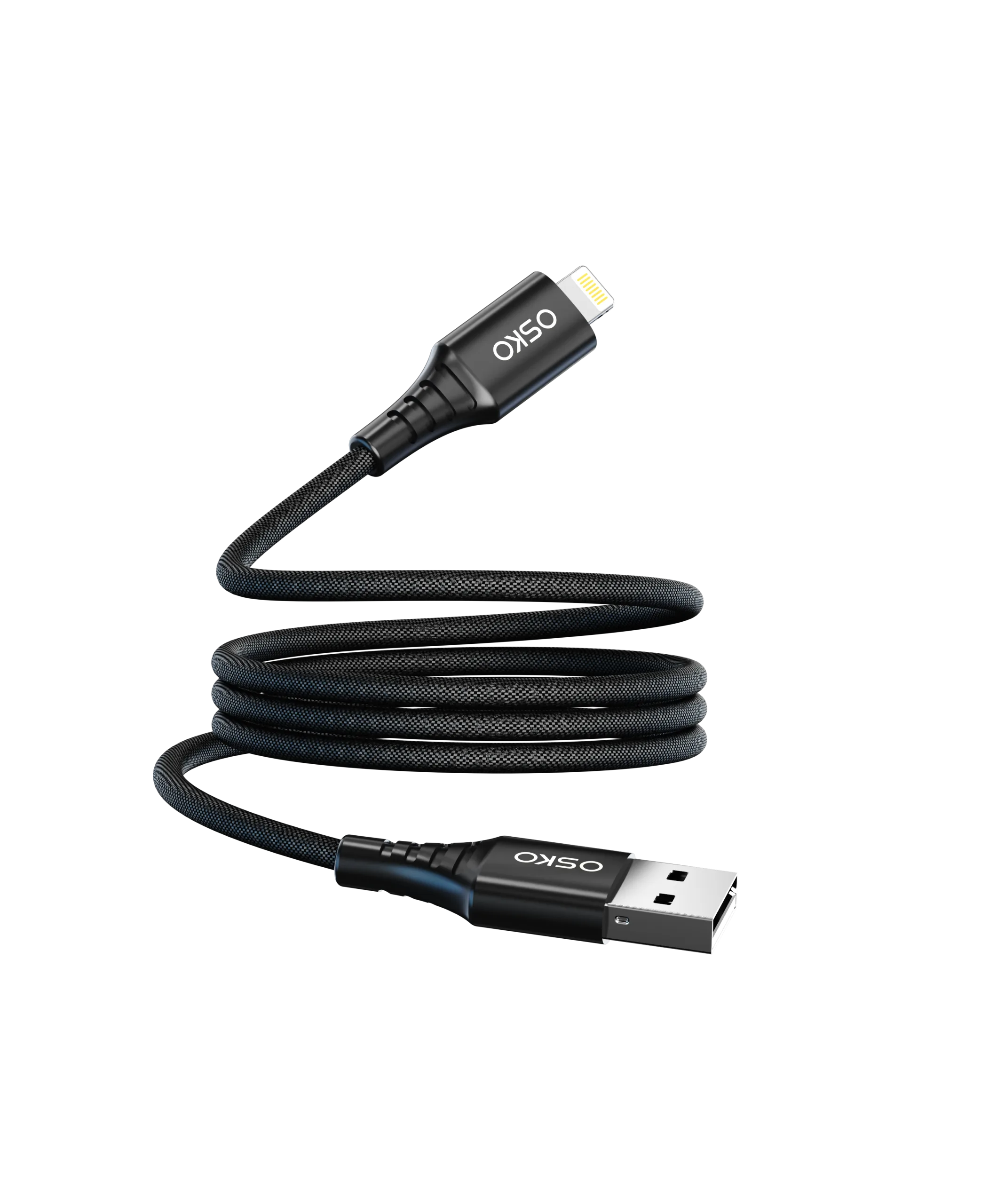
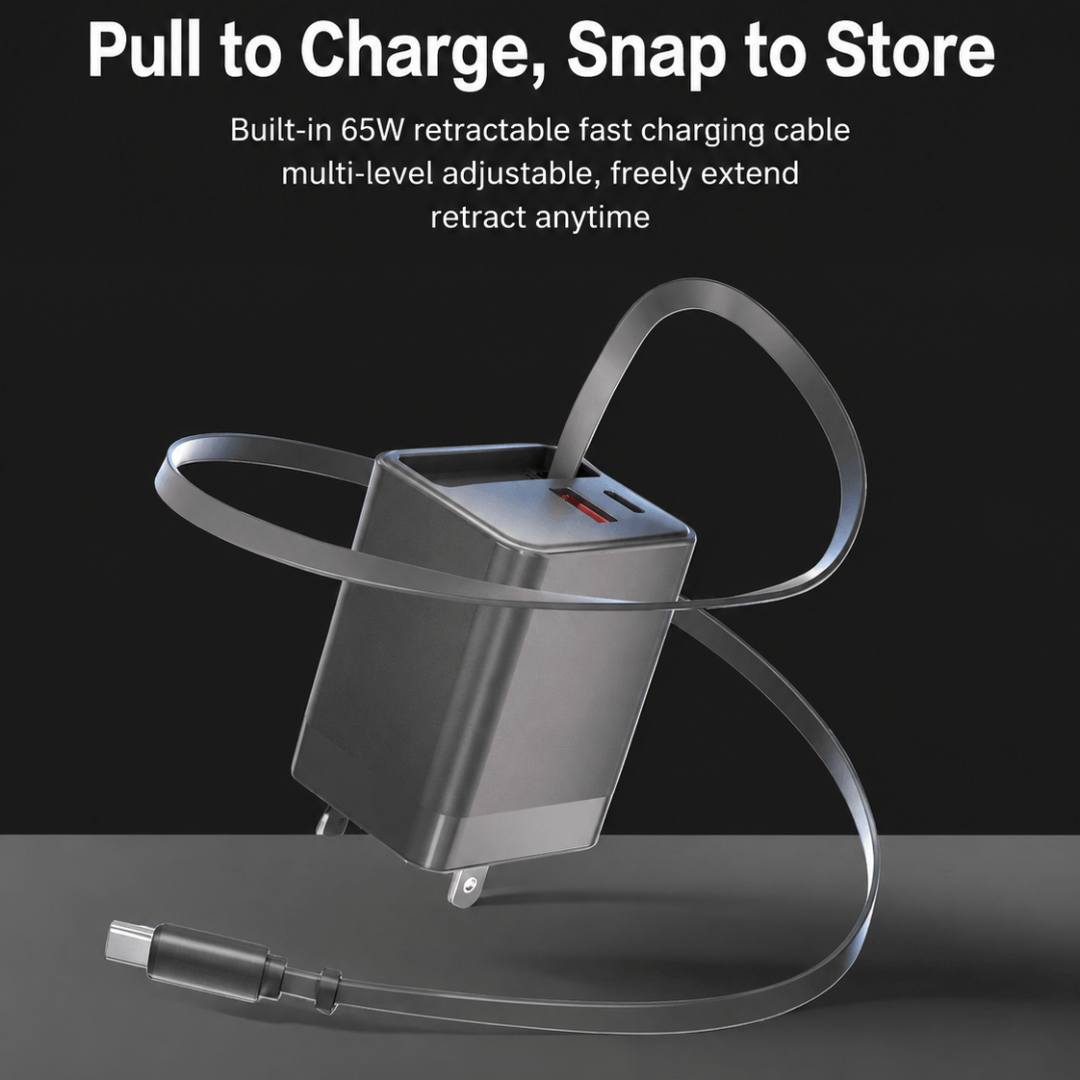

Introduction
Choosing the right USB-C cable for laptop power delivery is critical for achieving stable charging performance, protecting devices, and ensuring long-term reliability.
Many laptop users purchase high-power USB-C chargers but still experience problems such as:
Laptop charging slowly
Charging stops under heavy workload
Battery percentage continues decreasing during use
Cable becomes hot during charging
Charger supports high wattage but the laptop receives limited power
These issues are often caused by an unsuitable USB-C cable.
A USB-C Power Delivery system is not determined by the charger alone. The complete charging chain includes:
USB-C Charger + USB-C PD Cable + Laptop
If any part cannot support the required power level, charging performance will be limited.
For example:
A 100W charger paired with a 60W cable will only deliver up to the cable’s supported power.
A long cable with poor conductor design may experience voltage loss.
A low-quality cable may fail under continuous laptop charging loads.
For US laptop users, businesses, and electronics brands, selecting the correct cable requires understanding:
Power rating
USB PD protocol
E-marker technology
Cable materials
Application environment
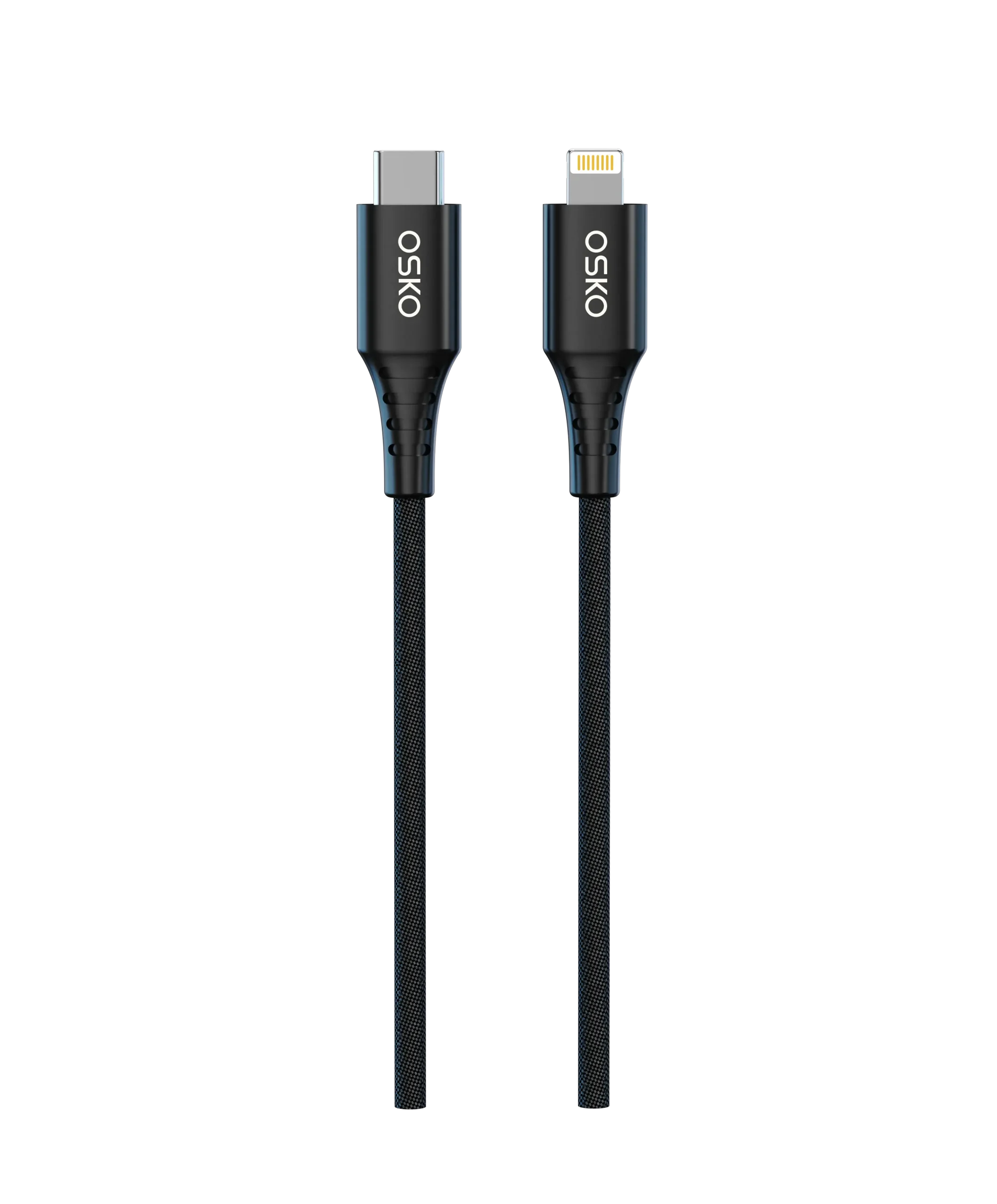
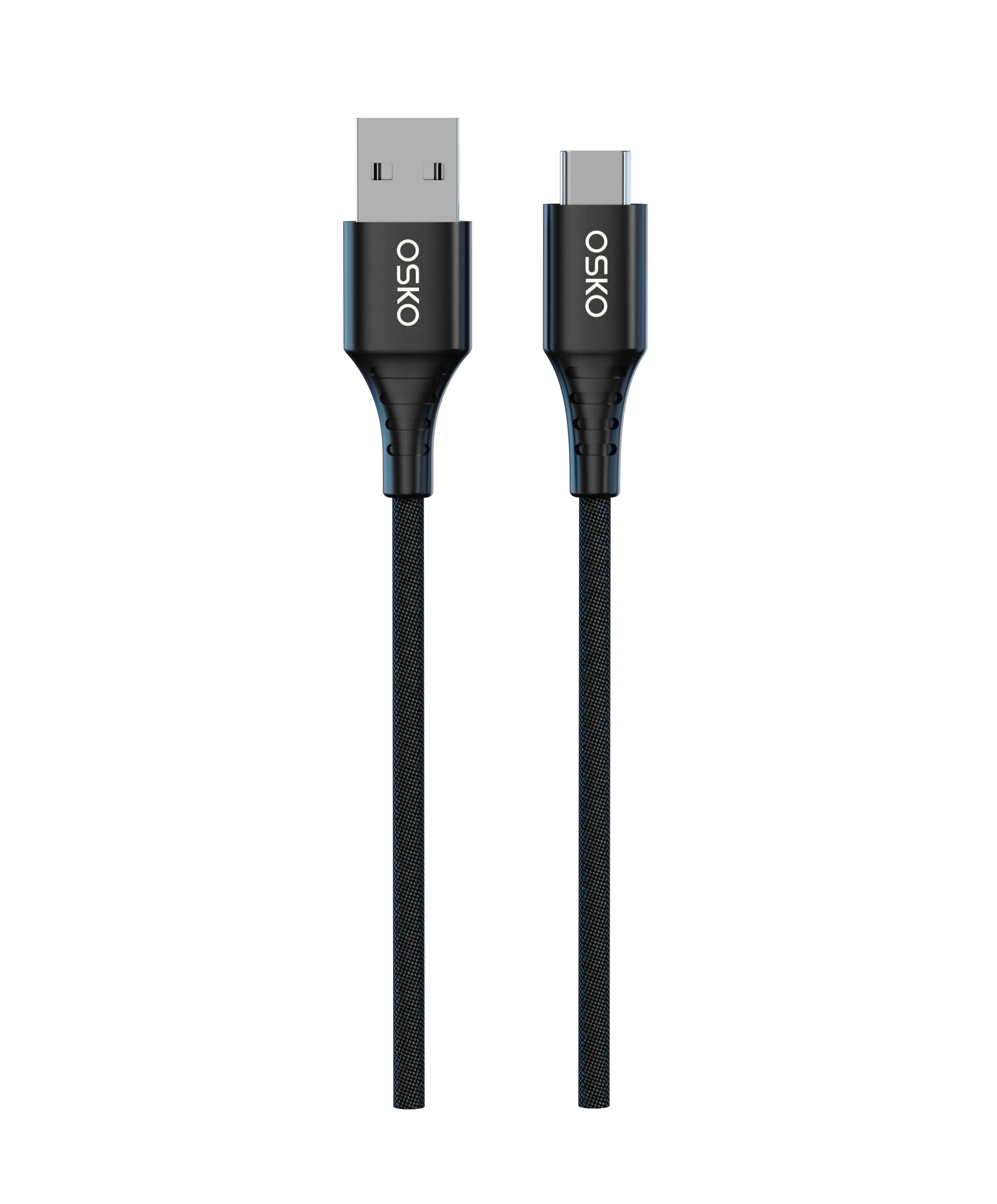
Professional suppliers such as OSKO evaluate USB-C cables from both electrical and mechanical engineering perspectives to ensure reliable laptop charging performance.

Material Science & Electrical Performance
Understanding USB-C Power Delivery (USB PD)
USB Power Delivery is a charging protocol that allows USB-C devices to negotiate higher power levels.
Unlike traditional USB charging, USB PD enables intelligent communication between:
Charger
Cable
Laptop
The system determines the safest available charging power.
Common USB-C PD power levels include:
| USB-C Cable Rating | Typical Application |
|---|---|
| 60W | Tablets, ultrabooks, small laptops |
| 100W | Most business and consumer laptops |
| 140W | High-performance laptops |
| 240W | Future high-power devices |
Choosing a cable with the correct power rating prevents:
Charging limitations
Overheating
Unstable power delivery
Why Cable Wattage Matters for Laptop Charging
A common misunderstanding is that a high-power charger automatically provides fast charging.
In reality:
Maximum Charging Power = Lowest Rated Component
Example:
| Charger | Cable | Result |
|---|---|---|
| 100W | 60W cable | Up to 60W |
| 100W | 100W cable | Up to 100W |
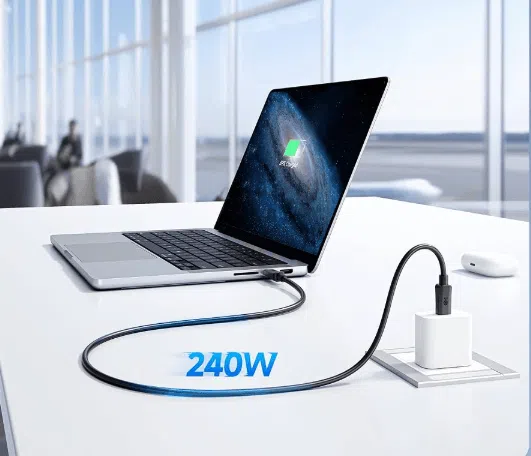
| 240W | 240W cable | Up to 240W |
The cable must be designed to safely carry the required current.
E-Marker Chip: A Key Component for High-Power USB-C Cables
For higher-power charging, USB-C cables often require an E-marker chip.
The E-marker provides information about:
Cable power capability
Current capacity
Data capability
Cable identification
For example:
A 240W USB-C cable typically requires:
E-marker chip
Higher current support
Enhanced conductor design
Without proper identification, devices may reduce charging power for safety.
Cable Conductor Design for Laptop Charging
The internal conductor directly affects charging efficiency.
A professional laptop charging cable uses:
High-purity copper conductors
Appropriate wire gauge
Optimized resistance control
Poor conductor quality may cause:
Voltage drop
Heat generation
Slow charging
For high-power applications, manufacturers must balance:
Current capacity
Flexibility
Cable thickness
USB-C Cable Length and Power Delivery Performance
Cable length affects electrical performance.
Common laptop charging lengths:
| Length | Application |
|---|---|
| 3ft | Travel charging |
| 6ft | Home and office |
| 10ft | Extended workspace |
3ft USB-C PD Cable
Advantages:
Lower resistance
Compact design
Easy portability
Suitable for:
Business travel
Laptop bags
Portable chargers
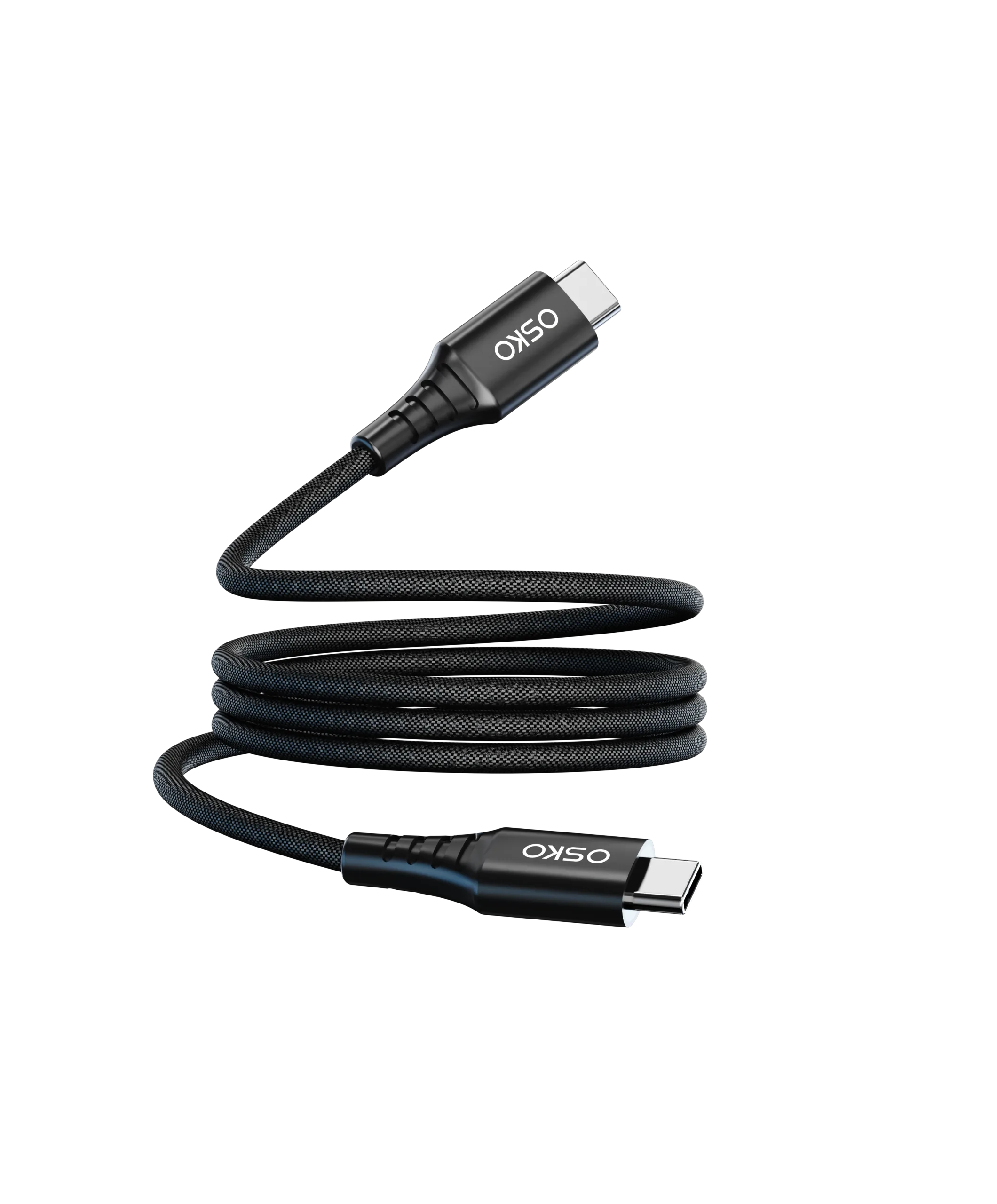
6ft USB-C PD Cable
The 6ft cable is the most common laptop charging choice.
Benefits:
Good balance between flexibility and performance
Comfortable desk usage
Suitable for home offices
Common applications:
MacBook charging
Business laptops
Desktop charging stations
10ft USB-C PD Cable
Long cables require advanced engineering.
Potential challenges:
Higher resistance
Signal loss
Increased manufacturing complexity
A high-quality 10ft cable requires:
Larger conductors
Better insulation
Improved shielding
Material Selection for Laptop USB-C PD Cables
TPU Cable Jacket
TPU is commonly used because it provides:
High flexibility
Good bending resistance
Comfortable handling
Suitable for:
Travel USB cables
Laptop charging cables
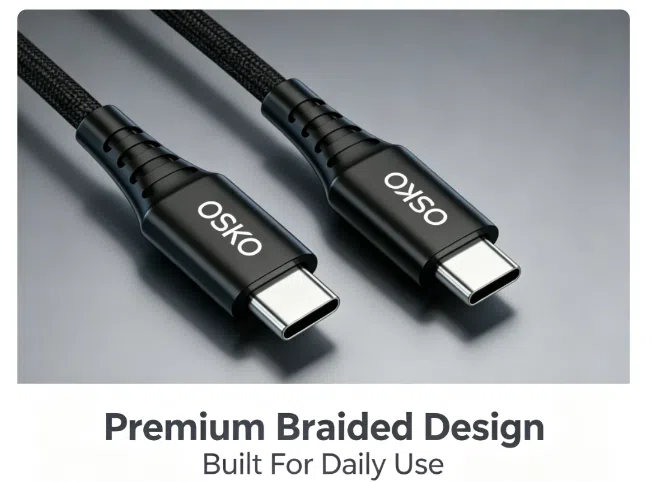
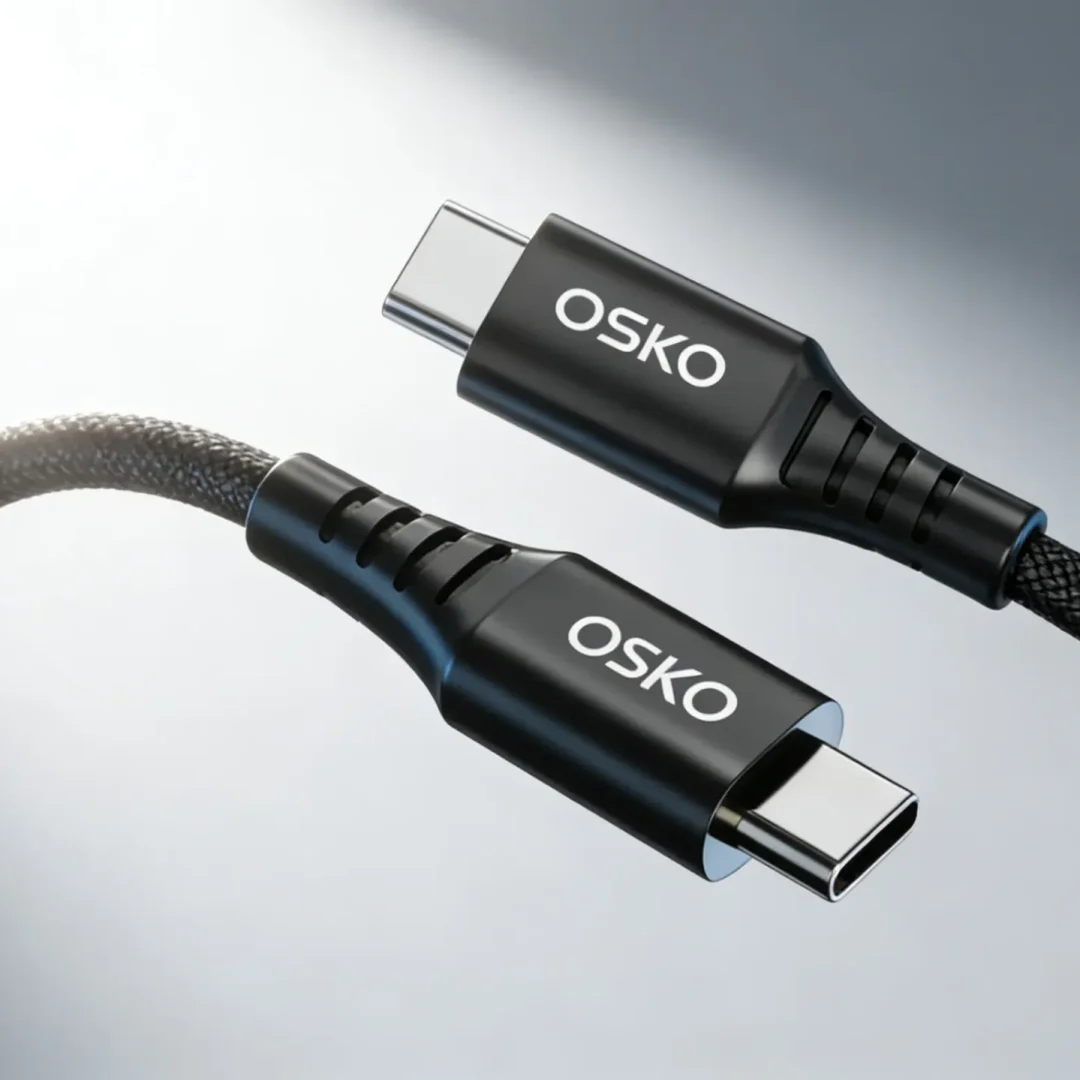
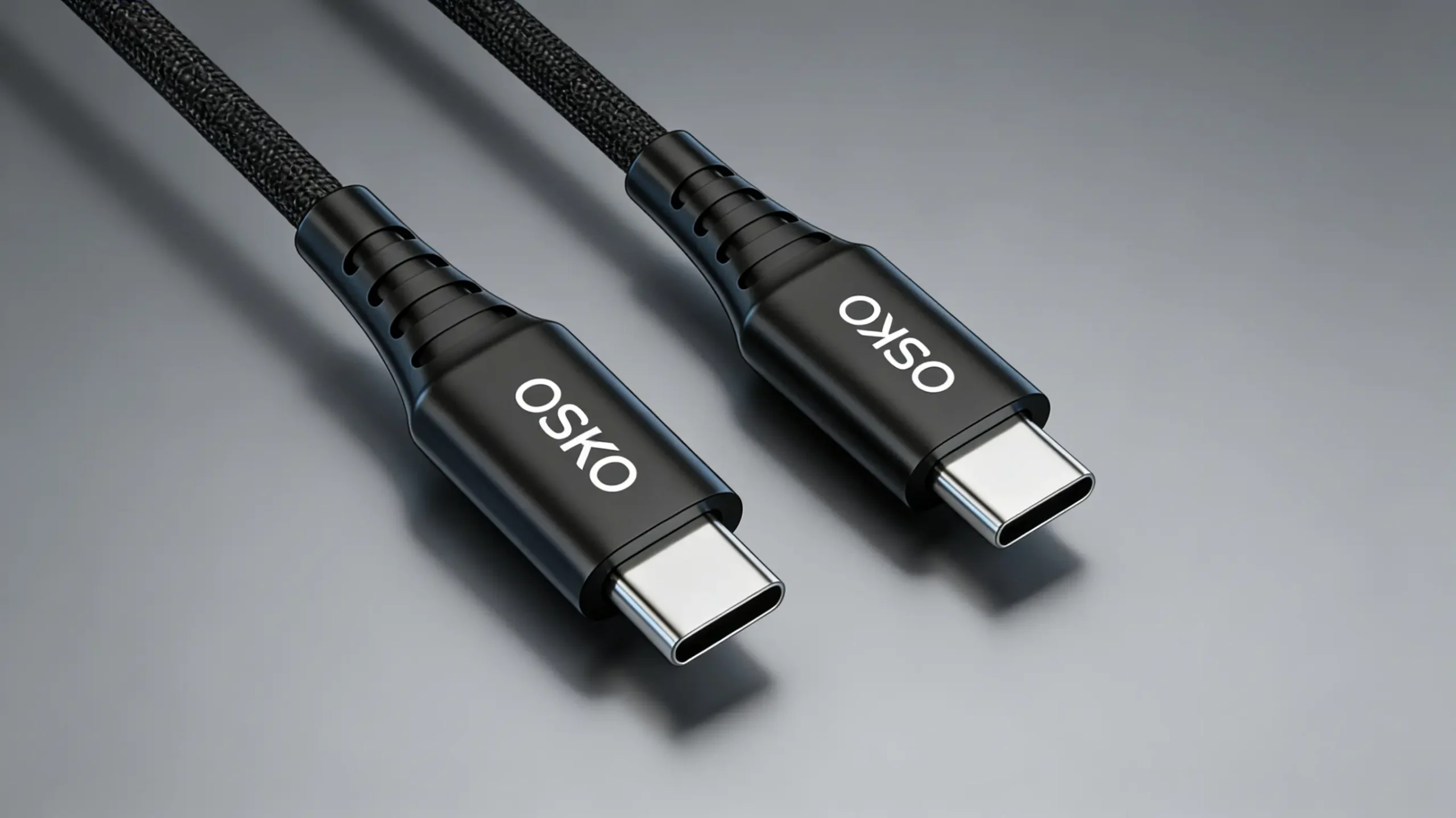
Nylon Braided USB-C Cable
A braided USB-C cable is preferred for premium laptop charging products.
Advantages:
Strong abrasion resistance
Better mechanical protection
Longer lifespan
Premium appearance
Applications:
Retail charging accessories
Professional workspaces
Travel products
HDPE Insulation
HDPE insulation helps improve electrical stability.
Benefits:
Strong dielectric properties
Reduced signal interference
Reliable insulation performance
This is especially valuable for:
High-power USB-C cables
Data transmission cables
Case Study
US Laptop Accessory Brand Developed 100W USB-C PD Cable for Professional Users
A US electronics accessory company wanted to launch a premium laptop charging cable for business customers.
The company’s previous supplier provided standard USB-C cables, but customers reported:
Slow charging on laptops
Cable overheating
Short product lifespan
Customer Requirements
The project required:
100W USB-C PD support
Compatibility with laptops
6ft retail cable design
Premium braided appearance
Bulk production capability
Target applications:
Business laptop accessories
Home office products
Professional charging kits
Engineering Problems
OSKO analyzed the existing cable.
Electrical Issues
The original design had:
Insufficient conductor size
Higher resistance
Unstable high-power performance
Mechanical Issues
The cable had:
Weak connector protection
Poor bending resistance
OSKO Engineering Solution
OSKO redesigned the cable structure.
Electrical Optimization
Improved copper conductor design
Added E-marker solution
Optimized USB PD performance
Mechanical Optimization
Nylon braided outer layer
Reinforced connector housing
Enhanced strain relief
Quality Testing
Testing included:
| Test | Purpose |
|---|---|
| Power delivery test | Verify charging performance |
| Bending test | Evaluate durability |
| Connector test | Check mechanical strength |
| Temperature test | Confirm safety |

Project Results
The upgraded cable achieved:
Stable 100W laptop charging
Improved durability
Better retail feedback
Reduced customer complaints
The project supported:
OEM USB cable manufacturing
ODM USB cable development
Wholesale laptop charging cable supply
Retail USB-C accessory programs
Selection Guide
How to Choose the Right USB-C PD Cable for Your Laptop
Check Laptop Power Requirements
First identify:
Laptop charging wattage
Manufacturer recommendation
Required USB PD level
Choose the Correct Cable Rating
| Laptop Requirement | Recommended Cable |
|---|---|
| Small laptop | 60W USB-C cable |
| Business laptop | 100W USB-C cable |
| Performance laptop | 140W USB-C cable |
| High-power laptop | 240W USB-C cable |
Evaluate Cable Construction
Important factors:
| Feature | Recommendation |
|---|---|
| Conductor | High-quality copper |
| Chip | E-marker for high power |
| Jacket | TPU or nylon braid |
| Connector | Reinforced design |
| Testing | Electrical and mechanical verification |
OEM Buyer Guide: Selecting a USB-C PD Cable Supplier
For brands developing laptop charging products, supplier capability directly impacts product reliability.
A qualified manufacturer should provide:
Cable structure engineering
Power testing
Material selection
Custom length production
Certification support
OSKO provides:
Heavy duty braided USB-C cable manufacturer
Durable nylon braided Type C charging cable factory
OEM ODM custom length USB C cables
White label 240W fast charging cable wholesale
CE RoHS certified 240W USB C cable
USB-IF compliant Type C cable manufacturer
ISO9001 certified braided USB cable factory wholesale
FAQ
Can any USB-C cable charge a laptop?
No. Laptop charging requires a cable with sufficient power capacity and USB PD compatibility.
Is a 100W USB-C cable enough for most laptops?
Yes. Many business and consumer laptops use USB PD charging below 100W.
Do I need a 240W USB-C cable for my laptop?
Only high-power devices require 240W. Most laptops work well with 60W or 100W cables.
Does USB-C cable length affect charging speed?
Yes. Longer cables may experience higher resistance, so cable quality becomes more important.
Are braided USB-C cables better for laptops?
Braided cables generally provide better durability and resistance to daily wear, making them suitable for frequent laptop use.
Summary
Choosing the right USB-C cable for laptop Power Delivery requires evaluating more than connector compatibility.
The most important factors include:
Required wattage
USB PD support
E-marker technology
Cable length
Conductor quality
Material durability
For everyday laptops, a 60W or 100W USB-C PD cable is usually sufficient.
For high-performance devices, higher-power cables with advanced engineering may be required.
For US brands, distributors, and OEM buyers, partnering with an experienced manufacturer like OSKO ensures reliable USB-C PD cable solutions with professional engineering, quality testing, and scalable production capability.
Contact Information
OSKO provides professional USB-C PD cable manufacturing solutions:
60W / 100W / 240W USB-C cables
Laptop charging cables
Braided USB-C cables
Custom OEM cable solutions
Bulk and ODM production
OSKO engineering team supports global brands with cable design optimization, material selection, charging performance testing, and reliable manufacturing solutions.