
Introduction
A charging cable may look simple from the outside, but its durability depends on multiple engineering factors hidden beneath the surface.
Many users experience similar problems:
Cable breaks near the connector
Charging becomes unstable after several months
Data transfer stops working
Outer material cracks or peels
Cable performance decreases after repeated bending
These failures are usually caused by weaknesses in four critical areas:
Outer protection layer
Connector structure
Internal wiring design
Manufacturing quality certifications
A durable cable is not determined only by appearance. A premium USB-C cable requires a complete engineering system that balances:
Mechanical strength
Electrical performance
Heat management
Material reliability
Safety compliance
For consumers, understanding these factors helps identify long-lasting products.
For brands and distributors, evaluating these details is essential when selecting a professional USB-C cable manufacturer for OEM, ODM, and wholesale production.

Material Science & Dielectric Properties
Why Cable Durability Depends on Material Engineering
A charging cable operates under constant mechanical and electrical stress.
During daily use, cables experience:
Bending near connectors
Pulling force
Twisting
Temperature changes
High-current charging loads
The durability of a cable depends on how each layer handles these stresses.
A typical high-quality charging cable contains:
| Cable Layer | Main Function |
|---|---|
| Outer jacket | Protects against abrasion and bending |
| Shielding layer | Reduces interference |
| Insulation layer | Prevents electrical leakage |
| Copper conductor | Transfers power and data |
| Connector assembly | Ensures stable connection |
Each component affects product lifespan.
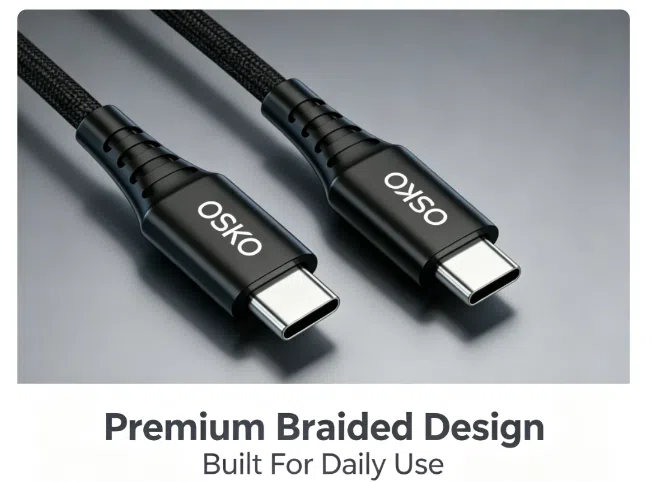
Braiding: The First Protection Layer
Why Braided Cables Are More Durable
The outer jacket is the first defense against physical damage.
Traditional PVC cables may suffer from:
Surface cracking
Plastic hardening
Limited bending cycles
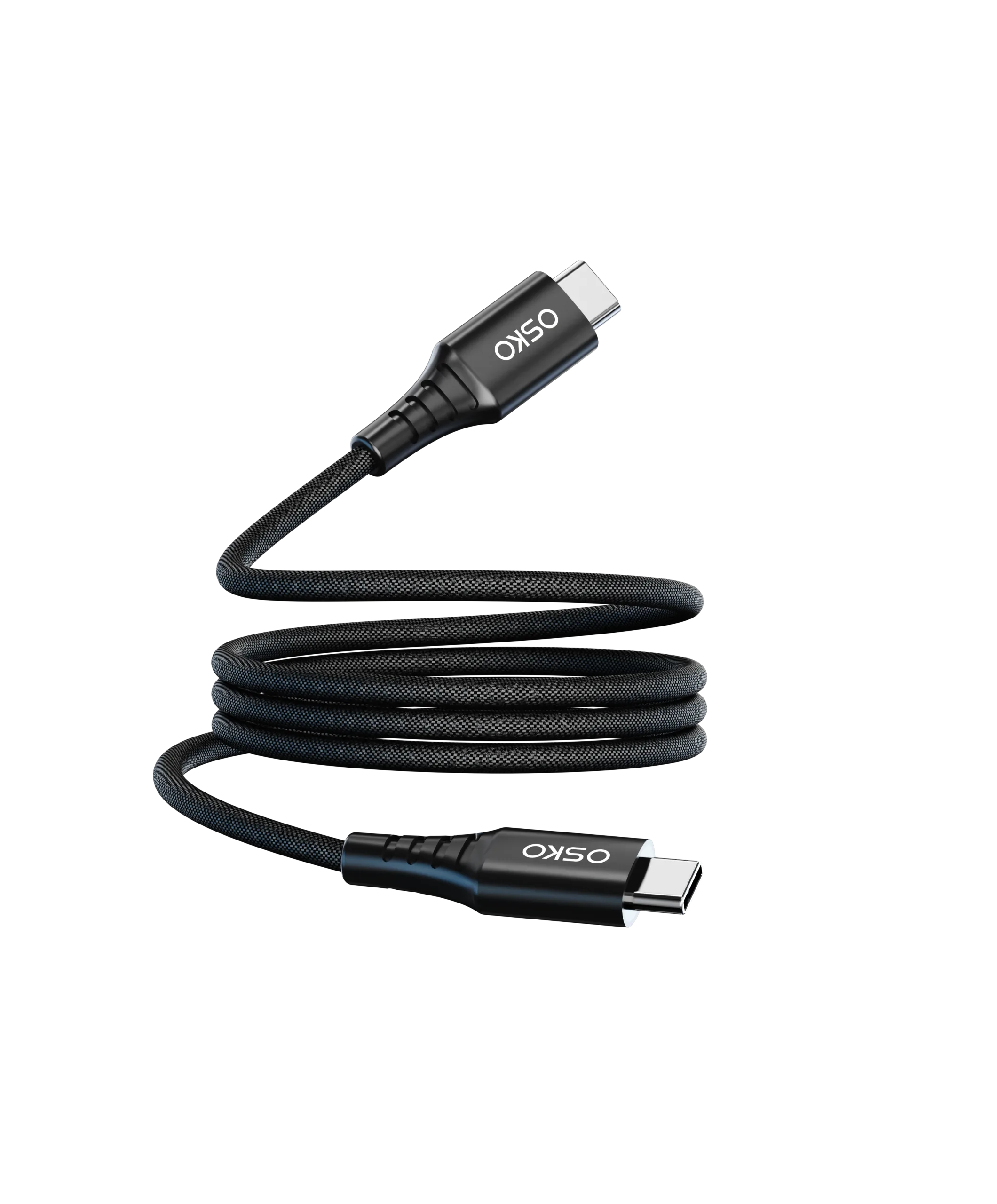
A braided design improves durability by adding mechanical protection.
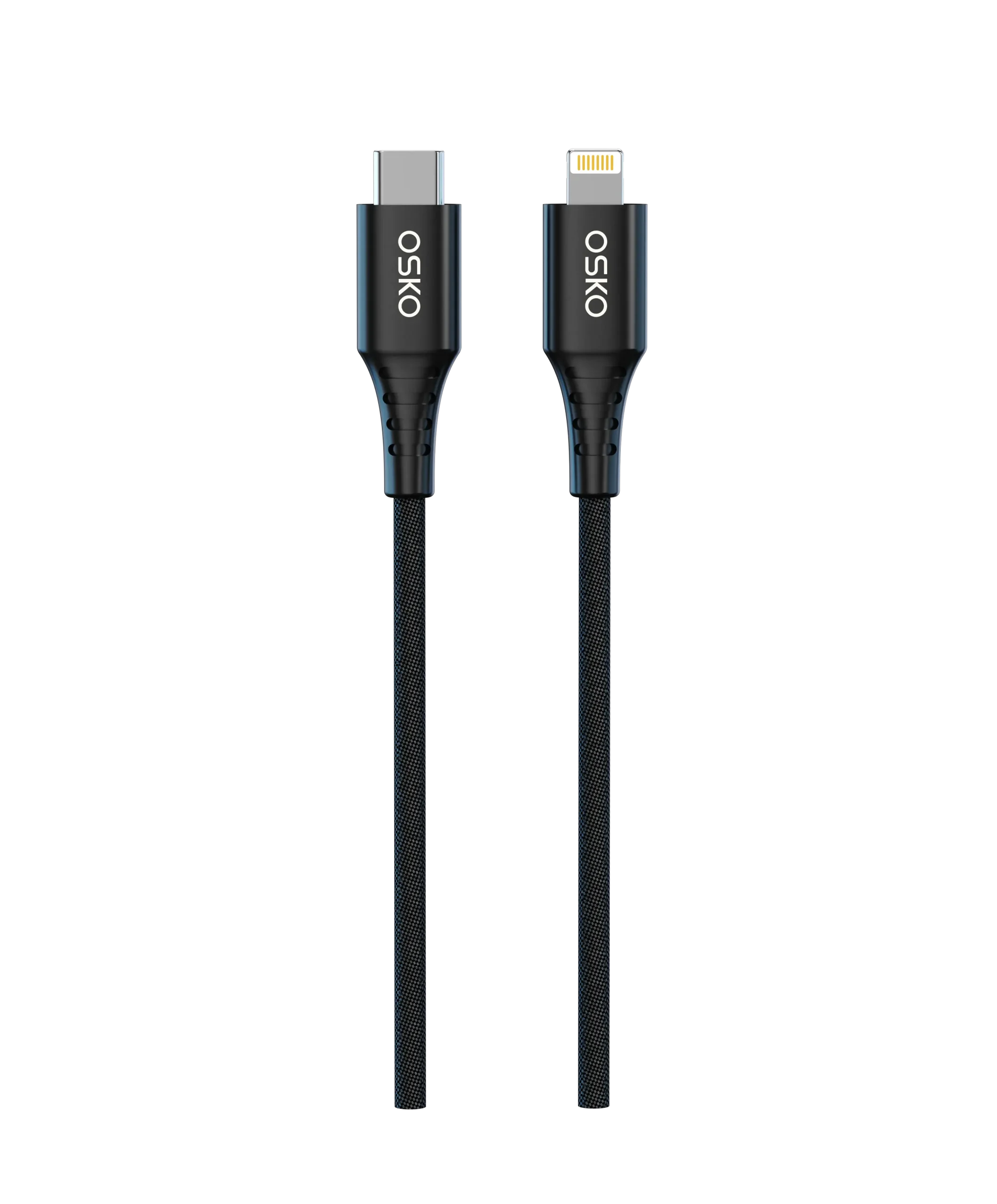
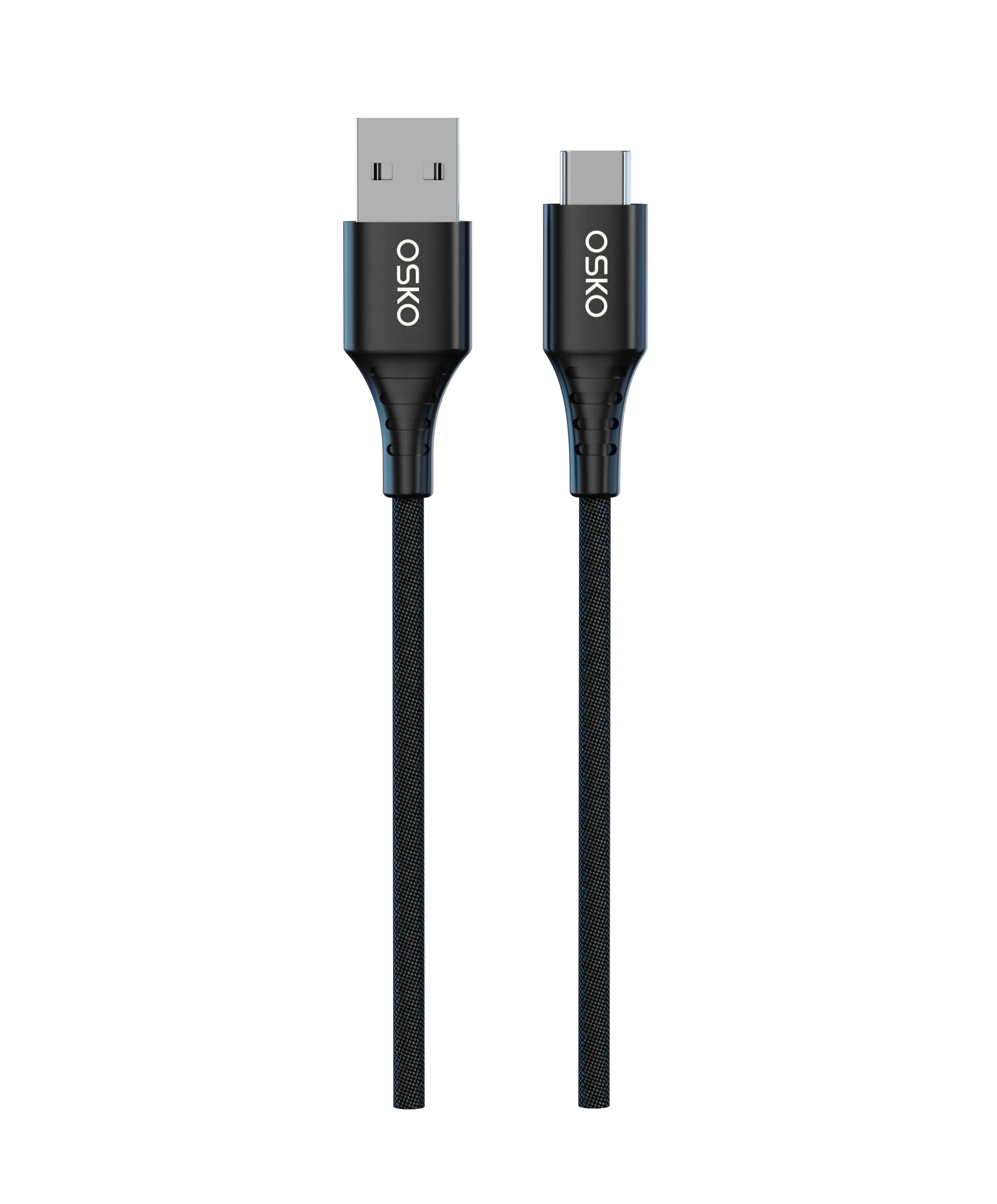
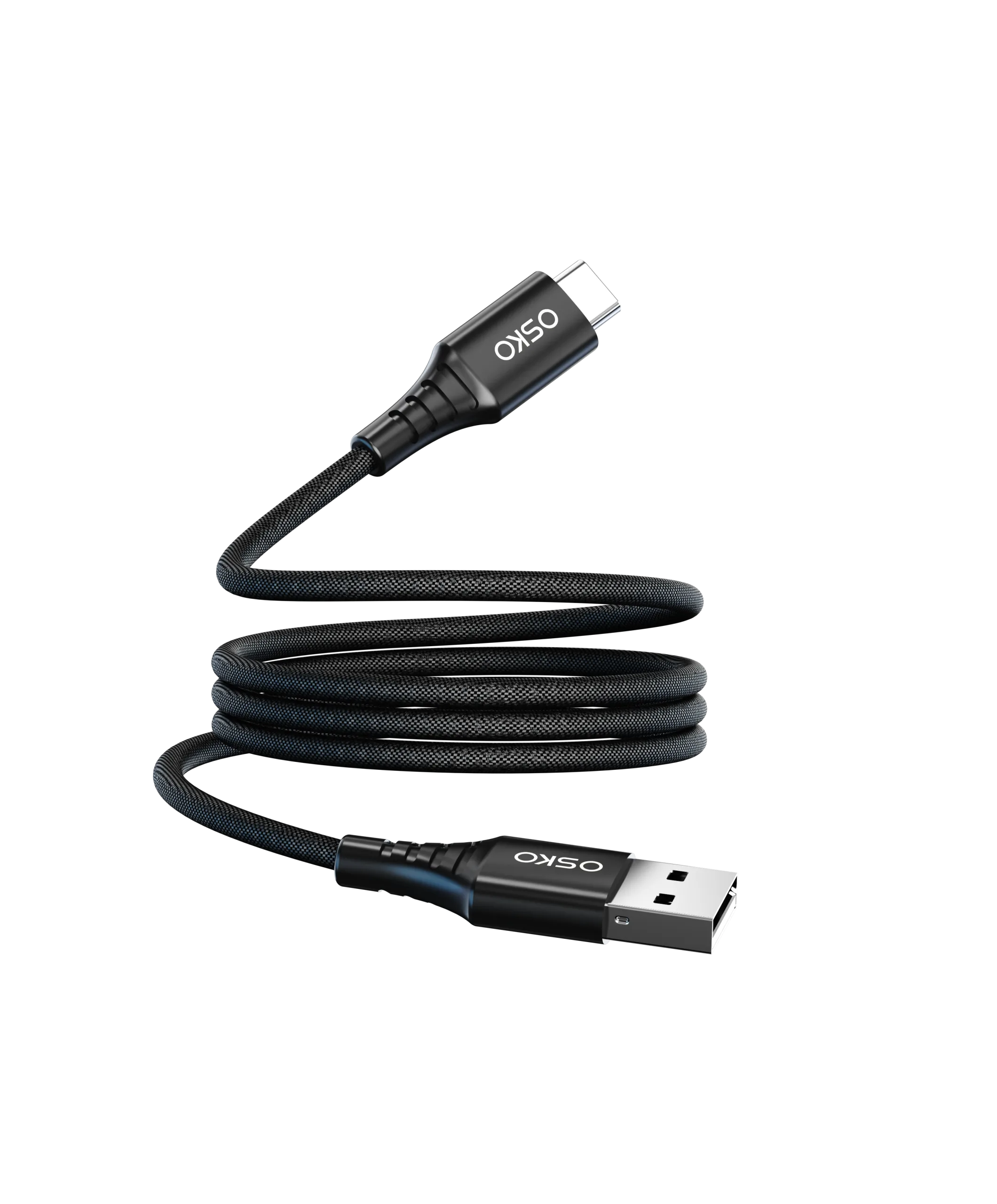
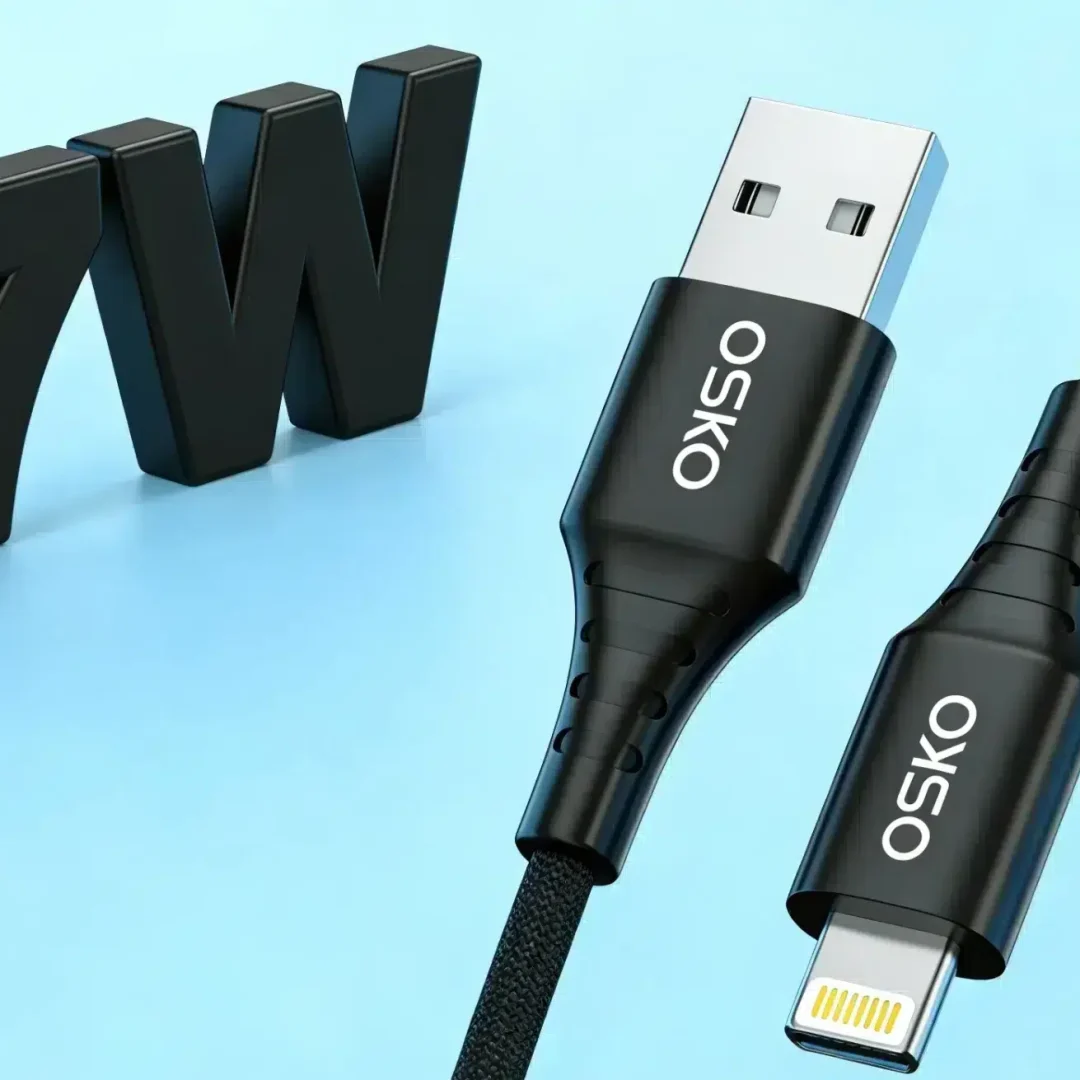
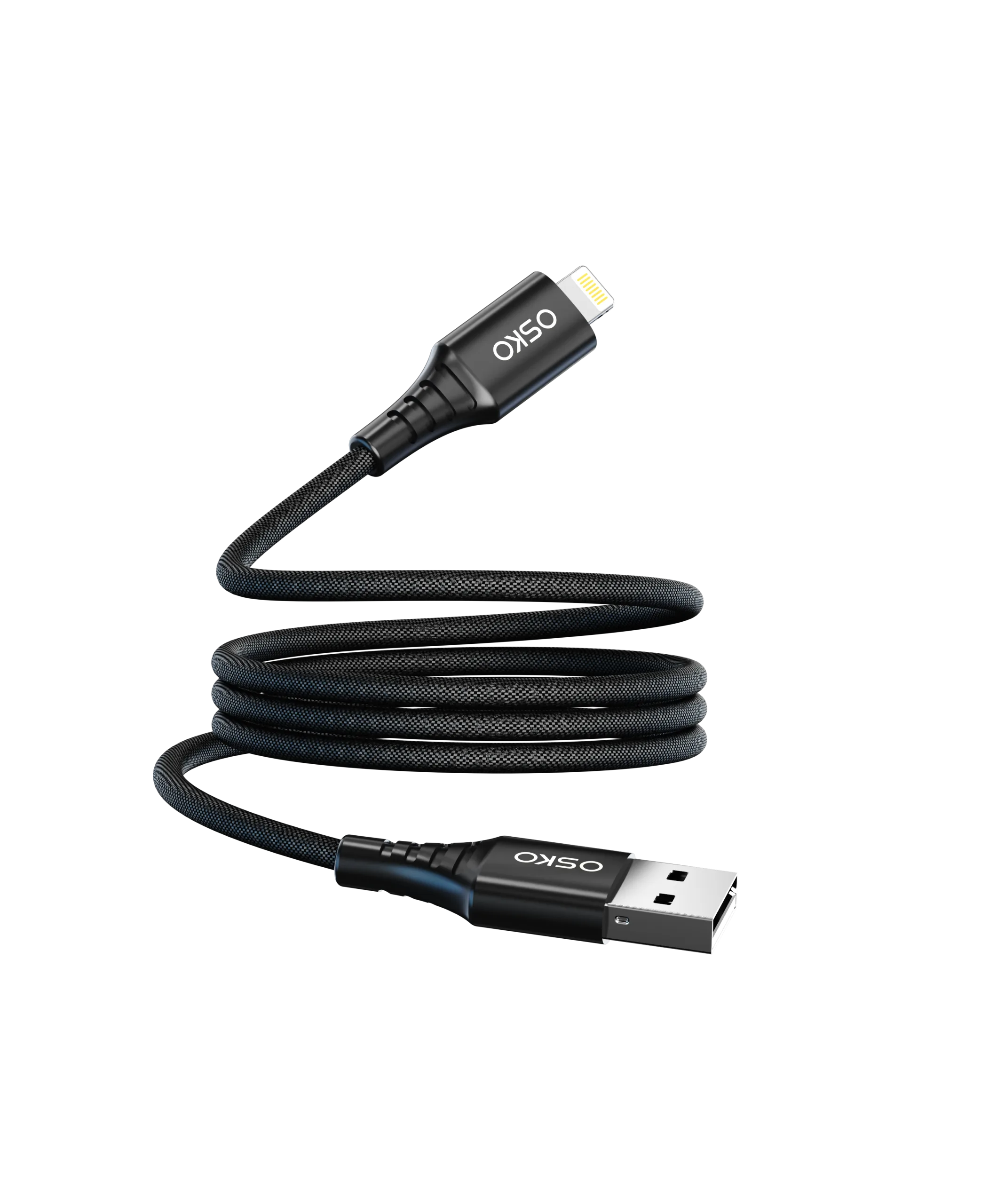
A nylon braided USB-C cable provides:
Higher abrasion resistance
Better flexibility
Reduced tangling
Improved appearance
This makes braided cables popular for:
Premium retail products
Travel USB cables
Desk charging cables
Car charging cables
Nylon Braiding vs PVC Cable
| Feature | Nylon Braided Cable | Standard PVC Cable |
|---|---|---|
| Flexibility | Higher | Medium |
| Abrasion resistance | Excellent | Average |
| Appearance | Premium | Basic |
| Tangling resistance | Better | Lower |
| Retail positioning | Premium products | Entry-level products |
A professional Durable nylon braided Type C charging cable factory usually combines nylon material with reinforced internal structures to improve lifespan.
Connector Design: The Most Common Failure Point
Many cable failures happen near the connector.
The connector area receives the highest mechanical stress because users frequently:
Bend the cable near the plug
Pull the cable during removal
Twist the connector while connected
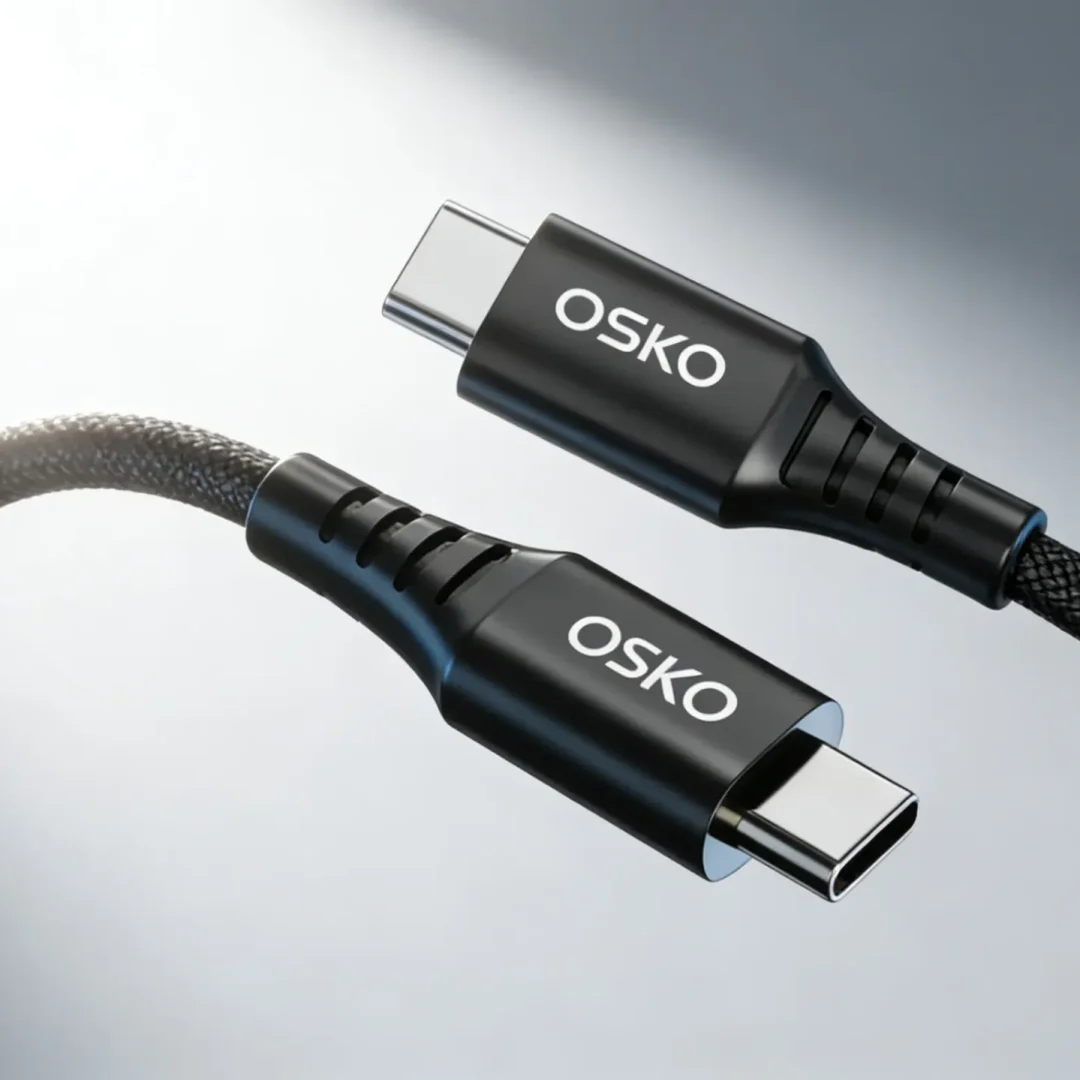
Key Features of a Durable Connector
1. Reinforced Connector Housing
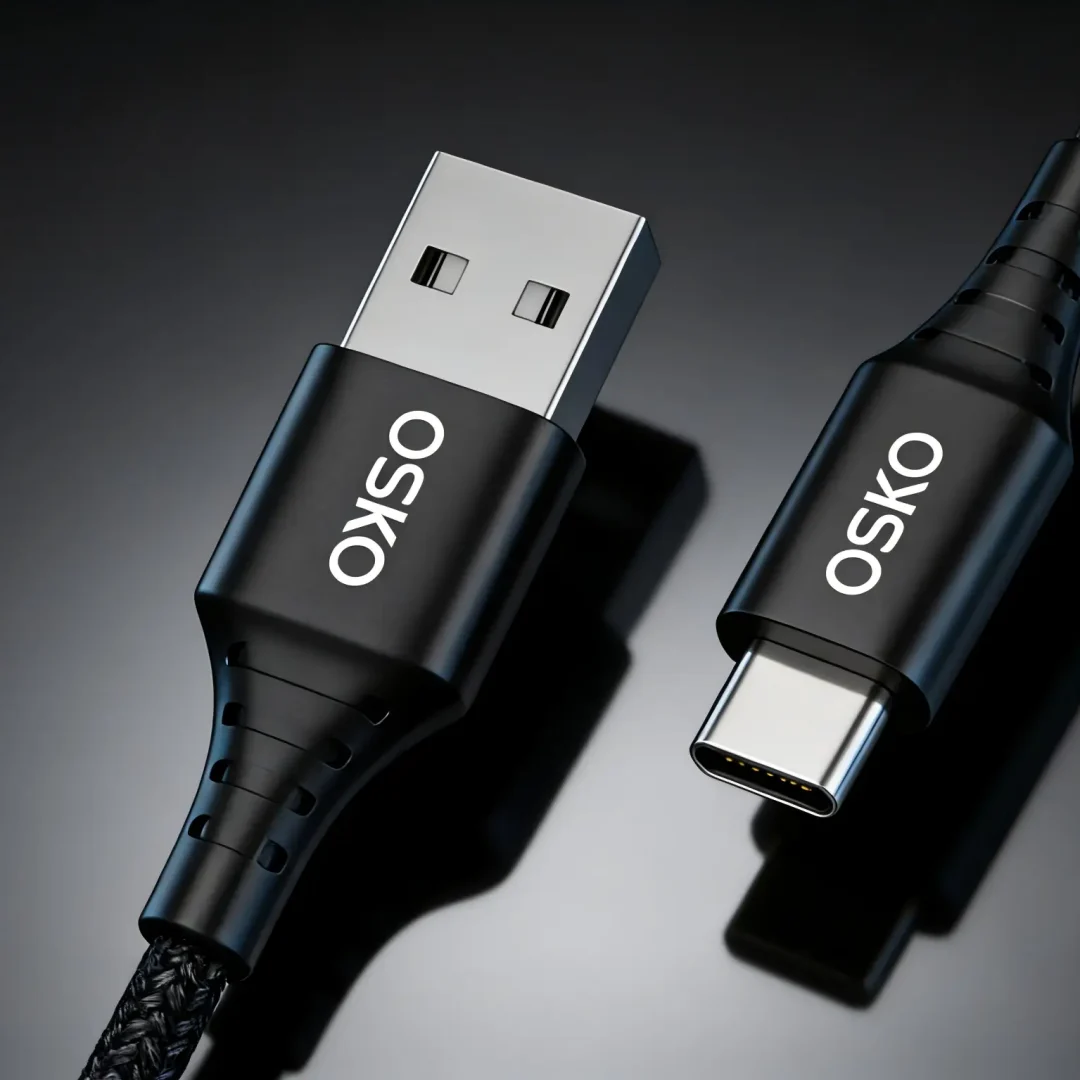
A strong connector should include:
Extended strain relief
Strong outer shell
Flexible bending protection
This reduces stress concentration.
2. Metal Shell Construction
High-quality connectors often use:
Aluminum alloy
Zinc alloy
Stainless steel components
Advantages:
Better impact resistance
Improved heat dissipation
Longer service life
3. Precise Connector Assembly
Poor assembly may cause:
Loose connection
Intermittent charging
Signal interruption
Professional production requires:
Automated assembly
Connector inspection
Electrical testing

Internal Wiring: The Core of Cable Performance
The internal structure determines:
Charging speed
Data transmission
Heat generation
Lifespan
A durable cable requires carefully designed internal wiring.
Copper Conductor Quality
The conductor carries electrical current.
Higher-quality conductors provide:
Lower resistance
Better charging efficiency
Reduced heat generation
For high-power applications such as laptops, cables require:
Larger copper wires
Better insulation
Improved thermal management
This is especially important for:
100W USB-C cables
240W USB-C cables
Internal Shielding Structure
Shielding protects signal stability.
It helps reduce:
Electromagnetic interference
Data errors
Signal interruption
Important for:
USB-C data cables
USB4 cables
Video-capable USB-C cables
E-Marker Chip for High-Power USB-C Cables
Modern high-power USB-C cables require intelligent identification.
An E-marker chip provides:
Cable power information
Current capability
Charging safety communication
Required for many:
100W USB-C cables
240W USB-C cables
Without proper identification:
Charging speed may decrease
Device compatibility may be limited
Durability Testing Standards
A reliable cable manufacturer should perform multiple tests.
| Test Type | Purpose |
|---|---|
| Bend test | Measures flexibility |
| Pull test | Checks connector strength |
| Plug/unplug test | Evaluates connector lifespan |
| Current test | Confirms power stability |
| Temperature test | Measures heat control |
| Data test | Confirms transmission performance |
These tests ensure consistent quality for retail and commercial applications.
Certifications: Ensuring Safety and Market Compliance
Certifications demonstrate that cables meet specific safety and performance requirements.
For international markets, common certifications include:
| Certification | Market/Application |
|---|---|
| CE | European market compliance |
| RoHS | Restriction of hazardous substances |
| FCC | US electromagnetic compliance |
| USB-IF | USB performance standards |
| Prop 65 | California chemical safety requirements |
| ISO9001 | Manufacturing quality management |
Professional suppliers may provide:
CE RoHS certified USB-C cable factory
FCC approved nylon braided USB C cable supplier
USB-IF compliant Type C cable manufacturer
ISO9001 certified braided USB cable factory
Case Study
North American Retail Brand Improves Cable Return Rate Through Durability Engineering
Customer Background
A US electronics retailer sold charging cables through online channels.
Their product range included:
Smartphone charging cables
Laptop charging cables
Travel USB cables
Desk charging cables
The company wanted to develop a premium braided cable series.
Customer Challenges
High Product Return Rate
Customers reported:
Connector damage
Broken cable ends
Slow charging after extended use
The main issue was insufficient mechanical reinforcement.
Need for Premium Positioning
The brand required:
Better durability
Higher charging performance
Professional certification support
OSKO Solution
OSKO redesigned the cable structure.
| Requirement | Engineering Solution |
|---|---|
| Outer protection | Nylon braided jacket |
| Connector durability | Reinforced strain relief |
| Charging stability | High-quality copper conductor |
| High-power support | E-marker chip |
| Compliance | CE/RoHS testing |
The solution supported:
OEM USB cable production
ODM USB cable development
USB cable wholesale
Bulk custom charging cables
Retail USB cable product lines
Selection Guide
How to Choose a Durable USB-C Cable
Check the Outer Material
Choose:
Nylon braided cables for heavy daily use
Flexible jackets for travel applications
Avoid:
Thin plastic jackets
Poor-quality coatings
Inspect Connector Quality
Look for:
Reinforced joints
Strong strain relief
Metal connector housing
Confirm Internal Specifications
For charging performance:
| Application | Recommended Cable |
|---|---|
| Smartphone | 60W USB-C cable |
| Tablet | 60W USB-C cable |
| Laptop | 100W USB-C cable |
| High-power devices | 240W USB-C cable |
Evaluate Supplier Capability
For wholesale buyers, consider:
Factory testing capability
Certification support
Customization options
Production consistency
Professional suppliers can provide:
Bulk custom color braided charging cables
OEM ODM custom length USB C cables
Custom packaging braided charging cable factory
White label 240W fast charging cable wholesale
FAQ
Are braided USB-C cables more durable than regular cables?
Generally yes. Braided cables provide better abrasion resistance and mechanical protection compared with standard PVC cables.
Why do USB-C cables break near connectors?
Because the connector area receives repeated bending and pulling stress. Reinforced strain relief improves durability.
Does a thicker cable mean better quality?
Not always. Quality depends on conductor design, materials, insulation, and manufacturing processes.
How long should a durable USB-C cable last?
A well-designed cable can withstand thousands of bending and connection cycles depending on usage conditions.
Are certified USB-C cables safer?
Yes. Certifications help confirm electrical safety, material compliance, and manufacturing quality.
Summary
A durable USB-C cable is created through a combination of:
Strong outer braiding
Reinforced connector design
High-quality internal wiring
Proper electrical engineering
International certifications
The outer layer protects against physical damage.
The connector prevents mechanical failure.
The internal wiring determines charging performance.
The certifications confirm safety and reliability.
For consumers, choosing a well-engineered cable means fewer replacements and more reliable charging.
For brands, retailers, and distributors, partnering with an experienced USB-C cable manufacturer ensures consistent quality, customization capability, and durable charging solutions for global markets.
Contact Information
OSKO provides professional durable cable manufacturing solutions:
60W / 100W / 240W fast charging cables
OEM and ODM USB cable manufacturing
Private label USB-C cables
Custom length and packaging solutions
Bulk wholesale charging cables