
Introduction
Modern electronic devices are rapidly moving toward USB-C connectivity. Smartphones, tablets, laptops, monitors, automotive systems, and industrial equipment increasingly rely on USB-C cables for charging, data transfer, and video transmission.
However, standard off-the-shelf cables often cannot meet every business requirement.
Many companies face challenges such as:
Generic cables with limited branding options
Inconsistent charging performance
Lack of certification support for different markets
Incorrect cable specifications for target devices
Limited control over materials, colors, and packaging
For retailers, distributors, and technology brands, a customized approach provides better product differentiation and market competitiveness.
Custom USB-C cable solutions allow businesses to define:
Cable structure
Charging capability
Connector design
Material selection
Length options
Branding requirements
Packaging solutions
A professional OEM USB-C cable manufacturer can help transform product concepts into reliable commercial solutions for global markets.

Material Science & Dielectric Properties
USB-C Cable Structure and Engineering Design
A high-quality USB-C cable is not only defined by the external connector.
The internal engineering determines:
Power transmission efficiency
Data stability
Heat management
Mechanical durability
A complete USB-C cable structure includes:
| Component | Function |
|---|---|
| USB-C connector | Physical device connection |
| Copper conductor | Power and signal transmission |
| Insulation layer | Electrical protection |
| Shielding layer | Prevents interference |
| E-marker chip | Supports high-power identification |
| Outer jacket | Mechanical protection |
Each component can be customized according to the application.
Power Customization: From 60W to 240W USB-C Cables
Different devices require different charging capabilities.
A professional manufacturer must design cables according to power requirements.
| Cable Power Rating | Application |
|---|---|
| 60W USB-C cable | Smartphones, tablets, MacBook Air |
| 100W USB-C cable | MacBook Pro, business laptops |
| 140W USB-C cable | High-performance notebooks |
| 240W USB-C cable | USB PD 3.1 high-power devices |
For high-power applications, cable design requires:
Larger conductor size
Better heat resistance
E-marker chip integration
Strict electrical testing
Businesses developing premium charging products often choose:
CE RoHS certified 240W USB C cable
for international markets.
Material Customization Options
The outer material directly affects user experience and product positioning.
PVC Cable
Advantages:
Cost-effective
Suitable for mass production
Easy color customization
Applications:
Entry-level retail cables
Promotional products
Bulk USB cables
TPU Cable
Advantages:
Better flexibility
Improved durability
Resistance to bending
Applications:
Everyday charging cables
Automotive cables
Portable accessories

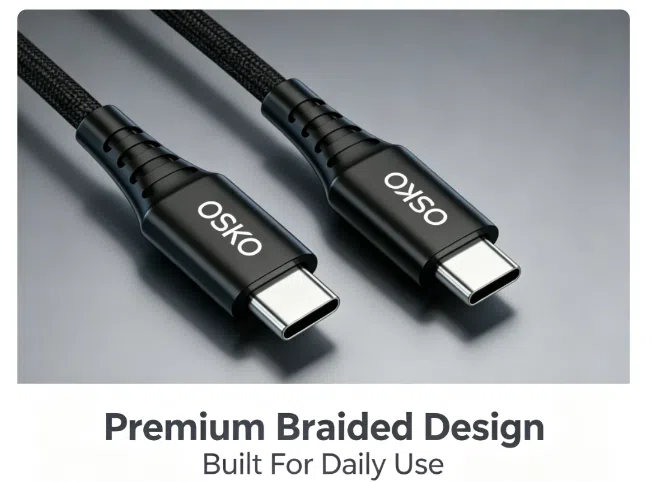
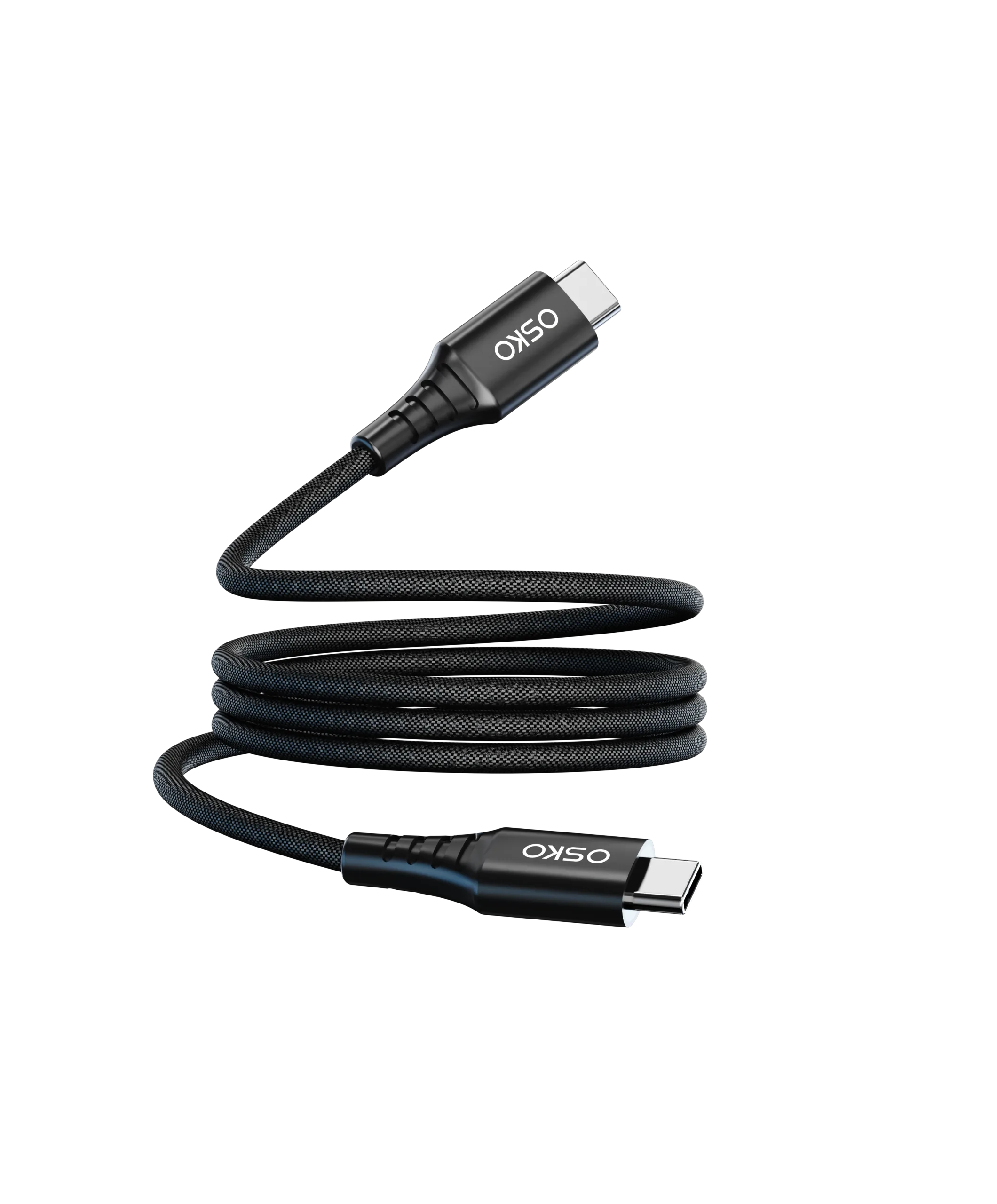
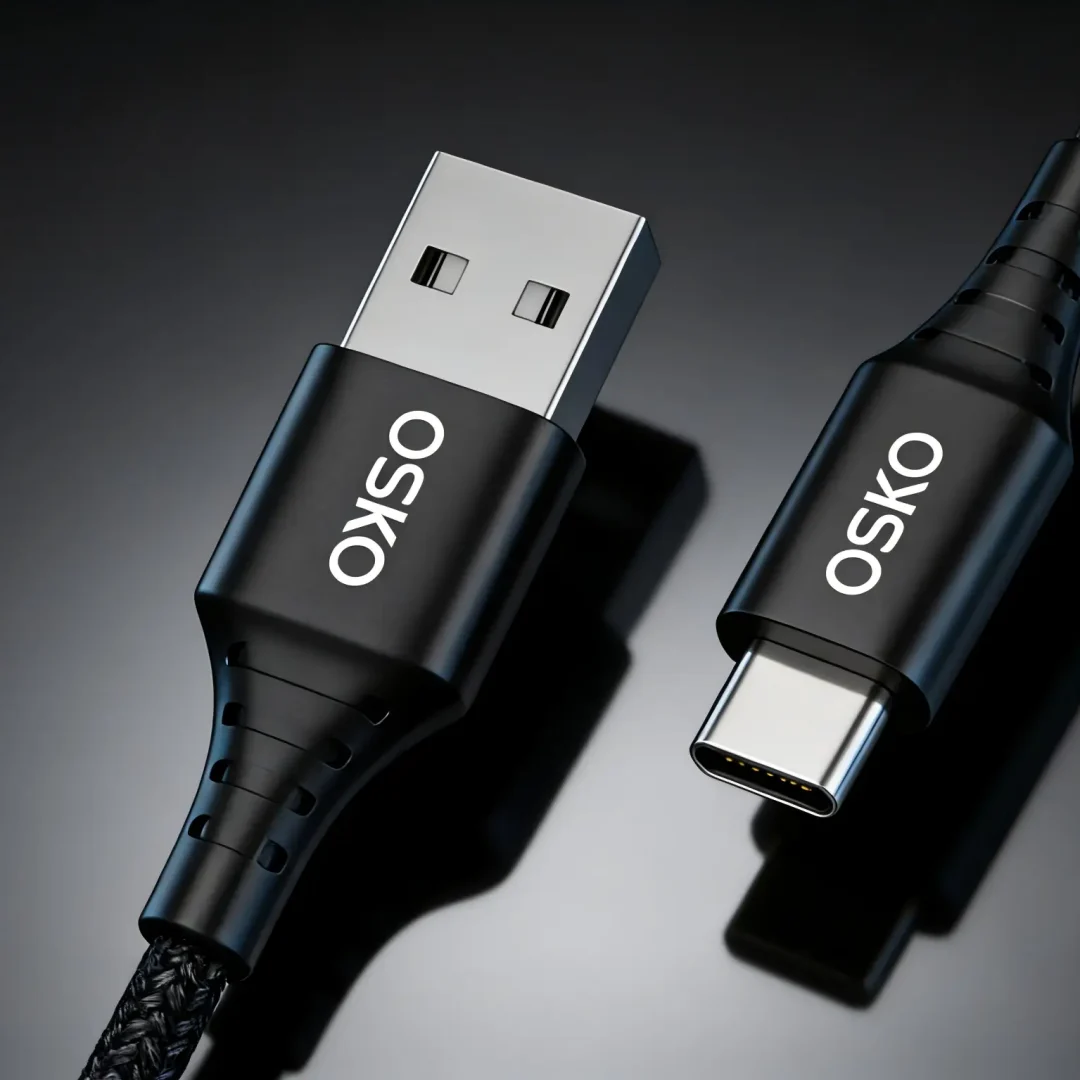
Nylon Braided USB-C Cable
Advantages:
Premium appearance
High abrasion resistance
Reduced tangling
Improved mechanical strength
Applications:
Premium retail products
Travel USB cables
Desk charging cables
Many brands work with a:
Durable nylon braided Type C charging cable factory
to develop long-life consumer products.
Connector Customization Options
USB-C cable projects can include different connector configurations.
| Connector Design | Application |
|---|---|
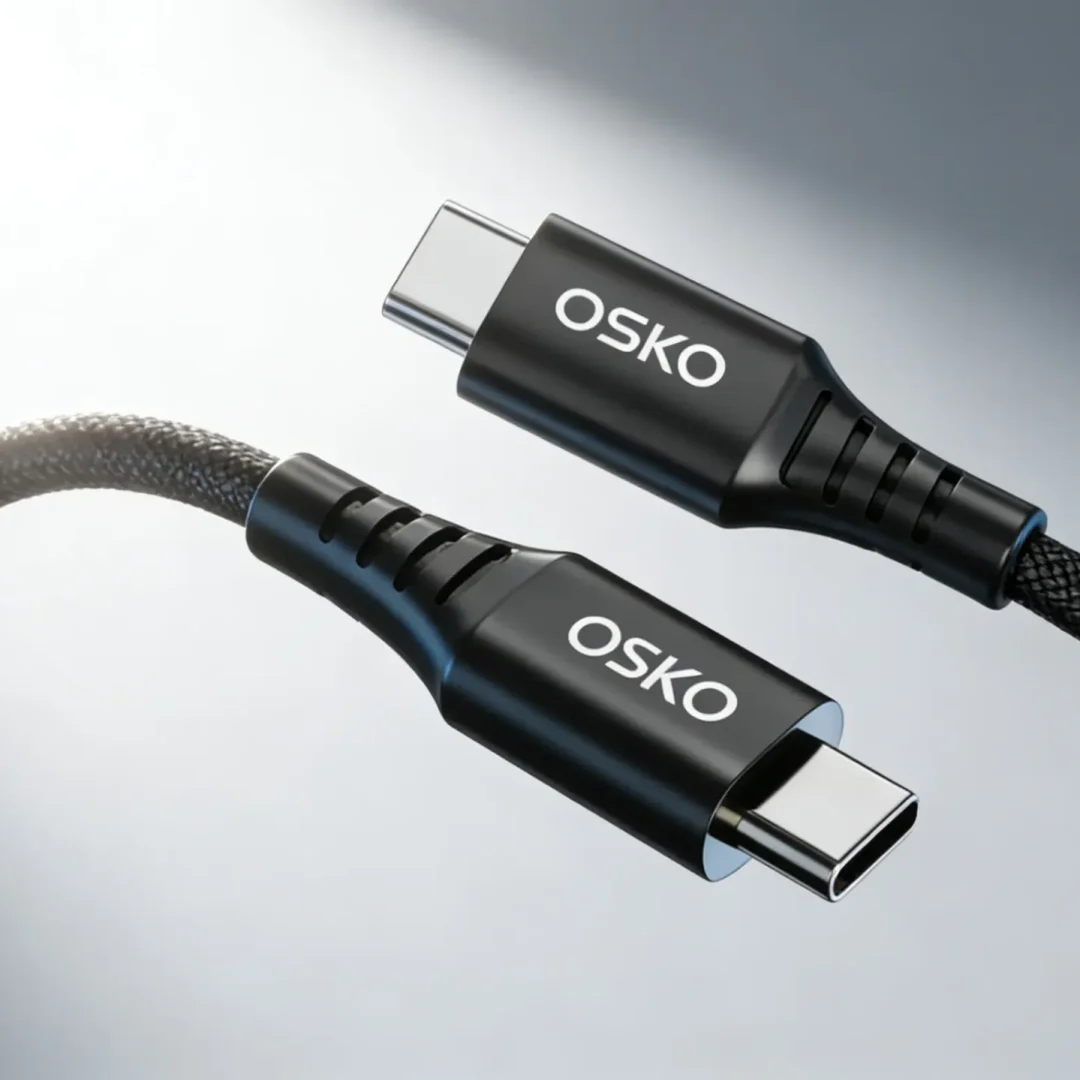
| USB-C to USB-C | PD charging, laptops |
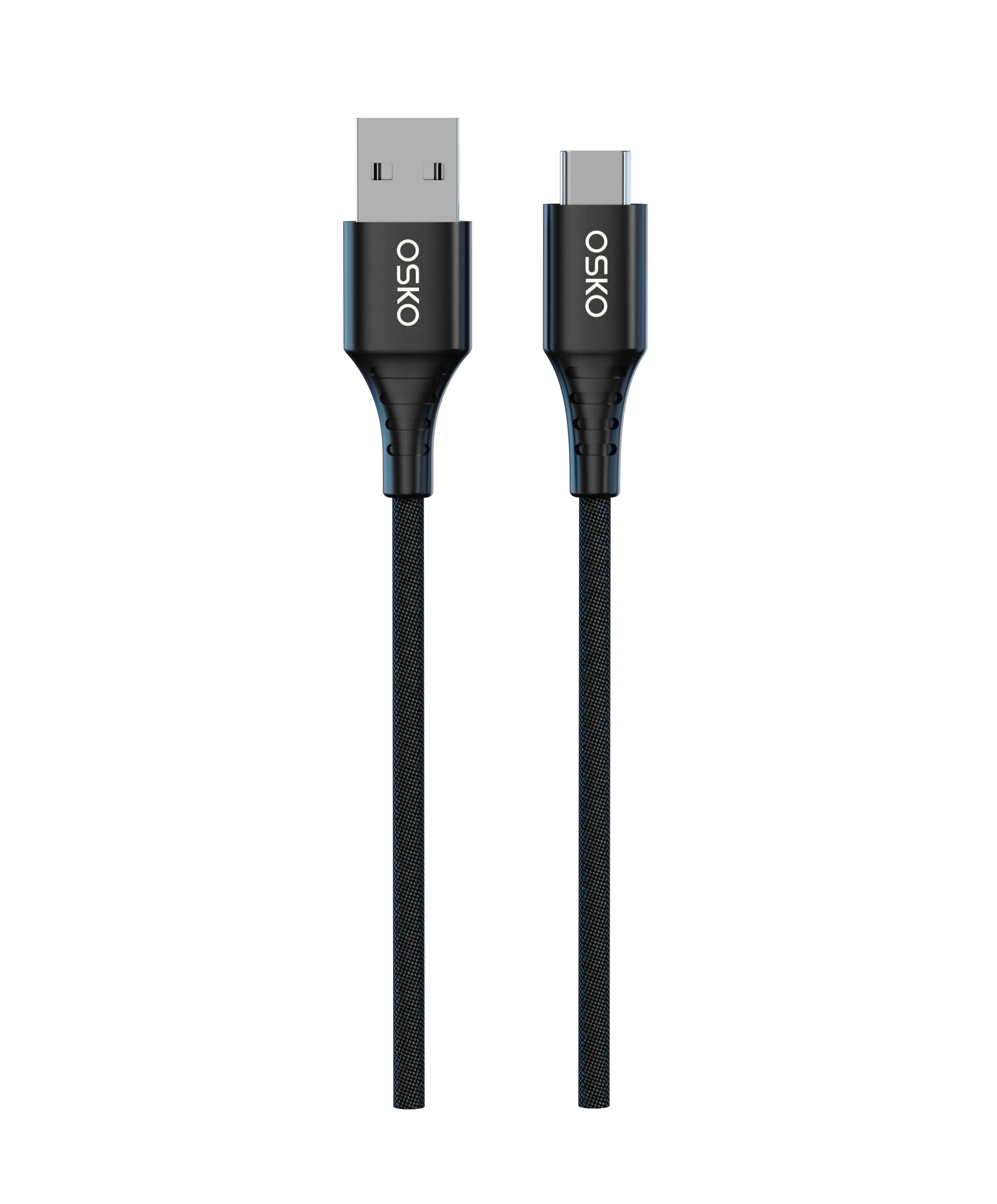
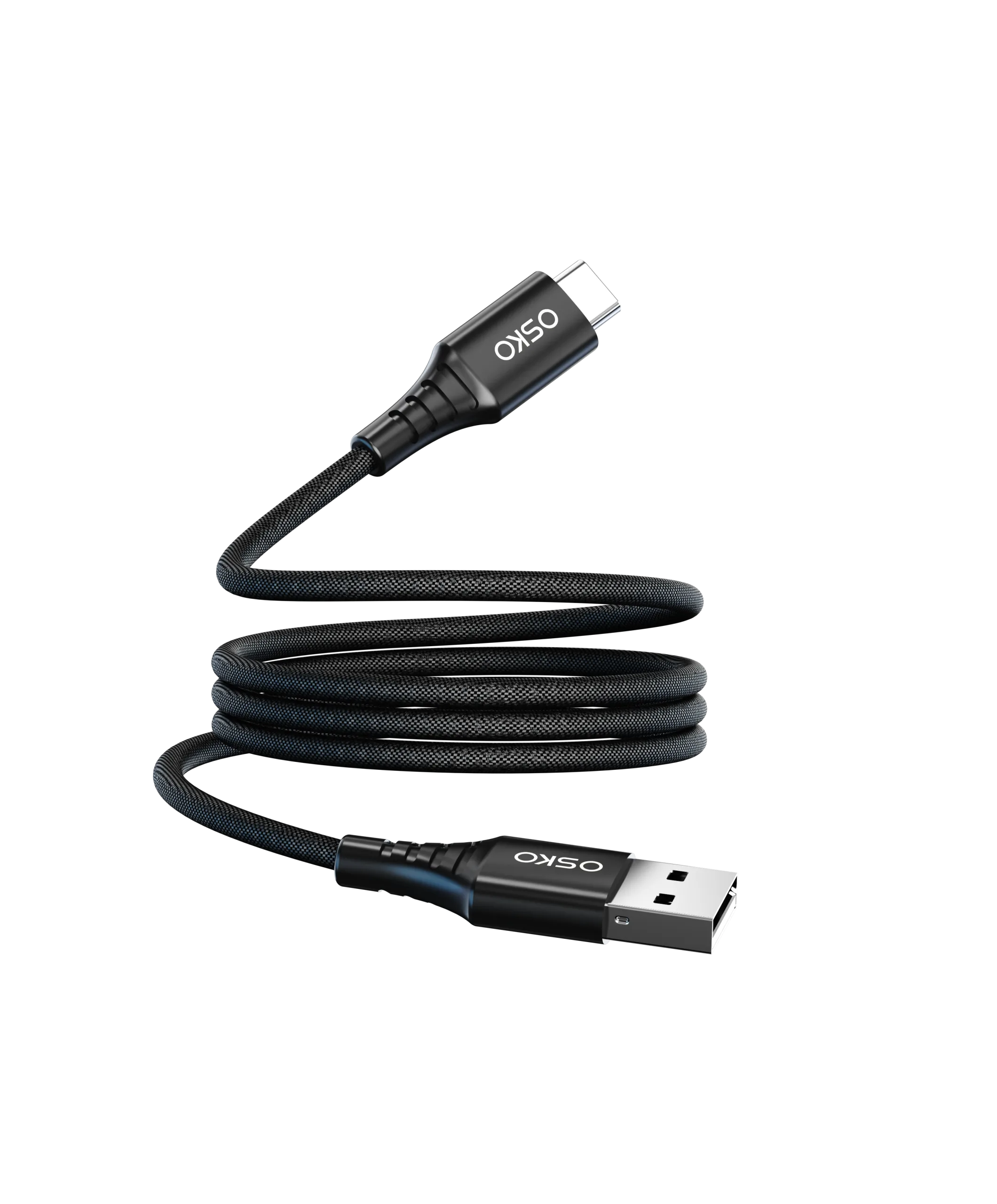
| USB-A to USB-C | Existing USB-A chargers |
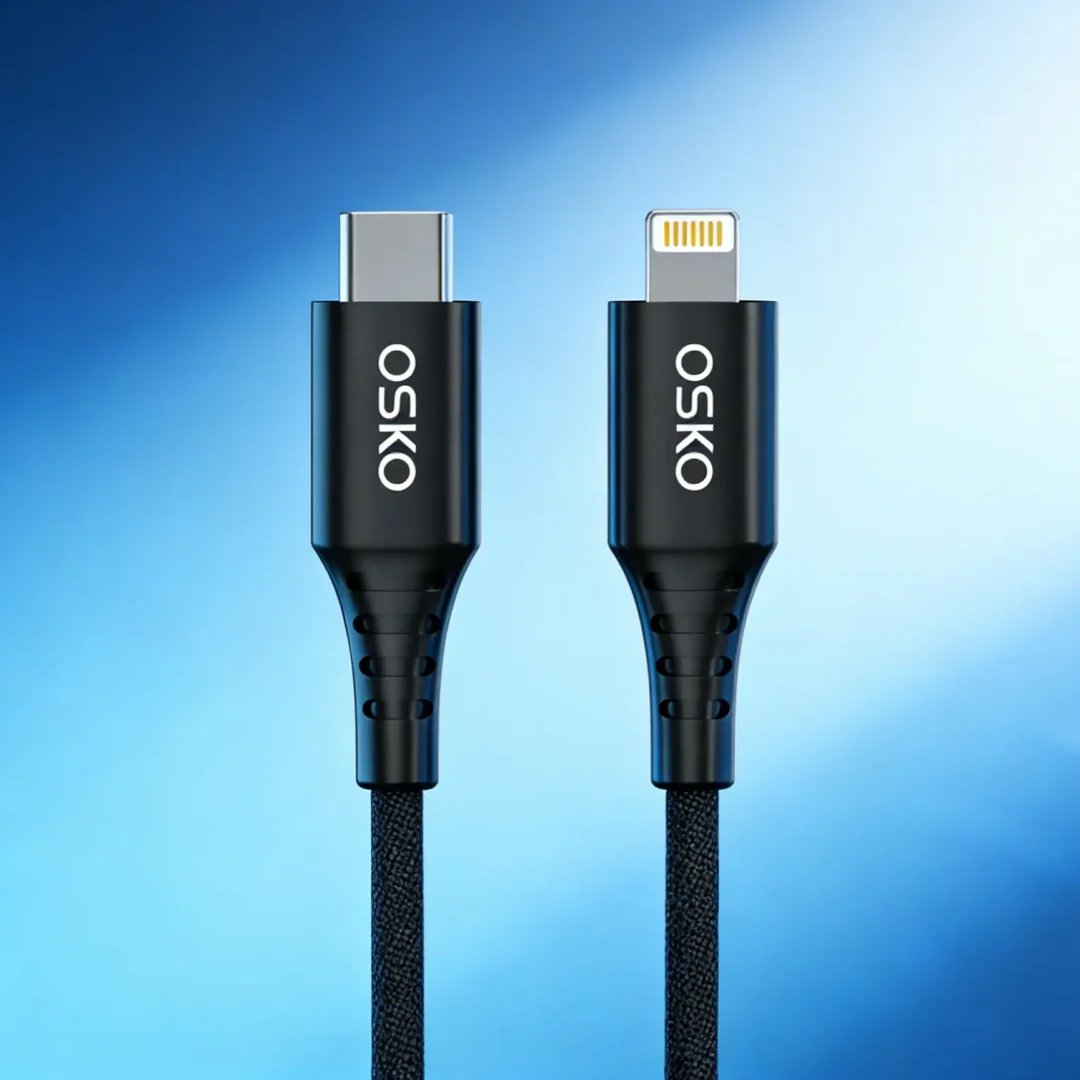
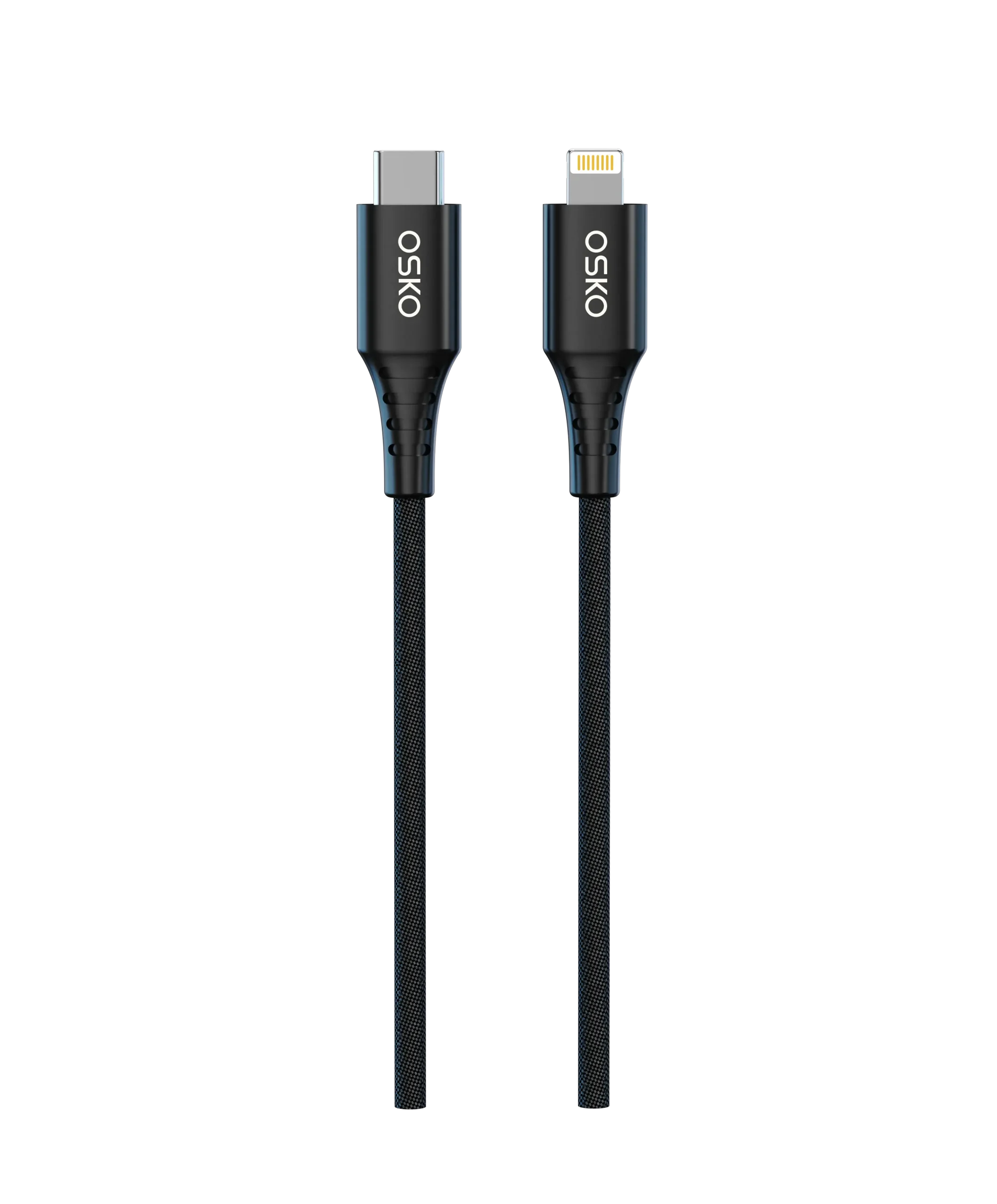
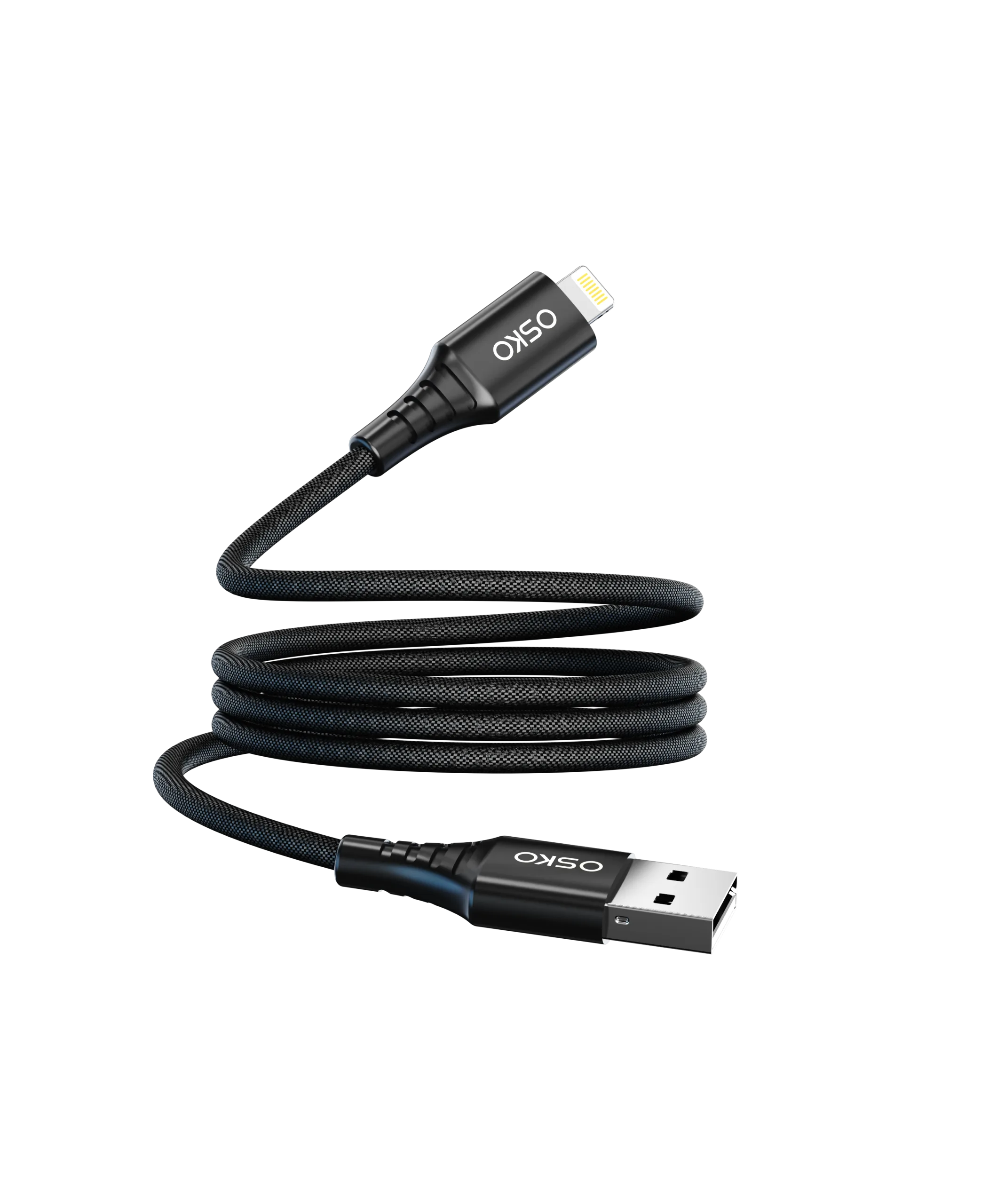
| USB-C to Lightning | Apple legacy devices |
| Right angle USB-C | Gaming and automotive |
| 3 in 1 charging cable | Multi-device charging |
Special designs include:
Braided right angle USB-C cable wholesale
for gaming setups, vehicle charging, and compact workspaces.
Custom USB-C Cable Length Solutions
Different applications require different cable lengths.
| Length | Application |
|---|---|
| 0.5ft | Power banks and compact devices |
| 3ft | Daily charging |
| 6ft | Desk and office charging |
| 10ft | Large workspace applications |
Professional suppliers can provide:
Bulk custom 6ft 10ft USB-C cables
for retail, commercial, and enterprise customers.
OEM and ODM USB-C Cable Manufacturing Process
Custom cable production normally includes several engineering stages.
Product Requirement Analysis
The manufacturer evaluates:
Device compatibility
Power requirements
Market positioning
Quantity requirements
Certification needs
Engineering Development
The engineering team defines:
Cable structure
Wire specification
Connector design
Material selection
Testing standards
Prototype Testing
Samples are tested for:
Charging performance
Data transmission
Bending resistance
Connector strength
Safety compliance
Mass Production
After approval:
Material preparation
Cable assembly
Quality inspection
Packaging
Shipment
A reliable USB-C cable factory should provide quality control throughout production.

Case Study
North American Retail Brand Develops Private Label USB-C Cable Series
Customer Background
A US consumer electronics company wanted to create a branded charging accessory product line.
Target markets:
Online retail
Computer accessories
Mobile accessories
Travel products
Required products:
Premium braided USB-C cables
Multiple lengths
Custom packaging
Different charging specifications
Customer Challenges
The company previously purchased generic cables.
Problems included:
No product differentiation
Limited packaging options
Unstable charging performance
Difficulty meeting different market requirements
The brand needed a supplier capable of supporting both engineering and branding.
OSKO Solution
OSKO developed a complete custom USB-C cable portfolio.
| Product | Solution | Application |
|---|---|---|
| 60W braided cable | Nylon outer layer + PD support | Mobile devices |
| 100W laptop cable | E-marker chip + reinforced structure | Laptop charging |
| 240W cable | PD 3.1 design | High-power devices |
| Custom color cable | Brand matching | Retail products |
| Custom packaging | Private label solution | E-commerce |
The project included:
OEM USB-C cable manufacturing
ODM USB-C cable development
USB-C cable wholesale supply
Bulk custom color braided charging cables
Private label USB-C cable solutions
Selection Guide
How to Choose a Custom USB-C Cable Manufacturer
Evaluate Technical Capability
A professional supplier should support:
USB-C PD development
High-power cable production
Custom materials
Connector customization
Testing procedures
Check Certification Support
For North American and European markets, important certifications include:
| Certification | Purpose |
|---|---|
| USB-IF | USB performance compliance |
| CE | European safety |
| RoHS | Environmental compliance |
| FCC | US electronic requirements |
| ISO9001 | Manufacturing quality |
Professional suppliers may provide:
USB-IF compliant Type C cable manufacturer
FCC approved nylon braided USB C cable supplier
ISO9001 certified braided USB cable factory
Choose Based on Application
| Market Application | Recommended Solution |
|---|---|
| Retail accessories | Custom braided USB-C cable |
| Laptop charging | 100W/240W PD cable |
| Travel products | Compact lightweight cable |
| Automotive | Flexible durable cable |
| Wholesale distribution | Bulk customized cables |
| Corporate gifts | Logo and packaging customization |
Custom Branding Options
Businesses can customize:
| Custom Feature | Purpose |
|---|---|
| Logo printing | Brand recognition |
| Cable color | Product differentiation |
| Connector housing | Premium appearance |
| Packaging | Retail presentation |
| Length | Application flexibility |
Examples include:
Custom packaging braided charging cable factory
White label 240W fast charging cable wholesale
Bulk custom color braided charging cables
FAQ
What is a custom USB-C cable solution?
A custom USB-C cable solution allows businesses to modify cable specifications, materials, power ratings, branding, and packaging according to their product requirements.
Can USB-C cables support different charging powers?
Yes. USB-C cables can be designed for different power levels including 60W, 100W, and 240W.
Can manufacturers create custom USB-C cable lengths?
Yes. OEM and ODM suppliers can produce custom lengths from short 0.5ft cables to long 10ft cables.
What is the difference between OEM and ODM USB-C cables?
OEM means producing according to customer specifications, while ODM includes manufacturer-supported product design and development.
What certifications should USB-C cable suppliers provide?
Common certifications include USB-IF, CE, RoHS, FCC, and ISO9001 depending on target market requirements.
Summary
Custom USB-C cable solutions allow brands and distributors to develop products that match specific market requirements.
A successful USB-C cable project depends on:
Correct power specifications
Quality internal materials
Durable external design
Reliable connector engineering
Certification compliance
Professional manufacturing capability
Whether developing:
Retail charging cables
Laptop power cables
Automotive cables
Travel accessories
Private label products
a reliable USB-C cable manufacturer provides the engineering support and production capability needed for global markets.
OSKO supports OEM, ODM, wholesale, and private label USB-C cable projects with customized designs, certified production, and scalable manufacturing solutions.