
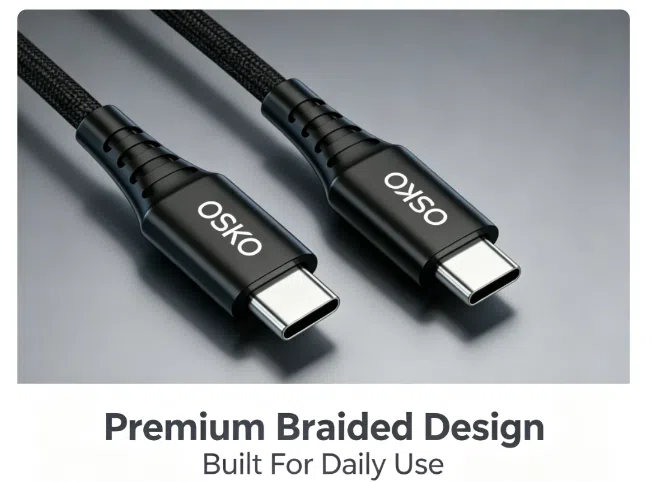
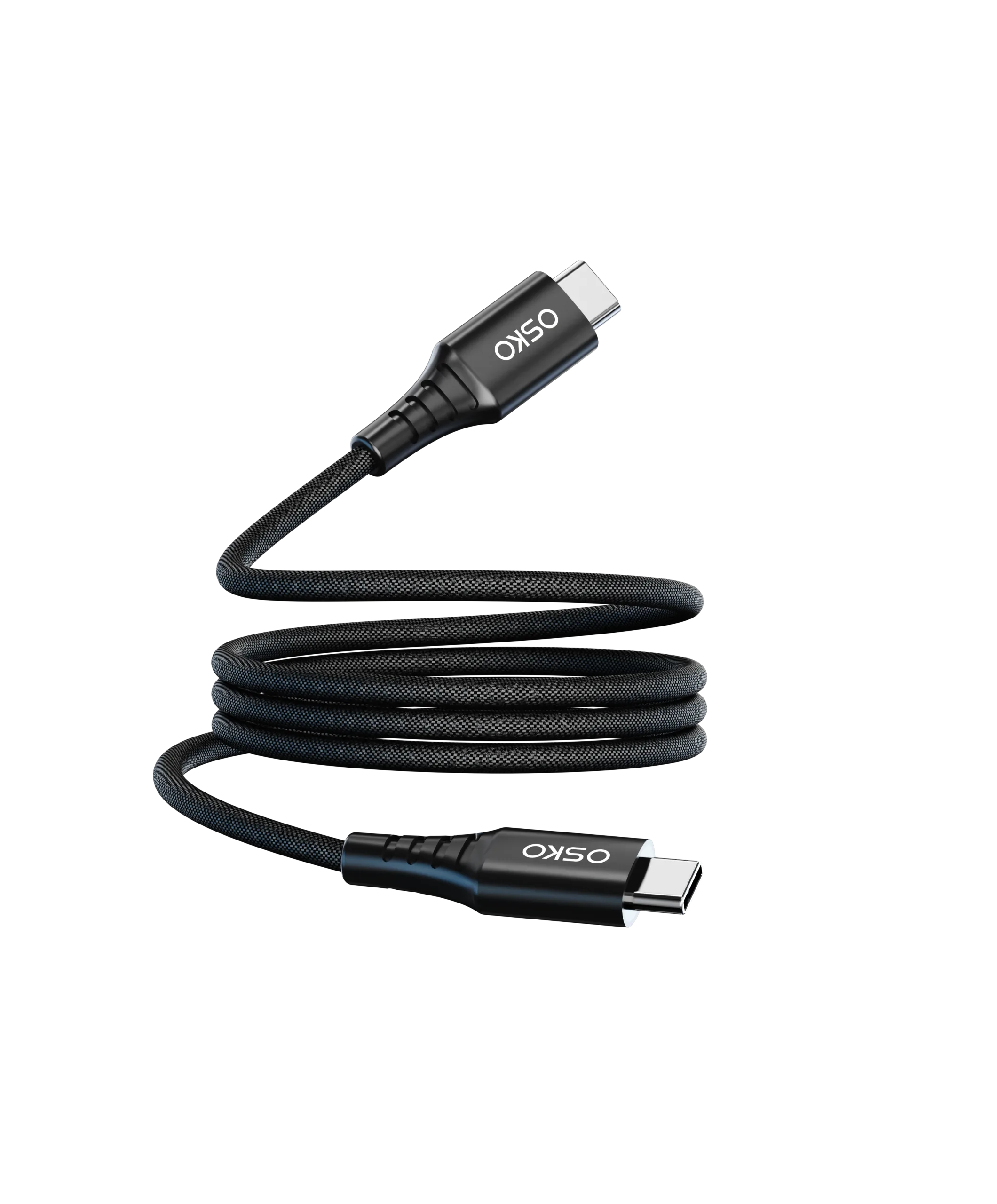
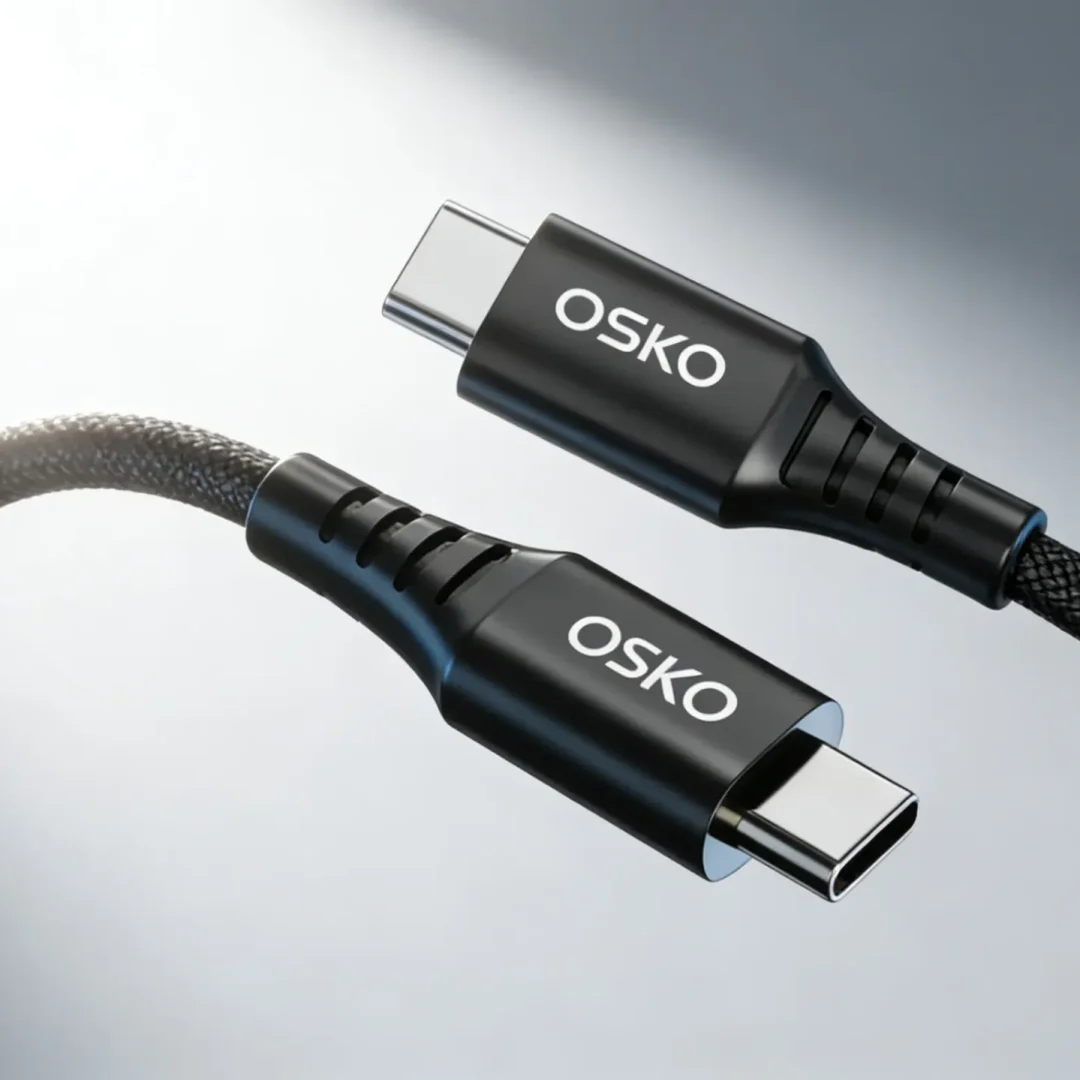
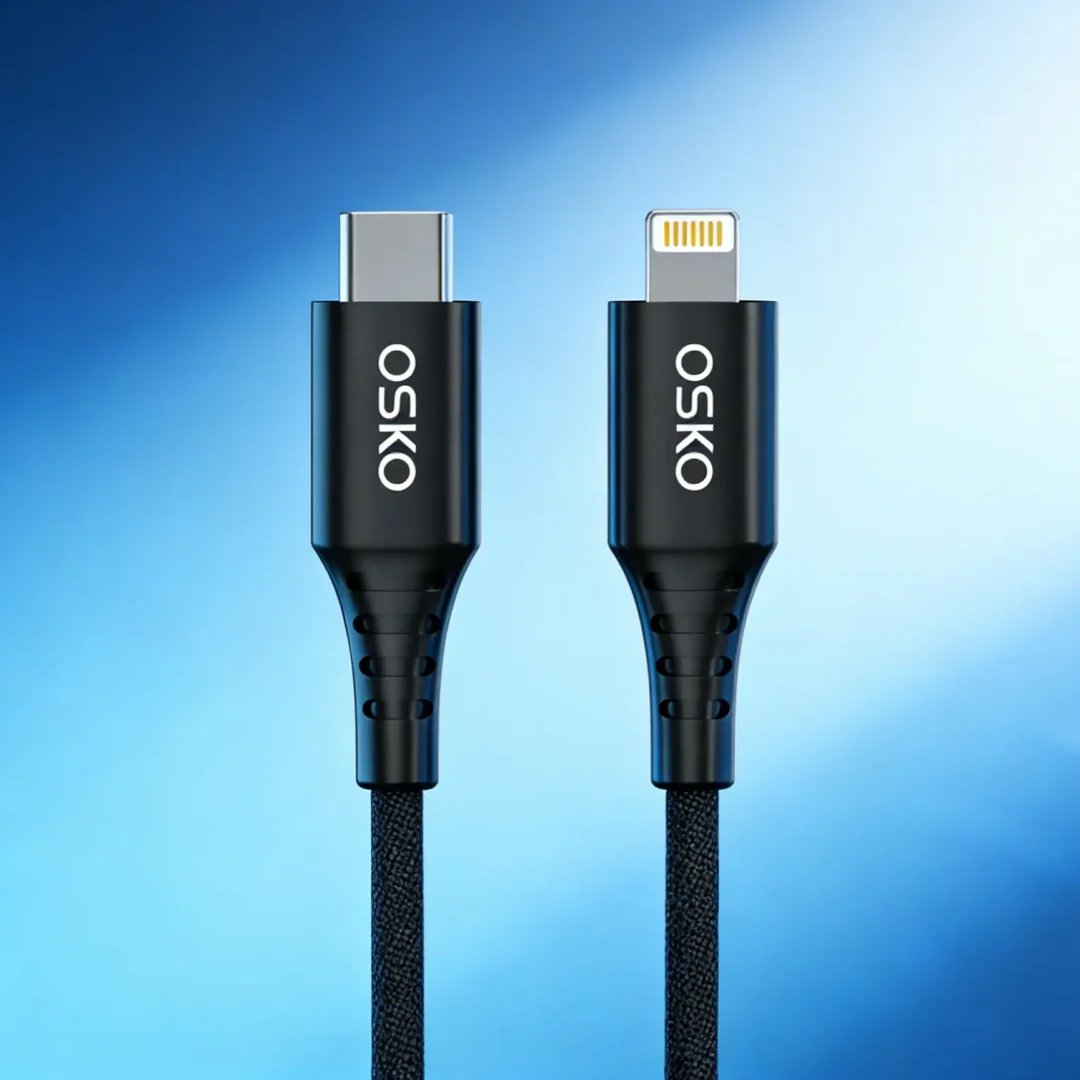
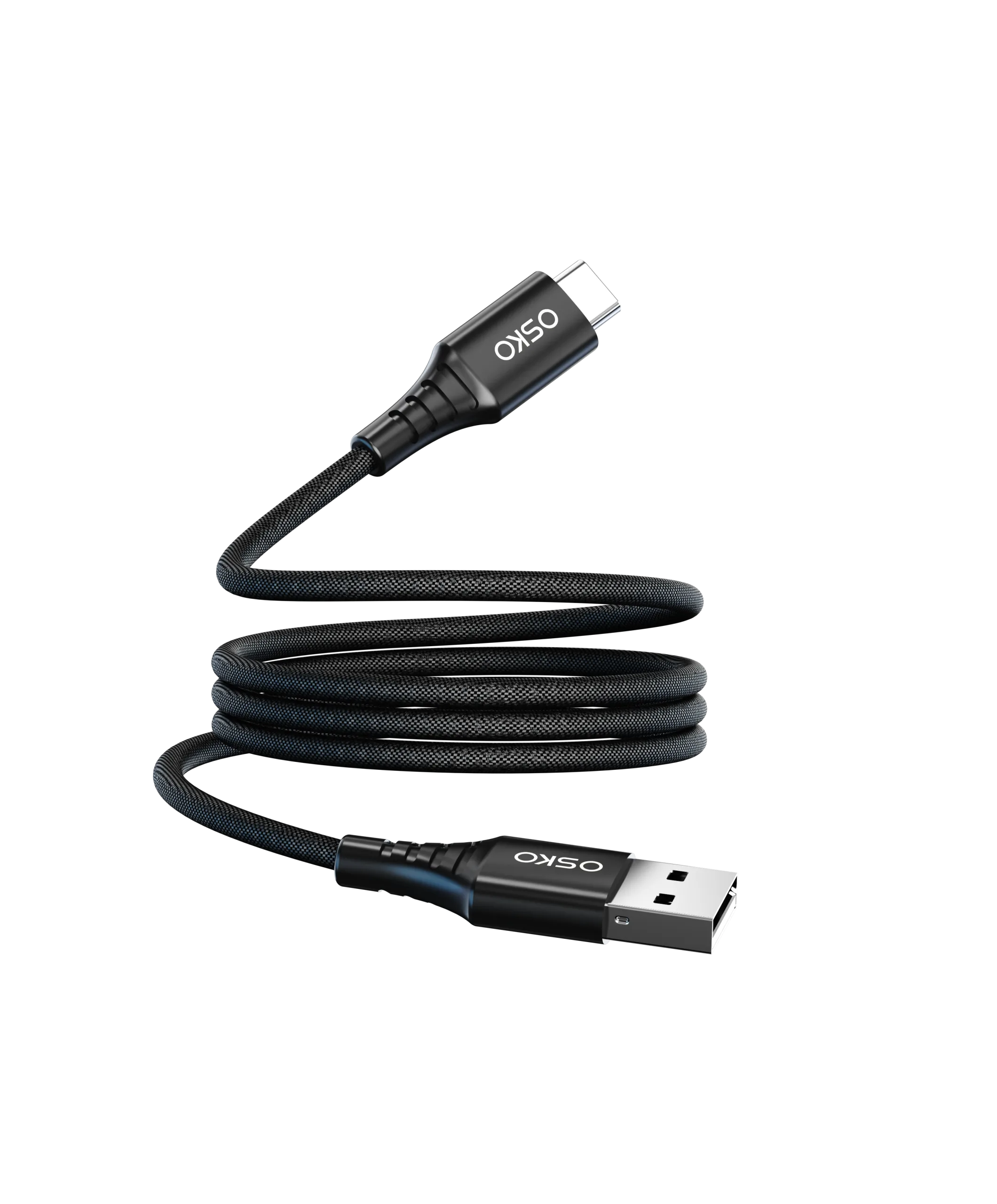
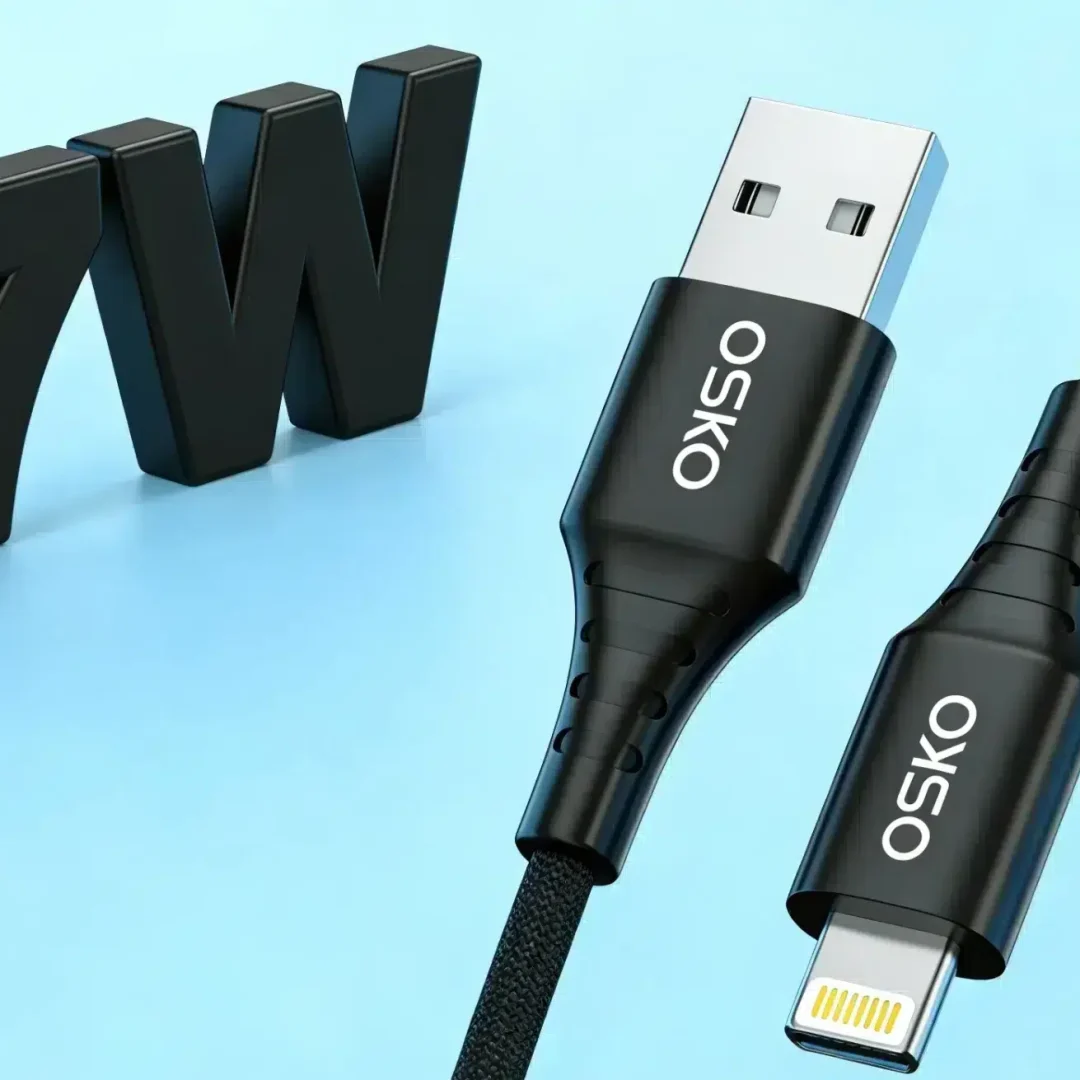
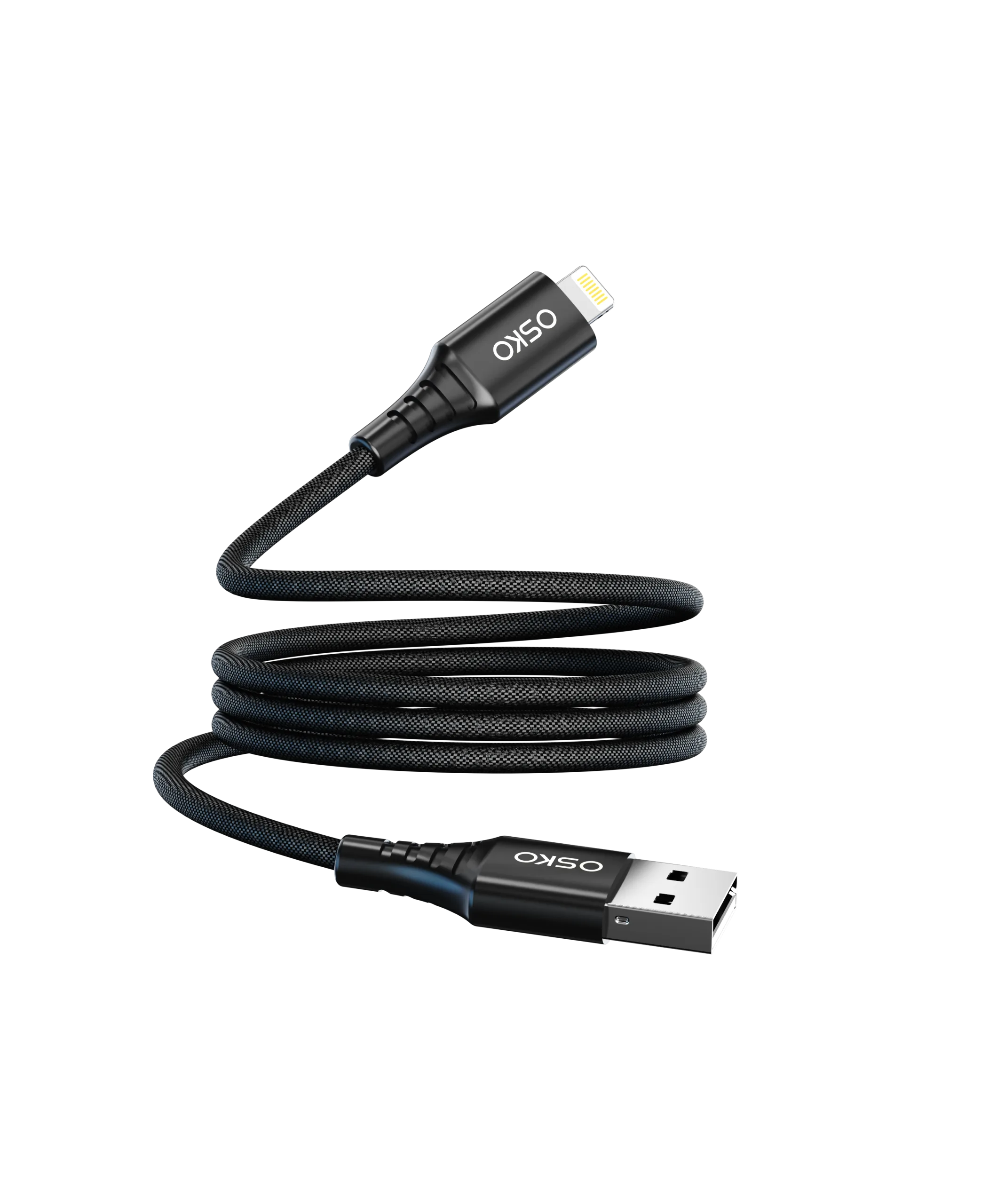
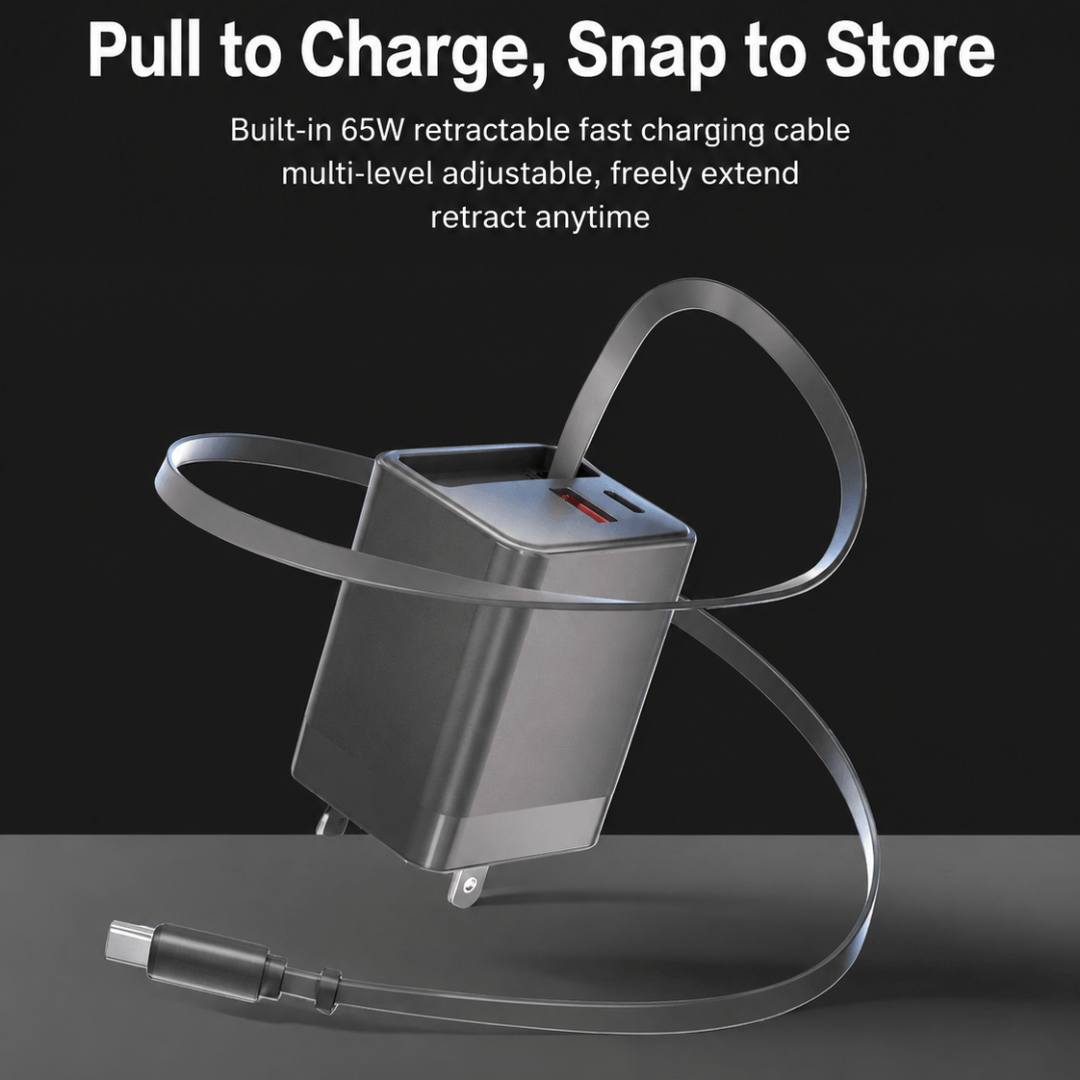
Many smartphone users buy a fast charging cable expecting their phone to charge faster, only to discover that the charging speed has not improved.
Why?
Because fast charging is not determined by the cable alone.
A complete fast charging system requires three components working together:
- Fast charging cable
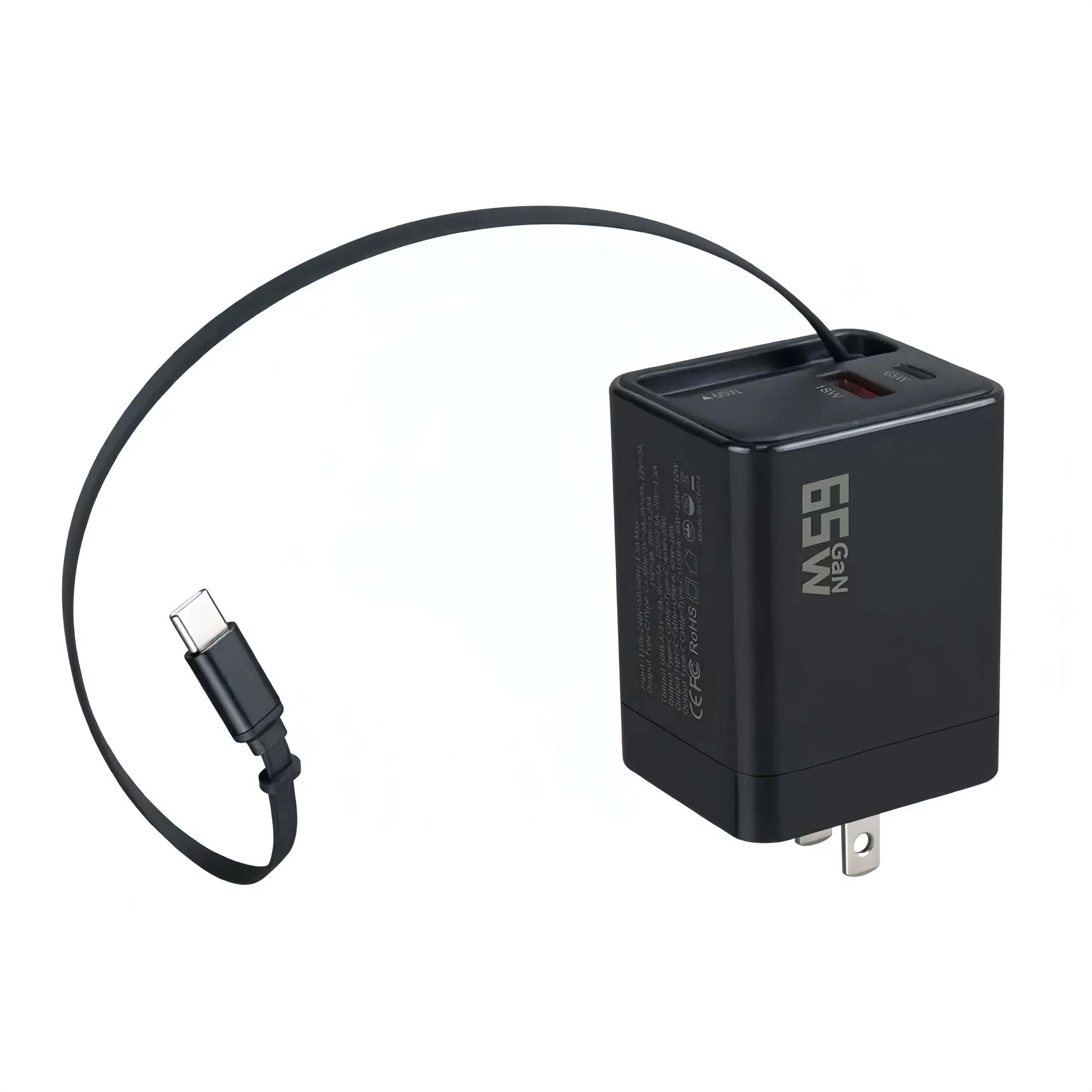
- Fast charging charger adapter
- Smartphone that supports fast charging technology
If any one of these components does not support fast charging, the charging speed will be limited.
This guide explains how fast charging cables and chargers work together, whether you need a fast charger head, and how to choose the right charging combination for your phone.

Does a Fast Charging Cable Need a Fast Charger?
The short answer is:
Yes, a fast charging cable needs a compatible fast charger to achieve maximum charging speed.
A charging cable can support higher current and power transmission, but it cannot create extra power by itself.
For example:
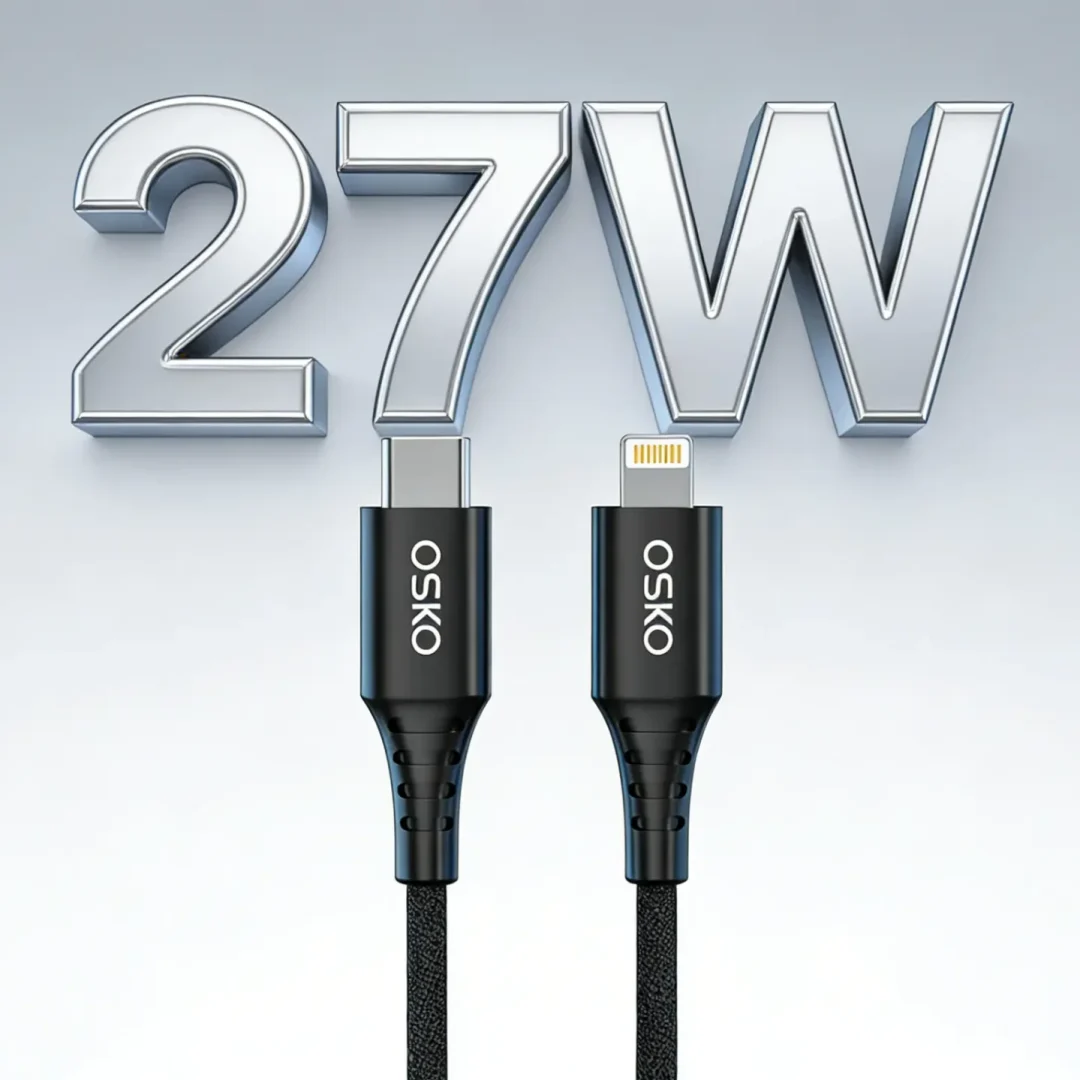
A 100W USB-C cable connected to a basic 5W charger will still charge slowly.
A 100W USB-C charger connected with a low-quality cable may also fail to reach full speed.
Fast charging requires:
Phone + Charger + Cable = Fast Charging
How Does Fast Charging Work?
Traditional chargers deliver limited power.
Older USB-A chargers usually provide:
5W
10W
12W
Modern fast charging technologies increase power output through:
Higher voltage
Higher current
Intelligent communication
Common fast charging standards include:
USB Power Delivery (USB PD)
Qualcomm Quick Charge
Samsung Super Fast Charging
PPS charging
Apple Fast Charge
The charger communicates with the phone to determine:
Required voltage
Maximum current
Safe charging speed
The system then automatically adjusts power output.
What Role Does the Charging Cable Play?
Many people think:
“The charger determines charging speed.”
This is only partially true.
The cable is also a critical part of the charging system.
A charging cable affects:
Maximum current
Power capacity
Charging stability
Heat generation
Safety
Fast Charging Cable Current Ratings Explained
USB-C cables usually have different current ratings.
3A USB-C Cable
A standard 3A cable supports:
Up to 60W charging
Suitable for:
Smartphones
Tablets
Small devices
Examples:
iPhone fast charging
Android phones
iPads
5A USB-C Cable
A 5A cable supports higher power levels.
Typical applications:
100W charging
140W charging
High-performance laptops
Used for:
MacBook Pro
Gaming laptops
High-power USB-C devices
5A cables usually require an:
E-marker chip
What Is an E-Marker Chip?
An E-marker chip is a small electronic component inside advanced USB-C cables.
It stores information about the cable, including:
Maximum current capability
Power rating
Safety information
When connected, the cable communicates with:
Charger
Device
This allows the system to safely deliver higher power.
Without an E-marker chip, many devices will limit charging speed.
Fast Charging Cable vs Normal Cable
Not all cables are designed for fast charging.
| Feature | Normal Cable | Fast Charging Cable |
|---|---|---|
| Current Support | Lower | Higher |
| Charging Speed | Standard | Faster |
| Wire Thickness | Thin | Larger conductor |
| Heat Control | Basic | Better |
| Power Support | Limited | Higher wattage |
A premium fast charging cable usually includes:
Thick copper conductors
Better insulation
Reinforced connectors
Improved heat management
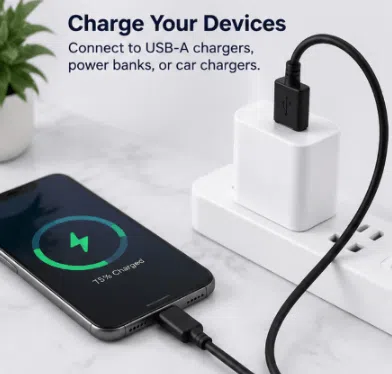
Do You Need a Fast Charger Head for Your Phone?
Yes, if you want maximum charging speed.
For example:
Scenario 1
Phone:
Supports 25W fast charging
Cable:
Supports 100W
Charger:
5W standard charger
Result:
❌ Slow charging
The charger limits the speed.
Scenario 2
Phone:
Supports 25W fast charging
Cable:
Supports 100W
Charger:
25W USB-C PD charger
Result:
✅ Fast charging works
Scenario 3
Phone:
Supports 25W fast charging
Cable:
Cheap low-quality cable
Charger:
65W fast charger
Result:
❌ Charging speed may be reduced
The cable becomes the limitation.
How Many Watts Does Your Phone Need?
Different devices require different charging power.
iPhone Fast Charging
Modern iPhones typically support:
Around 20W–30W fast charging
Recommended:
USB-C PD charger
Quality USB-C cable
Android Fast Charging
Android phones vary widely.
Typical power levels:
18W
25W
45W
65W
100W+
Examples:
Samsung Galaxy
Google Pixel
OnePlus
Xiaomi
Always check the phone manufacturer’s charging specification.
Does a Higher Watt Charger Damage Your Phone?
No.
Many users ask:
“Can I use a 65W charger for my 20W phone?”
Yes.
Modern USB-C chargers use intelligent power negotiation.
The phone controls how much power it receives.
Example:
A 65W charger does not force 65W into your phone.
Your phone may only draw:
20W
25W
30W
depending on its design.
USB-C Fast Charging Technology Explained
USB-C has become the preferred charging standard because it supports:
Higher Power Delivery
USB-C Power Delivery can support:
20W
45W
65W
100W
Up to 240W
Better Compatibility
One USB-C charger can power:
Smartphone
Tablet
Laptop
Gaming device
Intelligent Safety Protection
USB-C charging systems include:
Over-current protection
Over-voltage protection
Temperature control
How to Choose the Right Fast Charging Cable
When buying a phone fast charging cable, consider these factors.
1. Check Charging Power Requirements
Choose based on your device.
For example:
| Device | Recommended Cable |
|---|---|
| Smartphone | 3A USB-C cable |
| Tablet | 3A USB-C cable |
| Laptop | 5A E-marker cable |
2. Check Cable Connector Type
Common options:
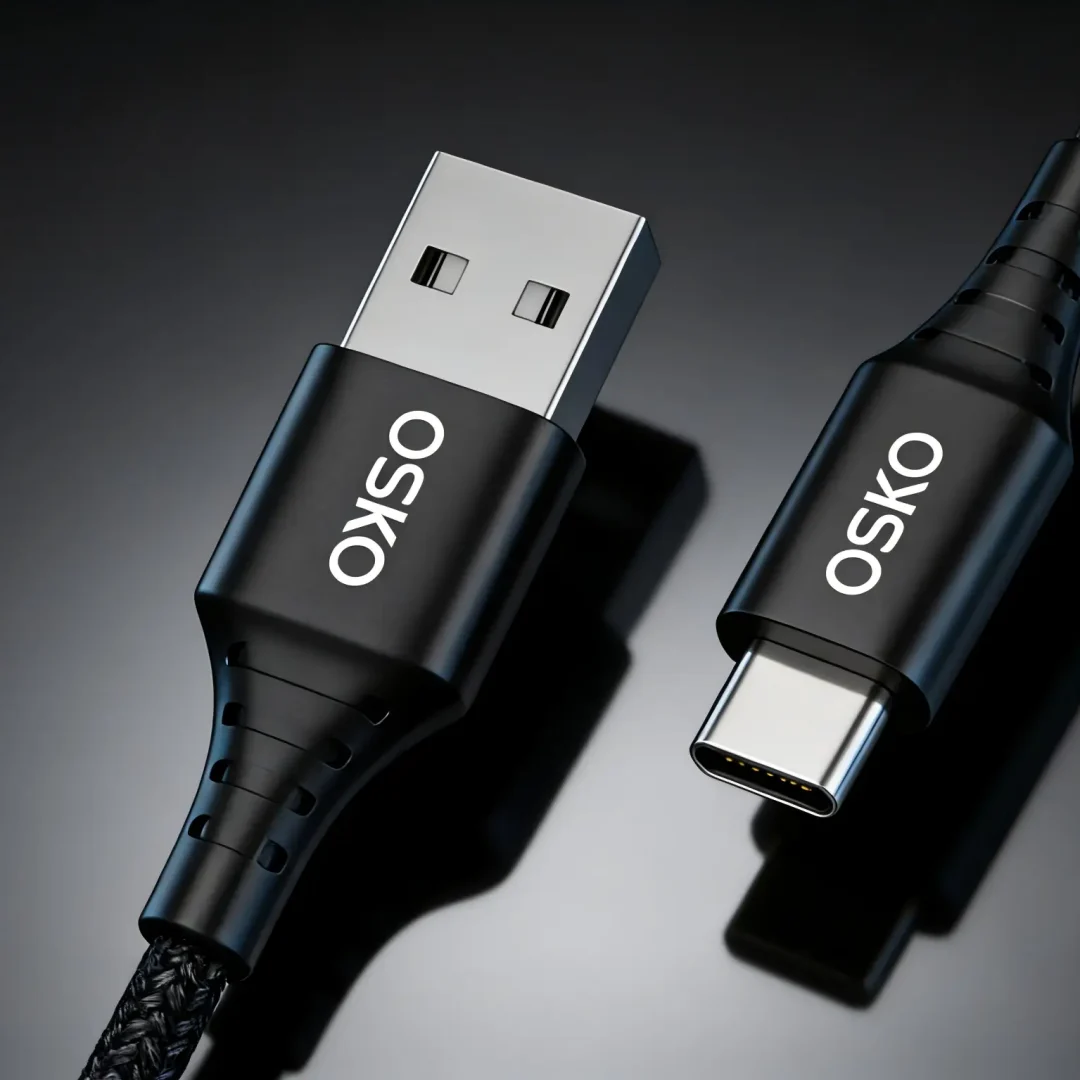
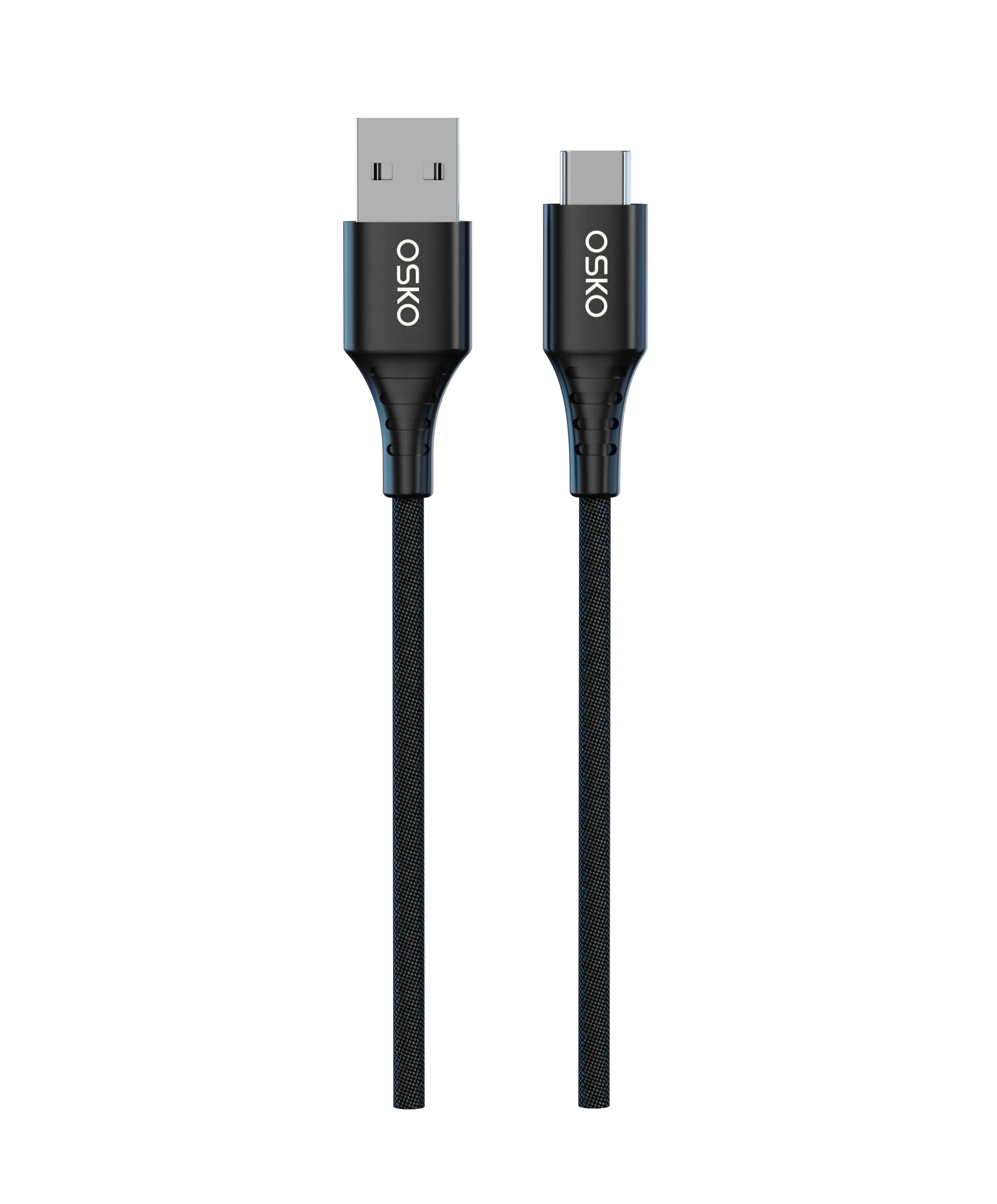
USB-A to USB-C Cable
Used for:
Older chargers
Computers
Car chargers
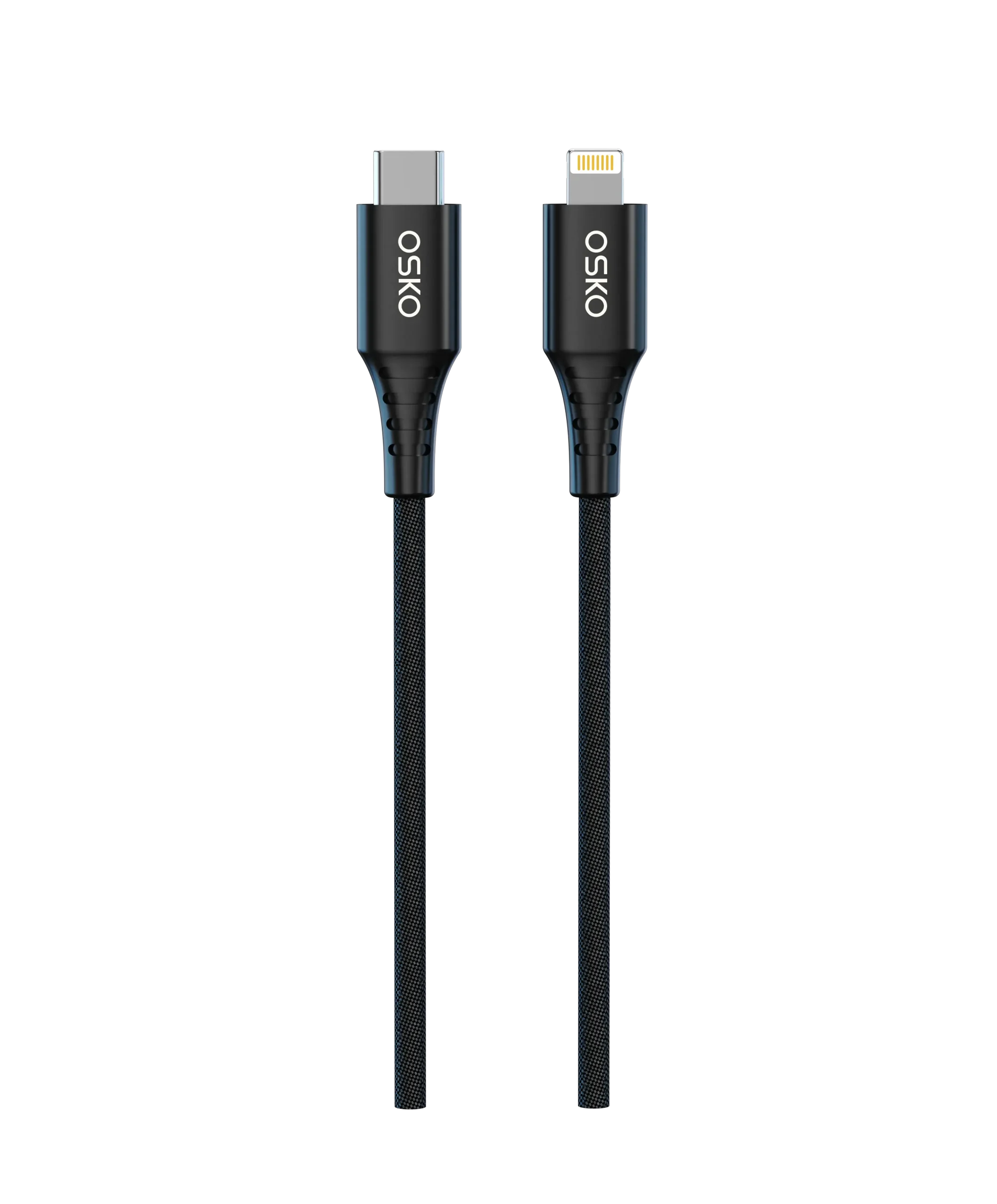
USB-C to USB-C Cable
Used for:
USB PD fast charging
Modern phones
Tablets
Laptops
USB-C to USB-C cables generally support higher power.
3. Choose Durable Materials
A high-quality fast charging cable should include:
Nylon Braided Jacket
Benefits:
Anti-tangle
Better bending resistance
Longer lifespan
Reinforced Connector
Protects against:
Cable breaking
Loose connections
Daily bending
Quality Copper Wire
Provides:
Lower resistance
Better charging efficiency
Reduced heat
Does Cable Length Affect Fast Charging?
Yes.
Longer cables have higher electrical resistance.
A very long cable may cause:
Voltage drop
Slower charging
More heat
Recommended lengths:
3.3ft (1m)
Best for:
Desk charging
Daily phone use
6.6ft (2m)
Best for:
Bedroom charging
Office use
Common Fast Charging Problems
My Phone Supports Fast Charging But Charges Slowly
Possible reasons:
Charger does not support fast charging
Cable is low quality
Wrong charging protocol
Device temperature is high
My Fast Charger Works With One Phone but Not Another
Different phones support different charging standards.
For example:
USB PD
PPS
Quick Charge
Compatibility matters.
My Cable Says 100W But My Phone Is Not Fast Charging
Possible reasons:
The charger does not provide enough power.
Remember:
The cable does not increase charger output.
OEM Fast Charging Cable Solutions for Brands
As demand for fast charging accessories increases, businesses need reliable charging cable suppliers.
Professional USB cable manufacturers provide:
OEM fast charging cables
USB-C PD cables
Custom cable lengths
Custom colors
Private label packaging
Wholesale production
Applications include:
Mobile accessory brands
Retail stores
Amazon sellers
Electronics distributors
A professional manufacturer can help develop charging cables optimized for different markets.
Frequently Asked Questions
Can a fast charging cable charge normally with a regular charger?
Yes. It will work, but charging speed will be limited by the charger.
Is the charging cable or charger more important?
Both are important. Fast charging requires a compatible combination of charger, cable, and device.
Can any USB-C cable support fast charging?
No. Some USB-C cables only support basic charging.
What cable is best for fast charging phones?
A quality USB-C fast charging cable that supports your phone’s required power level.
Conclusion: Fast Charging Requires the Right Cable and Charger Combination
A fast charging cable does need a compatible fast charger to achieve maximum charging performance.
The cable alone cannot make your phone charge faster.
The best charging experience requires:
✅ Compatible phone
✅ Fast charging adapter
✅ High-quality charging cable
When choosing a fast charging cable, always check:
Power rating
Current support
Connector type
Cable quality
A properly matched charging system provides faster charging, better safety, and longer product life.