
Introduction: When a Charging Cable Meets Real Life
A charging cable is one of the most frequently used accessories in modern life.
Every day, people use charging cables beside their beds, on office desks, inside cars, and while traveling. They power smartphones, tablets, laptops, gaming devices, and other electronics.
Because charging cables are such a normal part of daily routines, most people rarely think about durability until something goes wrong.
For many pet owners, that moment happens unexpectedly.
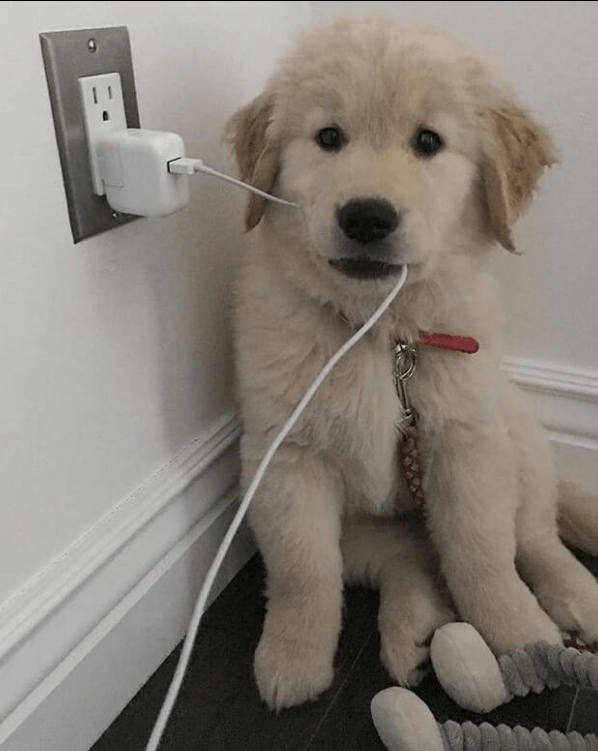
A dog finds a charging cable on the floor. A few minutes later, the cable has bite marks, damaged insulation, or stops working completely.
A common search begins:
“My dog chewed my charging cable. Can I still use it?”
This situation is more common than many people expect. Dogs are naturally curious, puppies explore objects through chewing, and flexible cables can easily attract attention.
However, the bigger lesson is not only about dogs.
A charging cable experiences many types of daily stress:
Repeated bending near connectors
Pulling when moving devices
Twisting inside bags
Pressure from furniture
Frequent plugging and unplugging
This is why charging cable durability has become an important factor when choosing modern accessories.
A well-designed USB-C charging cable is not simply about charging speed. It is also about materials, construction quality, safety, and long-term reliability.
Why Do Dogs Chew Charging Cables?
Dogs usually do not chew cables because they want to damage electronics.
They are following natural behaviors.
Understanding why dogs chew cables helps explain why cable construction matters.
Curiosity and Movement
Dogs are attracted to objects that move.
A charging cable hanging from a desk or lying on the floor can easily become interesting because it reacts when touched.
Unlike furniture or stationary objects, a cable moves, bends, and swings.
For a playful dog, this movement can resemble a toy.
Puppy Teething Behavior
Young dogs often explore the world with their mouths.
During the teething stage, puppies may chew different objects because chewing provides stimulation and helps relieve discomfort.
Unfortunately, charging cables can become an unwanted target because they are:
Flexible
Lightweight
Easy to grab
Often located near people
Familiar Human Scent
Dogs have a powerful sense of smell.
A charging cable used every day near your phone, desk, or bedroom carries familiar household scents.
To humans, it is just an accessory.
To a dog, it can be an object connected to its environment and owner.
This explains why some dogs ignore random objects but repeatedly return to personal items such as shoes, headphones, or charging cables.
Can You Still Use a Charging Cable After a Dog Bites It?
One of the most common mistakes is assuming:
“It still charges, so it must still be safe.”
A damaged charging cable may continue working temporarily, but visible damage should not be ignored.
The outer jacket of a cable has an important purpose.
It protects internal components including:
Power conductors
Data wires
Shielding layers
Insulation materials
Once the protective layer becomes damaged, repeated bending and movement can increase the risk of internal failure.
Signs that a cable should be replaced include:
Exposed internal wires
Cracked insulation
Unusual heat during charging
Intermittent charging
Connection disconnecting frequently
Burning smell or abnormal appearance
For modern high-power charging systems, cable quality becomes even more important.
A USB-C PD charging cable designed for higher power applications must maintain stable electrical performance while handling increased current.
This is especially important for users charging:
Smartphones with fast charging
Tablets
USB-C laptops
Power banks
Gaming devices

What Makes a Durable Charging Cable?
Many consumers choose cables based only on charging speed.
They ask:
“Does this cable support fast charging?”
“Does it support 100W or 240W?”
These specifications matter, but durability depends on much more than power capability.
A reliable charging cable combines:
1. Strong Outer Material
The outer jacket protects the internal structure from everyday damage.
Common materials include:
TPE Cable Design
TPE cables are flexible and lightweight.
They are suitable for everyday charging because they are comfortable to use and easy to store.
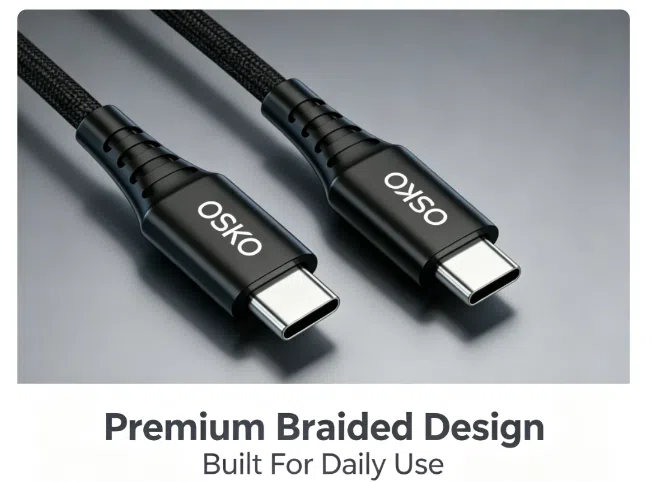
Braided Nylon Cable Design
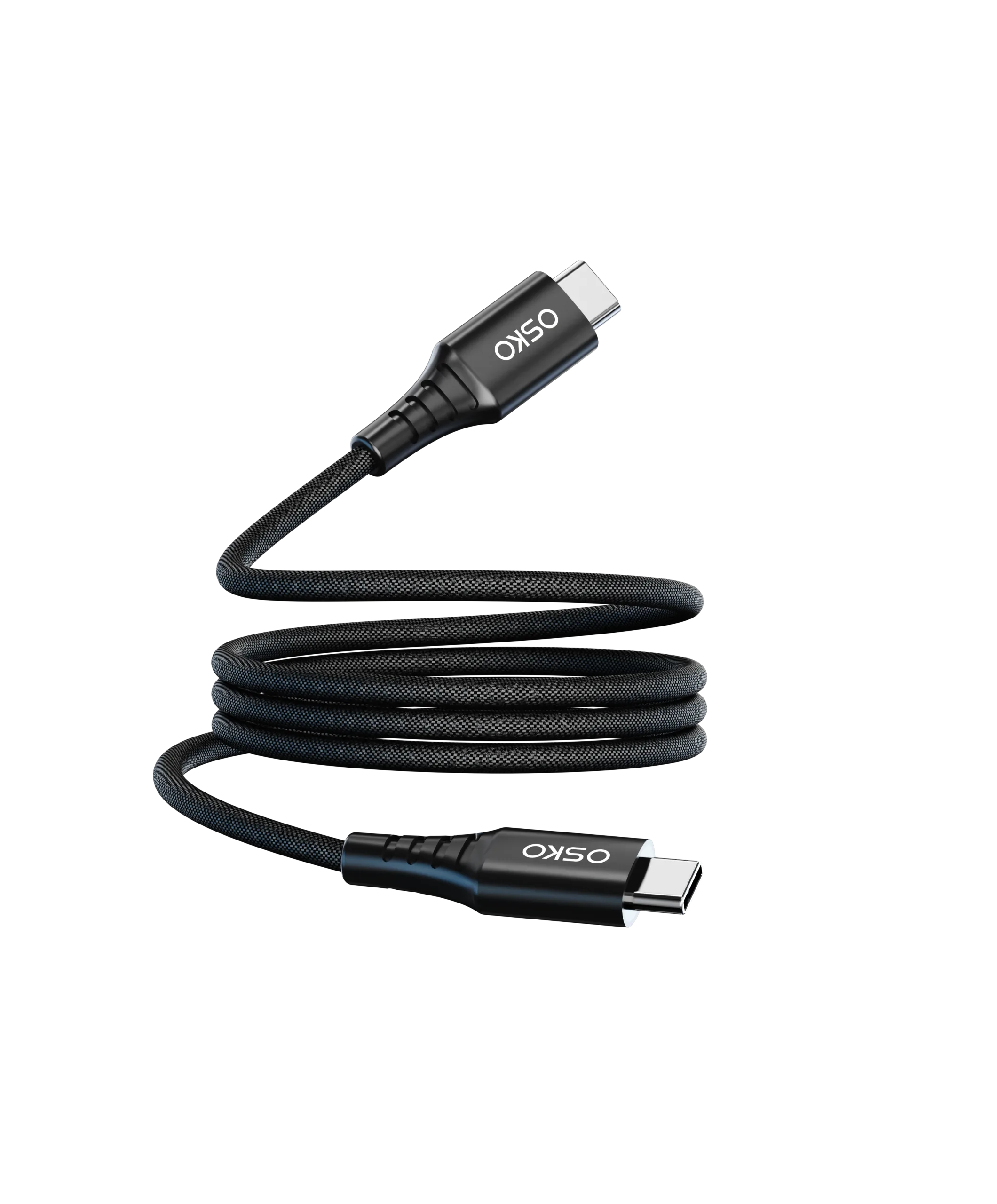
Braided cables are popular among users who want additional protection and a premium feel.
The woven outer layer helps improve resistance against:
Daily friction
Repeated bending
Surface wear
A braided USB-C cable is often preferred by travelers, office users, and people who frequently move their charging setup.
2. Reinforced Connector Area
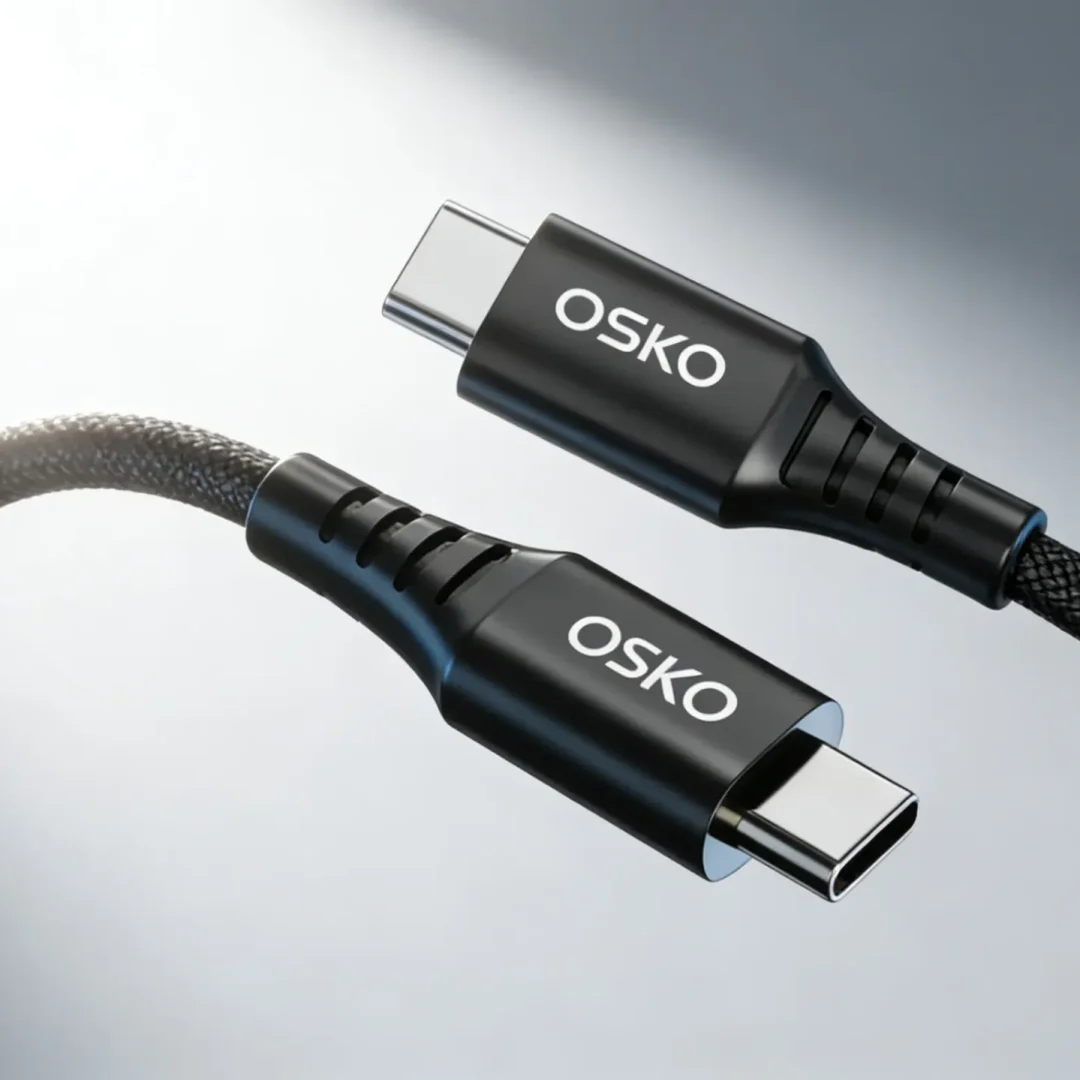
The connector area receives some of the highest stress.
Every time users plug in or remove a cable, the connector experiences mechanical pressure.
A durable charging cable usually includes reinforced stress points to reduce bending damage near the connector.
This design improvement helps extend cable lifespan during normal daily use.
3. Flexible Internal Construction
A cable should not only be strong.
It should also remain flexible.
An overly stiff cable can create additional stress because users naturally bend it during use.
Good cable engineering balances:
Flexibility
Strength
Electrical performance
User comfort
Why Durability Matters More for Modern USB-C Fast Charging
Charging technology has changed significantly.
Older USB cables mainly handled basic charging and simple data transfer.
Modern USB-C cables may support:
USB Power Delivery (PD)
Higher charging wattage
Laptop charging
Faster device charging
Data communication
Higher power applications require better engineering.
For example, a 240W USB-C charging cable designed for USB-C PD 3.1 applications may include advanced components such as an E-Marker chip.
The E-Marker chip allows communication between:
Charger
Cable
Device
This helps the charging system understand cable capability and select an appropriate power level.
A durable cable is therefore not only about physical protection.
It is also about maintaining stable performance during long-term use.
Engineering Case Study: Designing a Durable USB-C Cable for Daily Consumer Use
Customer Scenario: European Pet-Friendly Home Accessory Retailer
A European electronics retailer serving Germany and the Netherlands noticed a common customer complaint.
Many customers purchased inexpensive charging cables but replaced them frequently because of:
Broken connector areas
Damaged cable jackets
Reduced charging performance after several months
The retailer wanted a more reliable USB-C charging cable suitable for everyday household environments.
Their requirements included:
Support for modern USB-C charging devices
Better bending resistance
Premium consumer appearance
Competitive retail positioning
OSKO Manufacturing Solution
OSKO analyzed the application environment and focused on improving three areas:
Material Selection
A stronger braided outer jacket was selected to improve resistance against daily wear.
Structural Reinforcement
Connector stress areas were redesigned to reduce damage caused by repeated bending.
Performance Testing
Cable samples were tested for:
Charging stability
Connector durability
Flexibility performance
Long-term usage conditions
The final product provided customers with a more reliable charging experience while maintaining modern USB-C fast charging compatibility.
This case demonstrates an important point:
A better charging cable is not only created by adding higher power support.
It requires understanding how real users interact with products every day.
How to Choose a Durable Charging Cable for Everyday Use
Choosing a charging cable is no longer only about connector compatibility.
Modern users need to consider how the cable will actually be used.
A cable placed permanently beside a desk has different requirements compared with a cable carried every day in a backpack.
Before purchasing a new cable, consider the following factors.
1. Choose the Right Charging Power
The first step is understanding your device requirements.
Different devices require different charging capabilities.
For example:
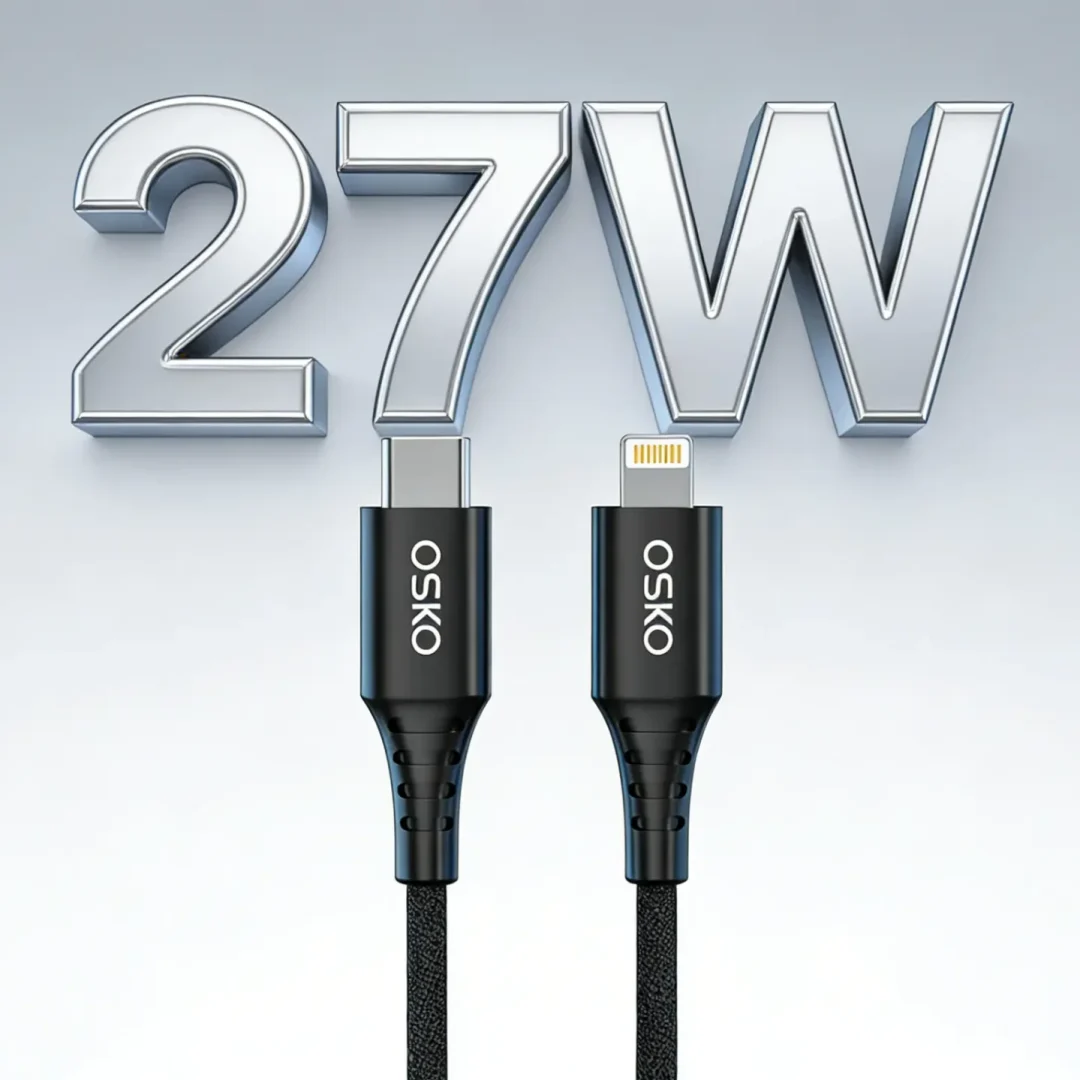
Smartphones may work well with 20W–30W charging.
Tablets often benefit from higher power charging.
USB-C laptops may require 60W, 100W, or higher.
High-performance devices may support up to 240W USB-C PD charging.
A cable should match the charger and device.
A higher-rated cable does not force your device to receive more power. Instead, it provides enough capability for devices that require higher charging performance.
For users who want future compatibility, choosing a higher-power USB-C fast charging cable can be a practical investment.
2. Consider Cable Material and Construction
Material selection directly affects daily durability.
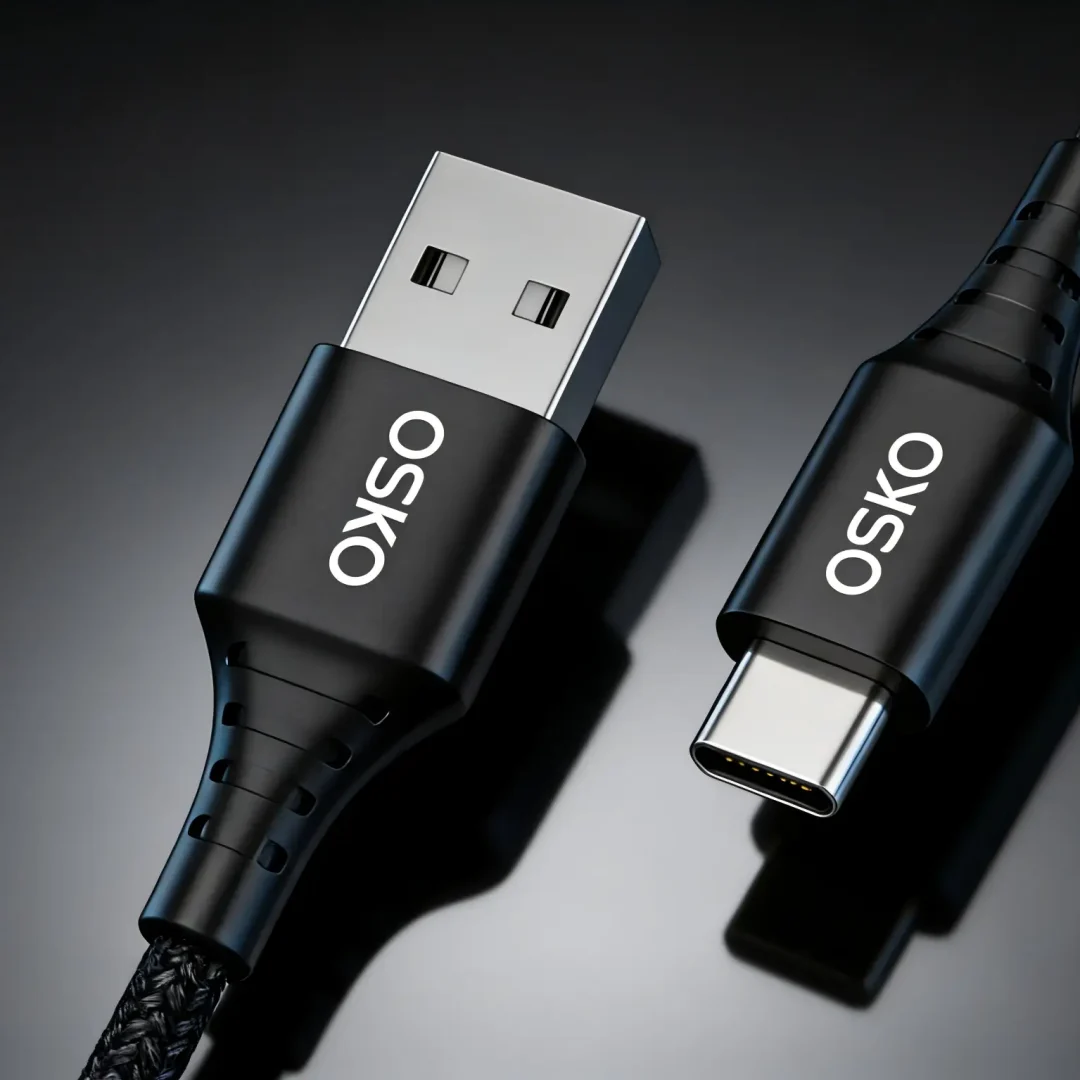
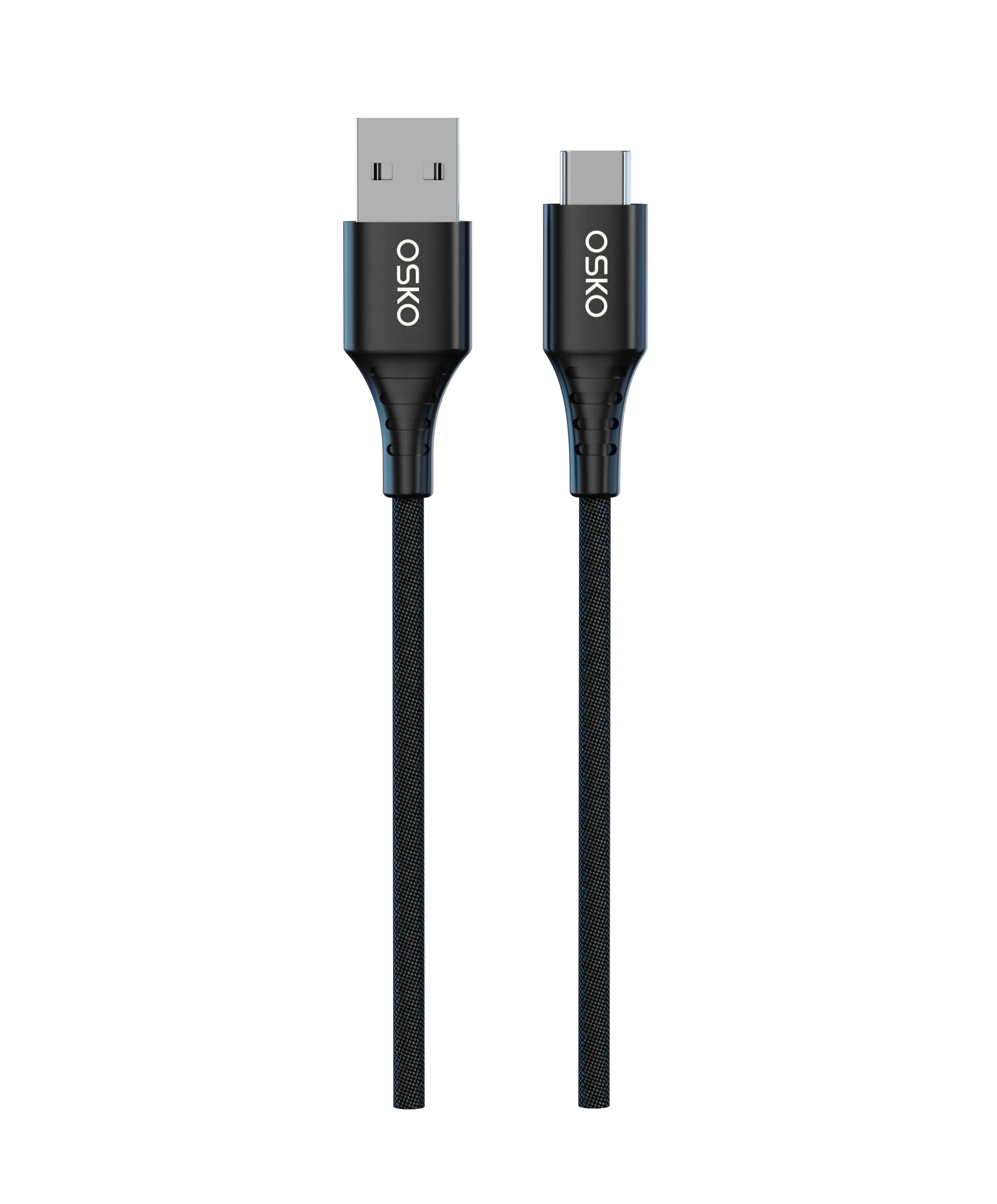
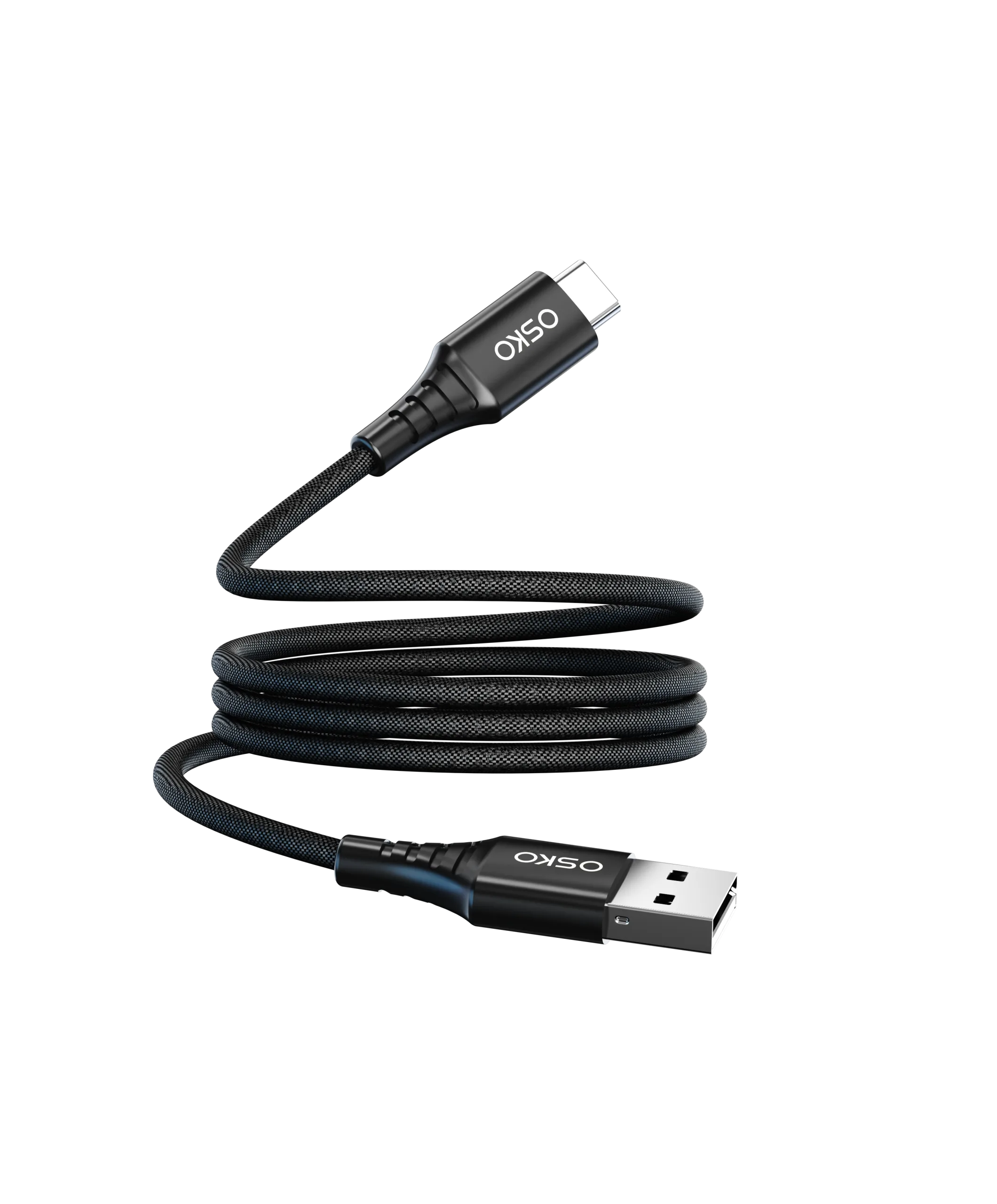
Braided USB-C Cable
A braided USB-C cable is one of the most popular choices for users who want a balance between durability and appearance.
Advantages include:
Better resistance to surface wear
Premium texture
Improved flexibility
Suitable for travel and daily use
These cables are commonly used by:
Office workers
Students
Travelers
Multi-device households
Silicone USB-C Cable
Silicone cables provide a soft and flexible user experience.
They are useful for:
Bedside charging
Desk setups
Users who prefer lightweight cables
The best choice depends on your environment and personal preference.
3. Check Connector Durability
The connector is one of the most important parts of a charging cable.
Many cable failures happen near the connection point because this area experiences repeated stress.
A well-designed cable should include:
Reinforced connector housing
Strong internal soldering
Stable connection design
Protection against repeated bending
For everyday users, connector durability can have a greater impact on lifespan than charging speed alone.
4. Think About Your Lifestyle
The best charging cable depends on how you use your devices.
For Pet Owners
If you have dogs or cats at home, consider:
Stronger outer protection
Braided construction
Better stress resistance
However, no charging cable should be treated as a pet toy.
The safest solution is still:
Keep cables away from pets
Disconnect unused cables
Provide appropriate chew toys
Train pets not to bite electronics
A durable cable provides additional reliability, but responsible cable management remains important.
For Travelers
Travelers usually need cables that can handle:
Frequent packing
Bending inside luggage
Different charging environments
A compact but durable travel USB-C cable is often a better choice than carrying multiple low-quality cables.
For Office Users
Office charging cables are used many times every day.
A reliable cable should support:
Daily plugging and unplugging
Desk movement
Multiple devices
A durable USB-C cable can reduce replacement frequency and improve daily convenience.
OSKO Professional USB-C Cable Manufacturing Capability
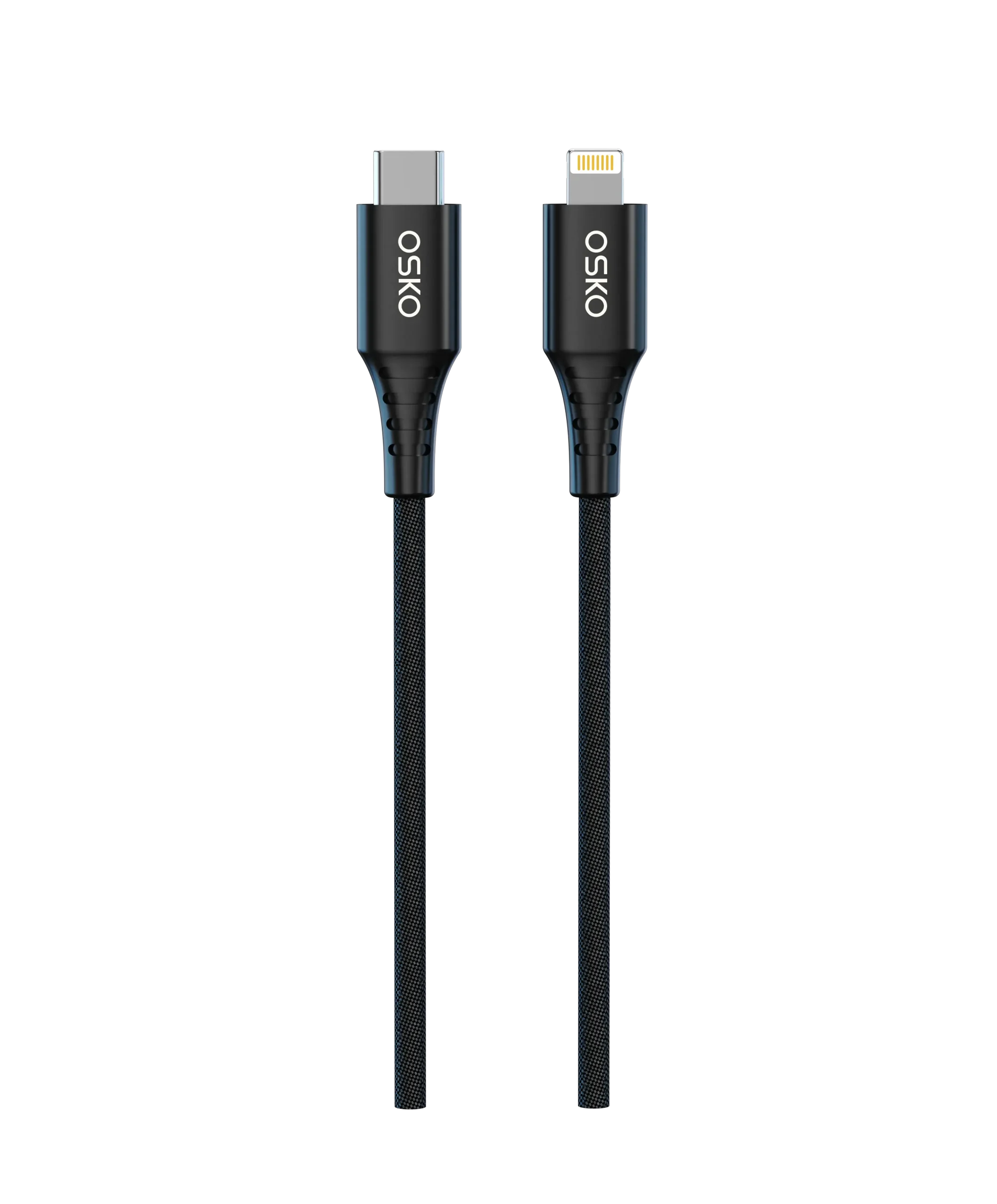
As a professional USB cable manufacturer, OSKO focuses on developing charging cables that combine performance, durability, and practical user requirements.
Modern charging products need to satisfy more than basic electrical standards.
They need to consider:
Material engineering
Mechanical durability
Power management
Consumer usage habits
OSKO USB-C cables are designed for applications including:
Consumer electronics brands
Retail charging accessories
OEM and ODM projects
Private label products
Business procurement programs
From everyday braided charging cables to high-power USB-C PD cables, OSKO supports customized solutions based on customer requirements.
Customization options include:
Cable length
Outer material
Connector design
Logo printing
Packaging solutions
Color customization
For companies searching for a reliable USB-C cable manufacturer, durability engineering and production consistency are critical factors when selecting a long-term supplier.
Durable Cable Options for Different Users
Different users have different priorities.
There is no single cable design that fits everyone.
Everyday Smartphone Users
Recommended features:
Flexible construction
Comfortable handling
60W charging support
Durable connector protection
Suitable for:
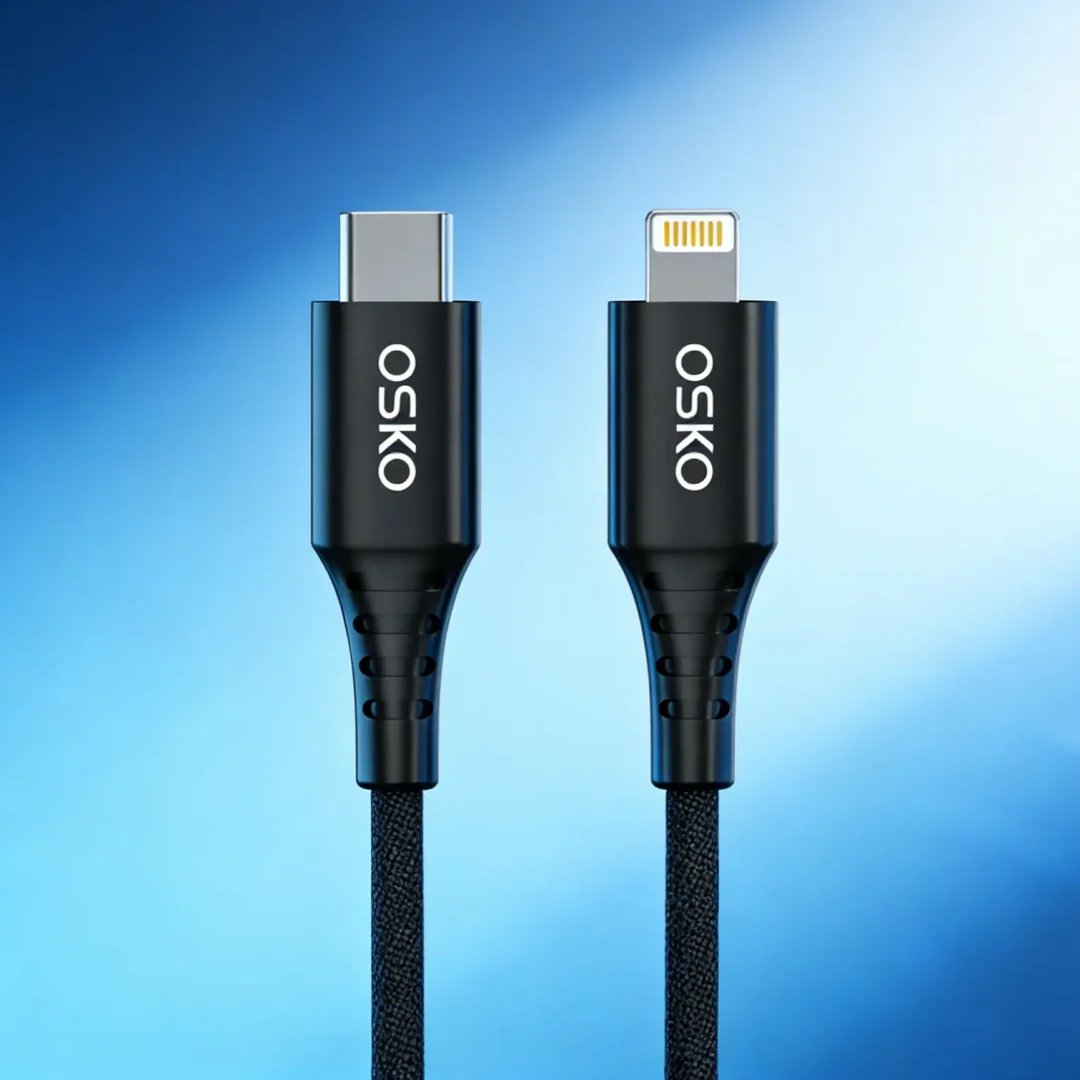
iPhone users with USB-C devices
Android smartphones
Power banks
Tablets
Laptop and High-Power Users
Recommended features:
USB-C PD support
100W or 240W capability
E-Marker chip technology
High-quality internal conductors
Suitable for:
MacBook users
Windows laptops
USB-C monitors
High-power accessories
Heavy-Duty Environments
Some users require stronger protection because cables experience more physical stress.
Examples include:
Workshops
Travel environments
Commercial spaces
Shared offices
In these situations, reinforced cable designs can provide better long-term reliability.
FAQ: Durable Charging Cable Questions
Why did my dog chew my charging cable?
Dogs may chew charging cables because they are flexible, movable, and carry familiar household scents. Puppies may also chew cables during the teething stage because chewing helps relieve discomfort.
Can I safely use a charging cable after my dog bites it?
If the cable has exposed wires, damaged insulation, unusual heat, or unstable charging performance, it is recommended to replace it. A cable may still work while having internal damage.
Are braided charging cables more durable?
Braided charging cables often provide better protection against surface wear and daily bending compared with many basic plastic cables. However, overall durability also depends on internal construction and connector design.
What is the most durable USB-C charging cable?
The most durable USB-C charging cable depends on your usage environment. A good option usually combines strong materials, reinforced connectors, flexible construction, and appropriate charging capability.
Does a thicker charging cable mean better quality?
Not always. A thicker cable may contain stronger materials or additional protection, but quality depends on the complete design, including conductors, insulation, shielding, and manufacturing process.
Can a durable cable support fast charging?
Yes. Durability and charging performance are separate factors. A well-designed USB-C cable can provide both strong physical protection and fast charging capability, including USB-C PD charging.
Are USB-C cables different for phones and laptops?
Yes. While the connector may look identical, cables can support different power levels, data speeds, and charging standards. Laptop charging often requires higher-power USB-C PD cables.
How can I prevent my dog from damaging charging cables?
Keep cables out of reach when possible, organize loose cables, unplug unused chargers, and provide suitable chewing alternatives for pets.
Conclusion: A Better Charging Cable Is Designed for Real Life
A charging cable may look like a simple accessory, but it plays an important role in everyday technology.
It charges your phone before work.
It powers your laptop during important tasks.
It keeps your devices connected while traveling.
Because cables are used so frequently, durability matters.
A dog chewing a charging cable is only one example of the challenges cables face. Everyday bending, pulling, packing, and movement also affect long-term performance.
The best durable USB-C charging cable is not necessarily the strongest or most expensive option.
It is the cable that matches your lifestyle.
For consumers, that may mean choosing a flexible braided cable for daily charging.
For professionals, it may mean selecting a high-power USB-C PD cable with advanced construction.
For businesses, it means working with a reliable OEM/ODM manufacturer that understands both engineering requirements and market expectations.
OSKO continues developing USB cable solutions designed around real-world usage, combining charging performance, durability, and manufacturing expertise to help customers create reliable charging products for global markets.
Contact Information
OSKO – Professional USB Cable Manufacturer & OEM/ODM Supplier
Specializing in:
USB-C Charging Cable
USB-C PD Fast Charging Cable
Braided USB Cable
Custom OEM USB Cable
Private Label Charging Cable Solutions
For product development, wholesale inquiries, and customized cable projects:
Contact OSKO for professional charging cable manufacturing solutions.