
Introduction
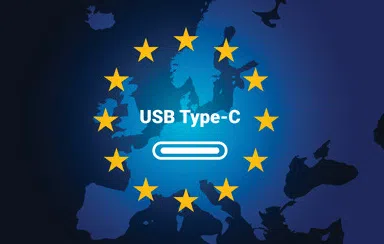
The European Union’s transition toward universal USB-C charging is changing how electronics brands design, manufacture, and sell portable devices. While smartphones, tablets, cameras, and other small electronic devices have already entered the USB-C standardization period, laptops are becoming the next major category affected by these regulations.
The EU USB-C mandate 2026 laptop requirement means that many laptops sold in the European Union market must support USB-C charging through USB Power Delivery technology. For laptop manufacturers, distributors, and accessory brands, this creates new requirements for:
USB-C charging compatibility
Power Delivery performance
Cable quality
Product documentation
Supply chain preparation
For consumers, the regulation aims to reduce electronic waste and simplify charging solutions.
For manufacturers and OEM suppliers, the change creates new opportunities for:
USB-C PD cables
High-power charging accessories
Retail USB-C cable products
OEM customized charging solutions
However, not every USB-C cable can support laptop charging. Laptop applications require higher power levels, better electrical design, and more reliable manufacturing control.
A professional USB-C cable manufacturer must consider:
Power transmission capability
E-marker chip requirements
Cable structure
Thermal performance
Certification requirements
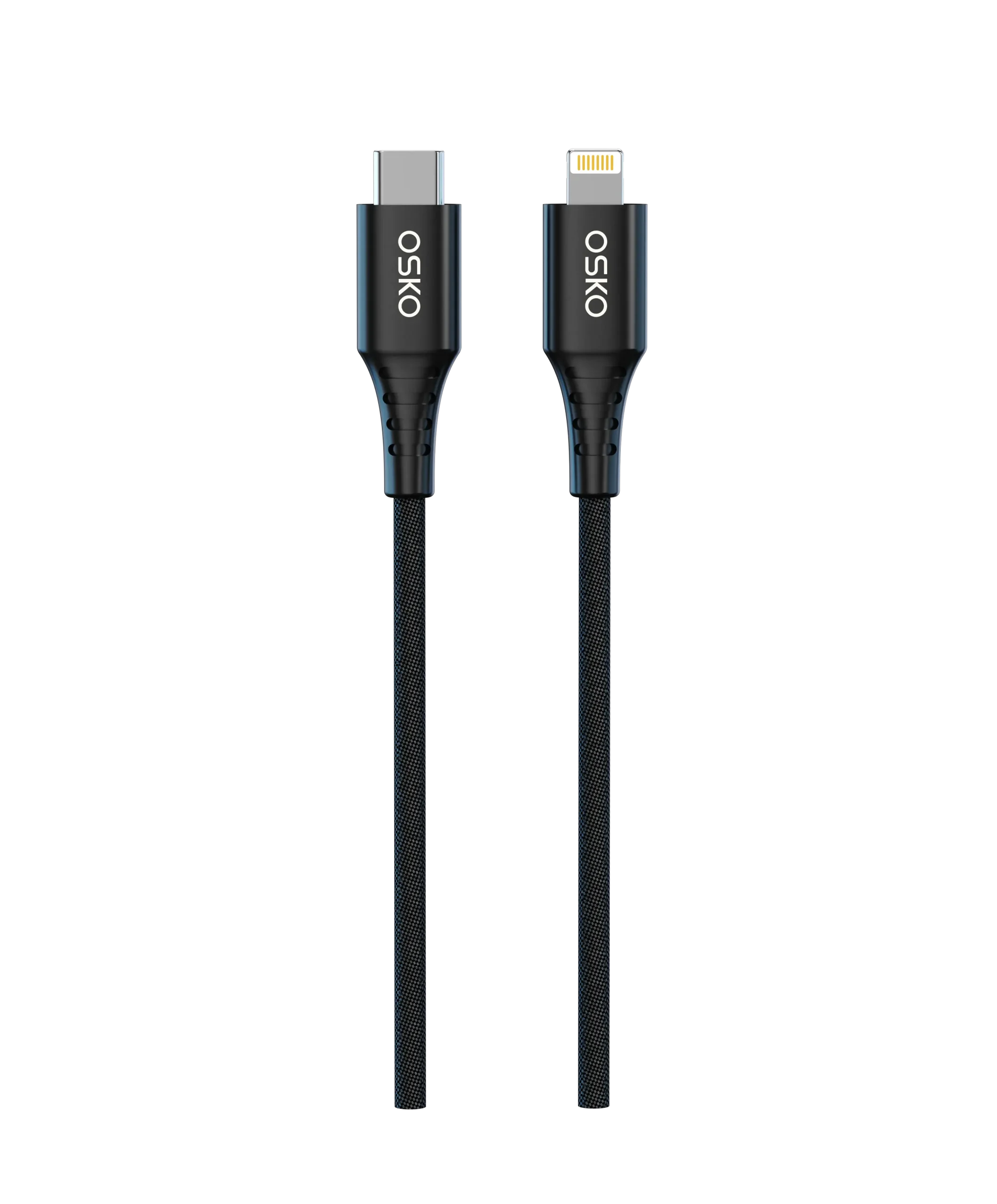
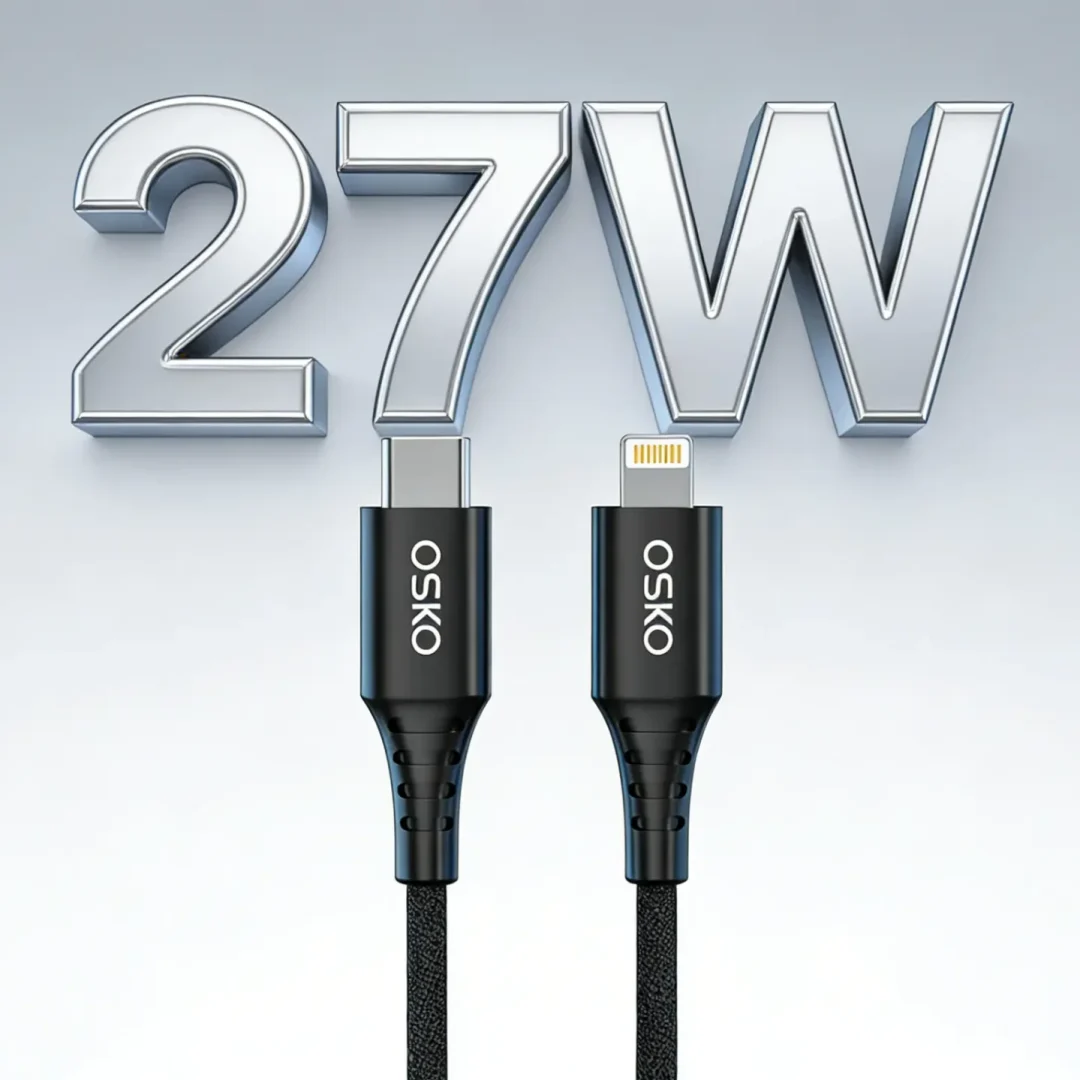
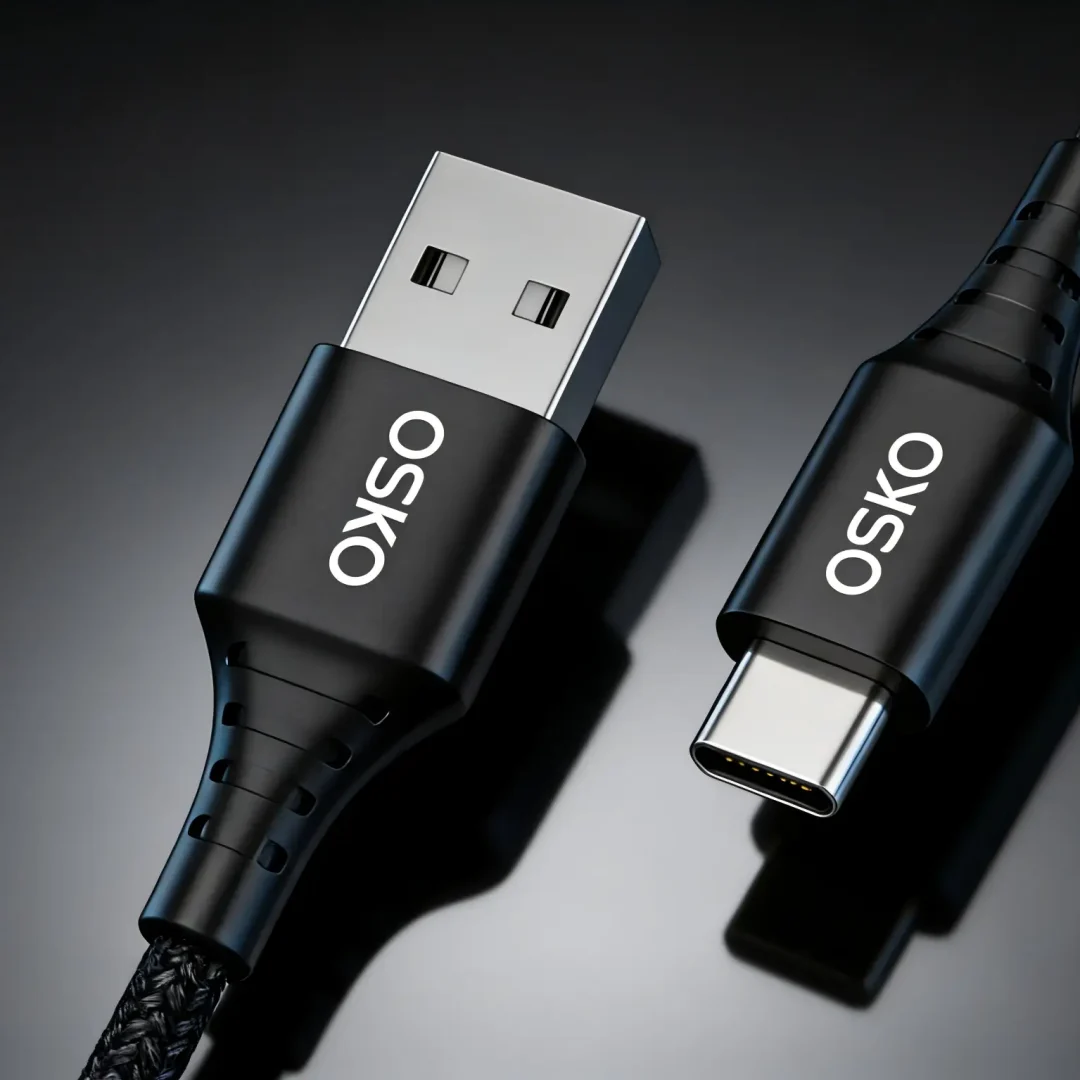
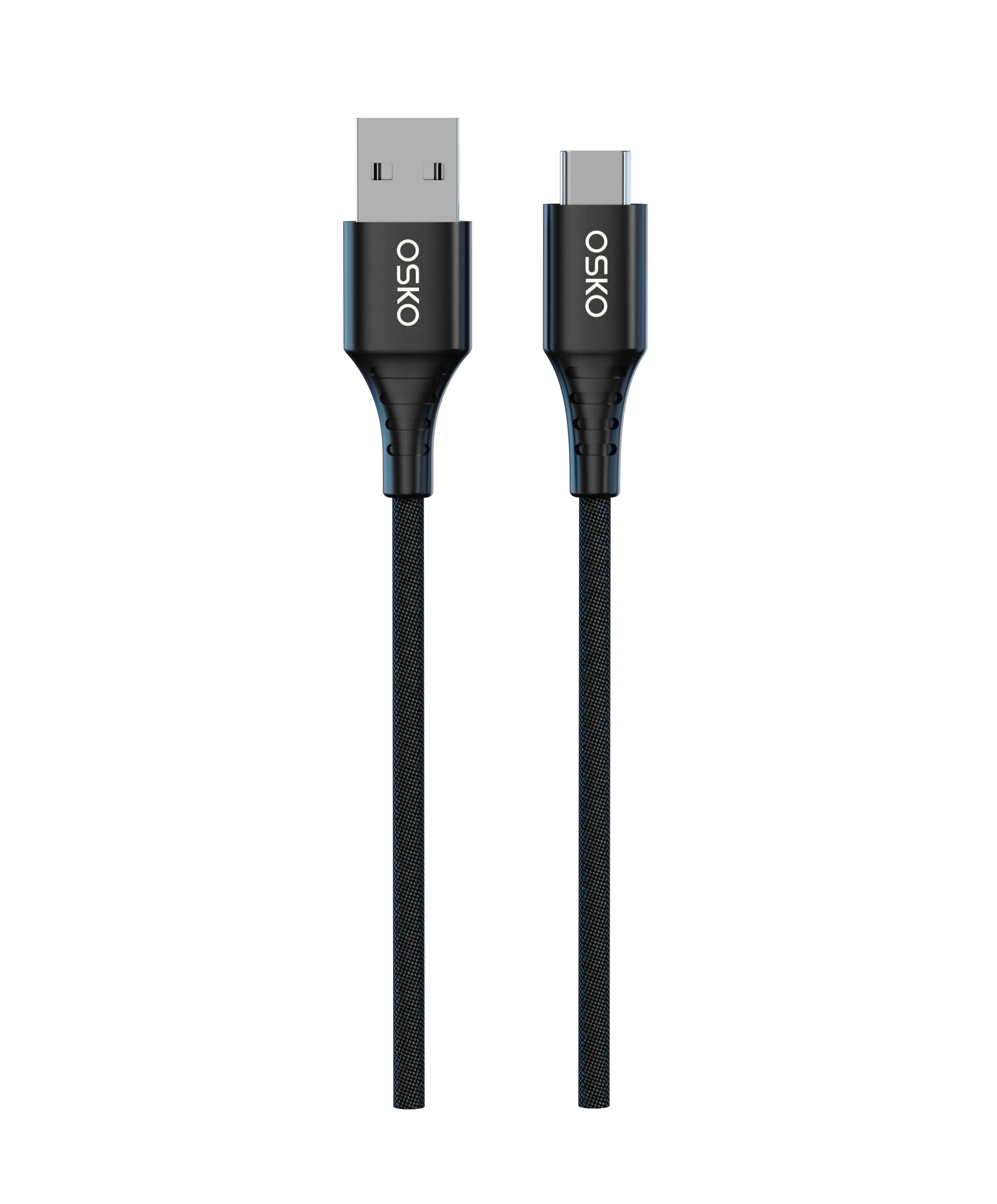
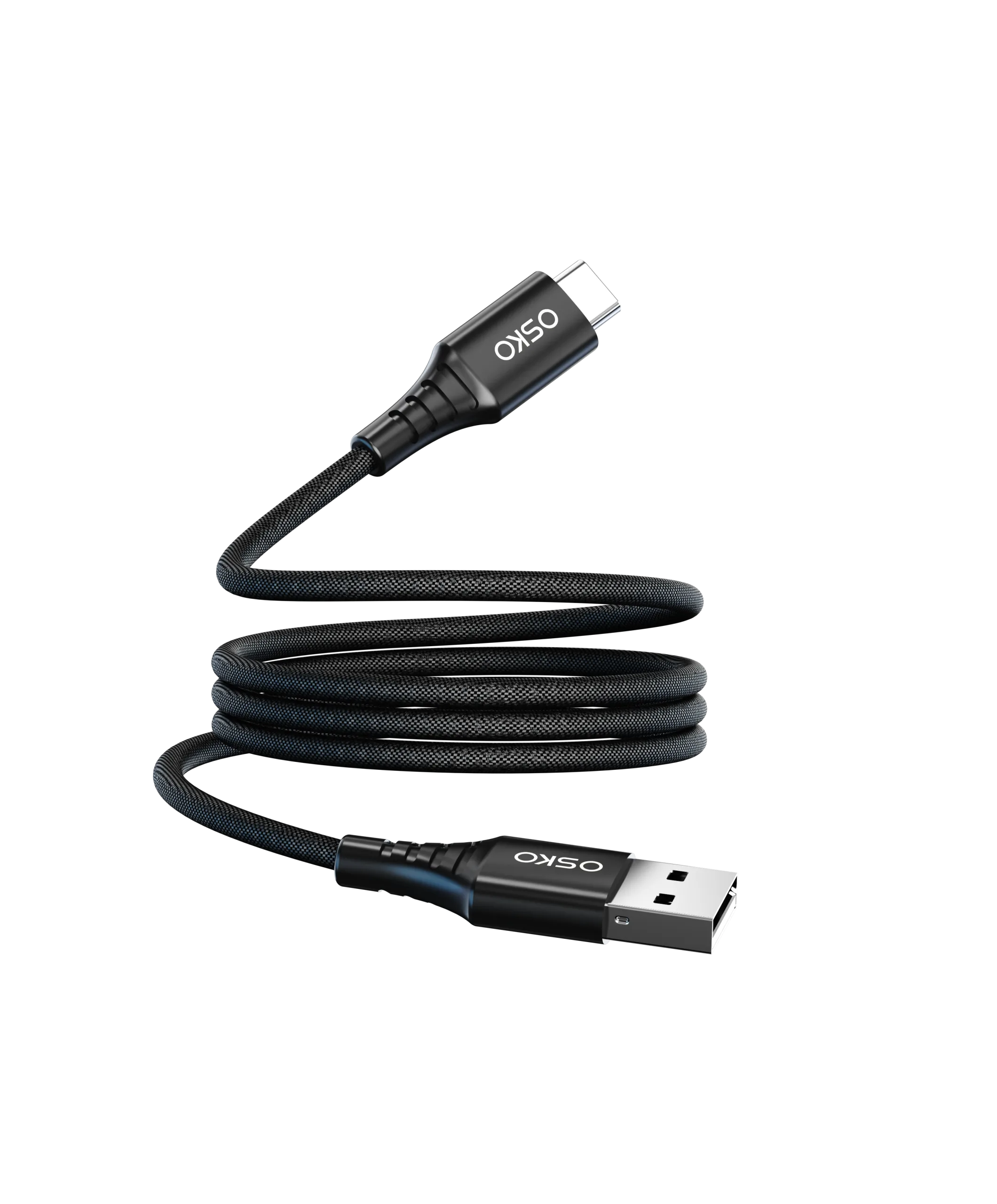
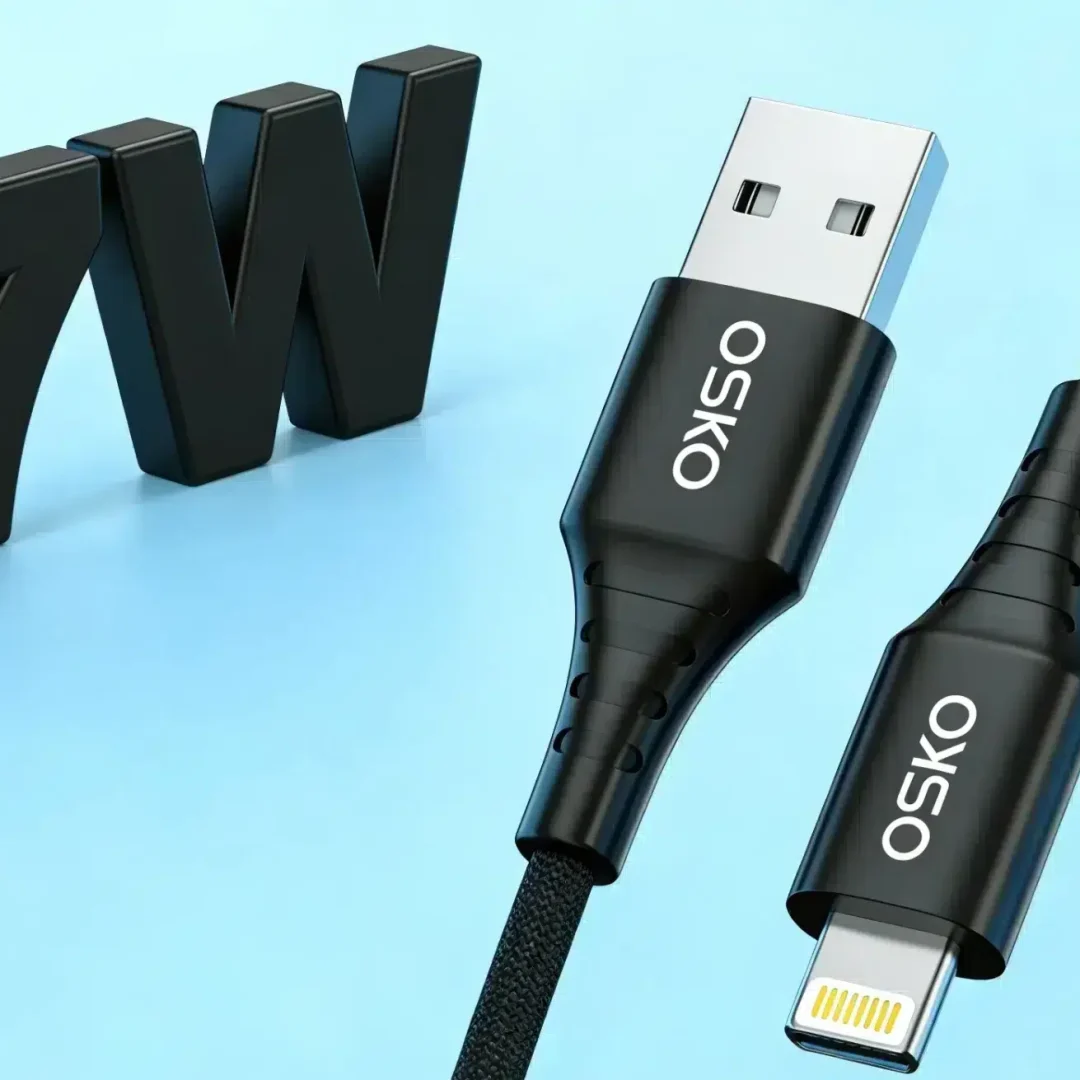
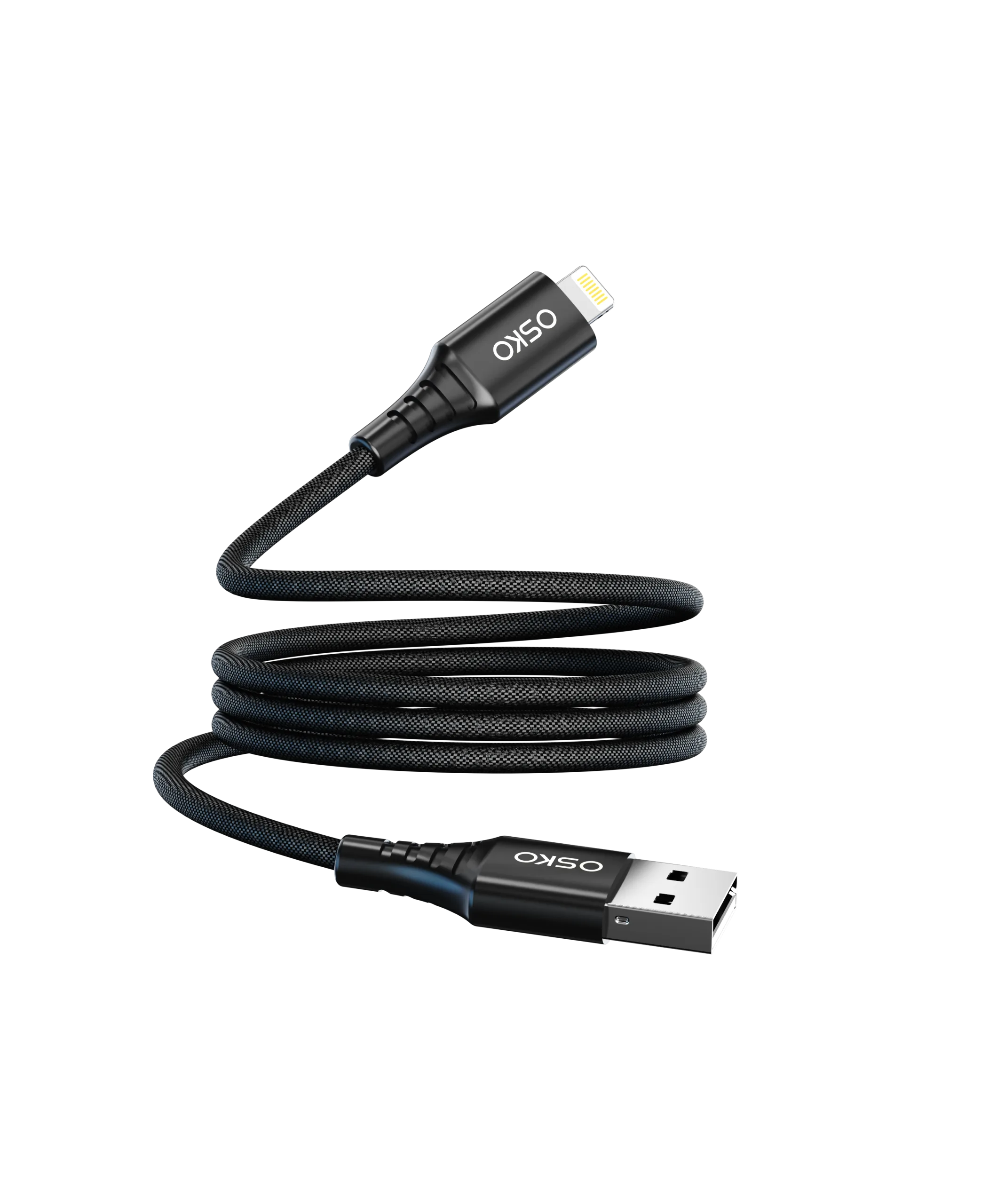
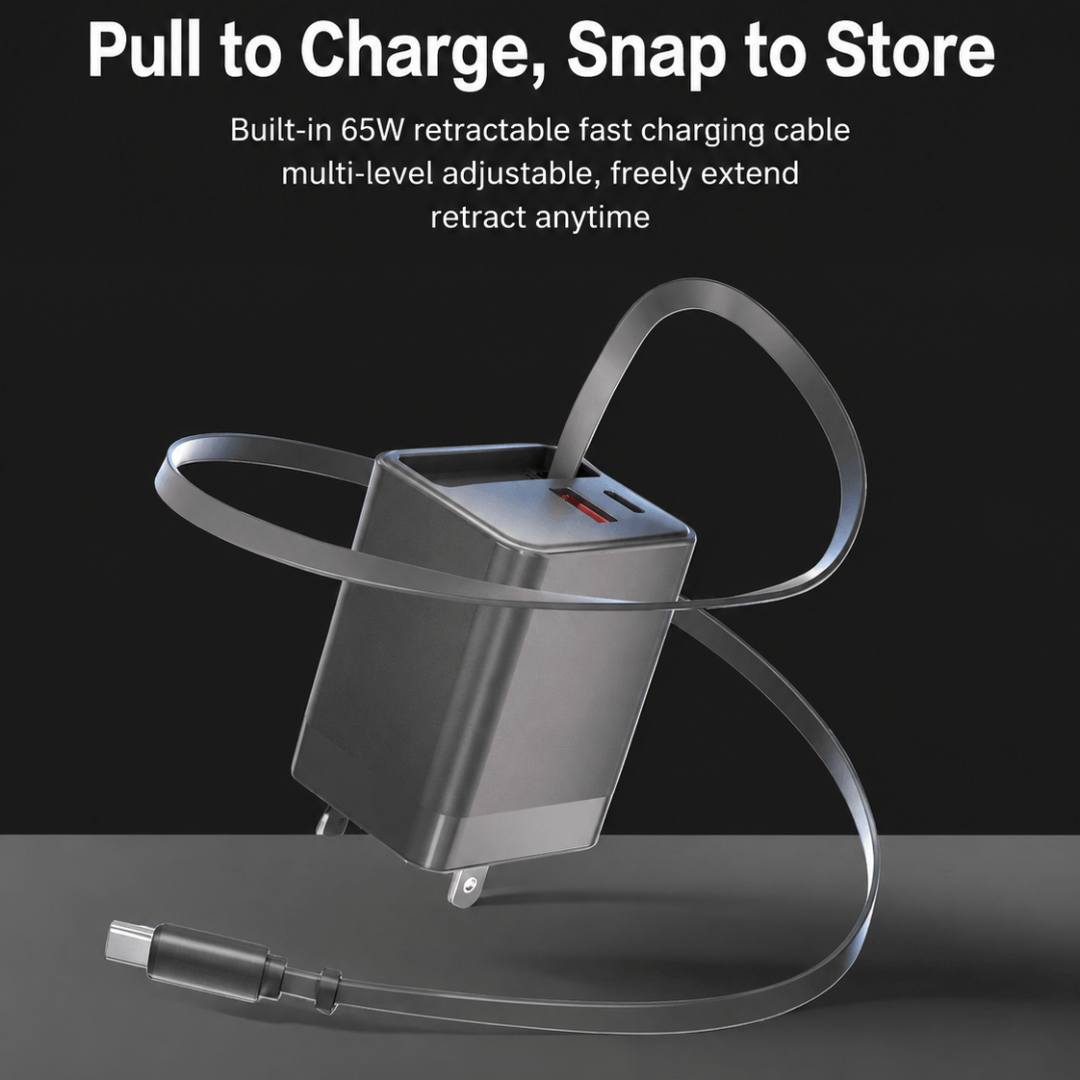
OSKO provides engineered USB-C cable solutions designed for global markets, including Europe-focused USB-C charging applications.

Material Science & USB-C Power Delivery Requirements
Why the EU Is Moving Toward USB-C Charging
The EU USB-C regulation was introduced to reduce charger waste and improve consumer convenience.
Previously, different devices used different charging systems:
Proprietary connectors
Different chargers
Different cable standards
This created:
More electronic waste
Increased consumer costs
More complex accessory markets
USB-C provides a universal physical connection and supports advanced charging technologies through USB Power Delivery.
What Does the EU USB-C Laptop Requirement Mean?
The regulation requires many electronic devices sold in the EU to support USB-C charging.
For laptops, the key technical requirement is:
USB-C charging capability
USB Power Delivery support
Appropriate charging performance
Laptop charging is different from smartphone charging because laptops require significantly higher power.
Typical laptop requirements:
| Device Type | Typical Power Requirement |
|---|---|
| Smartphone | 15W–30W |
| Tablet | 30W–45W |
| Ultrabook Laptop | 45W–65W |
| Business Laptop | 65W–100W |
| High-performance Laptop | 100W–240W |
USB-C Power Delivery and Laptop Charging
USB-C Power Delivery (USB PD) allows devices and chargers to communicate and negotiate power requirements.
The system includes:
Charger
Laptop
The cable plays an important role because it must safely transfer the required current.
For example:
A 100W laptop charger requires a cable capable of supporting:
Higher current
Stable voltage
Proper identification
A low-quality cable may cause:
Slow charging
Charging interruptions
Excessive heat
Why Laptop USB-C Cables Need Higher Engineering Standards
Laptop charging cables require more advanced design compared with smartphone cables.
Important factors include:
Conductor Size
Higher power requires:
Lower resistance
Better current handling
E-Marker Chip Technology
High-power USB-C cables may require an E-marker chip.
The chip communicates:
Cable power capability
Current rating
Performance information
This helps devices safely determine charging capability.
Thermal Management
High-power charging creates heat.
Cable design must consider:
Conductor quality
Insulation material
Heat resistance
USB-C Cable Structure for Laptop Applications
A professional laptop charging cable usually includes:
| Structure | Function |
|---|---|
| Copper conductor | Power transmission |
| HDPE insulation | Electrical separation |
| Shielding layer | EMI protection |
| E-marker chip | Power identification |
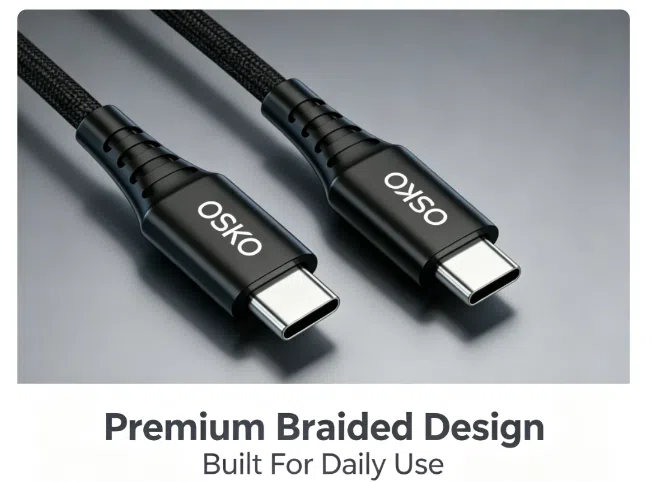
| Nylon braid | Mechanical protection |
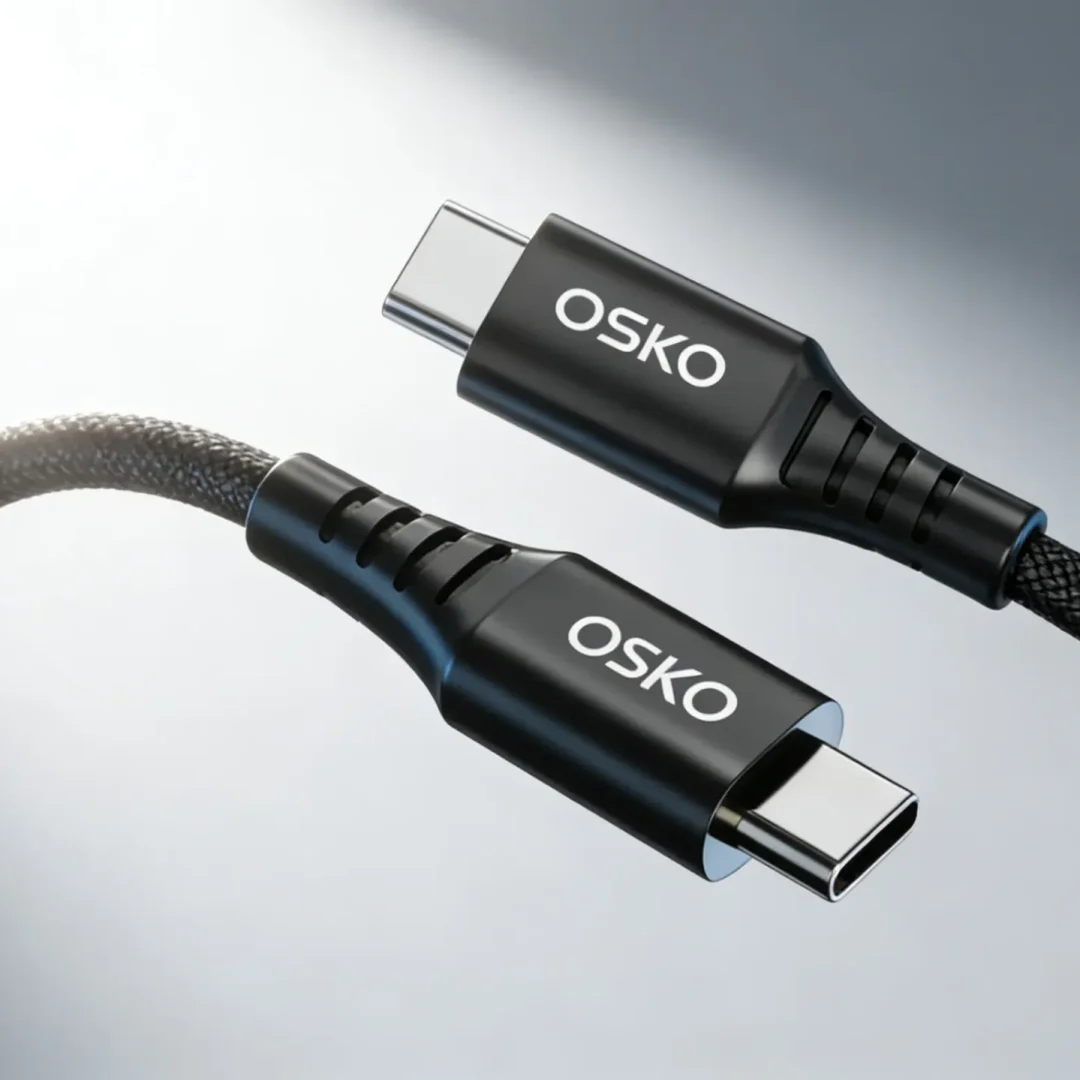
| Reinforced connector | Durability |
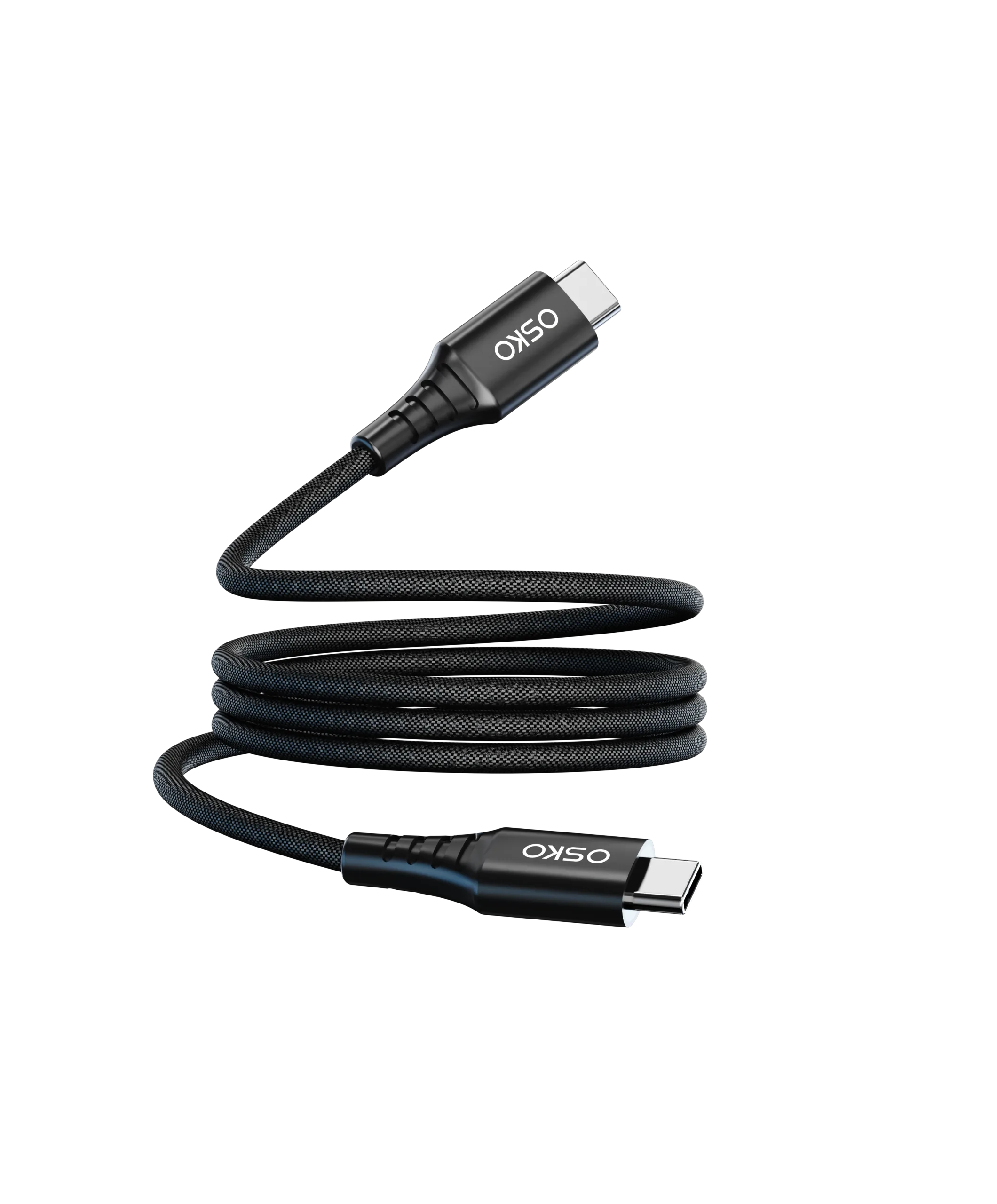
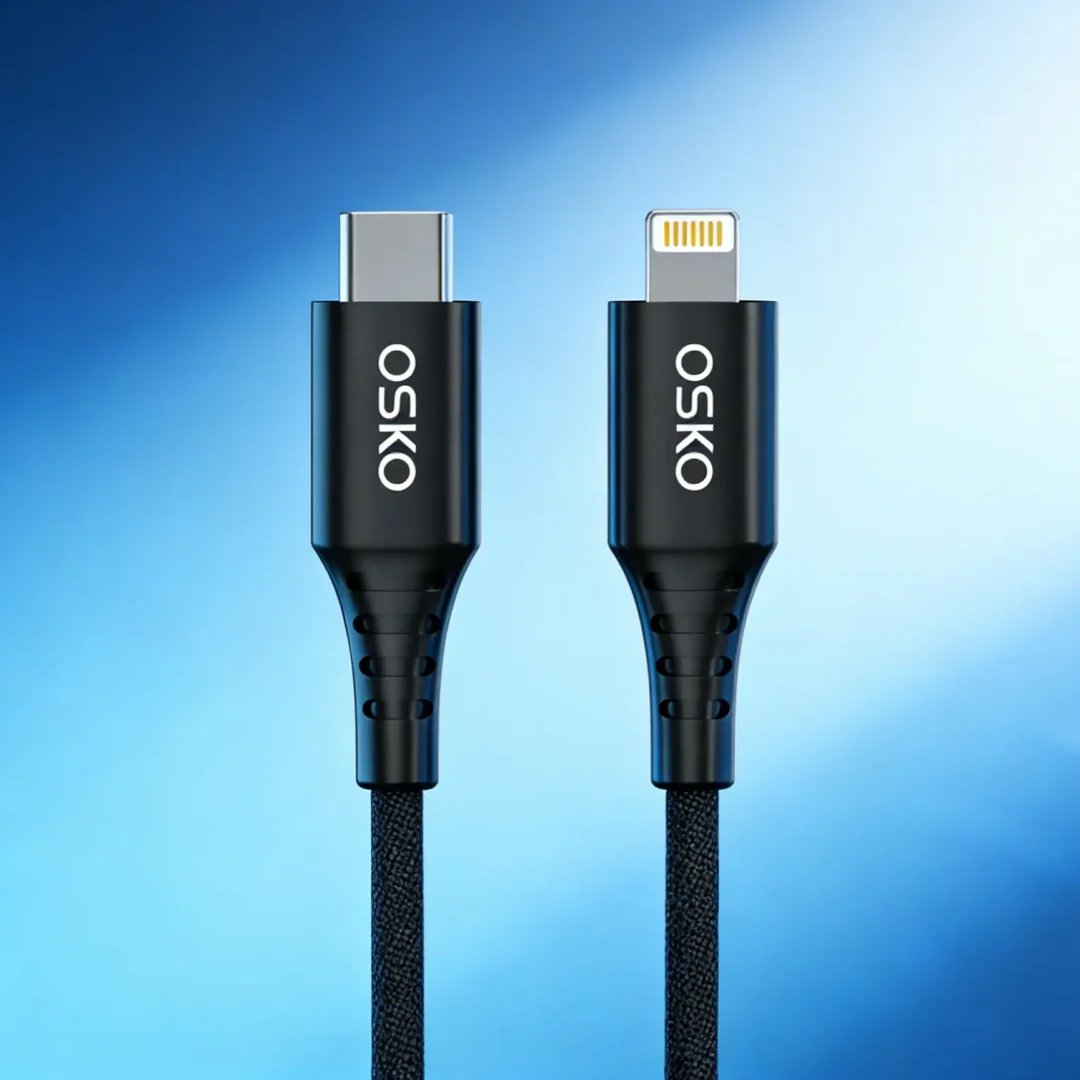
A premium braided USB-C cable is commonly selected for laptop applications because it provides:
Better abrasion resistance
Longer service life
Premium retail appearance
USB-C Cable Power Ratings for EU Laptop Market
The European laptop market requires different cable categories.
| Cable Type | Application |
|---|---|
| 60W USB-C cable | Ultrabooks and tablets |
| 100W USB-C cable | Business laptops |
| 140W USB-C cable | Performance laptops |
| 240W USB-C cable | High-power future devices |
A supplier developing products for European customers should prepare multiple specifications.
Examples:
100W USB-C PD charging cable
White label 240W fast charging cable wholesale
Impact on OEM Cable Suppliers and Retail Brands
The EU regulation creates several changes for accessory companies.
Higher Demand for USB-C Products
Brands may expand product lines including:
USB-C charging cables
Laptop charging kits
Travel cable sets
Docking accessories
Need for Better Compliance Documentation
European buyers increasingly require:
Material compliance
Safety testing
Product documentation
Professional suppliers may provide:
CE RoHS certified 240W USB C cable
USB-IF compliant Type C cable manufacturer
ISO9001 certified braided USB cable factory wholesale
Case Study
European Laptop Accessory Brand Developed USB-C PD Cable Series Before 2026 Market Transition
A European electronics accessory company planned to expand its USB-C charging product range before laptop charging requirements became mainstream.
The company previously focused on smartphone cables but wanted to enter the laptop accessory market.
Customer Requirements
The brand required:
USB-C PD laptop cables
60W and 100W options
Premium braided design
Retail packaging
Stable wholesale supply
Target applications:
Retail USB cable
Laptop charging cable
Travel USB cable
Home office charging cable
Engineering Problems
The existing smartphone cable design could not meet laptop requirements.
Problems included:
Power Limitation
The original cable had:
Lower current capacity
No high-power identification
Durability Issues
The product required:
Better bending resistance
Stronger connector protection
OSKO Solution
OSKO redesigned the cable structure.
Electrical Upgrade
Implemented:
Higher-quality conductors
USB PD compatibility
Power performance testing
Mechanical Upgrade
Added:
Nylon braided protection
Reinforced connector structure
Improved strain relief
Quality Testing
Testing included:
| Test | Purpose |
|---|---|
| Power delivery test | Verify charging capability |
| Temperature test | Confirm safety |
| Bend test | Evaluate lifespan |
| Connector test | Improve reliability |
Project Results
The customer successfully developed:
Laptop charging cable products
Retail USB-C accessory series
European market-ready solutions
The project supported:
OEM USB cable manufacturing
ODM USB cable development
Wholesale USB cable supply

Selection Guide
How Brands Should Choose USB-C Cable Suppliers for EU Laptop Market
Confirm Power Requirements
Before ordering, define:
Required wattage
Supported devices
Cable length
Charging environment
Choose the Correct Cable Specification
| Application | Recommended Cable |
|---|---|
| Phone charging | 30W USB-C cable |
| Tablet charging | 45W–60W cable |
| Laptop charging | 65W–100W cable |
| High-performance laptop | 140W–240W cable |
Evaluate Supplier Engineering Capability
A professional supplier should provide:
Power testing
Cable customization
Quality control
Compliance support
OSKO supports:
Heavy duty braided USB-C cable manufacturer
Durable nylon braided Type C charging cable factory
OEM ODM custom length USB C cables
Bulk custom 6ft 10ft USB-C cables
FCC approved nylon braided USB C cable supplier
Prop 65 compliant USB C cable factory
FAQ
When does the EU USB-C laptop mandate start?
Laptop requirements under the EU common charger rules are scheduled to apply from 2026.
Can any USB-C cable charge a laptop?
No. Laptop charging requires cables with suitable power ratings and USB Power Delivery capability.
Is a 60W USB-C cable enough for laptops?
It depends on the laptop. Many ultrabooks work with 60W, while larger laptops may require 100W or higher.
Do laptops need Thunderbolt USB-C cables?
No. Thunderbolt is mainly for high-speed data and display applications. Laptop charging only requires appropriate USB-C PD capability.
Why are 240W USB-C cables becoming important?
Higher-power USB-C standards support future devices requiring more charging power, including advanced laptops.
Summary
The EU USB-C laptop mandate represents a major shift toward universal USB-C charging solutions.
For laptop manufacturers, retailers, and accessory brands, preparation requires:
Understanding USB-C PD requirements
Selecting appropriate cable power ratings
Using reliable materials
Working with experienced OEM suppliers
High-quality USB-C cables are not only charging accessories; they are critical components that affect device safety, performance, and user experience.
OSKO provides professional USB-C cable manufacturing solutions for global brands, supporting OEM development, bulk production, compliance preparation, and customized USB-C charging products for future markets.
Contact Information
OSKO USB-C Cable OEM Solutions
Products:
USB-C PD laptop charging cables
60W/100W/240W USB-C cables
Custom retail USB-C cables
Wholesale charging cable solutions
OSKO supports brands with USB-C cable engineering, material selection, testing, customization, and scalable manufacturing solutions.