

Introduction
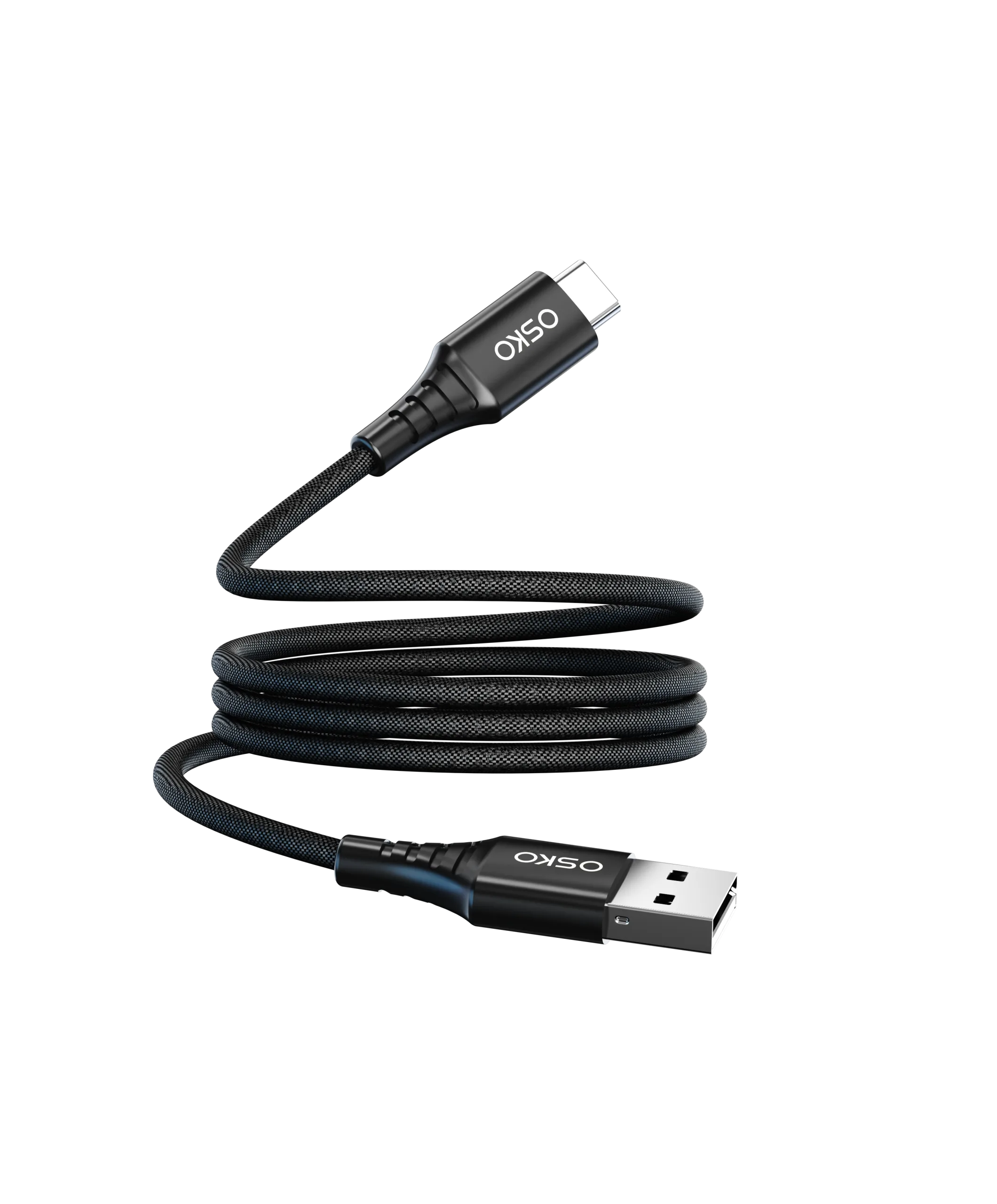
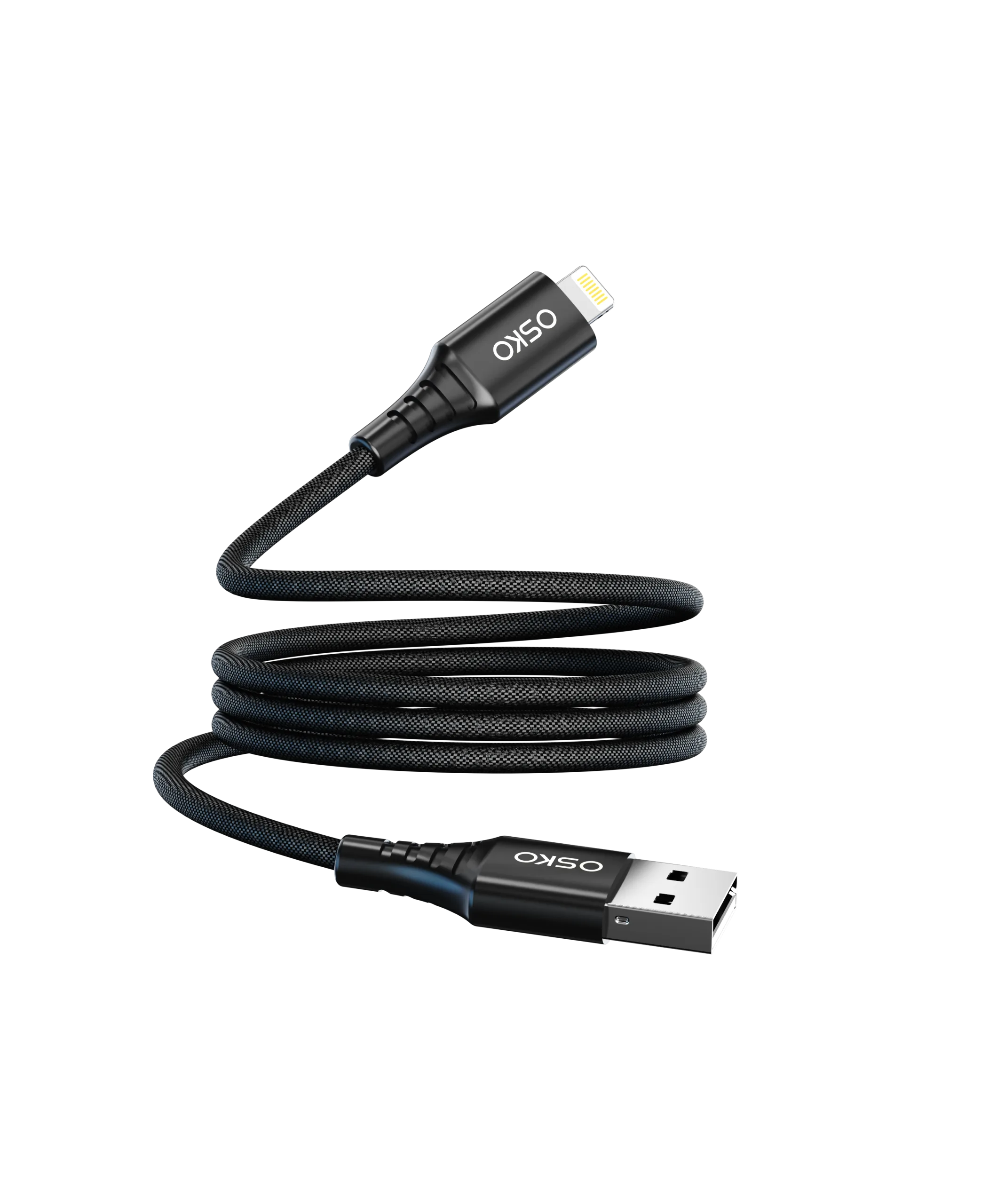
Understanding USB-C Cable Wattage is essential for businesses and consumers who need reliable charging performance across modern electronic devices. As USB-C becomes the standard connection interface for smartphones, tablets, laptops, monitors, gaming devices, and portable electronics, choosing the correct cable power rating directly affects charging speed, safety, and product reliability.
Many buyers ask: “How many watts USB-C cable do I need?” The answer depends on the device power requirement, charger capability, cable construction, and charging protocol. A smartphone may work well with a lower-power cable, while laptops and high-performance devices require higher wattage support through USB Power Delivery (USB PD).
For OEM electronics brands and procurement teams, selecting the correct USB-C Charging Cable requires more than checking the connector type. The internal engineering design determines whether a cable can safely handle higher current levels, maintain stable voltage, and deliver consistent performance during mass production.
A high-quality USB-C cable must balance:
Power transmission capability
Thermal management
Electrical stability
Device compatibility
Mechanical durability
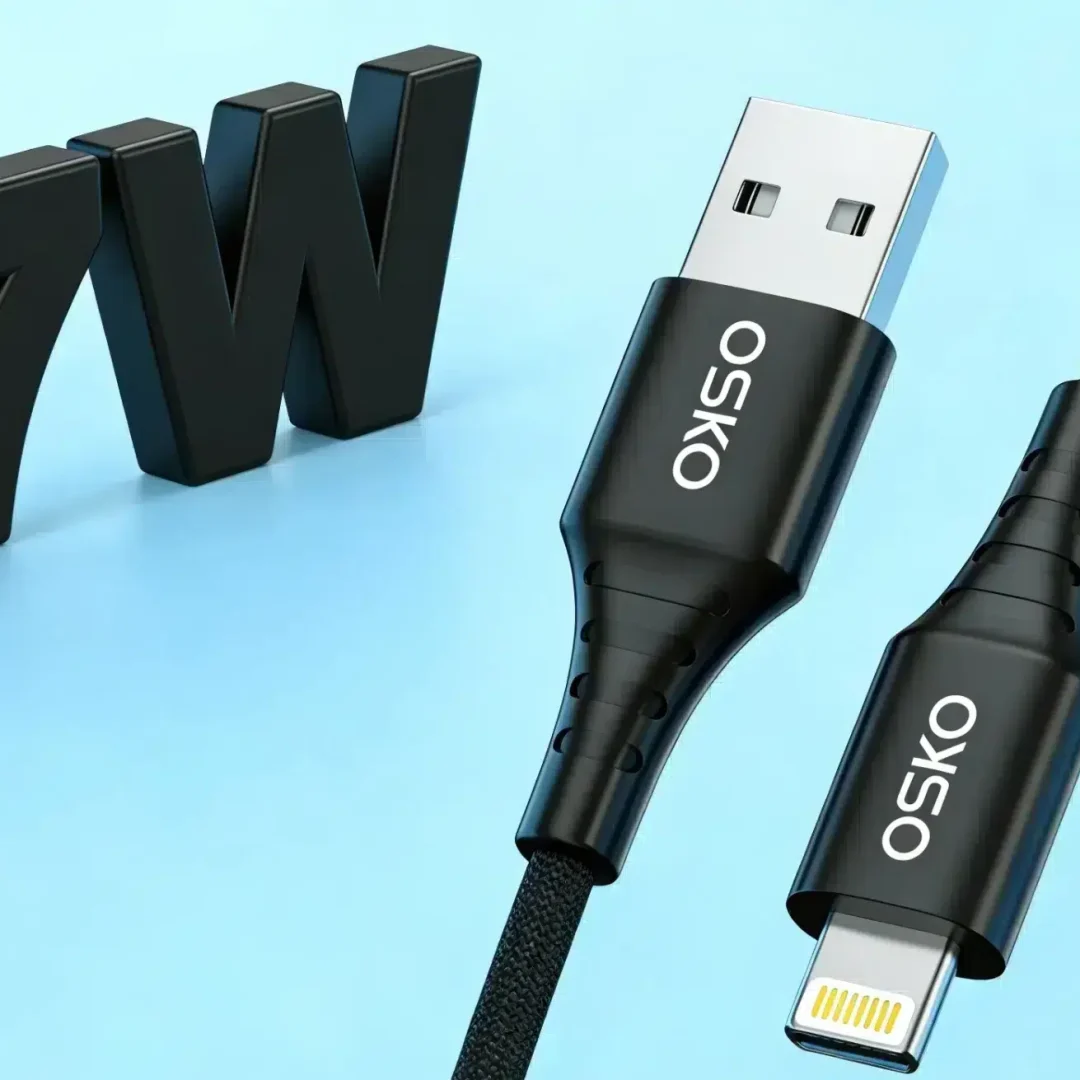
OSKO provides OEM and ODM USB cable manufacturing solutions for global electronics companies. Through engineering analysis, material optimization, and strict production testing, OSKO helps brands develop reliable charging products from prototype development to bulk manufacturing.
Material Science & Dielectric Properties
Understanding USB-C Cable Wattage Ratings
USB-C cable wattage refers to the maximum power a cable can safely support.
Power is calculated by:
Power (W) = Voltage (V) × Current (A)
Modern USB-C Power Delivery systems can support different power levels depending on cable design and device requirements.
Common USB-C cable categories include:
| Cable Power Rating | Typical Application | Recommended Product Type |
|---|---|---|
| 15W–30W | Smartphones, small accessories | Standard USB-C Charging Cable |
| 45W–60W | Tablets, handheld devices | Fast Charging Cable |
| 65W–100W | Ultrabooks, laptops, monitors | USB-C to USB-C Cable |
| 140W–240W | High-performance laptops and professional equipment | High Power USB-C Cable |
For manufacturers, selecting the correct wattage is important because an unsuitable cable may limit charging speed or create reliability problems.
Why Cable Wattage Depends on Internal Design
A USB-C cable rated for higher power requires advanced engineering.
The main factors include:
Conductor Size
The conductor determines how much current can pass through the cable.
Higher-power applications require:
Larger copper conductor diameter
Lower electrical resistance
Better heat control
If the conductor is too small, the cable may experience:
Voltage drop
Excessive heat
Reduced charging efficiency
Copper Material Quality
Copper purity directly affects conductivity.
High-quality copper provides:
Better current transmission
Lower energy loss
Improved charging stability
For OEM products, inconsistent conductor quality can create performance differences between production batches.
Dielectric Materials and Safety Performance
The insulation layer protects the internal conductors and maintains electrical separation.
For high-power USB Power Delivery Cable applications, insulation materials must provide:
Stable dielectric performance
Heat resistance
Long-term reliability
Poor insulation design may result in:
Electrical leakage
Signal interference
Reduced product lifetime
OSKO evaluates material selection according to application requirements, ensuring cables maintain stable performance under continuous charging conditions.
E-Marker Chip and High-Wattage Charging
High-power USB-C cables often require an E-marker chip.
The E-marker communicates important information between:
Charger
Cable
Device
It identifies:
Supported current level
Power capability
Cable specifications
For example, a laptop requiring high-power charging may need a USB-C cable specifically designed for higher wattage operation.
A standard cable may physically connect but fail to deliver the required charging performance.
Case Study: Custom USB-C Cable Solution for a Portable Power Station Manufacturer
Customer Background
A European portable power station company developed compact energy storage products for outdoor applications.
The products were designed for:
Camping equipment
Emergency power supply
Mobile workstation use
Outdoor electronics charging
The company required a customized USB-C cable solution that could support high-power charging accessories included with their products.
Their procurement team needed a supplier capable of providing:
High-current cable design
Stable mass production
Outdoor durability
Custom specifications
Engineering Challenges
1. High Current Transmission Requirement
The portable power products required cables capable of supporting higher power output.
The customer experienced limitations with previous suppliers because standard cables could not maintain stable performance under continuous high-current charging.
2. Outdoor Environmental Conditions
Unlike indoor charging products, outdoor equipment faces:
Temperature changes
Frequent cable handling
Dust exposure
Mechanical stress
The cable needed improved durability without becoming too rigid.
3. Production Consistency
The customer planned international distribution and required reliable quality across large production volumes.
Their purchasing department focused on:
Electrical consistency
Supplier reliability
Long-term cooperation capability
OSKO Engineering Solution
OSKO developed a customized High Power USB-C Cable solution based on the customer’s application.
Optimized Conductor Design
OSKO adjusted:
Copper conductor specifications
Internal cable structure
Current transmission capability
to improve power efficiency and reduce heat generation.
Enhanced Mechanical Structure
The cable design included:
Reinforced strain relief
Flexible outer jacket materials
Improved bending resistance
This helped maintain reliability in outdoor usage environments.
Production Testing System
OSKO implemented:
| Test Item | Engineering Purpose |
|---|---|
| Current load test | Verify power capability |
| Resistance test | Confirm conductor quality |
| Temperature test | Evaluate heat performance |
| Connector durability test | Improve product lifetime |
| Batch inspection | Maintain production consistency |
The final solution helped the customer launch a more reliable charging accessory package while reducing product failure risks.
Selection Guide: How Many Watts USB-C Cable Do You Need?
1. Match Cable Wattage With Device Requirements
The first step is identifying the device power requirement.
| Device | Recommended Cable Wattage |
|---|---|
| iPhone and smartphones | 20W–30W |
| Tablets | 30W–60W |
| Handheld gaming devices | 45W–65W |
| Ultrabooks | 60W–100W |
| Professional laptops | 100W–240W |
Choosing a cable with higher capability than required is generally acceptable, but the charger and device must also support the higher power level.
2. Choose USB-C to USB-C for High Power
For higher wattage charging, USB-C to USB-C Cable is usually the preferred solution.
Advantages include:
Higher power capability
Better compatibility with USB PD chargers
Support for modern laptops and devices
3. Consider Cable Length
Cable length affects performance.
Longer cables typically require:
Better conductor design
Improved resistance control
Enhanced signal management
For high-power applications, buyers should avoid selecting cables only based on appearance and price.
4. Evaluate OEM Supplier Capability
For brands purchasing in bulk, supplier engineering capability is critical.
A professional OEM USB Cable manufacturer should provide:
Material selection support
Electrical testing
Custom design services
Production quality control
Stable supply capacity
OSKO supports global customers with customized USB cable development and manufacturing.
FAQ
How many watts USB-C cable do I need for a laptop?
Most laptops require 60W–100W USB-C cables, while high-performance laptops may require 140W or higher.
Does a higher watt USB-C cable charge faster?
Not always. Charging speed depends on the combination of cable, charger, and device capability.
Can a 100W USB-C cable replace a 60W cable?
Yes. A higher-rated cable can usually support lower-power devices if compatibility requirements are met.
Are all USB-C cables capable of fast charging?
No. Some USB-C cables only support basic charging and may not support high-power USB PD charging.
What is the best USB-C cable wattage for OEM products?
The ideal wattage depends on the target device, market positioning, and product requirements. OEM brands should define specifications based on engineering needs.
Summary
Choosing the correct USB-C Cable Wattage requires understanding the relationship between device power requirements, charging protocols, cable structure, and material performance.
For smartphones, standard charging cables may be sufficient. However, laptops, professional electronics, and high-power devices require carefully engineered solutions with optimized conductors, thermal management, and USB PD compatibility.
For OEM electronics manufacturers, selecting the right cable supplier is equally important as selecting the correct wattage rating.
OSKO provides professional OEM and ODM USB-C Charging Cable solutions, including high-power cables, custom designs, and bulk production services.
Through engineering development, material optimization, and quality control processes, OSKO helps global brands create reliable charging solutions for modern electronic devices.
Contact Information
OSKO USB Cable Manufacturing Solutions
OSKO specializes in:
OEM USB Cable Manufacturing
ODM USB-C Cable Development
High Power USB-C Cable Solutions
USB-C to USB-C Cable Production
Custom USB Cable Solutions
For electronics brands, distributors, and procurement teams requiring reliable USB-C charging solutions, OSKO provides professional engineering support from product design to mass production.