
Introduction
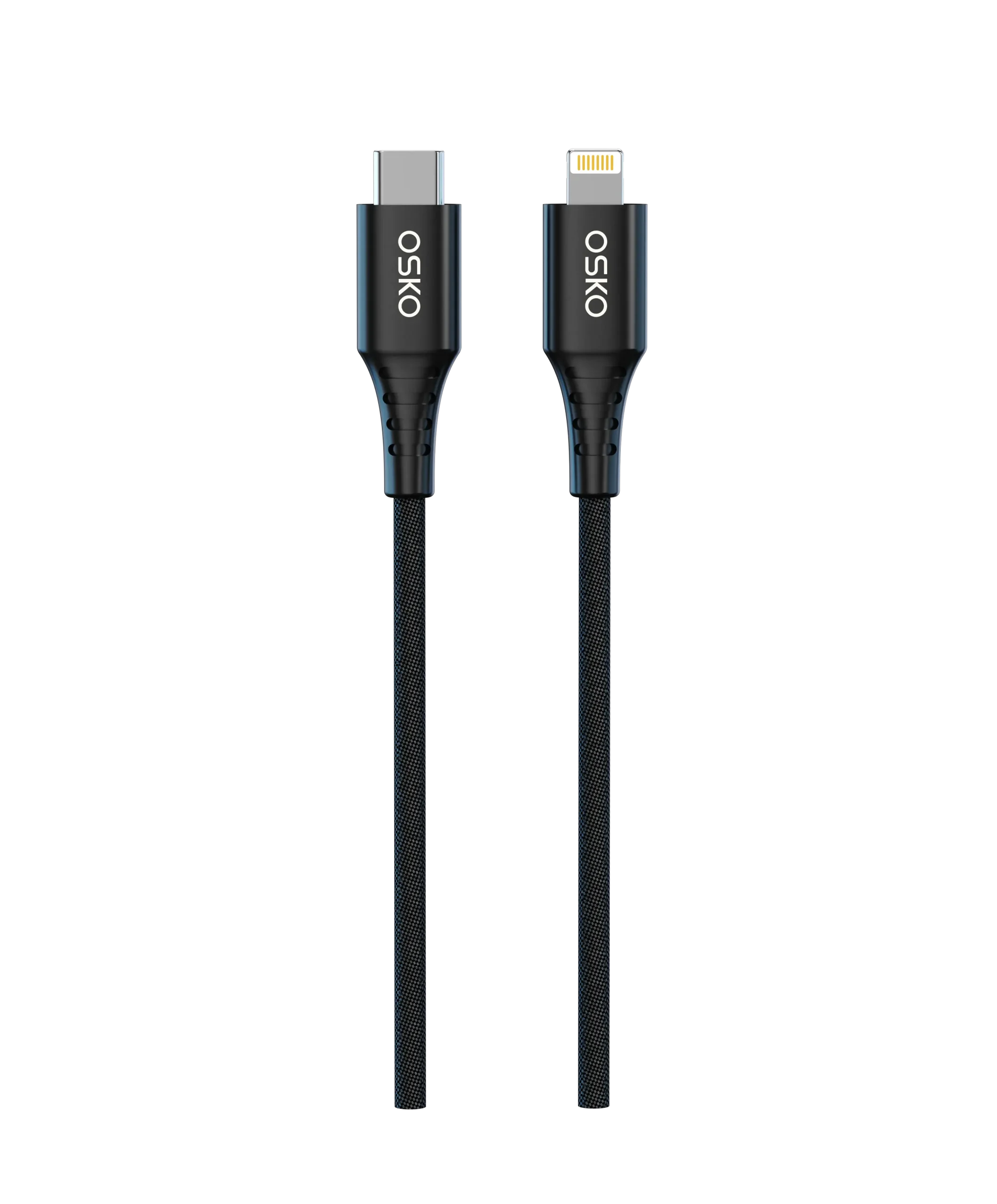
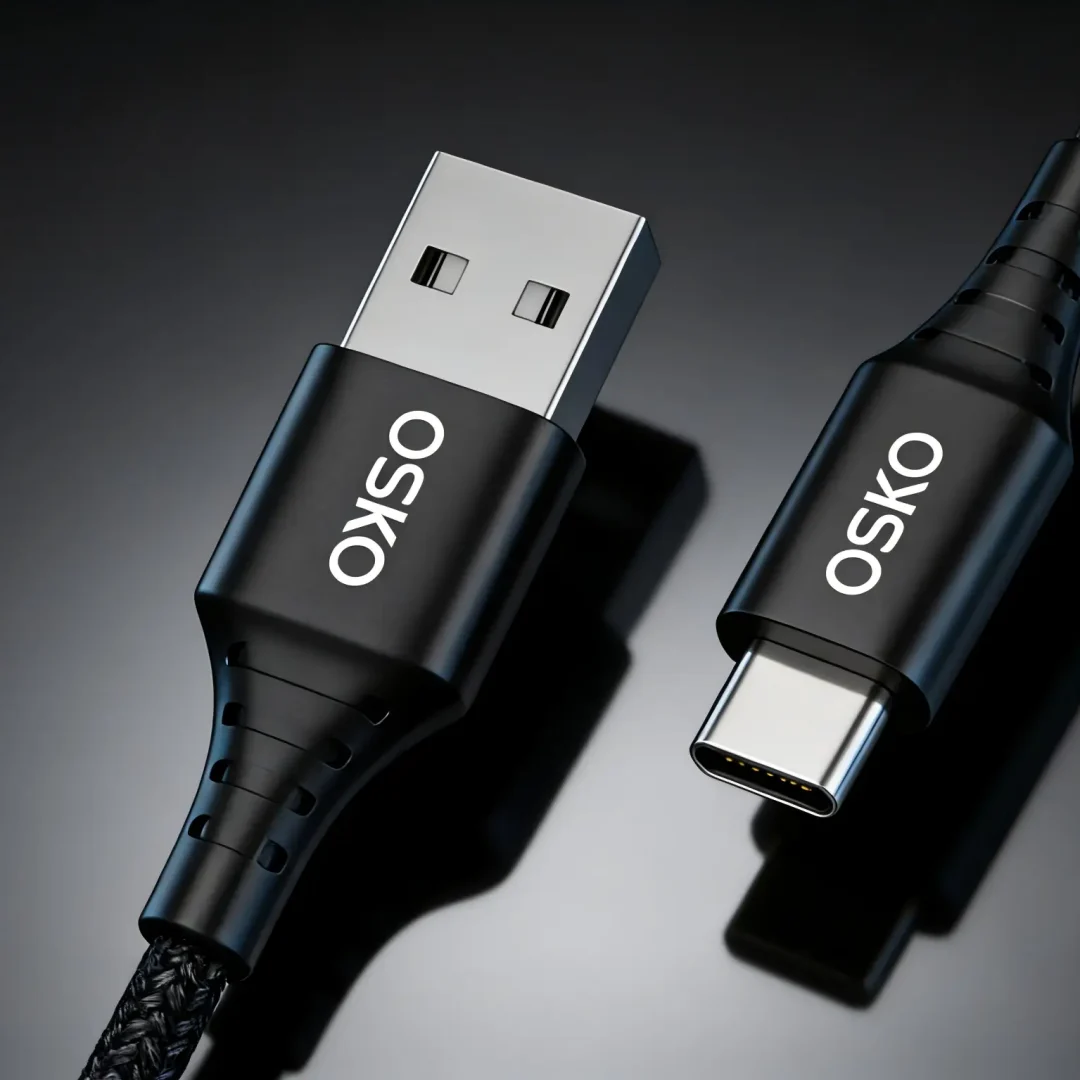
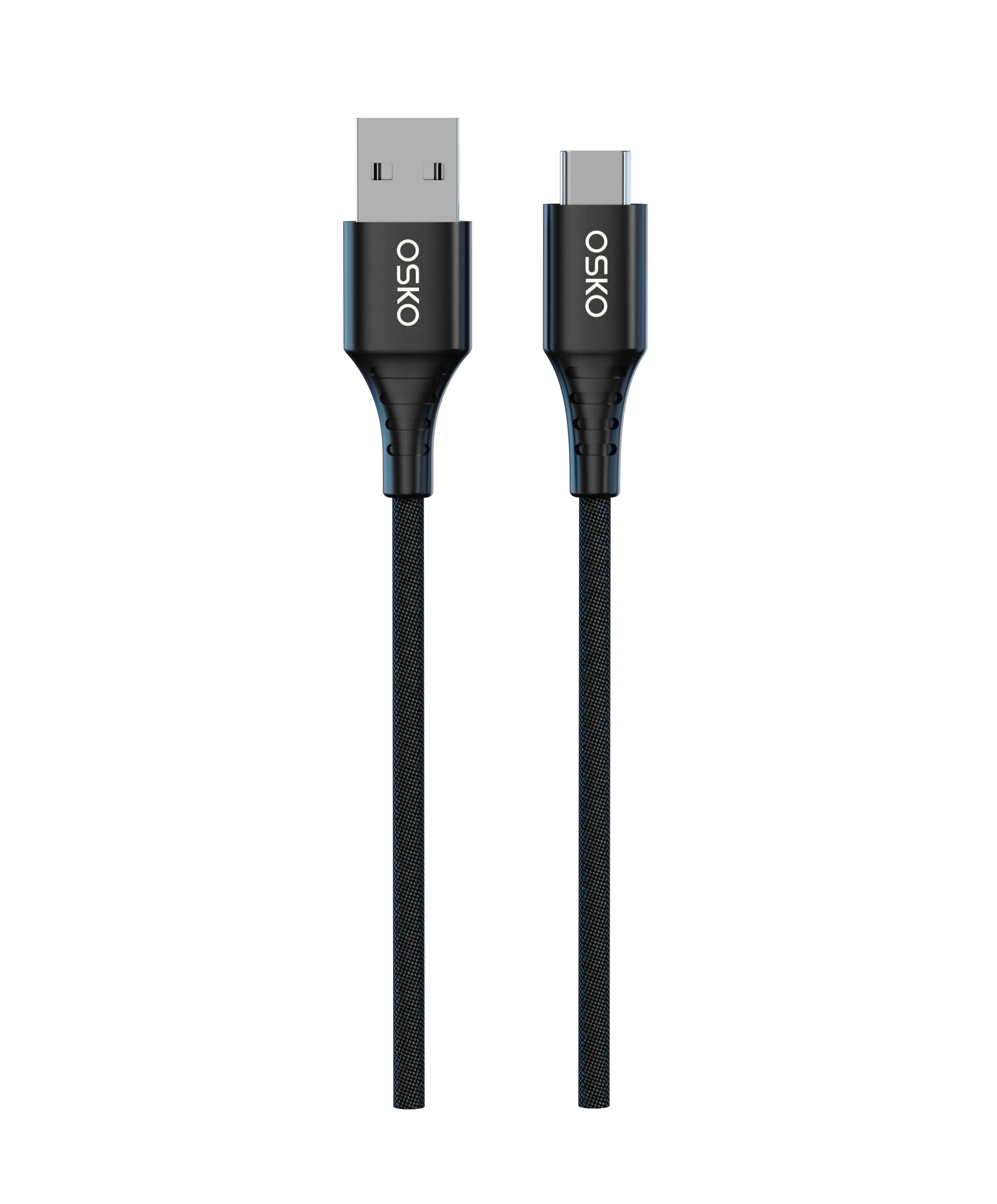
Choosing the right USB-C Cable Buying Guide is essential for electronics brands that need reliable charging, stable data transmission, and consistent product quality. Although USB-C connectors have become widely adopted across smartphones, tablets, laptops, gaming devices, smart accessories, and industrial equipment, not every USB-C cable provides the same performance.
For OEM electronics manufacturers, selecting a USB-C cable is not simply a purchasing decision based on price. Cable performance directly affects product reliability, customer experience, certification requirements, and long-term brand reputation.
Many buyers compare USB-C cables by appearance, connector type, and length. However, professional procurement teams evaluate deeper engineering factors, including conductor materials, current capacity, data transmission capability, shielding design, connector durability, and supplier manufacturing capability.
A poorly designed cable may create problems such as:
Slow charging performance
Unstable device connection
Excessive heat generation
Data transmission errors
Short product lifetime
For OEM brands developing electronic products, the cable becomes part of the overall product system. It must match the device requirements and maintain stable performance throughout the product lifecycle.
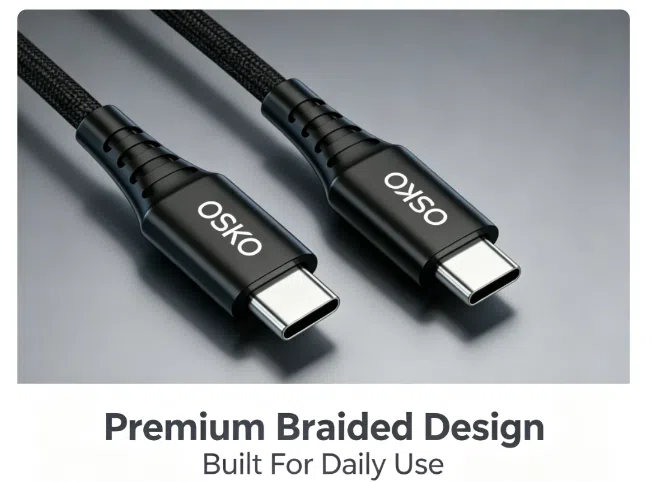
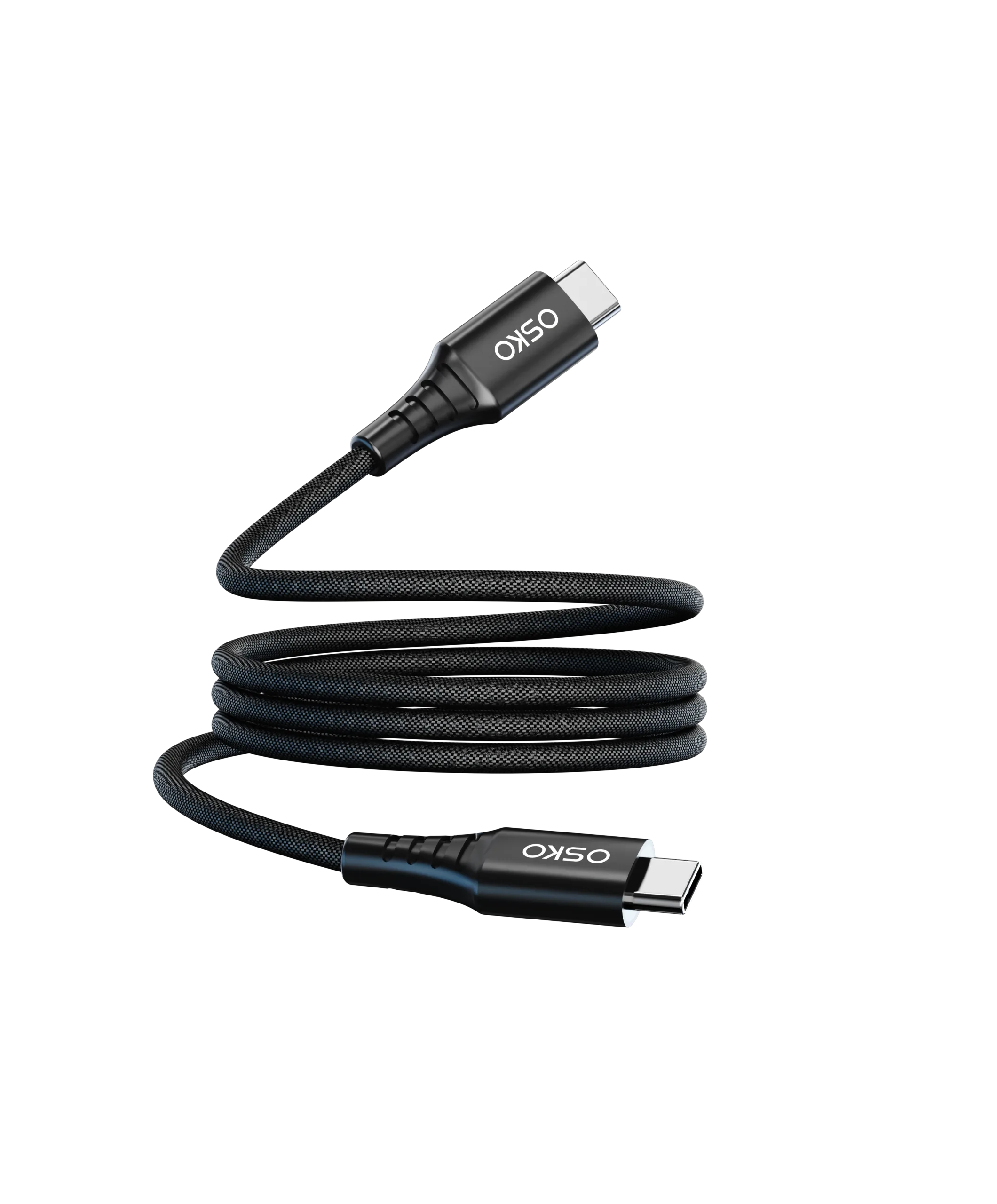
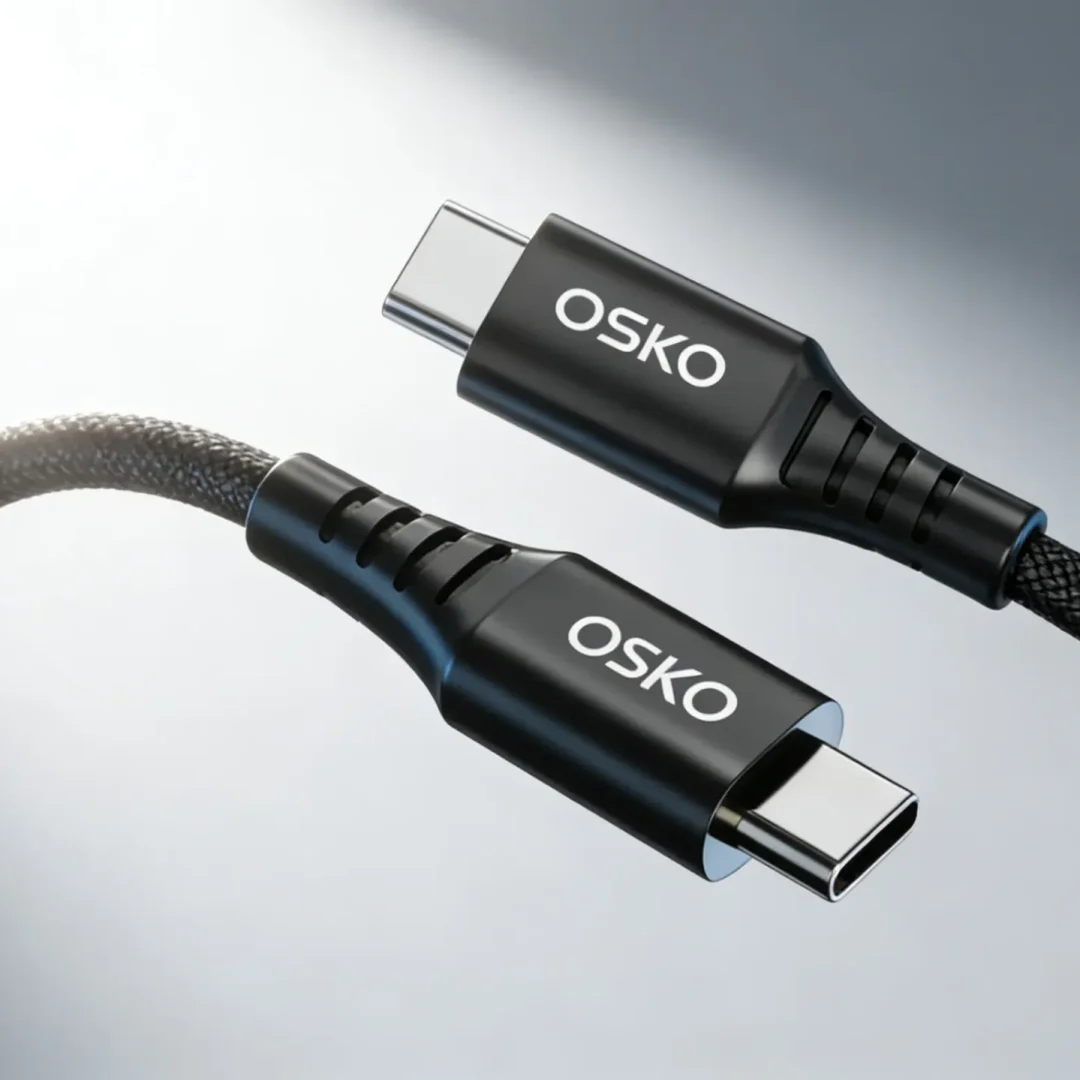
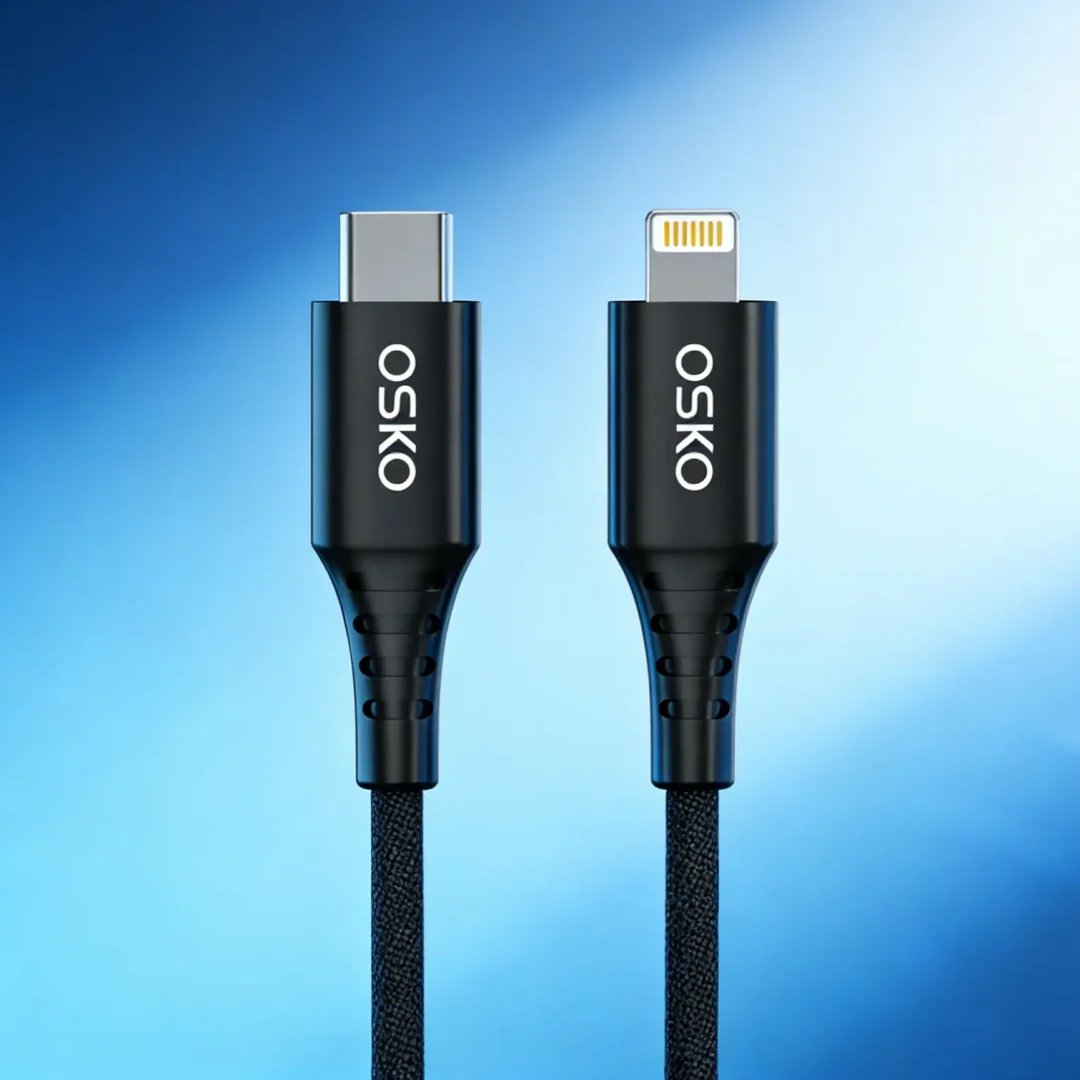
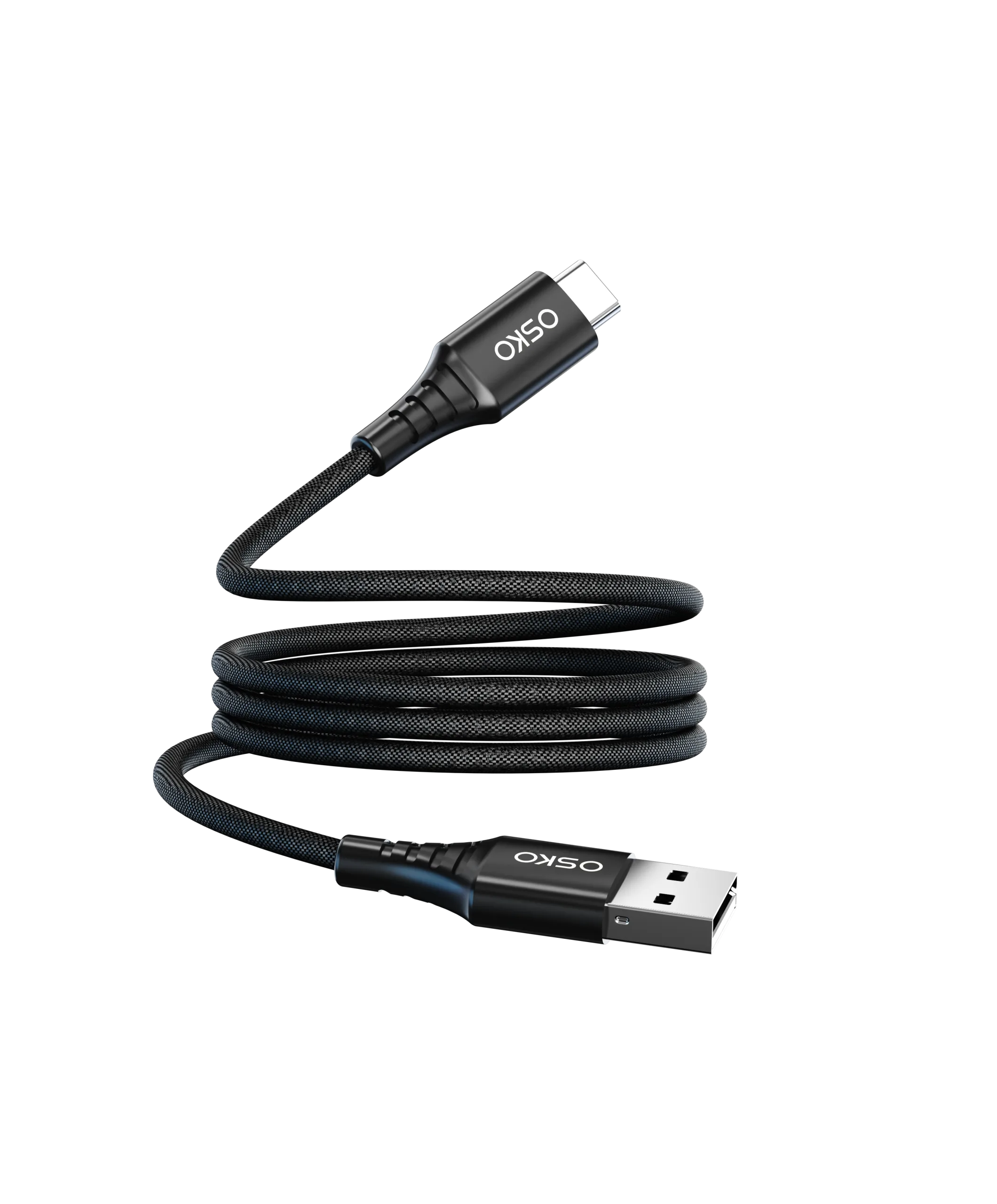
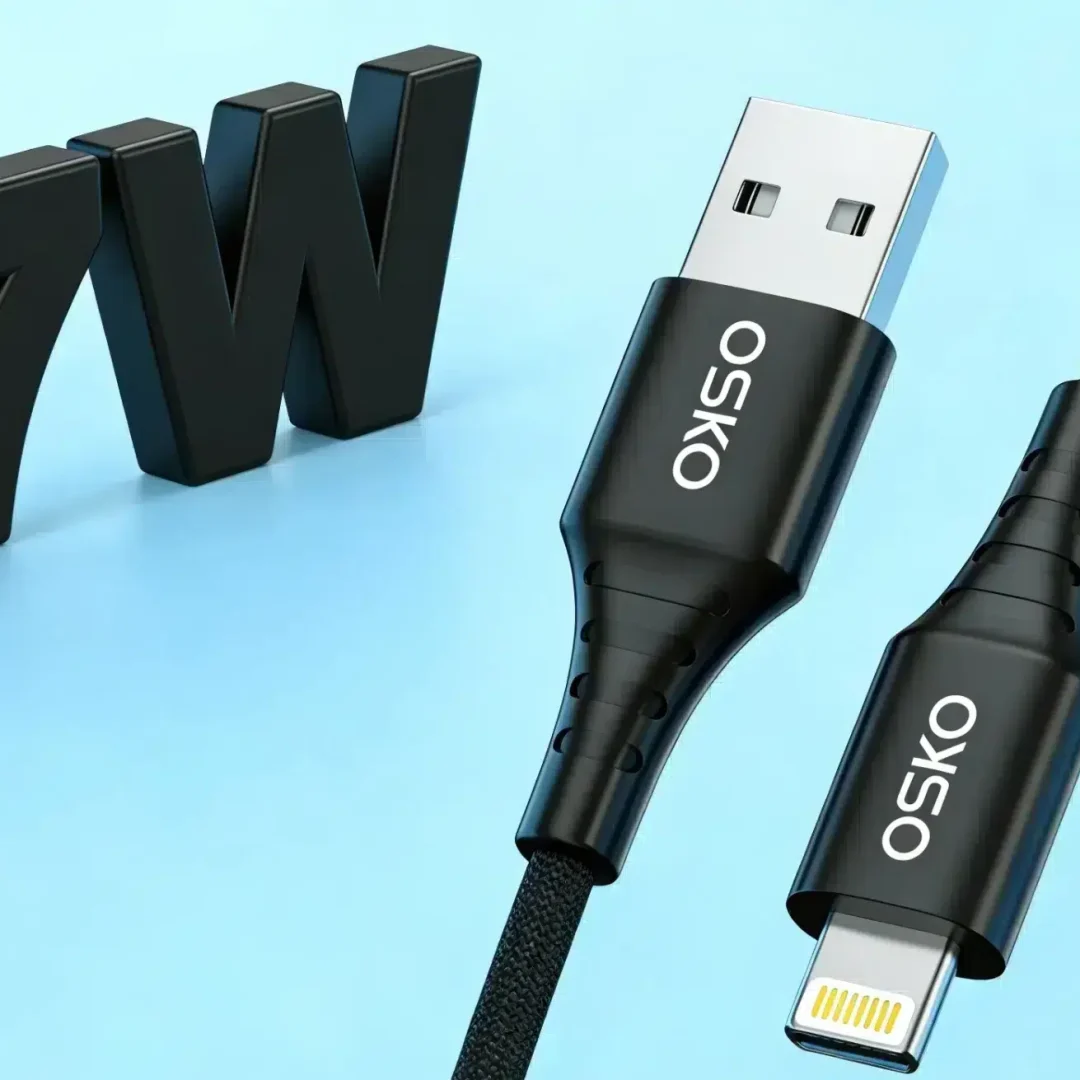
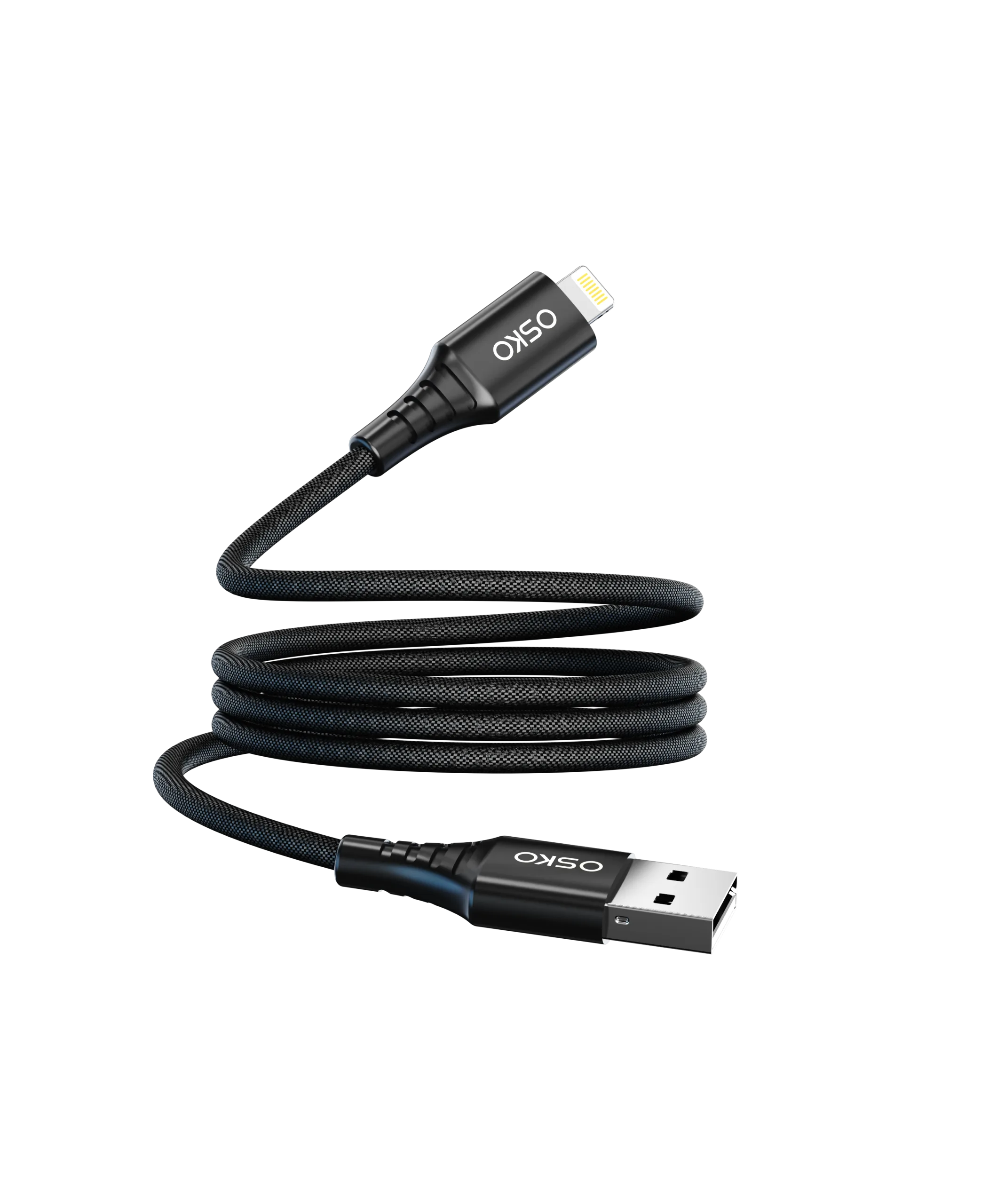
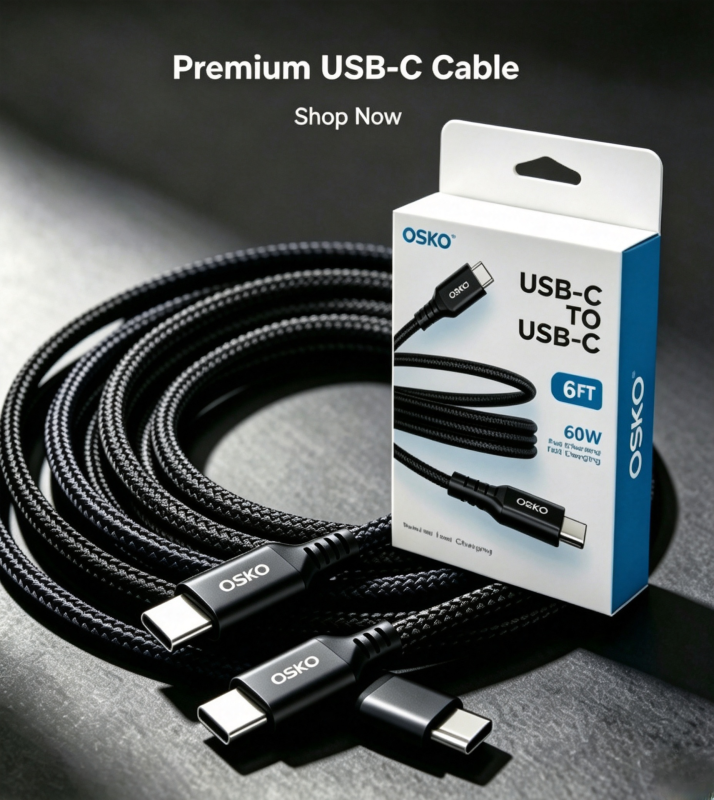
OSKO provides OEM and ODM cable manufacturing solutions for global electronics companies. Through engineering analysis, material optimization, and production quality control, OSKO helps brands develop reliable USB-C Charging Cable products for consumer electronics, retail channels, and professional applications.
Material Science & Dielectric Properties
Understanding USB-C Cable Internal Structure
A professional USB-C Cable contains multiple layers, and every component affects electrical performance and durability.
The main internal structures include:
| Component | Function | Importance for Buyers |
|---|---|---|
| Copper conductor | Transfers power and signals | Determines charging efficiency |
| Insulation layer | Prevents electrical interference | Supports signal stability |
| Shielding layer | Reduces electromagnetic noise | Improves data reliability |
| Drain wire | Provides grounding path | Enhances EMI protection |
| E-marker chip | Communicates cable capability | Enables higher power applications |
| Connector assembly | Provides device connection | Affects lifetime and reliability |
| Outer jacket | Protects internal structure | Controls flexibility and durability |
Understanding these materials allows procurement teams to select cables based on engineering requirements instead of only cost.
Conductor Materials and Charging Performance
The conductor is one of the most important factors in cable performance.
When electricity flows through a cable, resistance causes energy loss and heat generation. Higher resistance can result in:
Reduced charging efficiency
Lower voltage delivery
Increased operating temperature
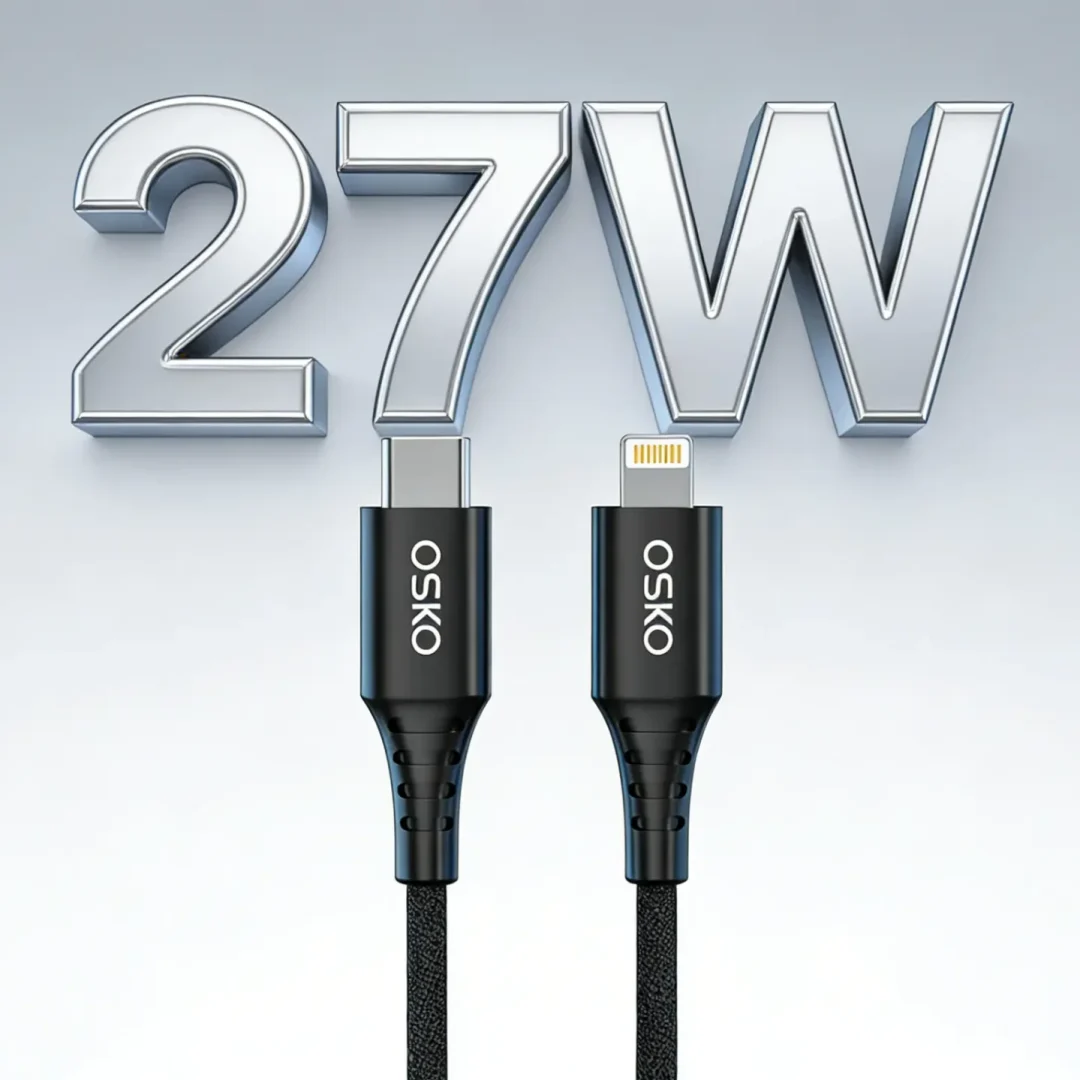
For fast charging applications, a quality Fast Charging Cable requires optimized conductor design.
Professional manufacturers evaluate:
Copper purity
Wire diameter
Current capacity
Cable length
Thermal performance
For example, a short smartphone charging cable and a long laptop charging cable may require completely different conductor specifications.
Insulation Materials and Electrical Stability
The insulation layer protects conductors and maintains electrical separation.
High-quality insulation materials help improve:
Dielectric stability
Heat resistance
Signal integrity
Product safety
For data-sensitive applications, insulation quality directly influences transmission reliability.
A professional USB Data Cable must maintain stable electrical characteristics to support communication between devices.
Shielding Design and Data Reliability
Modern electronic products operate in environments with multiple sources of electromagnetic interference, including:
Computers
Wireless devices
Charging adapters
Display equipment
Without proper shielding, cables may experience:
Signal loss
Connection interruption
Reduced data speed
A well-designed USB-C cable may use:
Aluminum foil shielding
Braided shielding
Grounding optimization
This is especially important for products requiring stable data communication.

Case Study: Custom USB-C Cable Solution for a Smart Home Device Manufacturer
Customer Background
A European smart home electronics company developed a new product range including smart control panels, home automation hubs, and connected accessories.
The company planned to distribute products through retail channels in Germany and the Netherlands.
Their procurement team needed a reliable cable supplier because the USB-C cable would be included as part of the final product package.
The main requirements included:
Stable charging performance
Long-term consumer reliability
Custom branding options
Consistent production quality
Compatibility with multiple device models
Engineering Challenges
1. Different Device Power Requirements
The customer’s product family included multiple smart devices with different power requirements.
A standard cable solution created difficulty because some devices required higher current transmission.
The engineering team needed a flexible cable platform that could support different product models.
2. Consumer Usage Durability
The company expected customers to use the cable daily in home environments.
Potential problems included:
Frequent bending
Connector stress
Jacket cracking
Connection instability
The cable needed to maintain performance throughout extended usage.
3. Procurement Quality Control
The customer previously worked with different suppliers and experienced inconsistent cable quality between production batches.
Their purchasing department required:
Stable electrical performance
Reliable delivery
Professional technical support
OSKO Engineering Solution
OSKO analyzed the customer’s device specifications and developed a customized OEM USB Cable solution.
Optimized Cable Structure
OSKO adjusted:
Conductor specifications
Insulation materials
Shielding structure
Outer jacket selection
to achieve a balance between durability, flexibility, and electrical performance.
Customized Production Requirements
Based on the customer’s retail needs, OSKO supported:
Custom cable length
Logo customization
Packaging requirements
Product labeling
This allowed the customer to integrate the cable into their complete smart home product package.
Manufacturing Quality Control
OSKO applied multiple inspection procedures:
| Testing Process | Purpose |
|---|---|
| Electrical resistance test | Verify charging stability |
| Data communication test | Confirm signal performance |
| Connector inspection | Ensure mechanical reliability |
| Bending test | Evaluate durability |
| Batch sampling | Maintain production consistency |
The final solution helped the customer reduce product quality risks and improve consumer satisfaction after market launch.
Selection Guide: How OEM Buyers Choose the Right USB-C Cable
1. Define Application Requirements
Before purchasing, buyers should identify:
Device category
Charging requirement
Data transmission needs
Cable length
Usage environment
Different applications require different cable designs.
| Application | Recommended Cable Type |
|---|---|
| Smartphone accessories | USB-C Charging Cable |
| Laptop products | High-power USB-C to USB-C Cable |
| Smart devices | USB Data Cable |
| Retail products | Custom USB-C Cable Solutions |
| Industrial equipment | Reinforced USB-C Cable |
2. Check Charging Compatibility
OEM buyers should confirm:
Supported charging power
Current rating
USB PD compatibility
Device requirements
A cable that works for smartphones may not be suitable for laptops or high-power devices.
3. Evaluate Data Requirements
If the product requires communication, buyers should verify:
Data speed requirements
Signal stability
Shielding design
Cable structure
Charging-only cables cannot always replace data cables.
4. Consider Supplier Manufacturing Capability
For bulk purchasing, supplier capability is critical.
A professional supplier should provide:
Engineering support
Product customization
Quality testing
Production scalability
Stable supply chain
OSKO supports customers from prototype development to large-scale manufacturing.
FAQ
Are all USB-C cables the same?
No. USB-C cables may look similar but differ in charging power, data speed, internal materials, and durability.
How do I choose a USB-C cable for fast charging?
Choose a cable based on required power level, device compatibility, conductor quality, and USB PD support.
What is the difference between a USB-C charging cable and a USB data cable?
A charging cable focuses on power transmission, while a USB data cable supports communication between devices.
Can OEM brands customize USB-C cables?
Yes. OEM manufacturers can customize cable length, materials, connectors, packaging, and electrical specifications.
Why should businesses avoid choosing cables only by price?
Lower-cost cables may use inferior materials, resulting in unstable performance, higher failure rates, and increased after-sales costs.
Summary
Selecting the right USB-C cable requires engineering evaluation rather than simple price comparison. A professional USB-C Cable Buying Guide should consider materials, charging capability, data performance, durability, and supplier manufacturing experience.
For OEM electronics brands, the right cable partner can reduce product risks and improve market competitiveness.
OSKO provides professional OEM and ODM USB cable manufacturing solutions, including USB-C Charging Cable, USB-C to USB-C Cable, USB Data Cable, and customized cable products.
With engineering-focused development, material optimization, and strict quality management, OSKO supports global electronics companies in creating reliable charging and data solutions for modern devices.
Contact Information
OSKO USB Cable Manufacturing Solutions
OSKO specializes in:
OEM USB Cable Manufacturing
ODM USB-C Cable Development
Bulk USB Cable Production
Fast Charging Cable Solutions
Custom USB Cable Solutions
For electronics brands, distributors, and procurement teams requiring reliable USB-C cable solutions, OSKO provides professional engineering support from product concept to mass production.