
Introduction
USB-C cable specifications vary widely, and the connector shape alone does not determine performance. A cable may support only charging, only basic data, or full-featured high-speed transfer depending on its internal design and certification level. For OEM buyers, wholesale distributors, and retail brands, comparing specs is essential before selecting a USB-C cable for a product line or end-use scenario.
The most important comparison points are power rating, data rate, cable construction, and compliance. A USB-C cable that works well for a phone charger may fail in a laptop docking setup or a data-intensive workflow, so the technical differences matter.

Material Science & Dielectric Properties
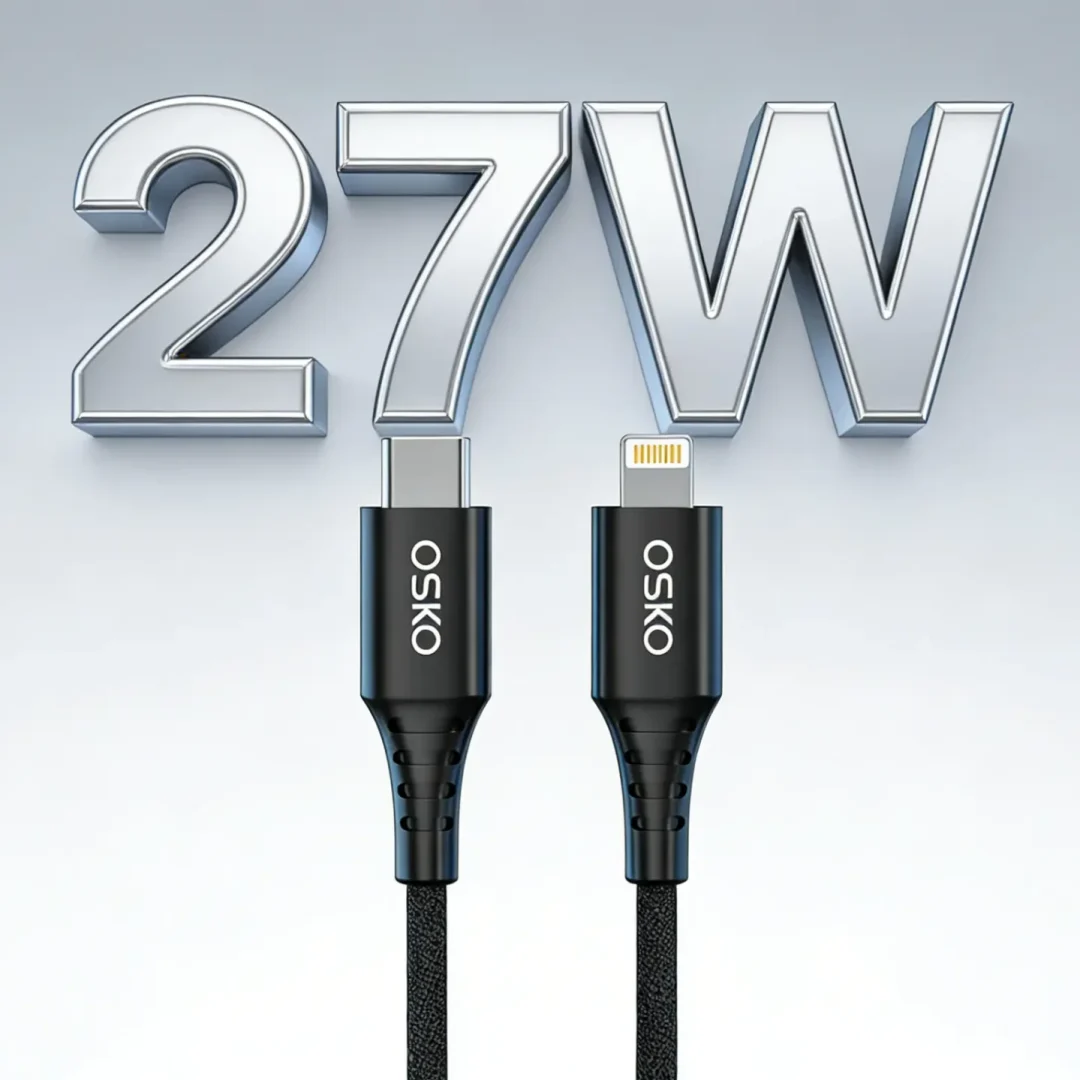
Cable performance begins with conductor size, insulation quality, and shielding structure. Thicker conductors reduce resistance and heat buildup, while higher-grade insulation helps maintain stable impedance during charging and data transmission. In practical terms, a USB-C cable built for 240W charging will usually need better internal materials than a simple charging cable rated at 60W.
Dielectric performance affects signal integrity by controlling how efficiently electrical energy moves through the cable. Poor dielectric consistency can introduce noise, reduce speed, and create instability at higher data rates. That is why a USB-C cable intended for fast transfer often uses more controlled insulation and shielding than a cable focused only on power delivery.
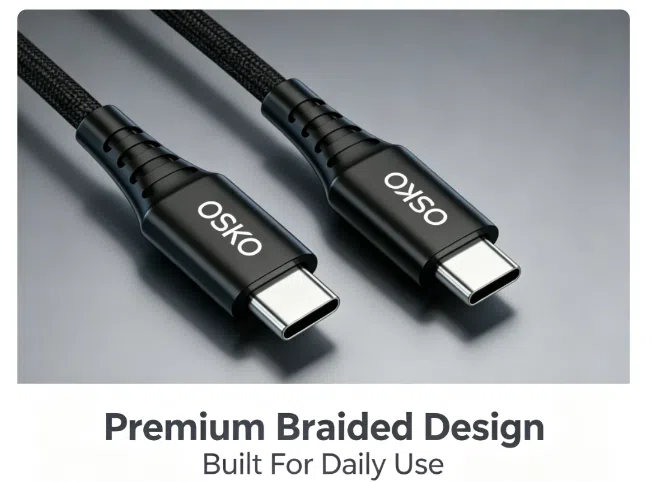
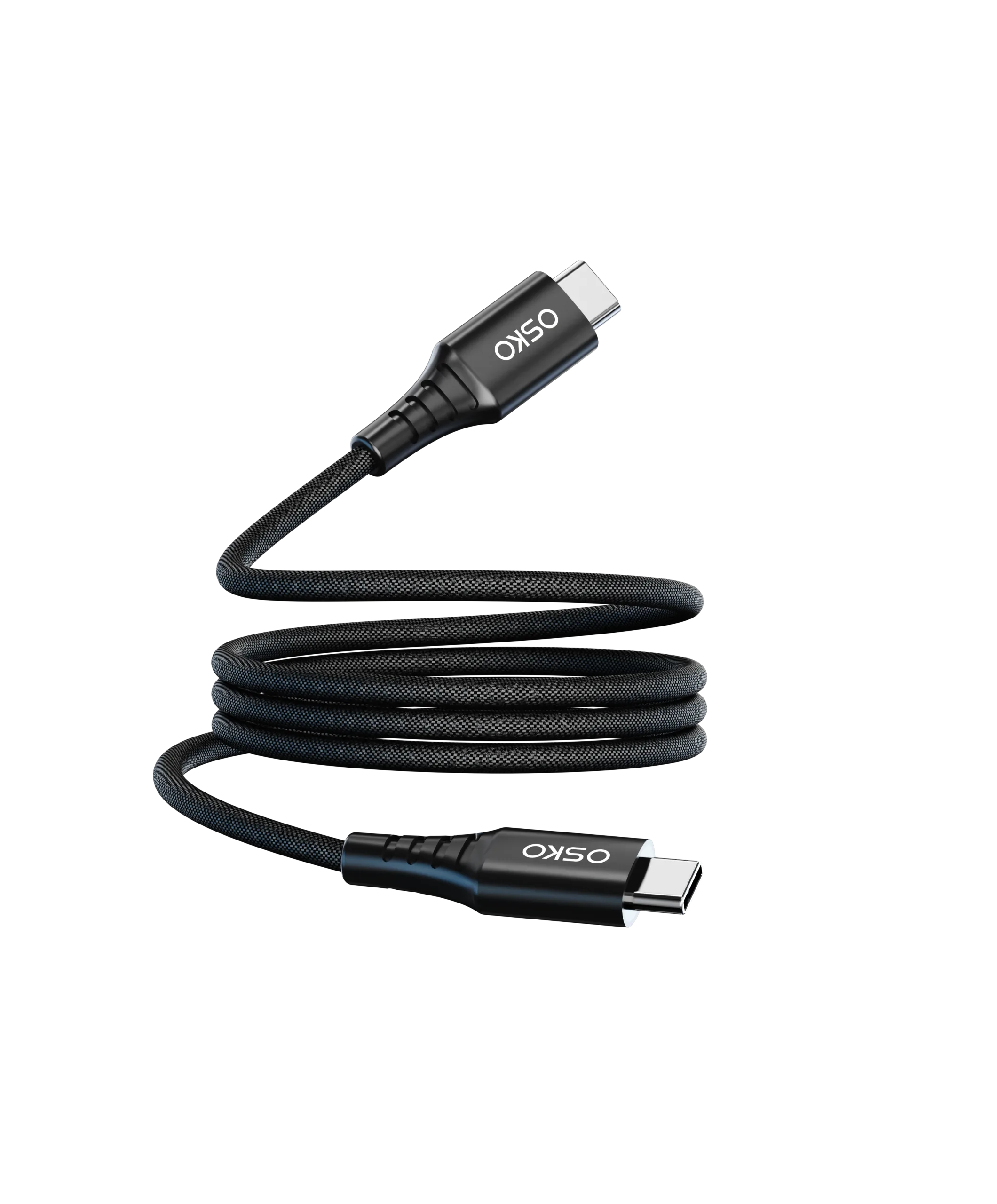
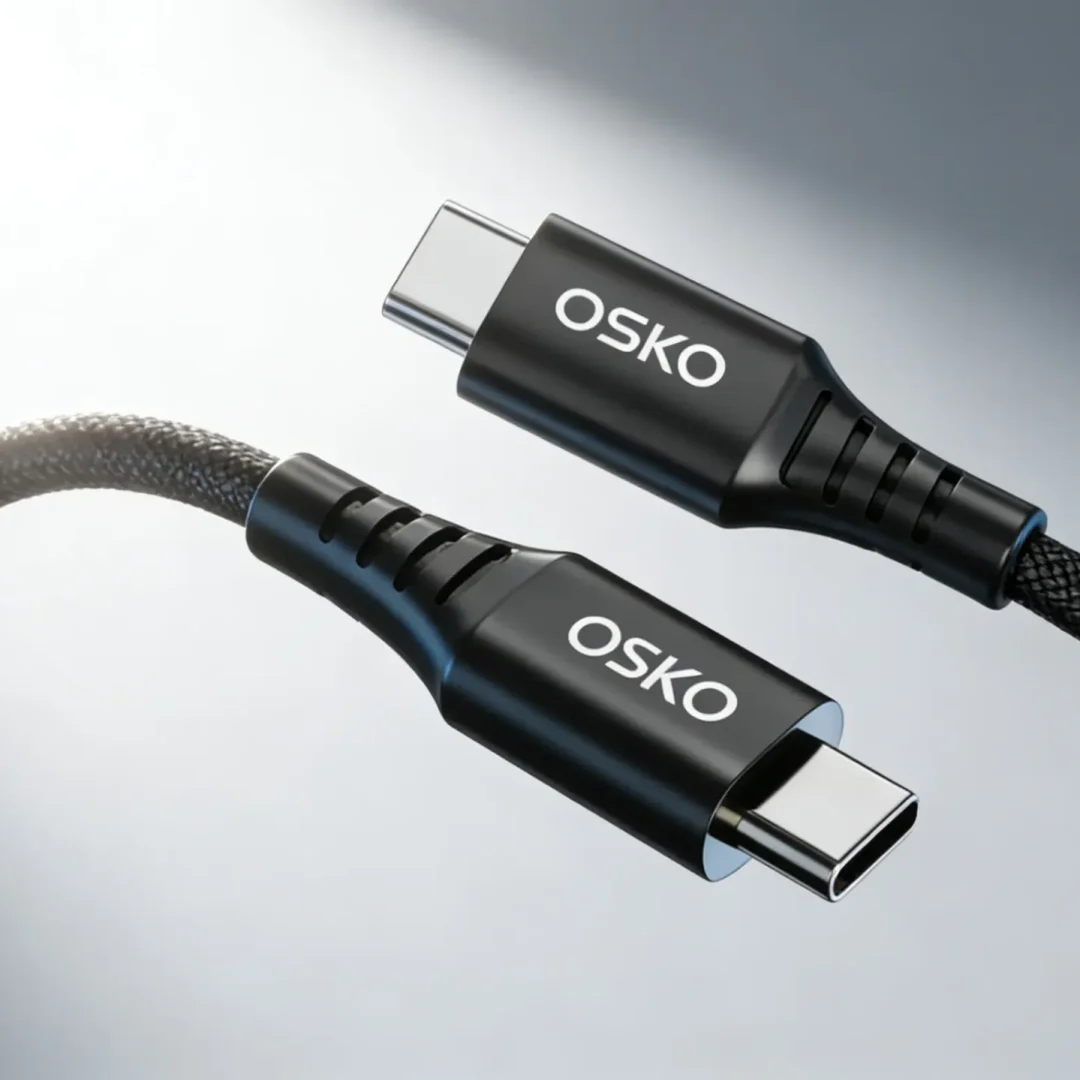
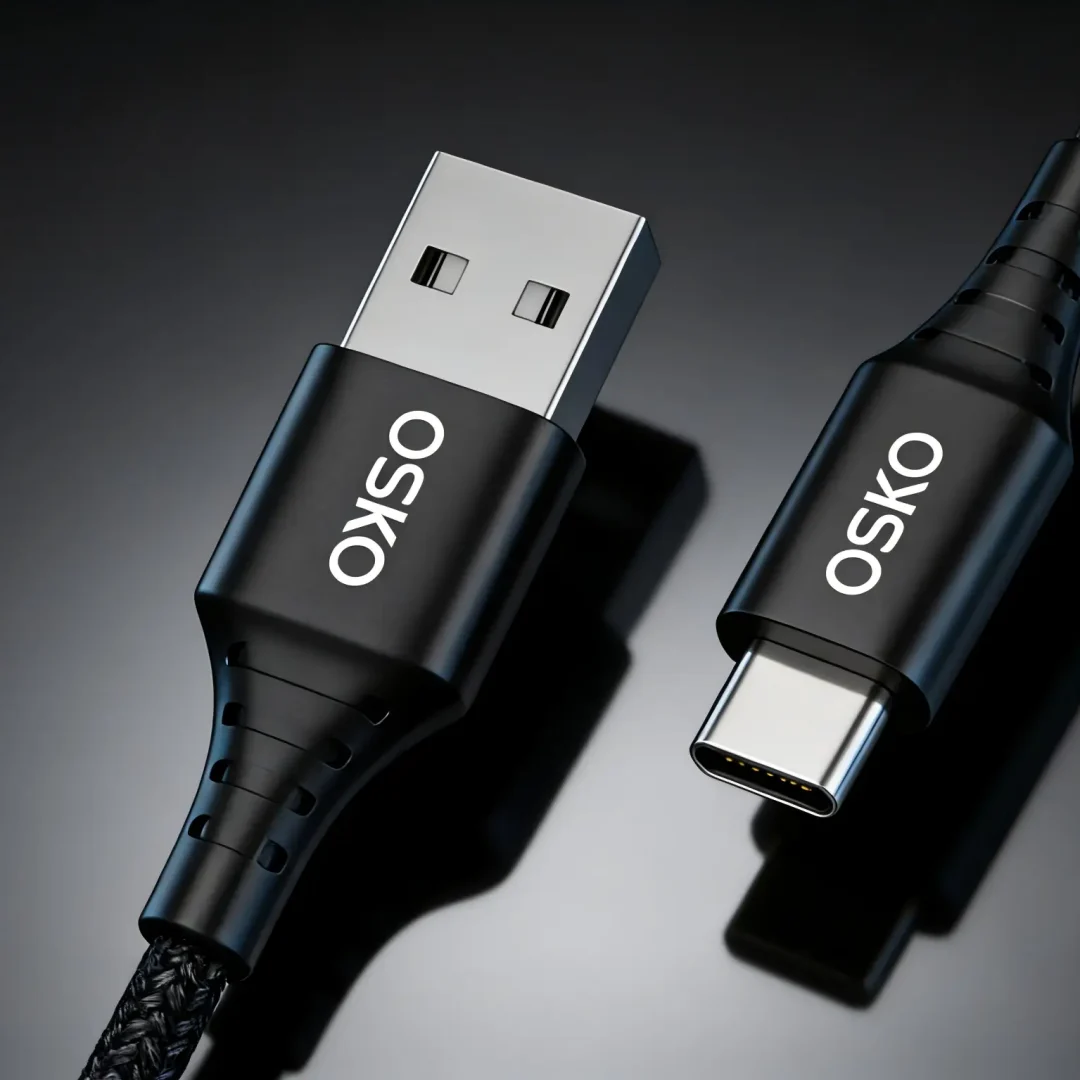
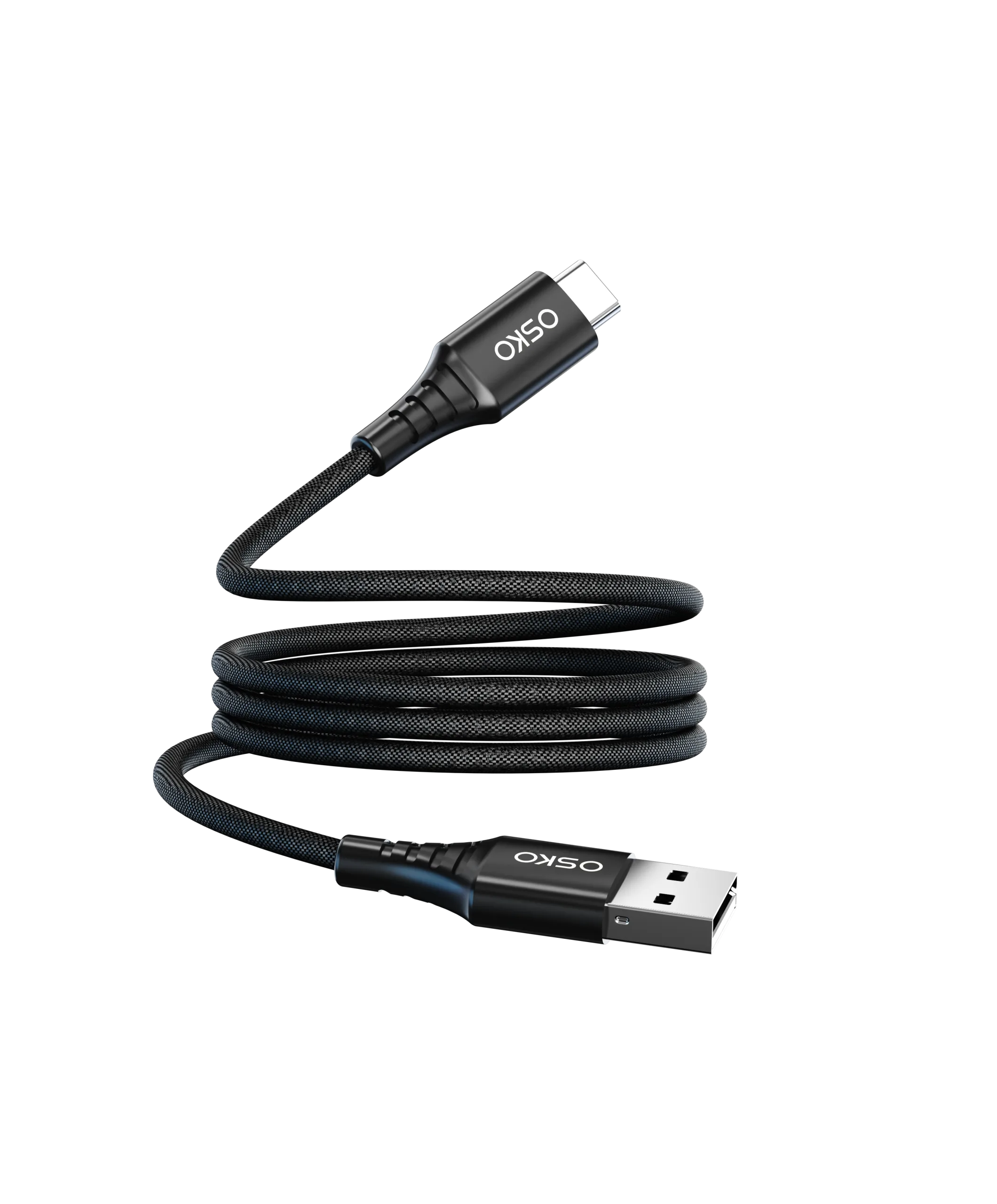
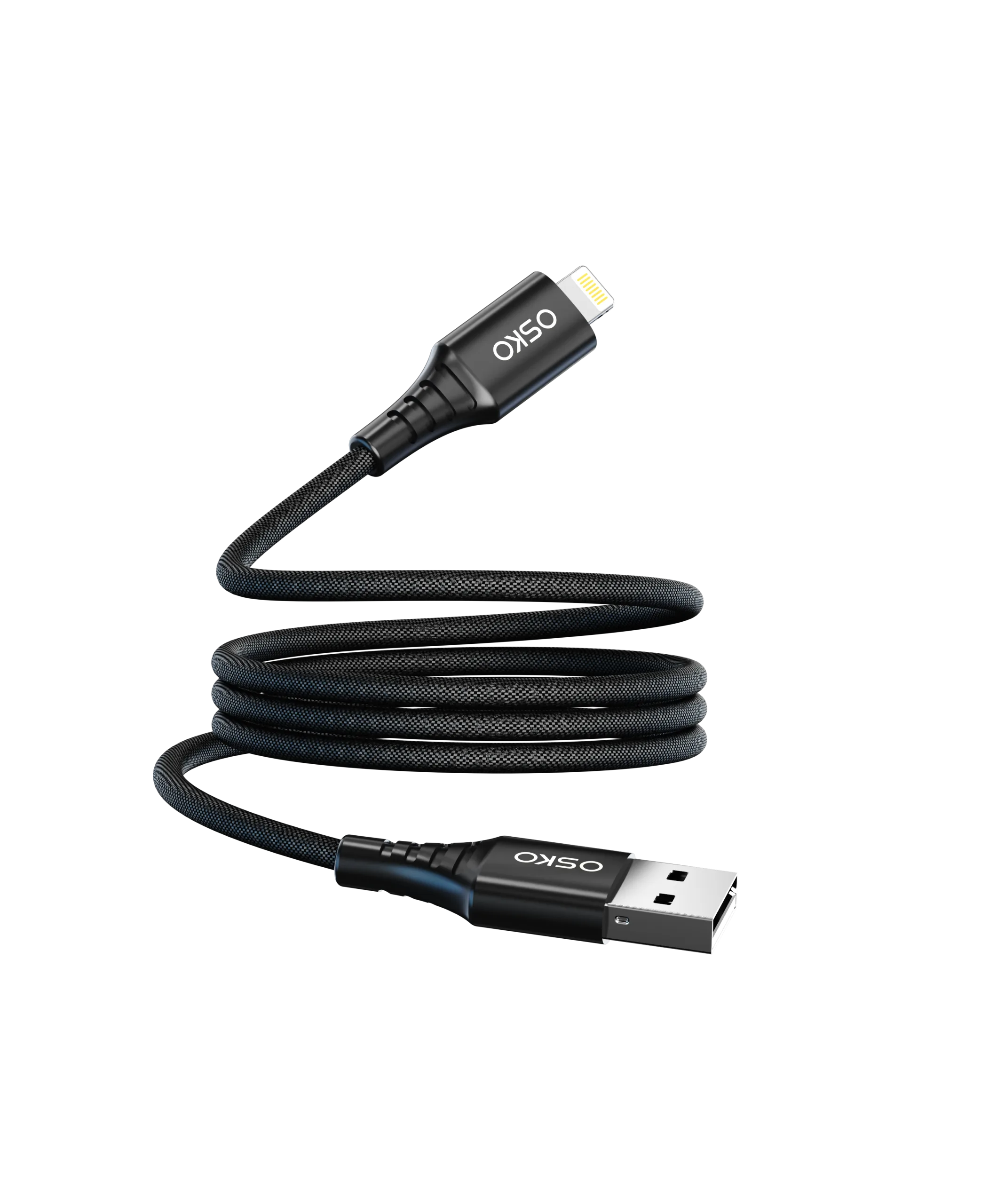
Braided outer jackets improve abrasion resistance and help the cable survive repeated bending, but the braid alone does not define electrical quality. The internal layout still determines whether the cable is suitable for USB 2.0, USB 3.2, or USB 4 class applications. In OEM sourcing, buyers should evaluate both the outer structure and the internal electrical design.
Case Study
A corporate buyer requires USB-C cables for three different applications: OEM USB cables for laptop accessories, wholesale USB cables for office deployment, and retail USB cables for consumer packaging. The initial issue was inconsistent product performance: some cables charged well but had slow data transfer speeds, while others, although capable of high-speed data transfer, could not withstand repeated bending.
The engineering issue came from unclear specification labeling and weak product segmentation. The buyer needed a structured product line covering Bulk custom 6ft 10ft USB-C cables, Bulk short 3ft braided Type C cables OEM, and Wholesale 60w braided usb c cable options without creating confusion for channel partners.
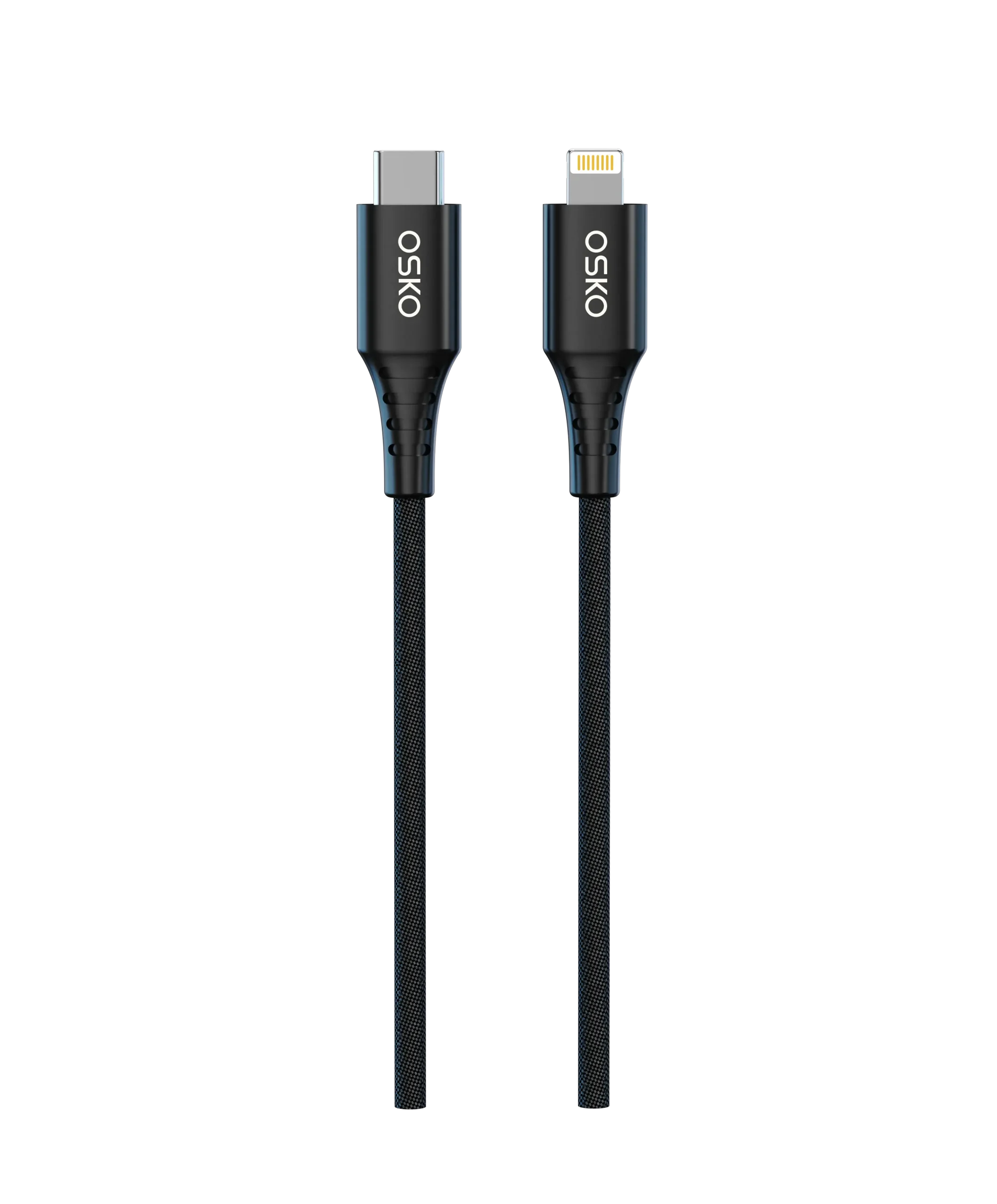
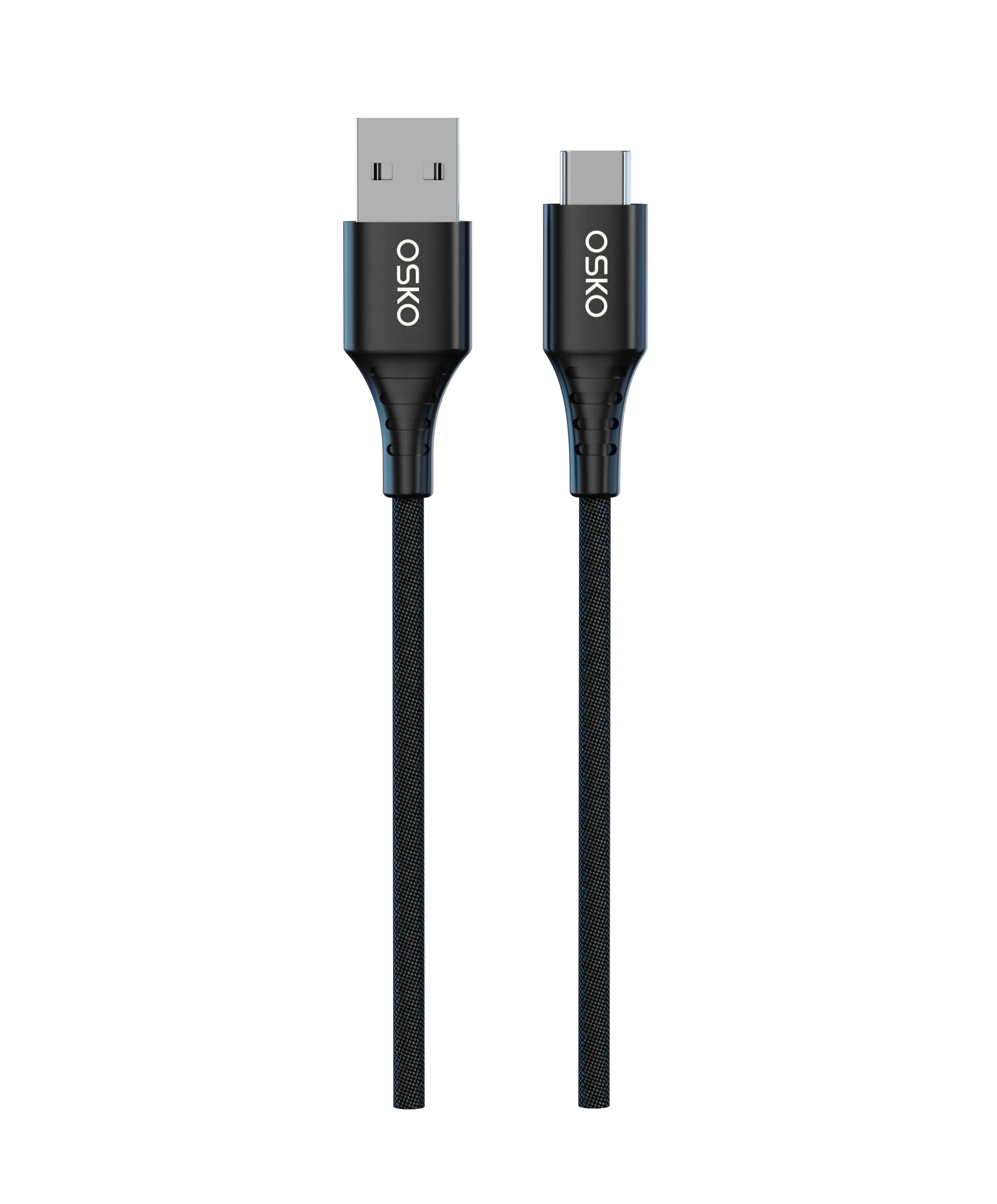
The OSKO solution was to separate the portfolio by function and use case. Travel and desktop models were built with different lengths and jacket types, while high-demand models used Tangle-free double-braided USB C cable wholesale construction for durability. For branded launches, Custom packaging braided charging cable factory support helped the customer match retail presentation with technical positioning.

Selection Guide
The best way to compare a USB-C cable is to match the cable class to the intended workload. Charging-only cables are useful for simple power tasks, but they may not support reliable file transfer or monitor connections. Full-featured cables are better for laptops, docks, and high-speed peripherals.
| Spec Category | What to Compare | Practical Impact |
|---|---|---|
| Power rating | 60W, 100W, or 240W | Determines charging speed and device compatibility |
| Data speed | USB 2.0, USB 3.2, USB 4 | Affects file transfer and peripheral performance |
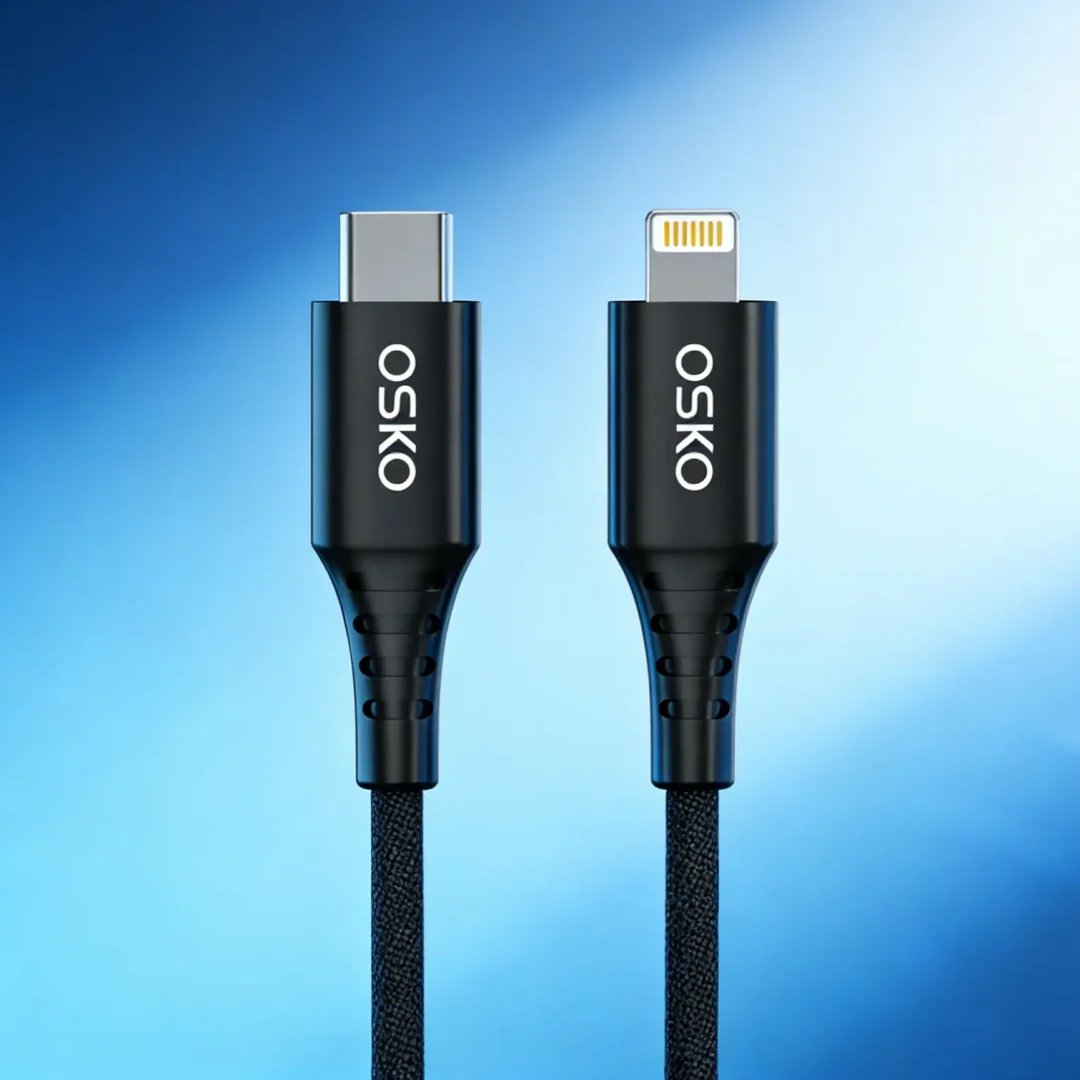
| Cable type | Charging-only or full-featured | Determines whether the cable supports data and video |
| Jacket material | PVC, TPE, nylon braid | Impacts durability and flexibility |
| Connector form | Straight or right-angle | Useful for car charging, desk setups, and tight spaces |
| Certification | CE, RoHS, FCC, USB-IF | Supports compliance and market acceptance |
For OEM and wholesale buyers, USB-IF compliant Type C cable manufacturer sourcing is often the safest route when interoperability matters. If the target market is enterprise or export, certification and consistent testing matter as much as raw performance.
FAQ
What is the main difference between USB-C cable specs?
The main differences are power capacity, data transfer speed, internal conductor design, and support for charging-only or full-featured use.
Does a braided cable always perform better?
Not always. A braided jacket improves durability, but signal performance depends on the internal structure, shielding, and certification
What should OEM buyers prioritize?
They should prioritize power rating, data speed, compliance, and factory consistency before selecting color, packaging, or branding.
Which cable is better for desk and travel use?
For desk charging, longer full-featured models may be more practical. For travel, shorter USB-C cable options usually reduce clutter and improve portability.
Summary
Comparing USB-C cable specs means looking beyond the connector shape and focusing on electrical performance, material quality, and application fit. A cable that is ideal for charging may not be ideal for data transfer, and a cable built for retail packaging may not meet industrial workload requirements.
For OEM, wholesale, and bulk buyers, the most reliable approach is to segment by power, speed, length, and certification. That makes it easier to match the right product to travel, desktop, car charging, home use, or enterprise deployment.
Contact Information
For OEM USB Cables, ODM USB Cables, and USB Cable Wholesale, or bulk customized USB-C cable projects, use a supplier that can provide technical specifications, certification support, and application-based product matching across retail and industrial channels.