
Introduction
As USB-C technology becomes the global standard for charging and data transmission, evaluating cable durability and charging speed has become increasingly important for manufacturers, wholesale buyers, retailers, and OEM brands. Modern devices now demand higher charging wattage, faster data transfer, and longer operational lifespan from charging cables.
However, not all USB-C cables are engineered to the same standard. Many low-cost cables may appear visually similar while performing very differently under real-world charging conditions. Problems such as unstable charging, overheating, voltage drop, connector breakage, and internal wire fatigue are commonly linked to poor cable engineering.
To avoid these issues, professional buyers and technical teams must understand how cable materials, conductor structures, shielding systems, and certification standards affect both durability and charging performance.
From a market perspective, this evaluation process is especially critical in North American and European markets, where consumers increasingly expect long-lasting fast charging cables that support laptops, tablets, smartphones, automotive charging systems, and portable power stations.
This guide explains how to professionally evaluate USB-C cable durability and charging speed through technical analysis, application testing, and compliance verification.

Applicable Scenarios
OEM USB Cable Manufacturing Projects
OEM brands require charging cables that maintain stable performance across long-term commercial use.
In practical applications, OEM clients often prioritize:
- Charging consistency
- Connector lifespan
- Material durability
- Brand customization
- Safety certifications
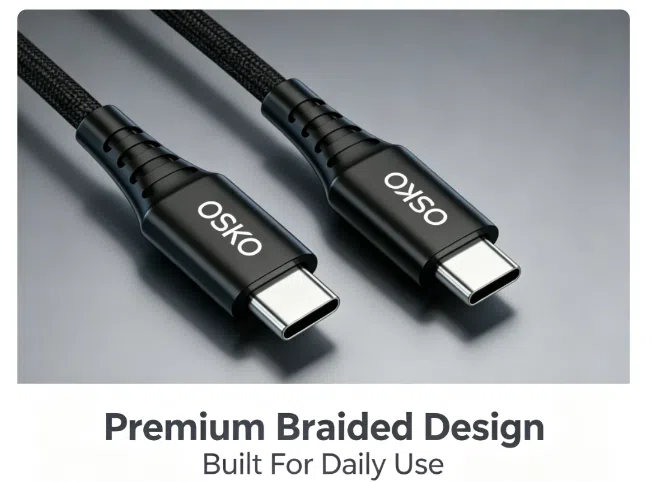
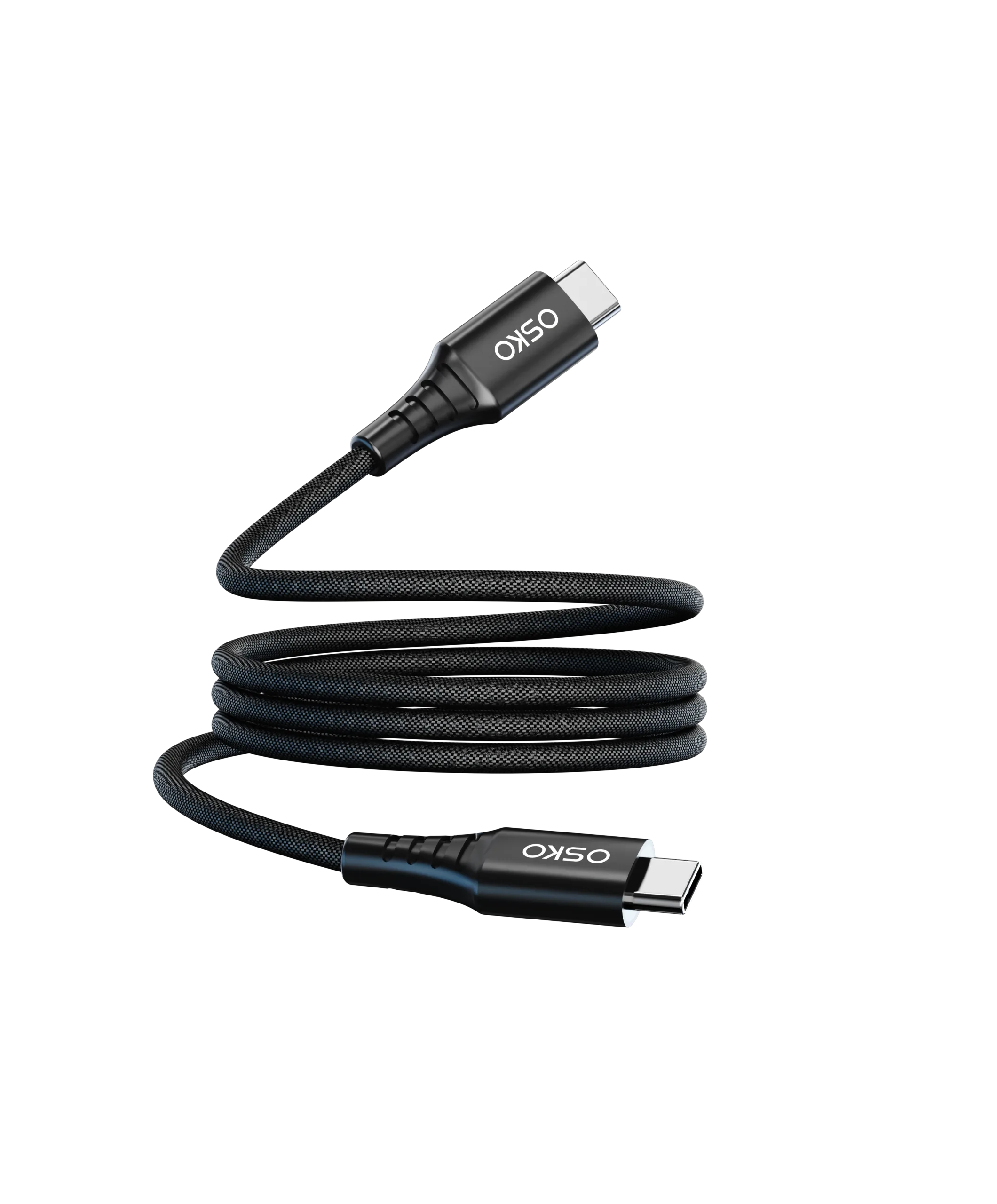
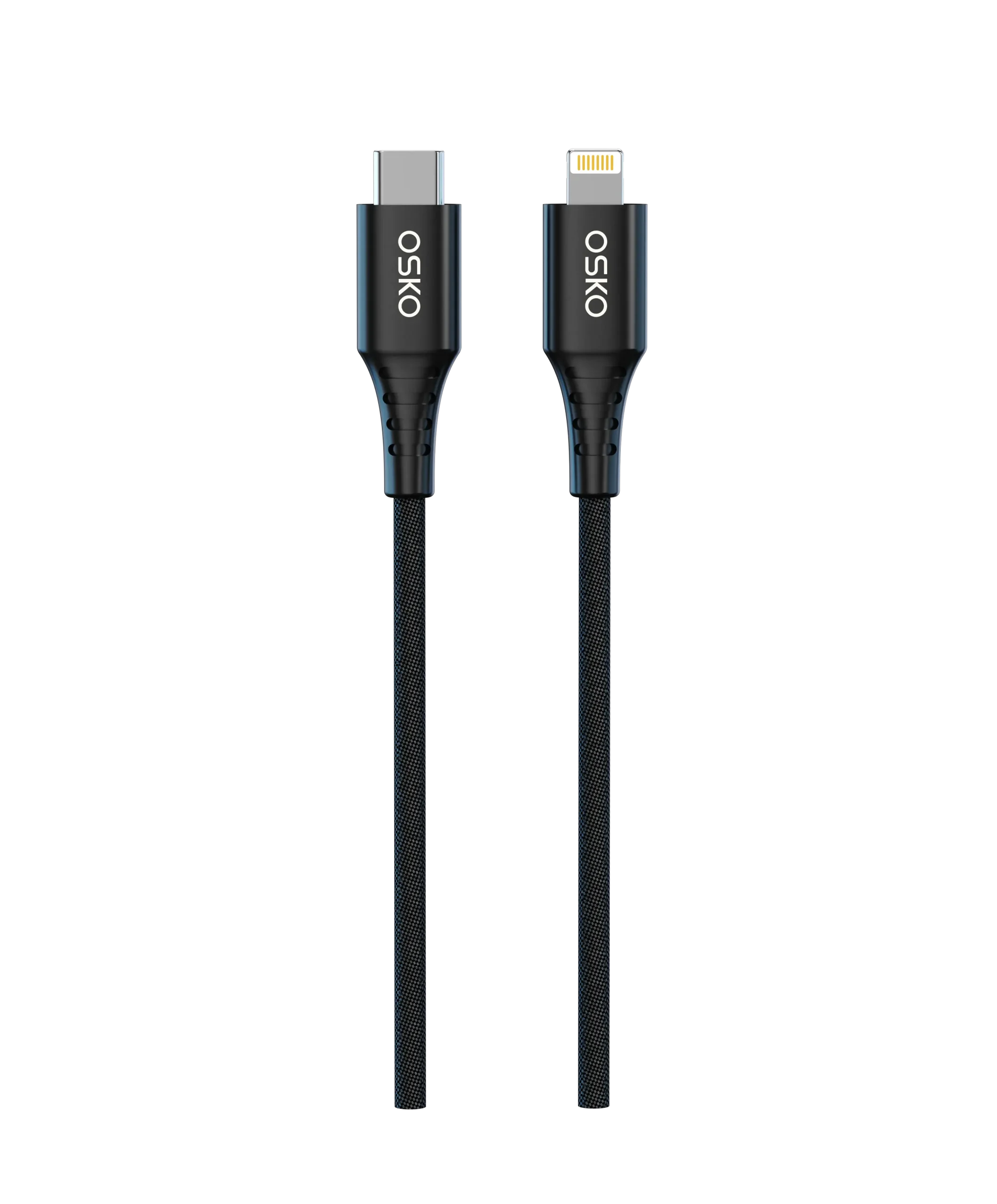
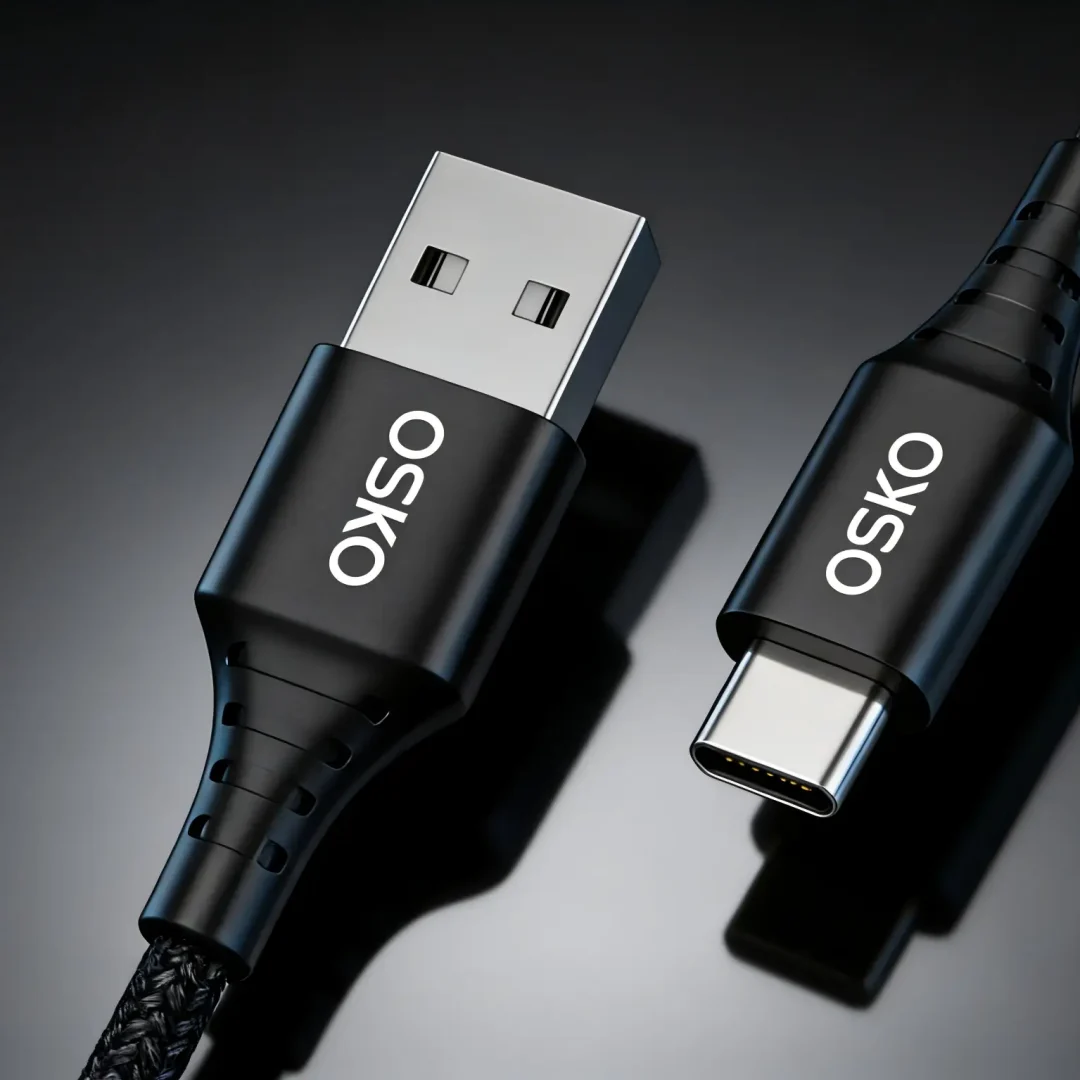
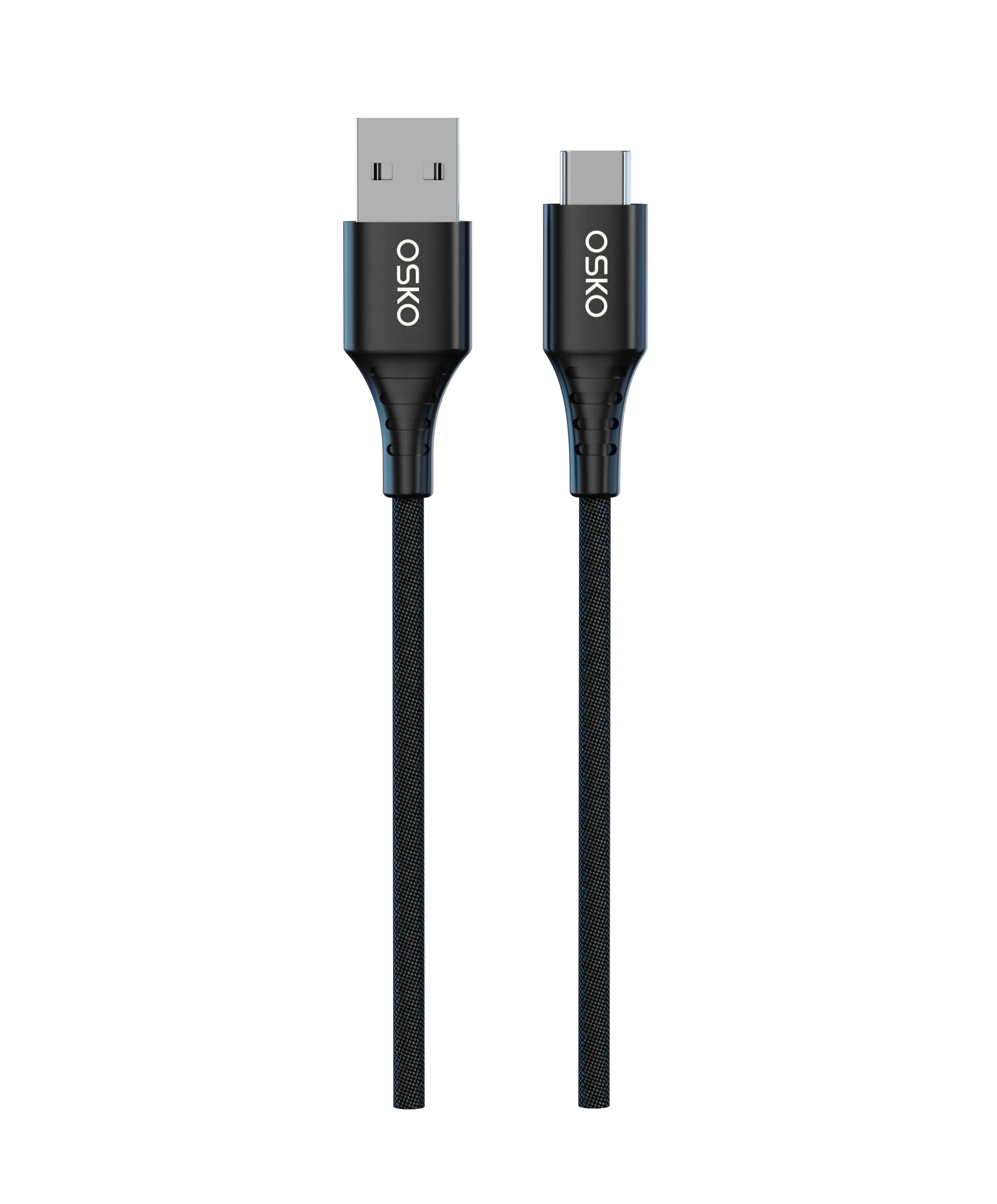
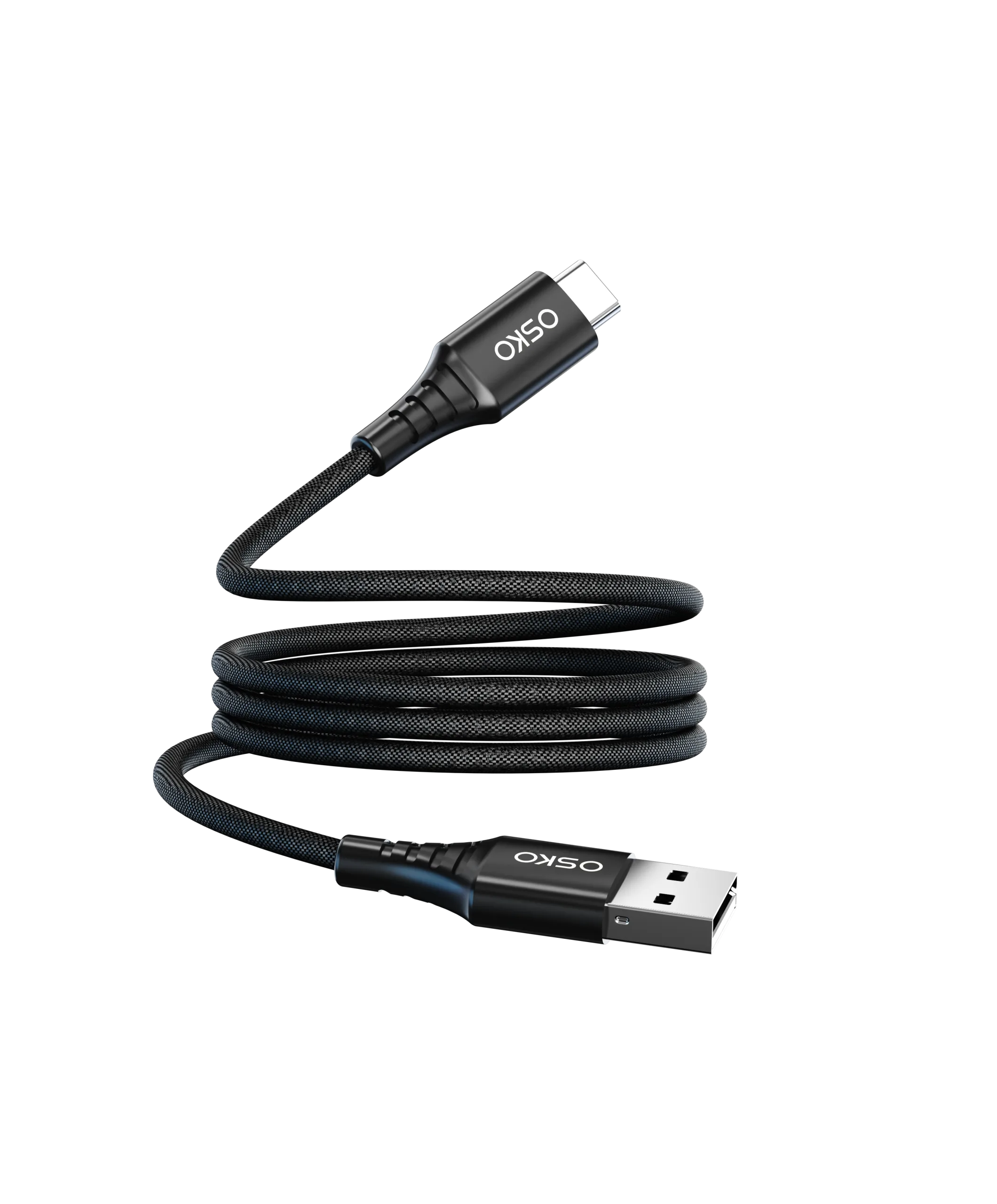
To support these requirements, many manufacturers now produce OEM ODM custom length USB C cables using reinforced connector housings, thicker copper conductors, and double-braided nylon structures.
Compared with standard PVC cables, heavy duty braided USB-C cables provide significantly better mechanical durability during repeated bending and high-frequency charging cycles.
This becomes particularly important for enterprise charging kits, promotional electronics, and bundled retail accessories where cable reliability directly impacts customer satisfaction.
Wholesale and Bulk USB Cable Distribution
Wholesale distributors face different challenges from OEM buyers.
Unlike consumer purchases, wholesale procurement requires evaluating long-term failure rates, return risks, and compatibility across multiple device ecosystems.
To reduce operational risk, distributors increasingly source:
Tangle-free braided cables
USB-IF certified USB-C cables
Reinforced strain-relief structures
High-wattage PD charging cables
For example, wholesale 60w braided usb c cable products remain highly popular in travel accessories, desk charging systems, and retail electronics because they balance cost efficiency with charging performance.
Meanwhile, white label 240W fast charging cable wholesale products are growing rapidly within gaming laptop and workstation markets where high-power charging stability is essential.
Desk Charging and Home Charging Systems
Desk charging systems place constant stress on charging cables.
Laptops, docking stations, tablets, and smartphones often remain connected for extended periods, increasing connector strain and thermal load.
To improve cable longevity, professional buyers increasingly select:
Double-braided nylon cable jackets
Reinforced connector molding
Right-angle connector systems
High-flexibility conductor structures
In North American office environments, longer cable configurations are also preferred. Therefore, bulk custom 6ft 10ft USB-C cables are widely used for desk charging applications.
Beyond physical durability, stable charging speed becomes equally important in desktop workstations where unstable power delivery can interrupt workflow or reduce device charging efficiency.
Car Charging and Travel Charging Applications
Automotive charging systems create more demanding operating conditions than desk charging environments.
Vehicle charging cables must tolerate:
Continuous vibration
Frequent movement
Heat exposure
Connector tension
Compact storage environments
To address these conditions, manufacturers developed:
Coiled USB-C spring cables
Reinforced braided jackets
Flexible strain-relief systems
Right-angle connector configurations
As a result, heavy duty coiled USB-C spring cable bulk solutions are increasingly used in automotive charging accessories.
Similarly, travel charging kits frequently use tangle-free double-braided USB C cable wholesale products because they provide better portability and mechanical durability during transportation.
Purchase Recommendations
Evaluate Cable Material Structure
Cable durability begins with material selection.
Low-cost PVC cables typically experience:
Surface cracking
Tangling
Reduced flexibility
Faster connector fatigue
By comparison, durable nylon braided Type C charging cable factory solutions offer improved:
Abrasion resistance
Bend tolerance
Tensile strength
Heat resistance
From an engineering perspective, double-braided cable structures also improve internal wire protection, especially during repeated bending cycles.
This becomes critical for retail charging cables, automotive accessories, and high-frequency office charging environments.
Analyze Internal Conductor Specifications
Charging speed depends heavily on conductor quality.
USB-C cables with insufficient copper gauge often suffer from:
Voltage drop
Charging instability
Heat buildup
Reduced PD charging efficiency
Professional buyers should verify:
Copper wire gauge
E-marker chip integration
PD charging support
Maximum wattage rating
For example:
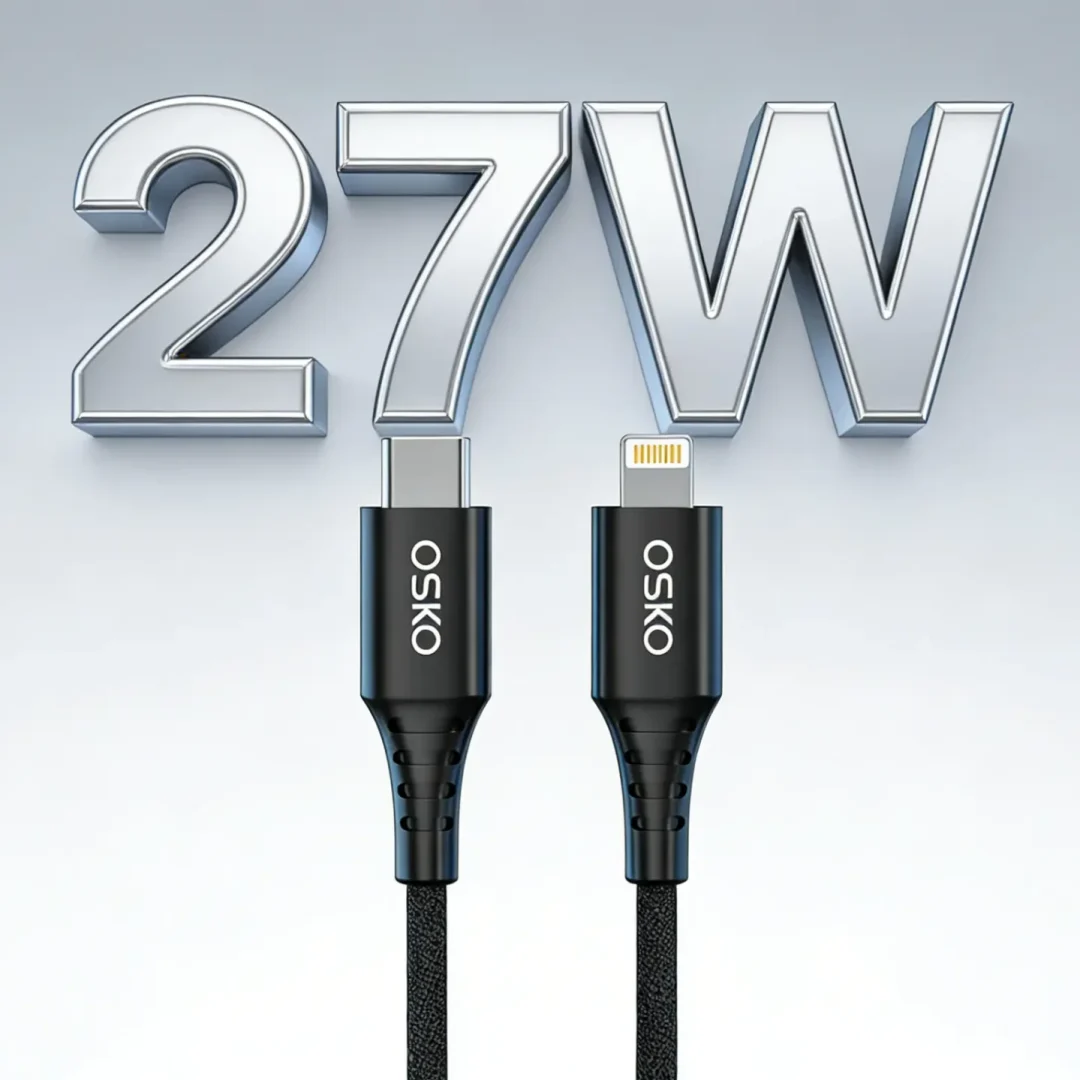
60W cables support phones and tablets
100W cables support most laptops
240W cables support gaming laptops and workstations
As USB-C PD standards continue evolving, CE RoHS certified 240W USB C cable products are becoming increasingly important for future-proof charging ecosystems.
Review Connector Engineering
Connector failure remains one of the most common cable durability issues.
Repeated insertion and removal gradually weaken connector joints, especially in low-cost cable designs.
To reduce this problem, professional manufacturers use:
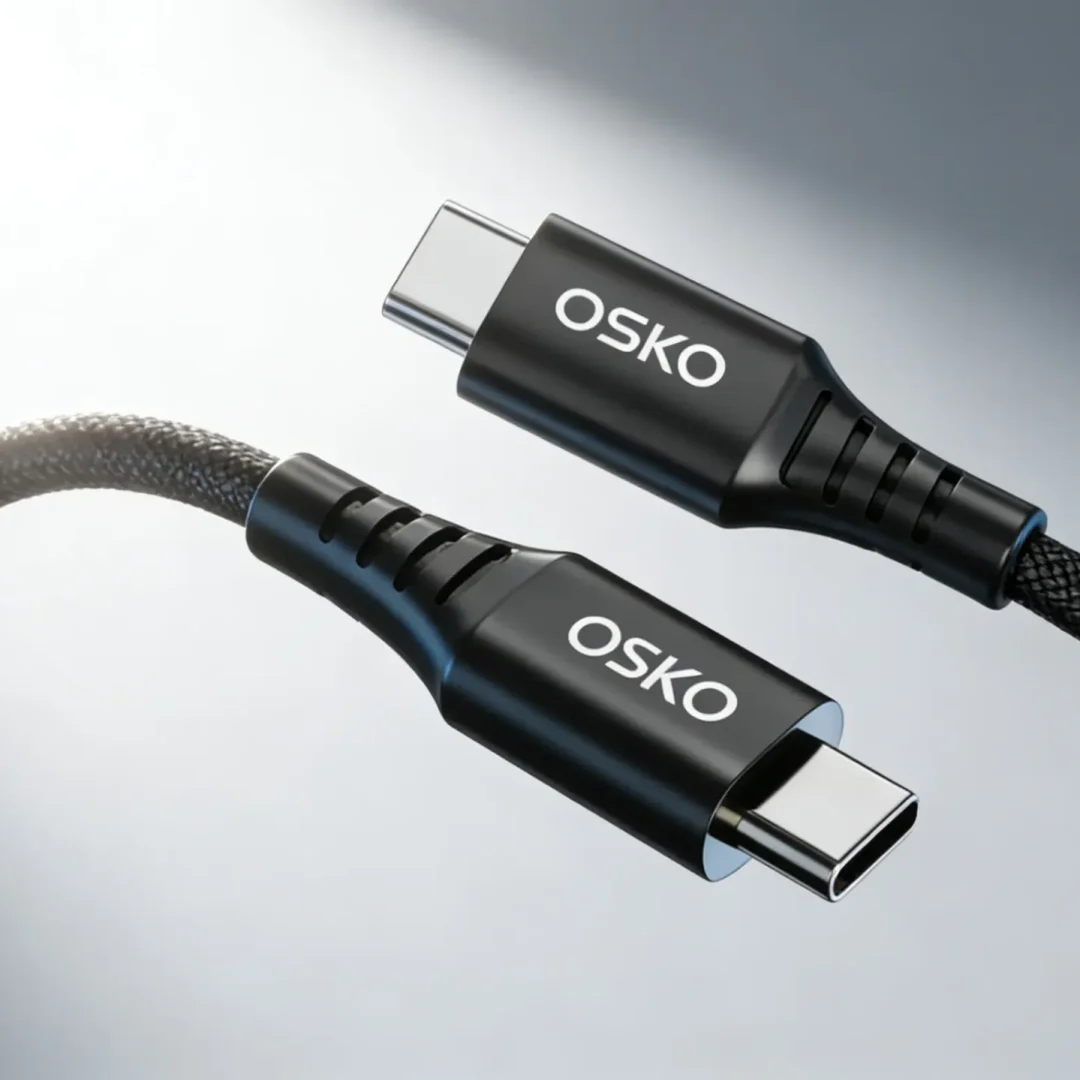
Reinforced aluminum housings
Extended strain-relief molding
Laser-welded internal joints
Gold-plated connector terminals
For automotive applications, Braided right angle USB-C cable wholesale solutions further reduce connector stress by minimizing cable bending near charging ports.
This significantly improves cable lifespan inside vehicles and tight charging environments.
Verify Certification Compliance
Charging performance and safety cannot be separated from compliance testing.
Professional wholesale buyers should prioritize:
CE certification
RoHS compliance
FCC approval
USB-IF certification
Prop 65 compliance
For example, FCC approved nylon braided USB C cable supplier partnerships help ensure electromagnetic compatibility within automotive and consumer electronics applications.
Similarly, USB-IF compliant Type C cable manufacturer certifications improve interoperability between chargers, laptops, smartphones, and docking systems.
Compare Recommended USB-C Cable Specifications
| Cable Type | Power Rating | Material Structure | Recommended Scenario |
|---|---|---|---|
| USB-A to USB-C Cable | 60W | Nylon Braided | Travel and retail charging |
| USB-C to USB-C Cable | 100W | Double Braided Nylon | Office and laptop charging |
| Right Angle USB-C Cable | 100W | Reinforced Braided | Car charging systems |
| Coiled USB-C Cable | 60W–100W | Spring Braided Structure | Automotive applications |
| 240W USB-C PD Cable | 240W | Heavy Duty Braided | Gaming laptops and workstations |
FAQ
How can I identify a durable USB-C cable?
A durable USB-C cable typically includes braided nylon material, reinforced strain-relief structures, thicker conductors, and certified connector engineering.
Does cable material affect charging speed?
Indirectly, yes. Better materials improve heat resistance and protect internal conductors, helping maintain stable charging performance over time.
Why do some USB-C cables charge slower than others?
Charging speed depends on conductor gauge, PD support, E-marker chips, and charger compatibility. Low-quality cables often experience voltage drop and reduced power delivery efficiency.
Are braided USB-C cables better for automotive charging?
Yes. Braided cables offer better vibration resistance, abrasion protection, and flexibility compared with standard PVC cables, making them more suitable for car charging environments.
Why is USB-IF certification important?
USB-IF certification verifies compatibility, charging stability, and safety compliance across USB-C devices and charging systems.
Summary
Evaluating cable durability and charging speed requires more than visual inspection. Professional buyers must analyze material quality, conductor specifications, connector engineering, charging capability, and certification compliance to ensure long-term performance and safety.
From an engineering perspective, heavy duty braided USB-C cables provide superior durability through reinforced structures, improved abrasion resistance, and better strain management. These advantages become especially important in desk charging systems, automotive charging applications, travel charging kits, and high-power laptop charging environments.
At the same time, charging speed depends heavily on internal conductor quality, PD charging support, E-marker integration, and proper thermal management. High-quality USB-C charging cables designed for 100W–240W PD charging provide significantly more stable performance compared with low-cost alternatives.
For OEM, ODM, wholesale, and retail buyers operating in North American and European markets, certification standards including CE, RoHS, FCC, USB-IF, and Prop 65 compliance remain essential for reducing operational risk and ensuring market compatibility.
By selecting professionally engineered USB-C cables with reinforced braided structures, certified charging capability, and optimized connector design, buyers can improve product reliability, reduce failure rates, and support long-term fast charging performance across multiple device ecosystems.