
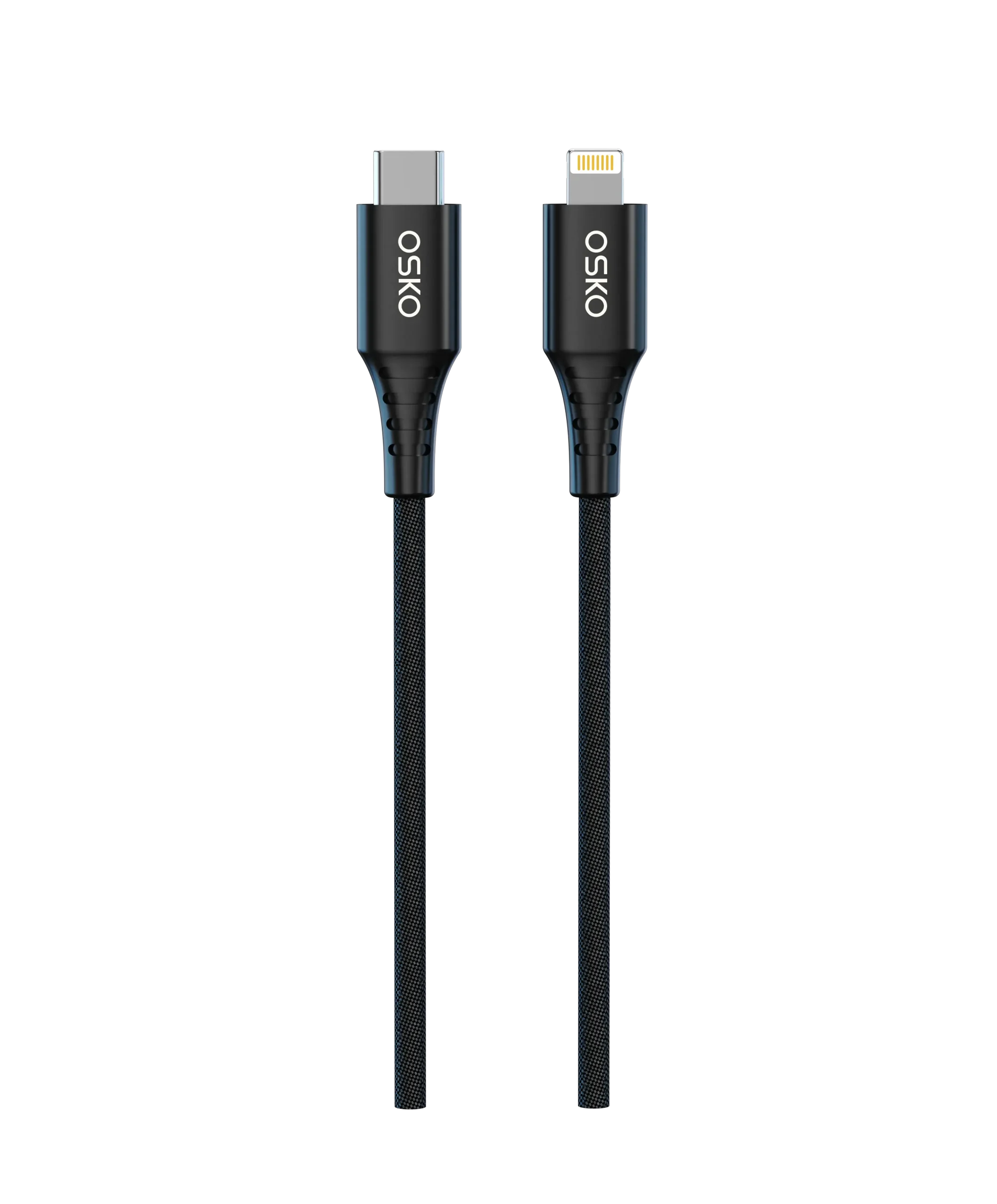
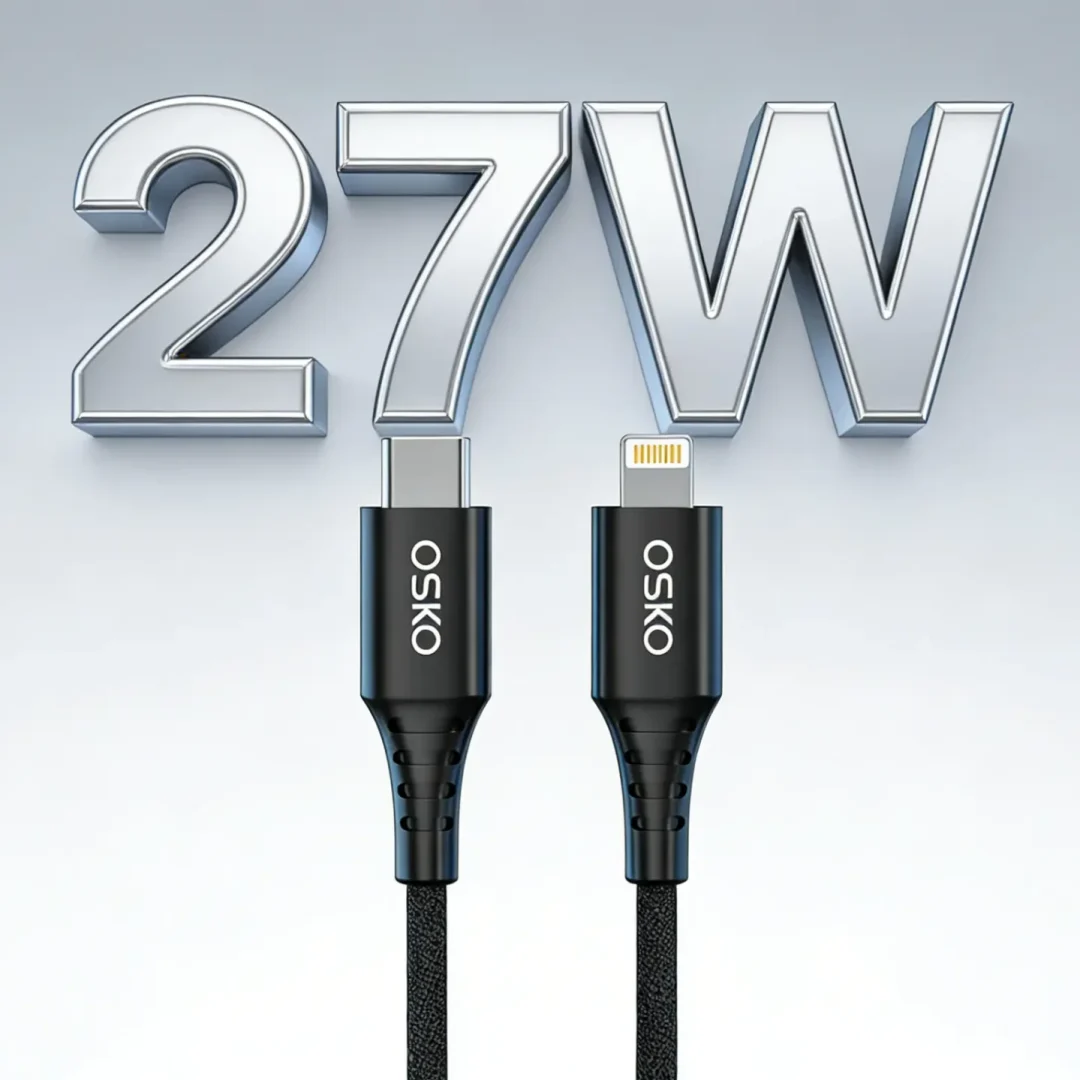
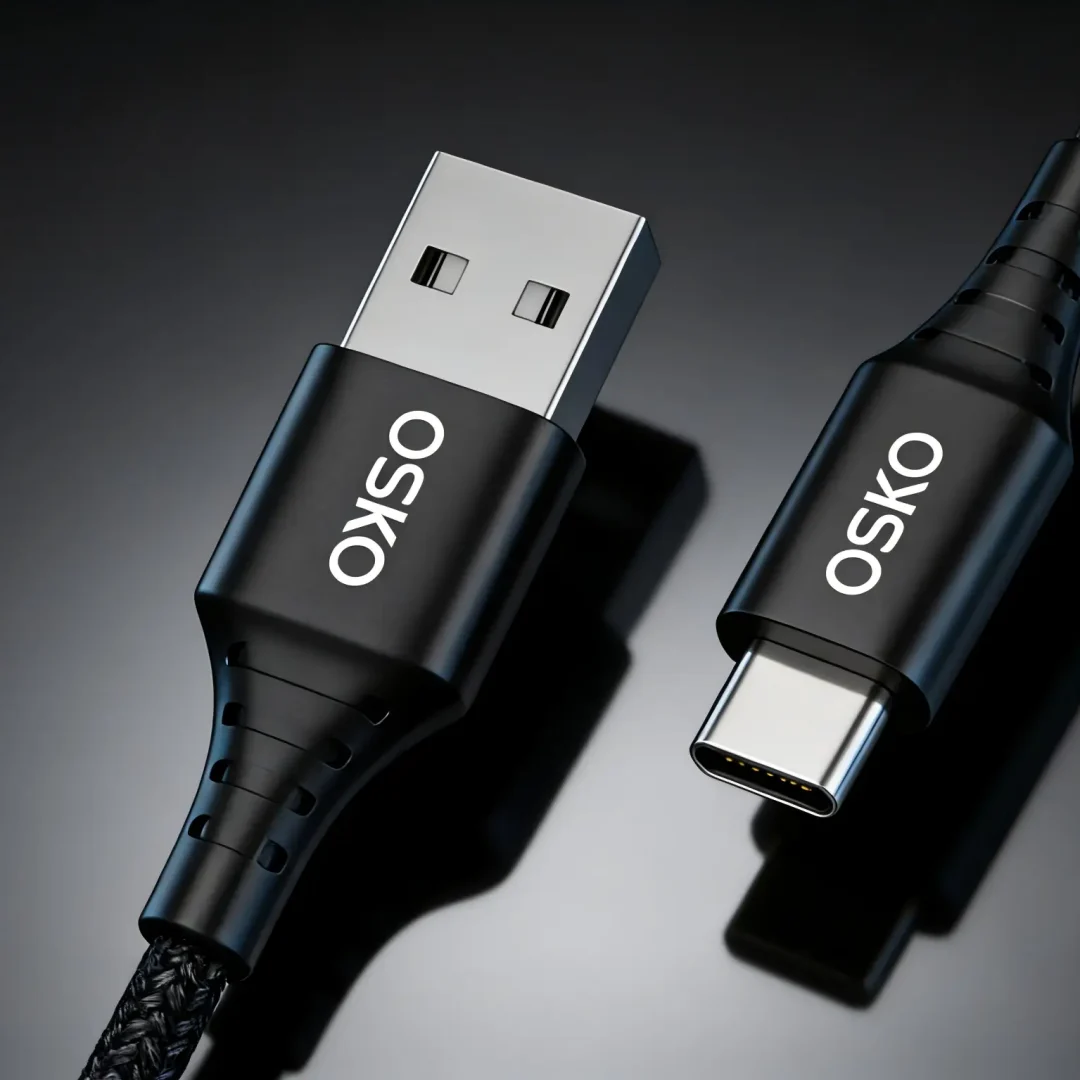
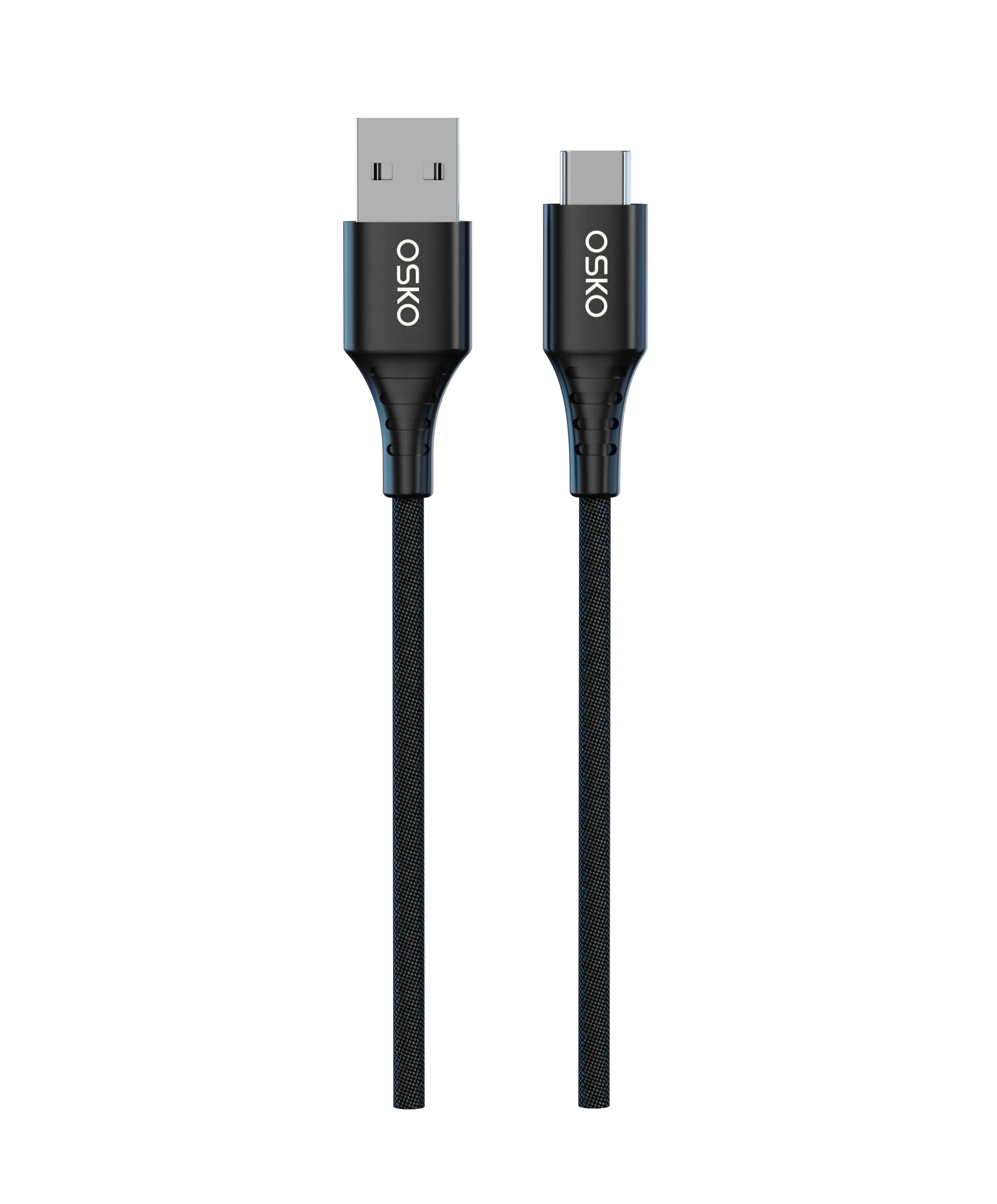
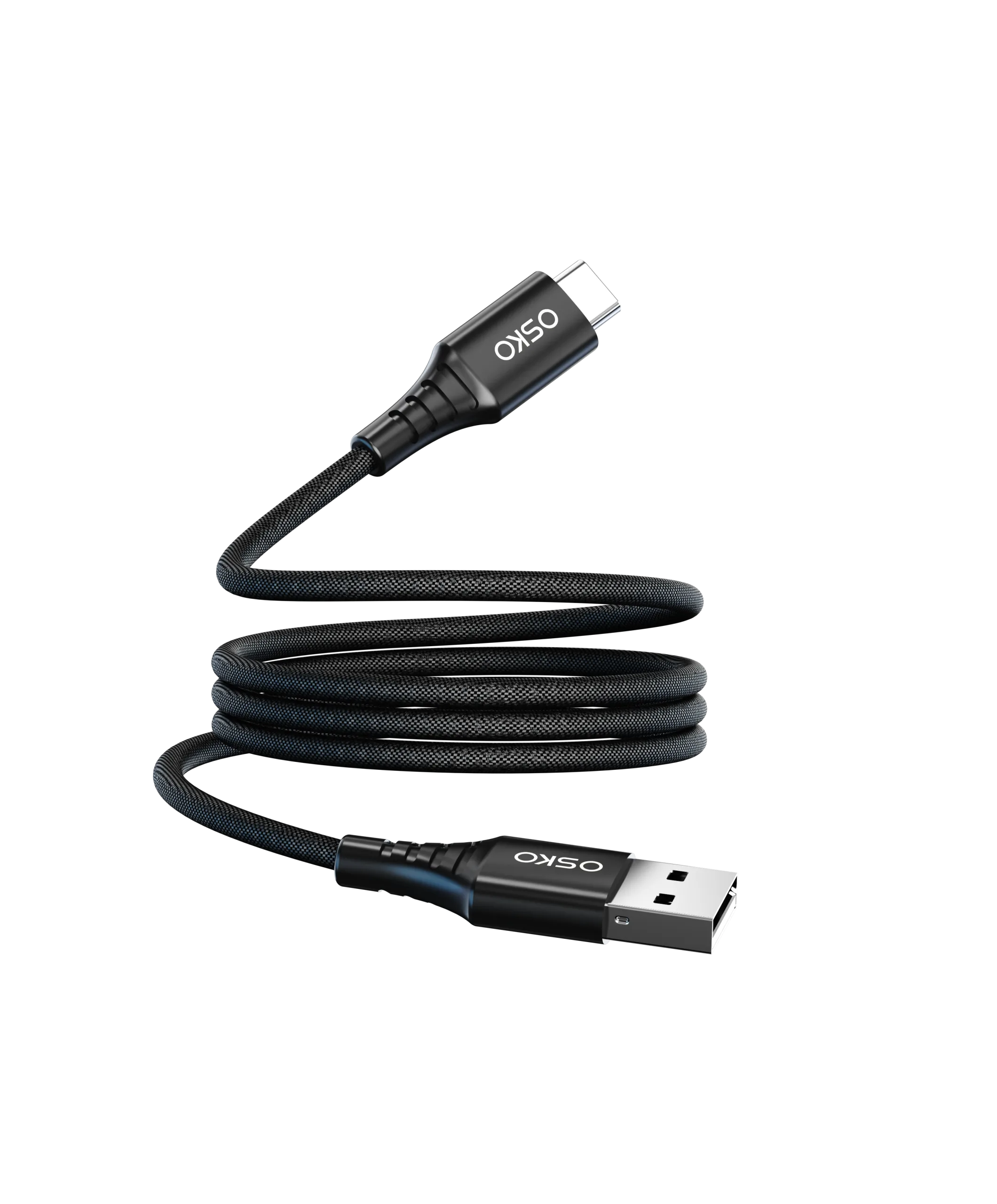
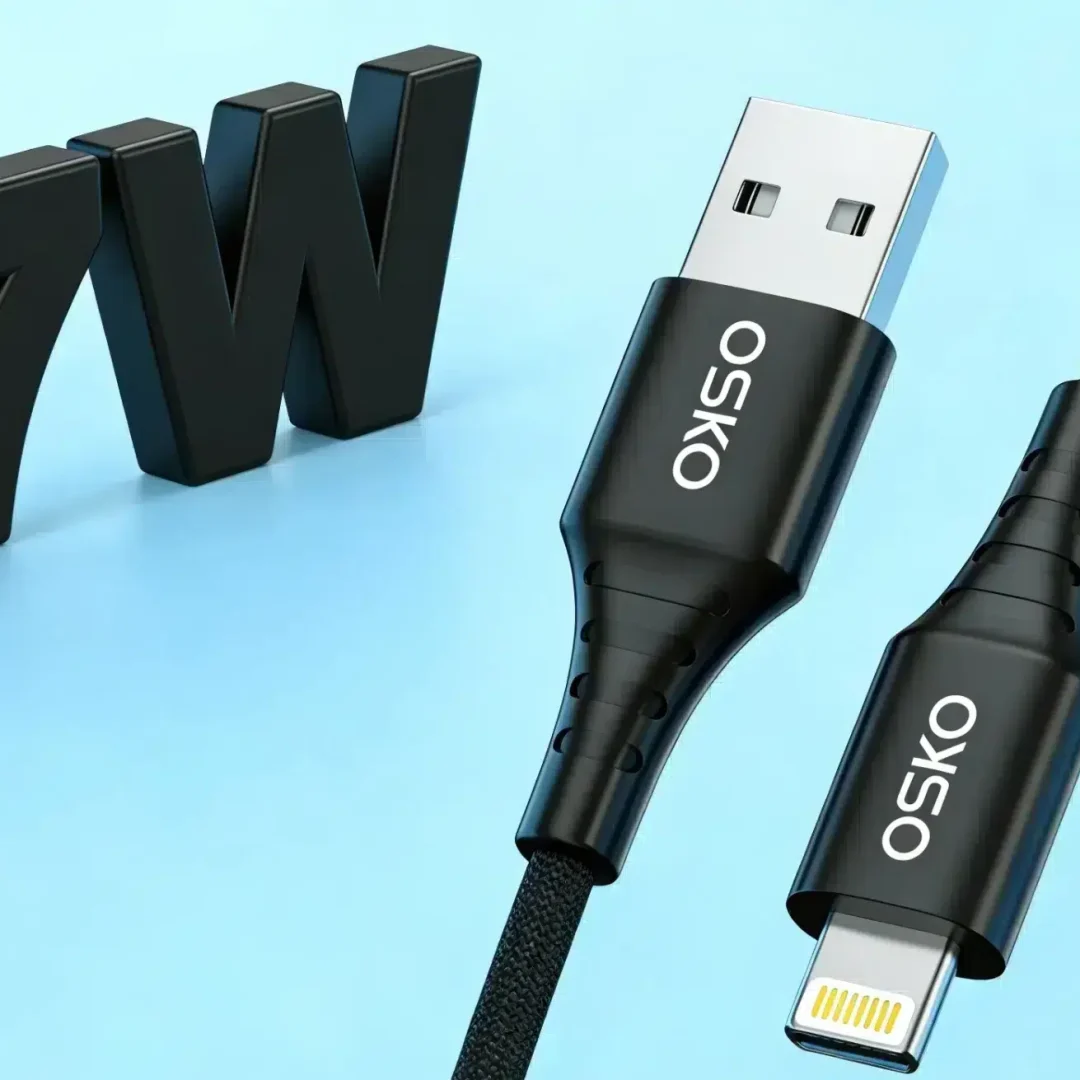
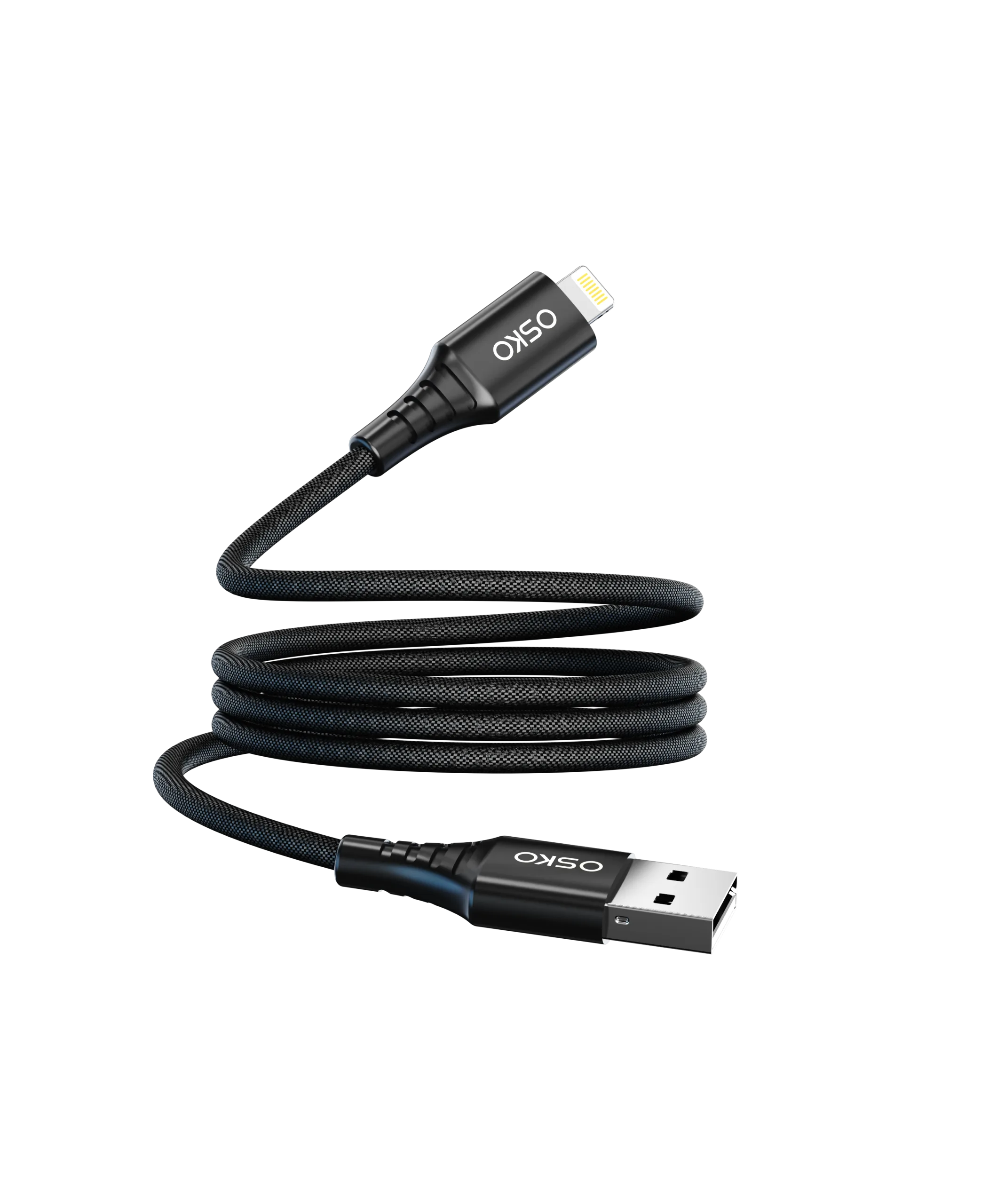
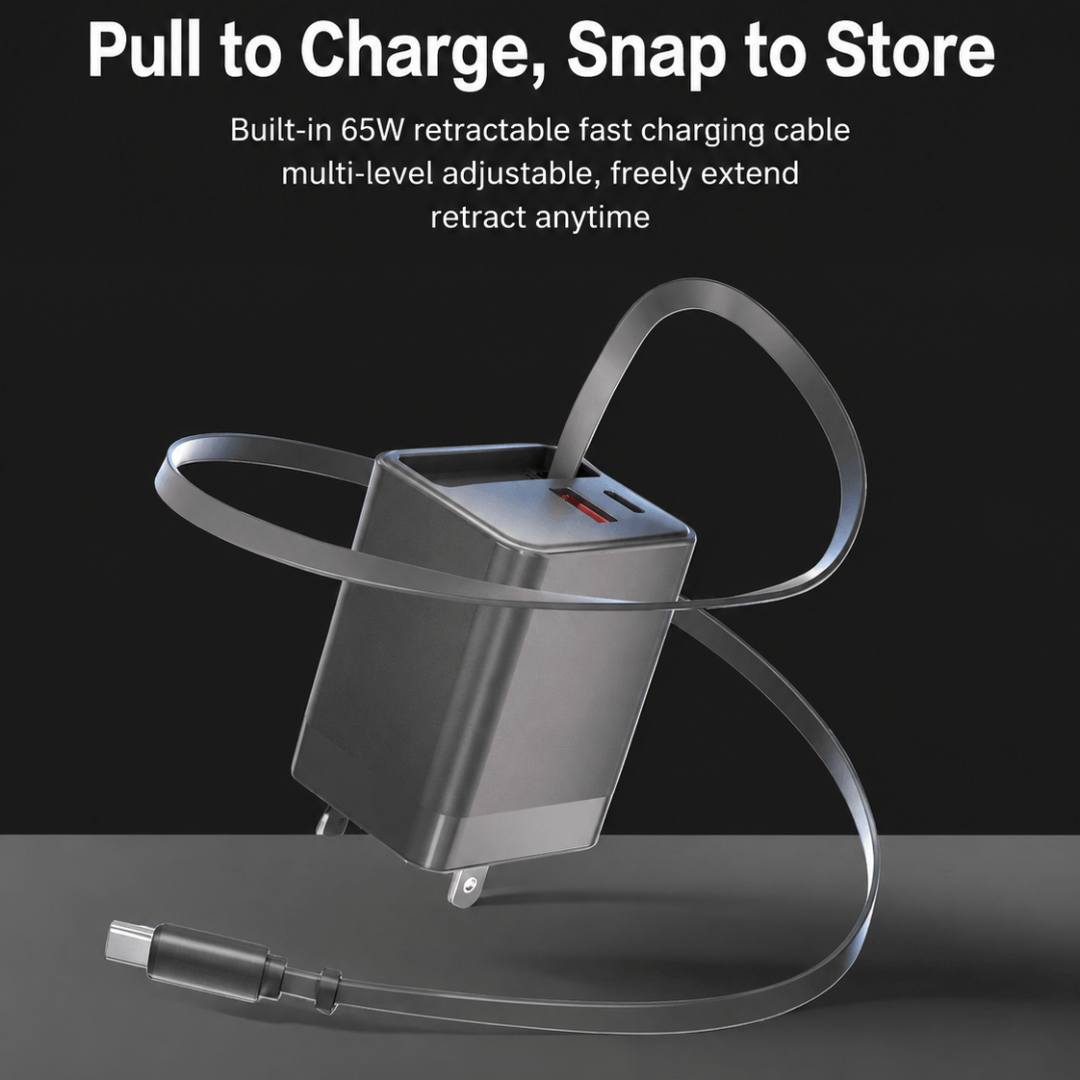
Introduction
We help global brands and Amazon sellers significantly reduce charging cable return rates by up to 80% through a structured system combining engineering optimization, strict quality control, and product-page alignment with real-world usage scenarios.
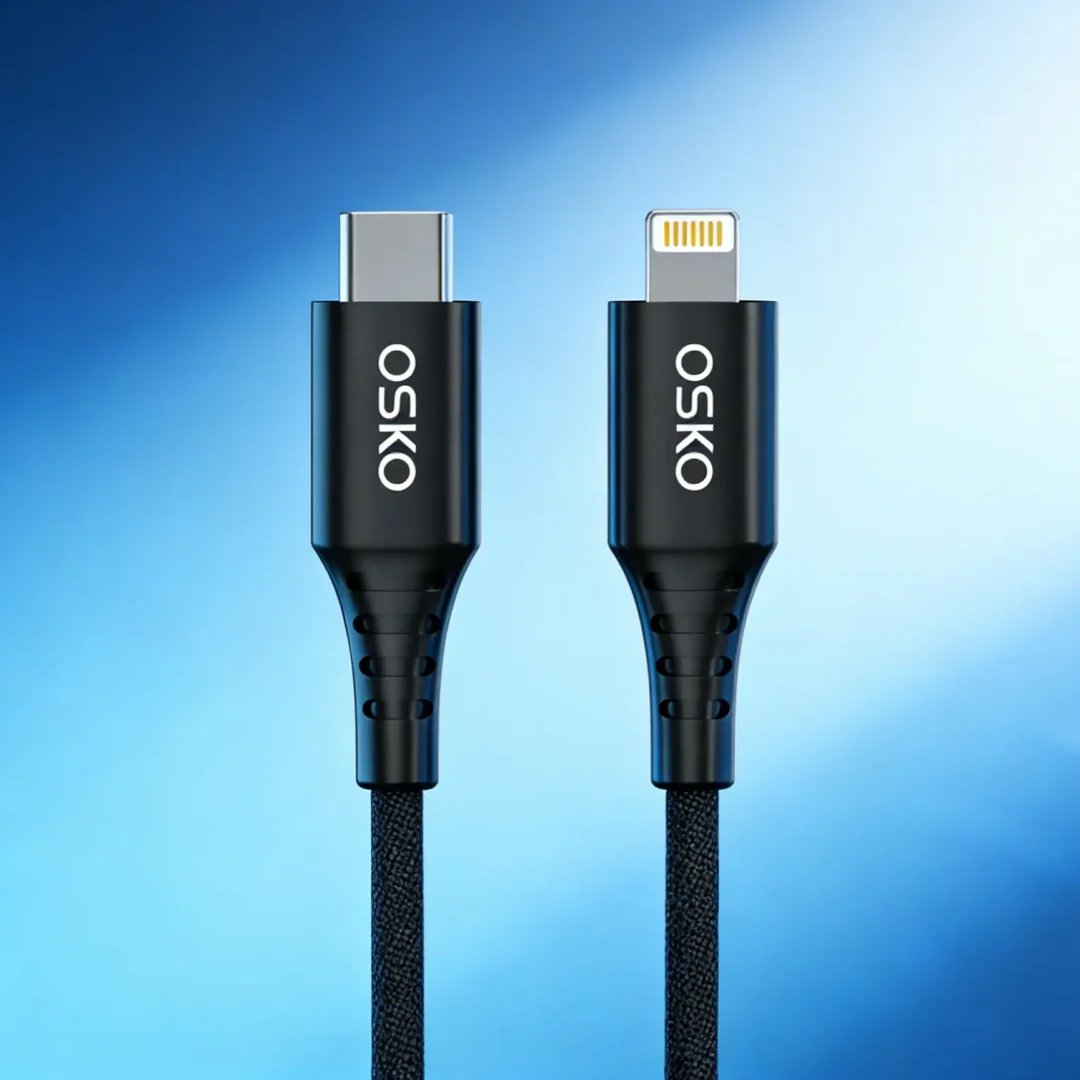
Instead of treating returns as a post-sale issue, we redesigned the entire lifecycle—from material selection to OEM packaging—to eliminate the root causes of product failure in USB-C, Lightning, and PD fast-charging cables.
Request Quality Improvement Plan / Get OEM Specification Upgrade
Customer Pain Points
Before optimization, most cable return issues came from predictable but unresolved system weaknesses:
Inconsistent charging performance across devices
Users experience “slow charging” or unstable power delivery due to poor conductor design or incompatible PD negotiation.
Overheating during fast charging
Low-quality copper cores and insufficient shielding cause heat buildup, especially in high-wattage cables.
Physical durability failures
Connector breakage, bending damage, and jacket cracking occur due to weak structural reinforcement.
Mismatch between listing claims and real performance
Marketing claims like “fast charging” or “60W support” often do not reflect real device compatibility.
Poor packaging and user experience design
Lack of instructions, unclear specifications, and missing compatibility information lead to user misuse and returns.

Solution Overview
Through a system of “engineering-grade cable redesign + multi-stage quality control + PD protocol optimization + listing-to-product alignment,” we eliminated the root causes of cable failure instead of only handling after-sales complaints.
The core idea is simple:
Reduce return rate by fixing product reality—not by adjusting customer service.
Solution Modules
1. Electrical Engineering Optimization (Stable Charging Performance)
We redesigned the internal structure of charging cables to ensure consistent power delivery:
Upgraded high-purity multi-strand copper conductors
Reduced internal resistance for stable voltage flow
Optimized USB-C PD 3.0 / PD 3.1 E-Marker communication
Improved current stability under high-load conditions (60W–240W)
Key Result:
Eliminates unstable charging complaints caused by voltage drop or device mismatch.
2. Thermal Control & Safety Reinforcement System
Overheating is one of the main reasons for cable returns. We addressed this at material level:
Multi-layer shielding (aluminum foil + braided mesh)
Heat-resistant insulation materials
Low-resistance design to reduce energy loss
Improved connector heat dispersion structure
Key Result:
Prevents overheating during long charging sessions, especially for laptops and gaming devices.
3. Mechanical Durability Upgrade (Structural Engineering)
We improved physical durability through structural reinforcement:
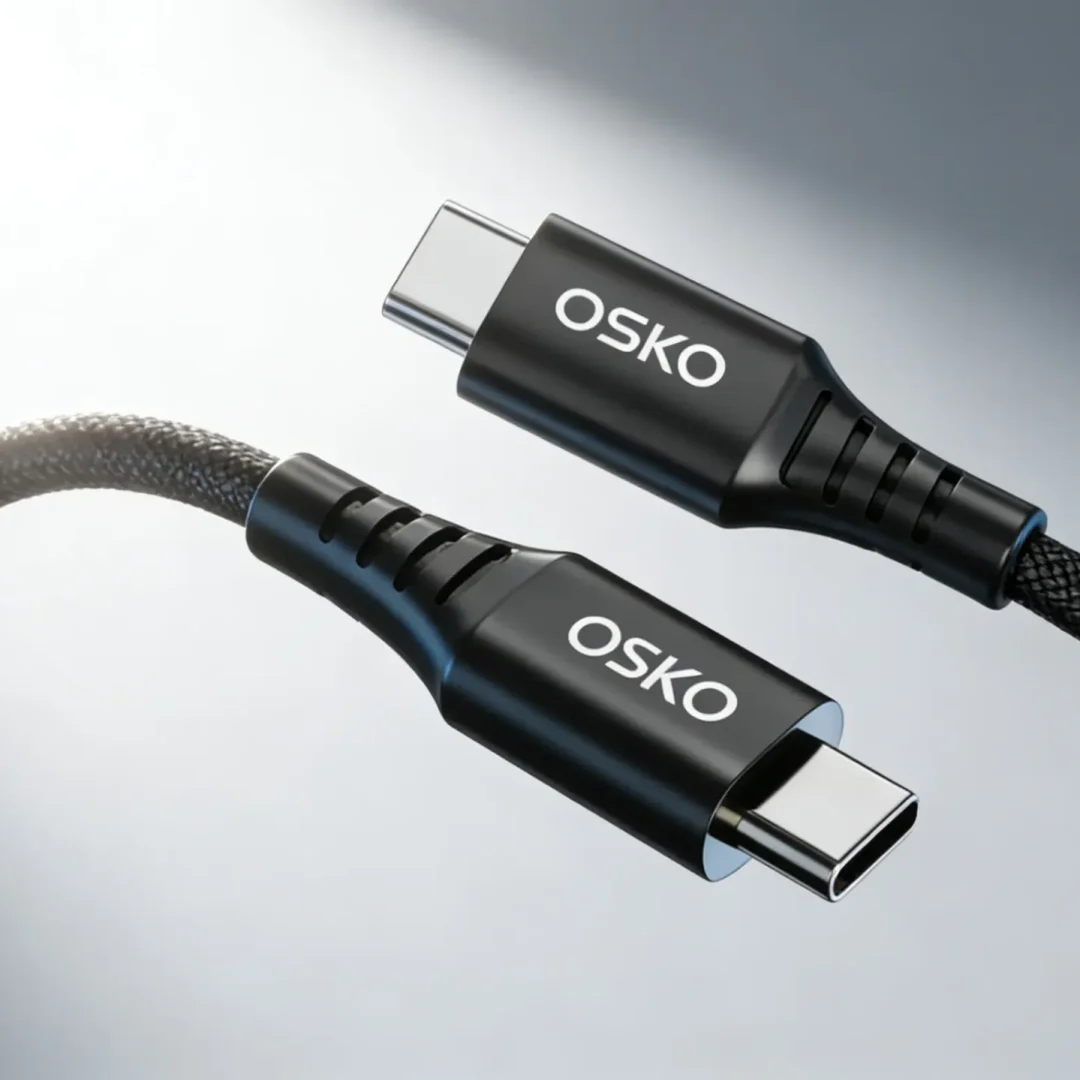
Reinforced strain relief design at connector joints
High-cycle bending resistance testing (thousands of flex cycles)
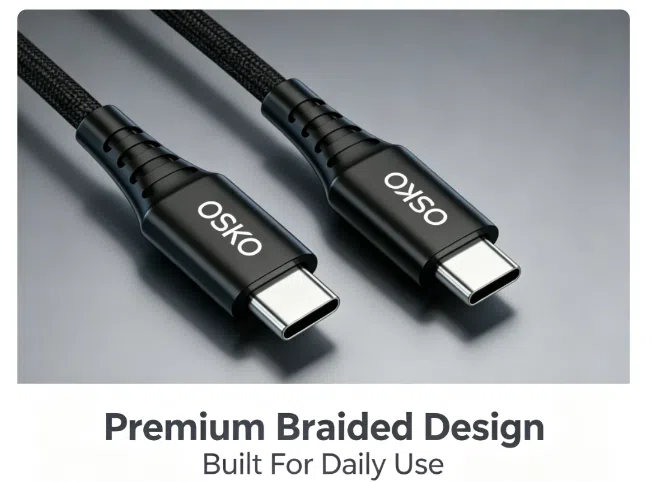
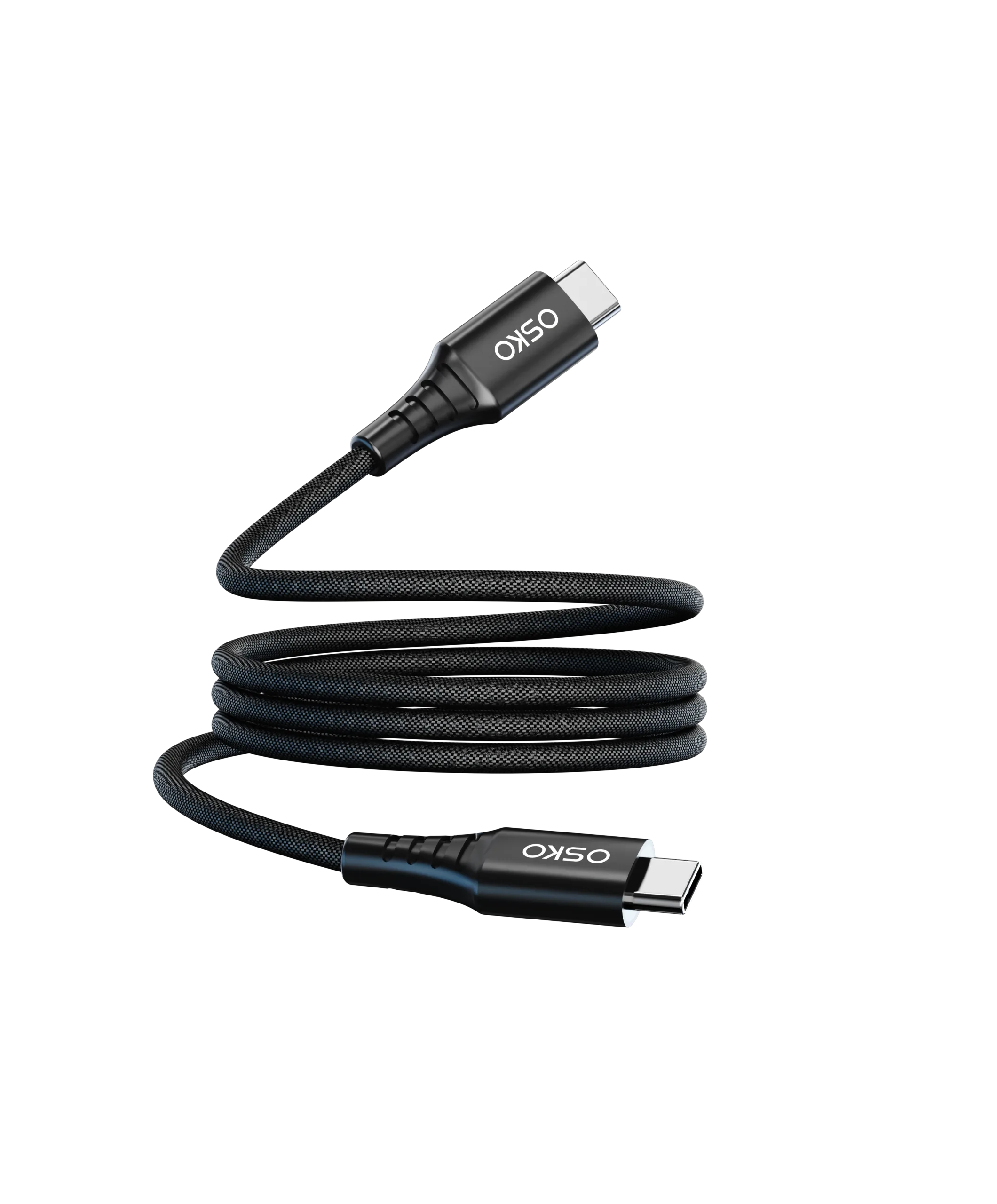
Braided nylon / silicone outer jacket options
Connector plating upgrades for corrosion resistance
Key Result:
Significantly reduces breakage, fraying, and connector failure rates.
4. PD Protocol Accuracy & Device Compatibility Testing
Many returns are caused not by hardware failure, but by compatibility confusion. We solved this through testing:
Cross-device compatibility testing (MacBook, Windows laptops, tablets)
PD power negotiation validation (60W / 100W / 240W)
E-Marker chip verification for high-wattage cables
Multi-device charging scenario simulation
Key Result:
Ensures customers receive exactly the performance expected from product listings.
5. Listing-to-Product Alignment System (Expectation Control)
We optimized how products are presented to match real-world performance:
Clear wattage labeling (no ambiguous “fast charging” claims)
Device-specific usage guidance (laptop / phone / tablet)
Accurate performance tables in product listings
Packaging that reflects real technical specifications
Key Result:
Reduces “expectation gap returns,” one of the biggest hidden causes of refunds in e-commerce.
Applicable Scenarios
This system is ideal for:
Amazon FBA and cross-border e-commerce sellers
USB-C / Lightning charging cable brands
OEM/ODM electronics manufacturers
Retail accessory distributors
High-volume wholesale supply chains
Especially effective for sellers dealing with:
High return rates (>5–15%)
Negative reviews caused by charging instability
Product inconsistency across batches
Success Story (Case Study)
A cross-border Amazon seller specializing in USB-C charging cables was experiencing a return rate of over 12%, mainly due to overheating complaints and inconsistent “fast charging” performance across devices.
We implemented a full system upgrade:
Re-engineered internal copper conductor layout
Added enhanced E-Marker chip validation
Introduced multi-device PD compatibility testing
Redesigned product listing to align with real performance
Improved packaging with clear device compatibility labeling
Results after implementation:
Return rate reduced by 80% (from 12% to under 2.5%)
Negative review rate decreased significantly
Product rating improved from 4.1 → 4.6 stars
Customer support workload reduced by over 50%
This confirmed that most cable returns are not marketing problems—they are engineering + expectation alignment problems.
Why Choose Us
We solve return-rate problems at the engineering root cause level, not surface-level service fixes
We combine manufacturing, PD protocol design, and e-commerce listing logic
We help brands turn high-return products into stable, scalable revenue SKUs
Our focus is not just production—it is product lifecycle optimization for global e-commerce success.
Contact Us
To receive a return rate optimization plan, please provide:
Current product type (USB-C / Lightning / USB-A cable)
Current return rate or issue description
Target market (Amazon US / EU / wholesale / retail)
Product specifications (wattage, material, length)
Production volume
We will analyze your current system and provide a custom return reduction strategy within 24 hours.
FAQ
What is the main cause of charging cable returns?
Most returns come from performance mismatch, overheating, durability failure, or unclear product expectations.
Can return rates really be reduced by 80%?
Yes, when improvements are applied across engineering, QC, and product listing alignment simultaneously.
Do you only improve manufacturing quality?
No. We also optimize PD compatibility, E-Marker systems, and listing-to-product accuracy.
Does this apply to Amazon FBA products?
Yes. It is especially effective for FBA sellers with high review sensitivity.
Can this system be applied to existing products?
Yes. We can upgrade existing SKUs without fully redesigning the product line.