
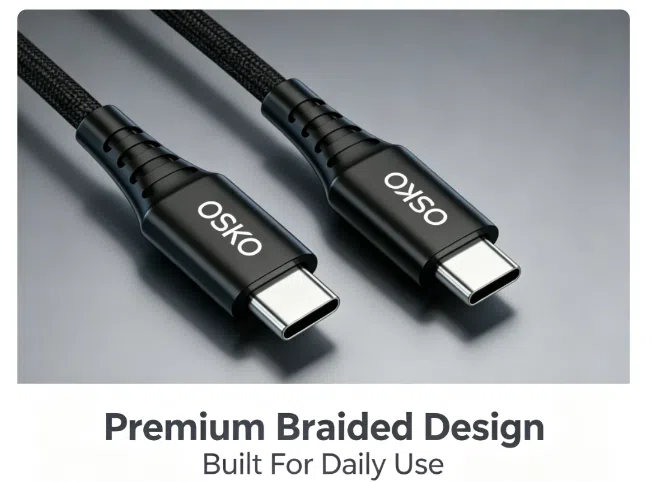
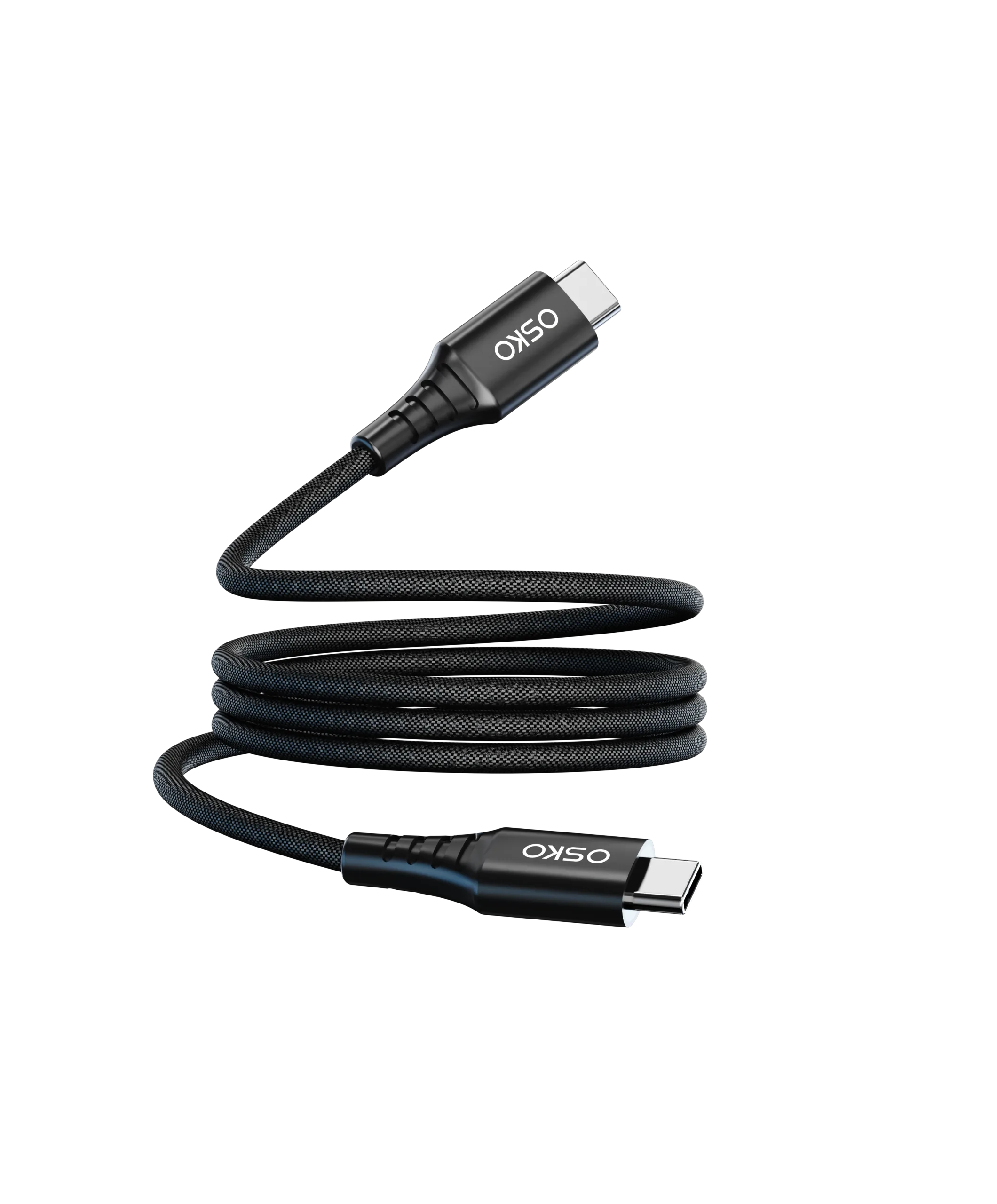
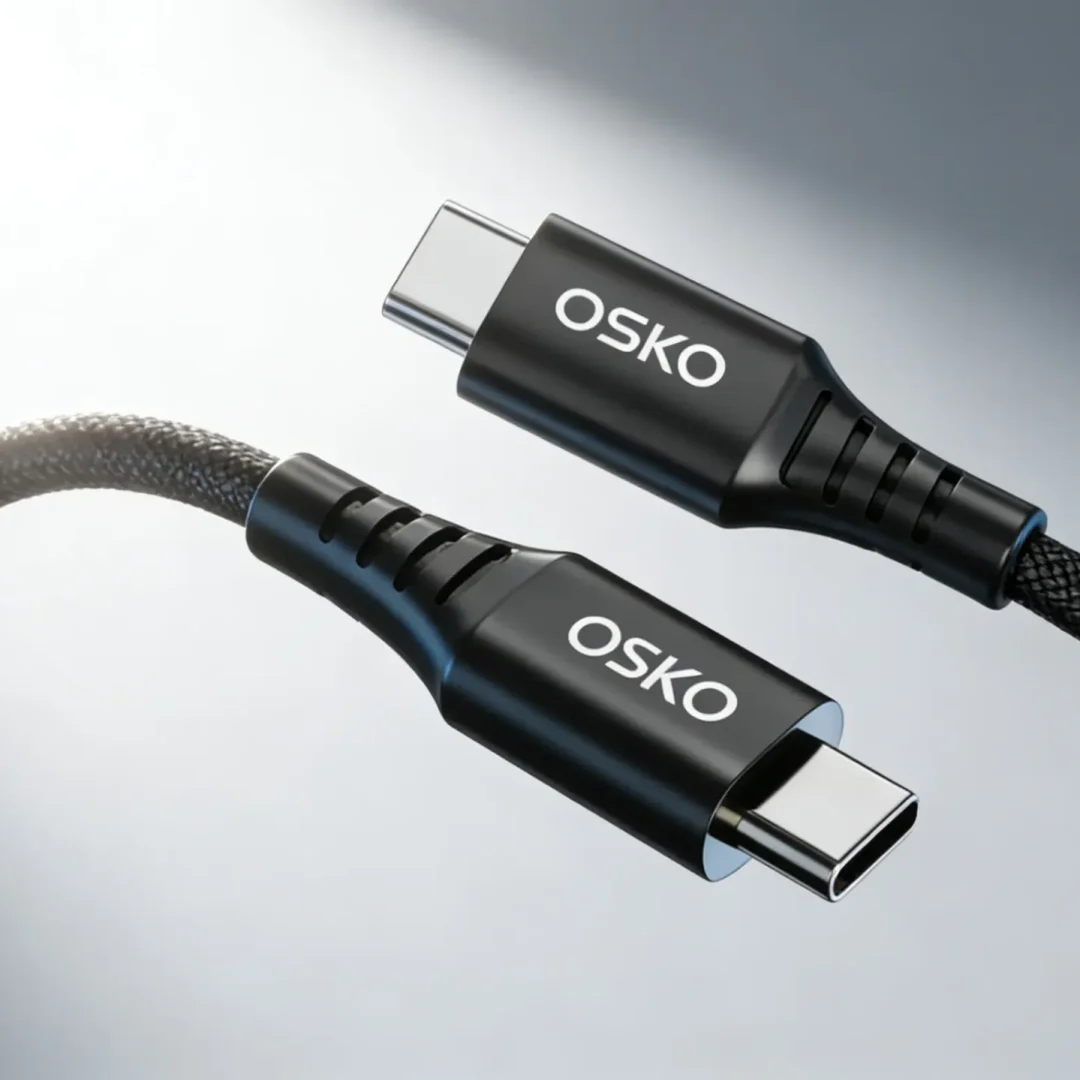
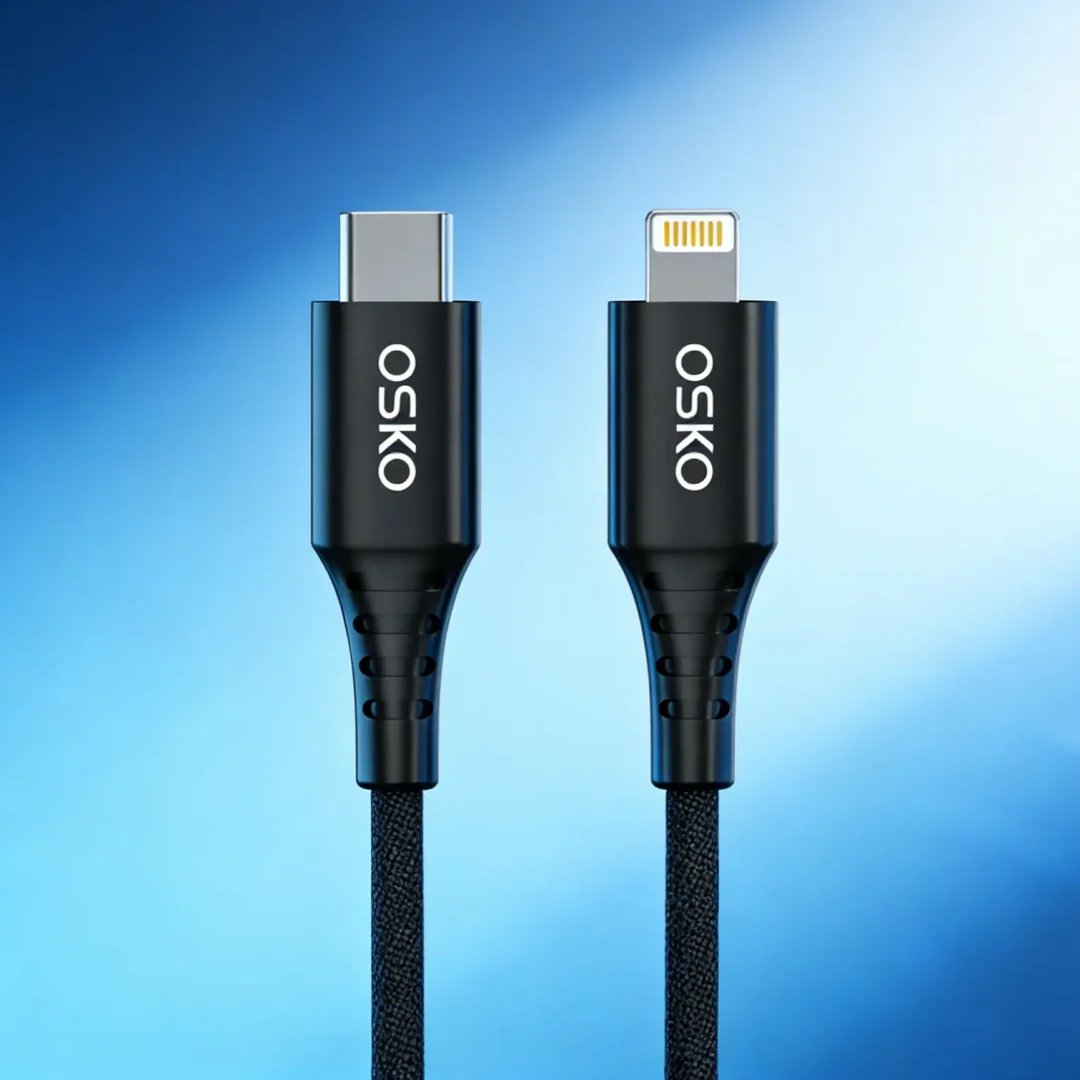
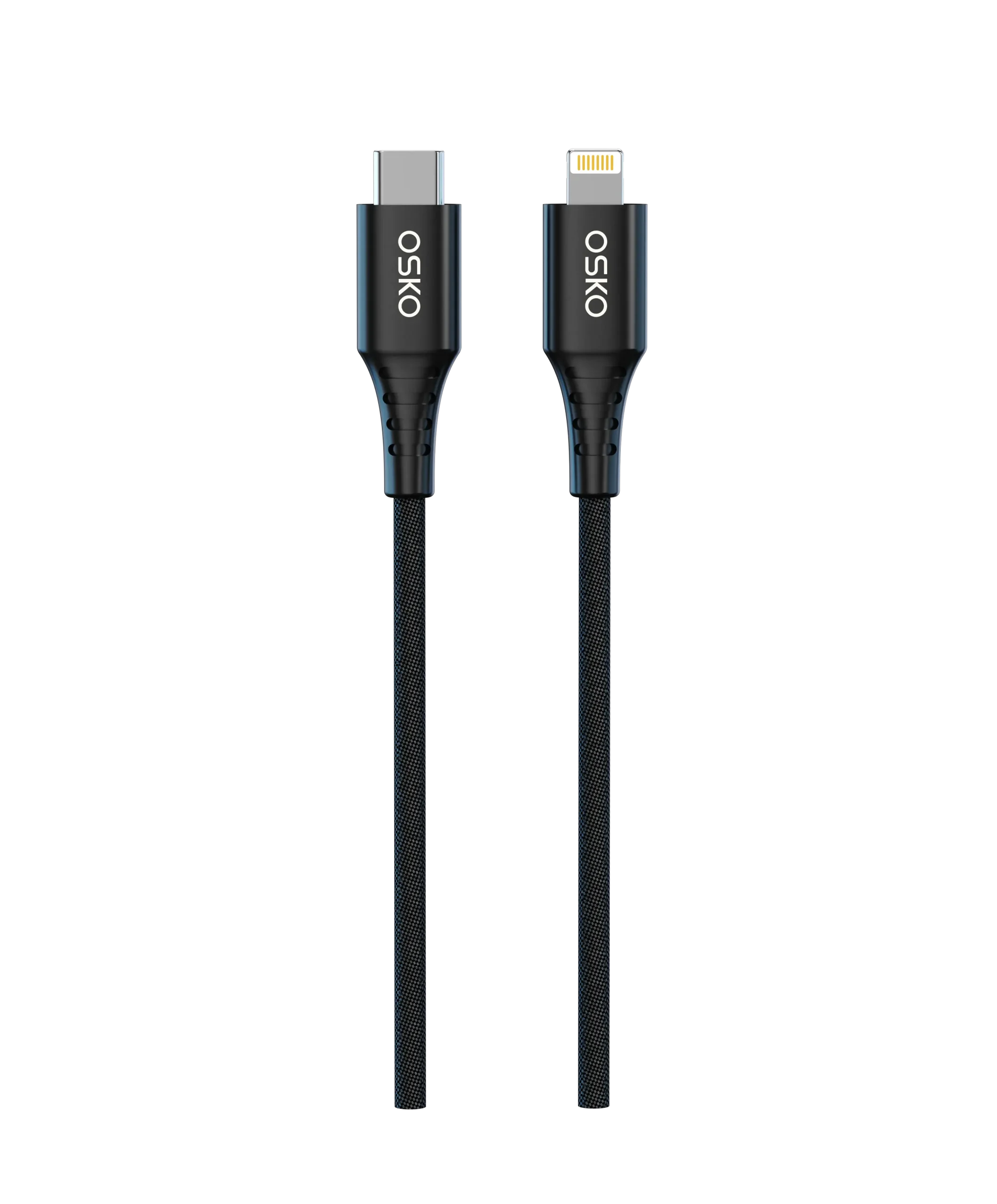
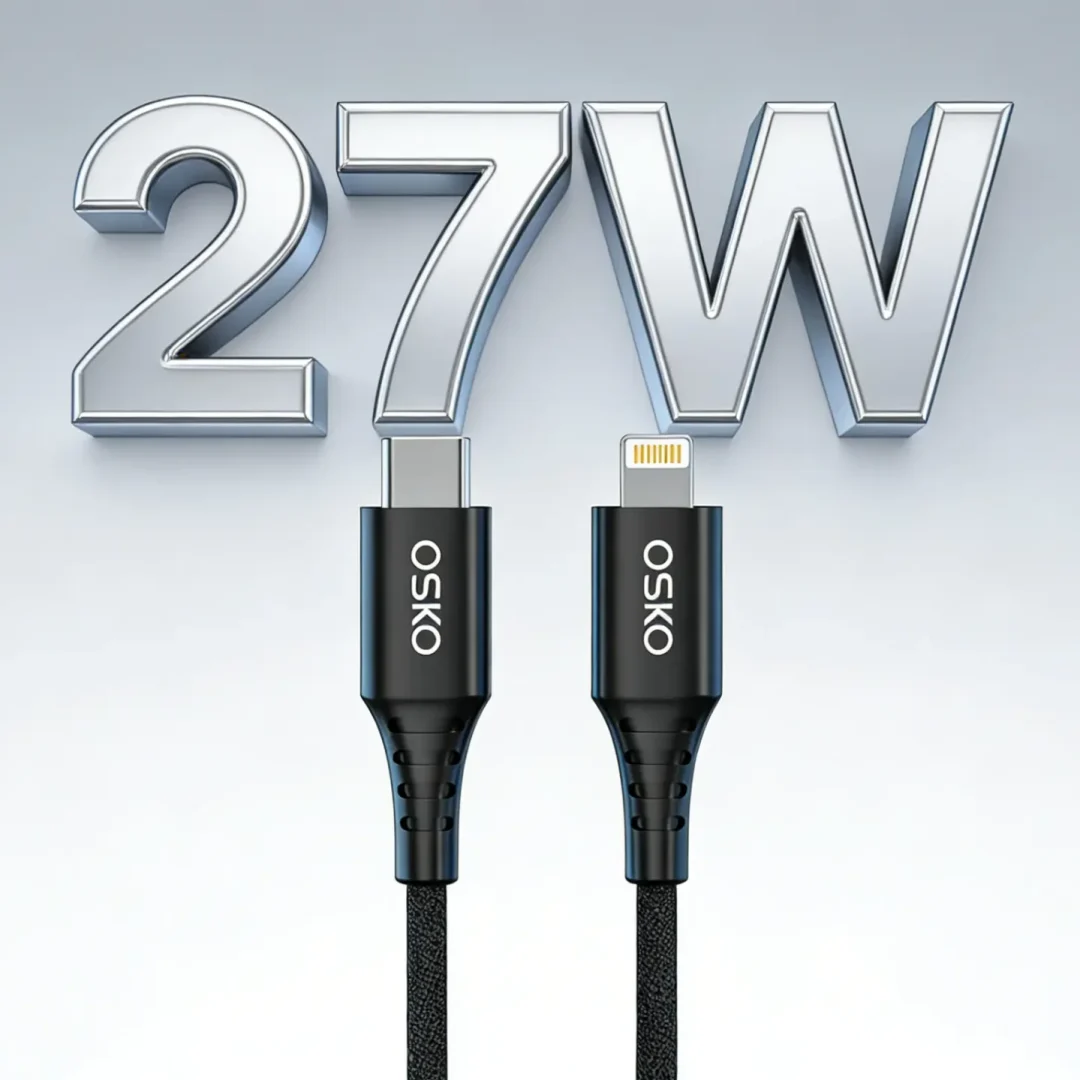
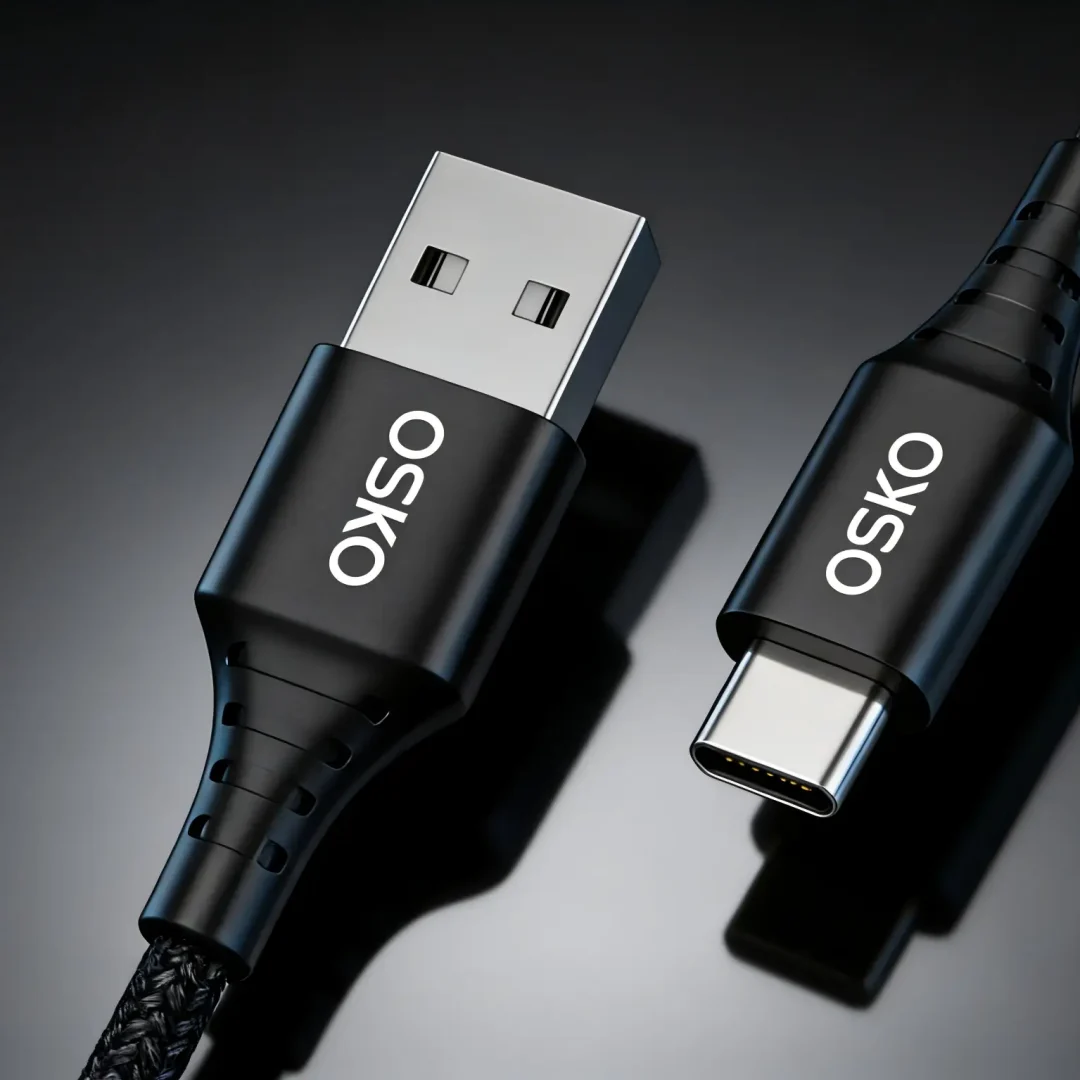
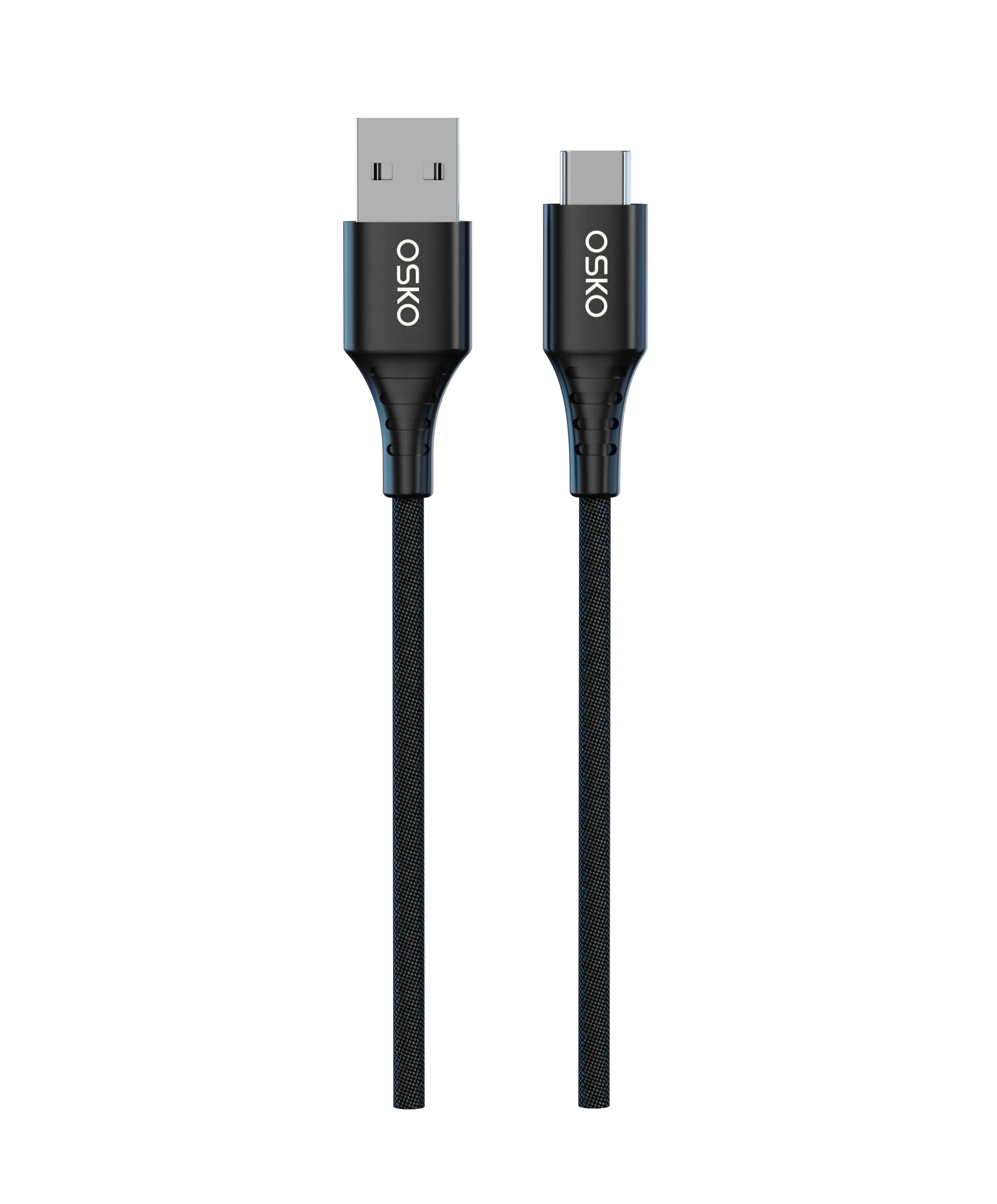
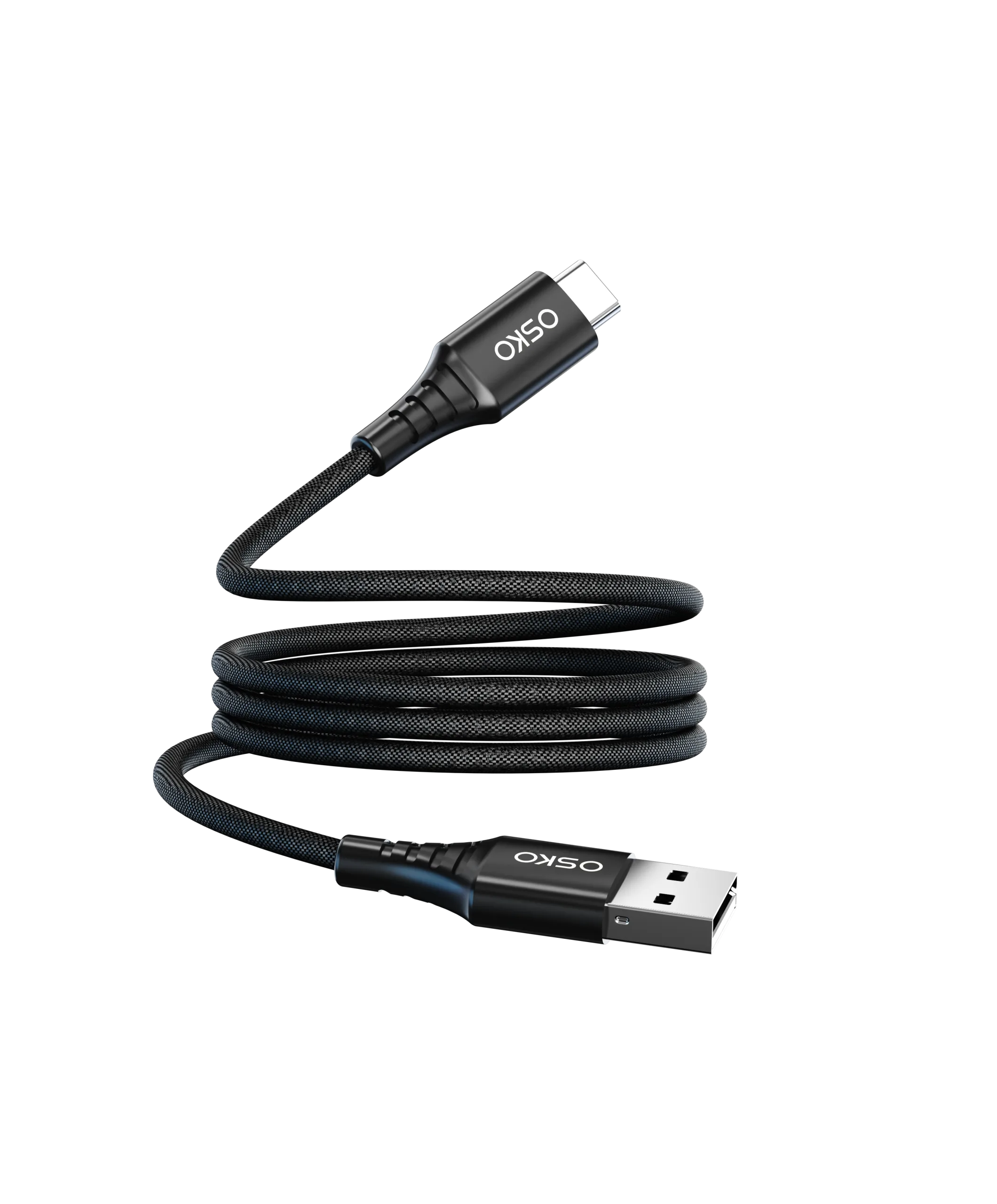
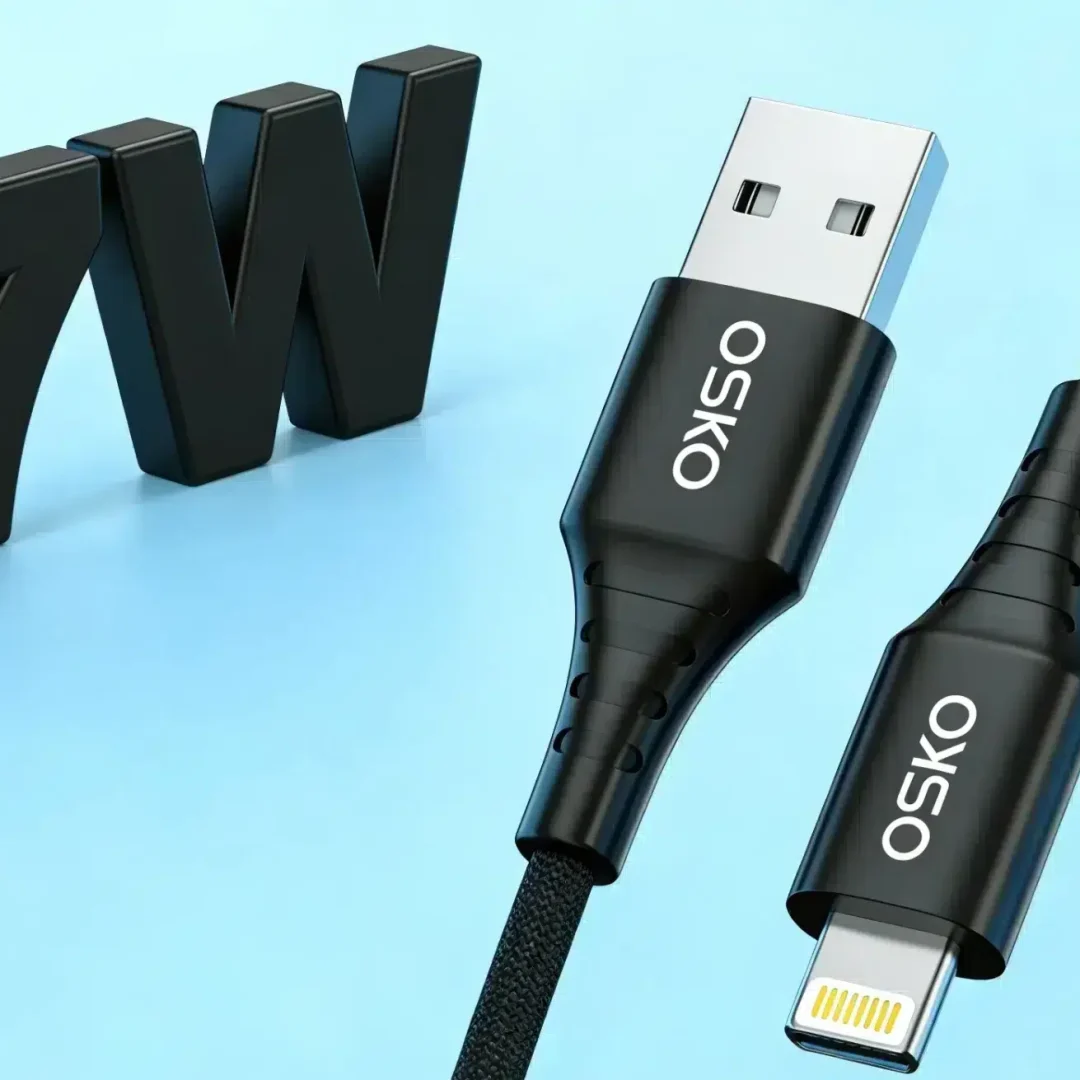
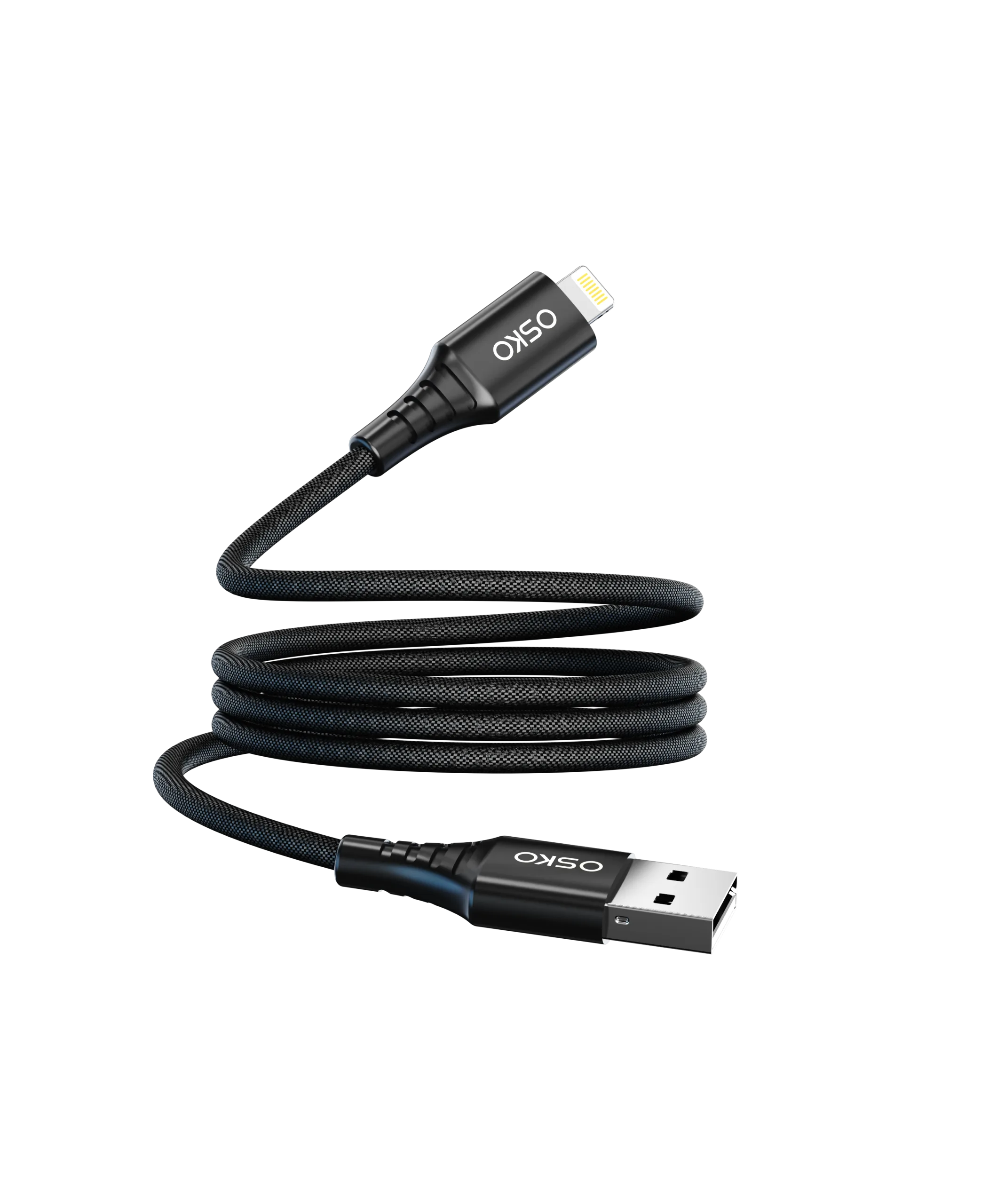
The global demand for iPhone cable braided solutions continues to grow as users prioritize durability, fast charging stability, and long-term reliability in daily charging environments.
Unlike standard PVC cables, braided iPhone cables are designed with an additional mechanical protection layer that significantly improves resistance to bending, pulling, and surface abrasion. However, many buyers still misunderstand what “braided” actually means in terms of electrical performance and engineering structure.
A braided cable is not simply a cosmetic upgrade. It represents a multi-layer engineering system combining conductor design, insulation materials, shielding structure, and external mechanical reinforcement.
For OEM brands, wholesalers, and distributors in North America and Europe, understanding this structure is essential for selecting reliable supply chain partners and avoiding high return rates in retail channels.

Material Science & Dielectric Properties
The performance of an iPhone cable braided product is determined primarily by its internal material architecture rather than its external appearance.
Conductor Engineering and Electrical Efficiency
At the core of every Lightning cable is the conductor system, which determines charging efficiency and heat generation.
High-quality braided iPhone cables typically use:
Oxygen-free copper for low resistance
Multi-strand conductor architecture for flexibility
Tinned copper for oxidation resistance
These materials directly affect charging stability in MFi Lightning cable systems used across Apple devices.
Poor conductor quality often results in voltage drop, slow charging, and overheating under load.
Dielectric Insulation System
The insulation layer plays a critical role in maintaining signal integrity and electrical safety.
Common materials include:
TPE (Thermoplastic Elastomer) for flexibility
PE (Polyethylene) for low dielectric loss
PVC for cost-effective mass production
In premium nylon braided charging cable designs, TPE is preferred due to its balance between elasticity and thermal stability.
The dielectric constant of the insulation material determines how efficiently high-frequency signals travel through the cable, especially in data transmission scenarios.
Braided Jacket Mechanical Protection
The braided outer layer is typically made of high-strength nylon fibers.
Its engineering functions include:
Reducing mechanical wear
Increasing bend cycle lifespan
Preventing surface cracking
Improving tensile strength
However, it is important to note that braiding does not affect electrical conductivity. Its function is purely mechanical.
This is why an OEM iPhone cable manufacturer must balance both internal electrical engineering and external structural design.
Shielding and Signal Stability
Inside the cable, shielding layers reduce electromagnetic interference.
Typical configurations include:
Aluminum foil shielding
Copper braided shielding
Dual-layer EMI protection systems
This is especially important for fast charging systems where stable voltage and current regulation are required.
Case Study
OEM Retail Brand Expansion in North America
A US-based electronics retailer planned to expand its Apple accessory line with premium braided charging cables.
Customer Requirements
The brand required:
MFi-certified USB-C to Lightning cable
Durable braided exterior
Fast charging support up to 20W
Premium retail packaging
Reduced return rate under 3%

Engineering Problems
Initial supplier samples revealed several issues:
Inconsistent charging performance
Weak connector strain relief
Braided jacket detachment under stress
Lack of proper Apple authentication chips
These issues highlighted weaknesses in both material selection and manufacturing control.
OSKO Engineering Solution
OSKO redesigned the product with:
Oxygen-free copper conductor system
Reinforced nylon braided jacket
Precision molded connector strain relief
MFi authentication chip integration
Optimized TPE dielectric insulation layer
This structure aligned with production standards used in:
OEM USB cable
ODM USB cable
Wholesale USB cables
Bulk USB cables
Retail USB cables
Results
After implementation:
Product failure rate dropped significantly
Charging stability improved under high load
Customer satisfaction increased in retail channels
Return rate reduced below target threshold
This case confirms that braided structure alone is not enough; full system engineering is required.
Selection Guide
Understanding Braided Cable Categories
Not all braided cables are engineered equally. Buyers must distinguish between different performance tiers.
| Category | Material System | Performance Level |
|---|---|---|
| Entry PVC + light braid | Basic copper | Standard charging |
| Mid-range TPE + nylon braid | Tinned copper | Stable fast charging |
| Premium braided system | Oxygen-free copper + shielding | High-speed PD charging |
Fast Charging Compatibility
Modern Apple devices require stable power delivery systems.
A high-quality iPhone cable braided product should support:
5V/2.4A standard charging
9V/2A fast charging (20W)
Stable data synchronization
Compatibility depends on conductor quality and MFi chip validation.
OEM and Wholesale Considerations
For international buyers, sourcing strategy should include:
Certification compliance (CE, FCC, RoHS)
Factory quality control systems
Custom packaging capabilities
Production scalability
Common procurement models include:
Heavy duty braided USB-C cable manufacturer
Durable nylon braided Type C charging cable factory
Tangle-free double-braided USB C cable wholesale
Bulk custom 6ft 10ft USB-C cables
OEM ODM custom length USB C cables
These supply chains support both retail and industrial applications.
Application Scenarios
Braided iPhone cables are widely used in:
Travel charging kits
Desktop workstation setups
Car charging systems
Home charging environments
Different environments require different structural reinforcement levels, especially in high-movement scenarios like automotive use.
FAQ
Are braided iPhone cables more durable than normal cables?
Yes. The braided outer layer significantly improves abrasion resistance and bend lifespan compared to standard PVC cables.
Does braiding improve charging speed?
No. Charging speed depends on conductor quality, not the outer braided layer.
Are all braided cables MFi certified?
No. MFi certification depends on internal chip authentication, not cable appearance.
Can braided cables break internally?
Yes. If internal conductor quality is poor, braided cables can still fail despite strong external protection.
Are braided cables better for fast charging?
They are better mechanically, but fast charging performance depends on internal engineering design.
Summary
An iPhone cable braided design provides significant improvements in mechanical durability, tensile strength, and long-term usability, but it does not independently determine charging performance.
True cable quality depends on the integration of conductor materials, dielectric insulation systems, shielding design, and MFi-certified chipset validation.
For OEM manufacturers and global buyers, the most reliable products are those that balance both electrical engineering and mechanical reinforcement, especially for North American and European retail markets where durability and compliance standards are strict.
Ultimately, braided cables represent a structural enhancement, not a standalone performance upgrade, and should be evaluated within the full charging system architecture.
Contact Information
OSKO provides full OEM/ODM solutions for global cable markets, including:
MFi-certified iPhone braided cables
USB-C to Lightning fast charging cables
Nylon braided USB-C cable systems
Custom retail packaging solutions
Wholesale and bulk supply programs
Request Engineering Support
Name: ___________________
Company: ___________________
Email: ___________________
Product Type: Lightning / USB-C / Braided Cable
Target Market: North America / Europe / Global
Requirements: ___________________