
Introduction
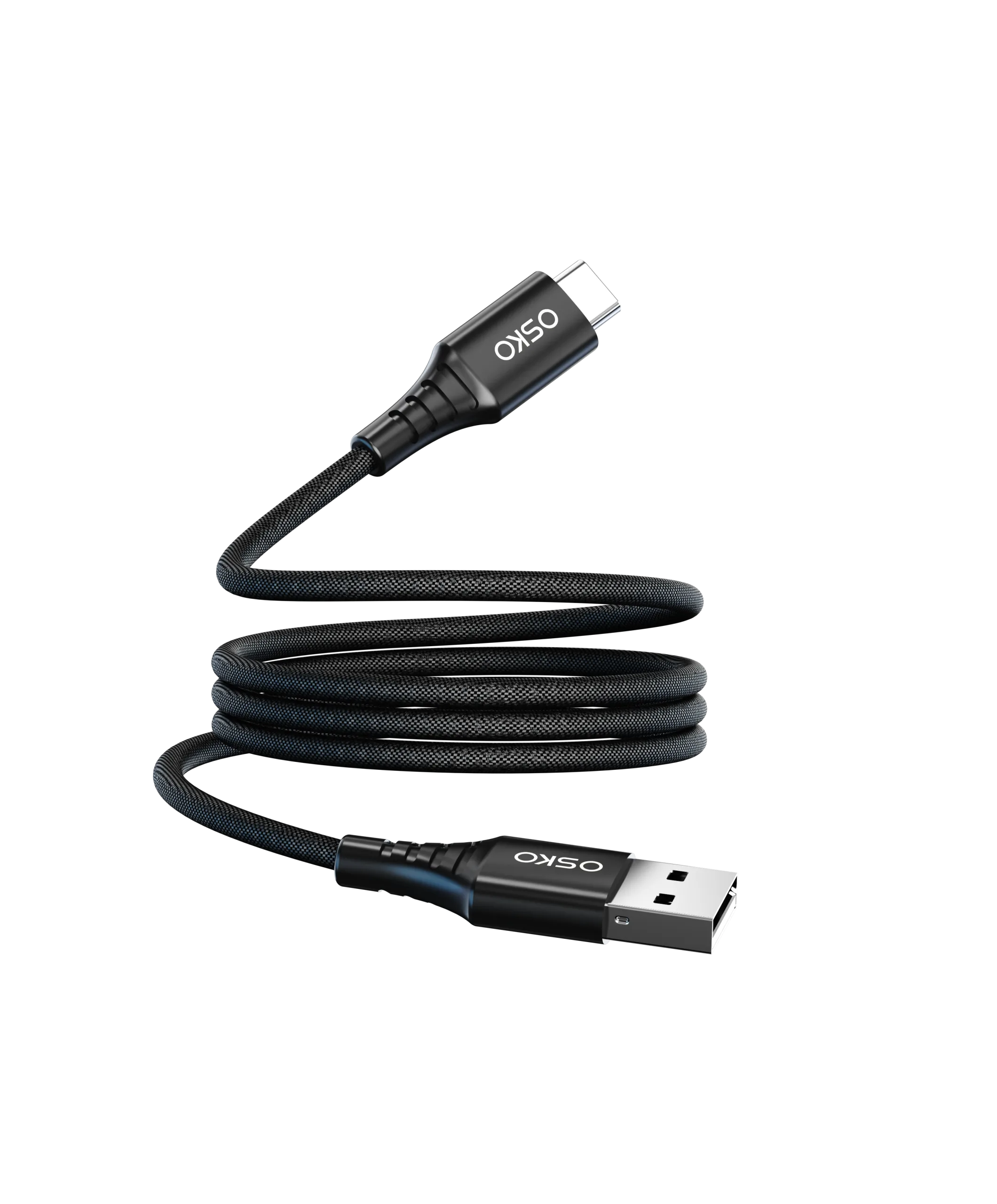
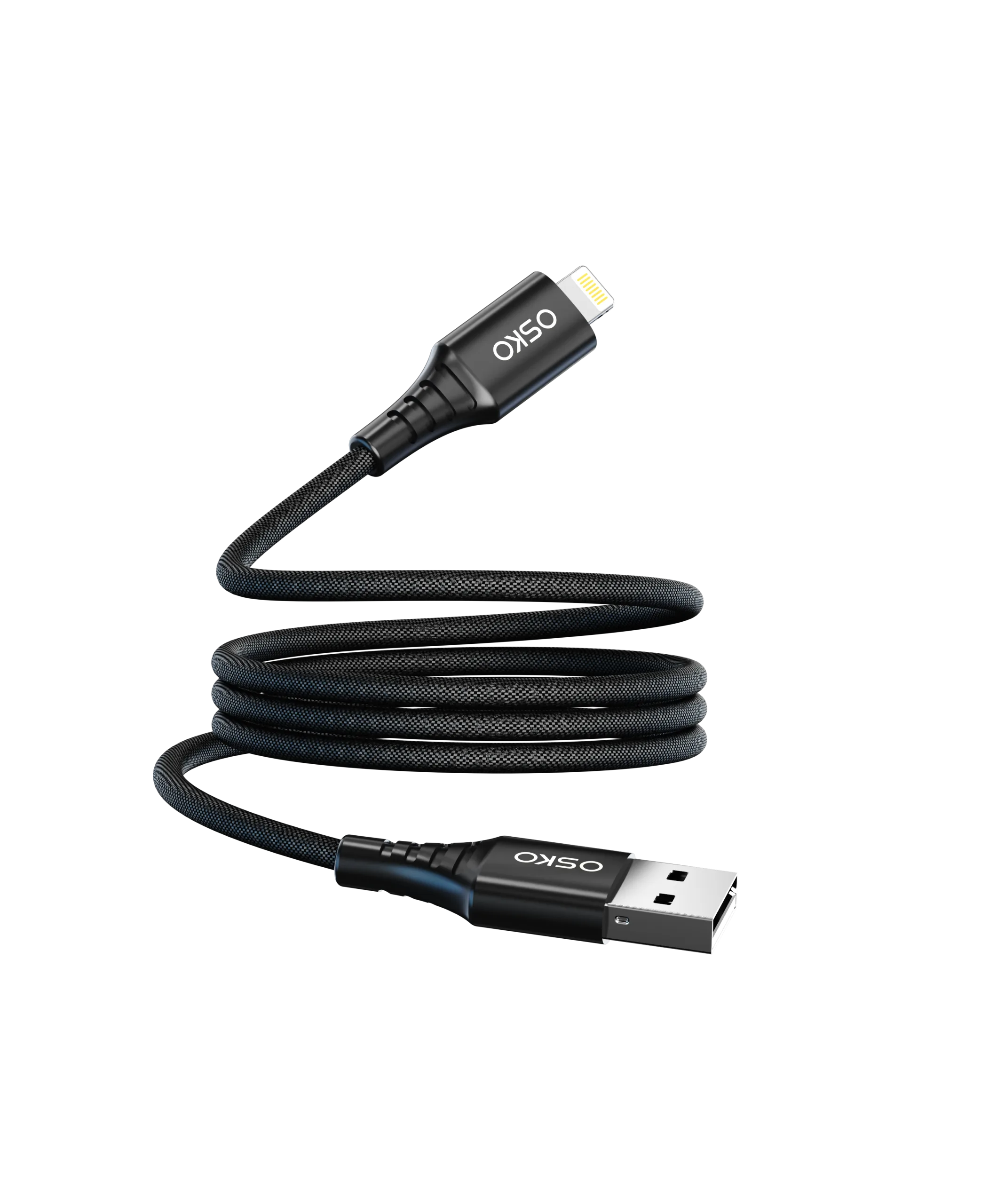
The demand for MFi certified USB-C to Lightning cables continues to grow as Apple users increasingly rely on fast charging and stable data transmission. However, not all cables on the market are designed with proper engineering standards.
Many low-cost alternatives fail to meet Apple’s performance requirements, leading to overheating, charging instability, and “accessory not supported” errors.
In this guide, we will explore how MFi certified cables are engineered, why they are essential for iPhone users, and how OEM manufacturing ensures long-term reliability and performance.
What is an MFi Certified USB-C to Lightning Cable
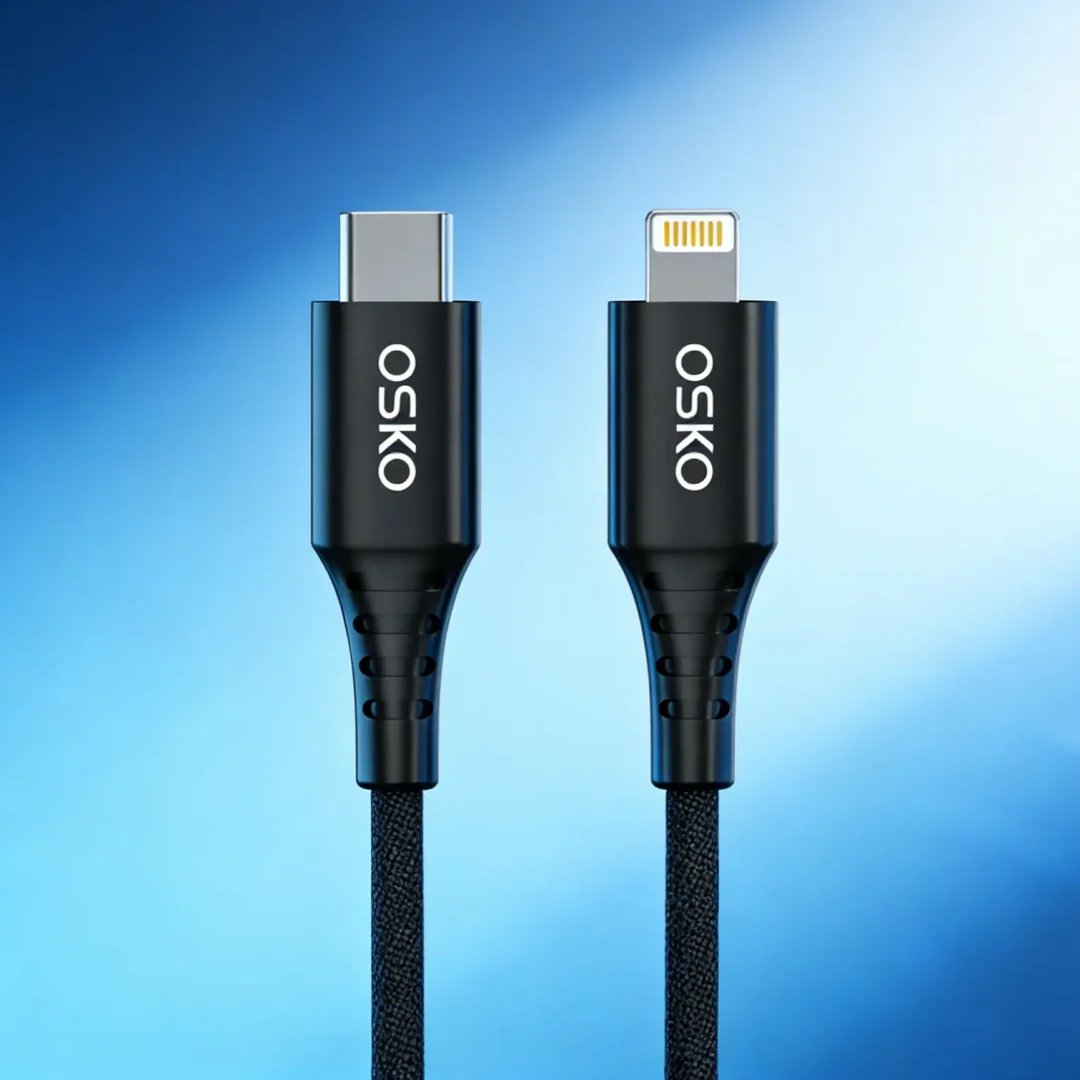
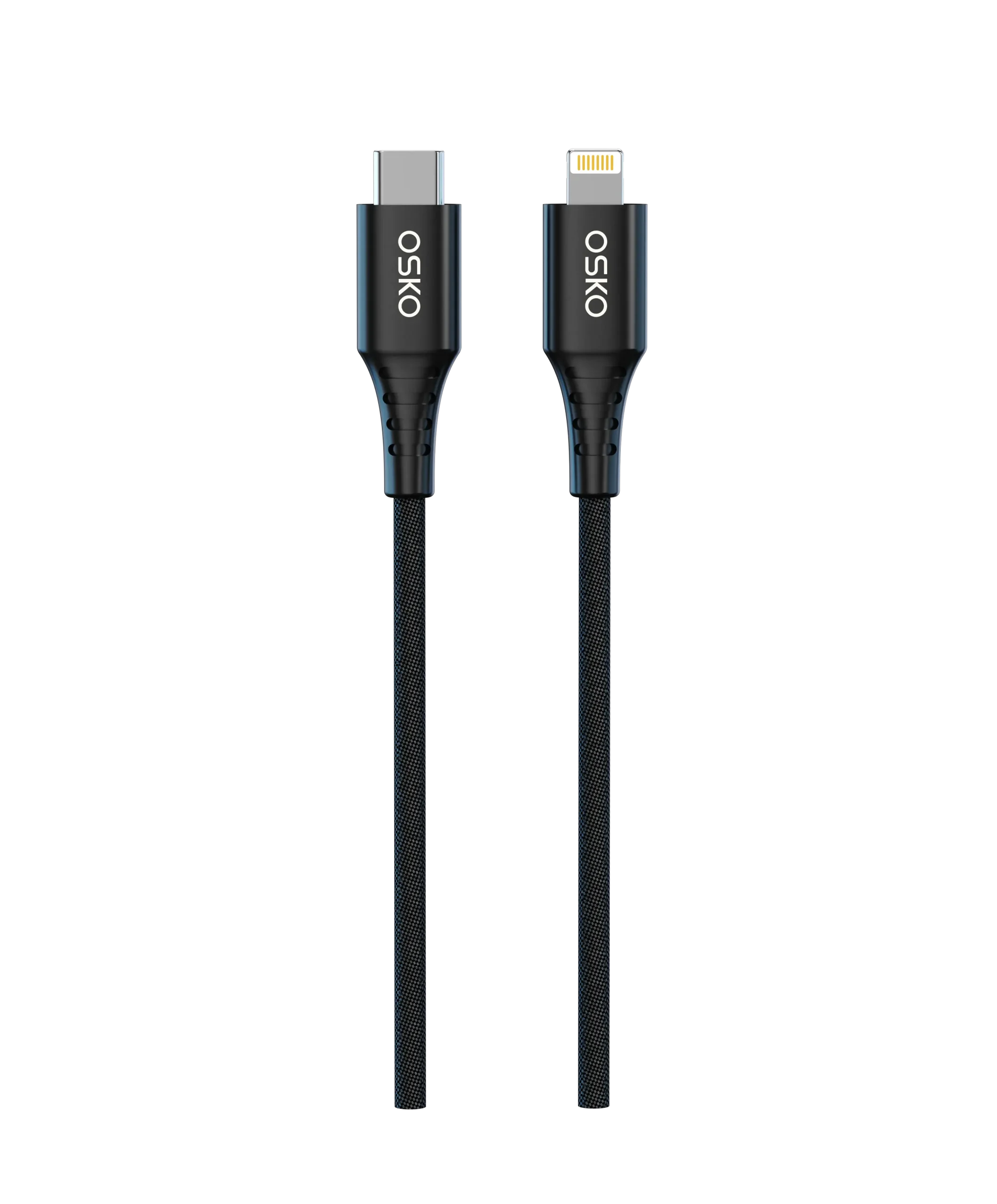
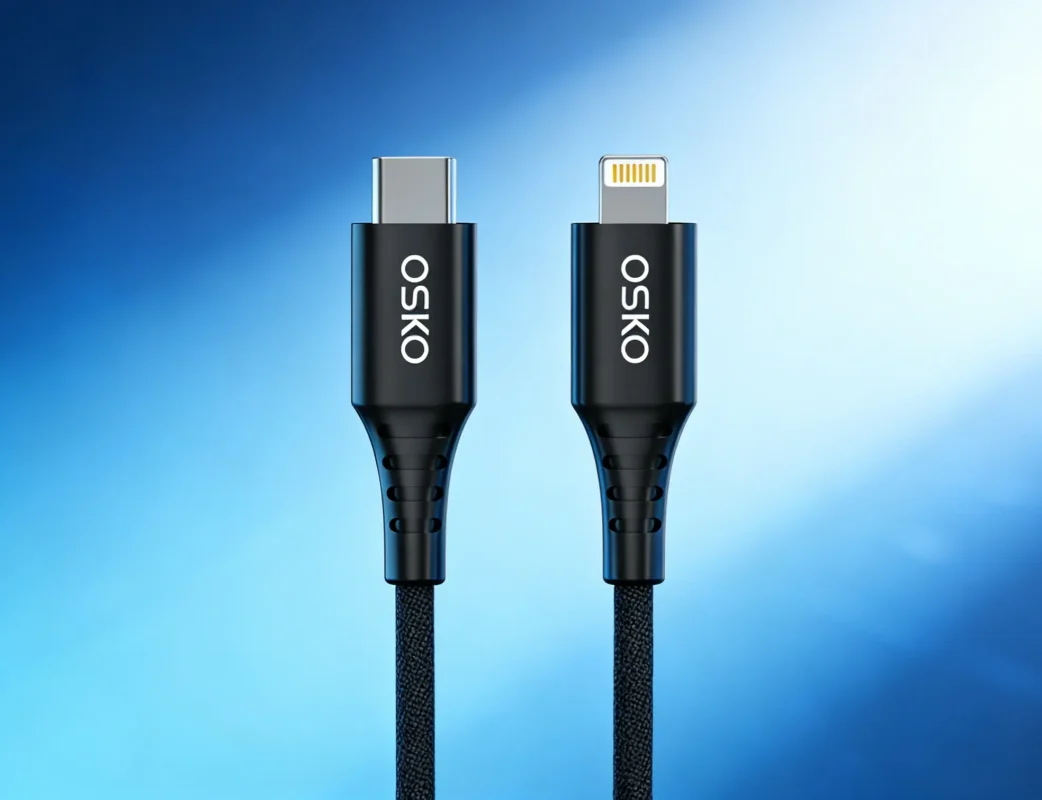
MFi stands for “Made for iPhone/iPad/iPod”, a licensing program created by Apple. It ensures that third-party accessories meet strict electrical, mechanical, and communication standards.
An MFi certified USB-C to Lightning cable includes:
Apple-approved authentication chip (C94 or newer)
Controlled voltage and current regulation
Certified communication protocol with iOS devices
These cables are designed to ensure safe fast charging and full compatibility with iOS updates.
Why MFi Certification Matters for iPhone Charging
1. iOS Compatibility and System Stability
Apple regularly updates iOS, which may block uncertified accessories. Without an MFi chip, users often encounter:
“Accessory not supported” warning
Charging interruptions
Slow or unstable power delivery
A certified cable ensures continuous compatibility across all iOS versions.
2. Battery Protection and Power Management
Battery degradation is often caused by unstable voltage. MFi certified cables regulate power through intelligent chip communication.
This helps:
Prevent overheating
Maintain stable voltage (5V–9V dynamic switching)
Extend battery lifespan
For users, this means safer daily charging and lower long-term device damage risk.
3. Fast Charging Performance
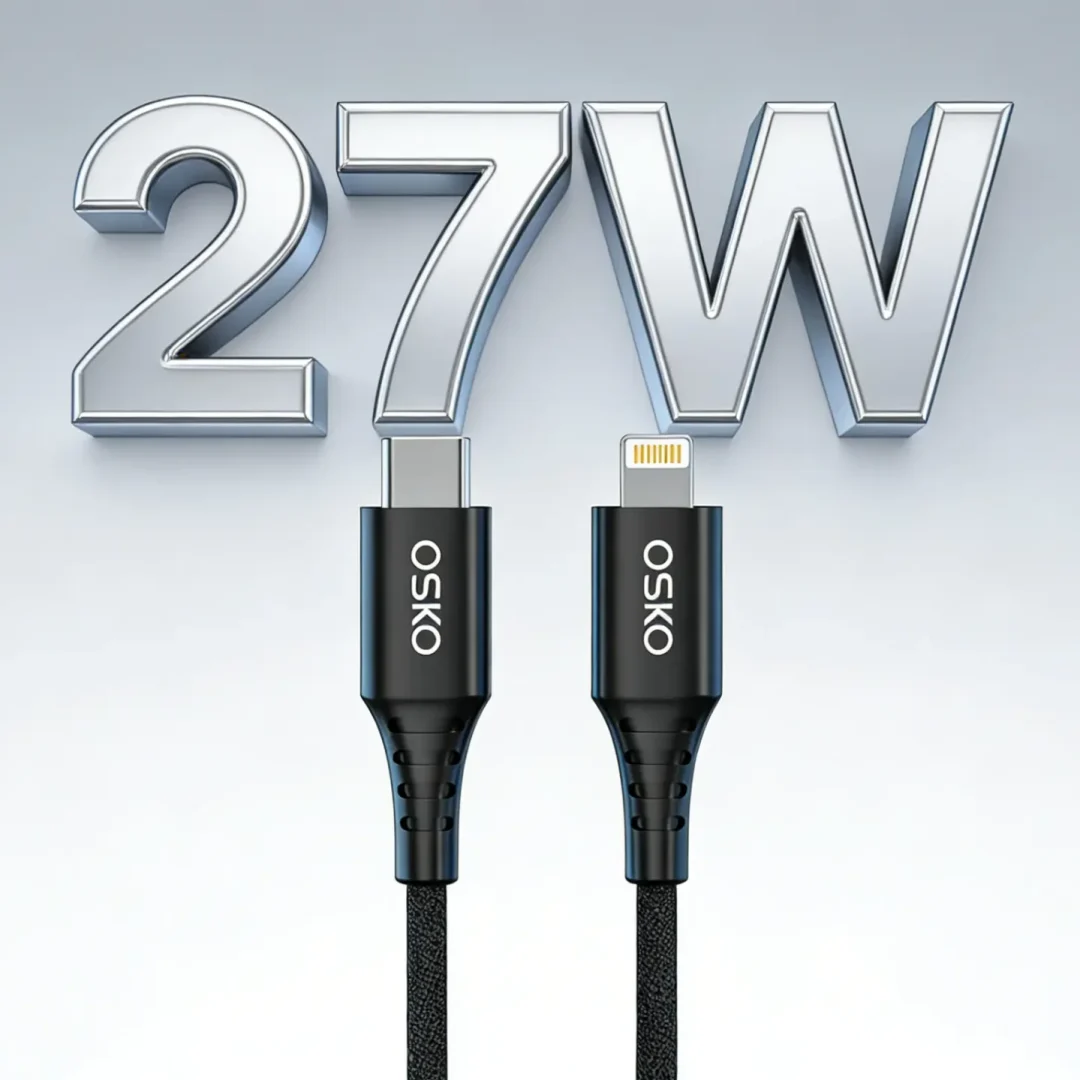
USB-C to Lightning cables support Power Delivery (PD) fast charging, enabling up to 20W or higher power output when paired with a compatible adapter.
This allows:
50% iPhone charge in ~30 minutes
Stable high-current transmission
Reduced energy loss during charging
Engineering Structure of High-Quality OEM Lightning Cables
A professional USB-C to Lightning OEM cable is not just a wire—it is a multi-layer engineered system.
1. Copper Conductor System
High-quality cables use:
Oxygen-free copper (OFC) conductors
22–28 AWG wire thickness
Low resistance architecture
This ensures efficient energy transfer and reduces heat buildup.
2. MFi Authentication Chip
The internal chip verifies:
Device authenticity
Power negotiation
Charging protocol safety
Without this chip, Apple devices will reject the cable during system checks.
3. Shielding Structure
To ensure signal stability:
Aluminum foil shielding layer
Braided copper EMI shielding
Twisted data transmission pair
This prevents interference and improves data stability.
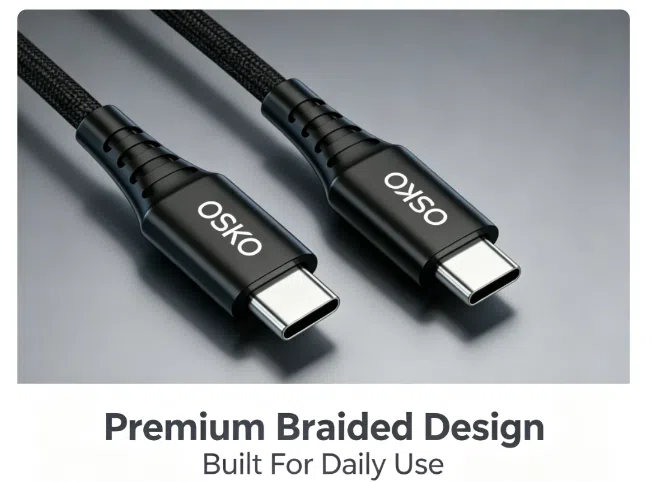
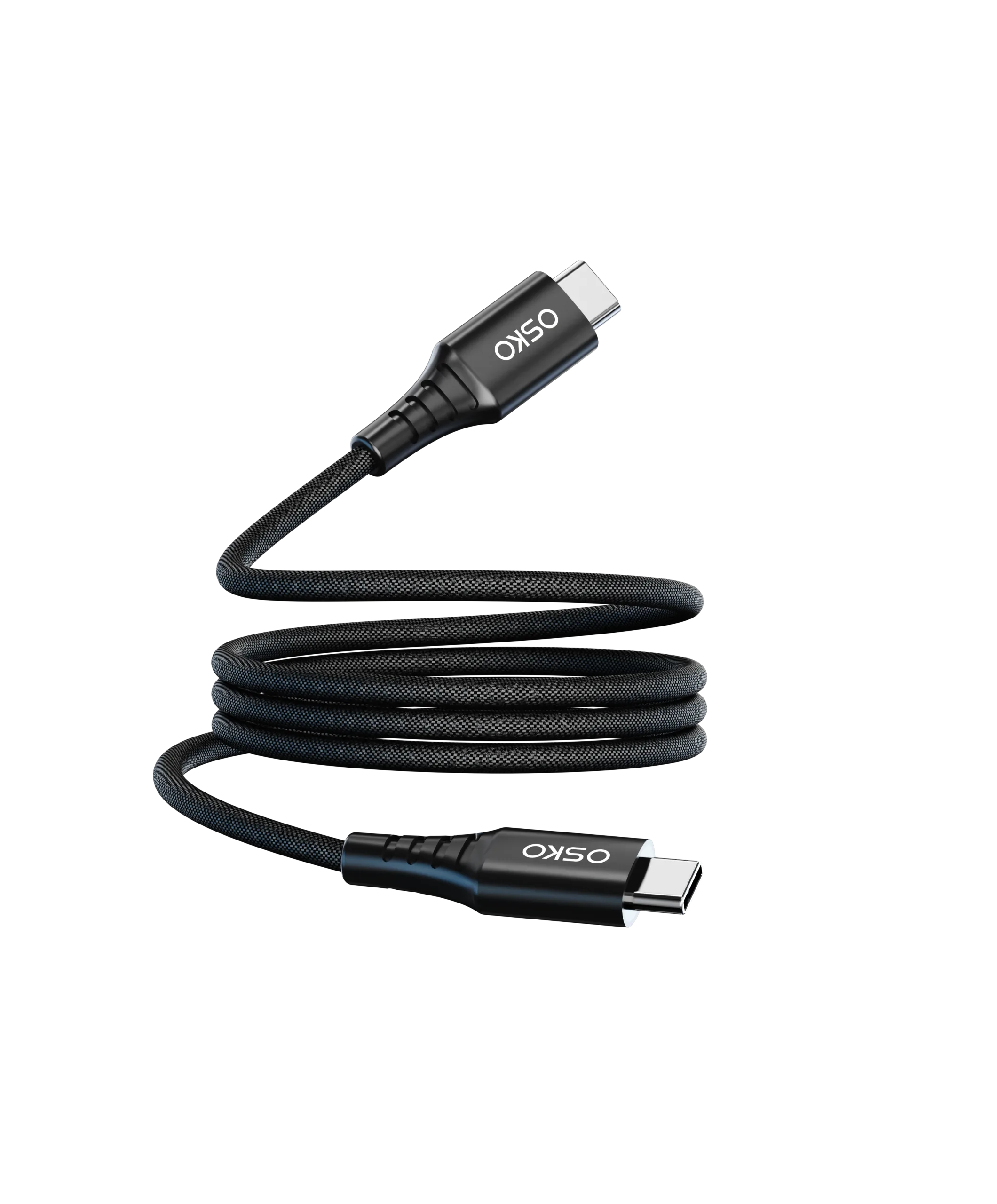
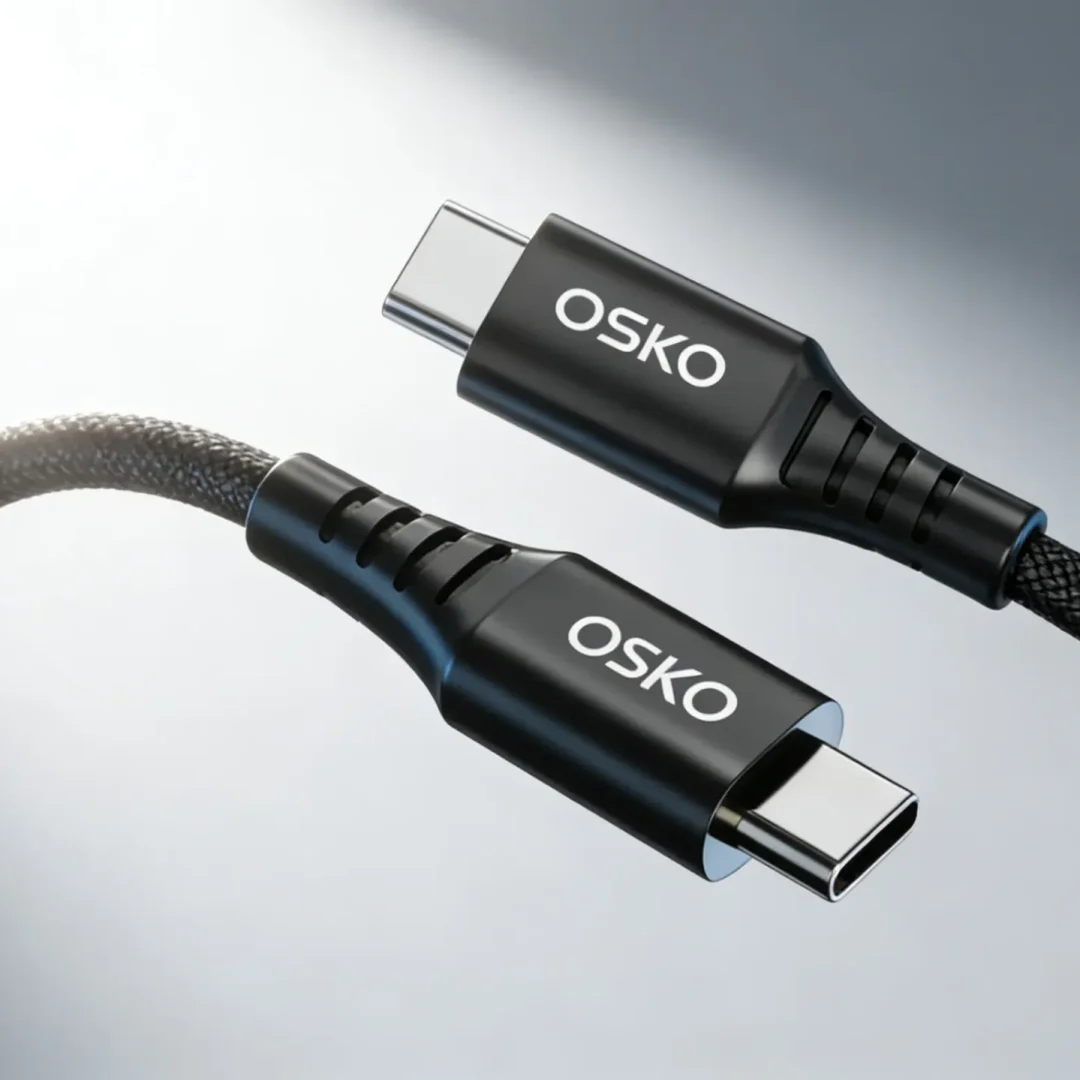
4. Outer Jacket Design
Modern OEM cables use:
Nylon braided outer layer (high durability)
TPE flexible coating (budget option)
Reinforced strain relief at connectors
Braided cables significantly improve bend lifespan compared to standard PVC cables.
OEM Manufacturing Process Overview
As a professional USB-C to Lightning cable manufacturer, the production process includes:
Step 1: Material Selection
Copper quality, chip sourcing, and jacket material are selected based on target market (Amazon / retail / wholesale).
Step 2: Assembly & Injection Molding
Connectors are assembled with reinforced SR structures to prevent internal wire breakage.
Step 3: Chip Programming
MFi chips are programmed for Apple authentication compliance.
Step 4: Testing & Quality Control
Each cable undergoes:
10,000+ bend test cycles
High-temperature aging test
Current load stability testing
Plug/unplug durability testing

Real Case Study: Amazon Seller Optimization
A US-based Amazon seller experienced a 12% return rate on USB-C to Lightning cables due to:
Charging instability
Cable breakage
iOS compatibility issues
Solution Provided:
We upgraded the product with:
MFi certified chip integration
Reinforced braided nylon design
Optimized copper conductor system
Results:
Return rate reduced to 2.3%
Product rating increased from 3.8 → 4.6
Monthly sales increased by 38%
Common Problems with Non-Certified Cables
Using non-MFi cables can lead to:
Device overheating
Battery degradation
Charging interruption
iOS compatibility failure
In extreme cases, poor-quality cables may even cause electrical hazards due to unstable current regulation.
Why Braided Cables Perform Better
Compared to standard PVC cables:
| Feature | PVC Cable | Braided Cable |
|---|---|---|
| Durability | Low | High |
| Bend Resistance | Weak | Strong |
| Tangle Resistance | Poor | Excellent |
| Lifespan | Short | Long |
Braided cables are widely used in OEM manufacturing for premium product positioning.
FAQ
What is MFi certification in Apple cables?
It is Apple’s official certification ensuring safety, compatibility, and performance for accessories.
Can non-MFi cables damage iPhones?
Yes, unstable voltage can lead to battery damage or system warnings.
How fast is USB-C to Lightning charging?
Up to 20W fast charging depending on adapter and device.
Why do cables stop working after iOS updates?
Because uncertified cables lack authentication chips required by Apple systems
Conclusion
Choosing a MFi certified USB-C to Lightning cable is not only about charging speed—it is about device safety, long-term battery protection, and system compatibility.
For OEM buyers, understanding cable engineering structure, chip authentication systems, and manufacturing quality control is essential for building a competitive product in the global market.
Looking for a reliable USB-C to Lightning OEM manufacturer?
Contact OSKO for custom MFi certified cable solutions for Amazon, wholesale, and brand distribution.