
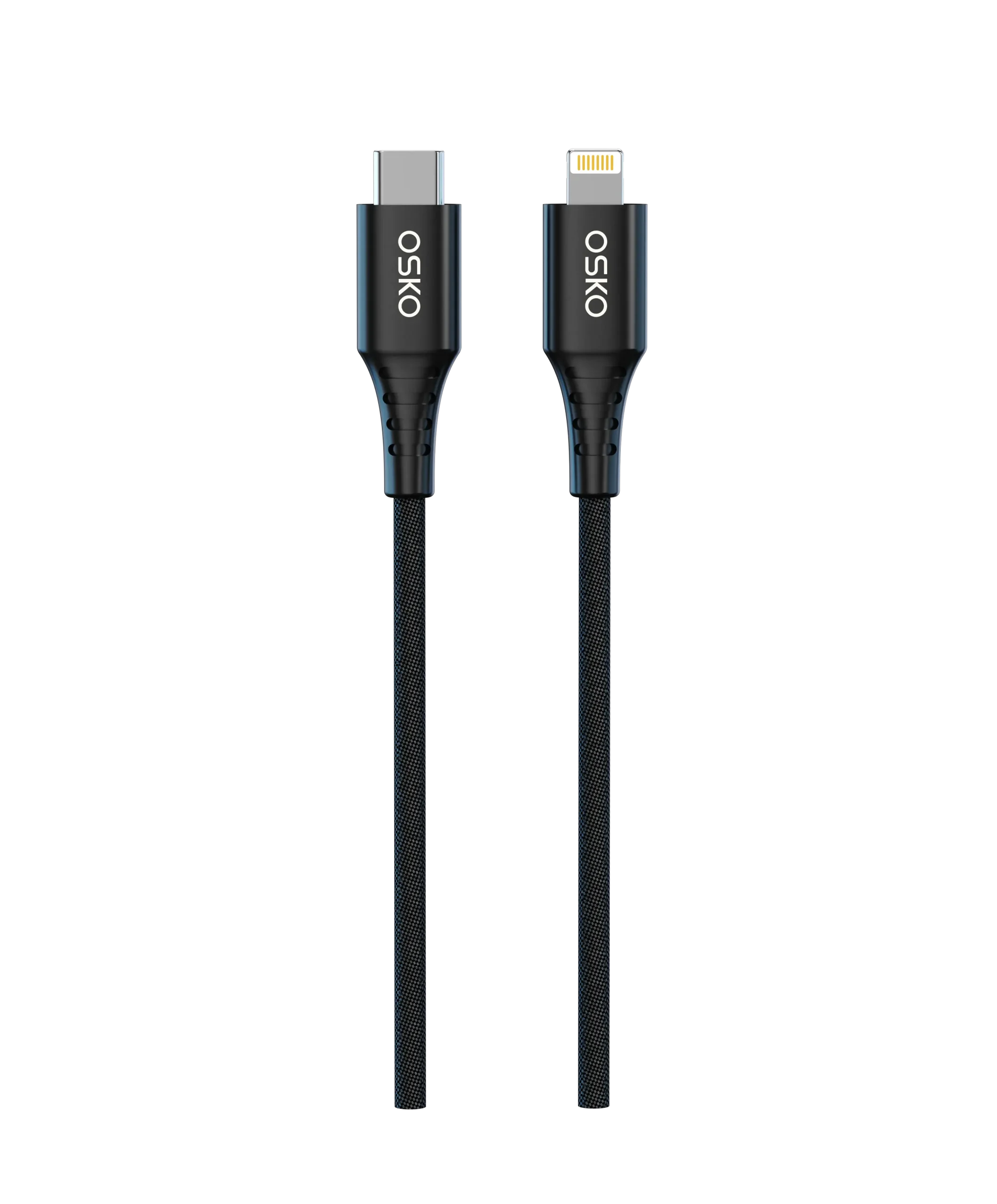
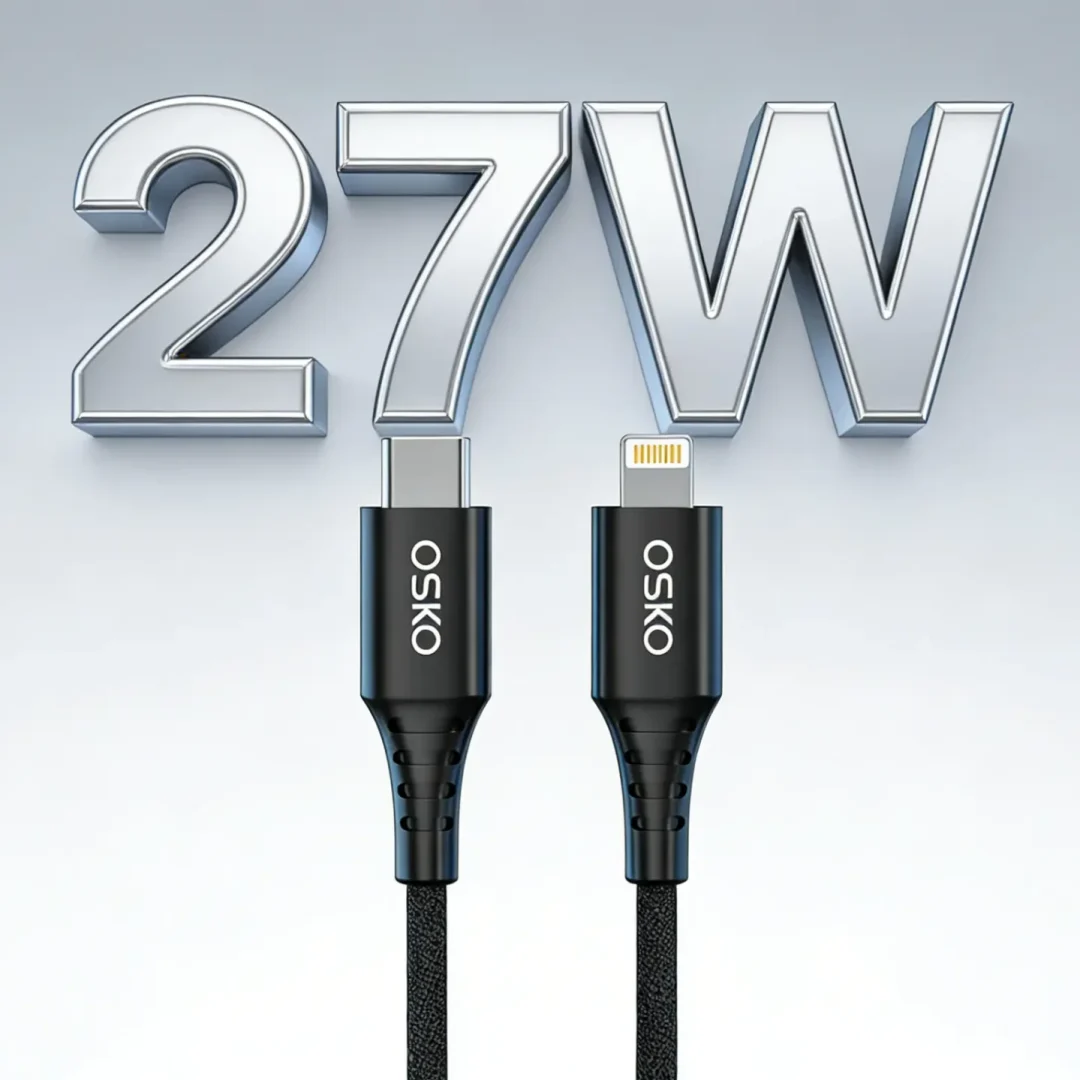
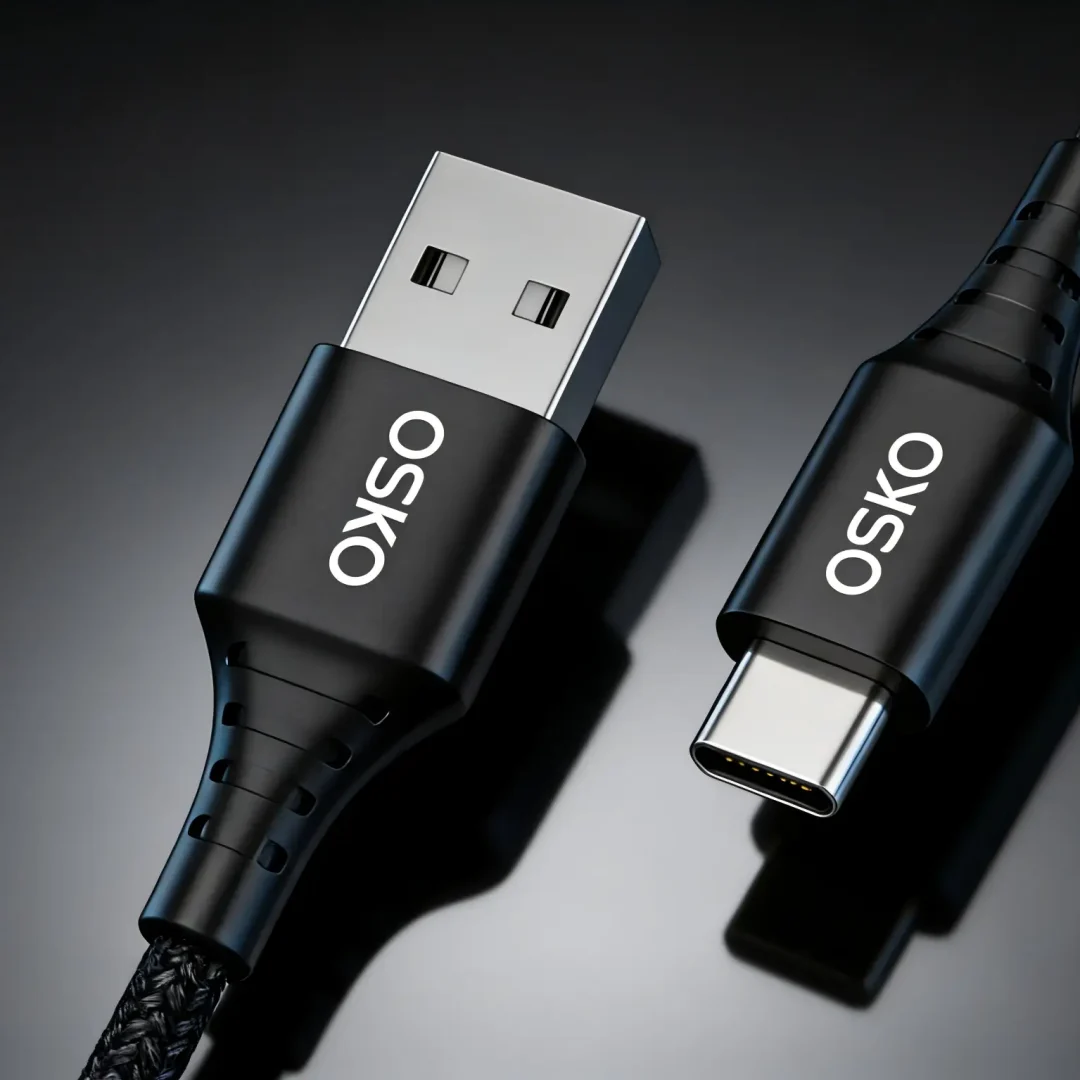
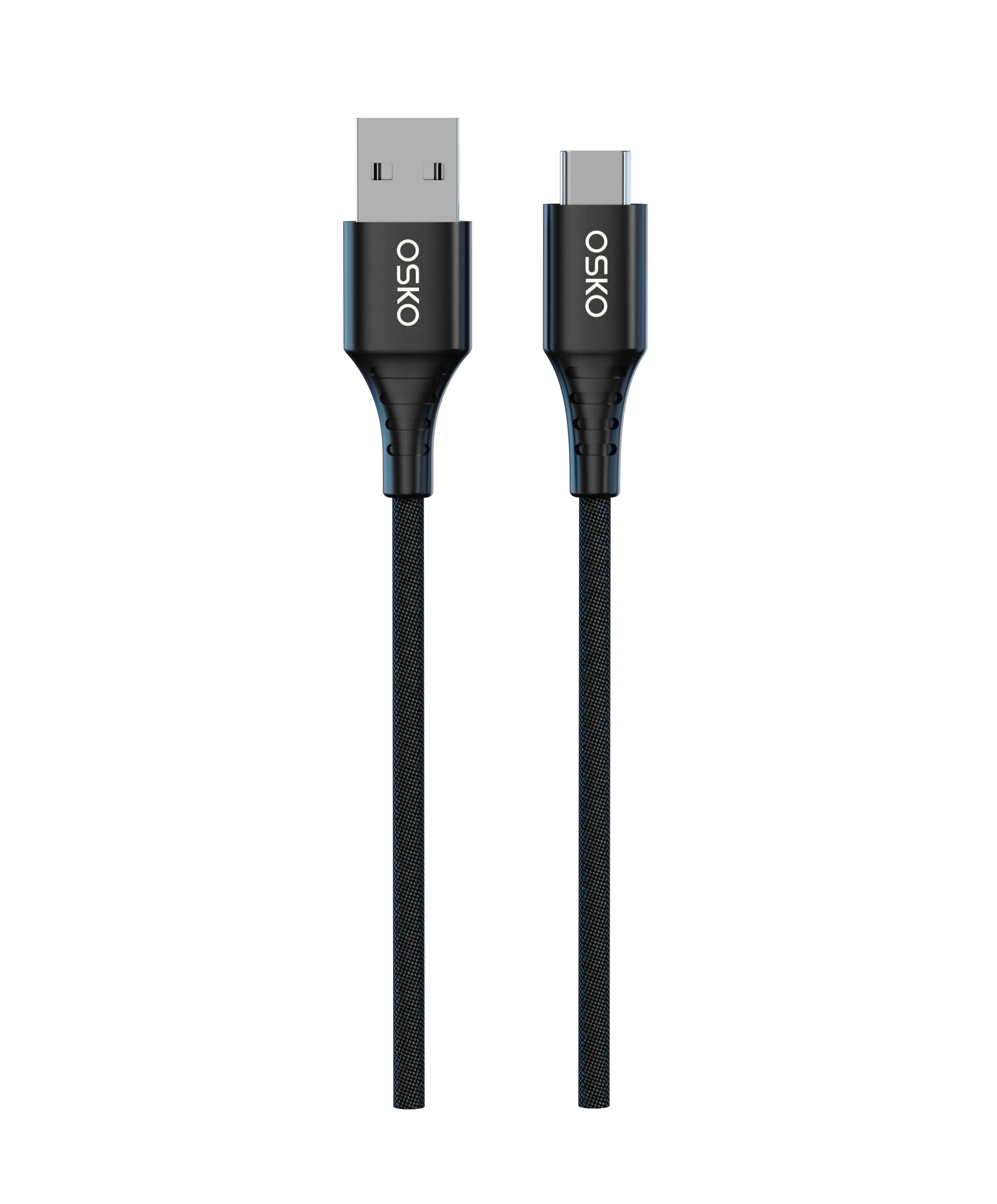

Introduction
Cable management has become a common challenge for modern electronic users. Traditional charging cables often create problems such as tangled wires, limited portability, and inconvenient storage, especially during travel, commuting, and vehicle charging.
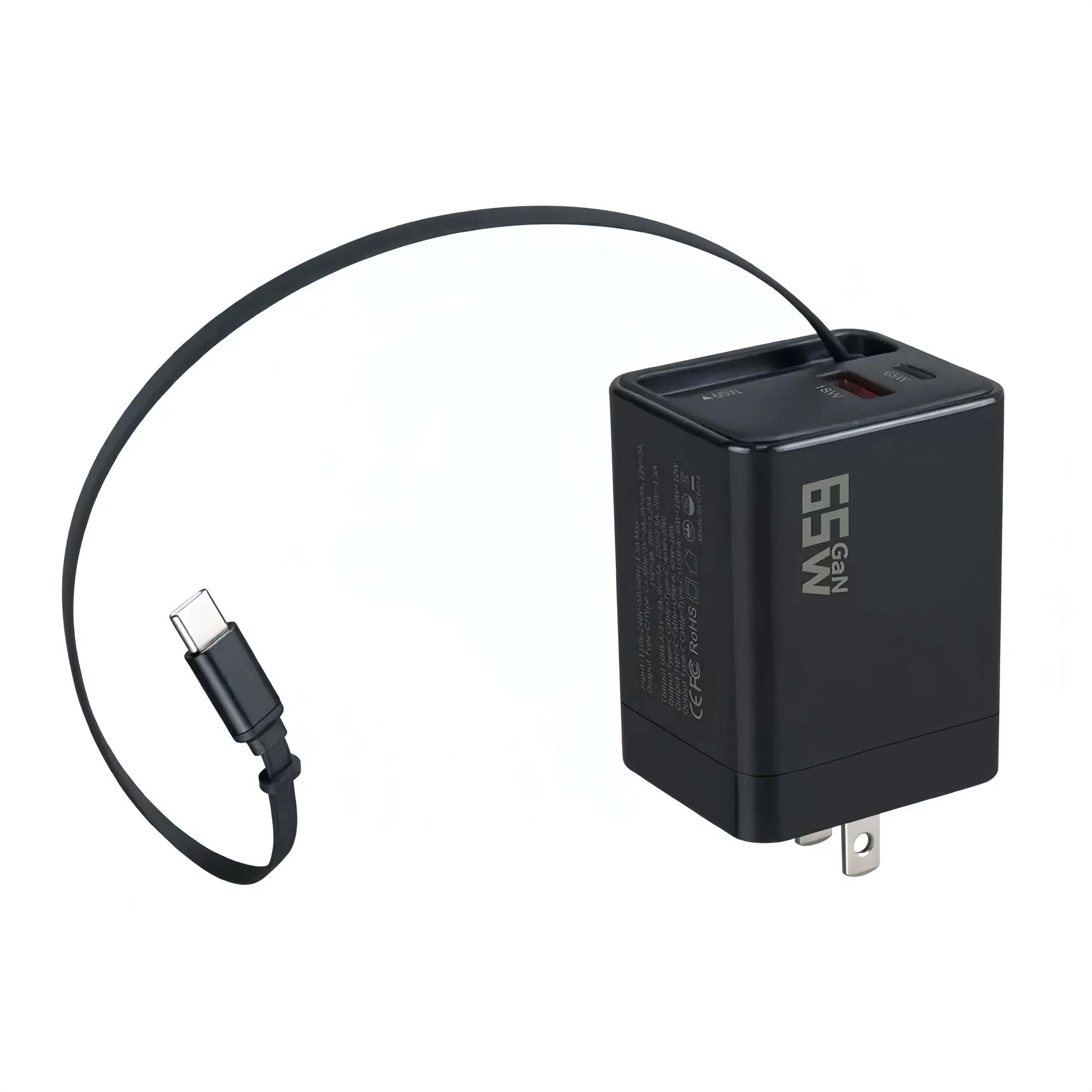
A retractable USB-C cable solves these problems by integrating a compact winding mechanism that allows users to extend the cable when needed and retract it after use.
However, designing a reliable retractable cable is more complex than producing a standard USB-C cable. The cable must balance:
Flexible movement
Stable charging performance
Mechanical durability
Compact structure
Long-term winding reliability
For consumers, a quality retractable cable provides convenience for smartphones, tablets, power banks, and laptops.
For US retailers and OEM buyers, developing a successful retractable charging cable requires careful engineering of the internal cable structure, winding system, materials, and production quality.
A professional USB-C cable manufacturer must optimize both electrical and mechanical performance to ensure reliability in real-world applications.
Material Science & Mechanical Structure
What Is a Retractable USB-C Cable?
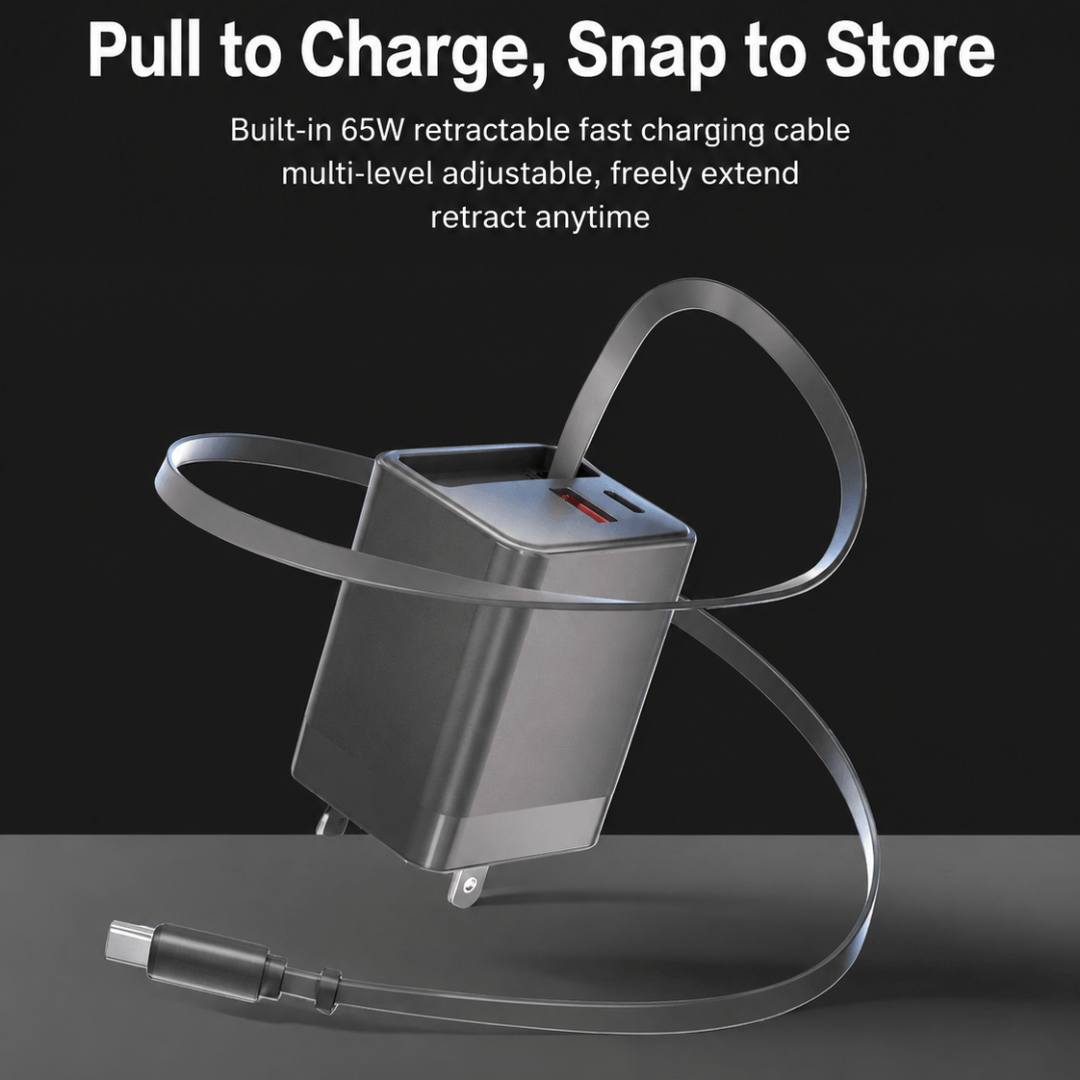
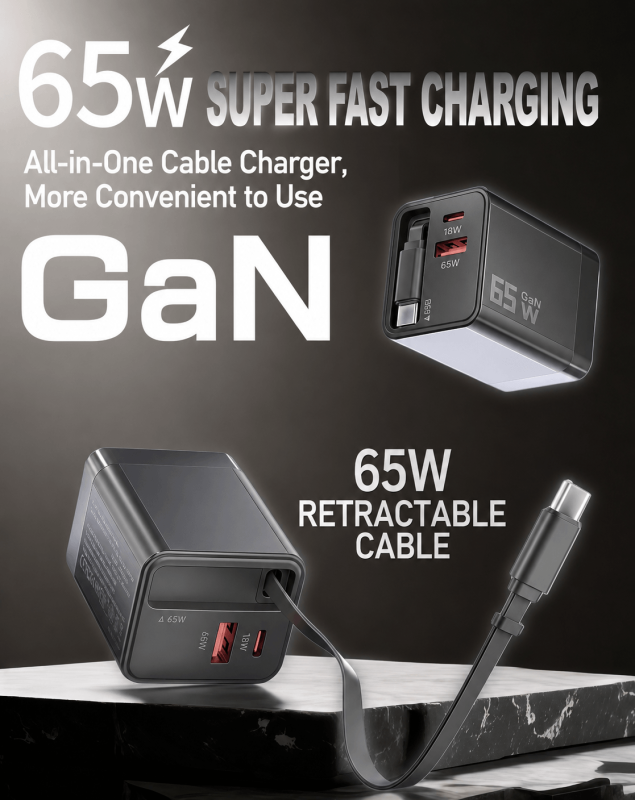
A retractable USB-C cable is a charging cable designed with an internal storage mechanism that allows the cable length to be adjusted.
The basic structure includes:
| Component | Function |
|---|---|
| USB-C Connector | Connects with modern devices |
| Cable Core | Transfers power and data |
| Retractable Housing | Stores cable internally |
| Spring Mechanism | Controls extension and retraction |
| Protective Shell | Protects internal components |
Unlike traditional cables, retractable cables must withstand repeated mechanical movement.
How Does a Retractable Cable Work?
The retractable mechanism uses a spring-based winding system.
The user pulls the cable outward:
Cable Extends → Spring Stores Mechanical Energy
When released:
Spring Releases Energy → Cable Retracts Into Housing
The mechanism must maintain:
Smooth pulling force
Stable locking position
Consistent retraction speed
Poor mechanism design may cause:
Cable jamming
Uneven pulling
Internal wire damage
Electrical Performance of Retractable USB-C Cables
Many buyers assume retractable cables are only for convenience. However, charging performance remains a critical factor.
A high-quality USB-C fast charging cable should support:
Stable voltage transmission
Proper current capacity
USB PD compatibility
Common power levels:
| Cable Rating | Application |
|---|---|
| 20W–30W | Smartphones |
| 60W | Phones and tablets |
| 100W | Laptops |
| 240W | High-power USB-C devices |
The challenge is maintaining performance while keeping the cable flexible enough for the retractable mechanism.
Cable Core Design Challenges
Retractable cables experience more bending stress than normal cables.
The internal conductor must handle:
Repeated extension
Continuous bending
Mechanical pulling force
Professional designs use:
Fine-strand copper conductors
Flexible insulation materials
Reinforced internal structure
Benefits:
Better flexibility
Lower breakage risk
More stable charging
Material Selection for Retractable USB-C Cables
TPU Outer Jacket
TPU is commonly used because it provides:
High flexibility
Good abrasion resistance
Better bending performance
Suitable for:
Travel charging cables
Car charging cables
Portable charging kits
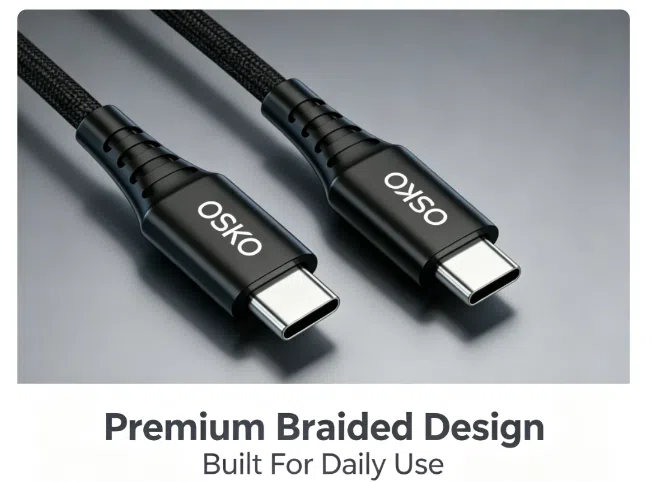
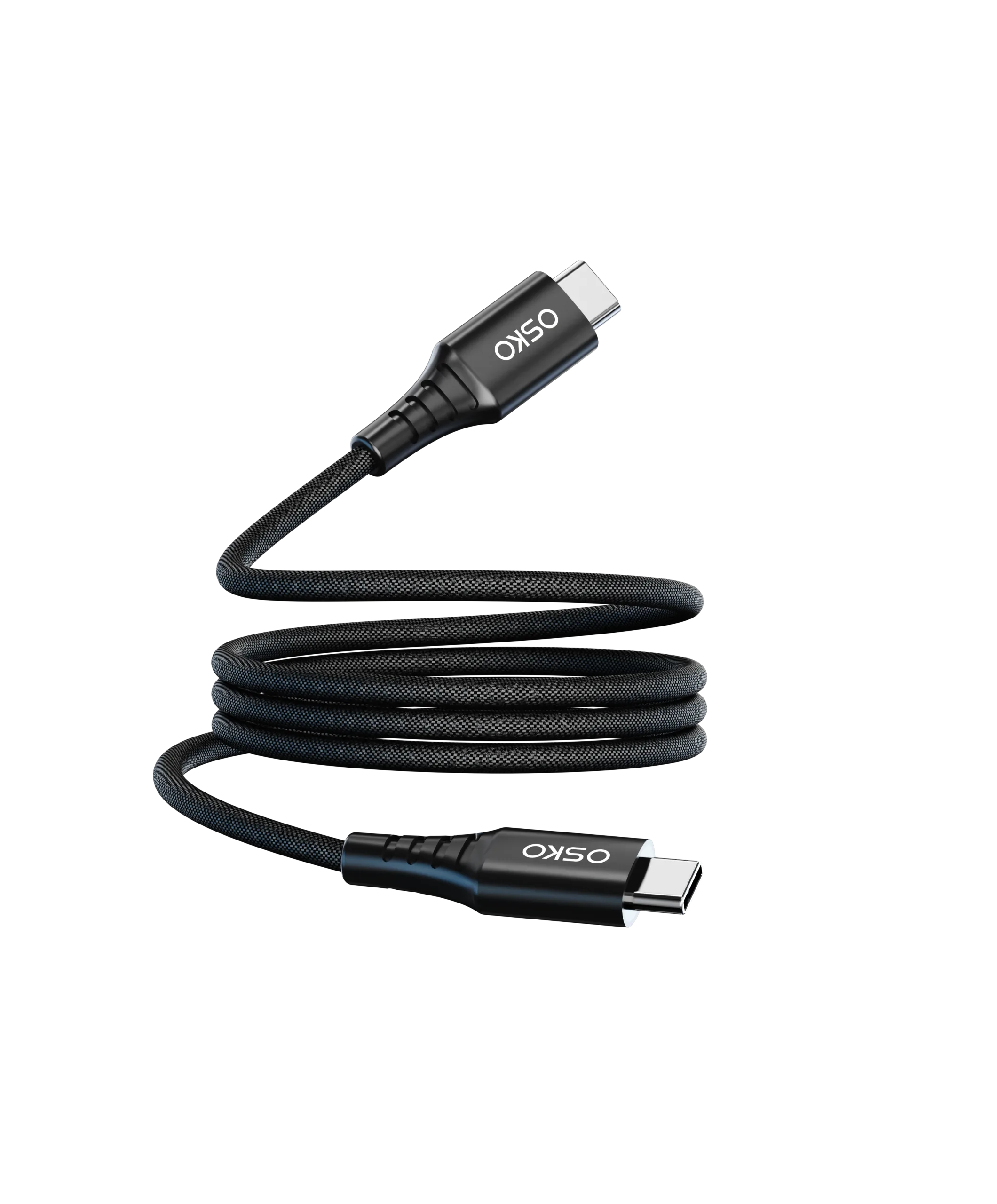
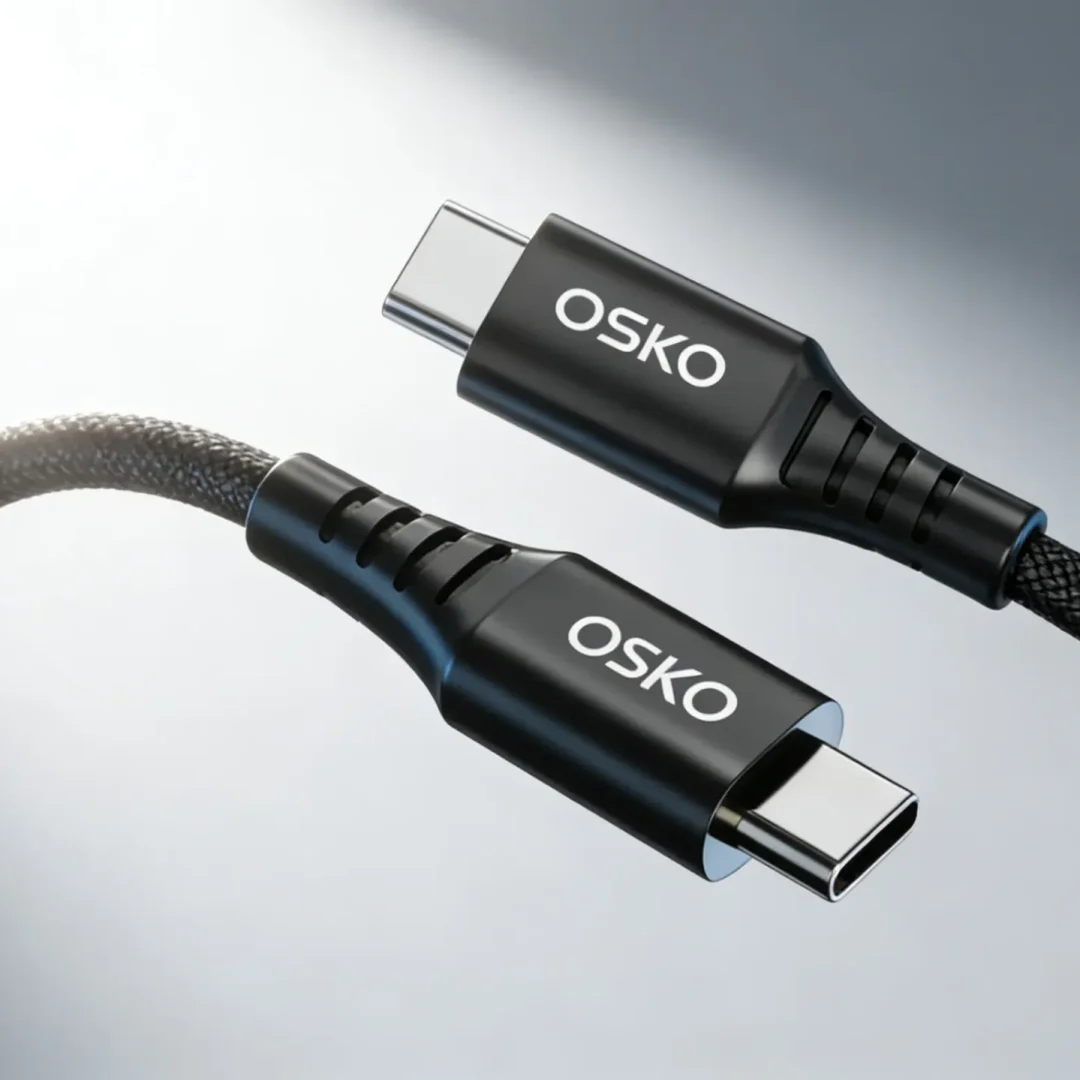
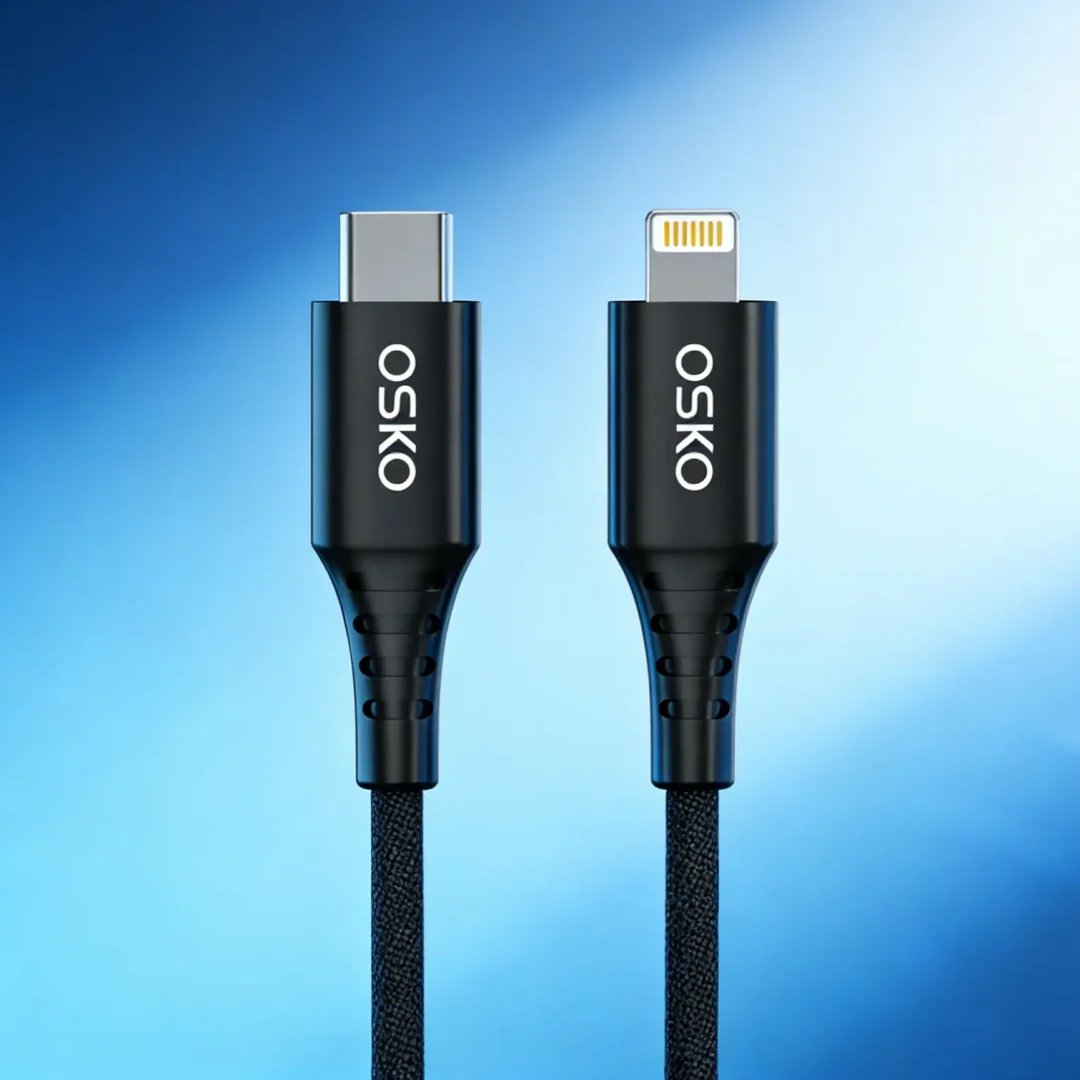
Nylon Braided Retractable Cable
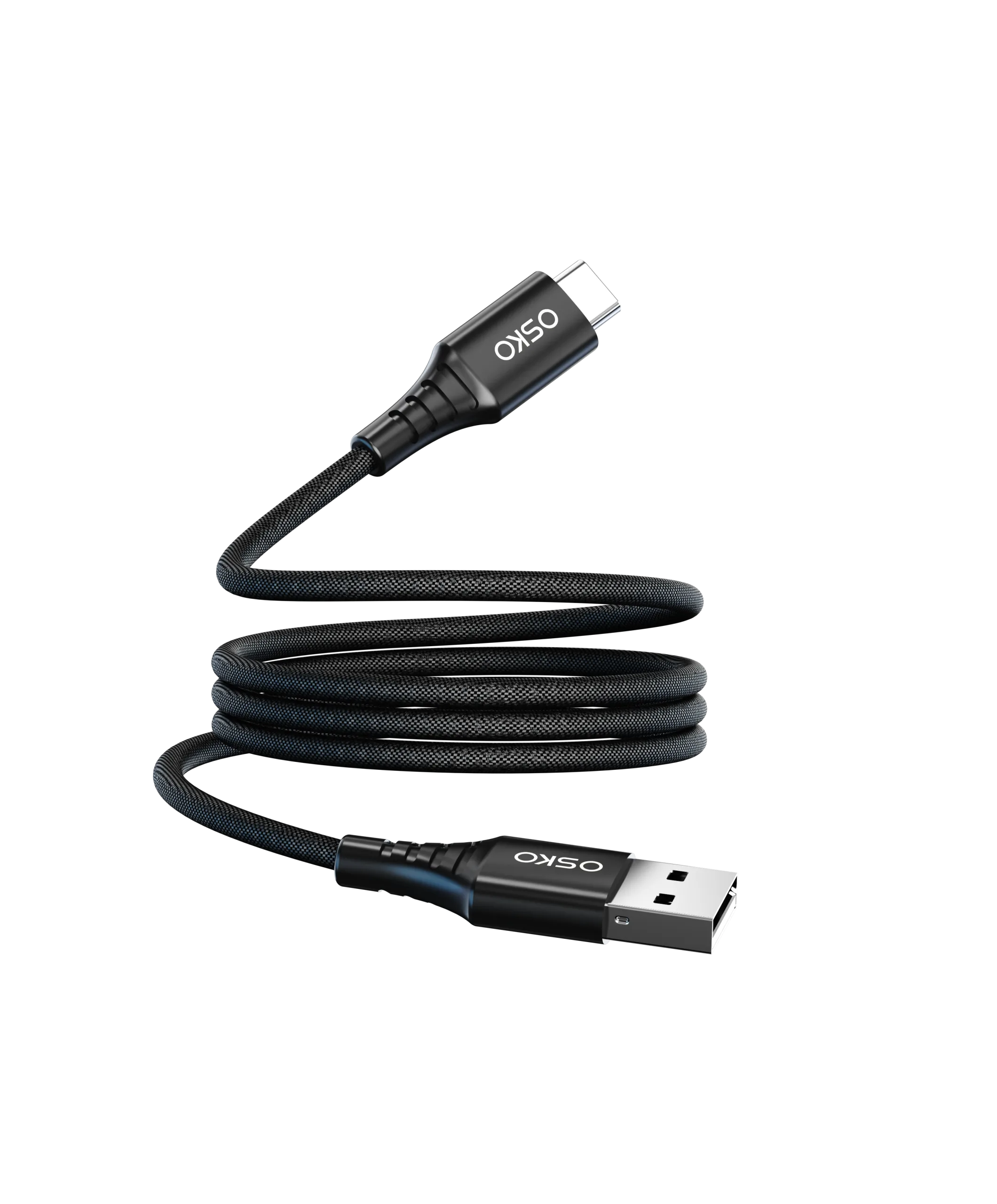
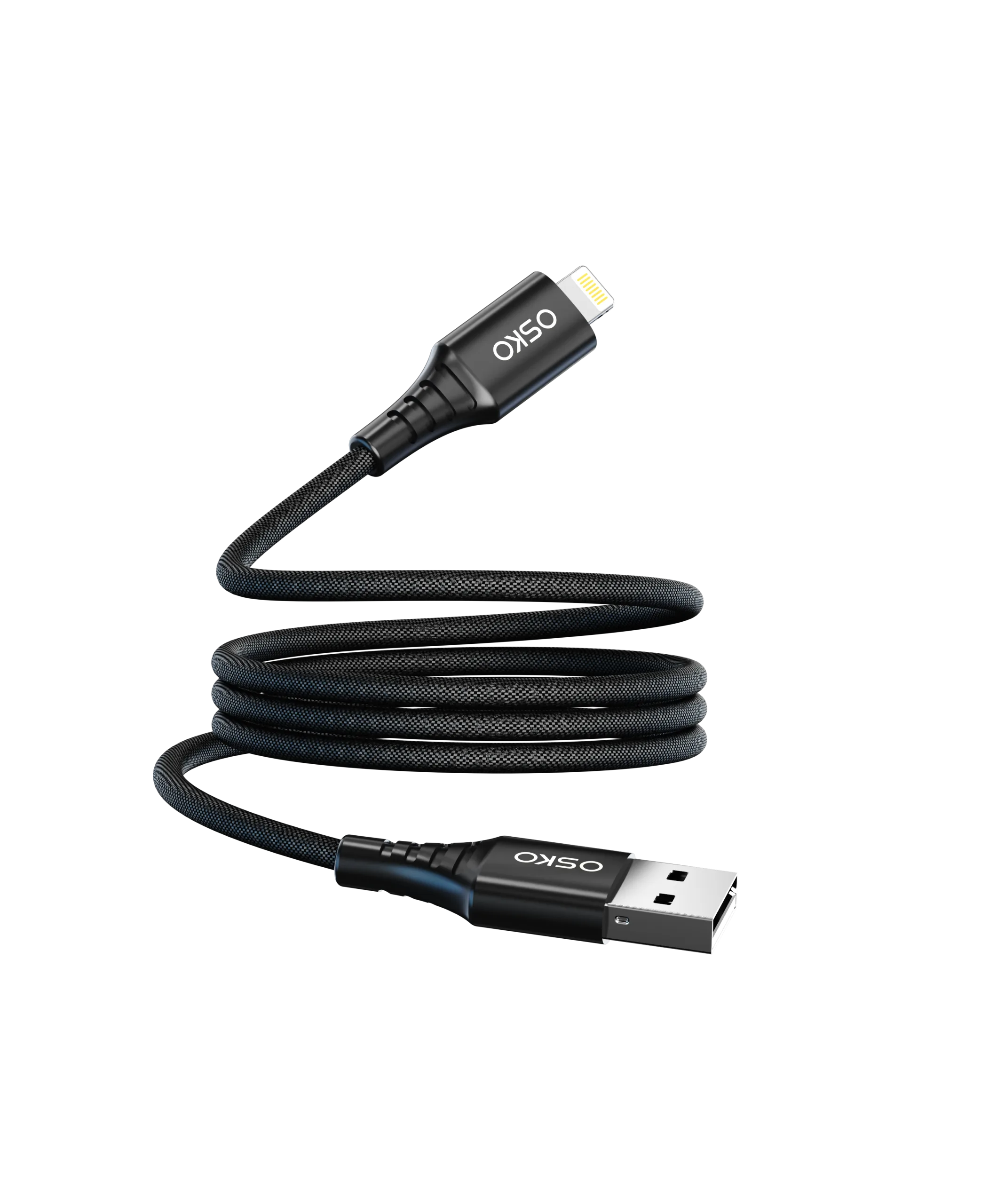
A braided USB-C cable provides additional protection.
Advantages:
Premium appearance
Better wear resistance
Stronger surface protection
However, retractable cable designs require careful balance because excessive thickness may affect the winding mechanism.
Connector Reinforcement Design
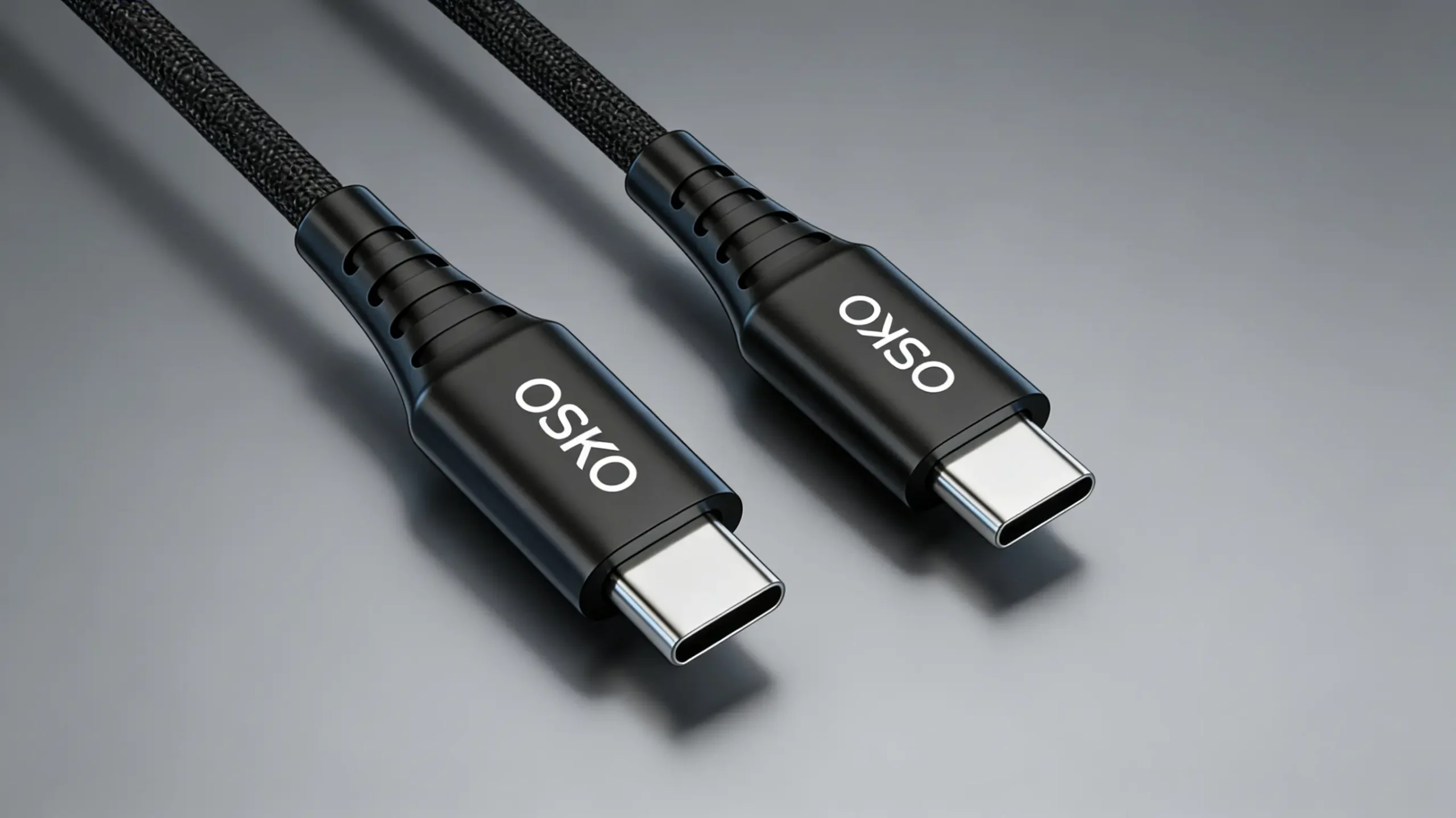
The connector area is one of the highest stress points.
A retractable cable connector experiences:
Pulling force
Frequent insertion
Side bending
A durable design includes:
Reinforced connector housing
Flexible strain relief
Strong internal connection
Testing includes:
Plug insertion cycles
Pull force testing
Bending tests
Applications of Retractable USB-C Cables
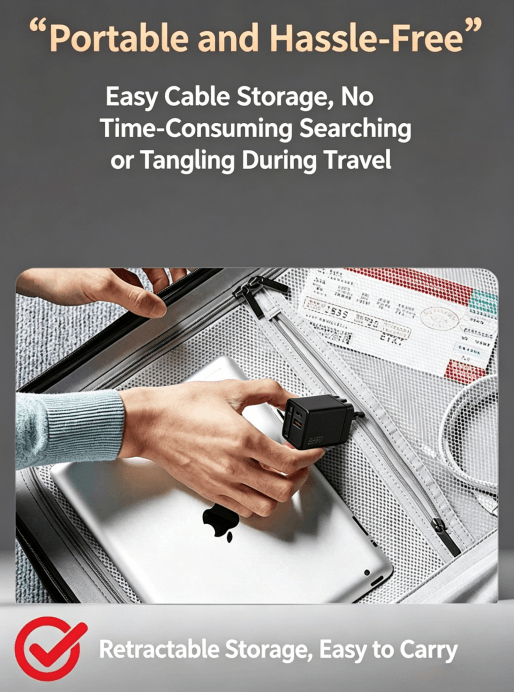
Travel USB Cable
Travel users prefer retractable designs because they reduce:
Bag clutter
Cable tangling
Storage space
Common applications:
Airports
Hotels
Business trips
Outdoor activities
Car Charging Cable
Vehicles are one of the strongest applications.
A retractable cable helps:
Keep the dashboard organized
Reduce loose cables
Provide convenient charging access
Common users:
Drivers
Fleet operators
Rental vehicles
Desk Charging Cable
For office environments, retractable cables improve:
Workspace organization
Cable management
Desktop appearance
Power Bank Charging Cable
Portable charging requires compact solutions.
Retractable USB-C cables are suitable for:
Power banks
Emergency charging kits
Mobile accessories
Case Study
US Automotive Accessory Brand Developed Retractable USB-C Cable for Car Charging Systems
A US automotive electronics brand planned to launch a compact charging accessory for drivers.
The company wanted a retractable cable that could be installed in vehicle charging environments.
Customer Requirements
The project required:
Compact retractable structure
USB-C fast charging capability
Strong daily-use durability
Retail packaging customization
Stable bulk production
Target markets:
Car accessories
Travel charging products
Consumer electronics retail
Engineering Problems
OSKO analyzed the initial product concept.
Mechanical Challenges
Spring mechanism affected cable bending
Cable tension caused connector stress
Traditional wire structure was too stiff
Electrical Challenges
Limited current capacity
Charging instability after repeated movement
OSKO Engineering Solution
OSKO developed a customized retractable USB-C cable design.
Cable Structure Optimization
Flexible conductor design
Improved insulation materials
Enhanced bending resistance
Mechanical Improvement
Optimized winding mechanism
Reinforced cable exit point
Improved housing structure
Quality Control
Testing included:
Extension cycle testing
Charging performance testing
Mechanical durability testing
Project Results
The improved retractable cable achieved:
Better daily-use reliability
More stable charging performance
Improved customer experience
Reduced product complaints
The project supported:
OEM USB cable production
ODM cable development
Car charging cable solutions
Retail charging accessory programs
Selection Guide
How to Choose the Right Retractable USB-C Cable
Check Charging Requirements
Before purchasing, confirm:
Required wattage
Device compatibility
USB PD support
Evaluate Mechanical Quality
Important factors:
| Feature | Recommended Standard |
|---|---|
| Retract mechanism | Smooth operation |
| Spring system | Stable tension |
| Cable flexibility | High bending resistance |
| Connector | Reinforced structure |
Choose the Correct Length
Common retractable cable lengths:
| Length | Application |
|---|---|
| 3ft | Personal charging |
| 4ft–5ft | Car charging |
| 6ft | Extended usage |
OEM Buyer Guide: Selecting a Retractable Cable Supplier
For brands developing retractable USB-C products, supplier engineering capability is essential.
A professional supplier should provide:
Custom structure development
Cable material selection
Reliability testing
Packaging customization
Mass production support
OSKO provides:
Heavy duty braided USB-C cable manufacturer
Durable nylon braided Type C charging cable factory
Tangle-free double-braided USB C cable wholesale
OEM ODM custom length USB C cables
Bulk custom color braided charging cables
Wholesale 60W braided USB C cable
Custom packaging braided charging cable factory
FAQ
Are retractable USB-C cables durable?
A well-designed retractable cable can be durable, but quality depends heavily on the winding mechanism, internal conductor design, and connector reinforcement.
Do retractable USB-C cables support fast charging?
Yes. Professional retractable cables can support fast charging when designed with proper conductors and power specifications.
Are retractable cables better for travel?
Yes. Their compact design reduces cable clutter and improves portability.
Can retractable USB-C cables charge laptops?
Some high-power models can support laptops, but buyers should confirm wattage ratings and USB PD compatibility.
Why does my retractable cable stop retracting?
Common causes include:
Spring mechanism damage
Internal cable stress
Housing failure
High-quality products use tested winding systems to prevent these issues.
Summary
A retractable USB-C cable combines charging performance with improved portability and cable management.
The key factors for selecting a reliable product include:
USB-C PD compatibility
Flexible conductor design
Durable insulation materials
Reliable retractable mechanism
Reinforced connectors
For consumers, retractable cables provide a cleaner and more convenient charging experience.
For US retailers and OEM buyers, developing a successful retractable cable requires professional engineering support, reliable materials, and consistent manufacturing.
OSKO provides customized retractable USB-C cable solutions for travel, automotive, desktop, and consumer electronics applications with OEM and ODM production capabilities.
Contact Information
OSKO provides professional retractable USB-C cable manufacturing solutions:
Retractable USB-C charging cables
Car charging cable solutions
Travel USB cable products
Custom cable structures
OEM and ODM production
OSKO engineering team supports global brands with cable structure design, material optimization, durability testing, and scalable manufacturing solutions.