
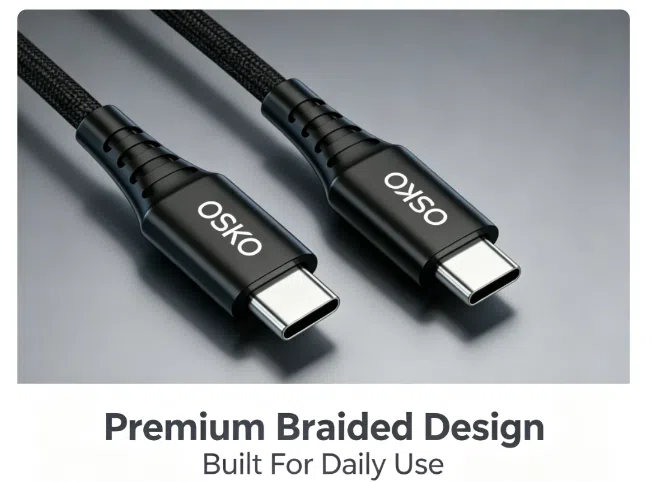
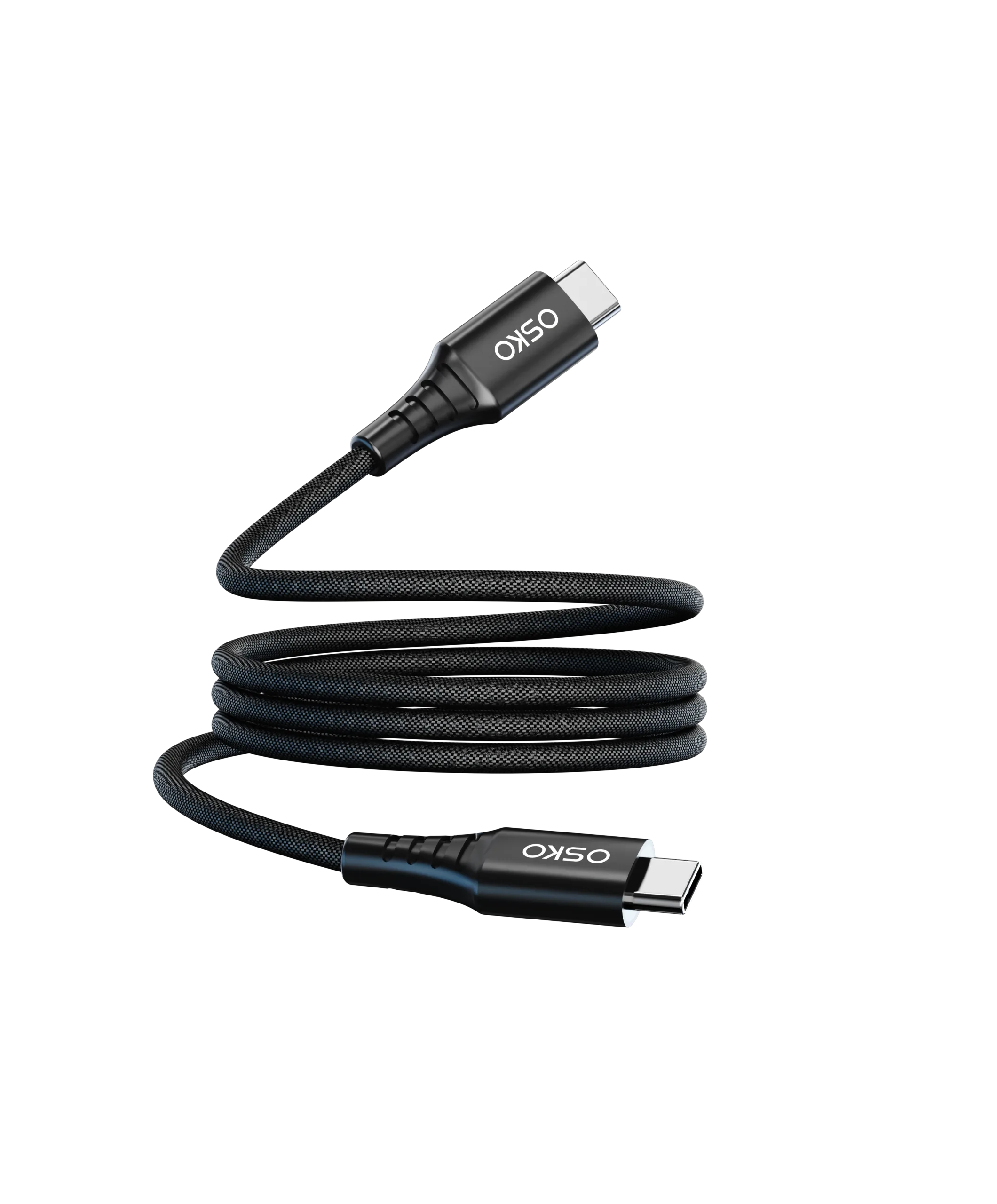
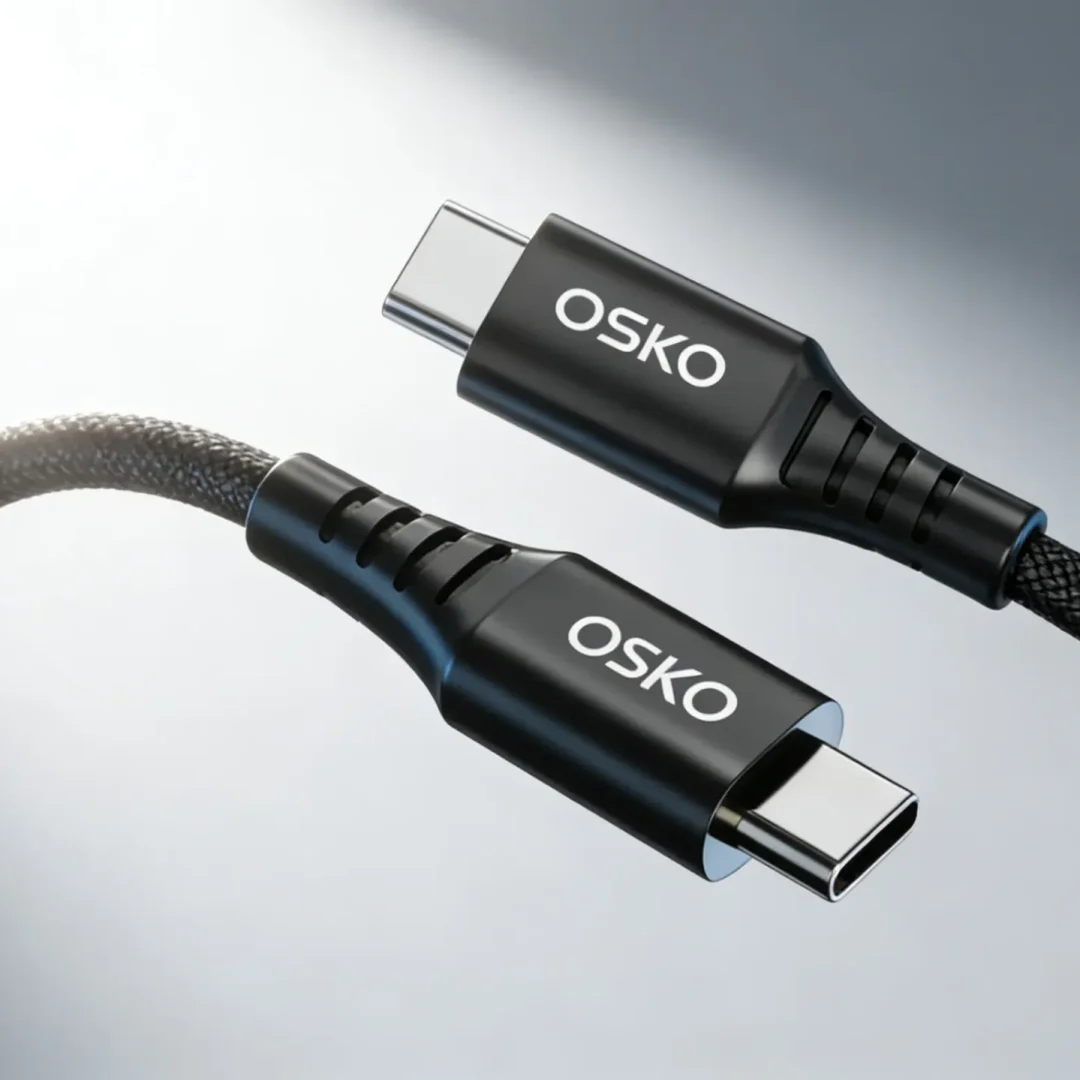
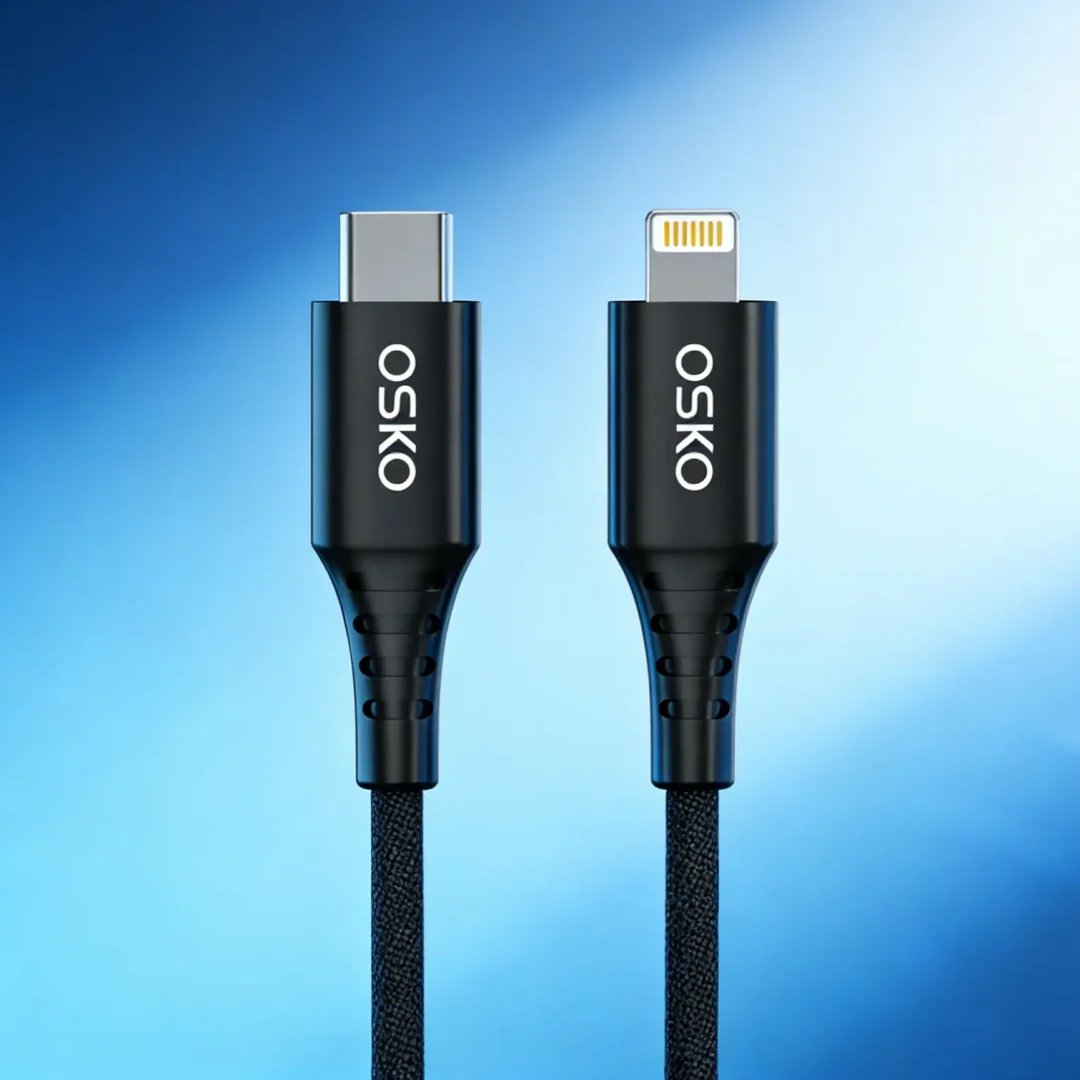
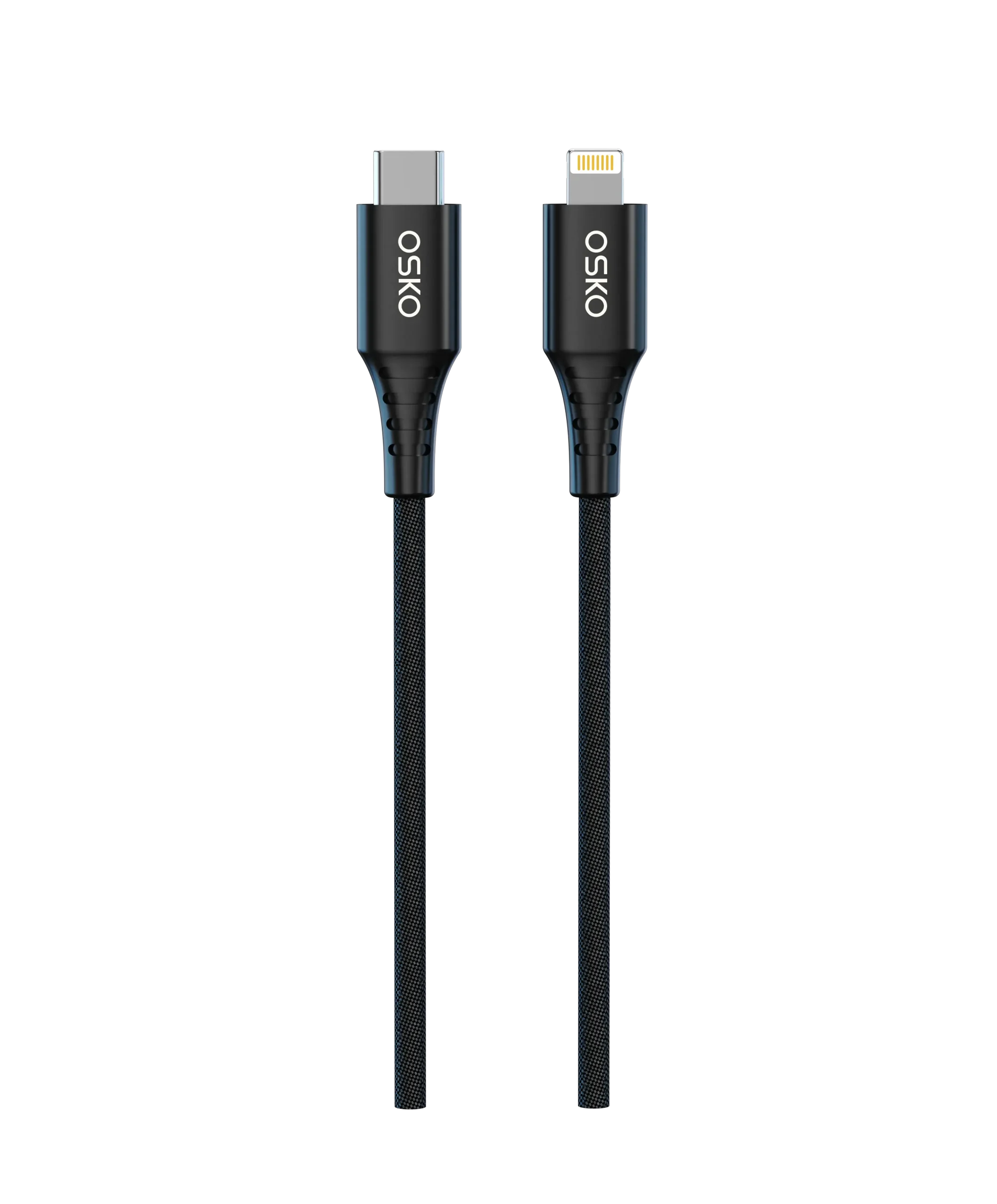
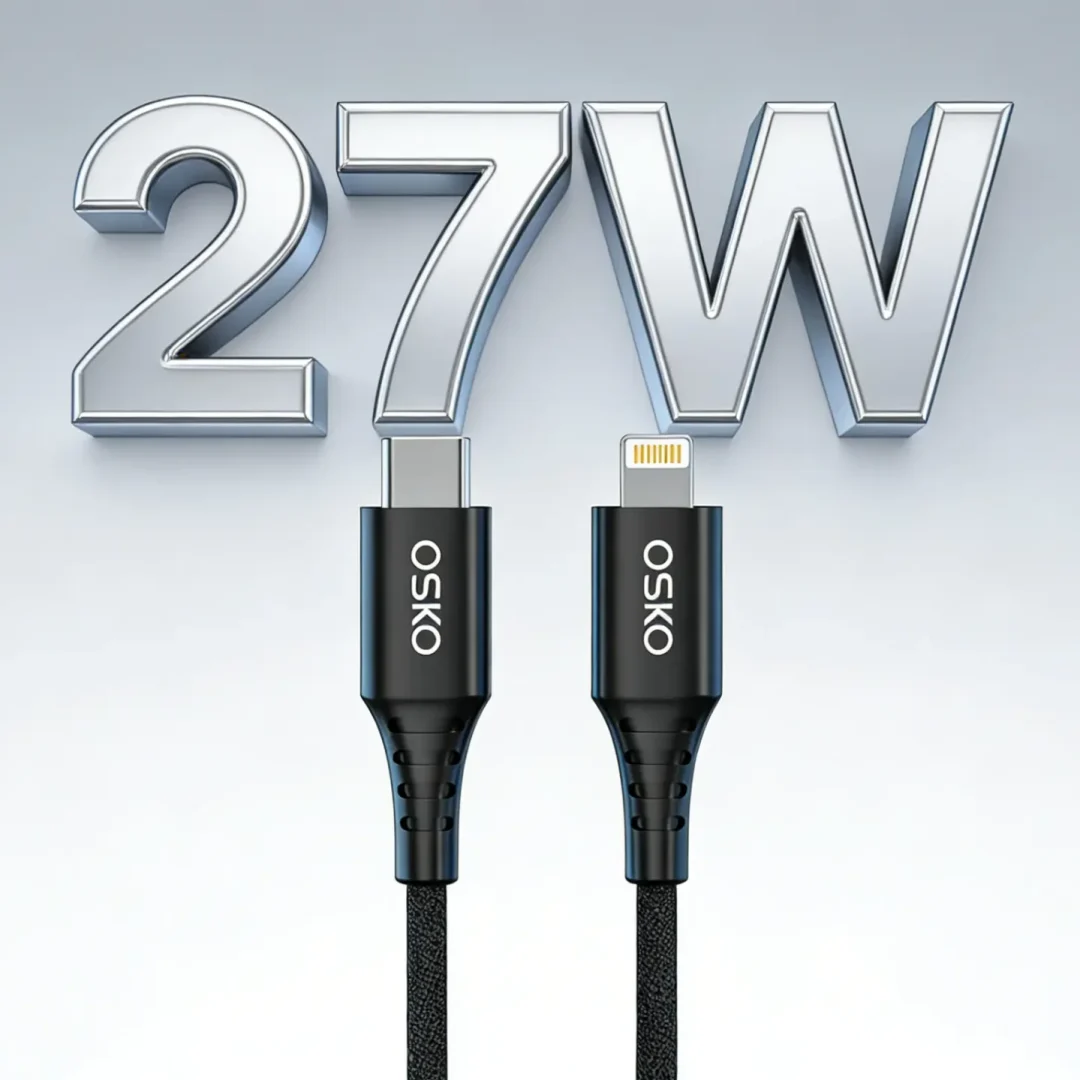
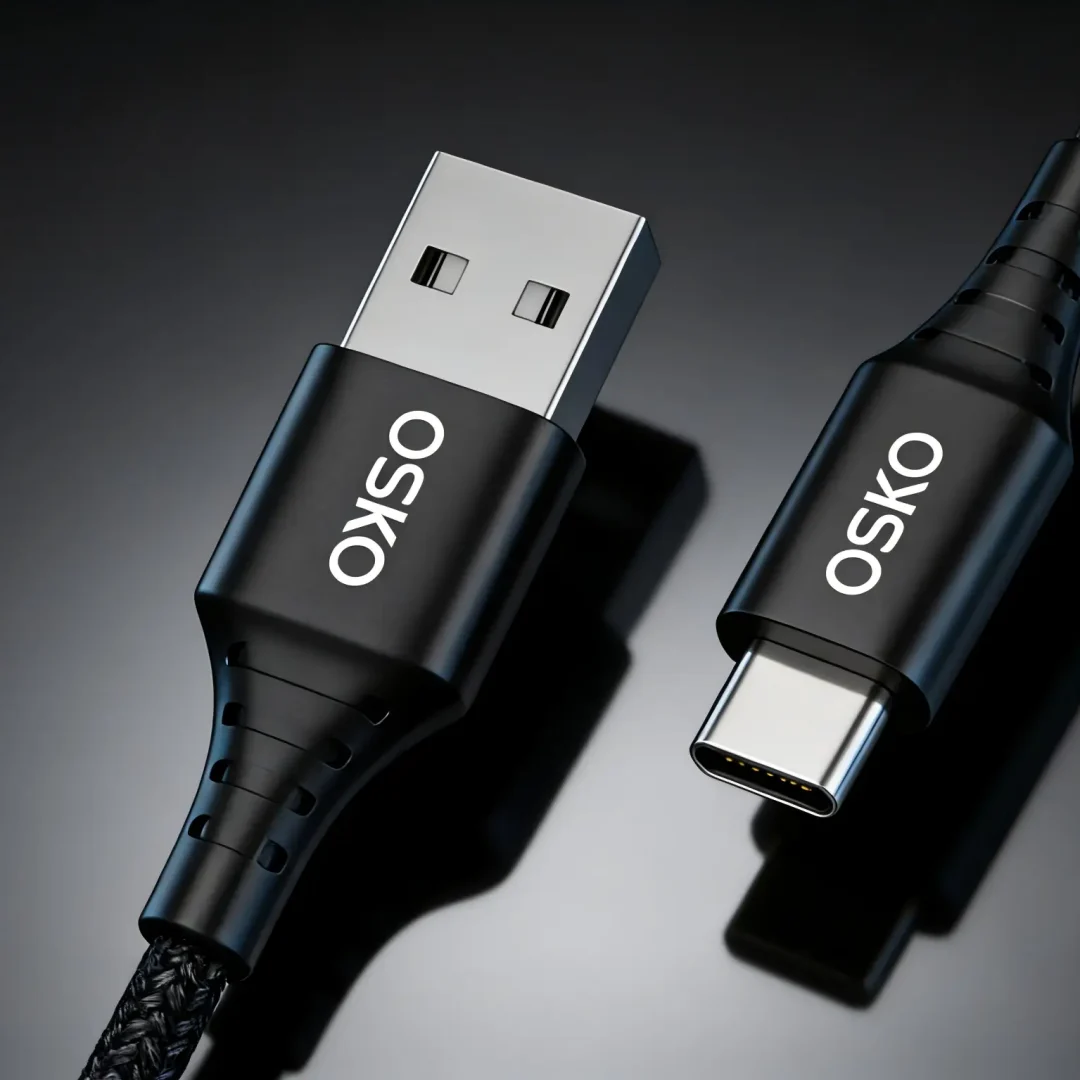
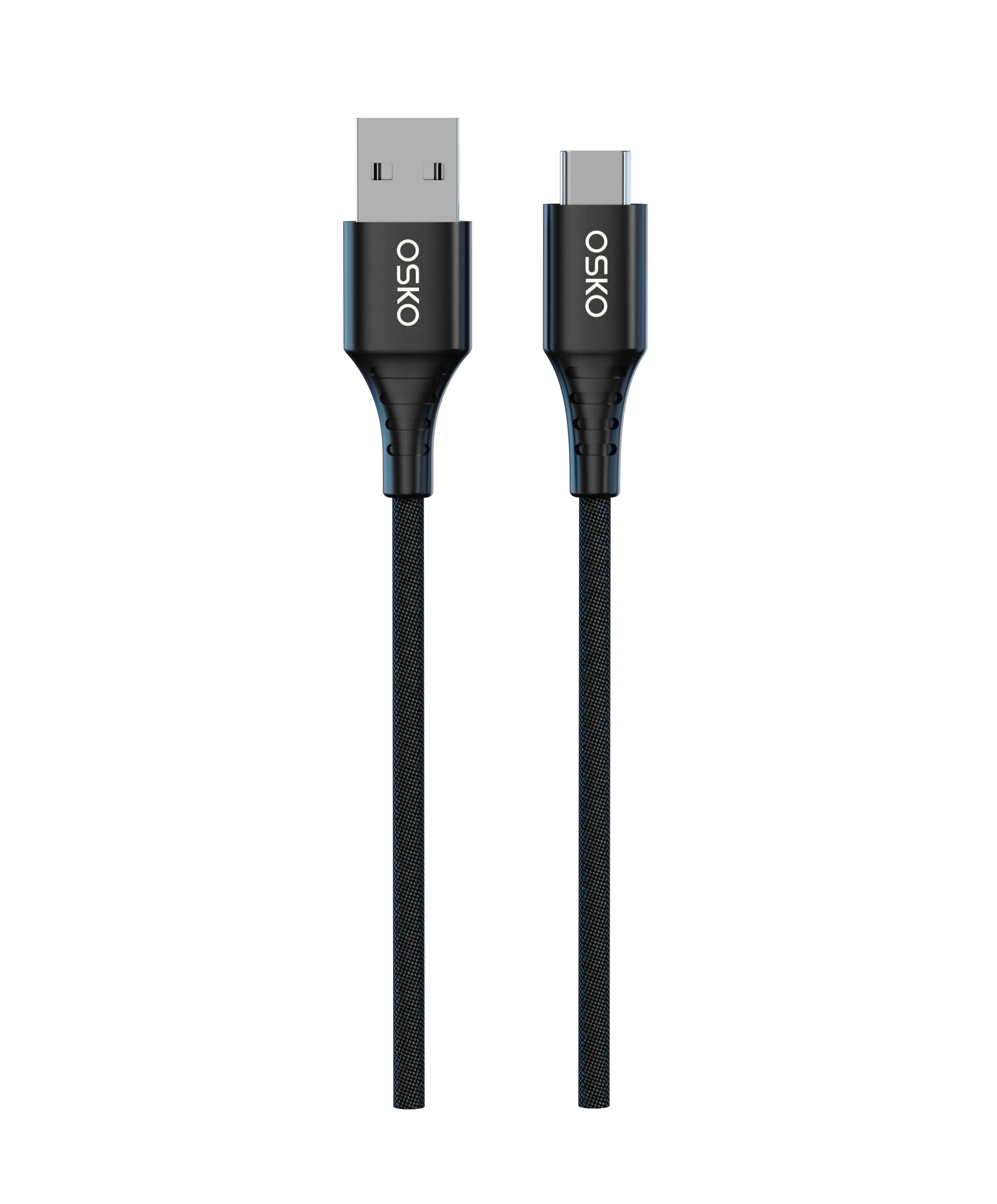
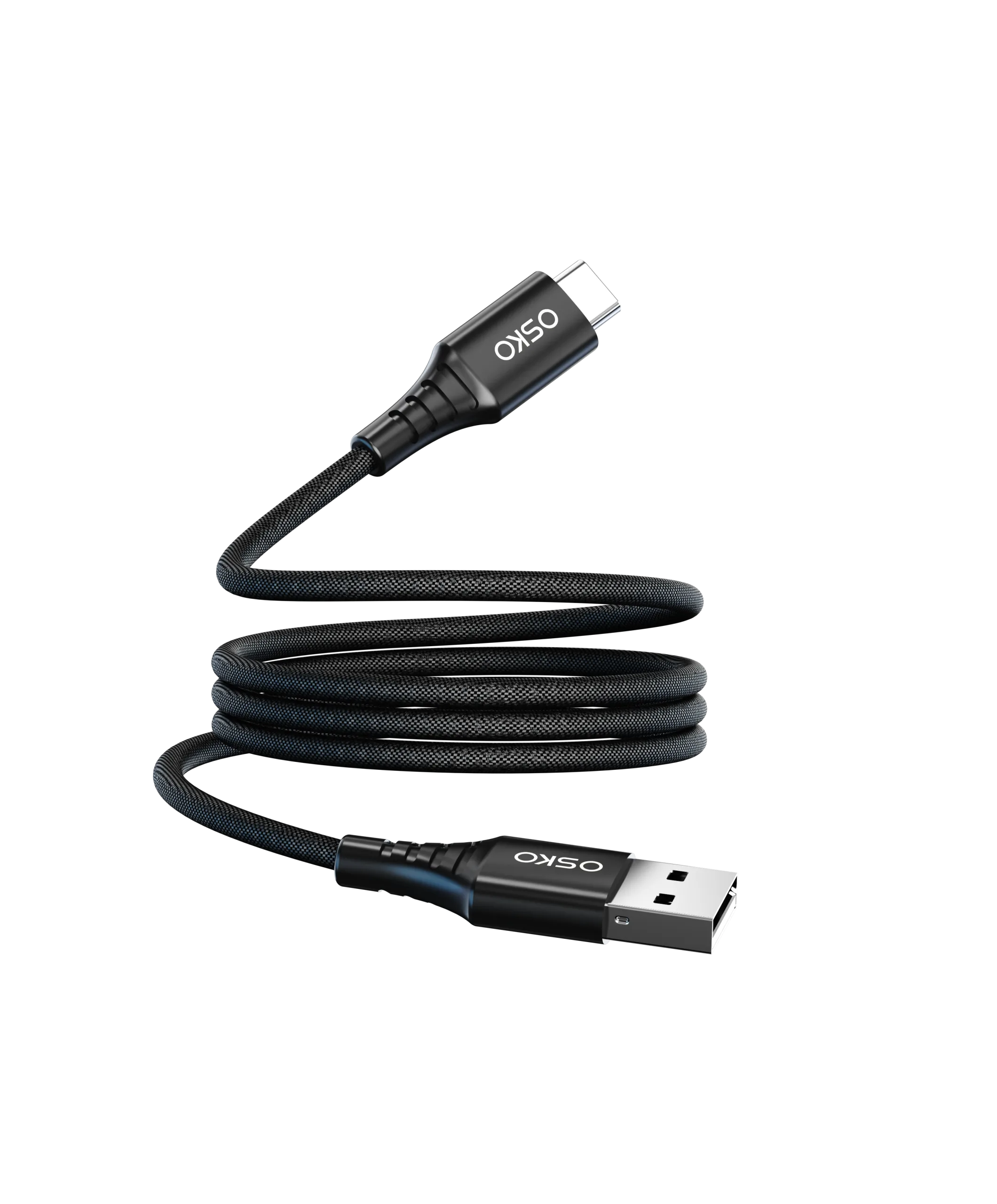
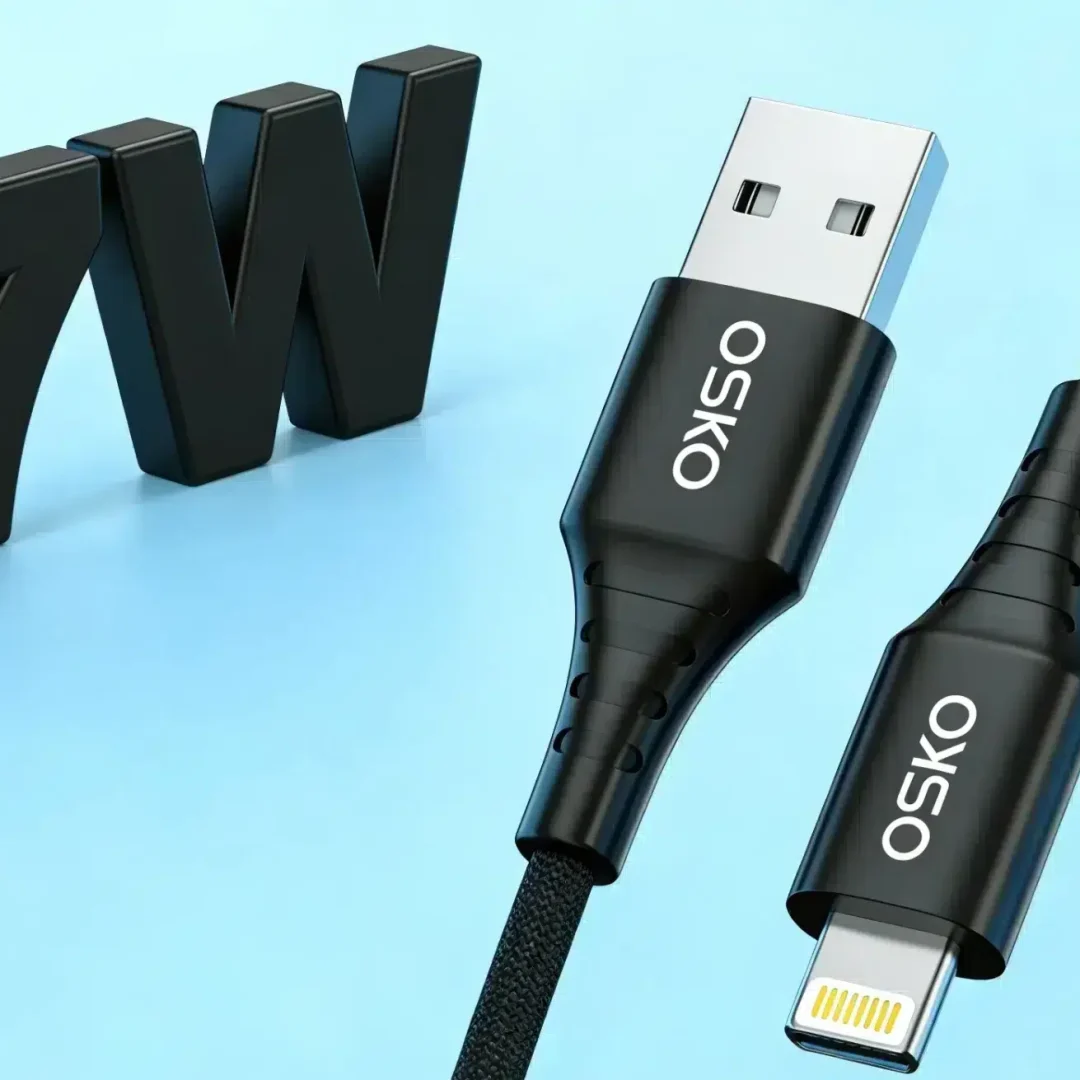
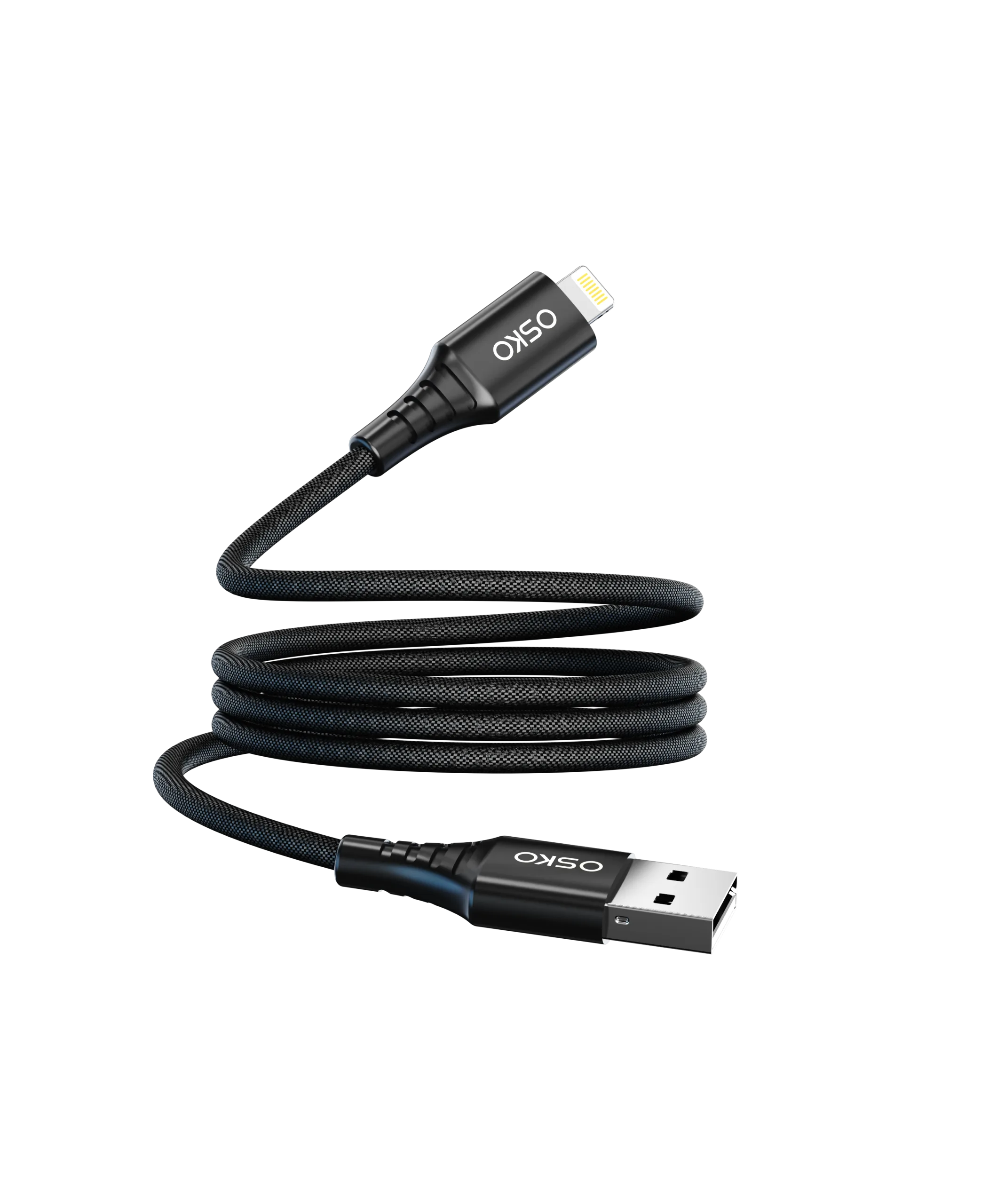
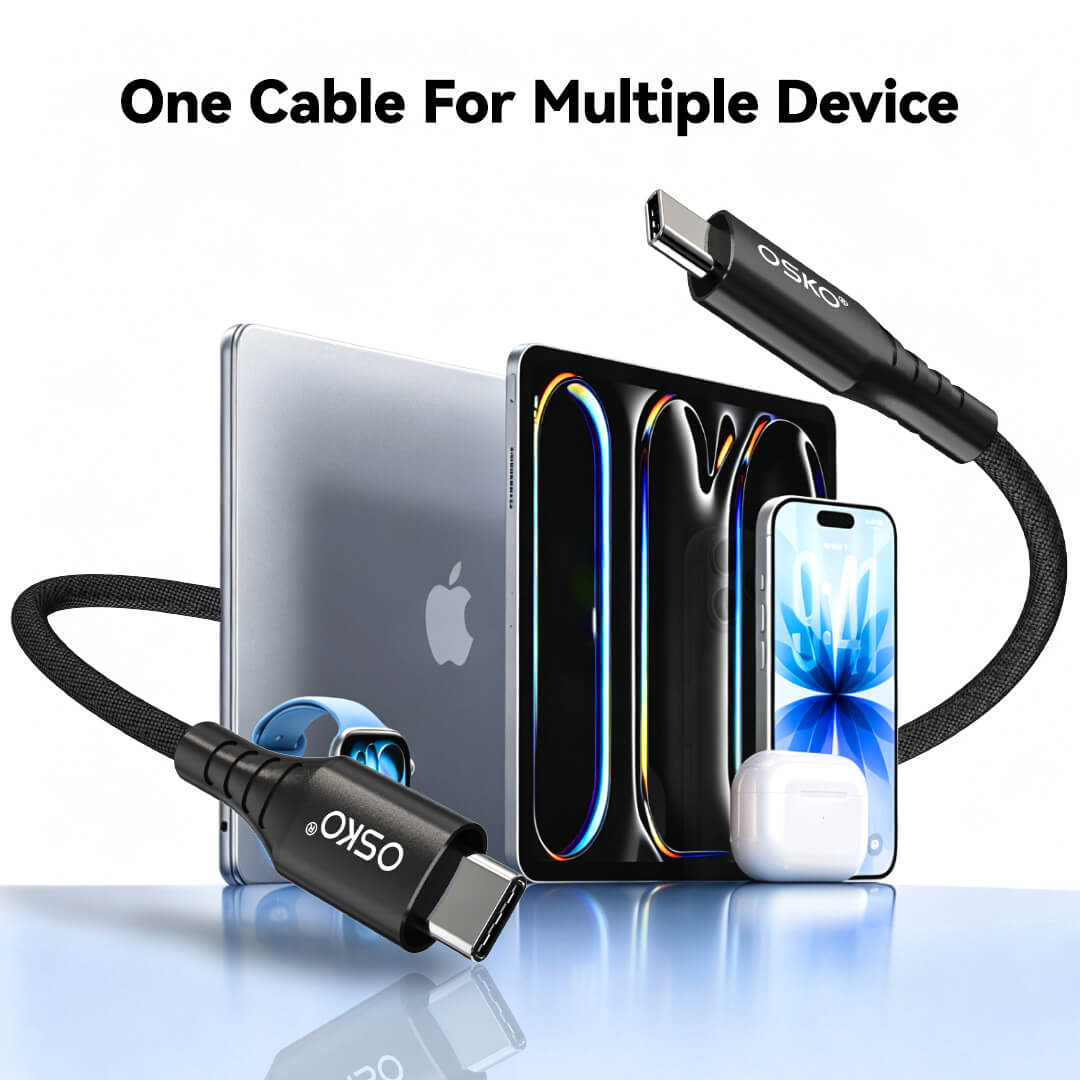
This article explains how tangle free USB cables are designed, including braided structure engineering, material science, shielding layers, and anti-twist geometry. It also covers OEM manufacturing, wholesale sourcing, and durability requirements for North American and European USB cable markets.

news
How to Choose a Durable Braided USB-C Cable for High-Performance Charging and Data Transfer
This guide explains how to select durable braided USB-C cables based on material science, electrical [...]
Continue reading →news
Can a Phone Charger Be Used as a USB Cable?
This article explains whether a phone charger can be used as a USB cable from [...]
Continue reading →news
How USB Connector Pins Affect Charging and Data Speeds: USB-C, USB-A Pinout and Performance Explained
Understand how USB connector pins influence charging speed and data transfer, including USB-C pinout structure, [...]
Continue reading →news
How to Make a USB-C Cable Last Longer
Although USB connector pins are among the smallest components inside a cable, they perform one [...]
Continue reading →news
USB-C Compatibility Guide 2026: Devices, Chargers, Cables and Fast Charging Explained for Global Users
Complete USB-C compatibility guide for 2026 covering smartphones, tablets, laptops, charging standards, cable types, and [...]
Continue reading →