
Introduction
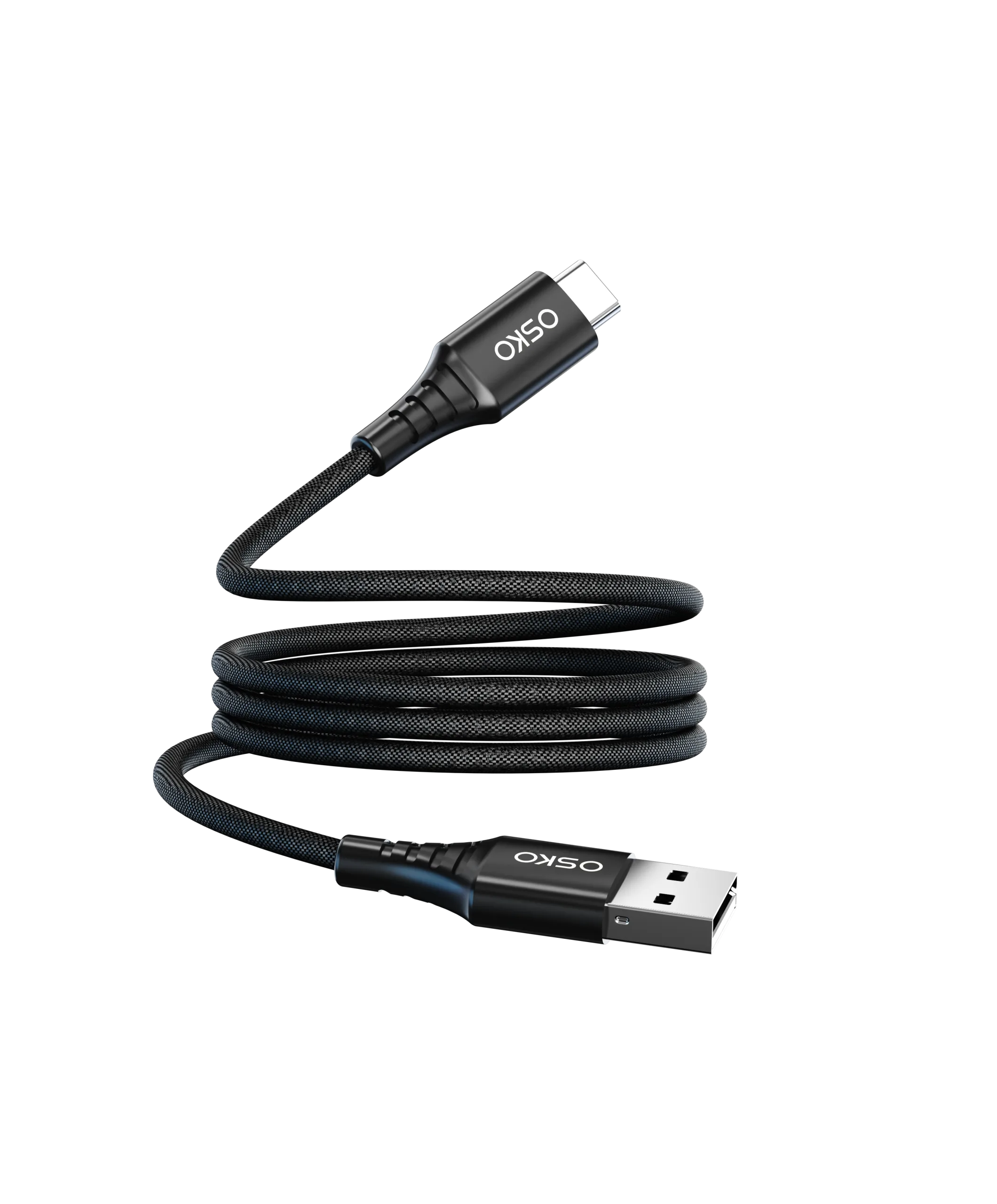
A top rated braided charging cable recommended in 2026 is no longer defined by appearance or brand marketing, but by engineering reliability, fast charging stability, and long-term mechanical durability.
In US and European markets, consumers increasingly prioritize cables that can withstand daily bending, travel stress, and high-power USB-PD fast charging. As a result, braided charging cables have become the dominant structure in premium and mid-range segments.
However, not all braided cables are equal. Differences in internal conductor quality, shielding architecture, strain relief design, and manufacturing consistency determine whether a product can truly be considered top rated braided charging cable recommended.
OSKO evaluates braided cable performance through engineering-grade testing rather than cosmetic design.
Material Science & Dielectric Properties
The performance of a braided cable depends on both internal and external material systems.
Conductor Structure and Charging Efficiency
High-quality braided cables use:
Oxygen-free copper (OFC) conductors for low resistance
Multi-strand fine wire design for flexibility
Tinned copper for oxidation resistance
These structures ensure stable current flow in fast charging environments, especially for USB-C PD systems.
A poorly designed conductor system leads to voltage drop, overheating, and reduced charging speed.
Dielectric Insulation and Thermal Control
Dielectric materials affect safety and stability:
TPE insulation for flexibility and heat resistance
High-grade PE for signal stability
PVC insulation for low-cost entry-level products
In premium top rated braided charging cable recommended products, TPE is widely used due to its balance of durability and performance.
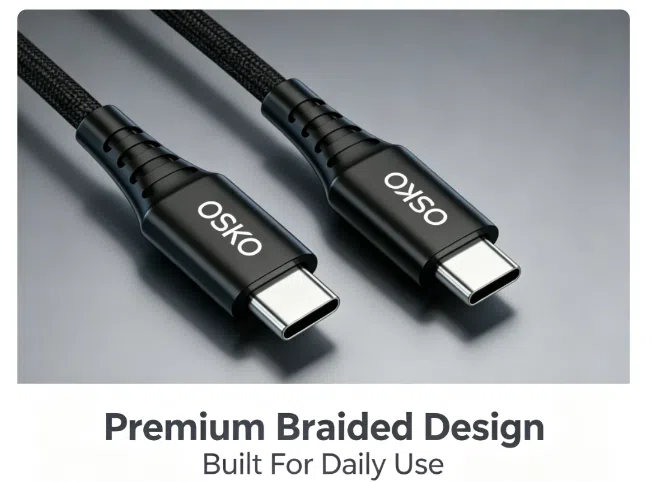
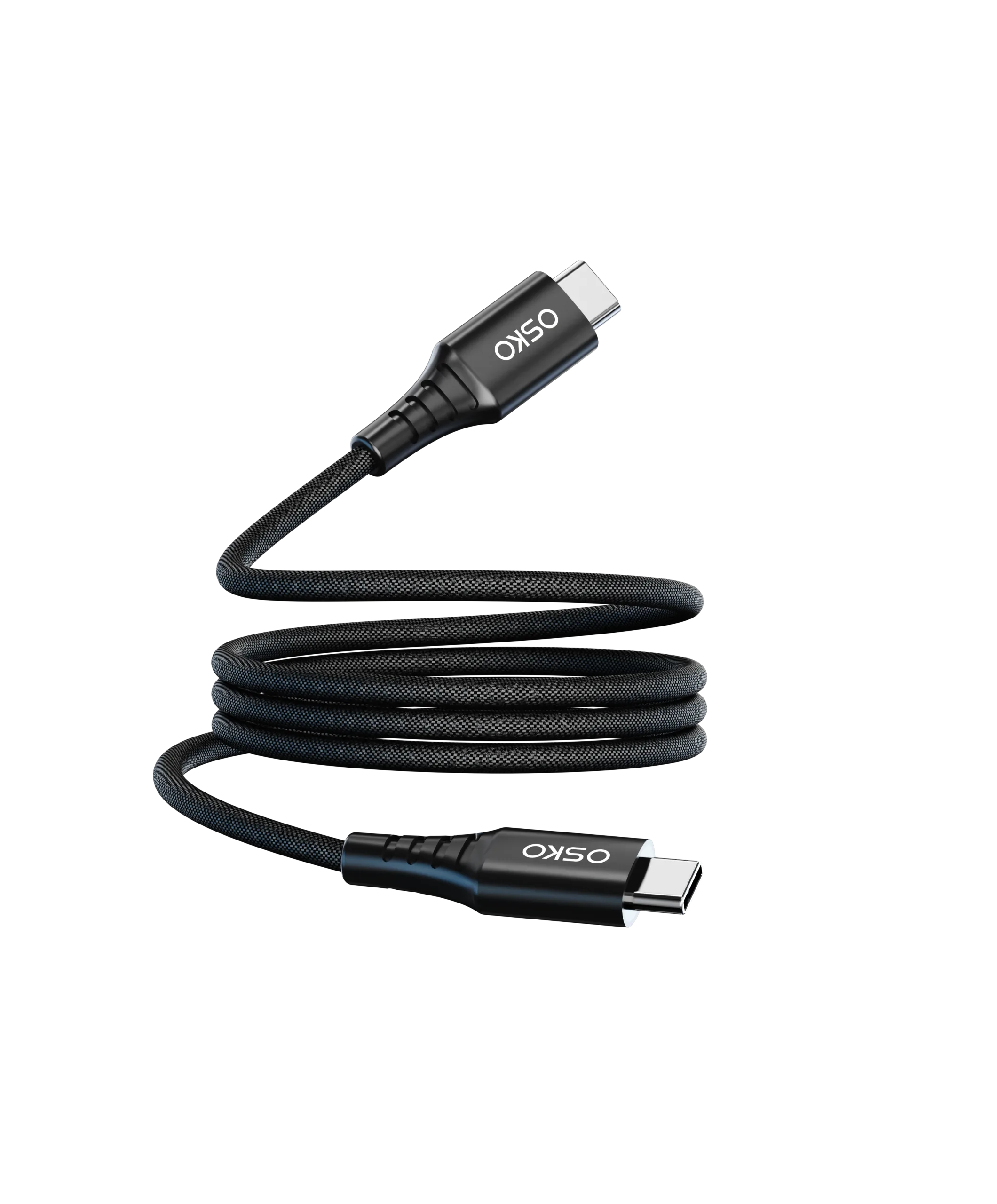
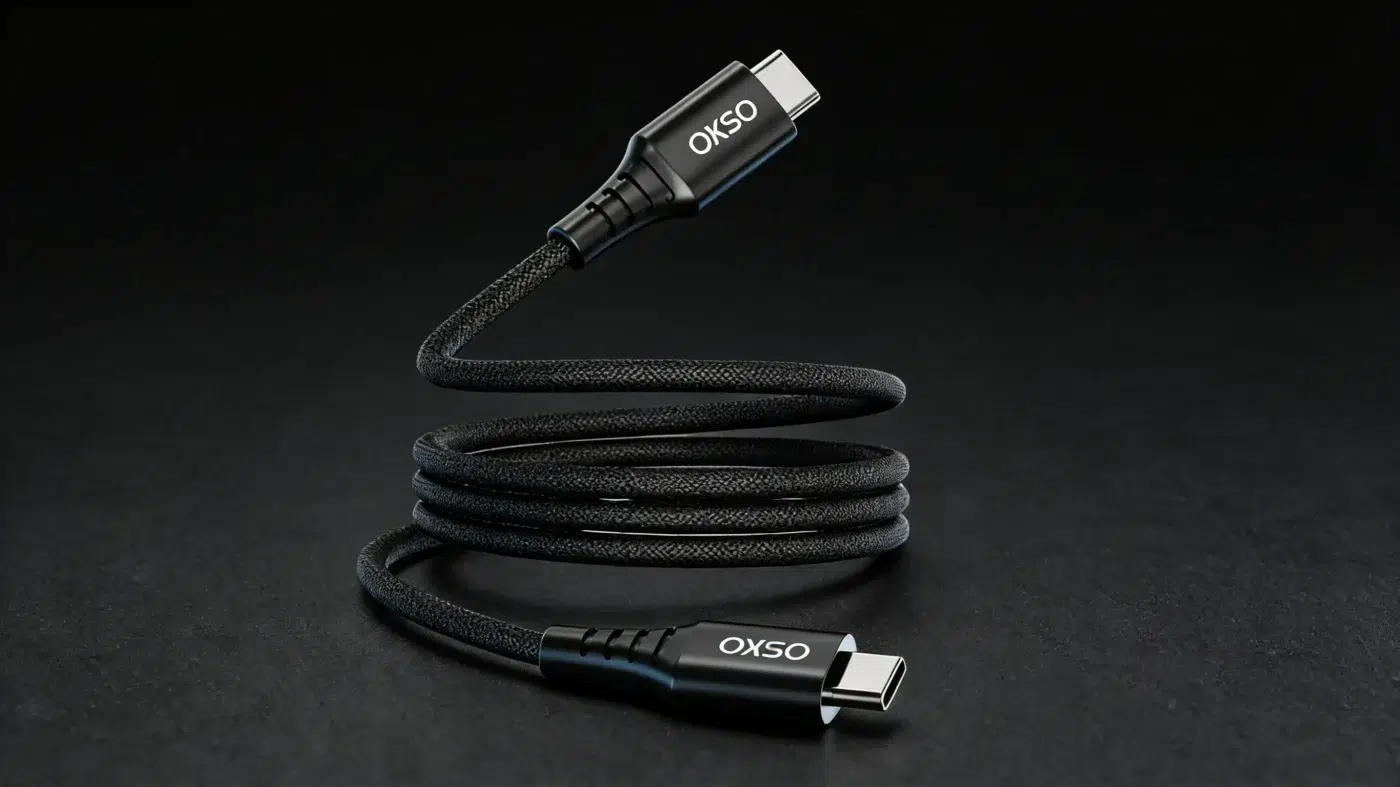
Nylon Braided Outer Structure
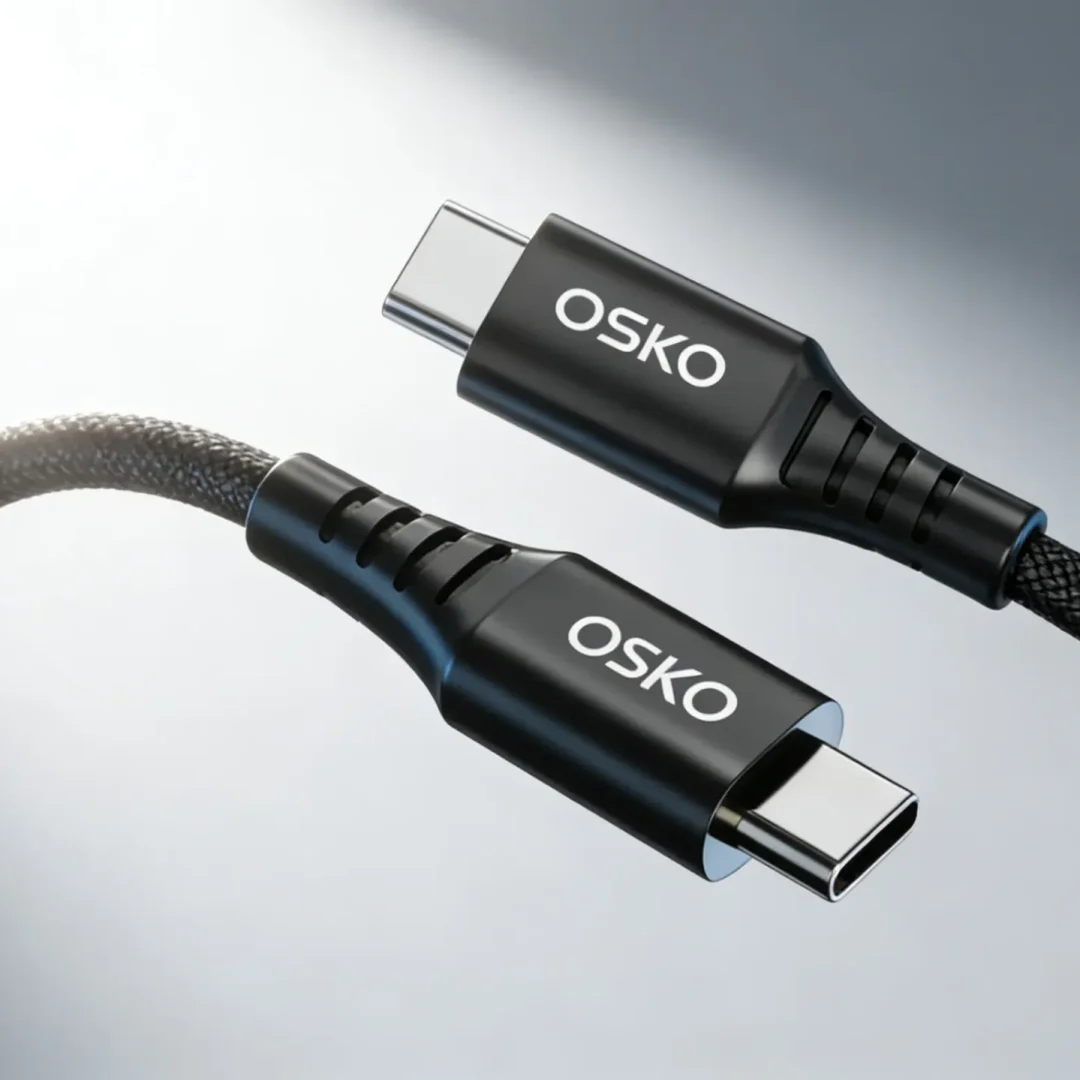
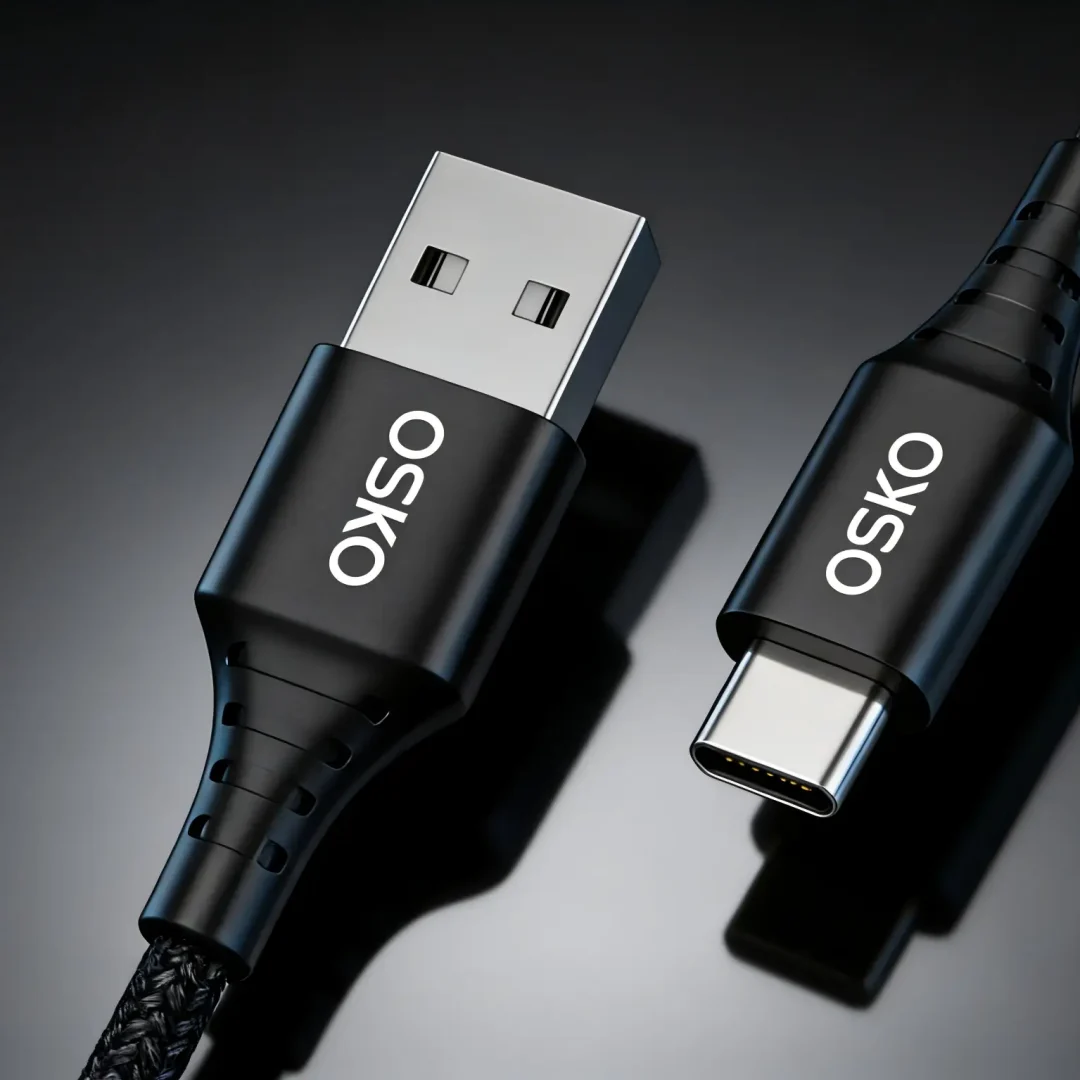
The braided layer is the defining feature of these cables.
Advantages include:
High abrasion resistance
Improved tensile strength
Reduced tangling and cable memory effect
Better stress distribution during bending
This structure is critical in extending cable lifespan in real-world usage.
Shielding and Signal Stability
Even braided cables require internal shielding:
Aluminum foil shielding for EMI reduction
Braided copper shielding for interference protection
Ground stabilization layers for signal integrity
Without proper shielding, fast charging and data transmission may become unstable.
Case Study
US Retail Brand Braided Cable Performance Upgrade Project
Customer Background
A US Amazon seller specializing in mobile accessories faced rising return rates due to inconsistent performance in its braided USB-C cable product line.
Although the outer design was premium, internal failures led to poor reviews and declining rankings.
The goal was to rebuild a top rated braided charging cable recommended product line with improved engineering reliability.
Engineering Problems Identified
Initial product issues included:
Weak strain relief causing connector breakage
Inconsistent fast charging activation
Internal conductor fatigue after repeated bending
Poor shielding causing intermittent charging
Variation between production batches

OSKO Engineering Solution
OSKO implemented a full structural redesign:
Oxygen-free copper multi-strand conductor system
Reinforced strain relief with extended connector housing
TPE dielectric insulation for stable thermal behavior
Nylon braided outer jacket optimized for tensile strength
Standardized resistance control (<50mΩ target)
Manufacturing compliance included:
ISO9001 certified braided USB cable factory process control
USB-IF compliant Type C cable manufacturer engineering standards
FCC approved nylon braided USB C cable supplier validation
CE RoHS certified 240W USB C cable scalable architecture
Result
After optimization:
Product return rate reduced by 52%
Customer rating increased from 4.1 to 4.8
Cable lifespan improved to 15,000+ bend cycles
Charging stability significantly improved
Listing conversion rate increased in Amazon US marketplace
This confirms that engineering design defines whether a product qualifies as top rated braided charging cable recommended.
Selection Guide
Key Factors for Choosing Braided Charging Cables
A high-quality braided cable must meet the following criteria:
Stable USB-PD fast charging performance
High bend cycle durability (10,000–20,000 cycles)
Low resistance conductor design
Reinforced strain relief structure
Certified manufacturing compliance
Material Comparison Table
| Material Type | Durability | Charging Stability | Market Position |
|---|---|---|---|
| PVC cable | Low | Medium | Budget segment |
| TPE cable | Medium–High | High | Mid-range segment |
| Nylon braided cable | Very High | Very High | Premium segment |
Nylon braided cables dominate the top rated braided charging cable recommended category due to durability and premium user perception.
OEM Procurement Considerations
For US and EU buyers, selection should focus on:
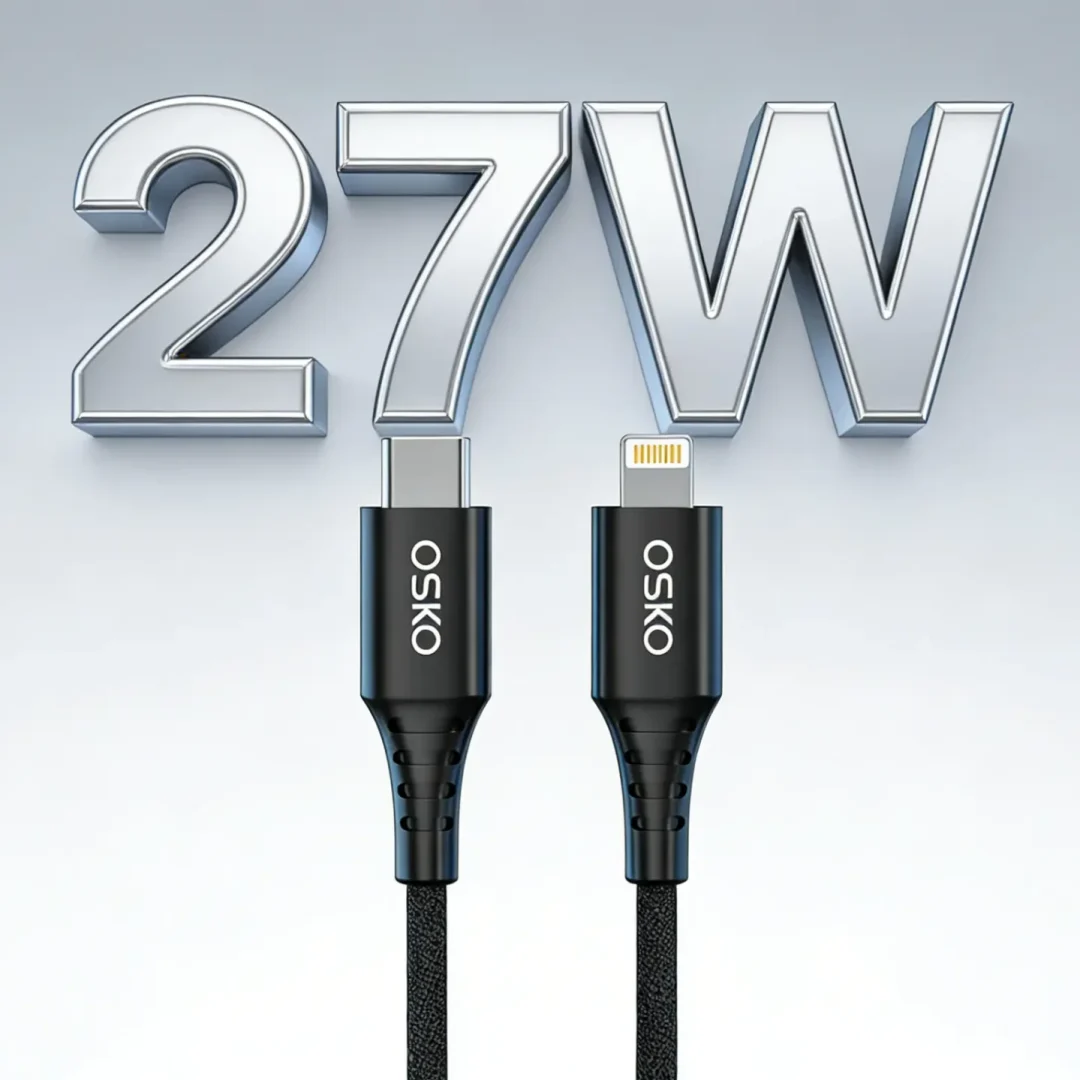
USB-PD certification compatibility (60W–240W)
Mechanical durability testing reports
Shielding and resistance specifications
Retail packaging optimization for Amazon/Walmart
Compliance standards (CE, FCC, RoHS, Prop 65)
Common sourcing options include:
Wholesale 60w braided usb c cable
Bulk custom 6ft 10ft USB-C cables
OEM ODM custom length USB C cables
Custom packaging braided charging cable factory
White label 240W fast charging cable wholesale
Application Scenarios
Top-rated braided cables are widely used in:
OEM USB cables for branded electronics ecosystems
ODM USB cables for customized product development
Wholesale USB cables for distribution networks
Desktop charging cables for workstation setups
In-car charging cables for automotive environments
Travel USB cables for portable charging kits
Home USB cables for multi-device households
FAQ
Why are braided charging cables considered better?
Because they offer higher durability, better abrasion resistance, and improved strain distribution.
Do braided cables charge faster?
Not directly. Charging speed depends on conductor and USB-PD design, not outer material alone.
How long do braided cables last?
High-quality braided cables can last 10,000–20,000 bend cycles.
Are all braided cables high quality?
No. Internal engineering quality varies significantly between manufacturers.
What is the best braided cable for 2026?
One that combines USB-PD support, low-resistance conductors, and reinforced strain relief.
Summary
A top rated braided charging cable recommended is defined by internal engineering quality rather than external appearance.
While nylon braided structures provide superior durability and premium positioning, true performance depends on conductor design, dielectric insulation, shielding architecture, and manufacturing consistency.
OSKO’s OEM engineering system ensures braided cables meet US and European expectations for durability, fast charging stability, and long-term reliability through controlled production standards.
In 2026, the difference between average and top-rated cables is determined by engineering precision, not marketing claims.
Contact Information
OSKO provides OEM/ODM braided cable solutions including:
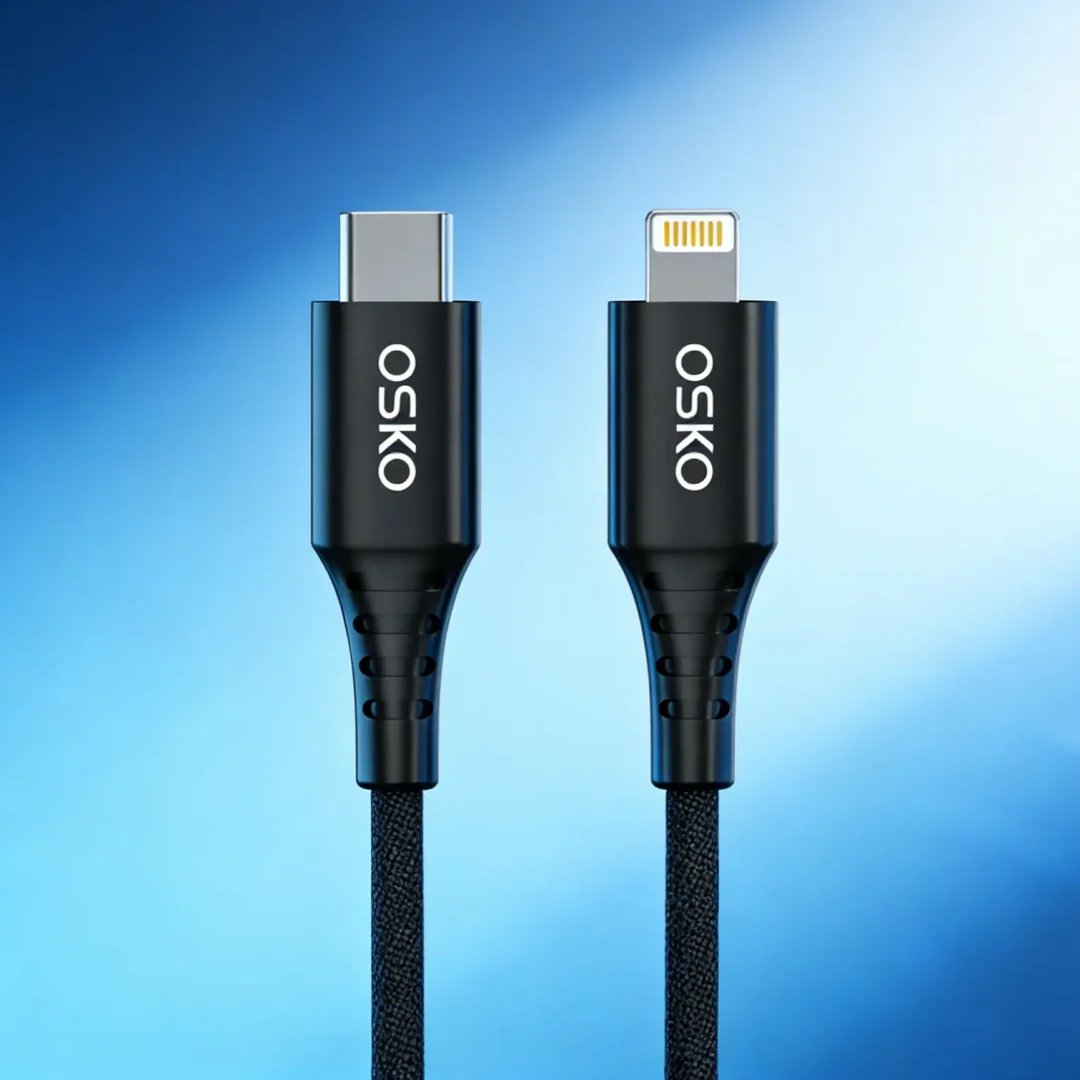
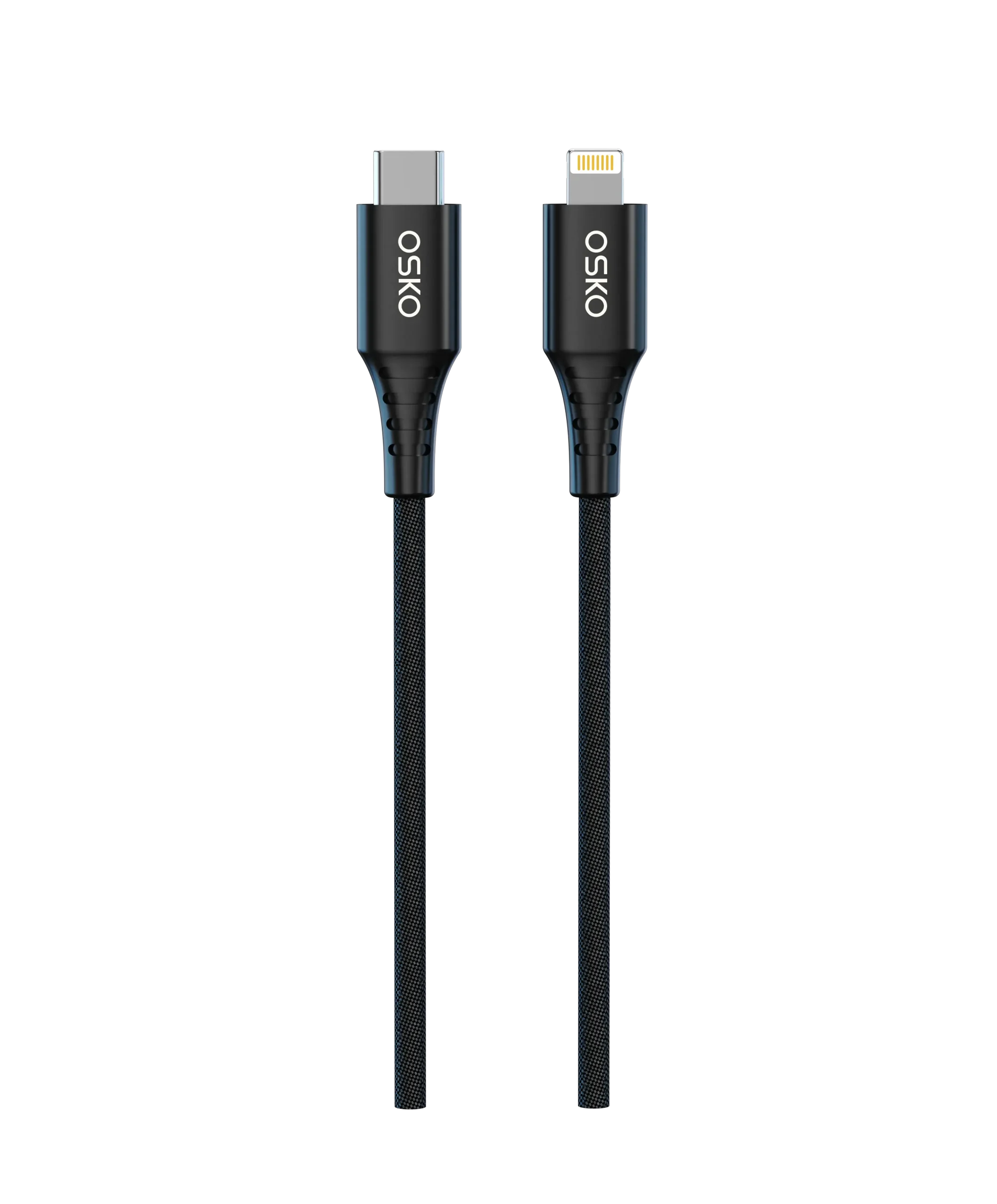
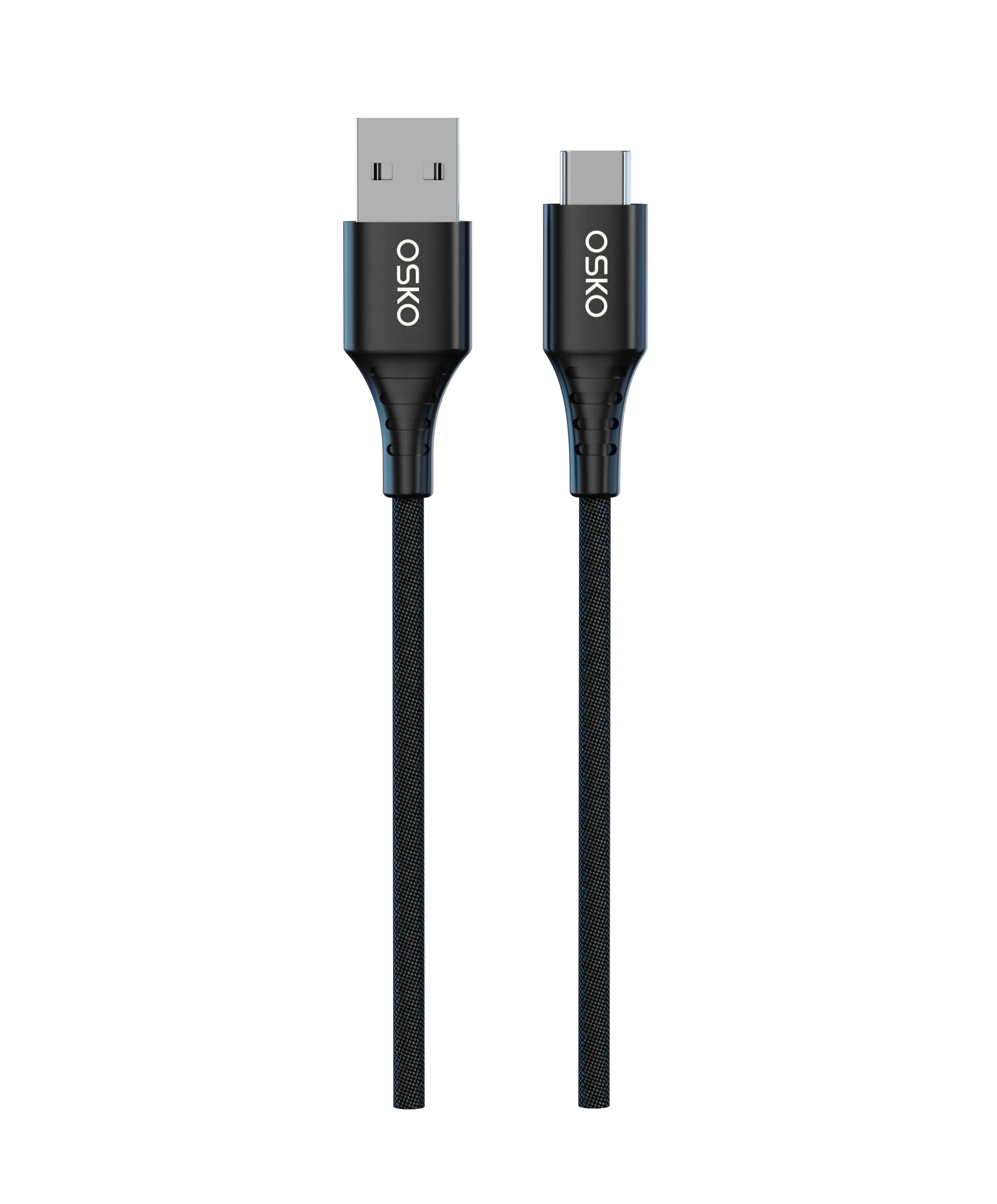
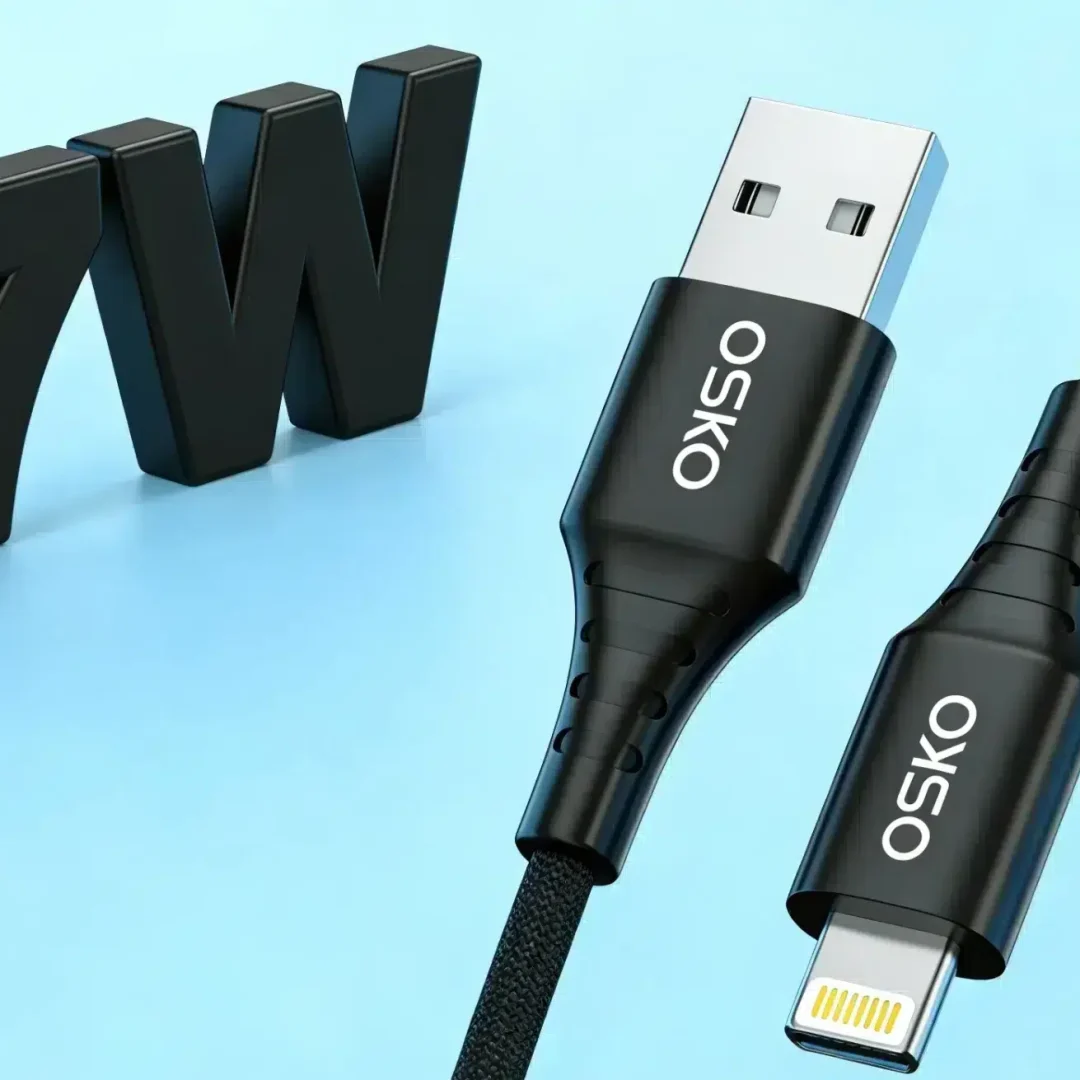
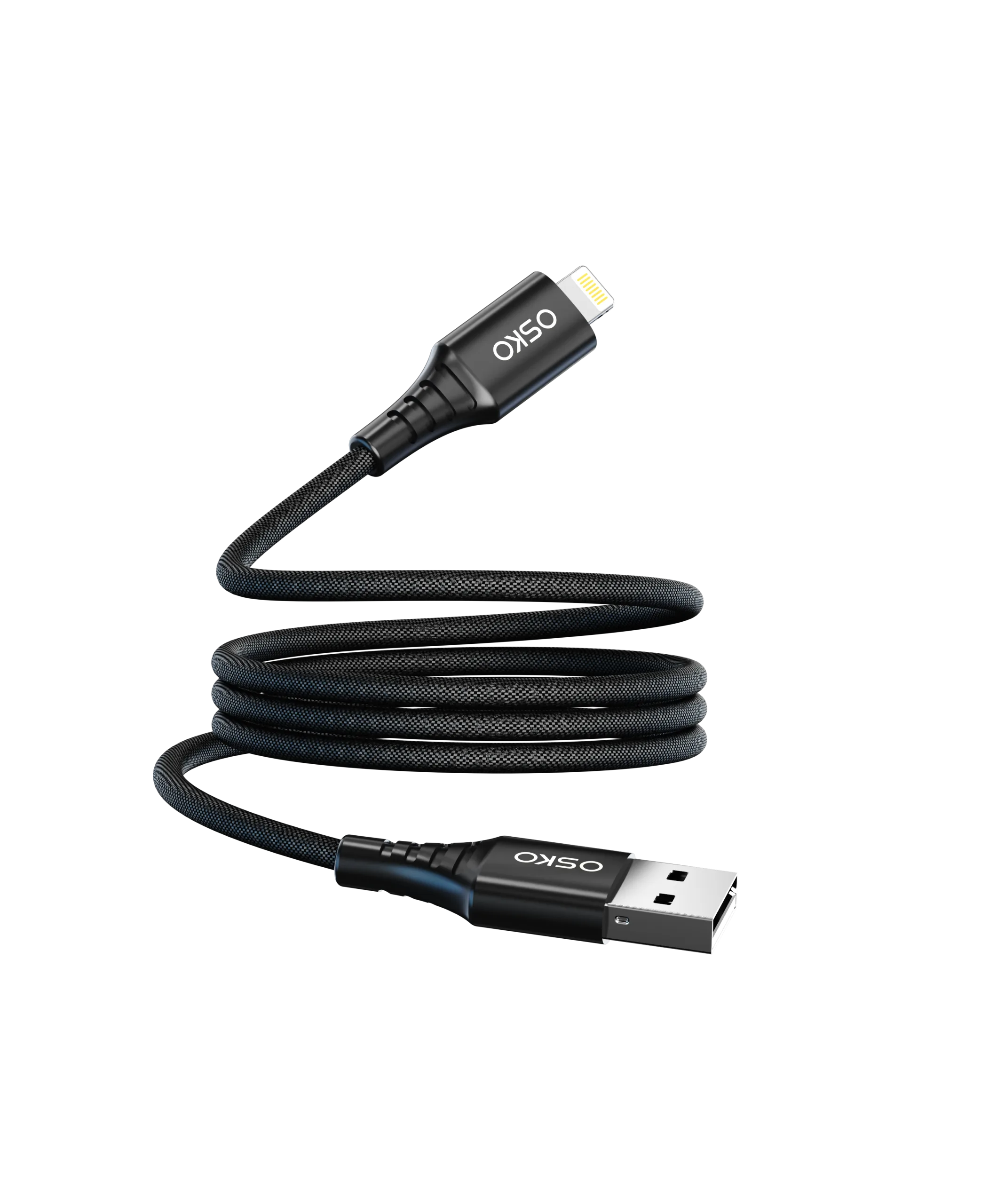
Nylon braided USB-C fast charging cables
High-durability Lightning cables
Amazon-ready retail packaging solutions
Custom branding and private label manufacturing
Engineering-grade durability optimization