
Introduction
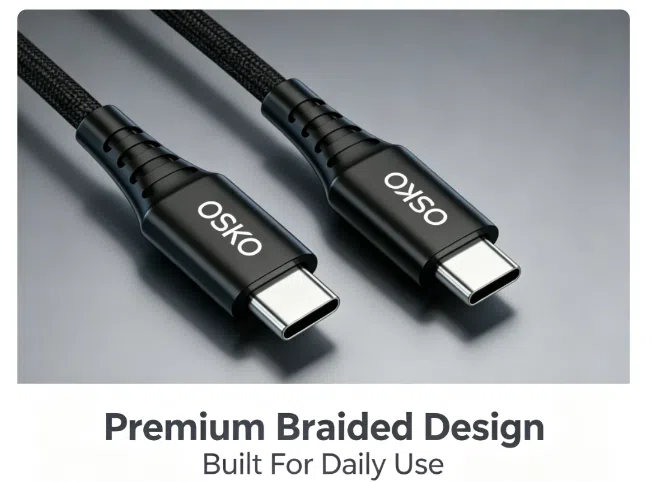
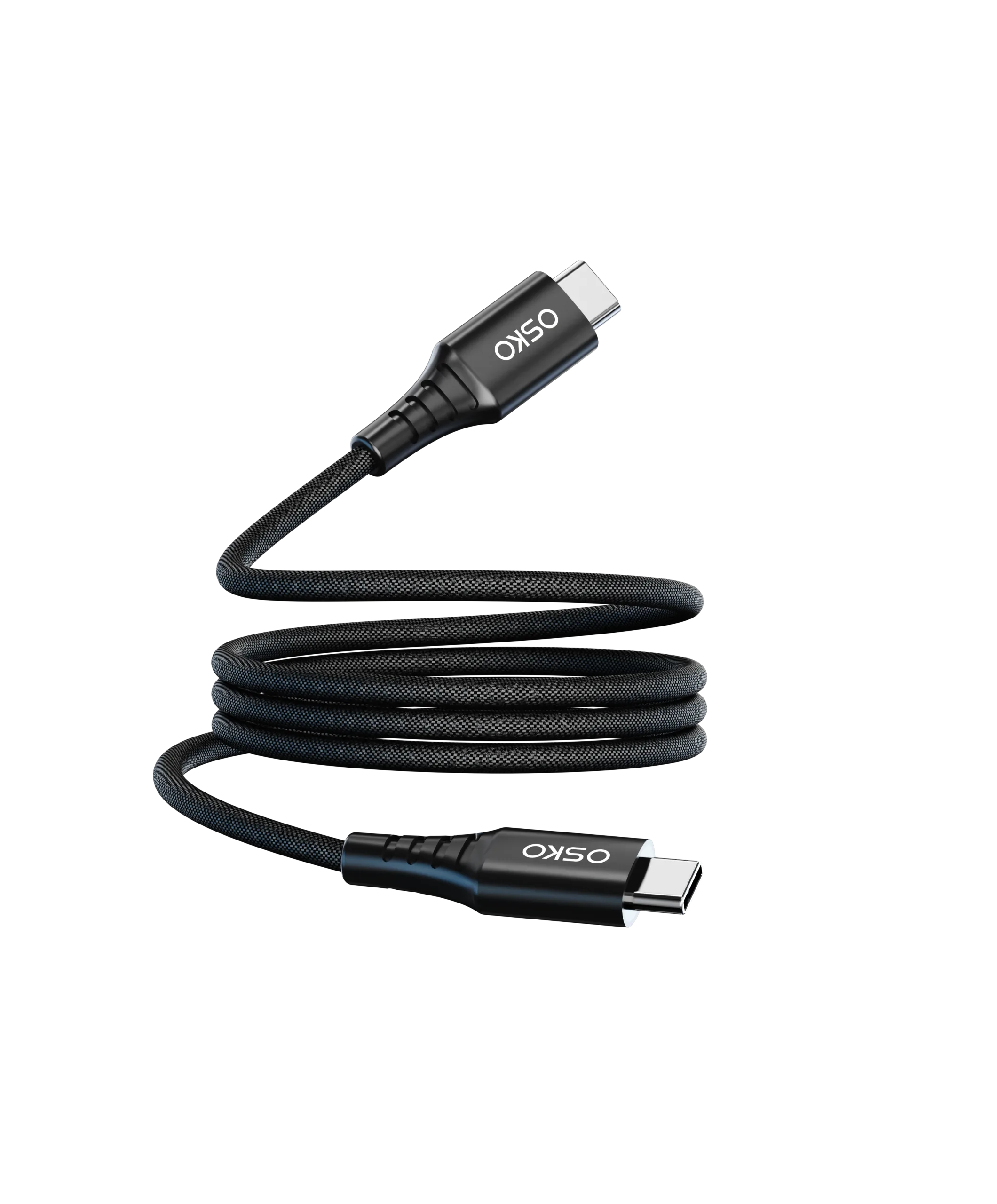
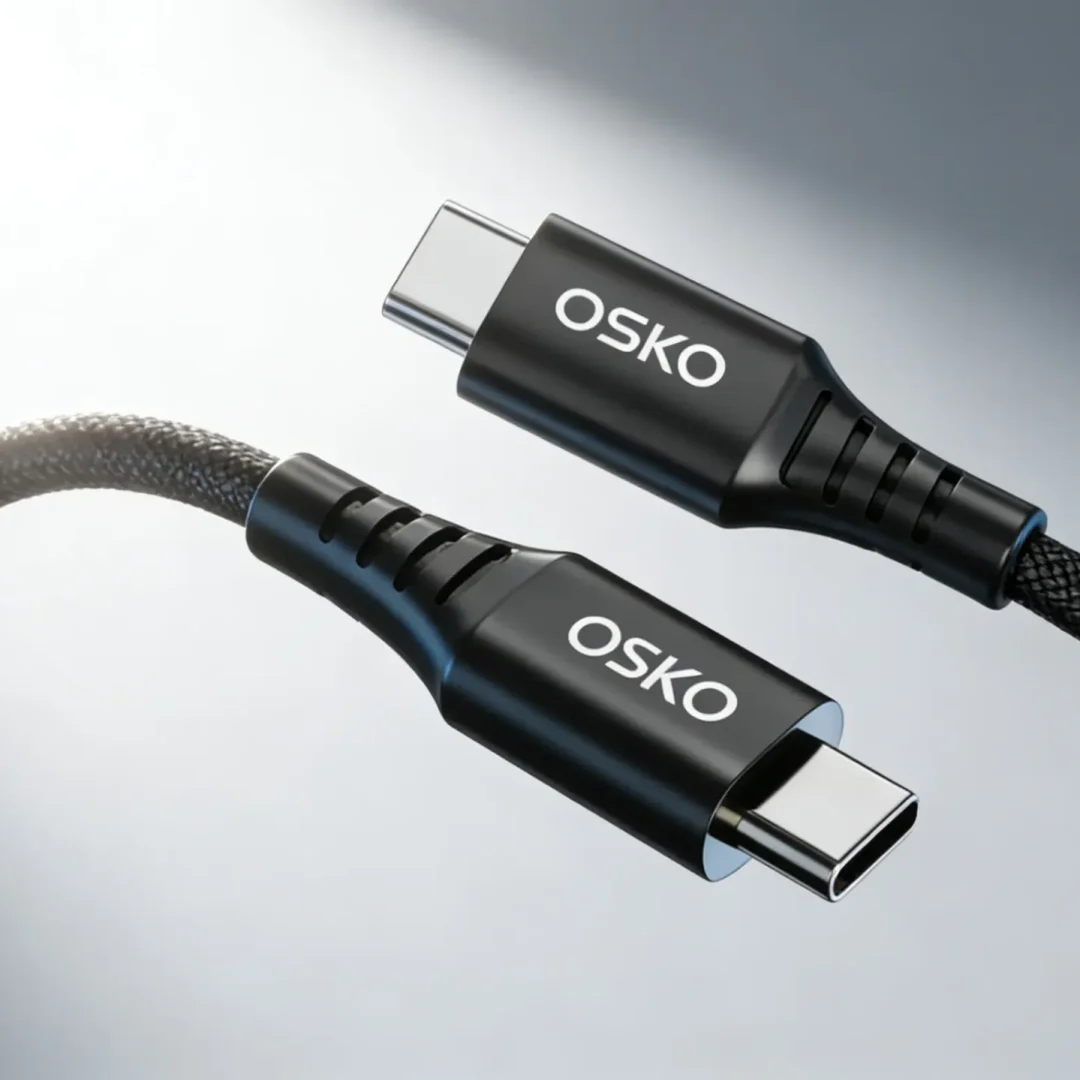
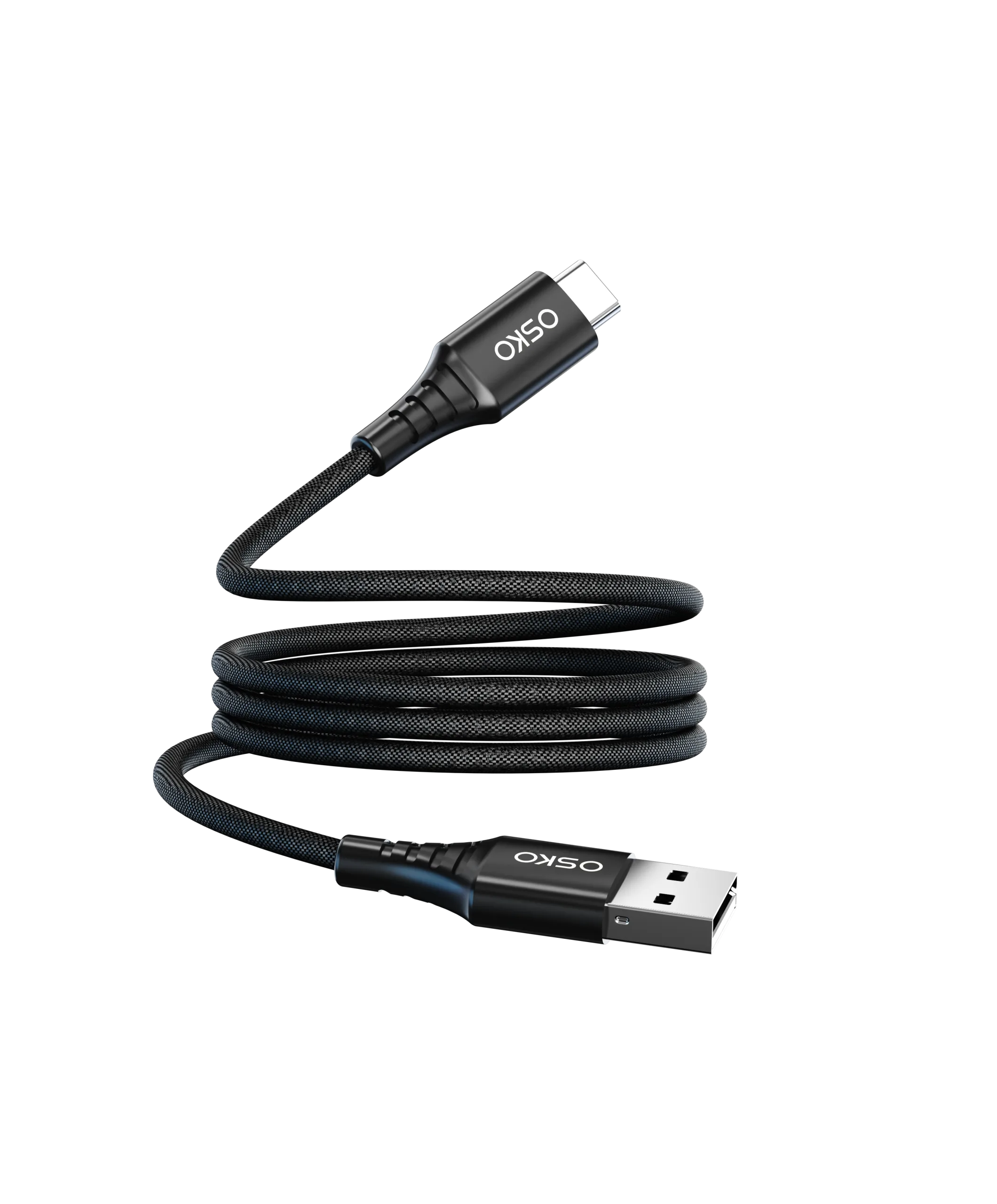
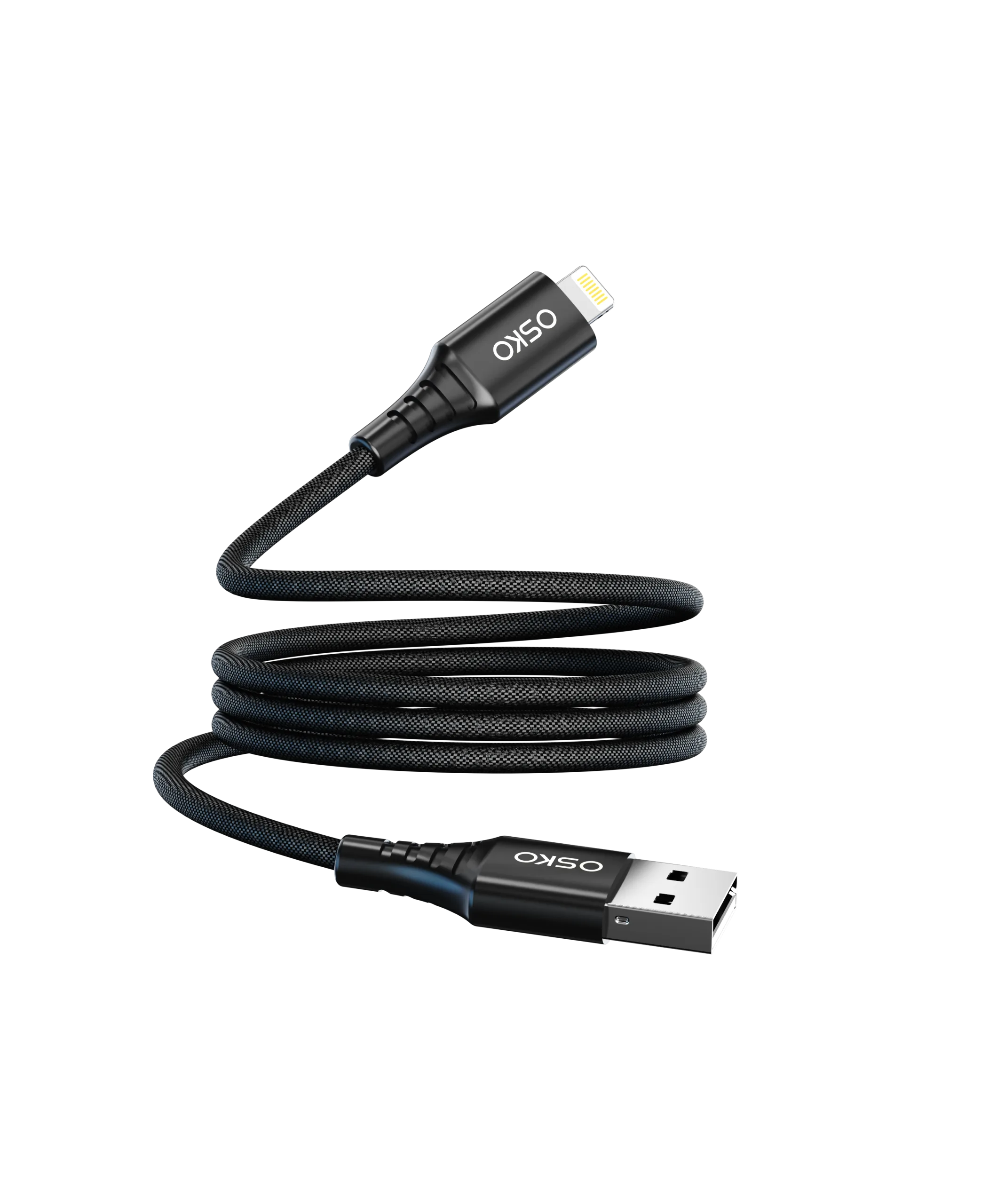
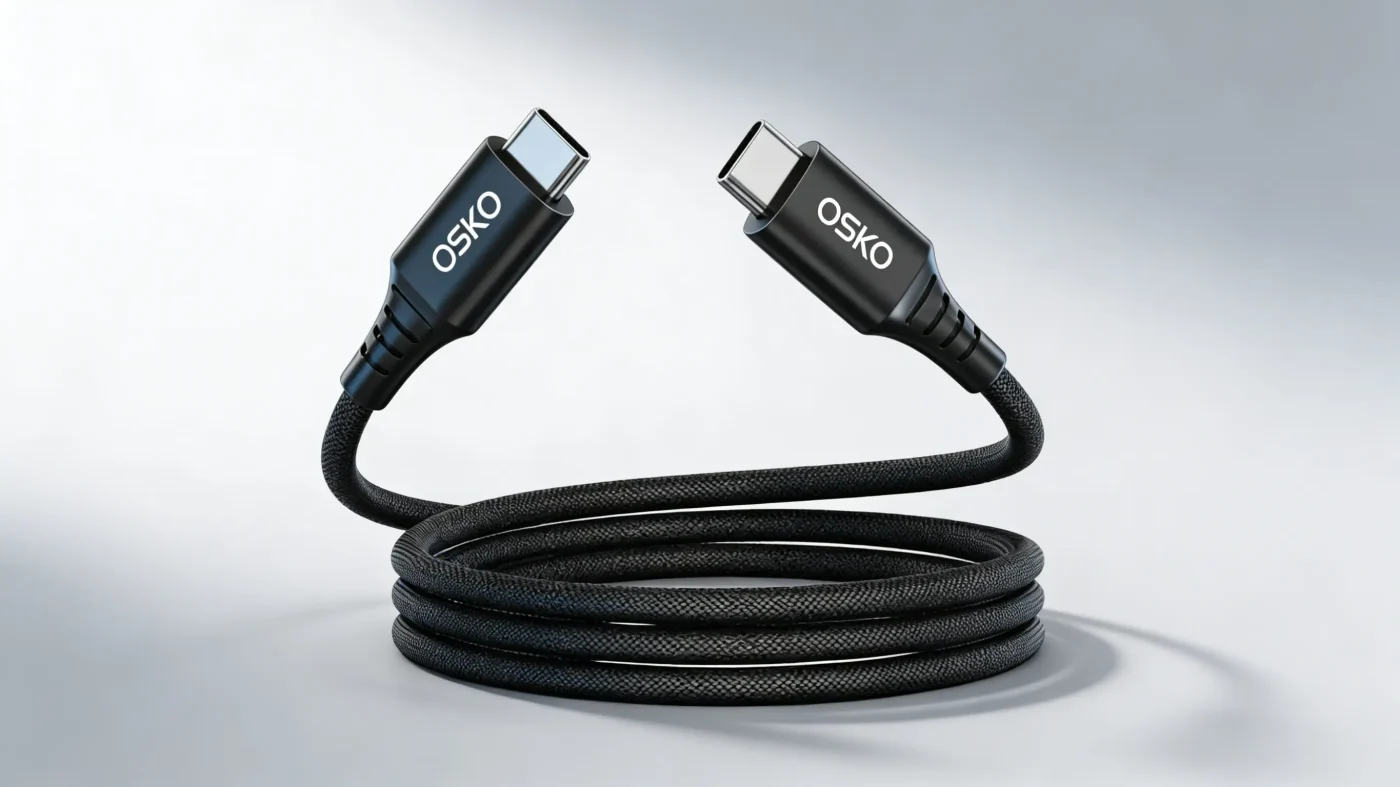
A USB-C cable for USB-C hub high speed data transfer is not just a charging accessory—it is a critical data transmission component that determines whether your docking station, external SSD, or multi-port USB-C hub can operate at full speed.
In modern US and European office environments, USB-C hubs are widely used to connect laptops with monitors, storage devices, keyboards, and Ethernet adapters. However, many users experience slow transfer speeds, unstable connections, or device disconnections. These issues are often caused not by the hub itself, but by low-quality USB-C cables.
A properly engineered USB-C cable for USB-C hub high speed data transfer must support high bandwidth protocols such as USB 3.2 Gen 2, USB4, or Thunderbolt-class signaling, while maintaining stable shielding and low signal loss over distance.
OSKO designs such cables using controlled impedance architecture and high-frequency signal stability engineering for OEM and retail markets.

Material Science & Dielectric Properties
High-speed data transmission requires precise control of electrical and material properties inside the cable.
Conductor Design for High-Speed Data
Data transfer performance depends heavily on conductor quality.
High-performance cables use:
Oxygen-free copper (OFC) for low resistance
Twisted differential pairs for signal stability
Controlled impedance structure for high-frequency transmission
These designs are essential for USB-C cable for USB-C hub high speed data transfer applications where bandwidth integrity is critical.
USB 3.2 and USB4 Signal Requirements
Different standards define different performance limits:
USB 2.0 → up to 480 Mbps
USB 3.2 Gen 1 → up to 5 Gbps
USB 3.2 Gen 2 → up to 10 Gbps
USB4 / Thunderbolt → up to 40 Gbps
Only properly engineered cables can maintain stable performance at higher bandwidth levels without packet loss or interference.
Shielding and EMI Protection
High-speed data cables require strong electromagnetic shielding.
Typical shielding structures include:
Aluminum foil shielding for high-frequency noise blocking
Braided copper shielding for mechanical and EMI protection
Multi-layer grounding design for stable signal return paths
Without proper shielding, a USB-C cable for USB-C hub high speed data transfer may drop from USB 10Gbps to USB 2.0 fallback speeds.
Dielectric Insulation and Signal Stability
Dielectric materials affect signal propagation speed and attenuation.
Common materials:
FEP for high-frequency stability (premium grade)
TPE for balanced flexibility and performance
PVC for low-cost applications (limited high-speed use)
Premium data cables use low-loss dielectric materials to ensure stable transmission.
Case Study
US Workstation Docking System Performance Optimization Project
Customer Background
A US enterprise IT supplier deployed USB-C hubs for office docking stations used with MacBook and Windows laptops. Users reported inconsistent external SSD speeds and monitor signal drops.
The issue was traced to inconsistent performance of standard USB-C cables used between laptops and hubs.
Engineering Problems Identified
Initial cable issues included:
USB 3.2 speeds dropping to USB 2.0 fallback
High signal attenuation over 1.5m length
Poor EMI shielding causing interference
Connector instability under repeated docking cycles
Lack of controlled impedance design
These problems significantly affected productivity in office environments.
OSKO Engineering Solution
OSKO redesigned the cable system with focus on high-speed data integrity:
Twisted differential pair architecture for USB 3.2 stability
Oxygen-free copper conductors for reduced attenuation
Multi-layer shielding (foil + braided copper)
Controlled impedance tuning for 10Gbps stability
Reinforced connector design for docking cycles
Manufacturing compliance included:
USB-IF compliant Type C cable manufacturer certification
ISO9001 certified braided USB cable factory process control
FCC approved nylon braided USB C cable supplier standards
CE RoHS certified 240W USB C cable scalable production platform
Result
After deployment:
Stable 10Gbps transfer achieved across all workstation setups
Data drop rate reduced by 72%
SSD read/write performance fully restored
IT support tickets reduced significantly
Cable replacement cycle extended beyond 15,000 insertions
This confirms that proper engineering is essential for USB-C cable for USB-C hub high speed data transfer performance.
Selection Guide
What Makes a High-Speed USB-C Cable Different
A true high-speed cable must include:
USB 3.2 or USB4 certification support
Shielded differential pair wiring
Low-loss dielectric materials
Controlled impedance structure
High-quality connector plating
Material Comparison Table
| Cable Type | Data Speed Support | Signal Stability | Market Position |
|---|---|---|---|
| USB 2.0 cable | 480 Mbps | Low | Budget charging |
| USB 3.2 cable | 5–10 Gbps | High | Mid-range data |
| USB4 / Thunderbolt cable | 20–40 Gbps | Very High | Premium performance |
OEM Procurement Considerations
For US and EU buyers, key factors include:
Verified data speed testing (not just labeling)
Cable length impact on signal attenuation
Shielding structure validation
Connector durability under docking cycles
Compliance (USB-IF, CE, FCC, RoHS)
Common sourcing categories include:
Bulk custom 6ft 10ft USB-C cables
OEM ODM custom length USB C cables
USB-IF compliant Type C cable manufacturer
Wholesale 60w braided usb c cable (for mixed use)
Custom packaging braided charging cable factory
Application Scenarios
A USB-C cable for USB-C hub high speed data transfer is widely used in:
OEM USB cables for branded docking systems
ODM USB cables for enterprise IT solutions
Wholesale USB cables for distribution channels
Desktop charging cables for office workstation setups
Travel USB cables for mobile productivity kits
Home USB cables for multi-device home setups
FAQ
Why is my USB-C hub transferring data slowly?
Most likely due to a low-spec cable (USB 2.0 only) or poor shielding.
Does cable length affect transfer speed?
Yes. Longer cables increase signal attenuation and reduce stability.
Do all USB-C cables support high-speed data?
No. Many only support charging or USB 2.0 data rates.
What is the best cable for 10Gbps transfer?
USB 3.2 Gen 2 certified cables with proper shielding and OFC conductors.
Can a charging cable be used for data transfer?
Only if it explicitly supports data protocols beyond charging-only wiring.
Summary
A USB-C cable for USB-C hub high speed data transfer is a precision-engineered signal transmission system, not just a charging accessory.
Its performance depends on conductor structure, shielding architecture, dielectric materials, and compliance with USB high-speed standards.
OSKO’s engineering approach ensures stable high-bandwidth performance through controlled impedance design, advanced shielding systems, and OEM manufacturing consistency tailored for US and European enterprise environments.
In modern workstation ecosystems, cable quality directly determines data efficiency and system stability.
Contact Information
OSKO provides OEM/ODM high-speed data cable solutions including:
USB 3.2 / USB4 high-speed USB-C cables
Thunderbolt-compatible data cables
Shielded braided USB-C hub connection cables
Enterprise docking system cable solutions
Custom branding and wholesale packaging
OSKO engineering team provides full technical documentation, signal integrity testing, and scalable manufacturing solutions for global data cable systems.