
Introduction
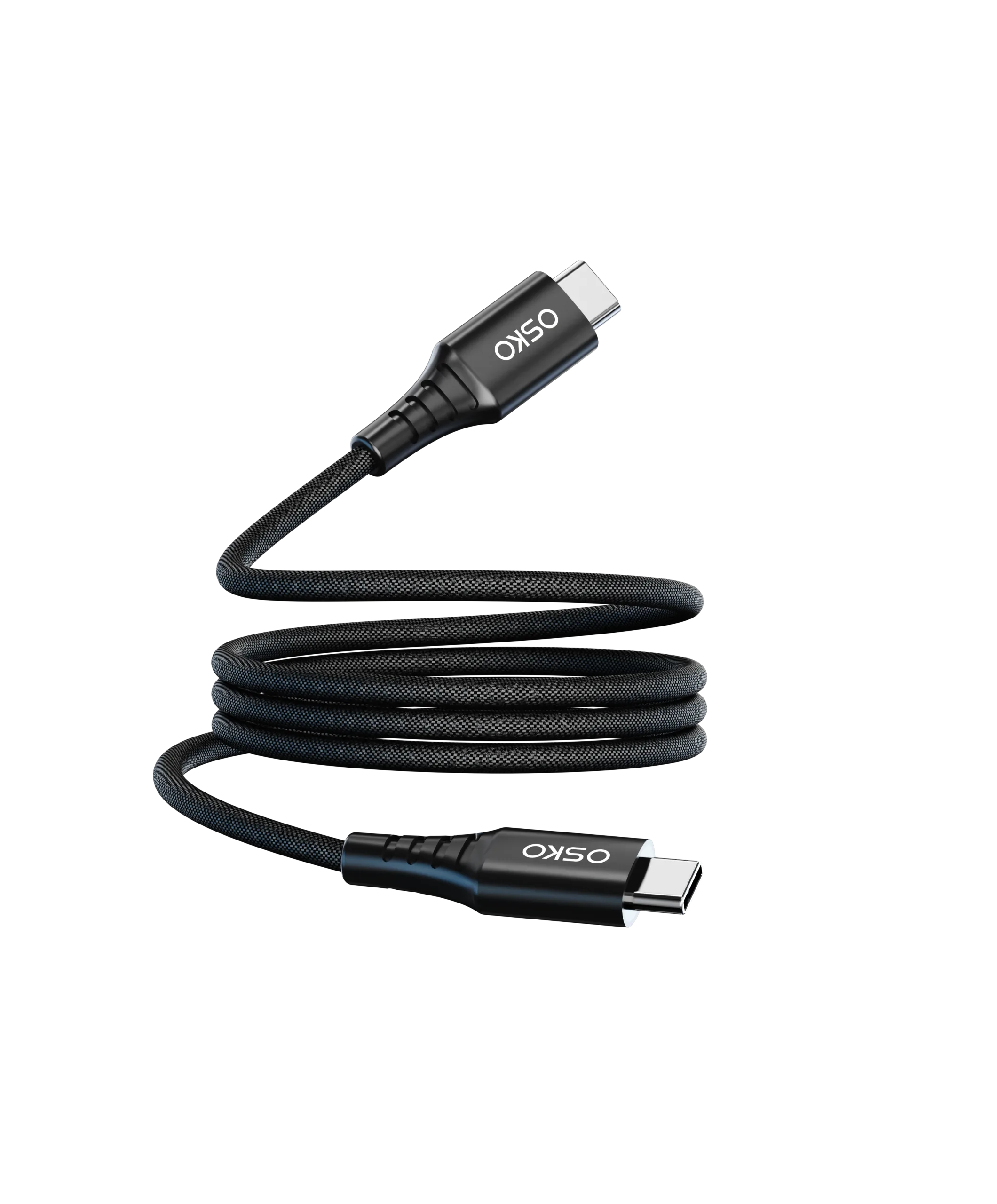
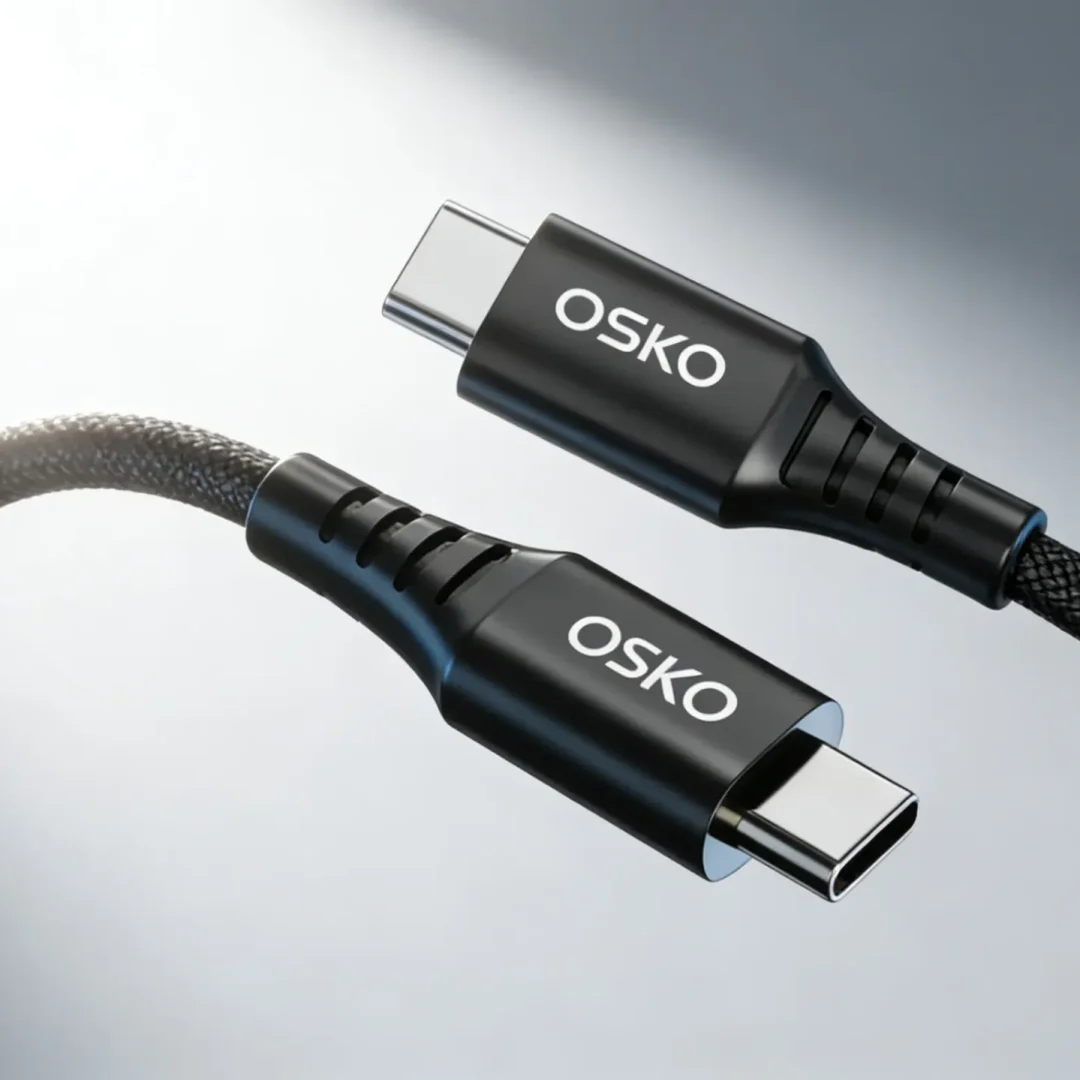
The development of high-power USB-C technology has changed how modern electronic devices are charged. With the introduction of USB Power Delivery standards, 240W USB-C Cable solutions have become an important product category for laptops, professional devices, docking stations, and future charging ecosystems.
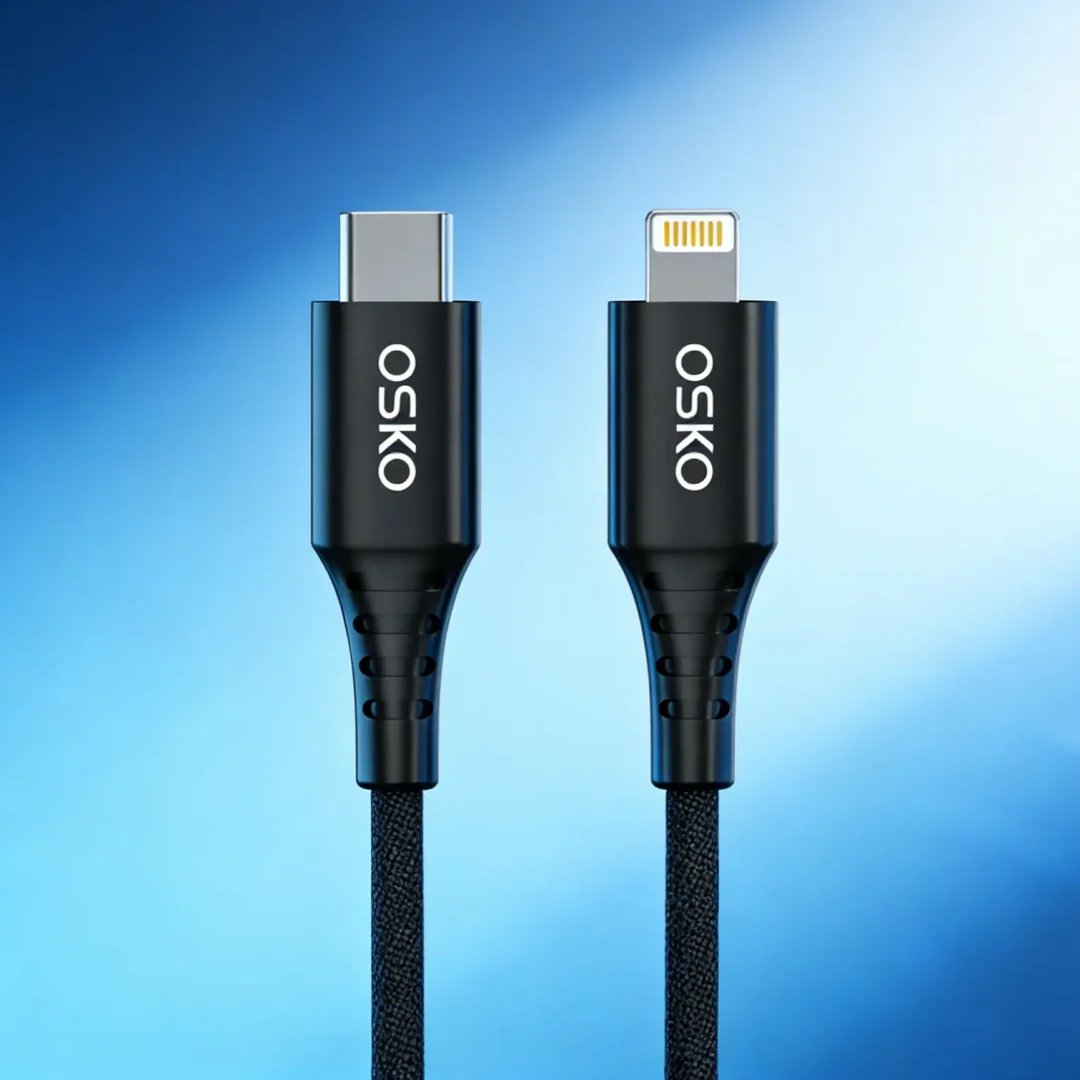
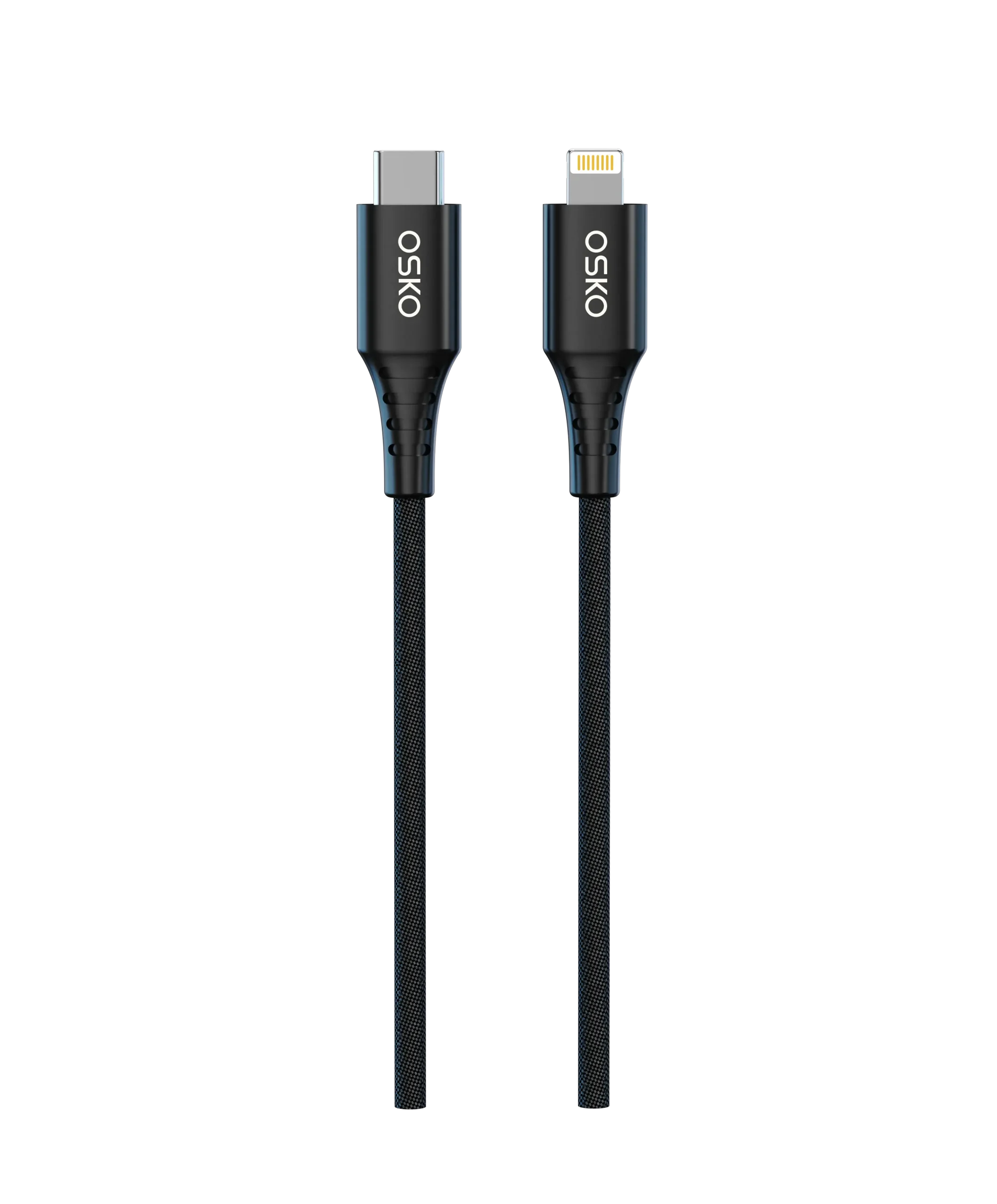
Many users search for a 240W USB-C Cable for iPhone because they want one universal cable that can support multiple Apple devices, including:
iPhone
iPad
MacBook
USB-C accessories
However, understanding the difference between cable capability and device charging requirements is essential.
An iPhone can use a high-power USB-C cable, but it will only draw the power required by the device. The 240W capability describes the maximum power the cable can safely support, not the amount of power forced into the phone.
For electronics brands and procurement teams, high-power USB-C cable development requires deeper engineering considerations:
PD 3.1 protocol support
E-Marker chip integration
conductor design
thermal management
connector reliability
production testing
OSKO specializes in OEM and ODM USB-C Charging Cable manufacturing, helping global brands develop reliable high-performance cable solutions for Apple ecosystems, laptops, and professional charging applications.
Material Science & Dielectric Properties
Understanding 240W USB-C Cable Structure
A high-power USB-C cable contains multiple engineered components designed to safely handle increased current levels.
Compared with standard charging cables, a 240W USB-C Cable requires stricter control of:
Electrical resistance
Heat generation
Signal integrity
Mechanical durability
The main structure includes:
| Component | Function | Engineering Importance |
|---|---|---|
| Copper conductor | Transfers electrical power | Controls current capacity |
| Insulation layer | Separates conductors | Improves safety |
| Shielding layer | Protects signals | Reduces interference |
| E-Marker chip | Communicates cable capability | Enables PD identification |
| USB-C connector | Transfers power and data | Ensures device compatibility |
| Outer jacket | Protects internal structure | Improves durability |
PD 3.1 Technology and 240W Power Delivery
What Makes a 240W USB-C Cable Different?
Traditional USB-C Power Delivery standards supported lower power levels, while USB PD 3.1 expanded the maximum capability up to 240W through Extended Power Range technology.
A high-power cable must support:
Higher voltage handling
Increased current transmission
Intelligent power identification
The E-Marker chip plays an important role by communicating:
Cable power capability
Current rating
Supported charging parameters
Without proper identification, high-power charging systems may limit performance for safety reasons.
USB-C Cable Compatibility with iPhone
Can a 240W USB-C Cable Charge iPhone?
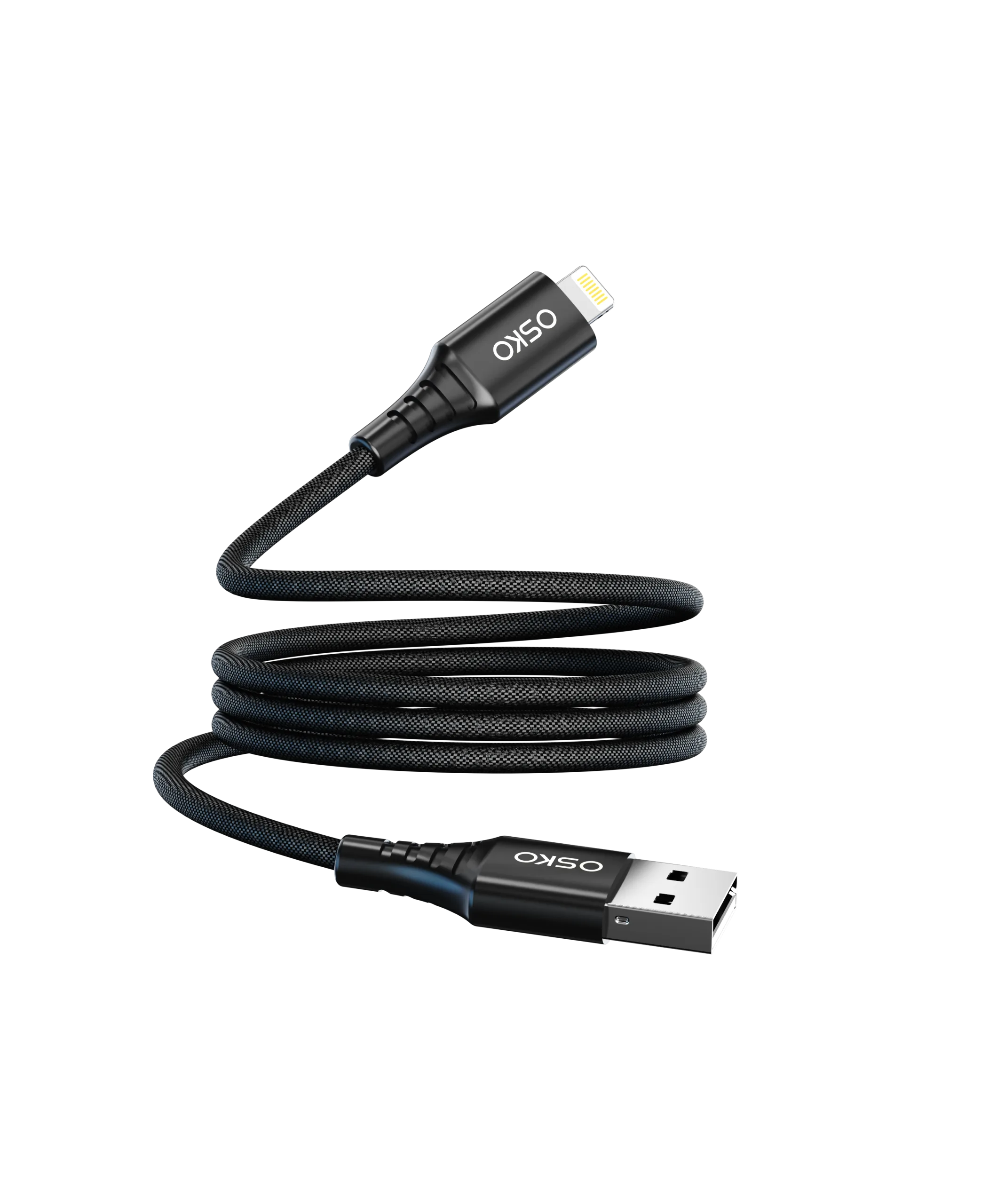
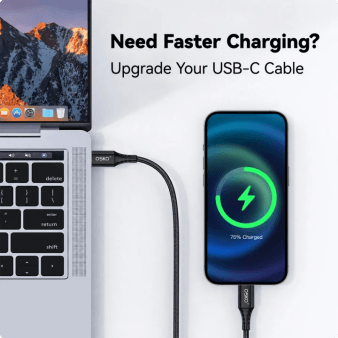
Yes. A 240W USB-C Cable for iPhone can be used with iPhone models that support USB-C charging.
The charging process follows device negotiation:
- Charger provides available power
- Cable communicates capability
- iPhone requests required power
- System delivers appropriate charging level
The phone does not receive the full 240W capability automatically.
This means one high-quality cable can support multiple devices:
| Device Type | Application |
|---|---|
| iPhone | Daily charging |
| iPad | Tablet charging |
| MacBook | High-power charging |
| USB-C accessories | Universal connectivity |
E-Marker Chip Engineering
Why E-Marker Is Important for High Power Cables
For premium USB-C to USB-C Cable products, E-Marker technology is critical.
The chip provides:
Cable identification
Power capability communication
Charging safety management
Applications requiring E-Marker cables include:
100W charging
140W charging
240W charging
Professional USB-C devices
Material Selection for High Power USB-C Cable
Copper Conductor Design
Higher power transmission requires optimized conductor engineering.
Key factors include:
Copper purity
Conductor size
Resistance control
Heat management
Poor conductor design may cause:
Energy loss
Excess heat
Reduced charging efficiency
Professional manufacturers optimize internal structures according to:
Power rating
Cable length
Application environment
Outer Material Design
The outer jacket protects the cable from mechanical stress.
Common materials:
| Material | Features |
|---|---|
| TPE | Flexible and lightweight |
| PVC | Cost-effective durability |
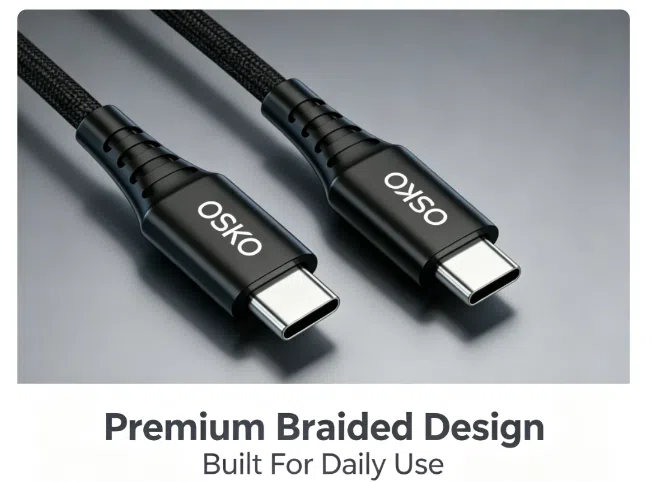
| Nylon braided | Premium appearance and abrasion resistance |
For premium Apple accessory markets, braided Fast Charging Cable designs are often selected because they combine durability with retail appeal.
Thermal Management in High Power Charging
Controlling Heat During Charging
Heat management becomes increasingly important as charging power increases.
Factors affecting temperature include:
Conductor resistance
Cable length
Current level
Material selection
Engineering solutions include:
Optimized conductor design
Improved insulation materials
Better internal arrangement
A reliable 240W cable should maintain stable performance during extended charging periods.
Manufacturing Process of 240W USB-C Cable
Production Steps
Professional manufacturing includes:
| Process | Purpose |
|---|---|
| Material preparation | Verify component quality |
| Wire processing | Create internal conductors |
| Insulation extrusion | Protect electrical structure |
| Cable assembly | Build internal configuration |
| E-Marker installation | Enable PD communication |
| Connector molding | Create durable connections |
| Performance testing | Verify specifications |
| Final inspection | Ensure shipment quality |
Quality Control for High Power USB-C Cabl
Electrical Testing
Testing includes:
| Test | Purpose |
|---|---|
| PD protocol test | Verify charging communication |
| Resistance test | Check electrical efficiency |
| High-power charging test | Confirm 240W performance |
| Data test | Validate connectivity |
Mechanical Testing
High-end cables require:
| Test | Purpose |
|---|---|
| Bend test | Check flexibility |
| Plug cycle test | Evaluate connector lifespan |
| Tensile test | Verify strength |
| Stress test | Confirm durability |
Case Study: 240W USB-C Cable Development for a German Professional Device Brand
Customer Background
A German professional electronics company planned to launch a premium charging accessory line supporting the growing USB-C ecosystem.
The product strategy focused on users who owned:
iPhone devices
MacBook Pro systems
USB-C monitors
Professional docking equipment
The customer required a high-performance 240W USB-C Cable with:
PD 3.1 compatibility
Premium materials
Stable long-term performance
OEM customization
Engineering Challenges
1. High Power Stability Requirement
The customer found that some existing cables showed:
Temperature increases during high-power charging
Different performance between suppliers
Limited long-term reliability
A better electrical structure was required.
2. E-Marker Integration
The customer needed:
Reliable chip communication
Accurate power identification
Stable PD negotiation
Supplier engineering capability became a critical factor.
3. Premium Product Positioning
The cable needed to match professional users’ expectations:
Durable construction
Premium appearance
Reliable packaging
Consistent quality
OSKO Engineering Solution
High Power Cable Structure Optimization
OSKO developed:
Optimized copper conductor structure
E-Marker chip integration
Reinforced USB-C connector design
Improved strain relief structure
Product Customization Support
OSKO provided:
Cable length customization
Nylon braided options
Color customization
Retail packaging solutions
Quality Assurance System
The production process included:
| Quality Control | Purpose |
|---|---|
| Incoming material inspection | Verify components |
| PD testing | Confirm protocol support |
| Thermal testing | Evaluate heat control |
| Mechanical testing | Ensure durability |
| Final inspection | Maintain consistency |
The final solution helped the customer create a premium USB-C charging product suitable for European professional users.
Selection Guide
How to Choose a 240W USB-C Cable
Check Device Requirements
A 240W cable is suitable when users need:
One cable for multiple devices
Laptop charging support
Future-proof USB-C compatibility
Verify PD Support
Look for:
PD 3.1 compatibility
E-Marker support
Proper power rating
Evaluate Manufacturing Quality
Important factors include:
Internal conductor design
Connector quality
Testing capability
Production consistency
Choose the Right OEM Partner
For brands developing high-power cables, suppliers should provide:
Engineering support
Custom development
Testing reports
Stable mass production
OSKO supports global brands with complete USB cable development solutions.
FAQ
Can a 240W USB-C cable charge an iPhone?
Yes. A 240W USB-C cable can charge iPhones with USB-C ports, but the phone only uses the power it requires.
Is a 240W USB-C cable better than a normal cable?
A 240W cable provides higher capability and can support more powerful devices such as laptops, but it is not necessary for every smartphone application.
What is an E-Marker chip?
An E-Marker chip is an electronic component inside advanced USB-C cables that communicates cable capability and charging specifications.
Do all USB-C cables support 240W charging?
No. Only cables designed and tested for USB PD 3.1 Extended Power Range can support 240W charging.
Can OSKO manufacture 240W USB-C cables?
Yes. OSKO provides OEM and ODM solutions for:
240W USB-C Cable
PD 3.1 Cable
USB-C to USB-C Cable
Fast Charging Cable
Custom USB Cable
Summary
A 240W USB-C Cable for iPhone represents the evolution of universal USB-C charging technology. Although iPhones do not require 240W power, high-power cables provide broader compatibility across Apple devices and professional USB-C applications.
Reliable high-power cable performance depends on:
PD 3.1 technology
E-Marker integration
Material engineering
Thermal management
Manufacturing quality control
For electronics brands and procurement teams, selecting an experienced OEM partner ensures stable quality, reliable production, and competitive charging solutions.
OSKO provides professional OEM and ODM USB-C Cable Manufacturing solutions, supporting global brands with high-performance charging cables, including PD 3.1, 240W USB-C cables, and customized USB-C products.
Contact Information
OSKO USB Cable Manufacturing Solutions
OSKO specializes in:
OEM USB Cable Manufacturing
ODM USB-C Cable Development
240W USB-C Cable Production
PD 3.1 Fast Charging Cable Solutions
Bulk USB Cable Manufacturing
Custom Charging Cable Development
For electronics brands, distributors, and procurement teams seeking reliable high-power USB-C solutions, OSKO provides complete engineering support from product design to mass production.