
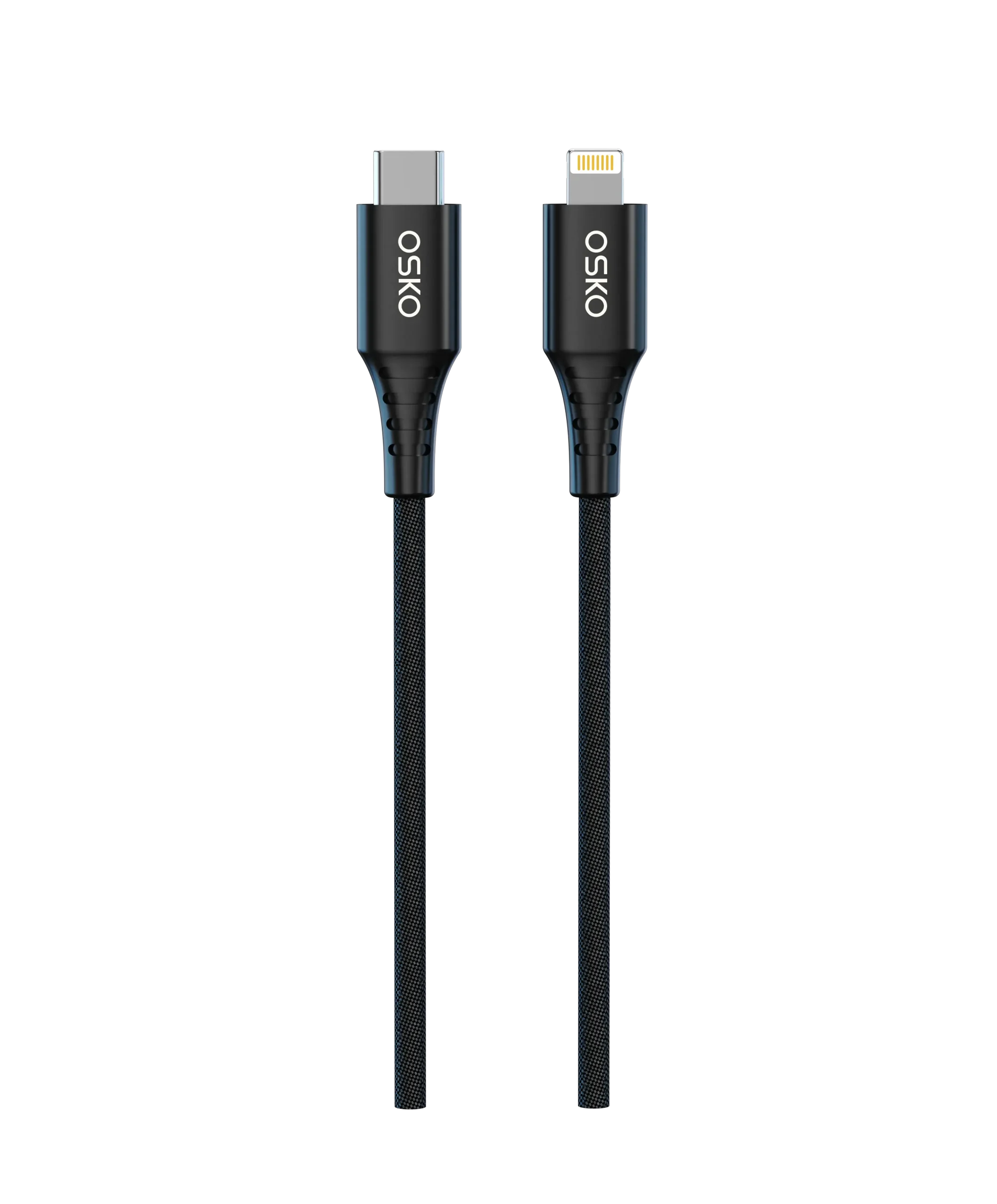
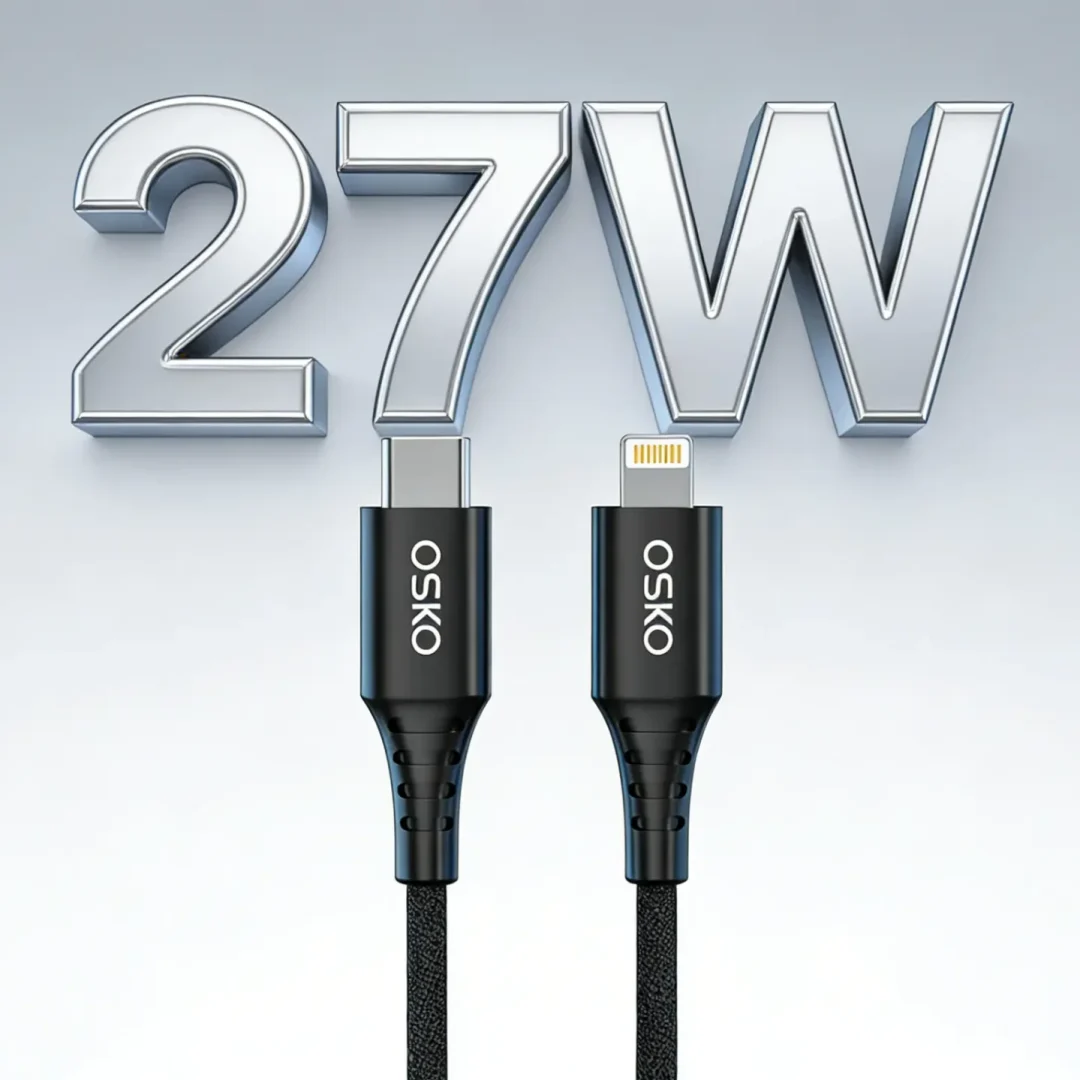
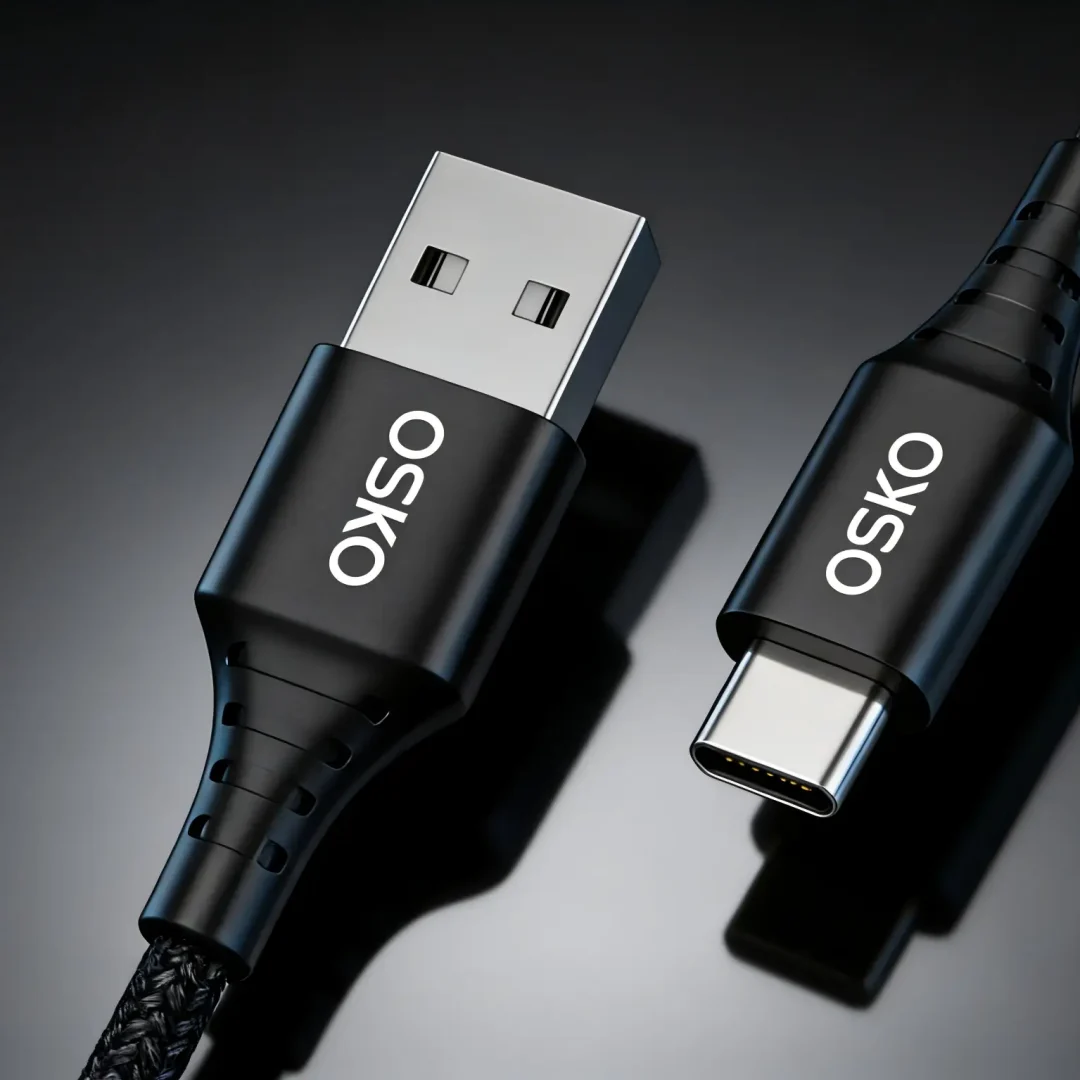
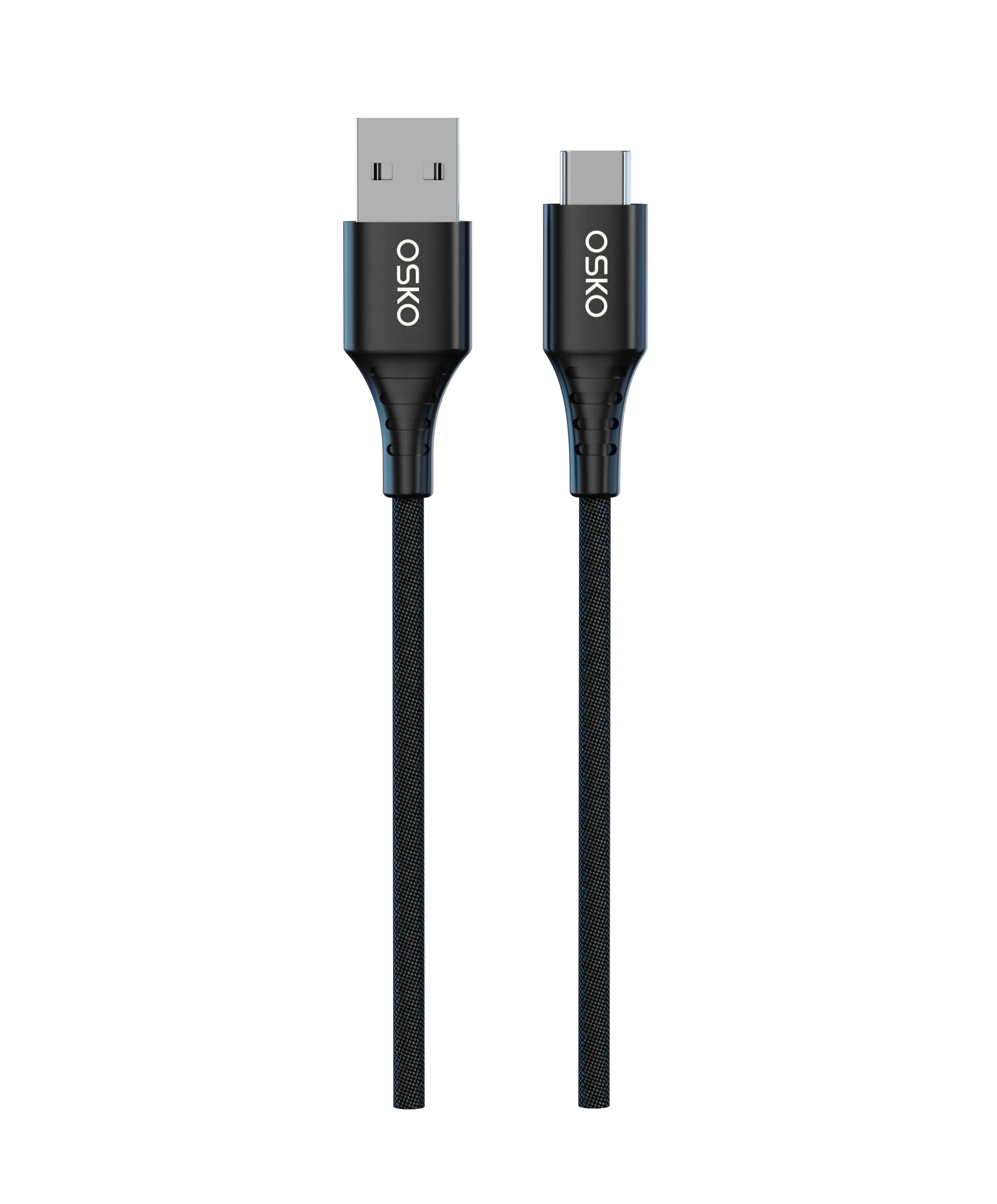
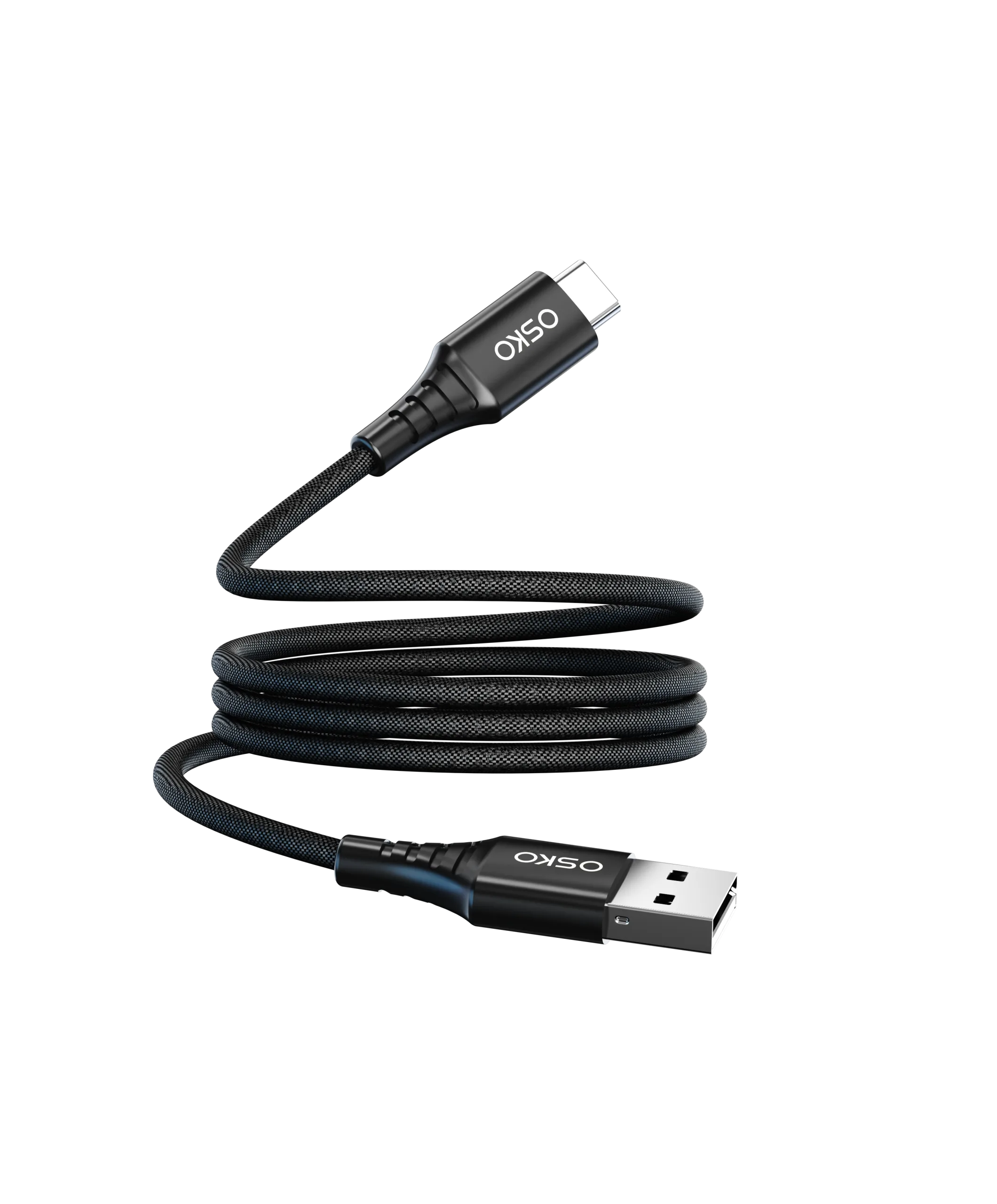
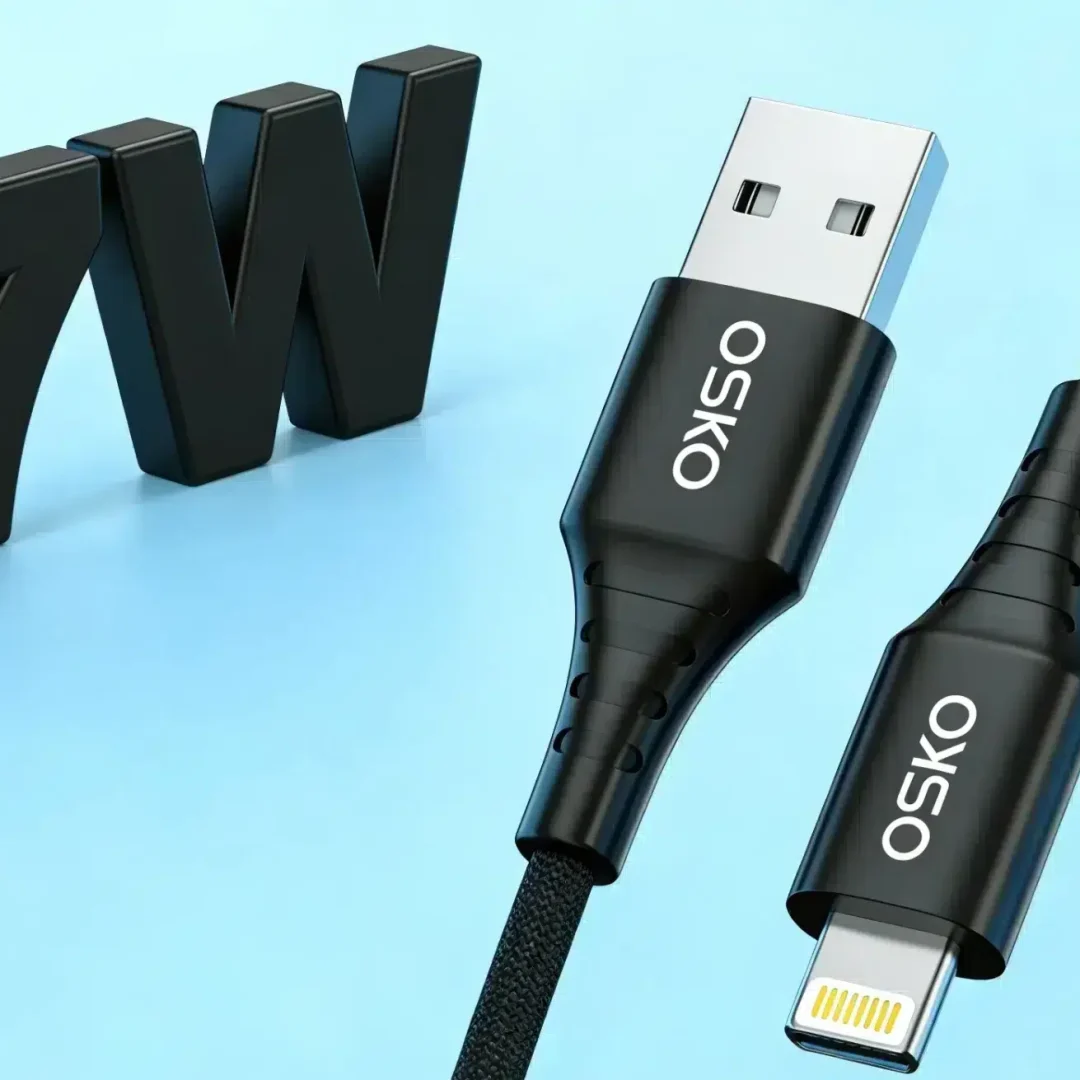
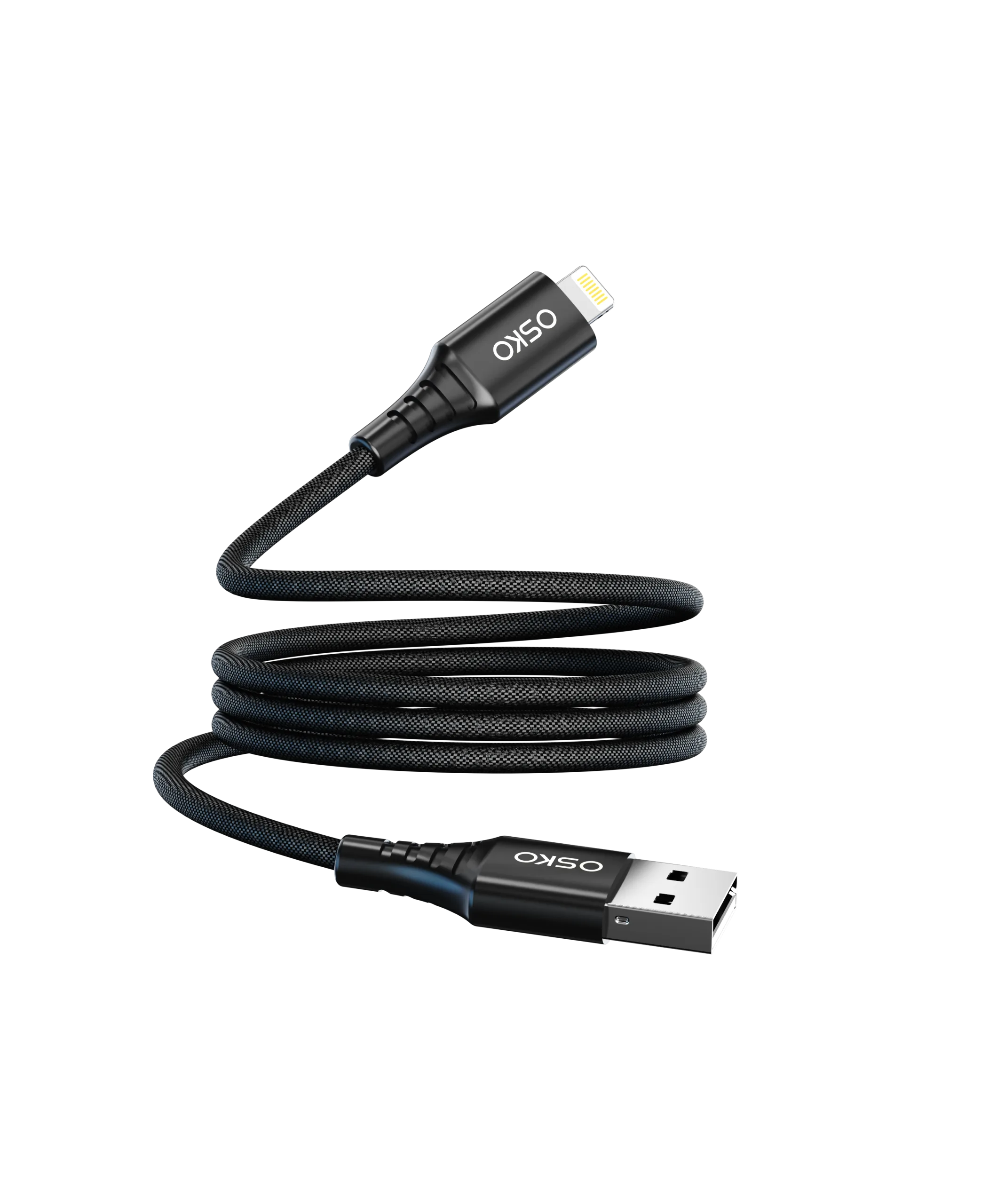
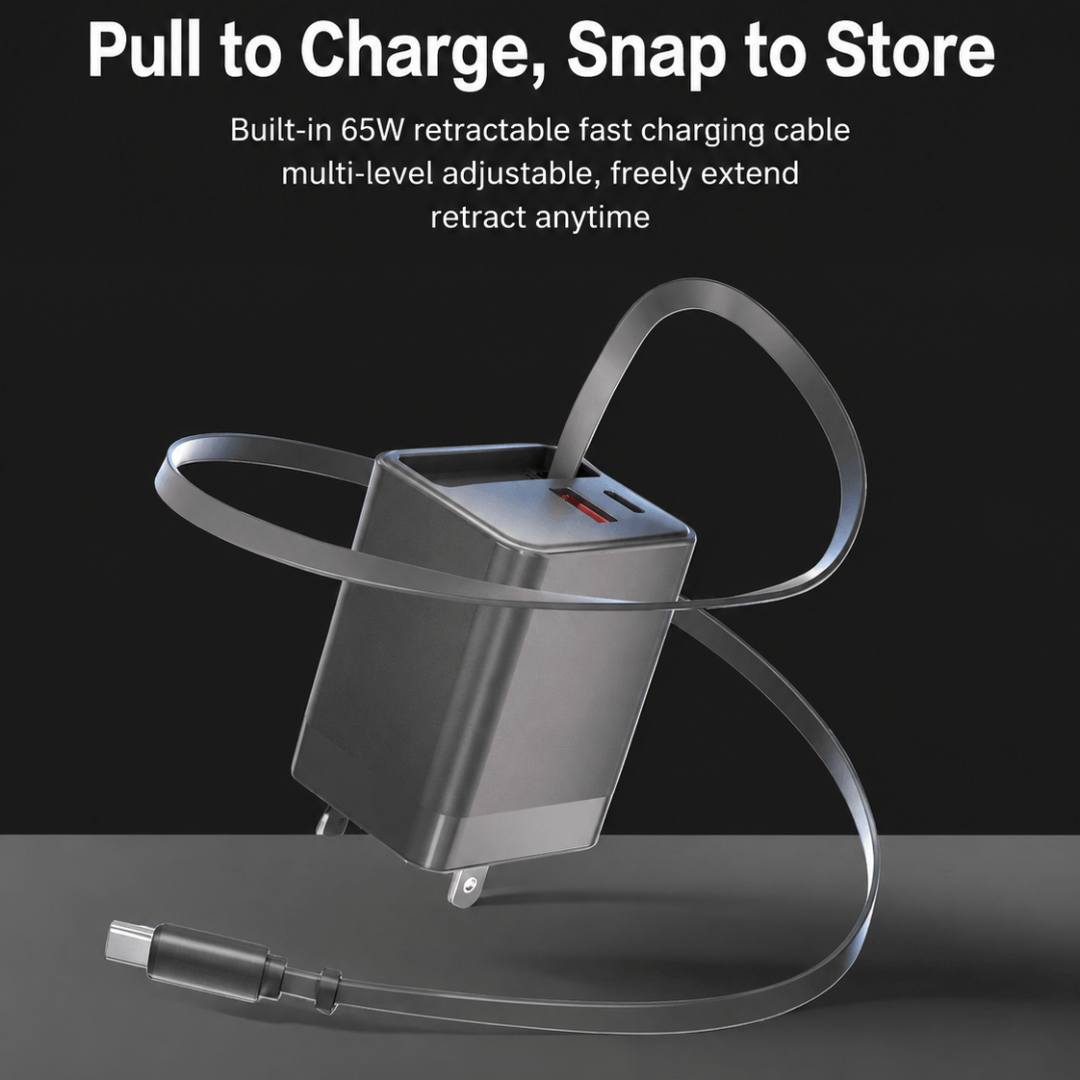
Introduction: How Professional USB Cable Manufacturing Works
A modern USB cable may look like a simple accessory, but professional USB cable manufacturing is a combination of material engineering, cable construction, precision assembly, electrical testing, mechanical testing, and production control.
A finished USB cable may need to deliver power, support data communication, maintain stable electrical performance, survive repeated bending, and remain consistent across thousands of production units.
That is why two cables with the same connector and length can perform very differently.
For brands, wholesalers, distributors, and retailers, selecting a USB cable manufacturer is therefore more than finding factory capacity. The supplier needs to control the product from raw materials to finished-goods inspection.
A professional manufacturing program may cover:
USB-C charging cables
Fast charging cables
Data cables
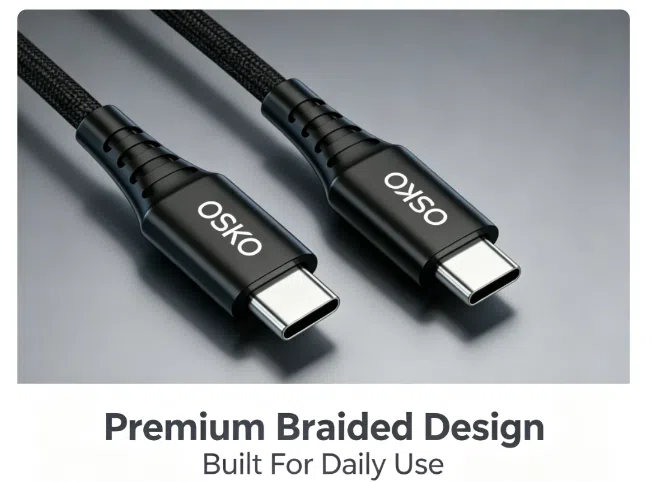
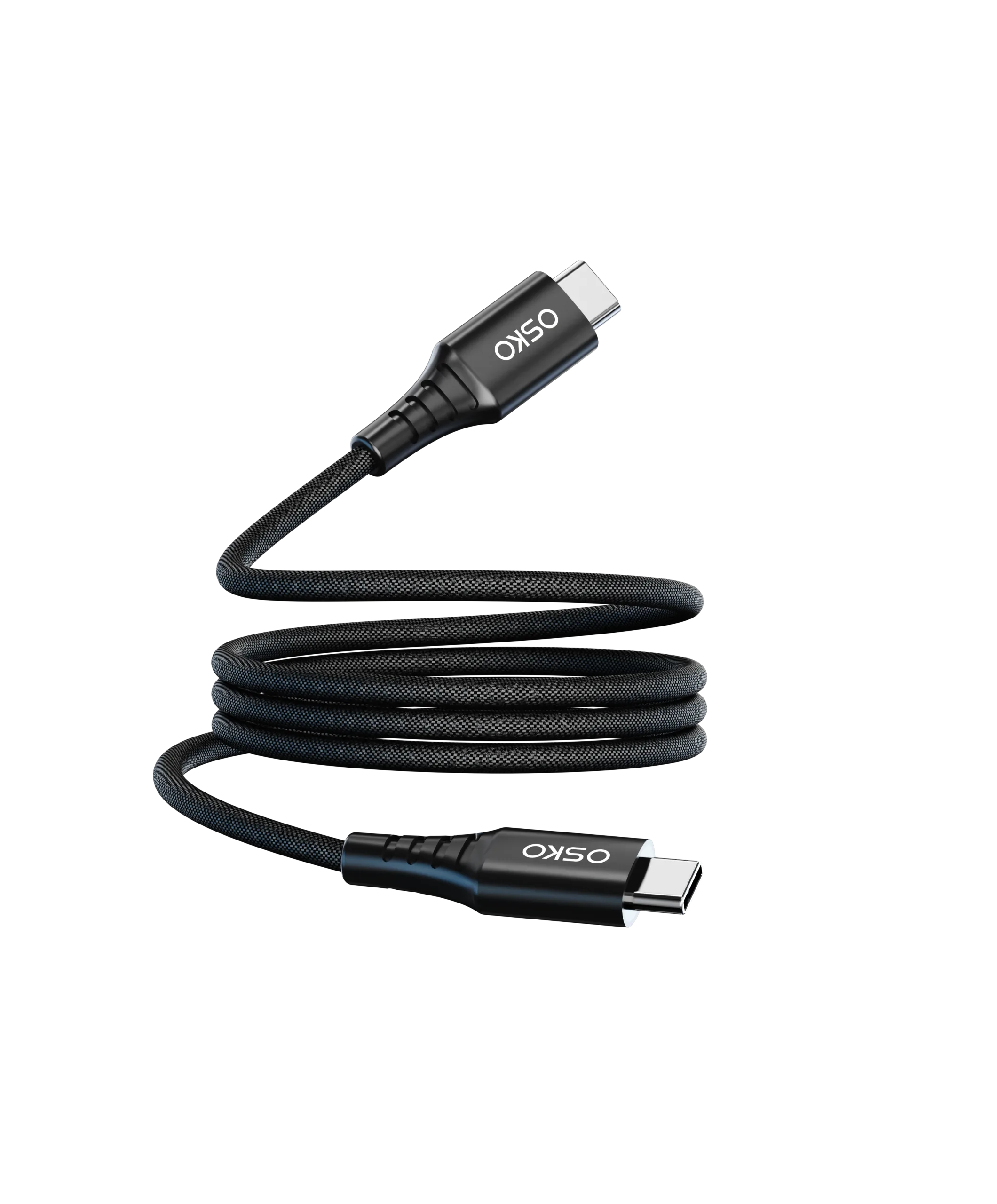
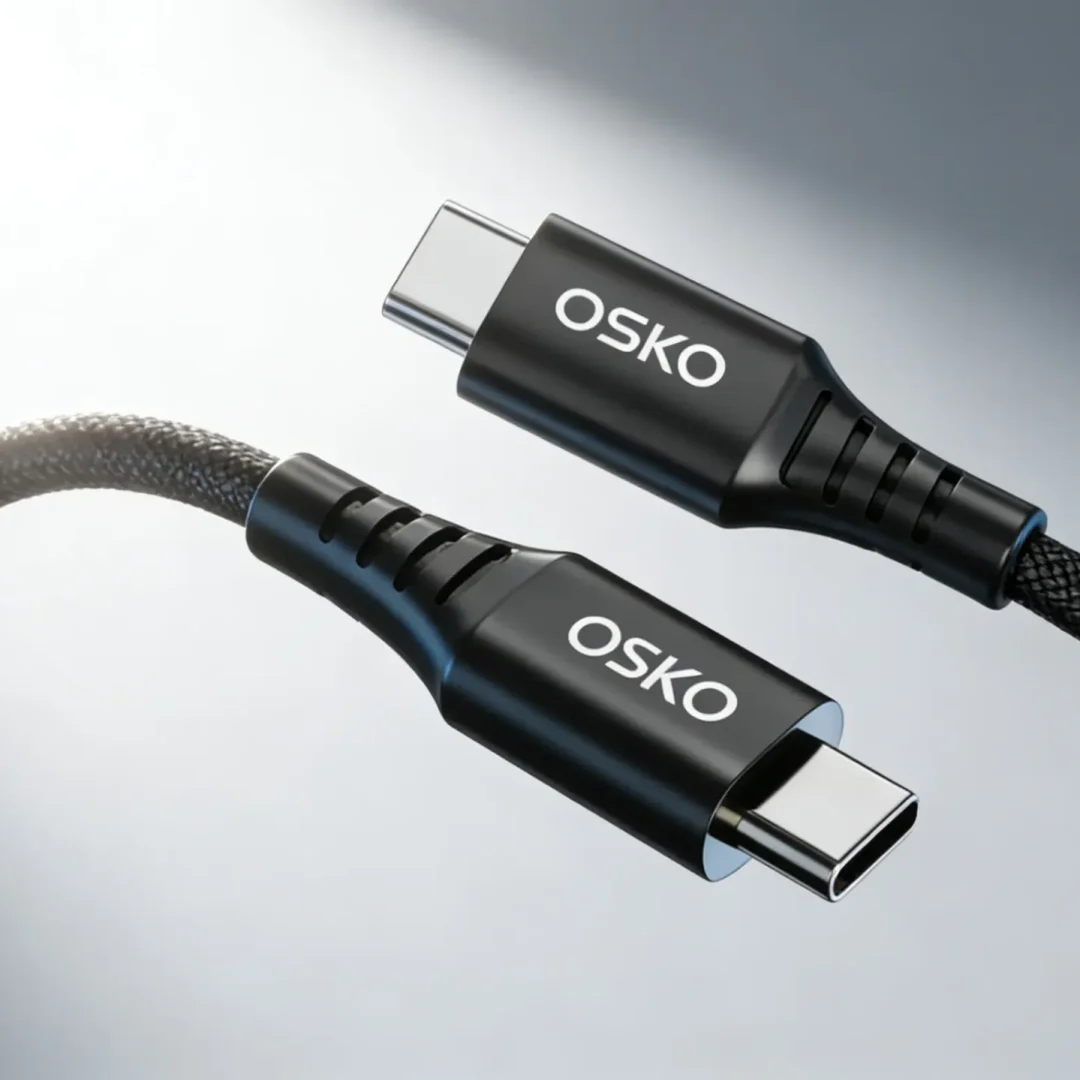
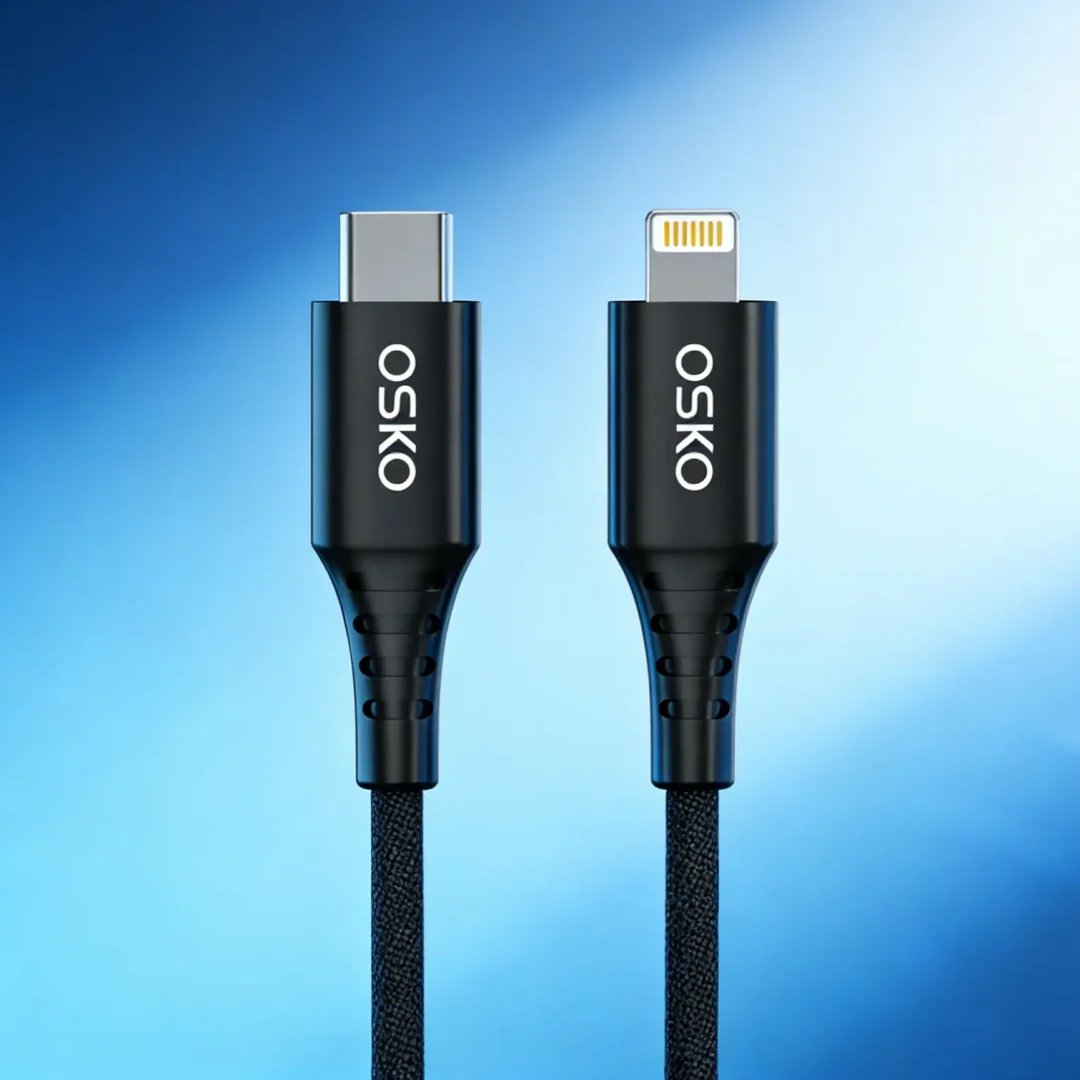
Braided USB cables
Custom USB cables
Private-label products
OEM and ODM development
The manufacturing process determines what ultimately reaches the customer.
USB Cable Structure: What Is Inside a Cable?
A USB cable is made from several functional layers. The exact construction varies according to power, data speed, flexibility, environmental requirements, and product cost.
| Component | Main function | Why it matters |
|---|---|---|
| Conductors | Carry power and signals | Affects resistance and electrical performance |
| Insulation | Separates conductors | Protects electrical integrity |
| Signal pairs | Carry data | Supports communication performance |
| Shielding | Controls EMI where required | Supports signal integrity and EMC performance |
| Reinforcement | Carries mechanical load | Reduces conductor stress |
| Outer jacket | Protects the cable | Affects flexibility and durability |
| Connector assembly | Interfaces with devices | Critical for contact and mechanical reliability |
The best USB cable factory does not treat these components independently. Their interaction determines the final cable’s electrical and mechanical behavior.

Materials Used in USB Cable Manufacturing
Copper Conductors
The conductor is the primary electrical path.
Manufacturers evaluate factors such as:
Conductor material
Cross-sectional area
Strand construction
Resistance
Flexibility
Cable length
For charging products, conductor resistance affects voltage drop and heat generation under load.
For data cables, the internal conductor geometry and signal-pair design also become important.
A common purchasing mistake is assuming that one marketing term, such as “premium copper,” tells the whole story. Professional buyers should request actual specifications and test results.
Insulation Materials
Insulation separates conductors and helps maintain stable electrical properties.
Common materials include:
PVC — economical and widely used for general-purpose cables.
TPE — flexible and suitable for products where soft handling is important.
PE and related materials — used in selected cable constructions where their electrical and mechanical properties fit the design.
Material selection depends on the intended product rather than simply choosing the most expensive material.
Nylon Braiding
A nylon braid is usually an external mechanical layer rather than an electrical performance component.
It can provide:
Abrasion resistance
Improved handling
Better visual appeal
Additional mechanical protection
However, a braided jacket does not automatically mean higher charging power, faster data, or waterproof performance.
The USB Cable Production Process
Conductor Preparation
Production starts with conductor preparation.
The factory controls conductor dimensions, material consistency, surface condition, and electrical characteristics.
For products with different power or data requirements, conductor construction is selected accordingly.
This stage establishes the foundation for subsequent cable performance.
Insulation Extrusion
During extrusion, insulation material is formed around the conductors.
Process control affects:
Insulation thickness
Cable diameter
Surface quality
Flexibility
Concentricity
Poor extrusion can create uneven insulation or mechanical weaknesses that become problems later in the production cycle.
Internal Cable Assembly
Conductors are arranged according to the cable design.
A basic charging cable may focus heavily on power transmission.
A data cable may require carefully arranged differential pairs.
Higher-speed USB-C cables can require additional high-speed pairs, shielding, impedance control, and more demanding signal-integrity validation.
This is where the difference between a commodity charging cable and a high-specification USB-C cable becomes significant.
Shielding
Shielding is used when the application requires improved electromagnetic compatibility or signal integrity.
Common structures include:
Aluminum foil
Braided metal shielding
Drain or grounding structures
Multi-layer shielding designs
Not every USB cable needs the same shielding architecture.
For high-speed products, shielding must be designed together with the signal structure rather than added simply because a product is labeled “premium.”
Connector Assembly
The cable ends are prepared and connected to the connector terminals.
Depending on the design, assembly can involve crimping, soldering, terminal insertion, automated termination, or other controlled processes.
The critical requirements are:
Correct conductor mapping
Reliable electrical contact
Consistent termination
Proper mechanical support
Accurate connector positioning
Connector assembly is especially important because the cable transitions from a flexible structure to a rigid interface.
Overmolding and Strain Relief
The connector housing and strain relief protect the internal connection.
A well-designed transition can help:
Distribute bending stress
Protect conductors
Improve connector durability
Improve handling
The objective is not simply to make the connector look thicker. The geometry needs to match the cable’s flexibility and intended use.
Printing, Packaging and Final Assembly
For private-label products, manufacturing may also include:
Logo printing
Laser marking
Color matching
Retail packaging
Barcode application
Accessory inclusion
Packaging inspection
At this stage, production control is just as important as cable assembly. A technically correct cable can still create commercial problems if the wrong packaging, barcode, cable length, or SKU is shipped.
USB Cable Quality Control: How Professional Factories Test Cables
Quality control should not begin only after production is finished.
A stronger system controls quality at multiple stages.
Incoming Material Inspection
Raw materials may be checked before production, including:
Conductors
Connector components
Insulation materials
Braiding
Plastic components
Packaging
The purpose is to prevent inconsistent materials from entering the production line.
In-Process Inspection
During manufacturing, technicians can monitor:
Cable diameter
Extrusion appearance
Conductor arrangement
Connector assembly
Overmolding
Printing accuracy
In-process control helps identify issues before thousands of units are completed.
Electrical Testing
Depending on the cable specification, testing can include:
Continuity
Resistance
Short-circuit detection
Charging performance
Voltage behavior
Data communication
For USB-C PD products, testing should match the claimed power capability and intended system.
For high-speed cables, signal-integrity testing becomes increasingly important.
USB-IF maintains separate compliance and test materials for USB Type-C cable assemblies and USB Power Delivery products, including testing for cables implemented with E-Markers.
Mechanical Testing
USB cables are repeatedly bent, pulled, inserted, removed, wrapped, and transported.
Depending on the product specification, mechanical testing can include:
Bend testing
Pull testing
Connector retention testing
Plug/unplug cycling
Tensile testing
The exact test conditions should be defined in the product specification rather than relying on an impressive but undefined “30,000 bends” statement.
Finished-Goods Inspection
Before shipment, finished products can be inspected for:
Electrical performance
Connector appearance
Cable dimensions
Logo accuracy
Packaging
Quantity
Defects
For large wholesale orders, final inspection helps ensure that the approved sample and mass-production output remain consistent.
OEM and ODM USB Cable Manufacturing
Many brands need more than an existing stock cable.
OEM USB Cable Manufacturing
OEM production means the supplier manufactures according to the buyer’s defined specifications.
Common customization includes:
Cable length
Connector type
Color
Jacket material
Braiding
Logo
Packaging
Power specification
Data capability
This model suits brands, distributors, retailers, and importers that already know what product they want.
ODM USB Cable Development
ODM goes further.
The manufacturer can contribute to:
Cable architecture
Material selection
Connector structure
Product optimization
Prototype development
Application-specific engineering
For a company developing a new charging accessory, ODM support can reduce the gap between an idea and a production-ready product.
Engineering Case Study: Australian Automotive Accessories Brand
A representative Australian automotive-accessories company wanted to develop a private-label USB cable range for vehicle charging and in-car device connectivity.
The buyer’s problem was not simply unit price. Previous suppliers had delivered visually similar products with inconsistent connector fit and different mechanical behavior between batches.
Procurement Requirements
The company required:
Stable bulk production
Durable cable construction
Consistent connector assembly
Black braided appearance
Custom retail packaging
Reliable charging performance
OSKO Manufacturing Approach
The project specification was standardized before production.
The engineering team reviewed:
Cable construction
The conductor and insulation design were matched to the intended vehicle charging application.
Connector assembly
Connector termination and strain relief were tightened to improve mechanical consistency.
Braided jacket
The braid was evaluated for appearance, flexibility, and resistance to normal vehicle-use abrasion.
QC
Electrical, connector, appearance, and finished-goods inspections were incorporated into the production plan.
Samples were approved before mass production.
The key lesson was that supplier comparison only becomes meaningful when manufacturers are quoting and producing the same technical specification.
How to Choose a Reliable USB Cable Manufacturer
A buyer evaluating an OEM USB cable manufacturer should look beyond product photographs.
Manufacturing Capability
Ask:
Does the factory specialize in USB cables?
What cable types does it regularly produce?
Can it support your expected volume?
Engineering Capability
Check whether the supplier can discuss:
Conductor design
Power requirements
Data capability
Connector construction
Strain relief
Shielding
Environmental requirements
Quality Management
Ask how the factory handles:
Incoming inspection
In-process QC
Electrical testing
Mechanical testing
Final inspection
Corrective action
Batch traceability
A structured quality management system is useful, but it should not be confused with product certification. ISO 9001 is a quality-management-system standard, not a guarantee that every individual cable meets a specific electrical performance claim. ISO published ISO 9001:2026 in September 2026 as the current edition.
Customization and Communication
For private-label projects, confirm:
MOQ
Sample process
Logo requirements
Packaging development
Color options
Production lead time
Specification approval
Clear communication before production can prevent expensive changes later.

USB Cable Manufacturing Checklist for Bulk Buyers
Before placing an order with a USB cable factory, confirm:
Product specification — connector, length, power, data, construction.
Materials — conductor, insulation, jacket, braid, connector.
Testing — electrical, mechanical, and application-specific tests.
Sample approval — exact sample or specification used for production.
QC standard — inspection method and acceptance criteria.
MOQ — stock, semi-custom, and fully customized quantities.
Packaging — logo, barcode, labeling, carton quantity.
Lead time — sample, tooling where applicable, and mass production.
Defect policy — replacement and corrective-action procedure.
Shipping terms — Incoterms, freight, and delivery method.
A professional USB cable supplier should be able to answer these questions clearly.
FAQ About USB Cable Manufacturing
How are USB cables manufactured?
Professional USB cable manufacturing generally includes conductor preparation, insulation extrusion, internal assembly, shielding where required, connector termination, overmolding, electrical and mechanical testing, final inspection, and packaging.
What materials are used to make USB cables?
Common materials include copper conductors, polymer insulation, PVC or TPE jackets, nylon braiding, plastic connector components, and metal shielding materials where required.
What is the difference between a USB cable factory and a USB cable trading company?
A factory controls at least part of the actual manufacturing process, while a trading company may source finished cables from other factories. Buyers should verify what production and QC processes the supplier actually controls.
How does a USB cable manufacturer control quality?
A professional factory can use incoming-material inspection, in-process checks, electrical testing, mechanical testing, finished-goods inspection, and corrective-action procedures.
Does a braided USB cable charge faster?
No. Braiding mainly provides mechanical protection and product appearance. Charging performance depends on the cable’s electrical construction and the complete charger-device system.
Does thicker copper automatically mean a better USB cable?
Not automatically. Conductor size affects resistance, but overall performance also depends on conductor material, cable length, connector contacts, termination, insulation, temperature, and the intended electrical load.
Are all USB-C cables capable of fast charging?
No. USB-C describes a connector ecosystem rather than one universal power level. Buyers should check the actual power specification and compatible charging protocol.
Can one USB cable support both charging and data?
Yes, depending on the design. The cable may support basic USB 2.0 data or higher-speed data capabilities. The exact data specification should always be verified.
Do USB-C cables need an E-Marker?
Not every USB-C cable needs one. E-Marker requirements depend on the specific cable configuration and current/power capability. Higher-current configurations have additional identification requirements.
What is the typical MOQ for OEM USB cables?
MOQ varies by manufacturer, cable design, branding, packaging, and order quantity. Stock products can have lower requirements, while fully customized private-label programs usually require larger production quantities.
How do I find a reliable USB cable manufacturer in China?
Look for a factory with relevant product experience, transparent specifications, sample development, documented QC, customization capability, and the ability to maintain consistent production across repeat orders.
Can USB cable manufacturers customize packaging and logos?
Yes. OEM and private-label programs can commonly include logo printing, cable color, connector appearance, retail packaging, labeling, and other product-specific requirements.
Conclusion: USB Cable Manufacturing Is a Complete Engineering Process
Professional USB cable manufacturing is much more than assembling a connector onto a wire.
The final product depends on:
Material selection
Conductor design
Insulation and cable construction
Signal architecture
Connector assembly
Strain relief
Testing
Quality control
Production consistency
For consumers, these details determine everyday charging and connectivity performance.
For brands, wholesalers, distributors, and retailers, they determine whether a product can be sold repeatedly without creating avoidable quality problems.
The right USB cable manufacturer should therefore be evaluated not only on price, but also on engineering capability, production control, testing, customization, and long-term supply stability.
OSKO specializes in OEM and ODM USB cable manufacturing for brands, wholesalers, distributors, and retailers. Product solutions include:
USB-A to USB-C cables
USB-C to USB-C cables
Fast charging USB-C cables
Braided USB cables
Custom USB cables
Private-label charging cables
For fully customized OEM cable programs, OSKO commonly works with a 5,000-piece MOQ, with the final requirement depending on product configuration and customization.
Request an OEM USB Cable Manufacturing Quote
For a faster quotation, provide:
Cable type
Length
Power requirement
Data requirement
Quantity
Cable color and construction
Logo requirements
Packaging requirements
Target market
OSKO can support product specification, sample evaluation, customization, quality control, and bulk USB cable production from development through mass manufacturing.