
Introduction
Many Apple users still own USB-A wall chargers, computers, car chargers, and power banks, while newer Apple devices increasingly use USB-C ports. This creates a common charging requirement: finding a reliable USB-A to USB-C cable for Apple devices.
Although USB-C has become Apple’s preferred connection standard for newer products, USB-A ports remain widely used in:
Older Mac computers
USB-A wall adapters
Car chargers
Desktop charging stations
Power banks
Office charging systems
The challenge for users and businesses is choosing a cable that provides:
Stable charging performance
Proper Apple device compatibility
Reliable data transfer
Long-term durability
For brands and distributors, sourcing a high-quality USB-A to USB-C cable manufacturer is also critical because product quality directly affects customer experience and return rates.
This guide explains the technology behind USB-A to USB-C cables, compatibility considerations, manufacturing requirements, and how professional suppliers develop reliable charging solutions.

Material Science & Dielectric Properties
The performance of a USB-A to USB-C cable depends on internal engineering, connector design, and material quality.
A professional cable manufacturer must optimize both electrical performance and mechanical durability.
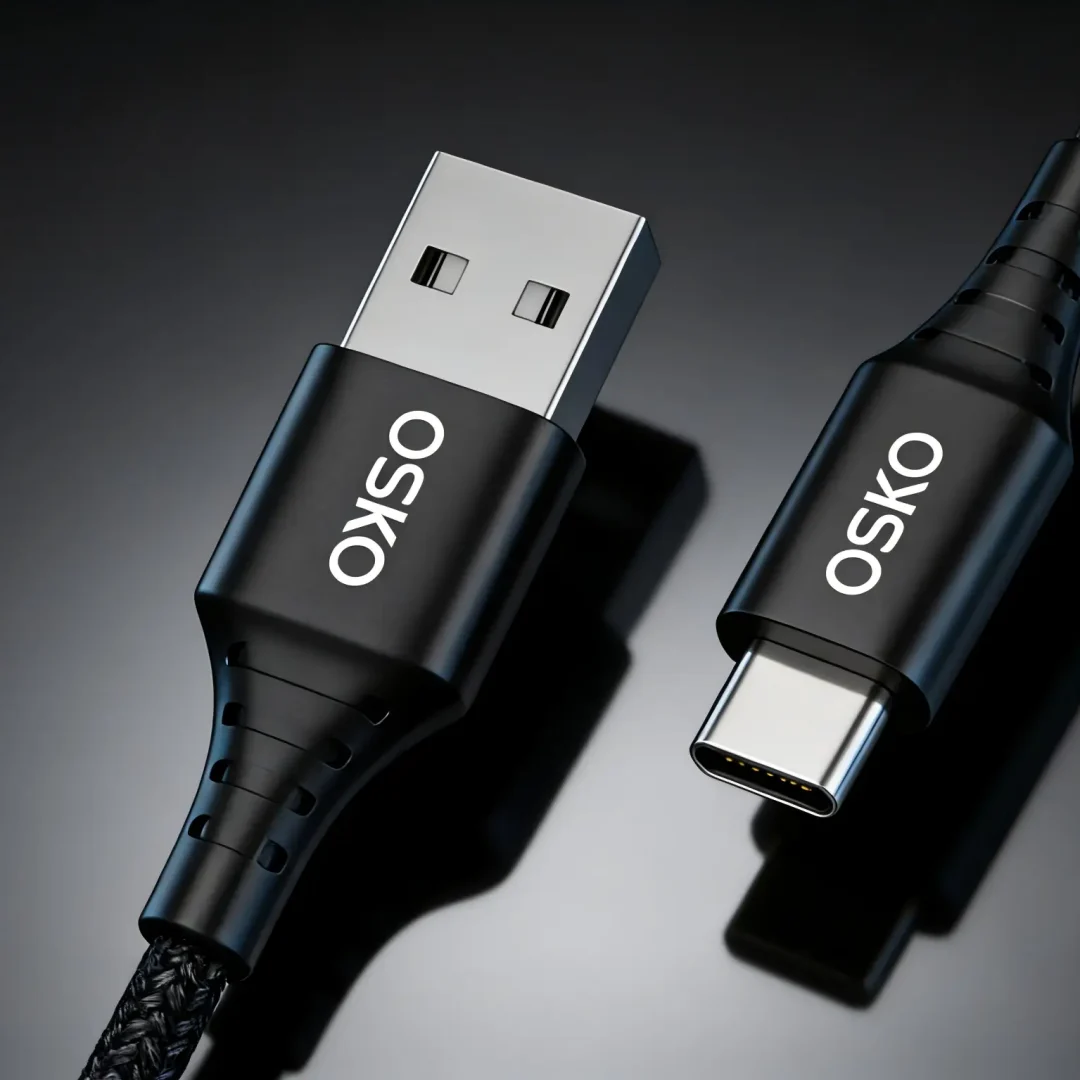
USB-A and USB-C Connector Design
USB-A and USB-C connectors have different structures.
| Connector | Features | Common Applications |
|---|---|---|
| USB-A | Traditional rectangular connector | Chargers, computers, car ports |
| USB-C | Reversible compact connector | iPhone, iPad, MacBook, Android devices |
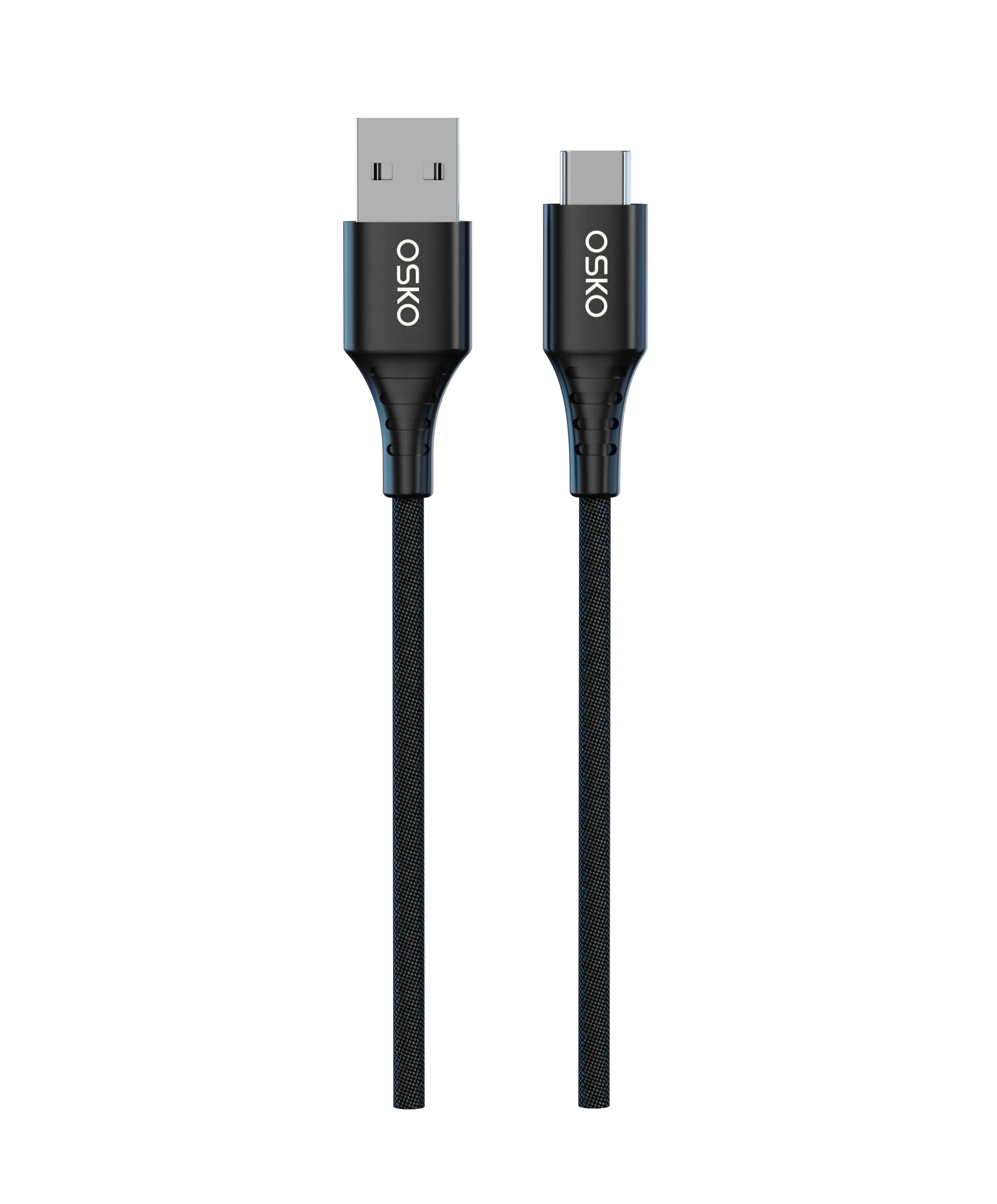
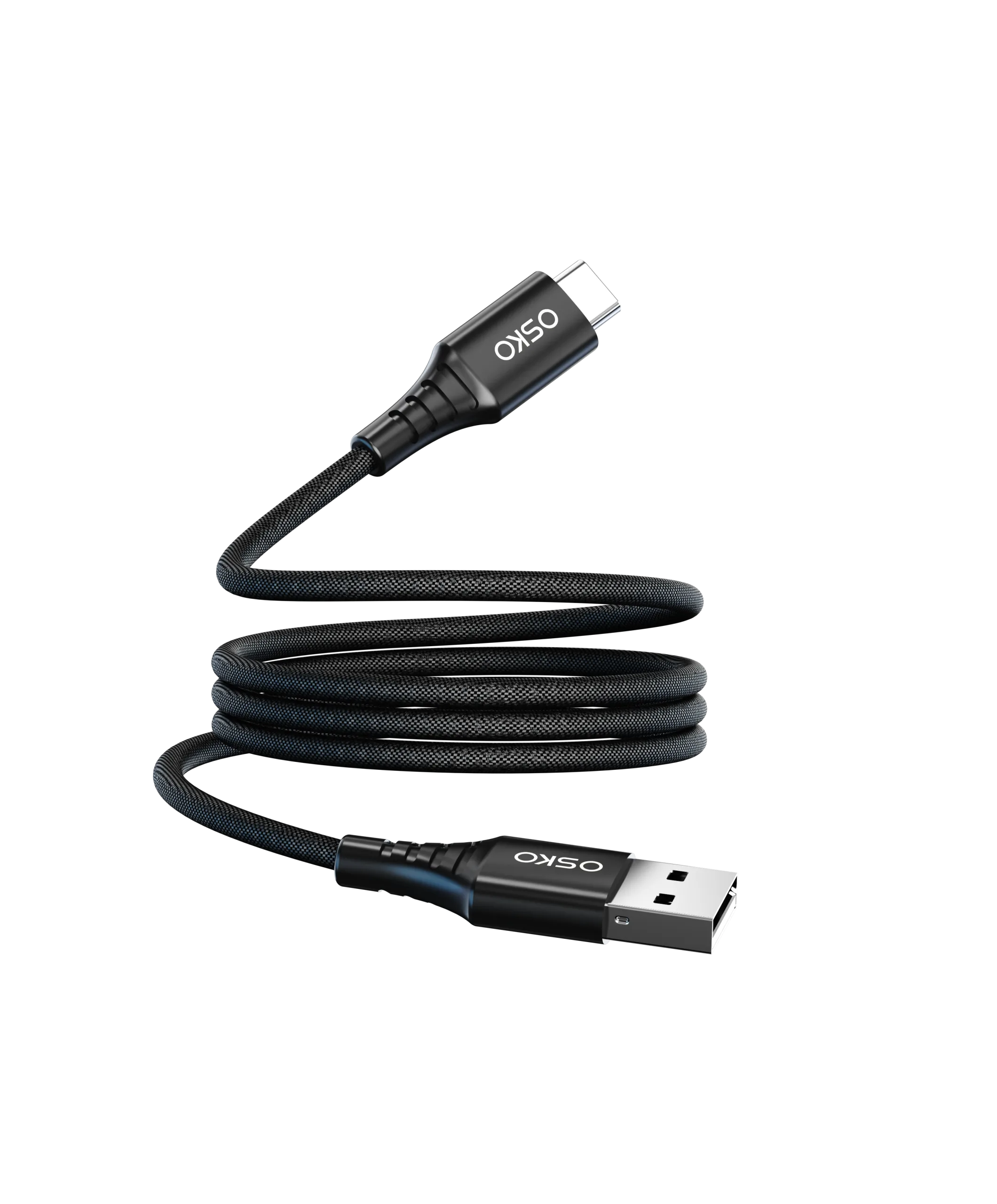
A USB-A to USB-C cable bridges older USB-A power sources with modern USB-C devices.
Typical applications include:
Charging USB-C iPhones from USB-A adapters
Connecting USB-C Android devices to older computers
Charging tablets from existing USB-A ports
Charging Performance of USB-A to USB-C Cables
Charging speed depends on multiple factors:
Charger output
Cable specification
Device charging capability
Charging protocol
Typical performance:
| USB-A Charger Output | Cable Requirement | Application |
|---|---|---|
| 5W | Standard USB-A to USB-C cable | Basic charging |
| 12W | Quality USB-A to USB-C cable | Tablets and phones |
| 18W–22W | Optimized cable | Faster smartphone charging |
Unlike USB-C to USB-C PD cables, USB-A ports generally have lower power output limitations.
Therefore, users should understand that a high-quality cable improves stability but cannot increase the maximum power of the charger.
Conductor Material and Signal Stability
The internal conductor directly affects charging efficiency.
| Material | Performance |
|---|---|
| Copper-clad aluminum | Budget solution |
| Standard copper | General applications |
| Oxygen-free copper | Premium charging |
| Tinned copper | Improved corrosion resistance |
A professional Apple charging cable supplier typically selects high-quality copper conductors for:
Lower resistance
Better charging stability
Reduced heat generation
Cable Jacket and Durability Design
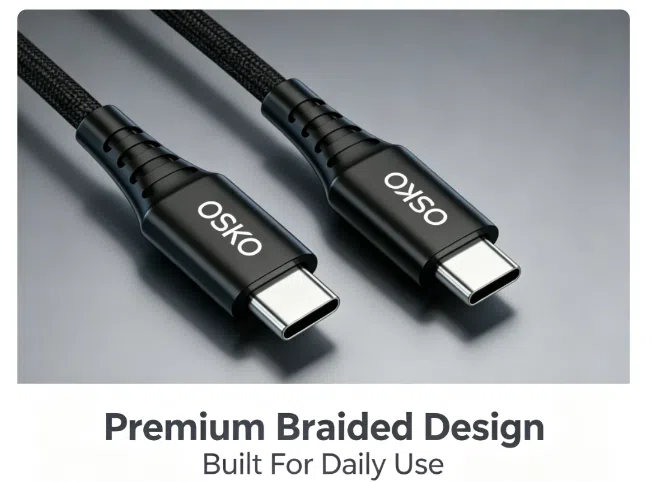
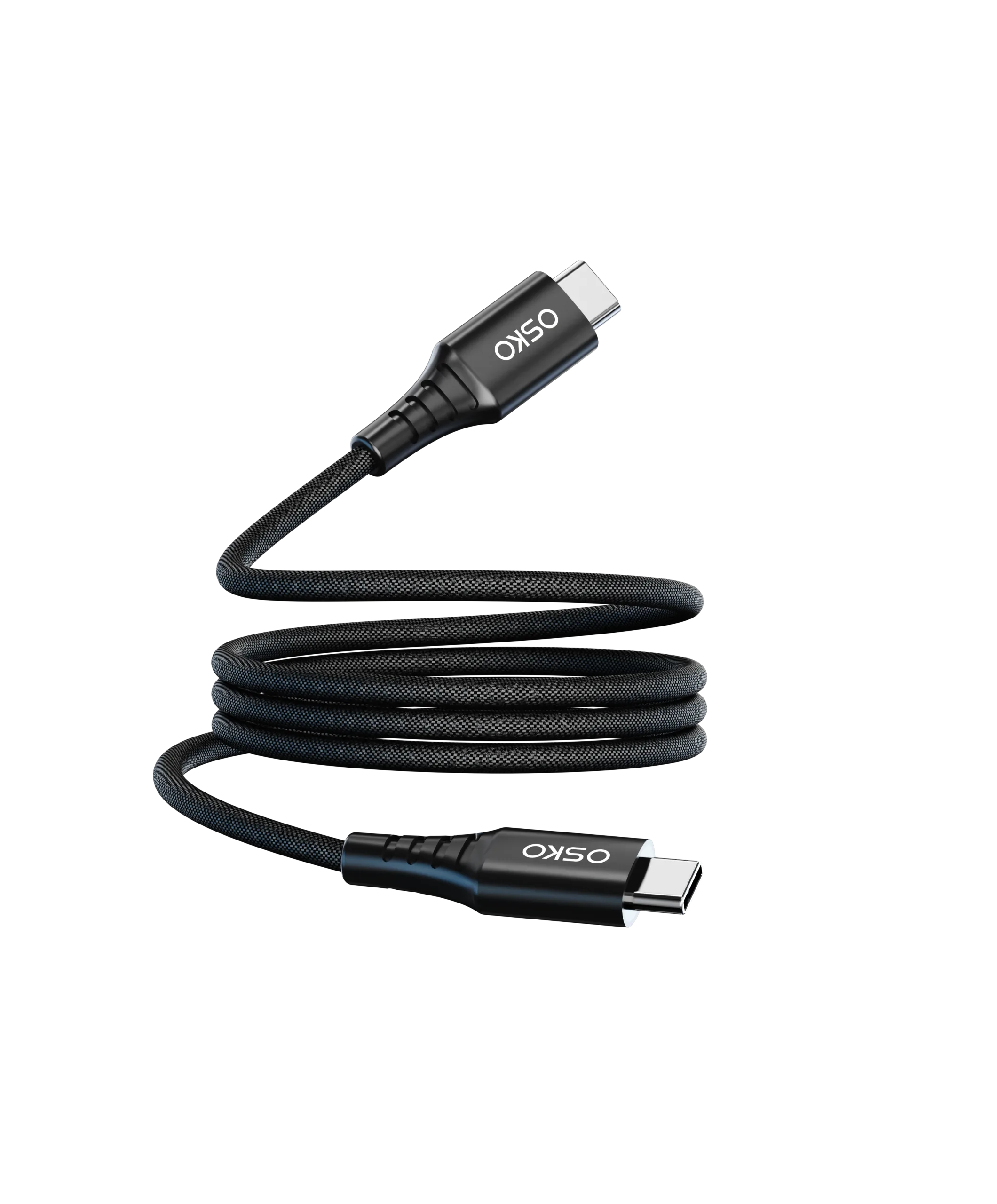
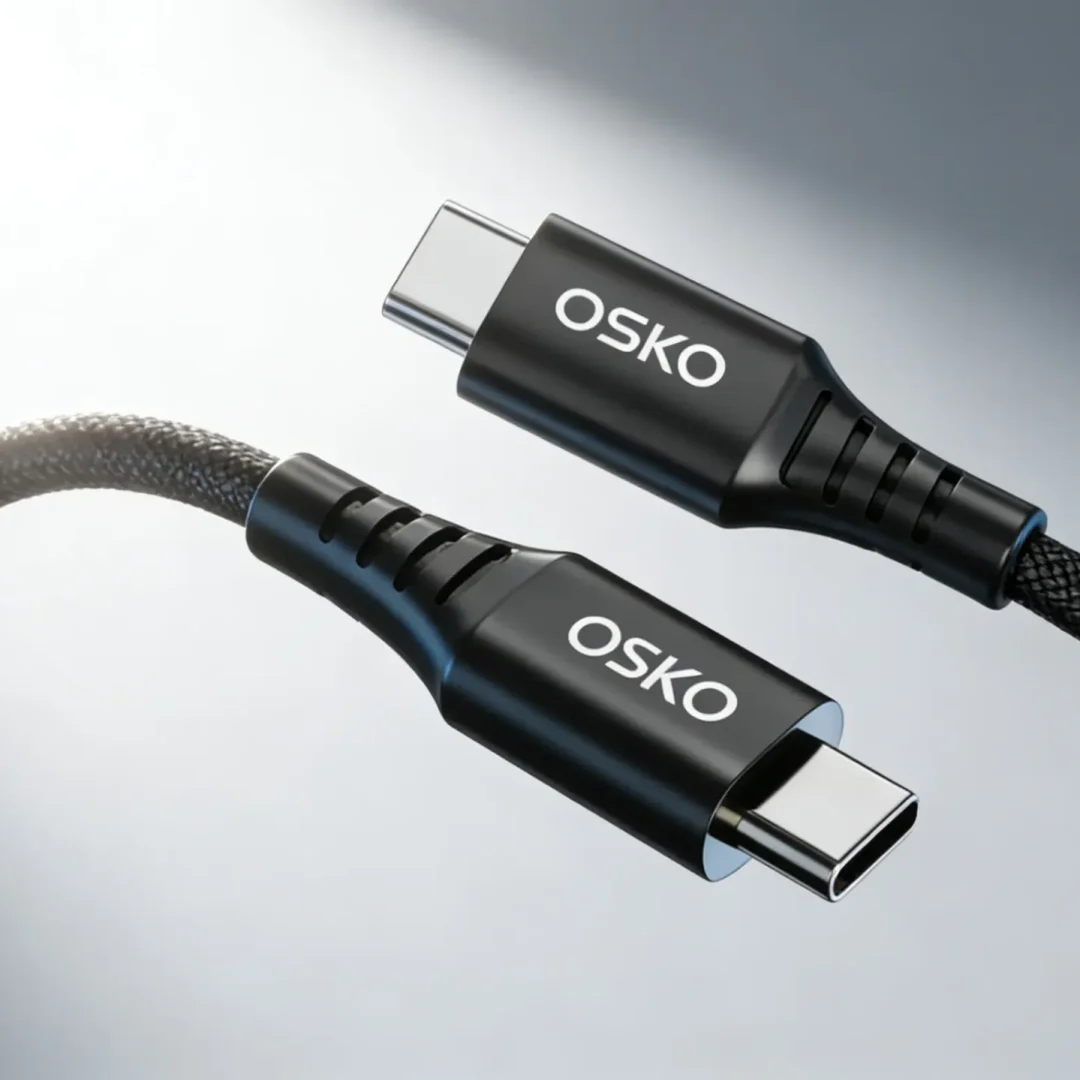
For retail and premium markets, braided designs are increasingly popular.
| Material | Benefits |
|---|---|
| PVC | Cost-effective |
| TPU | Flexible and durable |
| Nylon braid | Premium appearance and abrasion resistance |
A braided USB-A to USB-C cable is commonly selected for:
Travel accessories
Office charging products
Retail bundles
Corporate gifts
Apple Compatibility Considerations
Apple device compatibility depends on:
Connector type
Charging protocol
Certification requirements
For Apple-focused products, suppliers should understand:
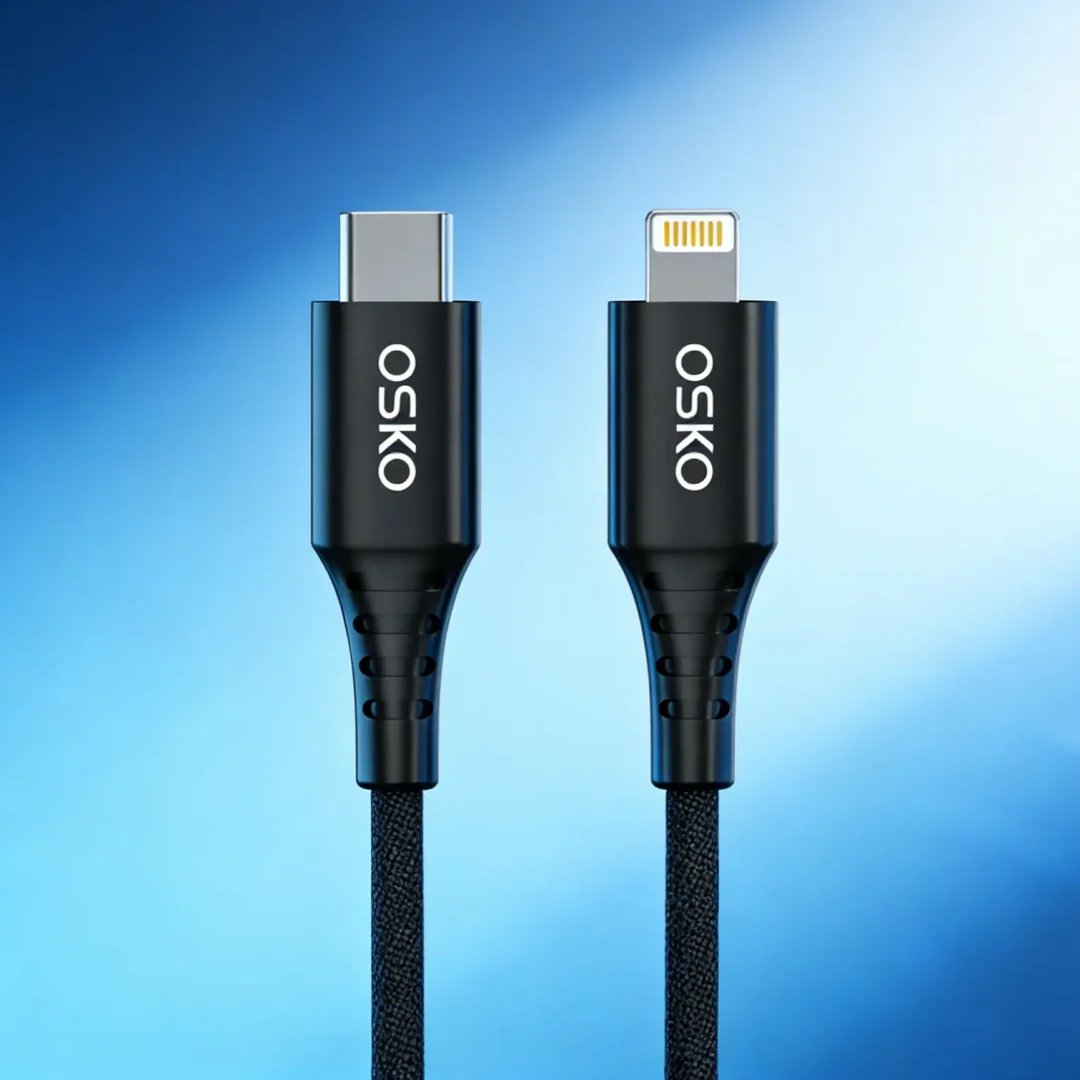
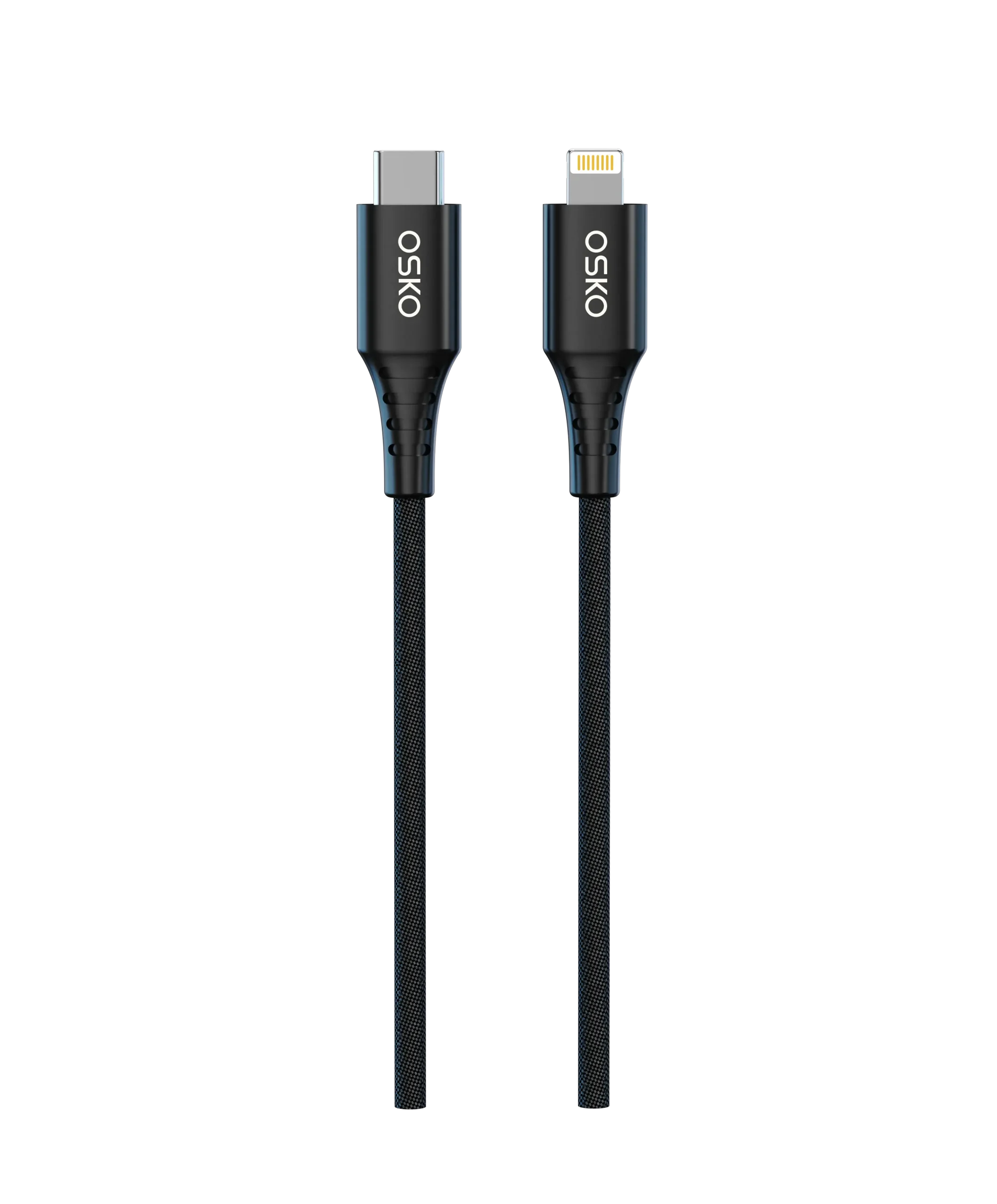
Lightning charging requirements
USB-C iPhone compatibility
MFi certification requirements for Lightning products
For USB-C Apple devices, compatibility mainly depends on:
USB-C specification
Charger output
Cable quality
A professional MFi charging cable supplier is required when producing Lightning-related products.
Case Study
North American Retail Brand USB-A to USB-C Cable Project
Customer Background
A US consumer electronics retailer wanted to expand its charging accessory category.
The product range included:
USB-A to USB-C cables
iPhone charging accessories
Android charging cables
Car charging cables
Travel charging products
The retailer needed a supplier capable of providing:
Stable quality
Custom branding
Retail packaging
Competitive wholesale pricing
Customer Challenges
Product Quality Issues
The previous supplier experienced:
Connector looseness
Cable breakage
Inconsistent charging performance
These issues increased customer complaints.
Market Differentiation Requirements
The retailer wanted:
Premium braided appearance
Multiple colors
Custom logo
Different lengths
Supply Chain Requirements
The customer required:
Bulk production capability
Reliable delivery
Flexible customization
OSKO Solution
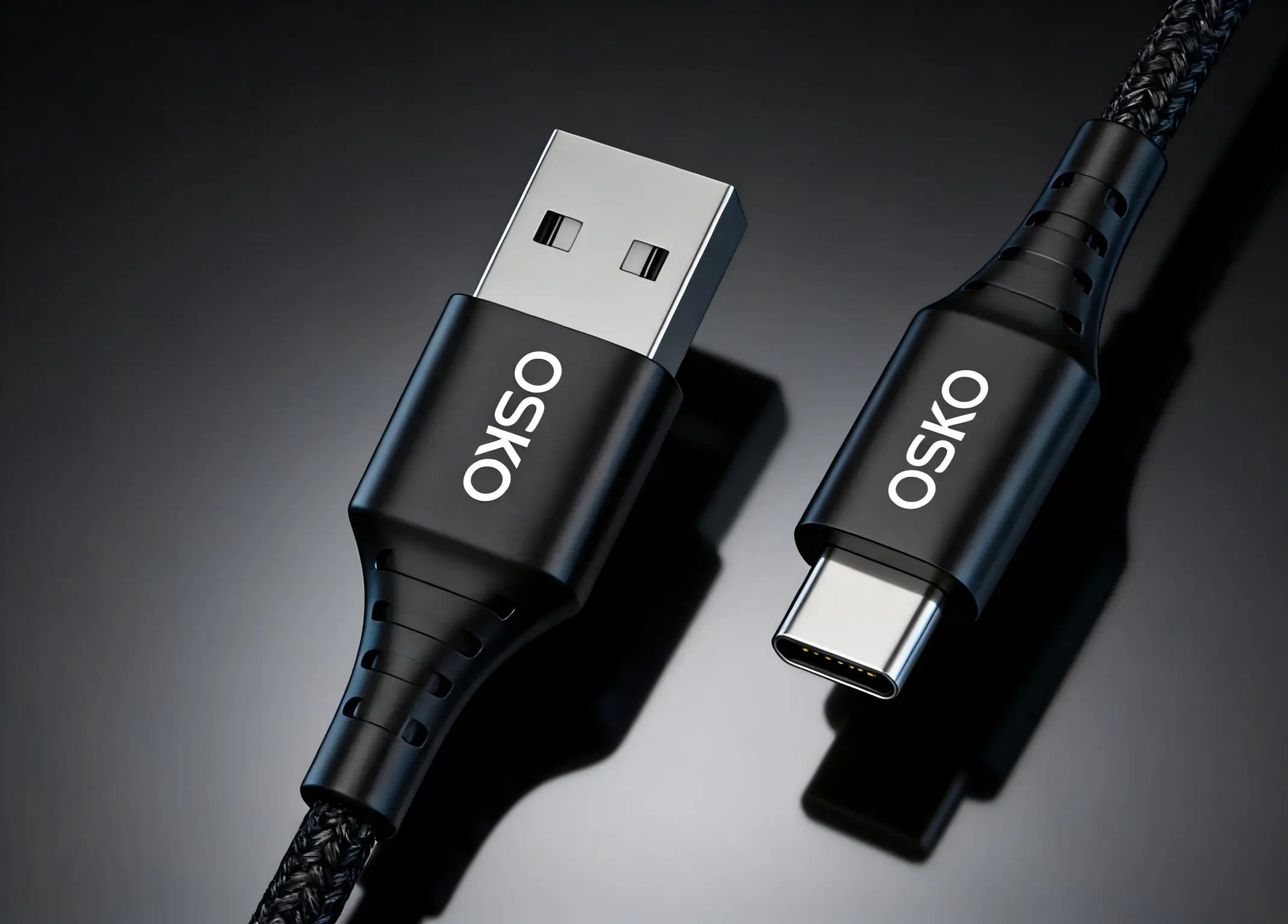
OSKO developed a customized USB-A to USB-C cable program.
The solution included:
High-quality copper conductor selection
Reinforced connector structure
Nylon braided outer layer
Customized cable lengths
Retail packaging support
The project supported:
OEM USB cable
ODM USB cable
USB cable wholesale
Retail USB cable
Bulk USB cables
applications.
Selection Guide
How to Choose a USB-A to USB-C Cable Supplier
Wholesale buyers should evaluate suppliers based on technical capability rather than price alone.
Check Product Specifications
Important specifications include:
| Specification | Recommended Options |
|---|---|
| Connector | USB-A to USB-C |
| Length | 3ft, 6ft, custom |
| Material | Nylon braid, TPU |
| Power support | 12W–22W typical |
| Usage | Apple, Android, accessories |
Choose According to Application
| Scenario | Recommended Cable |
|---|---|
| Home charging | 3ft USB-A to USB-C |
| Office desk | 6ft USB-A to USB-C |
| Car charging | Flexible braided cable |
| Travel | Compact short cable |
| Retail product | Custom branded cable |
OEM and Private Label Options
Brands and distributors often require customized products.
Available customization:
| Custom Feature | Purpose |
|---|---|
| Logo printing | Brand recognition |
| Custom color | Product differentiation |
| Cable length | Different markets |
| Packaging | Retail presentation |
| Connector design | Premium positioning |
Common sourcing requirements include:
OEM Apple charging cable
Private label USB cable
Custom USB-A to USB-C cable wholesale
Custom packaging charging cable factory
Quality and Compliance Requirements
Professional suppliers should provide:
| Standard | Purpose |
|---|---|
| FCC | US market compliance |
| CE | European market compliance |
| RoHS | Material safety |
| ISO9001 | Quality management |
For Apple-related products, buyers should confirm certification requirements based on the connector type.
FAQ
Can a USB-A to USB-C cable charge an iPhone?
Yes. USB-A to USB-C cables can charge iPhones with USB-C ports when connected to compatible USB-A chargers.
Can USB-A to USB-C support fast charging?
It depends on the USB-A charger output and device compatibility. USB-A generally supports lower power compared with USB-C PD charging.
What is the difference between USB-A to USB-C and USB-C to USB-C cables?
USB-C to USB-C cables support modern USB-C PD fast charging systems, while USB-A to USB-C cables are mainly designed for compatibility with older USB-A power sources.
Are braided USB-A to USB-C cables better?
Braided cables usually provide better durability and premium appearance compared with standard PVC cables.
Can brands customize USB-A to USB-C cables?
Yes. OEM suppliers can customize:
Logo
Color
Length
Packaging
Cable structure
Summary
A reliable USB-A to USB-C cable for Apple devices requires the right combination of connector compatibility, conductor quality, charging capability, and durable construction.
For consumers, choosing the correct cable ensures stable charging with existing USB-A chargers.
For brands, retailers, and distributors, working with an experienced USB-A to USB-C cable manufacturer provides:
Consistent quality
OEM customization
Reliable supply
Market-ready products
As USB-C continues becoming the standard connection interface, USB-A to USB-C cables remain an important accessory category for customers who still use existing chargers, vehicles, and office equipment.
Contact Information
OSKO provides professional USB-A to USB-C cable manufacturing solutions:
Apple-compatible charging cables
Braided charging cables
OEM and ODM USB cables
Private label cable solutions
Custom logo and packaging
Bulk wholesale supply
OSKO supports global brands and distributors with USB cable engineering, customization, quality control, and scalable OEM production solutions.