
Introduction
Many users experience slow charging, overheating, or unstable charging because they choose a USB-C cable and compatible power adapter separately without considering their electrical compatibility.
A fast charger system is not determined by the adapter alone. The charging performance depends on the complete combination of:
Power adapter output capability
USB-C cable power rating
Charging protocol support
Device requirements
Cable material and internal structure
For example, a 100W USB-C power adapter cannot deliver 100W charging if it is connected with a low-quality cable that only supports 30W.
This is why smartphone brands, laptop manufacturers, retailers, and distributors need reliable charging solutions that combine the correct USB-C charging cable supplier capability with suitable power adapter specifications.
A complete USB-C charging system should provide:
Stable power delivery
Safe temperature control
Device compatibility
Long-term durability
This article explains how USB-C cables and power adapters work together, how to select the correct combination, and how businesses can source reliable charging products.

Material Science & Dielectric Properties
How USB-C Cable Construction Affects Charging Performance
A USB-C cable is not just a connector with wires inside.
The internal structure directly affects:
Current transmission
Heat generation
Charging efficiency
Product lifespan
A professional USB-C cable manufacturer designs cables according to power requirements.
Conductor Material Selection
The conductor carries electrical current from the adapter to the device.
| Conductor Type | Performance | Application |
|---|---|---|
| Copper-clad aluminum | Lower conductivity | Basic charging |
| Standard copper | Balanced performance | Consumer electronics |
| Oxygen-free copper | High conductivity | Fast charging |
| Tinned copper | Corrosion resistance | Industrial use |
For high-power charging applications, oxygen-free copper is commonly selected because it reduces resistance and improves current stability.
This is important for:
MacBook charging
Gaming laptops
Tablets
High-capacity power banks
USB-C Power Delivery and Cable Requirements
USB-C Power Delivery (USB-C PD) allows devices and chargers to negotiate charging power automatically.
The charging system determines:
Required voltage
Current level
Maximum power output
Typical charging levels include:
| Cable Specification | Maximum Power | Common Devices |
|---|---|---|
| Standard USB-C cable | 15W–30W | Phones |
| 60W USB-C cable | Tablets, ultrabooks | iPad, Surface devices |
| 100W USB-C cable | Laptops | MacBook Pro |
| 240W USB-C cable | High-performance devices | Gaming laptops |
A power adapter with higher output does not automatically mean faster charging.
The cable must support the required power level.
Power Adapter Compatibility
The power adapter provides electrical energy, but compatibility depends on output specifications.
Important adapter specifications include:
| Specification | Meaning |
|---|---|
| Wattage | Maximum charging power |
| Voltage | Electrical pressure |
| Current | Power delivery capability |
| Charging protocol | Device communication |
Common protocols include:
USB Power Delivery (PD)
PPS charging
Quick Charge compatibility
For example:
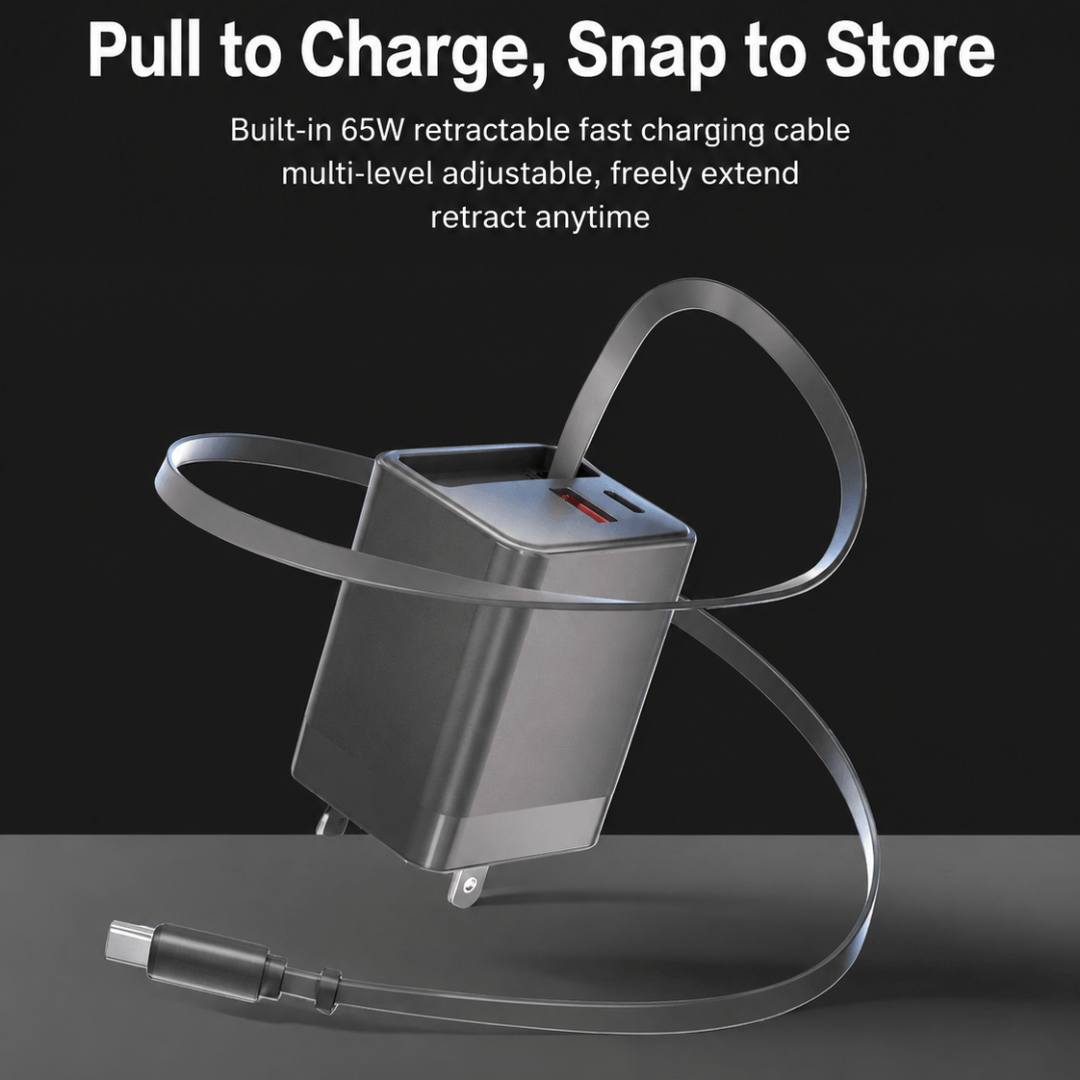
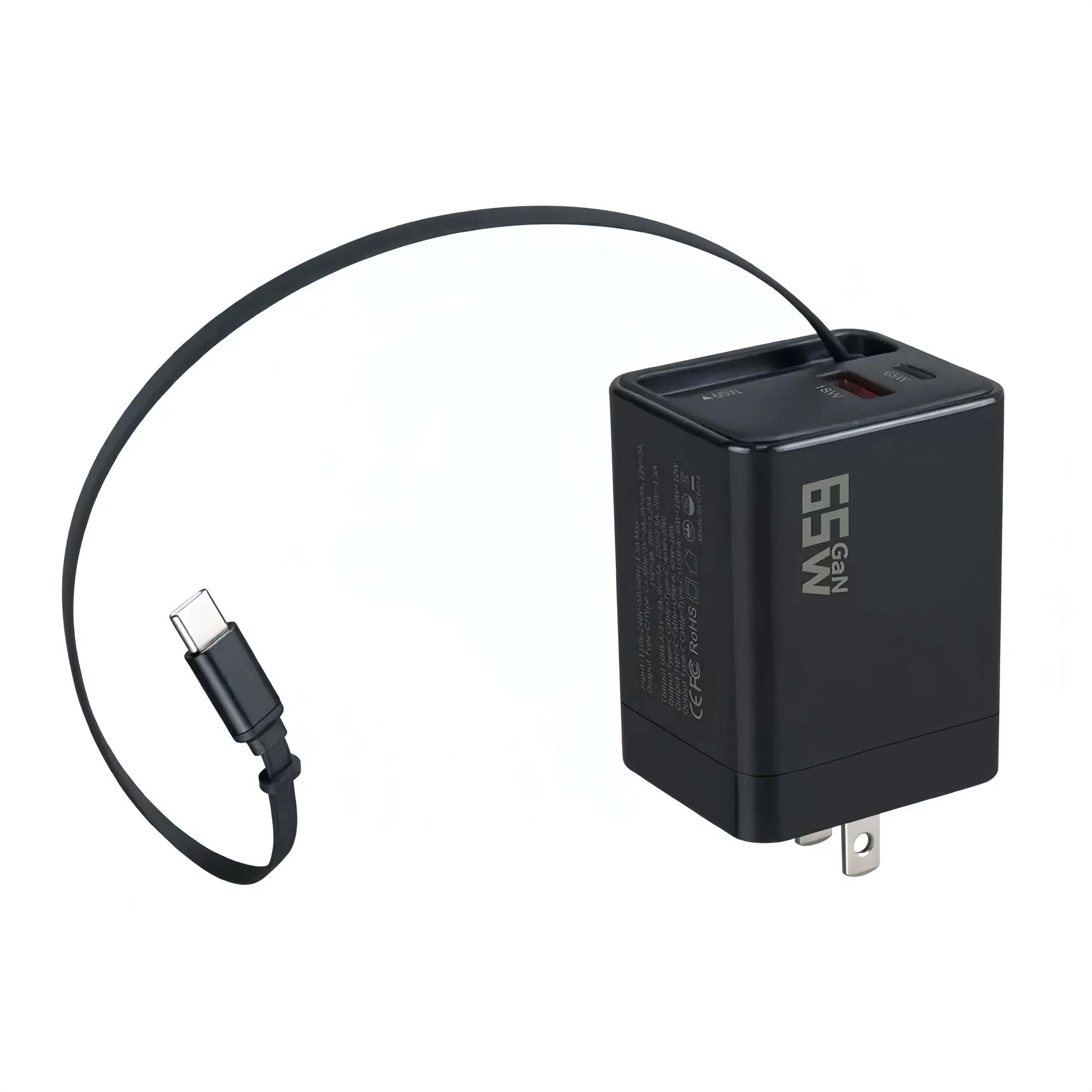
A 65W USB-C adapter + 100W USB-C cable can safely charge a laptop.
However:
A 20W adapter + 240W cable will still only provide approximately 20W output.
USB-C Cable Outer Material Design
Cable durability depends heavily on external protection.
| Material | Advantages |
|---|---|
| PVC | Affordable and flexible |
| TPU | Better flexibility |
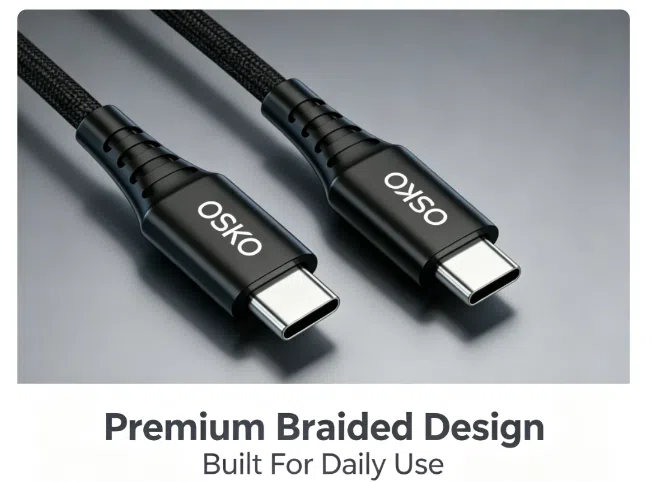
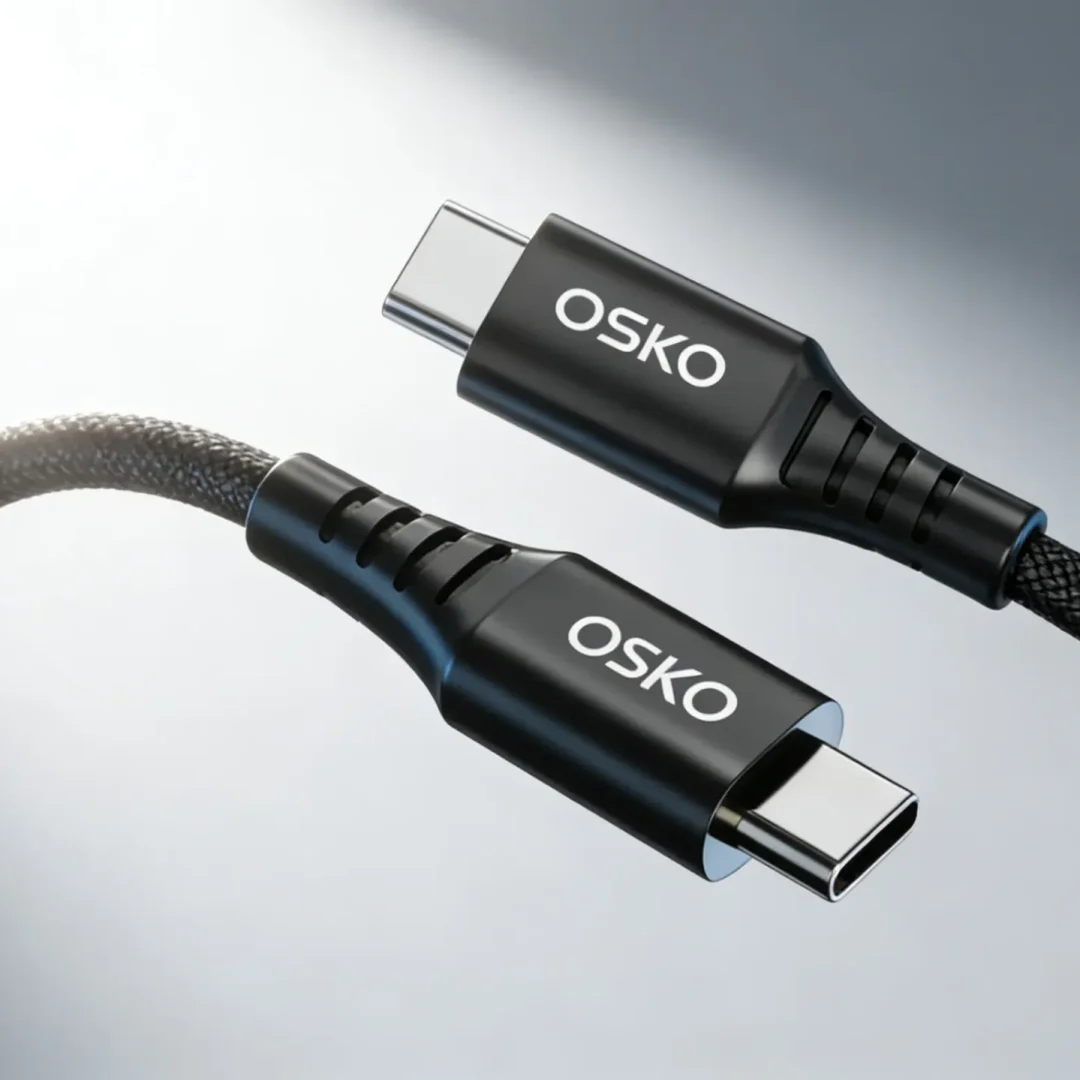
| Nylon braid | Premium durability |
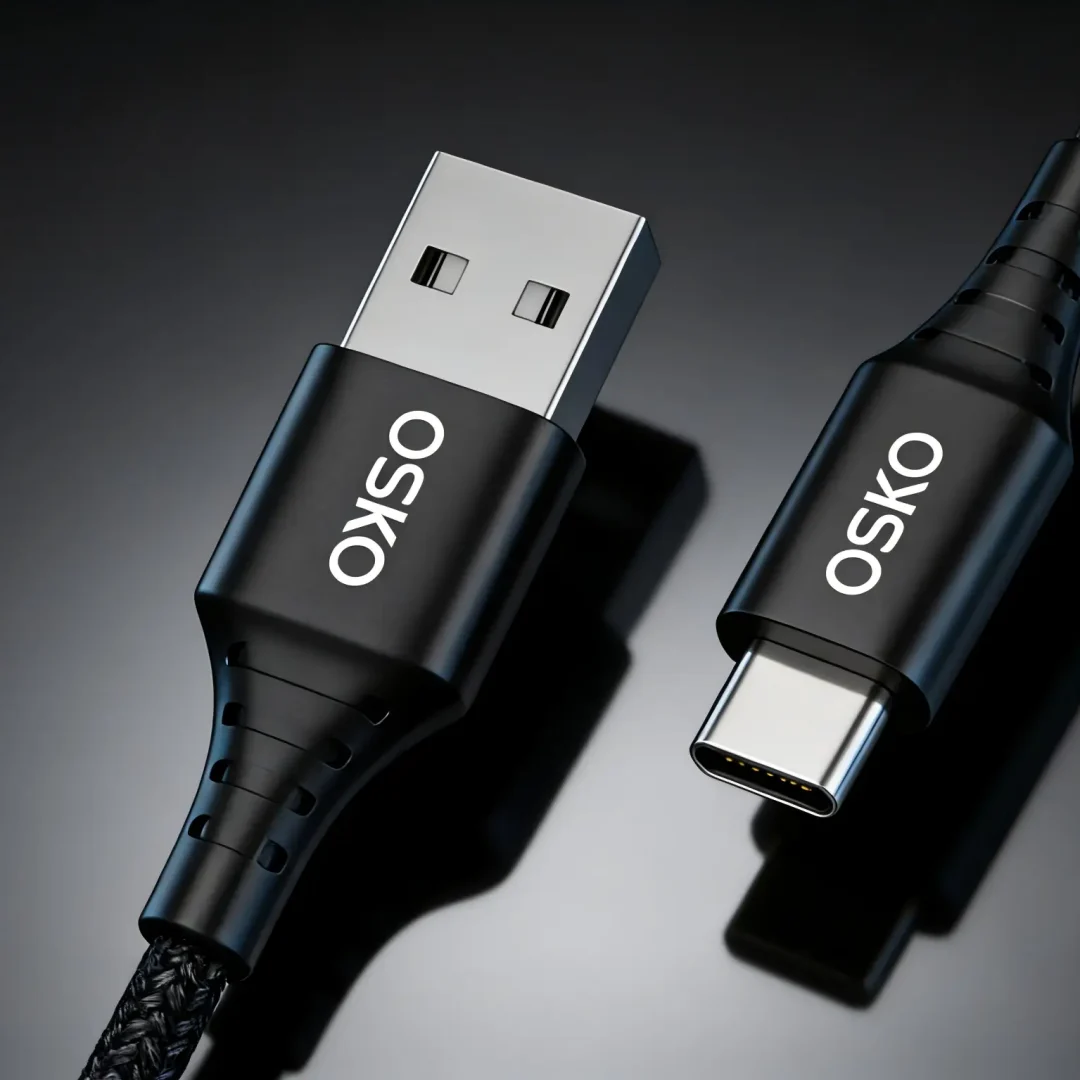
For retail and professional applications, braided cables are popular because they provide:
Better abrasion resistance
Reduced tangling
Premium appearance
A professional braided USB-C cable factory can provide customized solutions including:
Cable color
Length
Logo
Packaging
Case Study
US Electronics Brand USB-C Charging Kit Development Project
Customer Background
A North American electronics brand wanted to launch a complete charging kit including:
USB-C charging cable
USB-C power adapter
Retail packaging
The target customers included:
Smartphone users
Laptop users
Travel users
Office professionals
The company needed a reliable supplier capable of providing consistent charging performance.
Customer Challenges
Compatibility Problems
The previous supplier offered:
Generic cables
Unclear power specifications
Limited device testing
Customers reported:
Slow charging
Adapter compatibility issues
Cable overheating
Product Differentiation Requirements
The brand required:
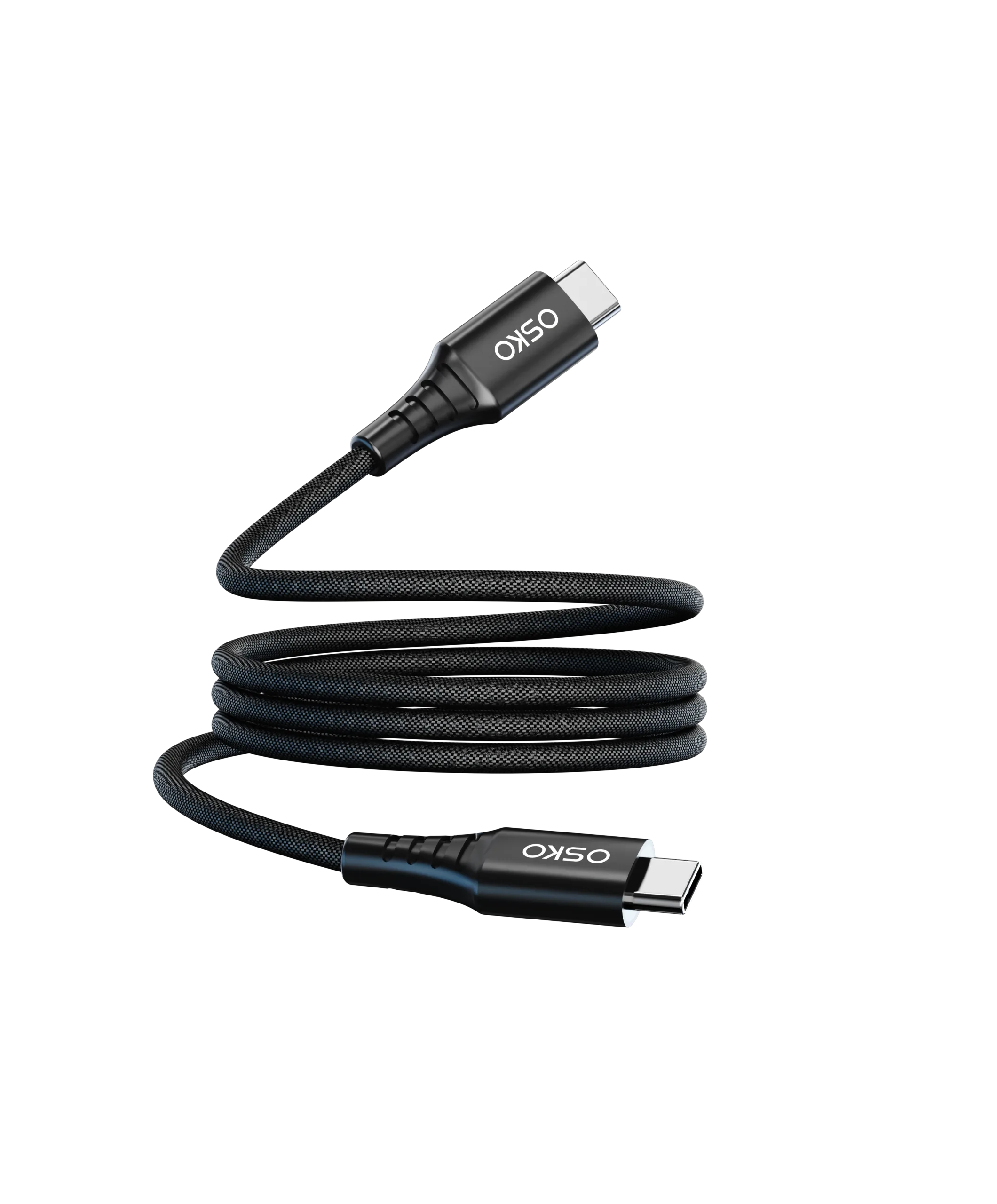
Premium braided cable design
Multiple lengths
Custom logo
Retail-ready packaging
Supply Chain Requirements
The company needed:
Stable bulk production
Technical documentation
Consistent quality
OSKO Solution
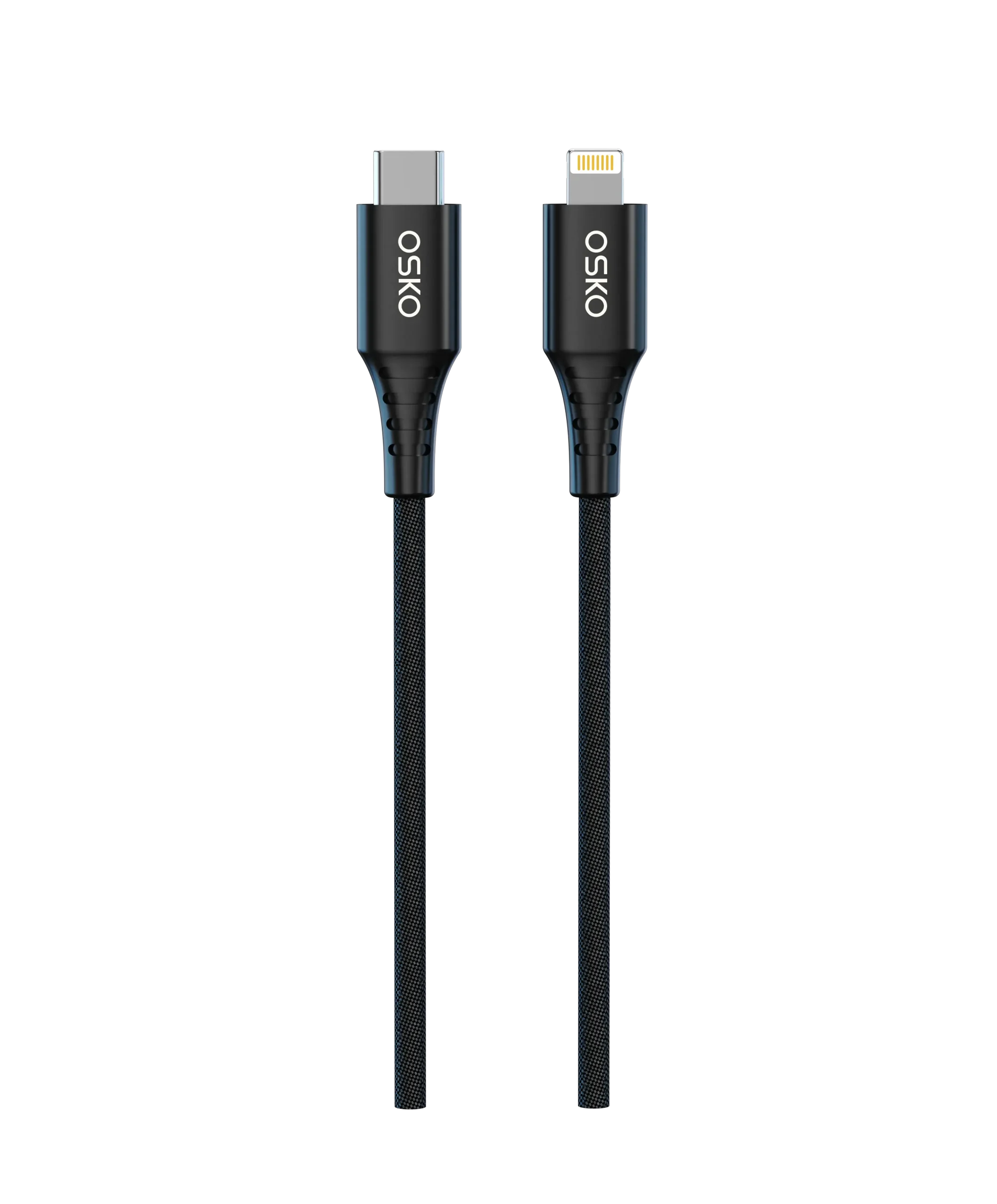
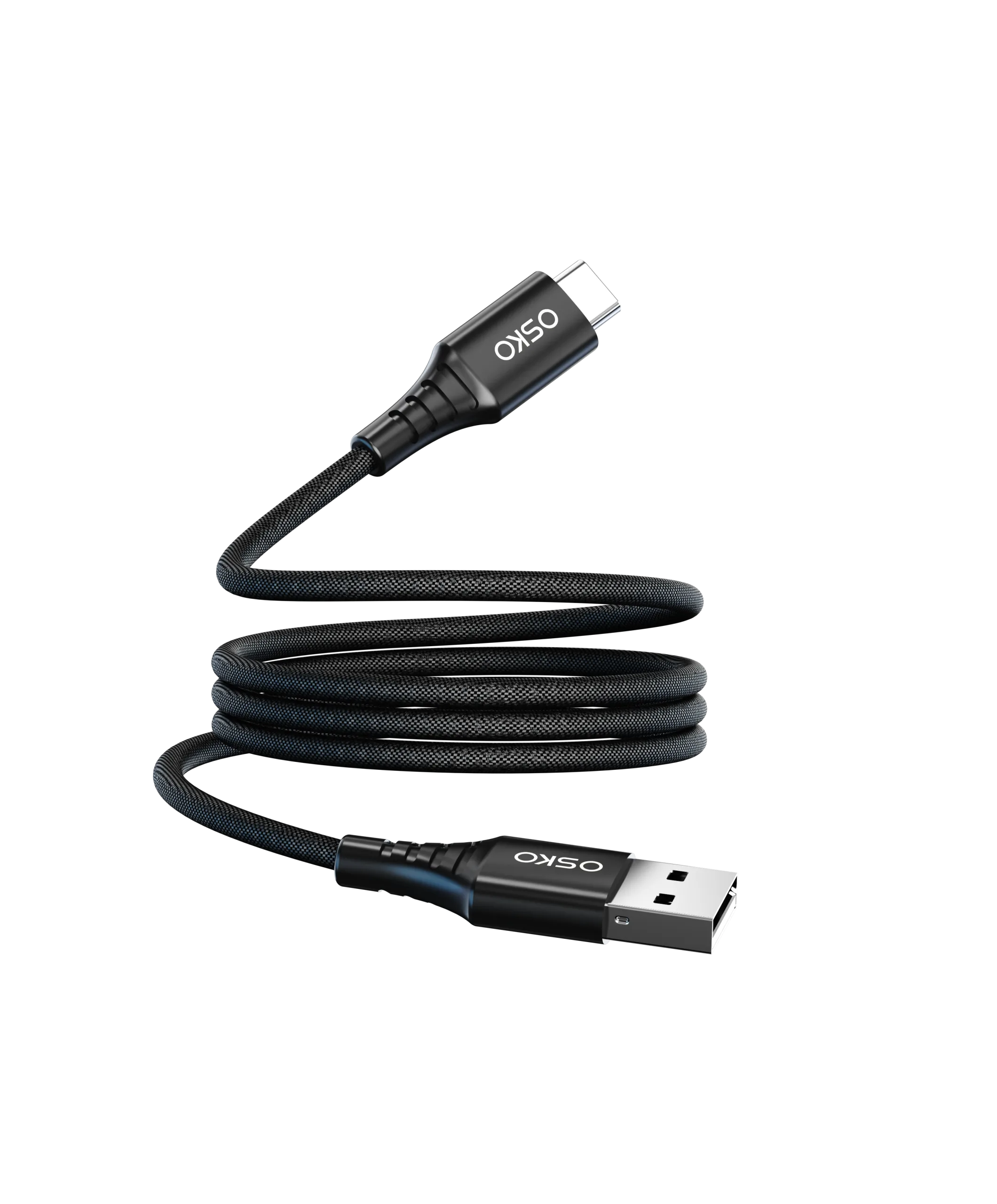
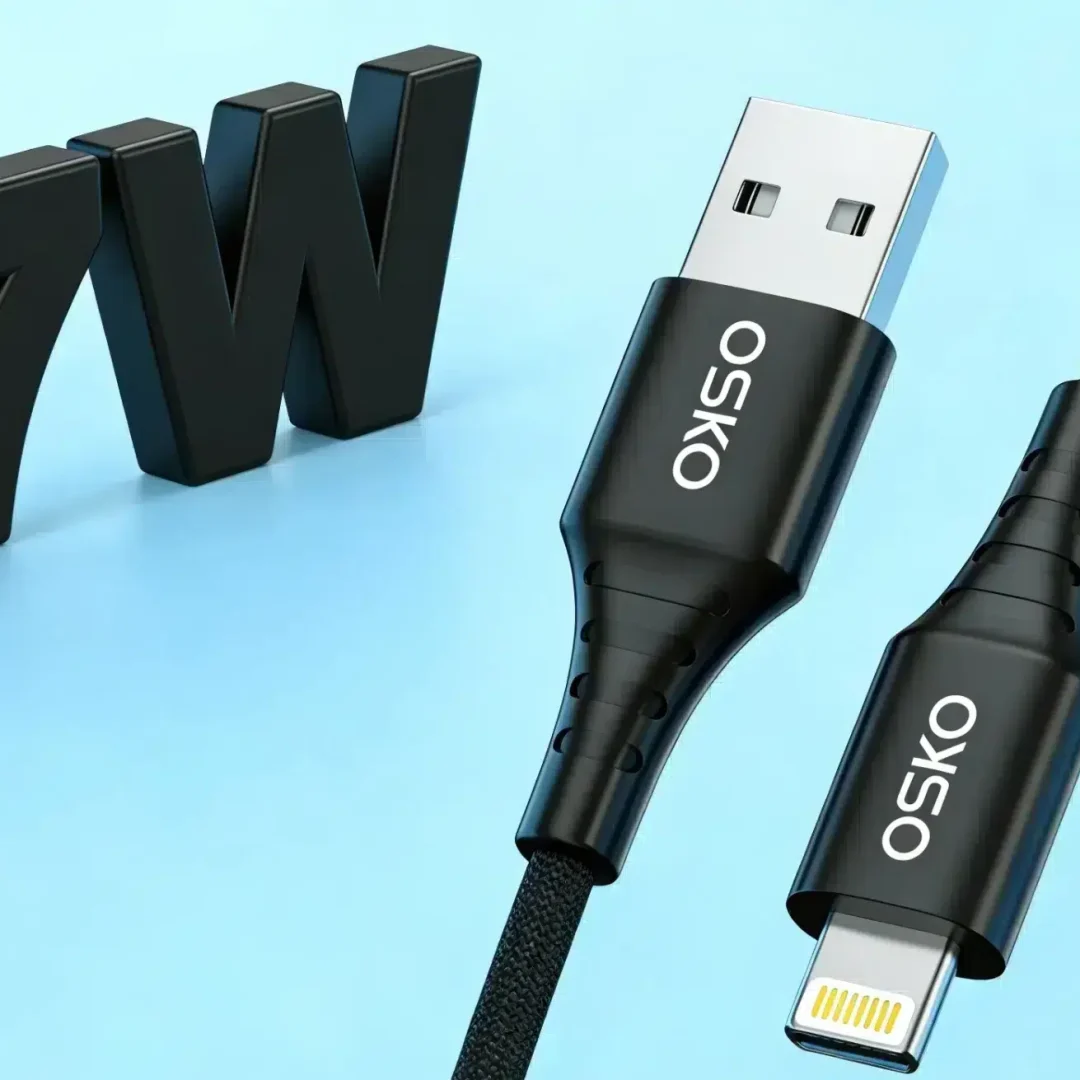
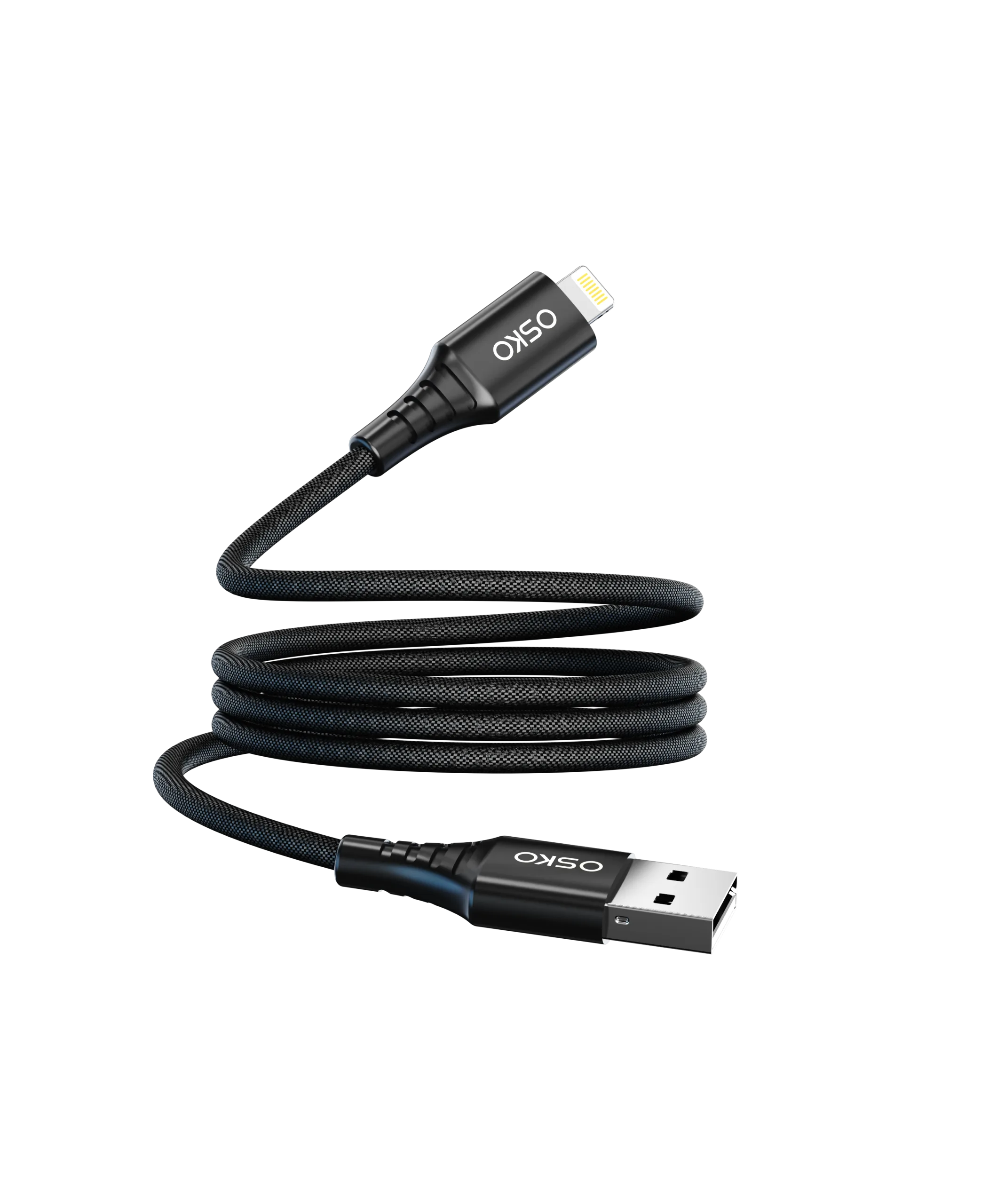
OSKO developed a customized USB-C charging solution.
The project included:
Cable structure optimization
Power performance testing
Connector reinforcement
Custom packaging development
The product range included:
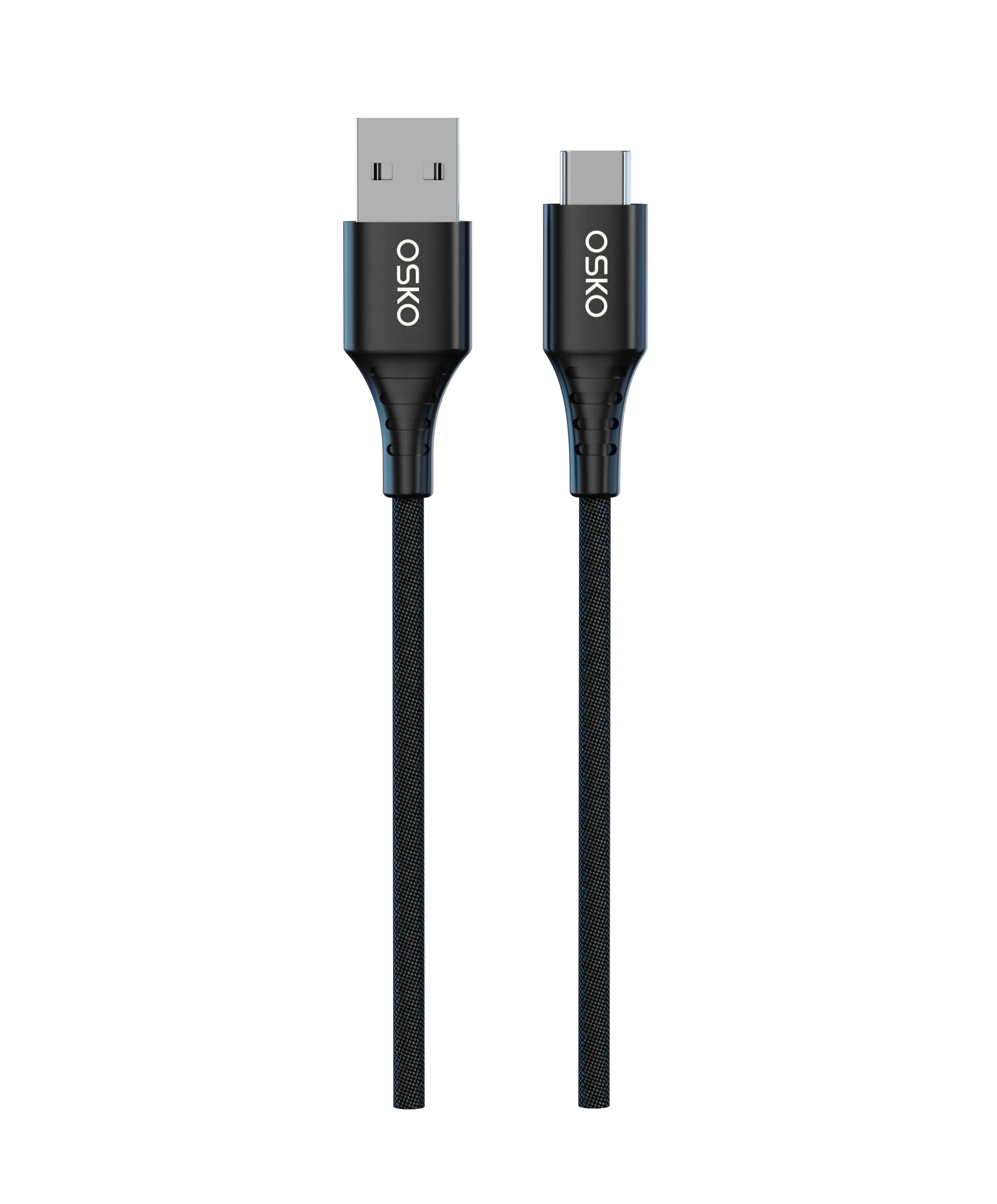
OEM USB-C cable
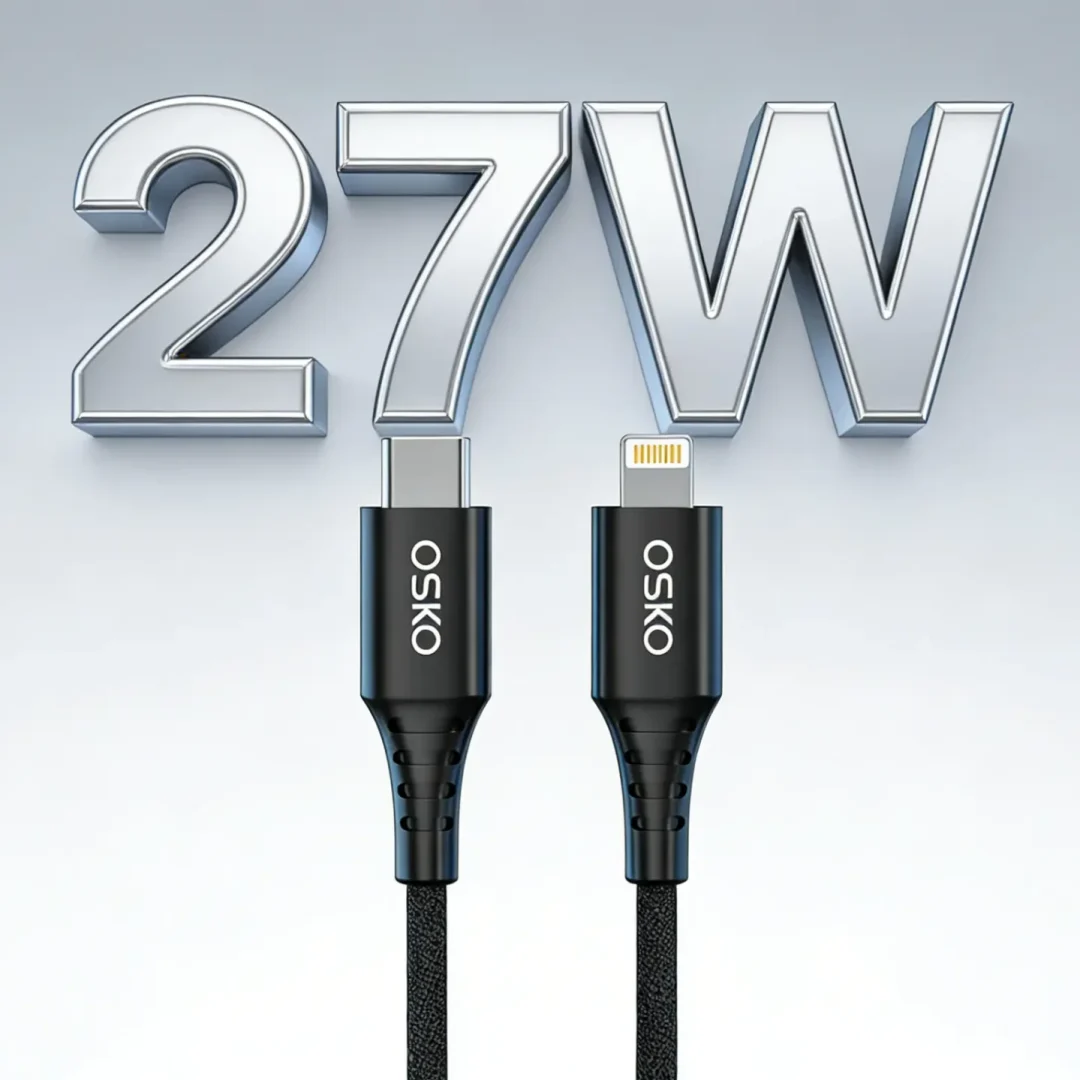
USB-C PD charging cable
Braided USB-C charging cable
USB-C cable wholesale solutions
Customization included:
| Feature | Solution |
|---|---|
| Cable length | 3ft, 6ft, custom |
| Power rating | 60W, 100W, 240W |
| Material | Nylon braid |
| Branding | Logo printing |
| Packaging | Custom retail box |
Selection Guide
How to Choose the Correct USB-C Cable and Adapter Combination
When selecting charging products, buyers should evaluate the entire charging system.

Match Cable Wattage with Adapter Output
Recommended combinations:
| Power Adapter | Recommended Cable |
|---|---|
| 20W charger | 30W USB-C cable |
| 45W charger | 60W USB-C cable |
| 65W charger | 100W USB-C cable |
| 140W charger | 240W USB-C cable |
Using an appropriate cable ensures:
Stable charging
Lower heat
Better lifespan
Choose Based on Application Scenario
| Application | Recommended Solution |
|---|---|
| Smartphone charging | 20W–30W adapter + USB-C cable |
| Office desk setup | 65W adapter + 100W cable |
| Laptop charging | 100W–240W system |
| Travel charging | Compact adapter + braided cable |
| Car charging | Flexible reinforced cable |
Wholesale and OEM Purchasing Considerations
For distributors and brands, supplier evaluation should include:
| Factor | Importance |
|---|---|
| Factory capability | Production stability |
| Material control | Product reliability |
| Testing system | Quality assurance |
| Certification | Market access |
| Customization | Brand differentiation |
Professional suppliers can support:
OEM USB-C cable manufacturer
USB-C charging cable wholesale
Private label charging cable
Custom packaging USB cable
projects.
FAQ
Can any USB-C cable work with any USB-C charger?
Most USB-C cables can physically connect, but charging performance depends on power rating, protocol support, and cable specifications.
Do I need a special cable for a 65W USB-C charger?
Yes. To achieve 65W charging, the cable should support the required current level, usually a 60W or 100W rated USB-C cable.
Can a 240W USB-C cable charge a phone?
Yes. A higher-rated cable is backward compatible. The device and adapter determine the actual charging power.
Why does my USB-C charger charge slowly?
Common reasons include:
Low-power adapter
Unsupported charging protocol
Low-quality cable
Damaged connector
What USB-C cable is best for laptops?
For laptops, buyers should select USB-C cables supporting:
60W minimum for lightweight laptops
100W or higher for professional laptops
240W for high-performance devices
Summary
Choosing the correct USB-C cable and compatible power adapter requires understanding the relationship between cable design, adapter output, and device requirements.
A reliable charging system depends on:
Proper wattage matching
High-quality conductor materials
Stable USB-C PD support
Durable cable construction
Certified manufacturing processes
For consumers, the right combination provides faster and safer charging.
For brands, distributors, and retailers, partnering with an experienced USB-C cable supplier ensures consistent quality, customization flexibility, and long-term market competitiveness.
Contact Information
OSKO provides complete USB-C charging solutions:
USB-C charging cables
USB-C PD cables
Fast charging cable OEM
Braided USB-C cables
Custom length USB-C cables
Private label charging solutions
Bulk wholesale supply
OSKO supports global brands and distributors with USB-C cable engineering, OEM manufacturing, quality testing, and customized charging solutions.