
Introduction: USB-A vs USB-C – Understanding the Evolution of USB Cable Technology
The comparison of USB-A vs USB-C has become increasingly important as modern electronic devices continue moving toward faster charging, higher data transfer speeds, and universal connectivity.
For many years, USB-A cables were the standard connection solution for computers, chargers, keyboards, power banks, and other electronic devices. However, with the development of smartphones, laptops, tablets, and high-power charging systems, USB Type C cables have become the preferred connection standard.
Today, USB-C cables are widely used in:
Smartphones
Tablets
MacBooks and laptops
Gaming devices
External storage devices
Automotive charging systems
Industrial electronics
For consumers, choosing between USB-A and USB-C depends on compatibility and performance requirements.
For OEM buyers, distributors, and electronics brands, selecting the right USB cable manufacturer is even more critical because cable structure, materials, charging capability, and production quality directly influence product reliability.
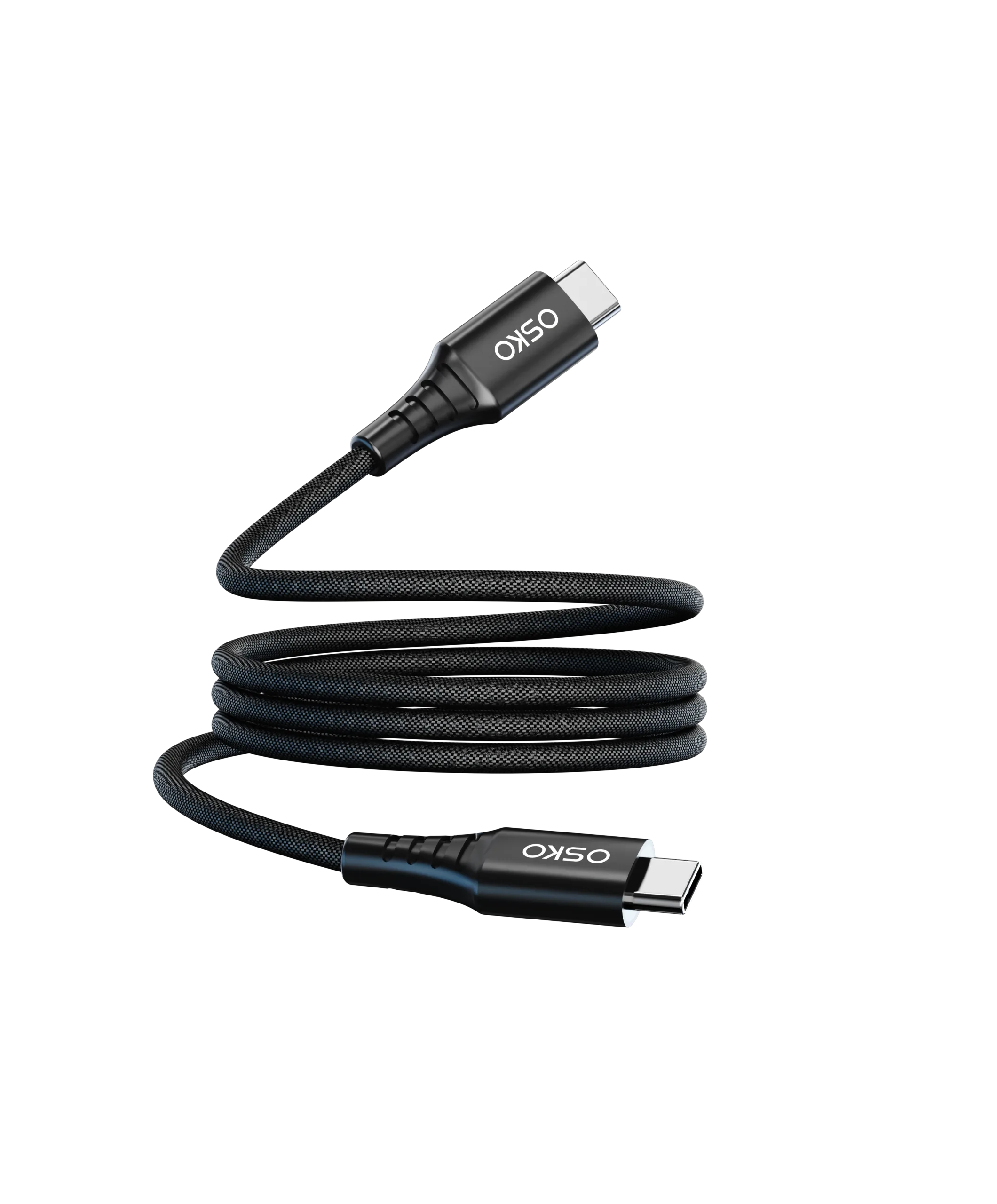
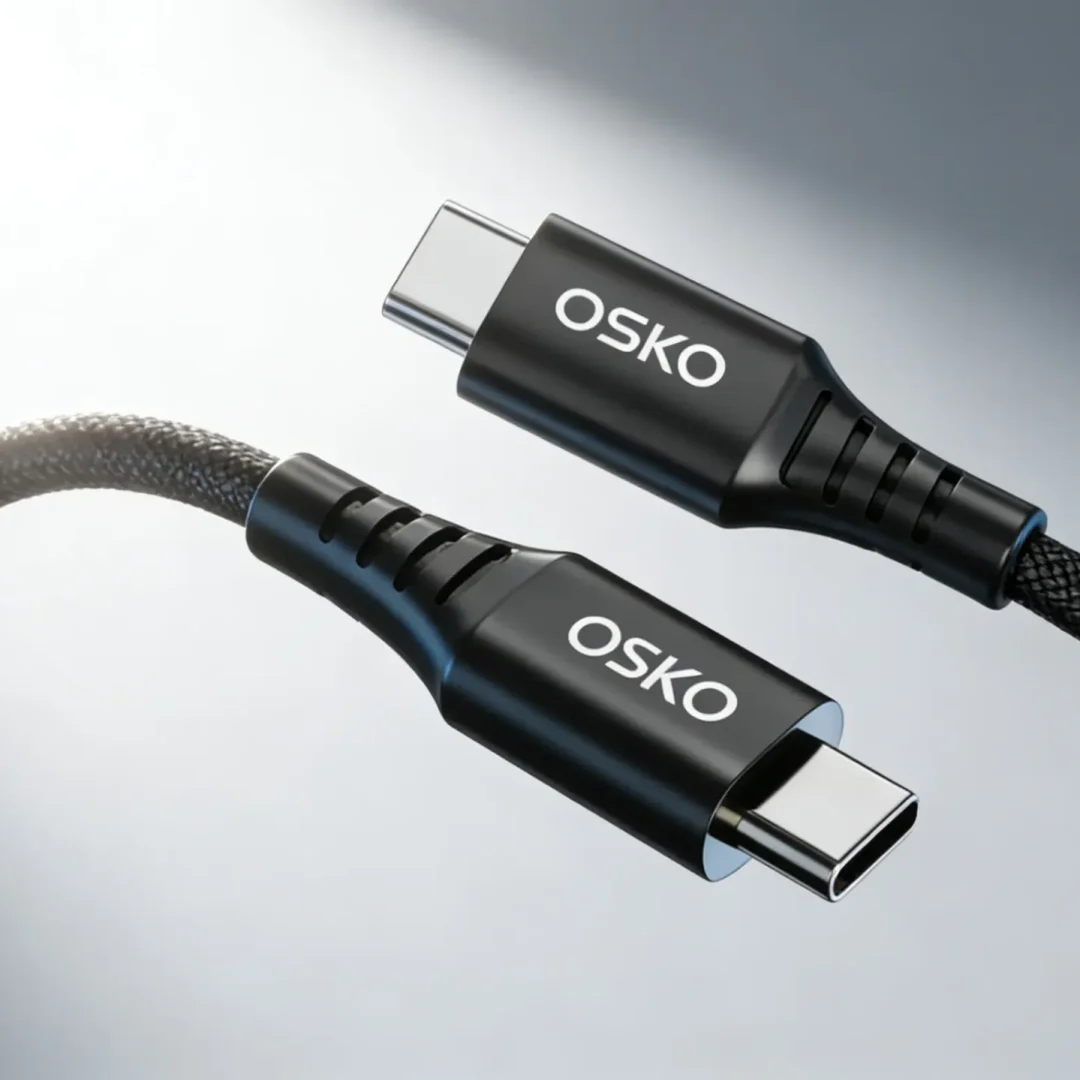
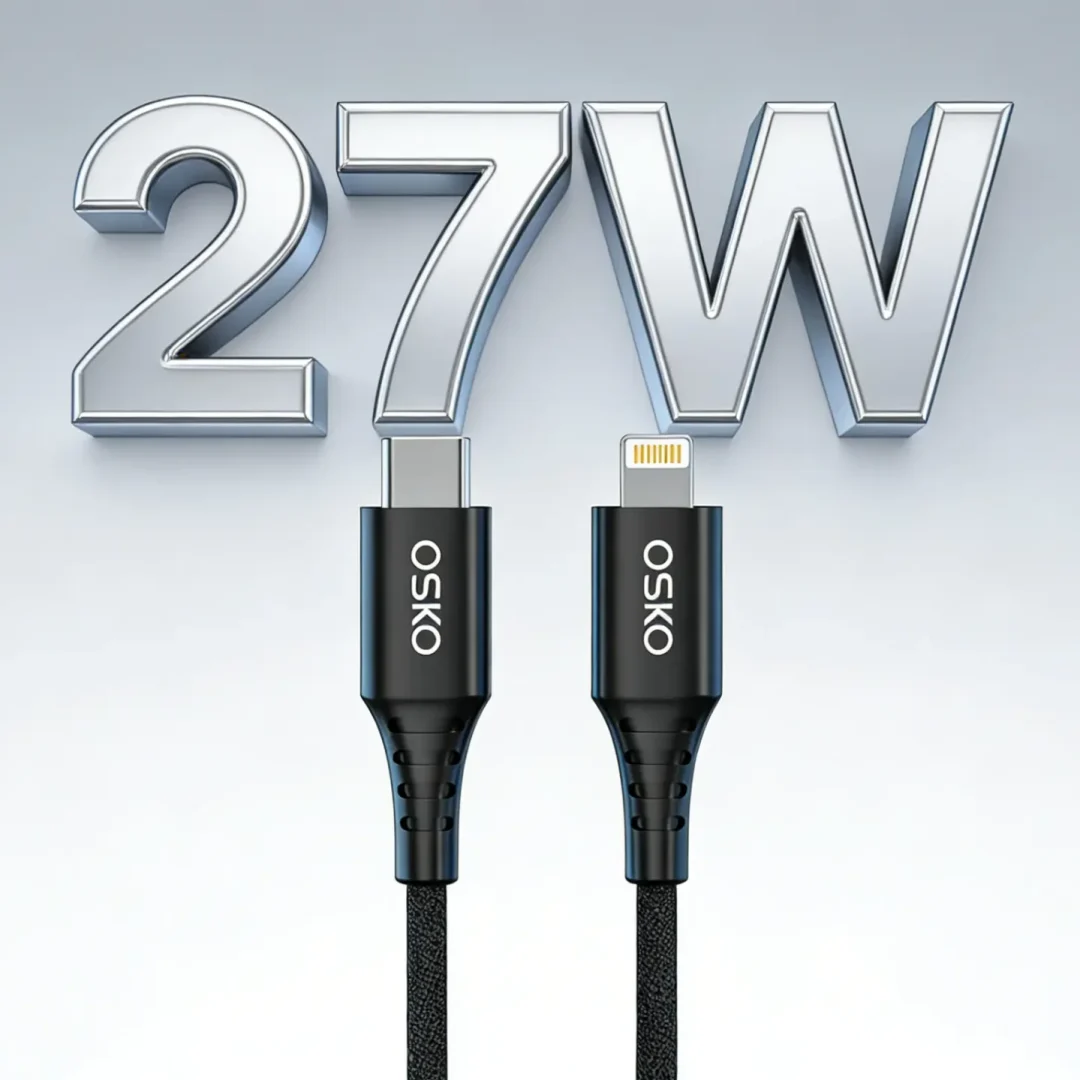
As a professional USB cable factory, OSKO provides customized USB cable solutions including:
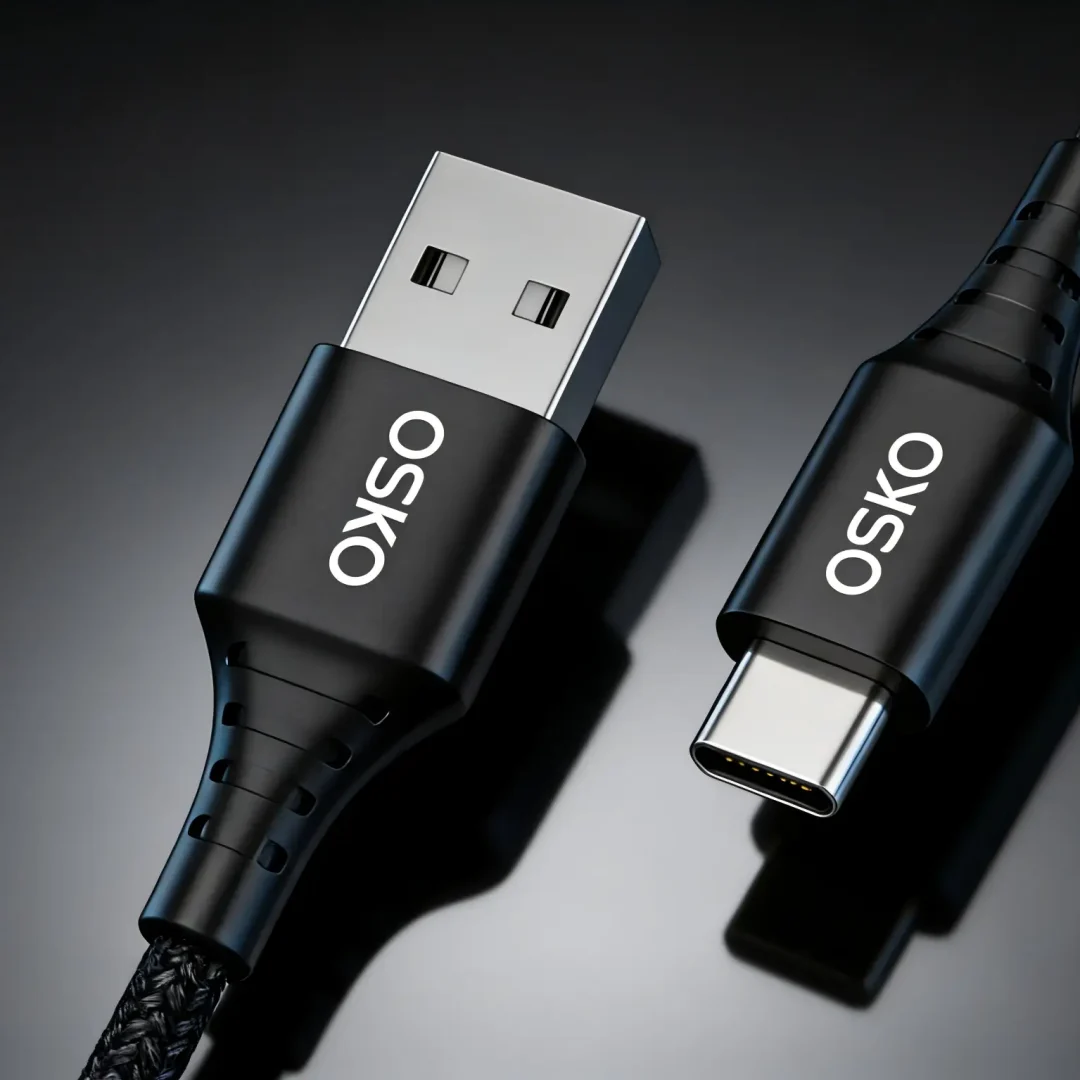
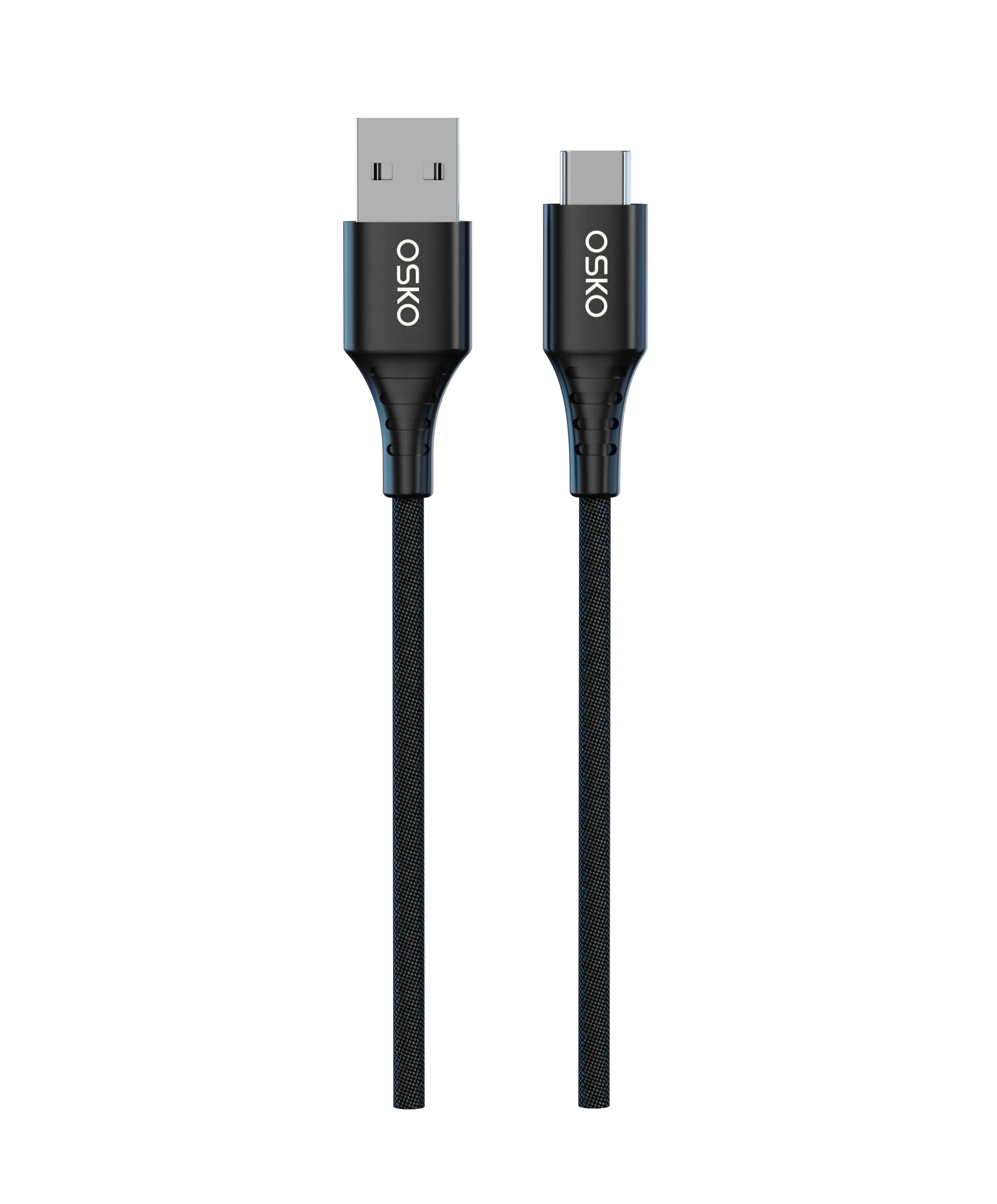
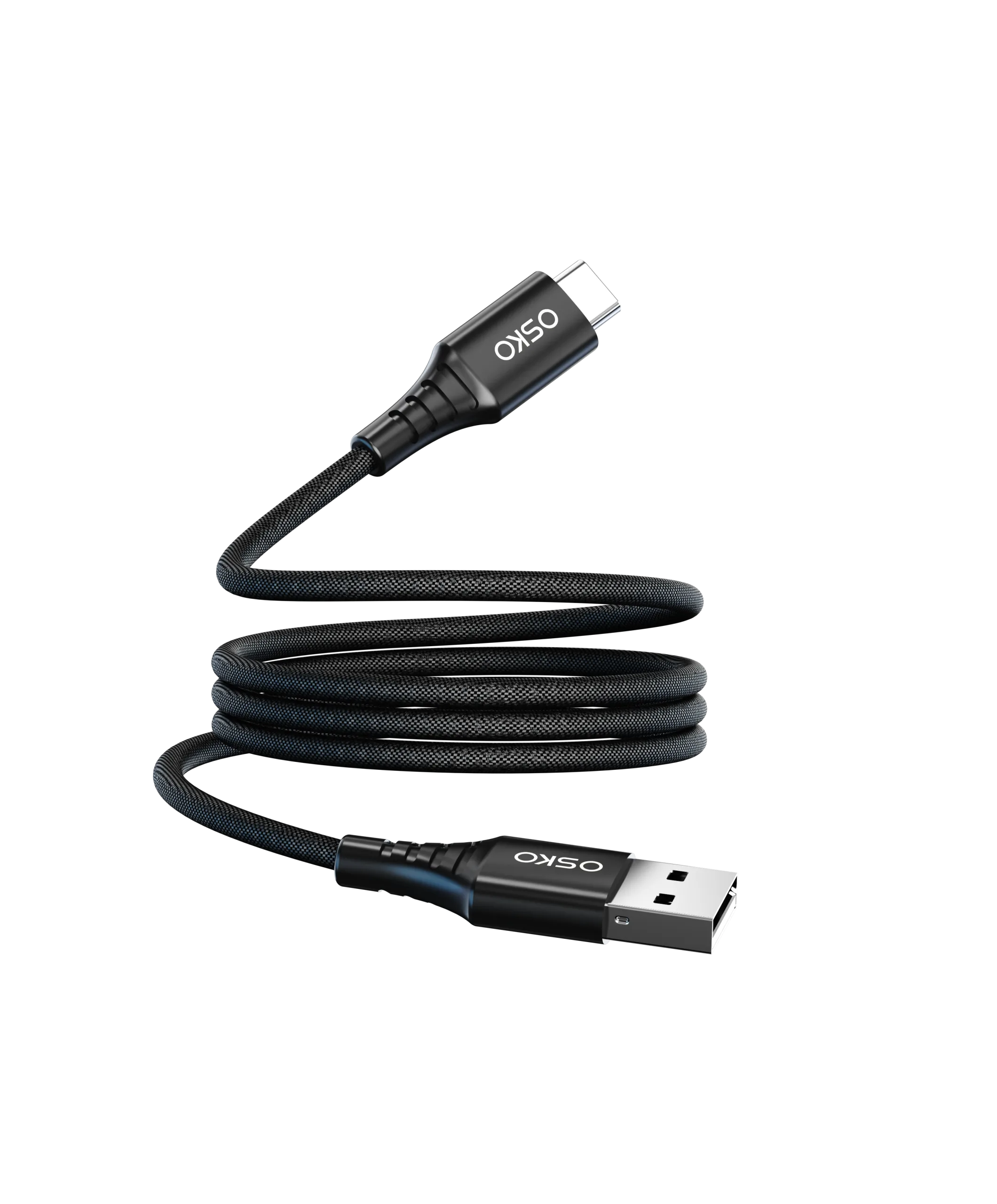
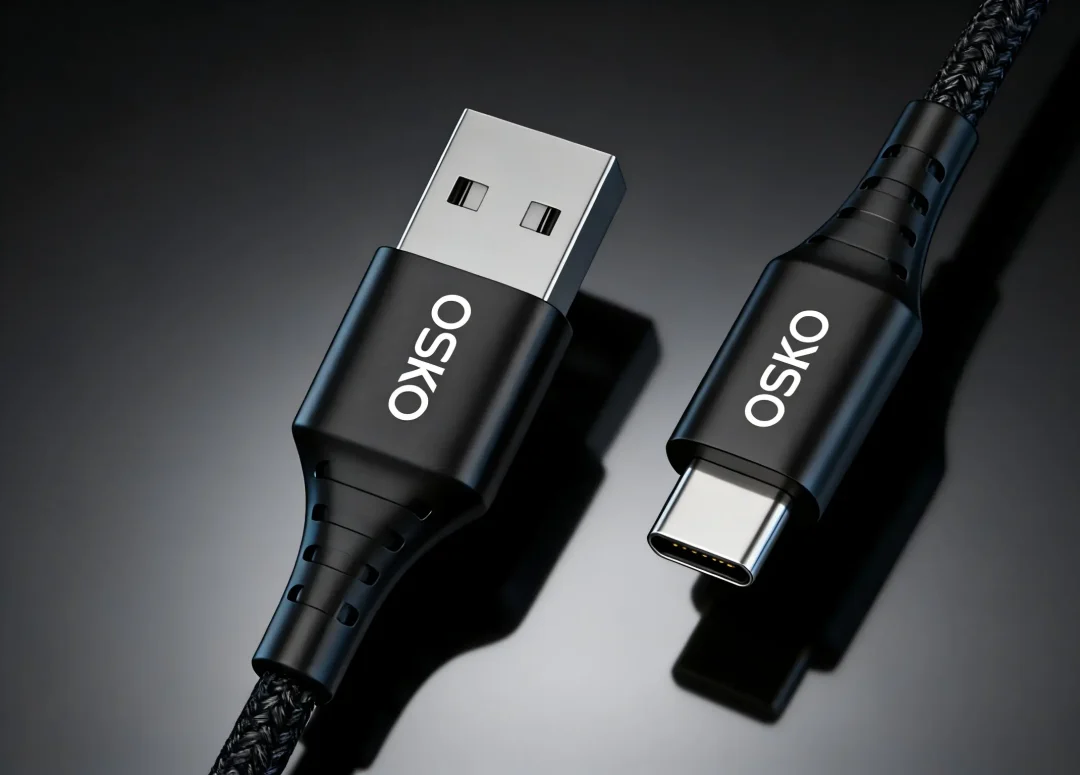
USB-A to USB-C cables
USB-C to USB-C PD charging cables
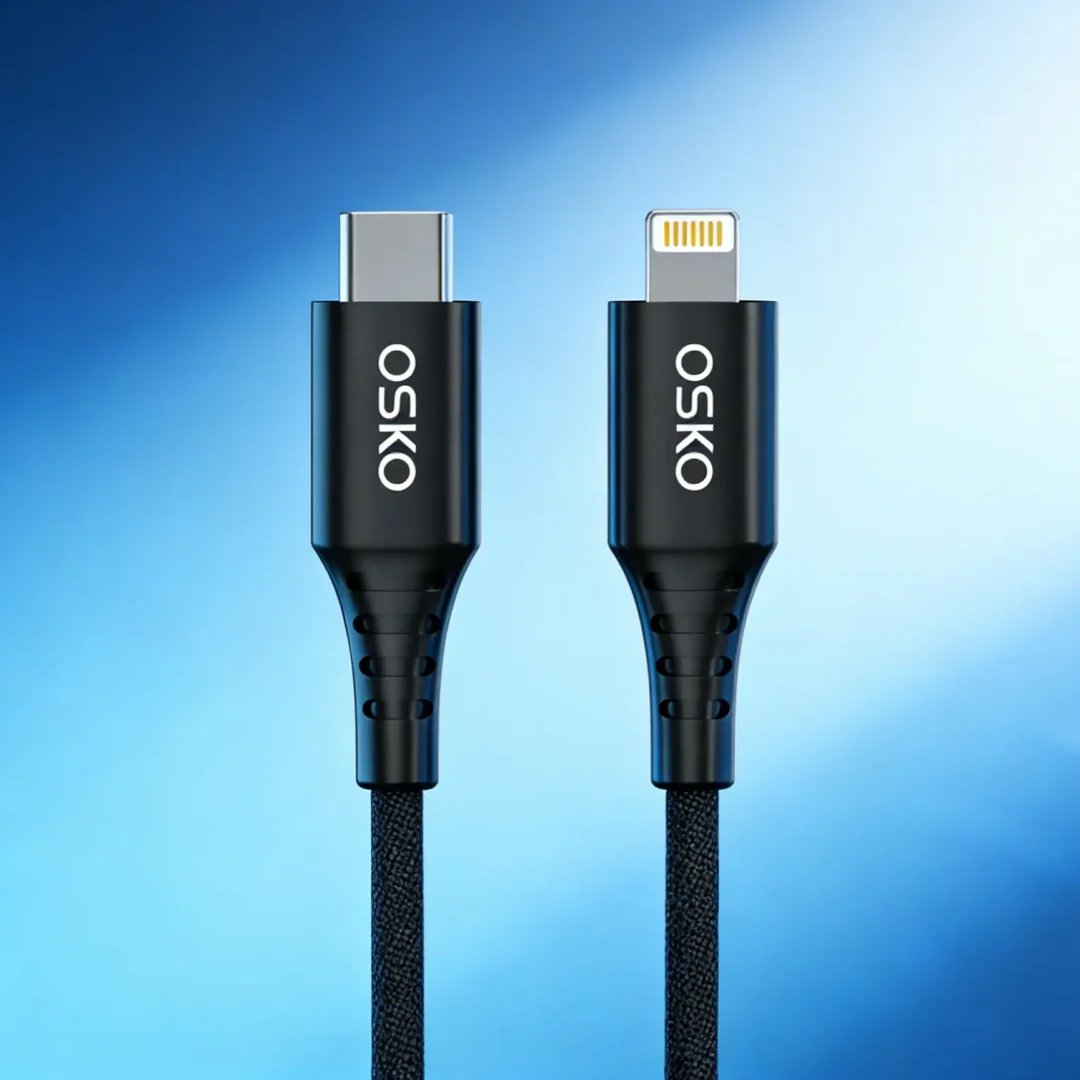
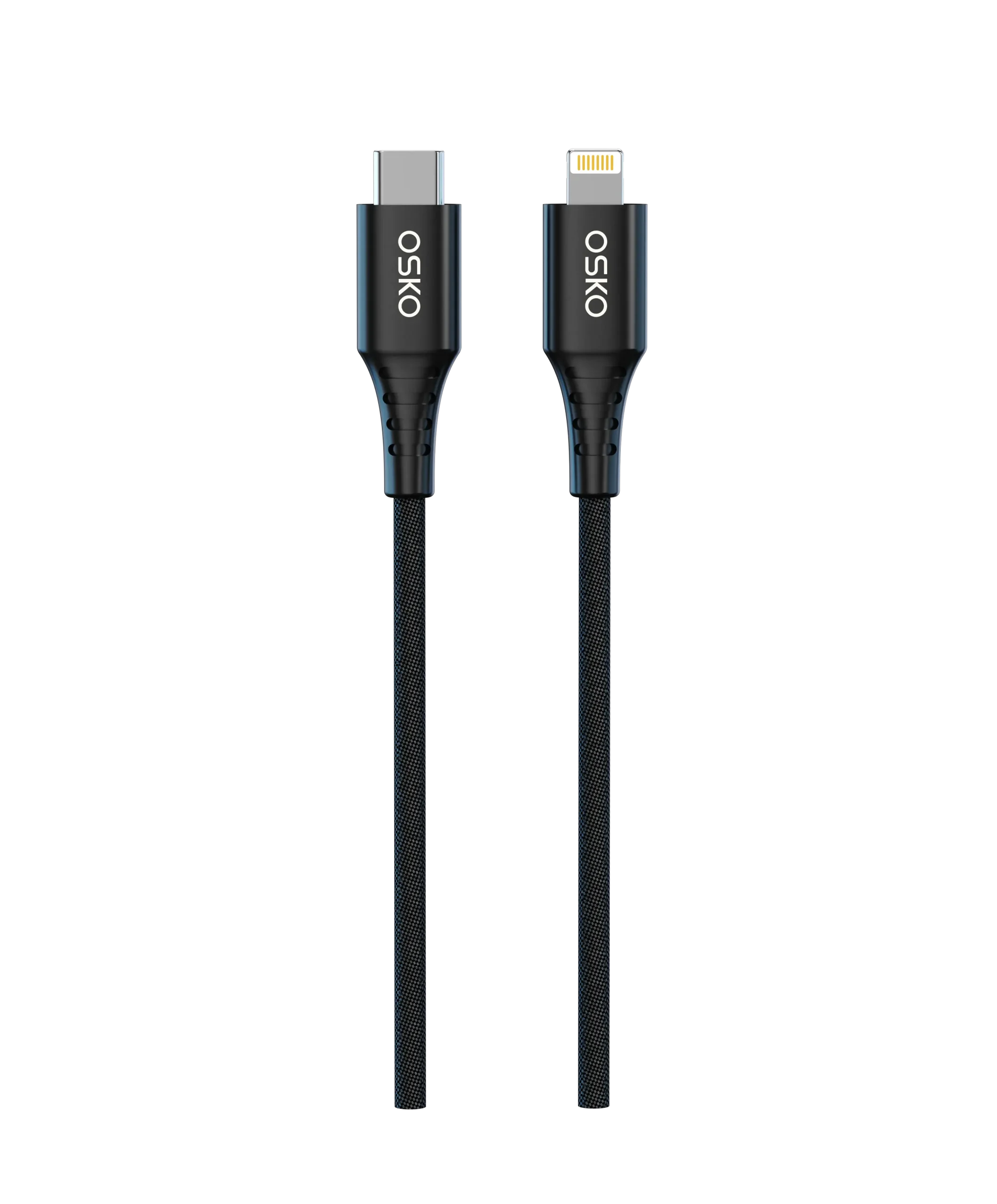
Lightning cables
CarPlay cables
OEM customized USB cables
What Is USB-A?
USB-A Connector Explained
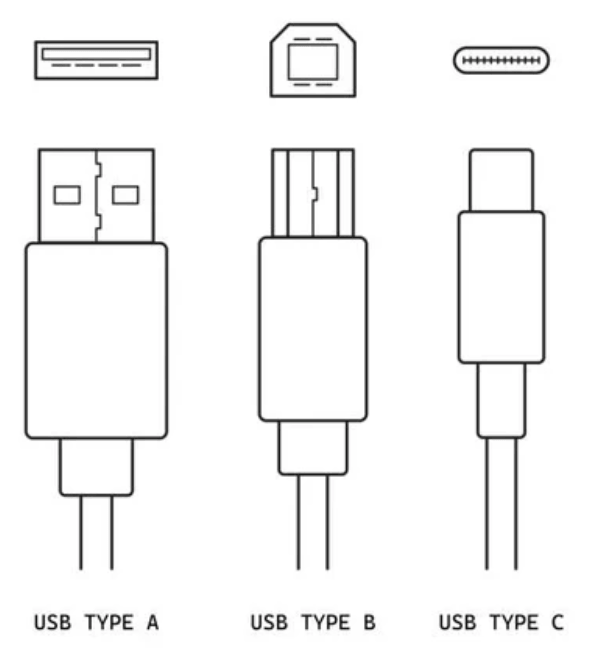
USB-A (Universal Serial Bus Type-A) is one of the earliest and most widely used USB connector designs.
The traditional USB-A connector features a rectangular shape and has been used for decades in:
Desktop computers
Laptop computers
USB chargers
Power banks
Gaming consoles
Printers
External hard drives
USB-A became popular because of its strong compatibility and simple design.
However, USB-A has several limitations.
The biggest disadvantage is that USB-A connectors are not reversible.
Users must insert the connector in the correct direction, which can be inconvenient during daily use.
Another limitation is power capability.
Traditional USB-A ports usually support lower charging power compared with modern USB-C Power Delivery systems.
Typical USB-A charging performance:
USB 2.0: up to 5V/0.5A
USB 3.0: up to 5V/0.9A
USB-A fast charging versions: commonly 12W–18W depending on charging technology
For older devices, USB-A remains practical and reliable.
However, for modern high-power applications, USB-C provides significant advantages.
What Is USB-C?
USB Type C Cable Technology Explained
USB-C, also called USB Type-C, is a newer USB connector standard designed to replace older USB connection methods.
Unlike USB-A, USB-C features a:
Small oval connector design
Reversible plug orientation
Higher power capability
Faster data transfer support
Multi-function capability
A major advantage of USB-C is the reversible design.
Users can connect the cable in either direction without checking the connector orientation.
This improves:
User convenience
Product usability
Connector lifespan
Modern USB Type C cables are widely used for:
iPhone 15 and newer devices
Samsung Galaxy smartphones
Google Pixel phones
MacBook computers
USB-C monitors
Gaming consoles
USB-A vs USB-C: Key Differences
Difference 1: Connector Design and User Experience
The physical structure is the most obvious difference between USB-A and USB-C.
USB-A Design Features
USB-A connectors:
Larger rectangular shape
Single insertion direction
Common in older devices
Limited compact applications
USB-C Design Features
USB-C connectors:
Smaller size
Reversible connection
More durable insertion design
Suitable for thin devices
For modern electronics manufacturers, USB-C provides greater design flexibility.
This is especially important for:
Slim smartphones
Lightweight laptops
Portable charging devices
Difference 2: Charging Power and Fast Charging Capability
One of the biggest advantages of USB-C is its ability to support higher charging power.
USB-C works together with:
USB Power Delivery (USB PD)
Programmable Power Supply (PPS)
E-Marker chips
Modern USB-C PD cables can support:
60W charging
100W charging
140W charging
240W USB PD 3.1 charging
Example:
A standard USB-A cable may charge a smartphone at a basic speed.
A USB-C PD cable can charge:
Smartphones
Tablets
Gaming laptops
MacBooks
with much higher efficiency.
For high-power applications, OEM buyers should consider:
Conductor size
Copper quality
E-Marker chip
Heat resistance
Connector structure
Difference 3: Data Transfer Speed
Data transfer performance is another major difference.
USB-A supports different USB generations:
USB 2.0:
Speed up to 480 Mbps
USB 3.0:
Speed up to 5 Gbps
USB 3.2:
Speed up to 20 Gbps
USB-C itself is only a connector type.
The actual speed depends on the internal cable design and supported protocol.
High-performance USB-C cables may support:
USB 3.2
USB4
Thunderbolt 4
with speeds up to:
20Gbps
40Gbps
For users transferring:
4K videos
Large files
Professional media content
USB-C provides significant advantages.
Difference 4: Compatibility and Application Range
USB-A still exists because billions of devices use USB-A ports.
Common USB-A applications:
Desktop computers
Traditional chargers
Office equipment
Older accessories
USB-C applications continue expanding:
Smartphones
Tablets
Laptop computers
Automotive systems
Smart home devices
For businesses sourcing cables, the demand for:
USB-A to USB-C cable supplier
solutions remains strong because many users still need compatibility between old USB-A chargers and new USB-C devices.
Material Science & Manufacturing Analysis: Why USB-C Cable Quality Is Different
Although USB-C cables may look similar from the outside, the internal structure determines charging safety, durability, and performance.
For OEM buyers and distributors, understanding cable construction is essential because low-quality cables often fail due to:
Poor conductor materials
Insufficient shielding
Weak connector structures
Low-quality plastic materials
Incorrect charging chip configuration
A professional USB-C cable manufacturer must control every production stage, from raw materials to final testing.
1. Copper Conductor Quality
The conductor is the core component responsible for power transmission and data communication.
High-quality USB cables usually use:
Pure copper wire
Multi-strand copper conductors
Proper AWG sizing
Compared with low-quality aluminum or copper-clad aluminum (CCA) wires, pure copper provides:
Lower resistance
Better charging efficiency
Less heat generation
Longer service life
For example:
A USB-C PD 100W cable requires higher current capability than a standard charging cable.
If the conductor size is insufficient, it may cause:
Voltage drop
Slow charging
Excessive heat
Reduced product lifespan
Therefore, professional manufacturers select suitable wire specifications according to power requirements.
2. E-Marker Chip for High Power USB-C Cables
One important difference between standard USB cables and high-performance USB-C cables is the use of an E-Marker chip.
E-Marker is an electronic identification chip built into some USB-C cables.
It communicates cable information including:
Maximum supported current
Power capability
Cable characteristics
USB PD compatibility
For example:
USB-C PD cable without E-Marker:
Usually supports up to 3A
Commonly used for 60W charging
USB-C PD cable with E-Marker:
Supports up to 5A
Required for 100W, 140W, and 240W applications
For OEM customers developing laptop charging cables, gaming accessories, or premium charging products, E-Marker configuration is a critical requirement.
3. Cable Jacket Materials: TPE vs TPU vs Nylon Braided
The external jacket protects the internal wires from:
Bending stress
Friction
Heat
Environmental damage
Common USB cable jacket materials include:
TPE USB Cable Jacket
Advantages:
Soft touch
Flexible
Cost-effective
Easy processing
Common applications:
Standard charging cables
Consumer electronics accessories
TPU USB Cable Jacket
Advantages:
Higher abrasion resistance
Better mechanical strength
Improved durability
Common applications:
Heavy-duty charging cables
Industrial applications
Nylon Braided USB Cable
Advantages:
Premium appearance
Anti-tangle design
Better bending resistance
Longer service life
Premium braided USB-C cables are popular in:
Retail markets
Amazon products
Brand customization projects
OSKO supports customized cable structures including:
TPE cable
Nylon braided cable
Custom color cable
Custom logo printing
OEM packaging solutions
Why USB-C Is Becoming the Global Standard
The global electronics market is moving toward USB-C because it combines:
Charging
Data transfer
Video output
Device connectivity
The transition is especially visible in:
United States Market
Demand is growing for:
USB-C fast charging cables
iPhone USB-C accessories
Laptop charging cables
Car charging cables
Germany Market
German buyers usually focus on:
Product safety
Certification documents
Long-term reliability
Environmental compliance
Important requirements include:
RoHS
REACH
CE-related compliance
Australia Market
Australian consumers and distributors prefer:
Durable charging cables
Long cable length options
Fast charging compatibility
Popular products:
6ft USB-C charging cables
Braided USB cables
CarPlay USB cables
Netherlands Market
Dutch electronics buyers often value:
Sustainable product design
Quality materials
OEM customization capability
For European distributors, stable manufacturing capability is often more important than the lowest price.
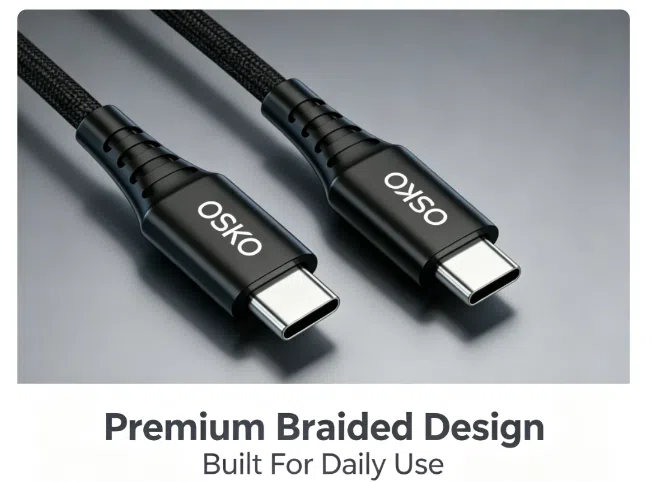
Engineering Case Study: OEM USB-C Cable Development for a Consumer Electronics Brand
Customer Requirement
A European consumer electronics brand planned to launch a premium charging accessory line.
The customer needed:
Product:
USB-C to USB-C PD charging cable
Application:
Smartphone and laptop charging
Requirements:
100W fast charging support
2-meter length
Nylon braided exterior
Custom logo
Retail packaging
Stable quality for European distribution
Engineering Challenges
During product development, the main challenges included:
Challenge 1: Heat Management
Higher charging power increases conductor temperature.
Solution:
OSKO engineers selected:
Larger copper conductors
Optimized internal structure
Heat-resistant insulation materials
Challenge 2: Cable Durability
Retail users frequently bend cables near connectors.
Solution:
The design included:
Reinforced SR structure
Flexible bending protection
Nylon braided jacket
Challenge 3: Product Consistency
Large retail orders require stable quality.
Solution:
OSKO implemented:
Incoming material inspection
Production process monitoring
Electrical performance testing
Final shipment inspection
Final Result
The customized USB-C cable achieved:
Stable 100W charging performance
Improved bending resistance
Consistent production quality
Successful retail market launch
This case demonstrates why choosing a professional OEM USB cable manufacturer is important for brands that require reliable products.
How to Choose a USB Cable Manufacturer?
When sourcing USB cables from suppliers, buyers should evaluate more than price.
A reliable supplier should provide:
1. Manufacturing Capability
Check:
Factory production experience
Custom development ability
Production capacity
Quality control system
A professional USB-C cable factory should support:
OEM orders
ODM projects
Custom specifications
Private label production
2. Product Testing Capability
Important testing includes:
Electrical tests:
Voltage test
Current test
Resistance test
Charging performance test
Mechanical tests:
Plug insertion test
Bend test
Tensile test
Safety tests:
Material compliance
Flame retardant testing
RoHS compliance
3. Customization Options
Brand customers usually require:
Logo printing
Custom cable color
Customized length
Packaging design
Retail box solutions
A supplier with strong customization capability can help brands create differentiated products.
USB-A to USB-C Cable vs USB-C to USB-C Cable: Which Should Buyers Choose?
USB-A to USB-C Cable
Advantages:
Compatible with older chargers
Lower cost
Suitable for smartphones and accessories
Common applications:
Android phones
Power banks
Car chargers
Office charging stations
USB-C to USB-C Cable
Advantages:
Higher charging power
Faster data transfer
Supports USB PD technology
Common applications:
MacBook
Gaming laptops
Tablets
High-power devices
For modern premium products, USB-C to USB-C cables are becoming the preferred solution.
OEM Buying Guide: Questions to Ask Before Ordering USB Cables
Before selecting a supplier, buyers should ask:
Can you provide USB-C cable samples before mass production?
Does the cable support USB PD fast charging?
Is an E-Marker chip available?
What conductor material is used?
Can you provide compliance documents?
Can you customize cable length and packaging?
What quality inspection process do you use?
A professional manufacturer should provide clear technical answers instead of only offering low prices.
FAQ: USB-A vs USB-C Common Questions
What is the main difference between USB-A and USB-C?
USB-A is an older rectangular USB connector mainly used in computers, chargers, and traditional devices. USB-C is a newer reversible connector that supports faster charging, higher power delivery, and advanced data transfer.
Is USB-C faster than USB-A?
Yes, USB-C generally supports faster charging and higher data transfer speeds when paired with the correct cable and protocol. However, actual performance depends on the cable specification, charger, and device.
Can I use a USB-A charger with a USB-C device?
Yes. You can use a USB-A to USB-C cable to connect older USB-A chargers with modern USB-C devices. However, charging speed may be limited compared with USB-C PD chargers.
Why are USB-C cables different in quality?
USB-C cables differ because manufacturers use different materials, conductor sizes, chips, shielding designs, and production processes. A premium USB-C cable provides better charging stability and durability.
Do all USB-C cables support fast charging?
No. Some USB-C cables only support basic charging. High-power charging requires proper conductor design and sometimes an E-Marker chip.
What USB-C cable is best for fast charging?
For fast charging applications, buyers should choose a USB-C cable that supports USB Power Delivery, uses high-quality copper conductors, and matches the required power level such as 60W, 100W, or 240W.
Why should brands choose an OEM USB cable manufacturer?
OEM manufacturers provide customization, quality control, technical support, and production consistency. This helps brands create reliable products while reducing manufacturing risks.
Conclusion: Choosing the Right USB Cable for Future Connectivity
The comparison between USB-A vs USB-C shows the evolution of USB technology from traditional connectivity toward faster, safer, and more flexible charging solutions.
USB-A remains useful for legacy devices, but USB-C has become the preferred choice for modern electronics because it provides:
Reversible connection
Higher charging power
Faster data transfer
Multi-device compatibility
For businesses searching for a reliable USB-C cable manufacturer, product quality depends on:
Material selection
Electrical engineering
Manufacturing control
Testing procedures
Customization capability
OSKO provides professional OEM and ODM USB cable solutions for global customers, including:
Custom USB-C cables
USB-A to USB-C cables
USB PD charging cables
Braided charging cables
Car charging cables
With manufacturing experience, engineering support, and quality-focused production, OSKO helps brands develop reliable USB cable products for the global market.
Contact OSKO
Looking for a professional USB cable manufacturer for your brand or wholesale business?
Contact OSKO for:
OEM USB cable solutions
Custom cable development
Bulk production
Technical consultation
OSKO — Professional USB Cable Manufacturing Partner.