
Introduction
A USB-C cable that does not stay securely connected to a phone is a common problem affecting charging stability, data transfer reliability, and daily user experience.
When a USB-C cable feels loose, disconnects easily, or falls out of the charging port, the issue is usually related to one of four areas:
USB-C connector wear
Phone charging port condition
Cable manufacturing quality
Mechanical design differences
For users, this problem can cause:
Interrupted charging
Slow charging cycles
Failed data transfer
Increased connector damage
For brands and retailers, loose USB-C connections often indicate product quality issues that can increase customer returns.
A reliable USB-C cable manufacturer must control connector dimensions, contact pressure, strain relief structure, and durability testing to ensure a stable connection.

Material Science & Dielectric Properties
How a USB-C Connection Works
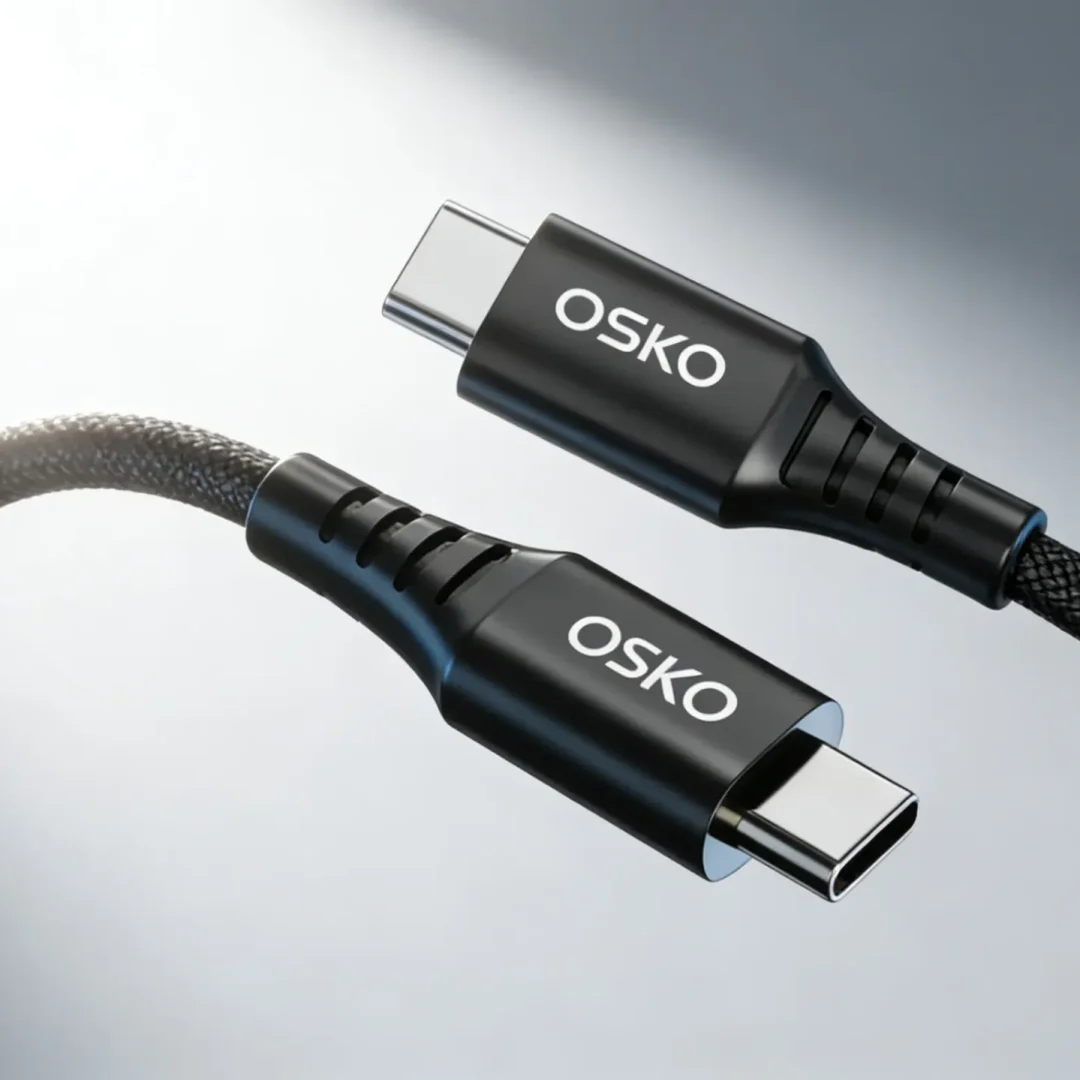
A USB-C connection relies on precise mechanical and electrical contact between the cable plug and the device port.
The connection depends on:
Connector shell dimensions
Spring contact strength
Pin alignment
Manufacturing tolerance
Port structure
Inside a USB-C connector are multiple contact pins responsible for:
Power delivery
Data communication
Device identification
The connector must maintain consistent contact pressure during everyday use.
If mechanical retention decreases, the cable may:
Move loosely
Disconnect when touched
Stop charging intermittently
Common Reasons Why USB-C Cable Does Not Stay Connected
Dust and Debris Inside the Charging Port
One of the most common causes is contamination inside the phone port.
Pocket lint, dust, and small particles can prevent the connector from fully inserting.
Symptoms include:
Cable feels like it is not fully inserted
Charging stops when the phone moves
Connector appears loose
Before replacing the cable, inspect the charging port.
Worn USB-C Charging Port
Phone charging ports experience repeated mechanical stress.
Daily use includes:
Plugging and unplugging
Cable movement
Side pressure while charging
Over time, the port may lose its original holding strength.
Signs of port wear:
Multiple cables feel loose
Cable disconnects with small movements
Charging works only at certain angles
In this situation, replacing the cable may not solve the problem.
Poor USB-C Cable Connector Quality
Not all USB-C cables have the same connector precision.
Low-quality cables may have:
Incorrect connector dimensions
Weak metal shell
Poor contact spring design
Insufficient manufacturing control
A poorly manufactured connector may not lock firmly into the phone port.
Professional suppliers use precision testing to control:
Connector size
Plug insertion force
Pull-out force
Contact reliability
Damaged Cable Connector
The cable plug itself can wear out.
Common causes:
Frequent bending near the connector
Pulling the cable instead of the plug
Using the phone while charging
Damage may appear as:
Bent connector housing
Loose plug
Intermittent charging
Cable Strain Relief Design Problems
The area where the connector meets the cable is a high-stress point.
Poor strain relief can cause:
Internal wire breakage
Connector movement
Unstable charging
Higher-quality cables use reinforced structures.
Examples include:
TPU reinforcement
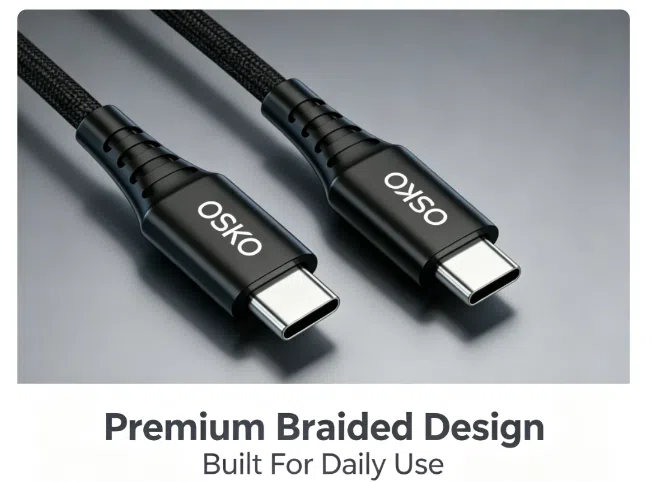
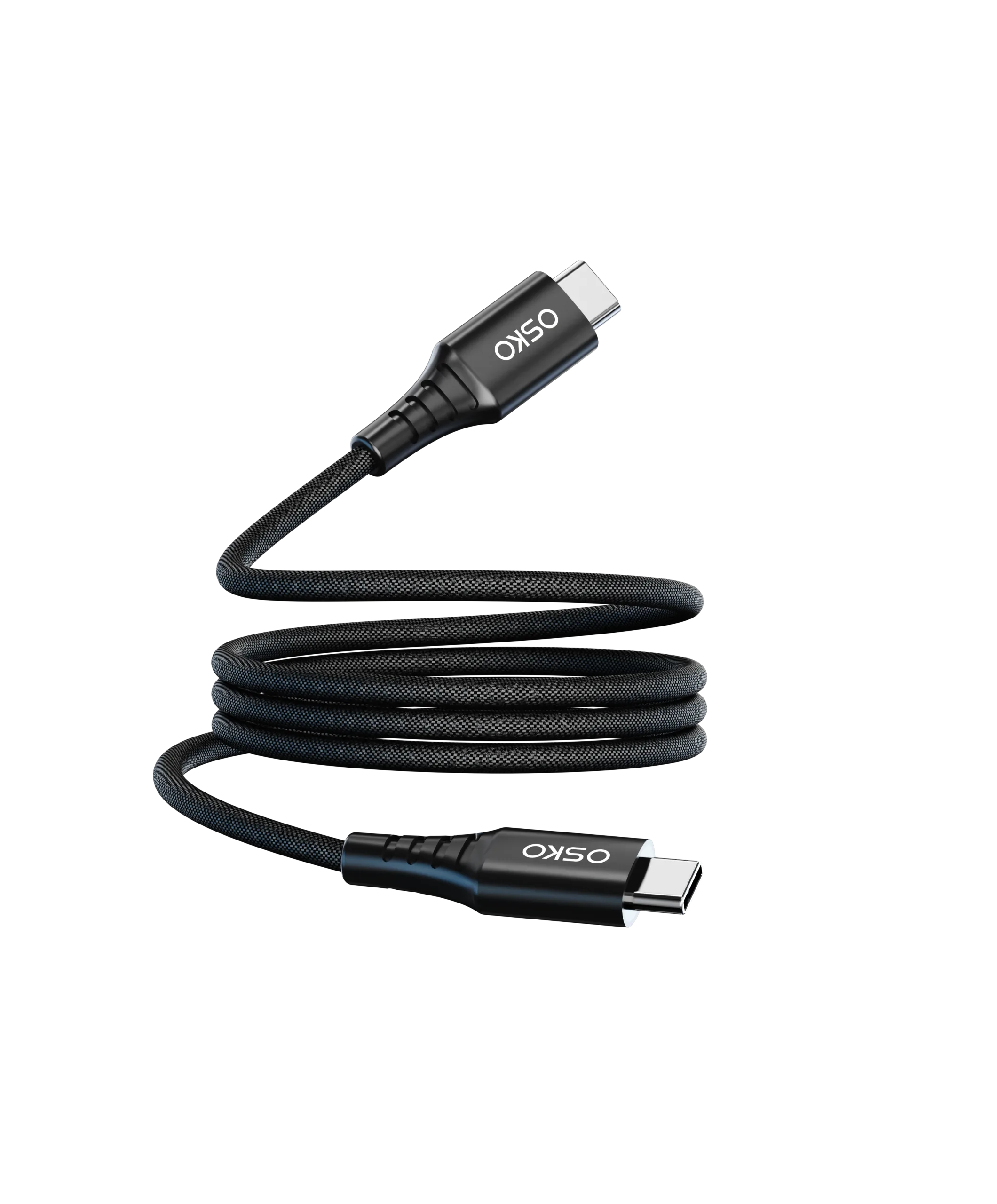
Nylon braided protection
Molded strain relief
Premium products such as:
Heavy duty braided USB-C cable manufacturer
solutions focus heavily on connector reinforcement.
USB-C Cable Connector Quality Comparison
| Cable Type | Connector Reliability | Typical Application |
|---|---|---|
| Low-cost PVC cable | Basic | Temporary charging |
| Standard USB-C cable | Moderate | Daily use |
| TPU reinforced cable | Higher | Frequent use |
| Nylon braided cable | High | Premium retail |
| Industrial-grade cable | Highest | Professional applications |
USB-C Connector Manufacturing Factors
A professional factory evaluates several connector parameters.
Connector Material
Common materials include:
| Material | Function |
|---|---|
| Stainless steel shell | Mechanical strength |
| Nickel plating | Standard protection |
| Gold plating | Improved conductivity |
| Aluminum alloy housing | Premium design |
Connector Insertion and Removal Testing
Factories test:
Plugging force
Removal force
Repeated connection cycles
The goal is to ensure:
Secure connection
Smooth operation
Long service life
Cable Flexibility Testing
Cable flexibility affects connector stress.
Testing includes:
Bending cycles
Connector angle stress
Pull force testing
A flexible cable reduces pressure on the phone port.

Case Study
US Mobile Accessory Brand Improves USB-C Cable Connection Reliability
Customer Background
A North American accessory brand sold USB-C charging cables through online retail channels.
Products included:
Android charging cables
Tablet cables
USB-C fast charging accessories
The company received customer feedback about loose connections.
Customer Challenges
Customer complaints included:
Cable disconnecting during charging
Connector feeling unstable
High return rates
The brand discovered inconsistent connector quality from previous suppliers.
OSKO Solution
OSKO reviewed the cable structure and improved:
| Problem | Engineering Solution |
|---|---|
| Loose connector | Improved connector tolerance |
| Cable breakage | Reinforced strain relief |
| Poor durability | Nylon braided outer layer |
| Batch inconsistency | Production testing control |
The project included:
OEM USB-C cable production
ODM USB cable development
Retail USB cable solutions
Bulk charging cable supply
Selection Guide
How to Choose a USB-C Cable That Stays Connected
Check Connector Quality
Look for:
Precise USB-C plug dimensions
Strong metal housing
Reinforced connection point
Choose the Correct Cable Structure
For daily heavy use:
Recommended:
TPU cable
Nylon braided cable
Reinforced connector design
For basic applications:
Standard PVC cable
Verify Factory Testing
A reliable supplier should provide:
Connector durability testing
Electrical testing
Bending tests
Pull-force testing
Professional manufacturers may provide:
USB-C cable quality testing reports
USB-IF compliant Type C cable manufacturer
ISO9001 certified braided USB cable factory
Check Application Requirements
| Usage Scenario | Recommended Cable |
|---|---|
| Home charging | Standard USB-C cable |
| Travel | Flexible braided cable |
| Car charging | Reinforced TPU cable |
| Office desk | 6ft braided USB-C cable |
| Laptop charging | High-power USB-C cable |
FAQ
Why does my USB-C cable keep falling out of my phone?
Common causes include dust inside the port, worn connectors, damaged cables, or poor connector manufacturing quality.
Can a new cable fix a loose USB-C connection?
If the cable connector is worn, replacing it may solve the problem. If the phone port is damaged, the issue may remain.
Are braided USB-C cables less likely to disconnect?
Braiding improves cable durability but does not directly lock the connector. Connector precision and design determine connection strength.
How long should a USB-C cable last?
A quality USB-C cable can last several years depending on usage conditions, materials, and construction quality.
What makes a USB-C cable durable?
Important factors include:
Strong connector design
Quality copper conductors
Reinforced strain relief
Durable outer materials
Proper factory testing
Summary
A USB-C cable that does not stay connected is usually caused by:
Charging port contamination
Port wear
Connector damage
Poor cable manufacturing quality
A reliable USB-C cable requires more than a compatible connector. It depends on:
Precision connector engineering
Durable materials
Mechanical testing
Stable manufacturing processes
For businesses sourcing:
Wholesale charging cables
Retail USB-C accessories
Custom cable solutions
choosing an experienced USB-C cable manufacturer helps ensure reliable connections, lower return rates, and better customer satisfaction.
High-quality connector design combined with proper testing creates USB-C cables that remain secure, stable, and durable throughout everyday use.