
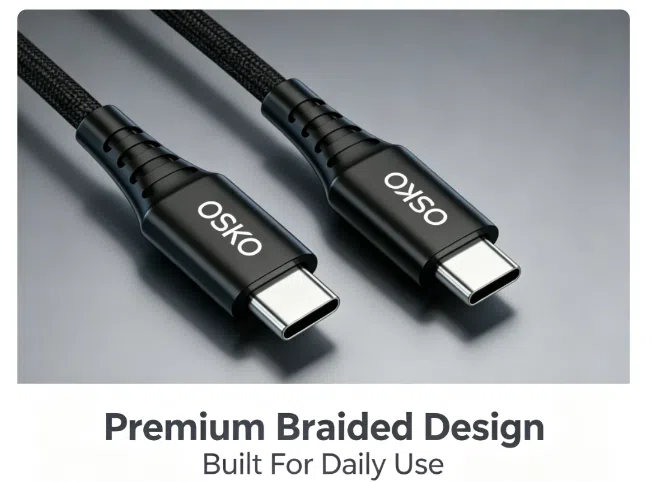
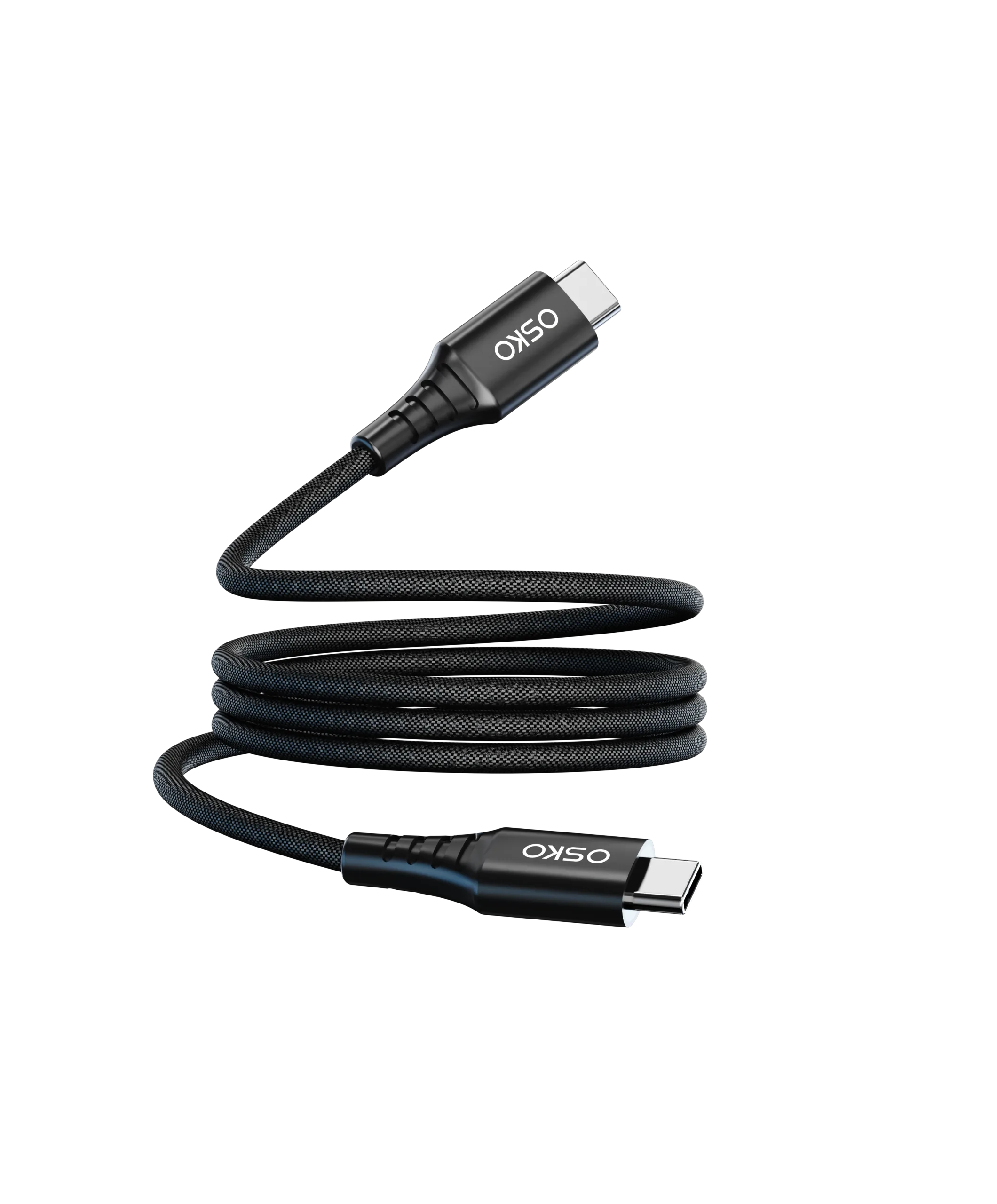
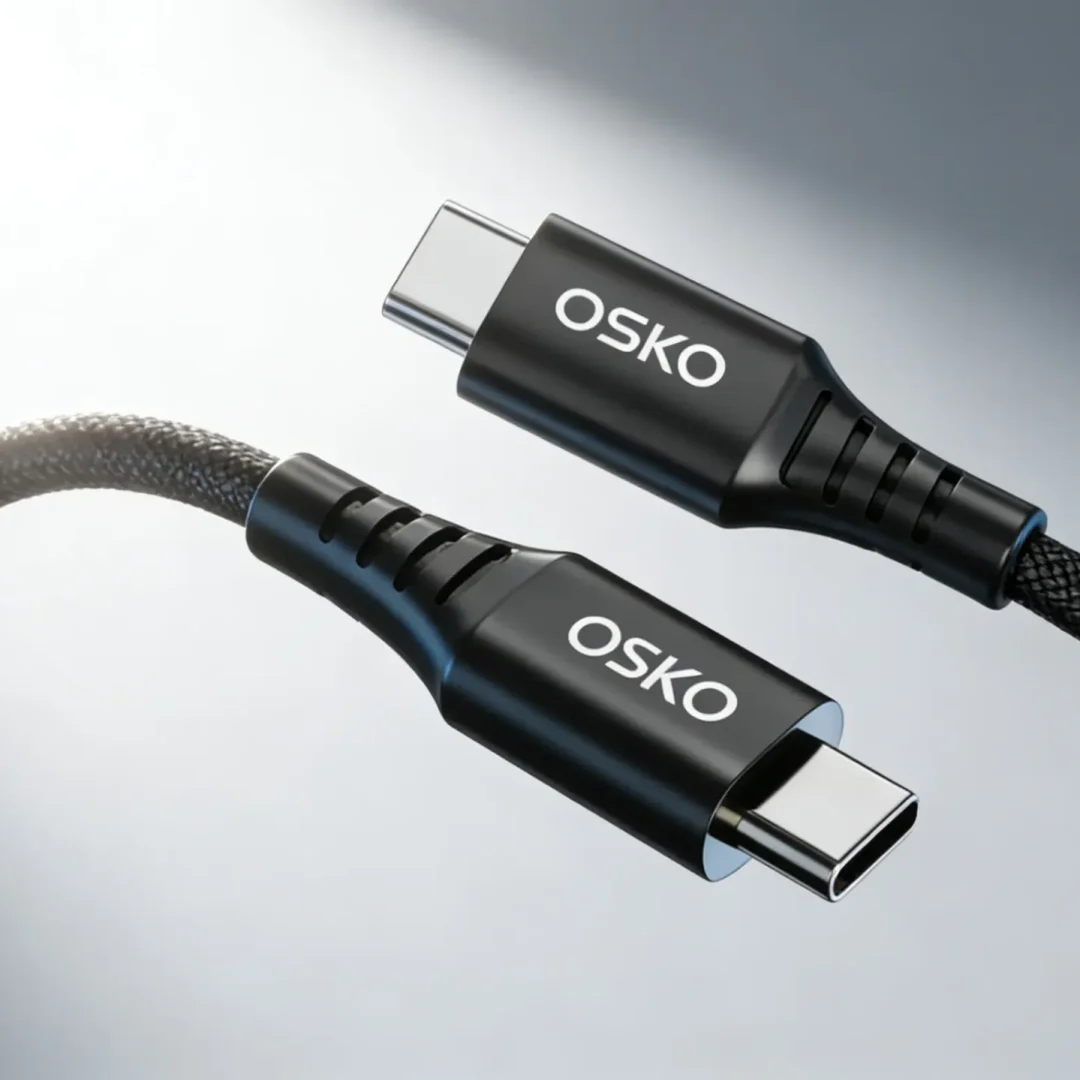
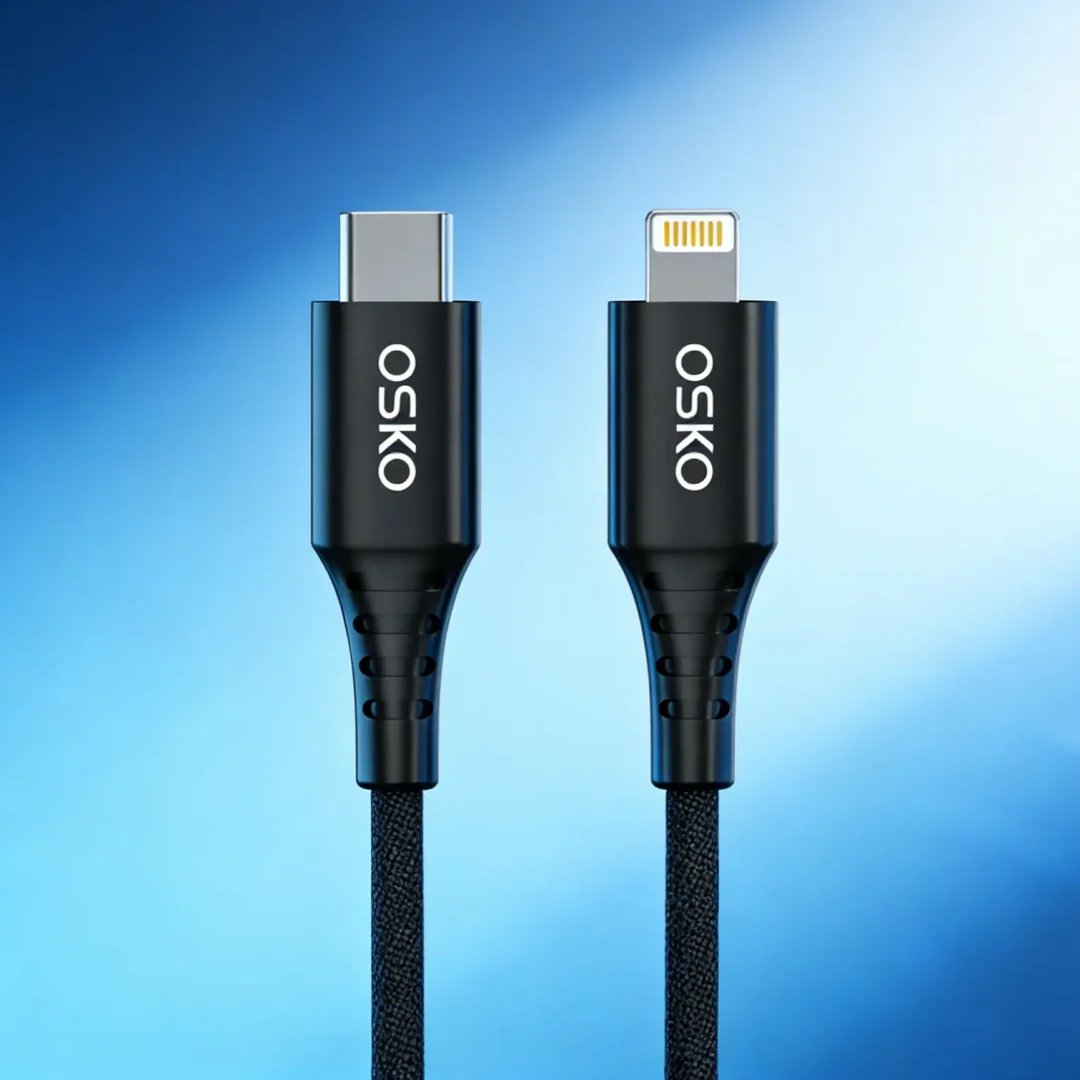
Choosing the right lead-free USB-C cable manufacturer is one of the most important decisions for brands, wholesalers, and electronics distributors sourcing charging cables globally.
A professional manufacturer is not only responsible for producing cables without hazardous materials. They must also guarantee charging performance, product safety, export compliance, and long-term supply stability.
With USB-C becoming the universal charging standard for smartphones, tablets, laptops, power banks, and industrial electronics, demand for reliable USB-C cable suppliers continues to increase in the US and European markets.
However, not every USB-C cable factory can provide the same level of engineering capability.
A qualified supplier should have complete control over:
Raw material selection
Copper conductor quality
Connector manufacturing
Lead-free soldering process
USB Power Delivery testing
Electrical performance verification
Compliance documentation
Mass production quality control
For B2B buyers, choosing a manufacturer based only on price can create serious problems, including:
Failed product inspections
Import compliance issues
Charging performance complaints
High return rates
Damage to brand reputation
This guide explains how to evaluate a professional OEM USB-C cable manufacturer before placing bulk orders.

Why Choose a Lead-Free USB-C Cable Manufacturer?
Modern USB-C cables are no longer simple charging accessories.
High-performance USB-C cables now support:
Fast charging
USB Power Delivery (PD)
High-speed data transmission
Laptop charging
Display applications
Industrial equipment connections
Because these products enter strict markets such as the United States and European Union, manufacturers must comply with environmental and safety regulations.
A reliable RoHS compliant USB-C cable manufacturer should manage compliance throughout the entire production process.
This includes:
1. Raw Material Control
A professional factory should verify:
Copper conductor materials
Plastic jacket materials
Connector metal components
Shielding materials
Electronic components
2. Production Process Control
Manufacturing control should include:
Cable extrusion
Connector assembly
Soldering temperature control
Electrical testing
Final inspection
3. Documentation Management
B2B customers should request:
Material test reports
RoHS certificates
REACH compliance documents
Quality inspection records
Production traceability information
A supplier that cannot provide clear documentation may create supply chain risks.

What Certifications Should a USB-C Cable Manufacturer Have?
ISO9001 Quality Management System
ISO9001 certification is one of the basic indicators of a professional USB-C cable factory.
Although ISO9001 does not directly guarantee product performance, it demonstrates that the manufacturer operates a structured quality management system.
A qualified factory should have procedures covering:
Supplier evaluation
Incoming quality inspection (IQC)
Production process control (IPQC)
Final inspection (OQC)
Corrective action management
When evaluating ISO9001 certification, buyers should check:
Is the certificate valid?
Does it cover cable manufacturing?
Does the factory name match the supplier?
Is it issued by an accredited organization?
Environmental Compliance Standards for Lead-Free USB-C Cables
A professional lead-free USB-C cable supplier should understand international environmental requirements.
| Certification | Purpose | Market Importance |
|---|---|---|
| RoHS 3.0 | Restricts hazardous substances | Required for EU electronics |
| REACH | Controls chemical substances | Important for European markets |
| California Proposition 65 | Controls harmful chemicals | Important for US market |
| Halogen-Free | Reduces environmental impact | Used in premium products |
Lead-free manufacturing should include:
Cable jacket materials
Connector plating
Internal PCB components
E-marker chips
Solder joints
How to Verify a USB-C Cable Is Truly Lead-Free?
What Solder Does a Lead-Free USB-C Cable Use?
Professional manufacturers normally use SAC305 lead-free solder.
SAC305 composition:
Tin (Sn): 96.5%
Silver (Ag): 3.0%
Copper (Cu): 0.5%
Compared with traditional lead solder, SAC305 provides:
Better environmental compliance
Reliable mechanical strength
Stable electrical performance
However, lead-free solder requires higher manufacturing temperatures.
Typical process parameters:
Melting point: approximately 217°C
Reflow temperature: 240–260°C
Therefore, factories must control:
Solder temperature
Production environment
Material traceability
Poor solder control may result in:
Broken solder joints
Increased resistance
Charging interruptions
Connector failure
A professional manufacturer should provide:
Solder material records
Production temperature monitoring
Incoming inspection reports
USB-C Technical Capability: What Should Buyers Check?
Does the Factory Understand USB Power Delivery?
For modern fast charging products, USB PD capability is essential.
A professional USB-C PD cable manufacturer should understand:
USB PD 3.0 protocol
USB Type-C CC communication
E-marker chip technology
Power profile identification
Different USB-C cables support different power levels.
| Cable Type | Maximum Power | Application |
|---|---|---|
| Standard USB-C cable | 60W | Phones and tablets |
| E-marker USB-C cable | 100W | Laptops and monitors |
| USB-C EPR cable | 240W | High-power devices |
Examples:
60W USB-C cables:
20V/3A charging
100W USB-C cables:
Require E-marker chip
Support 20V/5A
240W USB-C cables:
Require USB PD EPR technology
A manufacturer without USB-C analyzer equipment may produce cables that cannot achieve advertised charging speeds.
How to Evaluate USB-C Cable Material Quality?
Copper Conductor Quality
The conductor is one of the most important components affecting charging performance.
High-quality USB-C cables normally use:
Oxygen-free copper
Multi-strand copper wires
Tin-coated copper
Advantages:
Lower resistance
Better current transmission
Less heat generation
Longer lifespan
Poor-quality cables may use:
Aluminum conductors
Copper-clad aluminum (CCA)
Thin copper structures
These materials can cause:
Voltage drop
Slow charging
Excessive heat
What AWG Wire Size Should a Fast USB-C Cable Use?
AWG (American Wire Gauge) determines conductor thickness.
Lower AWG numbers mean thicker conductors.
| Application | Recommended AWG |
|---|---|
| Standard charging cable | 28AWG |
| Fast charging cable | 24–26AWG |
| 100W PD cable | 22–24AWG |
| High-power 240W cable | 20–22AWG |
For bulk USB-C cable purchasing, buyers should request:
Wire specification
Resistance testing data
Current capability report
Pure Copper vs Copper-Clad Aluminum USB-C Cable
| Material | Advantage | Disadvantage |
|---|---|---|
| Pure Copper | Low resistance, excellent performance | Higher cost |
| CCA | Lower price | Higher resistance |
For professional fast charging cables, pure copper conductors are strongly recommended.
Especially for:
100W laptop charging cables
240W USB-C PD cables
What Testing Should a USB-C Cable Factory Perform?
A reliable USB-C cable manufacturer should complete multiple quality tests before shipment.
Electrical Testing
Includes:
Continuity testing
Resistance testing
High voltage testing
Insulation testing
Purpose:
Prevent short circuits
Ensure stable charging
Maintain signal quality
USB PD Performance Testing
Professional factories test:
Voltage output
Current capability
PD negotiation
E-marker recognition
Mechanical Reliability Testing
Premium USB-C cables should pass:
Bending test
Pull force test
Connector insertion test
Jacket abrasion test
High-quality products often achieve:
10,000+ bending cycles
Reinforced connector durability
How to Audit a USB-C Cable Manufacturer Before Ordering?
Before starting cooperation, B2B buyers should evaluate:
Manufacturing Capability
Ask:
Do you own the production factory?
Do you support OEM/ODM customization?
Can you produce 60W, 100W, and 240W cables?
What is your monthly production capacity?
Quality Control System
Confirm:
IQC process
IPQC inspection
OQC inspection
Test equipment
Defect handling process
Technical Capability
Ask:
Do you support E-marker programming?
Do you perform USB PD testing?
Can you provide compliance reports?
Manufacturer vs Trading Company: Which Is Better?
| Category | Factory Manufacturer | Trading Company |
|---|---|---|
| Production control | Direct | Limited |
| Customization | Strong | Limited |
| Technical support | Engineering team | Communication only |
| Cost control | Better | Higher cost |
| Quality tracking | Complete | Limited |
For long-term cooperation, direct factory partnerships usually provide better:
Quality consistency
Product customization
Cost control
Delivery reliability
How to Choose the Best Lead-Free USB-C Cable Manufacturer?
Before placing a bulk order, check:
✅ ISO9001 quality system
✅ RoHS compliance
✅ REACH documentation
✅ Lead-free SAC305 solder process
✅ Pure copper conductor options
✅ USB PD testing capability
✅ E-marker support
✅ Electrical testing equipment
✅ OEM/ODM experience
✅ Stable production capacity
The best lead-free USB-C cable manufacturer is not always the cheapest supplier.
A reliable partner should combine:
Engineering capability
Material control
Compliance management
Production experience
Quality consistency
FAQ: Lead-Free USB-C Cable Manufacturer
What does lead-free mean for USB-C cables?
Lead-free means the cable materials and manufacturing process comply with restrictions on lead content, especially in solder, connectors, and electronic components.
Can lead-free USB-C cables support fast charging?
Yes. Lead-free USB-C cables can support USB PD fast charging, including 60W, 100W, and 240W applications when designed with proper conductors and E-marker technology.
What certifications should I request from a USB-C cable supplier?
Request:
ISO9001
RoHS
REACH
Material reports
Electrical test reports
USB PD testing records
How can I verify a USB-C cable factory is reliable?
Evaluate:
Factory capability
Engineering team
Testing equipment
Production process
Compliance documents
Previous OEM experience
Summary
Choosing a professional lead-free USB-C cable manufacturer requires more than comparing prices.
A reliable supplier must provide:
Safe materials
Stable charging performance
USB PD technical capability
Complete compliance documentation
Strict quality control
For US and European markets, manufacturers with strong engineering systems can help brands reduce product returns, improve customer satisfaction, and build long-term supply chain advantages.
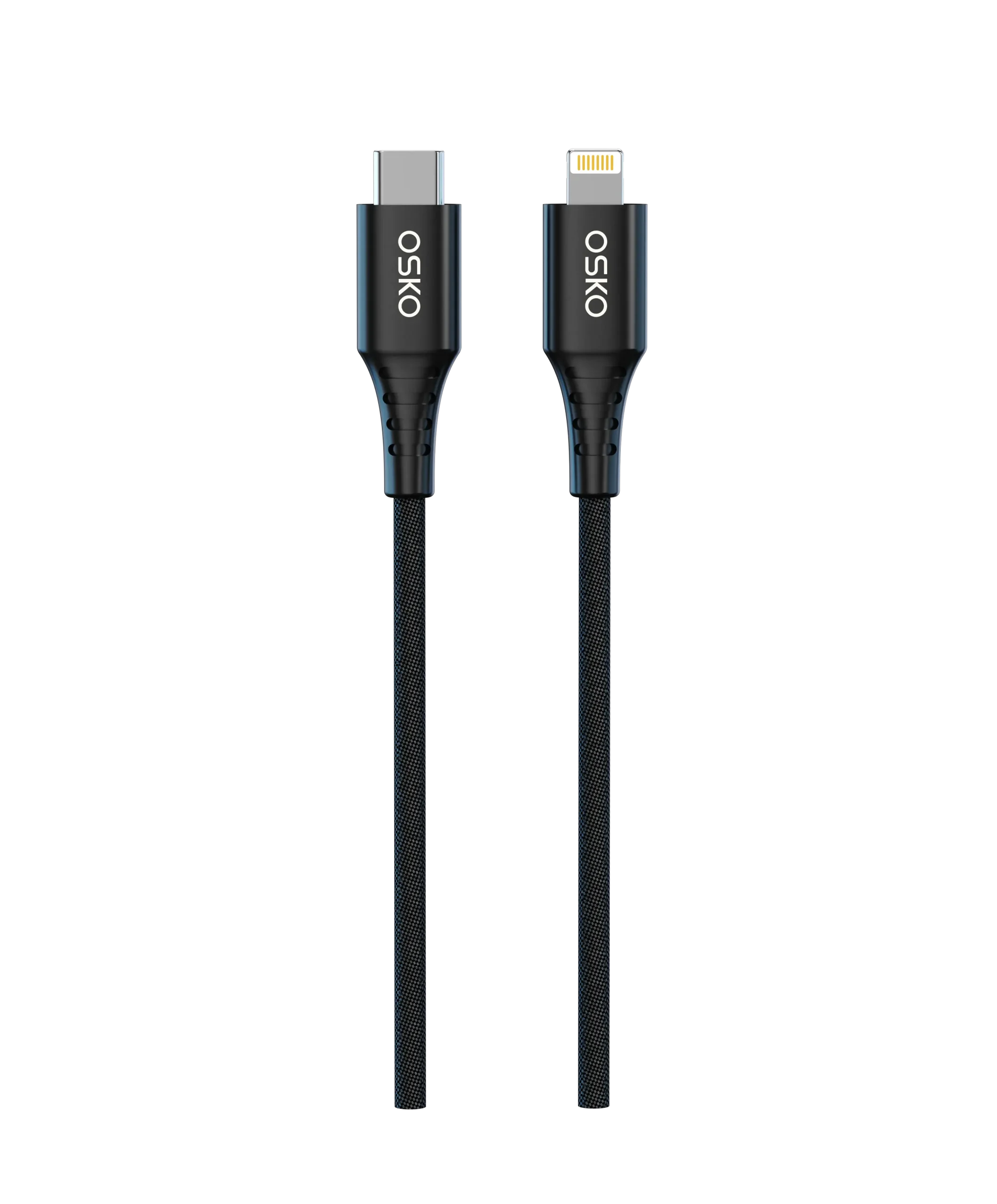
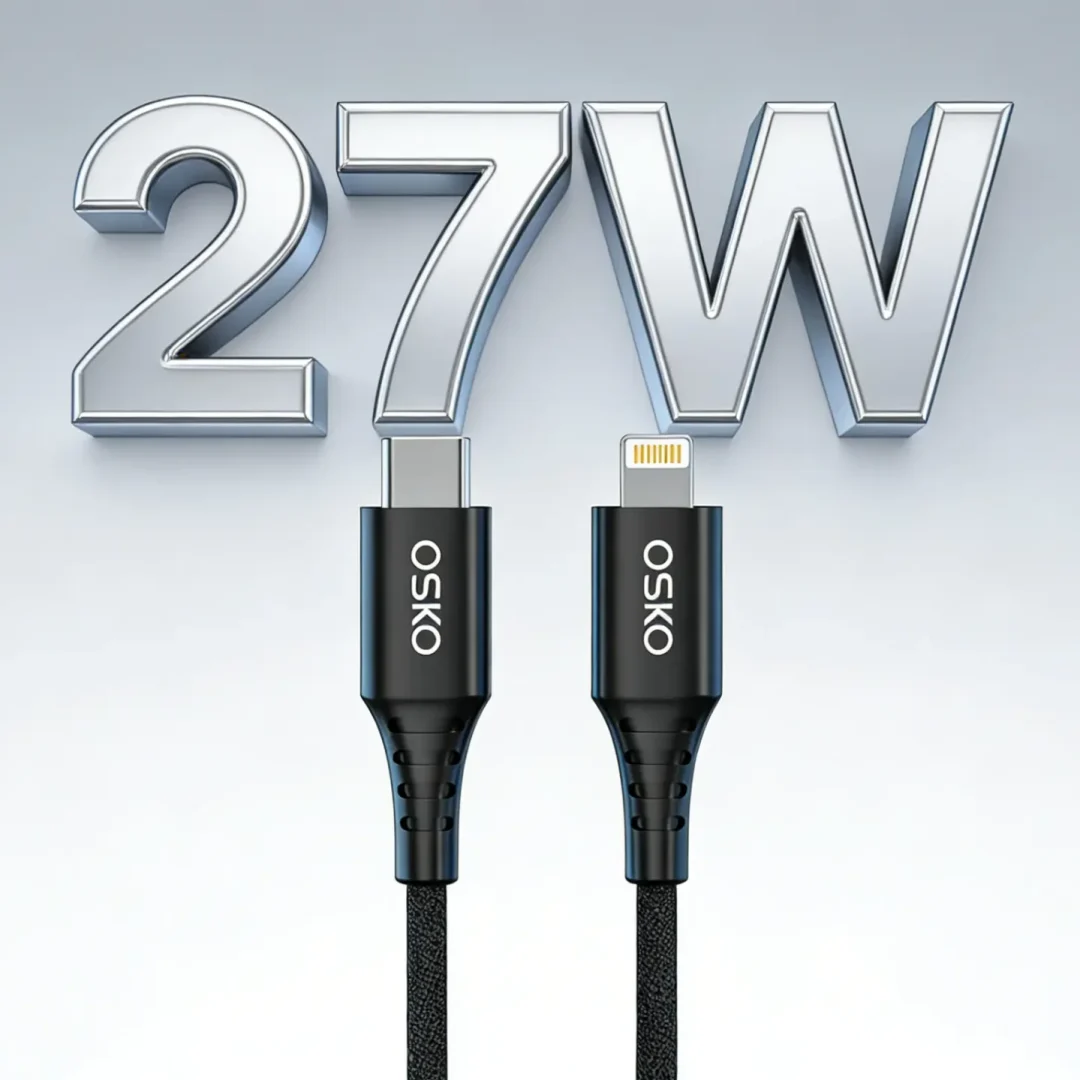
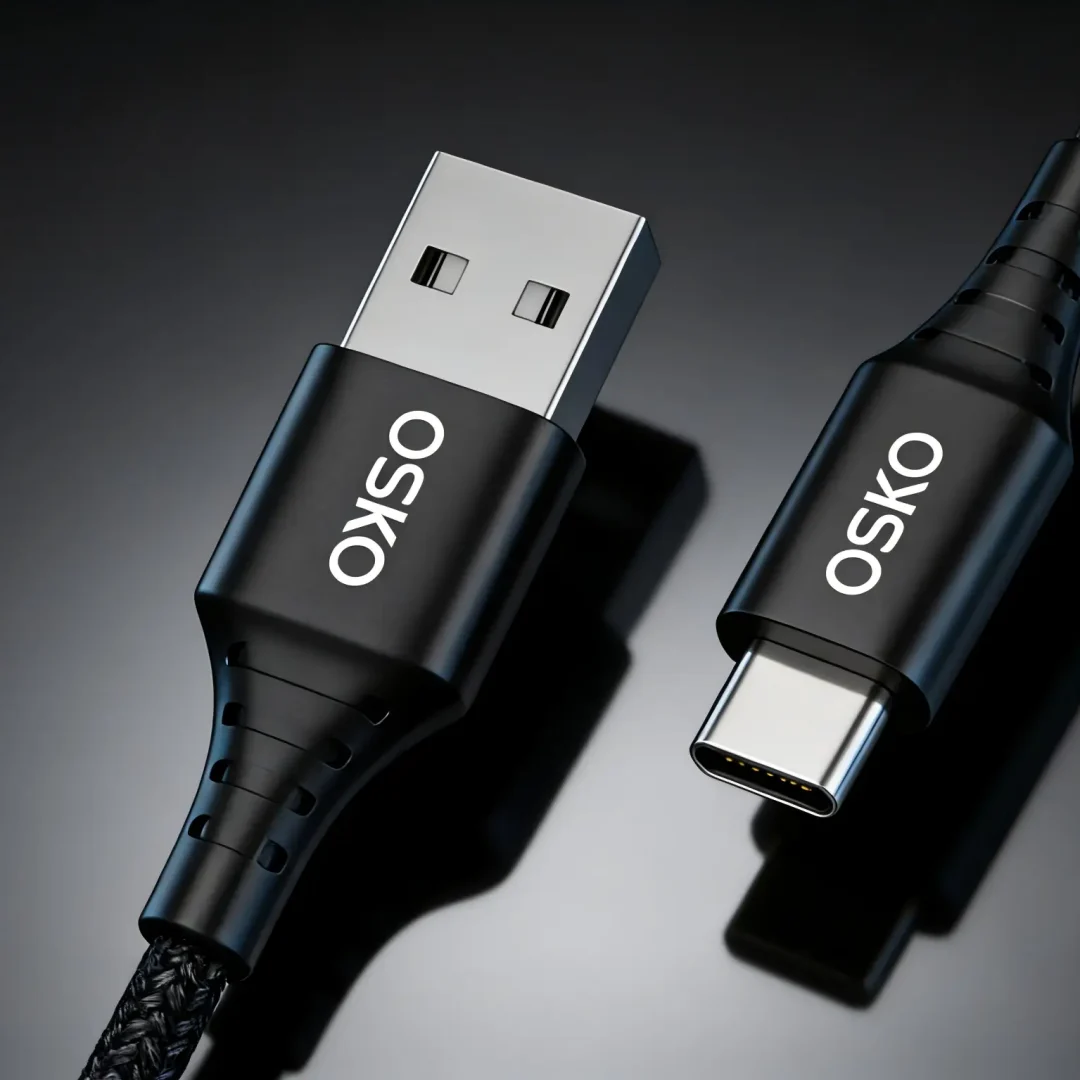
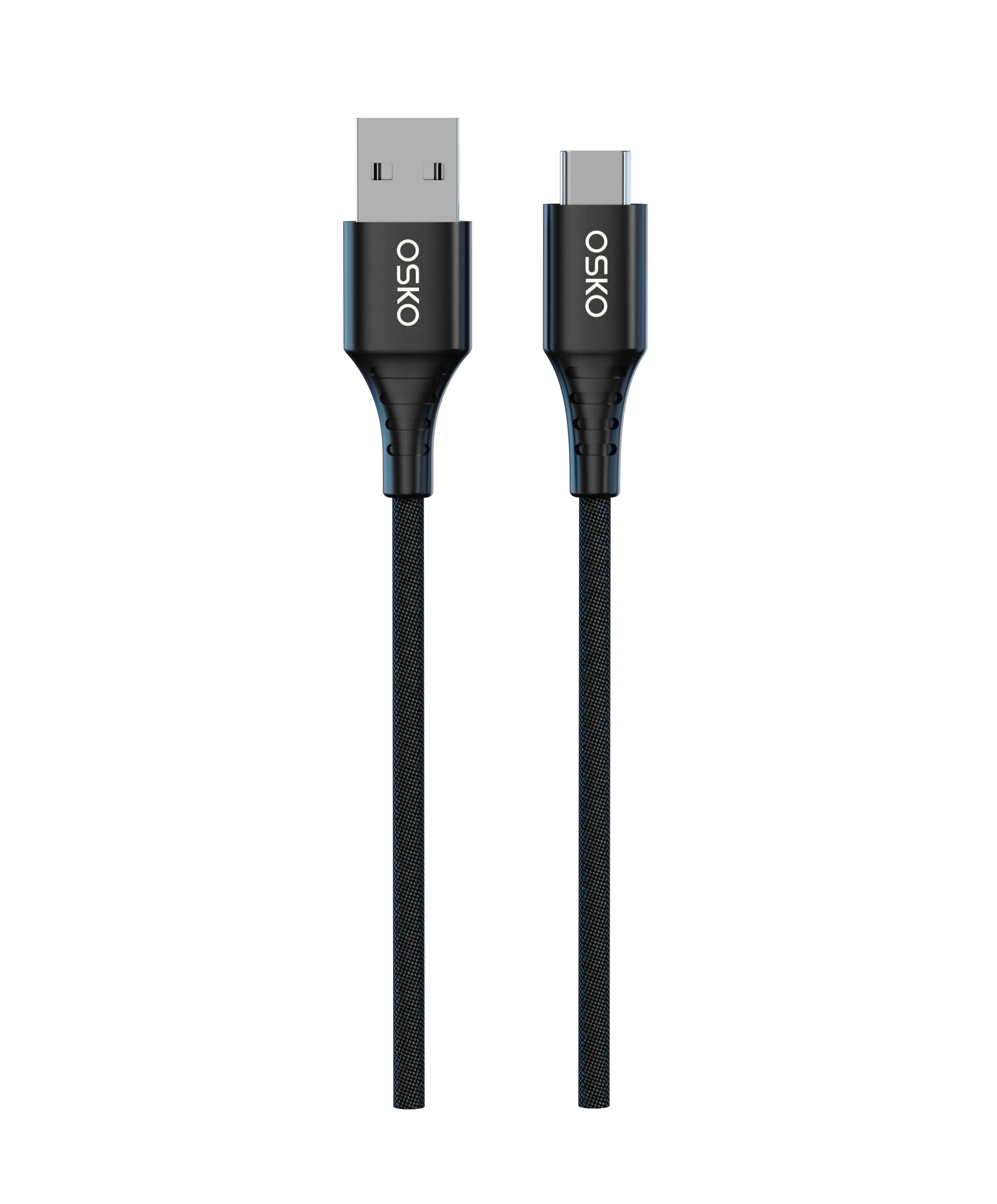
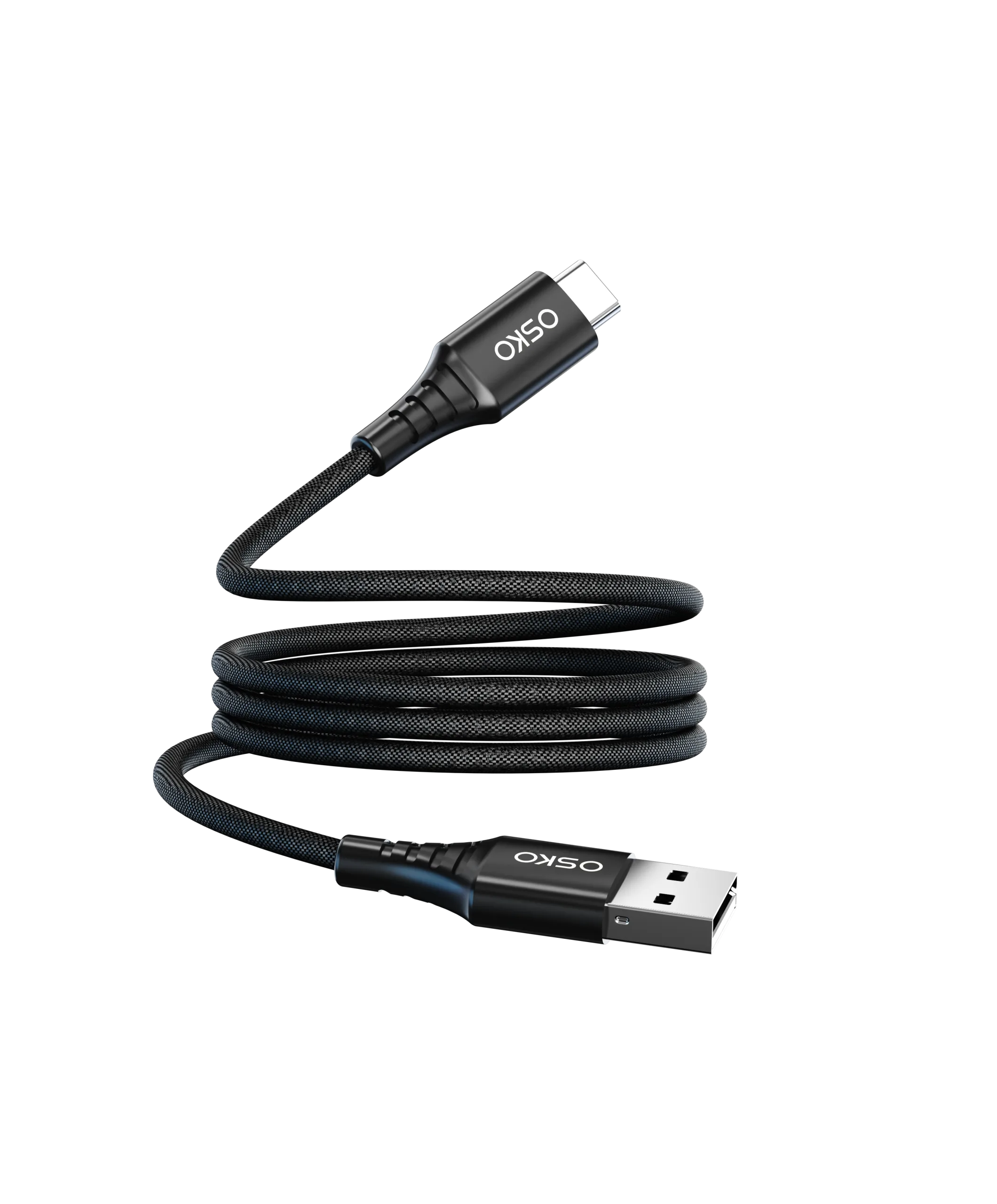
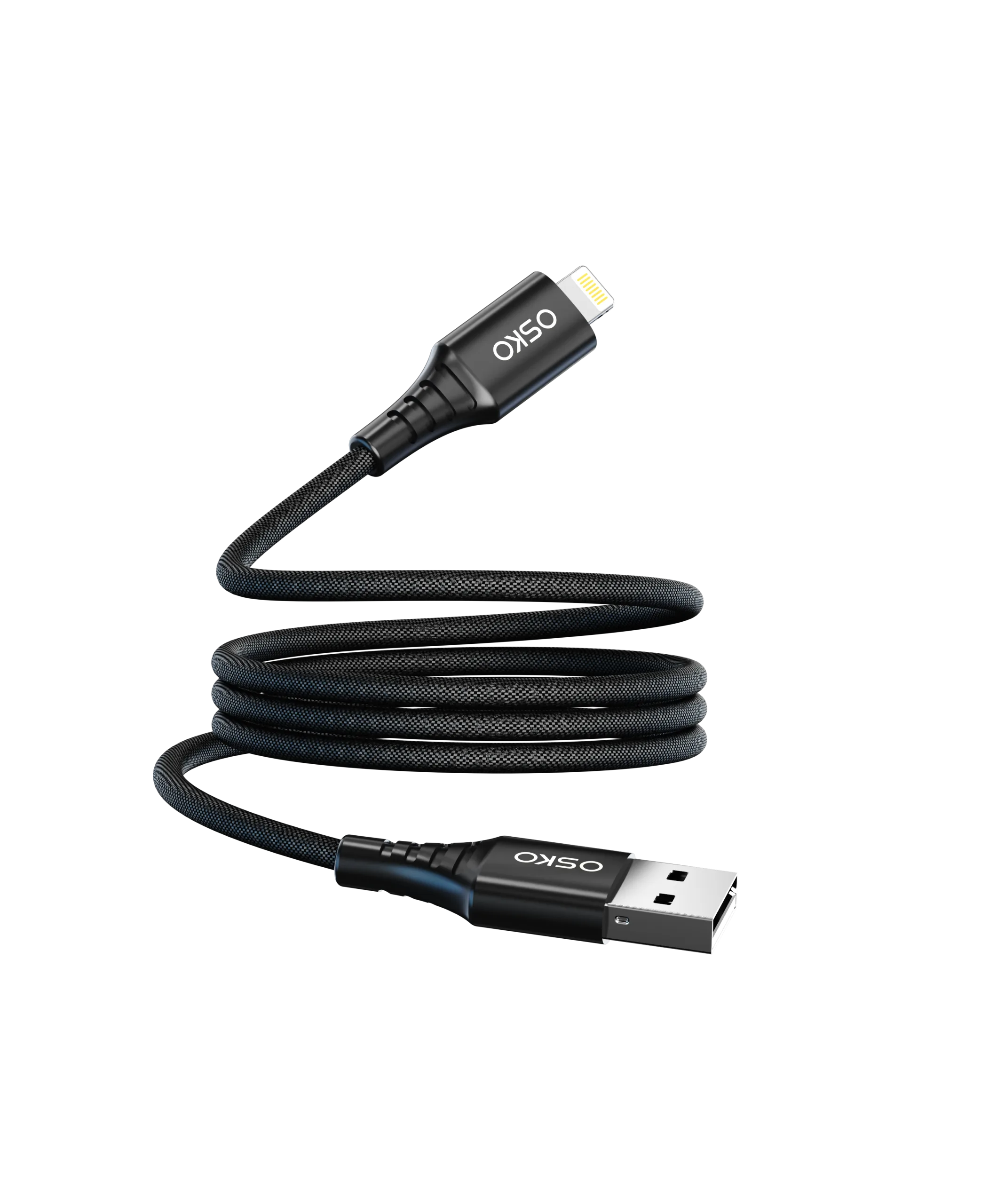
OSKO provides OEM and ODM USB-C cable manufacturing solutions including:
USB-C fast charging cables
60W/100W/240W PD cables
Nylon braided cables
Custom length cables
Private label packaging
Compliance testing support
OSKO engineering team supports global brands with reliable USB-C cable production, quality control, and customized manufacturing solutions.