
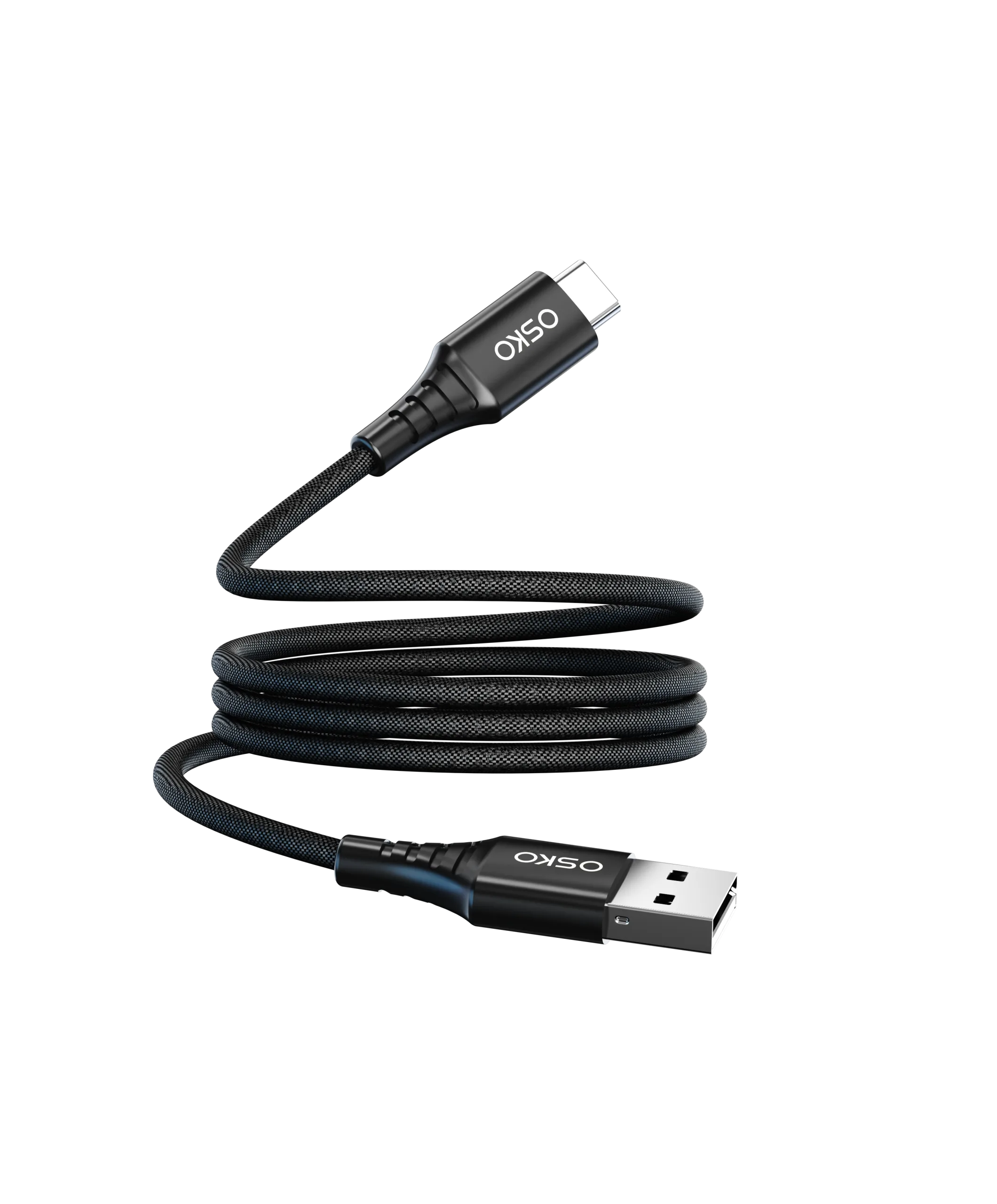
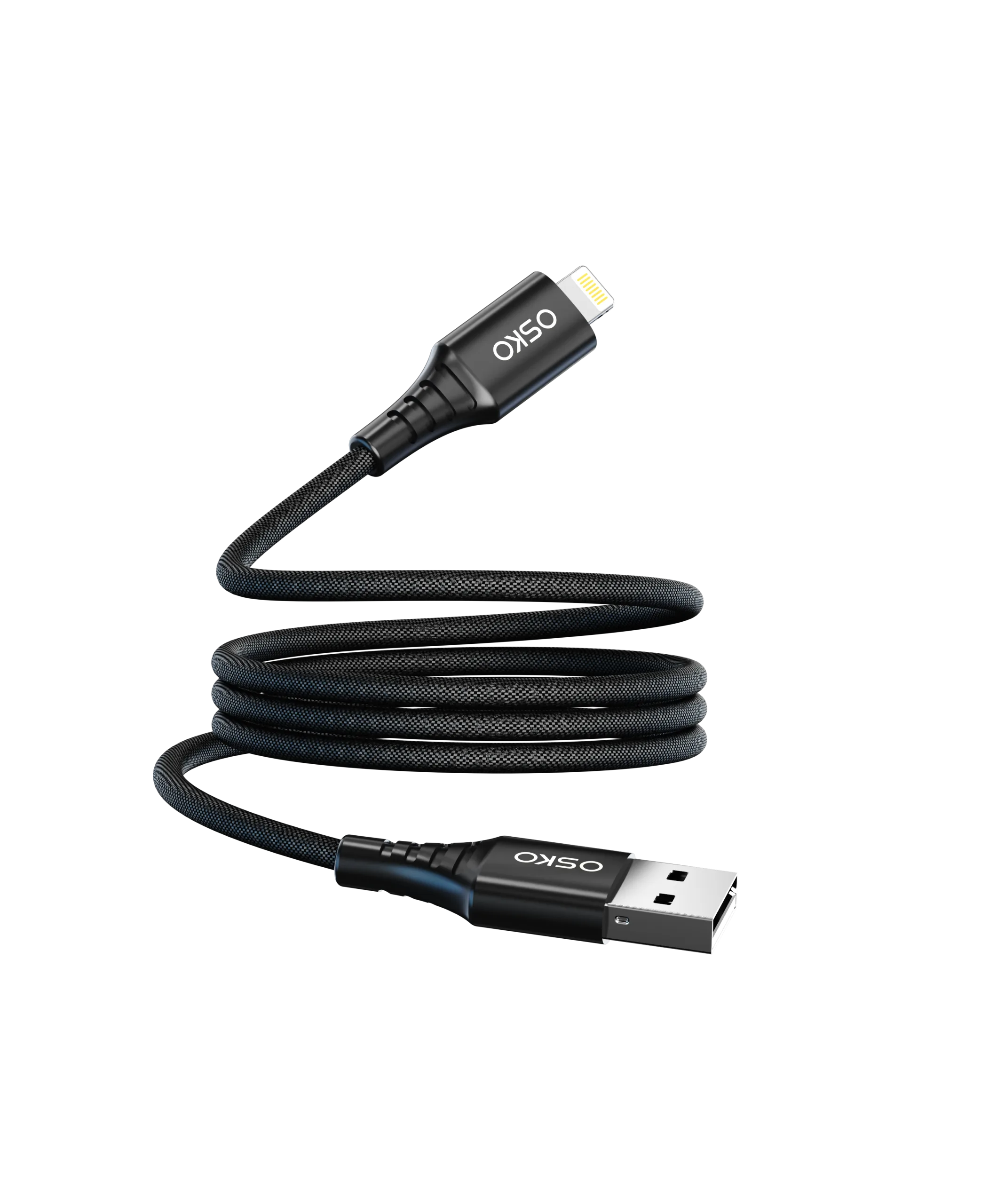
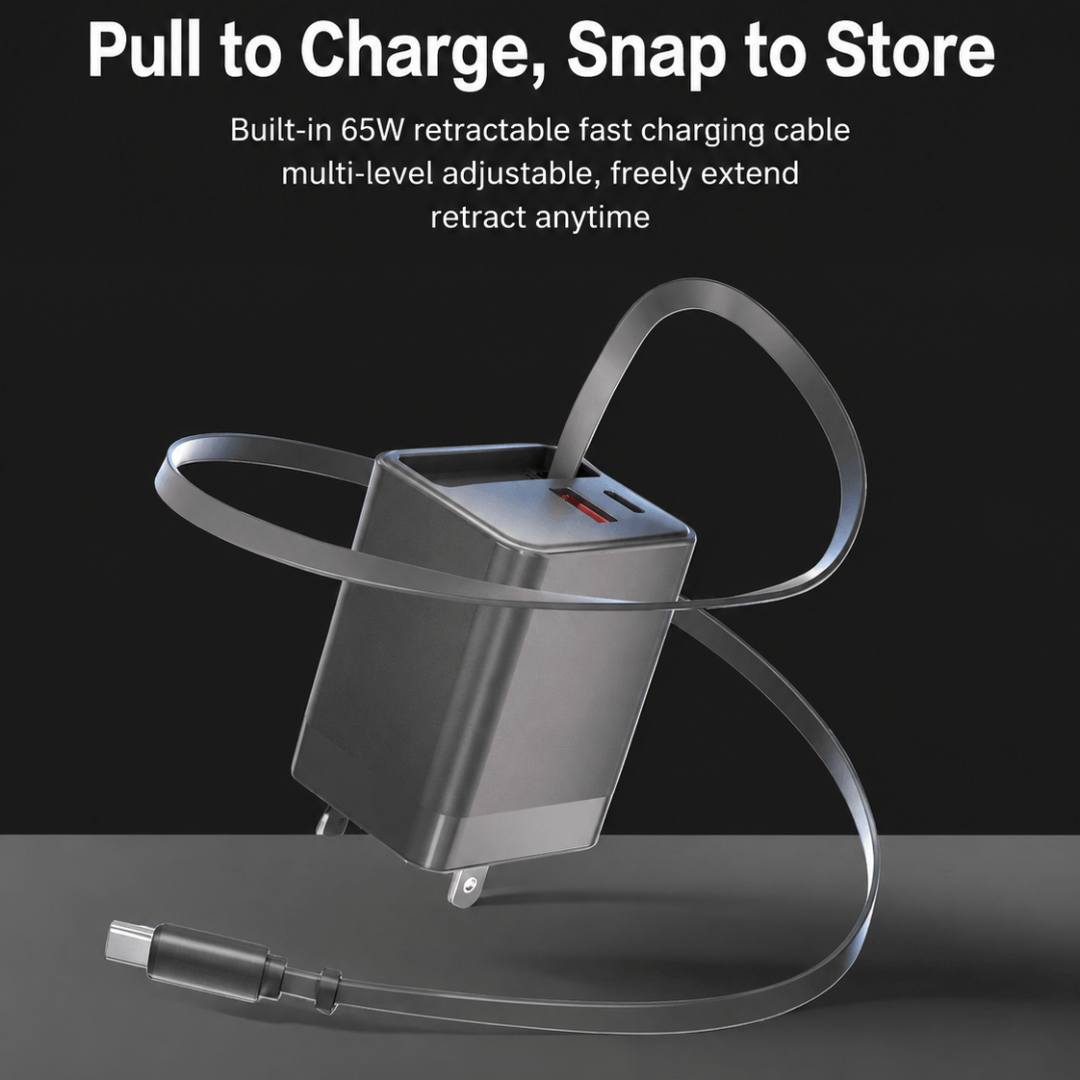
Introduction
Have you ever plugged your phone, tablet, or laptop into a USB-C charger and wondered why charging speeds vary so dramatically?
Many users assume all USB-C cables are identical. In reality, cable specifications, wire gauge, chipset design, and charging protocols can significantly affect charging performance.
A low-quality cable may limit charging speed, cause unstable power delivery, or even create safety risks. Meanwhile, a properly engineered USB-C fast charging cable can support everything from smartphone charging to powering high-performance laptops.
For distributors, wholesalers, OEM brands, and private-label sellers, understanding USB-C cable technology is essential to selecting products that meet customer expectations and comply with international standards.
This guide explains how USB-C fast charging cables work, how to evaluate cable performance, and what buyers should consider when sourcing products for North American and European markets.
What Is a USB-C Fast Charging Cable?
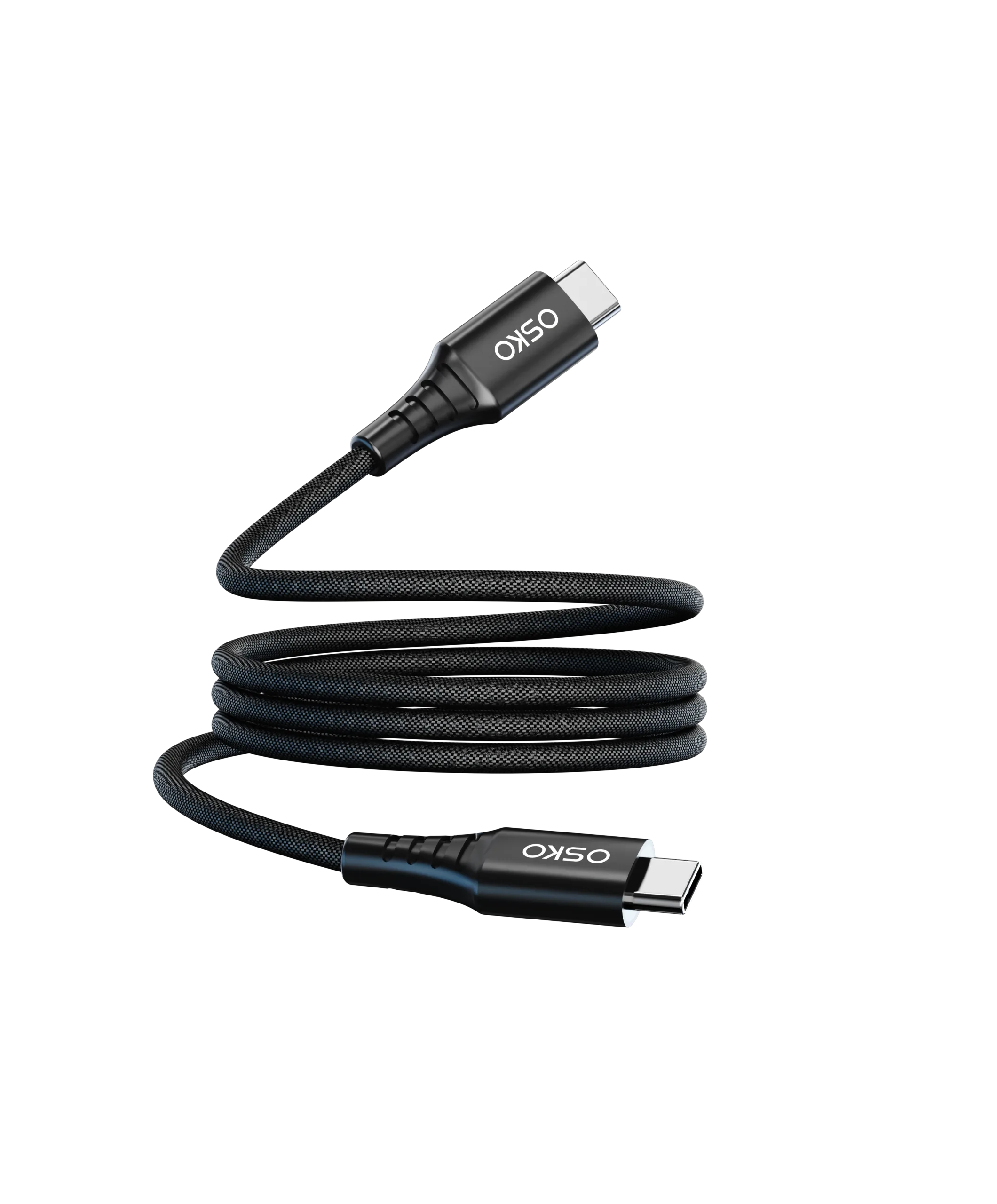
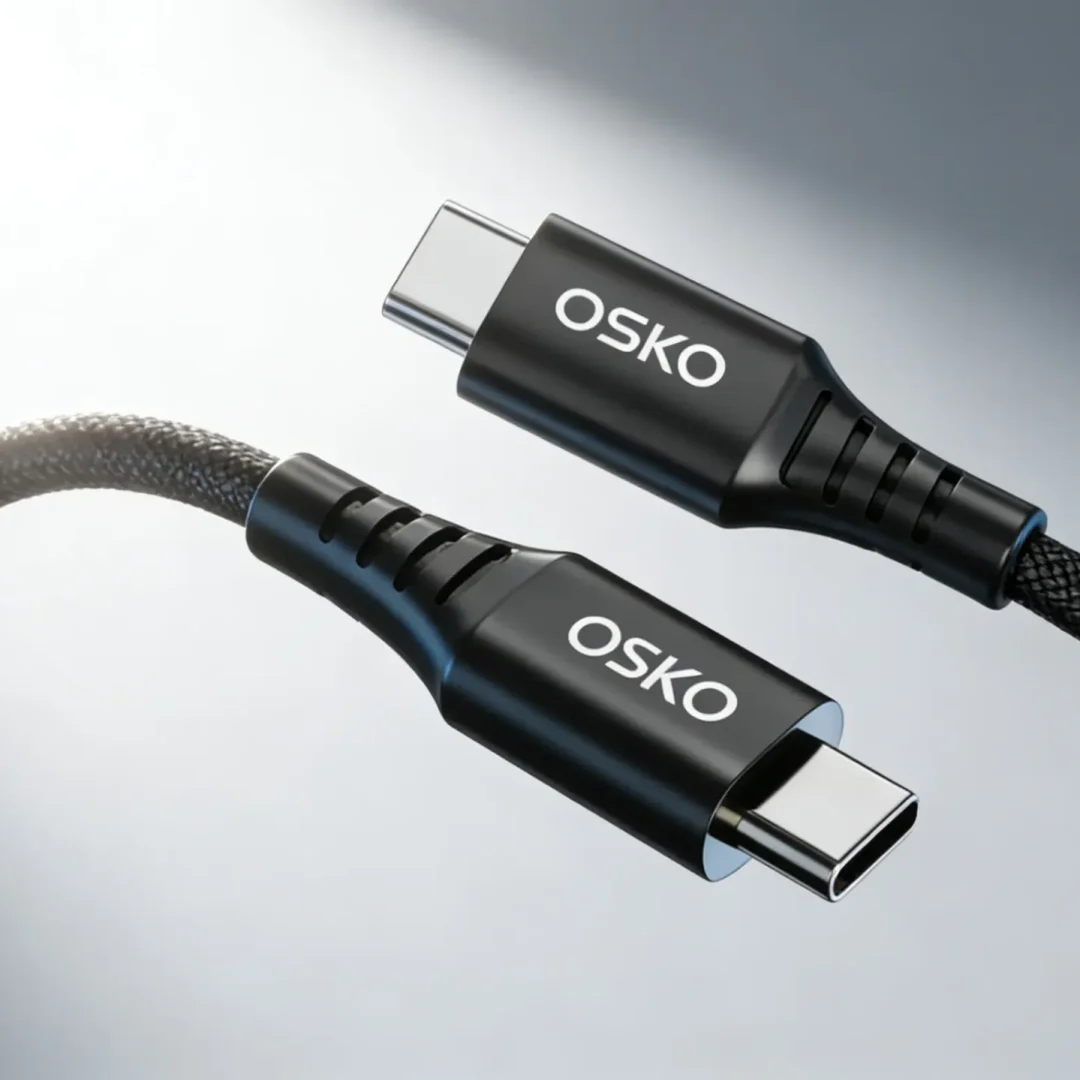
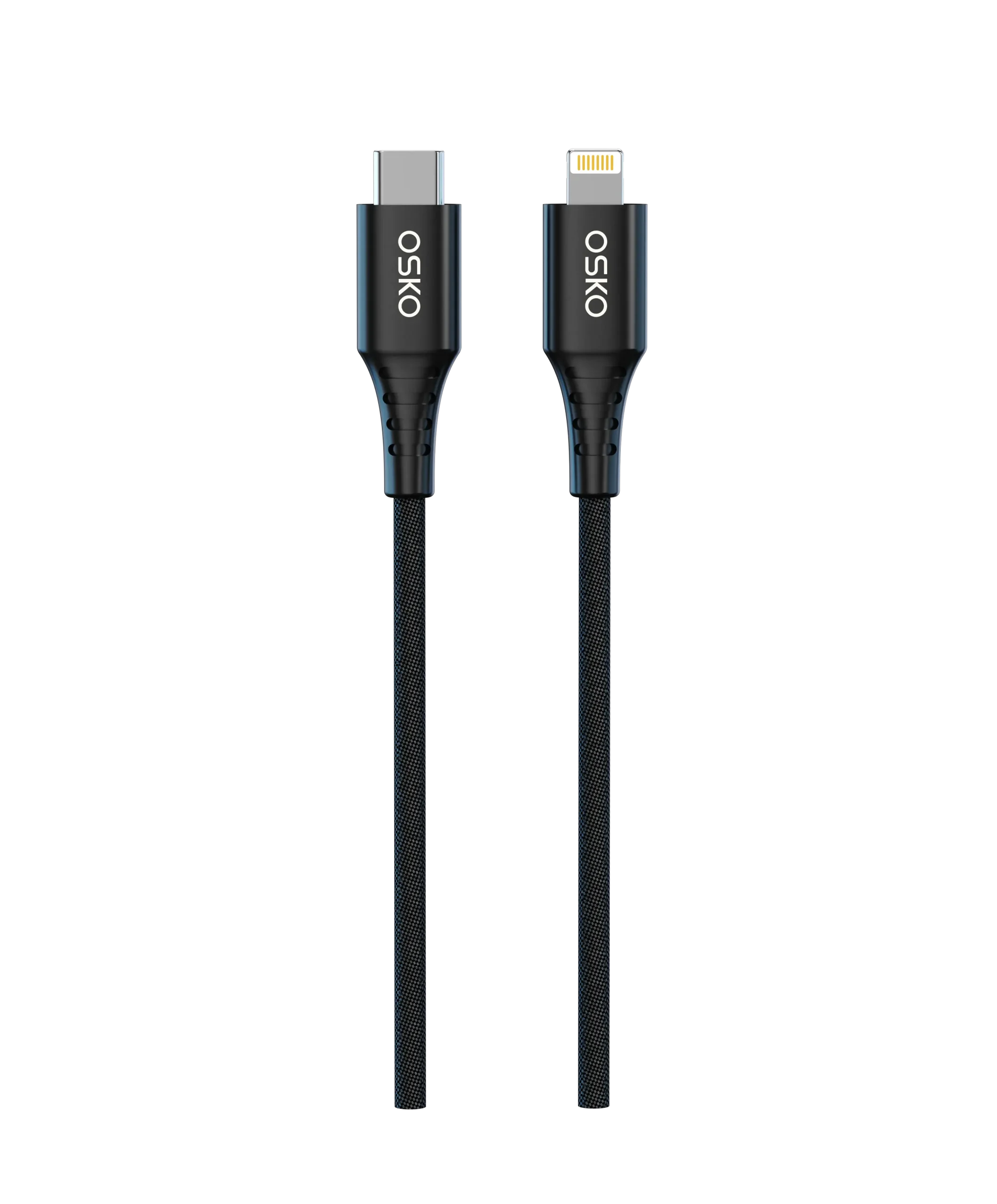
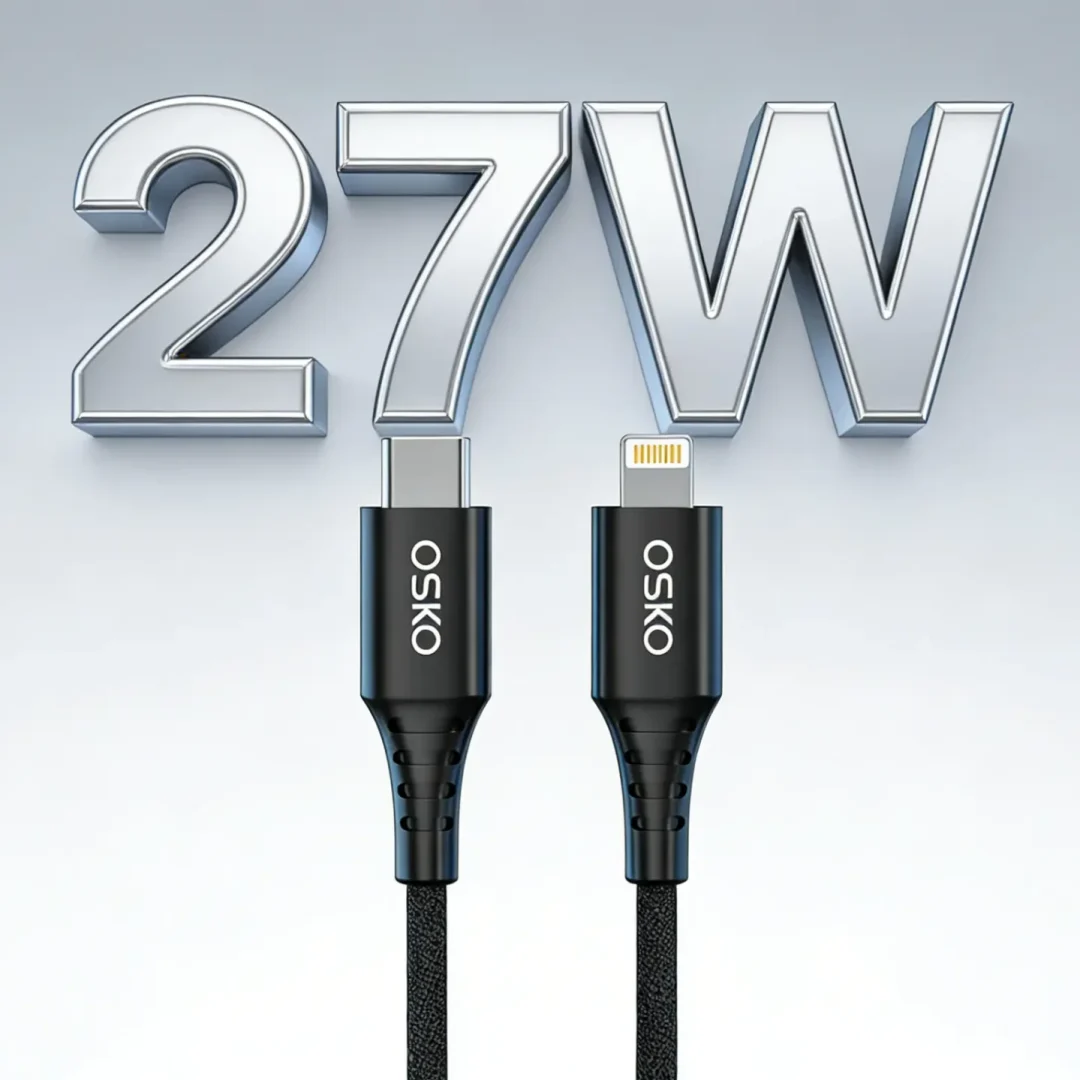
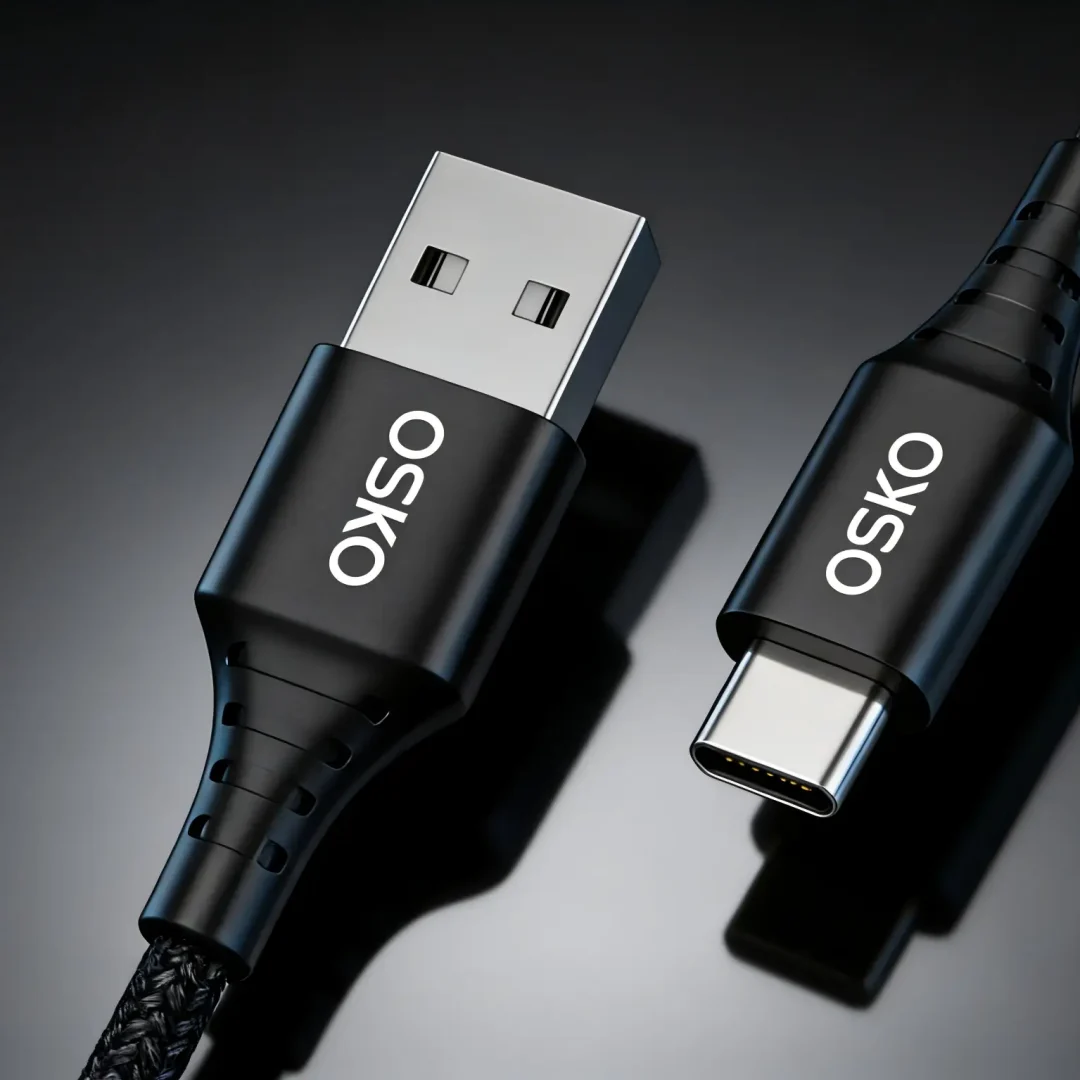
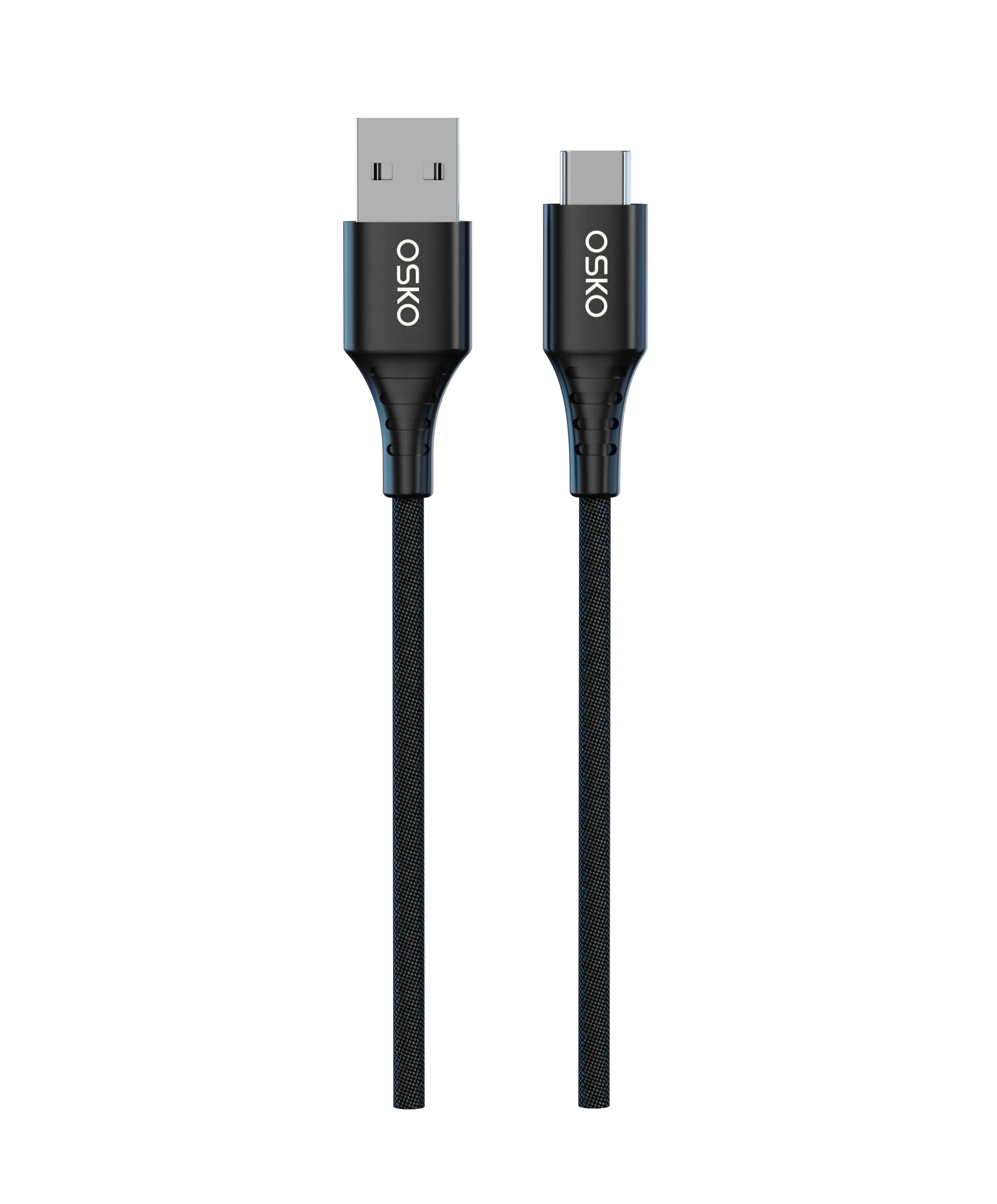
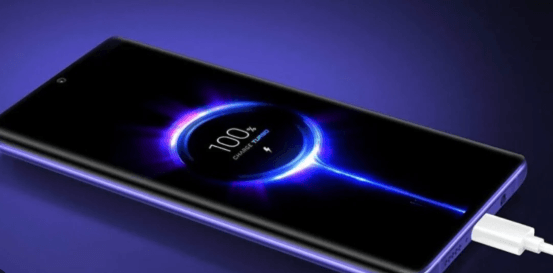
A USB-C fast charging cable is designed to deliver higher power levels than traditional USB cables while maintaining stable communication between the charger and the connected device.
Modern USB-C cables support:
Power Delivery (PD)
Quick Charge (QC)
PPS Fast Charging
High-speed data transfer
Video transmission (selected models)
Unlike older USB-A cables, USB-C cables can intelligently negotiate power requirements between devices.
As charging demands increase, cable quality becomes increasingly important.
How USB-C Fast Charging Works
Fast charging is based on communication between three components:
Charger
Cable
Device
When connected, these components negotiate the optimal voltage and current.
For example:
| Charging Standard | Voltage Range | Maximum Power |
|---|---|---|
| Standard USB-C | 5V | 15W |
| USB PD 3.0 | 5V–20V | 100W |
| USB PD 3.1 | 5V–48V | 240W |
If any component cannot support the required power level, charging speed will be reduced.
Therefore, the cable plays a critical role in determining overall charging performance.
Why Some USB-C Cables Charge Faster Than Others
Many consumers believe the charger determines charging speed.
However, the cable often becomes the limiting factor.
Several engineering factors affect performance.
Wire Gauge
Thicker copper conductors reduce resistance and voltage drop.
Common specifications include:
| Wire Gauge | Performance |
|---|---|
| 28 AWG | Basic charging |
| 24 AWG | Improved charging efficiency |
| 22 AWG | High-current charging |
| 20 AWG | Premium fast charging applications |
Lower AWG numbers indicate thicker conductors.
As cable length increases, thicker conductors become even more important.
E-Marker Chip Technology
High-power USB-C cables require an E-Marker chip.
The E-Marker communicates cable capabilities to connected devices.
Without an E-Marker chip:
Charging may be limited
Power delivery may become unstable
High-wattage charging may not activate
This is particularly important for:
100W USB-C cables
140W USB-C cables
240W USB-C cables
Copper Quality
Premium USB-C cables typically use:
Oxygen-free copper
Tinned copper
Multi-strand conductor designs
Higher-quality conductors improve:
Charging efficiency
Signal integrity
Cable lifespan

USB-C Fast Charging Cable Comparison
60W vs 100W vs 240W USB-C Cables
| Feature | 60W Cable | 100W Cable | 240W Cable |
|---|---|---|---|
| Maximum Current | 3A | 5A | 5A |
| Maximum Power | 60W | 100W | 240W |
| E-Marker Required | No | Yes | Yes |
| Smartphone Charging | Excellent | Excellent | Excellent |
| Tablet Charging | Excellent | Excellent | Excellent |
| Laptop Charging | Limited | Excellent | Excellent |
| Gaming Laptop Support | No | Moderate | Excellent |
| Future-Proofing | Good | Very Good | Best |
| OEM Demand | High | Very High | Rapidly Growing |
Cable Length and Charging Performance
Many users focus on wattage but overlook cable length.
Longer cables create additional resistance.
Charging Performance by Length
| Cable Length | Charging Efficiency | Typical Application |
|---|---|---|
| 0.5 ft (15 cm) | Excellent | Power banks |
| 3 ft (1 m) | Excellent | Desk charging |
| 6 ft (2 m) | Very Good | Home and office |
| 10 ft (3 m) | Good | Extended reach applications |
For fast charging applications, 3 ft and 6 ft remain the most popular lengths in North America and Europe.
This explains the growing demand for:
Bulk short 0.5ft braided Type C cables
Bulk custom 6ft 10ft USB-C cables
OEM ODM custom length USB C cables
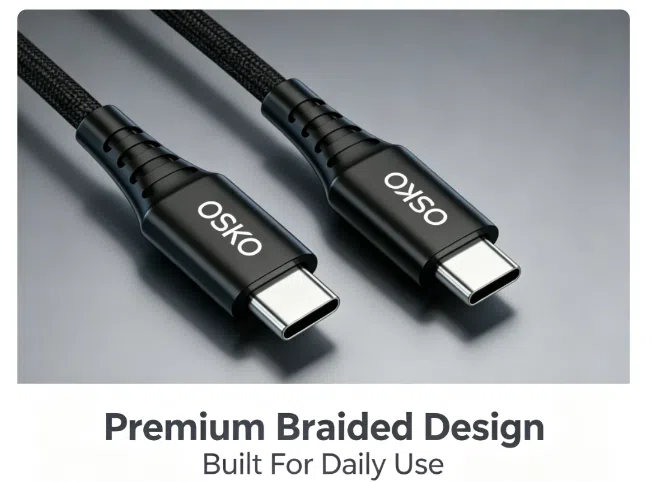
Braided vs PVC USB-C Fast Charging Cables
Cable jacket materials directly affect durability.
Comparison Table
| Feature | PVC Cable | Braided Cable |
|---|---|---|
| Cost | Lower | Higher |
| Flexibility | Good | Excellent |
| Durability | Standard | Superior |
| Tangle Resistance | Moderate | High |
| Premium Appearance | Basic | Excellent |
| OEM Customization | Good | Excellent |
For premium retail products, braided cables dominate.
Many buyers actively search for:
Durable nylon braided Type C charging cable factory
Heavy duty braided USB-C cable manufacturer
Tangle-free double-braided USB C cable wholesale
Wholesale 60W braided USB C cable
Applicable Scenarios
Home Charging
Consumers prefer:
6ft USB-C fast charging cables
Braided cable designs
Multi-device compatibility
Longer cables provide convenience while maintaining charging performance.
Office Workstations
Office users commonly charge:
Smartphones
Tablets
Laptops
100W USB-C cables are often preferred for workstation setups.
Travel Applications
Travel accessories require:
Compact design
Lightweight construction
Fast charging capability
Popular products include:
Bulk short 0.5ft braided Type C cables
Braided right angle USB-C cable wholesale
Automotive Charging
Vehicle charging environments require:
High flexibility
Abrasion resistance
Compact connectors
Many fleet operators choose braided USB-C cables because they withstand repeated movement.
OEM Sourcing Considerations
Selecting the right USB-C cable manufacturer is critical.
Certifications
For North American and European markets, suppliers should provide:
CE Certification
FCC Certification
RoHS Compliance
USB-IF Compliance
High-end buyers increasingly request:
CE RoHS certified 240W USB C cable
FCC approved nylon braided USB C cable supplier
Prop 65 compliant USB C cable factory
USB-IF compliant Type C cable manufacturer
ISO9001 certified braided USB cable factory
Customization Options
Modern OEM projects often require:
| Custom Feature | Available Options |
|---|---|
| Cable Length | 0.5ft–10ft |
| Cable Color | Custom Pantone Colors |
| Connector Housing | Aluminum, Zinc Alloy, Plastic |
| Logo Printing | Laser, Silk Screen |
| Packaging | Retail Box, Gift Box, Eco Packaging |
Popular OEM requests include:
Custom packaging braided charging cable factory
Bulk custom color braided charging cables
White label 240W fast charging cable wholesale
OEM Case Study
Customer Background
A European electronics distributor wanted to launch a premium USB-C cable lineup targeting laptop users.
The company required:
100W charging capability
Premium braided construction
Retail-ready packaging
Engineering Challenge
Previous suppliers experienced:
Inconsistent charging performance
Connector failures
High return rates
OSKO Solution
The project included:
USB-C to USB-C 100W PD cables
Heavy-duty double-braided nylon jackets
E-Marker chip integration
CE, FCC, and RoHS compliance
Private-label packaging
Results
The distributor achieved:
Reduced warranty claims
Higher customer satisfaction
Improved online reviews
Increased repeat orders
Purchase Recommendations
Choose a 60W USB-C cable for smartphones, tablets, and lightweight devices.
Choose a 100W USB-C cable for laptops, docking stations, and professional users.
Choose a 240W USB-C cable for future-proof applications, gaming laptops, and high-performance charging environments.
For wholesalers and OEM brands, offering both 100W and 240W product lines provides the best balance between current demand and future growth.
FAQ
Are all USB-C cables fast charging?
No. Many USB-C cables only support basic charging speeds.
Do I need an E-Marker chip?
For 100W and 240W charging applications, yes.
Is a braided USB-C cable better?
Braided cables generally offer better durability, abrasion resistance, and product lifespan.
What is the most popular USB-C cable length?
3ft and 6ft are currently the highest-demand lengths in North America and Europe.
Which certifications should OEM buyers require?
At minimum: CE, FCC, and RoHS. Premium projects often require USB-IF compliance and additional regional certifications.
Summary
USB-C fast charging cables have become essential accessories for smartphones, tablets, laptops, gaming devices, and professional workstations. However, not all cables offer the same performance.
Factors such as wire gauge, E-Marker chips, conductor quality, cable length, and construction materials directly influence charging speed and reliability.
For OEM buyers, distributors, and private-label brands, selecting certified, high-quality USB-C cables is critical for long-term success. By focusing on 100W and 240W USB-C solutions, braided cable construction, and international compliance standards, businesses can meet growing demand across North America and Europe while delivering reliable fast charging experiences.
Request OEM USB-C Fast Charging Cable Solutions
OSKO Provides:
USB-C to USB-C Fast Charging Cables
60W, 100W, and 240W PD Cables
Heavy Duty Braided USB-C Cables
Custom Length USB-C Cable Manufacturing
Private Label Packaging
OEM & ODM Services
CE, FCC, RoHS, and USB-IF Compliant Solutions
Request a Quote
Name: ___________________
Company: ___________________
Email: ___________________
Required Cable Type: ___________________
Required Wattage: 60W / 100W / 240W
Estimated Quantity: ___________________
Target Market: North America / Europe / Global
Project Requirements: ___________________