

Introduction: What Is a USB-C to Lightning Cable?
For many Apple users, choosing the right charging cable has become more complicated than expected. Different cables may look almost identical, but their charging speed, safety performance, durability, and compatibility can vary significantly.
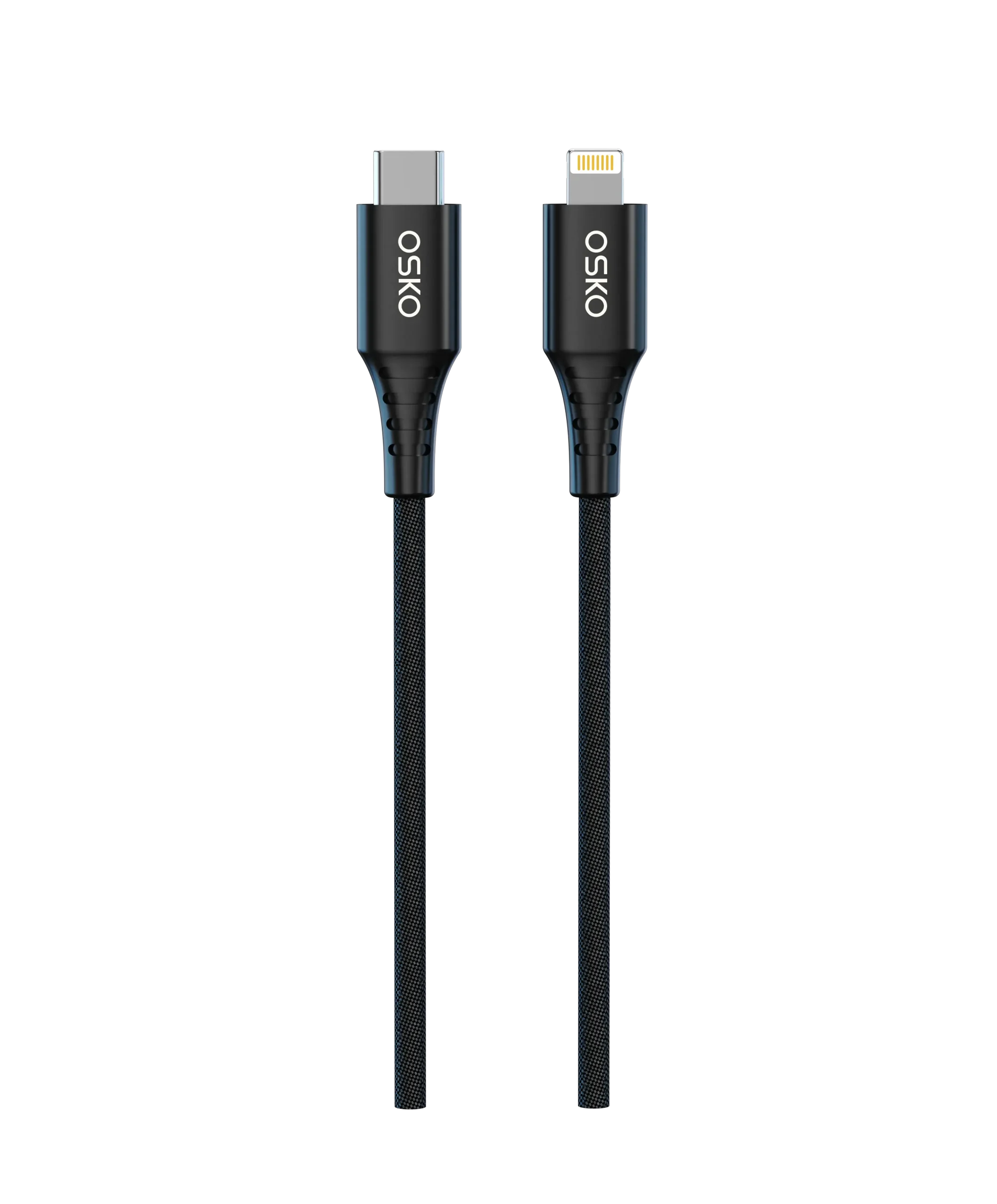
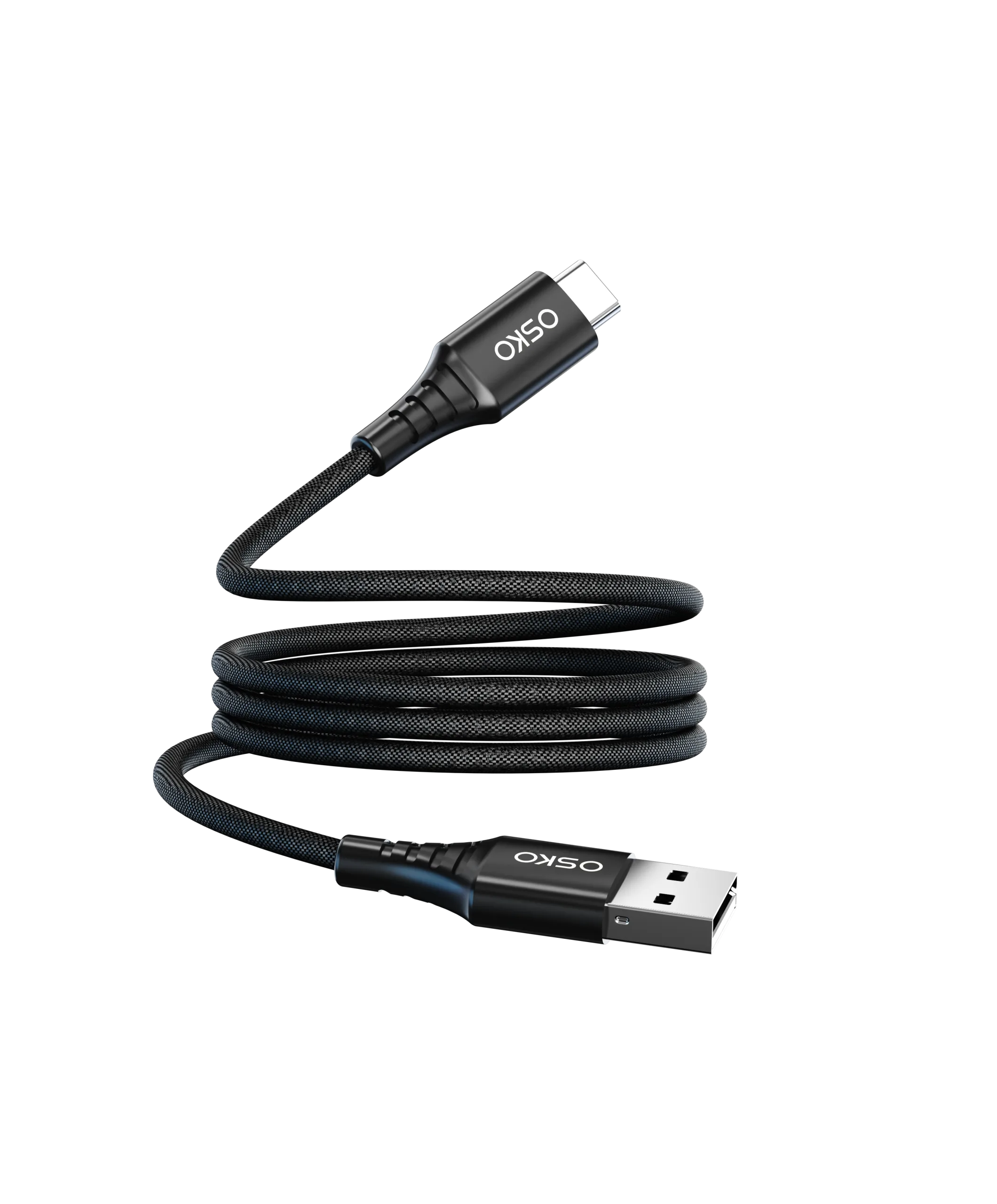
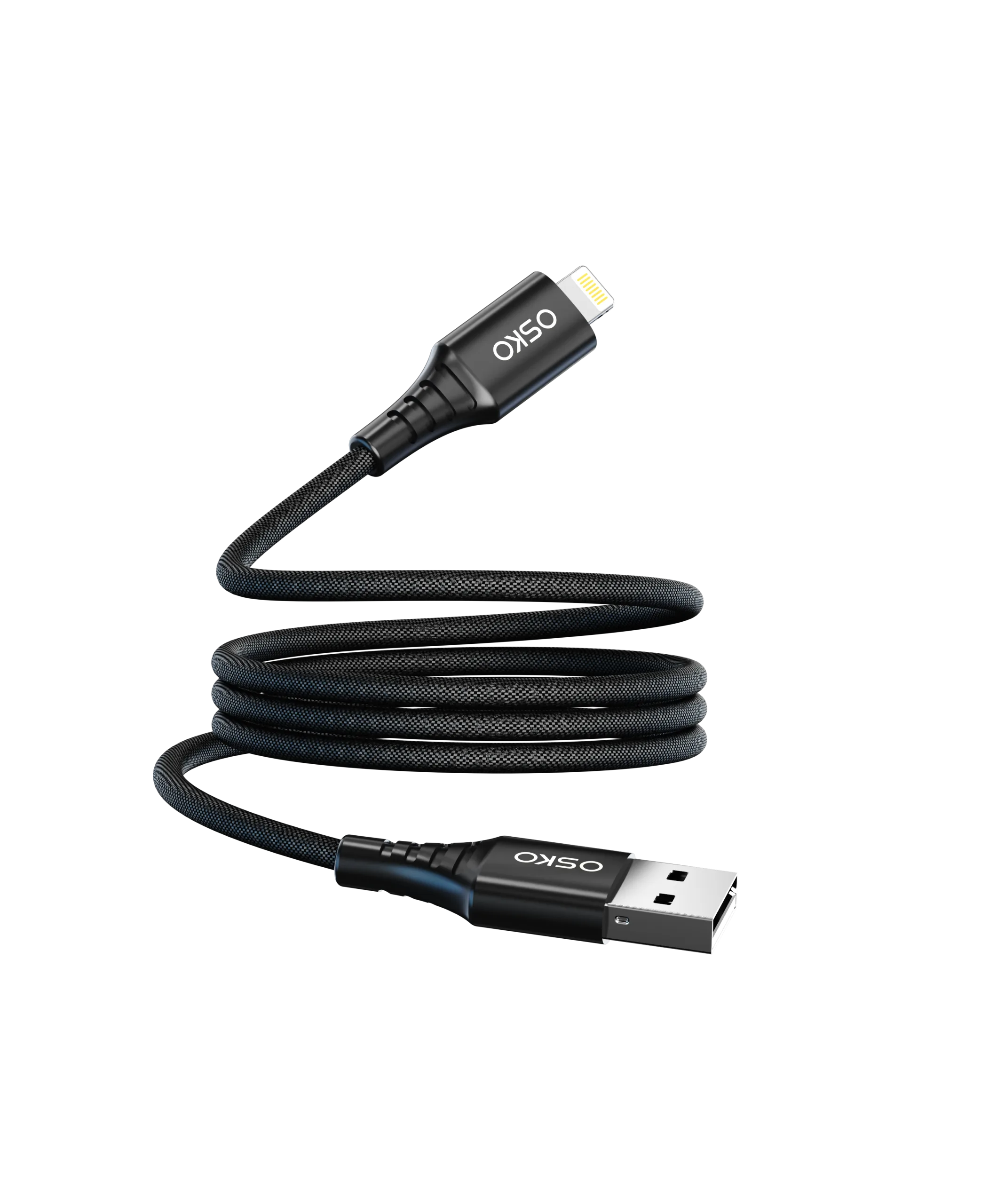
A USB-C to Lightning cable is a charging and data transfer cable designed to connect Apple devices with a Lightning port, such as older iPhones, iPads, and AirPods accessories, to chargers, computers, or power sources that use a USB-C port.
Unlike traditional USB-A charging cables, USB-C provides higher power delivery capability and better compatibility with modern charging systems. When combined with Apple’s Lightning connector, this cable allows users to achieve faster charging, reliable data synchronization, and improved everyday convenience.
For consumers in the United States, Germany, Australia, and the Netherlands, searches such as “best USB-C to Lightning cable for iPhone,” “MFi certified Lightning cable,” and “USB-C Lightning cable fast charging” continue to grow because users want safer, longer-lasting charging solutions instead of replacing damaged cables repeatedly.
Understanding how USB-C to Lightning cables work helps consumers, retailers, and businesses choose the right solution.
What Is a USB-C to Lightning Cable?
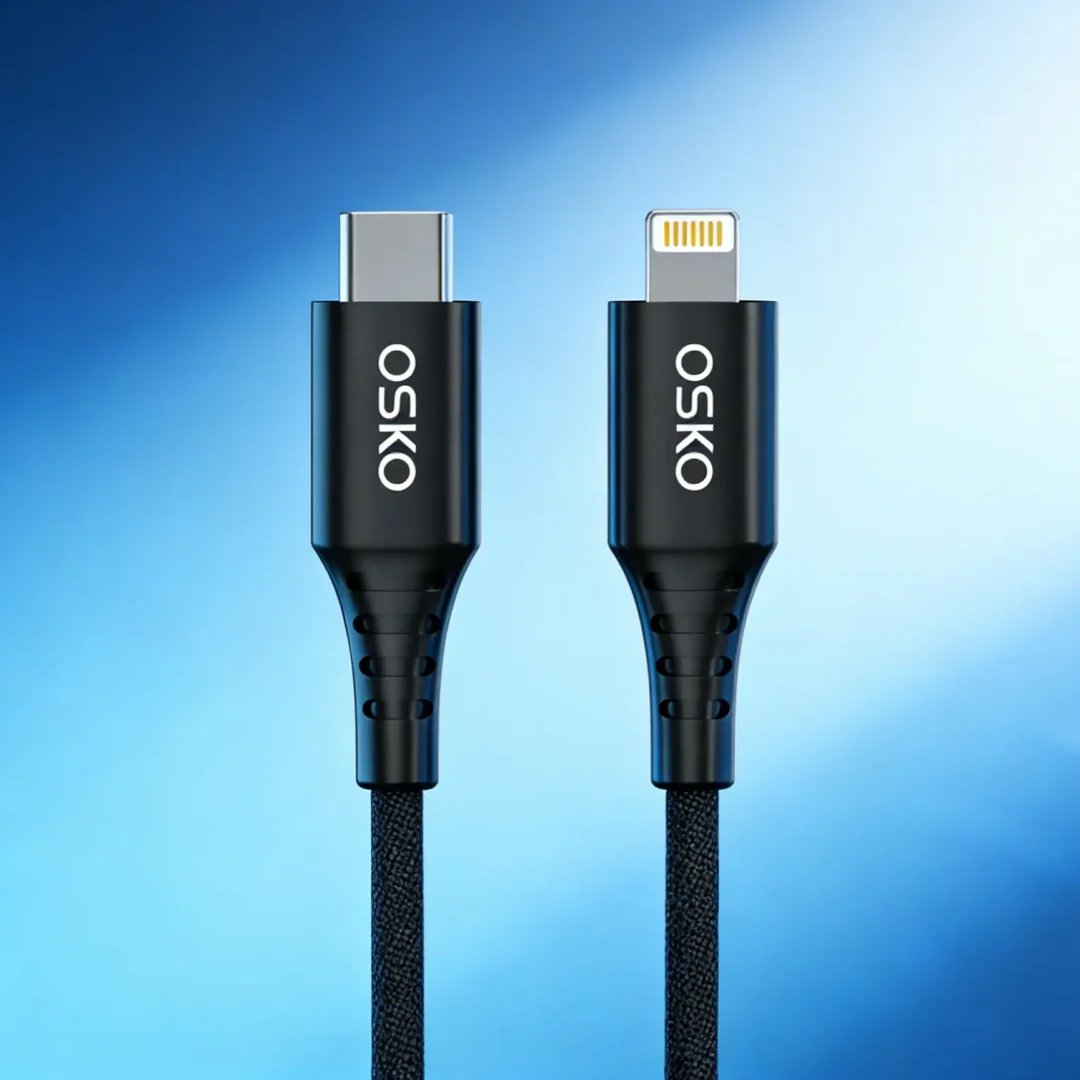
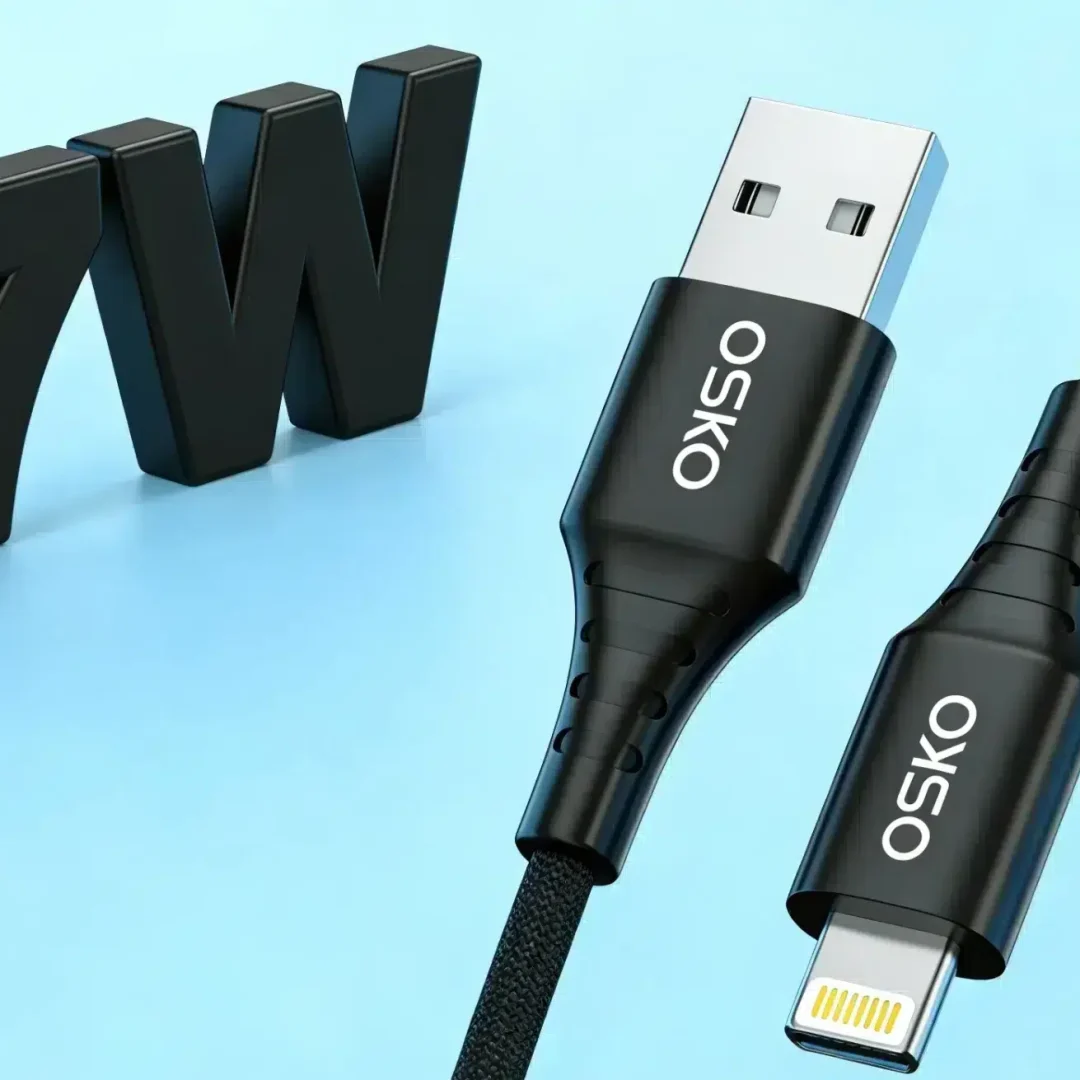
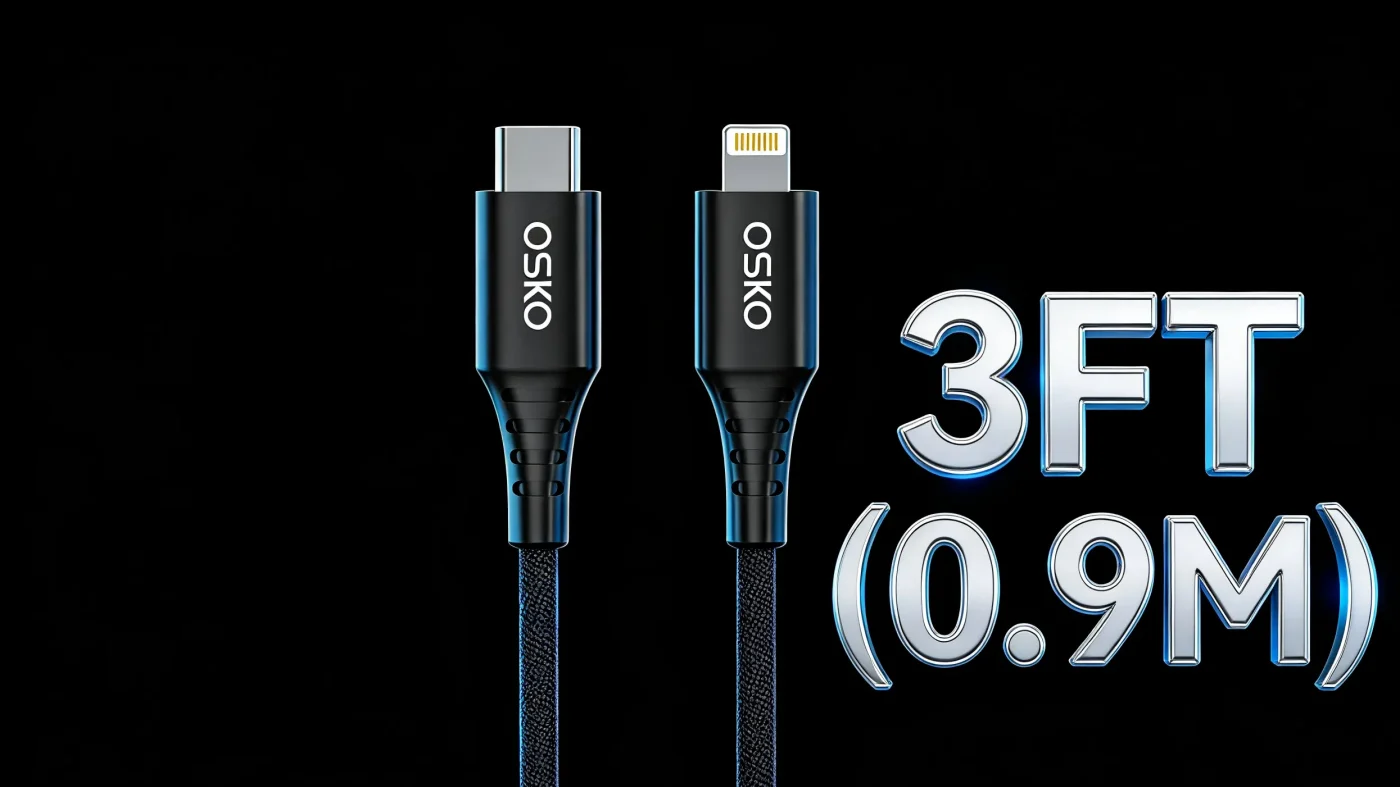
A USB-C to Lightning cable has two different connectors:
One end uses a USB-C connector that connects to modern chargers, laptops, power banks, and docking stations.
The other end uses Apple’s Lightning connector that connects to compatible iPhones, iPads, and accessories.
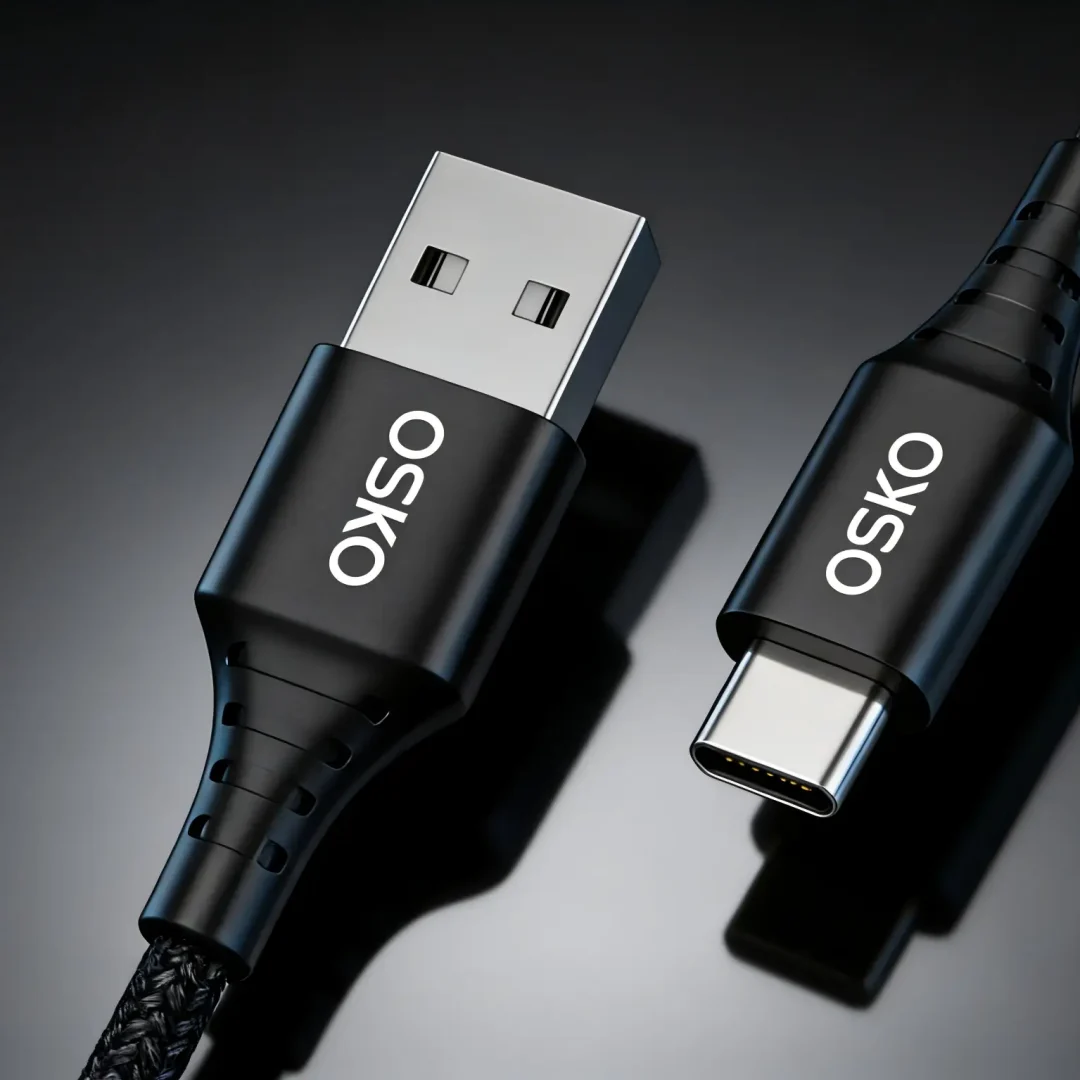
The USB-C connector was designed as a modern universal interface. Its reversible design allows users to plug it in either direction, while supporting advanced charging technologies such as USB Power Delivery (USB PD).
The Lightning connector was introduced by Apple as a compact and reversible connector for its mobile ecosystem. It became widely used across iPhone and iPad devices before Apple began transitioning many products to USB-C.
By combining both technologies, the USB-C to Lightning cable provides a practical solution for users who own Lightning-based Apple devices but use modern USB-C chargers.
Common applications include:
Charging iPhone with USB-C wall chargers
Connecting iPhone to MacBook computers
Syncing photos and files
Charging iPad models with Lightning ports
Using power banks while traveling
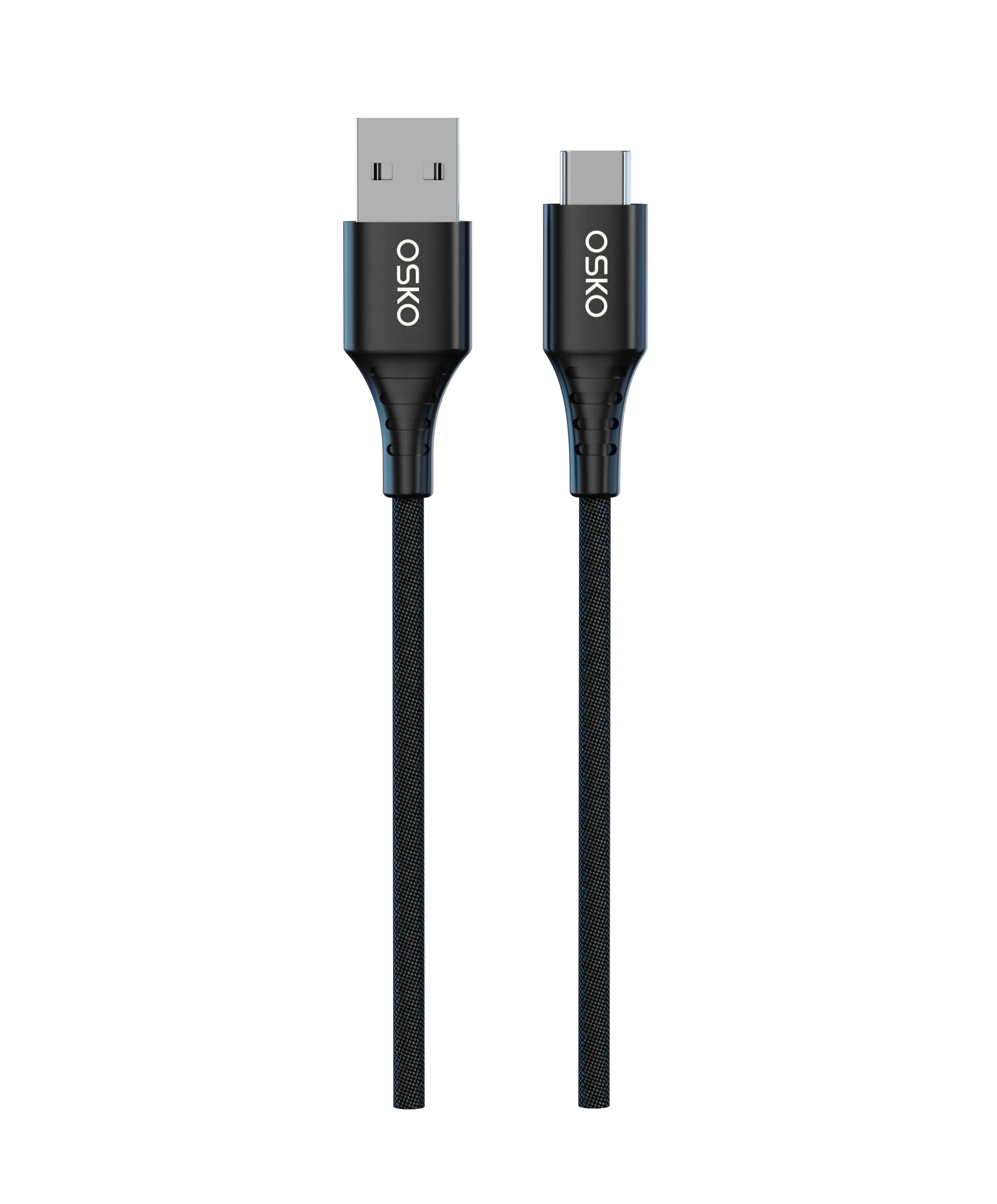
USB-C to Lightning Cable vs USB-A to Lightning Cable
Many users wonder why they should upgrade from a traditional Lightning cable.
The main difference is the charging system.
A USB-A charger usually provides limited power output, while USB-C chargers support higher power delivery through USB PD technology.
For example:
A USB-A to Lightning cable may provide standard charging performance.
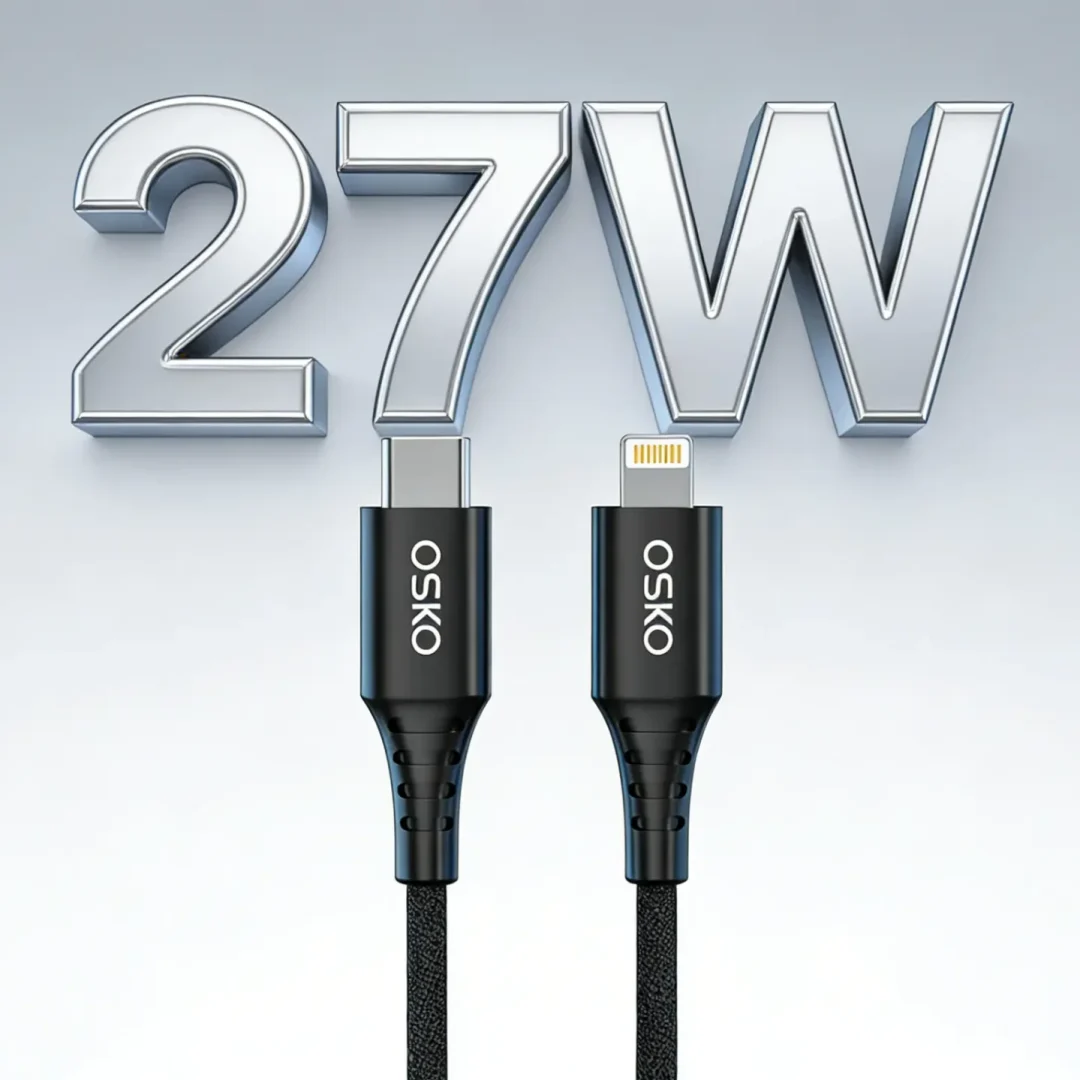
A USB-C to Lightning cable combined with a compatible USB-C PD charger can enable fast charging on supported iPhone models.
This means users can spend less time waiting for their battery to recharge.
For people who use their iPhone for navigation, business communication, photography, or mobile entertainment, faster charging can significantly improve daily convenience.
Key Benefits of USB-C to Lightning Cable
1. Faster iPhone Charging Performance
The biggest advantage of a USB-C Lightning cable is fast charging capability.
When connected to a compatible USB-C power adapter, supported iPhone models can charge significantly faster compared with traditional chargers.
This is especially useful for:
Business users who need quick battery recovery
Travelers charging devices before flights
Drivers using navigation applications
Content creators using iPhone cameras throughout the day
A reliable iPhone fast charging cable should provide stable power delivery while protecting the device from overheating and excessive current.
2. Reliable Data Transfer and Synchronization
Besides charging, a USB-C to Lightning cable also supports data transfer.
Users can connect their iPhone to:
MacBook computers
Windows PCs
External storage systems
Backup solutions
Typical uses include:
Transferring photos and videos
Creating device backups
Updating software
Synchronizing files
For professional users who frequently move large amounts of mobile content, cable quality becomes especially important.
3. Better Compatibility With Modern Devices
USB-C has become the standard connection interface across many electronics.
Today, USB-C ports are commonly found on:
MacBook laptops
Windows ultrabooks
Tablets
Power banks
Charging stations
Desktop accessories
A USB-C to Lightning cable allows users with older Lightning devices to continue using modern charging infrastructure.
This reduces the need to carry multiple chargers and cables.
4. Improved Durability for Everyday Use
Charging cables experience thousands of bending cycles during normal usage.
Common failure points include:
Connector joints
Cable bending areas
Outer insulation
Internal wiring
A high-quality durable USB-C Lightning cable typically uses:
Reinforced connector design
Stronger internal conductors
Flexible insulation materials
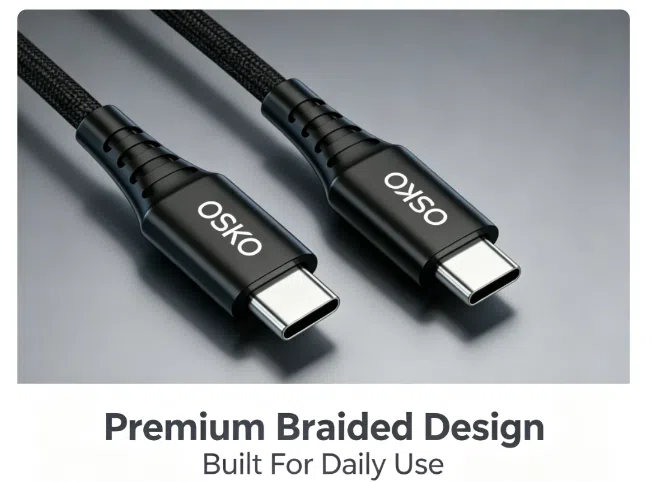
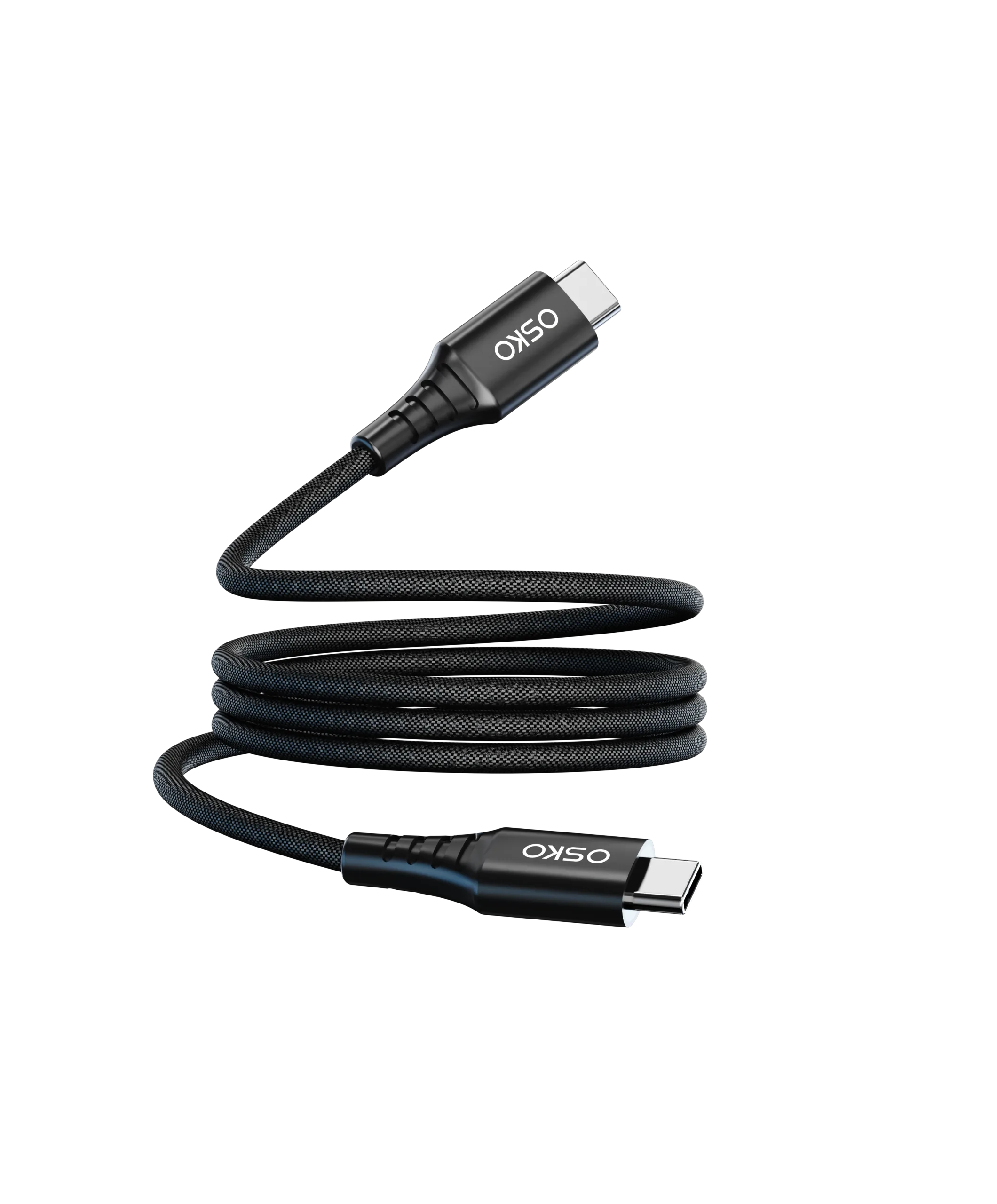
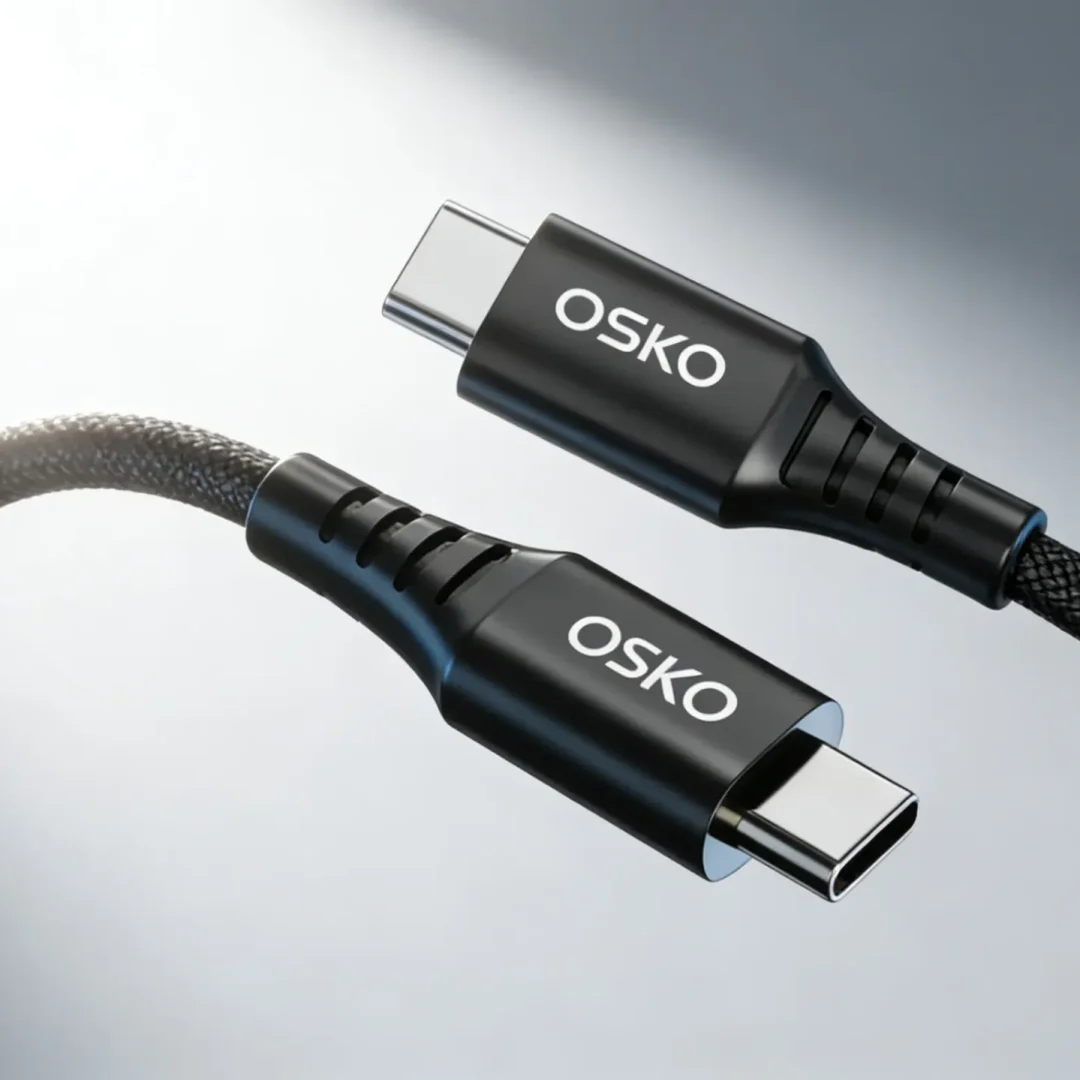
Braided nylon protection
For households, offices, and travel environments, durability directly affects long-term value.

How to Choose the Best USB-C to Lightning Cable?
Choosing a charging cable is not only about price.
A reliable cable should balance compatibility, safety, charging performance, and durability.
1. Check MFi Certification
For Apple users, MFi certification is one of the most important factors.
MFi means “Made for iPhone/iPad/iPod.”
A certified cable has passed Apple’s compatibility requirements and is designed to communicate correctly with Apple devices.
Benefits include:
Stable charging
Reduced compatibility problems
Better safety control
Reliable performance after iOS updates
When searching for a MFi certified USB-C to Lightning cable, buyers should verify certification information instead of relying only on appearance.
2. Choose the Correct Cable Length
Different situations require different lengths.
Common options include:
3ft USB-C to Lightning Cable
Suitable for:
Desk charging
Office use
Portable charging bags
6ft USB-C to Lightning Cable
Suitable for:
Bedside charging
Car charging
Flexible home usage
Longer cables provide convenience, but cable construction becomes more important because longer cables require better signal and power management.
3. Consider Cable Materials
Material selection affects both durability and user experience.
Common materials include:
TPE Cable
Advantages:
Soft feeling
Flexible
Lightweight
Braided Nylon Cable
Advantages:
Better abrasion resistance
Premium appearance
Improved protection against daily wear
For users looking for a long-lasting charging solution, braided USB-C Lightning cables are often preferred.
Engineering Case Study: Developing a Durable USB-C to Lightning Cable for Retail Customers
A US electronics retailer approached OSKO because their previous Lightning cable product received frequent complaints about connector damage and short lifespan.
The main requirements included:
Compatible with iPhone fast charging
MFi certified solution
3ft and 6ft length options
Premium retail appearance
Improved bending resistance
OSKO engineering team optimized the cable structure by improving:
Connector stress relief design
Internal copper conductor layout
Braided nylon outer protection
Production quality inspection process
The final cable solution achieved:
Stable charging performance
Better resistance against repeated bending
Improved customer satisfaction for retail applications
This example shows why cable manufacturing quality matters. A charging cable is not only an accessory — it is a daily-use product that directly affects user experience.
OEM USB-C to Lightning Cable Manufacturing Solutions
For distributors, retailers, and brands, choosing the right manufacturer is essential.
A professional OEM USB cable supplier should provide:
Custom cable length
Logo printing
Custom packaging
Material selection
Quality inspection
Bulk production capability
OSKO specializes in USB cable manufacturing, including:
USB-C charging cables
OEM braided cables
Custom charging solutions
With factory production experience and engineering support, OSKO helps brands create reliable charging products for global markets.
Frequently Asked Questions (FAQ)
What is a USB-C to Lightning cable used for?
A USB-C to Lightning cable is used to charge and transfer data between Lightning-equipped Apple devices and USB-C chargers, computers, and accessories.
Does USB-C to Lightning cable charge iPhone faster?
Yes. When paired with a compatible USB-C Power Delivery charger, a USB-C to Lightning cable can provide faster charging for supported iPhone models compared with traditional USB-A chargers.
Is MFi certification important for USB-C Lightning cables?
Yes. MFi certification helps ensure that a Lightning cable meets Apple’s compatibility requirements and provides reliable charging and synchronization performance.
Can I use USB-C to Lightning cable with MacBook?
Yes. A USB-C to Lightning cable can connect Lightning-based Apple devices with MacBook computers that have USB-C ports for charging, syncing, and data transfer.
Is a braided USB-C Lightning cable better?
A braided cable can provide better protection against bending, abrasion, and daily wear compared with some basic plastic cables. However, overall quality depends on internal construction and manufacturing standards.
What length USB-C to Lightning cable should I buy?
A 3ft cable is suitable for desks and portable charging, while a 6ft cable is better for bedsides, cars, and situations where extra reach is needed.
Can USB-C to Lightning cable replace USB-C cable?
No. USB-C to Lightning cables are designed for Apple devices with Lightning ports. Devices with USB-C ports require USB-C to USB-C cables.
Conclusion: Choosing the Right USB-C to Lightning Cable
A USB-C to Lightning cable remains an important accessory for millions of Apple users who still rely on Lightning devices.
The right cable should provide:
Fast charging capability
Reliable data transfer
MFi compatibility
Strong durability
Appropriate length and materials
As charging technology continues evolving, cable quality becomes increasingly important.
Whether you are an individual user searching for a reliable iPhone charging cable or a business looking for an OEM USB-C Lightning cable supplier, selecting a professionally designed cable can improve performance, safety, and long-term value.
A good charging cable should not only connect devices — it should provide a dependable connection every day.