
Introduction
If you’ve ever purchased an iPhone charging cable that stopped working after a few months, displayed an “Accessory Not Supported” warning, or charged significantly slower than expected, you’re not alone.
For consumers, these issues are frustrating. For distributors, retailers, and private-label brands, they often lead to negative reviews, warranty claims, and lost customers.
The reality is that not all Lightning cables are manufactured to the same standard. While many products appear similar externally, the difference between a reliable cable and a problematic one often comes down to component quality, manufacturing processes, certification compliance, and factory expertise.
As Apple users continue to demand faster charging and better durability, selecting the right USB-C to Lightning cable factory has become increasingly important for brands serving North American and European markets.
This guide explains how USB-C to Lightning cables are engineered, what certifications matter, and how OEM buyers can identify a trustworthy manufacturing partner.
Applicable Scenarios
Different users have different charging requirements.
Understanding these scenarios helps buyers select the most appropriate cable specifications.
iPhone Fast Charging Applications
Modern iPhones support USB Power Delivery fast charging when paired with a USB-C charger and a compatible Lightning cable.
Common devices include:
iPhone 14 Series
iPhone 13 Series
iPhone 12 Series
iPhone SE
Older Lightning-based iPhones
Fast charging can significantly reduce charging time compared with traditional USB-A chargers.
iPad Charging Applications
Many Lightning-equipped iPads require higher charging power than smartphones.
A quality USB-C to Lightning cable ensures:
Stable charging
Improved charging efficiency
Reliable long-term performance
Travel Charging Solutions
Frequent travelers require cables that can withstand:
Packing and unpacking
Daily movement
Airport and hotel usage
Portable charger connections
Durability becomes a key purchasing factor in these environments.
Retail and E-Commerce Sales
For Amazon sellers, distributors, and retail brands, cable reliability directly affects:
Product reviews
Return rates
Brand reputation
Customer retention
A dependable OEM manufacturing partner helps reduce these risks.
Corporate and Promotional Projects
Businesses often purchase Lightning cables for:
Corporate gifts
Promotional campaigns
Employee welcome kits
Event giveaways
Custom branding and packaging solutions are commonly required.
Understanding USB-C to Lightning Fast Charging
Many consumers believe charging speed depends solely on the charger.
In reality, the cable also plays a critical role.
How Fast Charging Works
USB-C Power Delivery (PD) enables devices and chargers to communicate and negotiate charging requirements.
Benefits include:
Faster charging
Improved efficiency
Better temperature control
Enhanced device safety
When combined with a compatible iPhone, USB-C to Lightning cables can support significantly faster charging than traditional USB-A solutions.
Typical Charging Performance
| Device | Charging Power |
|---|---|
| iPhone SE | Up to 20W |
| iPhone 12 Series | Up to 20W |
| iPhone 13 Series | Up to 20W |
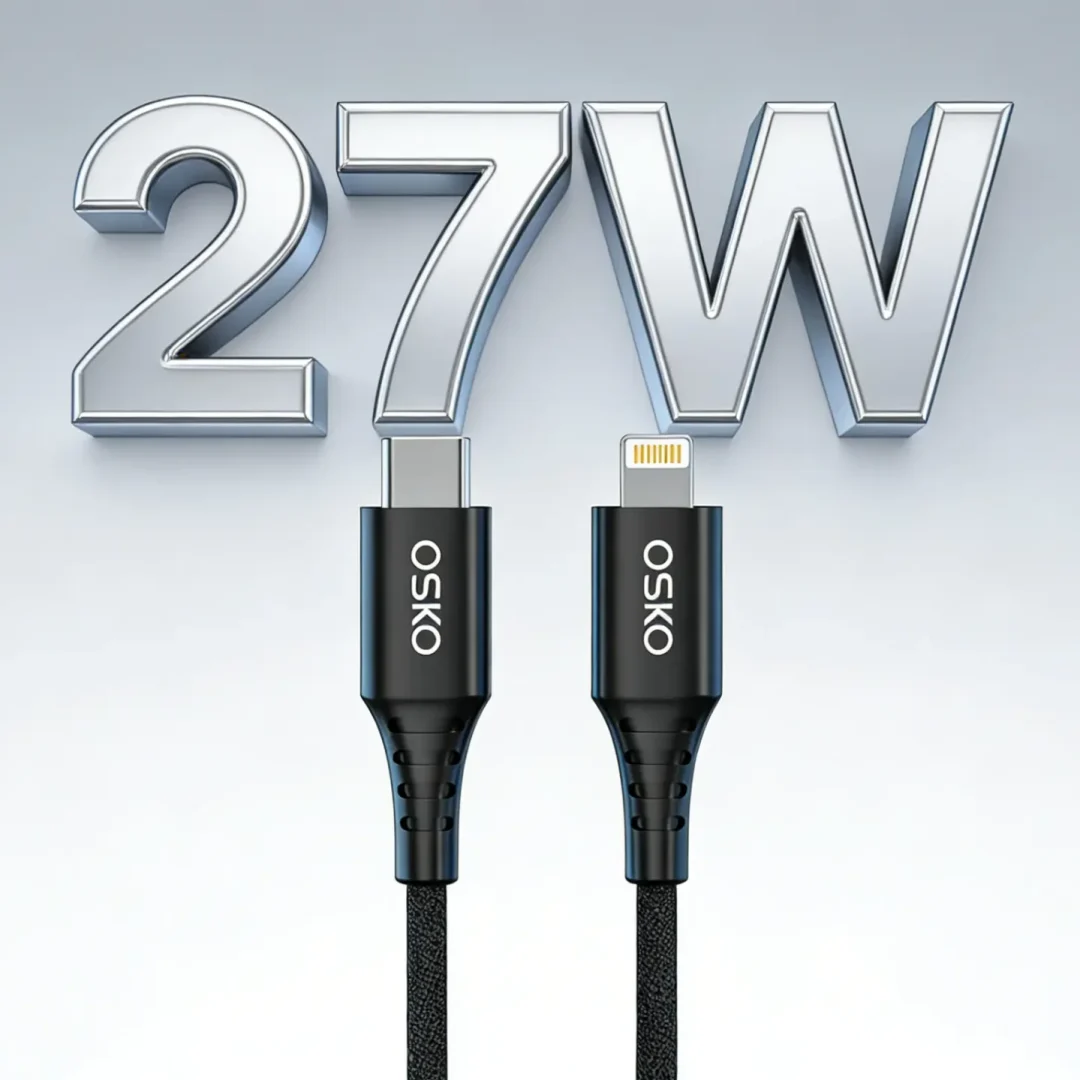
| iPhone 14 Series | Up to 27W |
| iPad Models | Up to 30W+ |
Actual charging speed depends on the charger, cable quality, and device capabilities.
Why MFi Certification Matters
One of the most important factors when selecting a USB-C to Lightning cable factory is MFi certification.
What Is MFi?
MFi stands for “Made for iPhone,” Apple’s official certification program.
Certified manufacturers receive approved components and technical specifications directly from Apple.
Benefits of MFi Certification
MFi-certified cables provide:
Reliable compatibility
Stable charging performance
Data transfer support
Reduced risk of warning messages
Without MFi certification, users may encounter:
Charging interruptions
Device compatibility issues
Software-related restrictions
For professional buyers, MFi certification is often a mandatory requirement.
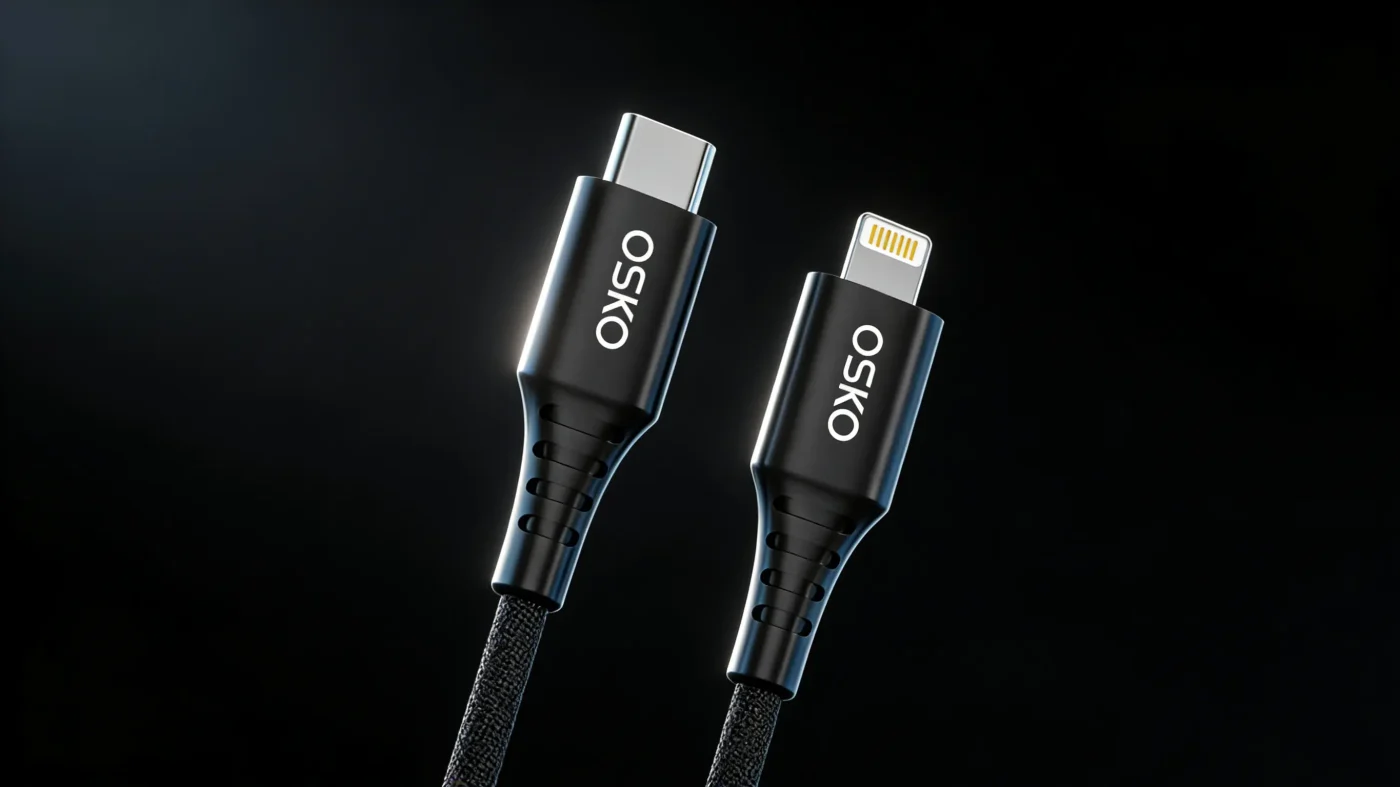
Key Components Inside a Premium Lightning Cable
The quality of a charging cable depends largely on its internal construction.
Copper Conductors
High-quality manufacturers use:
Oxygen-free copper
Tinned copper
Multi-strand conductor designs
Benefits include:
Lower resistance
Reduced voltage loss
Faster charging
Longer lifespan
Shielding Structure
Proper shielding helps maintain stable performance.
Common shielding layers include:
Aluminum foil
Braided shielding
Ground protection layers
These reduce signal interference and improve reliability.
Connector Design
Connector failures are among the most common causes of cable replacement.
Premium factories use:
Precision connector assembly
Reinforced overmolding
Extended strain relief
These features help improve product longevity.
Nylon Braided vs PVC Lightning Cables
Material selection affects both durability and customer perception.
PVC Lightning Cables
Advantages:
Cost-effective
Lightweight
Flexible
Disadvantages:
More susceptible to wear
Lower abrasion resistance
Nylon Braided Lightning Cables
Advantages:
Enhanced durability
Better abrasion resistance
Premium appearance
Improved tangle resistance
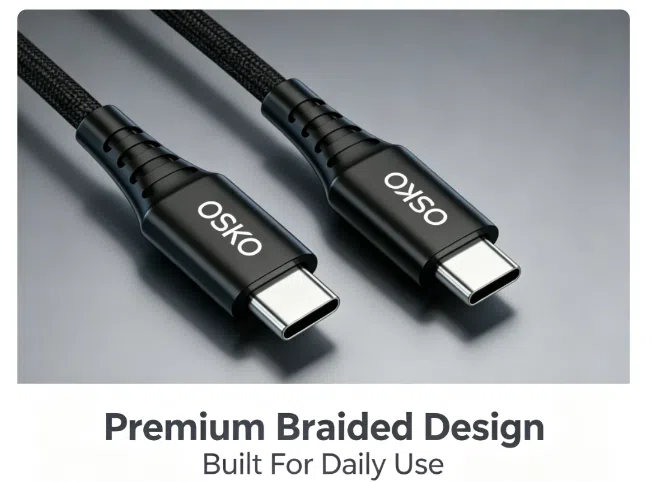
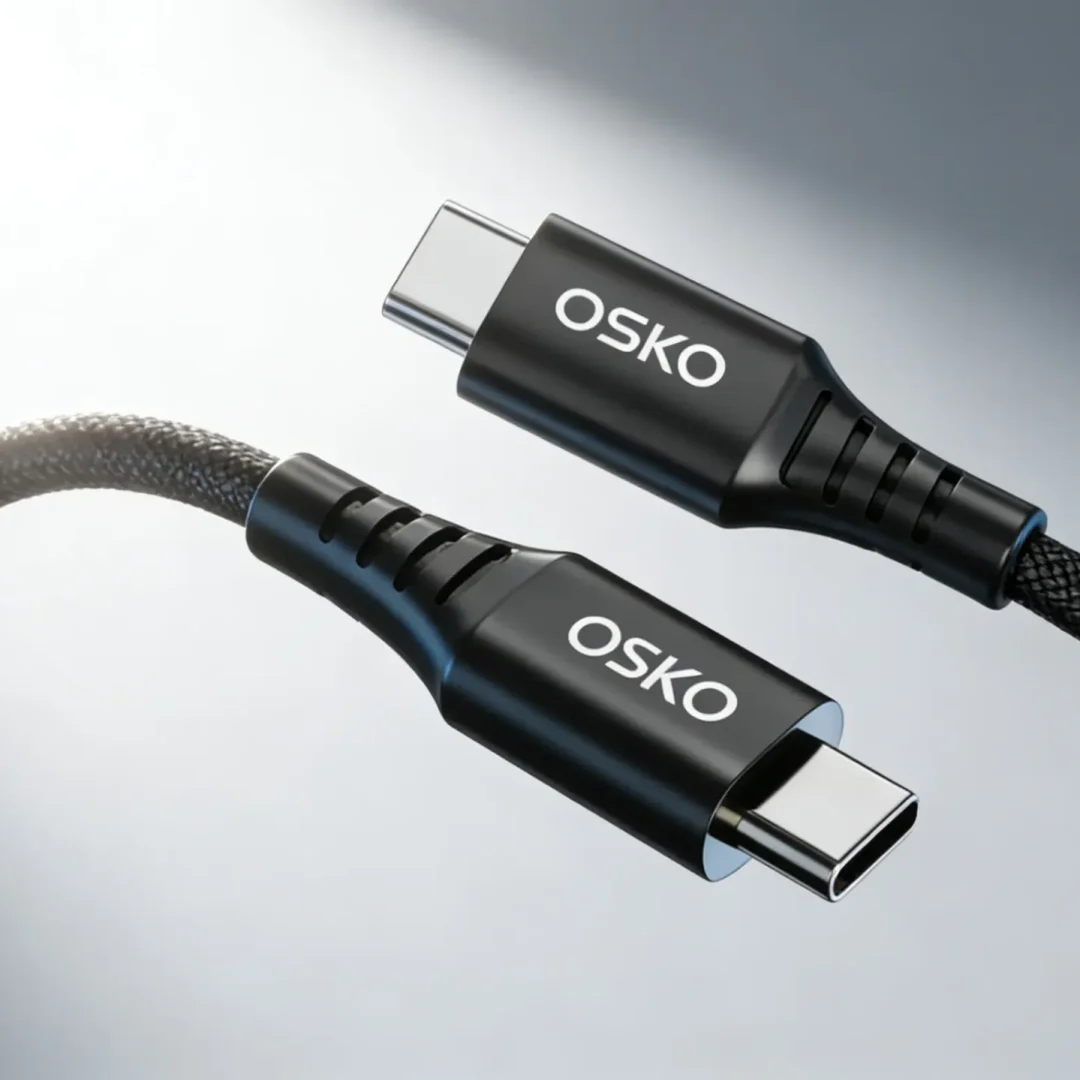
Many brands sourcing from a Durable nylon braided Type C charging cable factory also request braided Lightning products to create a consistent premium product line.
Comparison Table
| Feature | PVC Cable | Nylon Braided Cable |
|---|---|---|
| Durability | Standard | High |
| Abrasion Resistance | Moderate | Excellent |
| Appearance | Basic | Premium |
| Lifespan | Moderate | Long |
| Retail Value | Standard | Premium |
OEM Manufacturing Capabilities
A professional USB-C to Lightning cable factory should provide comprehensive OEM and ODM services.
Custom Cable Lengths
Popular options include:
0.5ft
3ft
6ft
10ft
Custom lengths
Different markets often require different cable lengths.
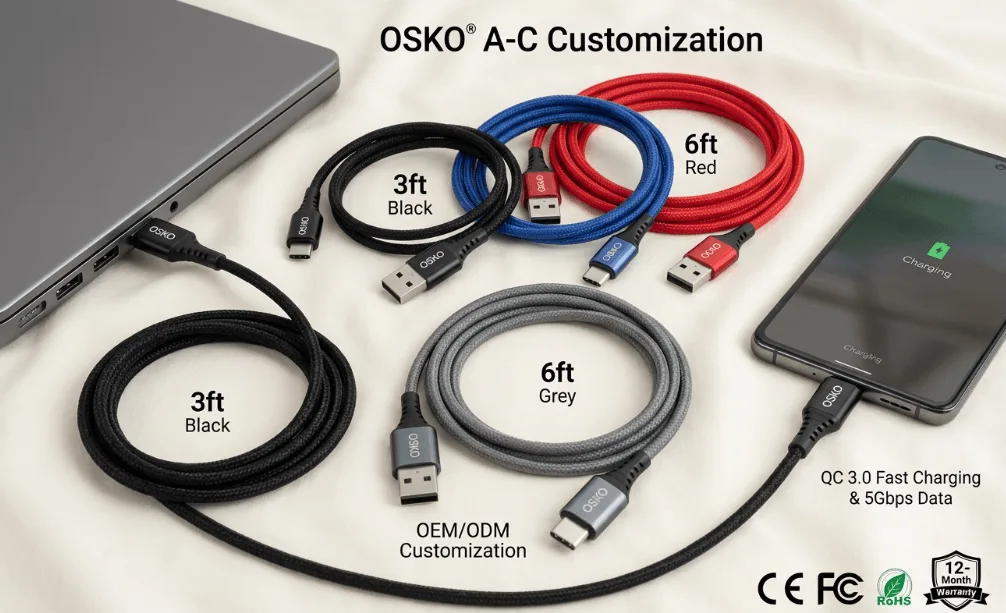
Custom Colors
Common choices include:
Black
White
Red
Blue
Green
Custom colors help strengthen brand identity.
Logo Customization
Branding methods include:
Laser engraving
Printed logos
Molded logos
These options support private-label projects.
Packaging Solutions
Manufacturers may offer:
Retail packaging
Eco-friendly packaging
Gift box packaging
Custom display packaging
Professional packaging improves retail presentation and perceived value.
Certifications Required for International Markets
Selling in North America and Europe requires compliance with various regulations.
A qualified supplier should provide:
| Certification | Purpose |
|---|---|
| MFi | Apple compatibility |
| CE | European compliance |
| FCC | US compliance |
| RoHS | Environmental safety |
| REACH | Chemical safety |
| ISO9001 | Quality management |
Many buyers prefer an ISO9001 certified braided USB cable factory because it demonstrates established quality control systems.
Case Study: Private Label Apple Accessory Brand
Customer Background
A North American electronics brand wanted to launch a premium iPhone charging cable collection.
The company planned to sell through:
Amazon
Shopify
Retail channels
Engineering Challenges
Their previous supplier experienced:
Compatibility issues
High return rates
Poor customer reviews
The company needed a more reliable manufacturing partner.
OSKO Solution
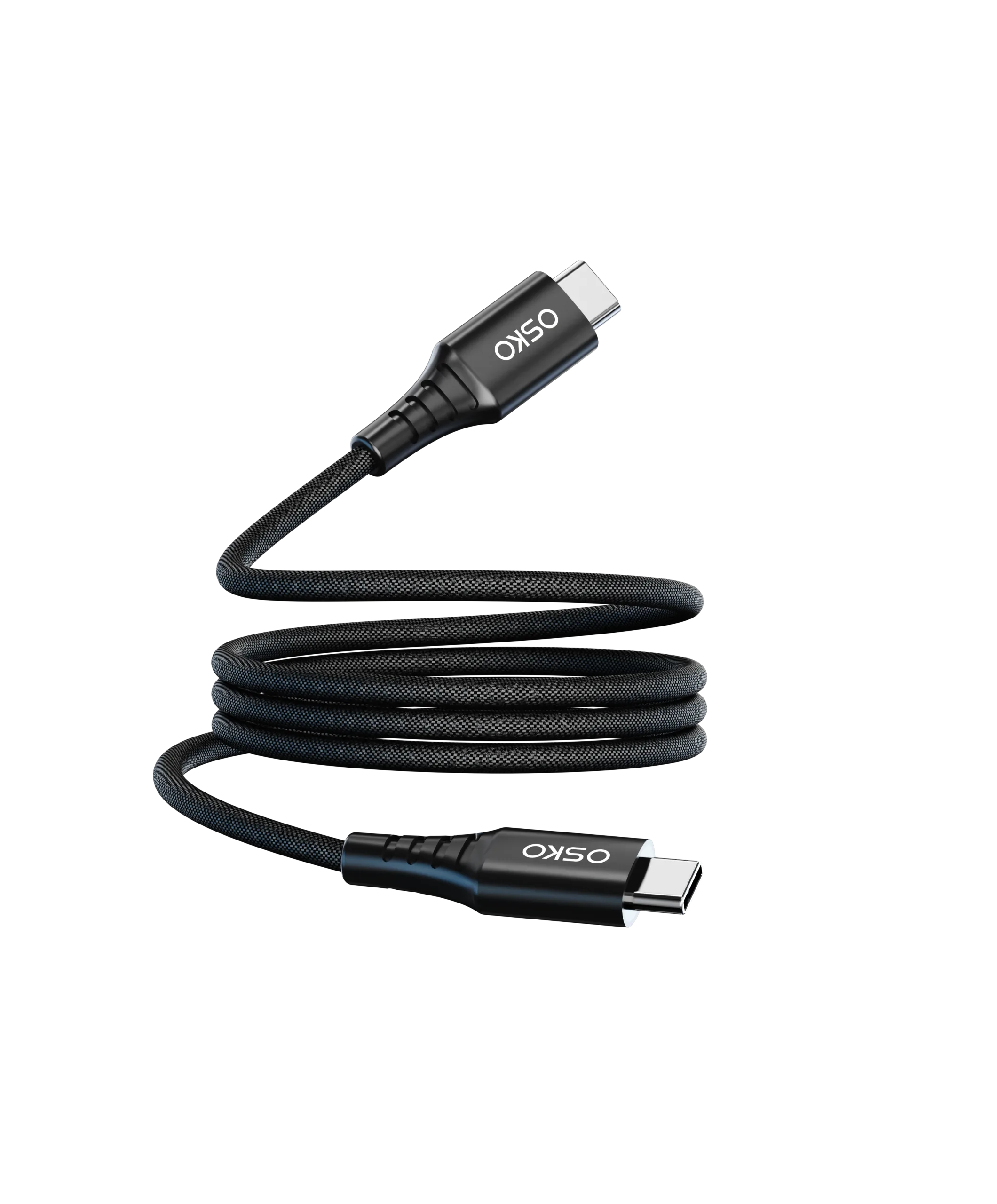
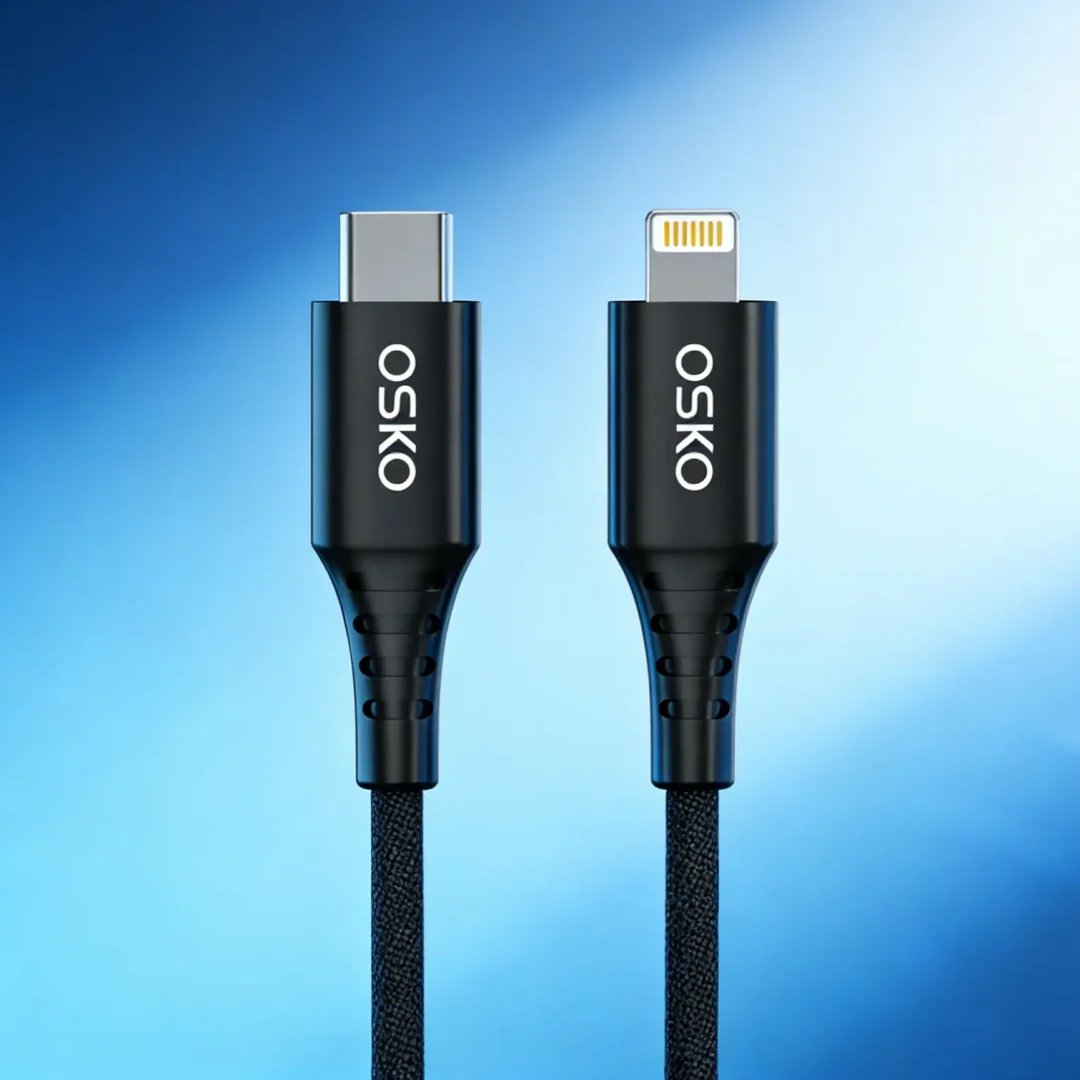
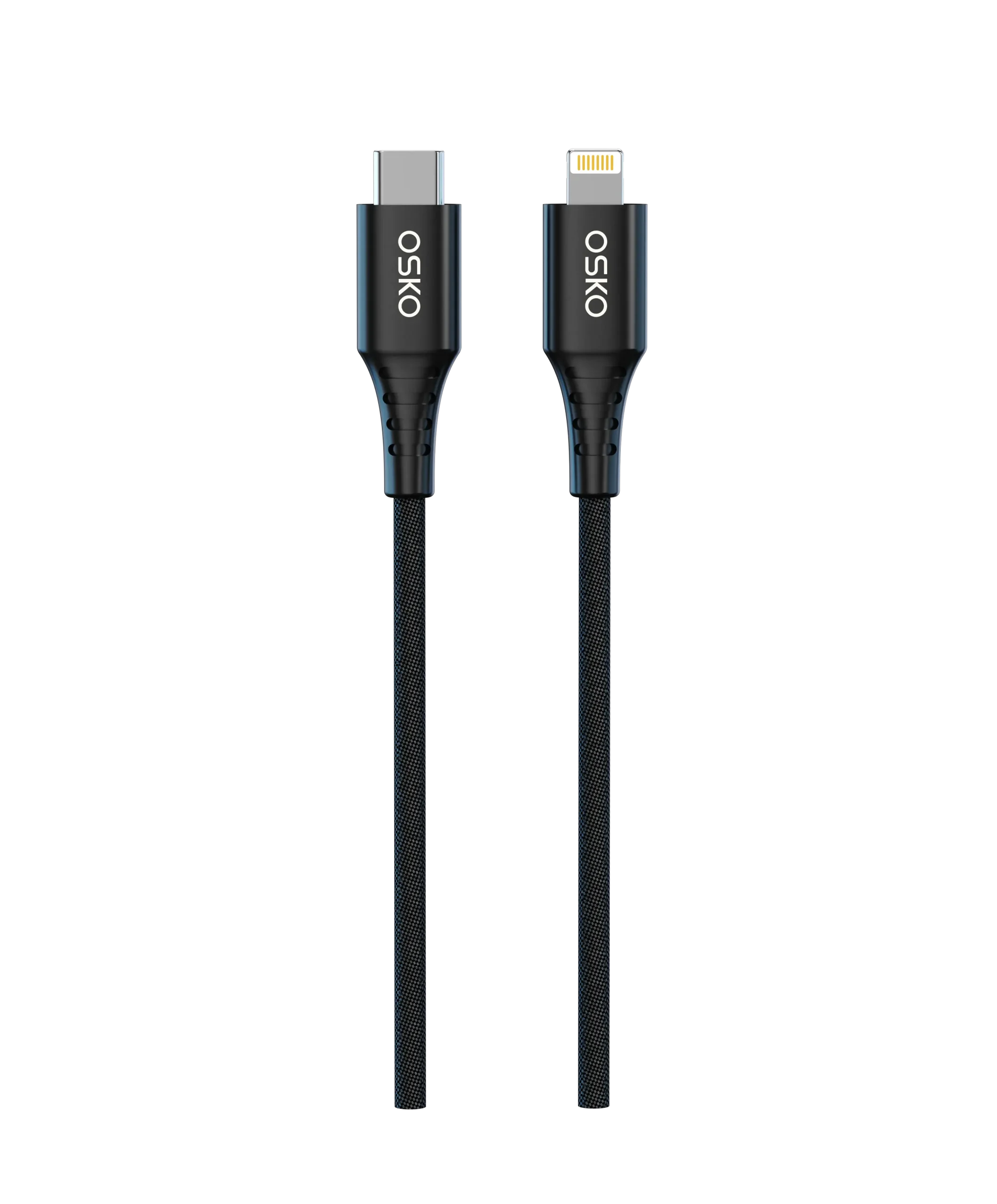
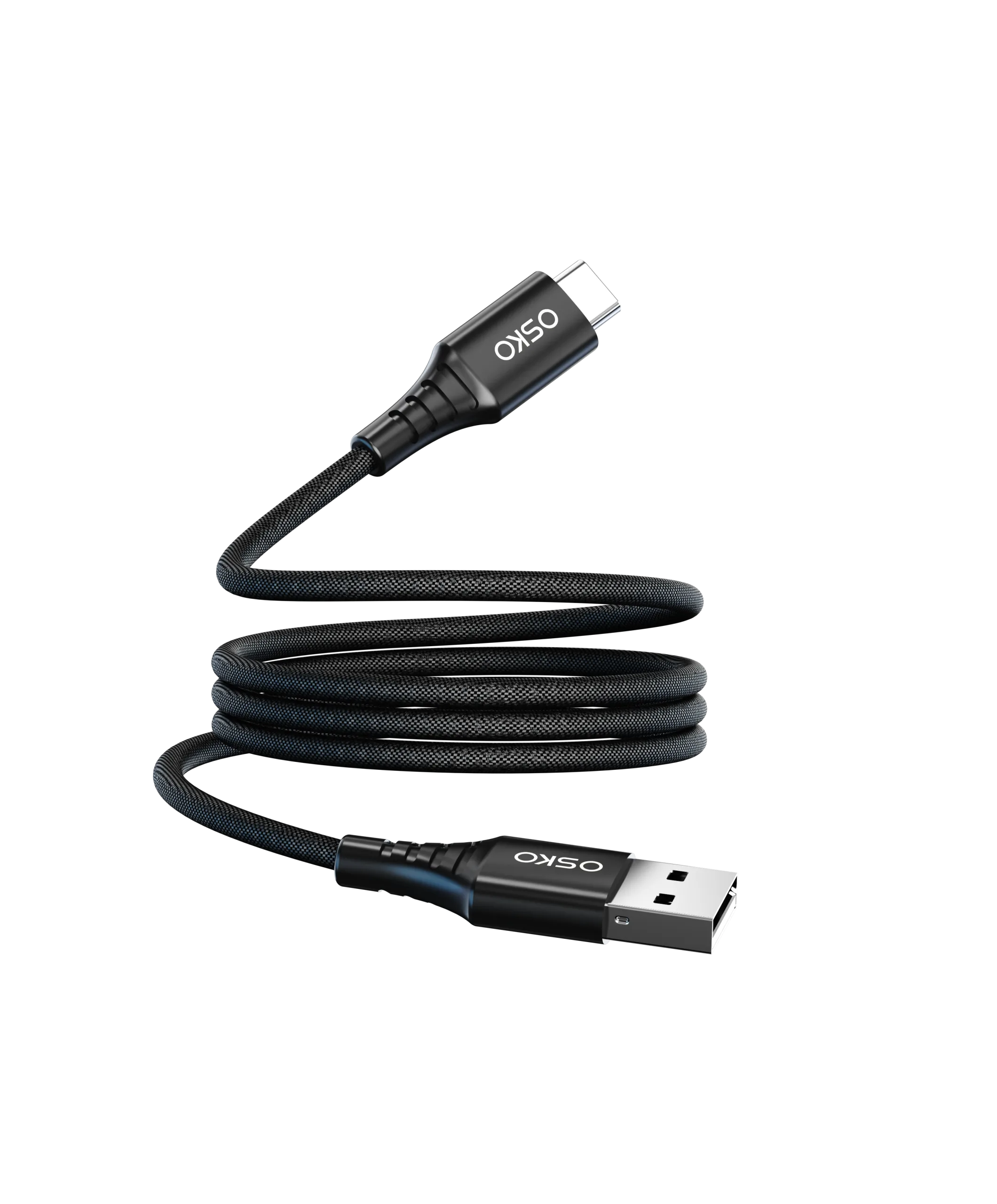
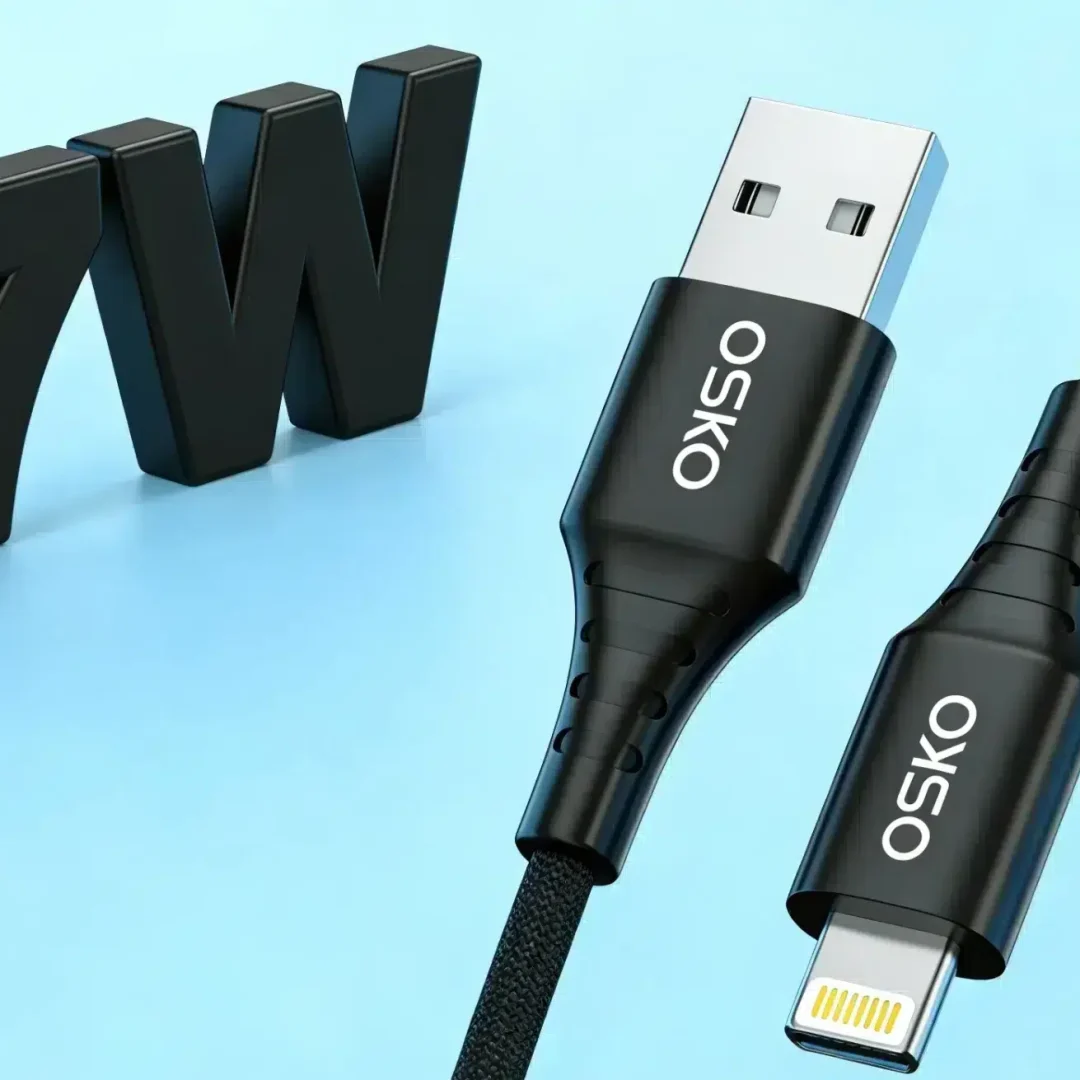
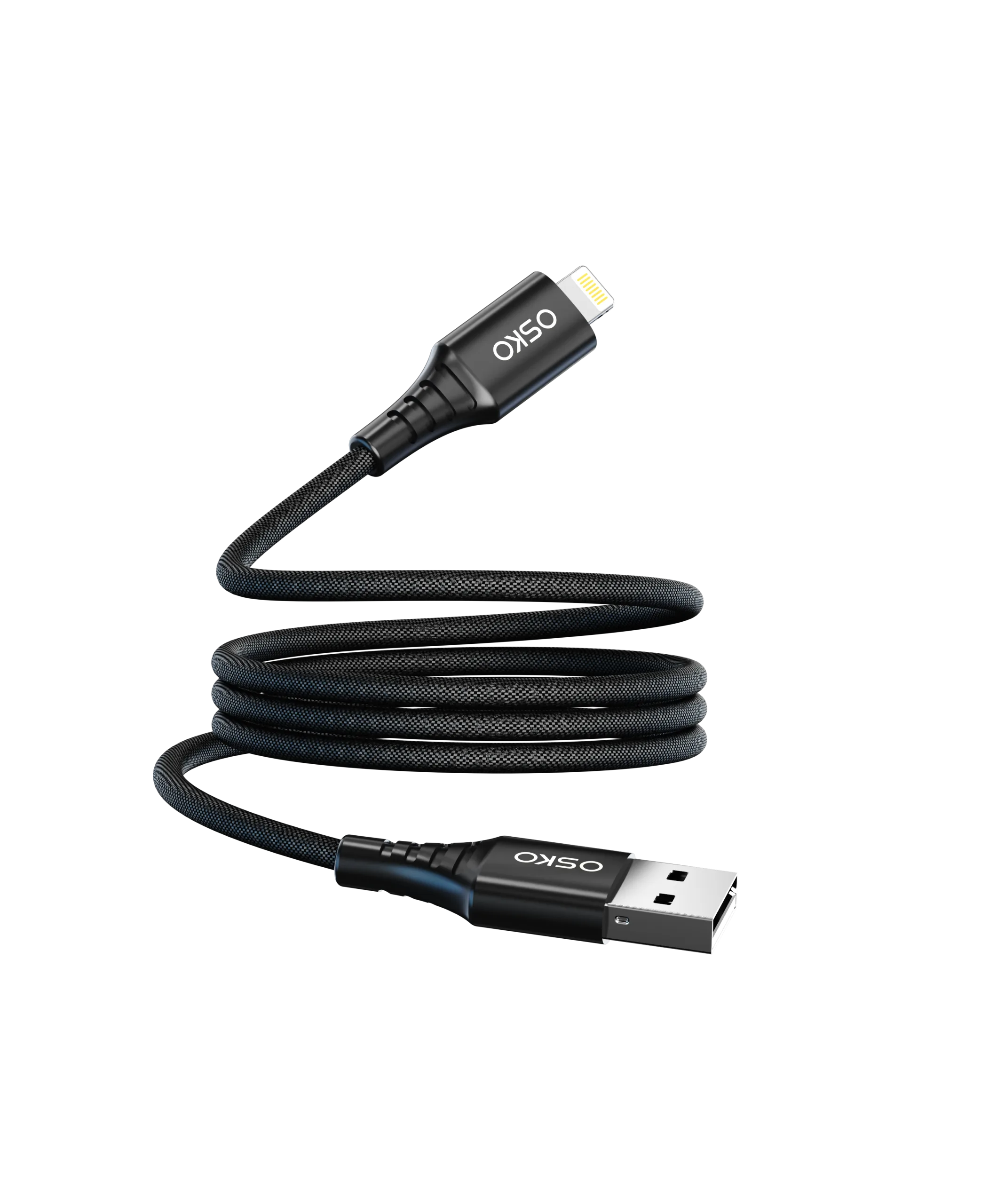
OSKO developed a premium USB-C to Lightning cable featuring:
MFi-certified components
Oxygen-free copper conductors
Nylon braided construction
Reinforced strain relief
Private-label packaging
The design focused on both charging performance and durability.
Results
The new product line achieved:
Reduced warranty claims
Improved customer reviews
Higher repeat purchase rates
Increased retailer confidence
The project demonstrated how manufacturing quality directly affects commercial performance.
Purchase Recommendations
When evaluating a USB-C to Lightning cable factory, focus on the following criteria.
| Evaluation Factor | Importance |
|---|---|
| MFi Certification | High |
| Copper Quality | High |
| Connector Durability | High |
| Charging Performance | High |
| Certification Compliance | High |
| OEM Customization | Medium |
| Packaging Support | Medium |
| Price | Medium |
FAQ
Do all USB-C to Lightning cables support fast charging?
No. Fast charging requires proper cable design, quality conductors, and preferably MFi-certified components.
Is MFi certification necessary?
For commercial projects targeting Apple users, MFi certification is highly recommended to ensure compatibility and reliability.
Are braided Lightning cables better?
For most users, yes. Braided cables generally provide improved durability, abrasion resistance, and premium appearance.
Can OEM factories customize cable colors and packaging?
Yes. Most professional manufacturers offer custom colors, logos, cable lengths, and packaging solutions.
What is the typical lifespan of a premium Lightning cable?
A well-engineered braided cable can withstand tens of thousands of bend cycles and provide years of normal use.
Summary
Choosing the right USB-C to Lightning cable factory is essential for brands seeking reliable Apple charging accessories. High-quality Lightning cables combine MFi-certified components, premium conductors, reinforced connectors, and durable construction to deliver fast charging and long-term performance.
For distributors, wholesalers, retailers, and private-label brands, working with an experienced OEM manufacturer helps reduce product returns, improve customer satisfaction, and strengthen brand reputation in competitive North American and European markets.
Request OEM USB-C to Lightning Cable Solutions
OSKO Provides
MFi-Compatible USB-C to Lightning Cables
Nylon Braided Lightning Cables
Fast Charging Solutions for iPhone and iPad
OEM & ODM Manufacturing
Custom Lengths and Colors
Private Label Packaging
Wholesale Distribution Programs
Request a Quote
Name: ___________________
Company: ___________________
Email: ___________________
Cable Type: USB-C to Lightning
Required Length: 3ft / 6ft / 10ft / Custom
Color Requirements: ___________________
Estimated Quantity: ___________________
Target Market: North America / Europe / Global
Project Requirements: ___________________
Contact OSKO today for samples, technical specifications, certification information, and customized OEM pricing solutions.