
Introduction: Why Type-C USB Cables Are Used Everywhere
A Type-C USB cable has become one of the most widely used connectivity solutions in modern electronics.
From smartphones and tablets to laptops, gaming devices, monitors, and industrial equipment, aIntroduction: Why Type-C USB Cables Are Used Everywhere
A Type-C USB cable has become one of the most widely used connectivity solutions in modern electronics.
From smartphones and tablets to laptops, gaming devices, monitors, and industrial equipment, a USB-C charging cable can provide multiple functions:
Power delivery
Fast charging
Data transfer
Video output
Device connectivity
However, many users and purchasing teams misunderstand one important point:
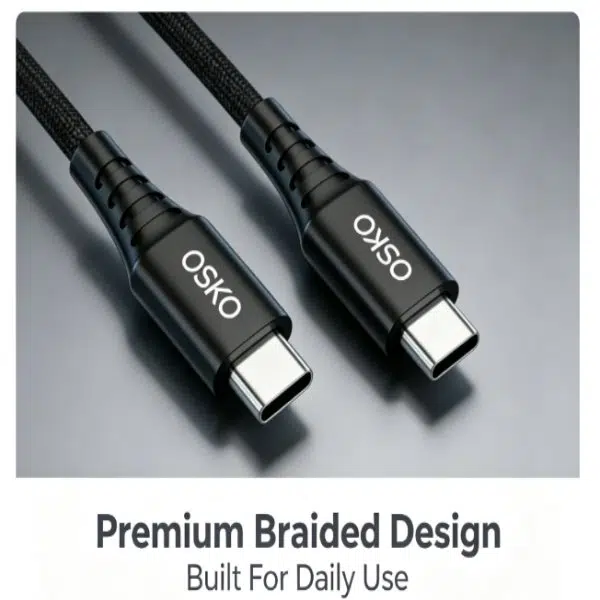
USB-C describes the connector shape, not the complete performance capability of the cable.
Two cables may look identical but provide completely different performance.
One USB-C cable may only support:
480Mbps data transfer
Basic charging
while another premium USB-C fast charging cable may support:
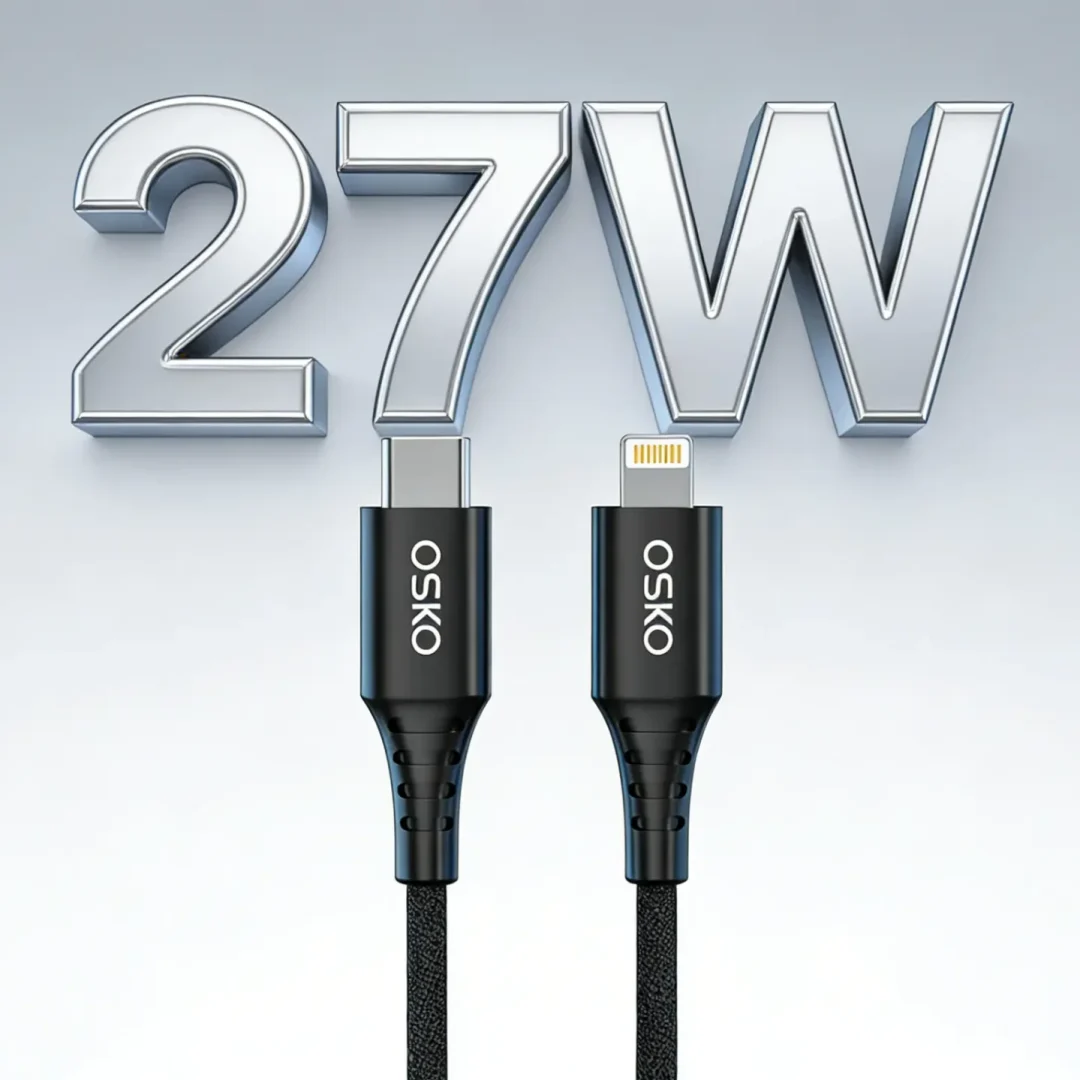
100W or 240W USB PD charging
USB4 data transfer
External displays
Professional workstation applications
For consumers, choosing the correct cable improves device performance.
For brands, wholesalers, and distributors, selecting the right USB-C cable manufacturer directly affects product quality, customer reviews, and return rates.
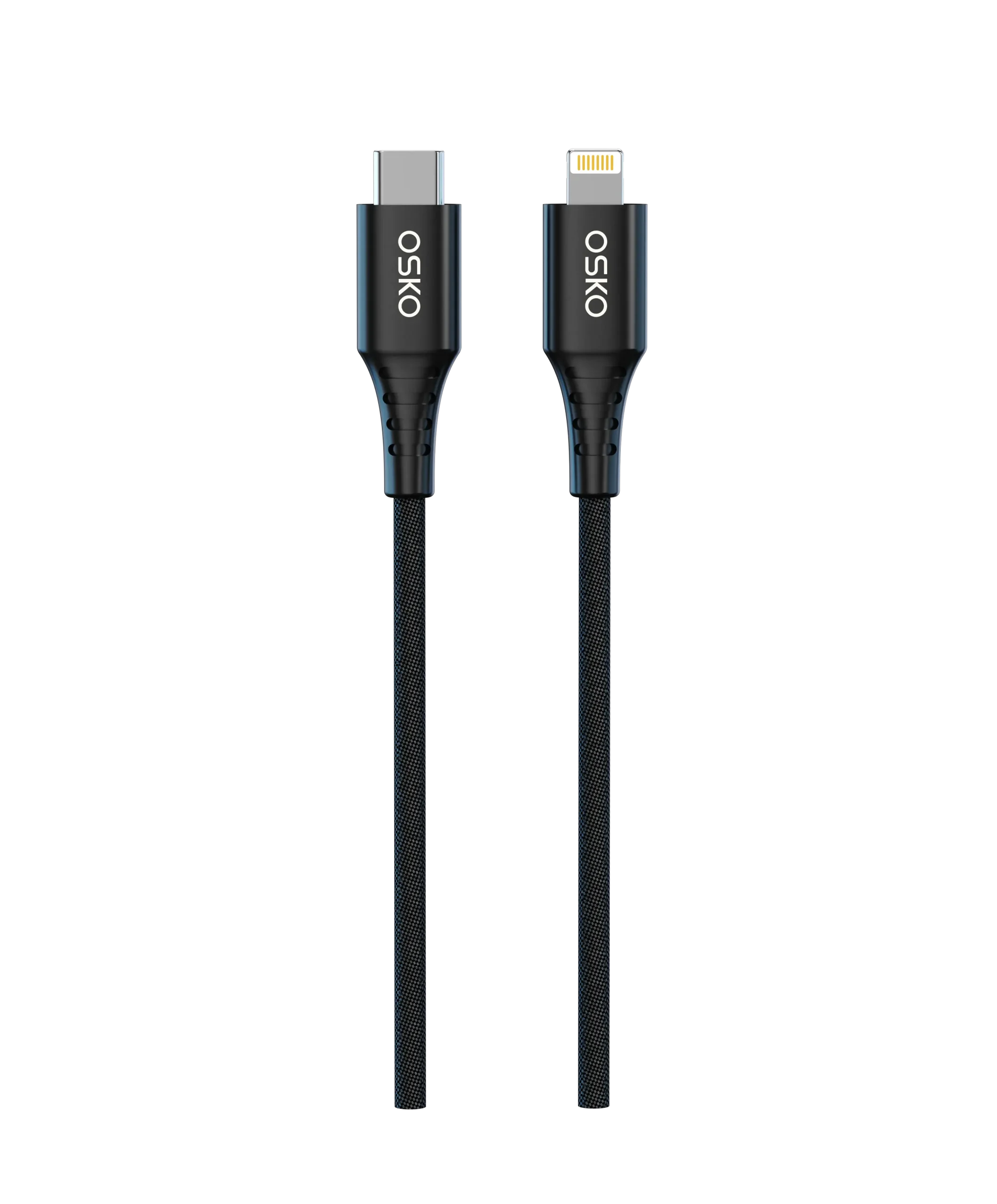
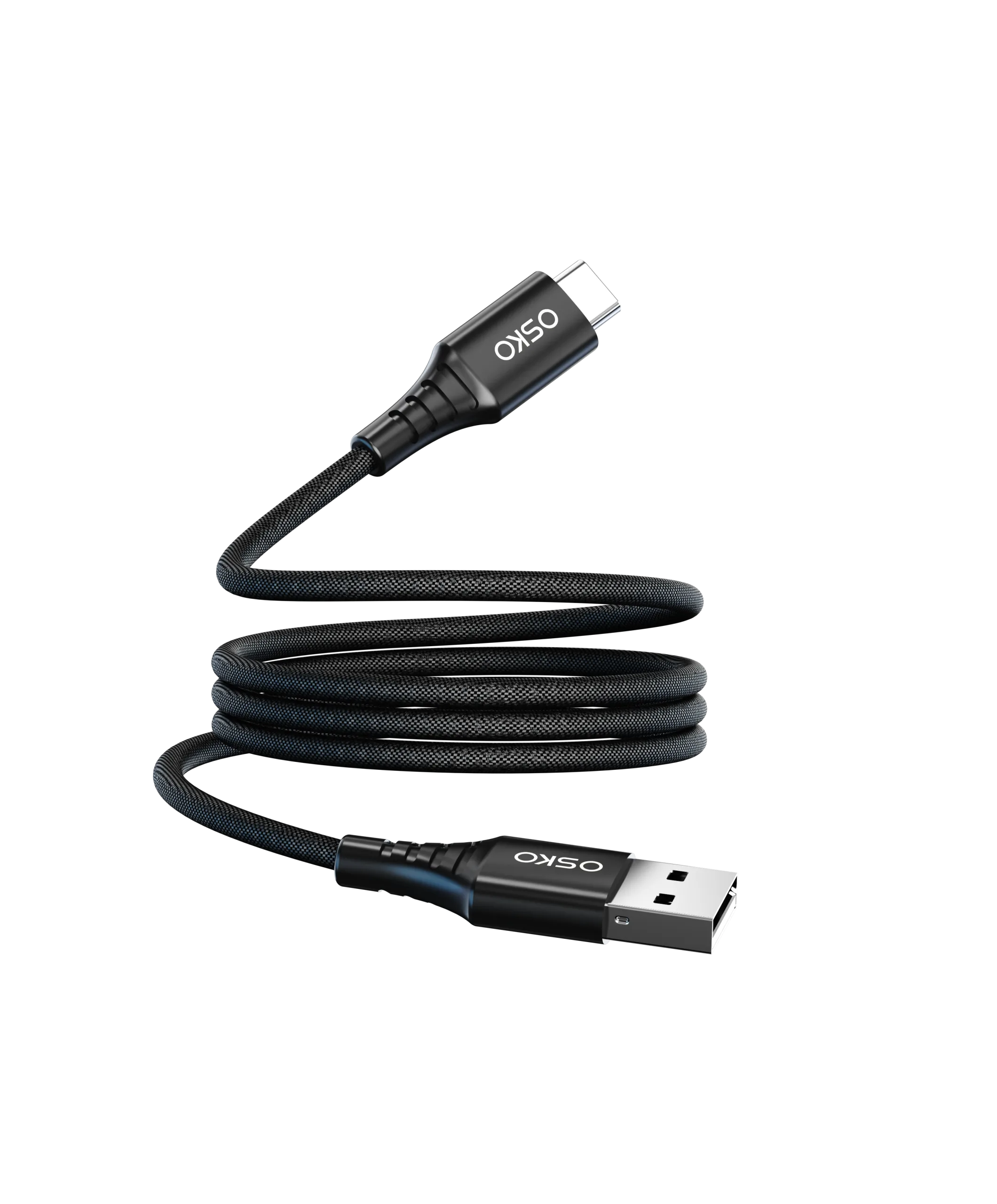
As a professional OEM USB cable manufacturer, OSKO provides customized USB-C cable solutions including:
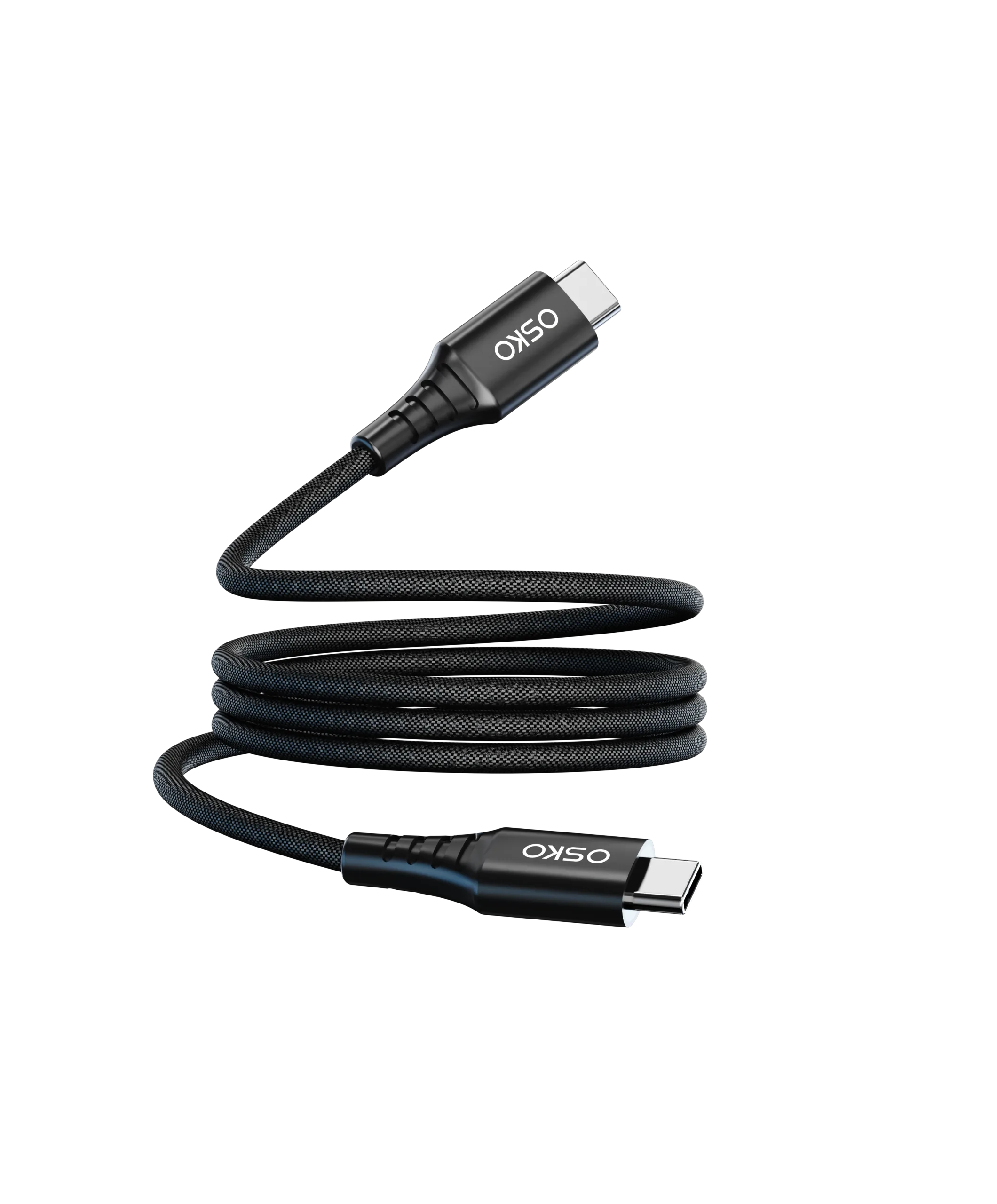
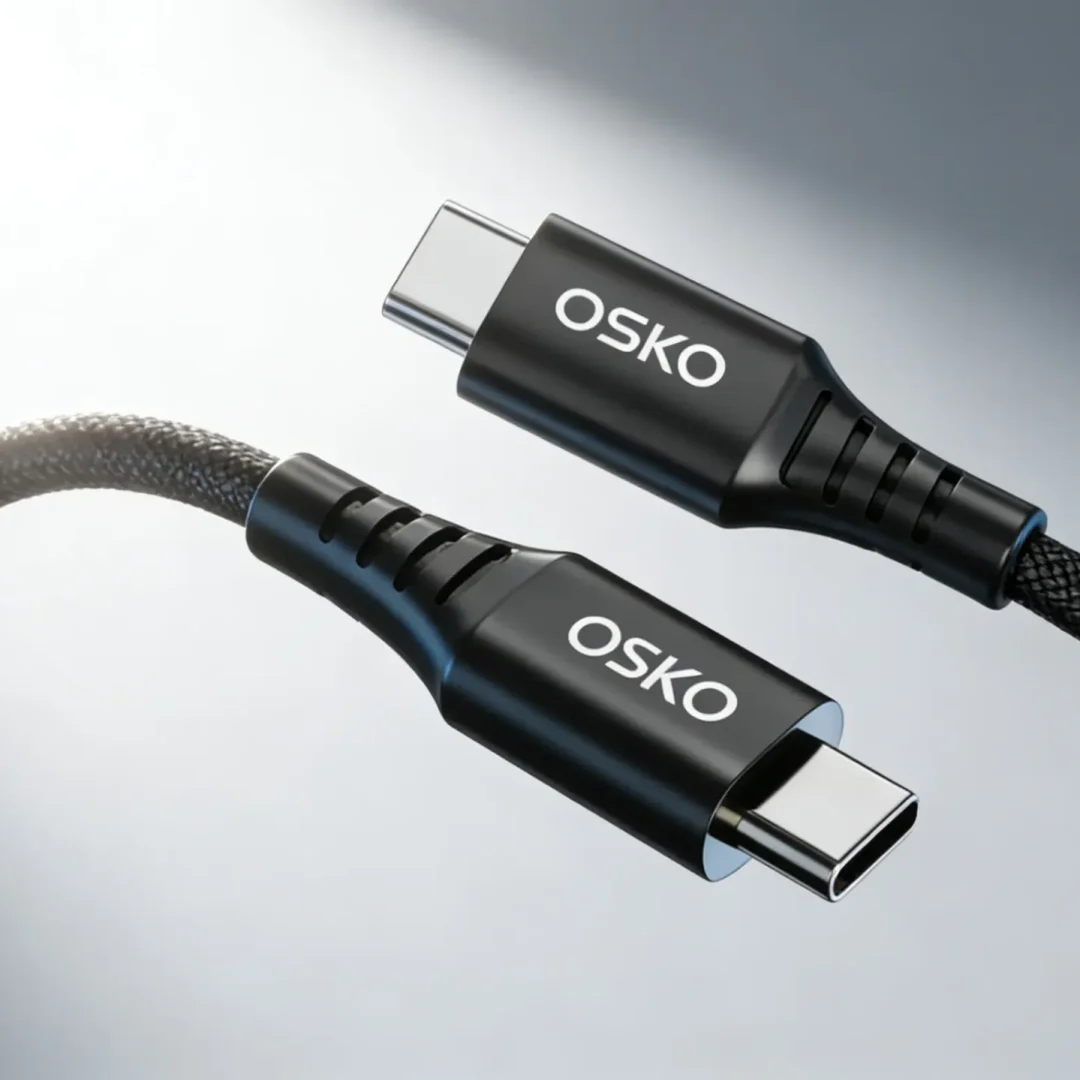
USB-C to USB-C cables
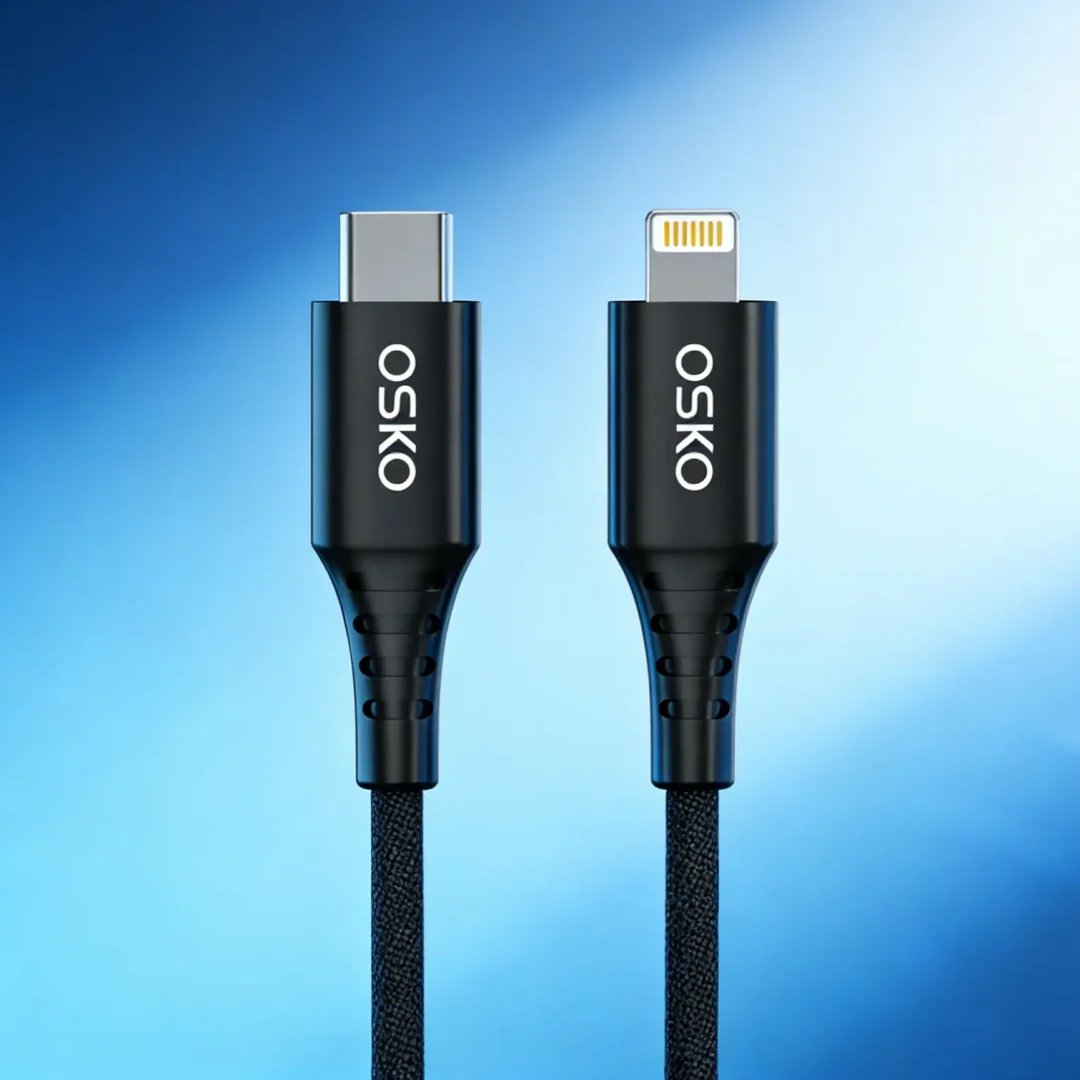
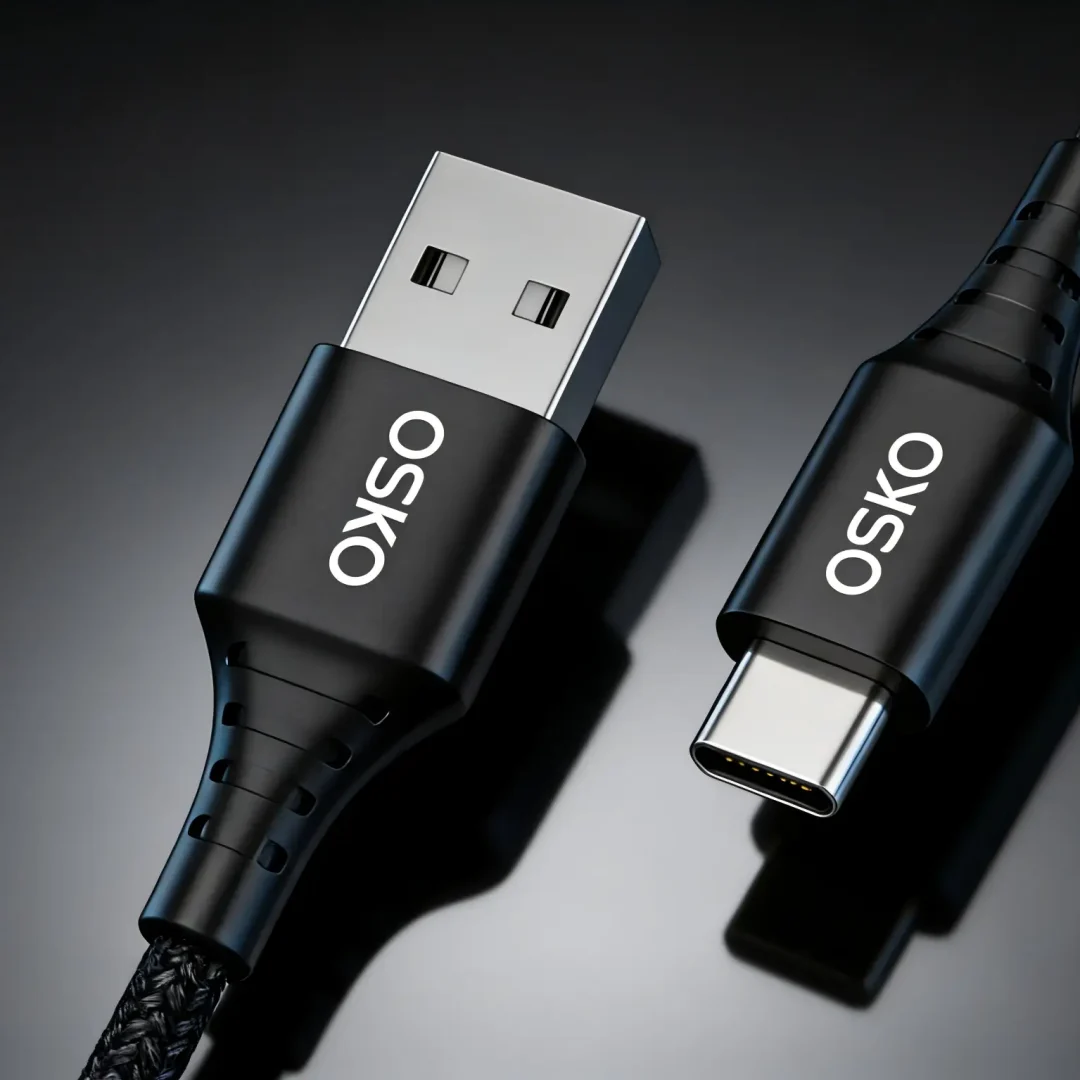
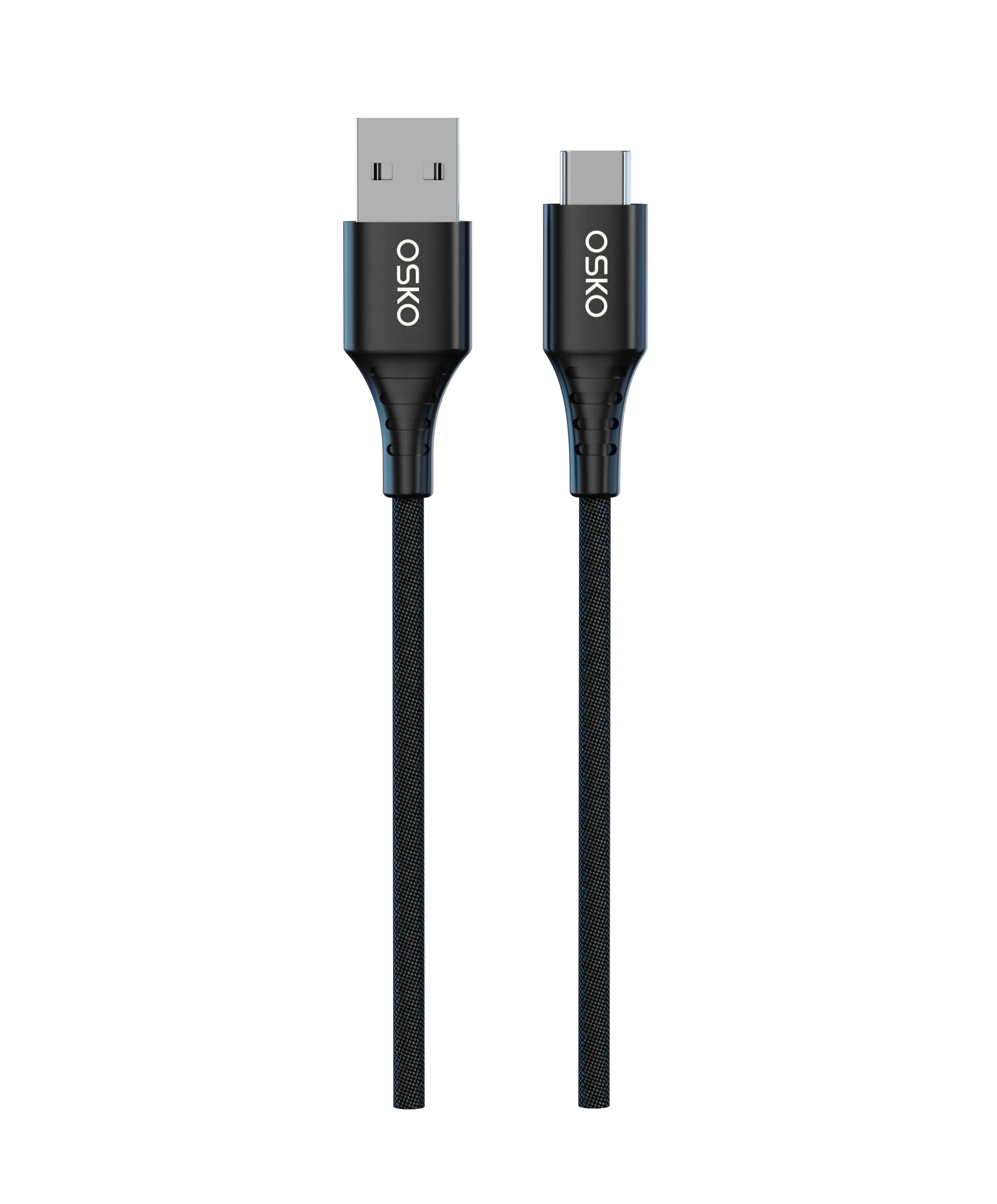
USB-A to USB-C cables
USB-C PD charging cables
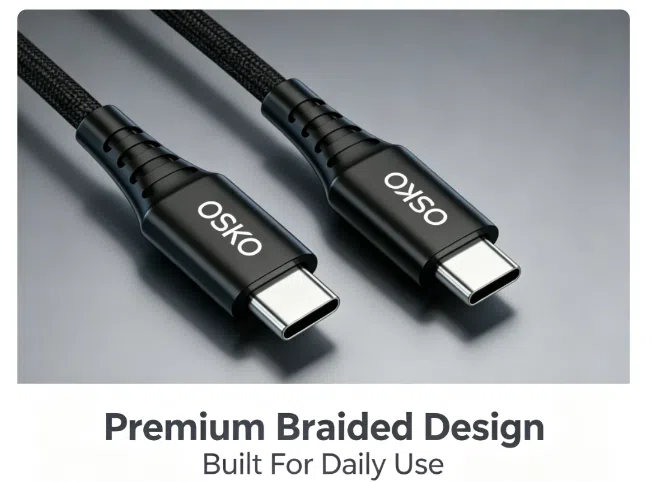
Braided USB-C cables
Private-label USB cables
What Devices Use Type-C USB Cables?
USB Type-C has become the standard charging and connectivity interface for many electronics because it offers:
Reversible plug design
Compact connector size
Higher power capability
Multi-function support
Common applications include:
| Device Category | USB-C Application |
|---|---|
| Smartphones | Charging, data sync, accessories |
| Tablets | Fast charging and file transfer |
| Laptops | Power delivery and docking |
| Power banks | Charging input/output |
| Headphones | Battery charging |
| Cameras | Data transfer and charging |
| Gaming devices | Charging and high-speed connection |
| Monitors | Video transmission |
| External SSDs | High-speed data transfer |
| Docking stations | Multi-device connection |
However, not every Type-C port provides the same functions.
A USB-C port may support:
Charging only
USB 2.0 data
USB 3.2 high-speed data
DisplayPort Alt Mode
USB4
Thunderbolt compatibility
Therefore, buyers should evaluate the complete specification instead of only checking the connector type.
Smartphones and Tablets: The Most Common USB-C Applications
Why Do Phones Use USB-C Cables?
Modern smartphones use USB-C charging cables because the connector supports:
Faster charging
Improved durability
Reversible connection
Universal compatibility
Common smartphone applications include:
Battery charging
Computer synchronization
File transfer
External accessories
Audio connection
With USB Power Delivery technology, a USB-C cable can negotiate charging power between:
Charger
Cable
Smartphone
This improves charging safety and efficiency.
USB-C Fast Charging Applications
Can USB-C Cables Support 100W or 240W Charging?
Yes, but the cable construction must match the required power level.
Typical applications:
| Application | Power Requirement | Recommended Cable |
|---|---|---|
| Wireless accessories | 5W–15W | Standard USB-C cable |
| Smartphones | 15W–45W | USB-C charging cable |
| Tablets | 30W–60W | 3A USB-C cable |
| Laptops | 65W–100W | High-current USB-C PD cable |
| Gaming laptops | 100W+ | 5A E-Marker cable |
| High-power devices | Up to 240W | USB PD 3.1 EPR cable |
For higher power applications, manufacturers must control:
Copper conductor size
Cable resistance
Connector quality
Thermal performance
A professional USB-C cable supplier must optimize the internal structure, not simply upgrade the connector.

What Uses USB-C for Data Transfer?
Can USB-C Cables Transfer Files?
Yes.
However, data speed depends on the cable design and USB protocol.
| USB Standard | Maximum Speed | Common Application |
|---|---|---|
| USB 2.0 | 480Mbps | Phones, accessories |
| USB 3.2 Gen 1 | 5Gbps | Cameras, SSD |
| USB 3.2 Gen 2 | 10Gbps | High-speed storage |
| USB 3.2 Gen 2×2 | 20Gbps | Professional devices |
| USB4 | Up to 40Gbps | Advanced computers |
A common mistake among buyers is assuming:
“USB-C connector = high-speed cable”
This is incorrect.
A charging-focused USB-C cable may contain only power wires and basic data wiring.
A professional high-speed USB-C cable requires:
High-quality copper conductors
Twisted signal pairs
EMI shielding
Accurate impedance control
USB-C Cable Applications for Monitors and Displays
Can USB-C Connect to a Monitor?
Yes, but only when both the device and cable support video transmission.
USB-C displays commonly use:
DisplayPort Alt Mode
USB4
Thunderbolt technology
Applications include:
Portable monitors
Laptop docking stations
Office workstations
Creative production systems
However, many basic USB-C cables cannot transmit video.
For example:
A USB-C charging cable may charge a laptop successfully but fail when connected to a monitor.
Do External SSDs Use USB-C Cables?
Yes.
External SSD manufacturers commonly choose USB-C because it supports:
High-speed transfer
Compact design
Better compatibility
Performance depends on cable specification.
Example:
A 10Gbps SSD connected with a USB 2.0 cable will not reach full speed.
For storage applications, buyers should confirm:
USB version
Data speed
Shielding design
Cable length
USB-C Applications in Gaming Devices
Gaming products increasingly use Type-C USB cables.
Common examples:
Gaming controllers
VR headsets
Handheld consoles
Gaming laptops
Wireless accessories
Some gaming applications require both:
High-speed data communication
Stable power delivery
For VR devices and gaming laptops, cable quality directly affects user experience.
USB-C Use in Cameras and Professional Equipment
Professional cameras use USB-C for:
Charging
Image transfer
Video file backup
Tethered shooting
Large RAW images and 4K/8K video files require stable data transmission.
For camera accessory brands, a reliable custom USB-C cable manufacturer can develop products with:
High-speed data capability
Reinforced connectors
Professional packaging
What Makes One USB-C Cable Different From Another?
Although USB-C cables look similar externally, internal engineering creates major differences.
Important factors include:
Copper Conductors
High-quality copper reduces:
Resistance
Heat generation
Voltage loss
Wire Gauge
Cable thickness affects current capability.
Lower AWG numbers generally indicate thicker conductors.
Shielding
Premium cables may include:
Aluminum foil shielding
Braided shielding
Signal pair protection
Shielding improves:
EMI protection
Data stability
Signal integrity
E-Marker Chip
High-power USB-C cables often use E-Marker ICs.
The chip communicates:
Cable power capability
Current rating
Supported functions
This is important for:
100W charging
140W charging
240W PD charging
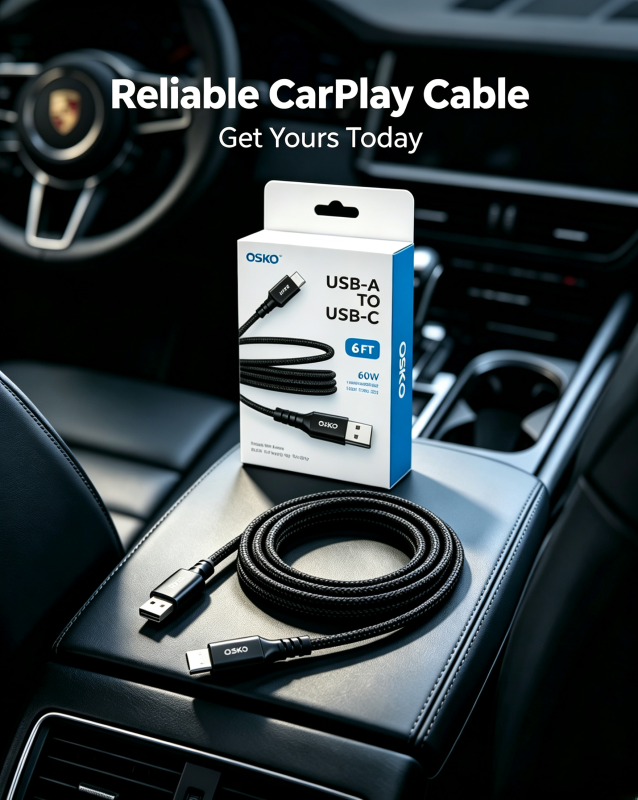
USB-C Cable Materials Used in Manufacturing
A professional USB-C cable manufacturer selects materials based on application.
| Material | Advantage | Application |
|---|---|---|
| PVC | Cost-effective | Standard cables |
| TPE | Flexible | Consumer cables |
| TPU | Strong abrasion resistance | Heavy-duty cables |
| Nylon braid | Premium durability | Retail cables |
| Aluminum foil | EMI protection | High-speed cables |
| Copper braid | Signal protection | Advanced applications |
For premium markets in the US, Germany, Australia, and Netherlands, braided USB-C cables are increasingly popular because customers associate durability with higher product value.
Quality Requirements for USB-C Cable Wholesale Buyers
For B2B purchasing, buyers should evaluate:
Manufacturing Capability
Check:
Factory experience
Production capacity
Export history
Engineering support
Quality Control
Professional factories should perform:
Electrical Testing
Including:
Continuity test
Resistance test
Charging test
Data test
Mechanical Testing
Including:
Bend test
Pull test
Plug cycle test
Compliance Requirements
Depending on market requirements:
RoHS
REACH
FCC
CE
USB-IF where applicable

Engineering Case Study: Custom USB-C Cable Solution for Australian Retail Brand
Customer Background
An Australian electronics retailer planned to launch a premium charging accessory range.
Their previous supplier provided low-cost USB-C cables, but customers reported:
Slow charging
Cable damage near connectors
Inconsistent quality between batches
The retailer needed:
Stable 60W USB-C charging cable
Premium braided appearance
Private-label packaging
Reliable bulk production
OSKO Engineering Solution
OSKO optimized the product structure:
Electrical Design
Improved copper conductor selection
Stable power delivery
Reduced resistance
Mechanical Design
Nylon braided jacket
Reinforced connector housing
Improved bend protection
Production Control
Implemented:
Incoming material inspection
Electrical testing
Final quality inspection
Customer Result
The upgraded USB-C cable solution achieved:
More consistent charging performance
Lower complaint rate
Improved retail positioning
Repeat purchasing opportunities
This demonstrates why professional USB cable manufacturing focuses on engineering reliability instead of only price competition.
How to Choose a USB-C Cable Supplier?
Before purchasing bulk USB-C cables, buyers should confirm:
Product Specification
Connector type
Charging power
Data speed
Cable length
Material requirements
Factory Capability
OEM support
ODM development
Quality system
Production consistency
Market Experience
A supplier familiar with:
US retail requirements
European compliance
Australian consumer expectations
can reduce product development risks.
FAQ About Type-C USB Cables
What devices use Type-C USB cables?
Type-C USB cables are used for smartphones, tablets, laptops, power banks, cameras, gaming devices, monitors, docking stations, external SSDs, and many modern electronics.
Are all USB-C cables the same?
No. USB-C only describes the connector design. Cable performance depends on power rating, data speed, internal wiring, shielding, and materials.
Can a USB-C cable charge a laptop?
Yes, if the cable supports sufficient USB Power Delivery capability. High-power laptops may require 60W, 100W, 140W, or 240W USB-C PD cables.
Do USB-C cables support video output?
Some do. Video output requires support from both the device and cable, such as DisplayPort Alt Mode or USB4.
What should wholesalers look for when buying USB-C cables?
Wholesale buyers should evaluate conductor quality, power rating, data speed, E-Marker requirements, shielding, certifications, testing procedures, and OEM capability.
How do I find a reliable USB-C cable manufacturer?
Look for manufacturers with engineering experience, quality control systems, customization capability, and proven export experience.
Conclusion: USB-C Cable Applications Depend on Internal Engineering
A Type-C USB cable is used in almost every modern electronics category, from smartphones and laptops to professional equipment.
However, the connector alone does not determine performance.
A reliable USB-C cable depends on:
Quality copper conductors
Proper wire structure
Correct power specification
Signal shielding
Professional manufacturing control
For brands, wholesalers, and distributors, working with an experienced OEM USB-C cable manufacturer helps create reliable products with lower return rates and stronger market value.
OSKO provides:
USB-C charging cables
USB-C fast charging solutions
Custom USB-C cables
OEM and ODM manufacturing
Private-label cable production
Need a reliable USB-C cable supplier?
Contact OSKO for samples, technical specifications, and customized USB-C cable solutions. can provide multiple functions:
Power delivery
Fast charging
Data transfer
Video output
Device connectivity
However, many users and purchasing teams misunderstand one important point:
USB-C describes the connector shape, not the complete performance capability of the cable.
Two cables may look identical but provide completely different performance.
One USB-C cable may only support:
480Mbps data transfer
Basic charging
while another premium USB-C fast charging cable may support:
100W or 240W USB PD charging
USB4 data transfer
External displays
Professional workstation applications
For consumers, choosing the correct cable improves device performance.
For brands, wholesalers, and distributors, selecting the right USB-C cable manufacturer directly affects product quality, customer reviews, and return rates.
As a professional OEM USB cable manufacturer, OSKO provides customized USB-C cable solutions including:
USB-C to USB-C cables
USB-A to USB-C cables
USB-C PD charging cables
Braided USB-C cables
Private-label USB cables
What Devices Use Type-C USB Cables?
USB Type-C has become the standard charging and connectivity interface for many electronics because it offers:
Reversible plug design
Compact connector size
Higher power capability
Multi-function support
Common applications include:
| Device Category | USB-C Application |
|---|---|
| Smartphones | Charging, data sync, accessories |
| Tablets | Fast charging and file transfer |
| Laptops | Power delivery and docking |
| Power banks | Charging input/output |
| Headphones | Battery charging |
| Cameras | Data transfer and charging |
| Gaming devices | Charging and high-speed connection |
| Monitors | Video transmission |
| External SSDs | High-speed data transfer |
| Docking stations | Multi-device connection |
However, not every Type-C port provides the same functions.
A USB-C port may support:
Charging only
USB 2.0 data
USB 3.2 high-speed data
DisplayPort Alt Mode
USB4
Thunderbolt compatibility
Therefore, buyers should evaluate the complete specification instead of only checking the connector type.
Smartphones and Tablets: The Most Common USB-C Applications
Why Do Phones Use USB-C Cables?
Modern smartphones use USB-C charging cables because the connector supports:
Faster charging
Improved durability
Reversible connection
Universal compatibility
Common smartphone applications include:
Battery charging
Computer synchronization
File transfer
External accessories
Audio connection
With USB Power Delivery technology, a USB-C cable can negotiate charging power between:
Charger
Cable
Smartphone
This improves charging safety and efficiency.
USB-C Fast Charging Applications
Can USB-C Cables Support 100W or 240W Charging?
Yes, but the cable construction must match the required power level.
Typical applications:
| Application | Power Requirement | Recommended Cable |
|---|---|---|
| Wireless accessories | 5W–15W | Standard USB-C cable |
| Smartphones | 15W–45W | USB-C charging cable |
| Tablets | 30W–60W | 3A USB-C cable |
| Laptops | 65W–100W | High-current USB-C PD cable |
| Gaming laptops | 100W+ | 5A E-Marker cable |
| High-power devices | Up to 240W | USB PD 3.1 EPR cable |
For higher power applications, manufacturers must control:
Copper conductor size
Cable resistance
Connector quality
Thermal performance
A professional USB-C cable supplier must optimize the internal structure, not simply upgrade the connector.
What Uses USB-C for Data Transfer?
Can USB-C Cables Transfer Files?
Yes.
However, data speed depends on the cable design and USB protocol.
| USB Standard | Maximum Speed | Common Application |
|---|---|---|
| USB 2.0 | 480Mbps | Phones, accessories |
| USB 3.2 Gen 1 | 5Gbps | Cameras, SSD |
| USB 3.2 Gen 2 | 10Gbps | High-speed storage |
| USB 3.2 Gen 2×2 | 20Gbps | Professional devices |
| USB4 | Up to 40Gbps | Advanced computers |
A common mistake among buyers is assuming:
“USB-C connector = high-speed cable”
This is incorrect.
A charging-focused USB-C cable may contain only power wires and basic data wiring.
A professional high-speed USB-C cable requires:
High-quality copper conductors
Twisted signal pairs
EMI shielding
Accurate impedance control
USB-C Cable Applications for Monitors and Displays
Can USB-C Connect to a Monitor?
Yes, but only when both the device and cable support video transmission.
USB-C displays commonly use:
DisplayPort Alt Mode
USB4
Thunderbolt technology
Applications include:
Portable monitors
Laptop docking stations
Office workstations
Creative production systems
However, many basic USB-C cables cannot transmit video.
For example:
A USB-C charging cable may charge a laptop successfully but fail when connected to a monitor.
Do External SSDs Use USB-C Cables?
Yes.
External SSD manufacturers commonly choose USB-C because it supports:
High-speed transfer
Compact design
Better compatibility
Performance depends on cable specification.
Example:
A 10Gbps SSD connected with a USB 2.0 cable will not reach full speed.
For storage applications, buyers should confirm:
USB version
Data speed
Shielding design
Cable length
USB-C Applications in Gaming Devices
Gaming products increasingly use Type-C USB cables.
Common examples:
Gaming controllers
VR headsets
Handheld consoles
Gaming laptops
Wireless accessories
Some gaming applications require both:
High-speed data communication
Stable power delivery
For VR devices and gaming laptops, cable quality directly affects user experience.
USB-C Use in Cameras and Professional Equipment
Professional cameras use USB-C for:
Charging
Image transfer
Video file backup
Tethered shooting
Large RAW images and 4K/8K video files require stable data transmission.
For camera accessory brands, a reliable custom USB-C cable manufacturer can develop products with:
High-speed data capability
Reinforced connectors
Professional packaging
What Makes One USB-C Cable Different From Another?
Although USB-C cables look similar externally, internal engineering creates major differences.
Important factors include:
Copper Conductors
High-quality copper reduces:
Resistance
Heat generation
Voltage loss
Wire Gauge
Cable thickness affects current capability.
Lower AWG numbers generally indicate thicker conductors.
Shielding
Premium cables may include:
Aluminum foil shielding
Braided shielding
Signal pair protection
Shielding improves:
EMI protection
Data stability
Signal integrity
E-Marker Chip
High-power USB-C cables often use E-Marker ICs.
The chip communicates:
Cable power capability
Current rating
Supported functions
This is important for:
100W charging
140W charging
240W PD charging
USB-C Cable Materials Used in Manufacturing
A professional USB-C cable manufacturer selects materials based on application.
| Material | Advantage | Application |
|---|---|---|
| PVC | Cost-effective | Standard cables |
| TPE | Flexible | Consumer cables |
| TPU | Strong abrasion resistance | Heavy-duty cables |
| Nylon braid | Premium durability | Retail cables |
| Aluminum foil | EMI protection | High-speed cables |
| Copper braid | Signal protection | Advanced applications |
For premium markets in the US, Germany, Australia, and Netherlands, braided USB-C cables are increasingly popular because customers associate durability with higher product value.
Quality Requirements for USB-C Cable Wholesale Buyers
For B2B purchasing, buyers should evaluate:
Manufacturing Capability
Check:
Factory experience
Production capacity
Export history
Engineering support
Quality Control
Professional factories should perform:
Electrical Testing
Including:
Continuity test
Resistance test
Charging test
Data test
Mechanical Testing
Including:
Bend test
Pull test
Plug cycle test
Compliance Requirements
Depending on market requirements:
RoHS
REACH
FCC
CE
USB-IF where applicable

Engineering Case Study: Custom USB-C Cable Solution for Australian Retail Brand
Customer Background
An Australian electronics retailer planned to launch a premium charging accessory range.
Their previous supplier provided low-cost USB-C cables, but customers reported:
Slow charging
Cable damage near connectors
Inconsistent quality between batches
The retailer needed:
Stable 60W USB-C charging cable
Premium braided appearance
Private-label packaging
Reliable bulk production
OSKO Engineering Solution
OSKO optimized the product structure:
Electrical Design
Improved copper conductor selection
Stable power delivery
Reduced resistance
Mechanical Design
Nylon braided jacket
Reinforced connector housing
Improved bend protection
Production Control
Implemented:
Incoming material inspection
Electrical testing
Final quality inspection
Customer Result
The upgraded USB-C cable solution achieved:
More consistent charging performance
Lower complaint rate
Improved retail positioning
Repeat purchasing opportunities
This demonstrates why professional USB cable manufacturing focuses on engineering reliability instead of only price competition.
How to Choose a USB-C Cable Supplier?
Before purchasing bulk USB-C cables, buyers should confirm:
Product Specification
Connector type
Charging power
Data speed
Cable length
Material requirements
Factory Capability
OEM support
ODM development
Quality system
Production consistency
Market Experience
A supplier familiar with:
US retail requirements
European compliance
Australian consumer expectations
can reduce product development risks.
FAQ About Type-C USB Cables
What devices use Type-C USB cables?
Type-C USB cables are used for smartphones, tablets, laptops, power banks, cameras, gaming devices, monitors, docking stations, external SSDs, and many modern electronics.
Are all USB-C cables the same?
No. USB-C only describes the connector design. Cable performance depends on power rating, data speed, internal wiring, shielding, and materials.
Can a USB-C cable charge a laptop?
Yes, if the cable supports sufficient USB Power Delivery capability. High-power laptops may require 60W, 100W, 140W, or 240W USB-C PD cables.
Do USB-C cables support video output?
Some do. Video output requires support from both the device and cable, such as DisplayPort Alt Mode or USB4.
What should wholesalers look for when buying USB-C cables?
Wholesale buyers should evaluate conductor quality, power rating, data speed, E-Marker requirements, shielding, certifications, testing procedures, and OEM capability.
How do I find a reliable USB-C cable manufacturer?
Look for manufacturers with engineering experience, quality control systems, customization capability, and proven export experience.
Conclusion: USB-C Cable Applications Depend on Internal Engineering
A Type-C USB cable is used in almost every modern electronics category, from smartphones and laptops to professional equipment.
However, the connector alone does not determine performance.
A reliable USB-C cable depends on:
Quality copper conductors
Proper wire structure
Correct power specification
Signal shielding
Professional manufacturing control
For brands, wholesalers, and distributors, working with an experienced OEM USB-C cable manufacturer helps create reliable products with lower return rates and stronger market value.
OSKO provides:
USB-C charging cables
USB-C fast charging solutions
OEM and ODM manufacturing
Private-label cable production
Need a reliable USB-C cable supplier?
Contact OSKO for samples, technical specifications, and customized USB-C cable solutions.