
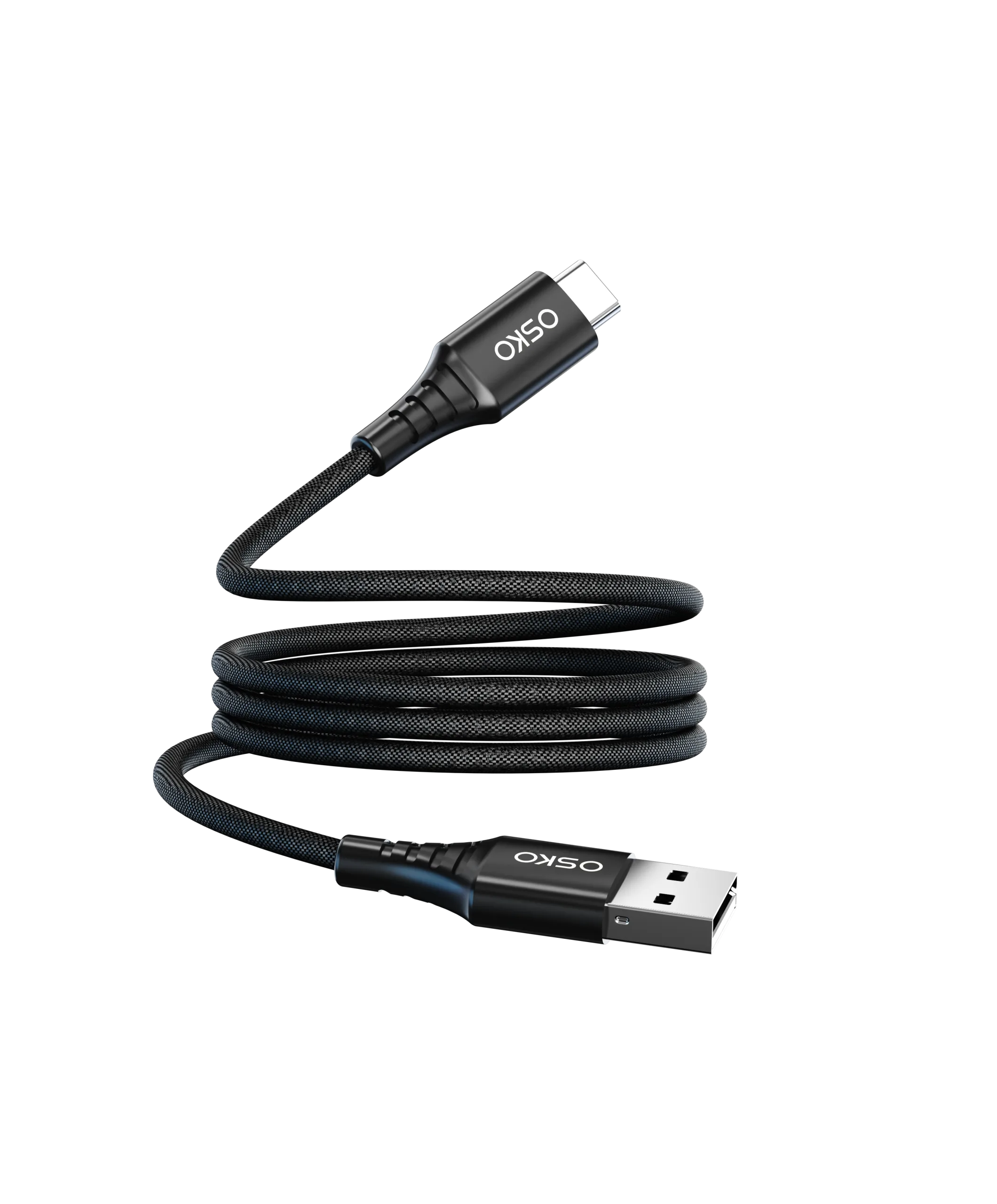
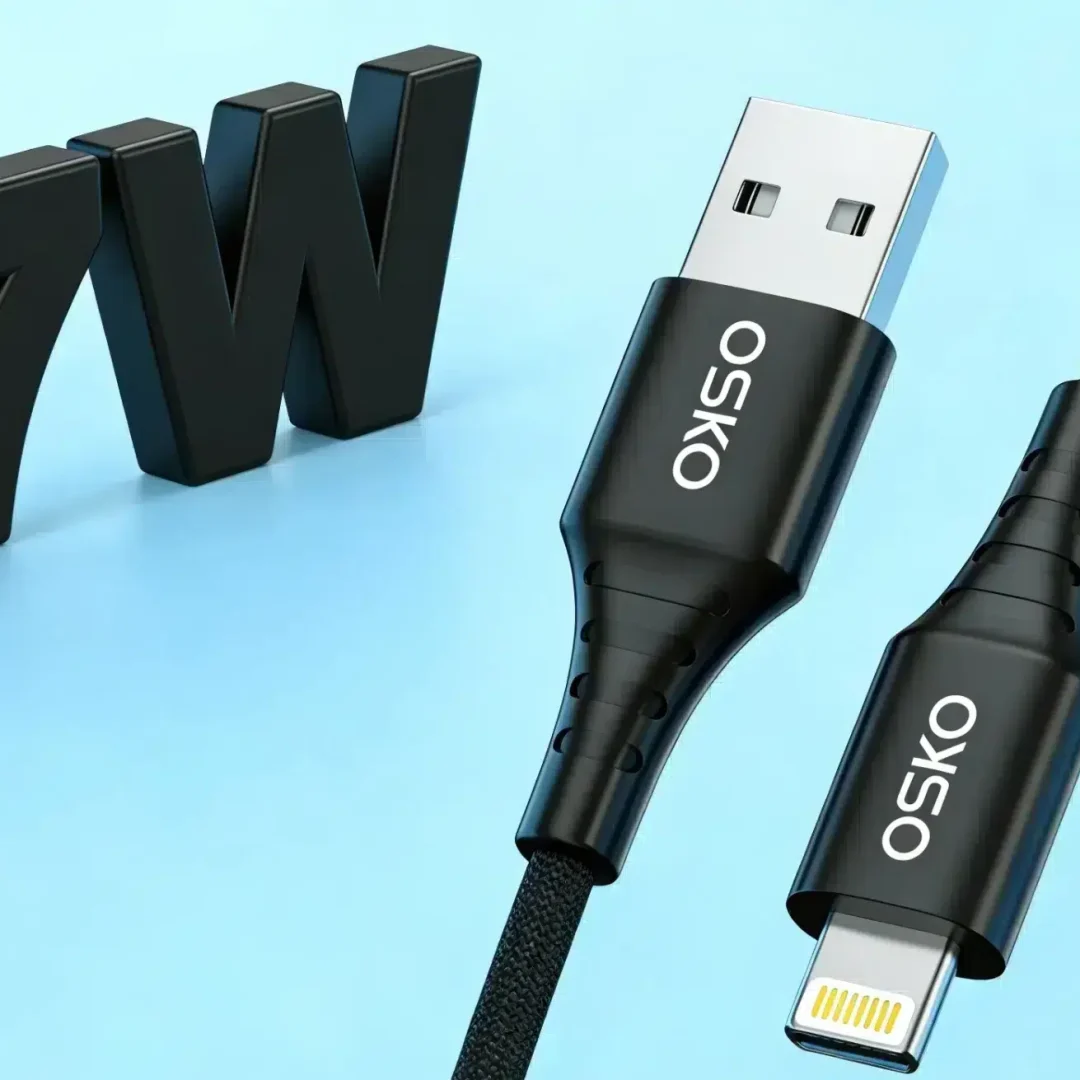
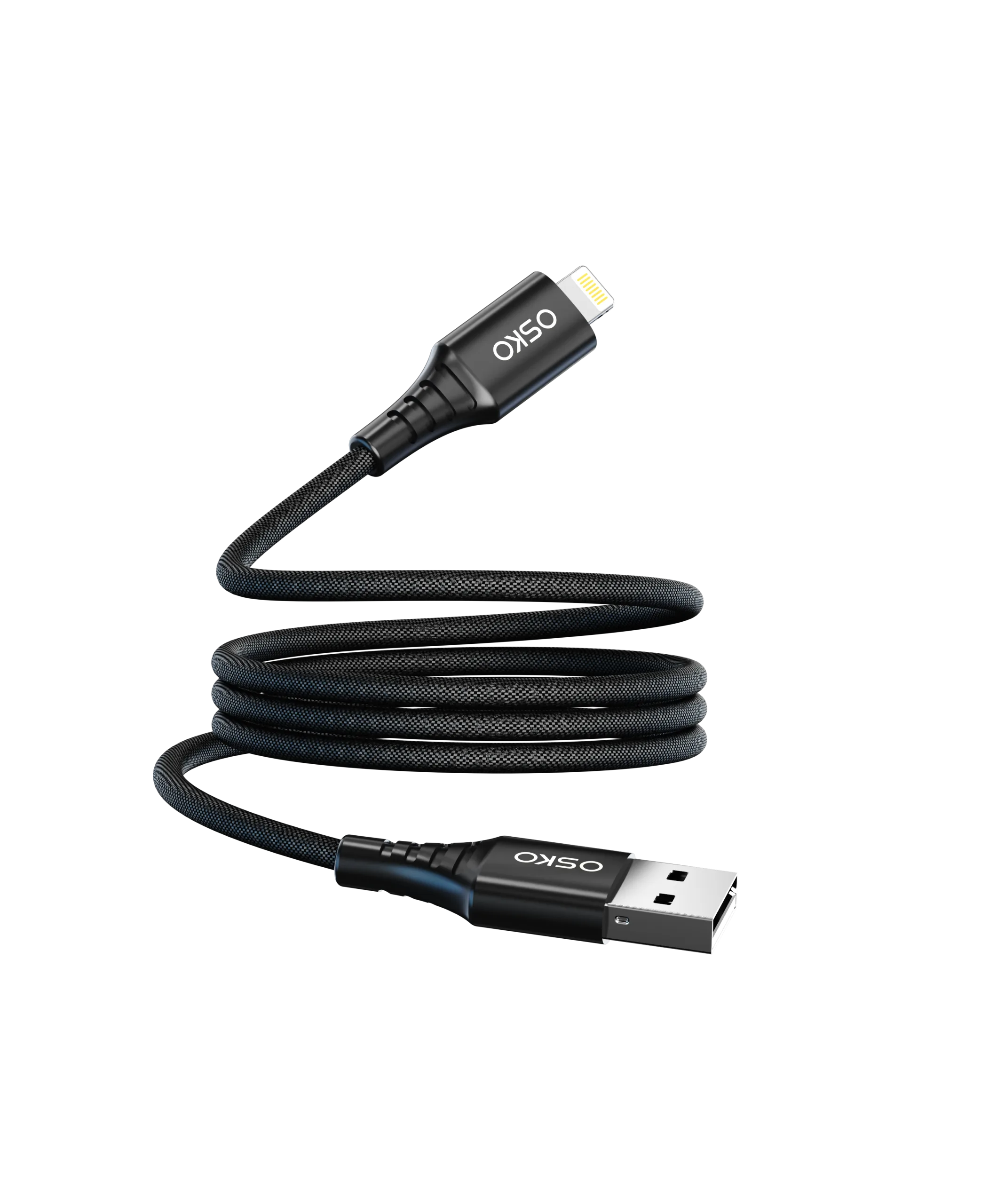
Introduction: Why Are USB-C to Lightning Cables Still Important?
Although Apple has transitioned newer iPhone models to USB-C ports, millions of Lightning-based devices remain active worldwide.
These include:
iPhone 5 to iPhone 14 series
Lightning AirPods charging cases
Magic Keyboard
Magic Mouse
Older iPad models
Beats accessories
For users and businesses, the demand for reliable USB-C to Lightning cables remains strong because many existing Apple devices require Lightning connectivity.
A USB-C to Lightning cable allows Lightning devices to connect with modern USB-C power sources, including:
USB-C wall chargers
MacBook USB-C ports
USB-C docking stations
Power adapters with USB PD technology
For retailers, distributors, and private-label accessory brands, choosing the right OEM Lightning cable manufacturer directly affects:
Charging performance
Customer satisfaction
Product returns
Brand reputation
What Is a USB-C to Lightning Cable?
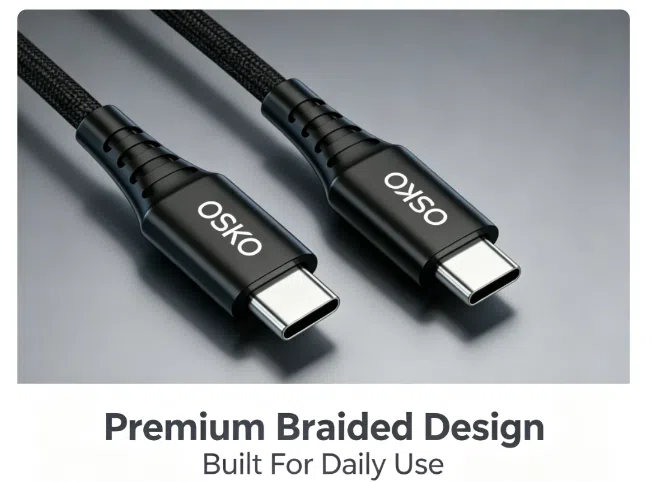
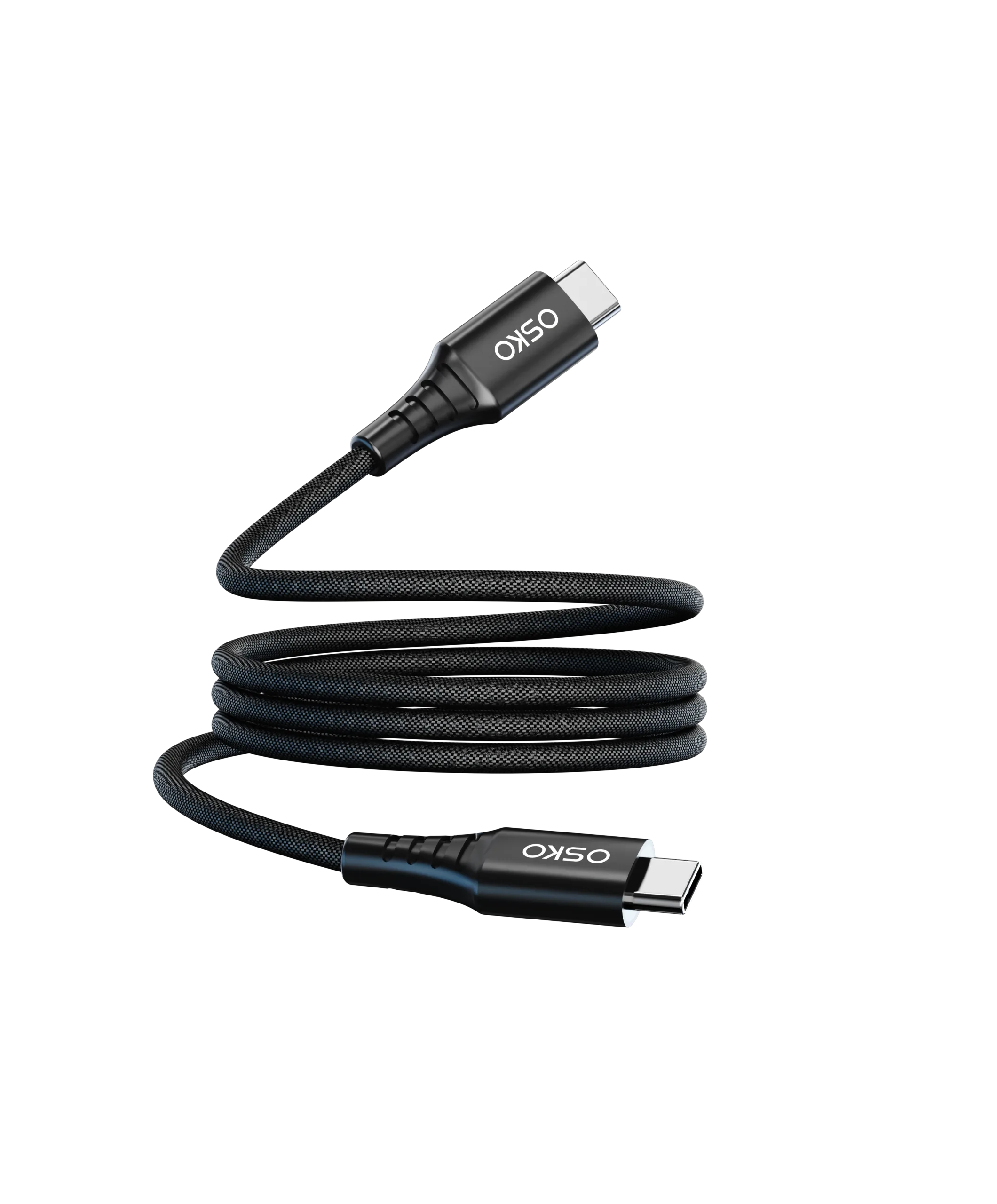
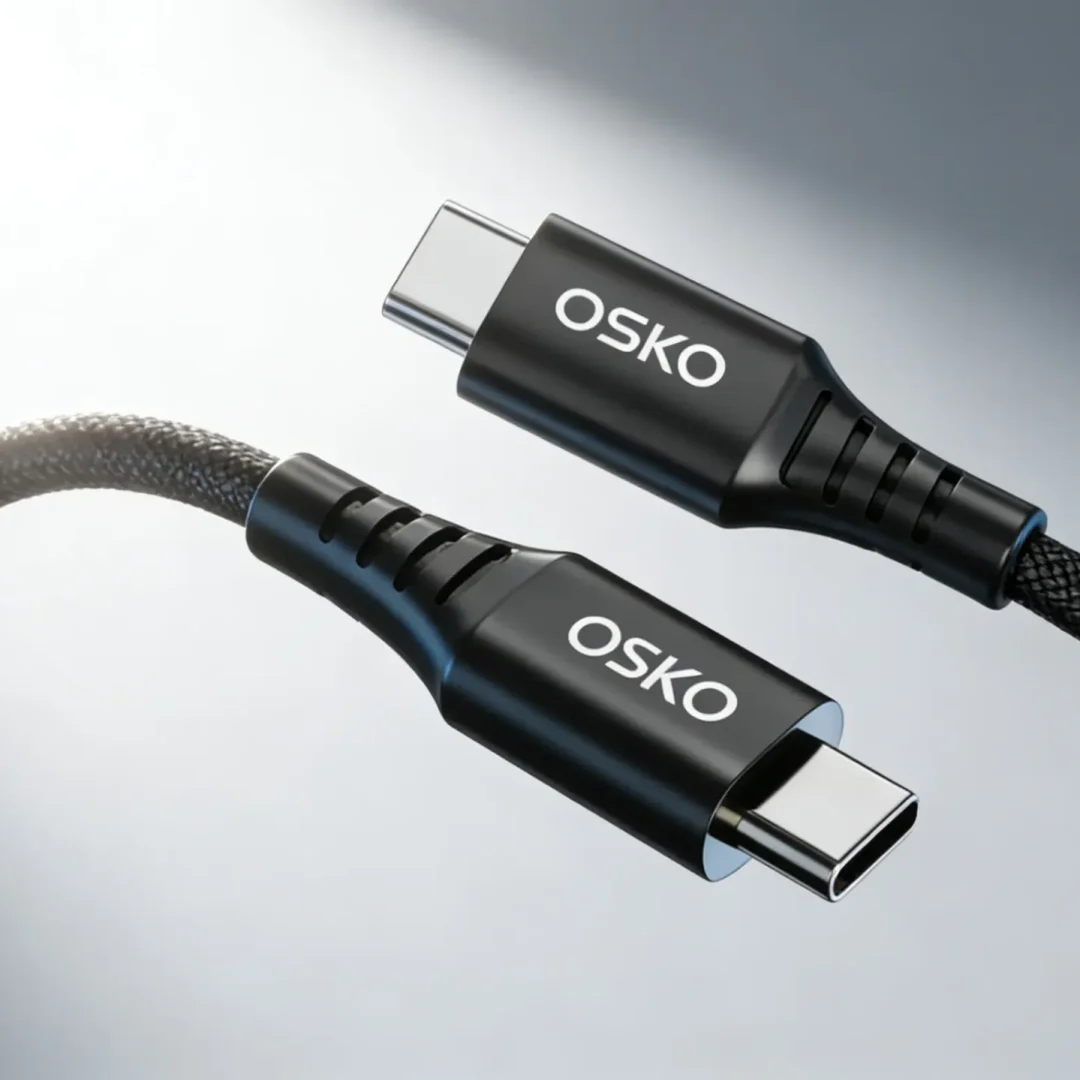
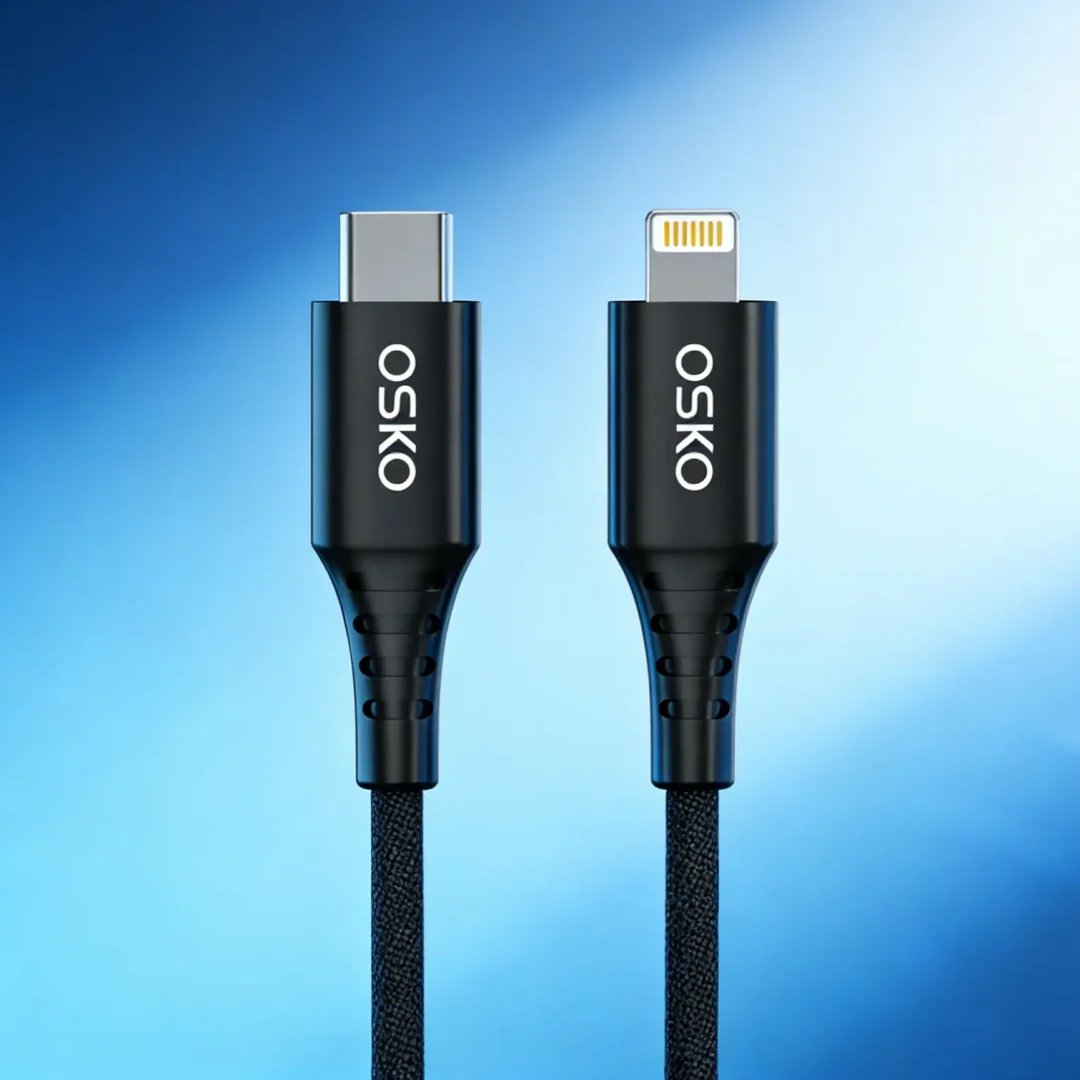
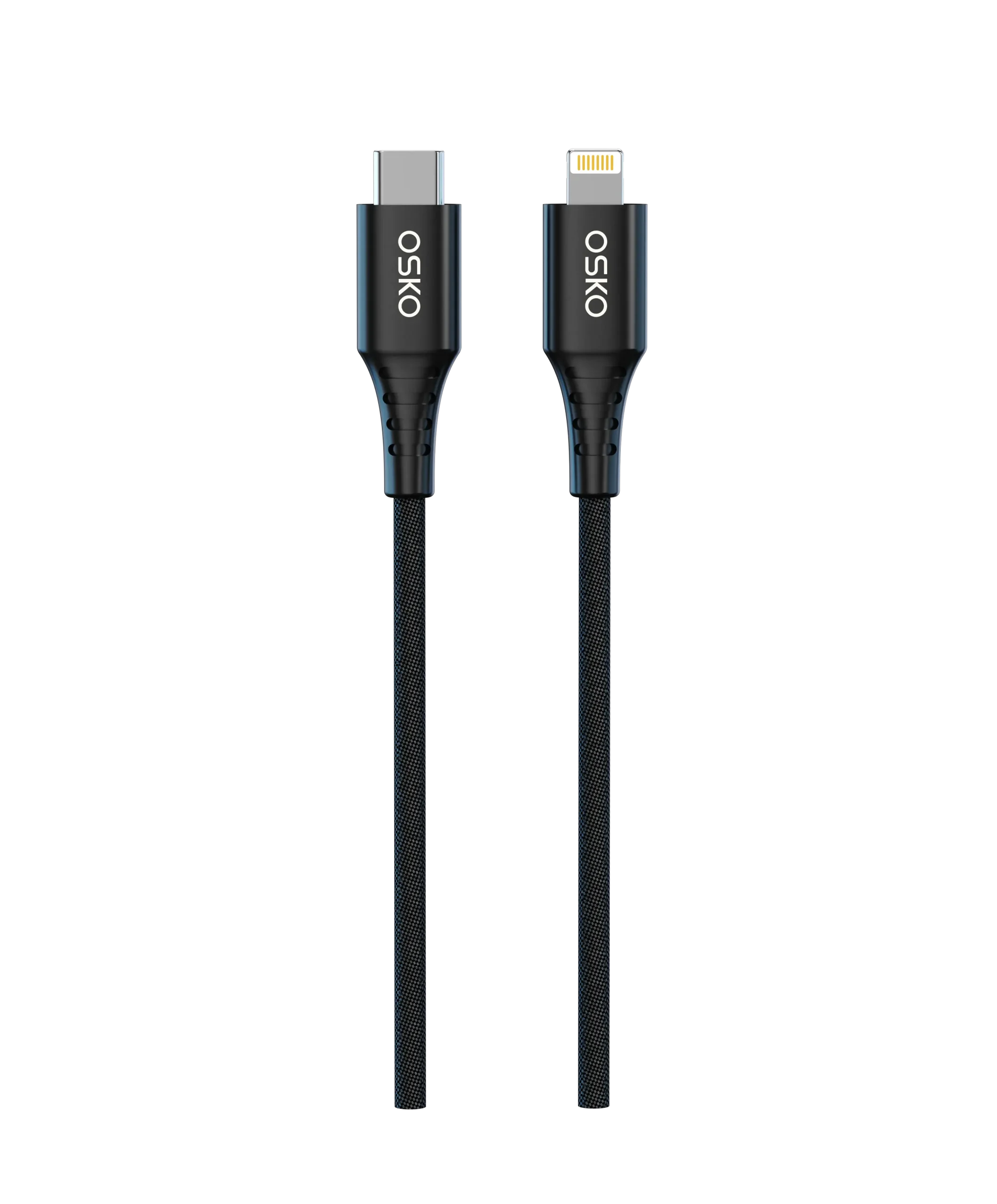
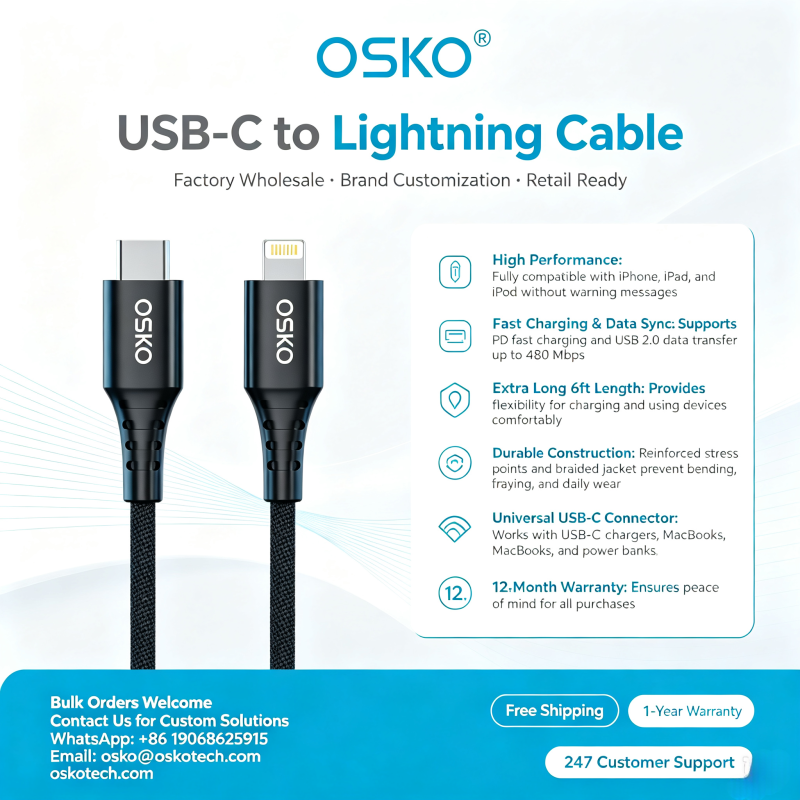
A USB-C to Lightning cable is designed with:
USB-C connector on one side
Apple Lightning connector on the other side
It enables:
Fast charging
Data synchronization
iPhone backup
Device connection with modern USB-C chargers
Compared with traditional USB-A to Lightning cables, USB-C to Lightning cables provide better compatibility with modern charging systems.
Main advantages include:
Faster Charging Performance
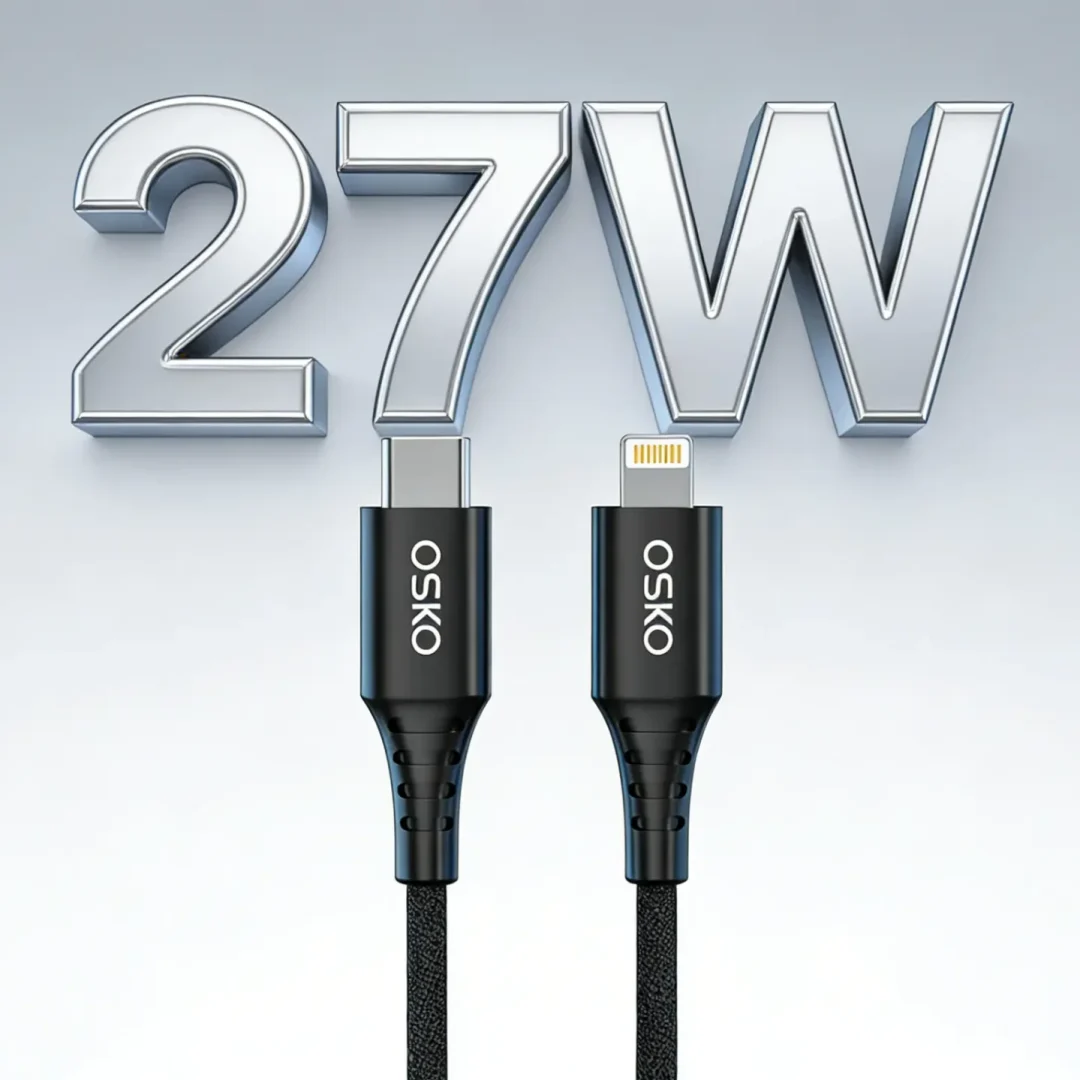
When paired with a USB Power Delivery charger, compatible iPhones can charge significantly faster than older USB-A charging solutions.
Modern Device Compatibility
USB-C has become the standard connector for:
Laptop chargers
Tablets
Power adapters
Professional docking systems
Better Retail Value
For accessory brands, USB-C to Lightning cables provide:
Premium product positioning
Higher retail value
Compatibility with modern charging ecosystems
Why Did Apple Move Away From USB-A to Lightning?
USB-A Limitations
Traditional USB-A charging systems were designed for earlier generations of electronics.
Common limitations:
Lower power capability
Slower charging speeds
Limited compatibility with modern chargers
USB-C introduced:
Higher power delivery
Better charging efficiency
Reversible connection
Universal compatibility
A USB-C to Lightning cable allows older Lightning devices to benefit from newer USB-C charging technology.
Which Apple Devices Use USB-C to Lightning Cables?
A USB-C Lightning cable supports many Apple products.
| Device | Compatibility |
|---|---|
| iPhone 5–14 Series | Yes |
| iPhone SE Lightning Models | Yes |
| AirPods Lightning Case | Yes |
| Magic Mouse | Yes |
| Magic Keyboard | Yes |
| Magic Trackpad | Yes |
| Older iPad Models | Yes |
| Beats Accessories | Yes |
Although newer iPhones use USB-C, Lightning accessories continue generating strong demand in:
United States
Germany
Australia
Netherlands
How Does USB-C to Lightning Fast Charging Work?
USB Power Delivery Technology
The biggest advantage of a USB-C to Lightning cable is support for USB Power Delivery.
USB PD enables communication between:
Charger
Cable
Apple device
The charging process:
Step 1: Device Identification
The charger detects the connected Apple device.
Step 2: Cable Authentication
The cable confirms charging capability.
Step 3: Power Negotiation
The system selects the optimal charging profile.
Step 4: Stable Fast Charging
Power is delivered efficiently while maintaining safety.
Typical comparison:
| Cable Type | Charging Capability |
|---|---|
| USB-A to Lightning | 5W–12W |
| USB-C to Lightning | Up to 20W–30W |
| USB-C to USB-C | Higher PD power levels |
Actual charging speed depends on:
iPhone model
Charger output
Cable design
Does USB-C to Lightning Cable Transfer Data?
Yes.
A quality USB-C to Lightning cable supports:
Photo transfer
iPhone backup
iOS updates
Music synchronization
Computer connection
Most Lightning cables support:
USB 2.0 data transmission up to 480 Mbps
This makes them suitable for everyday Apple device synchronization.
Are All USB-C to Lightning Cables the Same?
No.
Two cables may look identical but have completely different internal engineering.
A professional USB-C Lightning cable depends on:
Copper Conductor Quality
Premium cables use:
Oxygen-free copper
Multi-strand conductors
Low resistance wiring
Benefits:
Stable charging
Reduced voltage loss
Lower heat generation
Wire Gauge Selection
Cable thickness affects electrical performance.
Typical applications:
| Application | AWG |
|---|---|
| Standard charging cable | 28 AWG |
| Fast charging cable | 24–26 AWG |
| Premium OEM cable | 22–24 AWG |
Thicker conductors provide:
Better current handling
Improved durability
Longer service life
What Makes a Premium USB-C Lightning Cable Durable?
A professional charging cable includes multiple protection layers.
Typical construction:
Outer Jacket
Materials:
TPE
PVC
Nylon braid
Shielding Layer
Functions:
Reduce electromagnetic interference
Improve signal stability
Connector Reinforcement
Includes:
Stronger housing
Improved strain relief
Durable solder joints
These designs reduce:
Cable breakage
Connector damage
Charging interruption

Why MFi Certification Matters for Lightning Cables
For commercial Apple accessory products, MFi certification is an important consideration.
A reliable MFi certified USB-C to Lightning cable supplier should provide:
Certified Lightning connector technology
Stable compatibility
Reliable authentication performance
Benefits:
Reduced compatibility issues
Better consumer confidence
Lower return rates
For distributors in Germany, Australia, and Europe, certification documentation is often an important purchasing requirement.
Manufacturing Quality Standards for OEM Buyers
ISO9001 Quality Management
A professional USB cable factory should maintain:
Incoming material inspection
Production control
Process tracking
Final product testing
Quality procedures include:
IQC
Incoming Quality Control
IPQC
Production Process Control
OQC
Outgoing Quality Control
These systems ensure consistent quality during bulk production.
Why SAC305 Lead-Free Solder Improves Reliability
Premium USB-C Lightning cables often use SAC305 solder.
Composition:
Tin 96.5%
Silver 3%
Copper 0.5%
Advantages:
Better conductivity
Stronger solder joints
Improved durability
Poor solder quality can cause:
Increased resistance
Charging instability
Early product failure
Engineering Case Study: Private Label Lightning Cable Development for Australian Retail Brand
Customer Background
An Australian electronics distributor planned to launch a private-label Apple charging accessory range.
Target customers:
Online retail buyers
Mobile accessory stores
Corporate gift suppliers
Required products:
Custom logo packaging
Retail-ready products
Customer Challenges
The previous supplier had problems:
Unstable charging performance
High customer complaints
Limited customization
No consistent quality reports
The buyer needed a professional manufacturer capable of supporting long-term supply.
OSKO Manufacturing Solution
OSKO developed a customized Lightning cable solution:
| Requirement | Solution |
|---|---|
| Fast charging | USB PD compatible design |
| Reliability | Reinforced connector structure |
| Branding | Private label packaging |
| Durability | Nylon braided option |
| Quality | Production testing system |
The project helped the customer establish:
Retail product line
Stable inventory supply
Lower return rate
How Should Businesses Choose a USB-C to Lightning Cable Supplier?
Before purchasing bulk cables, buyers should evaluate:
Product Capability
Ask:
Does the cable support USB PD fast charging?
Is MFi certification available?
What connector technology is used?
Manufacturing Capability
Verify:
Factory experience
Production capacity
Quality system
Testing procedures
Customization Support
Professional suppliers should support:
Custom length
Custom color
Logo printing
Retail packaging
Private label solutions
Global Market Considerations
United States
Popular requirements:
Fast charging
Durable braided cables
Amazon-ready packaging
Private label production
Germany
Buyers focus on:
Engineering quality
CE compliance
RoHS documentation
Long service life
Australia
Market preference:
Durable charging accessories
Premium designs
Retail packaging
Netherlands
Purchasing priorities:
Sustainable materials
Reliable supply chain
OEM customization
FAQ
What is a USB-C to Lightning cable used for?
“A USB-C to Lightning cable connects USB-C chargers and devices with Apple Lightning products for fast charging and data synchronization.
Does USB-C to Lightning support fast charging?
Yes. Compatible Apple devices can achieve faster charging when using USB Power Delivery chargers.
Are all Lightning cables the same quality?

No. Cable materials, conductor design, connector quality, certification, and manufacturing processes affect performance.

What should buyers check when sourcing USB-C Lightning cables?

OEM buyers should verify certification, charging performance, conductor quality, durability testing, and supplier manufacturing capability.
Conclusion: Choosing the Right USB-C to Lightning Cable Manufacturer
A USB-C to Lightning cable remains an important accessory category because millions of Apple Lightning devices are still in active use.
For consumers, it provides:
Faster charging
Reliable synchronization
Modern USB-C compatibility
For businesses, successful sourcing requires more than price comparison.
Professional buyers should evaluate:
MFi compatibility
USB PD performance
Copper conductor quality
Connector durability
Manufacturing certification
OEM customization capability
Working with an experienced OEM USB-C to Lightning cable manufacturer helps brands, distributors, and retailers build reliable charging products for markets including the United States, Germany, Australia, and the Netherlands.