
Choosing the correct jacket material is one of the most important decisions in custom USB cable manufacturing.
Although USB cables may look similar from the outside, the outer jacket material directly affects:
Cable durability
Flexibility
User experience
Manufacturing cost
Product positioning
Brand perception
The three most common materials used by professional USB cable manufacturers are:
PVC (Polyvinyl Chloride)
TPE (Thermoplastic Elastomer)
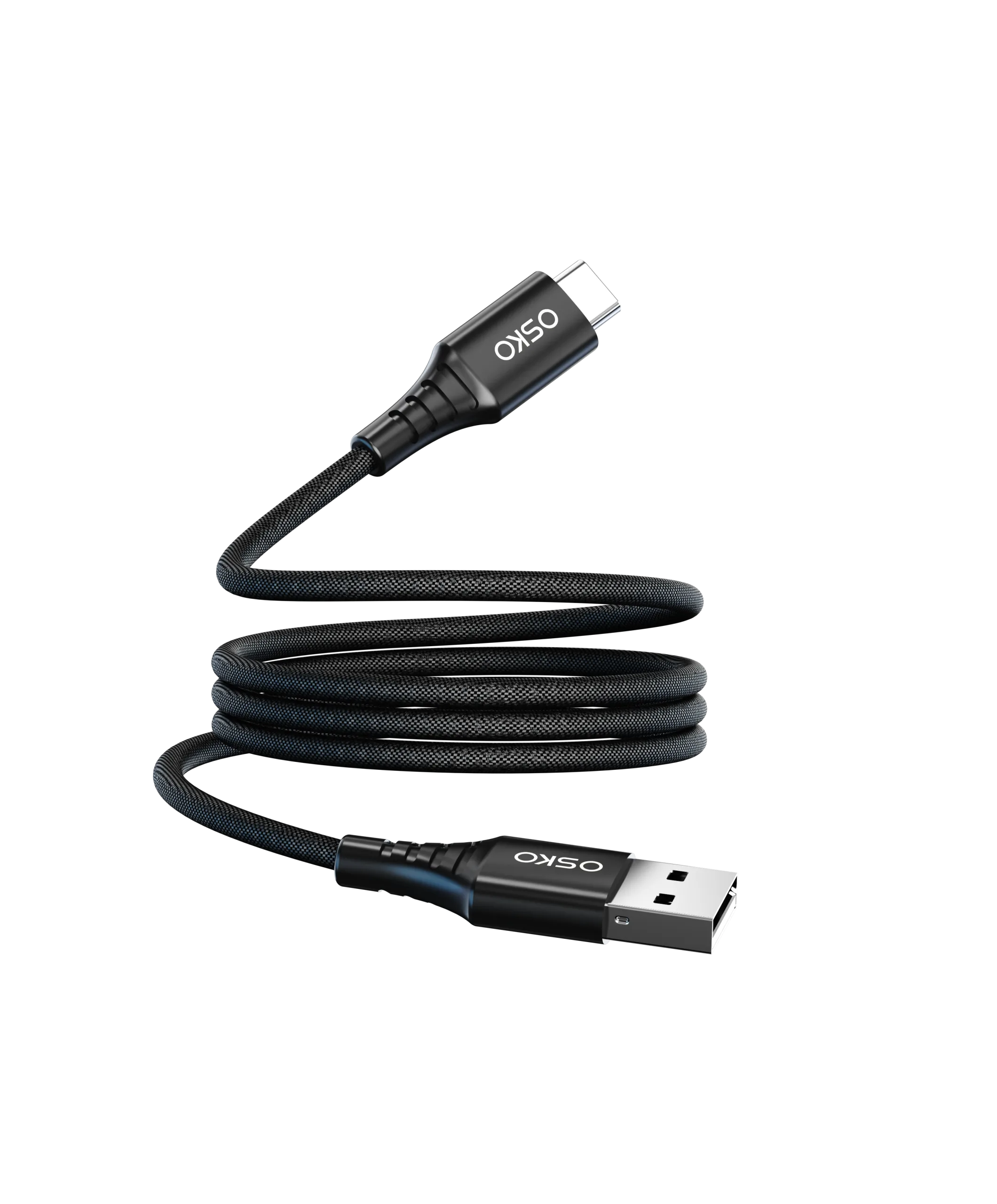
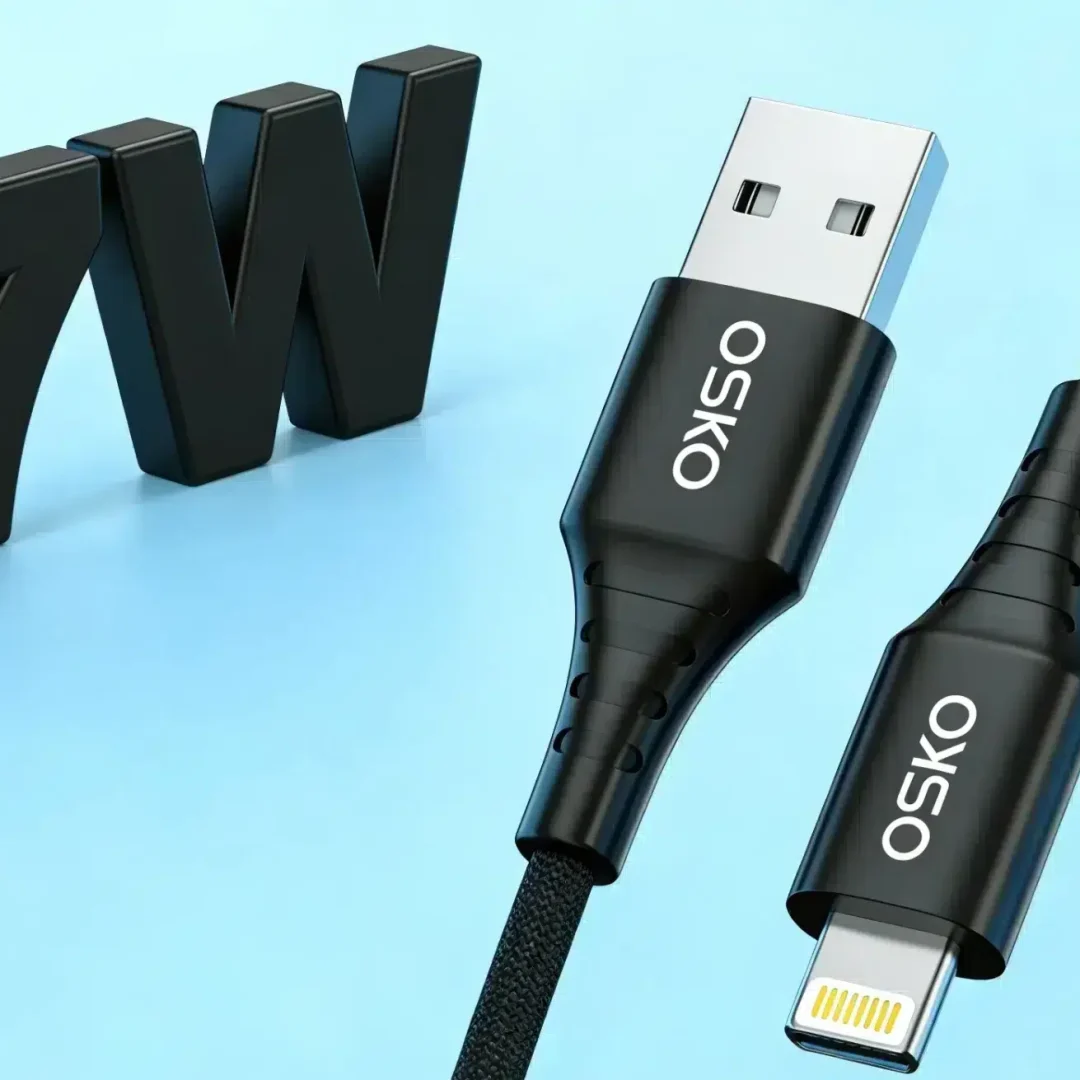
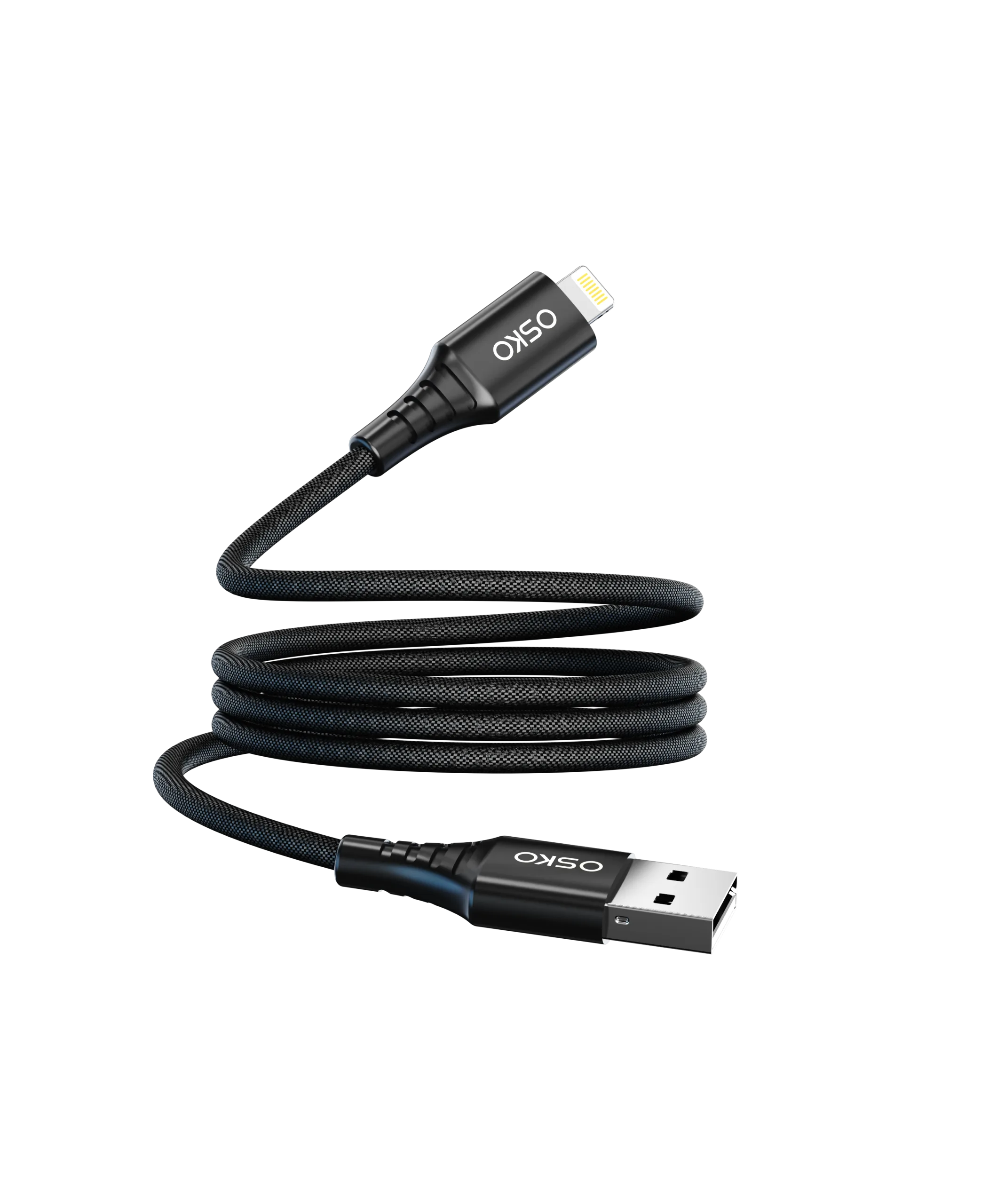
Nylon braided construction
Each material has different advantages.
For OEM buyers, distributors, and private-label brands in the USA, Germany, Australia, and the Netherlands, selecting the right material helps improve product quality and reduce customer returns.
Why Does USB Cable Jacket Material Matter?
How Does Cable Material Affect Product Performance?
The outer jacket is not only a protective layer.
It affects the complete cable performance, including:
Mechanical Durability
A high-quality jacket protects internal conductors from:
Bending stress
Pulling force
External friction
Daily wear
User Experience
Different materials create different product impressions:
PVC:
Standard feeling
Cost-focused
TPE:
Soft-touch feeling
Flexible handling
Nylon braid:
Premium appearance
Professional durability
Market Positioning
OEM buyers usually select materials based on target markets.
For example:
Budget retail products:
PVC cable
Mid-range consumer electronics:
TPE cable
Premium accessories:
Nylon braided USB cable
What Is PVC USB Cable Material?
Why Is PVC Widely Used in USB Cable Manufacturing?
PVC has been the traditional choice for USB cable production because it provides a balance between:
Low manufacturing cost
Good insulation
Stable production performance
Easy processing
PVC USB cables are commonly used for:
Promotional charging cables
Entry-level accessories
High-volume retail products
Basic USB charging cables
Advantages of PVC:
Cost Efficiency
PVC is one of the most affordable cable jacket materials.
This makes it suitable for:
Large quantity orders
Wholesale USB cable suppliers
Promotional products
Manufacturing Advantages
PVC offers:
Easy extrusion process
Stable production yield
Wide color customization
However, PVC has some limitations:
Less flexible than TPE
Can become harder in cold environments
Lower premium appearance
What Is TPE USB Cable Material?
Why Are Brands Choosing TPE Cables?
TPE combines rubber-like flexibility with thermoplastic manufacturing advantages.
A TPE USB cable supplier can provide products with:
Soft touch surface
Excellent flexibility
Better bending resistance
Improved user comfort
TPE is commonly used in:
Smartphone charging cables
Apple accessories
Consumer electronics
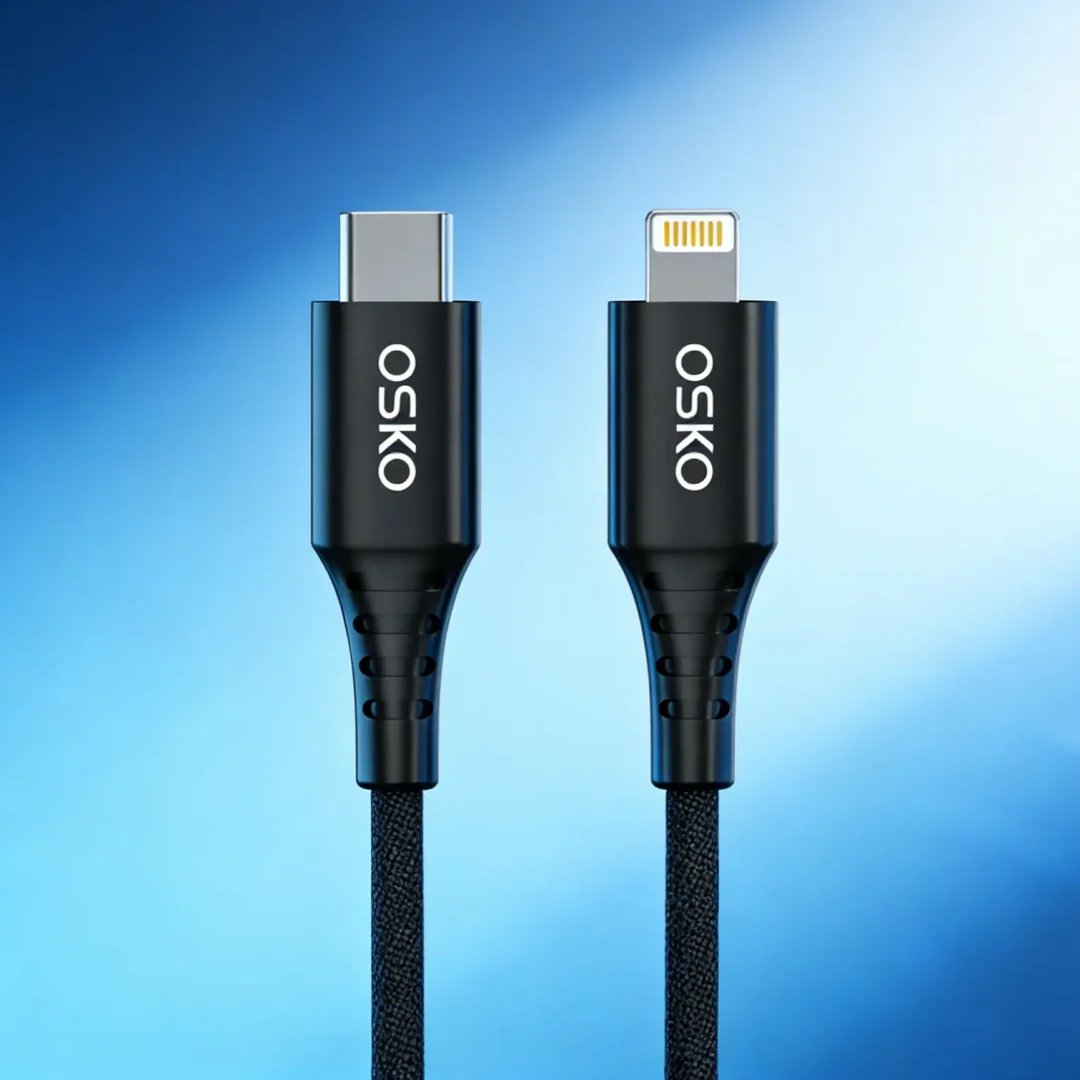
Premium USB-C cables
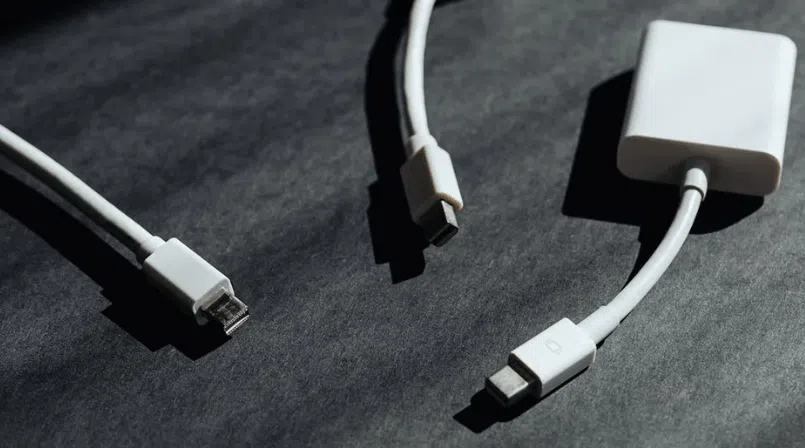
Advantages of TPE USB Cables
Better Flexibility
Compared with PVC, TPE cables are easier to bend and handle.
This improves:
Daily usability
Cable storage
Portable applications
Better Cold Resistance
For markets such as Germany, Canada, and northern Europe, flexibility under lower temperatures can be an important consideration.
Premium Touch Experience
Many consumer brands choose TPE because customers associate soft materials with higher quality.
What Is a Nylon Braided USB Cable?
Why Do Premium Brands Prefer Nylon Braided Cables?
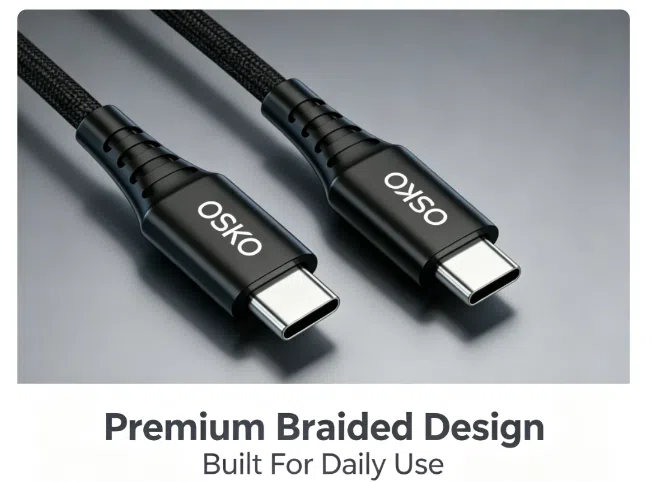
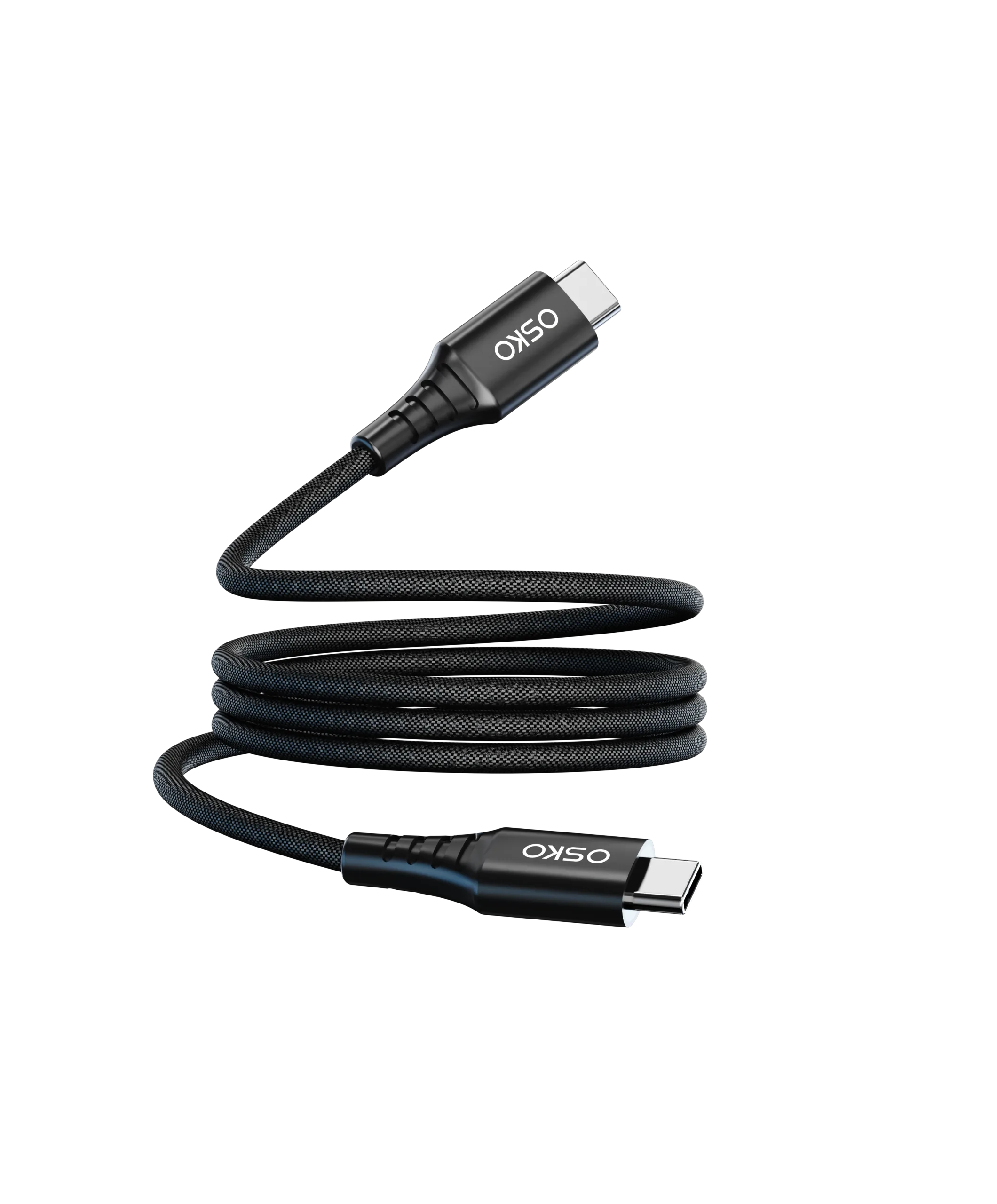
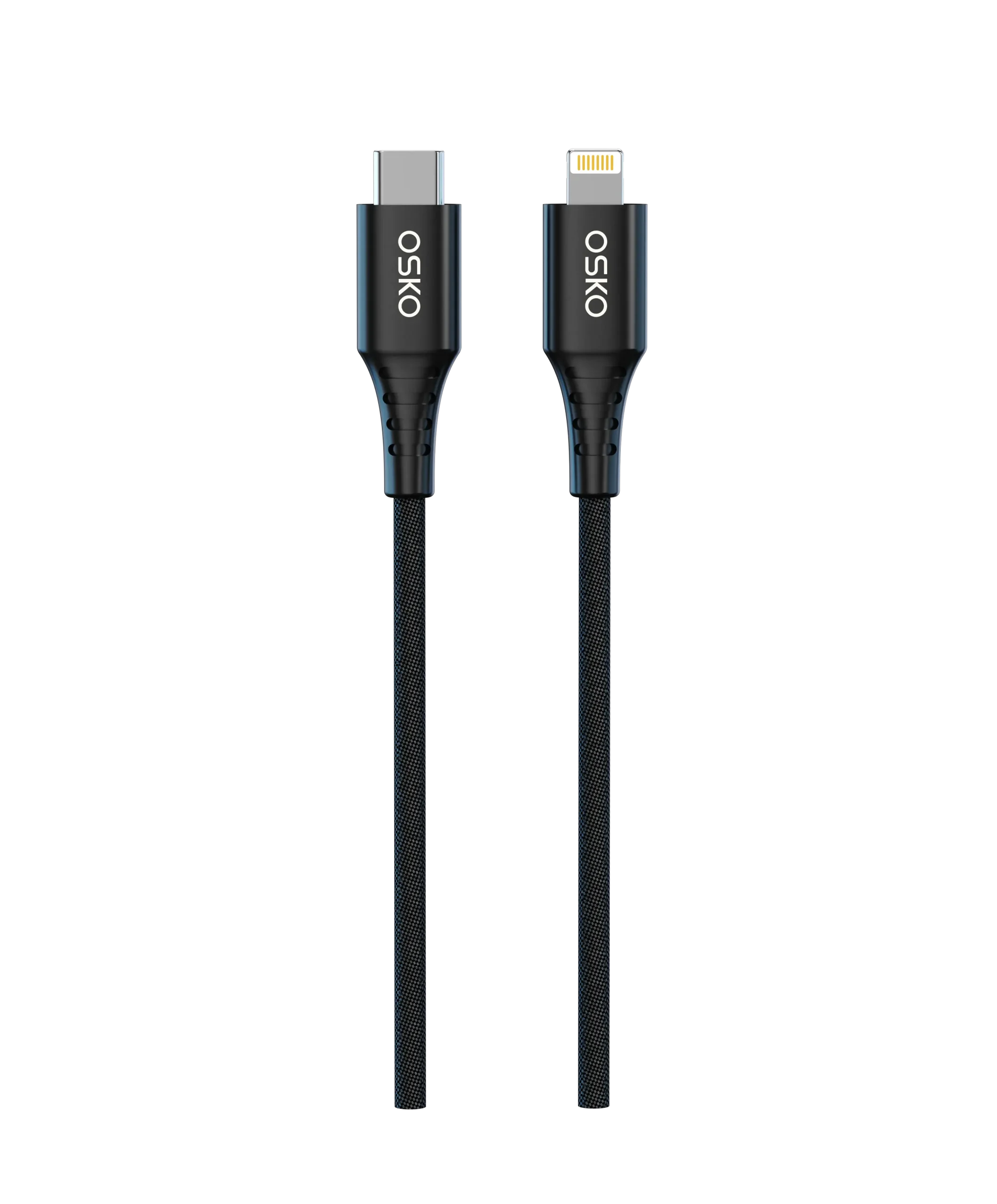
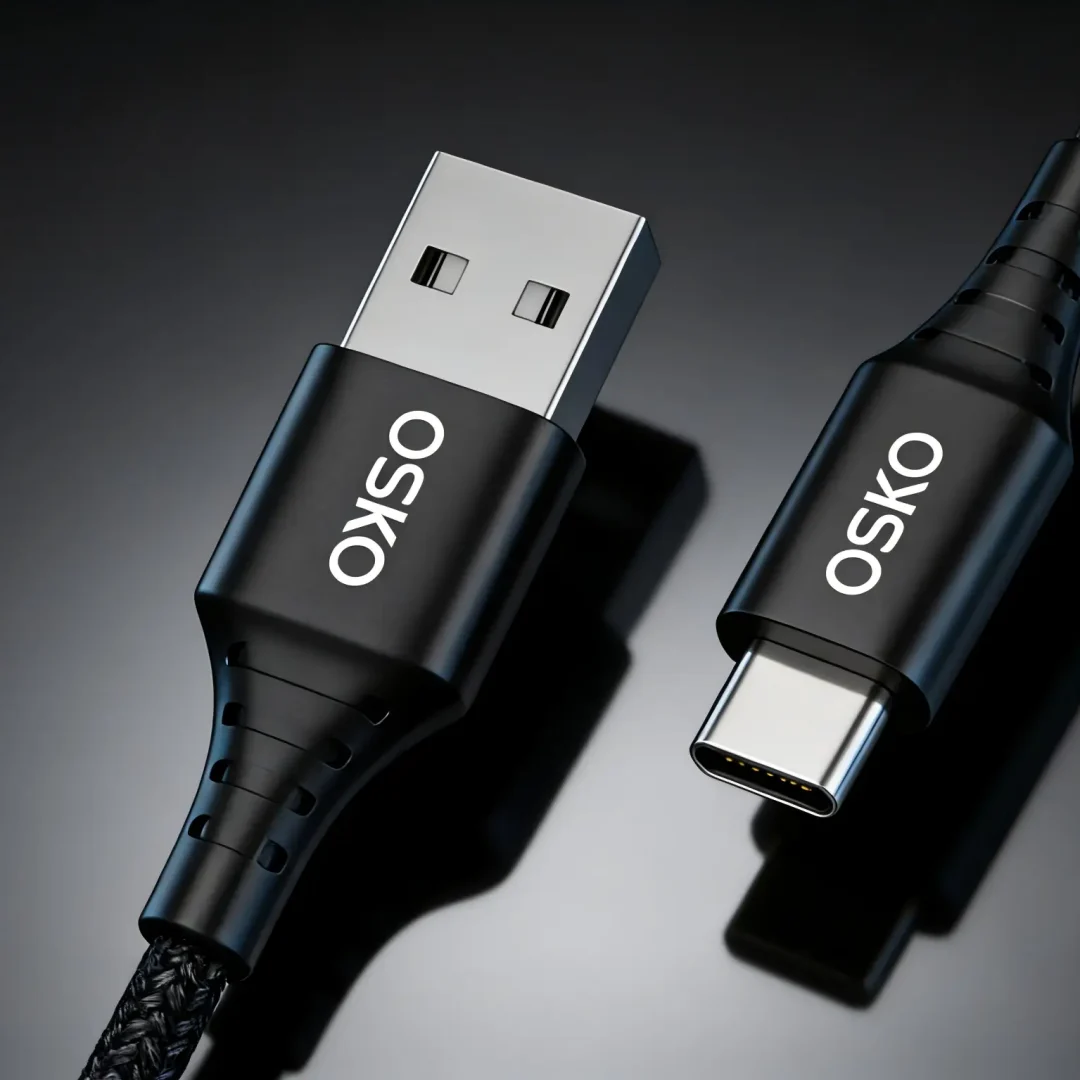
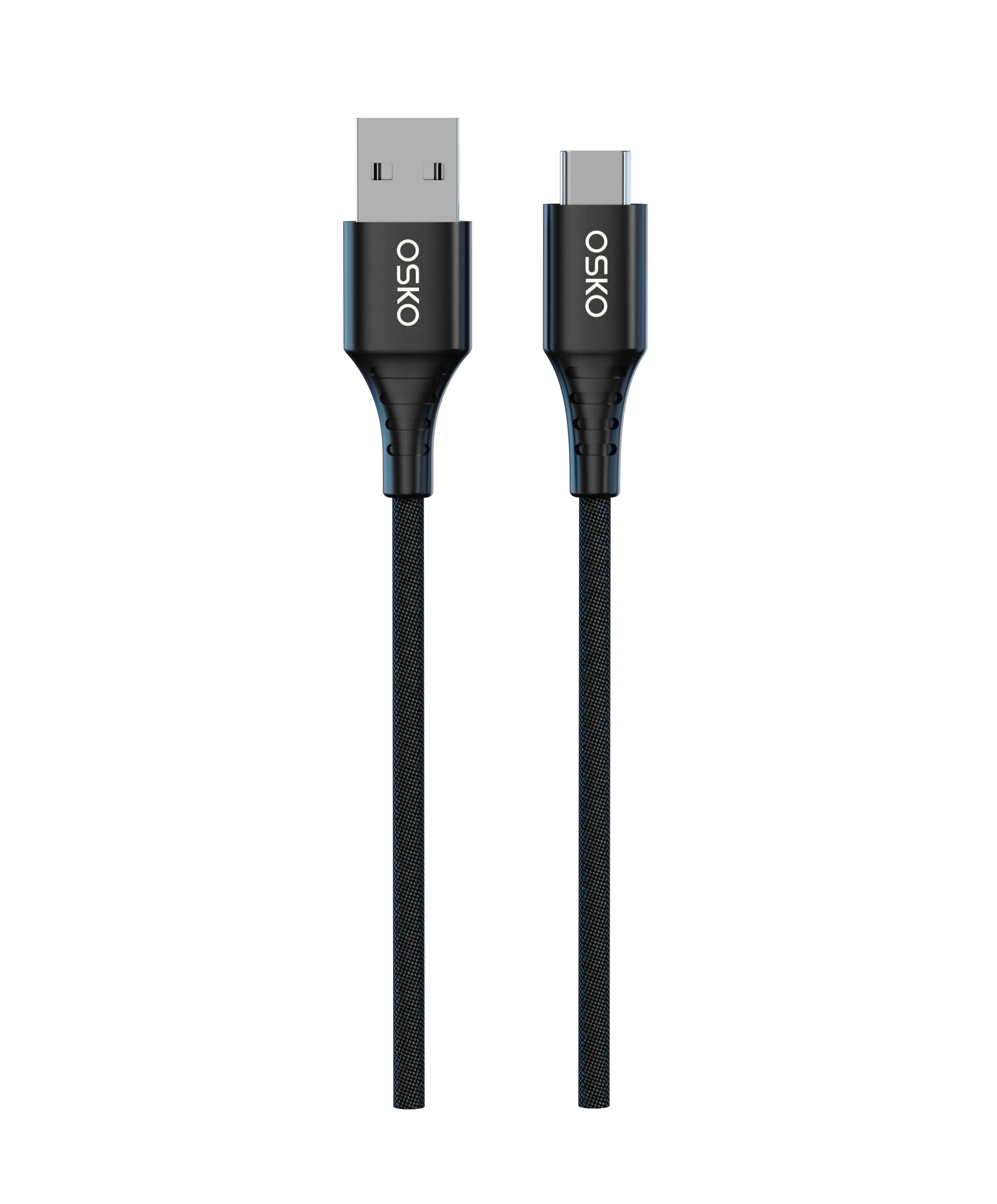
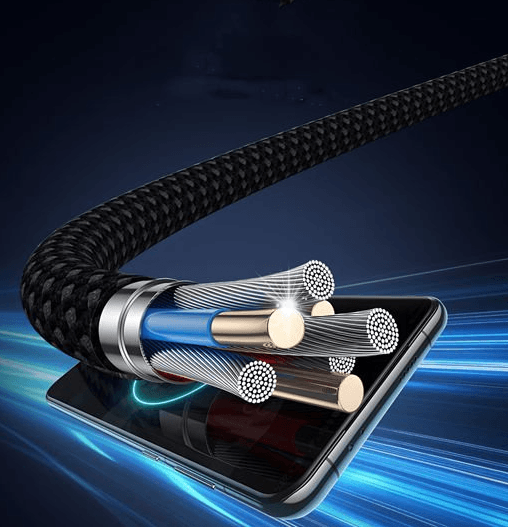
A nylon braided USB cable is constructed with:
Internal copper conductors
Insulation layer
Inner PVC/TPE jacket
External woven nylon layer
The nylon braid provides additional mechanical protection.
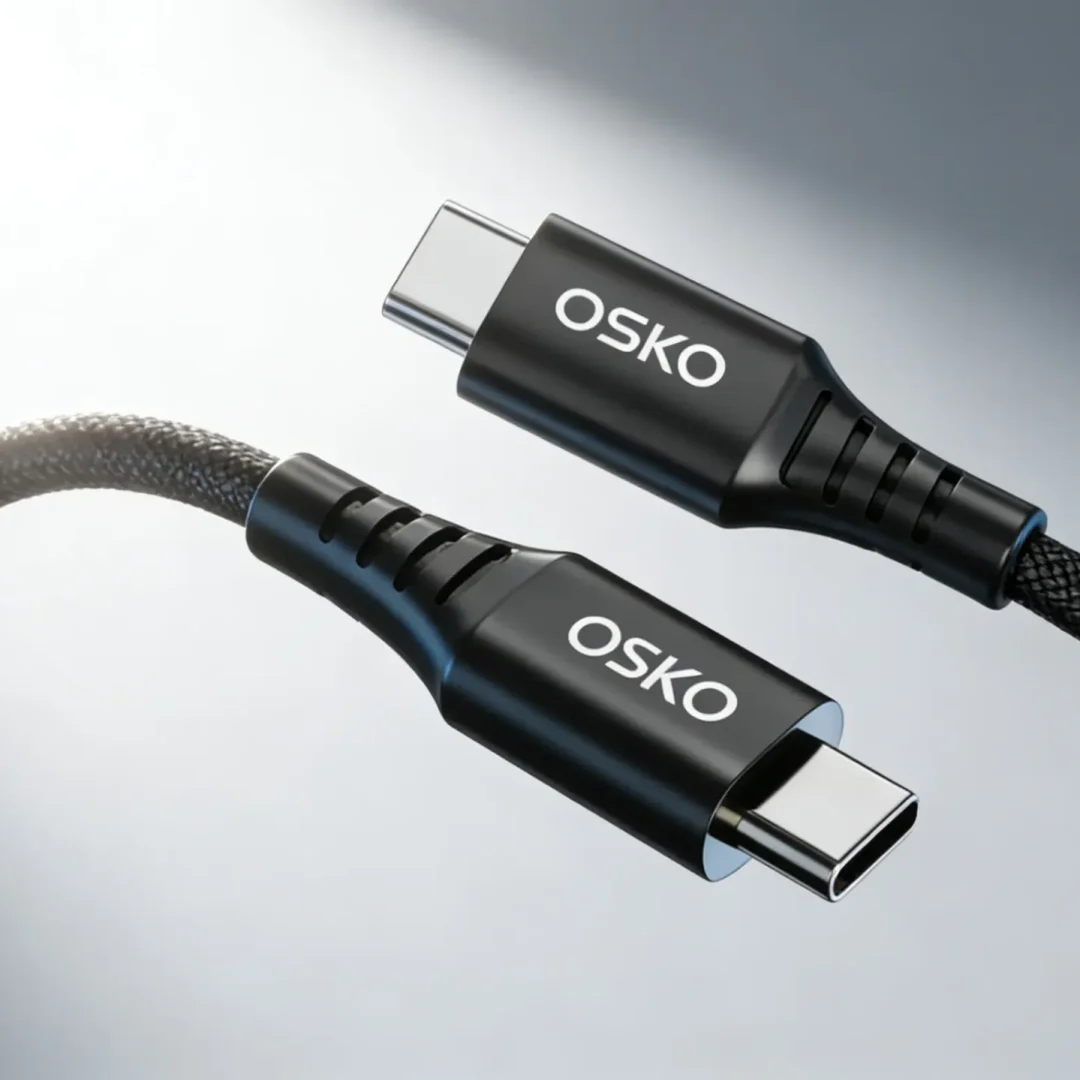
Professional brands use nylon braided USB C cables because they offer:
Higher abrasion resistance
Better tensile strength
Reduced tangling
Premium appearance
Benefits of Nylon Braided USB C Cable
Superior Durability
The woven structure protects the cable from:
Scratches
External friction
Repeated bending
This makes braided cables popular for:
Gaming accessories
Laptop charging cables
Premium electronics
Better Brand Value
For retail markets such as:
United States
Germany
Australia
Netherlands
premium appearance can influence purchase decisions.
Many private-label brands choose braided designs to create differentiation.
TPE vs Nylon Braided vs PVC USB Cable Comparison
| Feature | PVC | TPE | Nylon Braided |
|---|---|---|---|
| Cost | Low | Medium | Higher |
| Flexibility | Good | Excellent | Good |
| Soft Touch | Average | Excellent | Good |
| Abrasion Resistance | Medium | Good | Excellent |
| Premium Appearance | Basic | Premium | Premium |
| Manufacturing Difficulty | Low | Medium | Higher |
| OEM Branding | Limited | Good | Excellent |
| Typical Market | Budget | Mid-range | Premium |
Which USB Cable Material Is the Most Durable?
Nylon Braided vs TPE vs PVC Lifespan
From mechanical protection perspective:
- Nylon braided USB cable
- TPE USB cable
- PVC USB cable
However, material alone does not determine cable lifespan.
A durable USB cable also requires:
High-quality copper conductors
Strong connector design
Proper strain relief
Reliable soldering
Production testing
A poorly manufactured braided cable can still fail earlier than a professionally produced PVC cable.
Does USB Cable Material Affect Charging Speed?
Does Nylon Braided Charge Faster Than PVC?
No.
The jacket material does not directly determine charging speed.
Charging performance depends on:
Copper conductor quality
Wire gauge (AWG)
Connector resistance
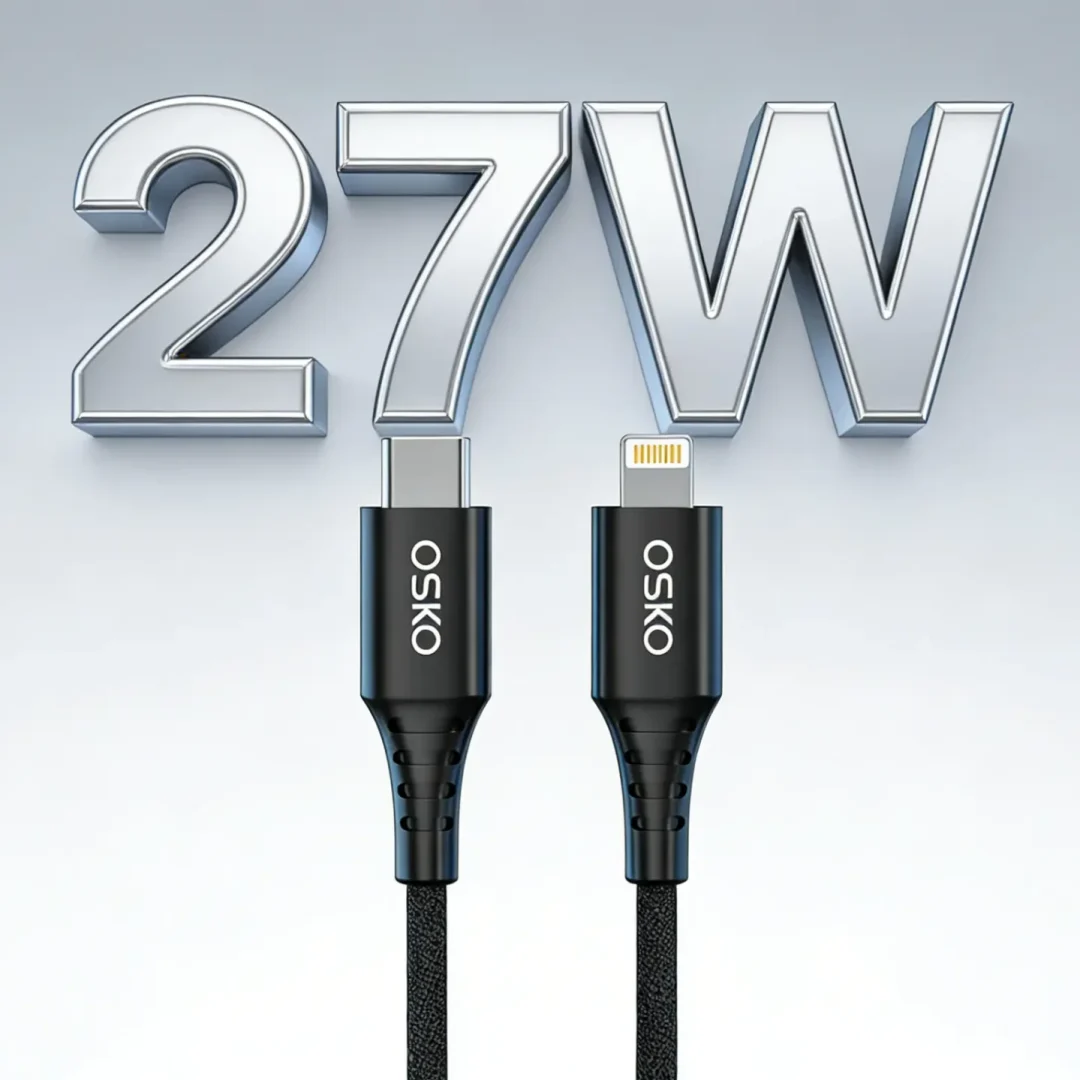
USB Power Delivery support
E-marker chip (for high-power cables)
Typical power requirements:
| Charging Power | Recommended Wire |
|---|---|
| Standard charging | 26–28 AWG |
| 60W USB PD | 24–26 AWG |
| 100W USB PD | 22–24 AWG |
| 240W USB PD 3.1 | 20–22 AWG |
However, premium materials help improve:
Heat management
Mechanical reliability
Long-term performance
Which Material Is Best for OEM USB Cable Projects?
Choosing Based on Product Positioning
PVC USB Cable
Best for:
Promotional products
Low-cost retail
Large volume orders
Recommended keywords for buyers:
PVC USB cable factory
bulk USB charging cable supplier
TPE USB Cable
Best for:
Consumer electronics
Smartphone accessories
Flexible charging cables
Recommended keywords:
flexible TPE USB C cable manufacturer
custom TPE charging cable supplier
Nylon Braided USB Cable
Best for:
Premium accessories
Laptop charging products
Gaming products
Private label brands
Recommended keywords:
nylon braided USB C cable wholesale
premium braided USB cable manufacturer

How Should OEM Buyers Select a USB Cable Manufacturer?
A professional supplier should provide:
Material Verification
Check:
Jacket material specification
Copper conductor quality
AWG size
Temperature resistance
Quality Control System
Reliable factories should have:
ISO9001 quality management
IQC incoming inspection
IPQC production inspection
OQC final inspection
Product Testing
Important tests include:
Cable bending test
Tensile strength test
Charging performance test
Connector durability test
Manufacturing Case Study: Premium Electronics Brand Upgrades USB Cable Material
Customer Background
A European electronics accessory brand wanted to develop a premium USB-C charging cable series for Germany and Netherlands markets.
The previous PVC cable products faced:
Low customer satisfaction
Limited premium positioning
High replacement requests
Engineering Requirements
The customer required:
Premium appearance
Better bending durability
Custom branding
Retail packaging
OSKO Manufacturing Solution
OSKO developed:
Nylon braided USB-C cable structure
Reinforced connector design
Customized colors
OEM packaging solution
The upgraded cable improved:
Product positioning
Retail competitiveness
Customer experience
FAQ
1. What is the best material for USB charging cables?
There is no single best material. PVC is suitable for cost-sensitive products, TPE provides excellent flexibility, and nylon braided construction offers the highest durability and premium appearance.
2. Is nylon braided USB cable better than PVC cable?
For durability and premium products, nylon braided cables usually provide better abrasion resistance and stronger protection. PVC remains a good choice for affordable high-volume products.
3. Does TPE USB cable last longer than PVC?
Generally, TPE provides better flexibility and bending resistance compared with standard PVC cables, especially in products requiring frequent movement.
4. Which USB cable material is best for OEM brands?
Premium brands usually choose nylon braided cables, while mid-range products often use TPE. PVC is commonly selected for budget and promotional products.
5. What should buyers check before ordering custom USB cables?
OEM buyers should verify material quality, conductor specifications, testing reports, certifications, production capability, and supplier experience before mass production.
Conclusion
PVC, TPE, and nylon braided materials each have different advantages in USB cable manufacturing.
PVC provides the most cost-effective solution for high-volume production.
TPE offers excellent flexibility and improved user experience for modern consumer electronics.
Nylon braided USB cables provide superior durability, premium appearance, and stronger brand value.
For companies looking for a reliable OEM USB cable manufacturer, selecting the correct jacket material is essential for achieving the right balance between cost, performance, and market positioning.
A professional supplier with strong engineering capability, quality control systems, and customization experience can help brands develop competitive USB charging cable products for global markets including the USA, Germany, Australia, and the Netherlands.