
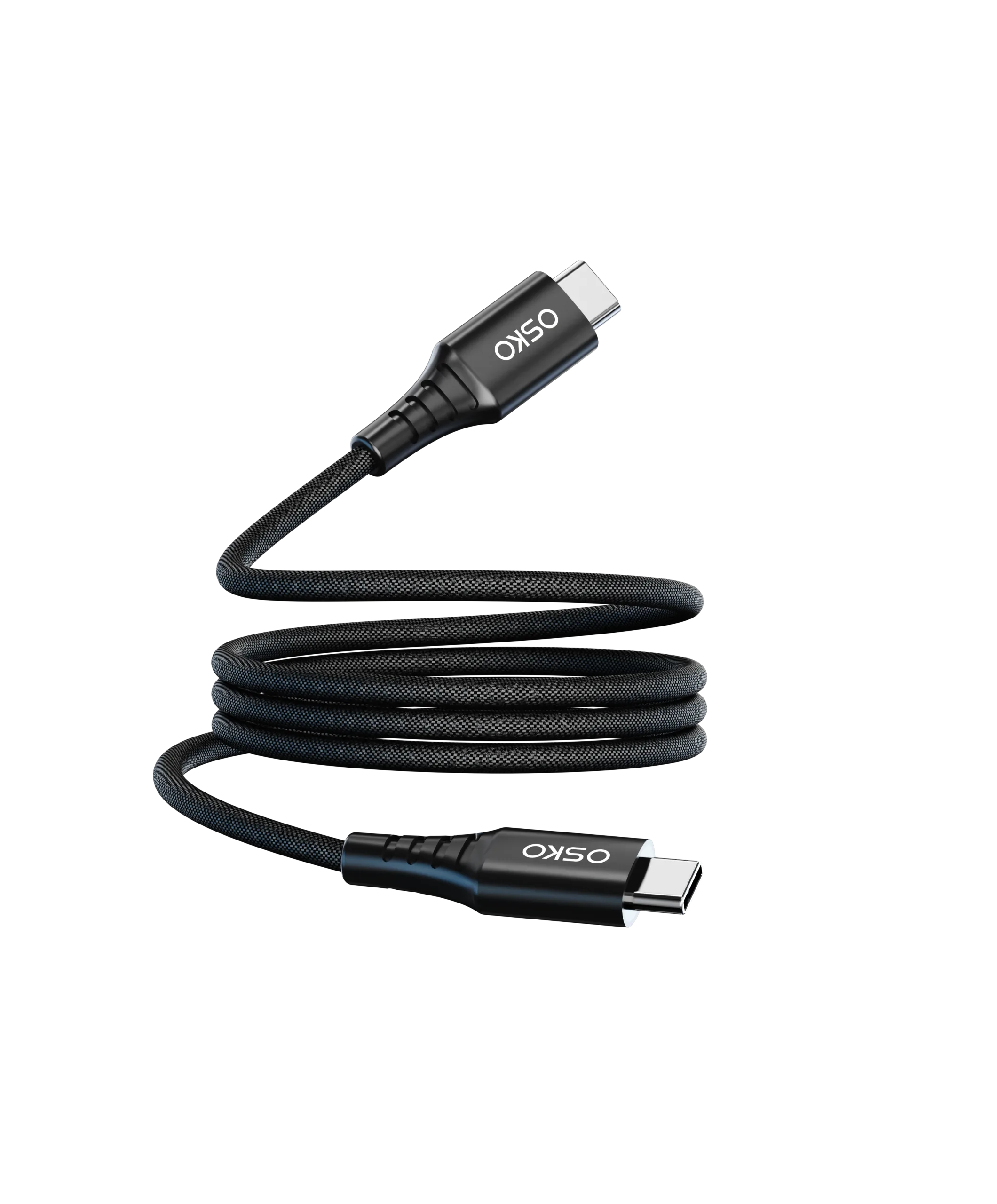
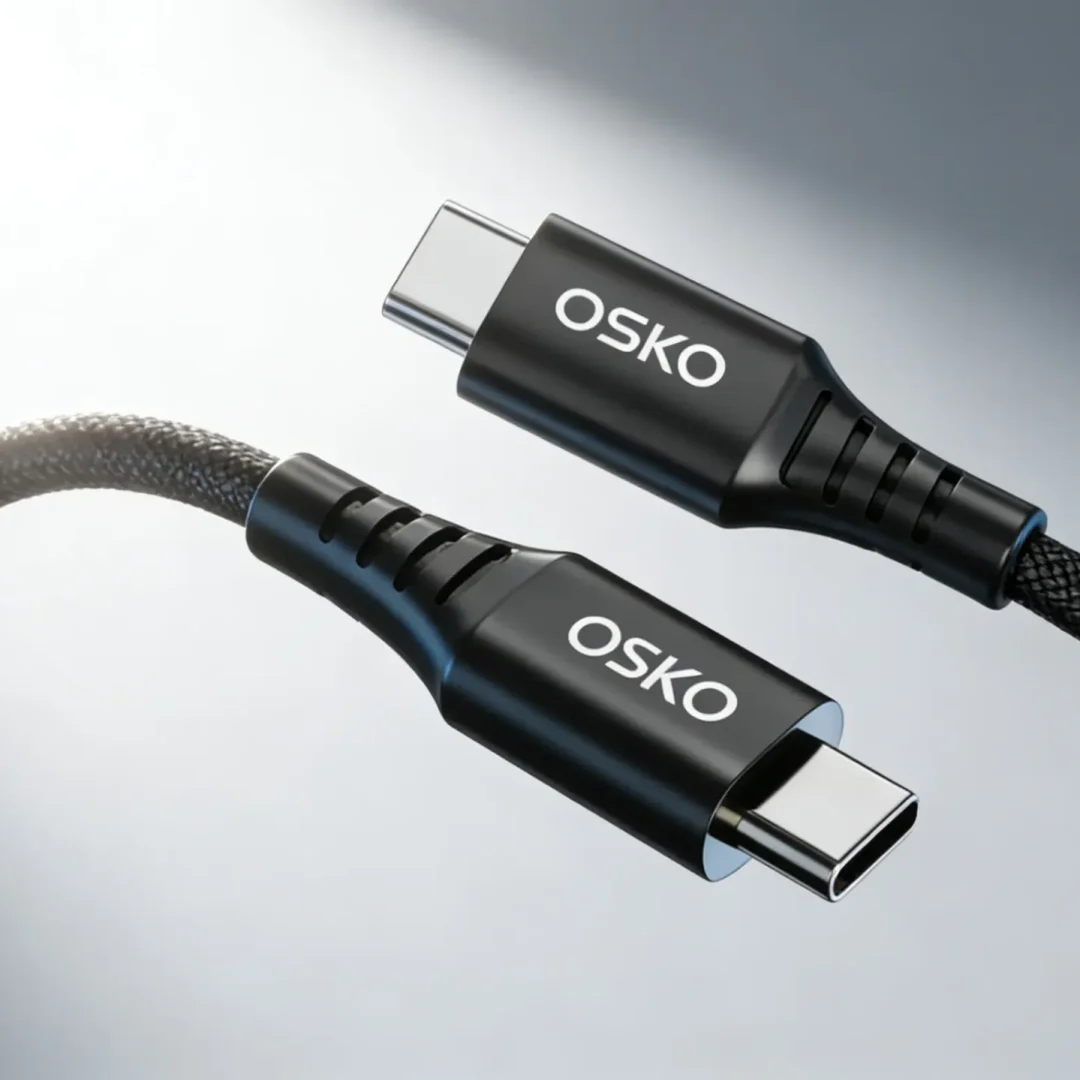
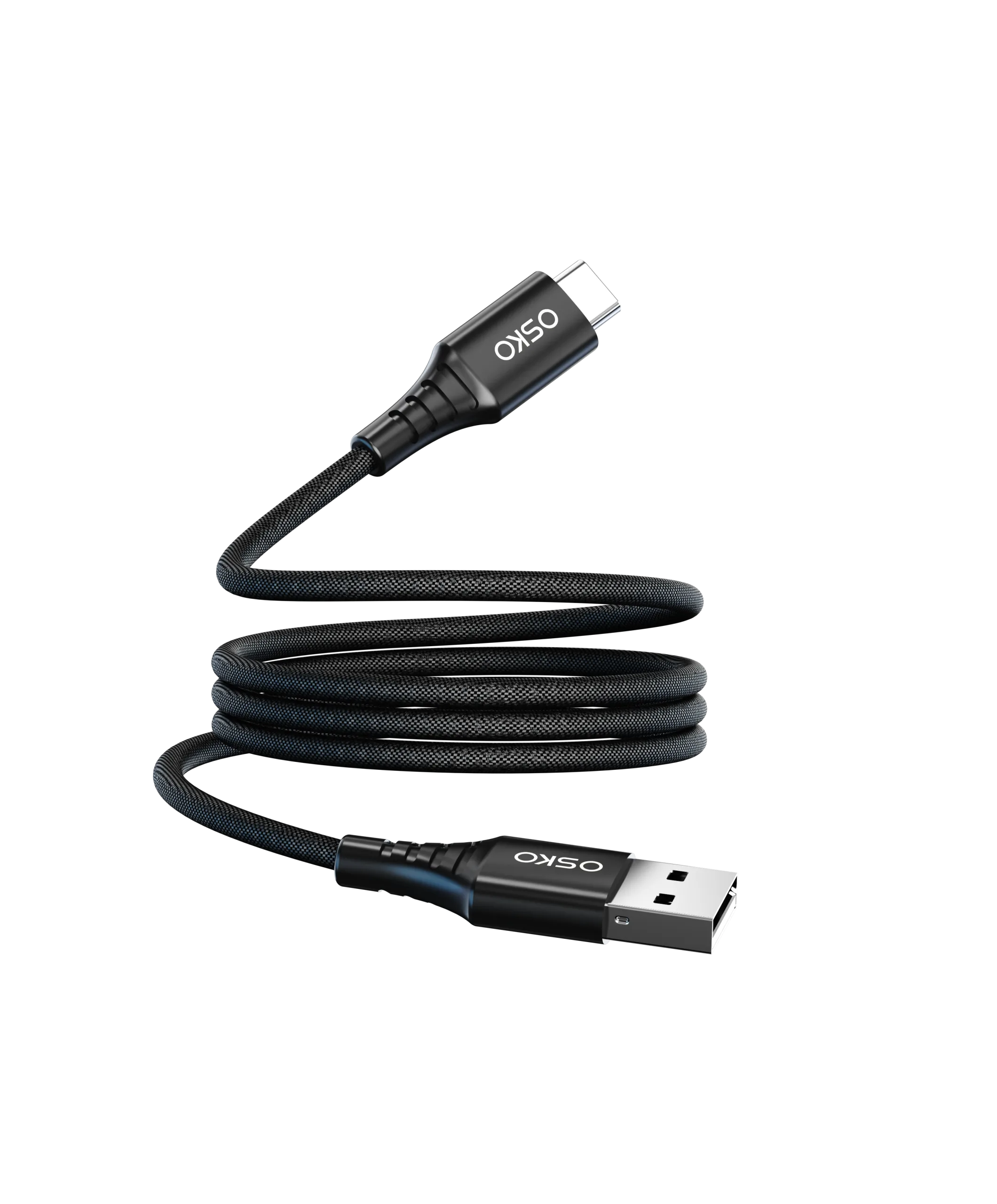
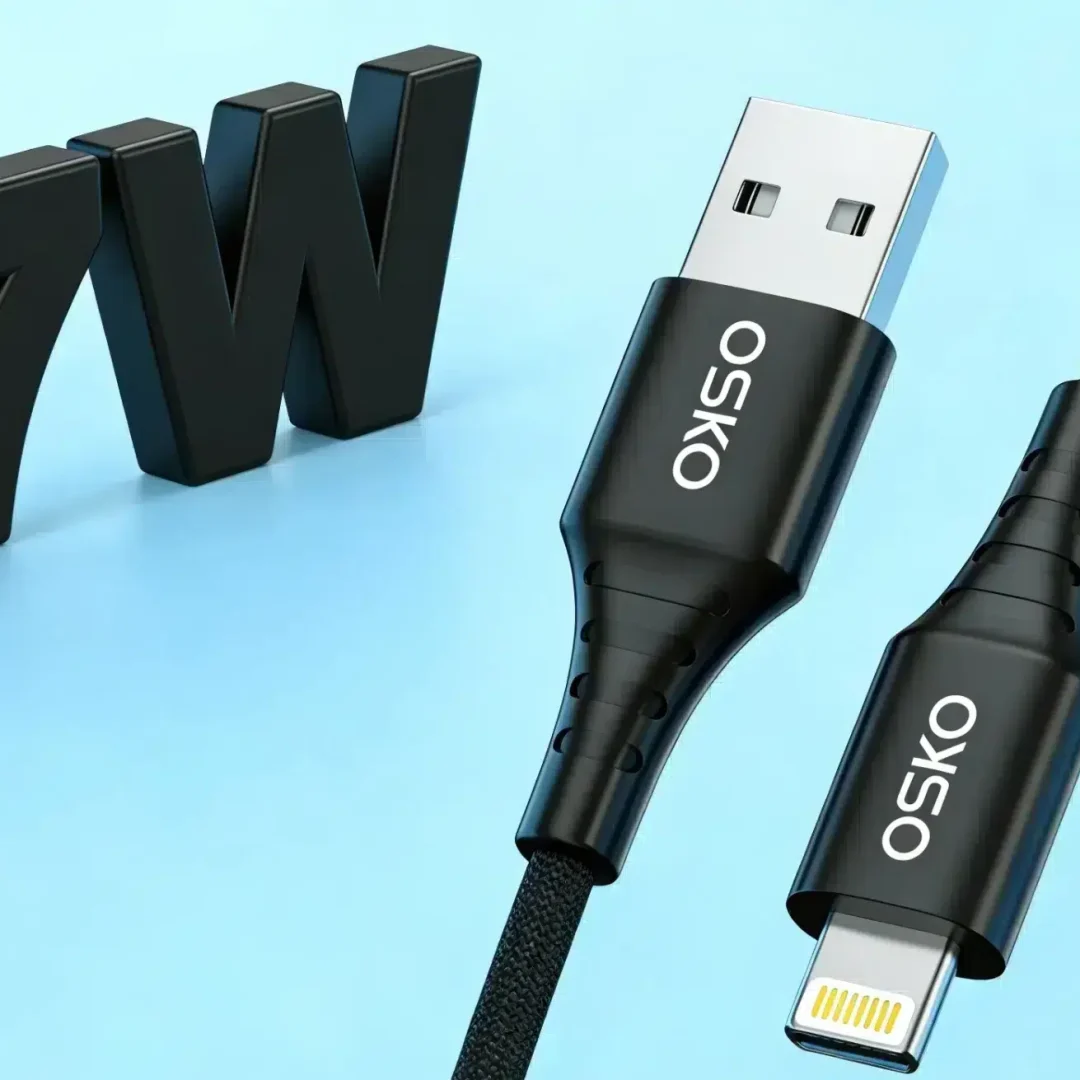
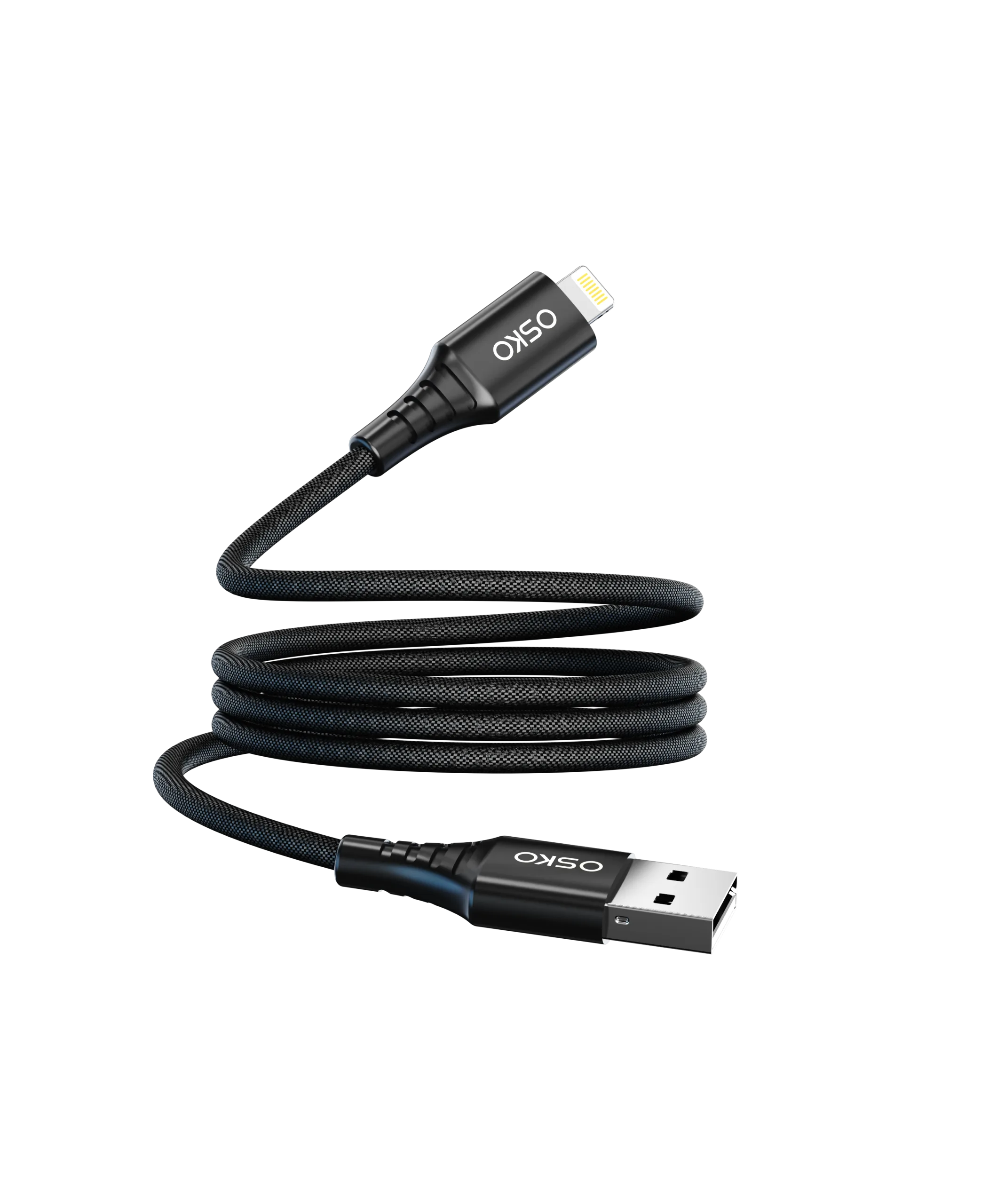
Finding the best Lightning USB cable for iPad and iPhone can be more complicated than it looks.
Many charging cables appear identical from the outside, but the internal materials, connector design, charging capability, and manufacturing quality can create significant differences.
A poor-quality Lightning cable may cause:
Slow charging speed
Intermittent connection
Data transfer failure
“Accessory Not Supported” warnings
Short product lifespan
For Apple users, choosing the right Lightning charging cable is essential for reliable daily charging and device performance.
This guide explains how Lightning USB cables work, how to select a high-quality cable, and what features brands should consider when sourcing OEM Lightning cables.

What Is a Lightning USB Cable?
A Lightning USB cable is a charging and data cable designed for Apple devices equipped with a Lightning port.
It connects Apple devices to:
USB wall chargers
Computers
Power banks
Car charging systems
Common applications include:
iPhone charging
iPad charging
iPod charging
Apple CarPlay connection
Data synchronization
Unlike older USB connectors, Apple’s Lightning connector uses a compact reversible design, allowing users to plug the cable into the device in either direction.
Lightning Cable vs USB-C Cable: What Is the Difference?
Many consumers confuse Lightning cables with USB-C cables because both are reversible connectors.
However, they are different standards.
| Feature | Lightning Cable | USB-C Cable |
|---|---|---|
| Main Users | iPhone/iPad Lightning models | New iPhones, Android, laptops |
| Connector Design | Apple proprietary connector | Universal USB standard |
| Charging Capability | Supports fast charging with compatible setup | Supports up to 240W USB PD |
| Data Speed | Limited compared with USB-C | Higher bandwidth options |
| Common Usage | iPhone accessories | Modern electronic devices |
For older iPhones and Lightning-compatible iPads, a reliable Lightning USB cable remains the best charging solution.
How to Choose the Best Lightning USB Cable for iPad and iPhone
When selecting a Lightning cable, focus on five important factors:
1. Fast Charging Capability
One of the most important questions users ask is:
“Does every Lightning cable support fast charging?”
The answer is no.
Fast charging requires three parts:
- Compatible Apple device
- USB-C fast charger
- High-quality Lightning cable
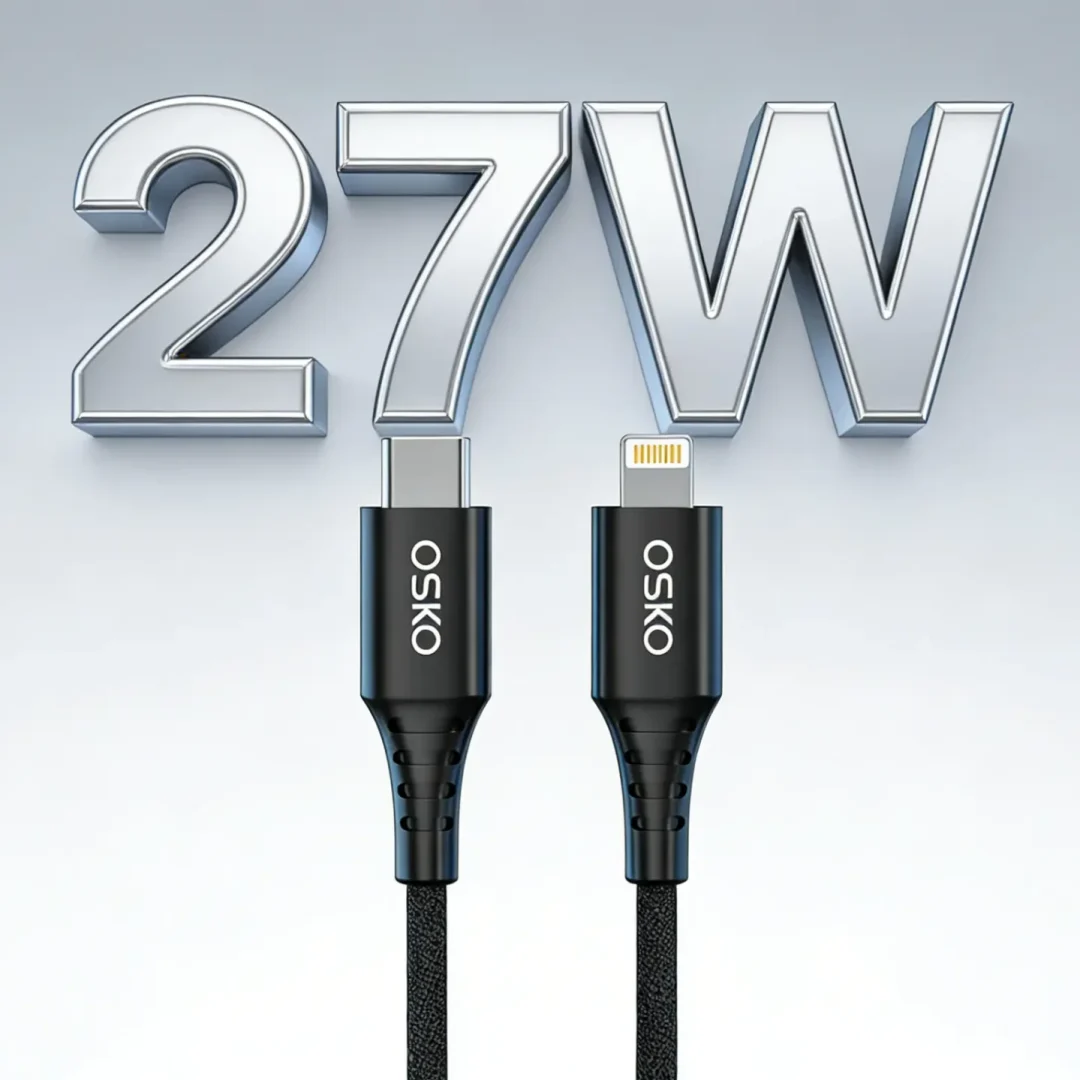
A modern fast charging Lightning cable allows compatible iPhones and iPads to receive higher charging power compared with traditional 5W chargers.
For example:
A USB-C power adapter combined with a USB-C to Lightning cable can significantly reduce charging time compared with older USB-A charging solutions.
2. MFi Certification for Apple Compatibility
For Lightning cables, certification is an important quality factor.
MFi means:
Made for iPhone / iPad
This Apple certification program ensures accessories meet Apple’s technical requirements.
A reliable MFi-certified Lightning cable provides:
Better compatibility
Stable charging performance
Reliable communication with iOS devices
Reduced compatibility problems after software updates
Low-quality Lightning cables may cause:
Charging interruptions
Device recognition failures
Compatibility warnings
For brands selling Lightning cables, MFi compliance is an important consideration.
3. Lightning Cable Material and Durability
The material quality determines how long an iPhone charging cable lasts.
Common Lightning cable materials include:
PVC Lightning Cable
PVC is widely used in entry-level charging cables.
Advantages:
Affordable
Lightweight
Easy manufacturing
Suitable for:
Promotional cables
Budget accessories
Large-volume projects
Limitations:
Less flexible
Lower bending resistance
Easier surface damage

TPE Lightning Cable
TPE is a popular material for modern charging cables.
Advantages:
Flexible
Soft-touch feeling
Better durability
Improved user experience
Suitable for:
Retail charging cables
Everyday iPhone users
Premium accessories
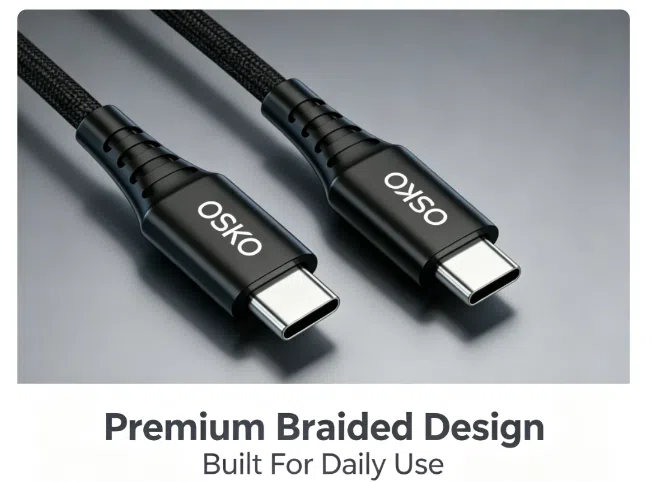
Nylon Braided Lightning Cable
Braided Lightning cables are popular among consumers who need stronger durability.
Advantages:
Better anti-tangle performance
Higher bending resistance
Premium appearance
Better protection against wear
Common applications:
Premium smartphone accessories
Amazon products
Retail brands
4. Strong Connector Design
The Lightning connector area is one of the most common failure points.
A high-quality Lightning cable should include:
Reinforced strain relief
Strong connector housing
Precise metal contacts
Durable soldering
These features reduce damage caused by:
Frequent plugging and unplugging
Cable bending
Pulling force
5. Stable Data Transfer Performance
A Lightning cable is not only used for charging.
Many users also use it for:
Photo transfer
Video backup
File synchronization
CarPlay connection
A quality Lightning USB cable requires:
Proper shielding
Stable internal wiring
Reliable connector structure
This is especially important for:
Photographers
Content creators
Business users
USB-A to Lightning vs USB-C to Lightning Cable
There are two common Lightning cable configurations.
USB-A to Lightning Cable
This cable connects:
USB-A charger → Lightning iPhone/iPad
Advantages:
Compatible with older chargers
Lower cost
Widely available
Best for:
Existing USB-A adapters
Car chargers
Older computers
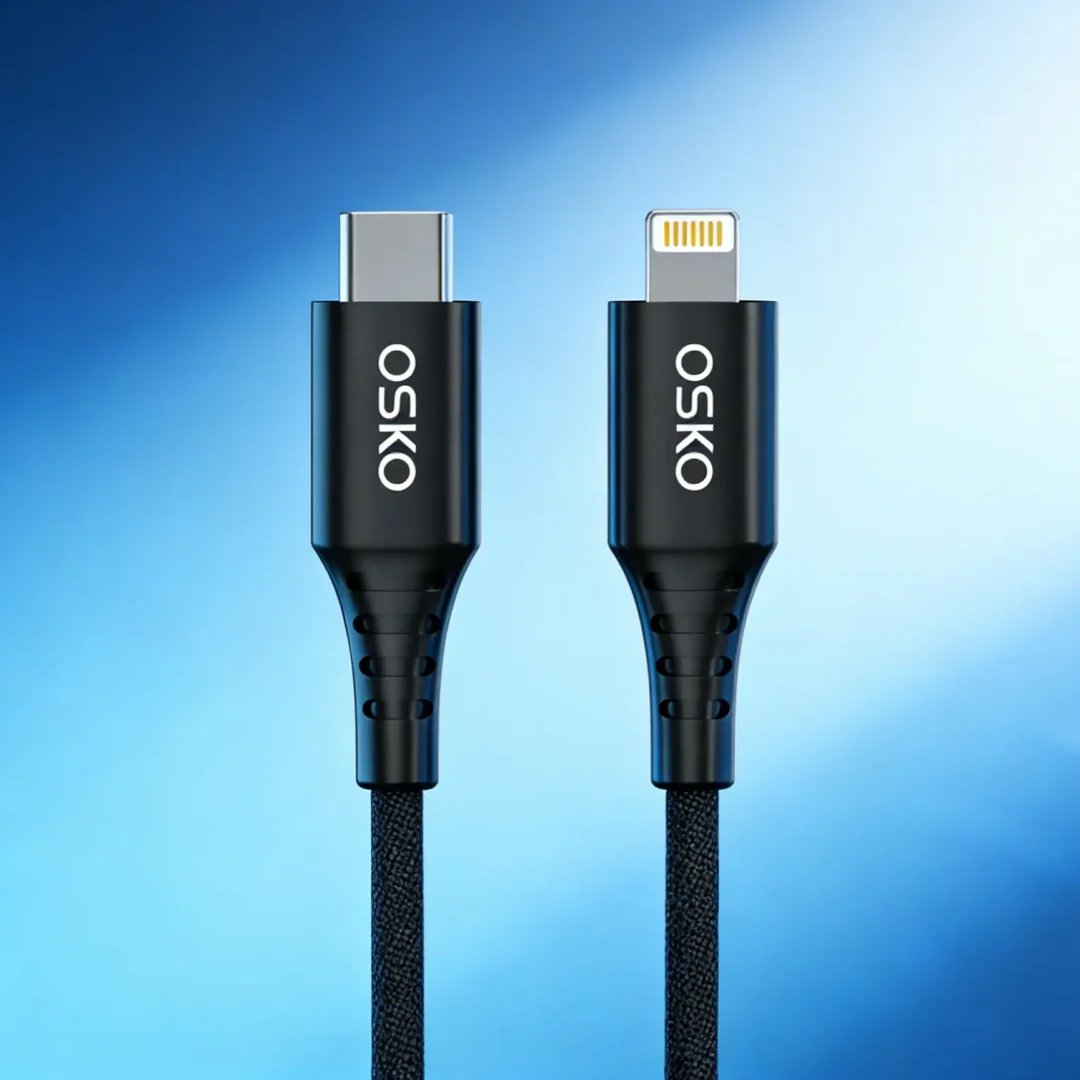
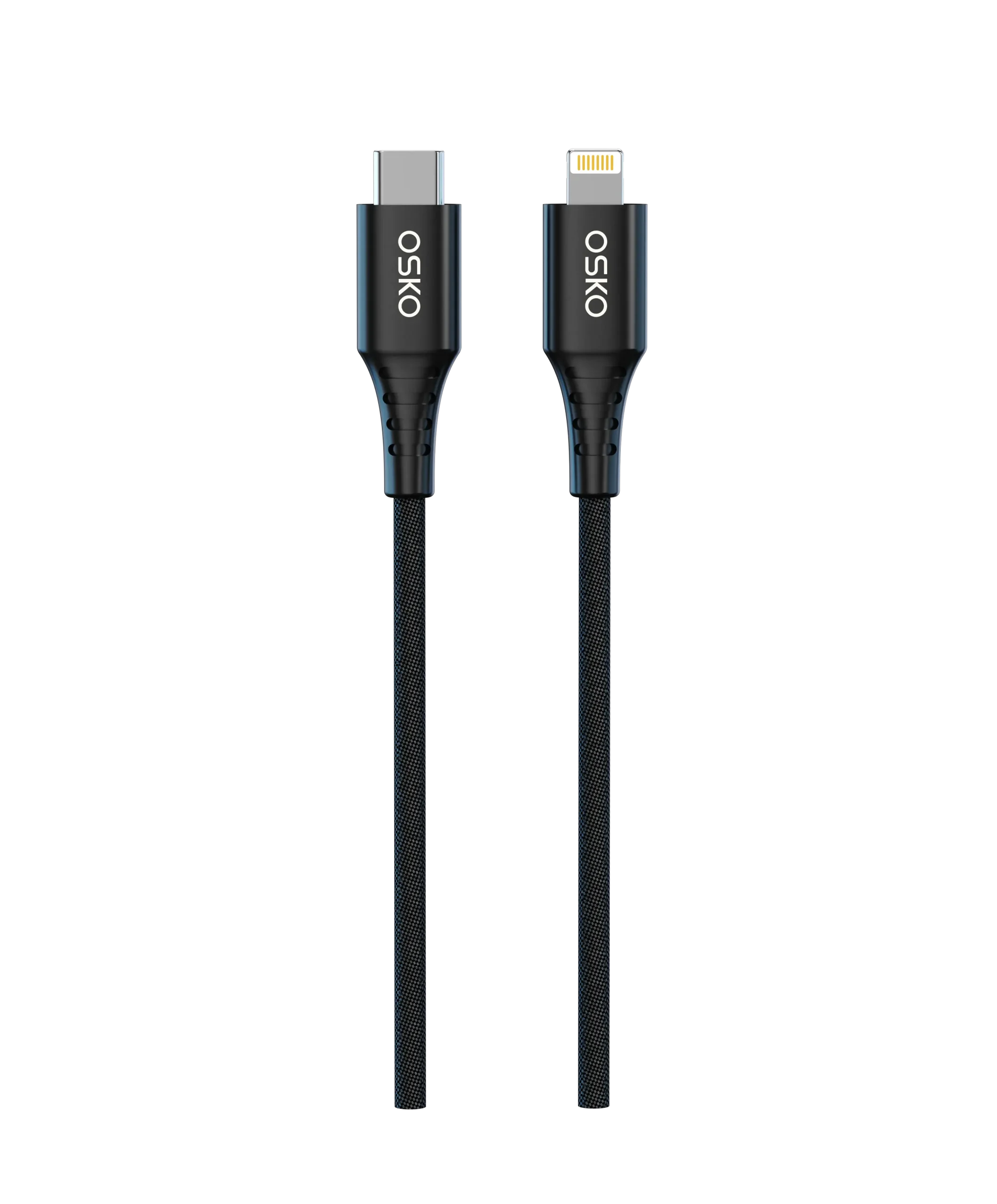
USB-C to Lightning Cable
This cable connects:
USB-C charger → Lightning device
Advantages:
Supports faster charging
Works with USB Power Delivery
Better performance with modern chargers
Recommended for:
iPhone fast charging
iPad users
New Apple charging systems
How Long Should an iPhone Charging Cable Be?
Cable length affects convenience and charging performance.
Common lengths:
3ft Lightning Cable
Best for:
Travel
Office desks
Portable charging
Advantages:
Lower resistance
Easy storage
6ft Lightning Cable
Best for:
Bedroom charging
Office use
Long-distance outlets
Advantages:
More flexible usage
10ft Lightning Cable
Best for:
Special applications
However:
Longer cables require better materials to maintain stable charging performance.
Why Cheap Lightning Cables Fail
Low-cost cables often use:
Thin copper wires
Weak connectors
Poor insulation
Limited shielding
Common problems include:
Slow Charging
Cause:
High electrical resistance
Low-quality conductors
Broken Connector
Cause:
Weak strain relief
Poor mechanical design
Connection Problems
Cause:
Poor manufacturing control
Unstable signal transmission
Best Material Structure for a Premium Lightning Cable
A professional Lightning cable usually includes:
Outer Jacket
Nylon braid or premium TPE
↓
Shielding Layer
Aluminum foil protection
↓
Internal Conductor
High-quality copper wire
↓
Connector
Reinforced Lightning terminal
↓
Quality Control
Compatibility testing
This structure provides:
Faster charging
Longer lifespan
Better user experience
OEM Lightning Cable Solutions for Brands
For companies looking to develop private label charging accessories, product quality starts with material selection and manufacturing experience.
Professional Lightning cable manufacturers provide:
Custom cable length
Custom colors
Logo printing
Packaging design
Private label solutions
Bulk production
Typical customers include:
Electronics distributors
Retail brands
Amazon sellers
Mobile accessory companies
Frequently Asked Questions
What is the best Lightning USB cable for iPad?
The best Lightning cable for iPad should provide stable charging, durable materials, and reliable compatibility. A braided USB-C to Lightning cable is usually the best choice for users who want faster charging.
Can any Lightning cable fast charge an iPhone?
No.
Fast charging requires:
Compatible iPhone model
Proper power adapter
Supported Lightning cable
Are braided Lightning cables better?
Yes. Braided cables generally provide better durability and resistance to bending compared with standard plastic cables.
How long does a Lightning cable last?
A high-quality Lightning cable can last several years depending on usage frequency, materials, and manufacturing quality.
Conclusion: Choosing the Right Lightning Cable Matters
The best Lightning USB cable for iPad and iPhone should not only charge your device but also provide long-term reliability.
A quality Lightning cable should include:
✅ Fast charging support
✅ Durable cable materials
✅ Strong connector design
✅ Stable data transfer
✅ Reliable Apple compatibility
For consumers, choosing a better Lightning cable improves daily charging convenience.
For businesses, partnering with an experienced OEM Lightning cable manufacturer helps create reliable products that compete effectively in the global charging accessory market.Finding the best Lightning USB cable for iPad and iPhone can be more complicated than it looks.
Many charging cables appear identical from the outside, but the internal materials, connector design, charging capability, and manufacturing quality can create significant differences.
A poor-quality Lightning cable may cause:
Slow charging speed
Intermittent connection
Data transfer failure
“Accessory Not Supported” warnings
Short product lifespan
For Apple users, choosing the right Lightning charging cable is essential for reliable daily charging and device performance.
This guide explains how Lightning USB cables work, how to select a high-quality cable, and what features brands should consider when sourcing OEM Lightning cables.
What Is a Lightning USB Cable?
A Lightning USB cable is a charging and data cable designed for Apple devices equipped with a Lightning port.
It connects Apple devices to:
USB wall chargers
Computers
Power banks
Car charging systems
Common applications include:
iPhone charging
iPad charging
iPod charging
Apple CarPlay connection
Data synchronization
Unlike older USB connectors, Apple’s Lightning connector uses a compact reversible design, allowing users to plug the cable into the device in either direction.
Lightning Cable vs USB-C Cable: What Is the Difference?
Many consumers confuse Lightning cables with USB-C cables because both are reversible connectors.
However, they are different standards.
| Feature | Lightning Cable | USB-C Cable |
|---|---|---|
| Main Users | iPhone/iPad Lightning models | New iPhones, Android, laptops |
| Connector Design | Apple proprietary connector | Universal USB standard |
| Charging Capability | Supports fast charging with compatible setup | Supports up to 240W USB PD |
| Data Speed | Limited compared with USB-C | Higher bandwidth options |
| Common Usage | iPhone accessories | Modern electronic devices |
For older iPhones and Lightning-compatible iPads, a reliable Lightning USB cable remains the best charging solution.

How to Choose the Best Lightning USB Cable for iPad and iPhone
When selecting a Lightning cable, focus on five important factors:
1. Fast Charging Capability
One of the most important questions users ask is:
“Does every Lightning cable support fast charging?”
The answer is no.
Fast charging requires three parts:
- Compatible Apple device
- USB-C fast charger
- High-quality Lightning cable
A modern fast charging Lightning cable allows compatible iPhones and iPads to receive higher charging power compared with traditional 5W chargers.
For example:
A USB-C power adapter combined with a USB-C to Lightning cable can significantly reduce charging time compared with older USB-A charging solutions.
2. MFi Certification for Apple Compatibility
For Lightning cables, certification is an important quality factor.
MFi means:
Made for iPhone / iPad
This Apple certification program ensures accessories meet Apple’s technical requirements.
A reliable MFi-certified Lightning cable provides:
Better compatibility
Stable charging performance
Reliable communication with iOS devices
Reduced compatibility problems after software updates
Low-quality Lightning cables may cause:
Charging interruptions
Device recognition failures
Compatibility warnings
For brands selling Lightning cables, MFi compliance is an important consideration.
3. Lightning Cable Material and Durability
The material quality determines how long an iPhone charging cable lasts.
Common Lightning cable materials include:
PVC Lightning Cable
PVC is widely used in entry-level charging cables.
Advantages:
Affordable
Lightweight
Easy manufacturing
Suitable for:
Promotional cables
Budget accessories
Large-volume projects
Limitations:
Less flexible
Lower bending resistance
Easier surface damage
TPE Lightning Cable
TPE is a popular material for modern charging cables.
Advantages:
Flexible
Soft-touch feeling
Better durability
Improved user experience
Suitable for:
Retail charging cables
Everyday iPhone users
Premium accessories
Nylon Braided Lightning Cable
Braided Lightning cables are popular among consumers who need stronger durability.
Advantages:
Better anti-tangle performance
Higher bending resistance
Premium appearance
Better protection against wear
Common applications:
Premium smartphone accessories
Amazon products
Retail brands
4. Strong Connector Design
The Lightning connector area is one of the most common failure points.
A high-quality Lightning cable should include:
Reinforced strain relief
Strong connector housing
Precise metal contacts
Durable soldering
These features reduce damage caused by:
Frequent plugging and unplugging
Cable bending
Pulling force
5. Stable Data Transfer Performance
A Lightning cable is not only used for charging.
Many users also use it for:
Photo transfer
Video backup
File synchronization
CarPlay connection
A quality Lightning USB cable requires:
Proper shielding
Stable internal wiring
Reliable connector structure
This is especially important for:
Photographers
Content creators
Business users
USB-A to Lightning vs USB-C to Lightning Cable
There are two common Lightning cable configurations.
USB-A to Lightning Cable
This cable connects:
USB-A charger → Lightning iPhone/iPad
Advantages:
Compatible with older chargers
Lower cost
Widely available
Best for:
Existing USB-A adapters
Car chargers
Older computers
USB-C to Lightning Cable
This cable connects:
USB-C charger → Lightning device
Advantages:
Supports faster charging
Works with USB Power Delivery
Better performance with modern chargers
Recommended for:
iPhone fast charging
iPad users
New Apple charging systems
How Long Should an iPhone Charging Cable Be?
Cable length affects convenience and charging performance.
Common lengths:
3ft Lightning Cable
Best for:
Travel
Office desks
Portable charging
Advantages:
Lower resistance
Easy storage
6ft Lightning Cable
Best for:
Bedroom charging
Office use
Long-distance outlets
Advantages:
More flexible usage
10ft Lightning Cable
Best for:
Special applications
However:
Longer cables require better materials to maintain stable charging performance.
Why Cheap Lightning Cables Fail
Low-cost cables often use:
Thin copper wires
Weak connectors
Poor insulation
Limited shielding
Common problems include:
Slow Charging
Cause:
High electrical resistance
Low-quality conductors
Broken Connector
Cause:
Weak strain relief
Poor mechanical design
Connection Problems
Cause:
Poor manufacturing control
Unstable signal transmission
Best Material Structure for a Premium Lightning Cable
A professional Lightning cable usually includes:
Outer Jacket
Nylon braid or premium TPE
↓
Shielding Layer
Aluminum foil protection
↓
Internal Conductor
High-quality copper wire
↓
Connector
Reinforced Lightning terminal
↓
Quality Control
Compatibility testing
This structure provides:
Faster charging
Longer lifespan
Better user experience
OEM Lightning Cable Solutions for Brands
For companies looking to develop private label charging accessories, product quality starts with material selection and manufacturing experience.
Professional Lightning cable manufacturers provide:
Custom cable length
Custom colors
Logo printing
Packaging design
Private label solutions
Bulk production
Typical customers include:
Electronics distributors
Retail brands
Amazon sellers
Mobile accessory companies
Frequently Asked Questions
What is the best Lightning USB cable for iPad?
The best Lightning cable for iPad should provide stable charging, durable materials, and reliable compatibility. A braided USB-C to Lightning cable is usually the best choice for users who want faster charging.
Can any Lightning cable fast charge an iPhone?
No.
Fast charging requires:
Compatible iPhone model
Proper power adapter
Supported Lightning cable
Are braided Lightning cables better?
Yes. Braided cables generally provide better durability and resistance to bending compared with standard plastic cables.
How long does a Lightning cable last?
A high-quality Lightning cable can last several years depending on usage frequency, materials, and manufacturing quality.
Conclusion: Choosing the Right Lightning Cable Matters
The best Lightning USB cable for iPad and iPhone should not only charge your device but also provide long-term reliability.
A quality Lightning cable should include:
✅ Fast charging support
✅ Durable cable materials
✅ Strong connector design
✅ Stable data transfer
✅ Reliable Apple compatibility
For consumers, choosing a better Lightning cable improves daily charging convenience.
For businesses, partnering with an experienced OEM Lightning cable manufacturer helps create reliable products that compete effectively in the global charging accessory market.