
Introduction
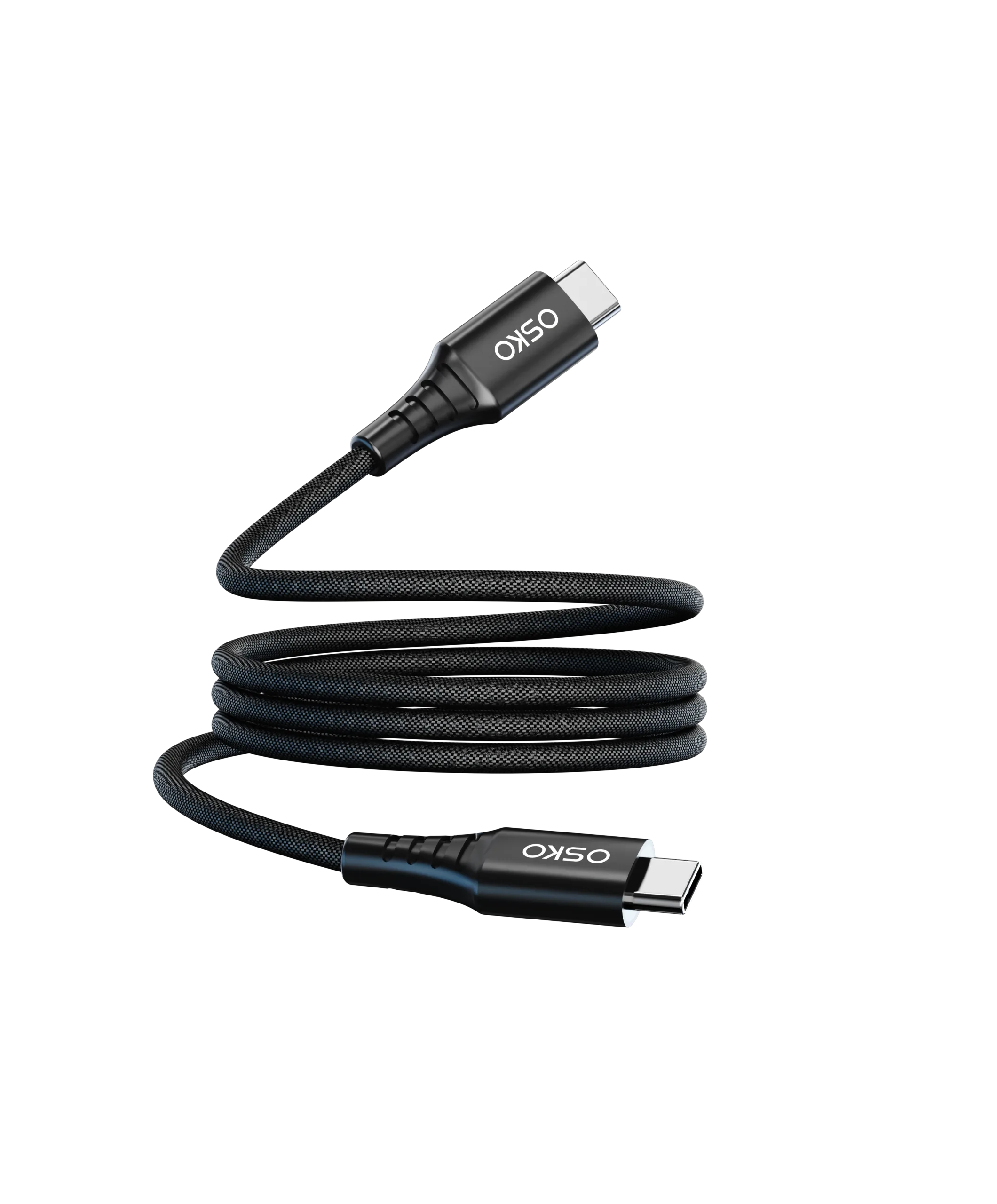
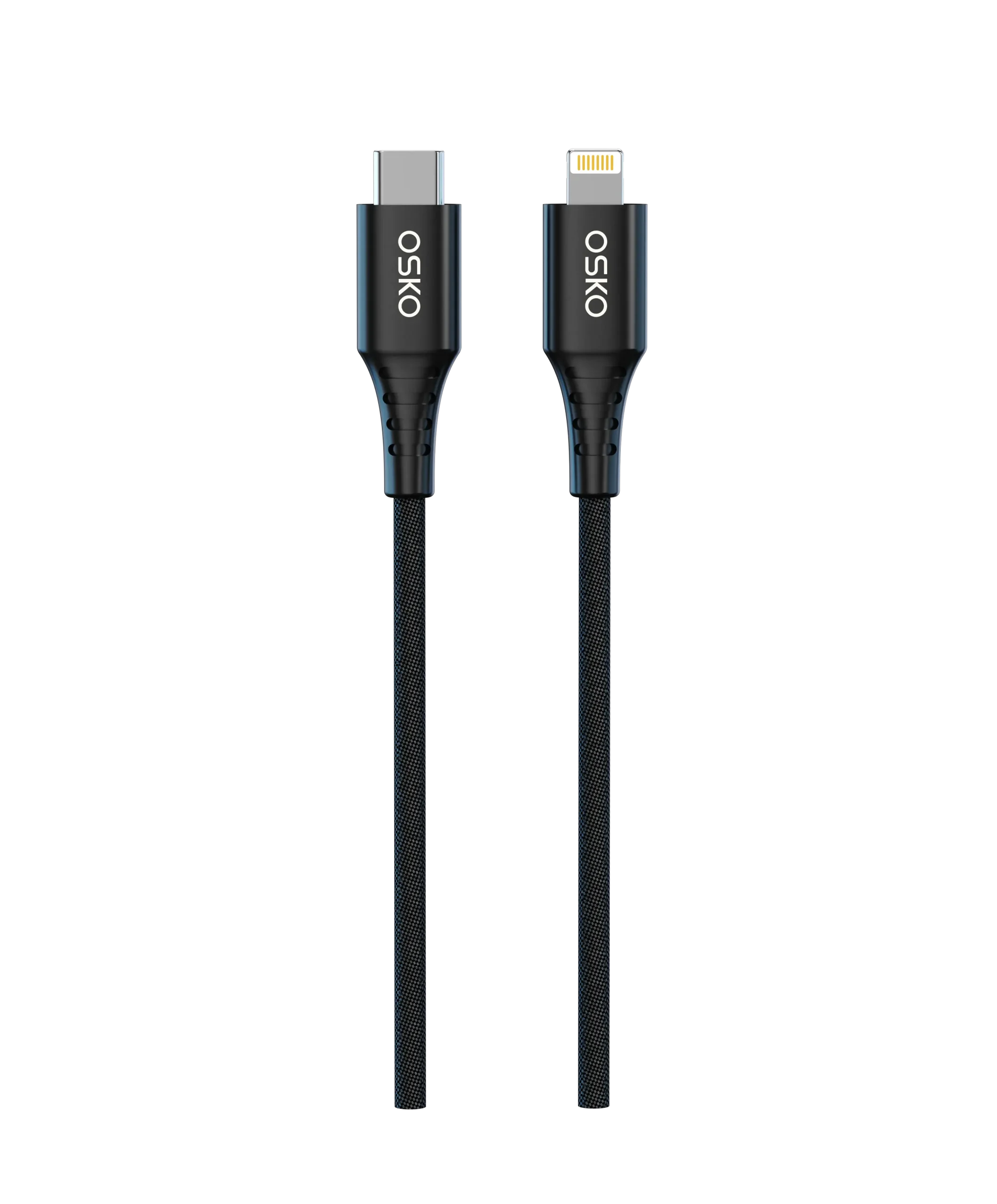
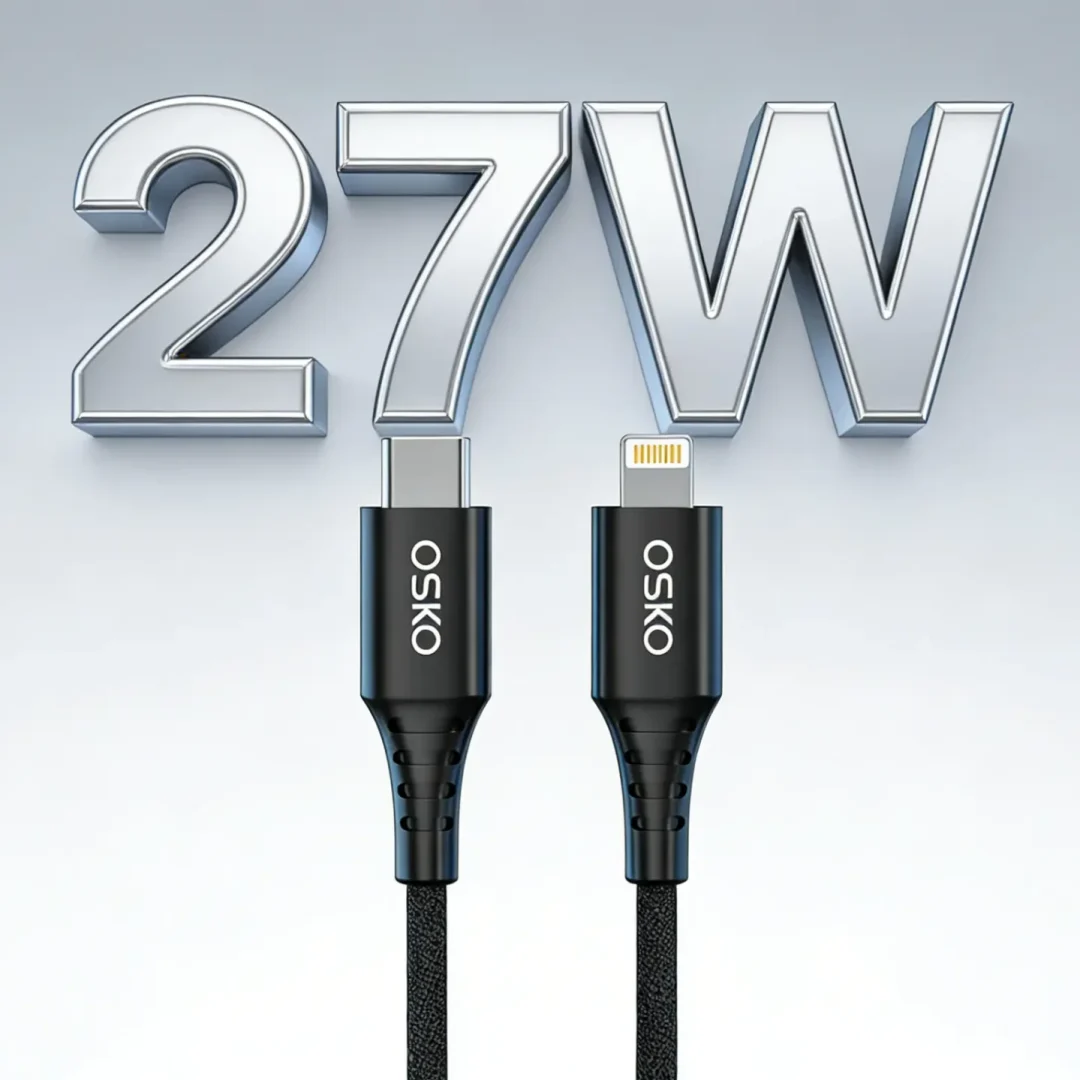
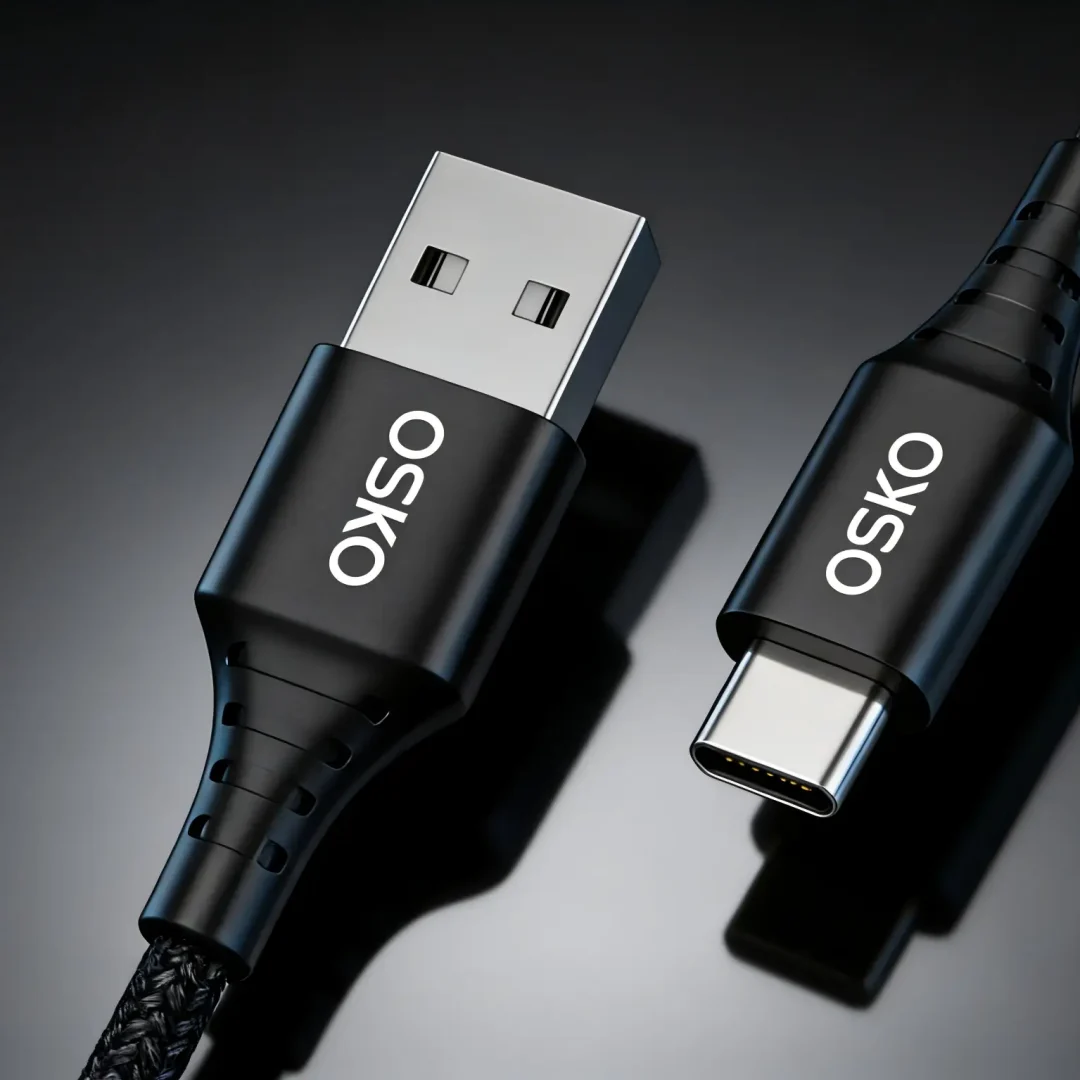
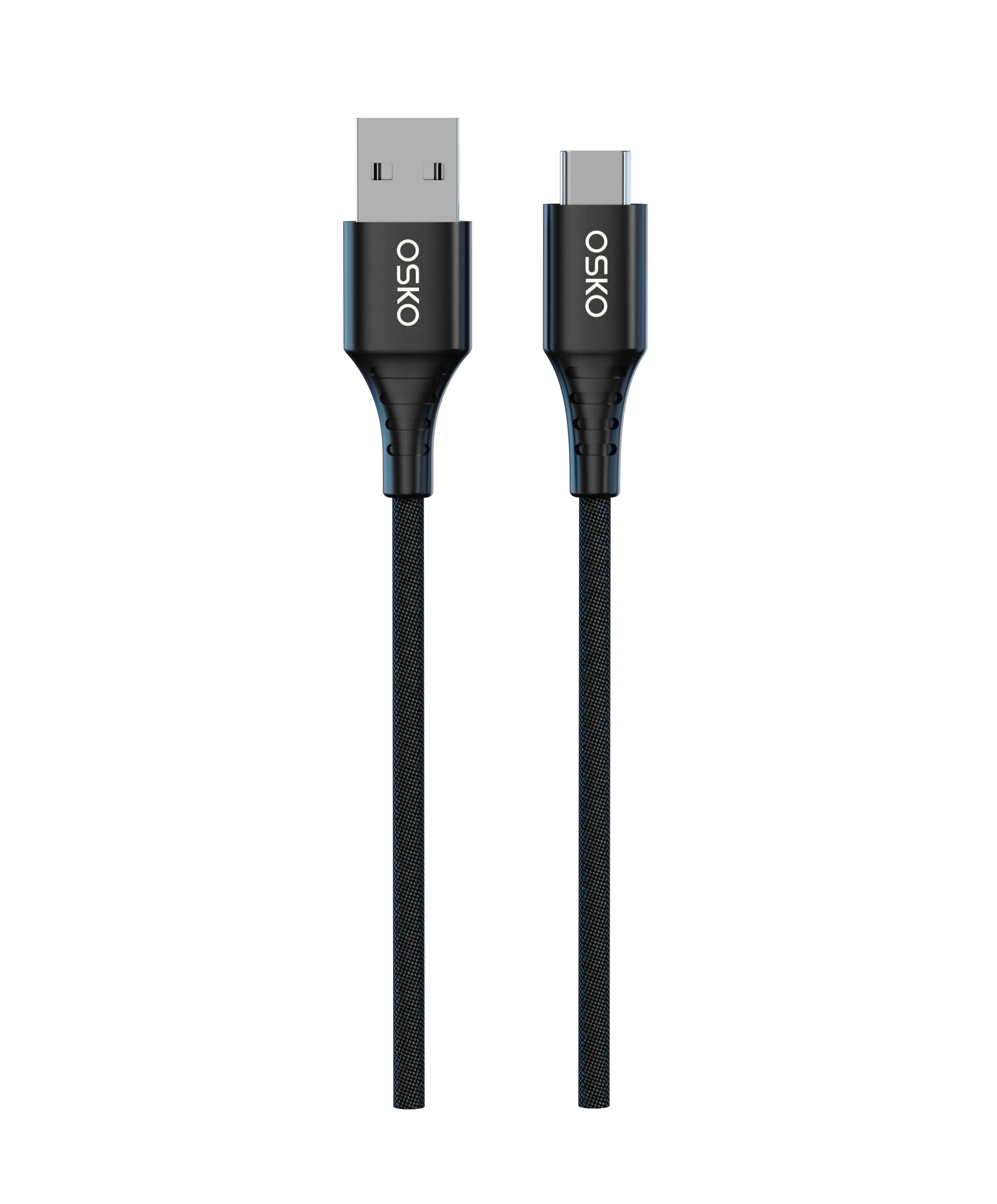
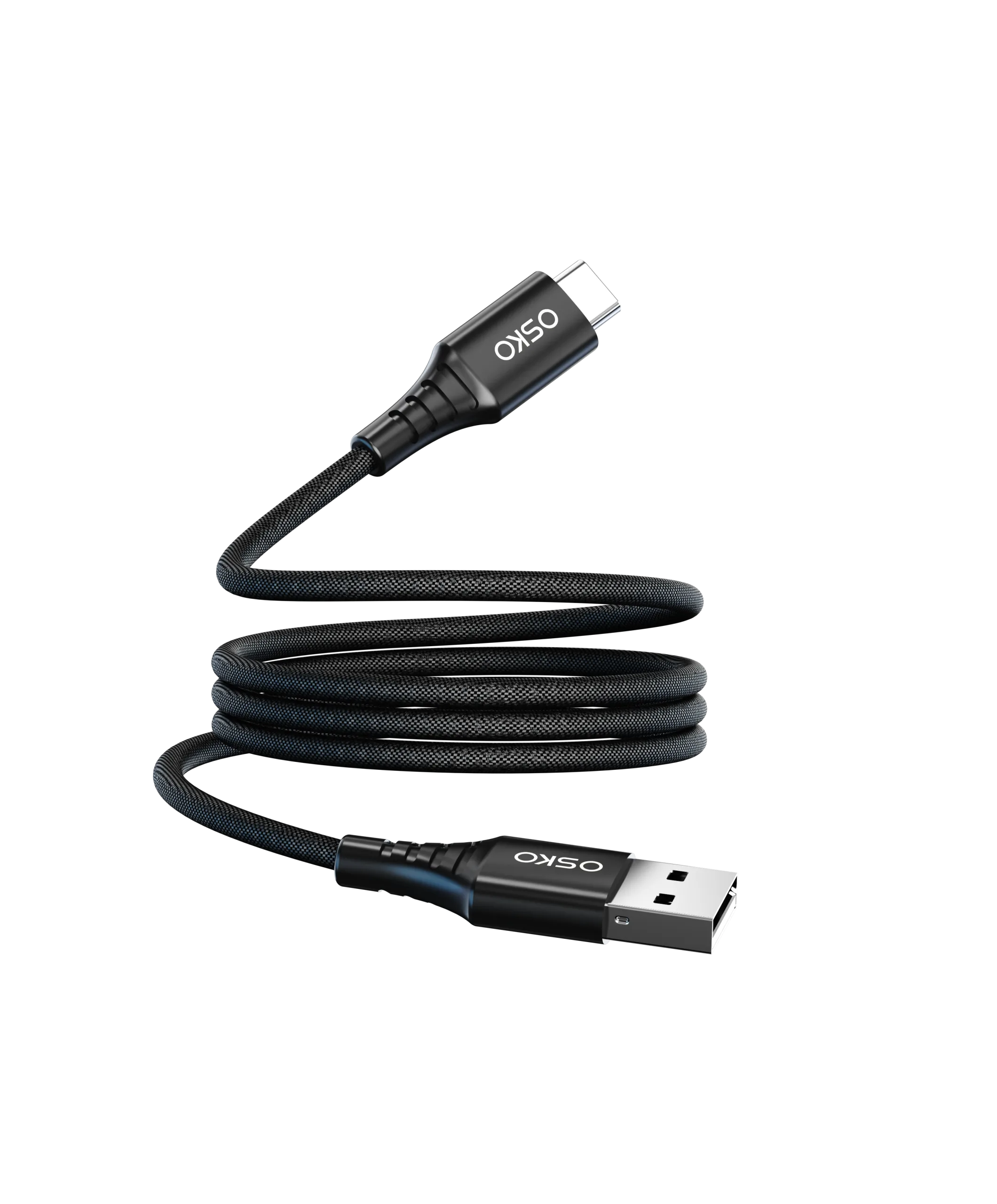
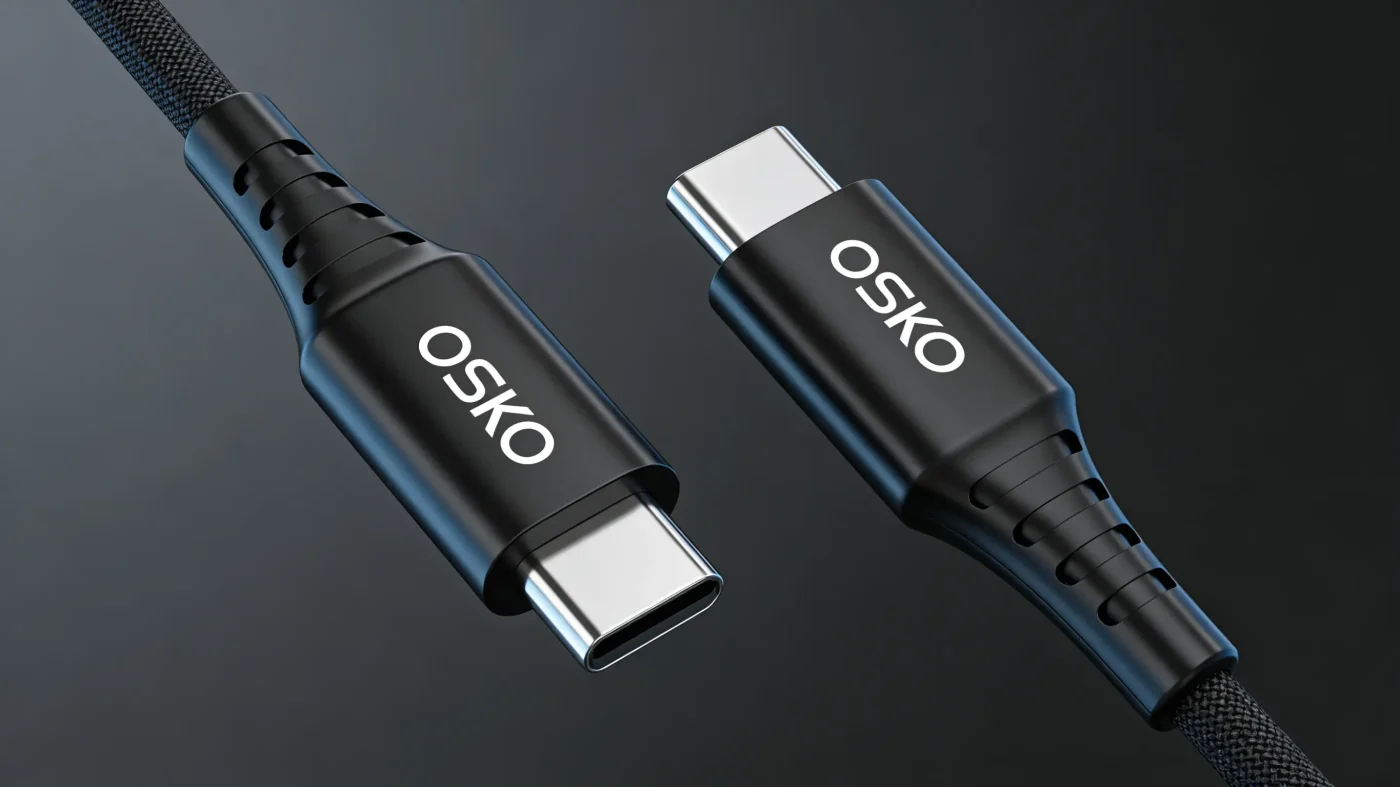
A USB-C cable is a modern universal connection cable designed for charging, data transfer, and device connectivity. It uses a reversible USB Type-C connector that can be inserted in either direction, eliminating the orientation problem found in older USB connectors.
Today, USB-C cables are widely used in:
Smartphones
Tablets
MacBook and Windows laptops
Power banks
Gaming devices
Monitors
Docking stations
Automotive systems
However, many buyers assume that all USB-C cables provide the same performance. This is incorrect.
Different USB-C cables can have significant differences in:
Charging power
Data transfer speed
Video capability
Cable durability
Internal structure
Certification level
For example:
A basic USB-C charging cable may support only standard charging.
A 100W USB-C cable can charge professional laptops.
A USB4 cable can support high-speed data and video transmission.
Therefore, choosing the correct cable requires understanding the technology behind USB-C.
For consumers, this prevents compatibility and charging issues.
For retailers, distributors, and brands, understanding USB-C specifications is ess ential when selecting a reliable USB-C cable manufacturer for OEM, ODM, and wholesale projects.
Material Science & Dielectric Properties
What Is USB-C Technology?
USB-C, also called USB Type-C, is a connector standard introduced to replace older USB-A and Micro USB connectors.
The USB-C connector features:
Reversible plug design
Compact size
Higher power capability
Faster data transfer options
Support for advanced protocols
Unlike older connectors, USB-C was designed as a universal interface for multiple functions.
A single USB-C cable can potentially support:
Charging
Data transfer
Display output
Device connection
USB-C Cable Structure Explained
A professional USB-C cable contains multiple layers.
| Cable Component | Function |
|---|---|
| USB-C connector | Physical device connection |
| Copper conductor | Transfers electrical power |
| Data wires | Enable communication |
| Shielding layer | Reduces interference |
| Insulation material | Protects internal wires |
| Outer jacket | Provides mechanical protection |
The quality of each component affects:
Charging stability
Data performance
Cable lifespan
USB-C Cable Charging Capability
One of the biggest advantages of USB-C is its support for USB Power Delivery (USB PD).
USB-C PD allows higher charging power compared with traditional USB cables.
Common power ratings include:
| Cable Rating | Typical Application |
|---|---|
| 15W–30W | Smartphones and accessories |
| 60W USB-C cable | Phones, tablets, MacBook Air |
| 100W USB-C cable | MacBook Pro and laptops |
| 140W USB-C cable | High-performance laptops |
| 240W USB-C cable | Advanced USB PD 3.1 devices |
The actual charging speed depends on:
Device + Charger + Cable
A high-power cable cannot increase charging speed if the device does not support that power level.
USB-C Cable Data Transfer Speed
Not all USB-C cables provide the same data performance.
USB-C cables may support:
| Cable Type | Data Capability |
|---|---|
| Charging-only cable | Power only |
| USB 2.0 USB-C cable | Basic data transfer |
| USB 3.x USB-C cable | Faster file transfer |
| USB4 cable | High-speed data and video |
This difference is important for users who connect:
External SSDs
Cameras
Monitors
Docking stations
A cable that only supports charging may not work correctly for data applications.
USB-C Cable Materials and Durability
Cable durability depends heavily on material selection.
Copper Conductors
Copper is responsible for electrical transmission.
High-quality copper provides:
Lower resistance
Better charging efficiency
Reduced heat generation
For high-power charging applications, cable manufacturers must optimize:
Wire diameter
Copper quality
Internal arrangement

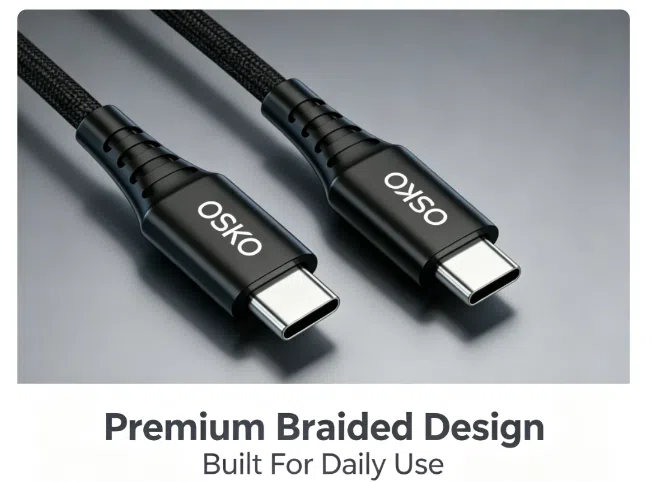
Nylon Braided USB-C Cable Design
A braided cable uses woven nylon fibers around the outer jacket.
Advantages:
Better abrasion resistance
Improved flexibility
Reduced tangling
Longer service life
Applications include:
Premium retail products
Travel USB cables
Desk charging systems
Car charging cables
Many brands select a Heavy duty braided USB-C cable manufacturer for durable consumer products.
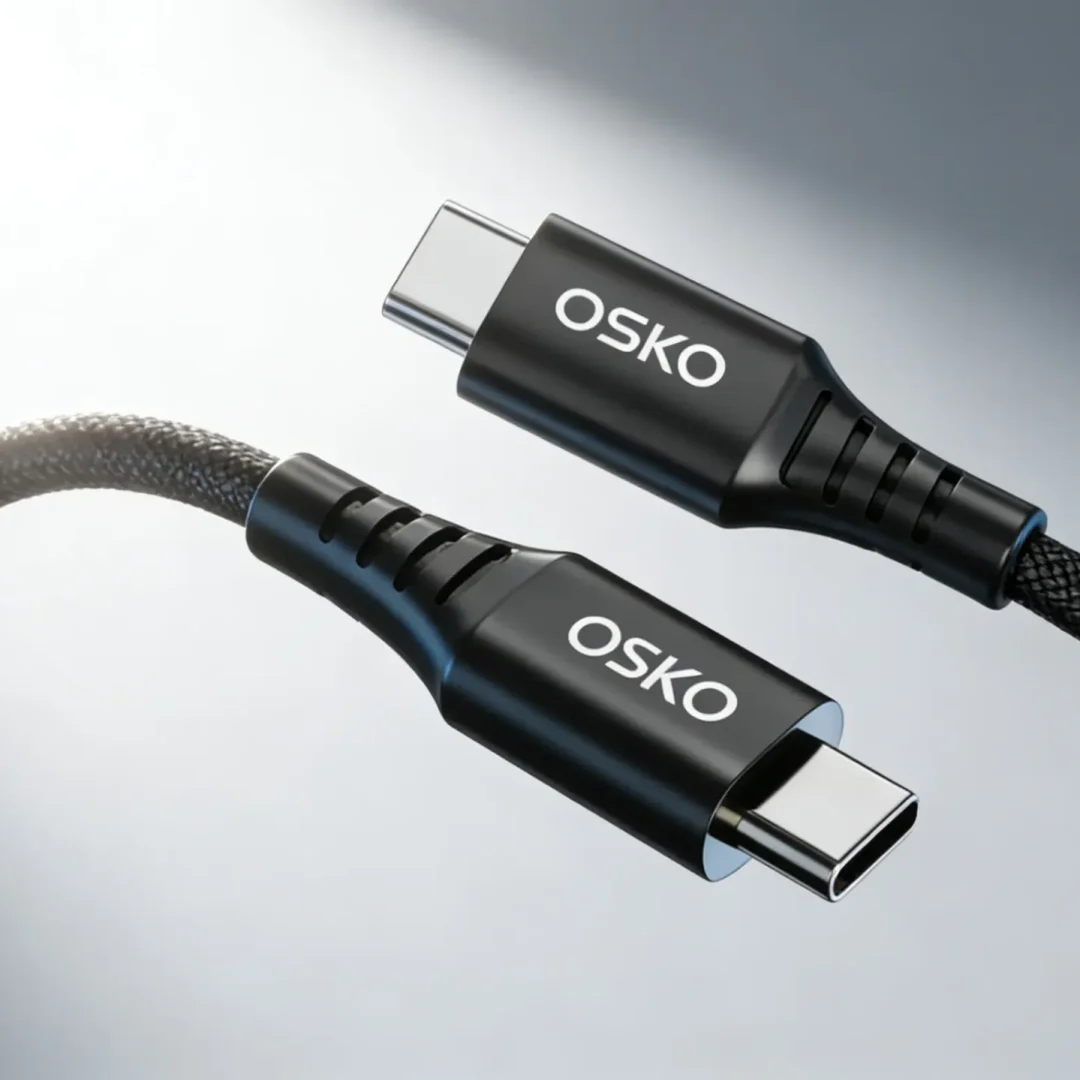
Connector Quality
The connector is one of the most stressed parts of a cable.
A durable connector should include:
Reinforced strain relief
Strong housing
Accurate pin alignment
Heat-resistant materials
Poor connector design may cause:
Loose connections
Charging interruption
Data failure
USB-C Cable Applications by Industry
USB-C cables are used across different markets.
| Industry | Application |
|---|---|
| Consumer electronics | Phone and tablet charging |
| Computer accessories | Laptop charging and docking |
| Automotive | Car charging and infotainment |
| Office equipment | Desk charging systems |
| Retail accessories | Branded charging products |
| Travel products | Portable charging solutions |
Case Study
US Electronics Brand Develops USB-C Cable Product Line for Multiple Markets
Customer Background
A North American electronics company planned to expand its charging accessory category.
Target customers included:
Smartphone users
Laptop professionals
Office workers
Travelers
The company required:
Different cable lengths
Multiple power ratings
Premium appearance
Custom packaging

Customer Challenges
Different Device Requirements
The original product line used one USB-C cable design for all devices.
Problems included:
Laptop users experienced slow charging
Customers could not identify cable differences
Product returns increased
Need for Market Segmentation
The brand needed separate solutions for:
Smartphone charging
Laptop charging
Travel use
Retail products
OSKO Solution
OSKO developed a complete USB-C cable product range.
| Product Type | Specification | Application |
|---|---|---|
| Standard USB-C cable | 60W PD | Phones and tablets |
| Premium USB-C cable | 100W PD + E-marker | Laptops |
| High-power cable | 240W PD 3.1 | Advanced devices |
| Braided cable | Nylon protection | Retail market |
The project supported:
OEM USB-C cable manufacturer
ODM USB cable supplier
USB-C cable wholesale
Bulk USB cables
Retail USB cable solutions
Selection Guide
How to Choose the Right USB-C Cable
Check Device Compatibility
Before buying, confirm:
Connector type
Charging requirement
Data requirement
Video requirement
Examples:
| Device | Recommended Cable |
|---|---|
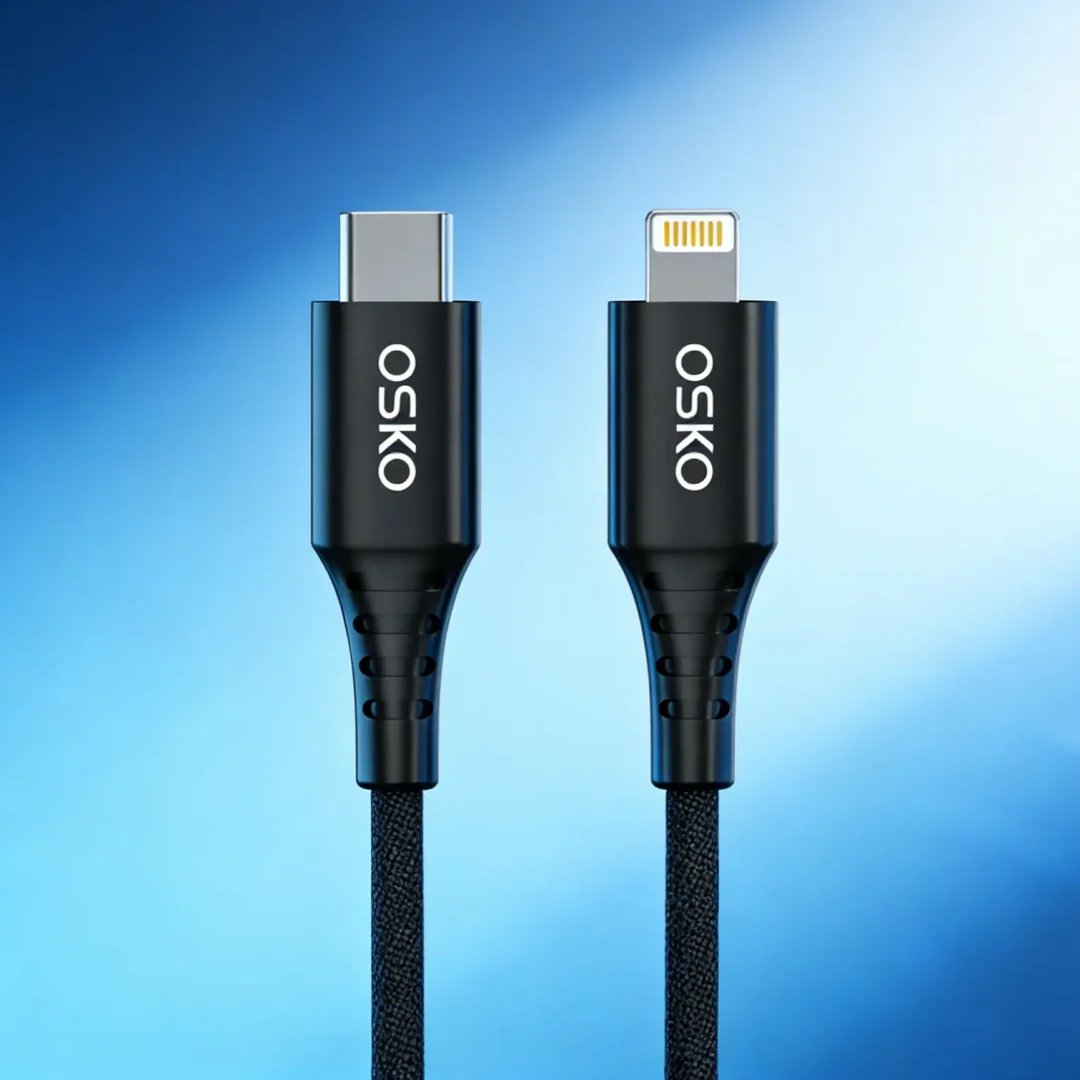
| iPhone USB-C devices | USB-C to USB-C cable |
| Android smartphones | USB-C charging cable |
| iPad | USB-C cable |
| MacBook Pro | 100W USB-C cable |
| External SSD | High-speed USB-C data cable |
Choose the Correct Power Rating
Select based on device requirements.
| Usage | Recommended Cable |
|---|---|
| Phone charging | 30W–60W cable |
| Tablet charging | 60W cable |
| Laptop charging | 100W cable |
| High-performance devices | 140W–240W cable |
Choose the Right Cable Length
| Length | Application |
|---|---|
| 1ft | Travel and power banks |
| 3ft | Daily charging |
| 6ft | Desk charging |
| 10ft | Large workspace |
Long cables require better conductor design to maintain performance.
Evaluate Certifications
Reliable USB-C cables should meet market requirements.
Common certifications include:
| Certification | Purpose |
|---|---|
| CE | European safety compliance |
| RoHS | Material compliance |
| FCC | US electromagnetic requirements |
| USB-IF | USB performance standards |
| ISO9001 | Manufacturing quality |
Professional suppliers may provide:
CE RoHS certified 240W USB C cable
FCC approved nylon braided USB C cable supplier
USB-IF compliant Type C cable manufacturer
ISO9001 certified braided USB cable factory
FAQ
Are all USB-C cables the same?
No. USB-C cables can differ in charging power, data speed, video support, and internal construction.
Can any USB-C cable charge a laptop?
No. Laptop charging usually requires higher-power cables such as 60W or 100W USB-C cables.
Is USB-C better than USB-A?
USB-C provides advantages including reversible connection, higher power capability, and support for advanced data protocols.
Does a longer USB-C cable charge slower?
A poorly designed long cable may experience voltage loss. High-quality long cables can maintain stable performance.
Why are braided USB-C cables more expensive?
Braided cables use stronger materials and additional manufacturing processes to improve durability.
Summary
A USB-C cable is more than a simple charging accessory. It is a technical product that combines power delivery, data transmission, mechanical durability, and safety requirements.
When selecting a USB-C cable, buyers should evaluate:
Device compatibility
Power rating
Data speed
Cable length
Material quality
Certification standards
For smartphones and tablets, a 60W USB-C cable is usually sufficient.
For laptops such as MacBook Pro, a 100W USB-C cable provides better charging performance.
For advanced applications, USB4 and 240W USB-C cables support higher-performance requirements.
For businesses, retailers, and distributors, working with an experienced USB-C cable manufacturer ensures reliable engineering, customization capability, and scalable production for global markets.
Contact Information
OSKO provides professional USB-C cable manufacturing solutions:
USB-C charging cables
60W / 100W / 240W USB-C cables
USB-C data cables
Nylon braided charging cables
OEM and ODM USB cable production
Private label USB-C cables
Custom length and packaging solutions